Mexico Presses Washington to Cut Section 232 Steel and Aluminum Tariffs From 50% to 10%A · FULL TRANSLATION
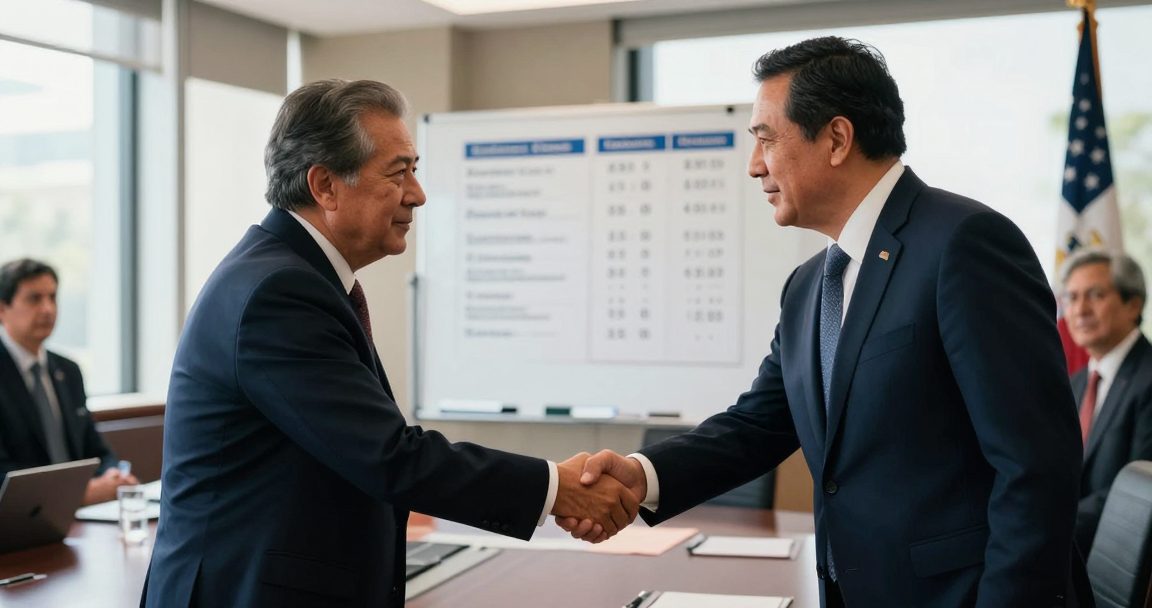
- Mexican Economy Minister Héctor Olmos successfully negotiated with the U.S. to reduce 232 tariffs on steel and aluminum from 50% to 10%.
- The agreement aims to ease trade tensions and stabilize supply chains between the two nations.
- U.S. President Biden and Mexican President Andrés Manuel López Obrador had initiated discussions on trade disputes late last year.
- The 232 clause was originally designed to protect U.S. steel industries and has been frequently used to impose high tariffs.
- The deal is expected to take effect in mid-2024, with both sides monitoring market dynamics.
Taiwan readers should pay attention to this U.S.-Mexico trade agreement because the global steel and aluminum markets are closely linked to Taiwan's manufacturing industry. The U.S. policy of imposing high tariffs on steel has already affected the costs and market strategies of Taiwanese exporters. Although this deal is targeted at Mexico, its long-term impact on international trade policies could indirectly influence Taiwan's supply chains and global market strategies. The use of the 232 clause highlights the tug-of-war between U.S. protectionism and free trade. Taiwanese companies must continue to monitor such policy changes and proactively assess risks and opportunities. Moreover, the U.S.-Mexico deal reflects the reality of international trade negotiations: even with disagreements, both sides tend to seek consensus through dialogue and compromise. This offers important lessons for Taiwan as it seeks international trade cooperation. Taiwanese businesses and government agencies should learn how to maintain competitiveness in a complex global environment through communication and strategic adjustments.
Mexican Economy Minister Héctor Olmos has reached an agreement with the United States to reduce the 232 additional tariffs on steel and aluminum products from 50% to 10%. This move aims to ease trade tensions between the two countries and stabilize their industrial supply chains. The agreement follows discussions initiated between U.S. President Joe Biden and Mexican President Andrés Manuel López Obrador at the end of last year, where both sides agreed to resolve trade disputes through negotiation. The 232 clause was originally designed to protect the U.S. steel industry and has been frequently used to impose high tariffs in recent years, creating global trade uncertainty. The deal is expected to take effect in mid-2024, with both nations continuing to monitor market dynamics to ensure the agreement benefits industries and consumers alike. This development also highlights Mexico's proactive stance in international trade negotiations, strengthening its economic partnership with the U.S.