Japan Plans to Cut Food Sales Tax to 1% for Two Years From April 2027
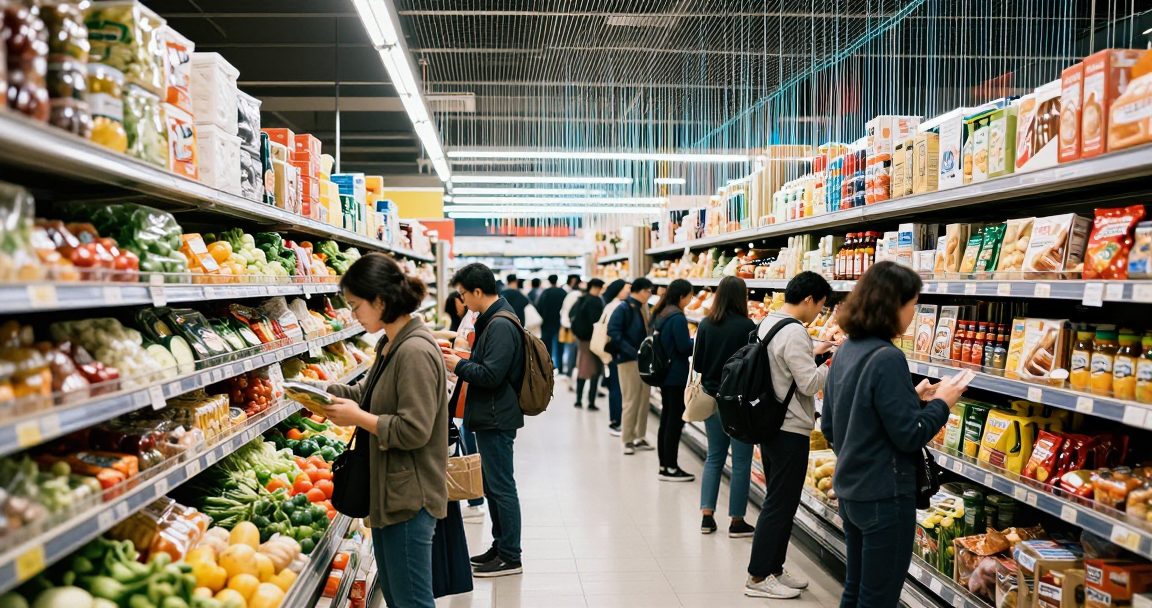
- The Japanese government aims to lower the sales tax on food items to 1% starting April 2024.
- The tax cut is expected to last for two years to stabilize living costs and prices.
- The Liberal Democratic Party has entrusted the tax policy decision to Chairman Onodera.
- The government plans to finalize the policy in a cabinet meeting on the 5th.
- The move will impact tax structures and operations in the retail and food sectors.
Japan's cabinet is expected to approve on August 5 a plan to cut the consumption tax on food from the current reduced rate of 8% to 1%, effective April 2027 for two years. The LDP's joint meeting has handed the details to tax commission chief Onodera.
Context matters: the rate went 3% in 1989, 5% in 1997, 8% in 2014, 10% in 2019 with an 8% food carve-out. In 37 years it has only gone up. This would be the first cut — and it is explicitly temporary, meaning a reverse shock when the rate returns in April 2029.
The contradiction landed in the same week. Tokyo is spending trillions of yen defending the currency while preparing a tax cut that widens the fiscal gap. Bond-funded relief pressures the yen and long-term yields, working against the intervention. How the funding clause is written will decide whether markets read this as relief or as credibility spent on approval ratings.
For readers: shoppers and residents gain from April 2027, though retail prices rarely fall by the full margin; food retail, convenience store and restaurant stocks are the direct beneficiaries; and anyone running cross-border food commerce should schedule system and pricing changes for both 2027 and 2029.