Kumamoto Earthquake Reveals Semiconductor Industry's Resilience
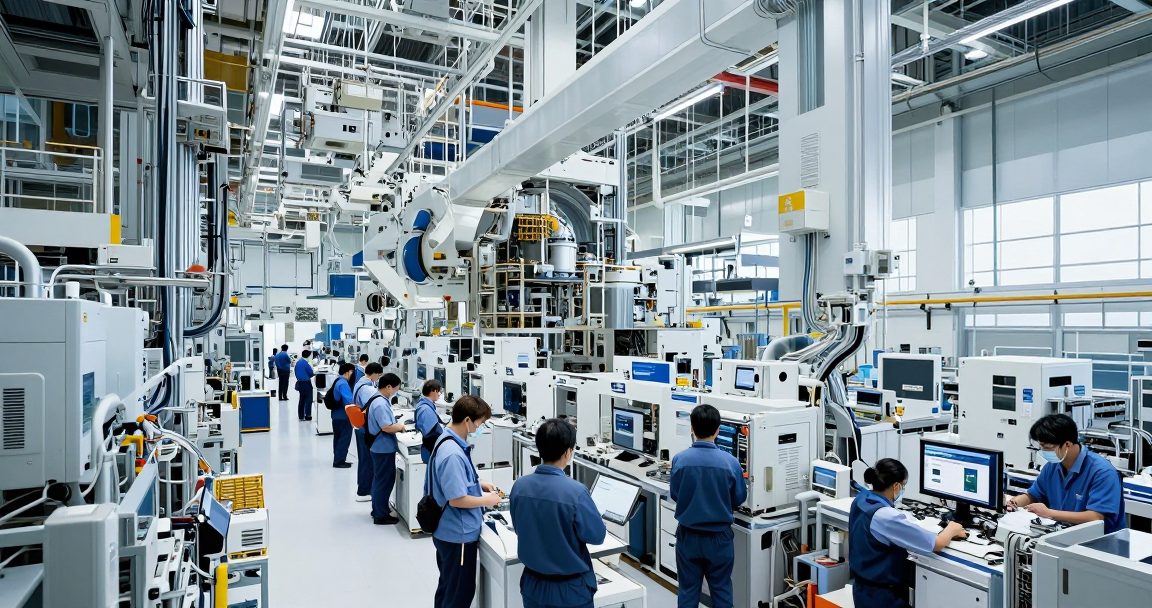
- The 2016 Kumamoto Earthquake, reaching intensity 7, directly impacted Japan's semiconductor supply chain.
- Semiconductor factories have evolved with improved seismic defenses and faster recovery capabilities.
- Compared to past incidents, equipment and response mechanisms now show significant upgrades.
- Challenges remain in managing long-term risks in earthquake-prone regions.
- Japan's semiconductor industry is reinforcing resilience amid frequent seismic activity.
Kumamoto matters to Taiwanese readers because it is where Taiwan's chip industry planted its Japanese flag. After the magnitude-7-intensity quake of July 28, the useful question is not whether fabs broke, but why they restarted within days.
The facts: nearly 400 aftershocks of intensity 1 or above in a week; 38 deaths including suspected disaster-related fatalities as of August 4; several major manufacturers in Kyushu halted lines, with some output now resumed. The government is drawing on reserve budget funds and pushing water and portable cooling into the region.
The recovery speed reflects two decades of forced learning — from Kobe in 1995, Tohoku in 2011 and Kumamoto in 2016 — through base isolation, equipment anchoring, and rapid shutdown and restart procedures for specialty gas and ultrapure water lines. The unresolved problem is upstream: materials suppliers, packaging and port logistics decide whether product actually ships.
Three paths: a clean restart that global supply barely notices; continued aftershocks that push customers to activate second sources, with orders not returning; or rebuilding and insurance costs raising Japanese manufacturing's fixed cost base over time.
Note honestly: the source discusses industry-wide resilience and names no individual company's damage. Company-specific status should come from each firm's own disclosure.