Tokyo Curry 2026: Ten Shops From Japan's Oldest Indian Restaurant (1949) and Jimbocho's Original Yofu Curry to a 70x Heat Scale and Taiwanese Braised Pork
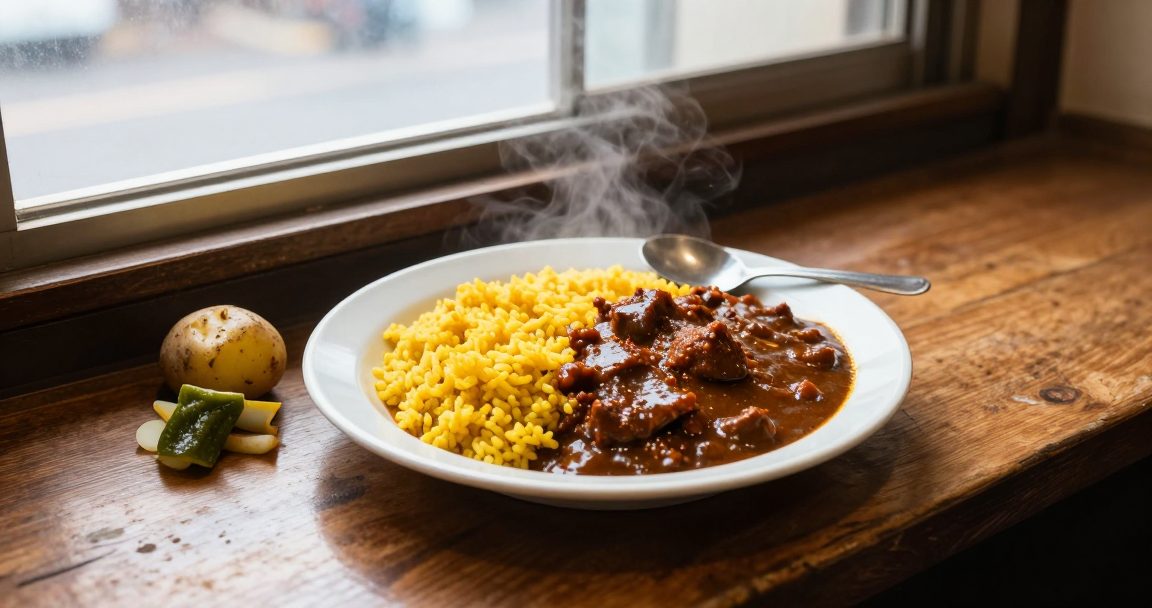
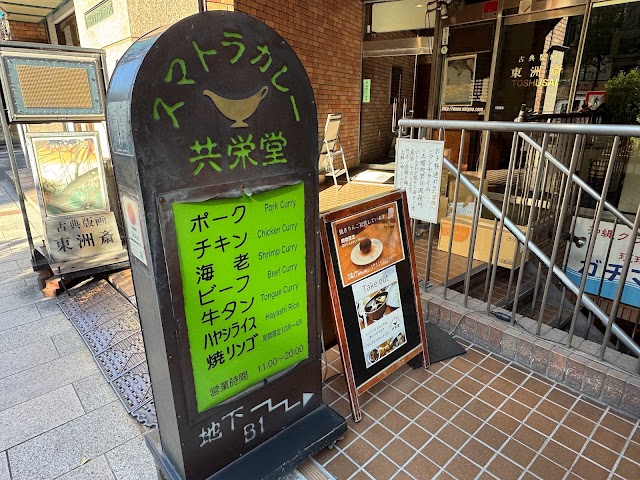
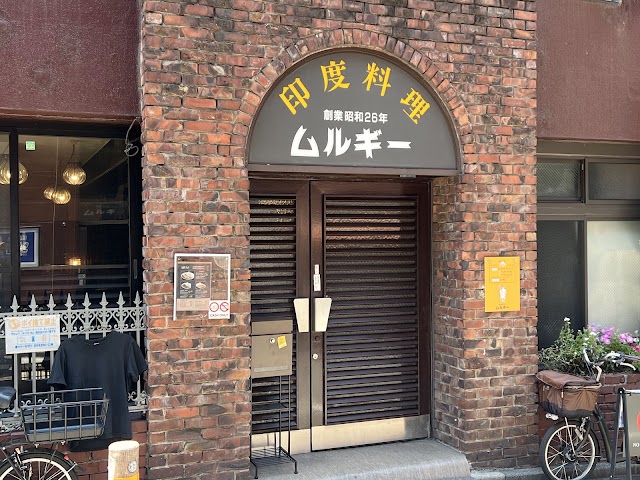
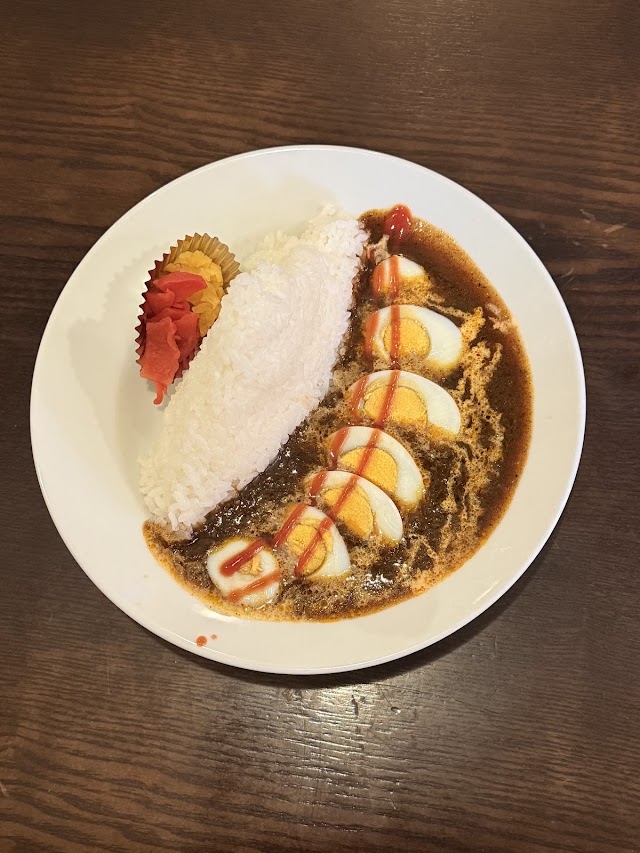
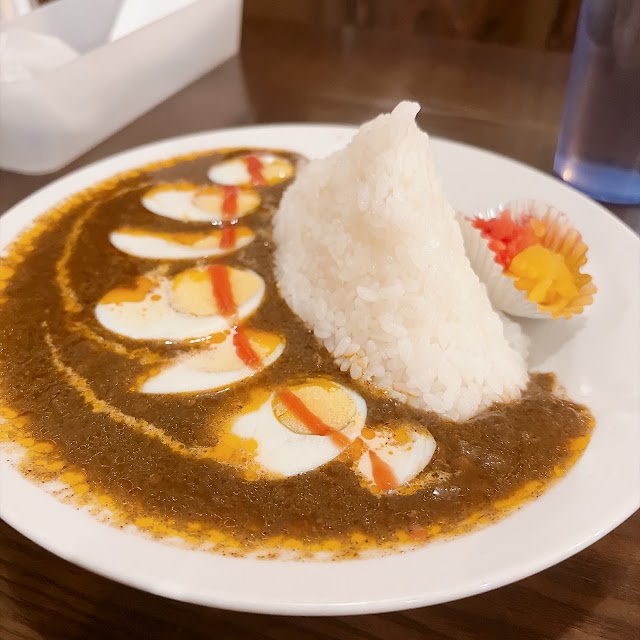
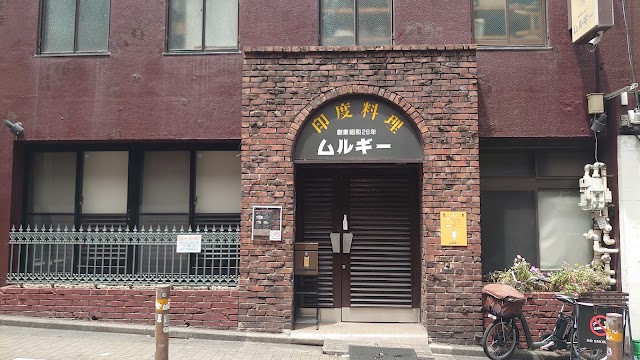
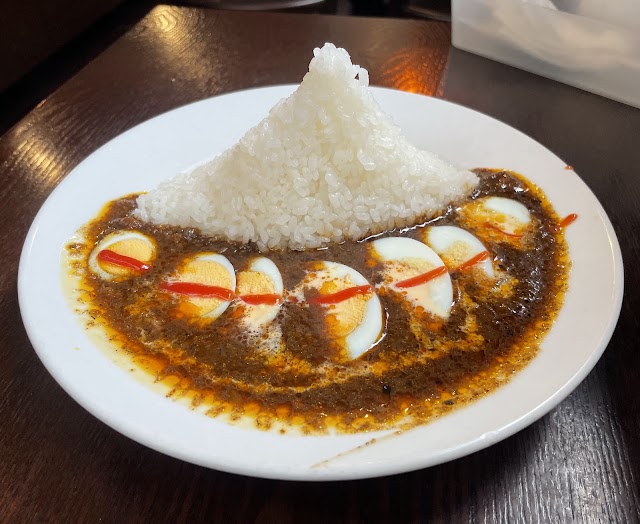
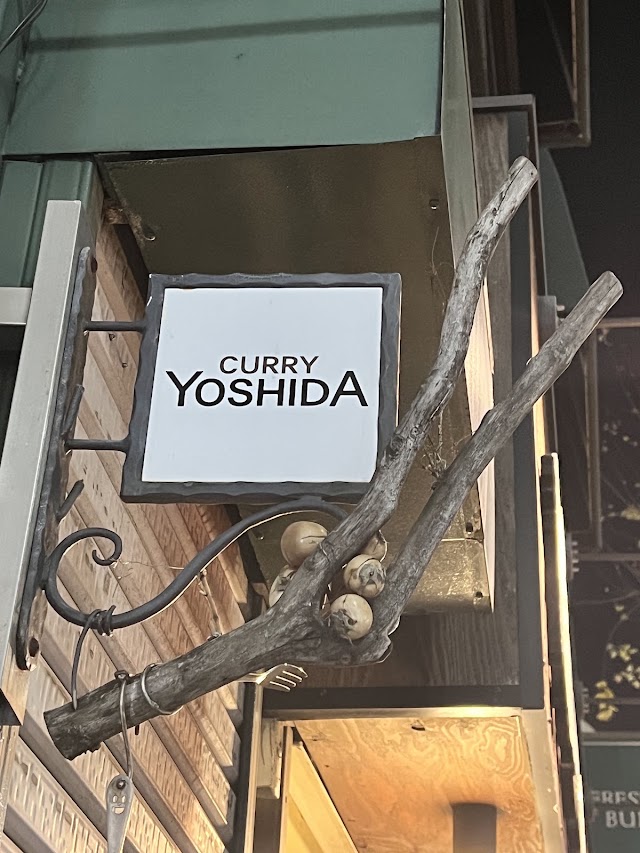
- Three bloodlines in one guide: (1) Jimbocho yofu curry — Bondy (1973, coined the term 'yofu curry'), Gavial (thirty-plus years of continuously replenished sauce), Sumatra Curry Kyoeido (Japan's only Sumatran-style curry, founded in the late Taisho era); (2) the postwar Indian line — Nair's Restaurant Ginza (1949, Japan's oldest surviving Indian restaurant), Delhi Ueno (Feb 1956, Kashmir curry), Murugi in Shibuya-Shinsen (the mountain-shaped rice plate); (3) heat and modern spice — Ethiopia Jimbocho (0x-70x heat ladder), Roka Okubo (Tabelog Award 2026 Bronze, braised pork x curry), Kalpasi Chitose-Funabashi (South Indian), Yoshida Curry Ogikubo (black curry)
- Jimbocho is Tokyo's densest curry street: it starts with Bondy in 1973, and more than ten of the hundred shops on Tabelog's Curry TOKYO 100 (2026) are in the Jimbocho-Ogawamachi area
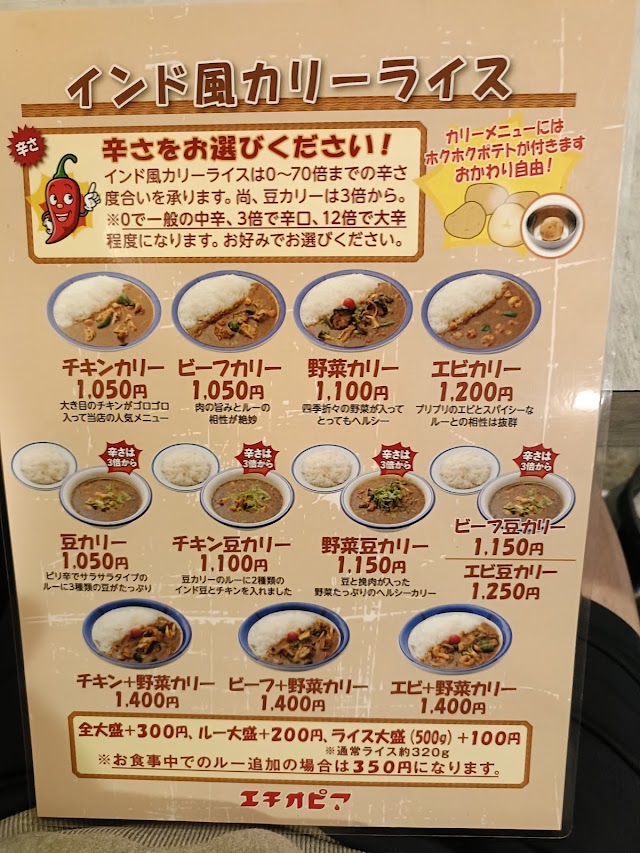
- Heat is chosen at the counter and cannot be lowered afterward: Ethiopia runs 0x to 70x (start at 3x); Delhi's Kashmir curry is fixed and fierce — order korma instead if you are heat-averse
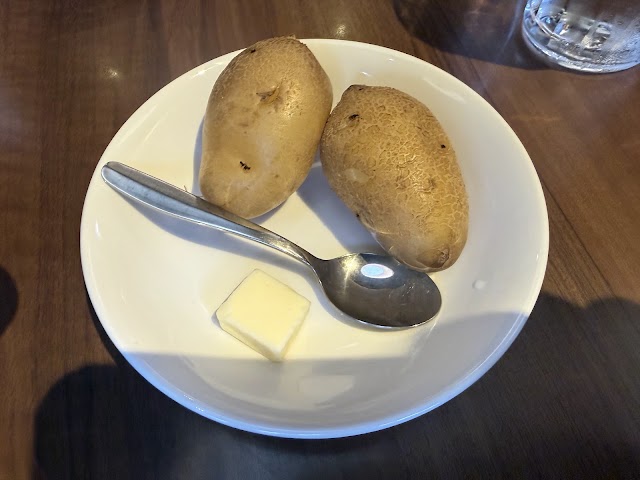
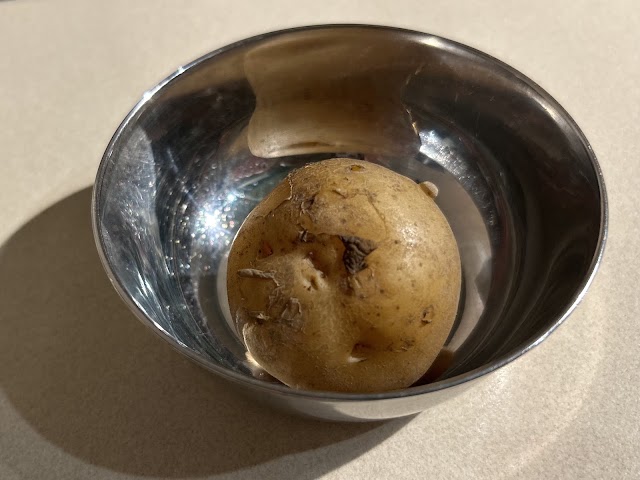
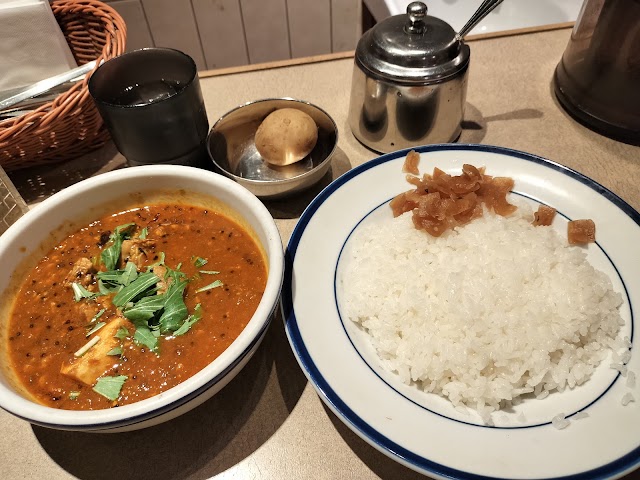
- Ordering and queueing: lunch-only, sold-out-and-closed, almost no reservations; Roka runs a same-day sign-in sheet and shuts Friday-Sunday and holidays, so plan it as a weekday lunch. The boiled potato with yofu curry is there to line your stomach and cut the heat
- Summer logic: Tokyo in August is hot and humid, and spice is the most direct answer to natsubate (summer fatigue) — which is why these shops still have lines in the heat
Most visitors know Japanese curry as the sweet, thick roux sold in supermarket blocks. Tokyo's curry specialists are a different world, and the city runs three separate bloodlines you can taste in a single day.
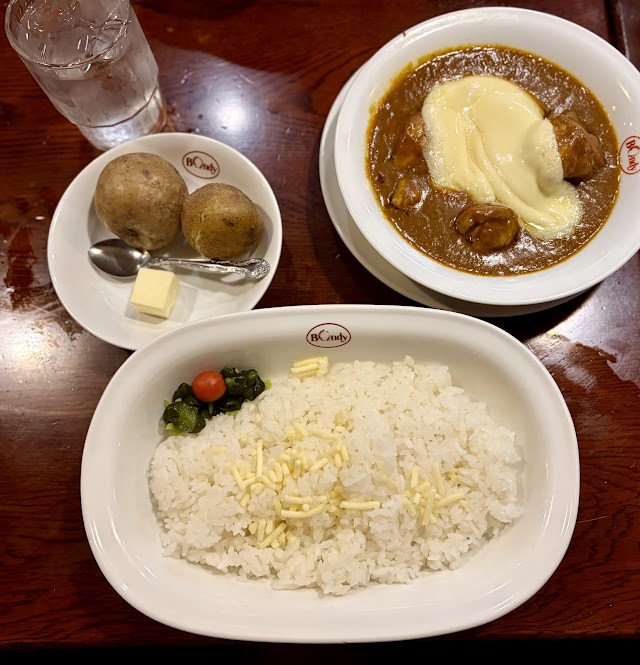
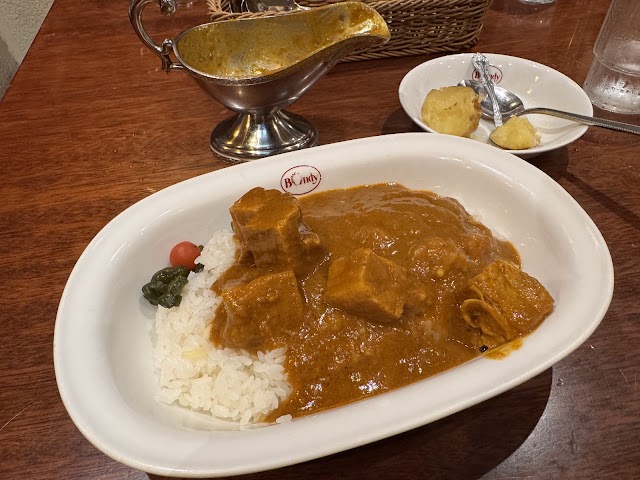
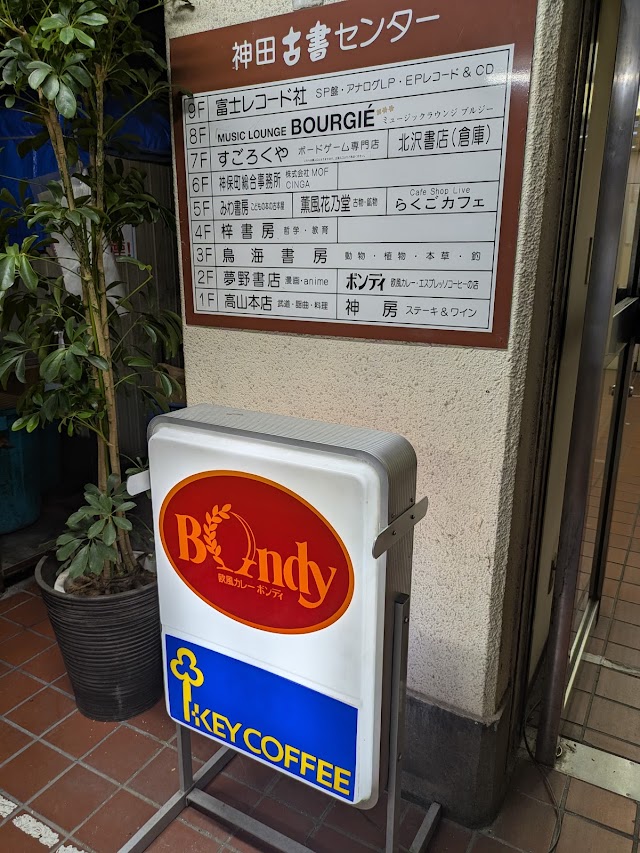
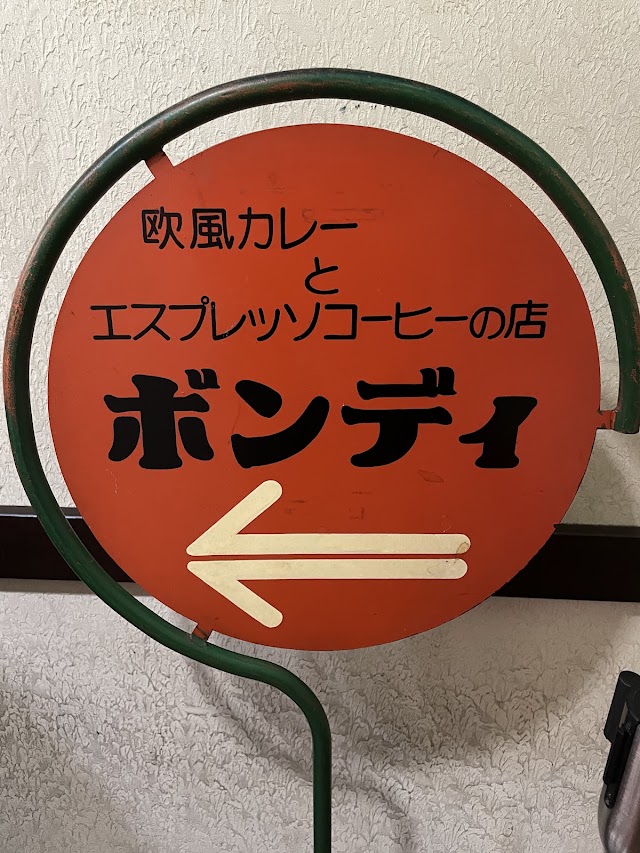
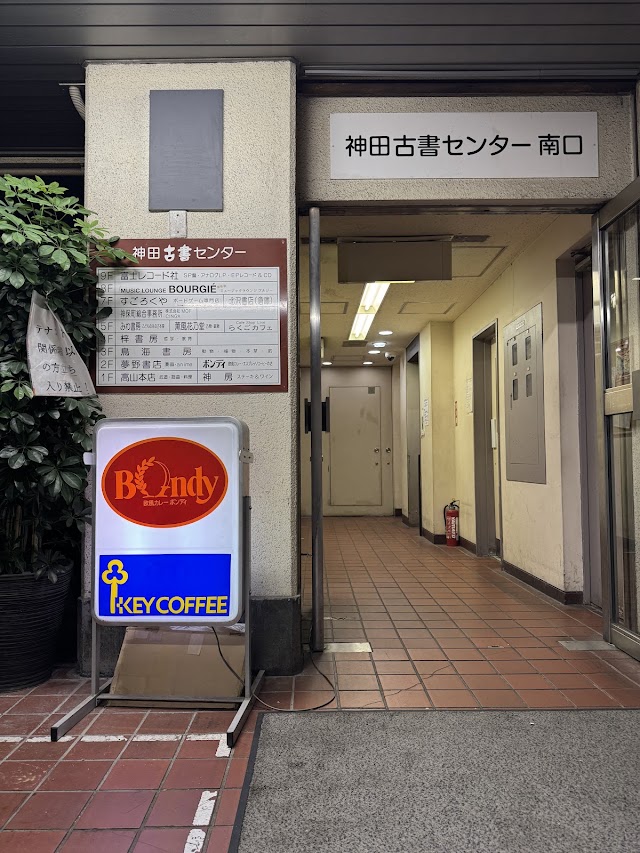
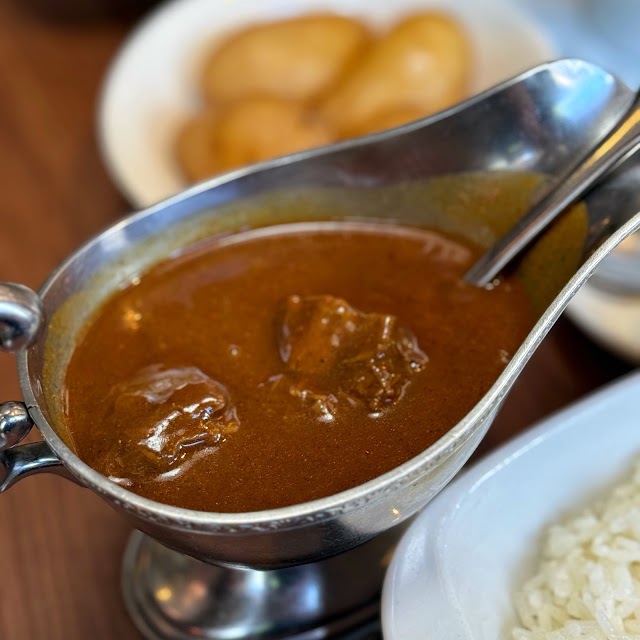
First, yofu (European-style) curry. The term was coined in 1973 by Koichi Murata at Bondy in Jimbocho, who brought French sauce technique into curry: butter, onion and apple cooked down into an amber sauce thick enough to cling to a spoon. Dozens of curry shops followed on the same street, and Jimbocho remains the densest curry district in Tokyo — more than ten of the hundred shops on Tabelog's Curry TOKYO 100 for 2026 sit in or beside it.
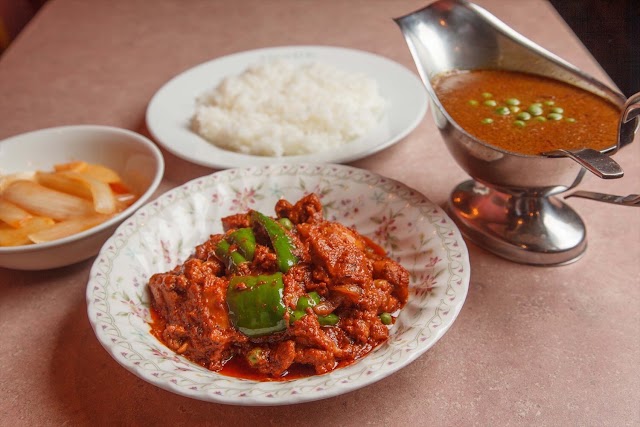
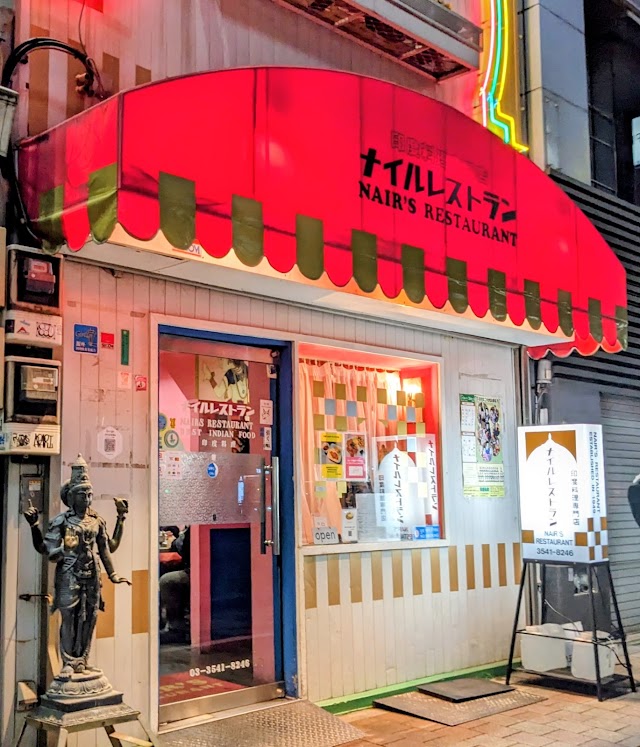
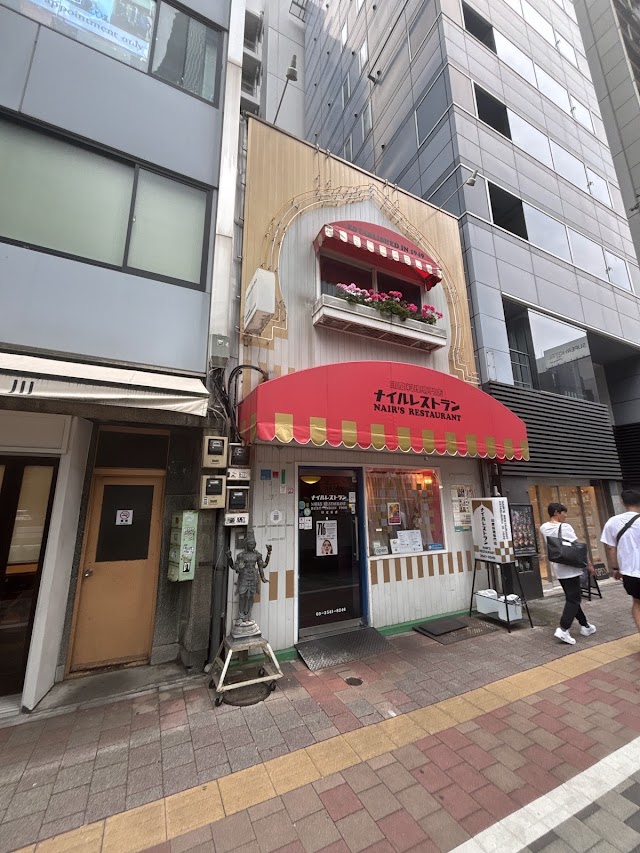
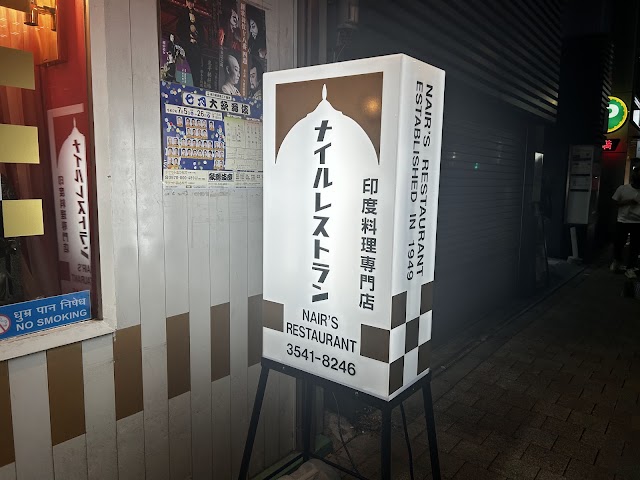
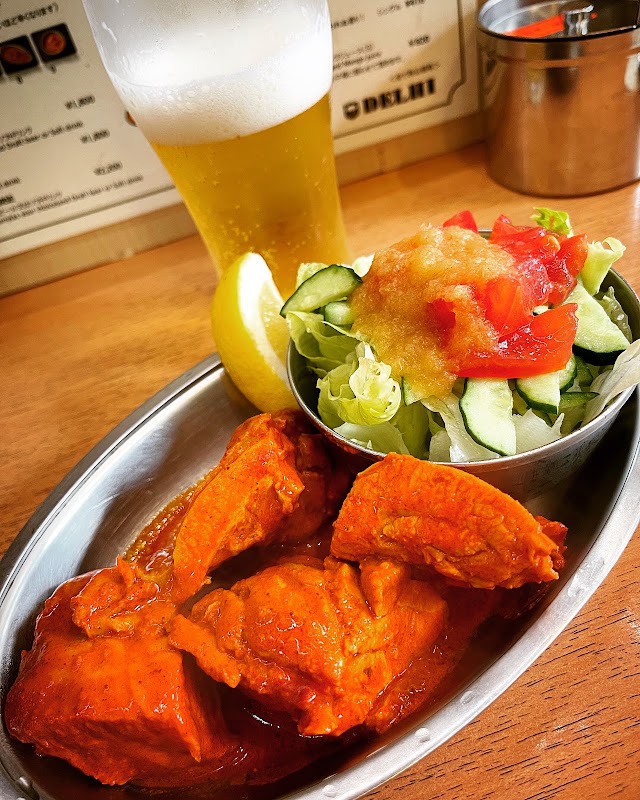
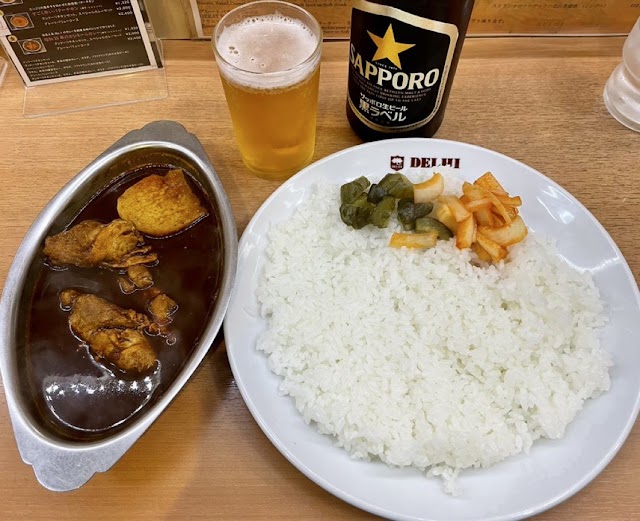
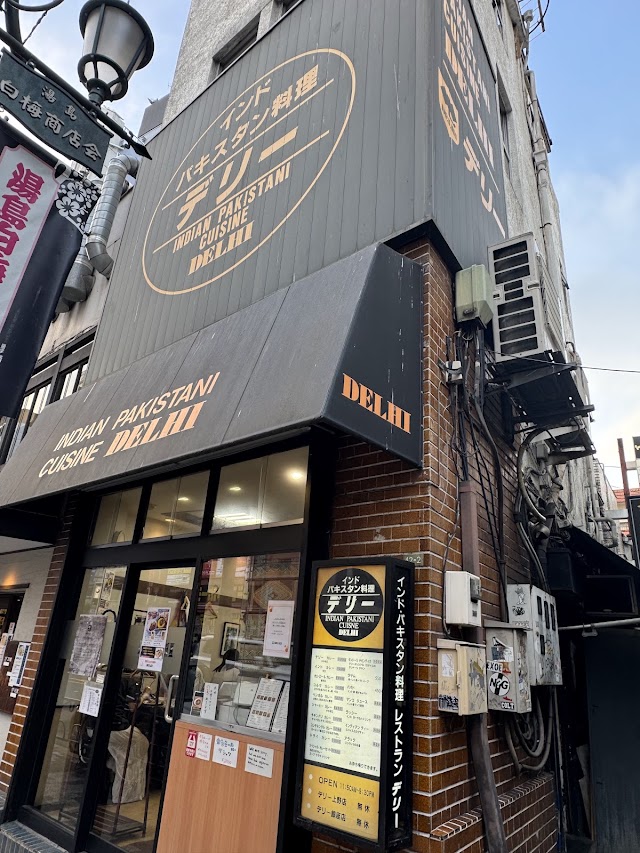
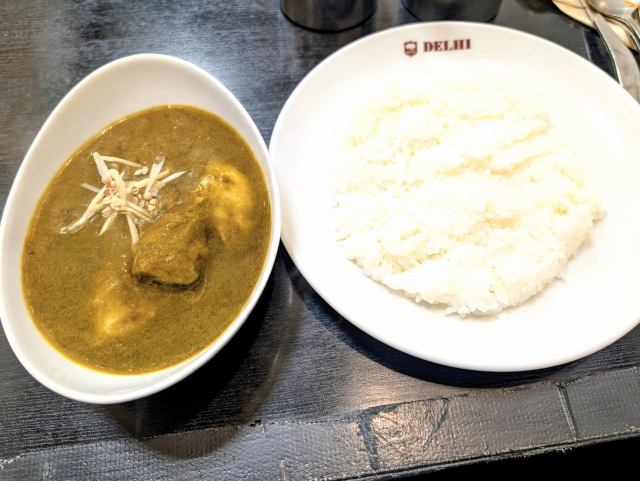
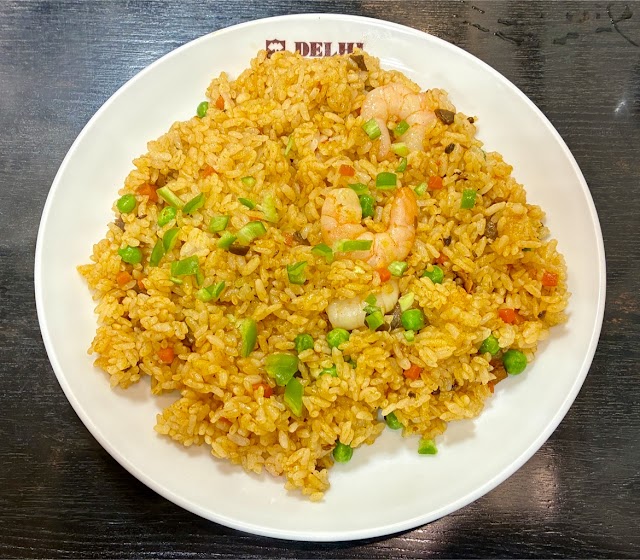
Second, the postwar Indian line. In 1949 A.M. Nair, who had taken part in India's independence movement, opened Nair's Restaurant in Ginza — the oldest surviving Indian restaurant in Japan. In February 1956 Delhi opened in Ueno with Kashmir curry: soup-thin, ink-black, ferociously hot, and unchanged for seventy years.
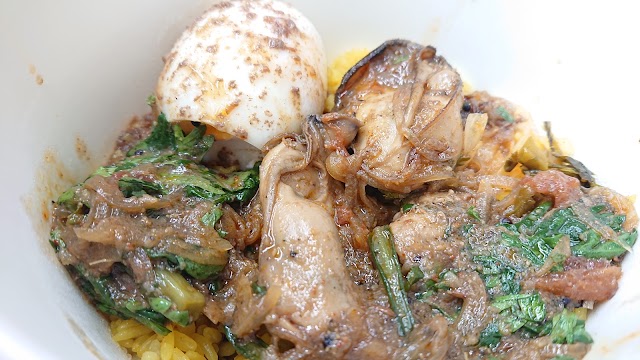
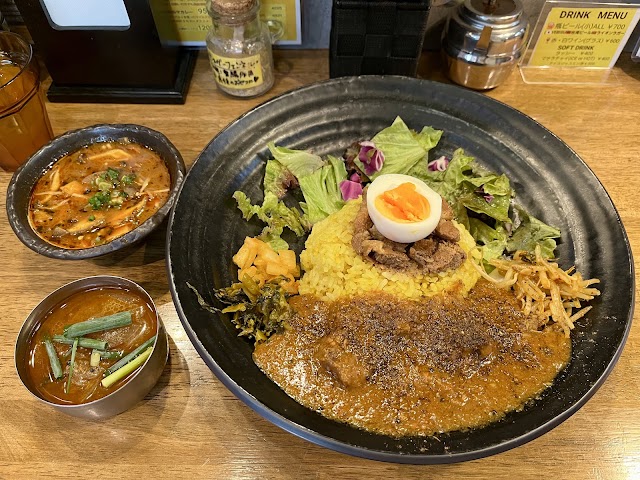
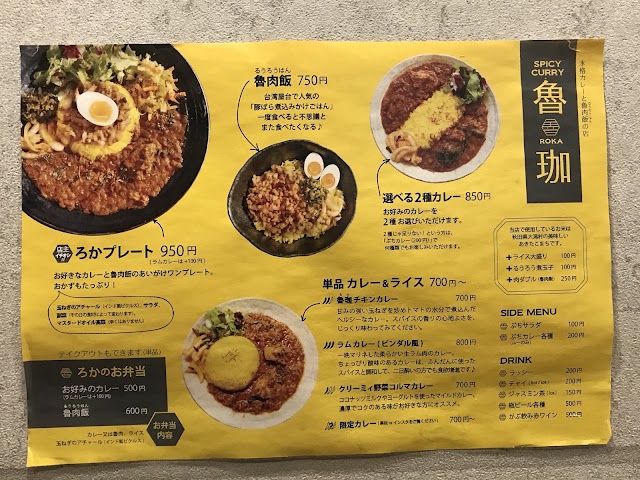
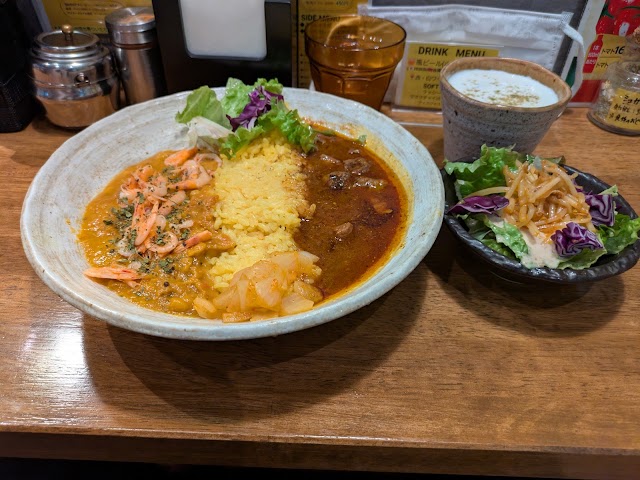
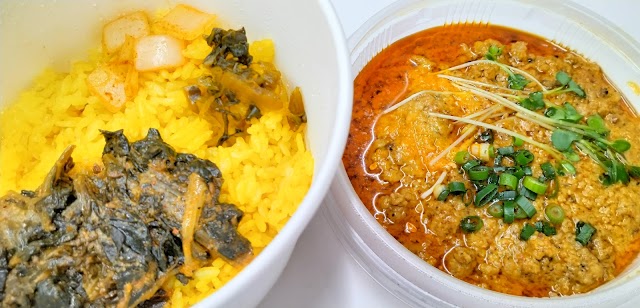
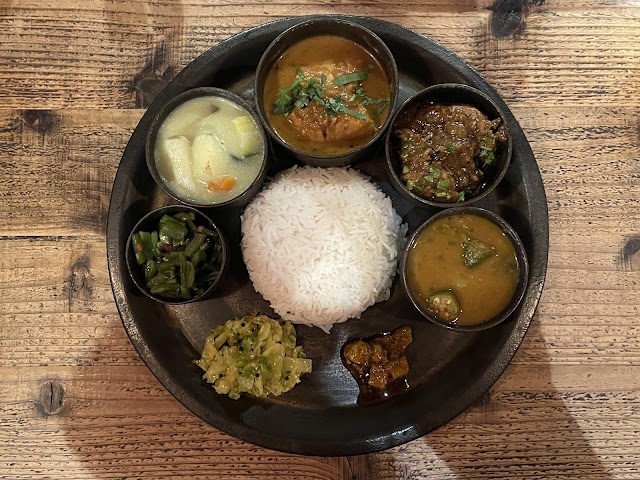
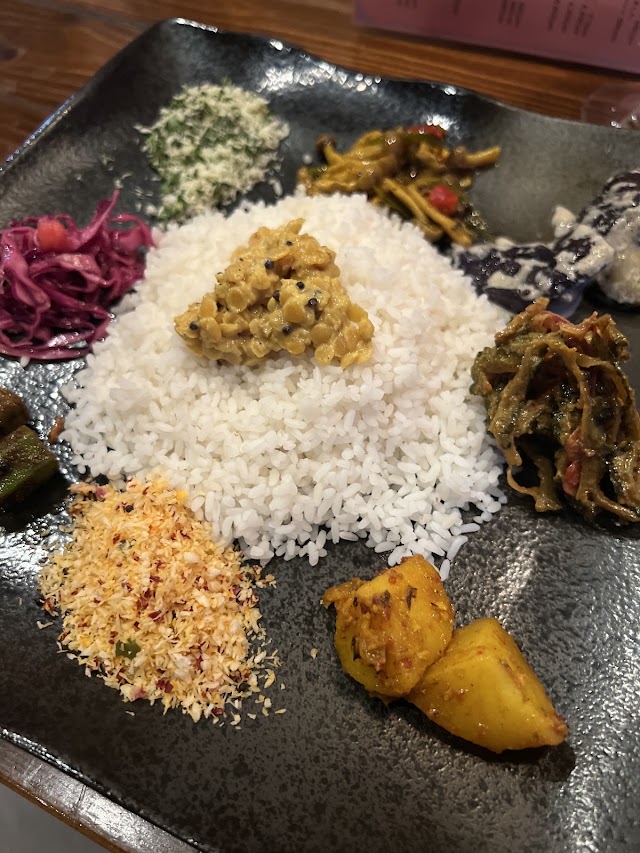
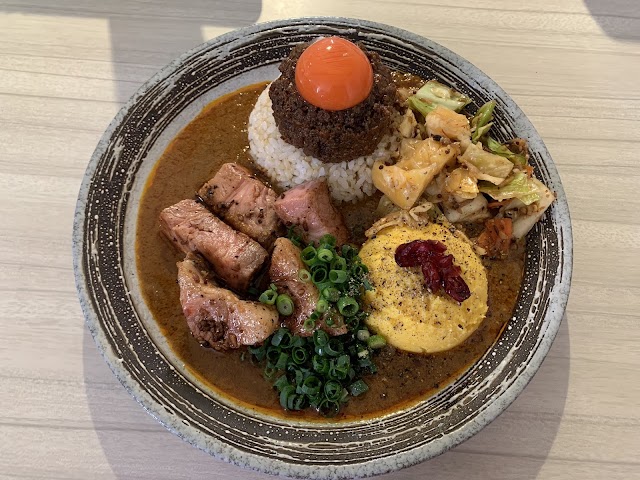
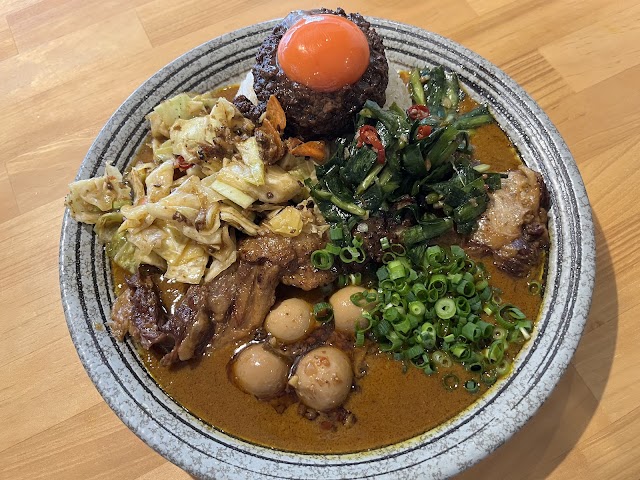
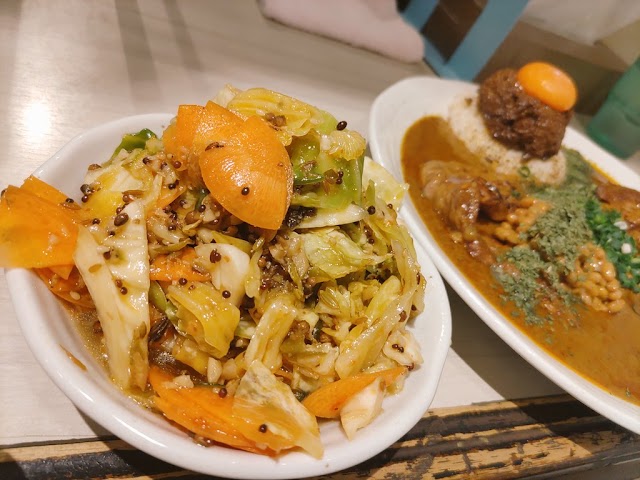
Third, the spice-curry wave that came up from Osaka in the 2010s — two or three curries plus sides on one plate, mixed to your own ratio. Roka in Okubo is its flagship, and it puts Taiwanese braised pork (lu rou) on the plate beside the curry.
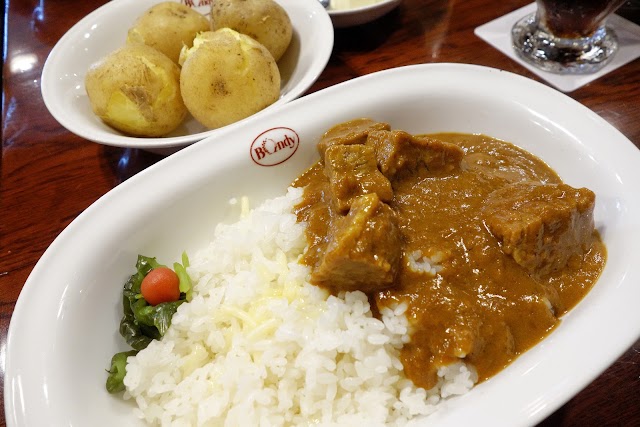
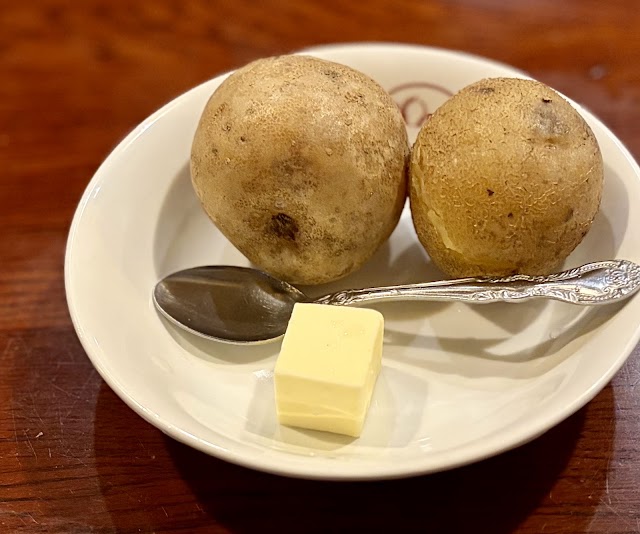
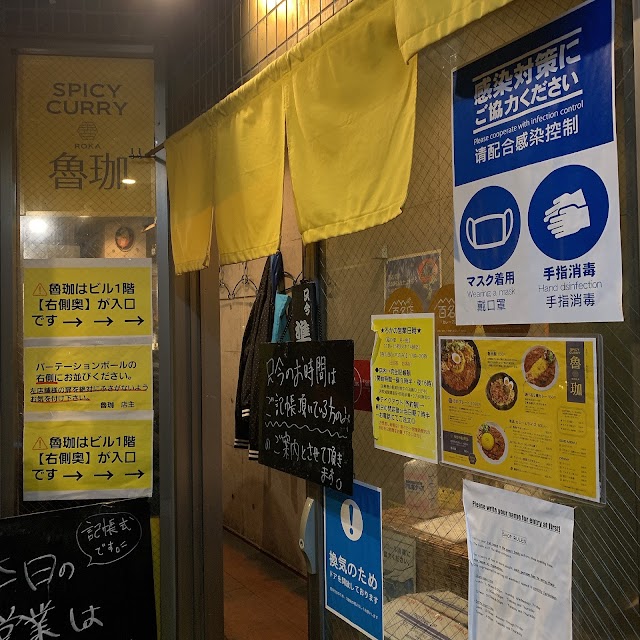
Three ordering notes. Heat is your choice and it is irreversible: Ethiopia in Jimbocho runs 0x to 70x, and 3x is already sharp for a first-timer. Most of these shops are lunch-only, sell out, and take no reservations; Roka uses a same-day sign-in sheet and closes Friday through Sunday and holidays, so it has to be a weekday lunch. And the boiled potato served with yofu curry is not garnish — it is there to line your stomach and to douse the heat.
Why curry in August? At 35C and near-70% humidity, spice is the most effective appetite cure Tokyo has. The Japanese call the summer slump natsubate, and the standard answer has always been heat and aroma.
Tokyo curry is not one dish but three systems that landed in different decades and barely talk to each other. Eat two or three shops from each line and your picture of Japanese curry changes completely.
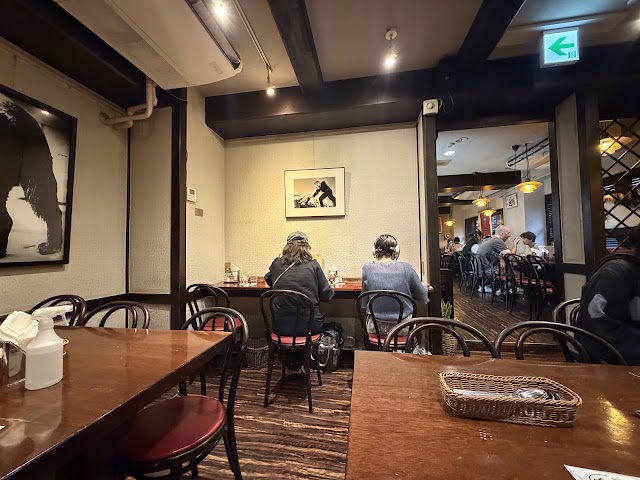
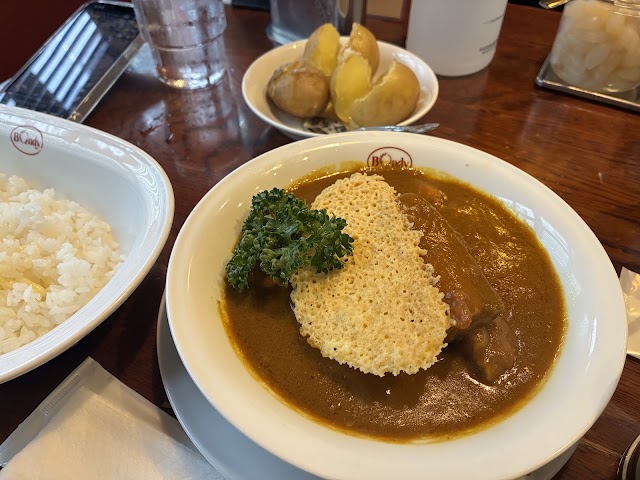
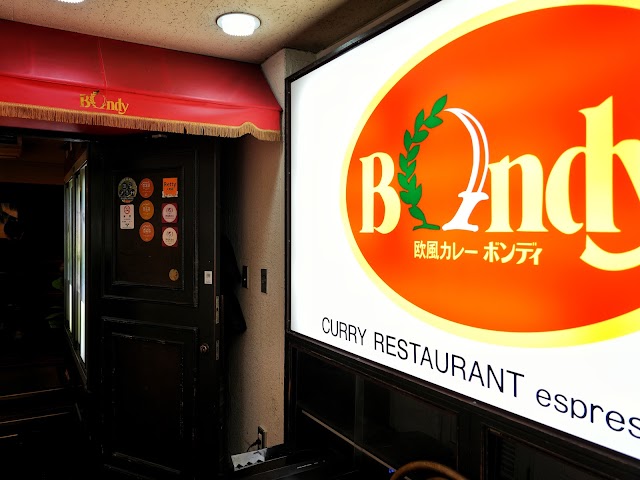
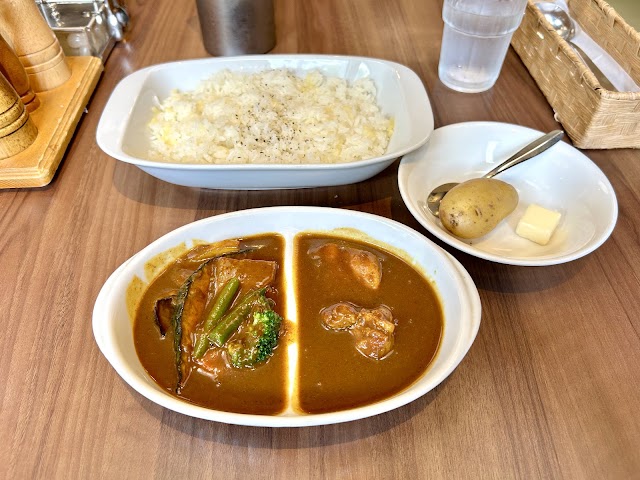
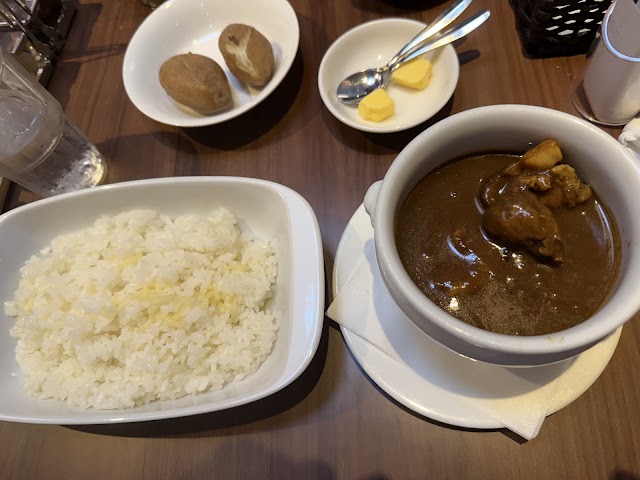
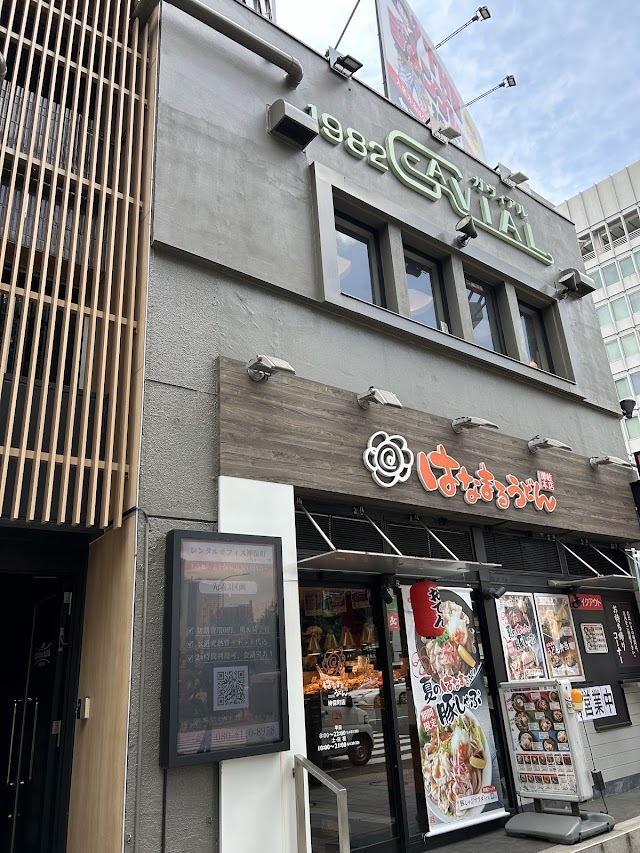
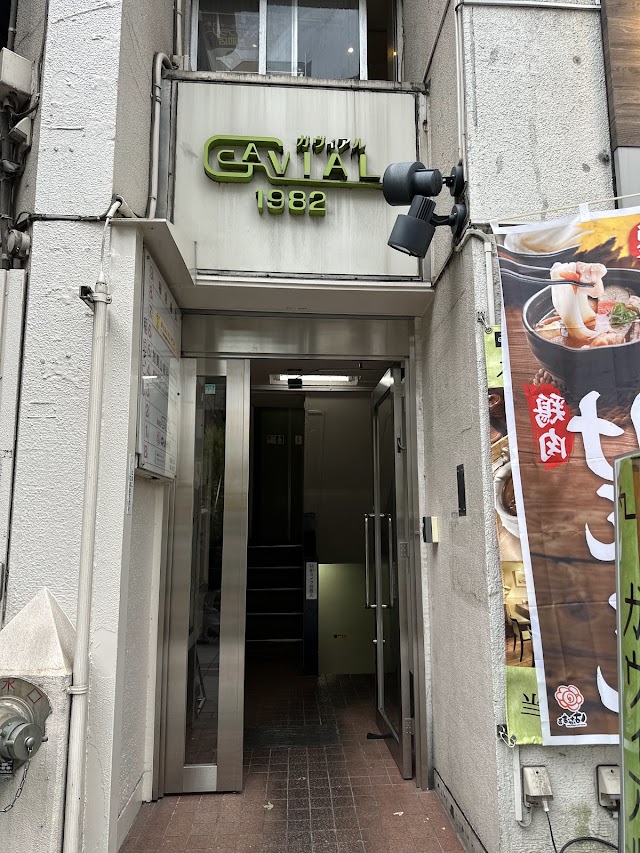
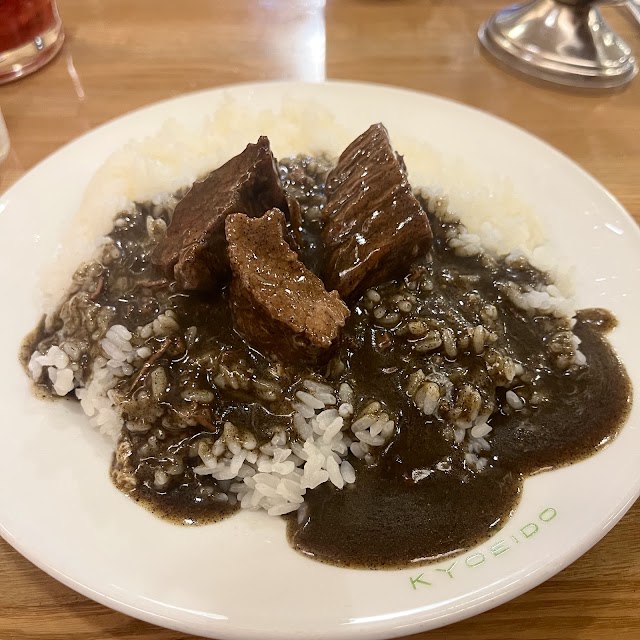
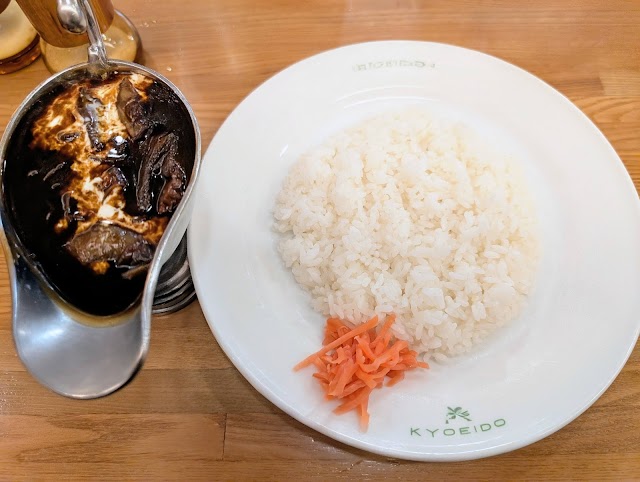
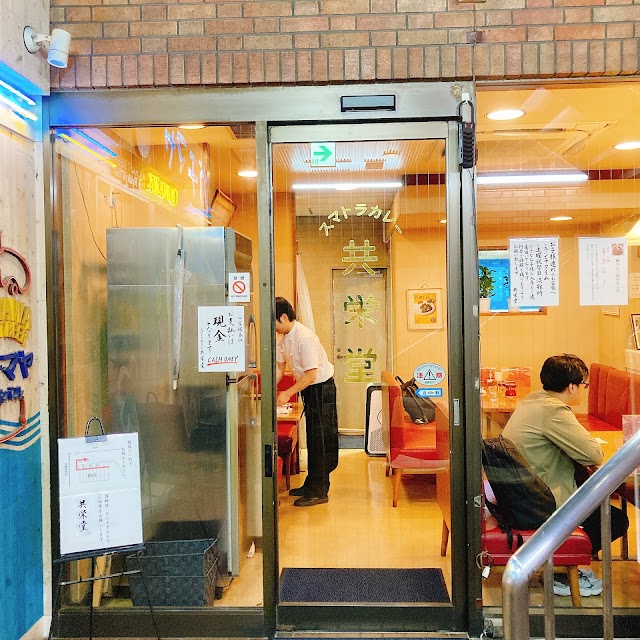
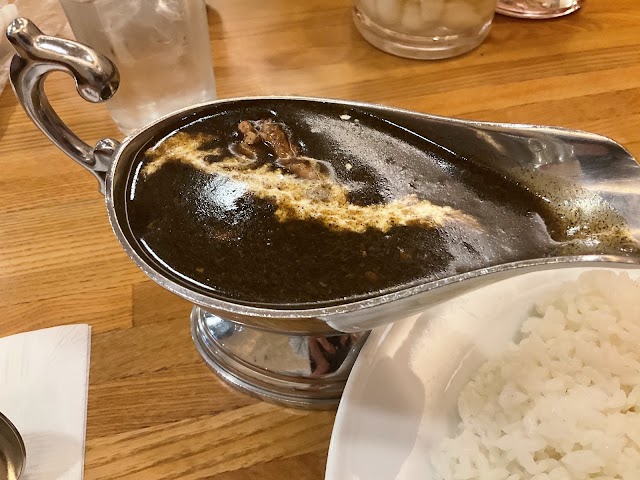
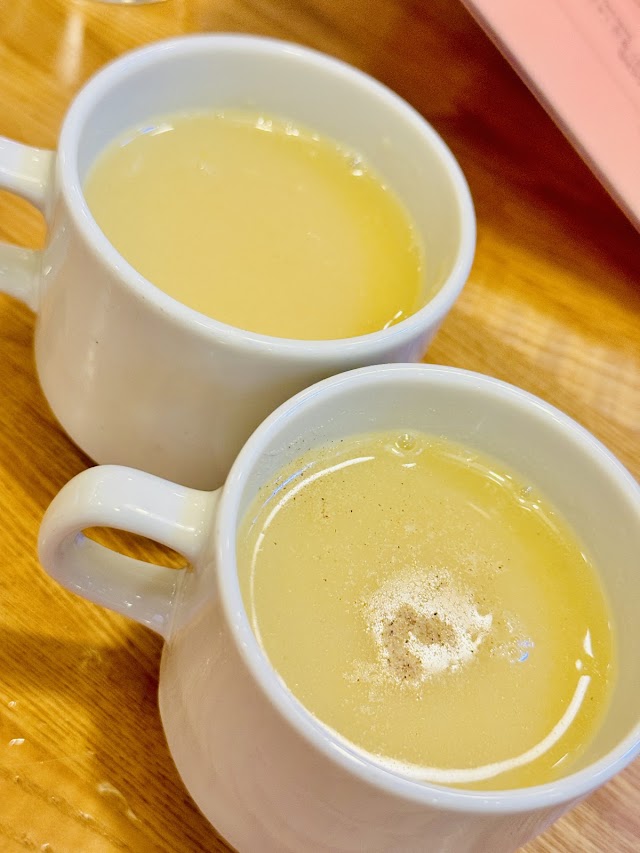
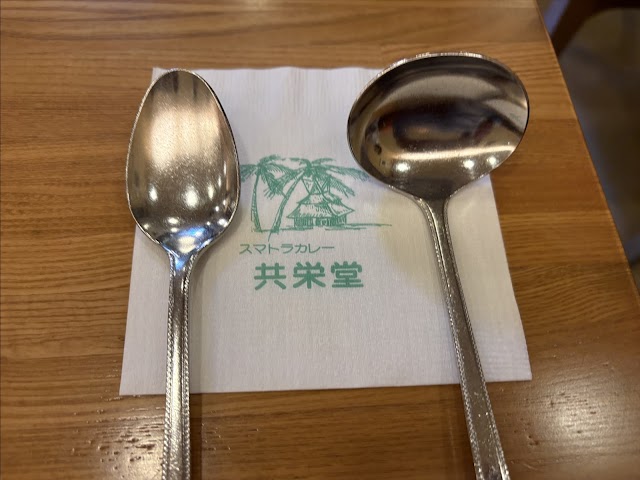
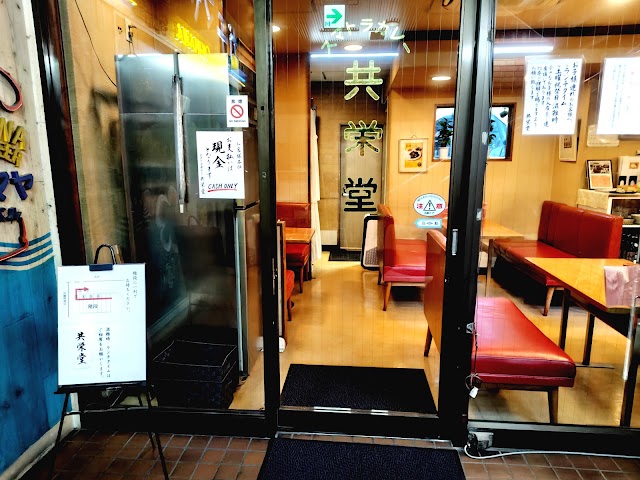
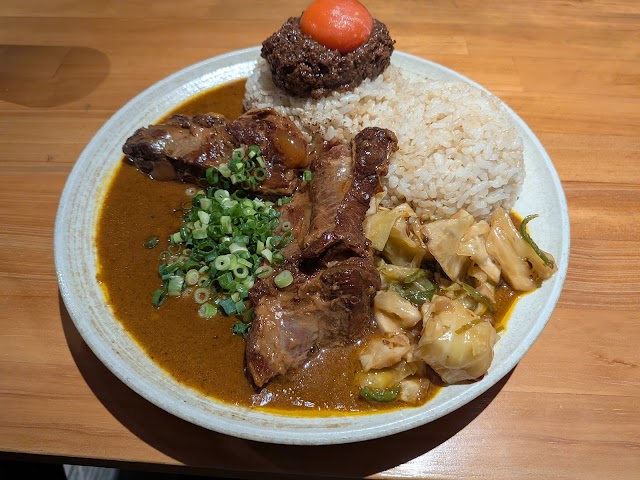
Line one, Jimbocho and yofu curry. In 1973 Koichi Murata opened Bondy and called his curry 'yofu' — European-style: French sauce technique, long-cooked onion and apple, butter to finish. The name was adopted nationwide and became a category. Bondy still serves two skin-on boiled potatoes with butter before the curry arrives; that is not an appetizer but a way to line your stomach before the sauce takes over. It also won the first Kanda Curry Grand Prix. Gavial, on the same street, plays the same lineage with tighter acidity and less sweetness, with beef stewed soft enough to break with a spoon — the natural A/B test against Bondy. Sumatra Curry Kyoeido is the street's outlier: founded in the late Taisho era from a recipe brought back from Sumatra, its sauce is black and almost oil-free, bitter-aromatic first and hot only afterwards. All three are within a five-minute walk of each other.
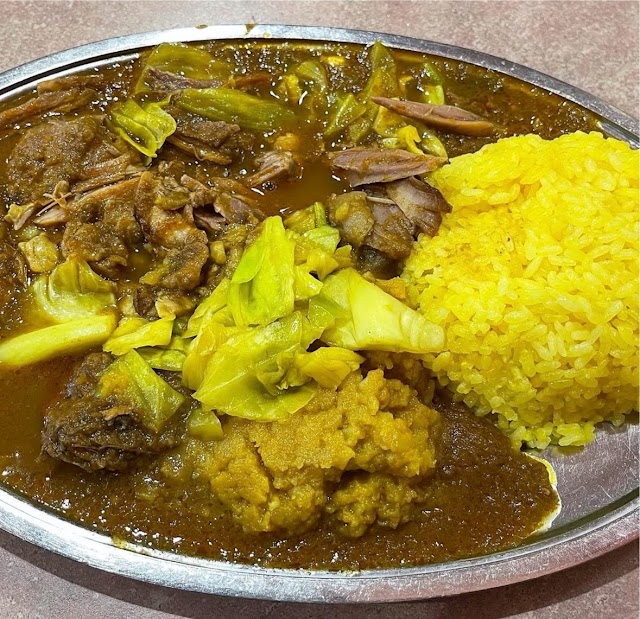
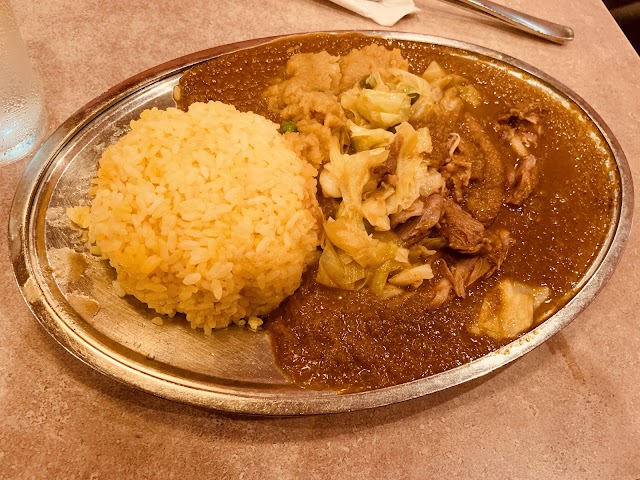
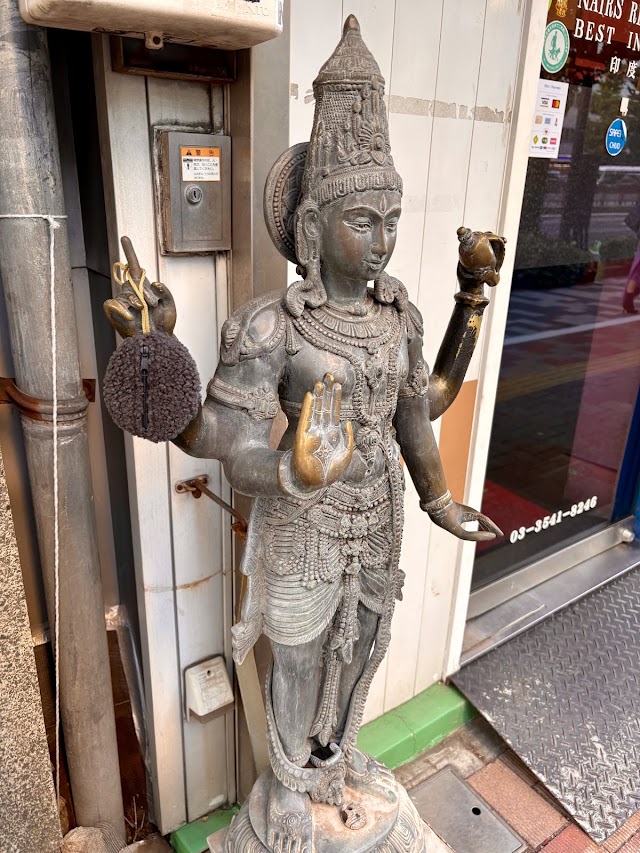
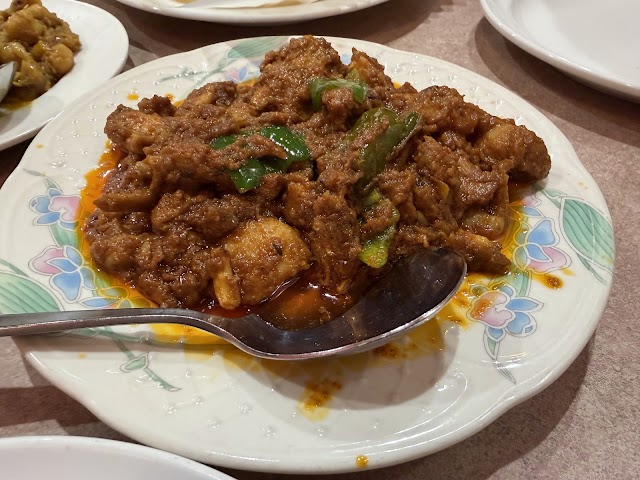
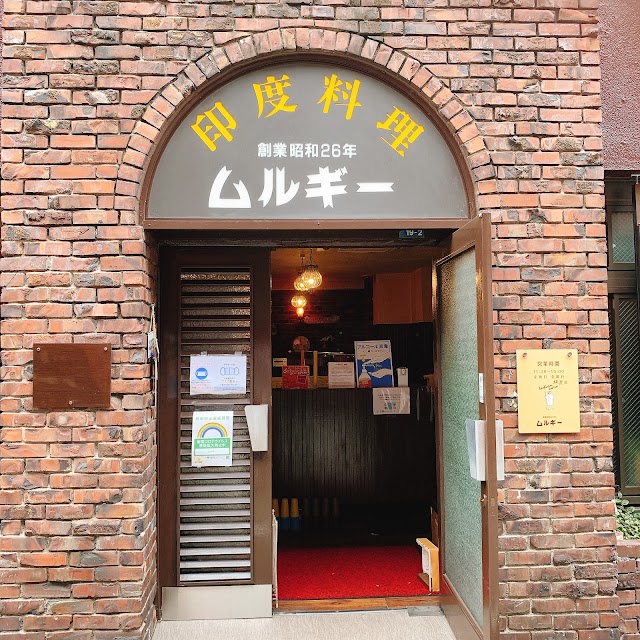
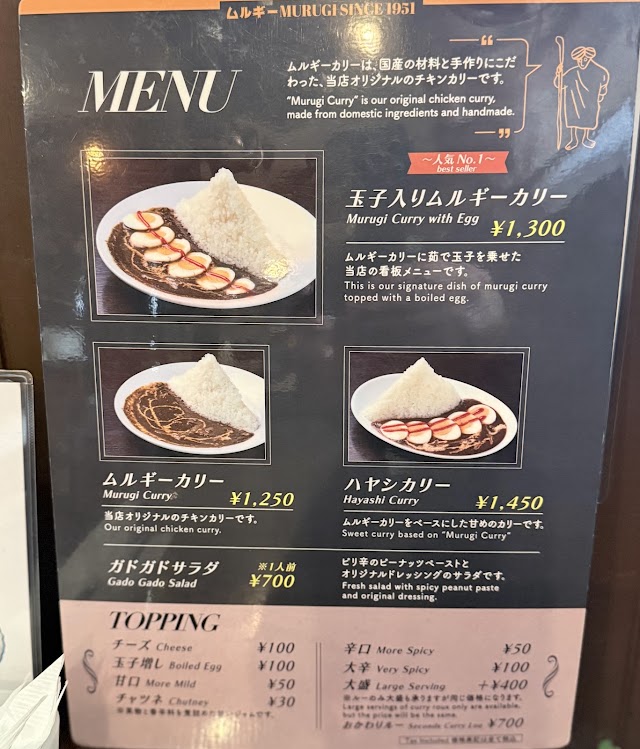
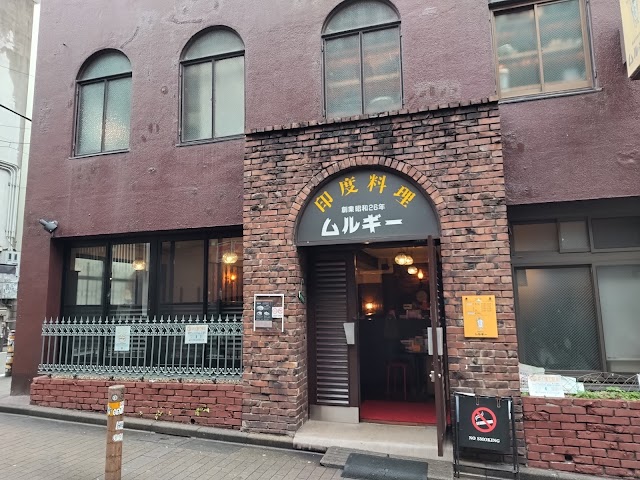
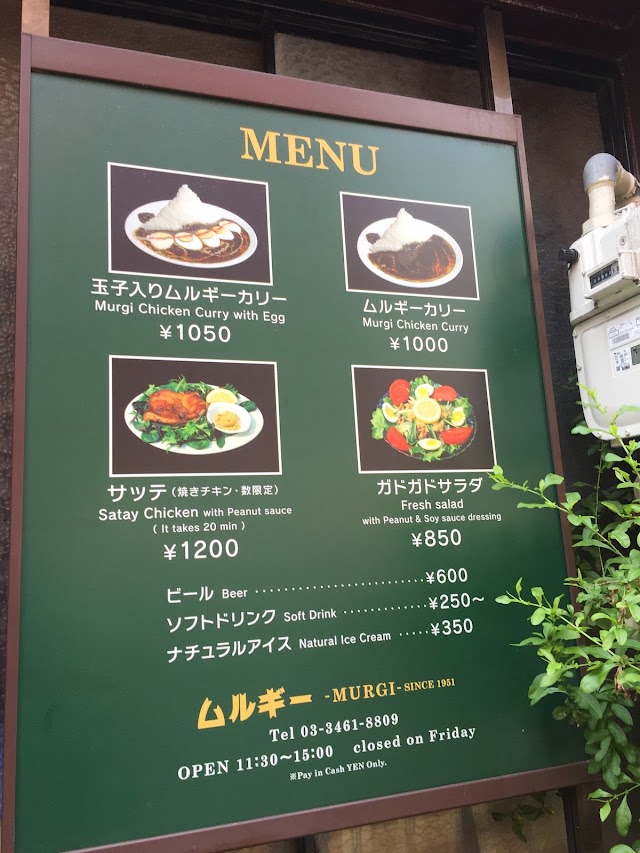
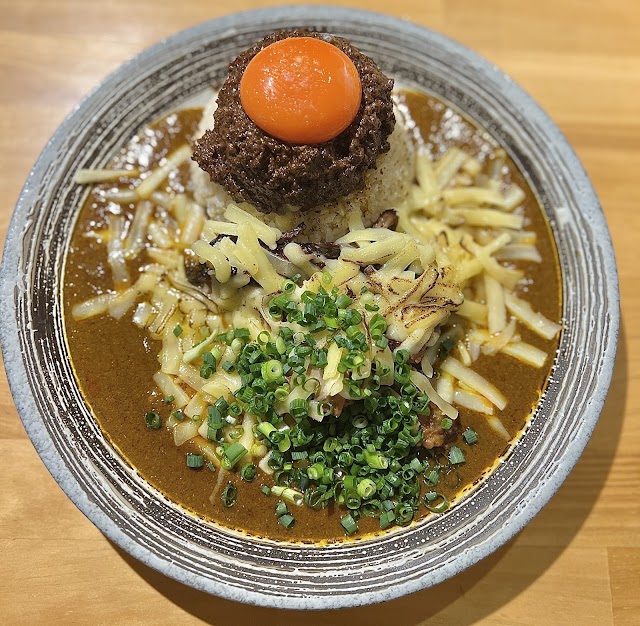
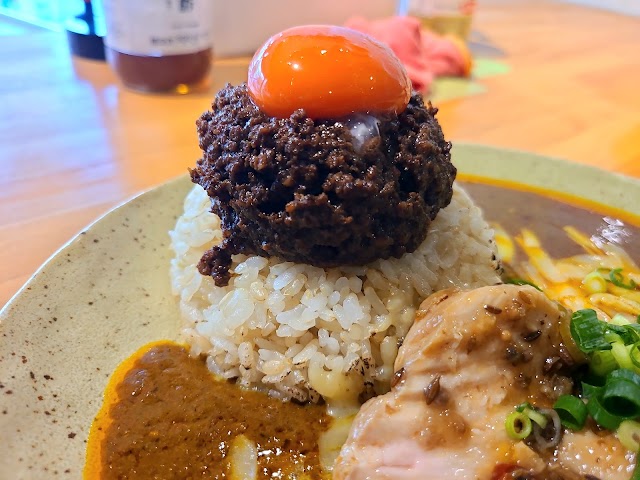
Line two, how Indian curry settled in postwar Japan. A.M. Nair, a veteran of India's independence movement, opened Nair's Restaurant in Ginza in 1949 — the oldest surviving Indian restaurant in the country. Staff still break the bone-in chicken apart at the table and fold it through turmeric rice and potato; that gesture is a seventy-year-old house rule. Seven years later, in February 1956, Delhi opened in Ueno with Kashmir curry: no roux, no flour, soup-thin and ink-black, heat that lands at the back of the skull. When Japanese diners picture 'hot curry,' much of that image starts here. Murugi in Shinsen, Shibuya, mounds its rice into a sloping hill with the sauce pooled at the foot and a soft egg collapsing over it — the most recognizable silhouette in Tokyo curry.
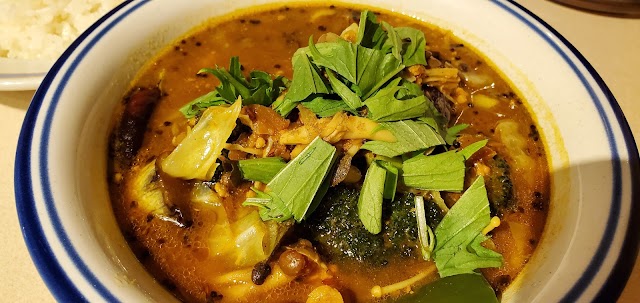
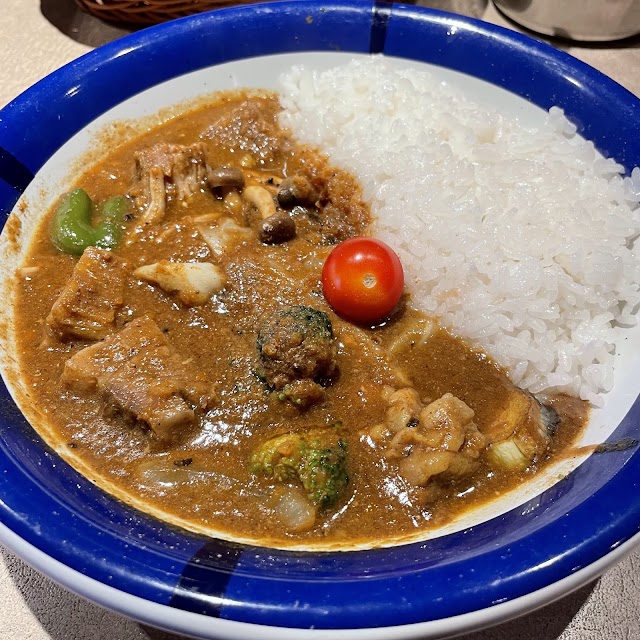
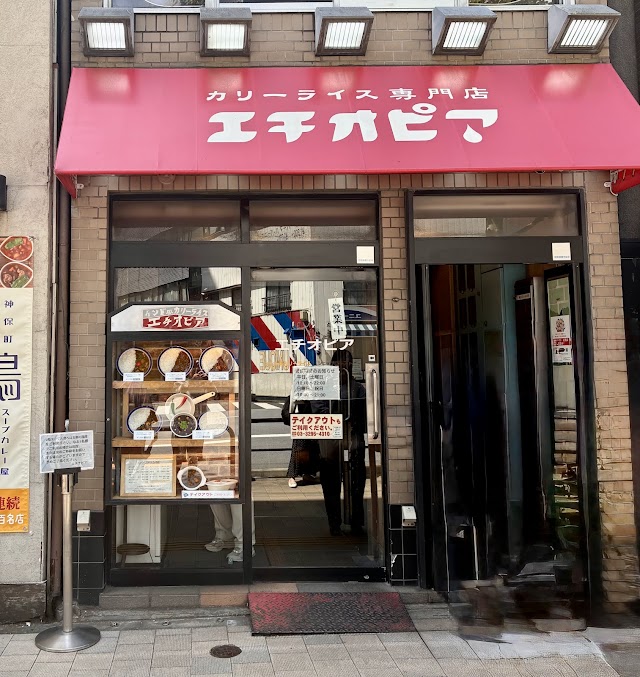
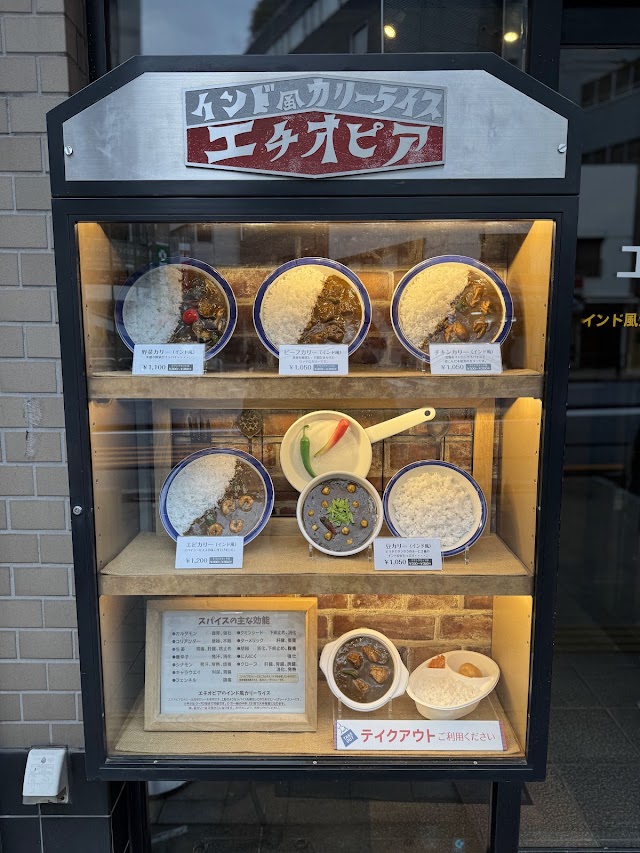
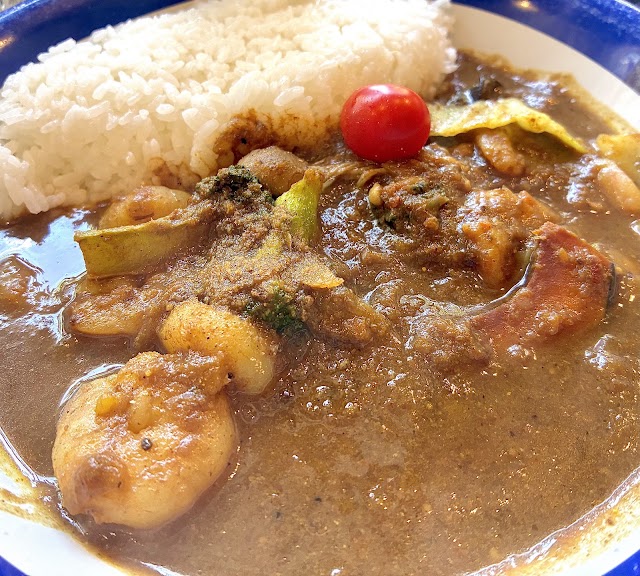
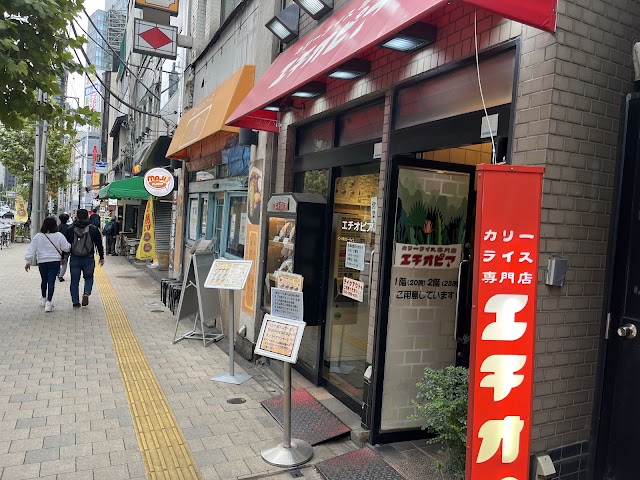
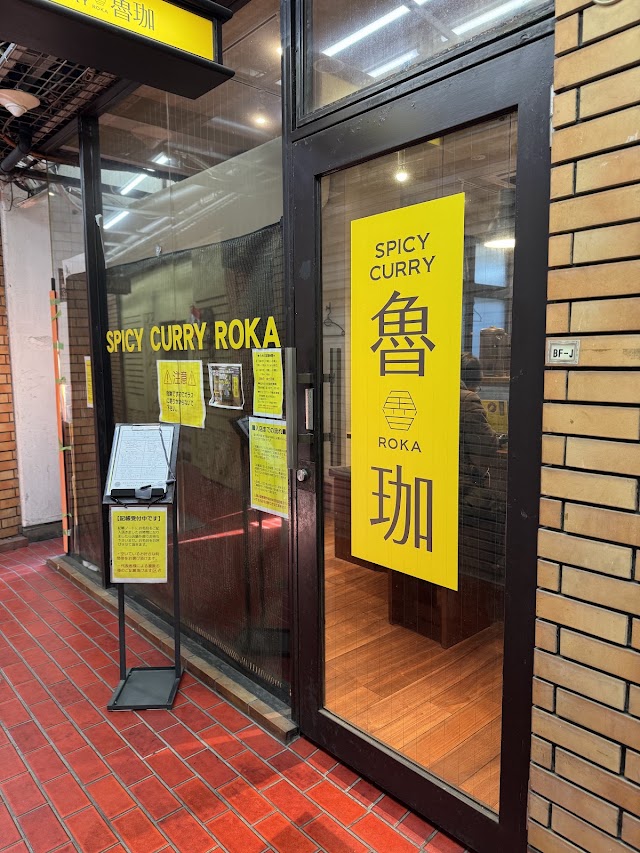
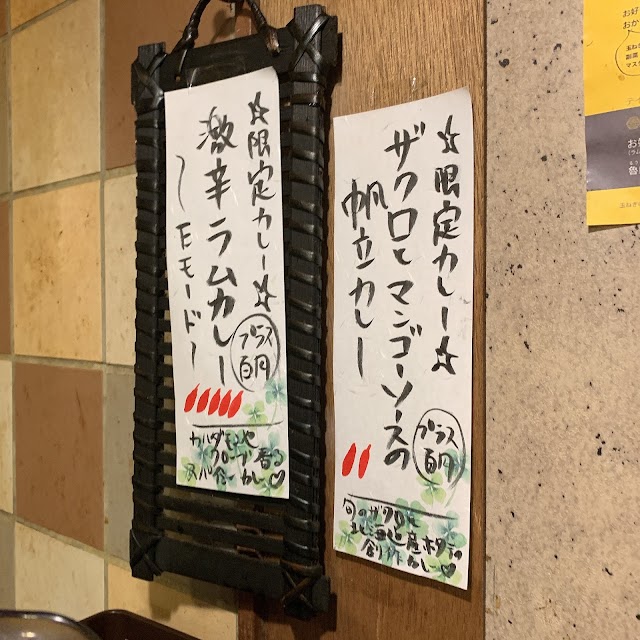
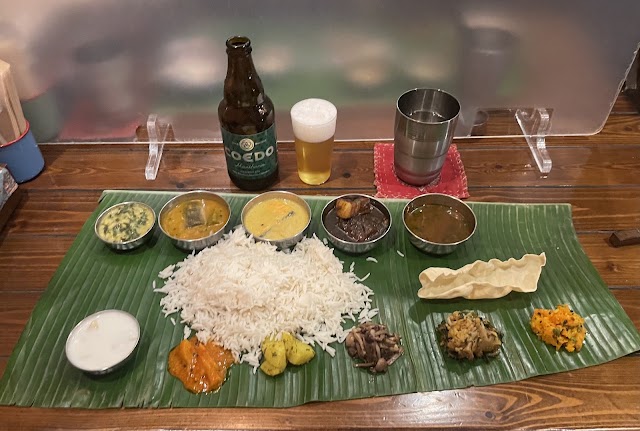
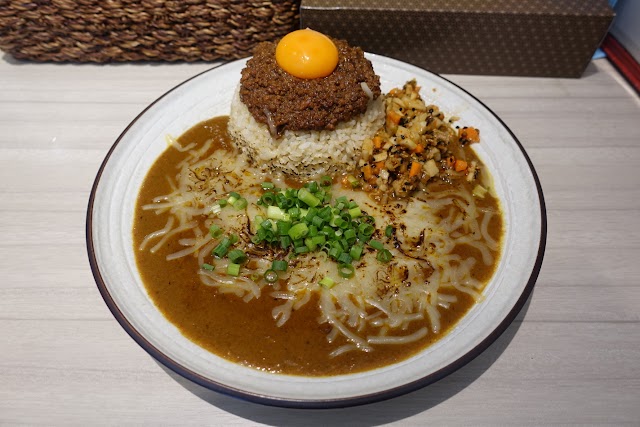
Line three, the heat ladder and 2010s spice curry. Ethiopia in Jimbocho turns heat into an explicit scale from 0x to 70x, chosen at the counter and irreversible, with a salted boiled potato as the fire extinguisher; regulars settle around 5x to 10x, and 3x is plenty for a first visit. The bigger shift came from Osaka: spice curry, two or three curries plus sides on one plate, mixed by the diner — curry as a set of aromas rather than a single sauce. Spicy Curry Roka in Okubo is the flagship: chef Eri Saito puts Taiwanese braised pork (ro) beside spice curry (ka), eaten separately first and mixed in the second half. It moved to its current basement site in 2023 and took a Tabelog Award Bronze in 2026, making it one of the hardest seats in the city. Kalpasi in Chitose-Funabashi is named for a South Indian spice and carries a smoky, bark-like signature; Yoshida Curry in Ogikubo cooks its spices to the edge of char.
Practical routing. The three Jimbocho shops plus Ethiopia can be walked in a single afternoon — the most efficient stretch in this guide. Nair's in Ginza and Delhi in Ueno sit on existing shopping and sightseeing routes. Roka, Kalpasi and Yoshida need separate planning, and Roka in particular must be a weekday lunch because of the same-day sign-in sheet and its Friday-to-Sunday closure. Budget runs roughly 1,100-2,300 yen — one of the few categories where a nationally ranked meal in Tokyo costs a little over a thousand yen.
What to watch: Tabelog's Curry TOKYO 100 is revised annually, and the geographic spread of the list tracks where the city's curry center of gravity is moving. The 2026 edition still leans on Jimbocho and Ogawamachi, but Shinjuku-sanchome, Koenji and Shimokitazawa keep adding spice-curry shops. Verified against the official Tabelog Hyakumeiten list, Santatsu, Tokyo Curry Magazine and shop official sites; phone, hours, ratings and photos are merged from Google Maps official data the morning after publication. Prices are estimates.
 Scan for map
 Scan for map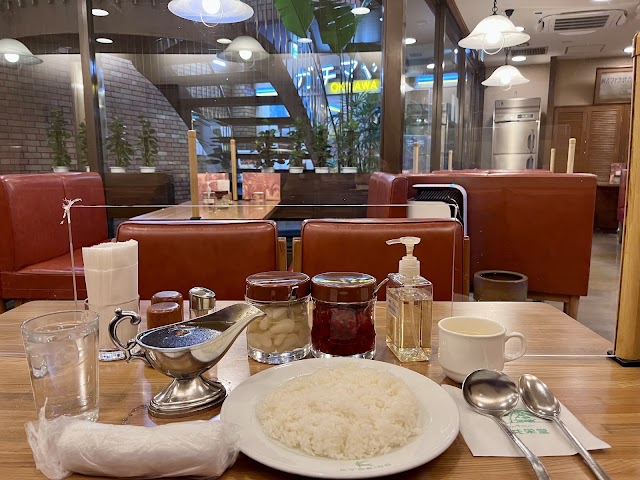
 Scan for map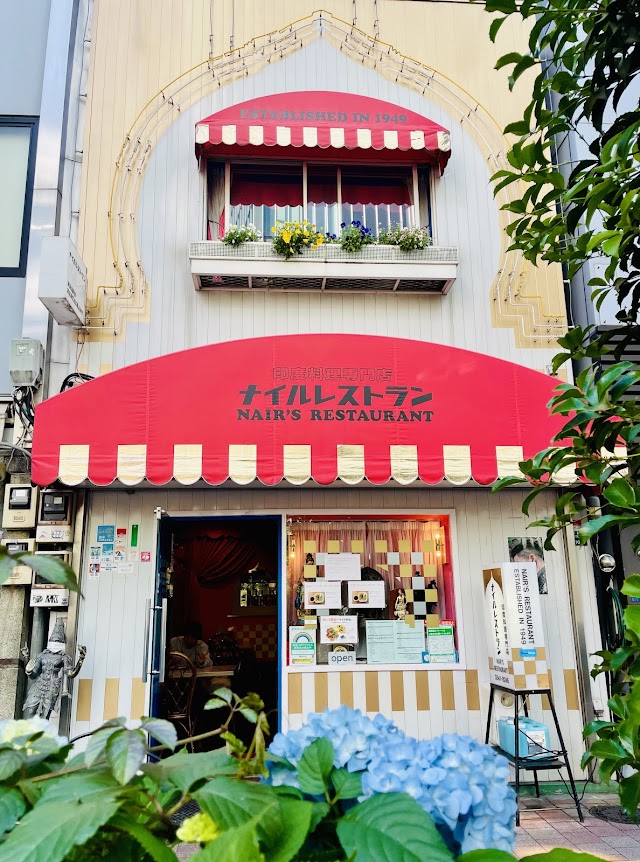
 Scan for map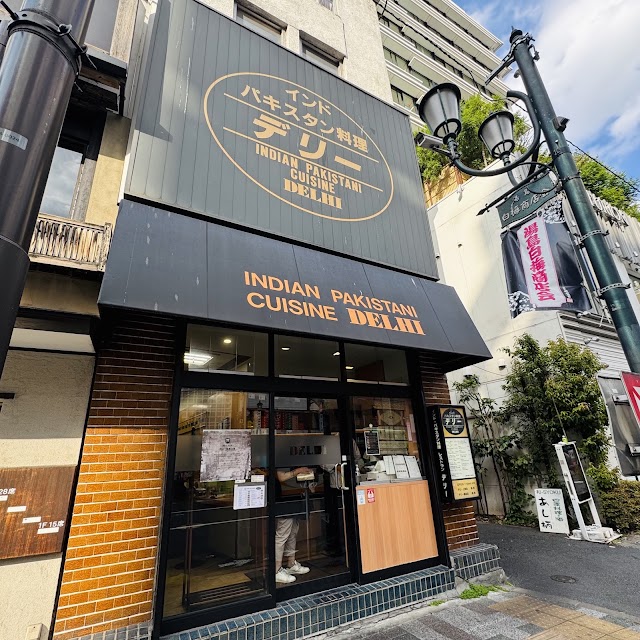
 Scan for map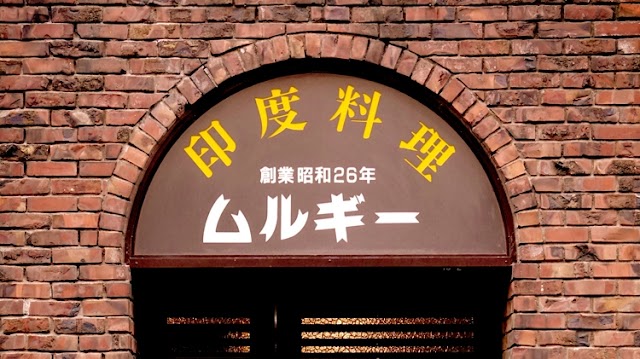
 Scan for map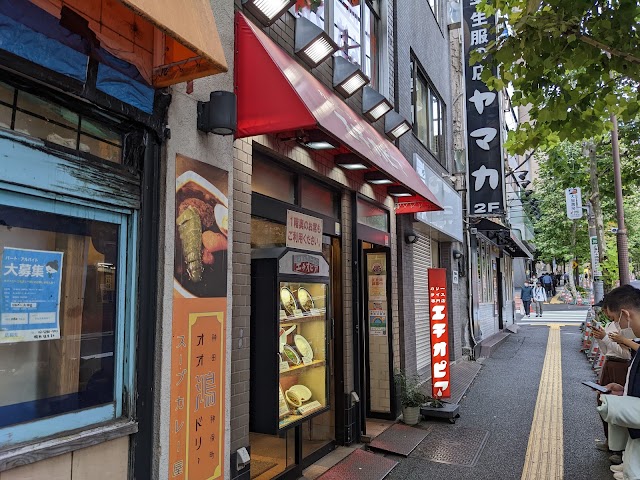
 Scan for map
 Scan for map
 Scan for map
 Scan for map