Ten Cool Day Trips From Tokyo, Summer 2026: An 11C Limestone Cave, a 1,000-Meter Highland Town, and Century-Old Natural Ice
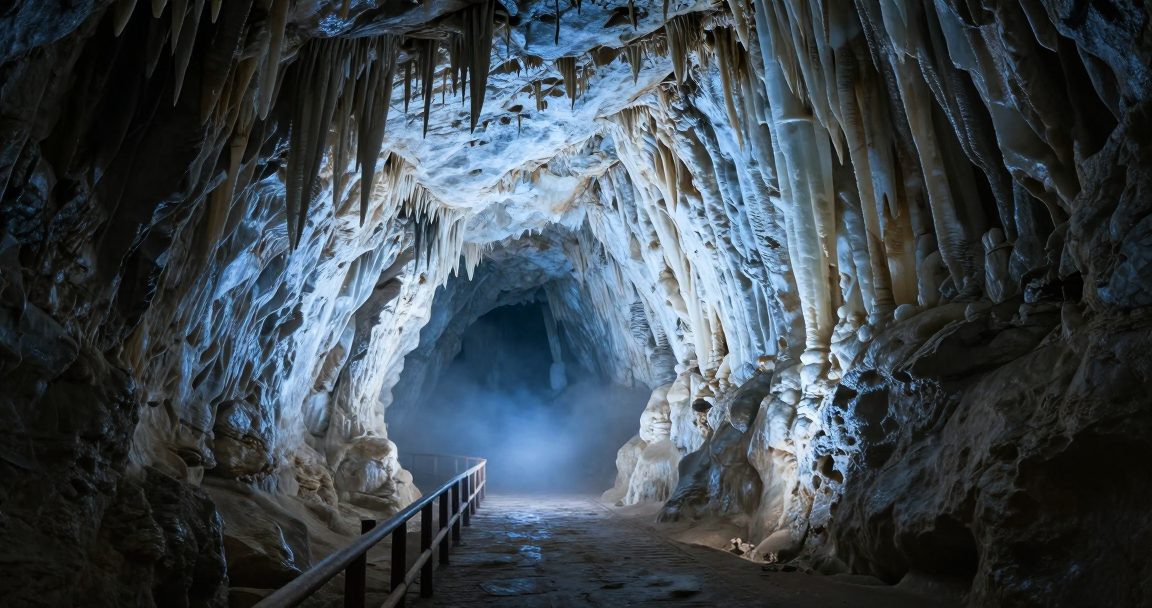
- Three ways to cool off: (1) go up — Mount Takao (599m, ~50 min from Shinjuku, cable car climbs 271m in six minutes, fare about 490 yen one-way / 980 yen return) and Karuizawa (about 1,000m, 60-70 min from Tokyo Station); (2) go in — Nippara limestone cave (about 11C year-round, 900 yen adults) and the Enoshima Iwaya sea caves (first cave 152m deep, 500 yen adults); (3) go to the water — Mount Mitake's Rock Garden, the Nagatoro river boats, and Asami Reizo's natural ice (ice house founded 1887)
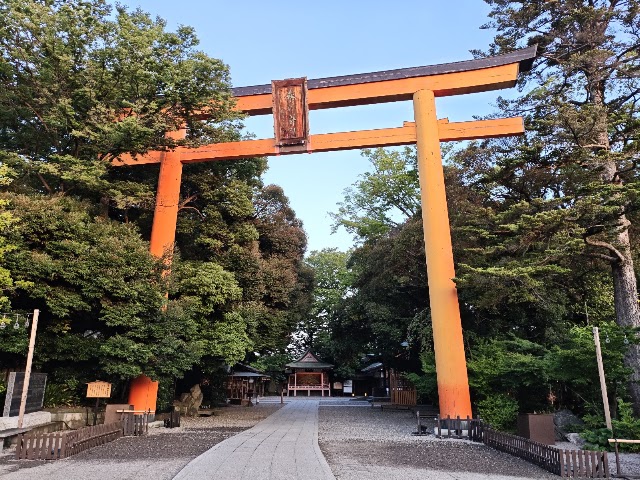
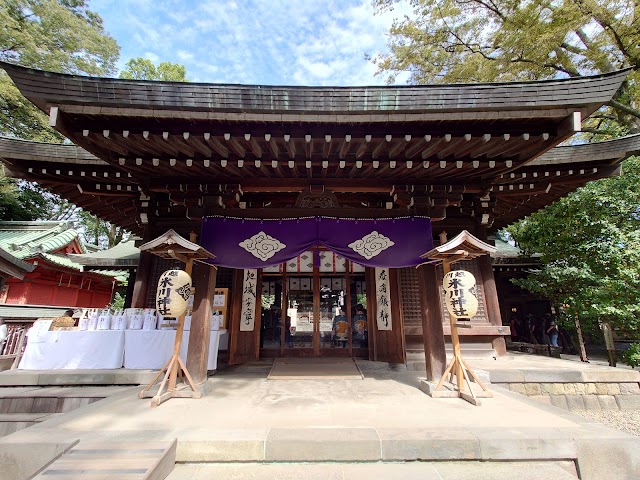
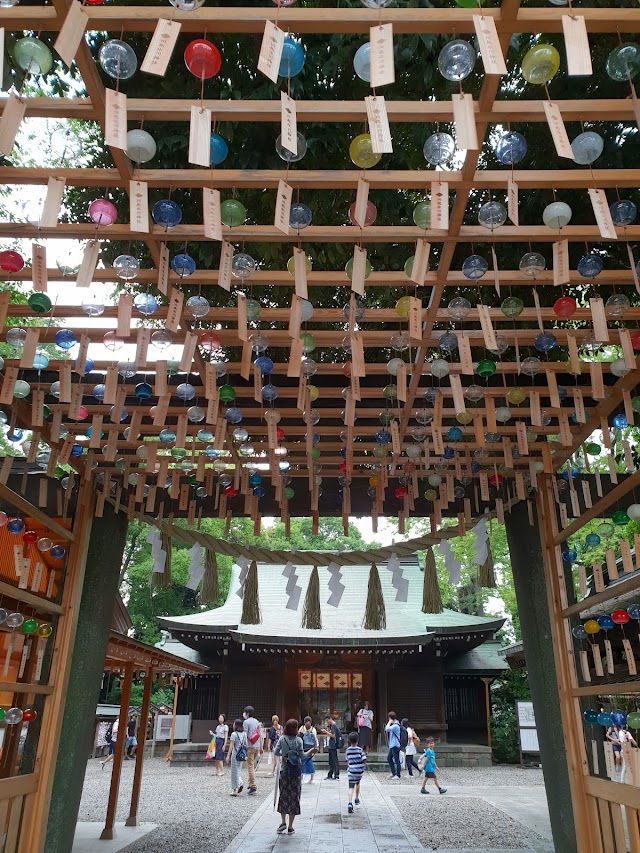
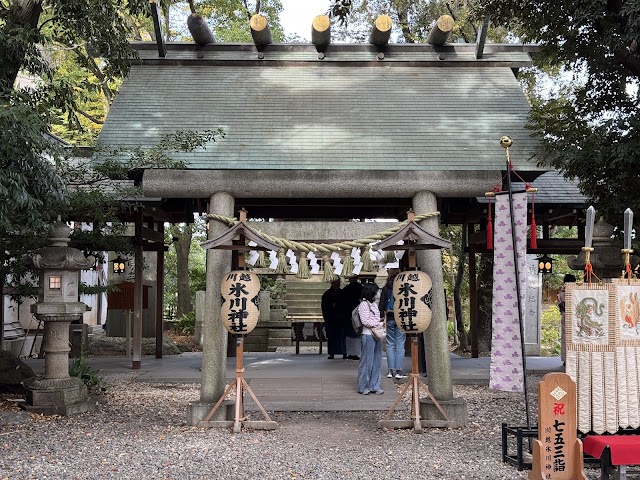
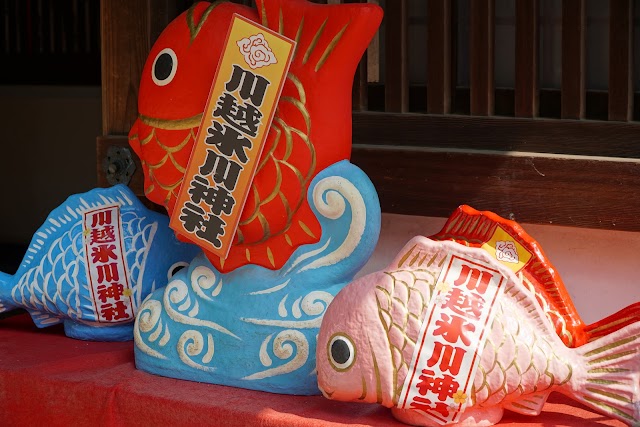
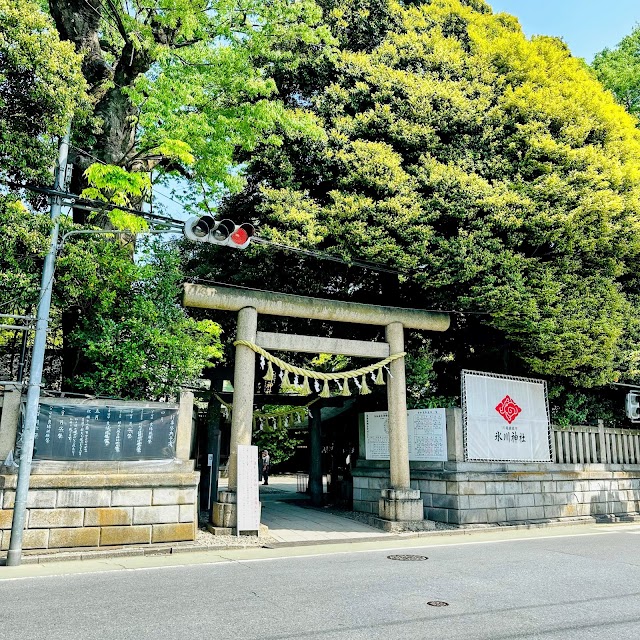
- Seasonal fixture: Kawagoe Hikawa Shrine's Enmusubi Furin hangs about 2,000 Edo wind chimes from 27 June to 6 September 2026, 8:00-20:00, free, with the chime corridor and stream lit from early evening
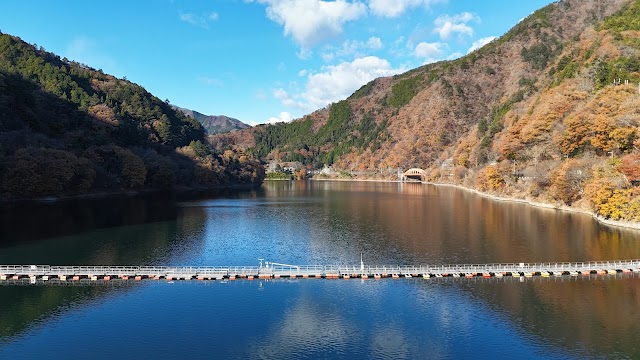
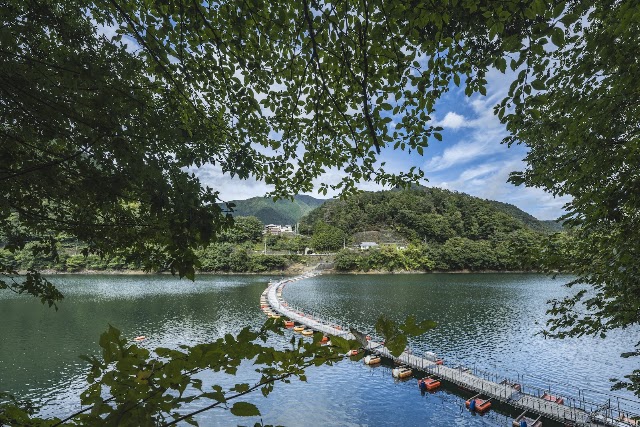
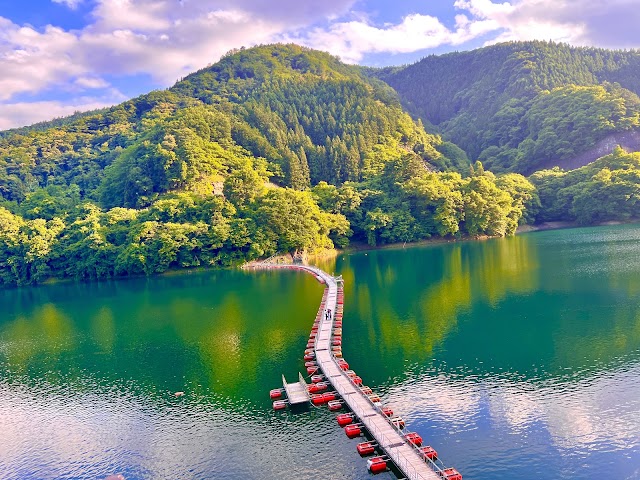
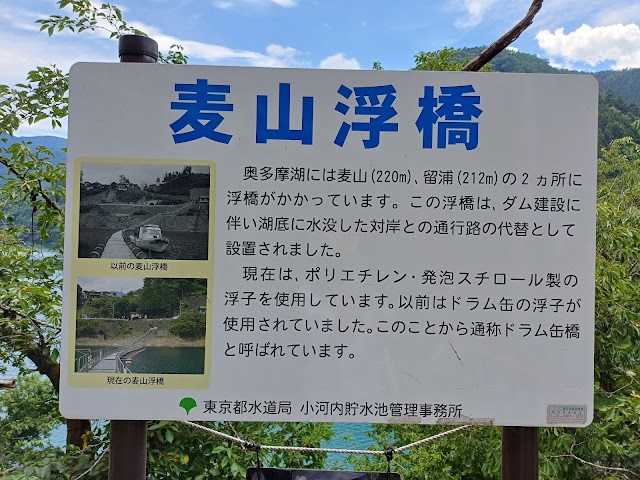
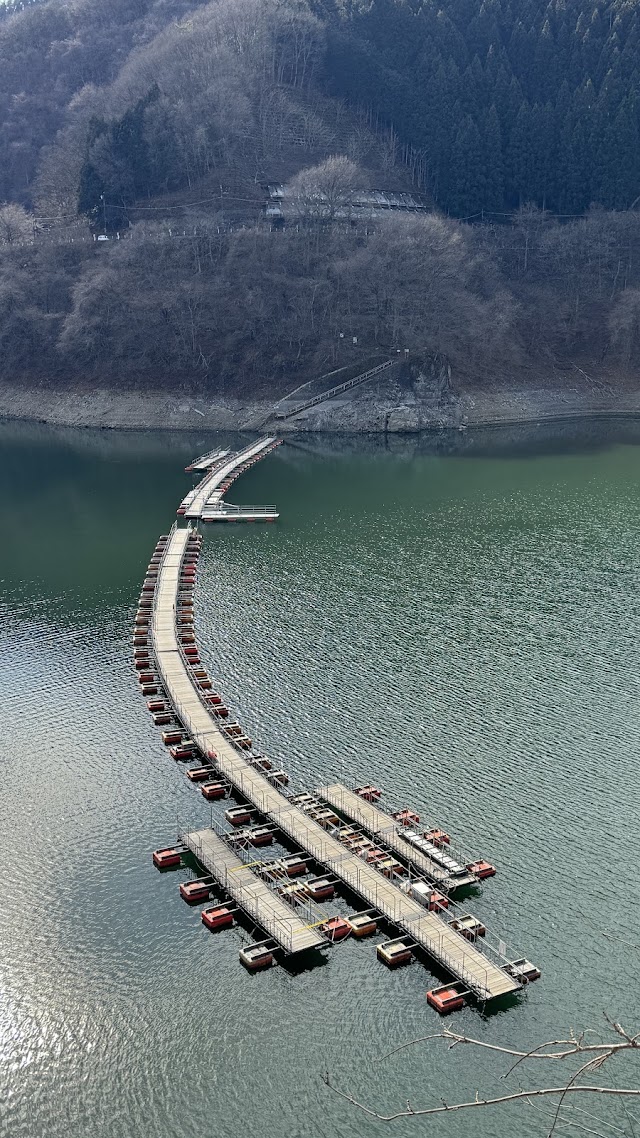
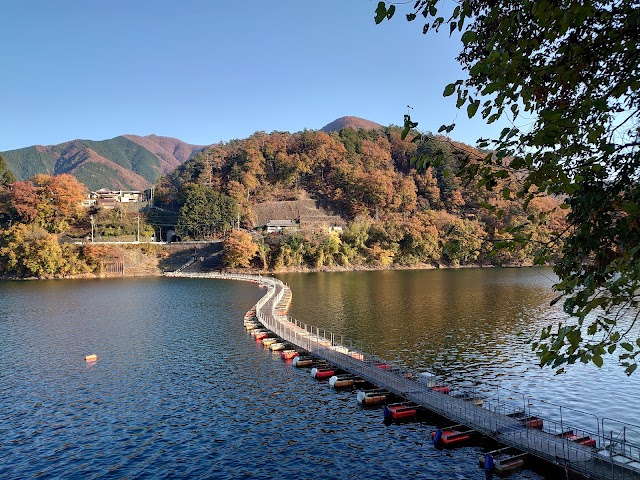
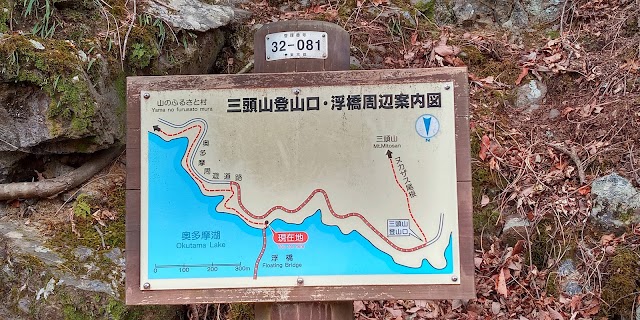
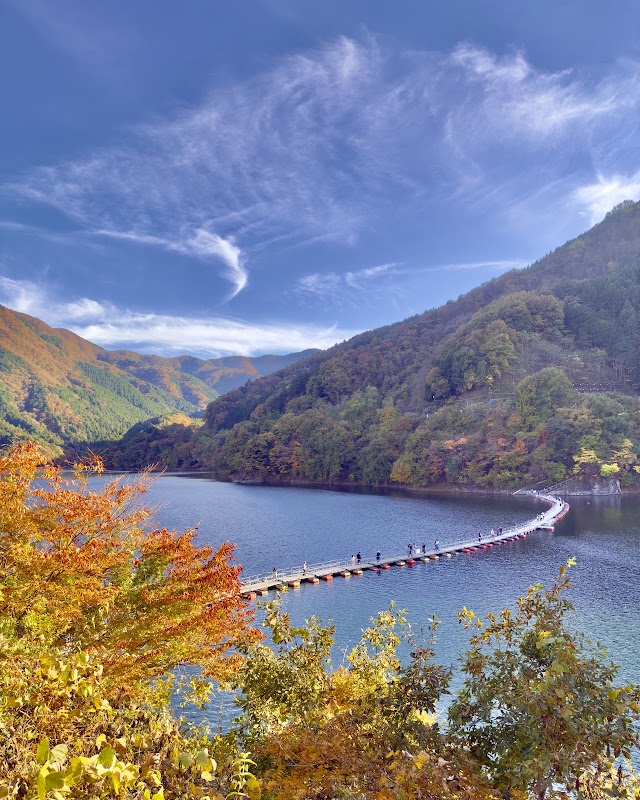
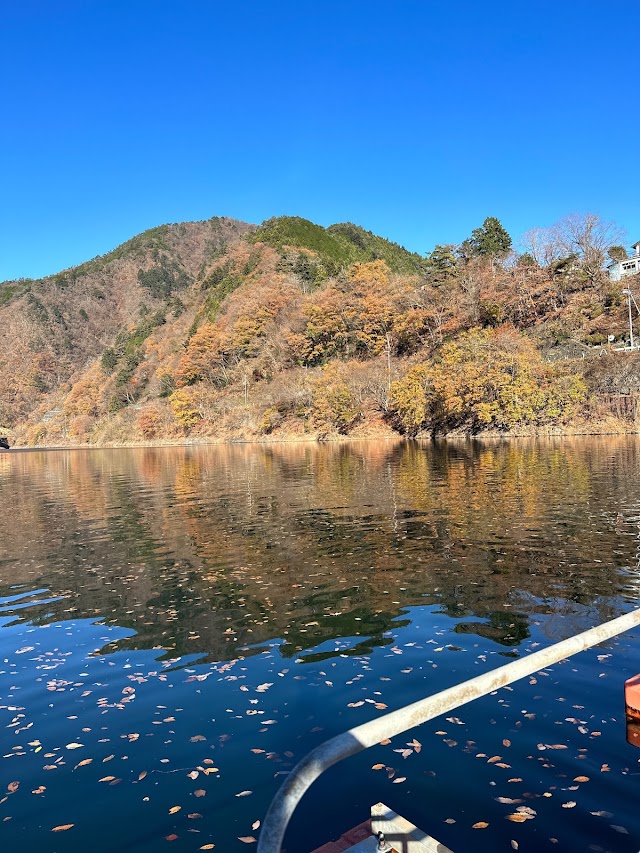
- The Okutama line makes one full day: Nippara cave (about 35 min by bus from Okutama Station), Mount Mitake's Rock Garden, and the floating bridge at Lake Okutama; the Holiday Rapid Okutama runs direct from Shinjuku in about 90 minutes on weekends
- Queue and timetable traps: Asami Reizo queues run two to three hours in peak season (queue early, boat later); Okutama buses are sparse and use different weekday/holiday stops; the floating bridge closes at certain water levels — check official notices the morning you go
- Budget and kit: most admissions run 400-900 yen and a full day of transport plus tickets usually lands under 3,000 yen (Karuizawa excepted, about 6,000 yen each way); caves sit around 11C so bring a light jacket, and gorge trails need grippy shoes
Tokyo in August runs 35C with humidity near 70%. What visitors often miss is that the western half of Tokyo Metropolis is mountains — an hour out of Shinjuku buys you a ten-degree drop, mostly on an ordinary train ticket.
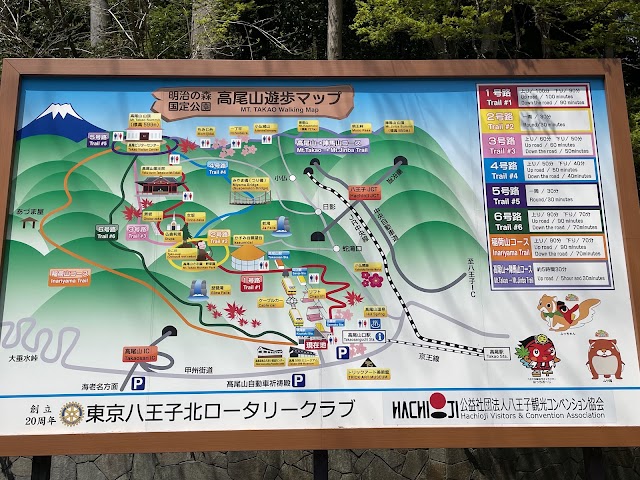
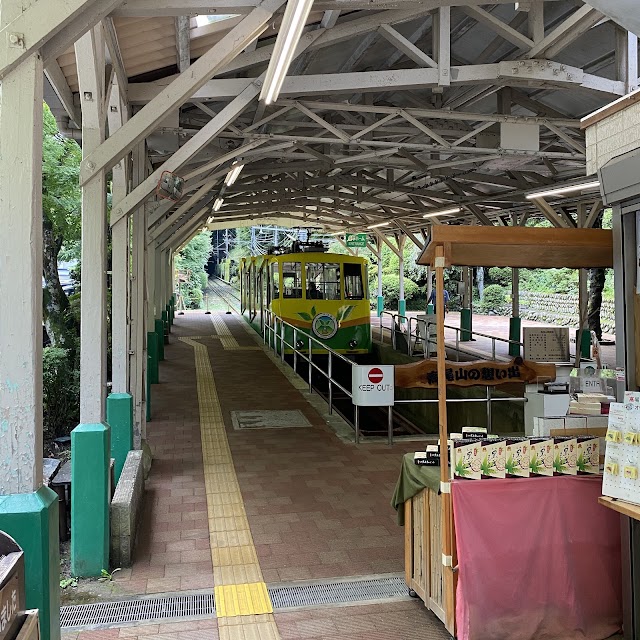
There are three ways to cool down, and this guide is organized by all three. Go up: Mount Takao tops out at 599m, under an hour from Shinjuku, with a cable car that climbs 271m in six minutes; Karuizawa sits at roughly 1,000m and is 60-70 minutes from Tokyo Station on the Hokuriku Shinkansen — foreign missionaries picked it as a summer retreat in the Meiji era and the logic still holds.
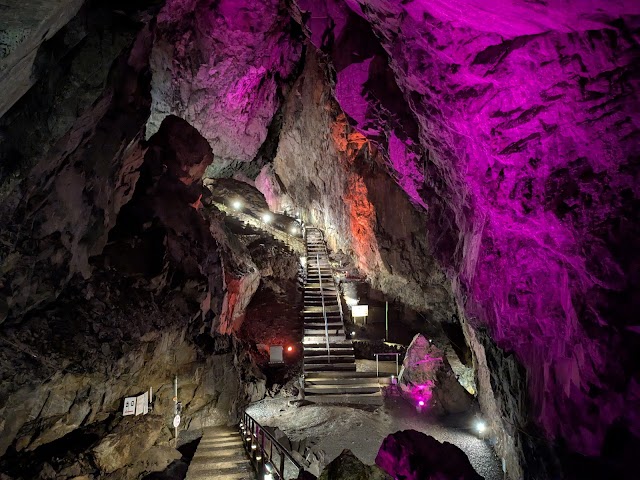
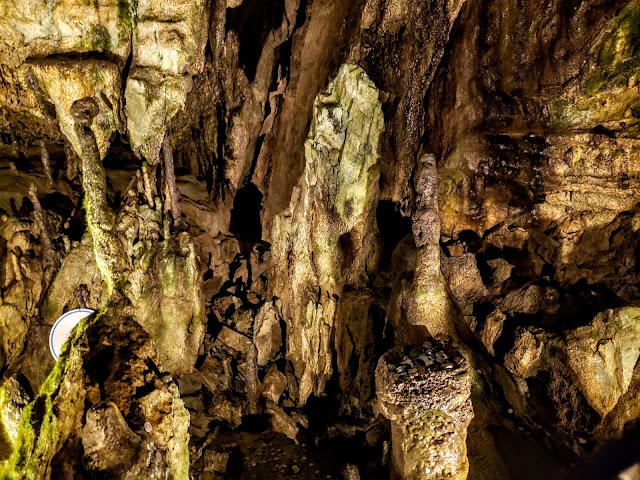
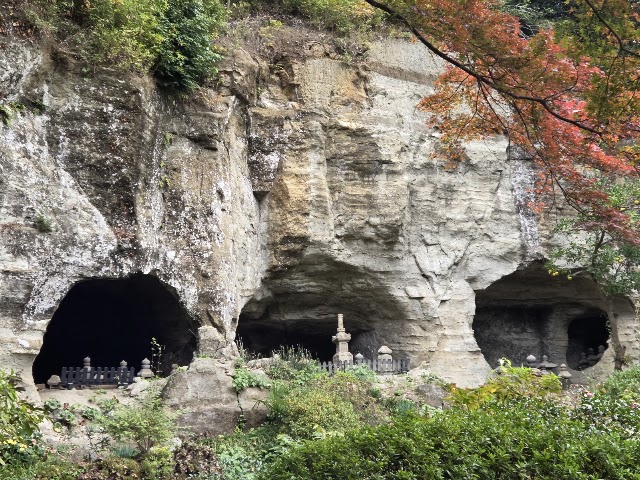
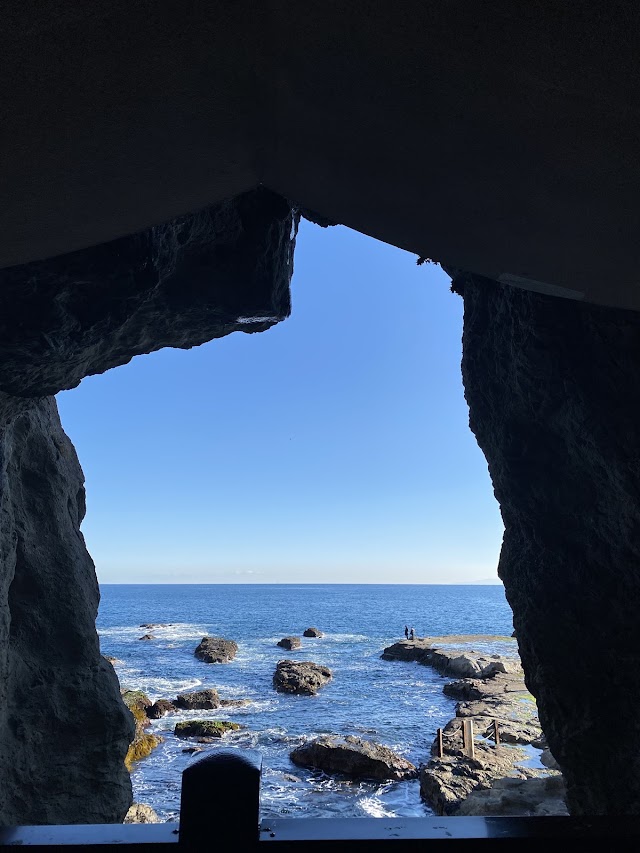
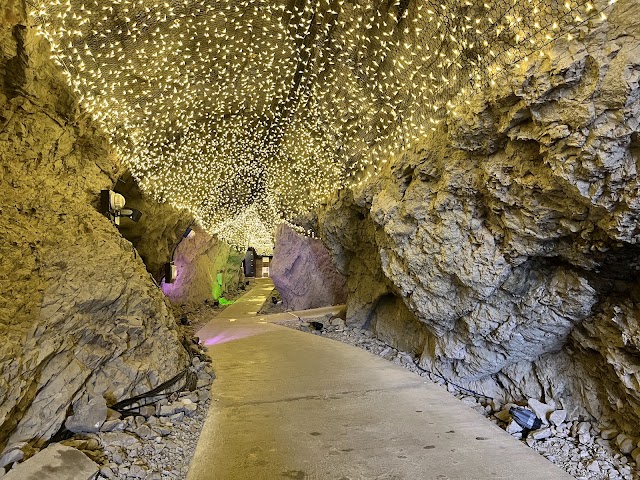
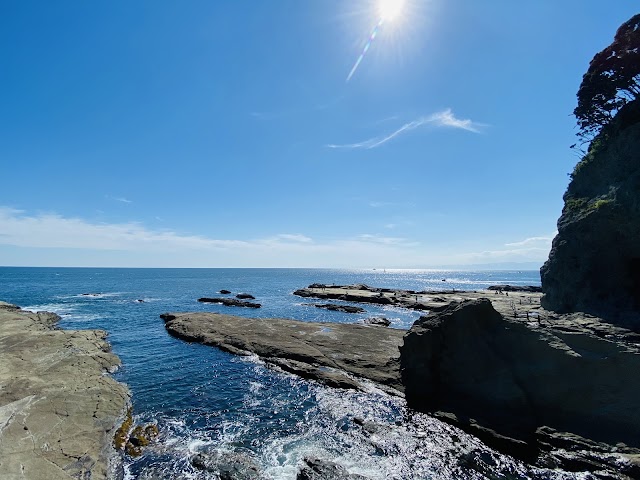
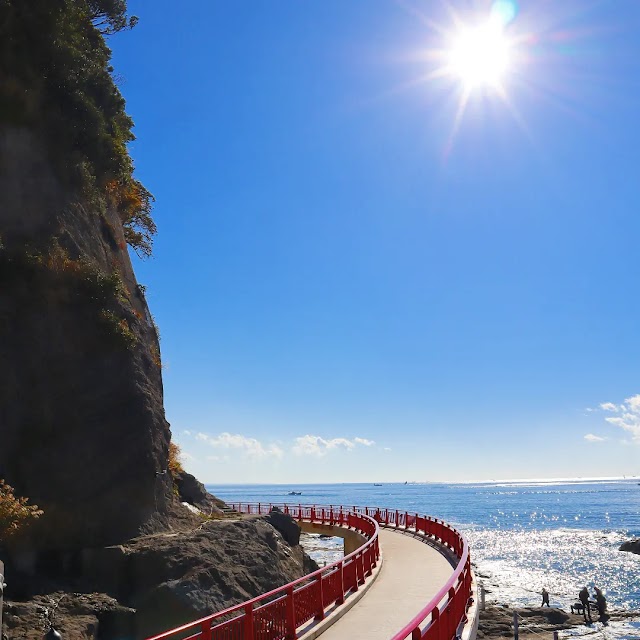
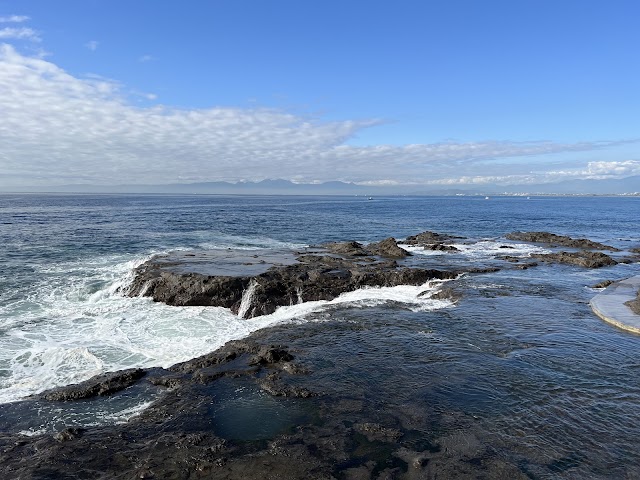
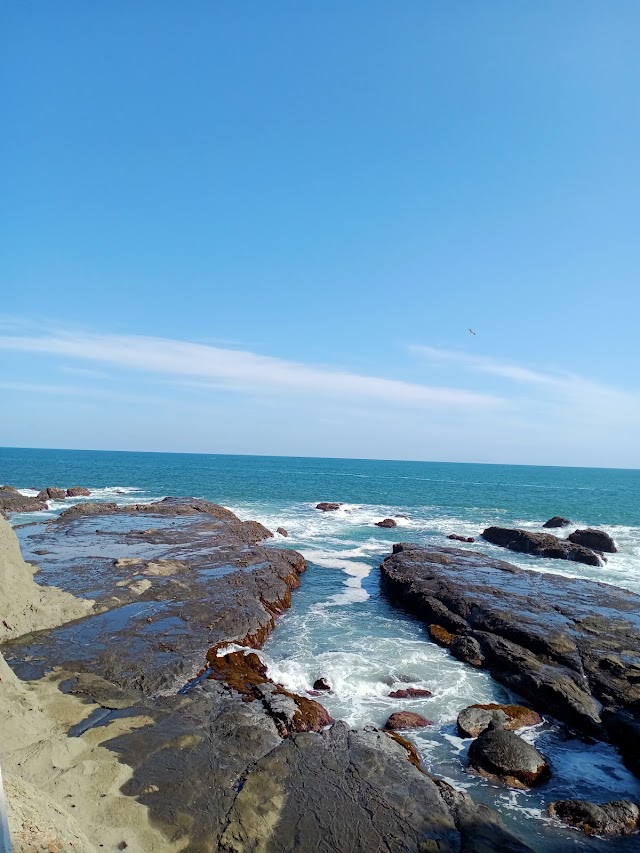
Go in: the Nippara limestone cave in Okutama holds about 11C year-round, a twenty-degree swing from the street outside; the Enoshima Iwaya sea caves run 152m deep and are walked partly by candlelight.
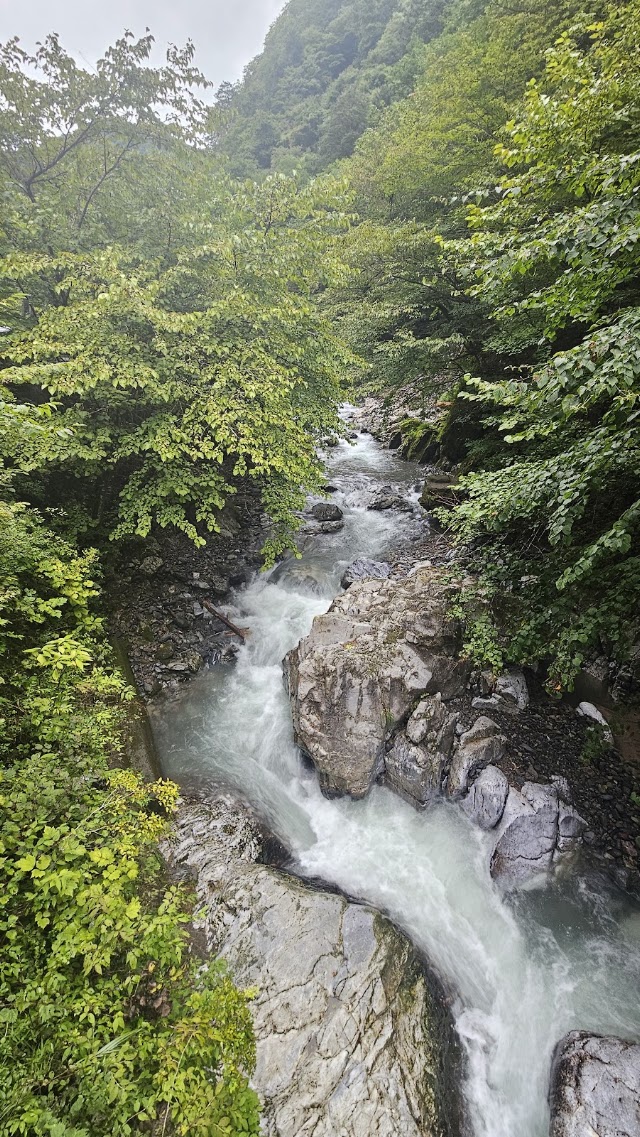
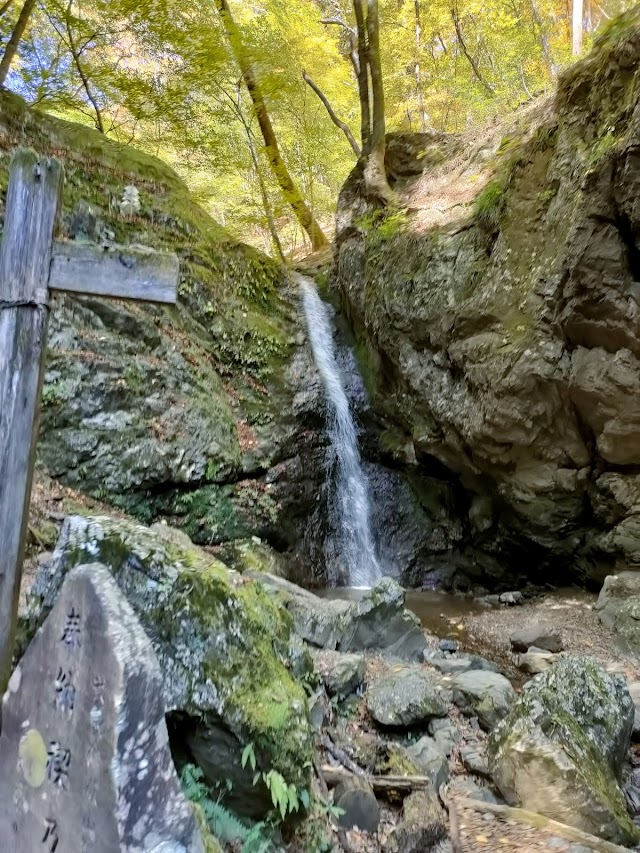
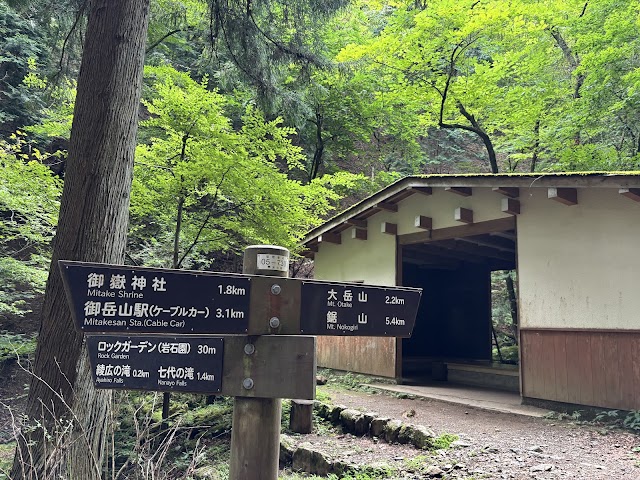
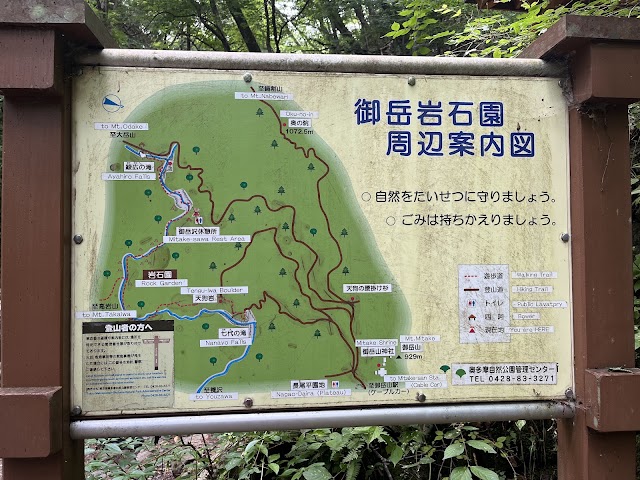
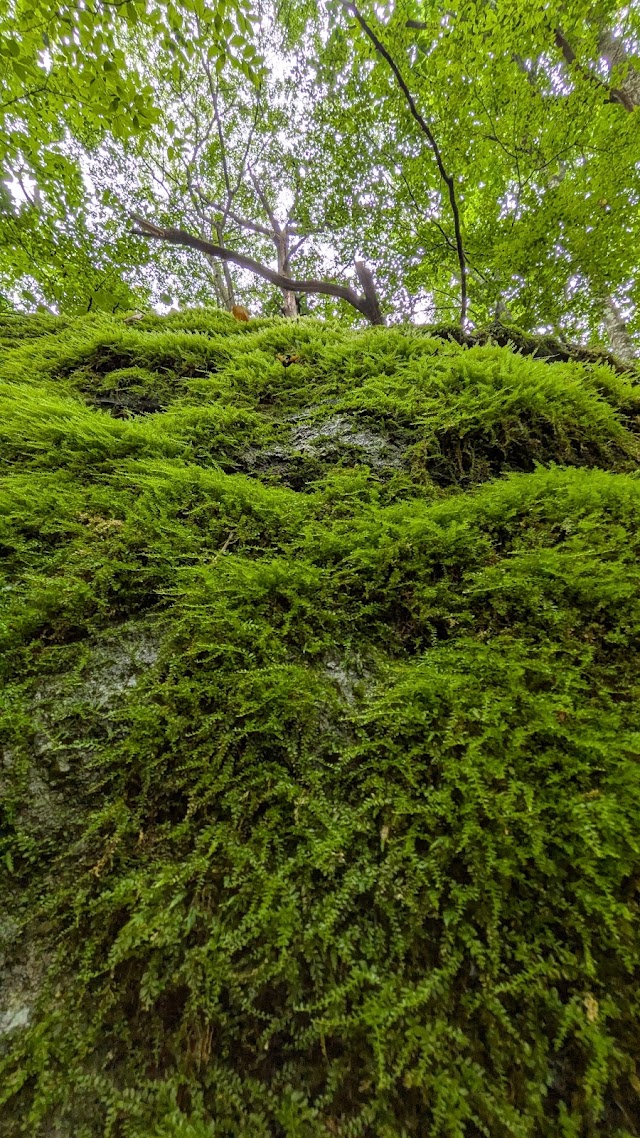
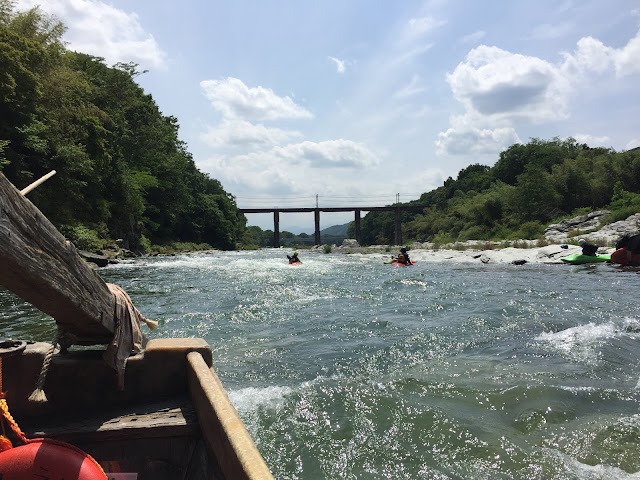
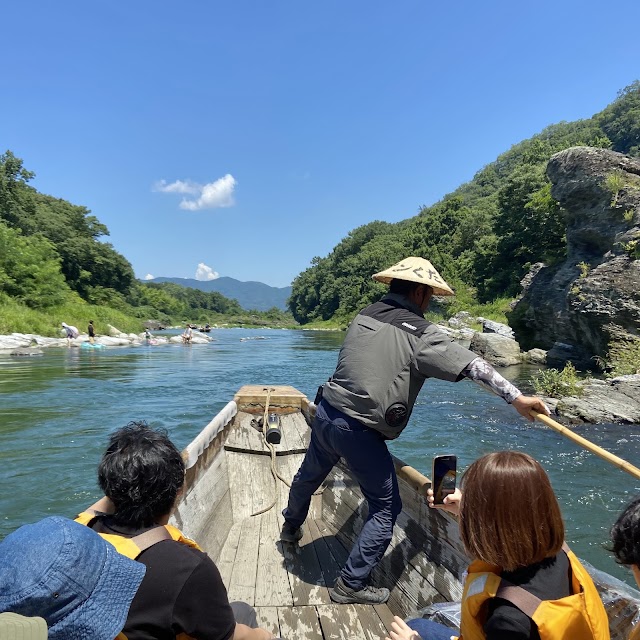
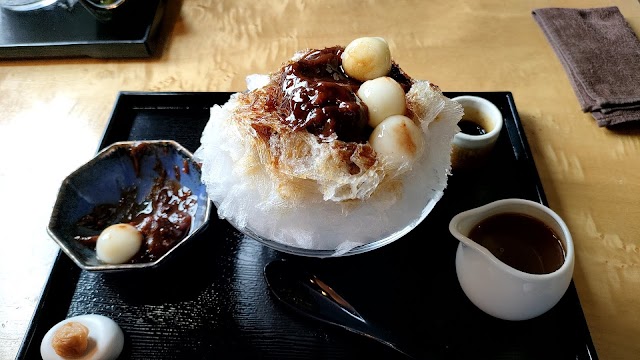
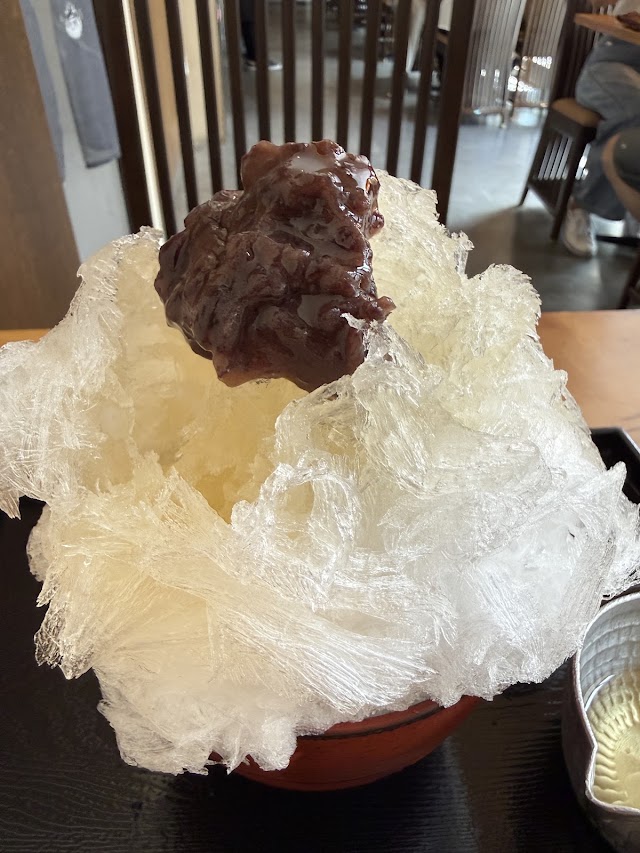
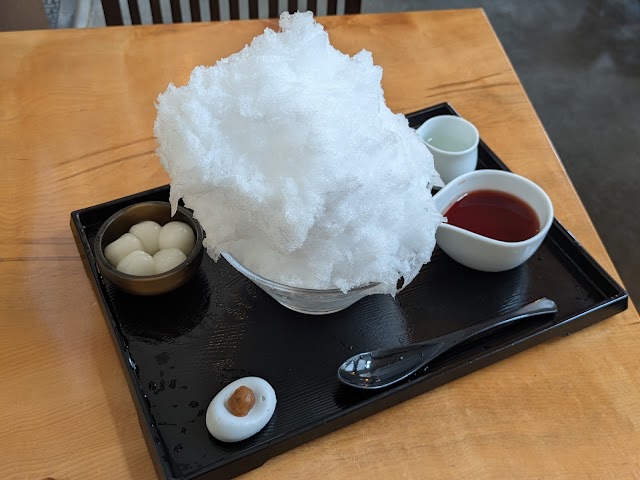
Go to the water: the Rock Garden trail on Mount Mitake follows a mossy stream to Ayahiro Falls; at Nagatoro you ride a wooden boat poled through the Arakawa rapids, then eat shaved natural ice at Asami Reizo, an ice house founded in 1887 that still freezes spring water in winter and stores it all year. And Kawagoe Hikawa Shrine hangs about 2,000 Edo wind chimes from 27 June to 6 September 2026 — no measurable cooling, but it works.
Three planning notes. The Okutama line (Nippara cave, Mount Mitake, Lake Okutama) makes a clean full day, but buses are infrequent and weekday and holiday timetables differ — check on the day. Asami Reizo runs two-to-three-hour queues in peak season, so queue in the morning and take the boat in the afternoon. And the caves really are cold: a light jacket is equipment, not insurance.
You do not need to fly to Hokkaido to find cool air in August. An hour out of Tokyo buys a ten-degree drop; the only question is which method you want — up, in, or toward water. Each implies a different day length, budget and fitness requirement.
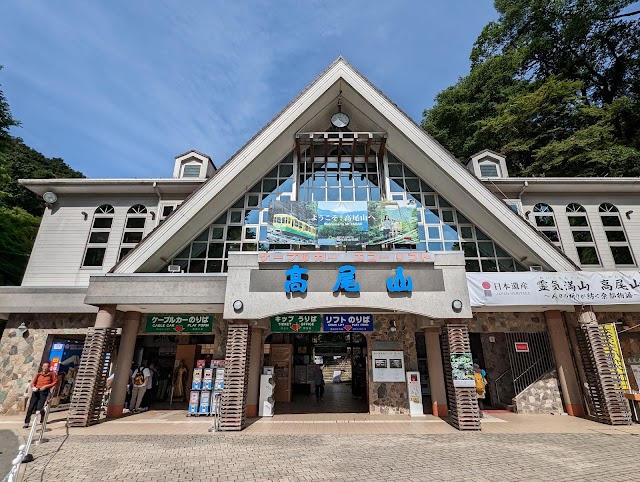
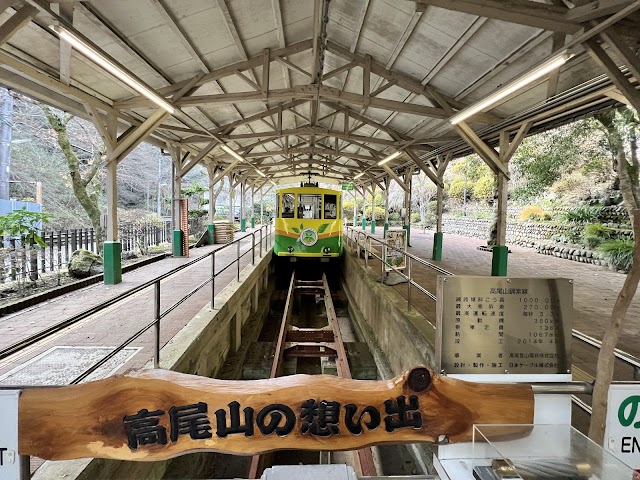
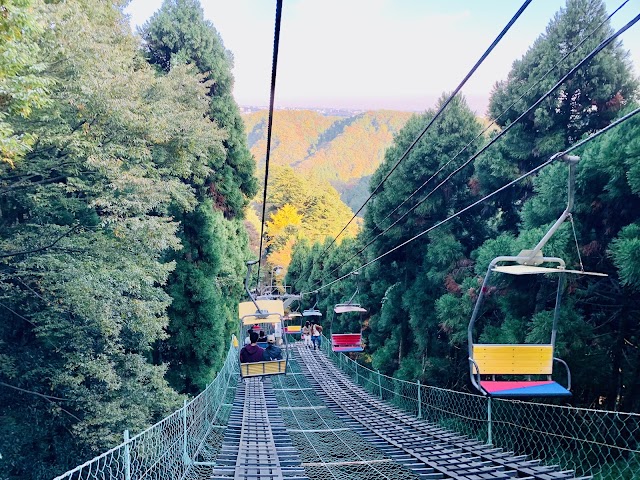
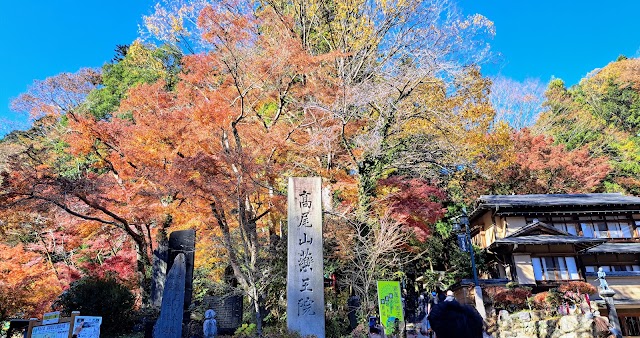
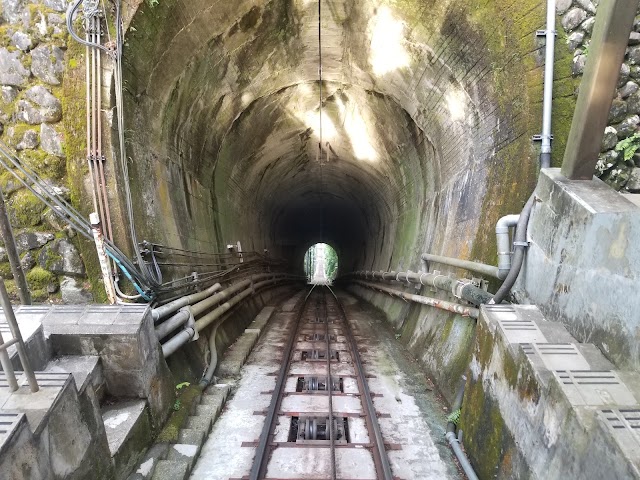
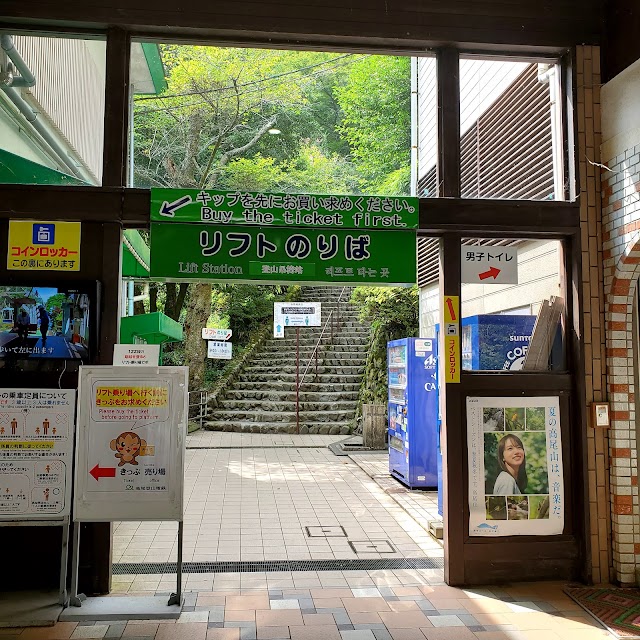
Going up. Mount Takao is the low-threshold option: about 50 minutes direct from Shinjuku on the Keio line, then a cable car that climbs 271m in six minutes on the steepest gradient in Japan, to a 599m summit. Visitors often skip it as 'hiking,' but the routes above the cable car station are paved. The 2026 Takao Beer Mount, at 488m, runs to 29 November — beer on a mountainside over the Kanto plain is a rare kind of Tokyo luxury. Karuizawa is another tier: roughly 1,000m, a town that exists because of summer heat. Meiji-era missionaries built villas here and the judgment still holds. Tokyo Station to Karuizawa takes 60-70 minutes at best on the Hokuriku Shinkansen; the loop around Kumoba Pond is a 25-minute walk, and paired with the Kyu-Karuizawa Ginza street it fills a day. The cost is the fare — around 6,000 yen each way, the priciest entry here, and the only one where you stay in cool air all day.
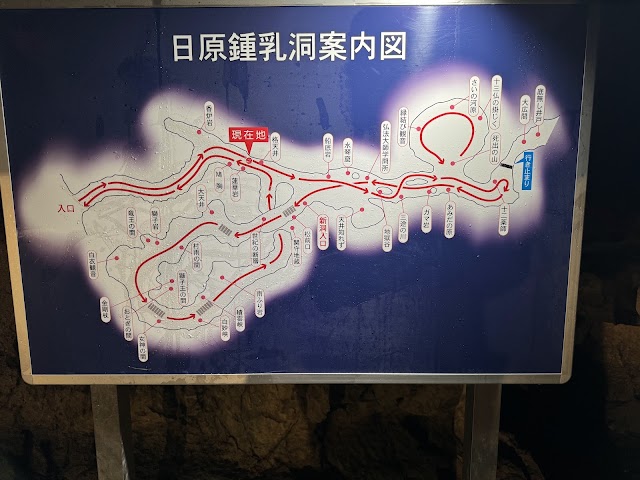
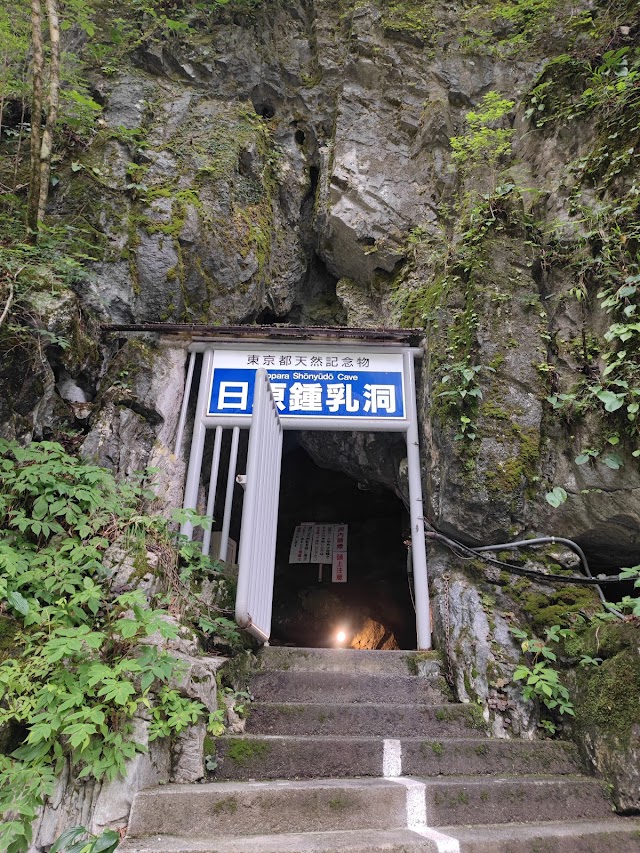
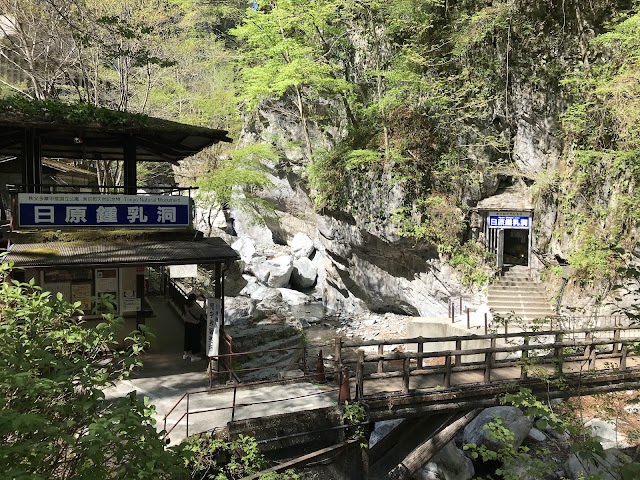
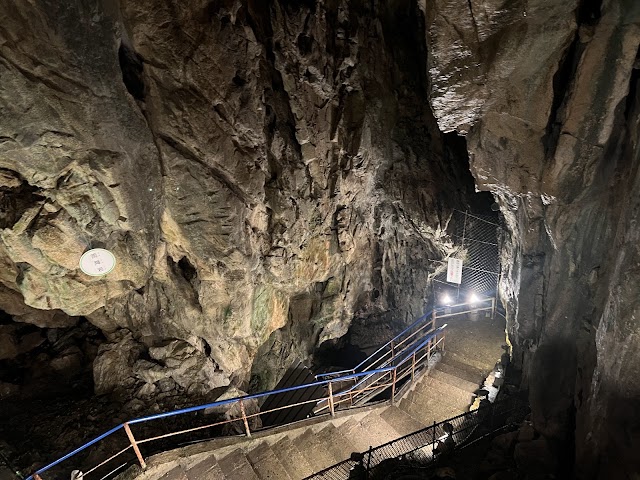
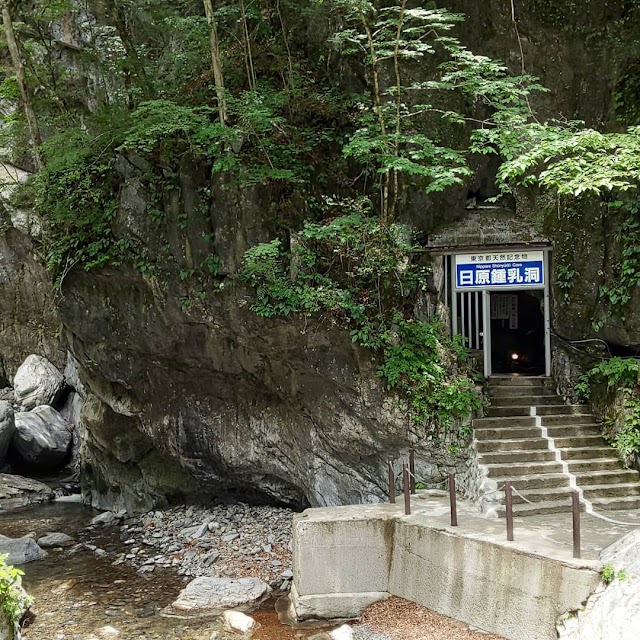
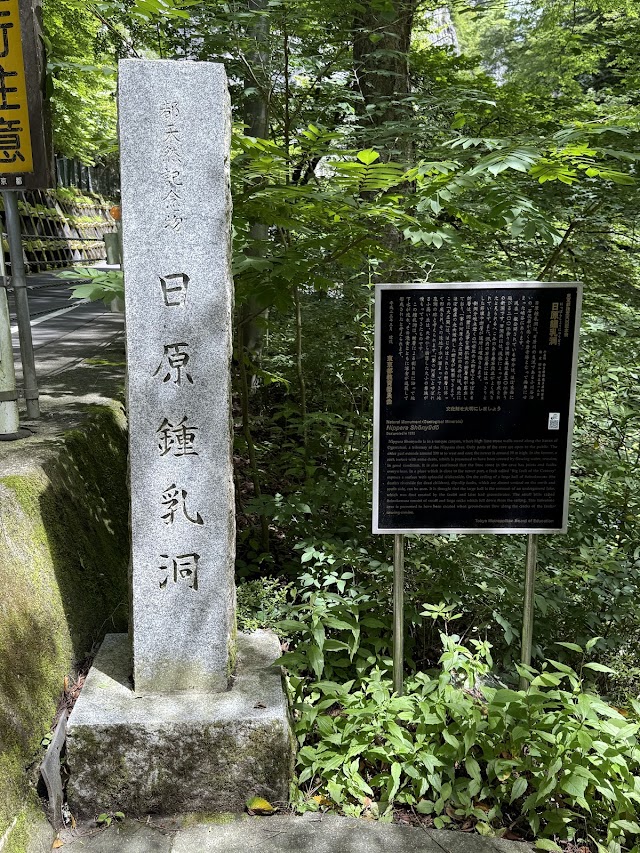
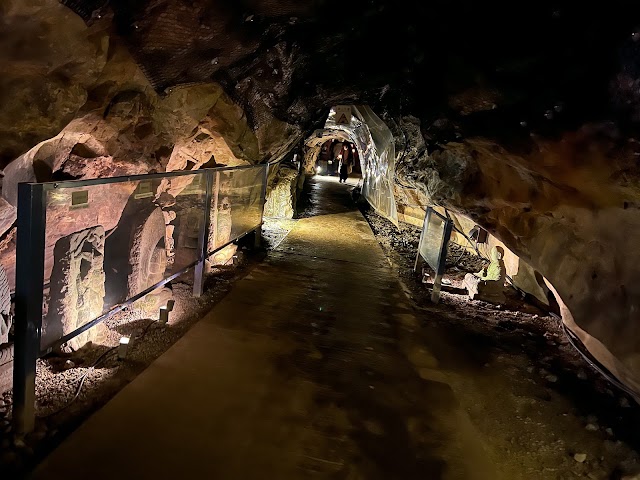
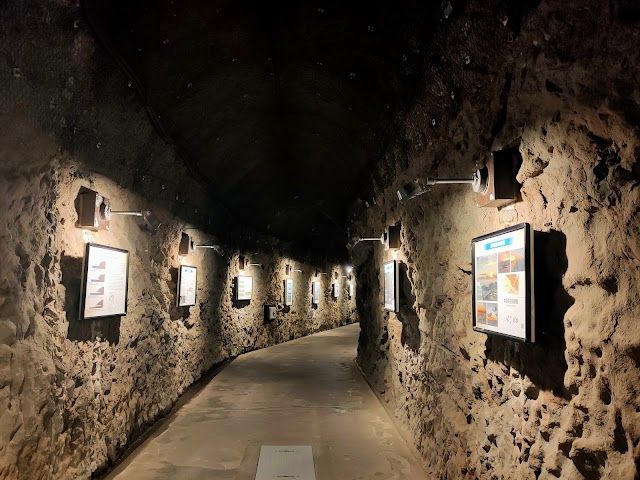
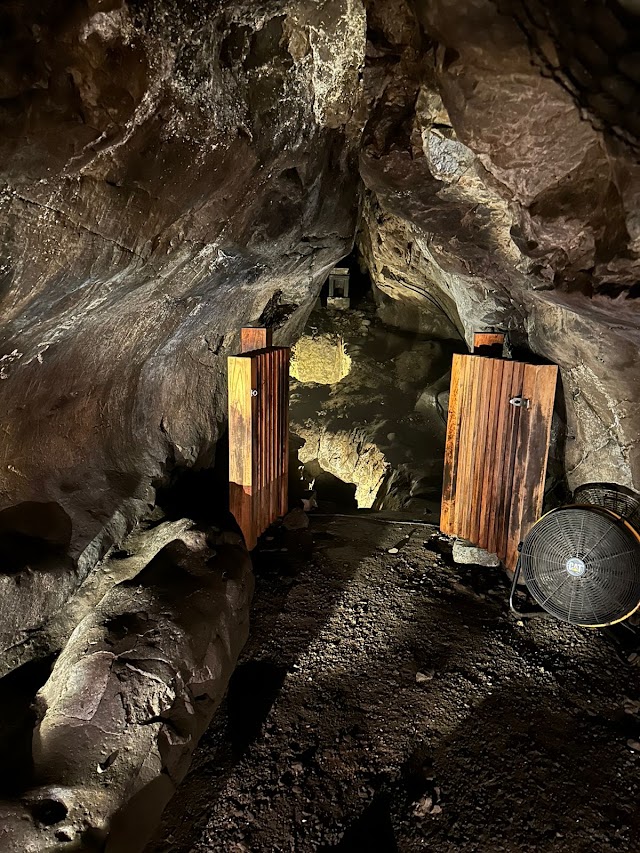
Going in. Nippara holds about 11C year-round, which against a 35C street is a swing of more than twenty degrees — the sharpest contrast in this guide. It is one of the largest caves in the Kanto region, about 40 minutes to walk, at 900 yen for adults, 700 for junior high and 600 for elementary students. Access is the barrier: Shinjuku to Okutama runs about 1 hour 50 minutes via Tachikawa, or roughly 90 minutes direct on the weekend Holiday Rapid, then about 35 minutes by Nishi Tokyo bus. Buses are sparse and the drop-off differs between weekdays and holidays (on holidays you get off at Higashi-Nippara and walk another 25 minutes). Enoshima Iwaya is the other kind of cave: sea-eroded, the first chamber 152m deep and the second 56m, regarded as the origin point of Enoshima worship. Admission is 500 yen for high school students and above, 200 yen for children, with last entry at 18:00 in summer, and part of the route is walked holding a candle.
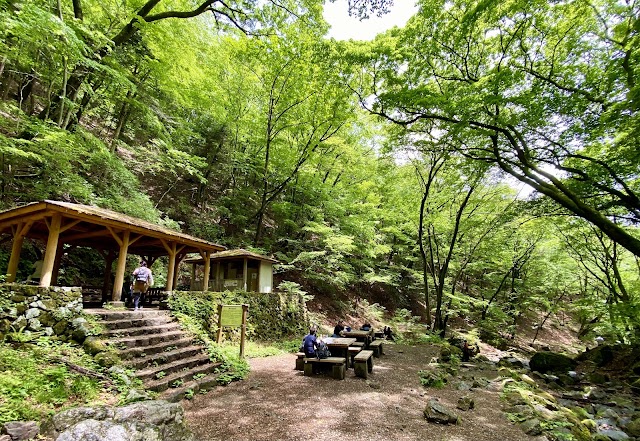
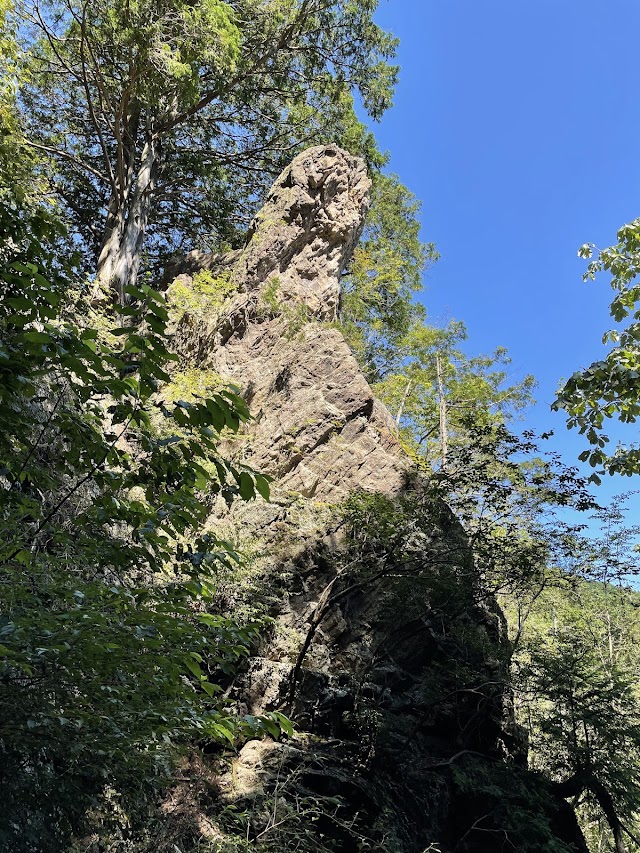
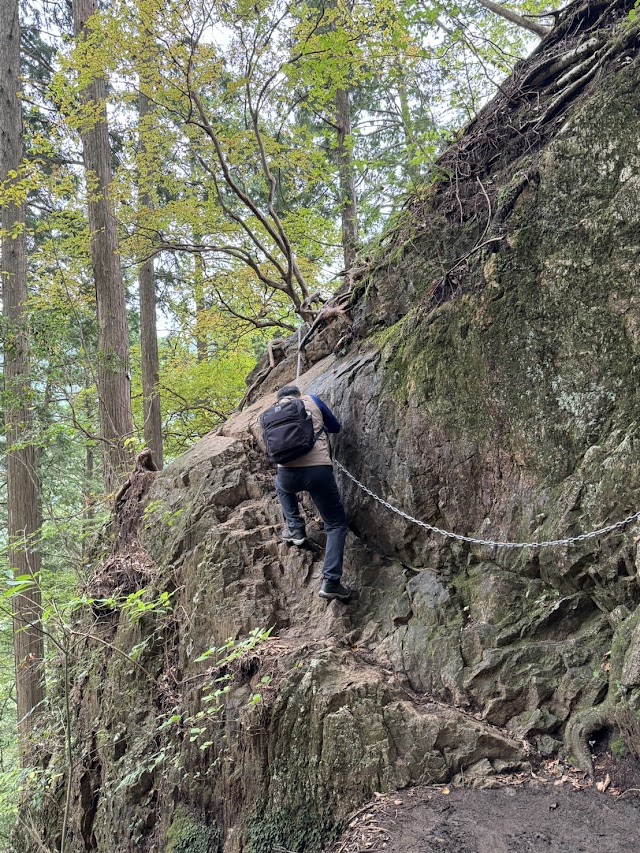
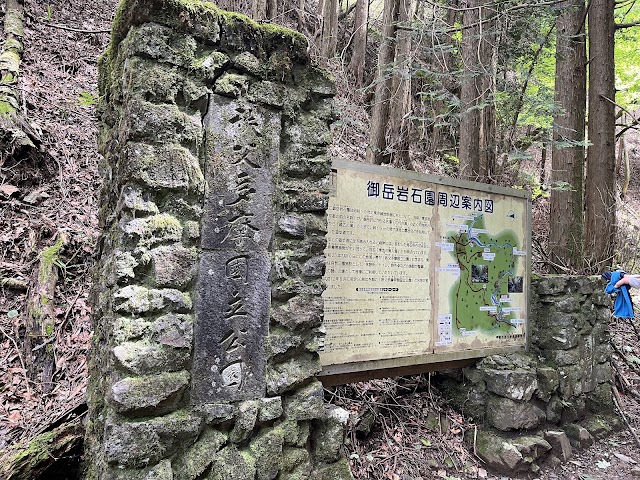
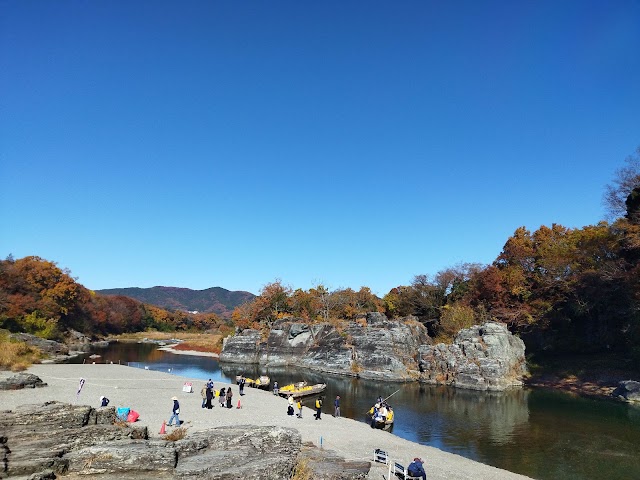
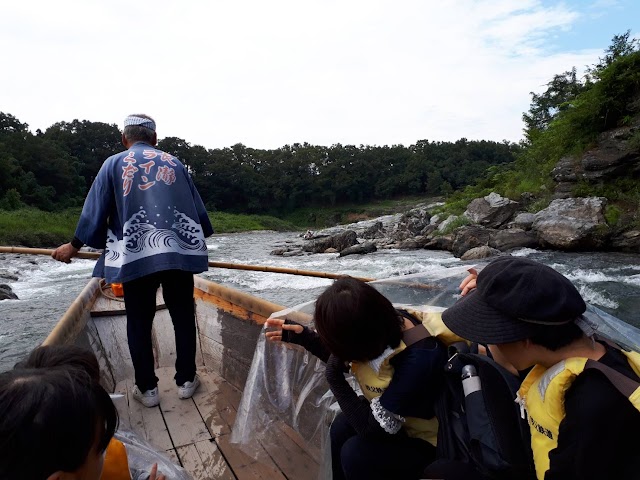
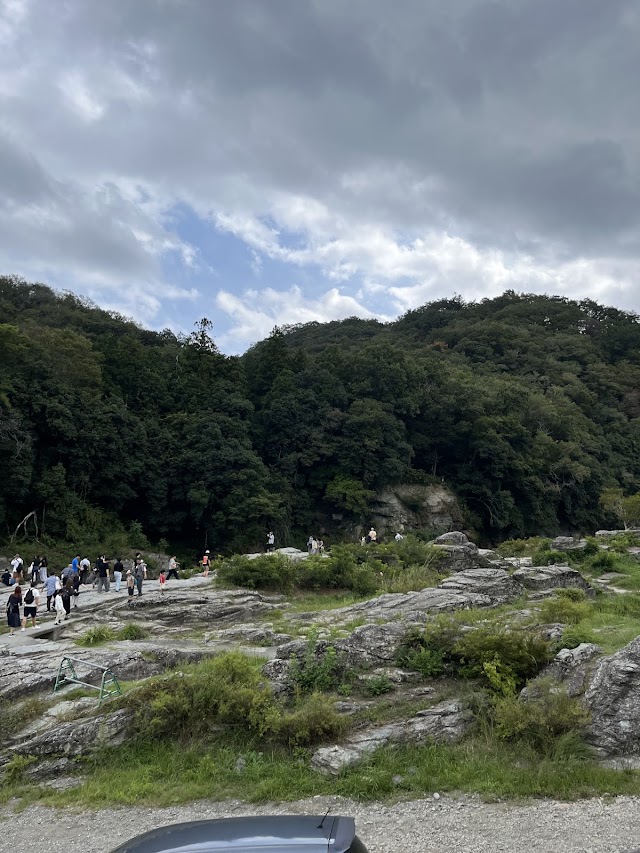
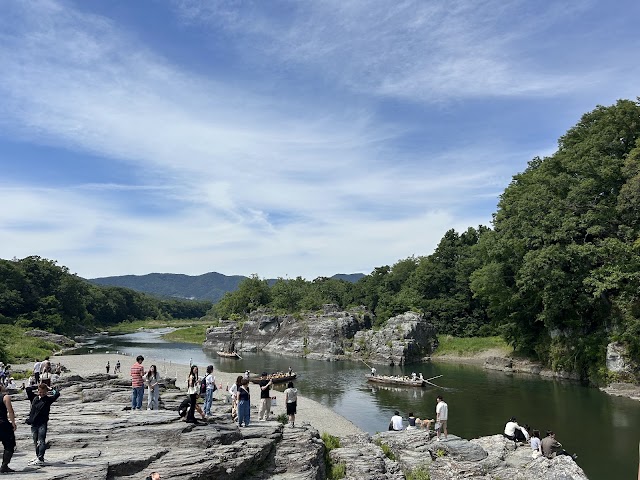
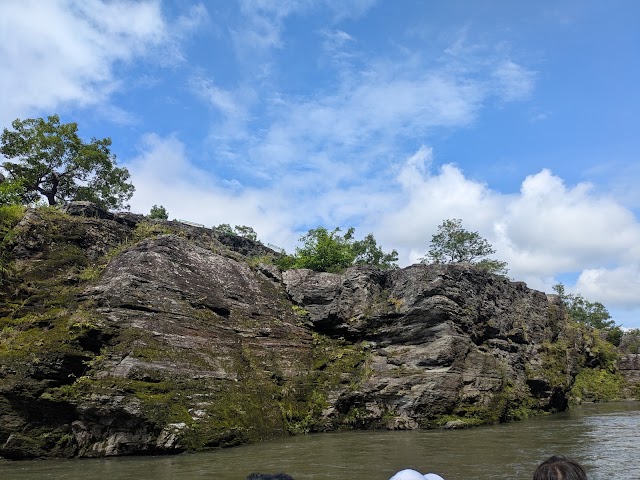
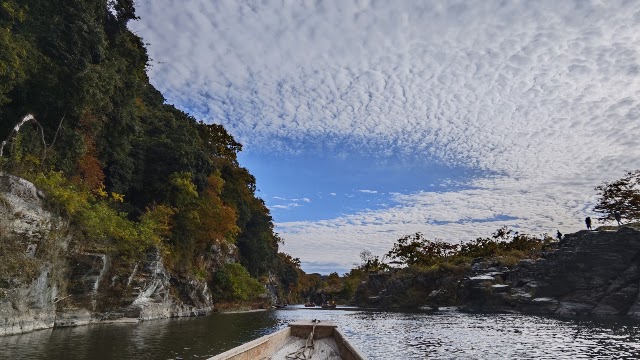
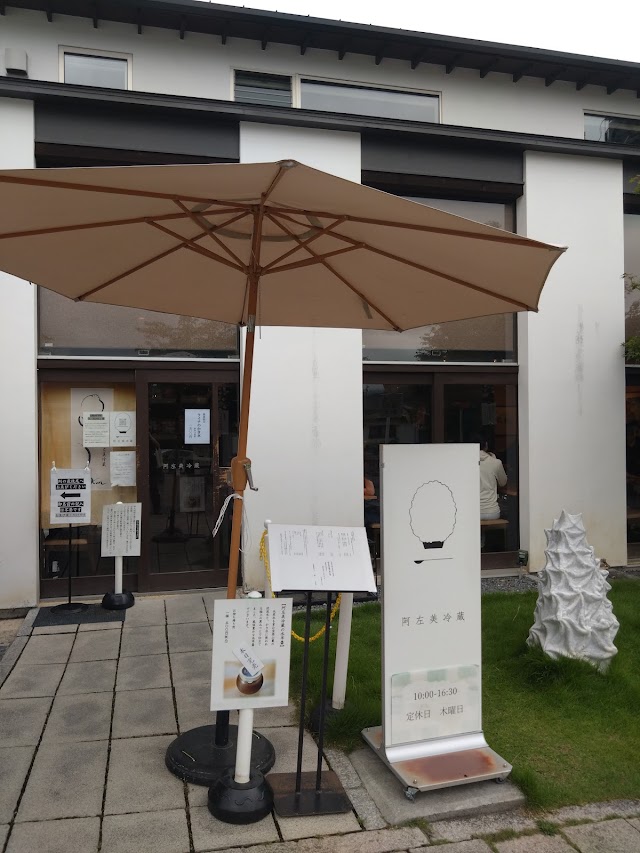
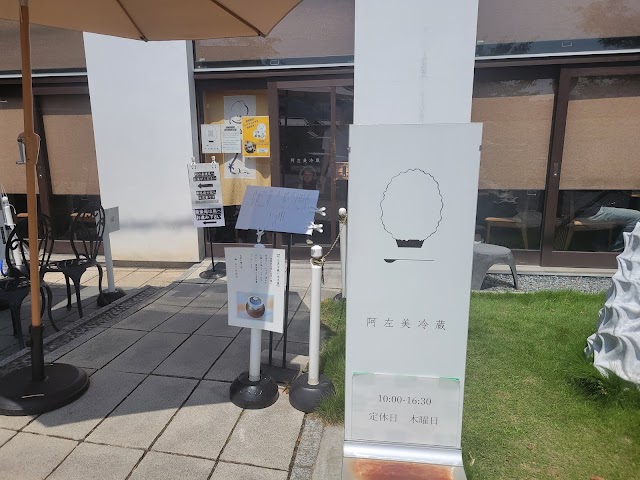
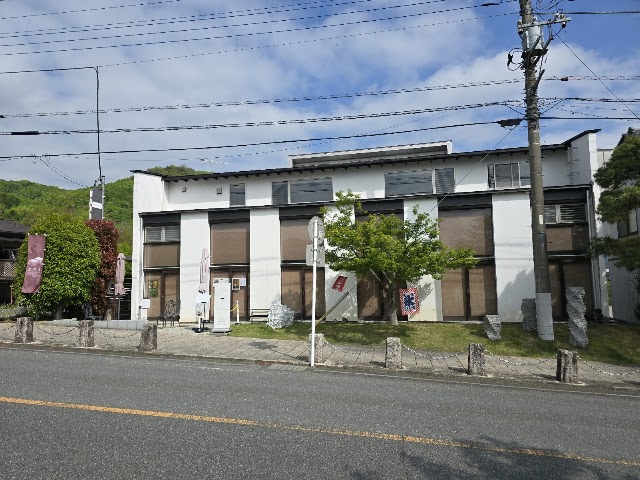
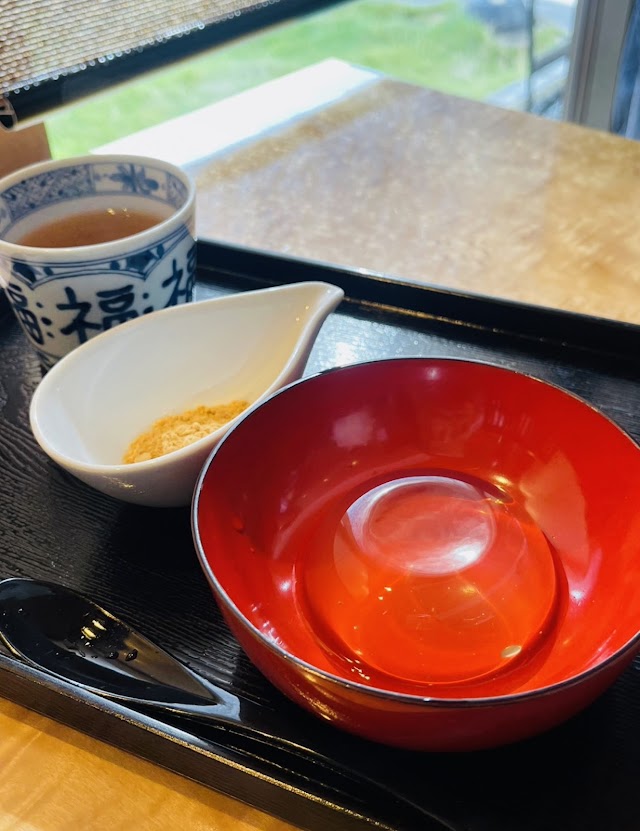
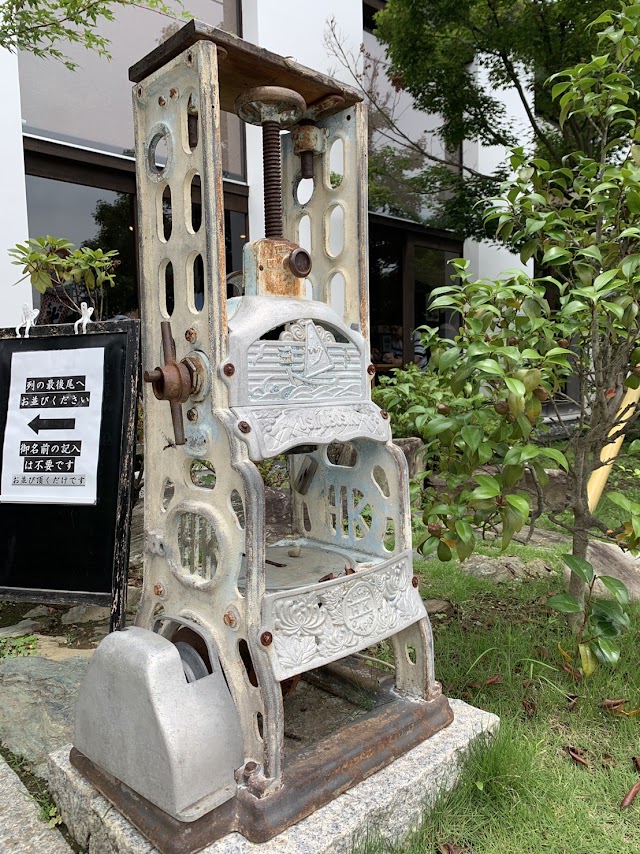
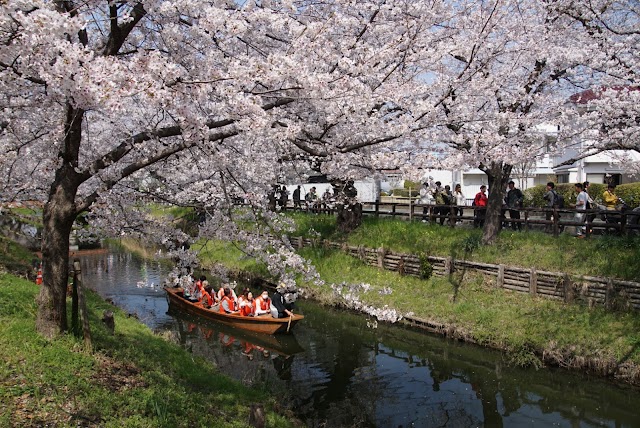
Going to the water. The Rock Garden on Mount Mitake is Okutama's most walkable cool hike — a mossy boulder-and-stream trail to Ayahiro Falls, a one-to-two-hour loop entirely under tree cover. Nagatoro uses water more directly: a wooden boat poled through the Arakawa rapids for 20-40 minutes, spray included, past the Iwadatami rock shelves, a nationally designated place of scenic beauty. A few minutes' walk away, Asami Reizo's Hodosan-do branch shaves natural ice from an ice house founded in 1887 — spring water frozen in winter and stored through the year, a practice only a handful of businesses in Japan still maintain. The ice is shaved thin enough to collapse in the mouth. The cost is the queue: two to three hours on peak weekends. Queue in the morning, boat in the afternoon.
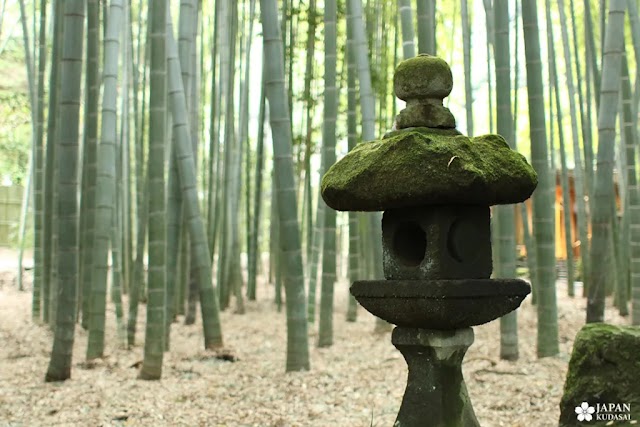
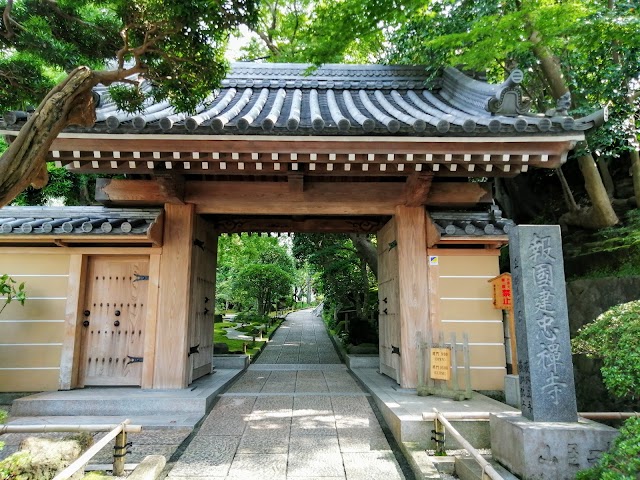
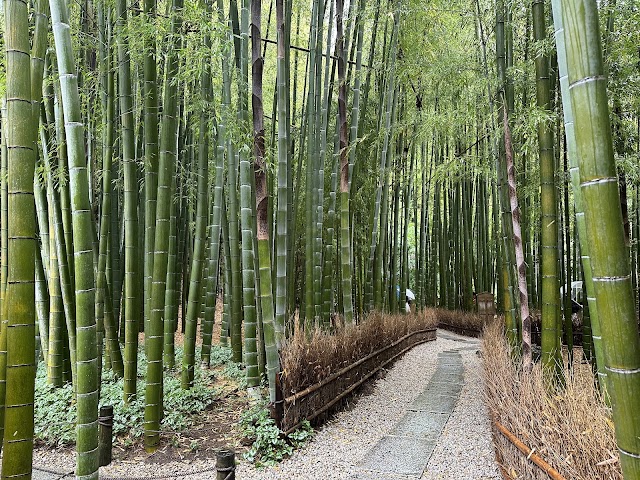
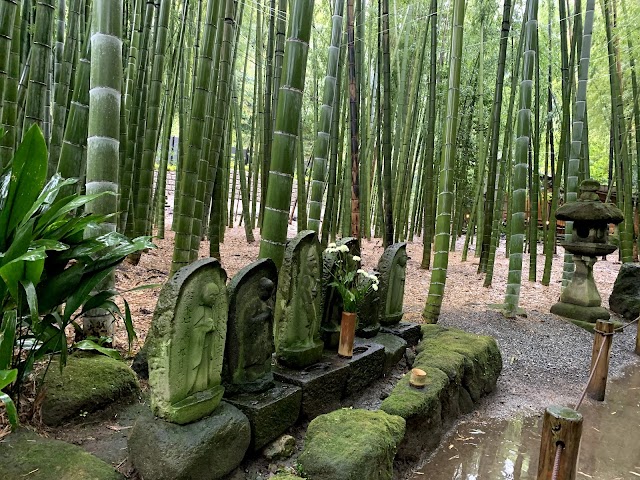
Cooling by sound. Kawagoe Hikawa Shrine's Enmusubi Furin runs 27 June to 6 September 2026, 8:00-20:00, free, with about 2,000 Edo glass wind chimes across the grounds and evening illumination of the chime corridor and stream. Ikebukuro to Kawagoe takes 30-40 minutes, and the Kurazukuri warehouse street and Toki no Kane bell tower fill the rest of the day — the gentlest itinerary here. Hokokuji in Kamakura sits in between: roughly 2,000 moso bamboo stalks, three stars in the Michelin Green Guide, 400 yen for high school students and above, 200 yen for children, plus 600 yen for matcha at the tea seat beside the grove. Pair it with Enoshima for a half-and-half day of sea and bamboo.
Practical advice. First visit, average fitness, traveling with kids: Kawagoe wind chimes plus the old town, or Enoshima Iwaya plus Hokokuji. Real temperature contrast and willing to check bus times: the Okutama line. Photos and ice: Nagatoro. Budget flexible, cool all day: Karuizawa. Three things not to skip — a light jacket for the caves, grippy shoes for the gorge trails, and food and water for Okutama and Nagatoro, where options are thin. Apart from Karuizawa, a full day of transport and admissions usually stays under 3,000 yen.
What to watch: the Lake Okutama floating bridge closes at certain water levels, Nagatoro boats stop for water and weather, and the Enoshima caves shut in rough seas. None of these are seasonal — they are same-day conditions, so check official notices the morning you leave. Verified against the Otama Tourism Association, Takao Tozan Railway, Kawagoe Hikawa Shrine event listings, Kanagawa tourism and the Town of Karuizawa; phone, hours, ratings and photos are merged from Google Maps official data the morning after publication. Fares and admissions are estimates.
 Scan for map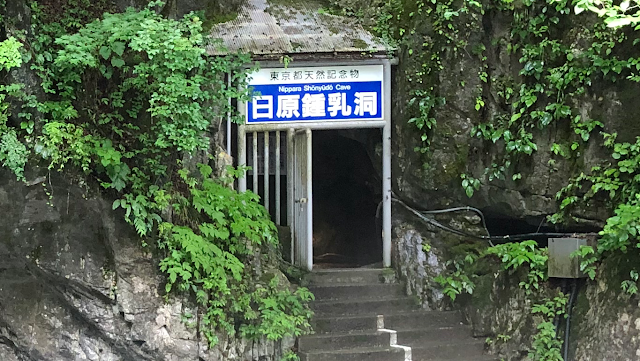
 Scan for map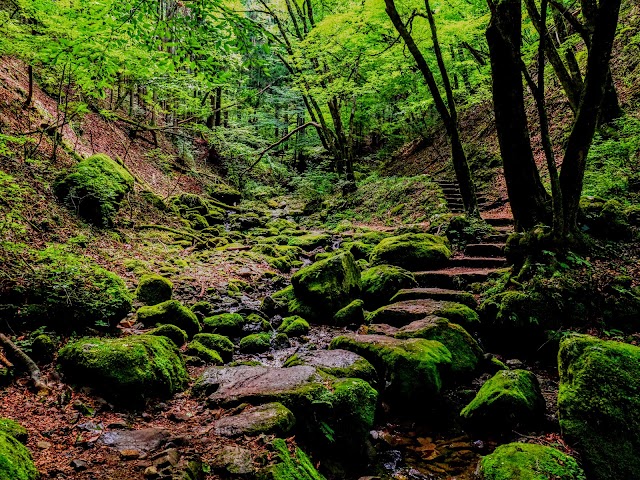
 Scan for map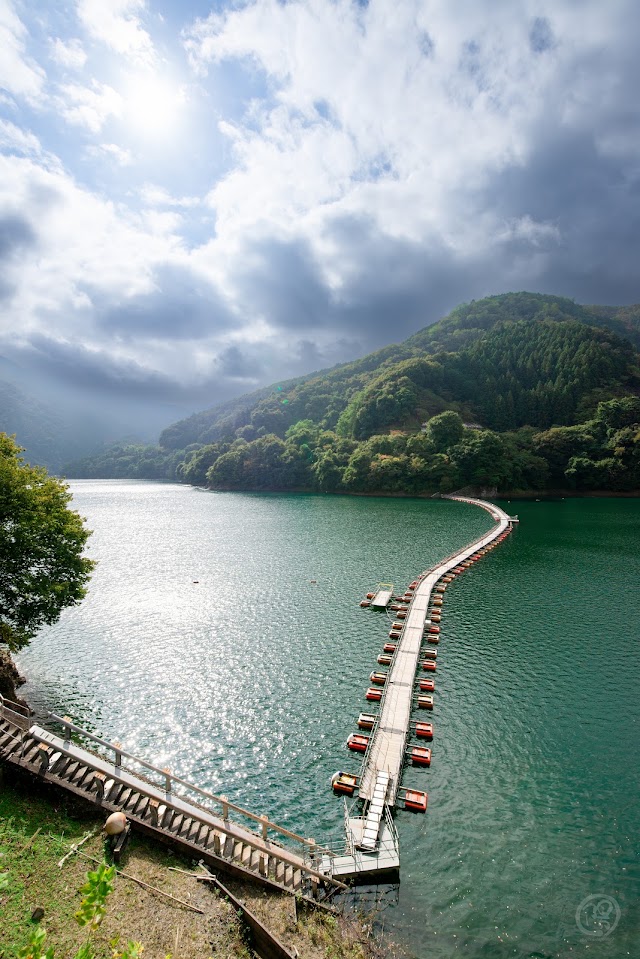
 Scan for map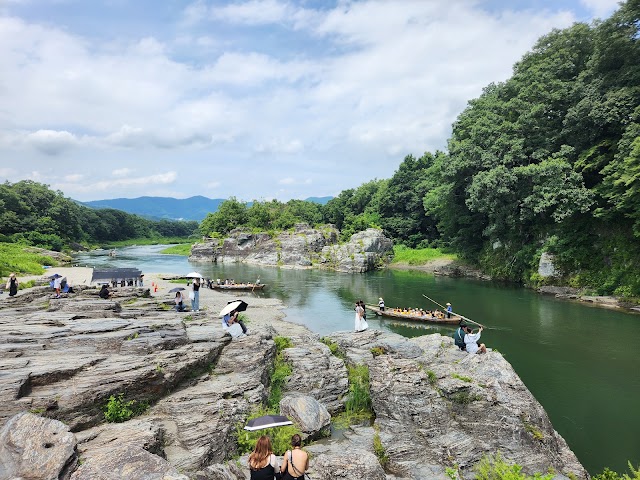
 Scan for map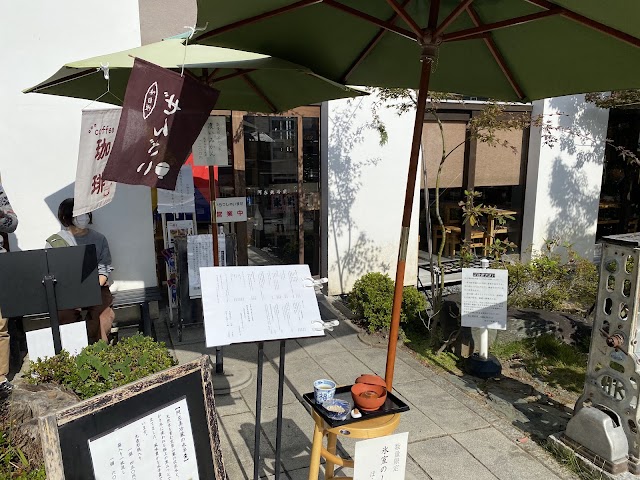
 Scan for map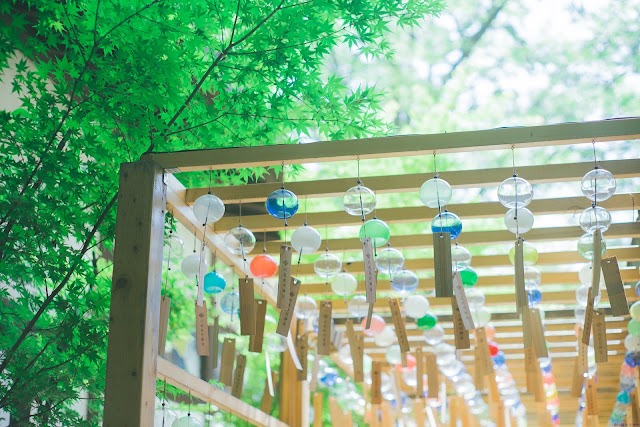
 Scan for map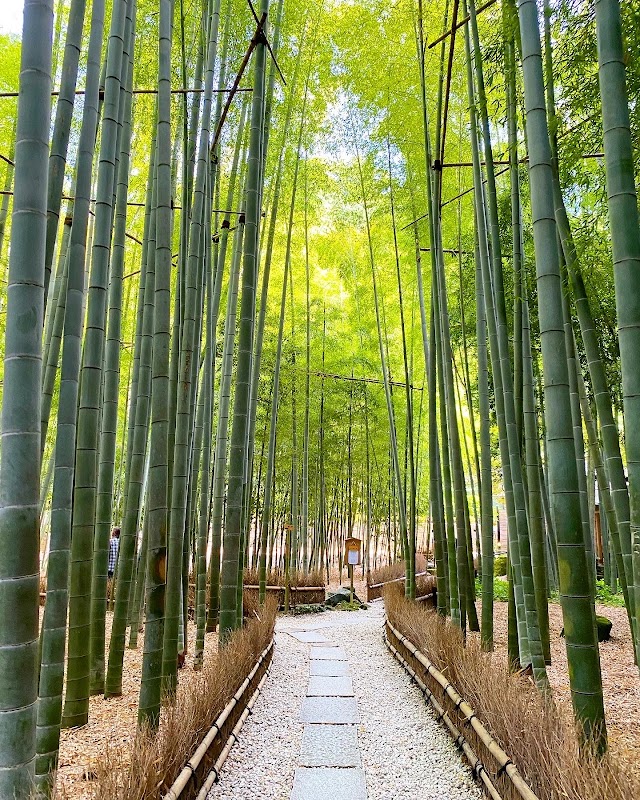
 Scan for map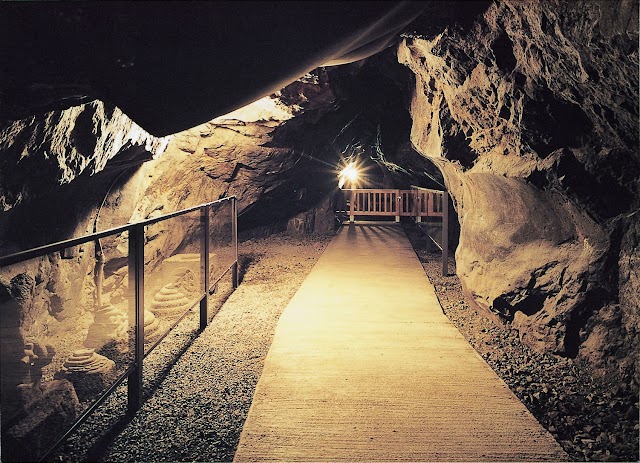
 Scan for map
 Scan for map