Why the Yen Stays Weak: Rate Gaps First, Asset Confidence Next
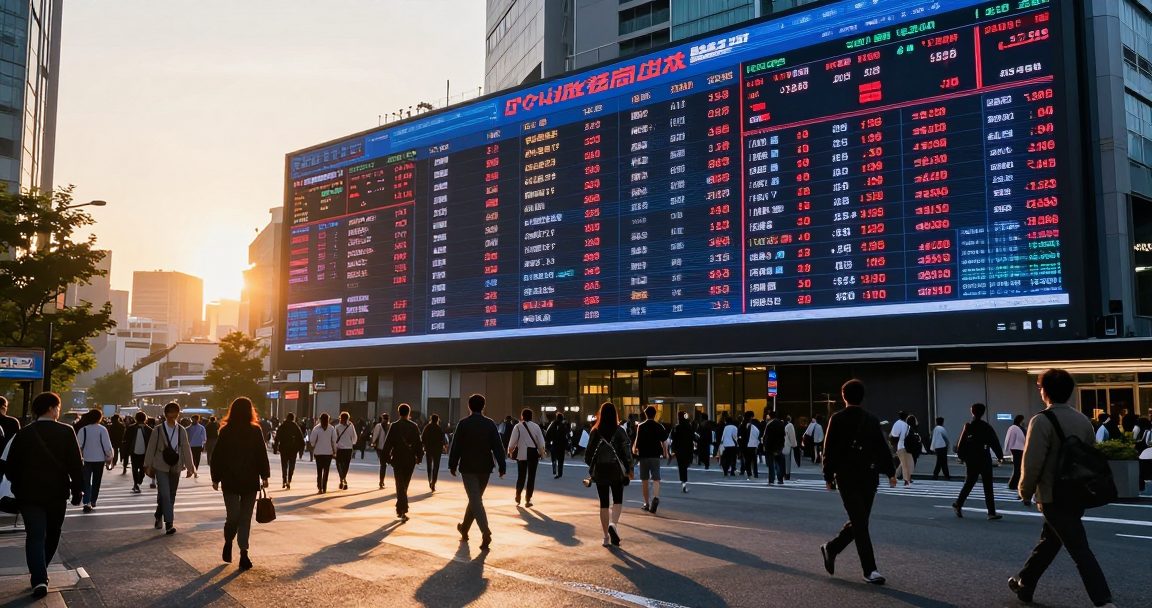
- Japanese policymakers express concern over yen depreciation.
- Yen weakness could increase household burdens and inflation pressures.
- Interest rate differences between the US and Japan are driving yen weakness.
Intervention pulled the rate from 164 to 155 without touching what made the yen weak. For anyone moving money into Japan, that distinction matters: betting 155 is the new floor means betting the Bank of Japan hikes.
The main driver is dull but decisive. Money chases yield. Japan has held its policy rate at the low end among major economies for years while the US and Europe raised theirs against inflation. That gap is the cost of holding yen — you forfeit interest annually unless you expect appreciation to cover it. Markets stopped expecting that three years ago.
The newer concern is heavier. Toyokeizai flags eroding confidence in Japanese assets themselves. Rate gaps reverse when the BOJ moves; confidence takes years to rebuild. Investors are watching the fiscal path: the government just approved cutting food consumption tax to 1% from April 2027, which means less revenue and more issuance atop already-elevated debt.
A weak yen hurts Japan too, lifting import costs for a country dependent on foreign energy and food. That is precisely what the tax cut answers — and the cut deepens the fiscal doubt. Washington's willingness to co-sign the intervention says a cheap yen now troubles US exporters as well, a political condition absent in 2022 and 2024.
Track the two-year US-Japan yield gap, the funding explanation in the autumn Diet session, and foreign holdings of JGBs.
A better gauge than the headline rate is the real effective exchange rate, which weights the yen against all major partners and strips out inflation gaps. By that measure the yen remains near multi-decade lows even at 155 — which is why foreign buyers keep circling Japanese property and why the cheapness Taiwanese readers see is structural, not a two-week move.
There is a competitive angle Taiwanese readers rarely hear. Taiwan and Japan overlap heavily in machine tools, chemicals and auto components, often quoting the same third-market buyers. A weak yen quietly discounts every Japanese quote. So pulling the rate back from 164 to 155 helps Taiwanese exporters — the opposite of what it does to currency traders.