Japan Moves to Cut Food Consumption Tax to 1% for Two Years
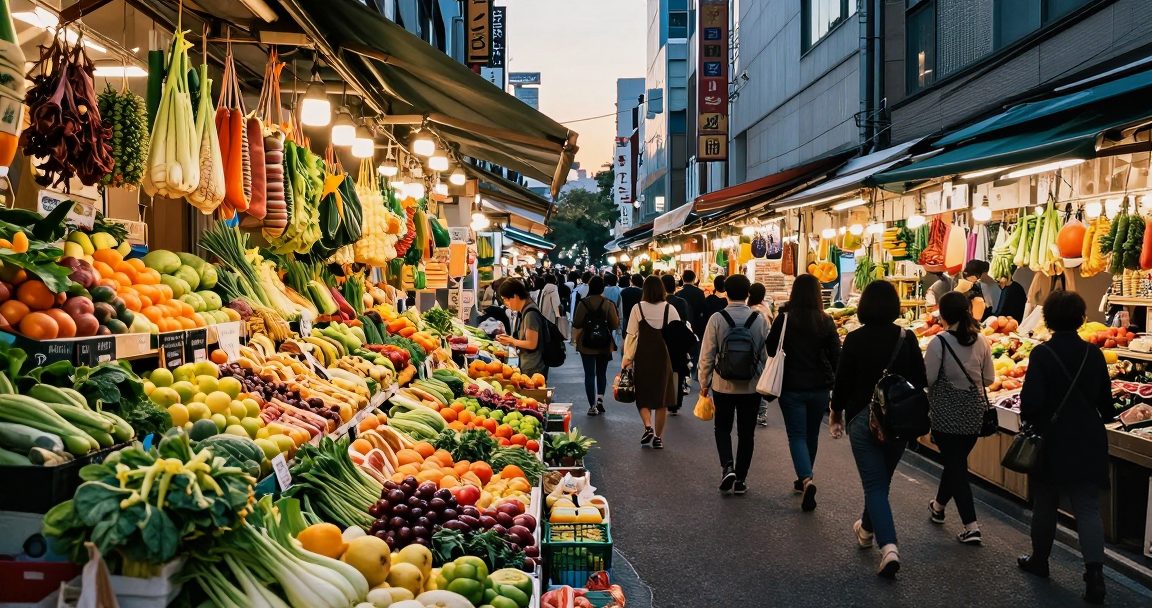
- Government plans to lower food VAT to 1% starting April next year
- Measure aims to ease consumer burden and boost economy
- Ruling party prepares to discuss tax reform outline
If you visit Japan more than once a year, this lands on your receipts. From April 2027, for two years, the consumption tax on food drops from 8% to 1%. The cabinet approved the basic policy on the 5th; the ruling party now drafts the tax reform outline, with legislation due in the autumn Diet session.
Place the numbers correctly. Japan's standard rate is 10%, with food at a reduced 8%. Cutting that to 1% makes food effectively tax-free, and a separate transfer returns the remaining 1% to lower- and middle-income households — zero in practice for them. It expires end-March 2029, reverting to 8%. Prime Minister Takaichi has said plainly she will restore it within two years.
A temporary cut behaves nothing like a permanent one. Shoppers know the price returns, so demand clusters: elevated spending during the window, a buying rush before expiry, then a cliff. Japan saw the mirror image around the 2014 and 2019 rate increases.
Three paths. The cut genuinely lowers food inflation and lifts domestic consumption stocks. Or import costs at 155 yen absorb it, and margins rather than shelf prices move. Or markets read it as fiscal slippage, JGB yields rise and the yen weakens again — meaning the 4 trillion yen just spent defending the currency partly pays for this policy.
Watch the funding explanation, how "food" gets defined, and whether opposition pressure expands the package.
The two-year clock is itself a political design. Restoring the rate in 2029 requires another vote, likely inside an election window, and Japanese governments have rarely found it easy to put a tax back up. Markets will therefore discount the promise — which feeds straight into the fiscal risk premium and into how aggressively retailers should cut prices.
Note the design: 1%, not zero. Keeping a non-zero rate preserves the invoicing and filing machinery, so restoring 8% in 2029 means changing one number rather than bringing food back into the tax base. For households, food is roughly a quarter to a third of spending, so the cut lands as a one-to-two percent easing overall — meaningful, and largest for lower-income families.