Tokyo Zoos and Aquariums 2026: Ten Picks for the Hottest Month, From a Post-Panda Ueno to Kasai Rinkai Before the Rebuild
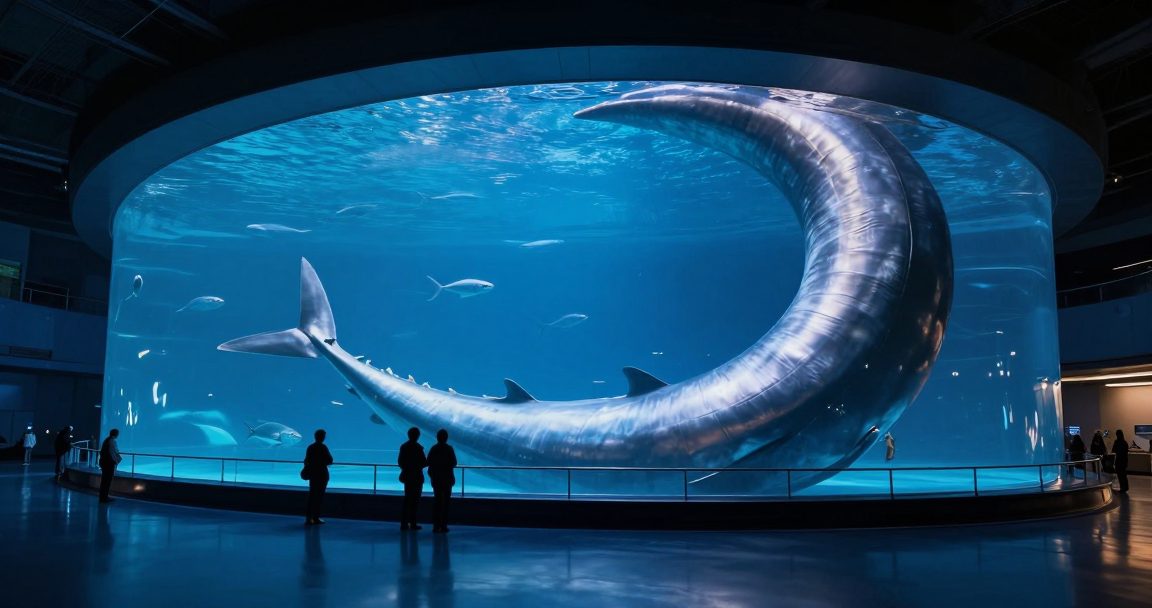
- Three price tiers: metropolitan parks 400-700 yen (Ueno 600, Tama 600, Inokashira 400, Kasai Rinkai 700; free for elementary schoolers); private aquariums 2,500-3,200 yen (Sumida 2,700, Sunshine variable 2,600-3,200, AQUA PARK Shinagawa 2,800); ward-run and free (Shinagawa Aquarium 1,350, Edogawa Nature Zoo free, Adachi 300)
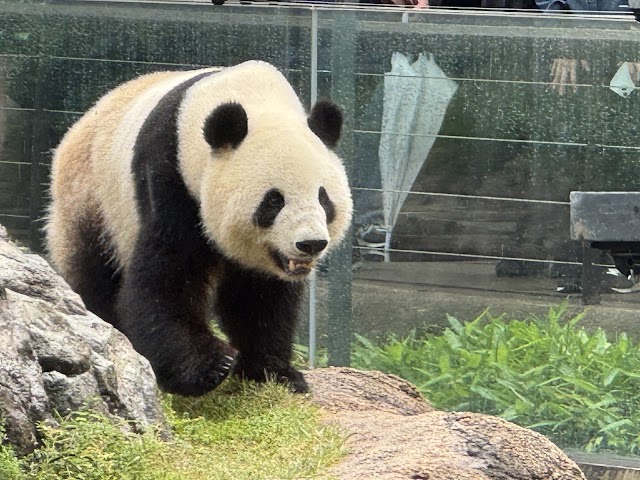
- Ueno Zoo has had no giant panda since 27 January 2026, when twins Xiao Xiao and Lei Lei were returned to China — the queues are gone and the rest of the collection is finally easy to see
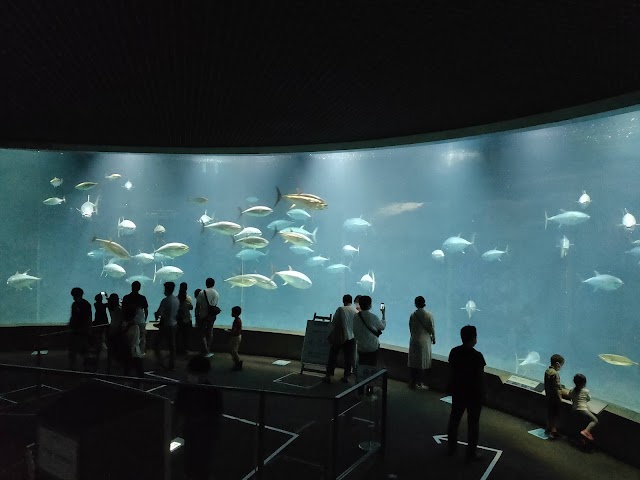
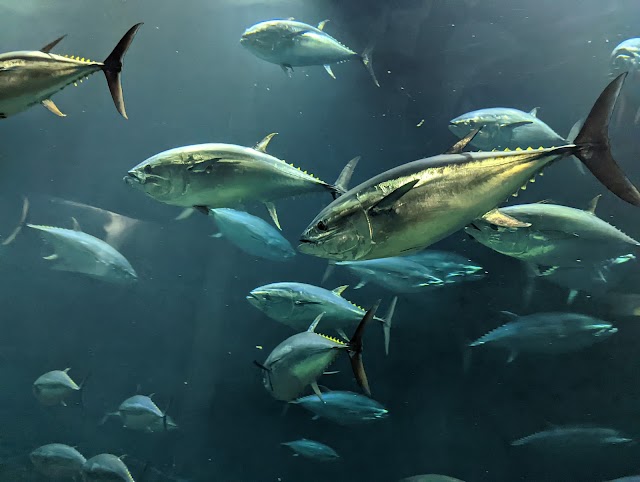
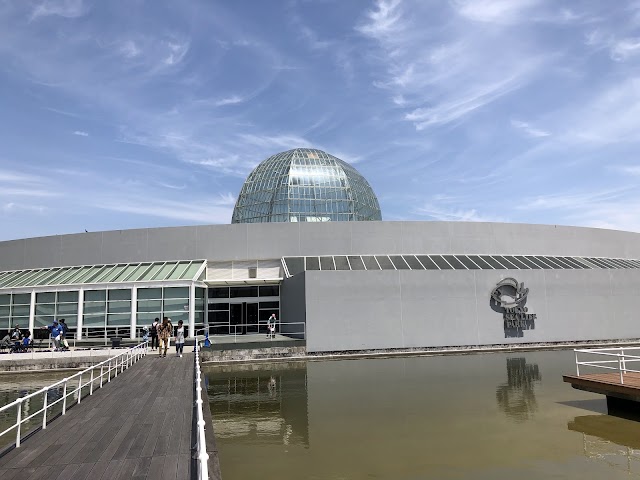
- Kasai Rinkai Aquarium's new facility is slated to open in September 2028 with the bluefin tuna tank continued; the existing Taniguchi glass dome is to be preserved, so the current route is on borrowed time
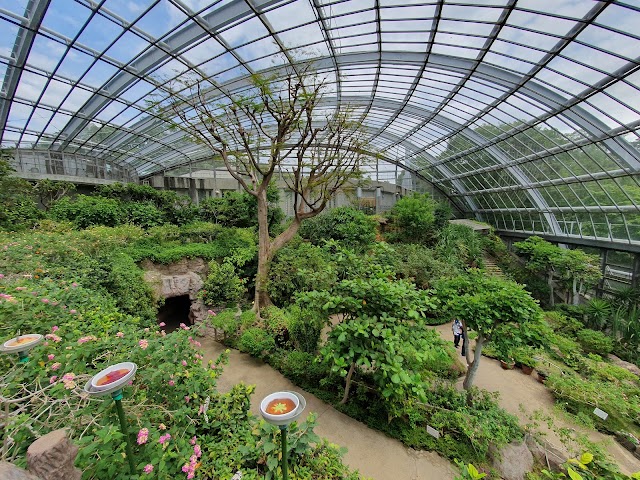
- Tama Zoological Park covers 52.3 hectares, roughly four times Ueno, for the same 600 yen — moat-based enclosures, the Lion Bus and a year-round butterfly greenhouse, but it is all hillside
- Best value day: Kasai Rinkai Aquarium in the morning (700 yen) plus the free Edogawa Nature Zoo in the afternoon, under 1,500 yen of tickets for two venues on the same rail line
- Watch the pricing model: Sunshine Aquarium uses dynamic pricing that peaks in the summer holidays; AQUA PARK Shinagawa sells an After 5 ticket at about 2,500 yen on weekdays
For Taiwanese families, Tokyo's zoos and aquariums usually sit at the bottom of the itinerary — until August, when the pavement hits 35C and two hours indoors becomes the most valuable slot of the trip.
Tokyo's facilities come in three tiers, and the price gap runs to seven times. The four metropolitan parks (Ueno Zoo, Tama Zoological Park, Inokashira Park Zoo, Kasai Rinkai Aquarium) charge just 400-700 yen because they are tax-funded public facilities; elementary schoolers enter free, as do junior-high students living or studying in Tokyo. The three private aquariums (Sumida, Sunshine, maxell AQUA PARK Shinagawa) charge 2,500-3,200 yen and sell experience design rather than animal counts. The ward-run and free venues (Shinagawa Aquarium, Edogawa Nature Zoo, Adachi Park of Living Things) run from zero to 1,350 yen and are the quietest option with small children.
Two things make 2026 the year to write this. On 27 January the twin pandas Xiao Xiao and Lei Lei were returned to China, leaving Japan without a giant panda on display — and a far more walkable Ueno. And Kasai Rinkai Aquarium's replacement is scheduled to open in September 2028, which puts an expiry date on the current Yoshio Taniguchi glass dome route.
Line one: the four metropolitan parks, priced by the public purse.
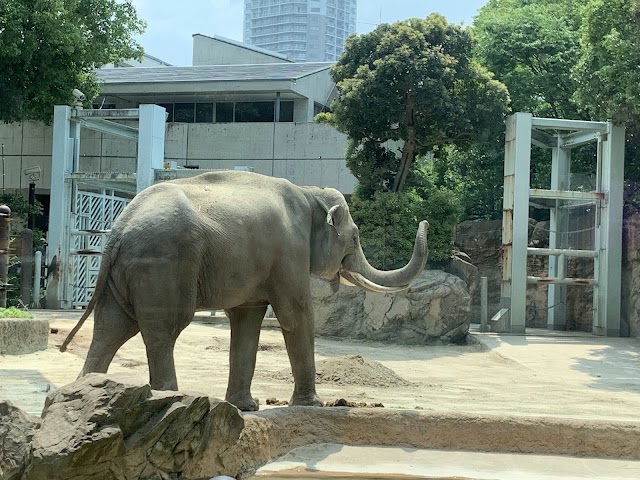
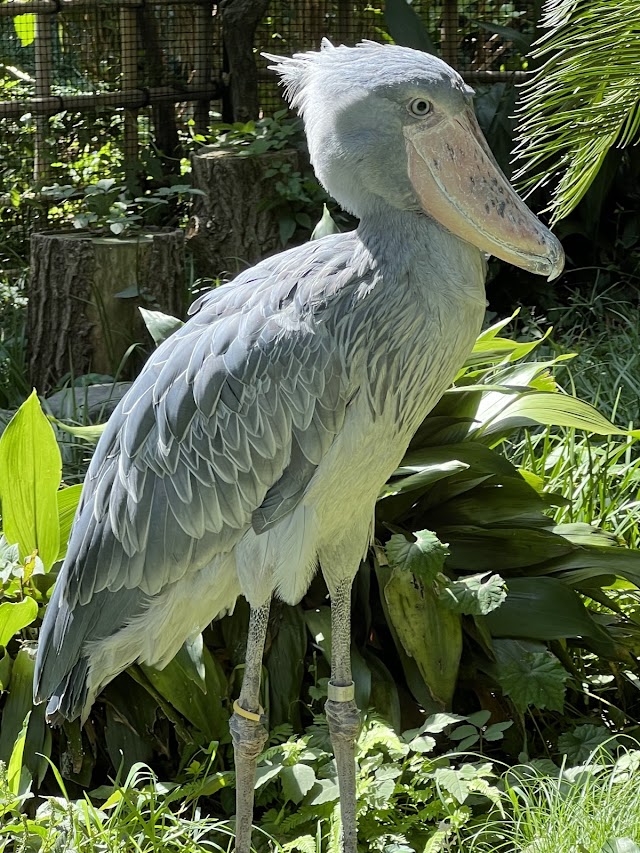
Ueno Zoo (600 yen) opened in 1882 and is Japan's oldest. On 27 January 2026 the twin pandas Xiao Xiao and Lei Lei went back to China, and Japan currently has no giant panda on display. Japanese media treated it as a loss; for a visitor it is the opposite. The queue that used to swallow the main path is gone, and you can stand as long as you like in front of the shoebill, which is famous for not moving. Official info: https://www.tokyo-zoo.net/zoo/ueno/
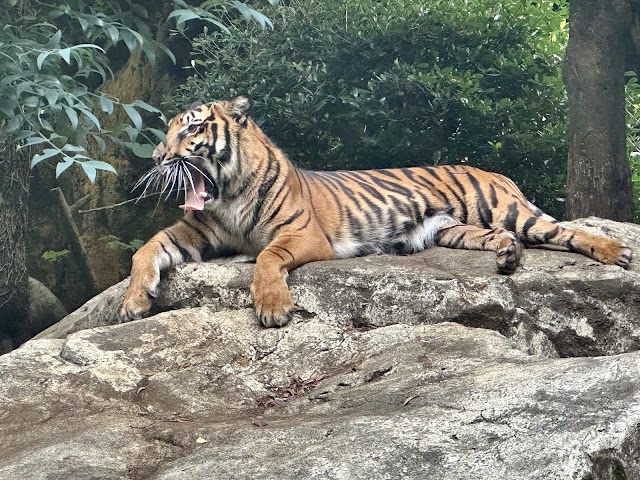
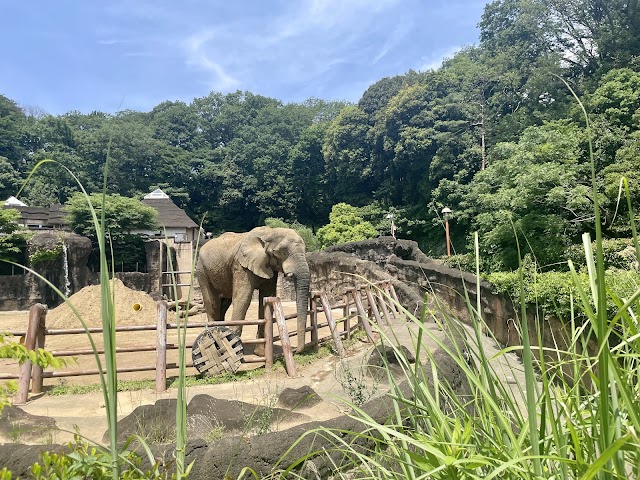
Tama Zoological Park (600 yen) sits at its own Keio line station in Hino. At 52.3 hectares it is about four times Ueno, built with moats instead of bars, and it runs the Lion Bus straight into the lion enclosure plus an insect house with a year-round butterfly greenhouse. Treat it as a hike: the whole park is hillside.
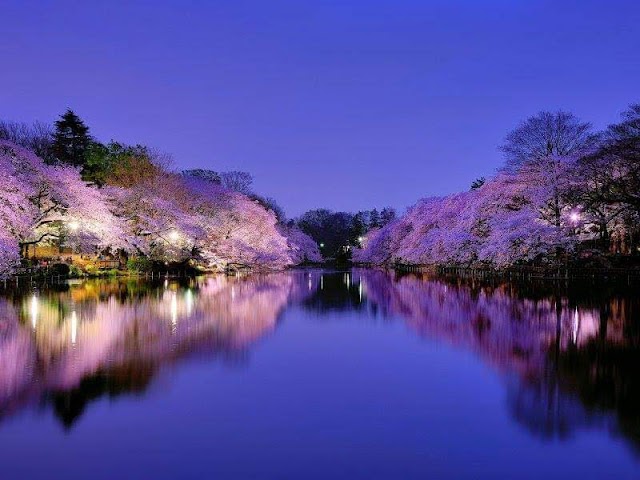
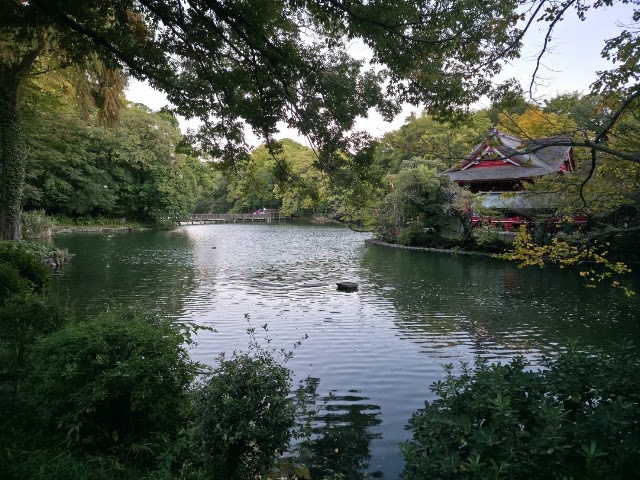
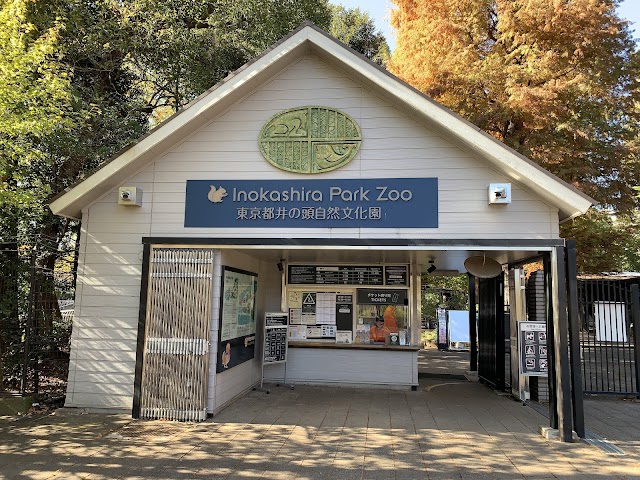
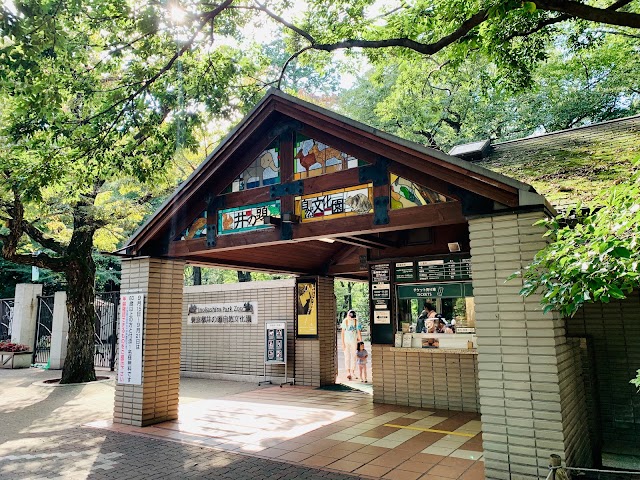
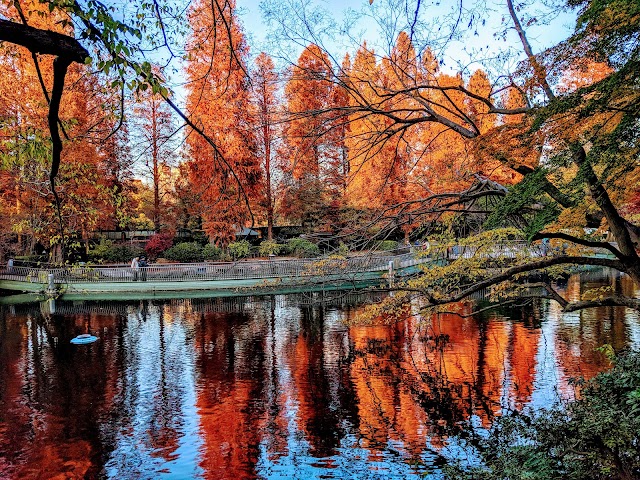
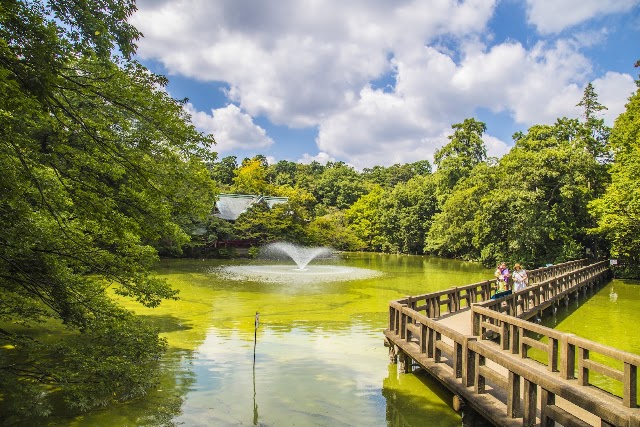
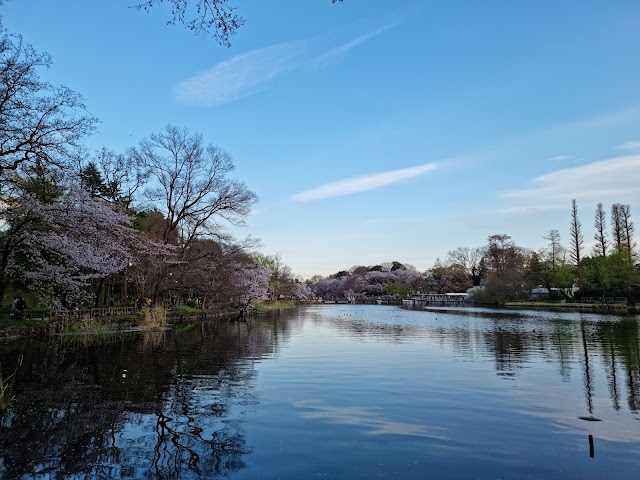
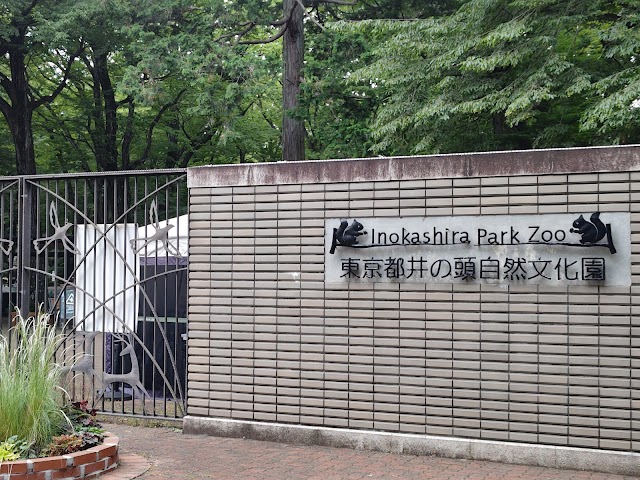
Inokashira Park Zoo (400 yen) is the cheapest paid venue here, ten minutes on foot from Kichijoji. Squirrels run loose along a dedicated path, guinea pigs can be held, and the sculpture studio of Seibo Kitamura sits inside the grounds. Tickets: https://www.tokyo-zoo.net/inokashira/visitor-info/tickets/index.html
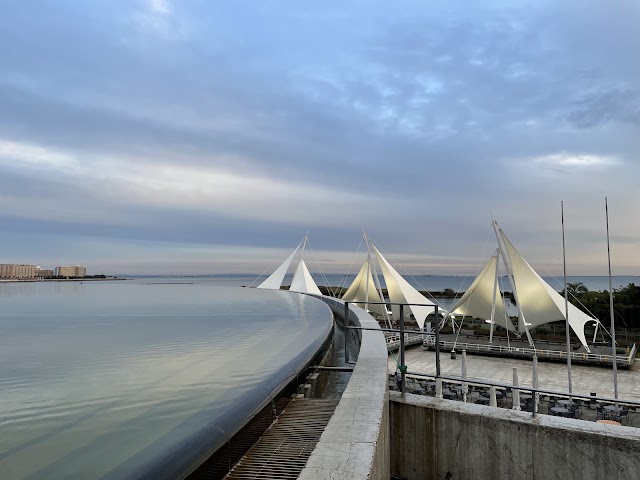
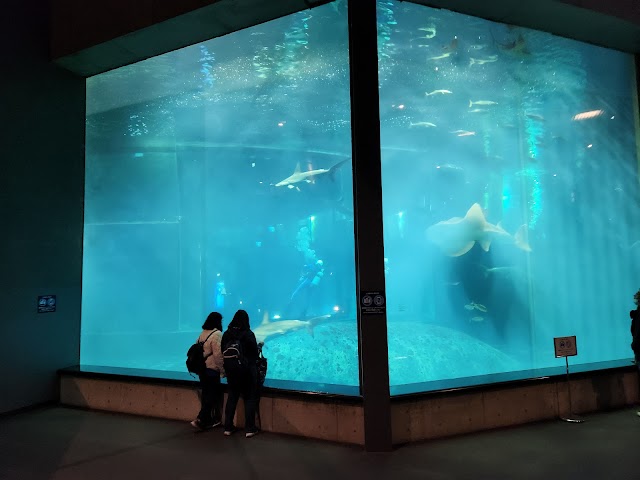
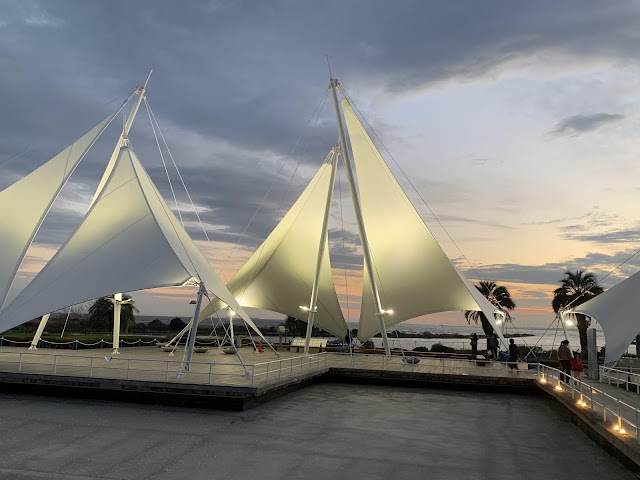
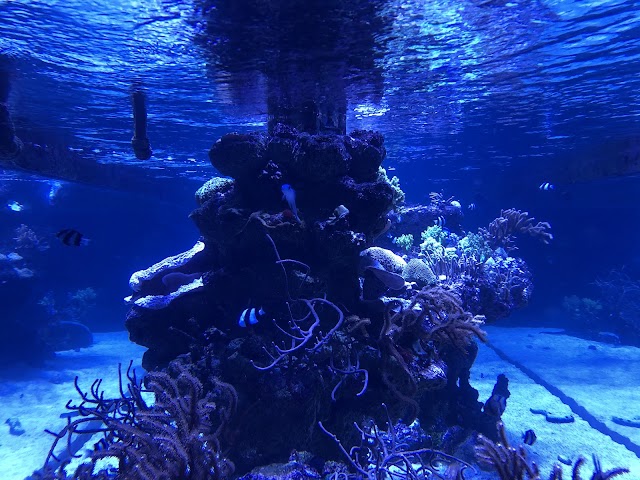
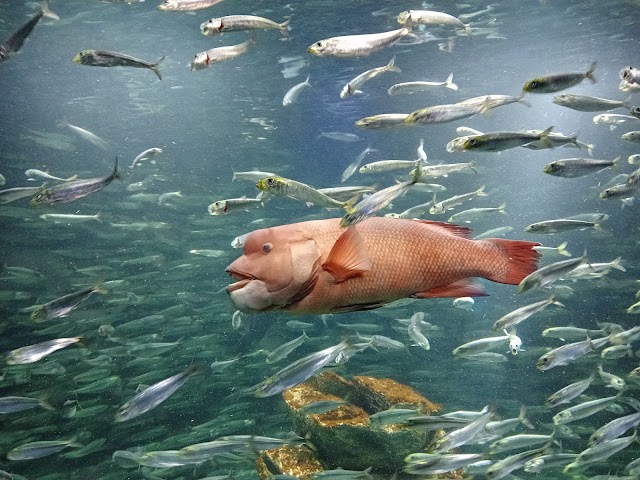
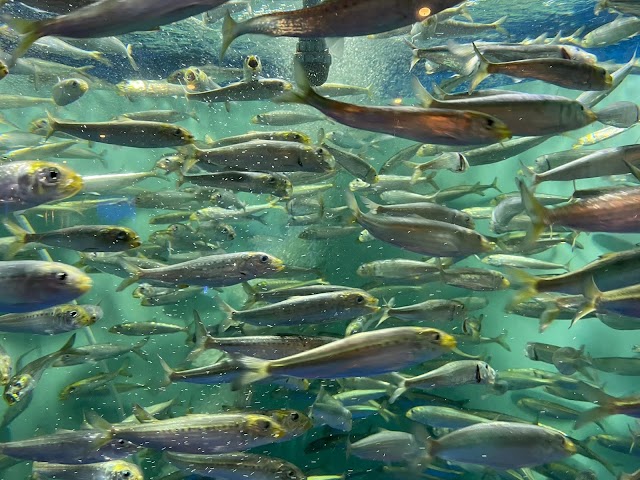
Kasai Rinkai Aquarium (700 yen) is the headline: a doughnut-shaped tank with a full school of bluefin tuna circling you. The Tokyo Metropolitan Government has published plans for a replacement due to open in September 2028, with the current Taniguchi glass dome preserved. Plans: https://www.kensetsu.metro.tokyo.lg.jp/park/zoo/kasairinkaisuizokuen
Line two: the private aquariums, where you pay for staging.
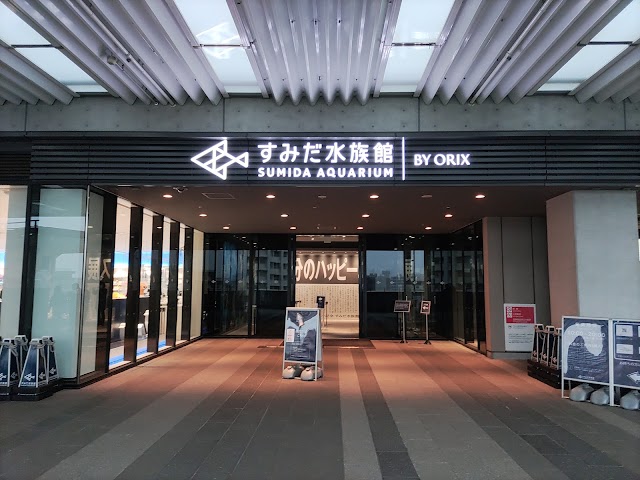
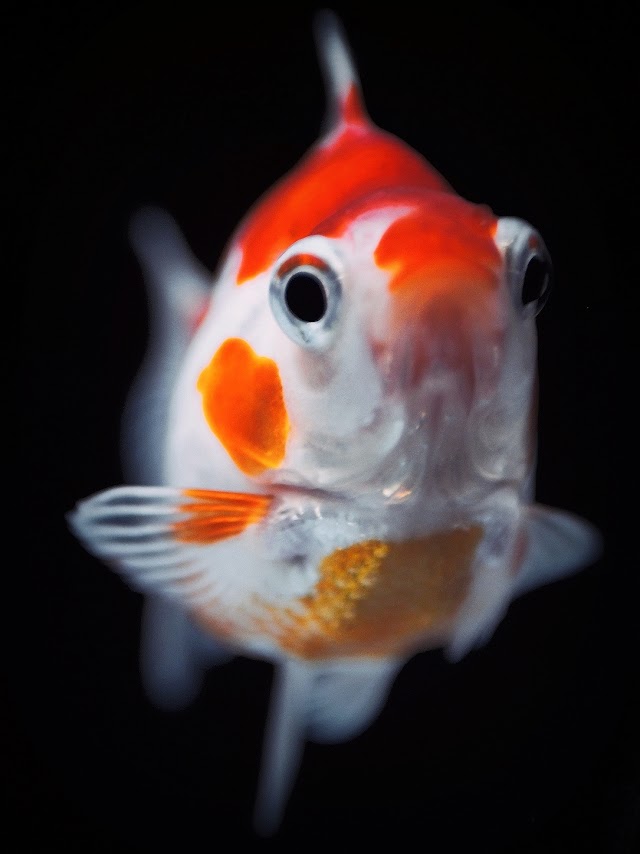
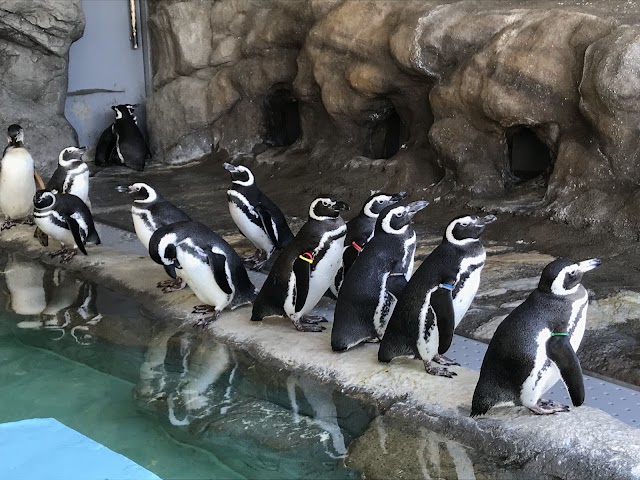
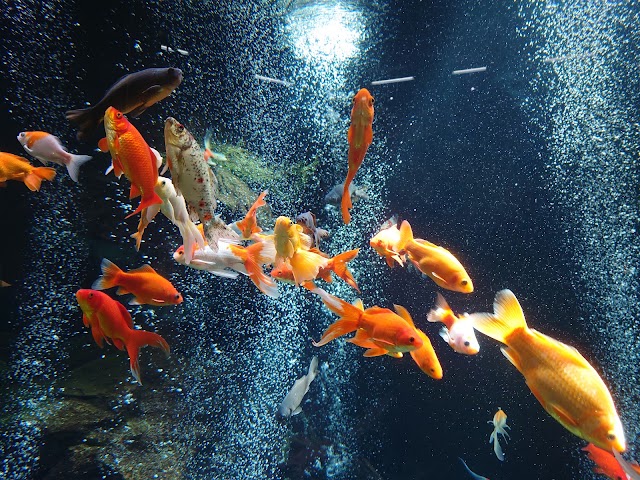
Sumida Aquarium (2,700 yen for adults after the 10 February 2026 revision) sits inside Tokyo Skytree Town. Its open-top indoor pool puts penguins and fur seals a metre away with no glass, and half the floor is given to an Edo-themed goldfish display. Notice: https://www.sumida-aquarium.com/news/5671/
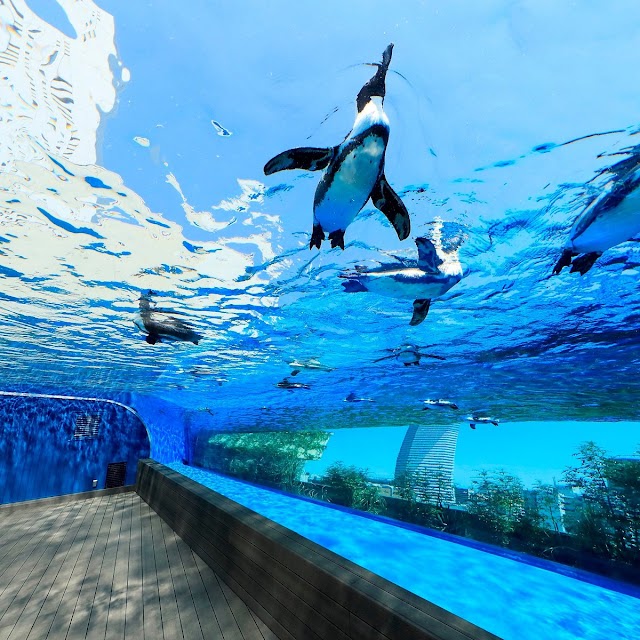
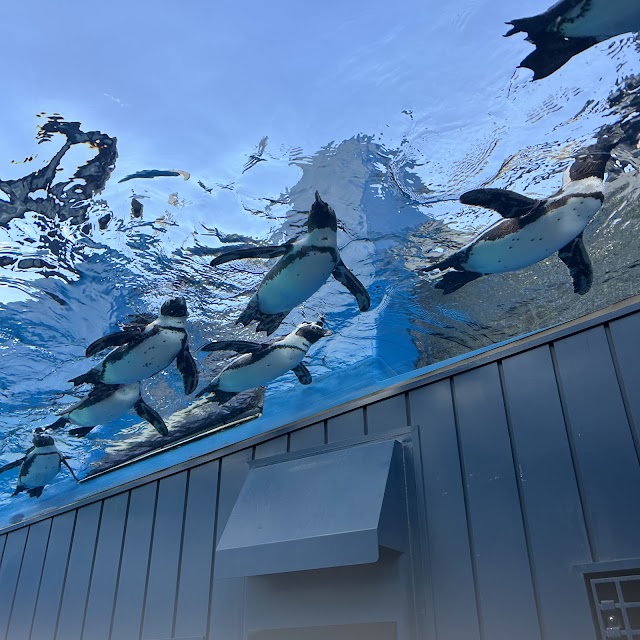
Sunshine Aquarium (dynamic pricing, roughly 2,600-3,200 yen) is built on a rooftop in Ikebukuro; its signature tank is a shallow sheet of water overhead so penguins appear to fly across the skyline. Weekday tickets are materially cheaper.
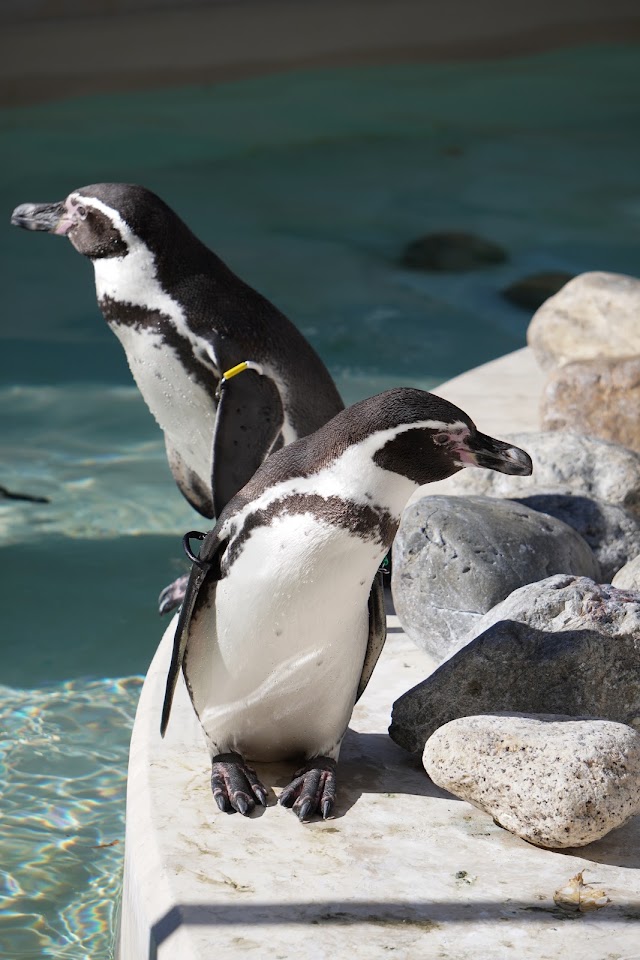
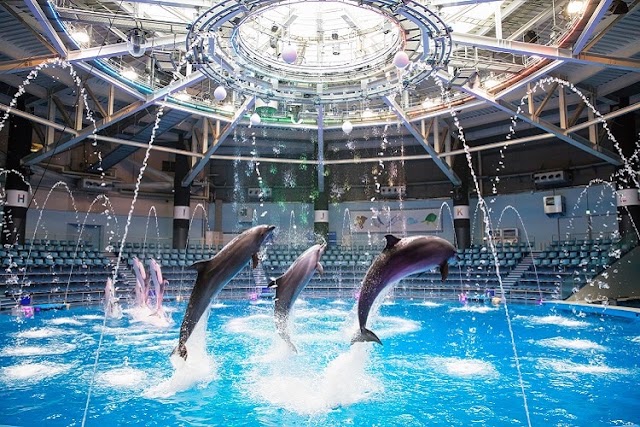
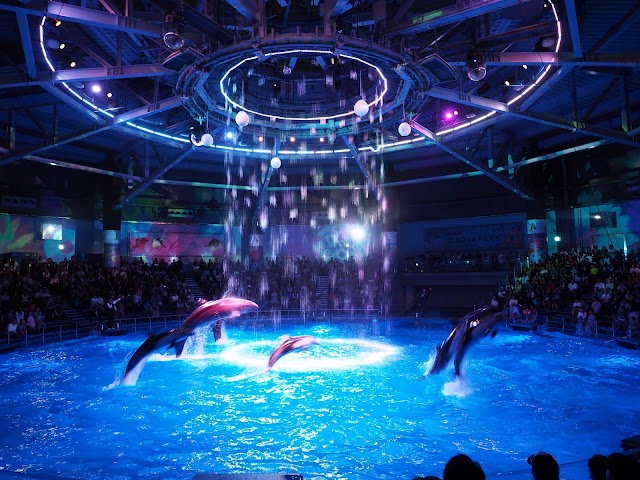
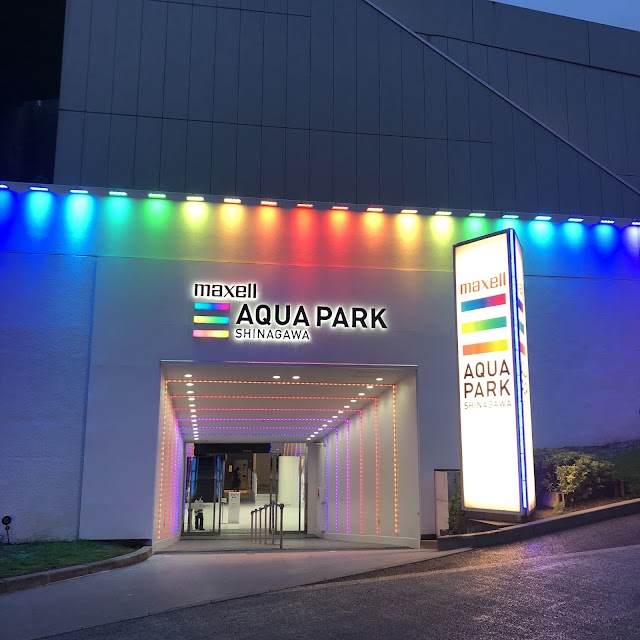
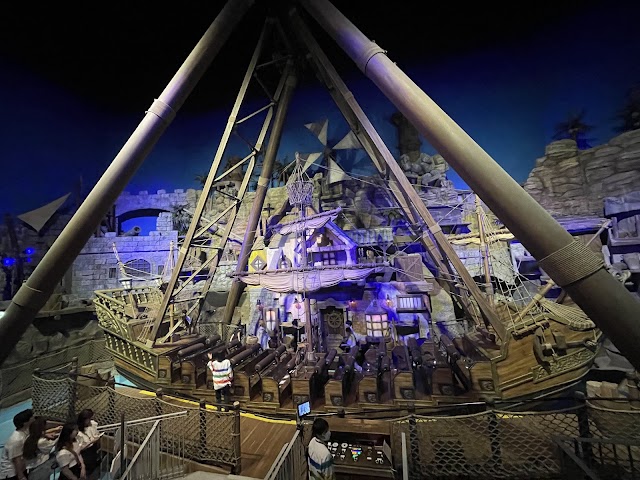
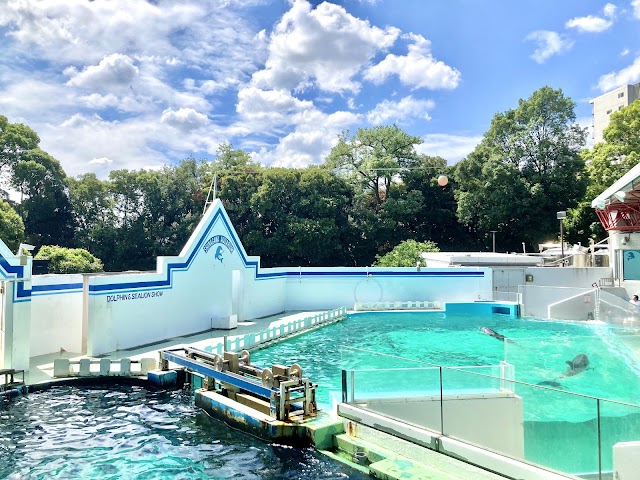
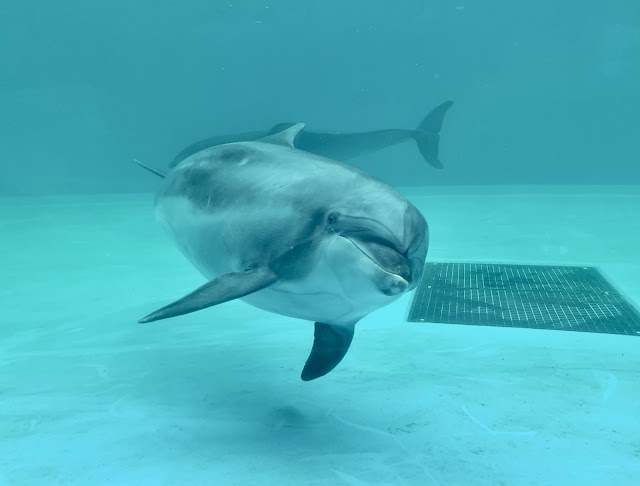
maxell AQUA PARK Shinagawa (2,800 yen; After 5 about 2,500 yen on weekdays) is two minutes from Shinagawa Station inside the Prince Hotel, and turns the dolphin show into a projection-mapped performance. It stays open into the evening.
Line three: ward-run and free.
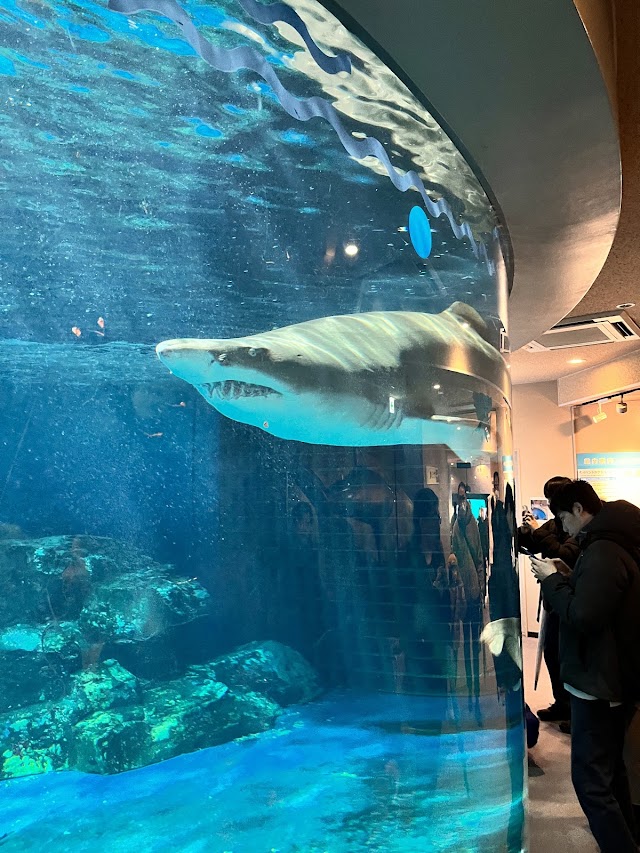
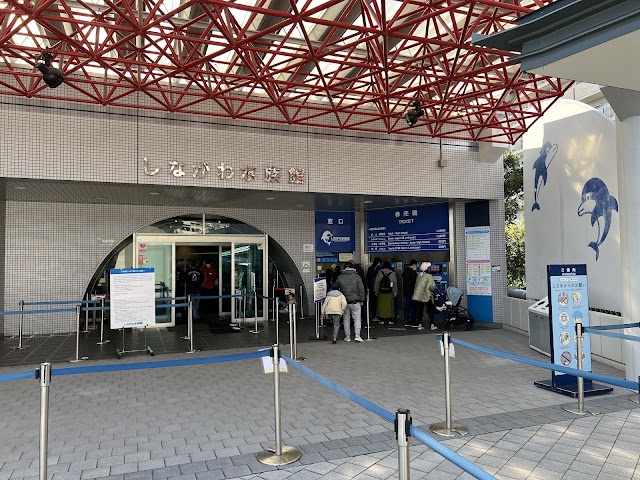
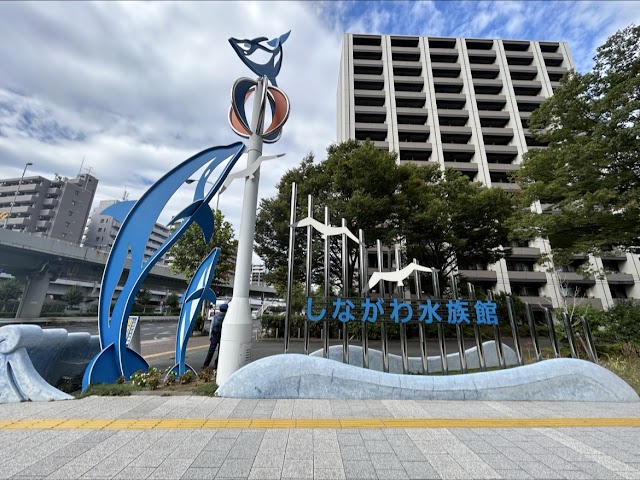
Shinagawa Aquarium (1,350 yen) is the older, calmer ward-run option with a tunnel tank and dolphin show. Do not confuse it with AQUA PARK: https://www.aquarium.gr.jp/price
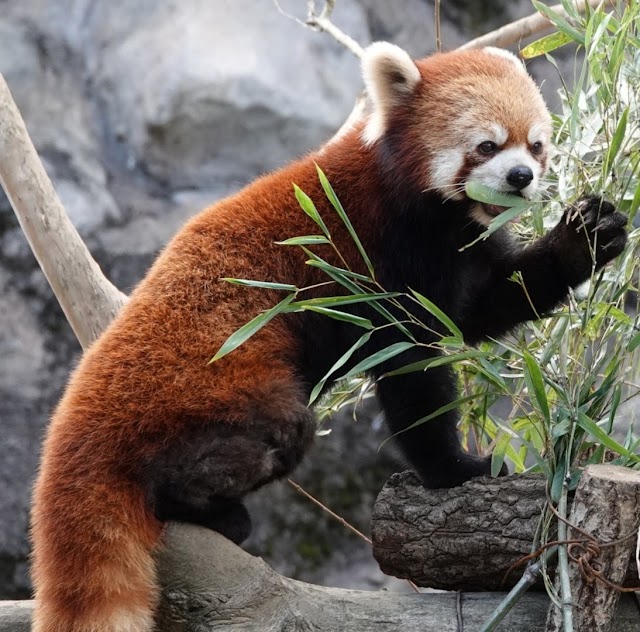
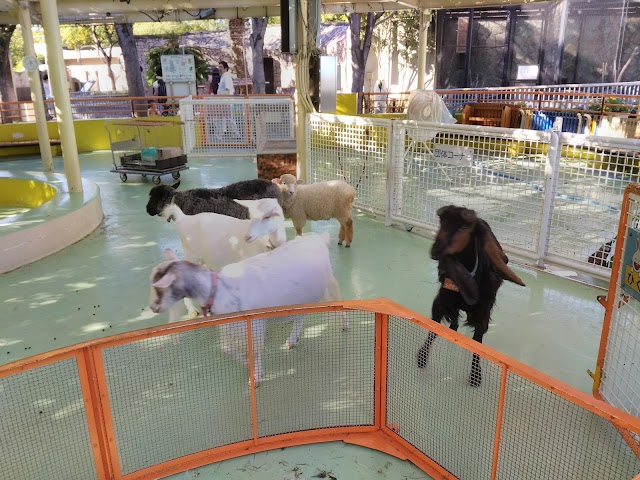
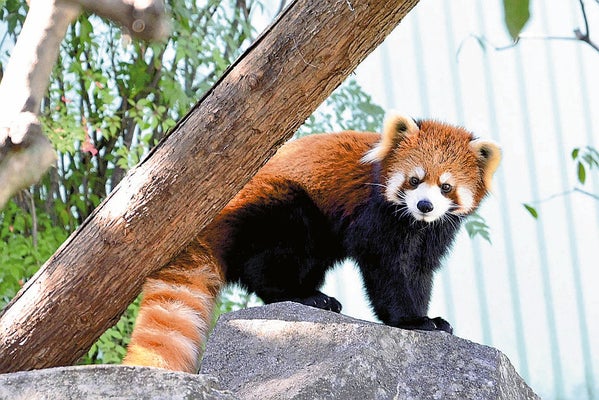
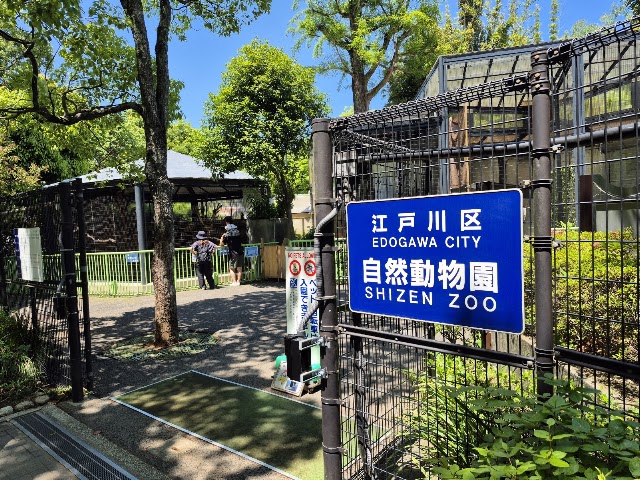
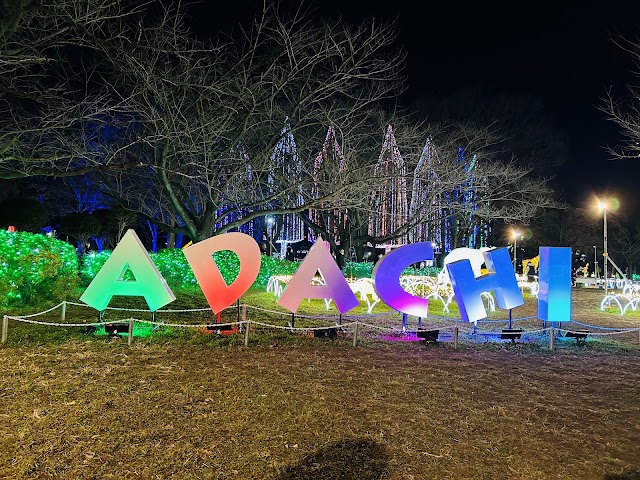
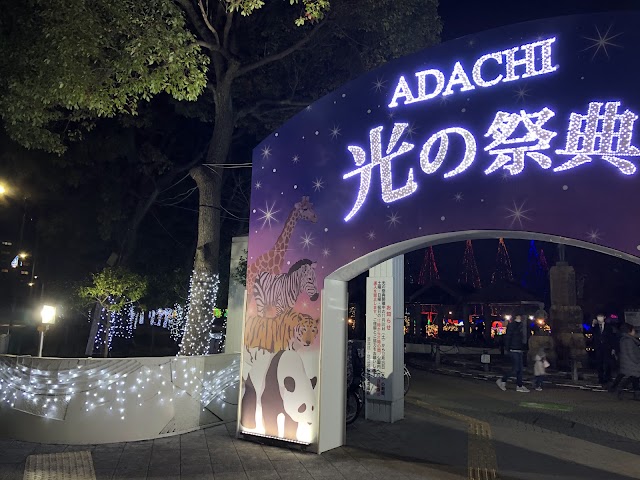
Edogawa Nature Zoo is free, has red pandas and a petting area, and pairs perfectly with Kasai Rinkai on the same day. Adachi Park of Living Things (300 yen) is a butterfly greenhouse near Takenotsuka with extended summer hours: https://seibutuen.jp/
One practical warning: the metropolitan parks and most ward facilities close on Mondays (moving to the next weekday when a public holiday falls on one). Confirm prices and hours on each official site before you go.
 Scan for map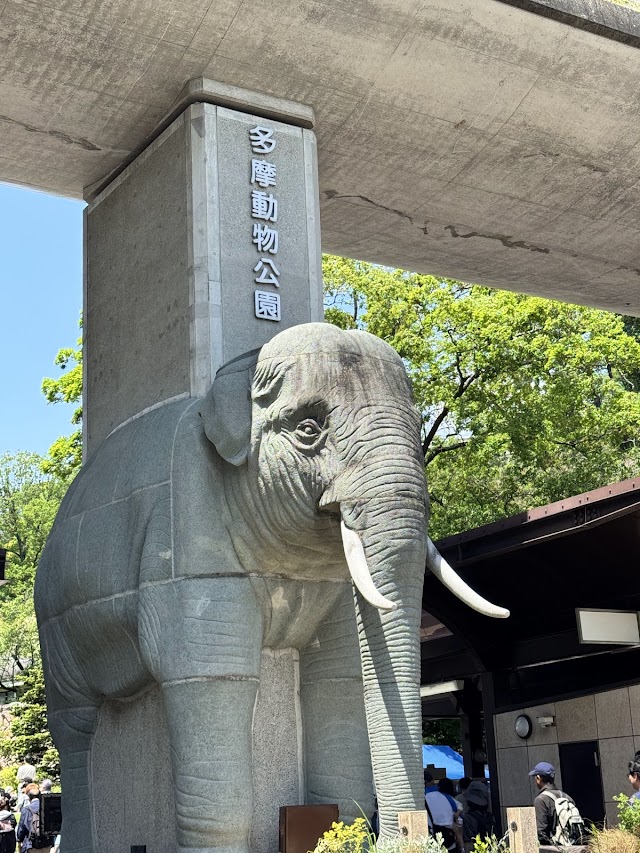
 Scan for map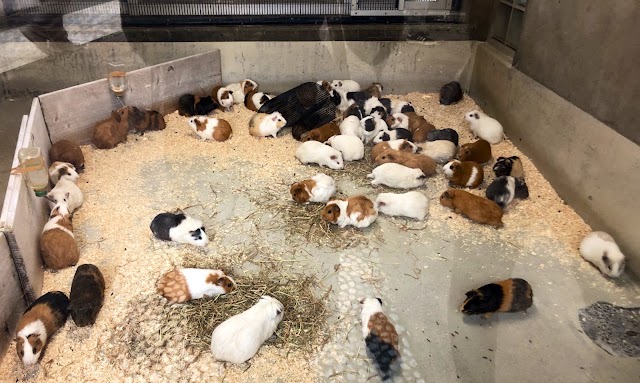
 Scan for map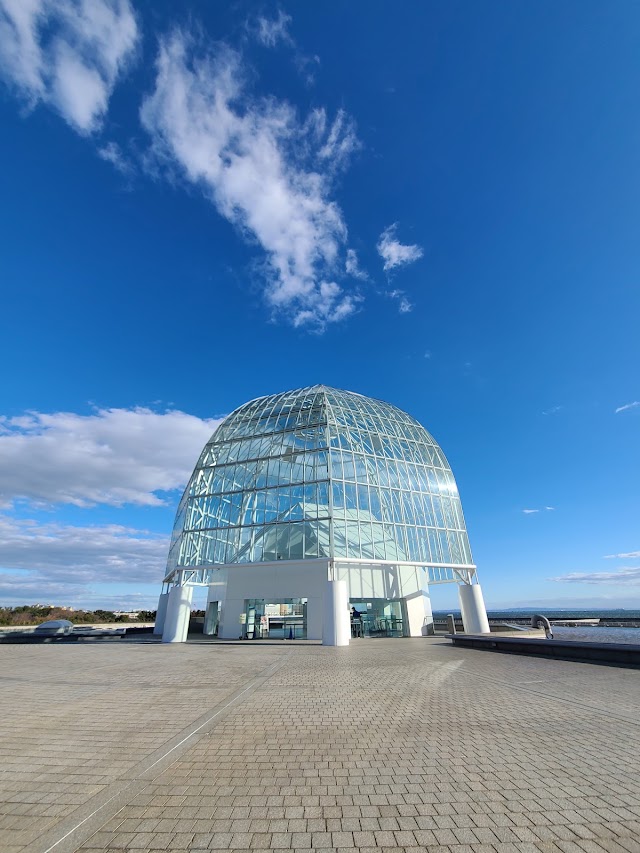
 Scan for map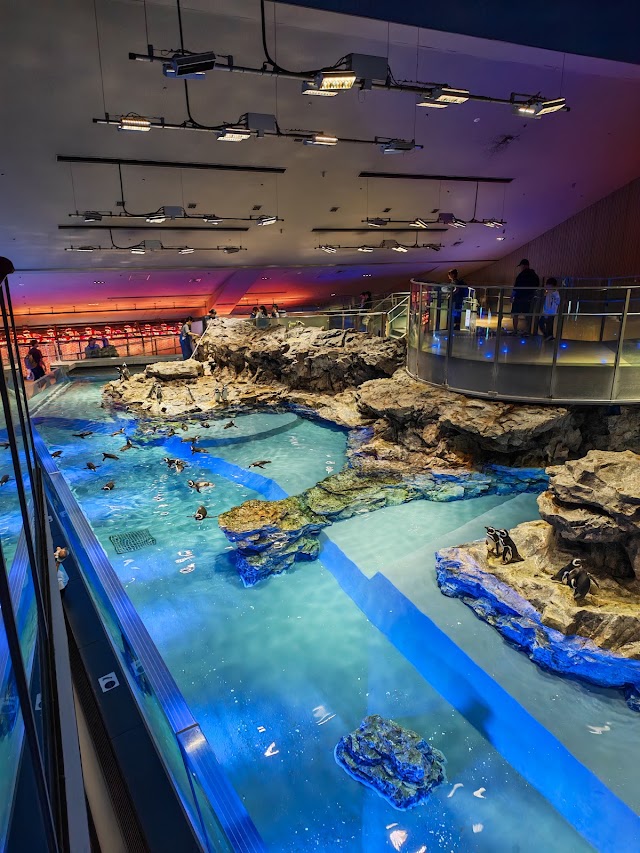
 Scan for map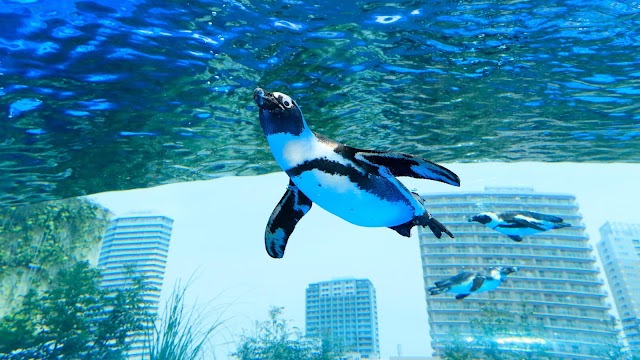
 Scan for map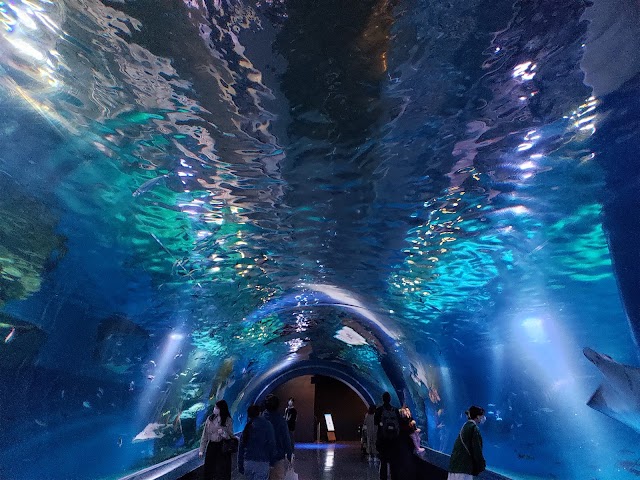
 Scan for map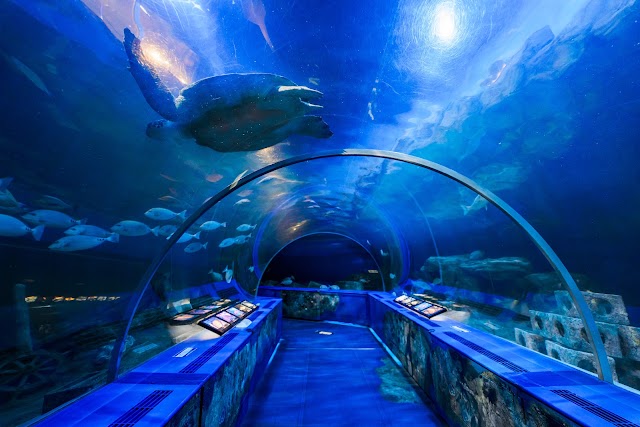
 Scan for map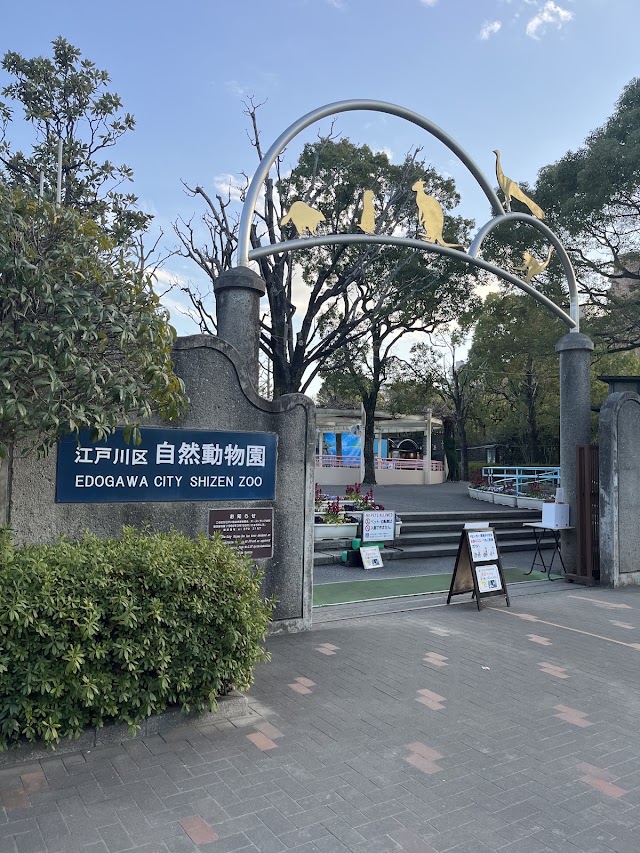
 Scan for map
 Scan for map