Ten Tokyo Bookstores 2026: Sanseido's Jimbocho Flagship Returns After Four Years, a Shop That Sells One Book, and a Bookstore With an Entry Fee
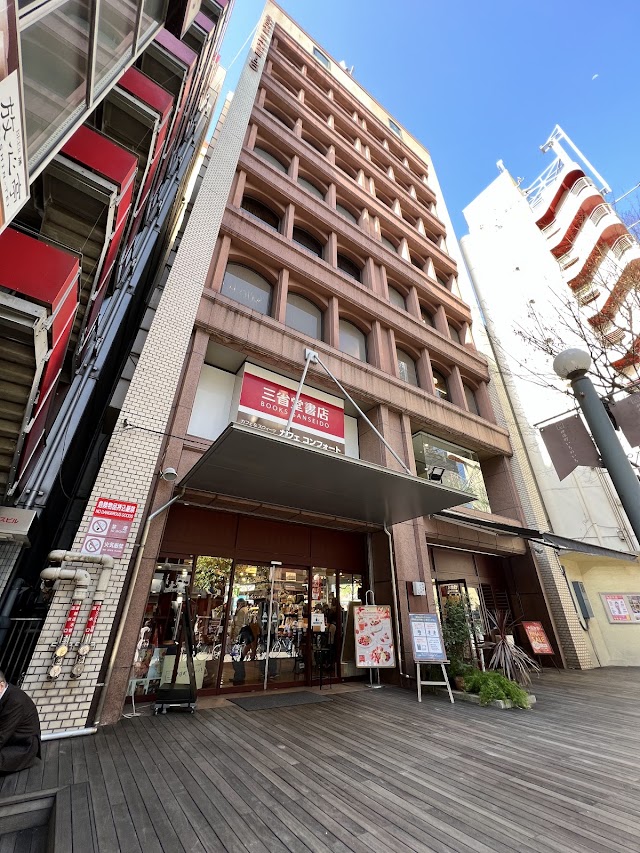
- Sanseido's Kanda Jimbocho flagship reopened on 19 March 2026 after a four-year rebuild: 13 storeys, bookshop on floors 1-4, about 600 tsubo of book space (roughly 40 percent smaller than the old store), cafe and event space on 3F, THE Jump Shop on 4F
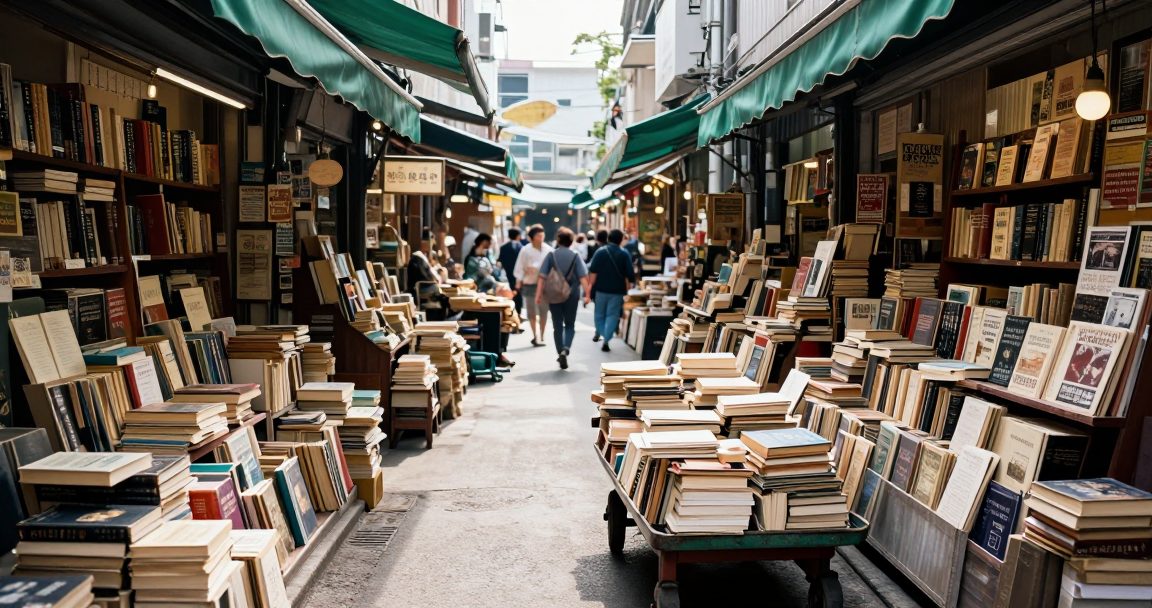
- Jimbocho packs around 130 bookshops along Yasukuni-dori; a workable order is Sawaguchi Shoten (cheap paperbacks) to Komiyama Shoten (photo books and the alley bargain wall) to Shosen Grande (hobby floors) to Tokyodo (curation) to Sanseido (new releases)
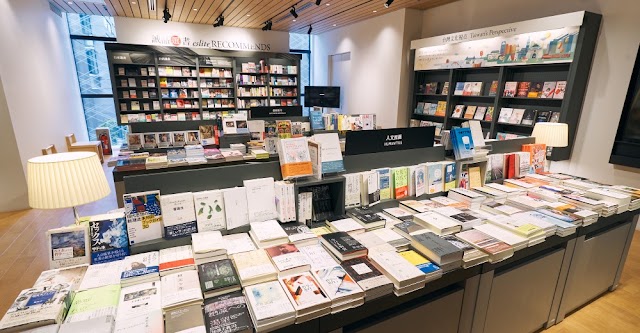
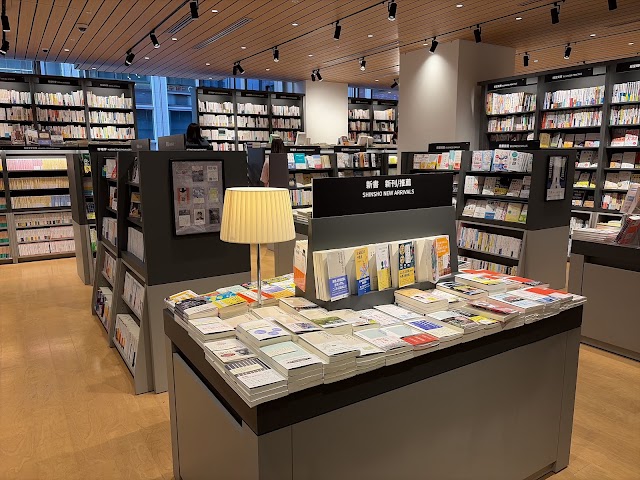
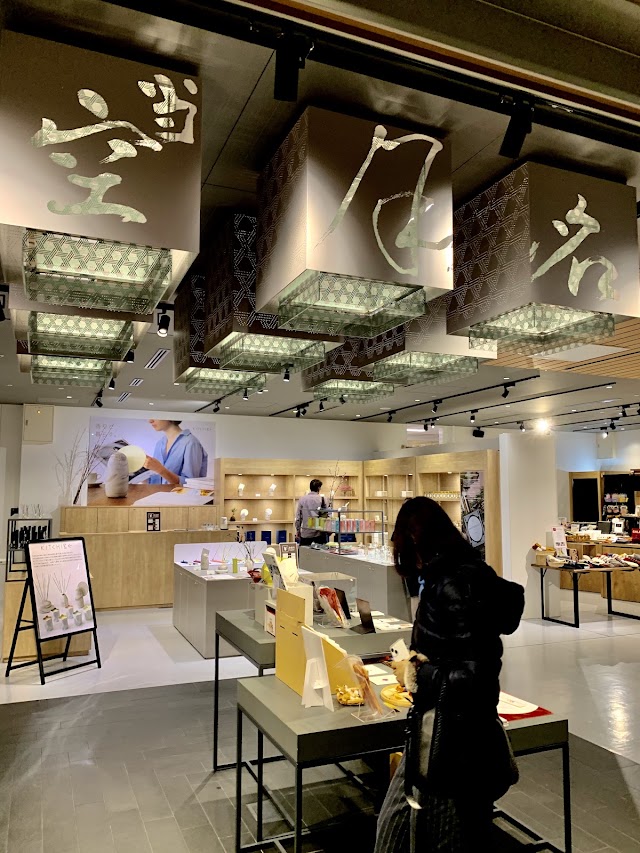
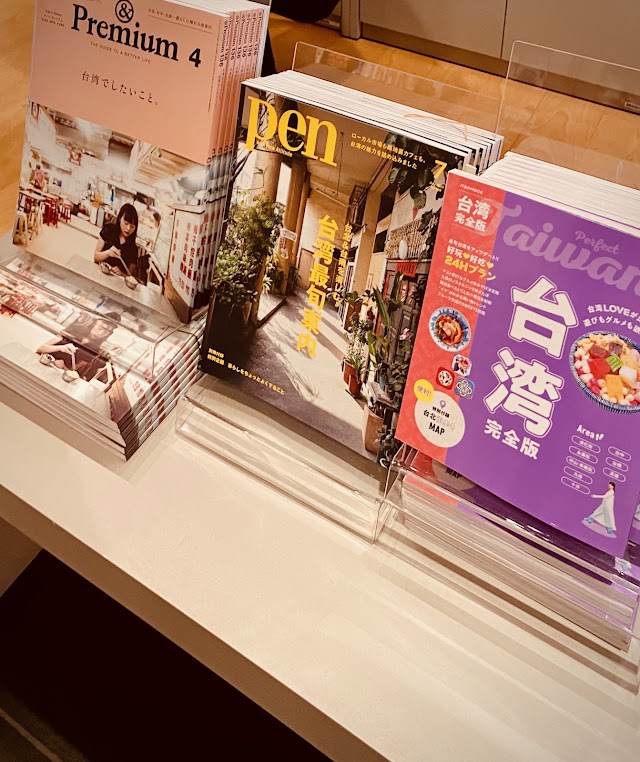
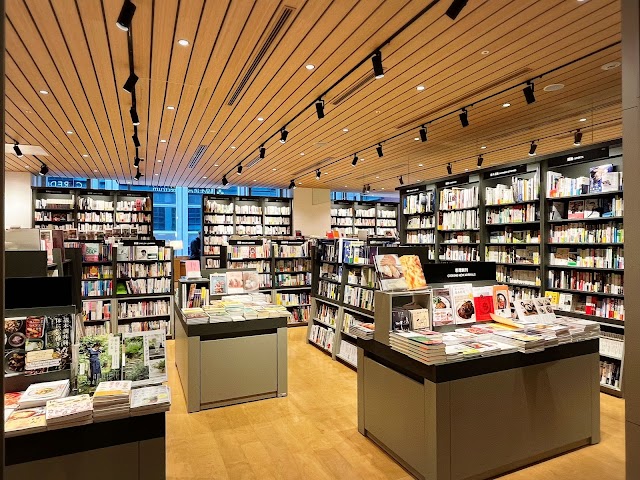
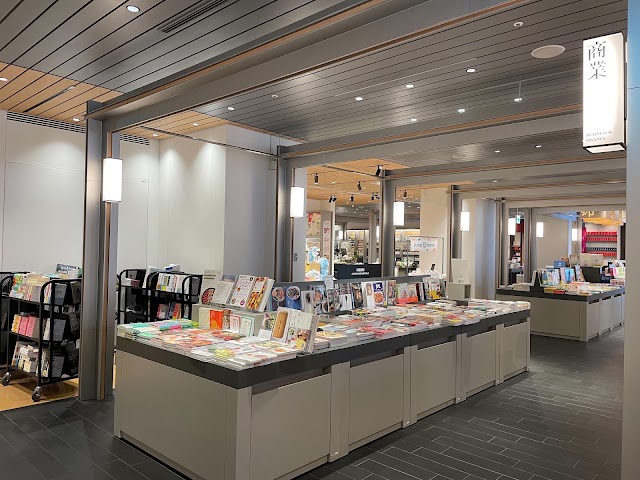
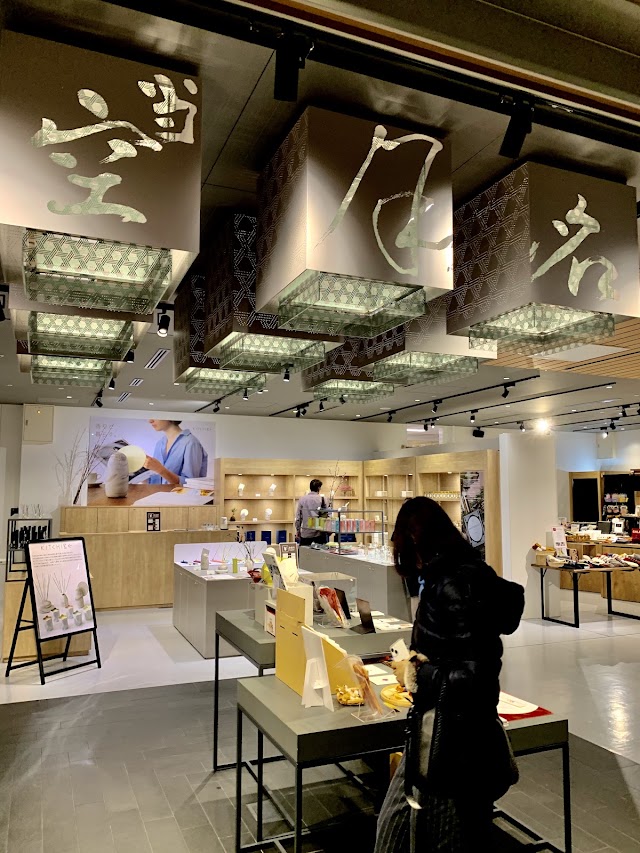
- Eslite Spectrum Nihonbashi (opened 2019, COREDO Muromachi Terrace 2F, about 870 tsubo) is Eslite's first store outside the Chinese-speaking world — worth seeing for how the Taiwanese model was adapted for Japan
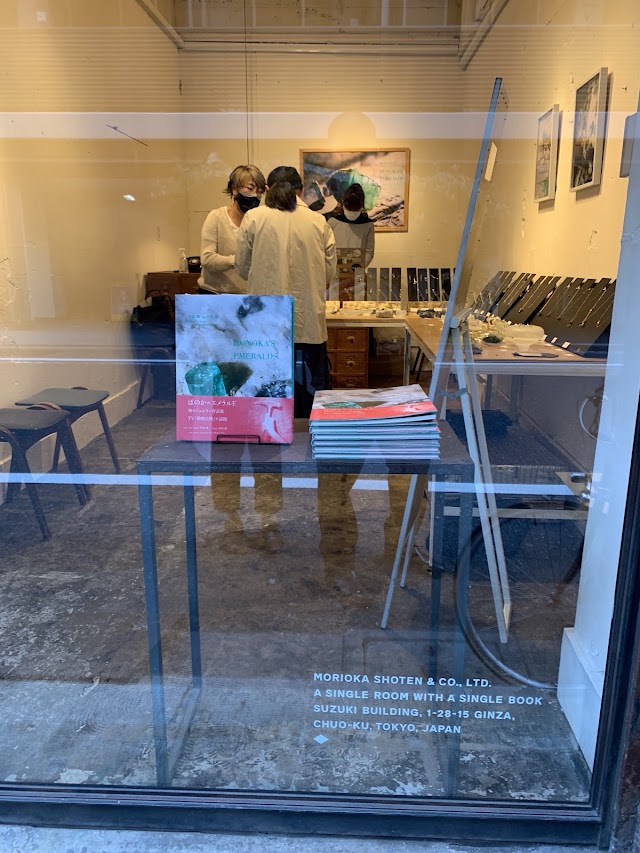
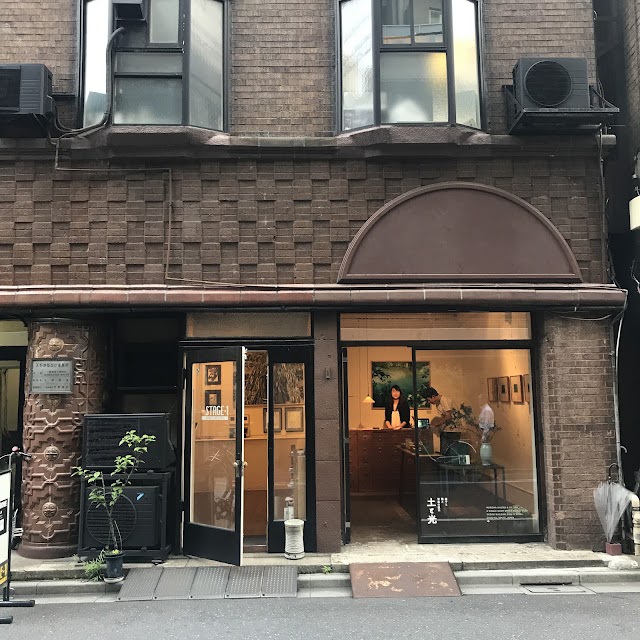
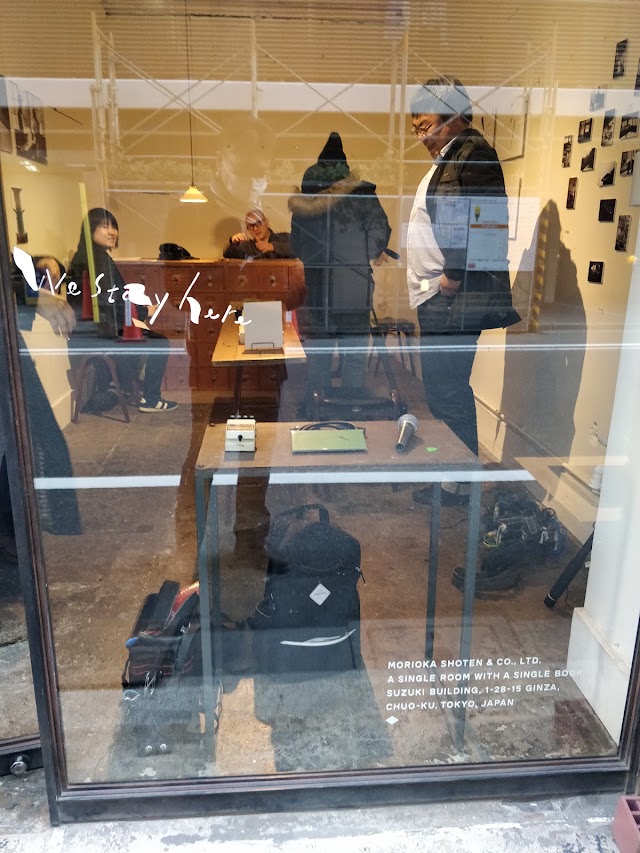
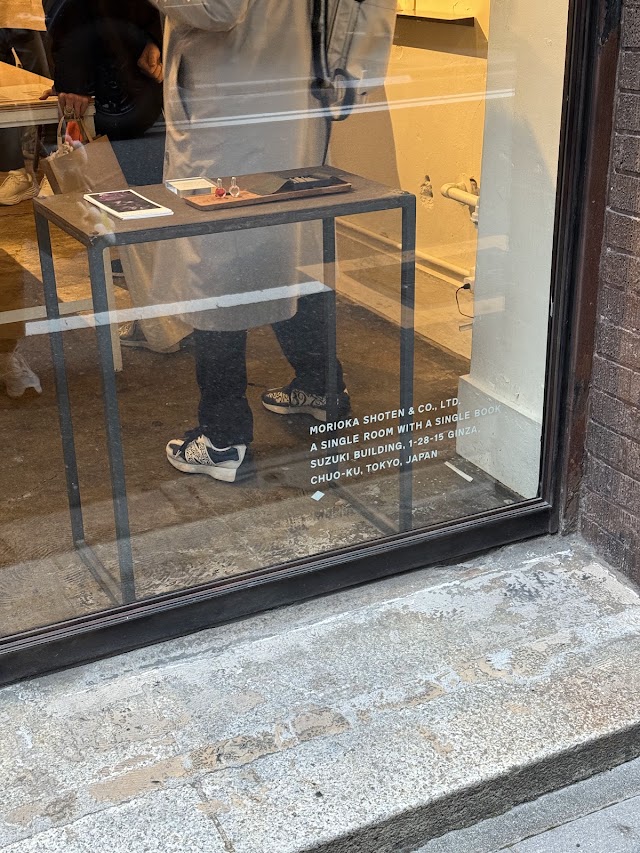
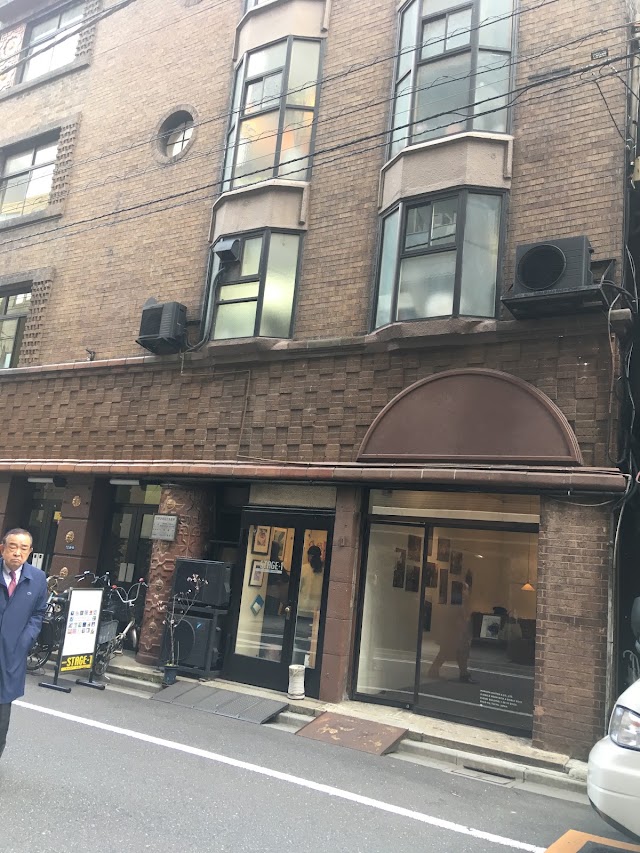
- Morioka Shoten Ginza sells one book at a time in a five-tsubo room inside the Suzuki Building, a designated Tokyo historic structure; check the current exhibition and opening days before going
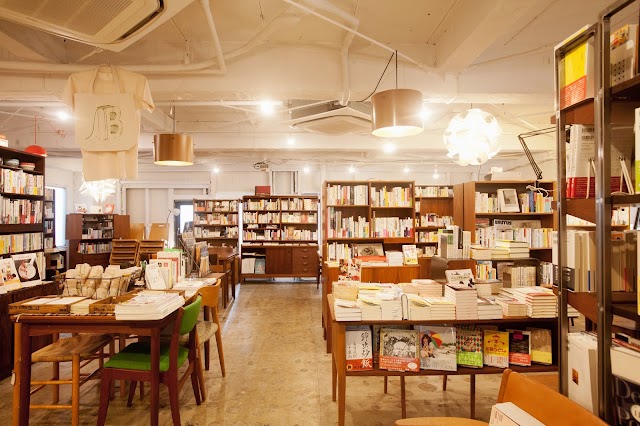
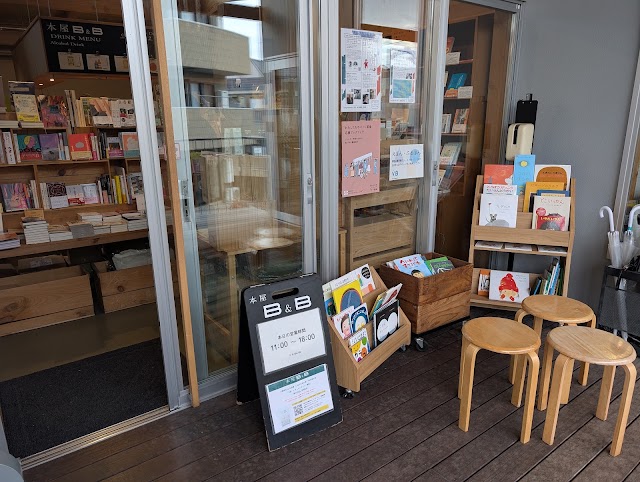
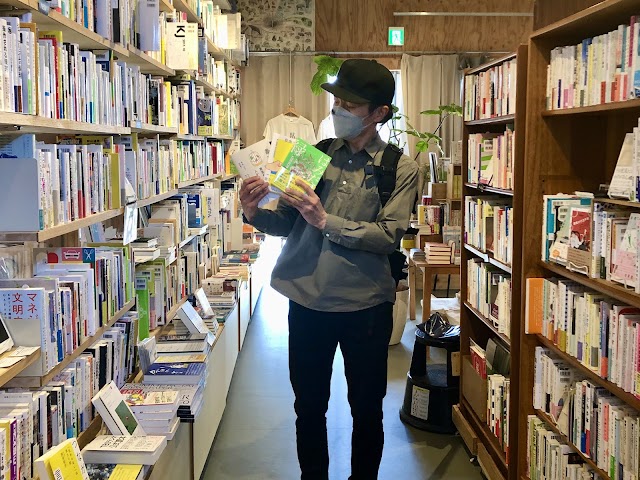
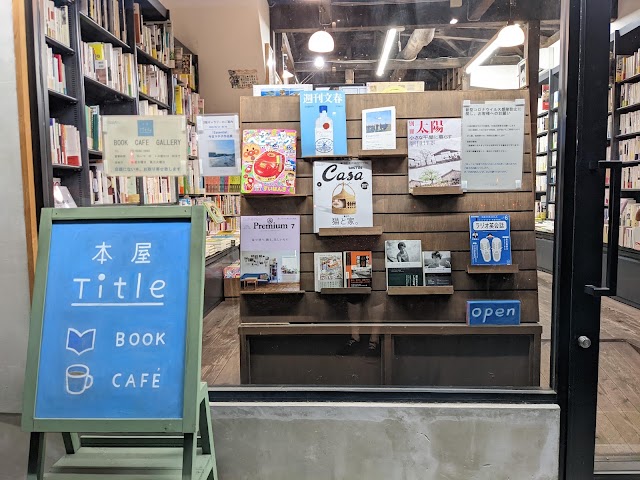
- Three new-format shops: Bunkitsu Roppongi (Japan's first paid-entry bookstore, coffee and sencha included), Honya B&B (Shimokitazawa's BONUS TRACK, browse with a beer, near-nightly talks), Title (Ogikubo, a converted old house run by Yoshio Tsujiyama with a cafe and second-floor gallery)
- August logic: bookshops are cool, quiet indoor space you can occupy without spending; Jimbocho shares a block with our 3 August Tokyo curry guide, so books in the morning and curry at noon make one full day
Japan has lost physical bookshops for three decades, and in the same period grown some of the strangest ones on earth: a shop that sells a single book, a shop that charges admission, a shop where you browse with a beer, a building sliced into floors by hobby.
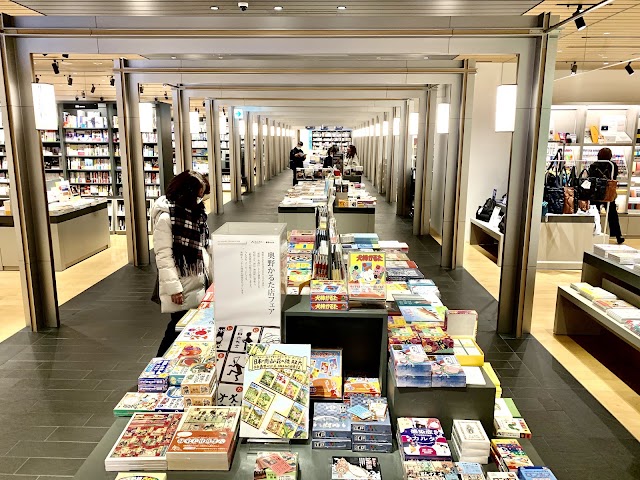
This guide runs in three parts. First, Jimbocho — the densest secondhand book district in the world, roughly 130 shops along Yasukuni-dori — where the big news of 2026 is the return of Sanseido's Kanda Jimbocho flagship on 19 March, about four years after the old building closed for a full rebuild. The new 13-storey building gives the bookshop floors one to four, with roughly 600 tsubo of book space (about 40 percent smaller than before), a cafe and event space on the third floor and THE Jump Shop on the fourth.
Second, two shops with particular meaning for Taiwanese readers: Eslite Spectrum Nihonbashi, the Taiwanese chain's first store outside the Chinese-speaking world, and Morioka Shoten in Ginza, five tsubo of floor that sells exactly one title at a time and builds an exhibition around it.
Third, the new independents: Bunkitsu in Roppongi charges an entry fee, B&B in Shimokitazawa runs an event almost every night, and Title in Ogikubo holds a whole shop together on one person's taste. And in August, all of them share one very practical virtue — air conditioning you can sit in for hours without spending a yen.
Line one: Jimbocho, a street that works like a library.
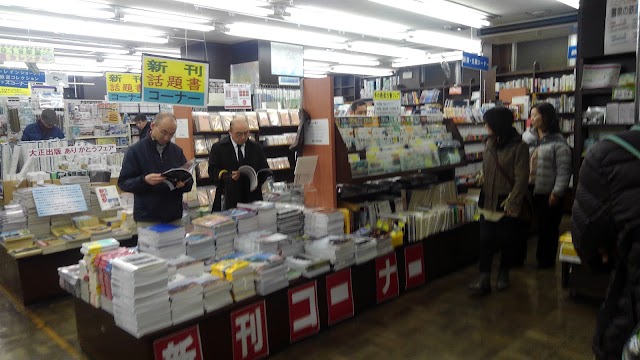
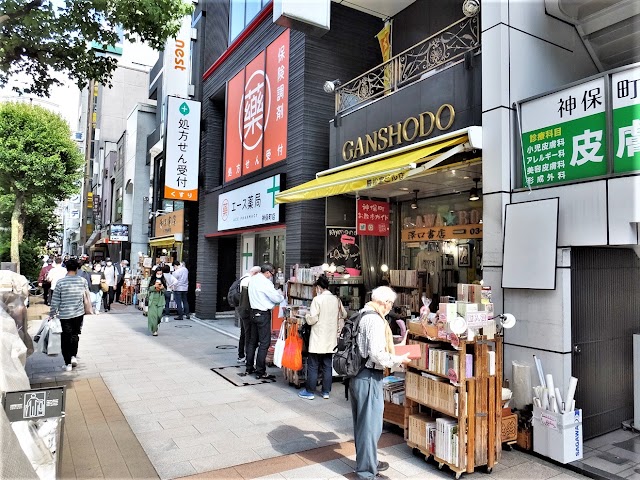
The density has a cause. Universities clustered here in the Meiji era, students needed cheap textbooks, booksellers gathered, and the cluster never dispersed. Around 130 shops now line Yasukuni-dori, most of them specialists: art only, theatre only, foreign books only, cookbooks only.
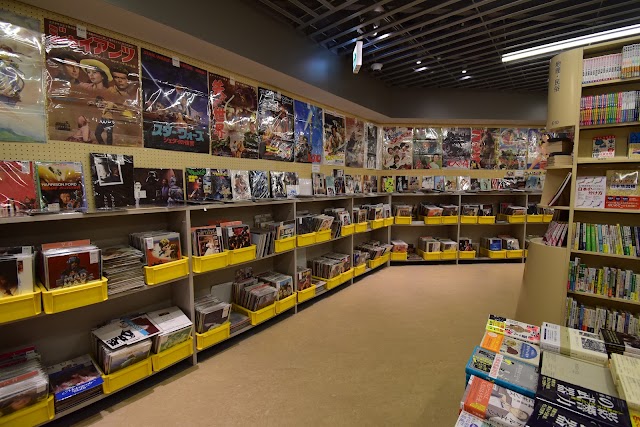
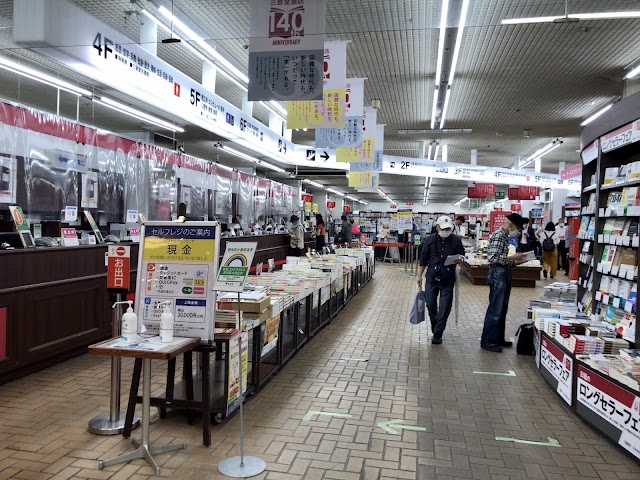
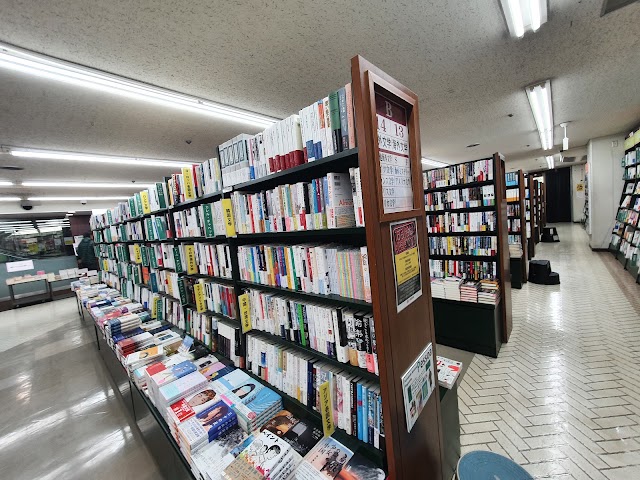
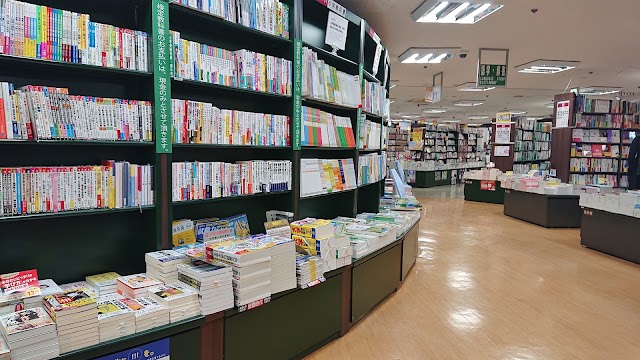
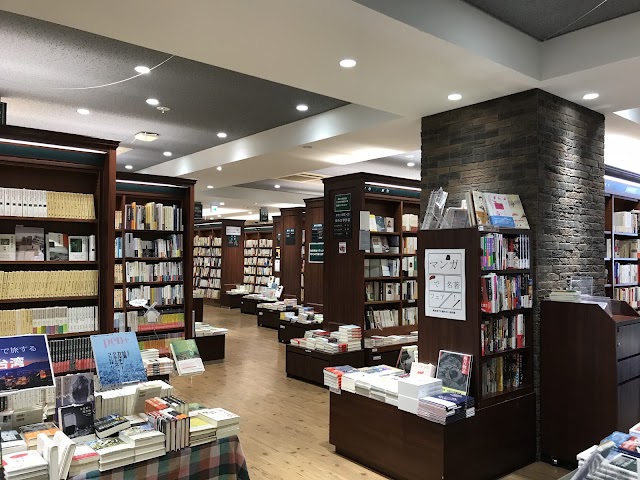
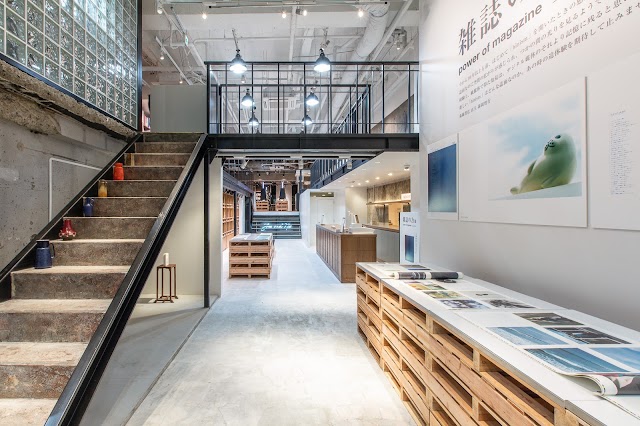
Sanseido Kanda Jimbocho is the 2026 story. The old flagship closed in 2022 and the building was demolished and rebuilt; the store reopened on the same site on 19 March 2026 with floors one to four of a new 13-storey building, about 600 tsubo of books and magazines, a cafe and event space on the third floor, and THE Jump Shop Jimbocho on the fourth. A smaller sales floor traded for reasons to stay is the standard Japanese answer to the last decade. (Nikkei: https://www.nikkei.com/article/DGXZQOUC014BX0R01C25A2000000/ )
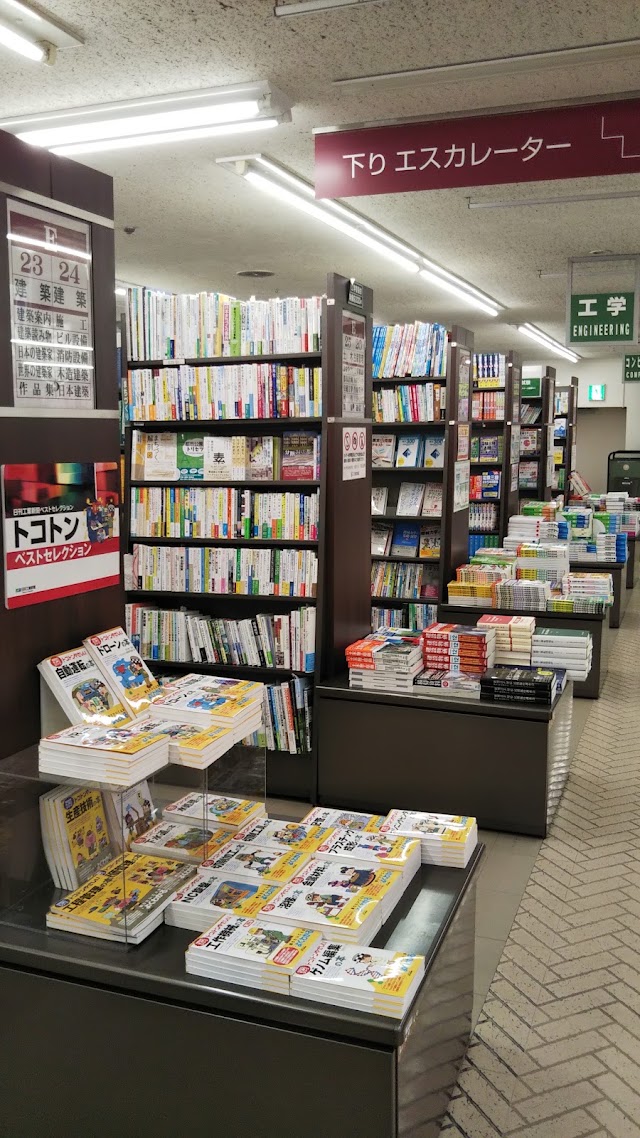
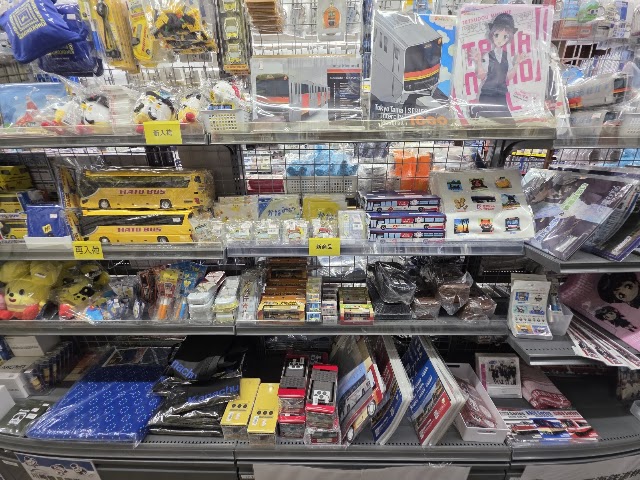
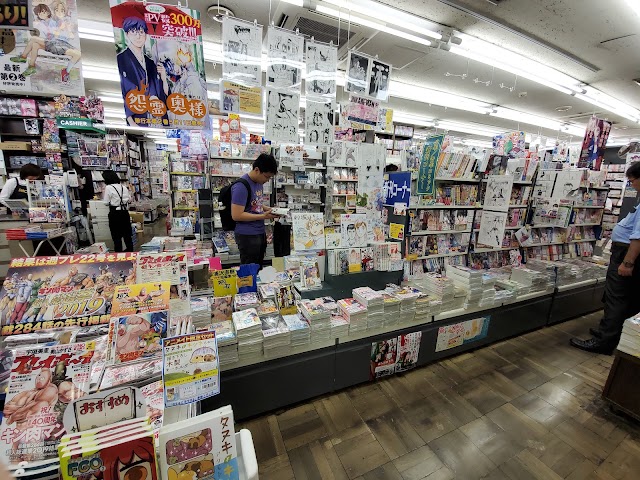
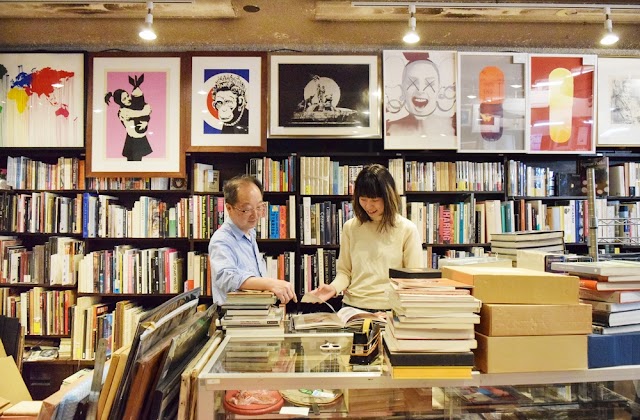
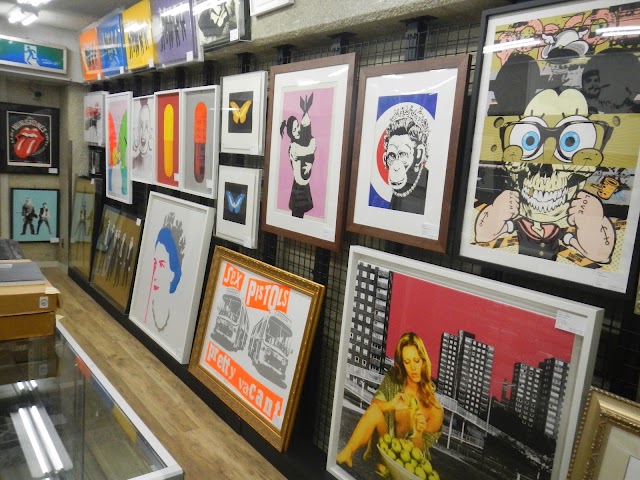
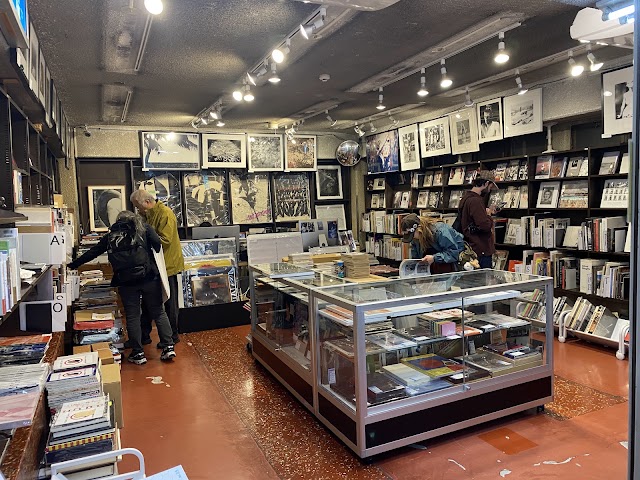
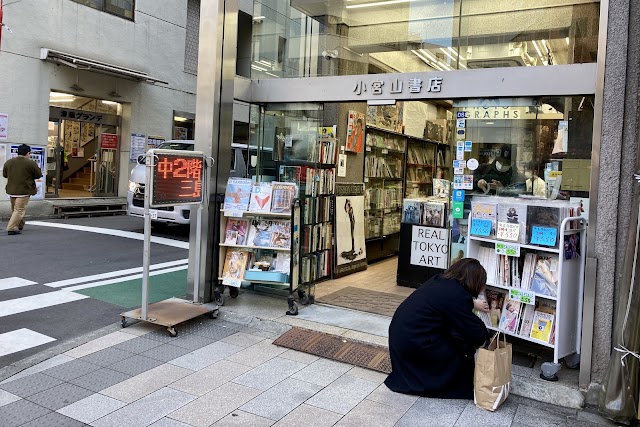
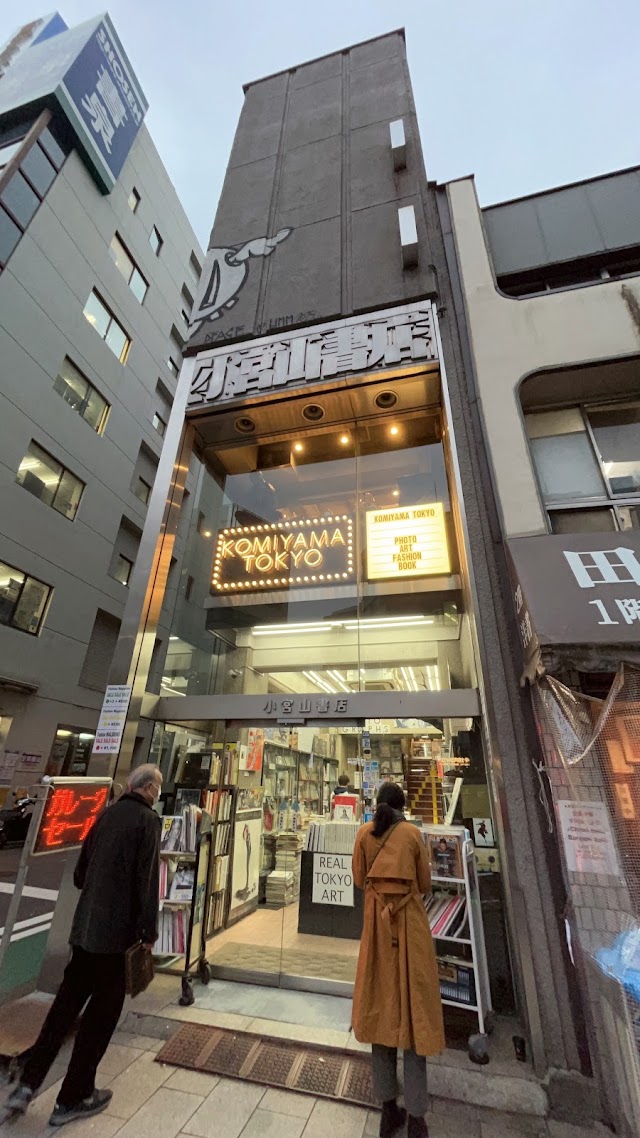
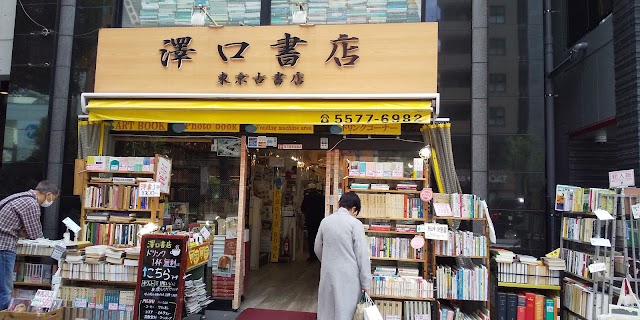
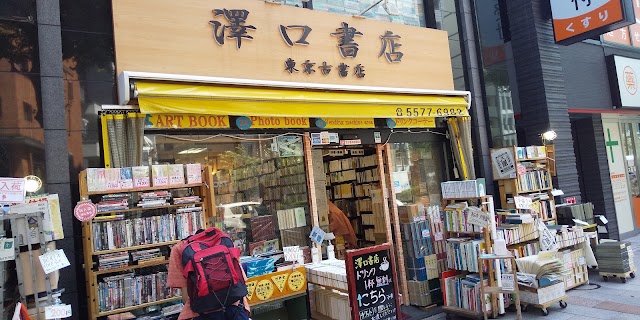
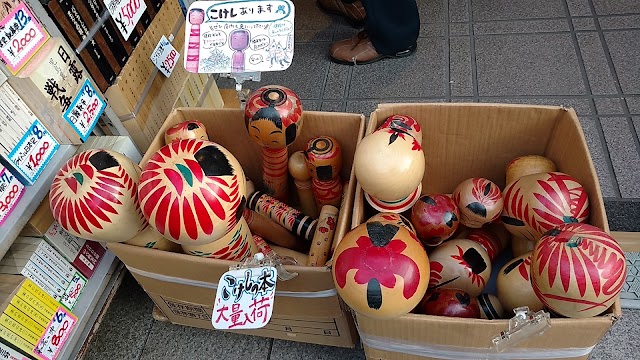
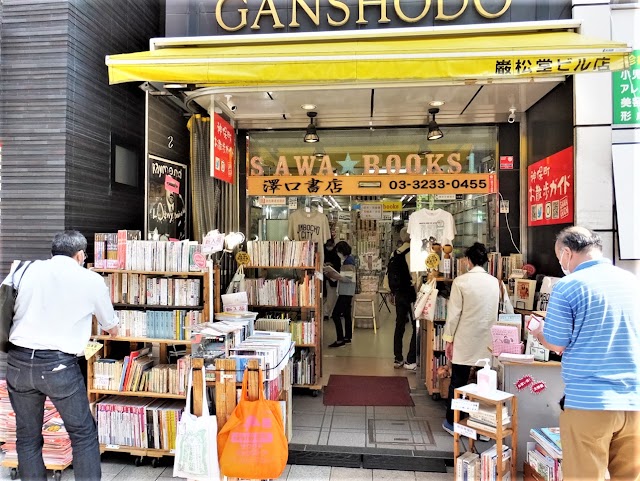
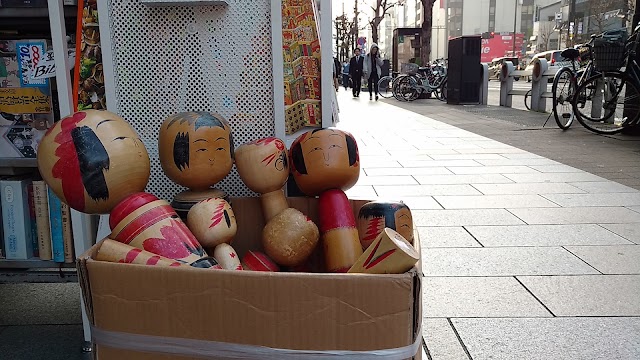
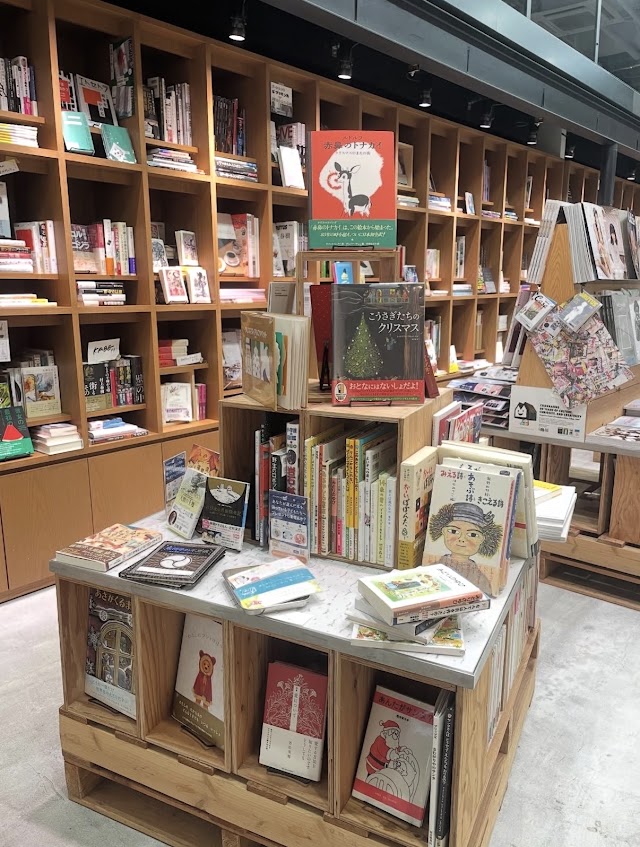
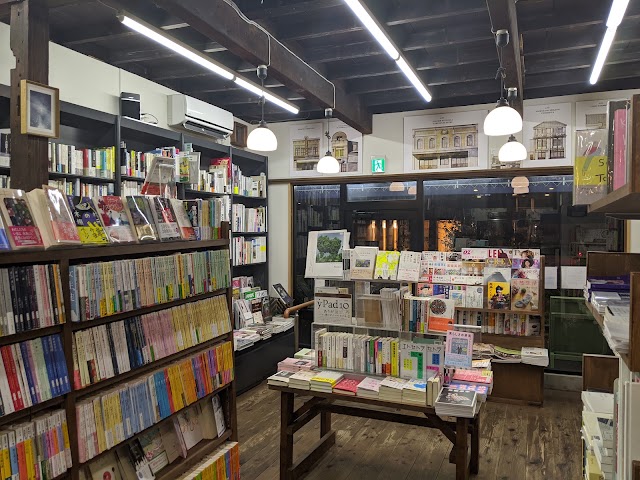
Tokyodo Shoten is the curation shop, its front tables deliberately out of step with the bestseller list. Shosen Grande slices a whole building by hobby — railways, idols, combat sports. Komiyama Shoten handles art and photography with a gallery upstairs, but the famous part is the flat-price bargain wall in the alley. Sawaguchi Shoten is the easiest entry point, with cheap bunko paperbacks and carts of flat-priced stock out front.
Suggested order: Sawaguchi, then Komiyama, then Shosen Grande, then Tokyodo, finishing at Sanseido. Jimbocho also has the highest curry density in Tokyo, covered in our 3 August guide. District map: https://jimbou.info/
Line two: two shops for Taiwanese readers.
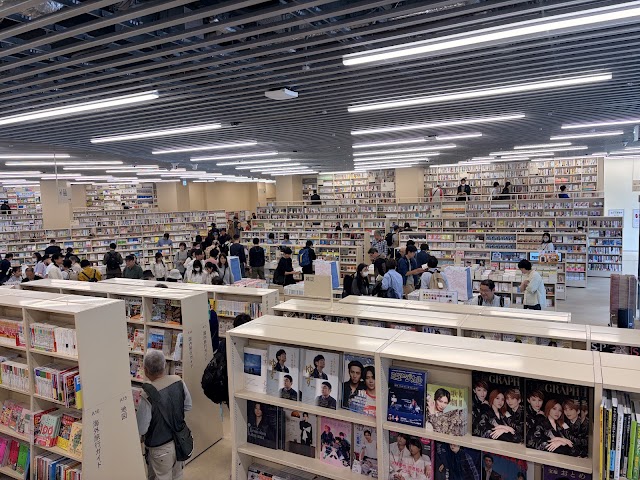
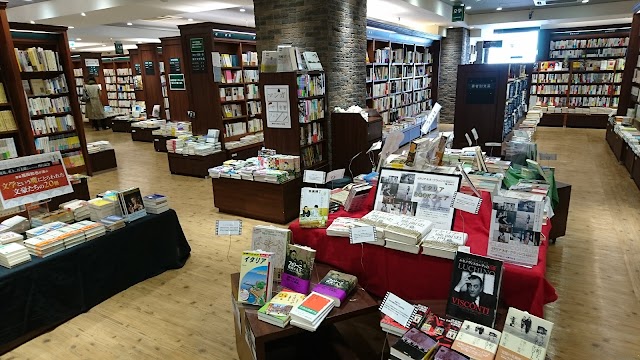
Eslite Spectrum Nihonbashi opened in 2019 on the second floor of COREDO Muromachi Terrace at about 870 tsubo, the chain's first store outside the Chinese-speaking world. The interest is comparative: what survived the translation into a Japanese market and what was changed. (https://www.eslitespectrum.jp/ )
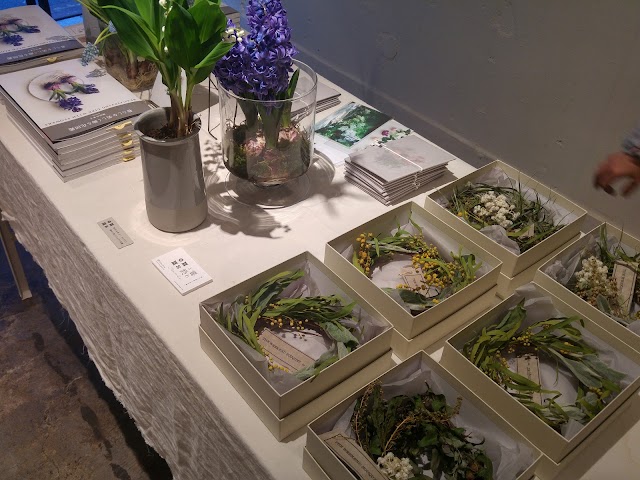
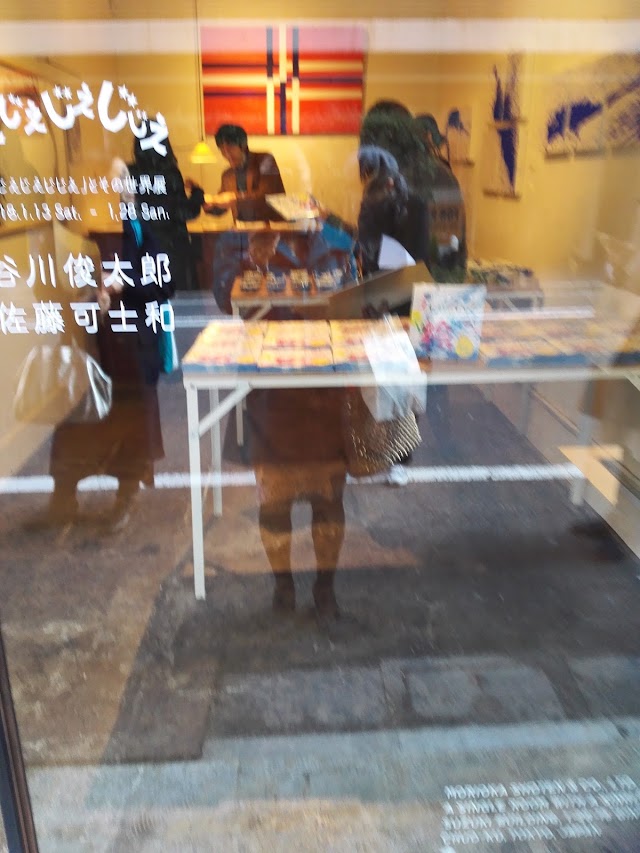
Morioka Shoten Ginza is the opposite extreme — five tsubo, one title at a time, an exhibition built around it, the author or photographer often sitting in the room. The building itself is a designated Tokyo historic structure. Ten minutes to see; hard to forget.
Line three: how a bookshop survives now.
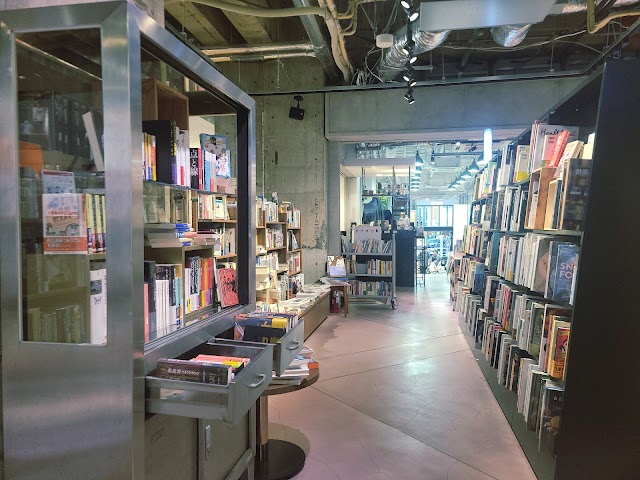
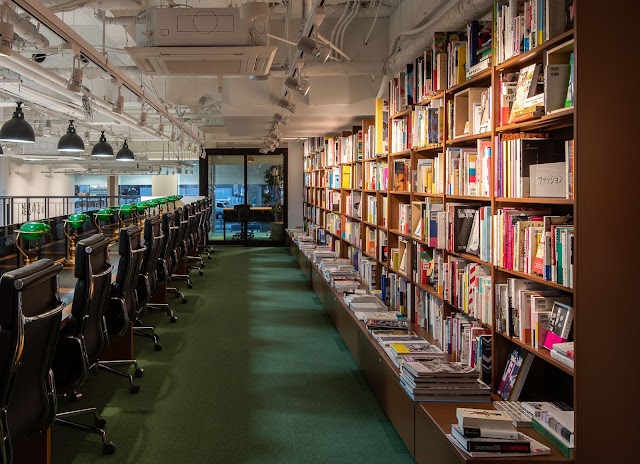
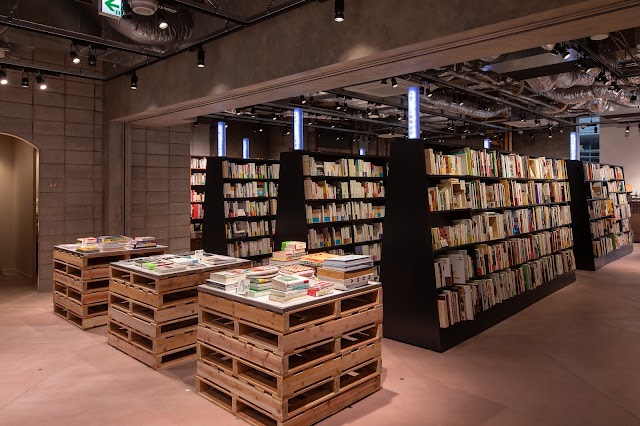
Bunkitsu Roppongi, on the site of the former Aoyama Book Center Roppongi, was Japan's first paid-entry bookstore: pay at the door, drink unlimited coffee and sencha, stay all day among tens of thousands of curated titles. The business model moved from selling books to selling time and space.
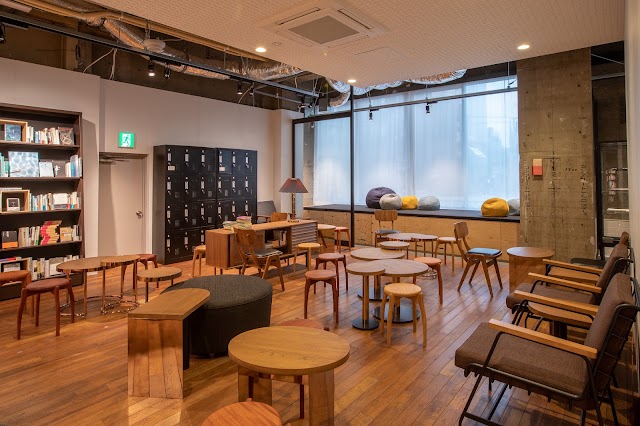
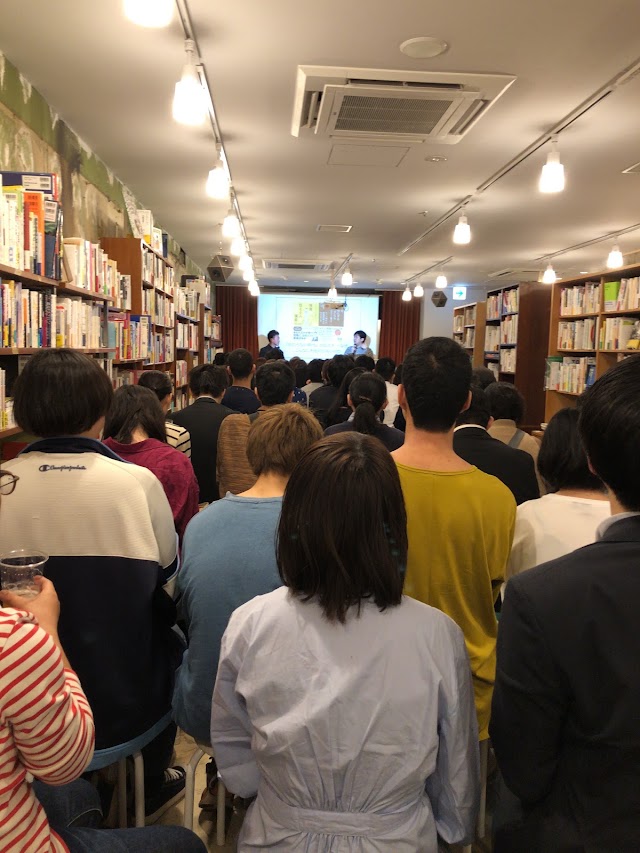
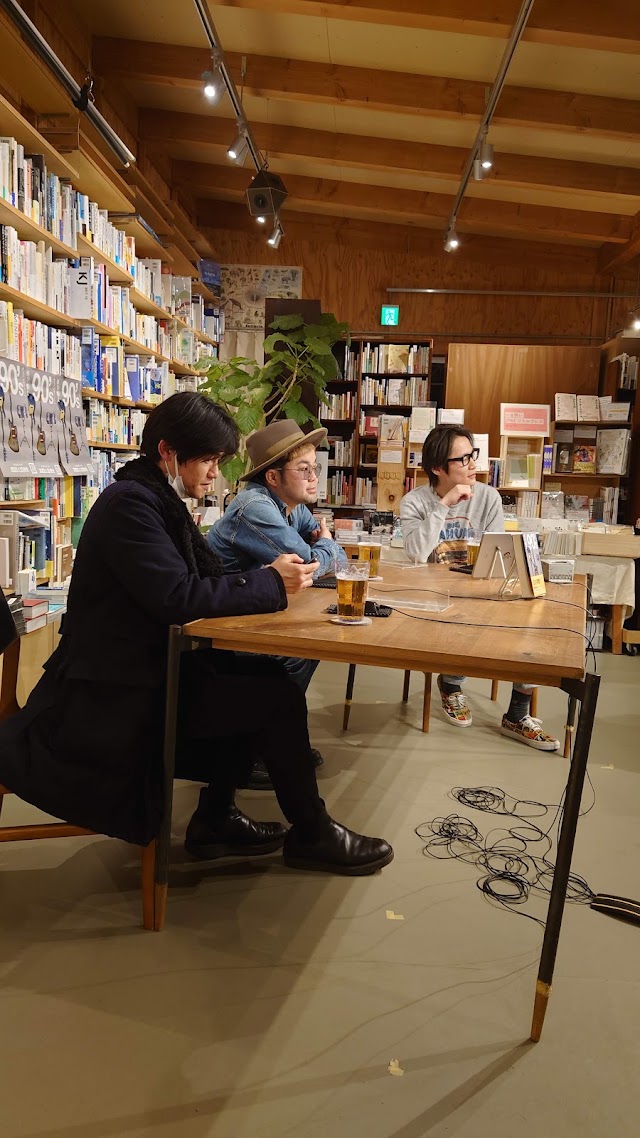
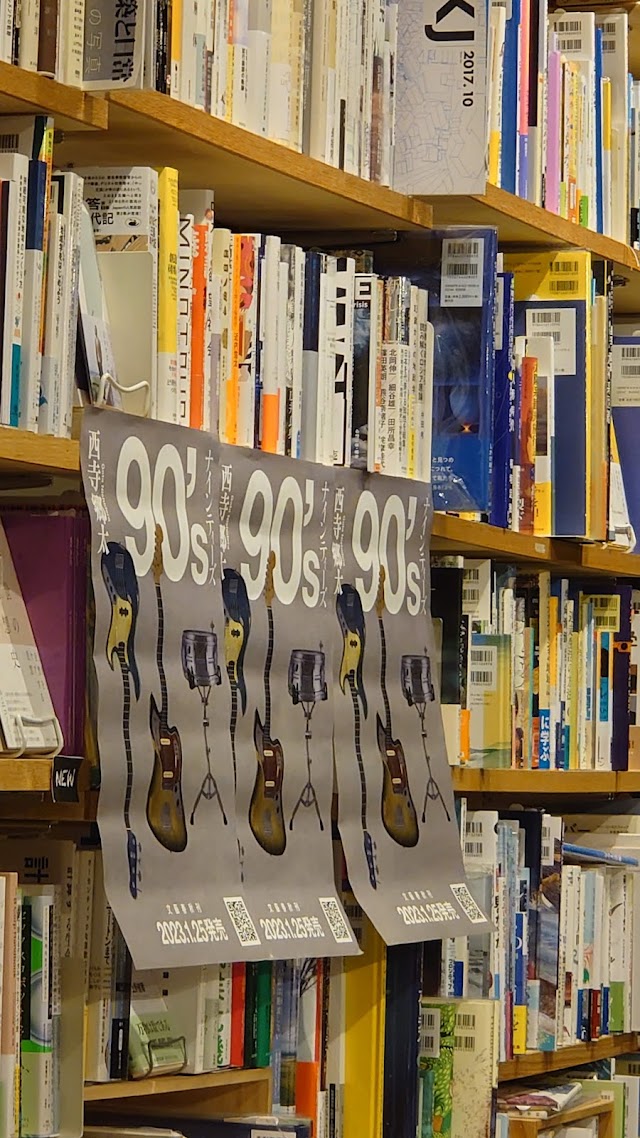
Honya B&B — Book and Beer — opened in Shimokitazawa in 2012 and later moved into BONUS TRACK, the low-rise complex built after the Odakyu line went underground. The real engine is the near-nightly talk programme; even the shelves are furniture for sale so the room can be cleared. (https://bonus-track.net/ )
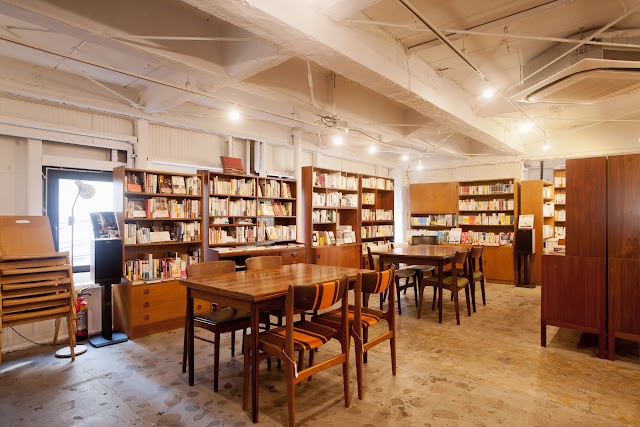
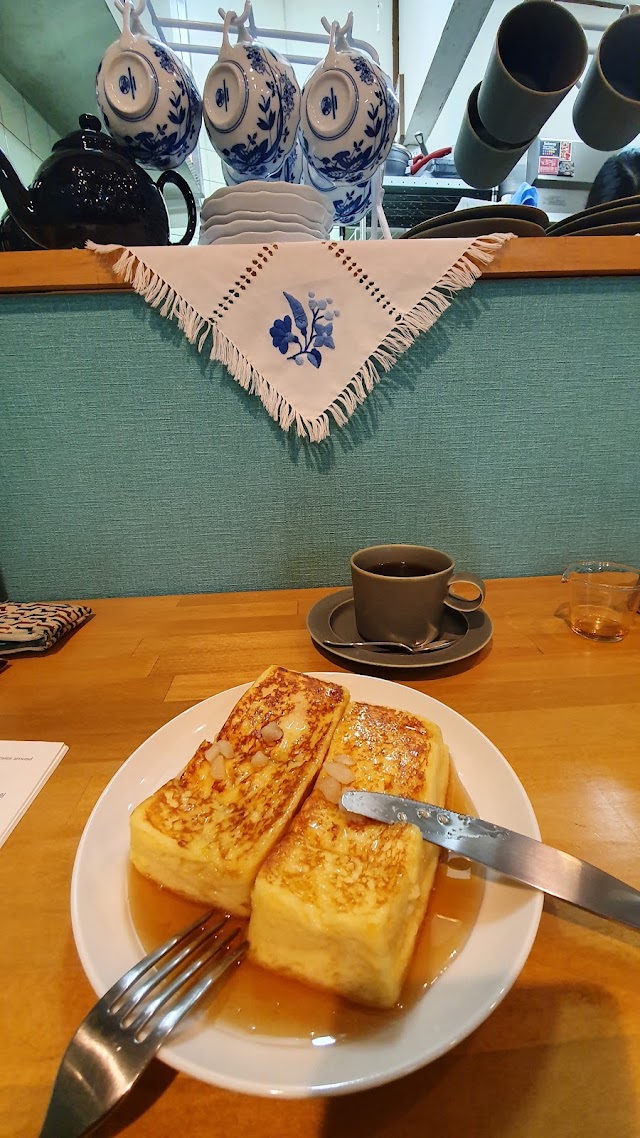
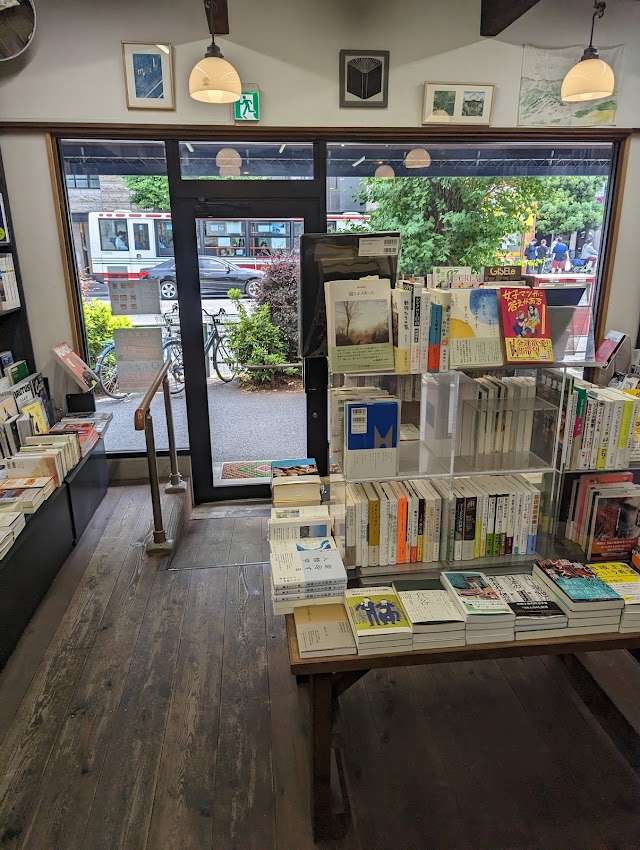
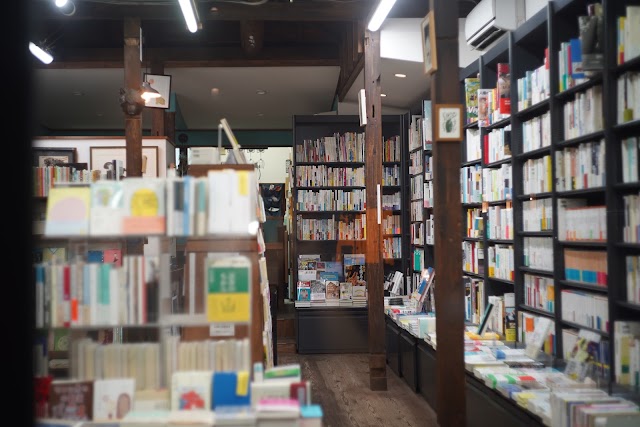
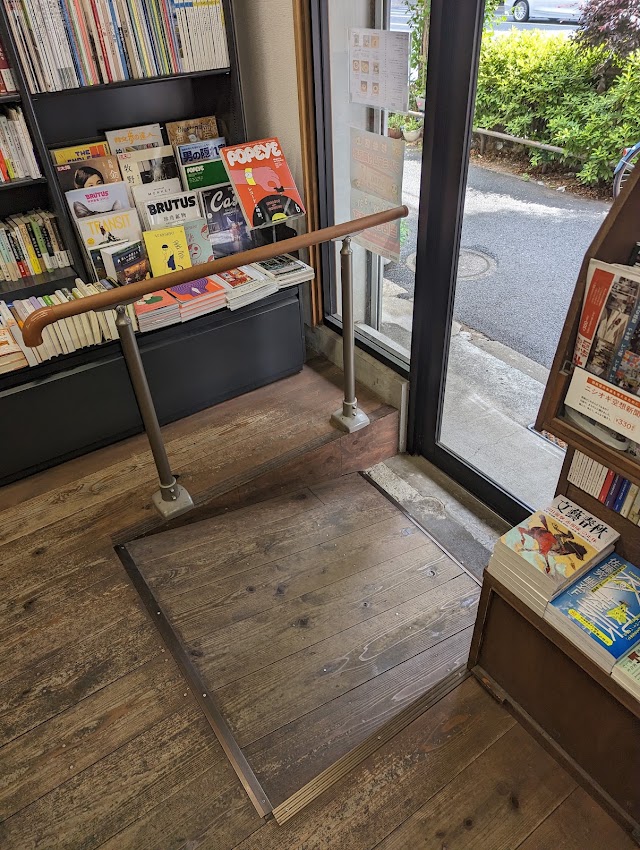
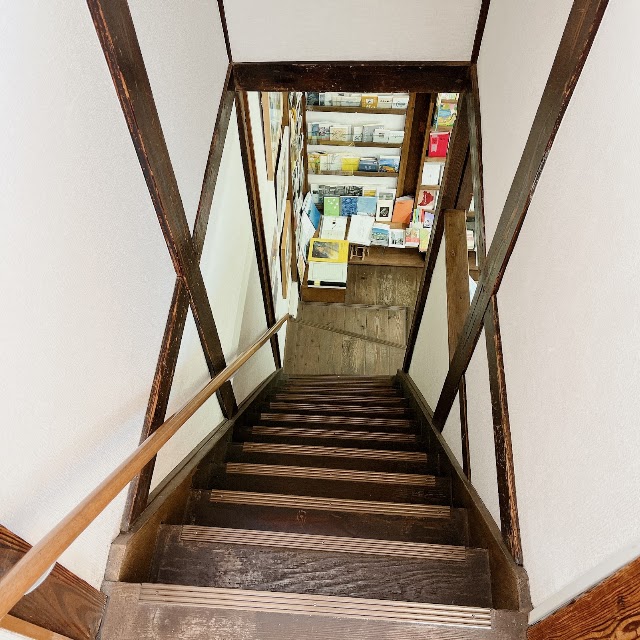
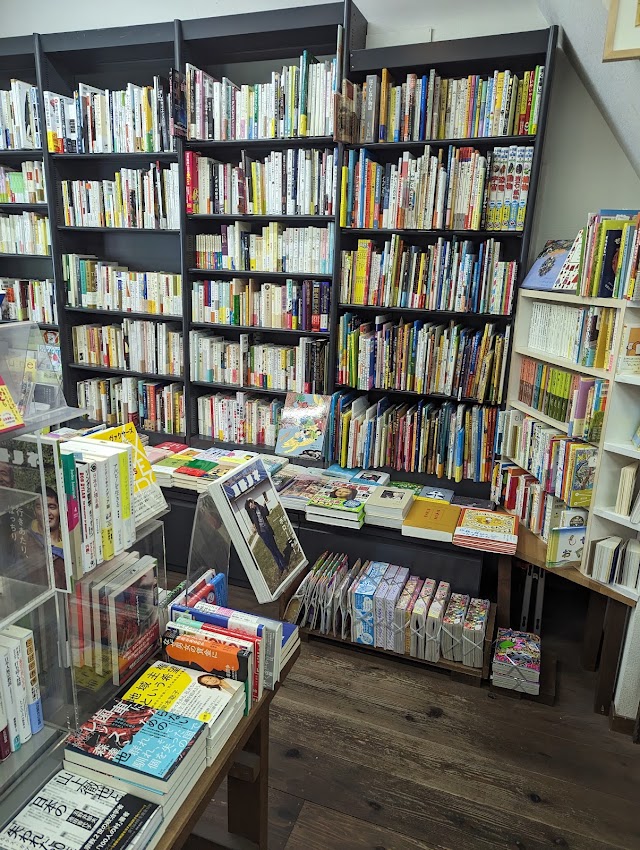
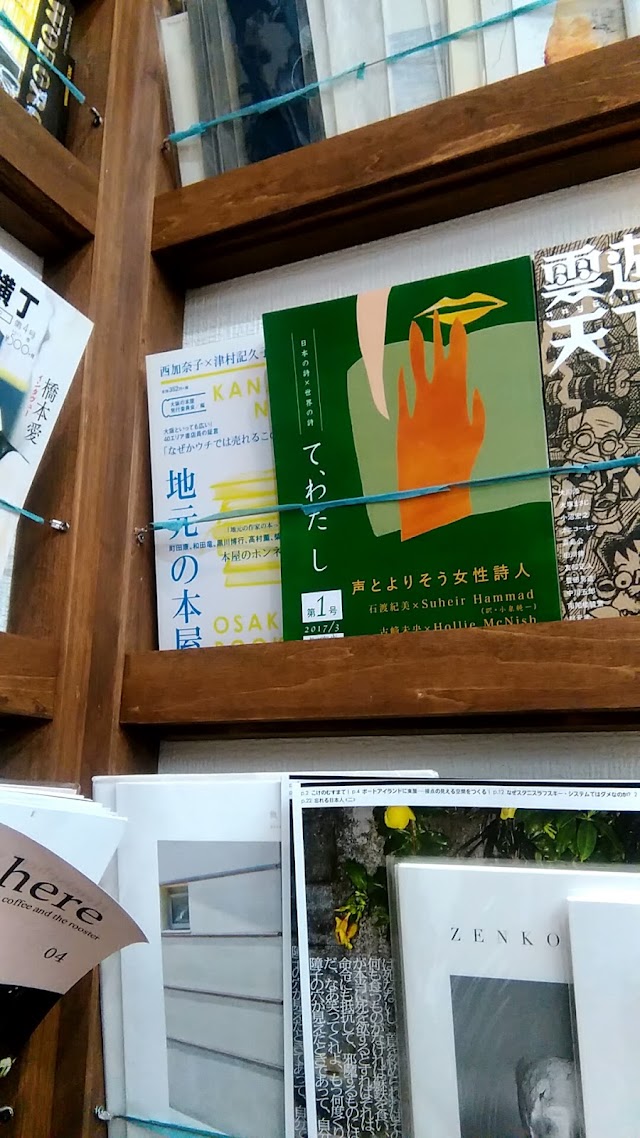
Title sits a 10-15 minute walk from Ogikubo Station in a converted old house, run by Yoshio Tsujiyama after he left a major chain, with a cafe at the back and a gallery upstairs. (https://www.title-books.com/ )
Three practical notes: you do not need Japanese to buy photo, art, cookery or railway books; the same used title can vary several-fold between shops, so walk three before buying; and independents keep irregular hours, so check their official accounts rather than trusting a map listing.
 Scan for map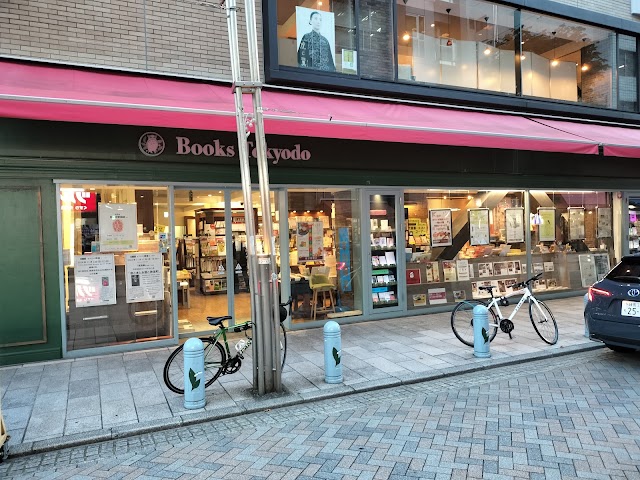
 Scan for map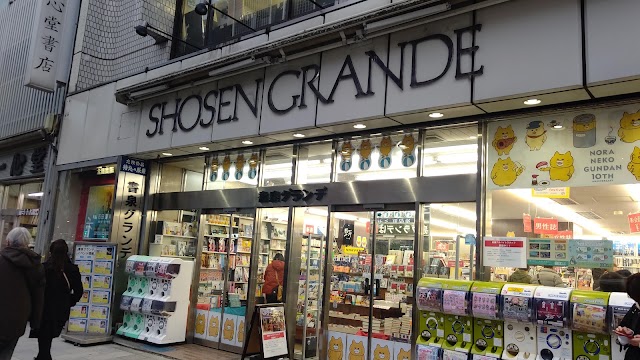
 Scan for map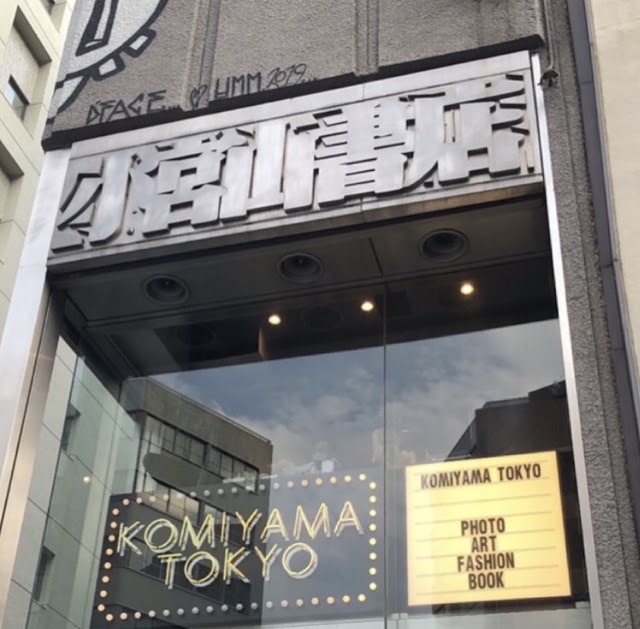
 Scan for map
 Scan for map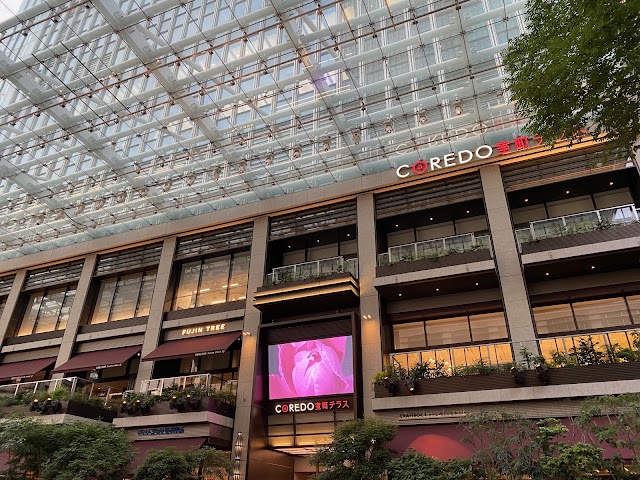
 Scan for map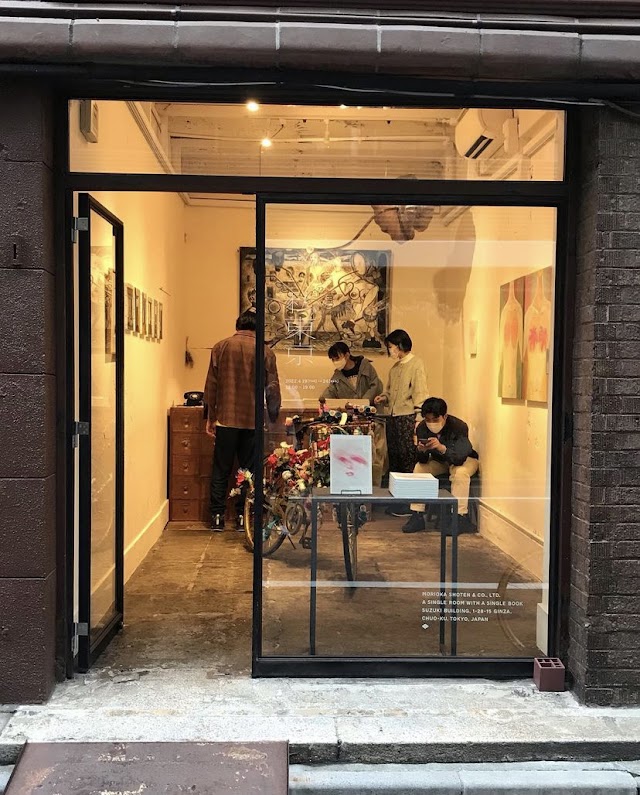
 Scan for map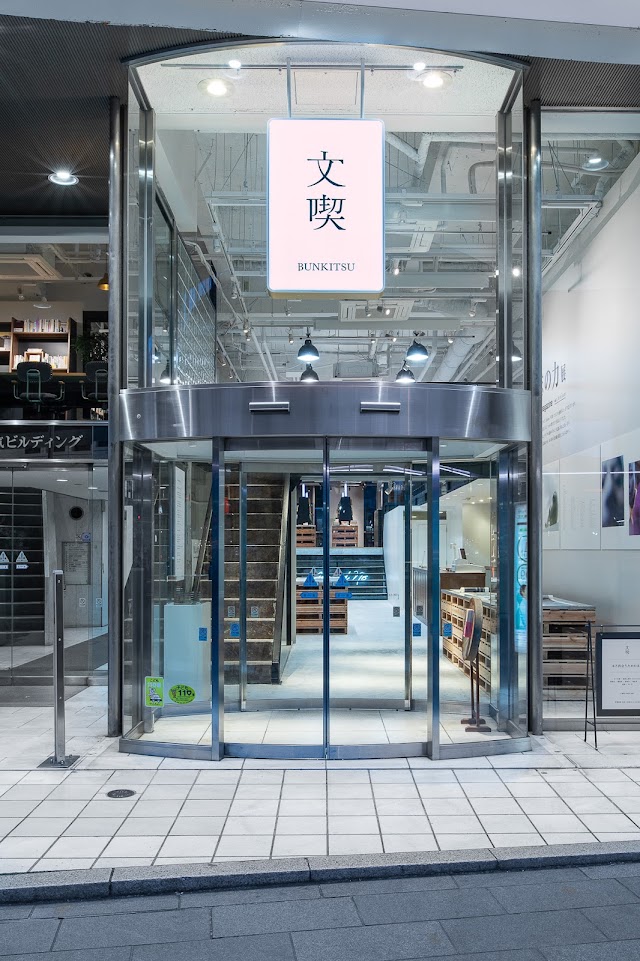
 Scan for map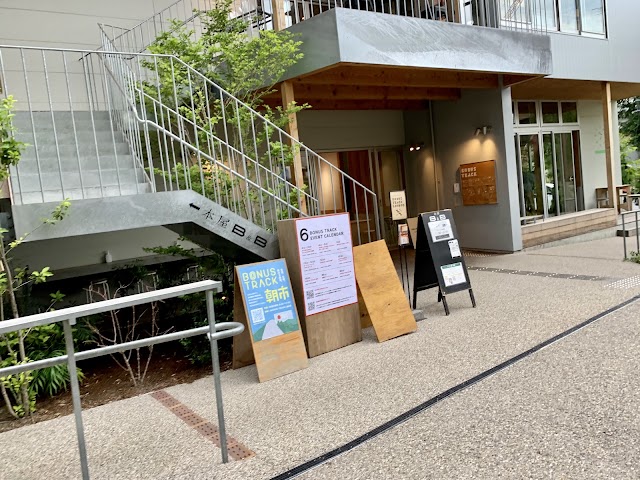
 Scan for map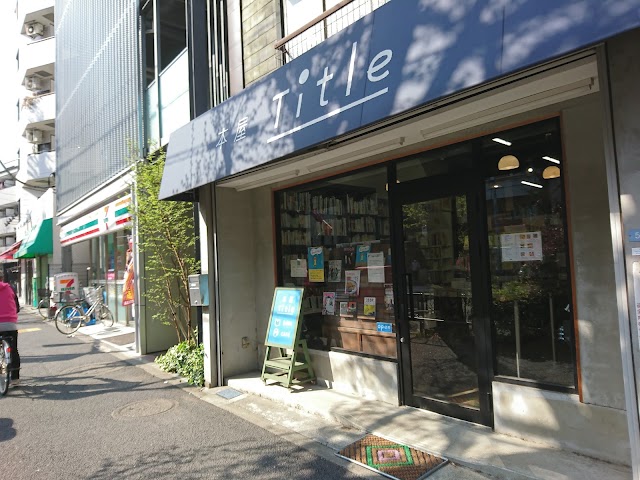
 Scan for map