Ten Tokyo Tendon Picks 2026: Japan's Oldest Tempura House by Kaminarimon, Ningyocho's Jet-Black Bowl, and the Chain That Cut Tendon From ¥1,500 to ¥500
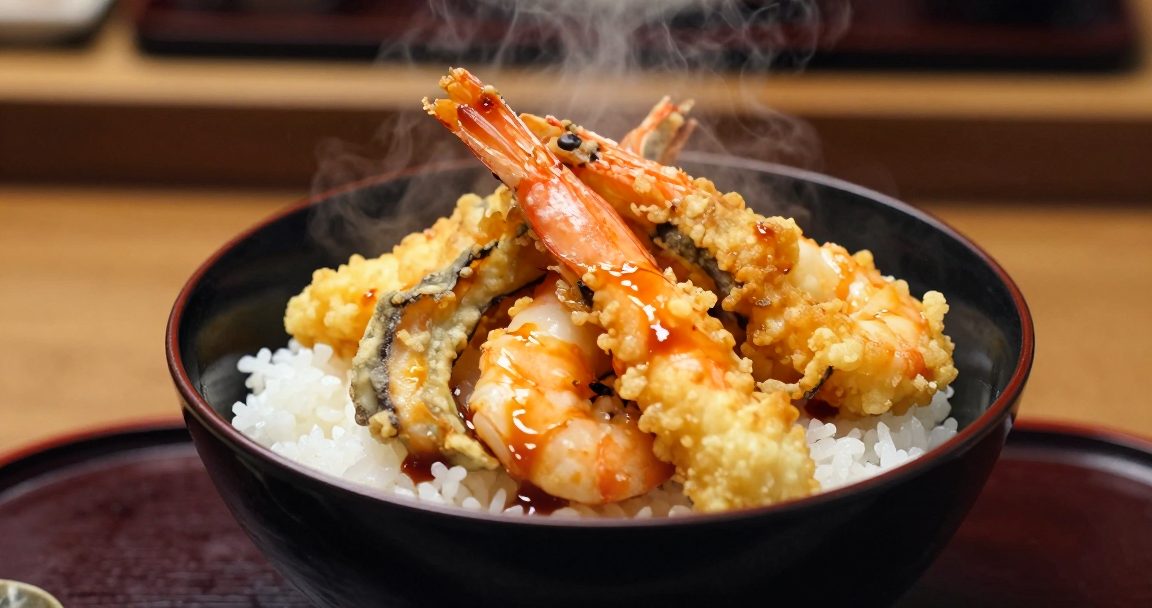
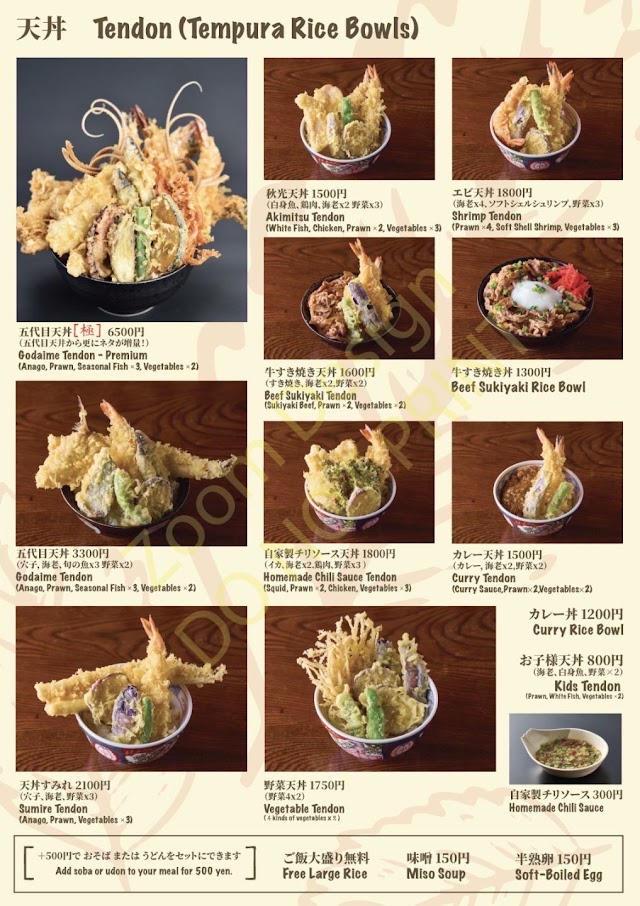
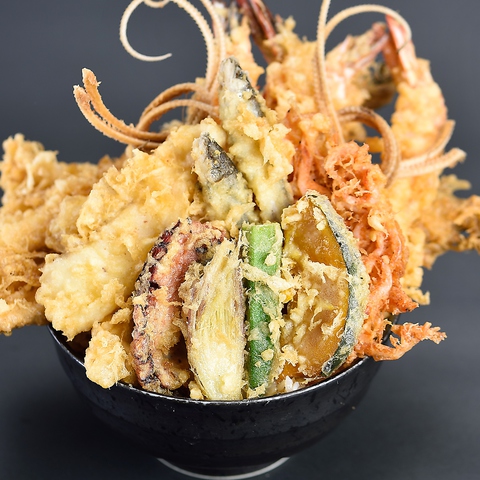
- The ten picks span nearly ninefold in price: from roughly ¥620 for the tendon at Tenya's original Yaesu branch to about ¥5,550 for Akimitsu's five-a-day 'Godaime Tendon Kiwami' in Asakusa; the middle band sits at ¥1,300–2,000.
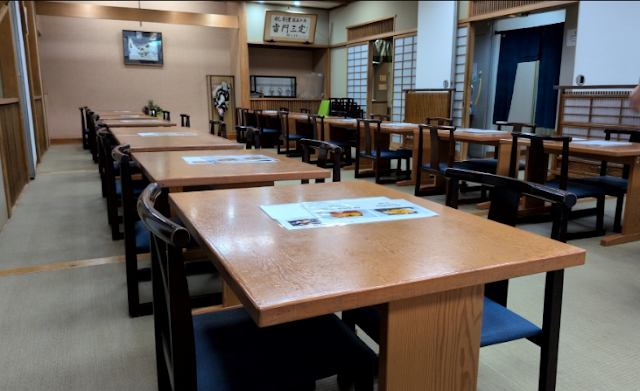
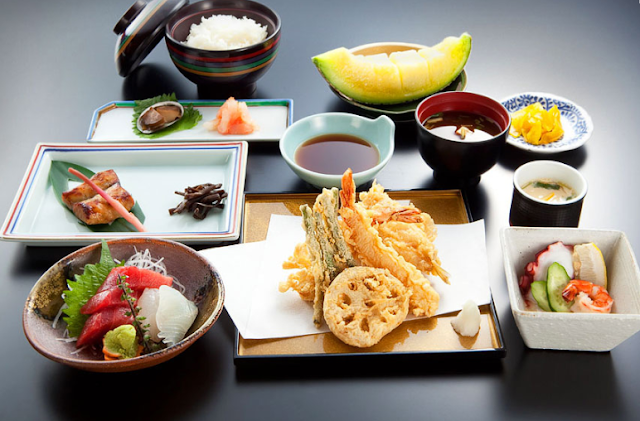
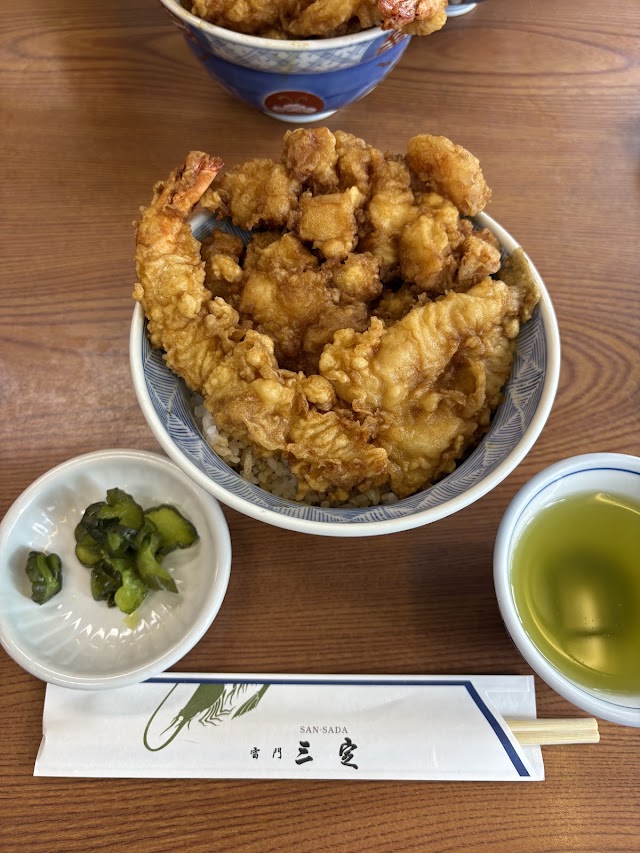
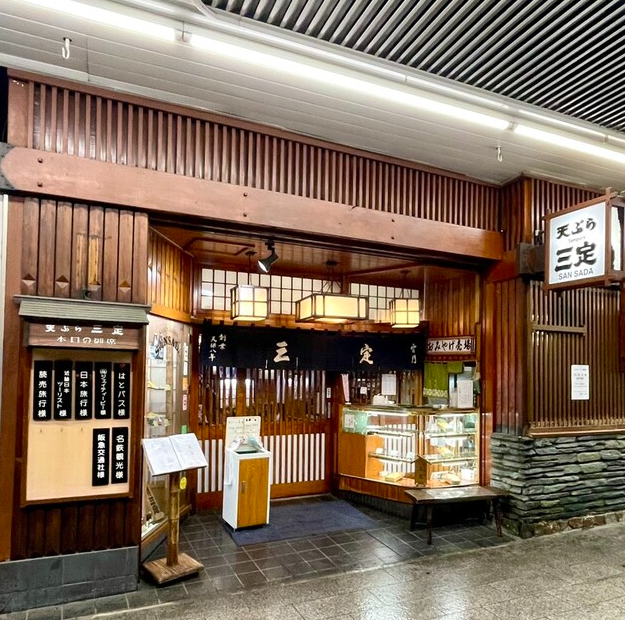
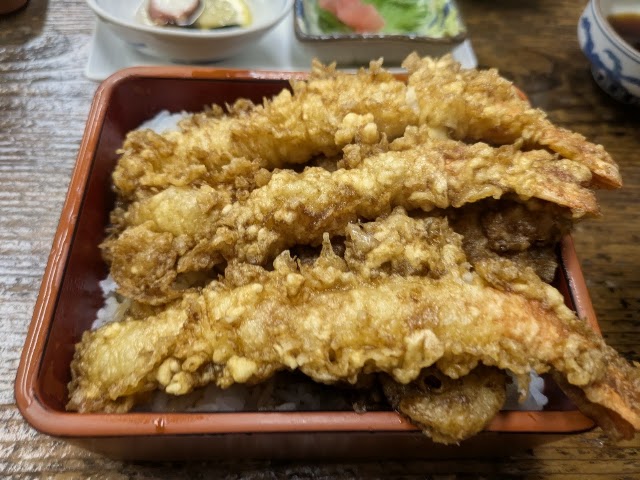
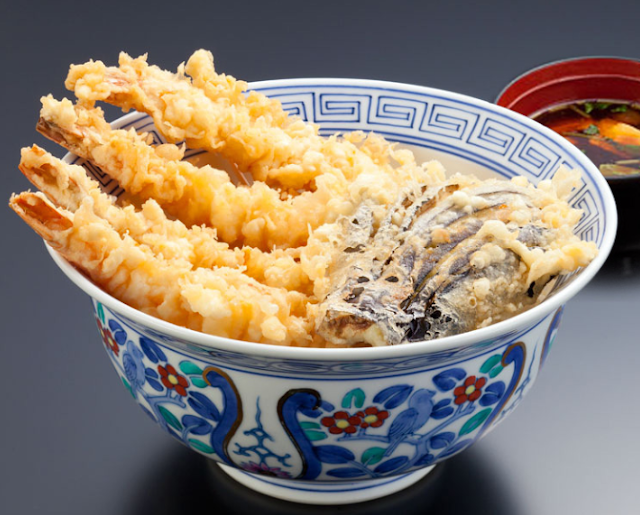
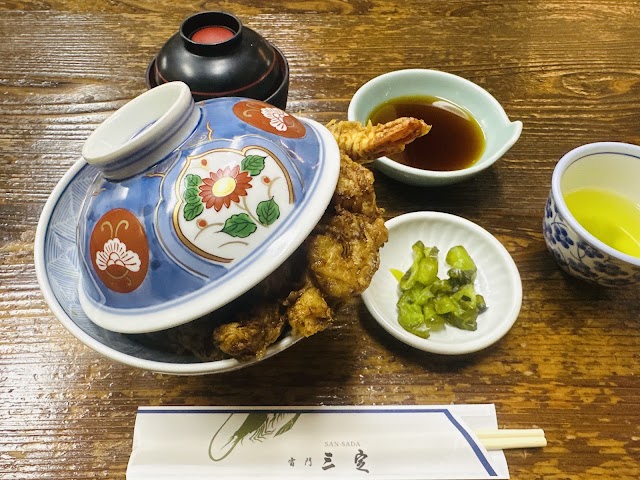
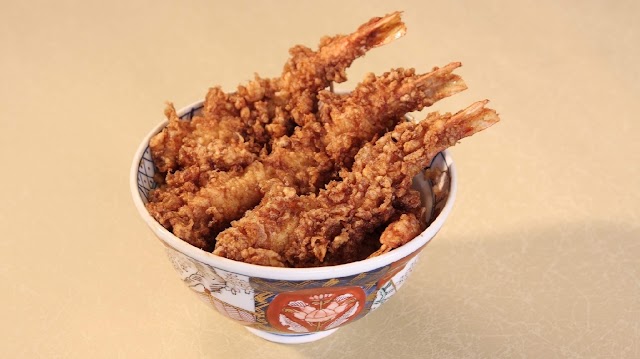
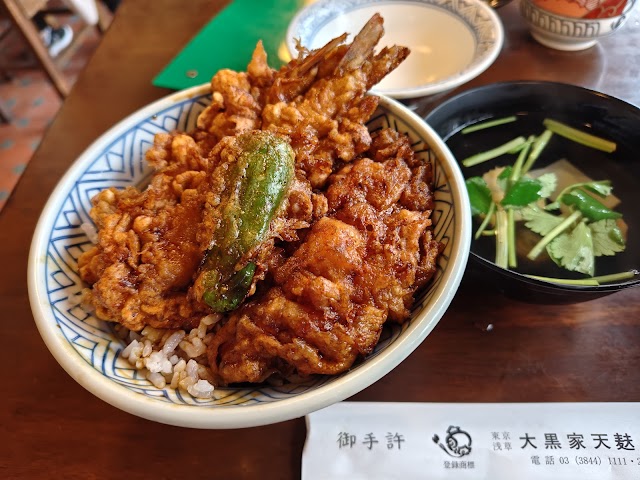
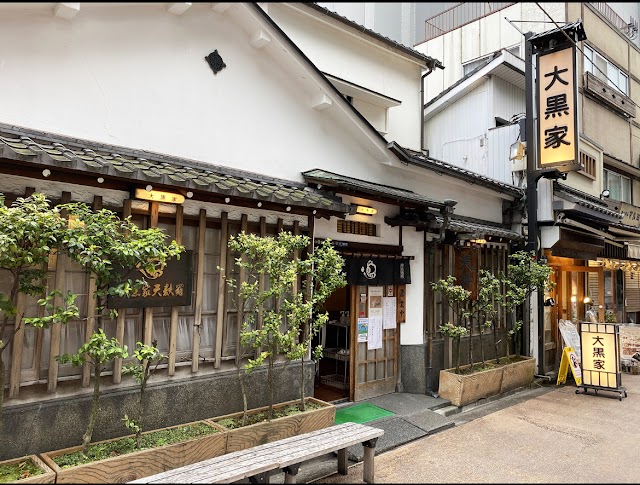
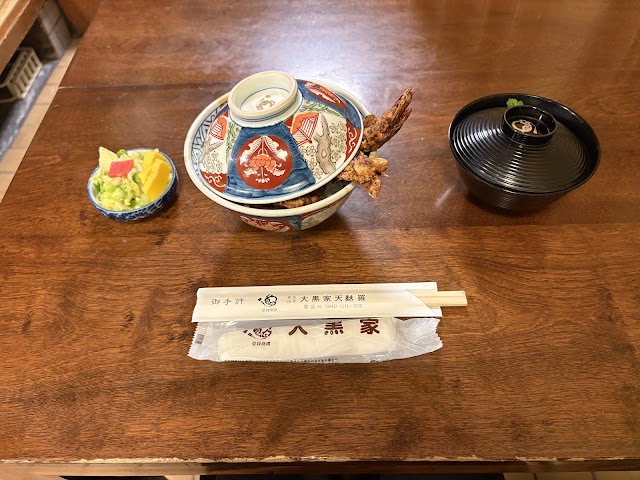
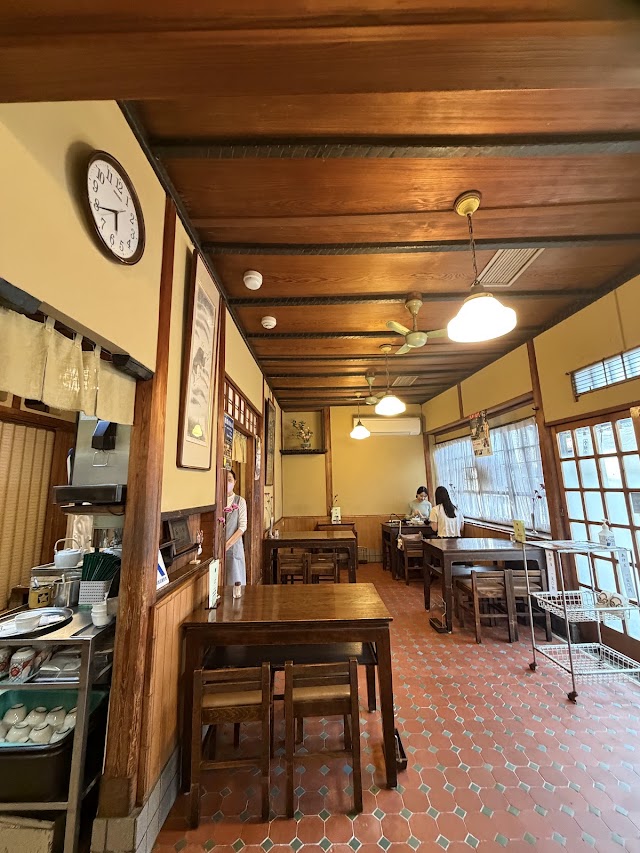
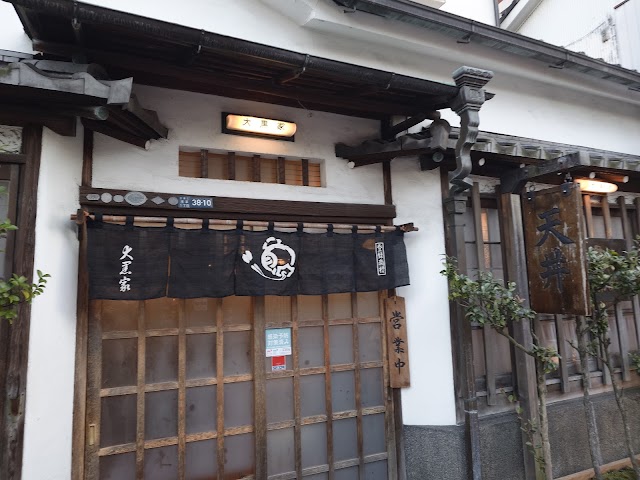
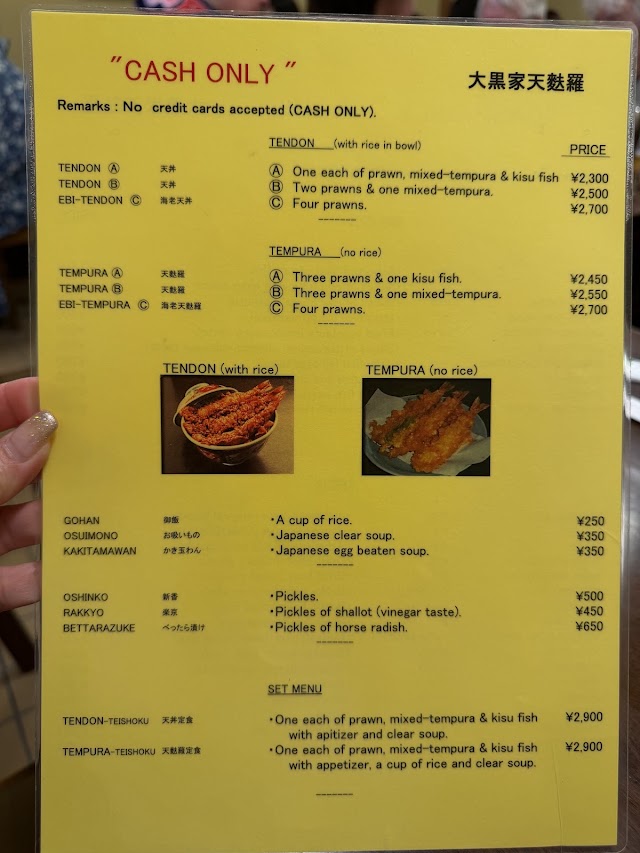
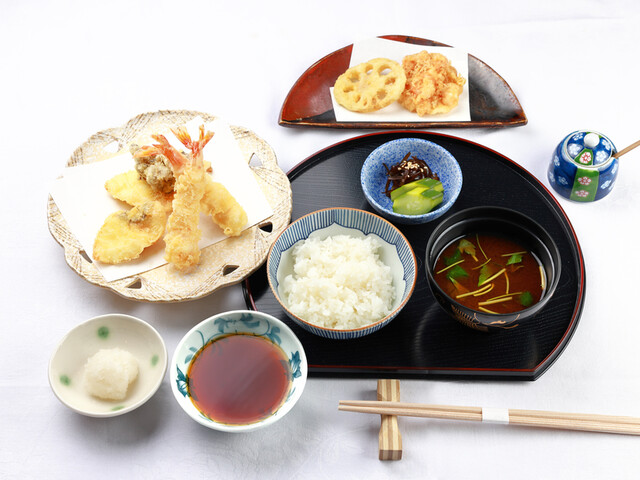
- Kaminarimon Sansada, founded in 1837 (Tempo 8) and now run by the seventh generation, stands beside Kaminarimon gate and is the oldest surviving tempura specialist; Daikokuya Tempura (1887) on Denboin-dori fries in sesame oil only and serves a four-prawn ebi tendon.
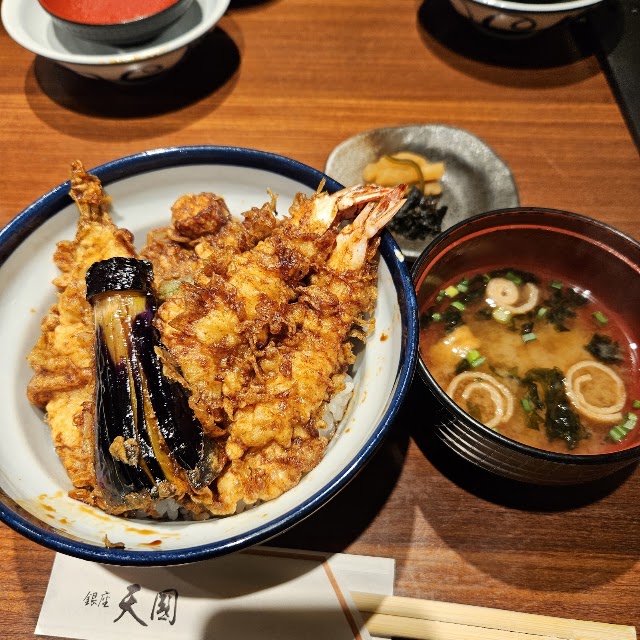
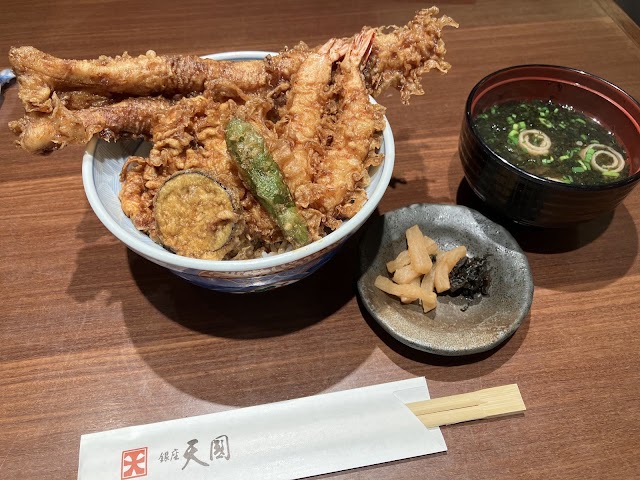
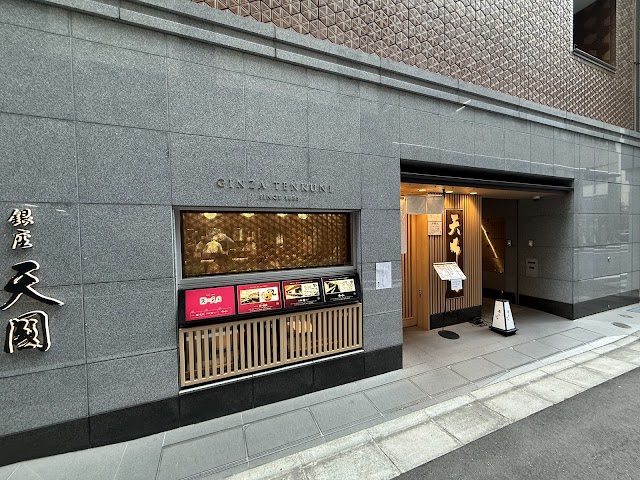
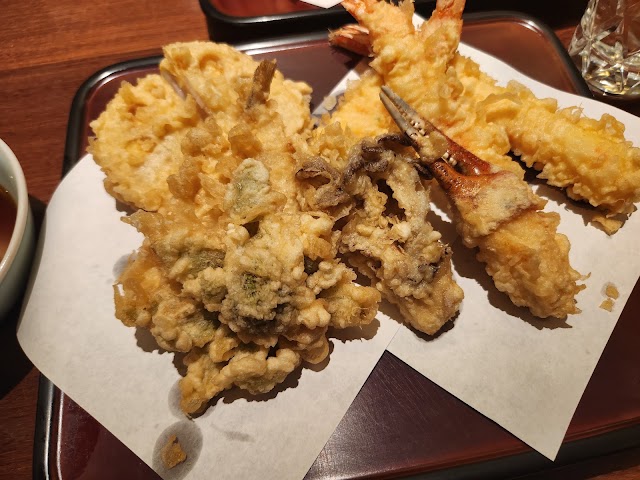
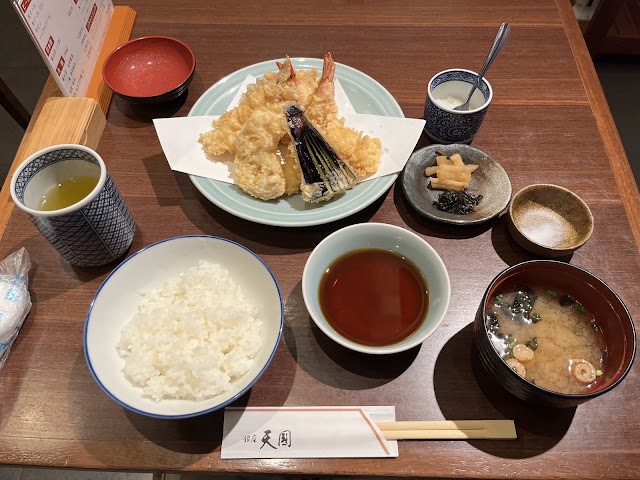
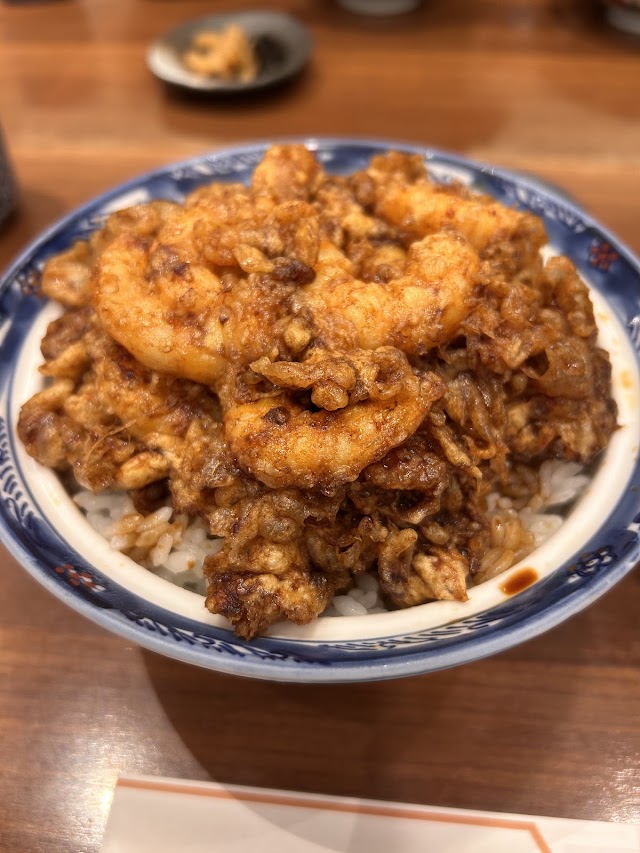
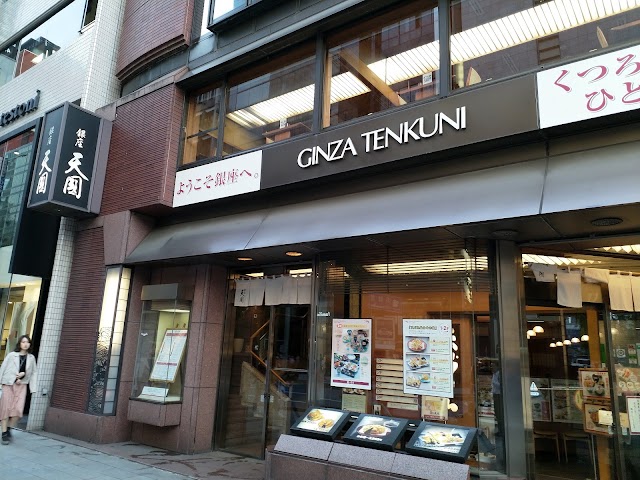
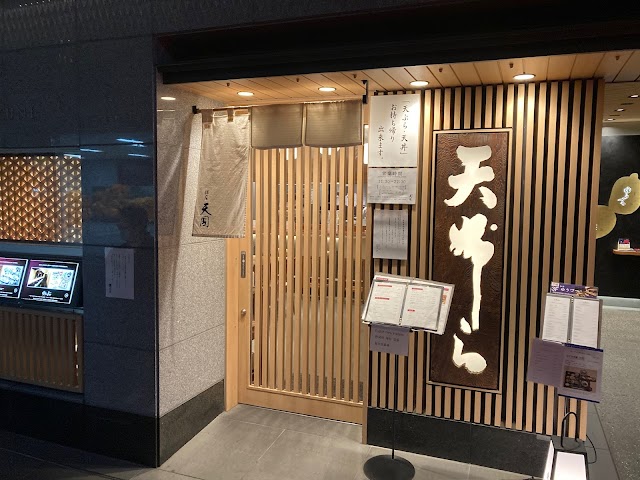
- Ginza Tenkuni traces to an 1885 street stall opened by Rokugi Kunimatsu; 140 years on, its A-don is about ¥1,700 — a rare old-house tendon at that price in Ginza.
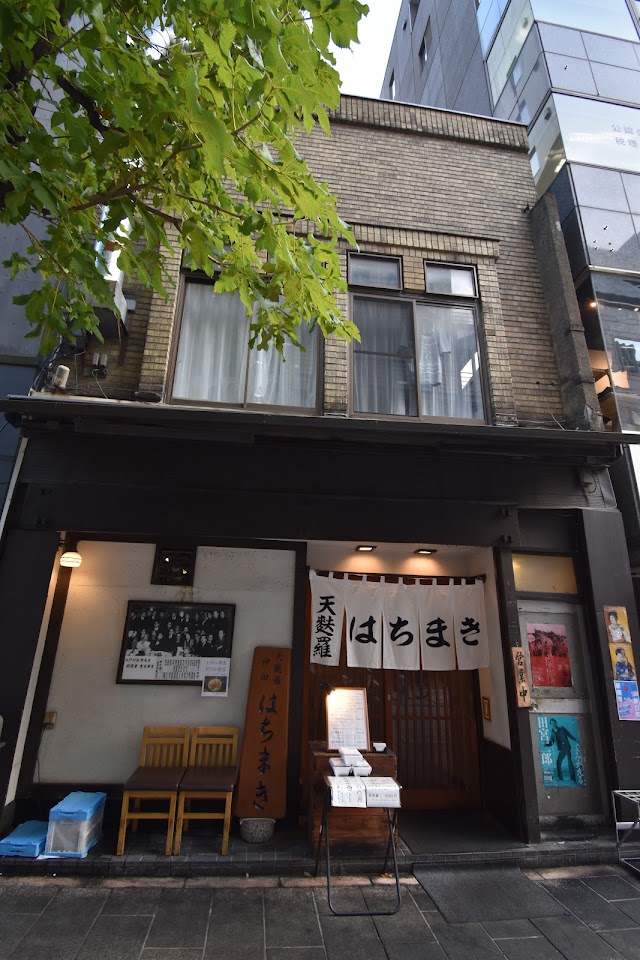
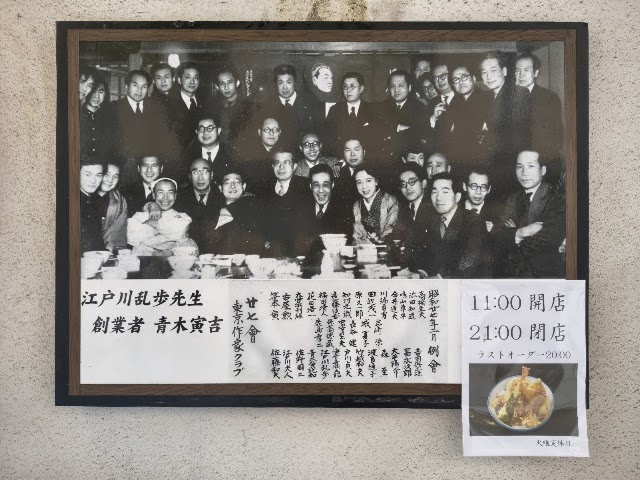
- Hachimaki in Jimbocho opened in 1931 and was a regular table for Showa writers including Edogawa Ranpo; its tendon still costs about ¥1,000, with a tare adjusted daily for weather and temperature.
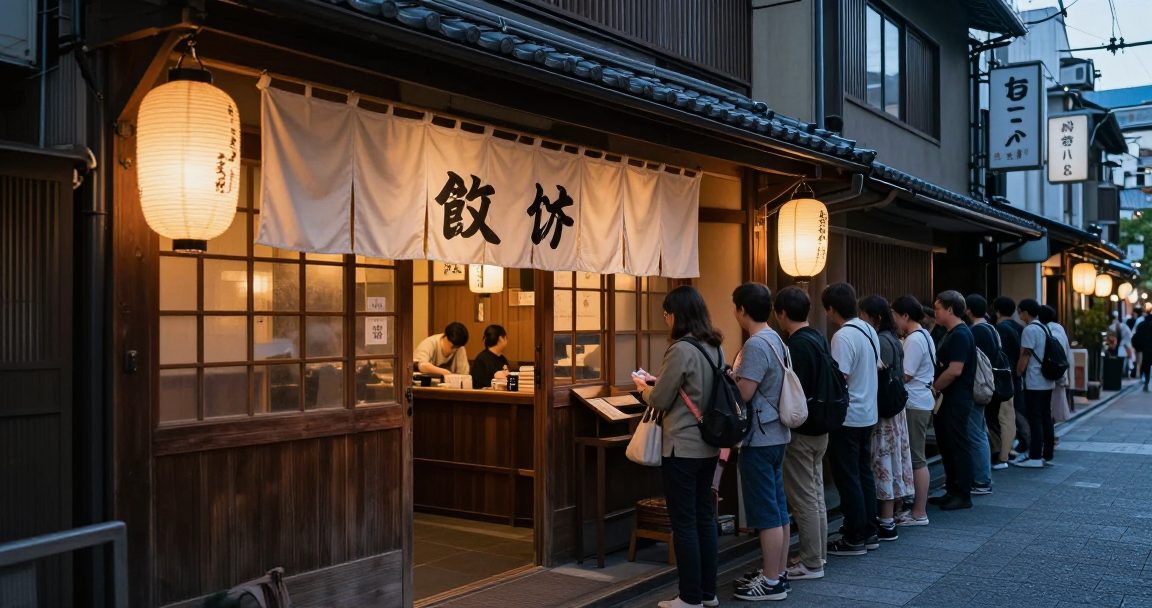
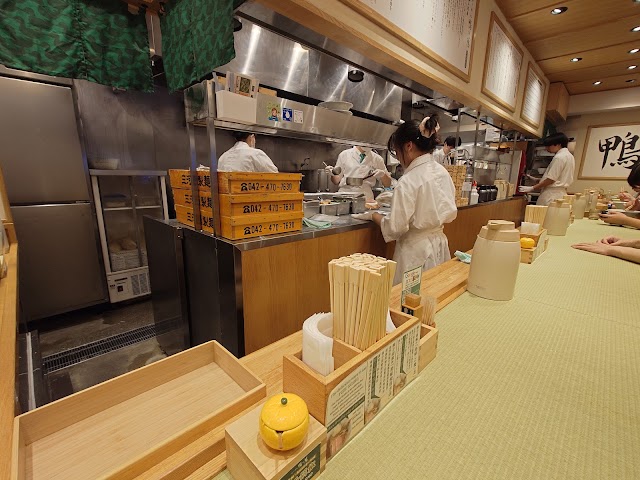
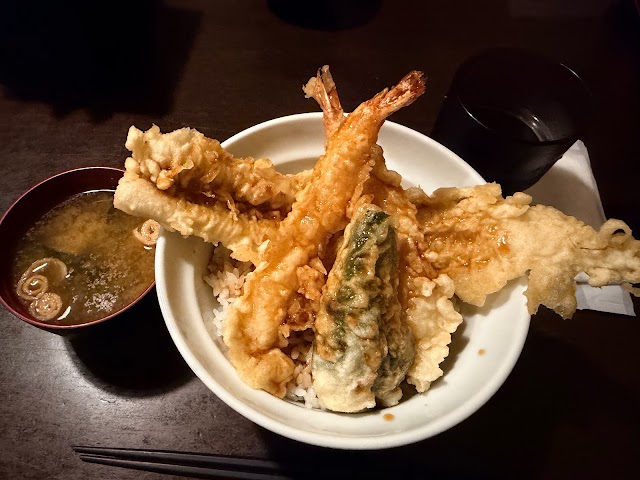
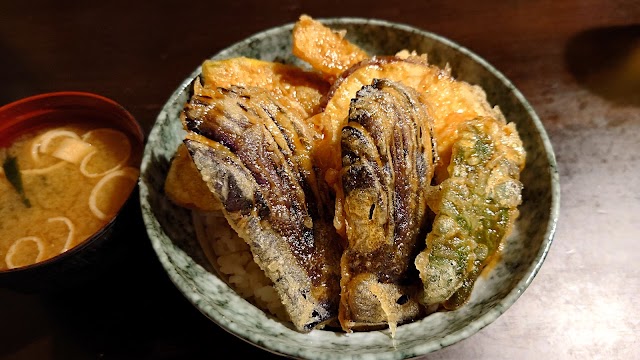
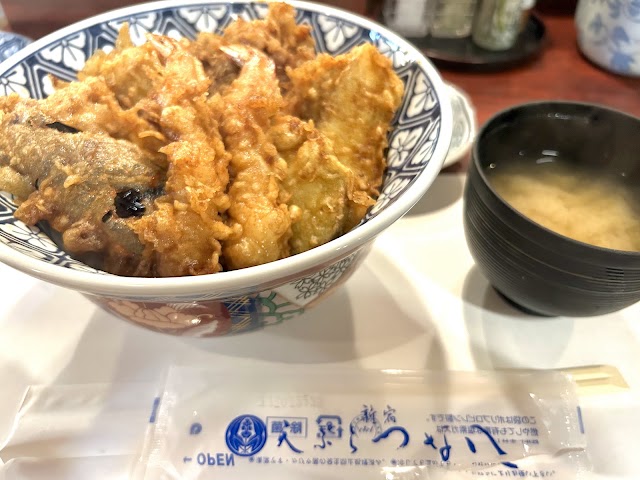
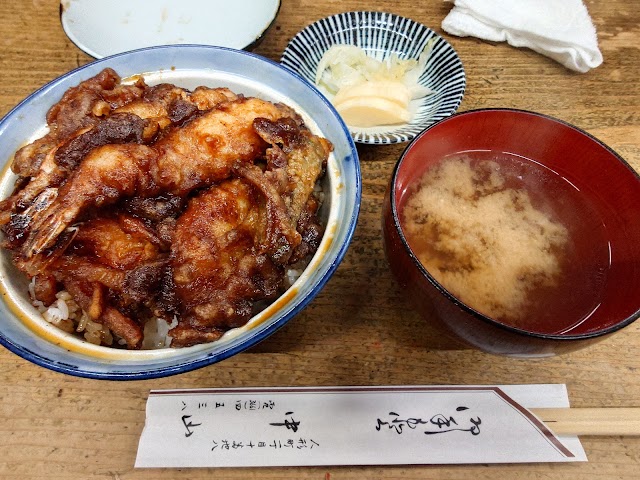
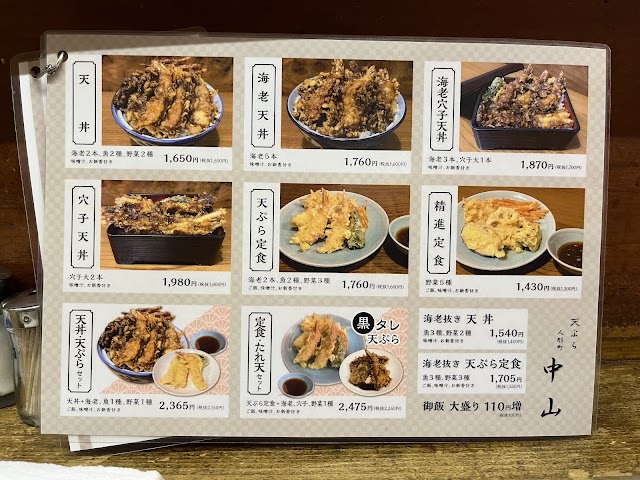
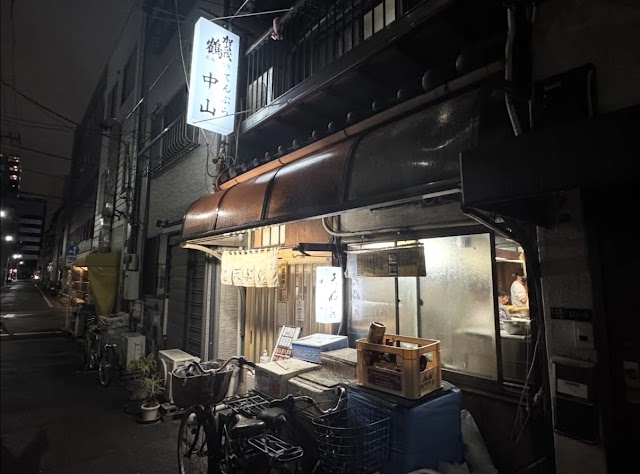
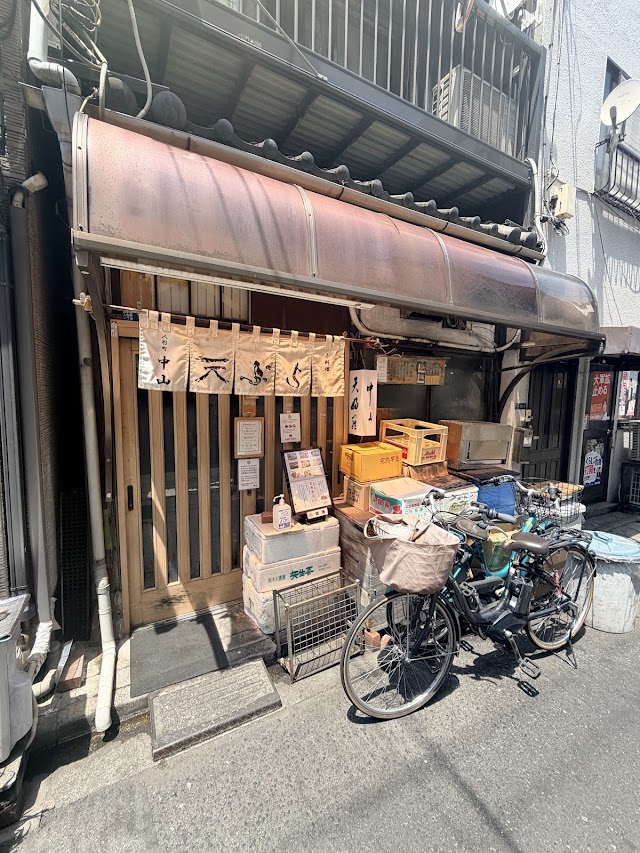
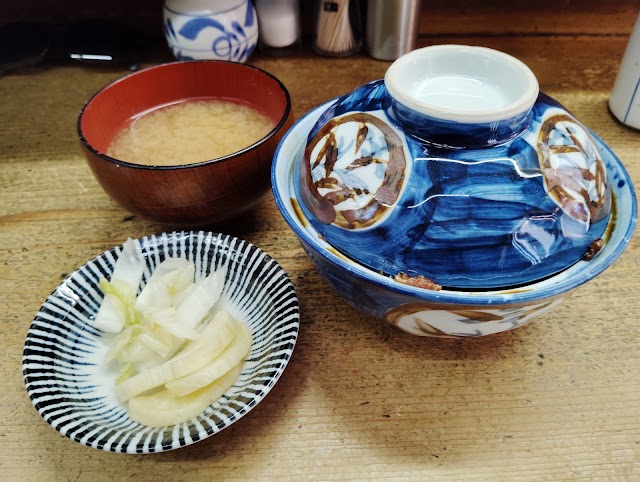
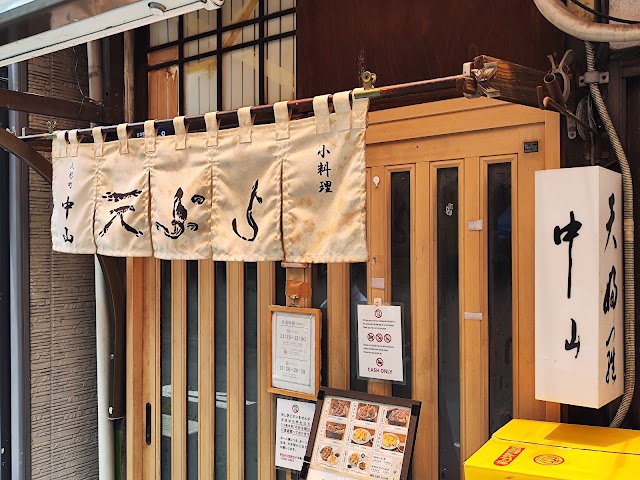
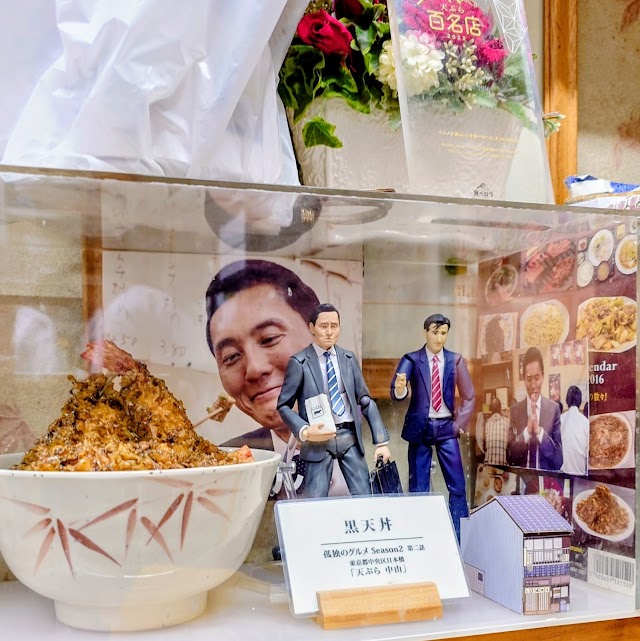
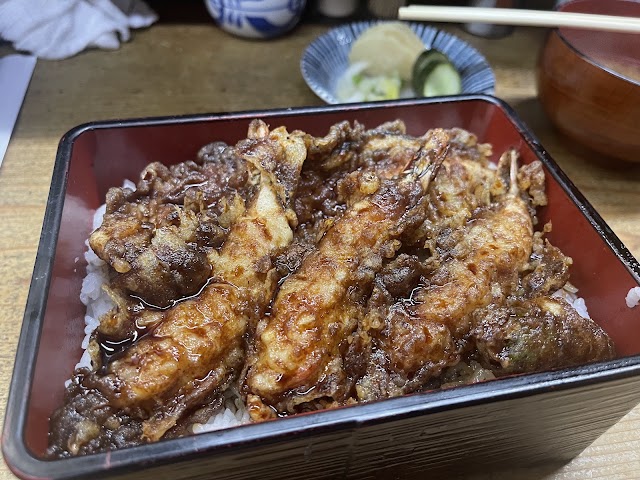
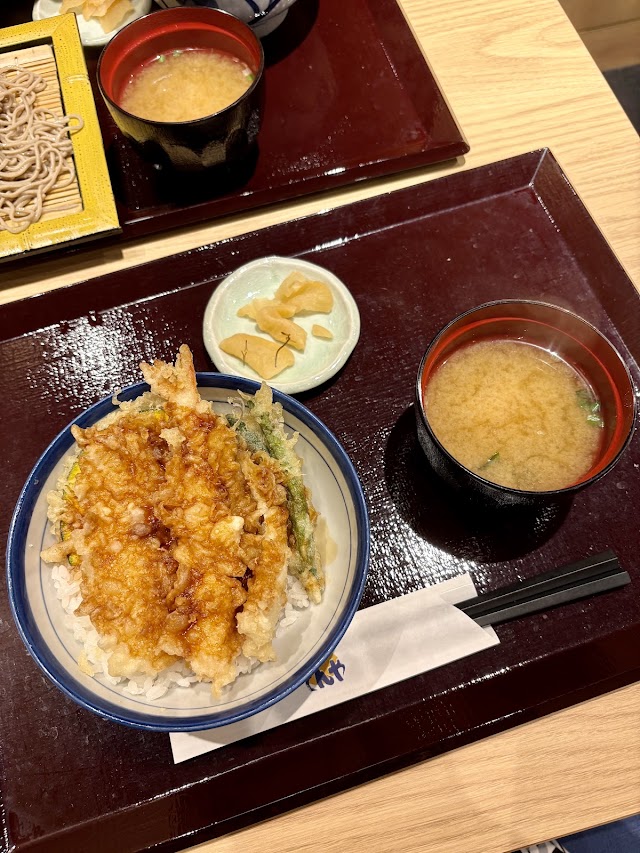
- Tempura Nakayama's 'black tendon' (about ¥1,485) is a Kodoku no Gurume pilgrimage site, open weekdays only with a lunch window of 11:15–13:00; arriving by 11:00 beats the office-worker rush.
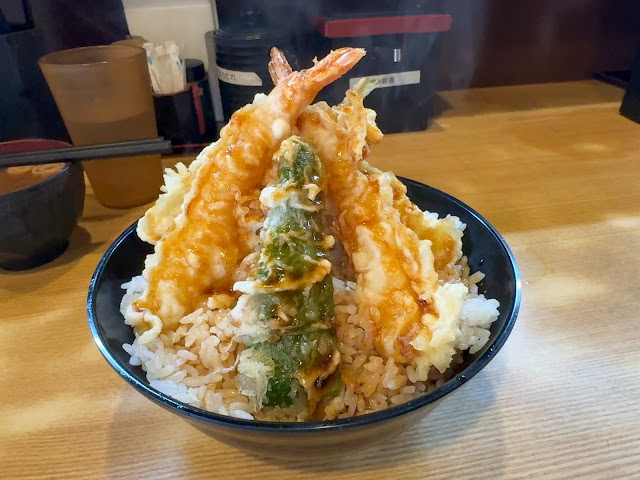
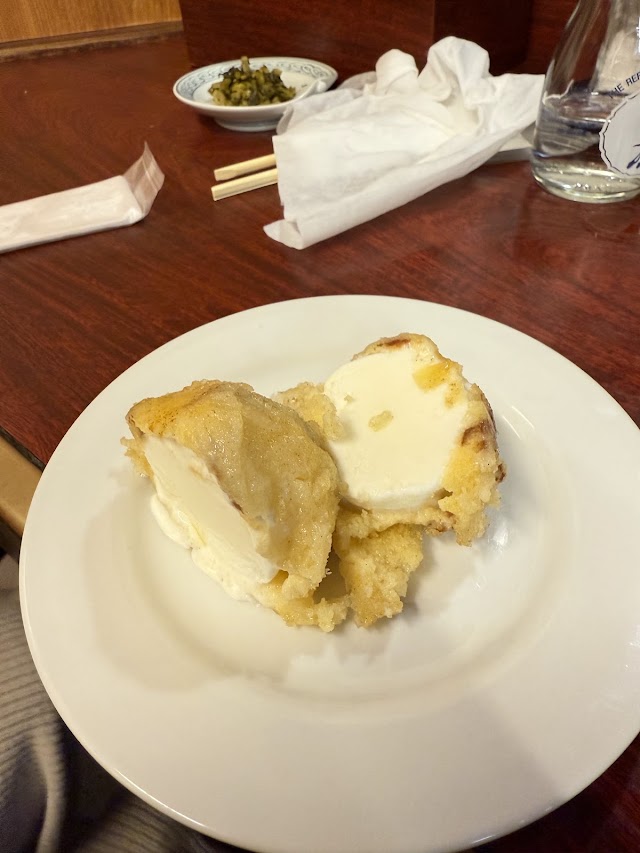
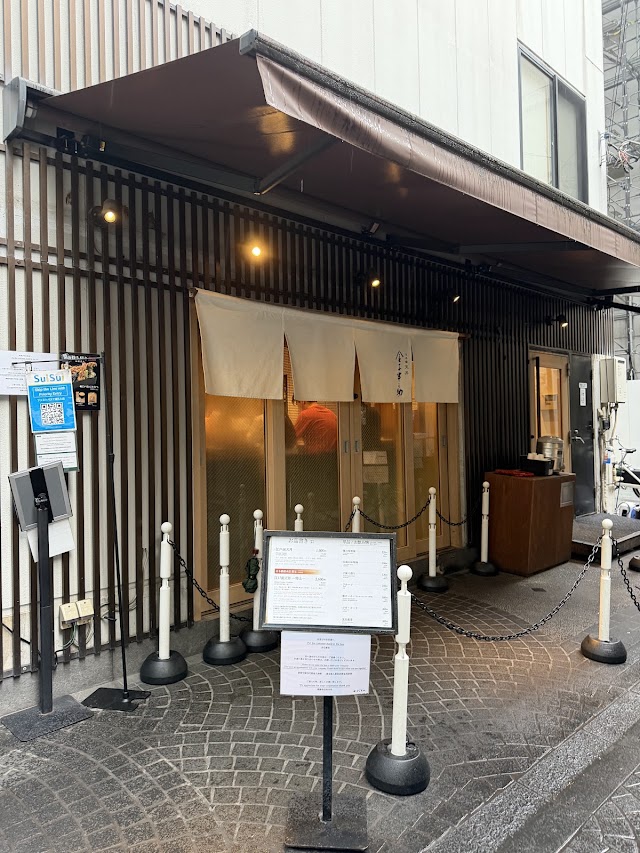
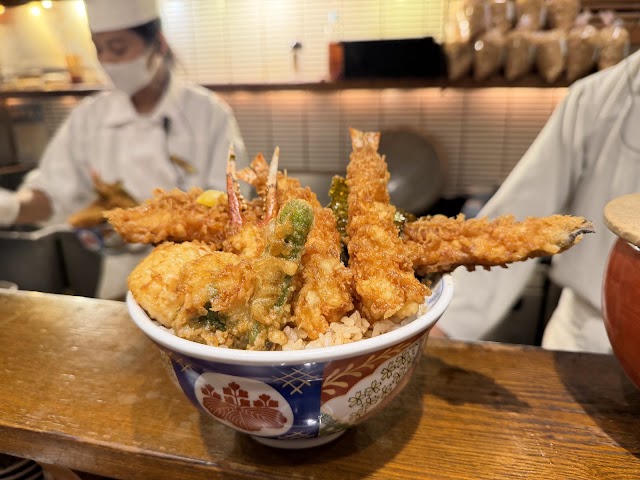
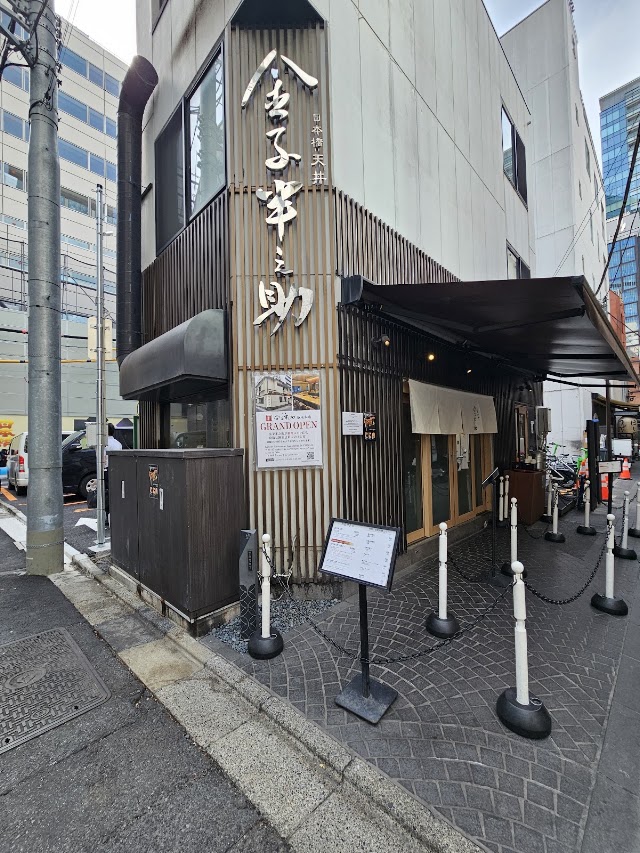
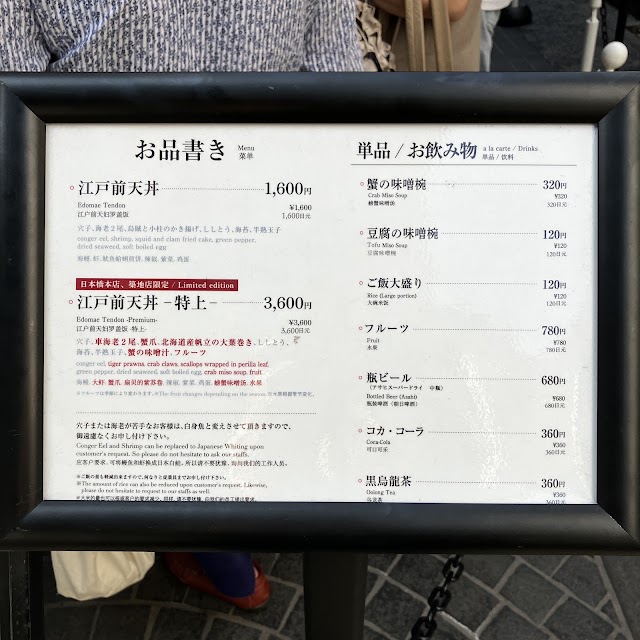
- Kaneko Hannosuke's Nihonbashi flagship serves its edomae tendon at about ¥1,280 (jō-jō about ¥2,980), topped with the soft-boiled egg tempura that defines modern tendon on social media; a GRANSTA Tokyo Station branch sells takeaway boxes.
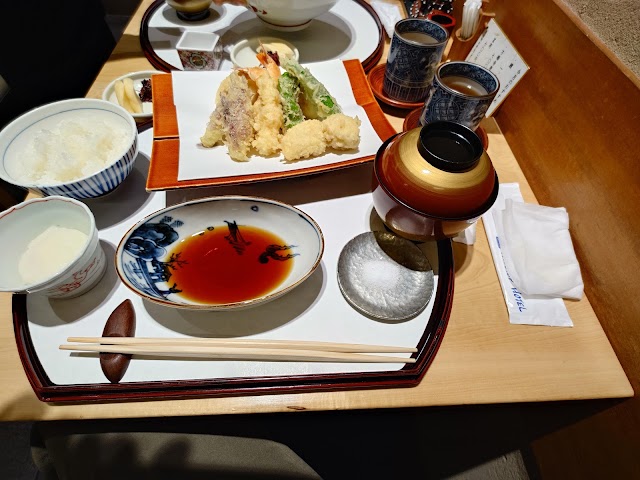
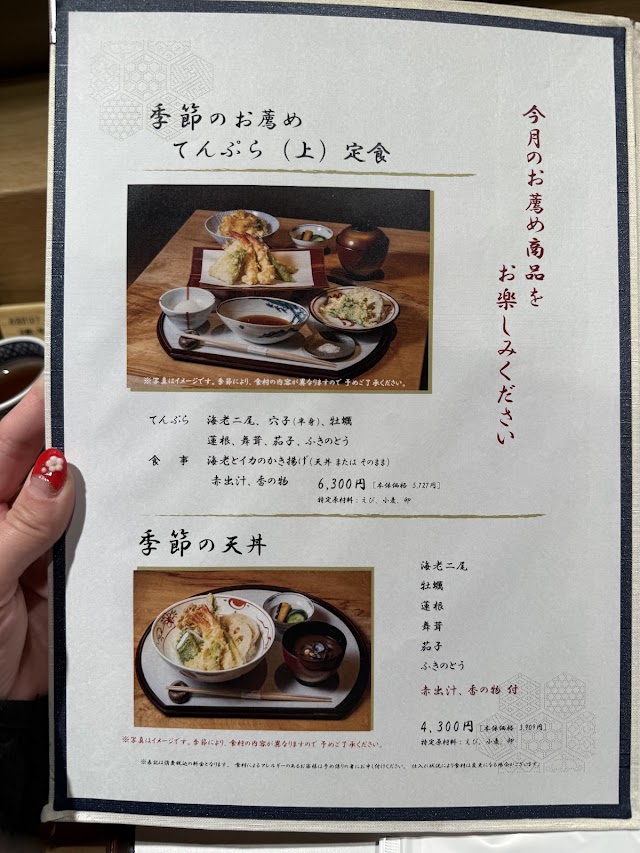
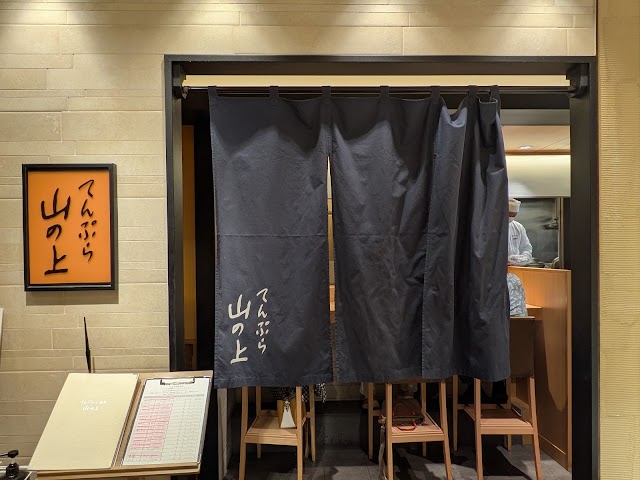
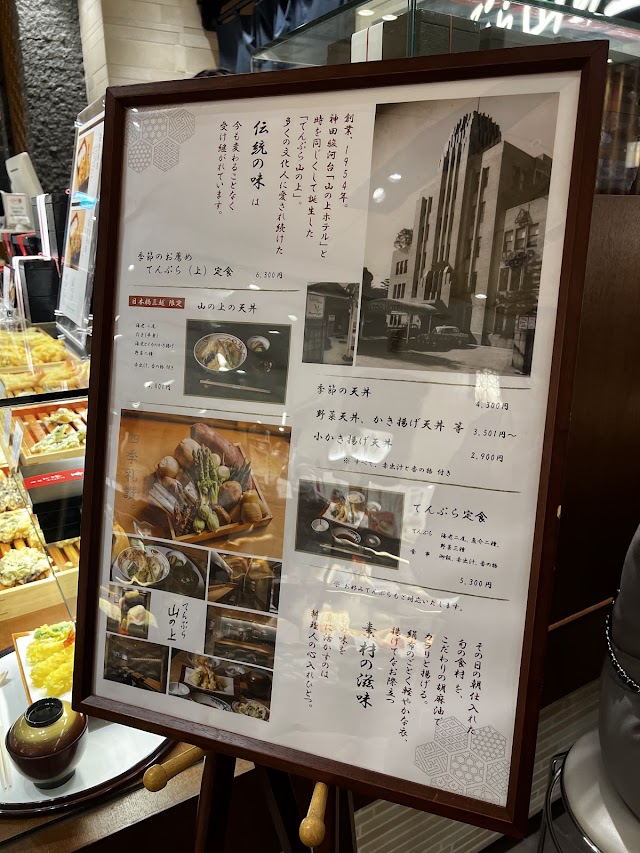
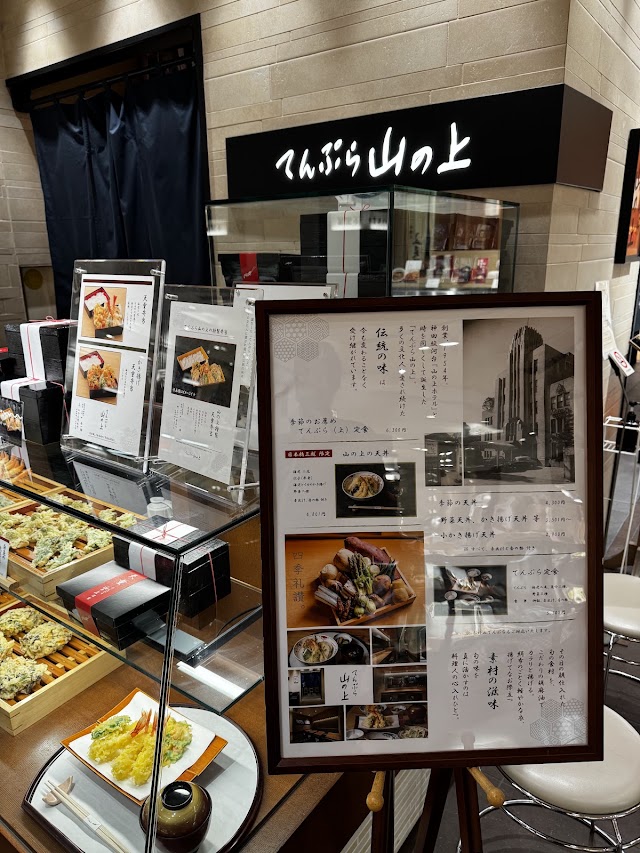
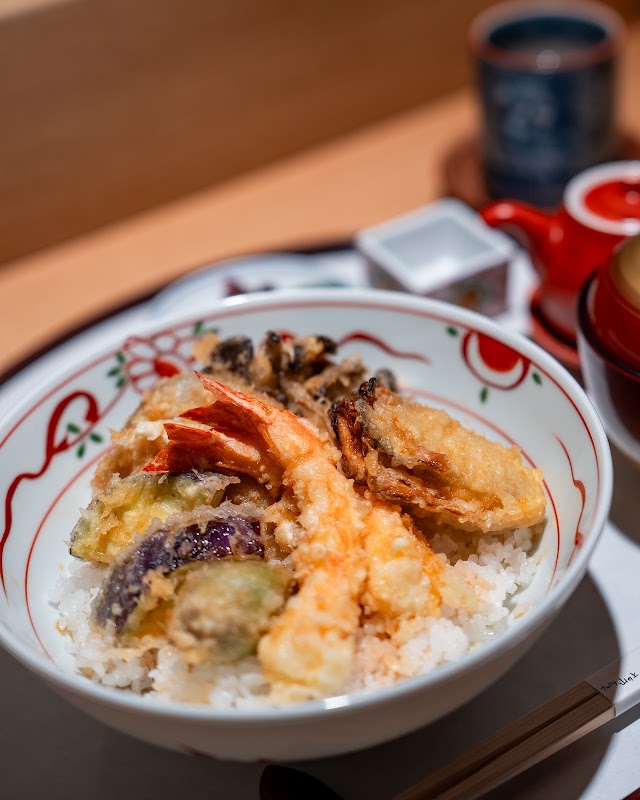
- The only entry on the Tabelog Tempura Top 100 2025 list is Tempura Yamanoue inside Nihonbashi Mitsukoshi (tendon about ¥3,800), whose parent is the 1954 Yamanoue Hotel in Kanda Surugadai; it reopened at Mitsukoshi in March 2024.
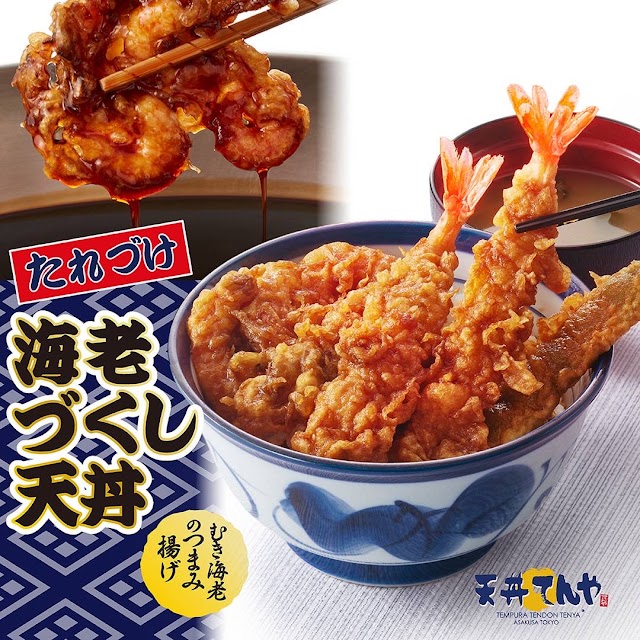
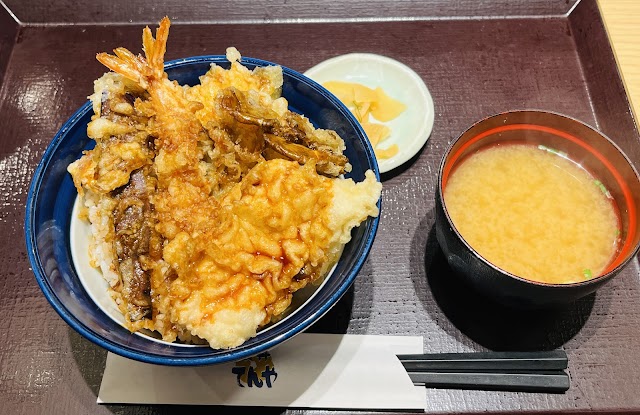
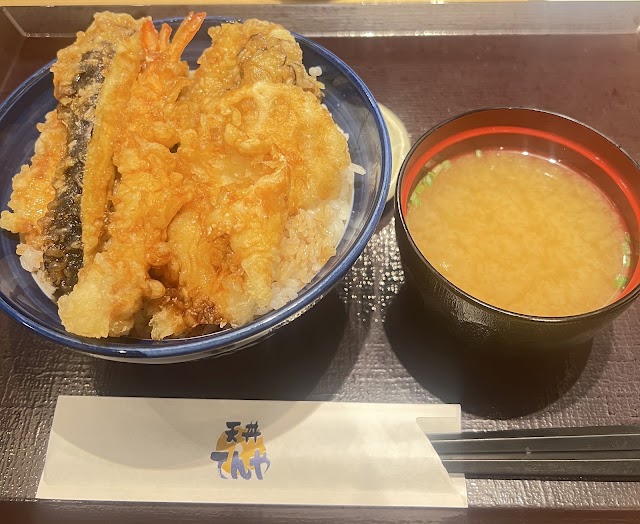
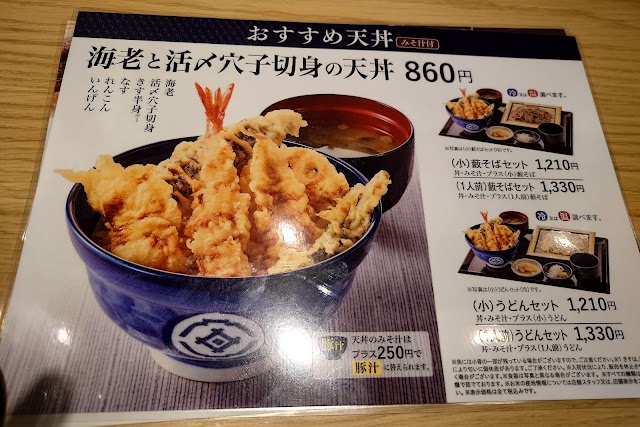
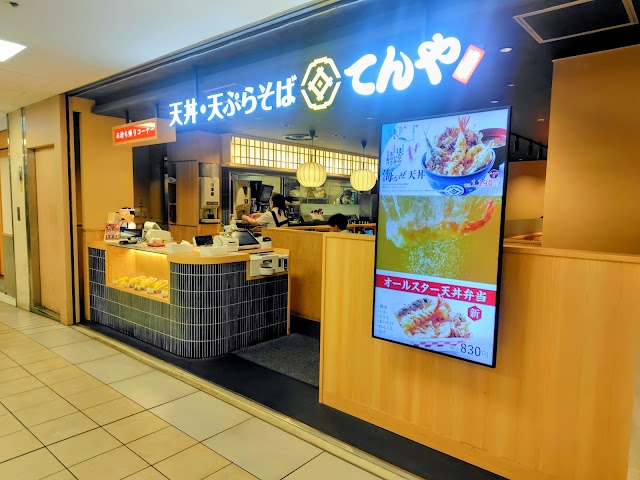
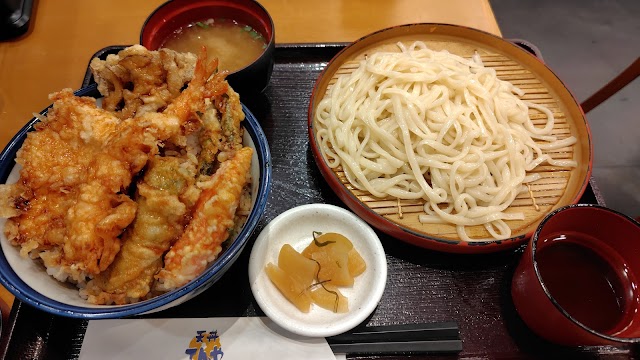
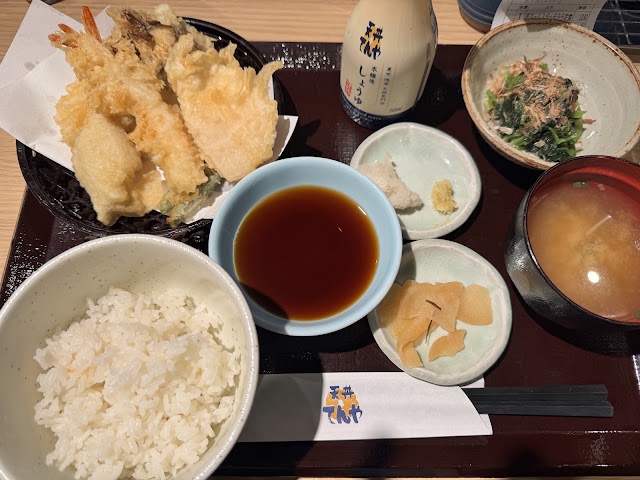
- Tenya opened its first shop in the Yaesu underground mall in 1989; founder Yoshio Iwashita, an original member of McDonald's Japan, developed a conveyor fryer and cut tendon from the then-standard ¥1,000–1,500 down to ¥500, starting the commoditisation of Tokyo tendon.
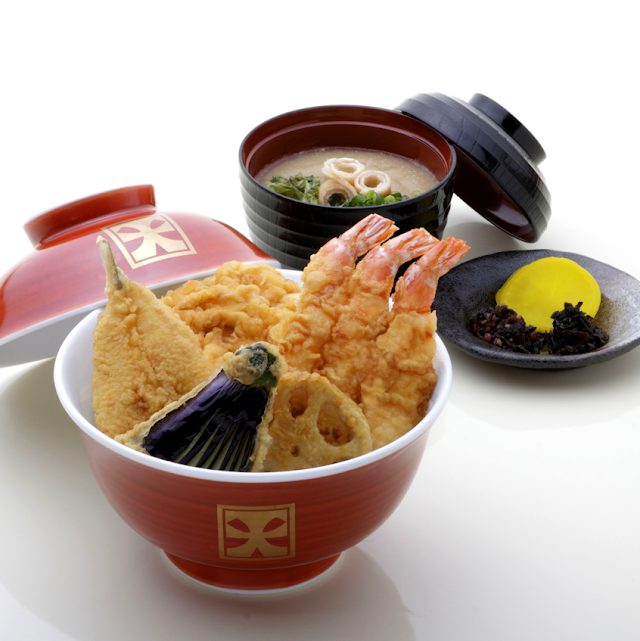
Tempura did not start as fine dining. In Edo it was street food: prawns, whiting and conger eel pulled from Tokyo Bay (edomae), battered, dropped into sesame oil and sold by the skewer to people in a hurry — the same stall culture that produced nigiri sushi. Put it over rice with a ladle of sweet-soy tare and you get tendon. That is why, after a month of sushi and seafood guides, we finish August with the tendon bowl: same bay, same working-class origin, different format.
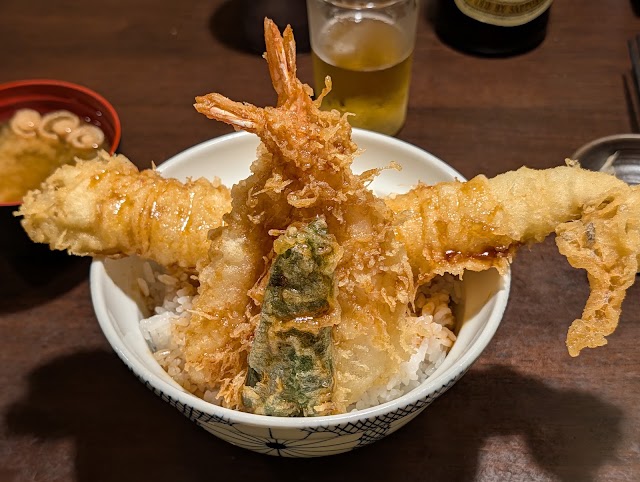
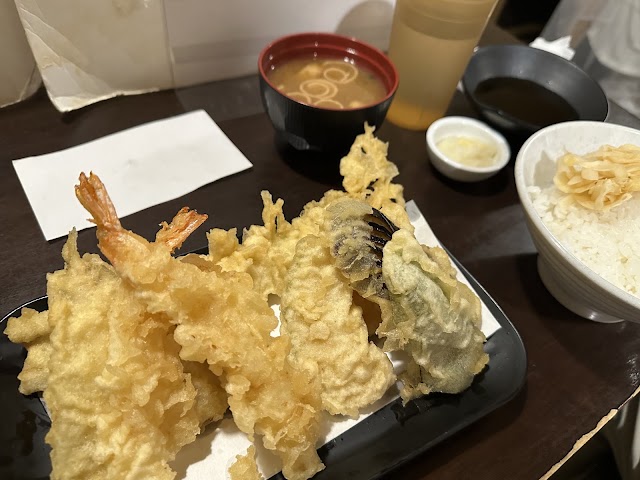
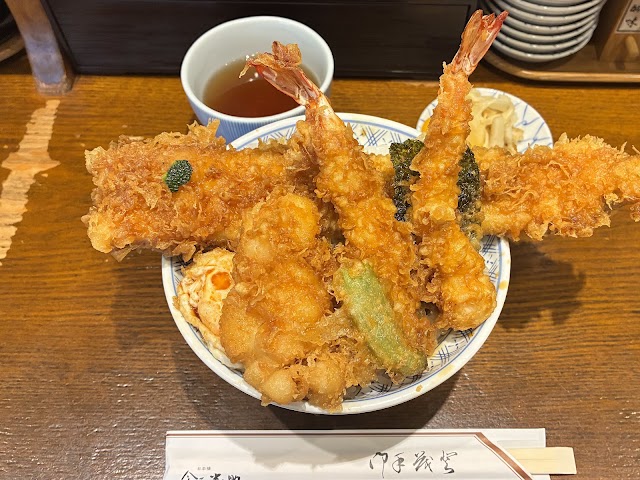
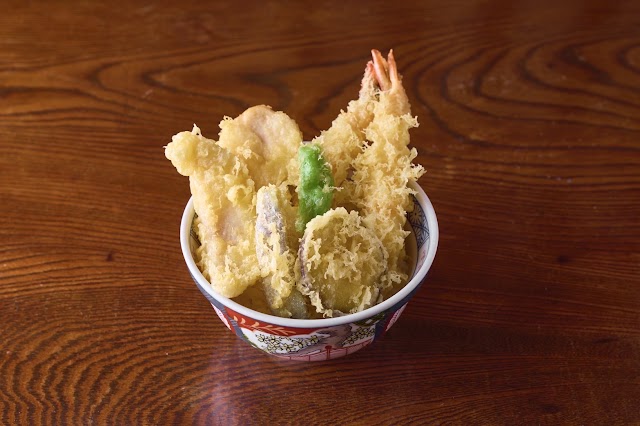
Three things trip up first-time visitors. One, colour is a style, not a mistake: Asakusa's Sansada and Daikokuya fry dark in sesame oil with near-black tare, and Ningyocho's Nakayama takes it further with its famous 'black tendon', while hotel-lineage kitchens such as Tempura Yamanoue fry pale and light. Two, the price spread is enormous — this list runs from about ¥620 to about ¥5,550, roughly ninefold, and the premium buys ingredient grade, frying rhythm and a seat, not simply 'better taste'. Three, portions at the old shops are large by Taiwanese standards; start with the standard bowl rather than the jō upgrade.
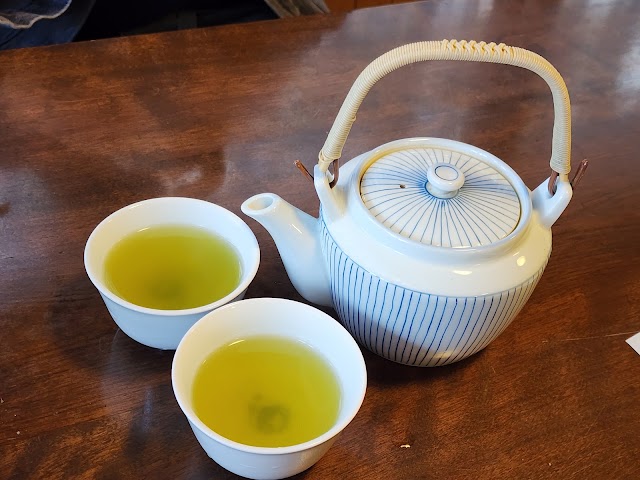
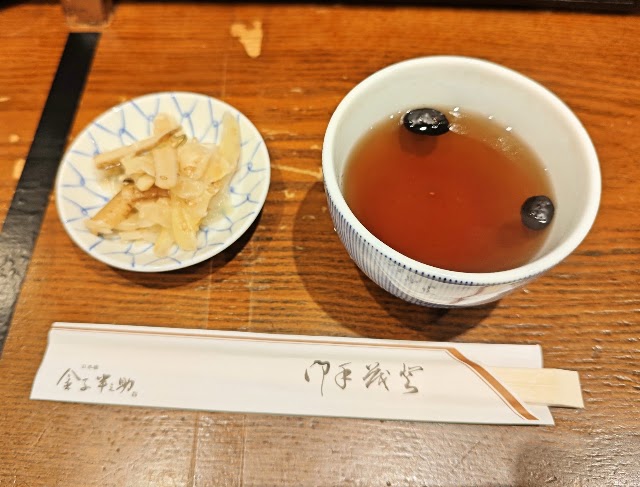
Practical tactics: most of these kitchens are at their best at lunch, when the same craft costs a fraction of the evening kaiseki-range menus; queue timing is calculable (arrive at Nakayama by 11:00, and avoid 12:00–13:30 at Kaneko Hannosuke); and with the darker, sweeter tare, tea works better than miso soup.
[Route 1: five old houses that began as street stalls] Tempura was Edo street food, fried in sesame oil with fish from Tokyo Bay. Both the cheapest and the most expensive shop on this list descend from that stall culture.
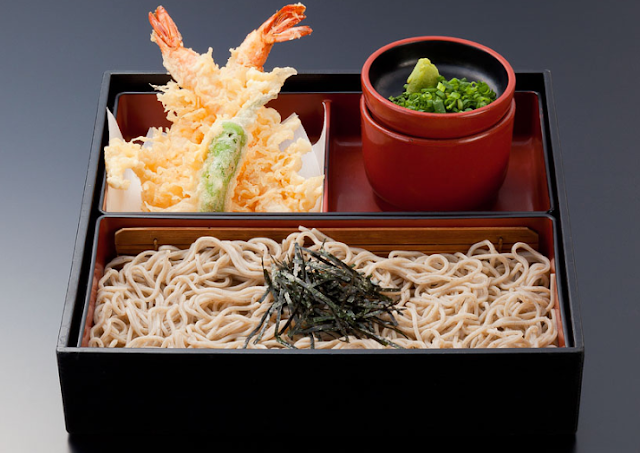
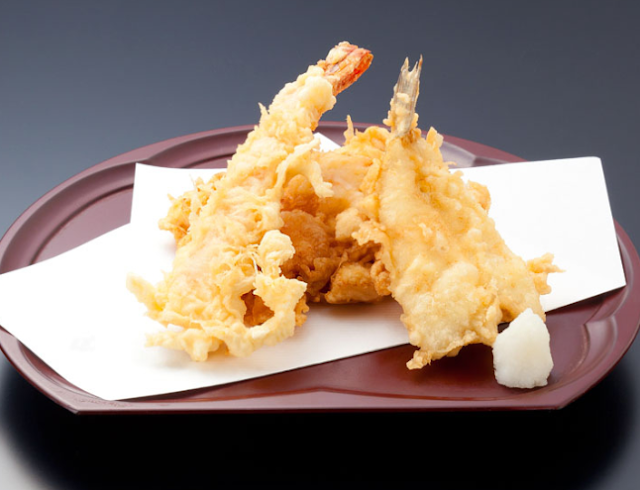
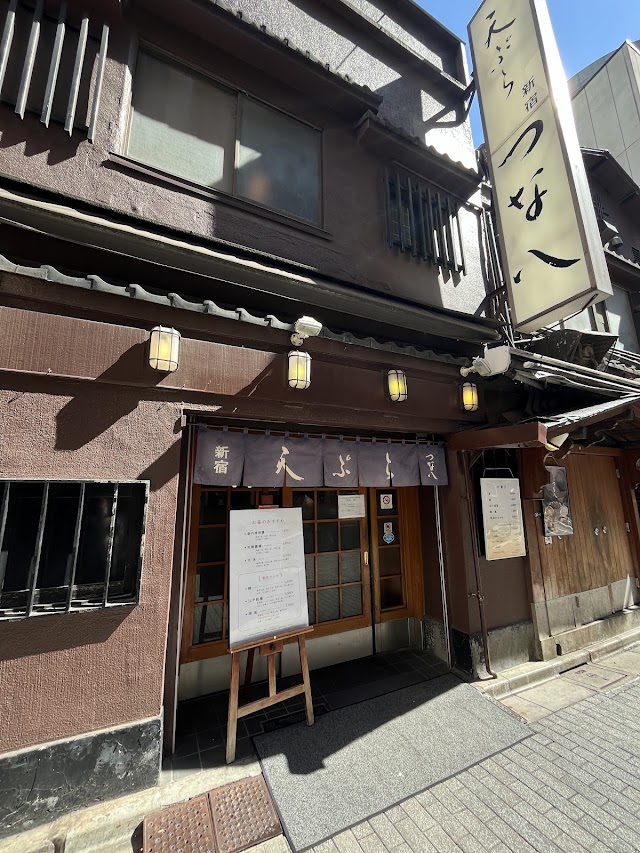
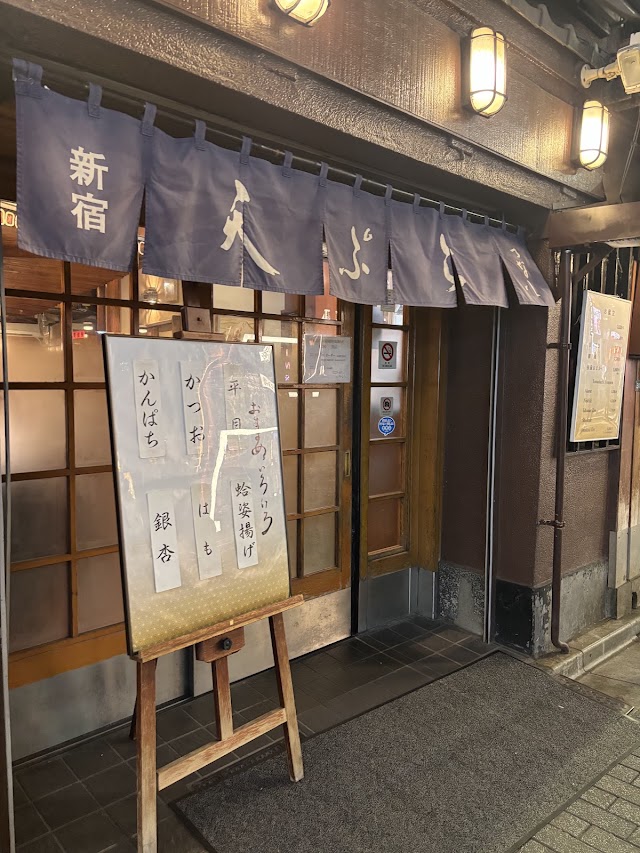
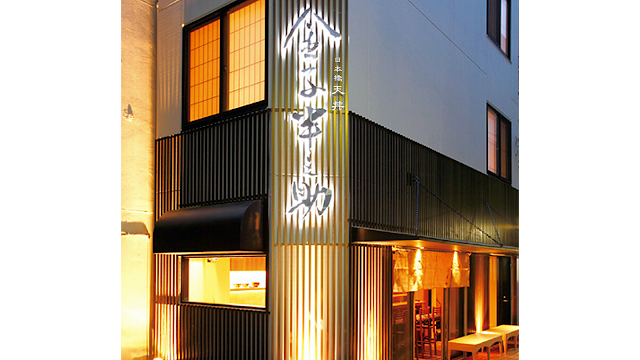
**Kaminarimon Sansada** (tendon from about ¥1,385; jō about ¥1,950) sits beside Kaminarimon gate, founded in 1837 by Sanada Sadakichi and now in its seventh generation (menu: https://tempura-sansada.co.jp/menu.html ). **Daikokuya Tempura** (1887, ebi tendon about ¥1,950) on Denboin-dori is the dark-fry extreme. **Ginza Tenkuni** (A-don about ¥1,700) began as an 1885 street stall (history: https://www.tenkuni.com/history/ ). **Hachimaki** in Jimbocho (tendon about ¥1,000) opened in 1931 ( https://hachimaki.jp/ ). **Tsunahachi Shinjuku** dates to 1924 ( https://www.tunahachi.co.jp/ ). Together they cover 1837 to 1924 — and most of them still charge four figures in yen, not five.
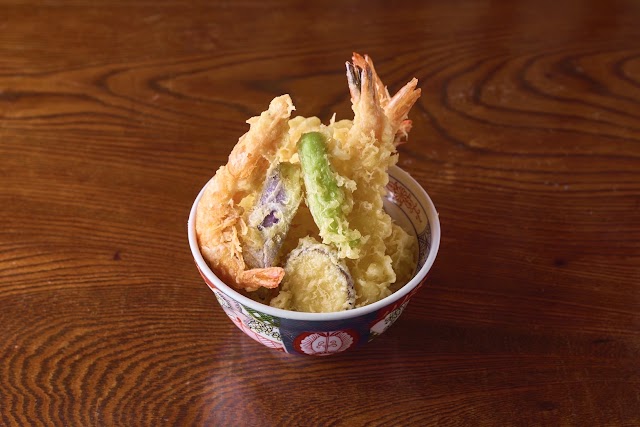
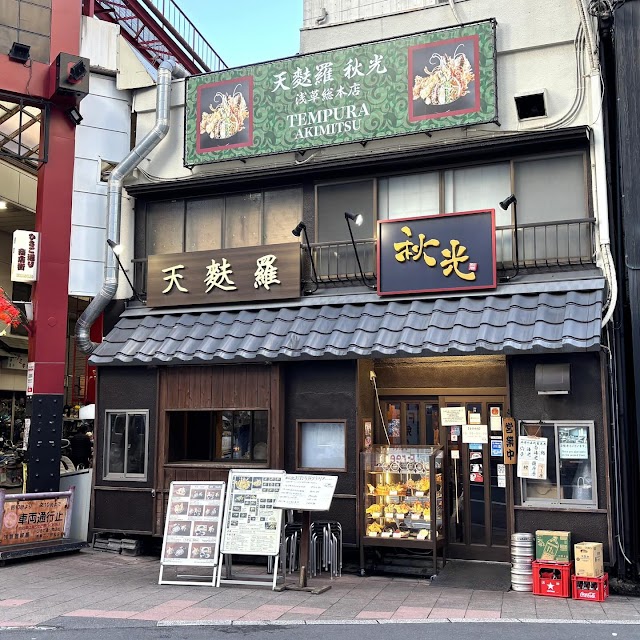
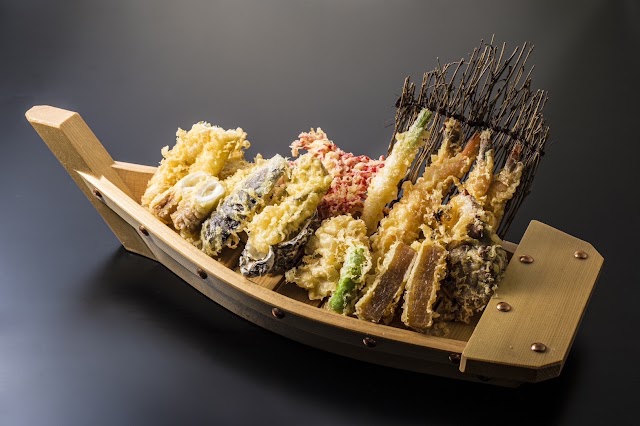
[Route 2: three queues, three different reasons] **Kaneko Hannosuke** (about ¥1,280) draws crowds for the soft-boiled egg tempura; a GRANSTA Tokyo Station branch offers takeaway ( https://www.gransta.jp/mall/gransta_tokyo/kanekohannosuke/ ). **Tempura Nakayama** (about ¥1,485) is hard to reach not because of fame but because of hours: weekdays only, lunch 11:15–13:00. **Akimitsu Asakusa** (¥3,100 / ¥5,550 for five bowls a day) sells sheer volume and spectacle ( https://akimichu1005.owst.jp/foods ).
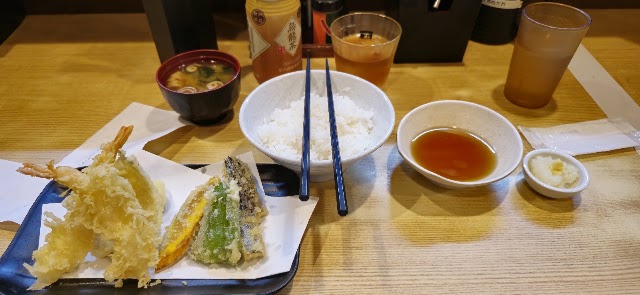
[Route 3: the two extremes, and everything between] **Tempura Yamanoue at Nihonbashi Mitsukoshi** (about ¥3,800) is this list's sole Tabelog Tempura Top 100 2025 entry ( https://award.tabelog.com/hyakumeiten/tempura/2025 ); its parent, the Yamanoue Hotel in Kanda Surugadai, opened in 1954 and was where novelists locked themselves in to write. At the other end, **Tenya Yaesu** (about ¥620) is the 1989 original store whose conveyor fryer, developed by a founding member of McDonald's Japan, halved the going rate for tendon ( https://www.tenya.co.jp/shop/tokyo/chuo/yaesu.html ).
The structure of Tokyo tendon sits between those poles: hotel-grade frying at the top, industrialised pricing at the bottom, and in the middle a century of family businesses running on one pot of oil and one ladle of tare.
Sources: Tabelog Tempura Top 100 2025; official sites of Sansada, Tenkuni, Hachimaki, Akimitsu, Tsunahachi, Yamanoue Hotel and Tenya; Santatsu (Daikokuya); GRANSTA Tokyo (Kaneko Hannosuke); Wikipedia (Tendon Tenya, for founding history and the conveyor fryer). Prices are as published at the time of writing; confirm at each shop.
 Scan for map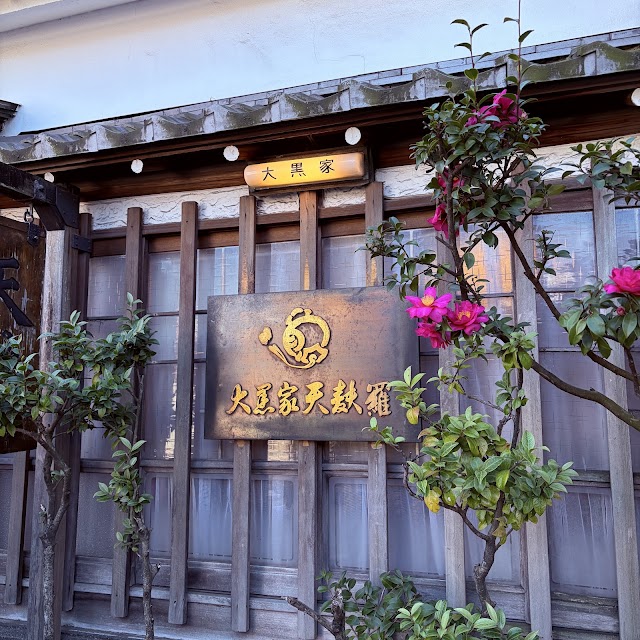
 Scan for map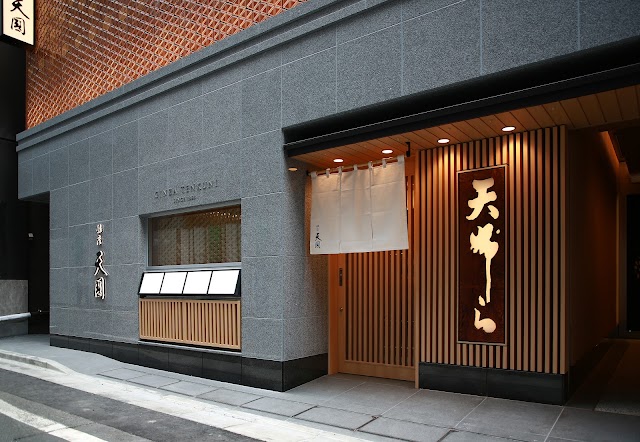
 Scan for map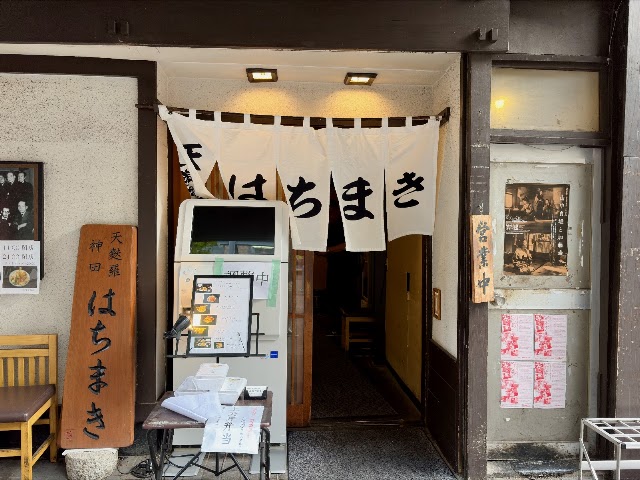
 Scan for map
 Scan for map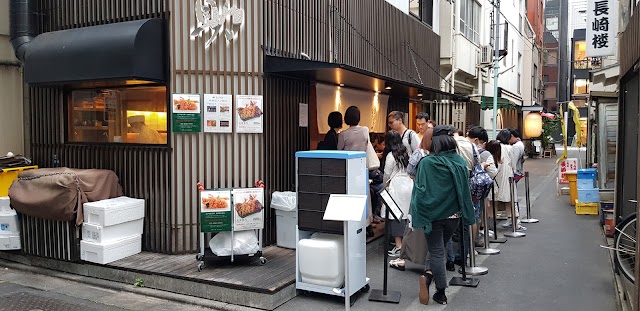
 Scan for map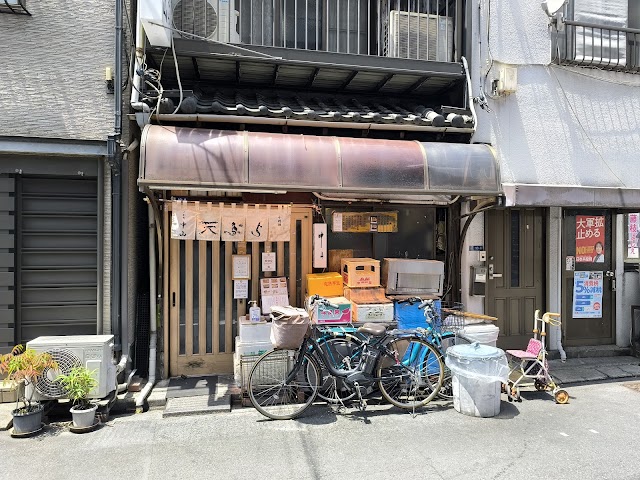
 Scan for map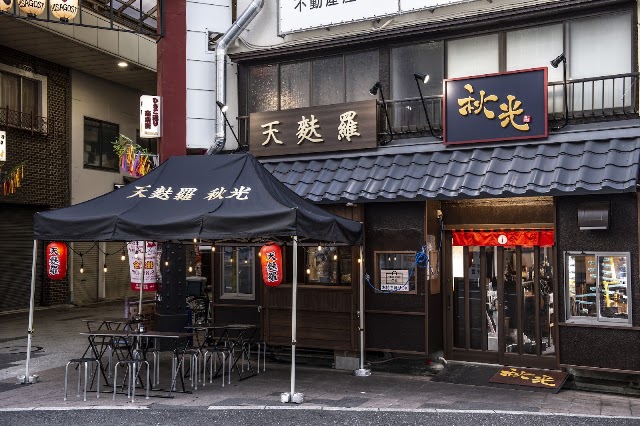
 Scan for map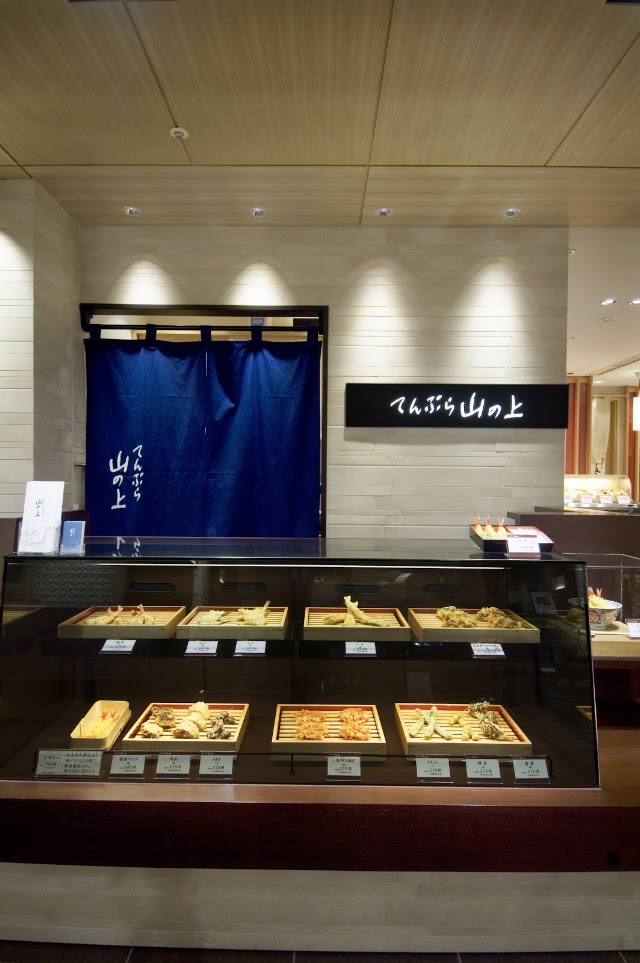
 Scan for map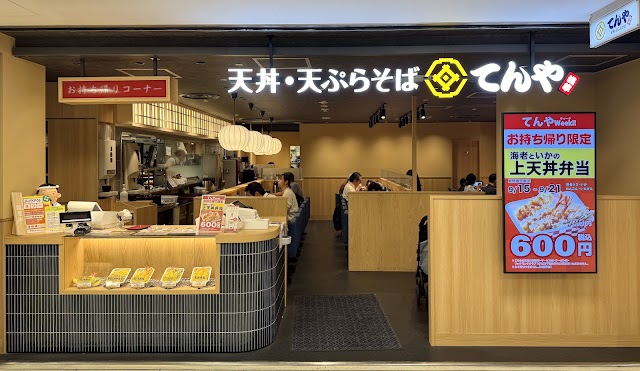
 Scan for map