Tokyo Anime Pilgrimage 2026: The Odaiba Unicorn Gundam Comes Down on 31 August, Summer Comiket Lands Right After Obon, and How to Stand on a Shrine Staircase Without Getting Reported
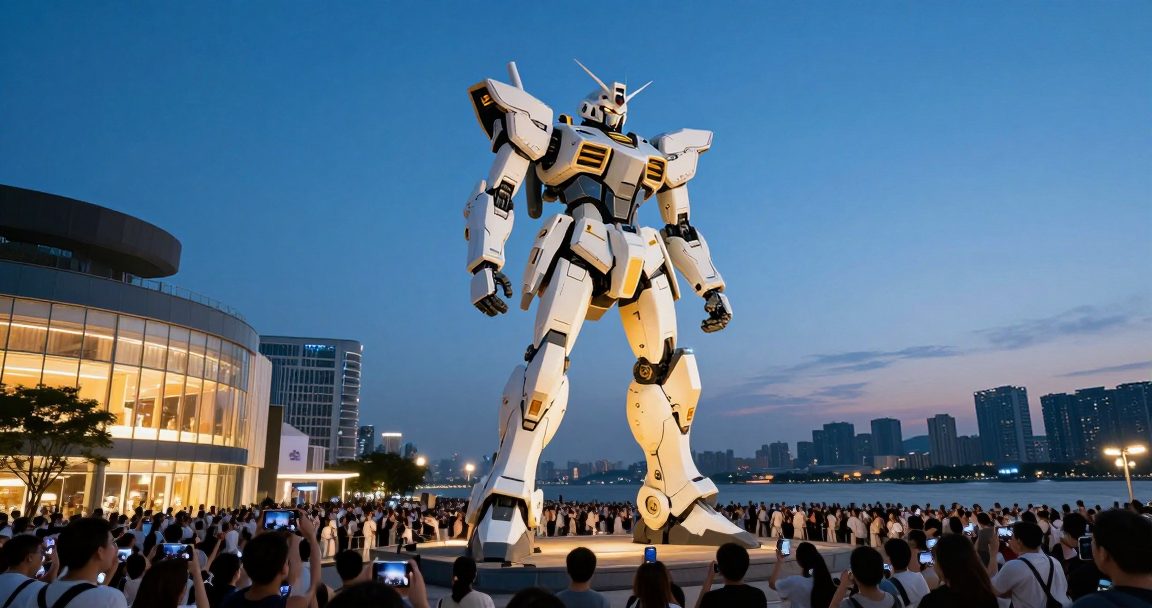
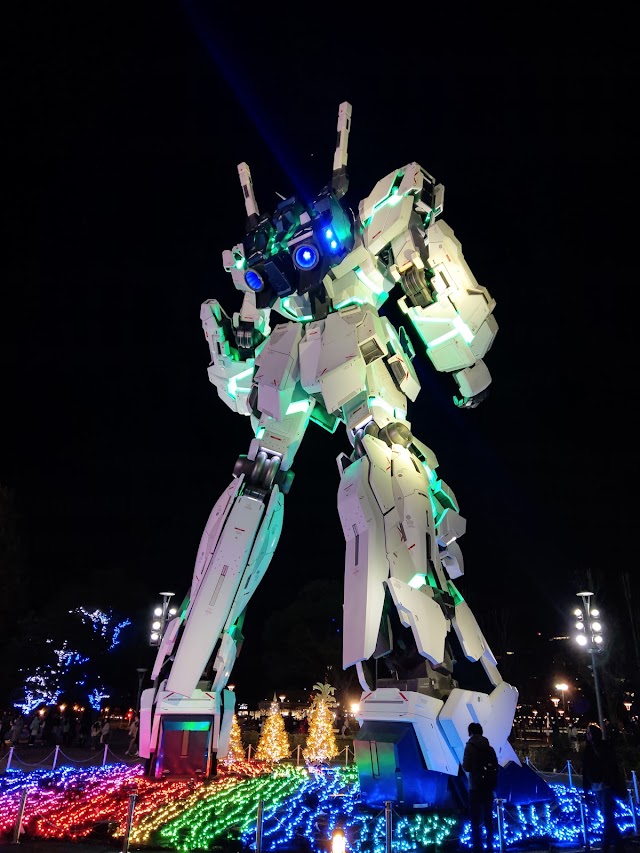
- The life-size Unicorn Gundam statue in Odaiba ends its display on 31 August 2026 after 8 years and 11 months; since 20 June it wears the farewell "Ver. TWC FINAL" livery by Hajime Katoki, with free transformation shows at 11:00, 13:00, 15:00 and 17:00.
- Comic Market 108 takes place 15–16 August 2026 at Tokyo Big Sight, directly after Obon (13–16 August), when flights, hotels and intercity transport are at their annual peak.
- C108 entry requires a wristband pass: ¥1,210 morning (from 10:30) or ¥440 afternoon (from 12:30), with ¥1,000 afternoon passes sold at the venue; on sale since 11 July via animate, Toranoana, Melonbooks and online shops.
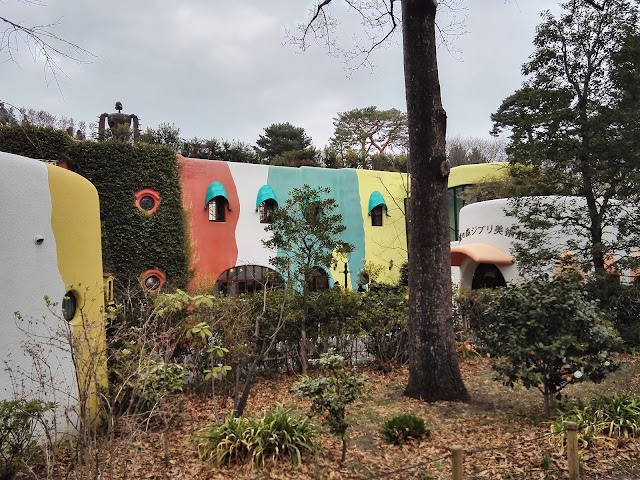
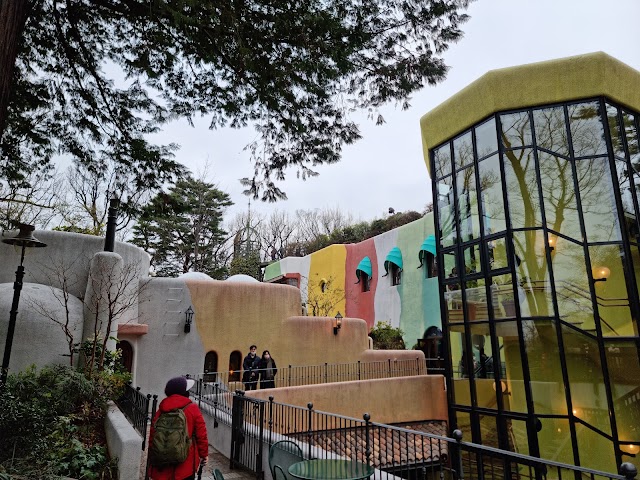
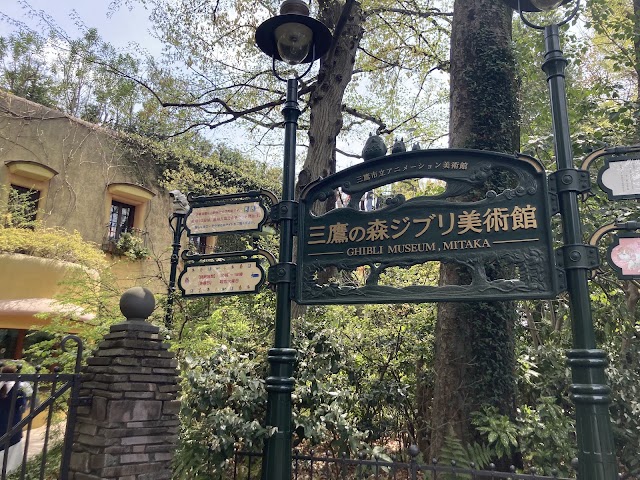
- The Ghibli Museum in Mitaka is fully timed-entry and sells nothing at the door; tickets for the following month go on sale at 10:00 on the 10th of each month, with a separate purchase route for overseas residents.
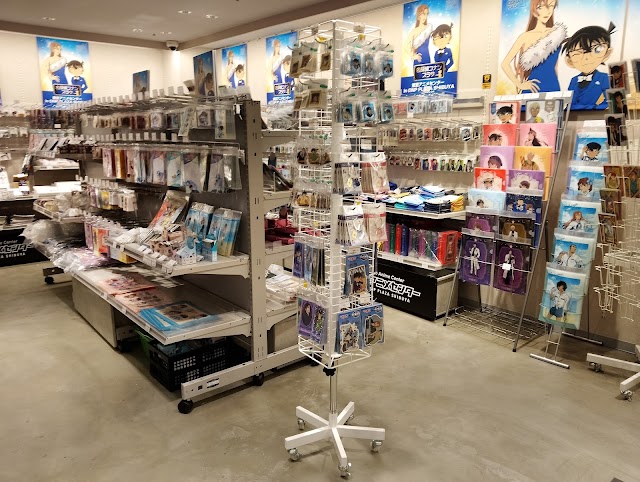
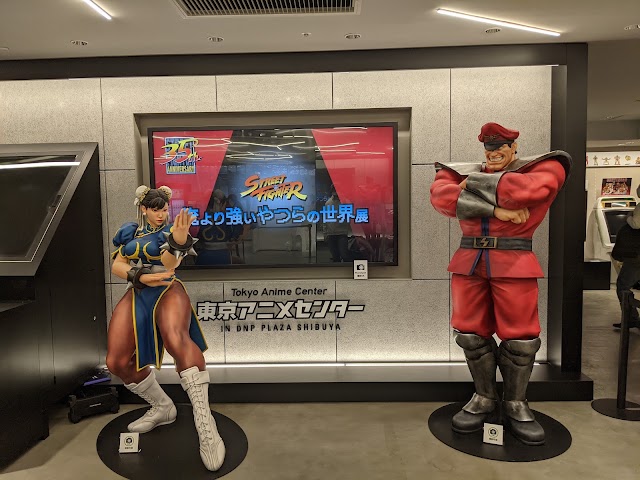
- The Tokyo Anime Center is no longer in Akihabara or Ichigaya — it now sits on the 2nd floor of Shibuya MODI, open 11:00–20:30. Outdated guides still send people to Akihabara.
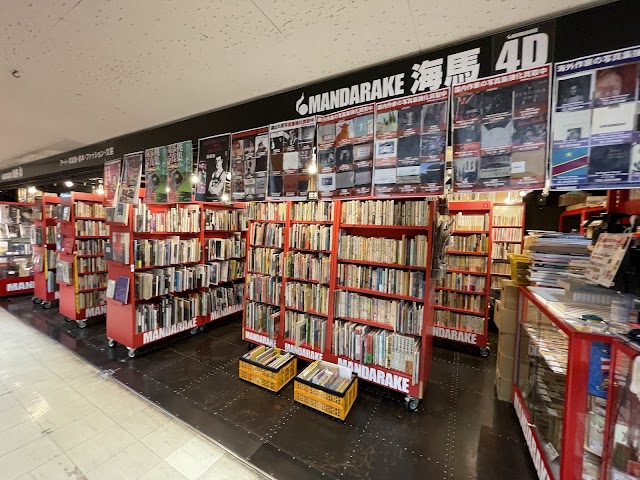
- Mandarake's flagship in Nakano Broadway opens 12:00–20:00 year-round, five minutes' walk from Nakano Station north exit — mornings in Nakano are wasted; go from early afternoon.
- Practical manners: weekdays 10:00–16:00 for residential sites, no tripods blocking paths, no residents or worshippers in frame, and ask staff before shooting a shop front.
- Suggested split: Odaiba (statue, Gundam Base, Big Sight), Akihabara plus Kanda Myojin on foot, and Nakano or Ikebukuro — one of the two, not both.
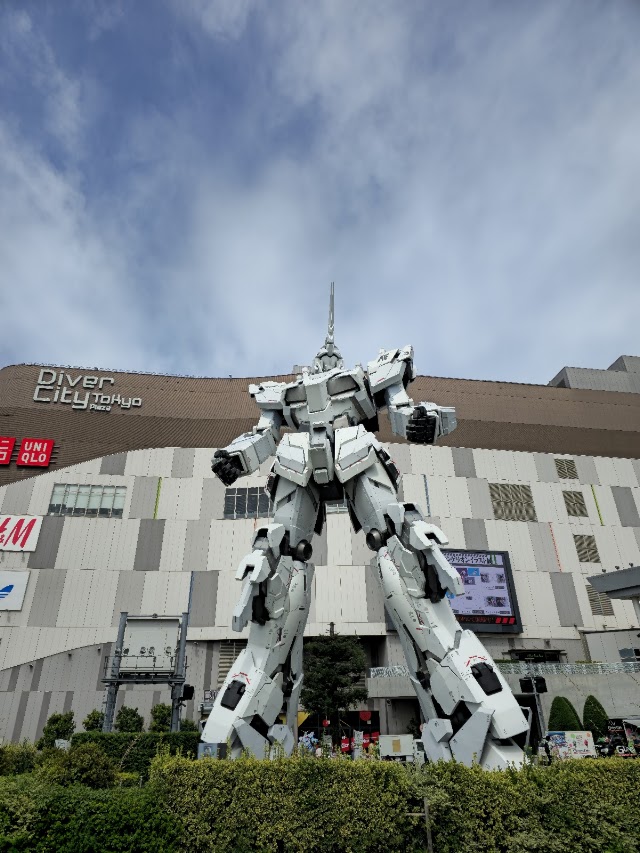
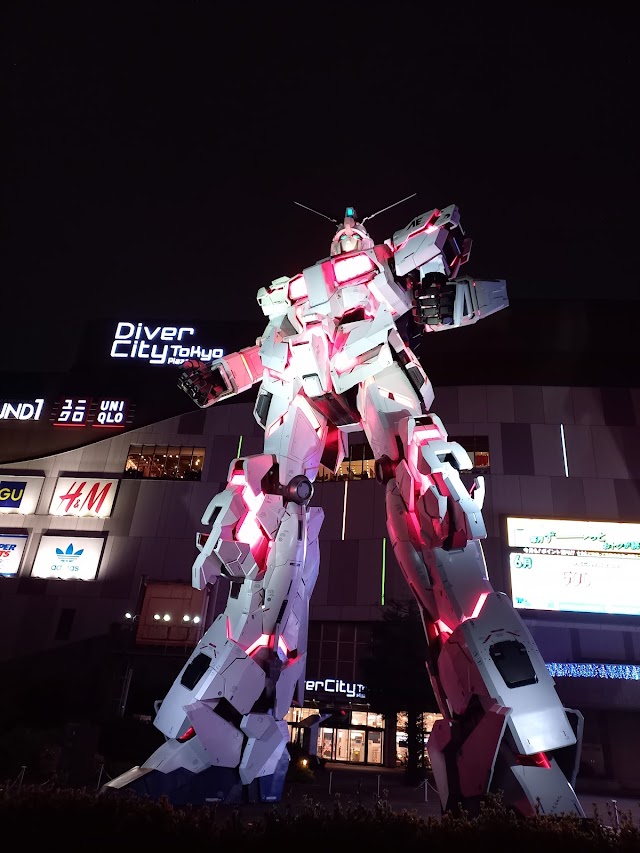
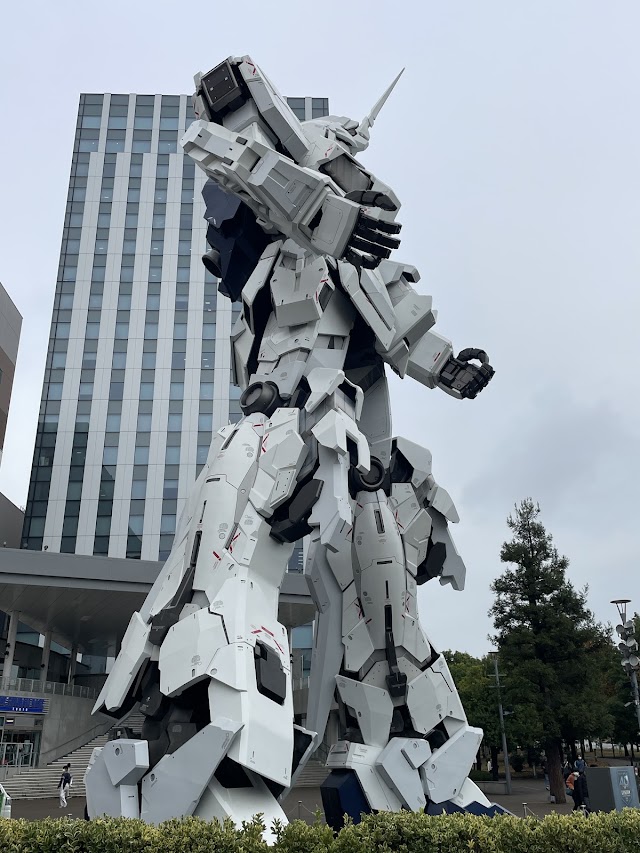
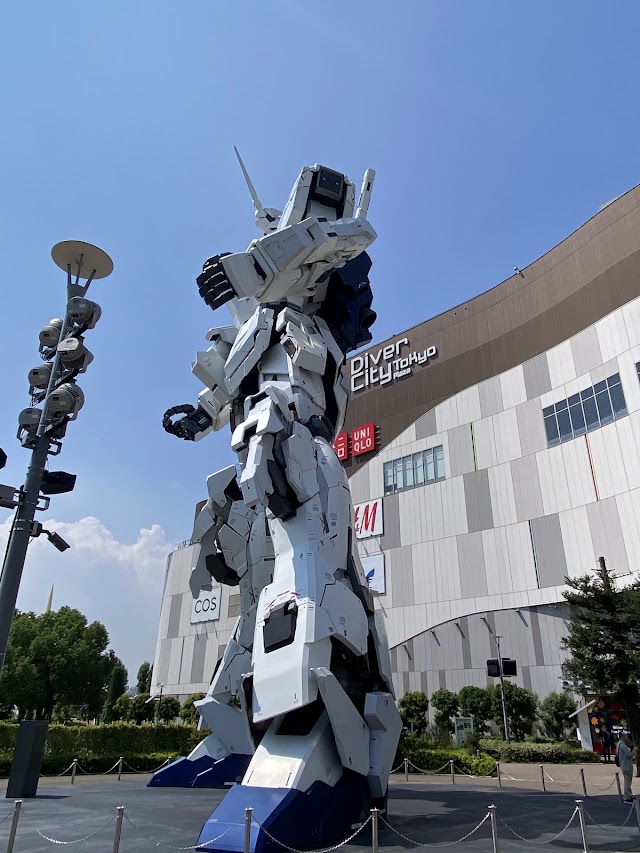
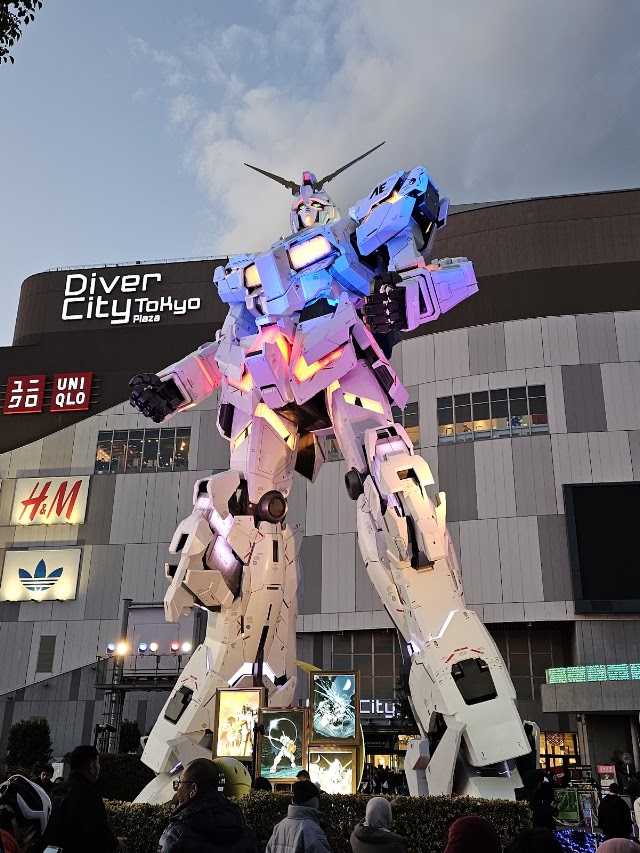
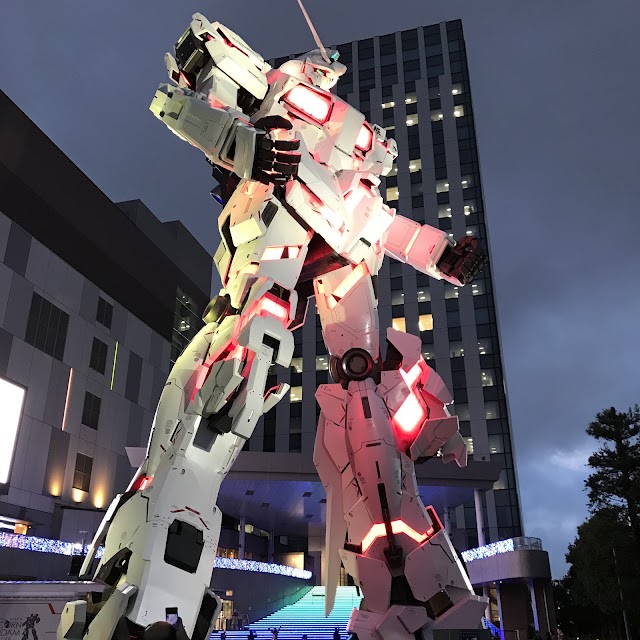
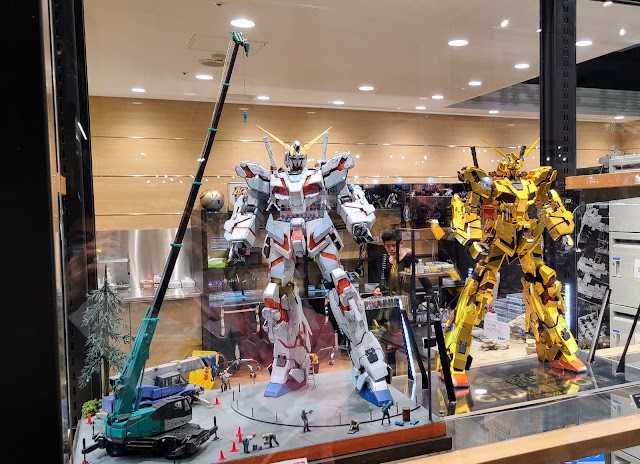
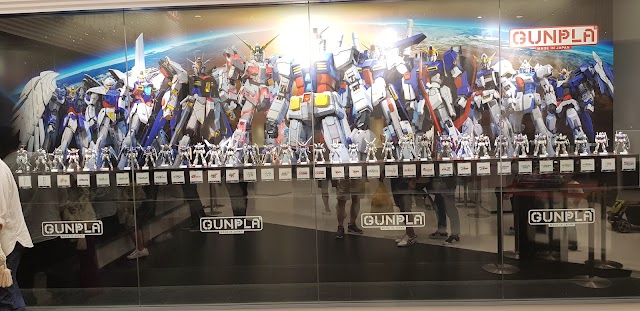
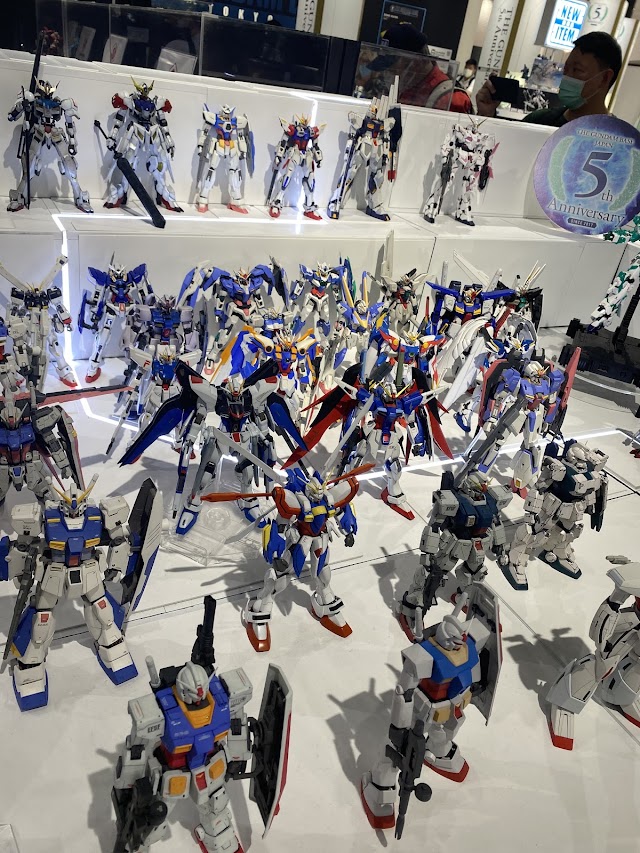
This guide is more time-sensitive than most, because one fixture of Tokyo's anime landscape disappears at the end of this month. The life-size Unicorn Gundam statue outside DiverCity Tokyo Plaza in Odaiba ends its display on 31 August 2026, after standing since 24 September 2017 — eight years and eleven months. Since 20 June it has worn a farewell livery designed by mechanical designer Hajime Katoki, "RX-0 Unicorn Gundam Ver. TWC FINAL". The transformation sequence still runs four times daily at 11:00, 13:00, 15:00 and 17:00, with a projection show after dark. All of it is free. If you hold an August ticket to Tokyo, this is the last month; from September the plaza is empty. Bandai has said a new Gundam landmark facility is being planned, but with no date — and "eventually" is not something you can put in an itinerary.
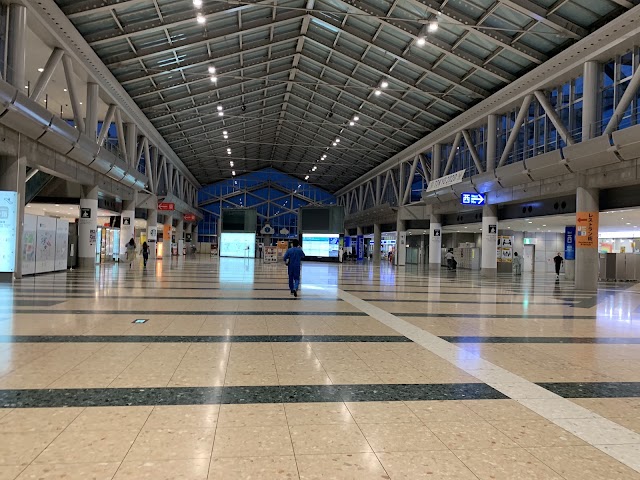
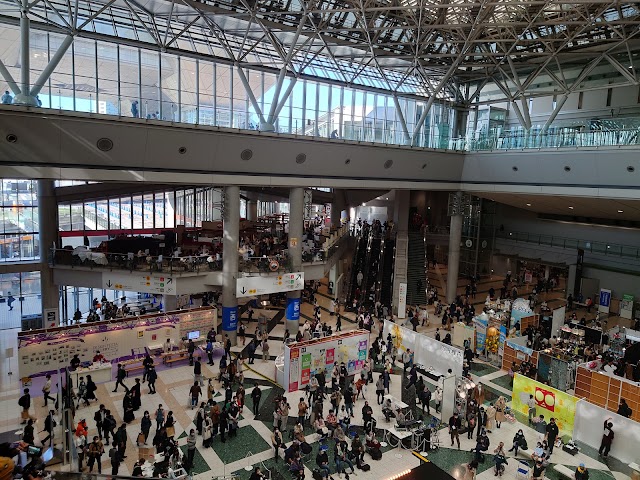
The second dated item is summer Comiket. Comic Market 108 runs 15–16 August 2026 at Tokyo Big Sight, immediately after Obon (13–16 August). For visitors from Taiwan that cuts both ways: flights and hotels are at their annual peak and the transport network is at its most congested, but if doujinshi is why you came, these are the two densest days of the year. Entry is no longer a matter of queuing: a wristband participation pass is required — ¥1,210 for morning entry, ¥440 for afternoon (¥1,000 for afternoon at the venue on the day) — sold since 11 July through animate, Toranoana, Melonbooks and online. Without one, do not build a whole day around Ariake.
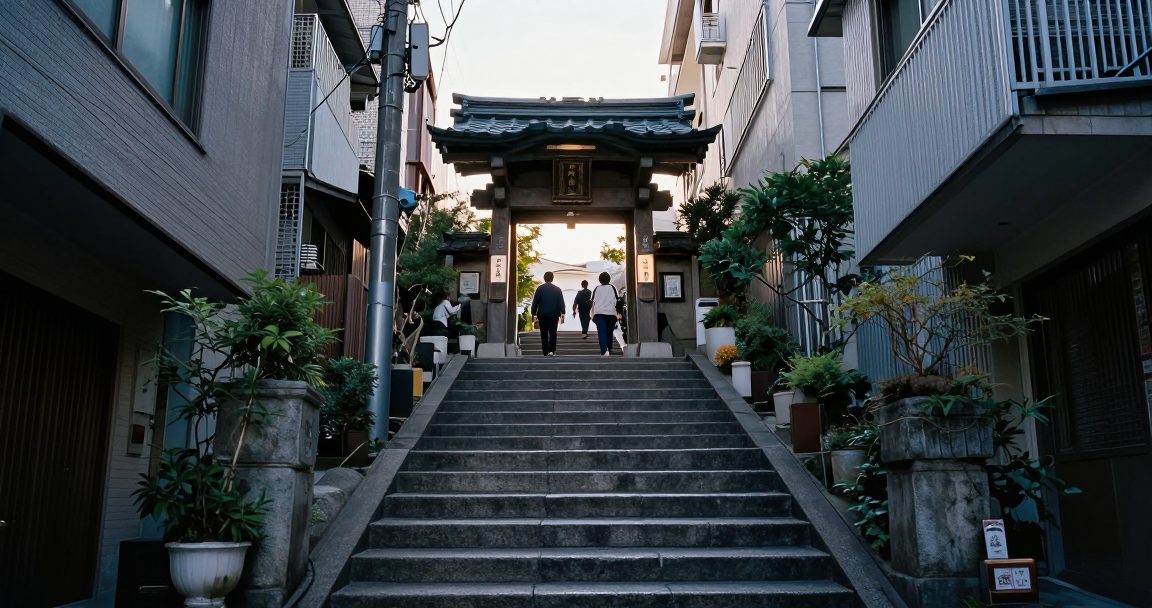
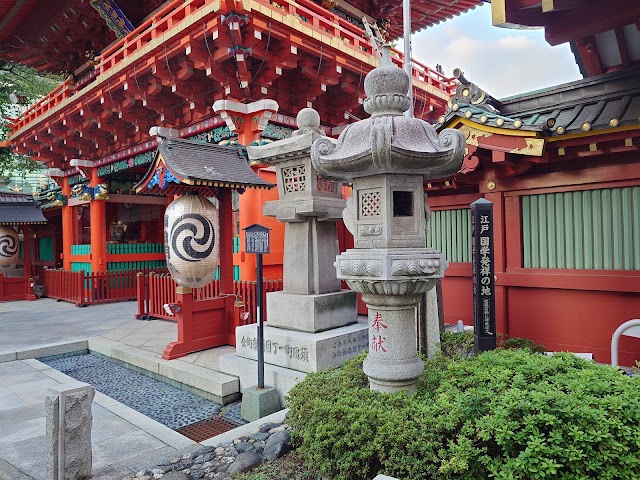
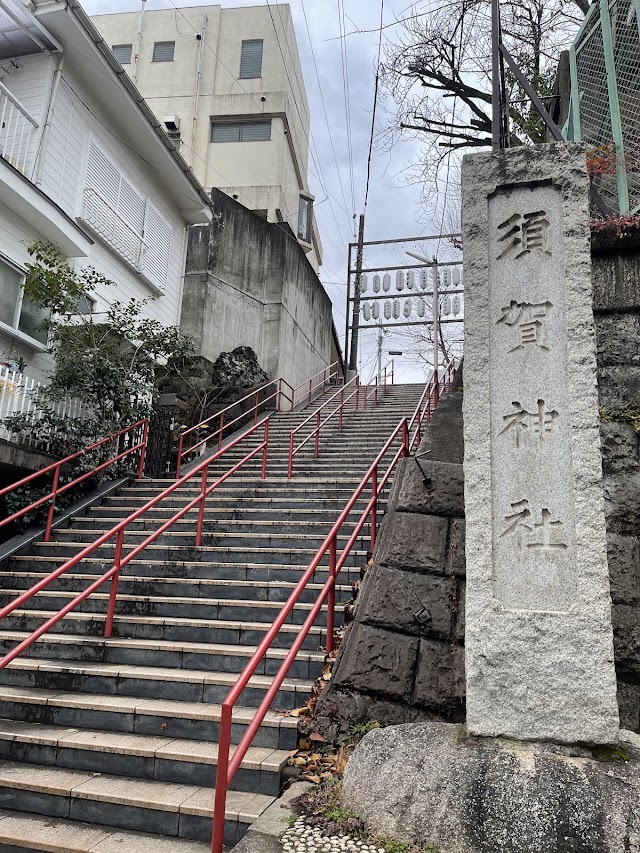
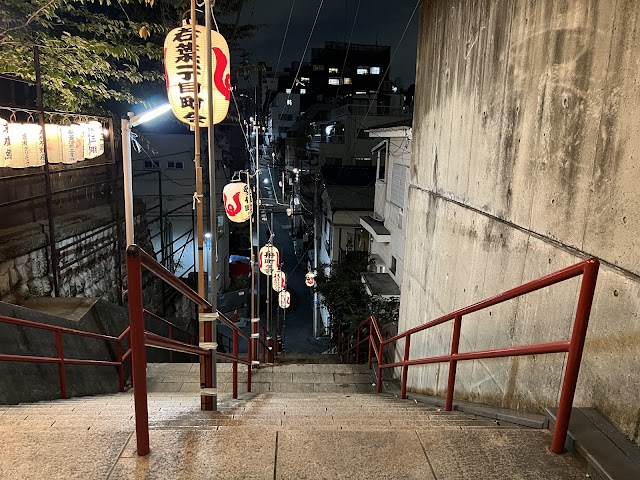
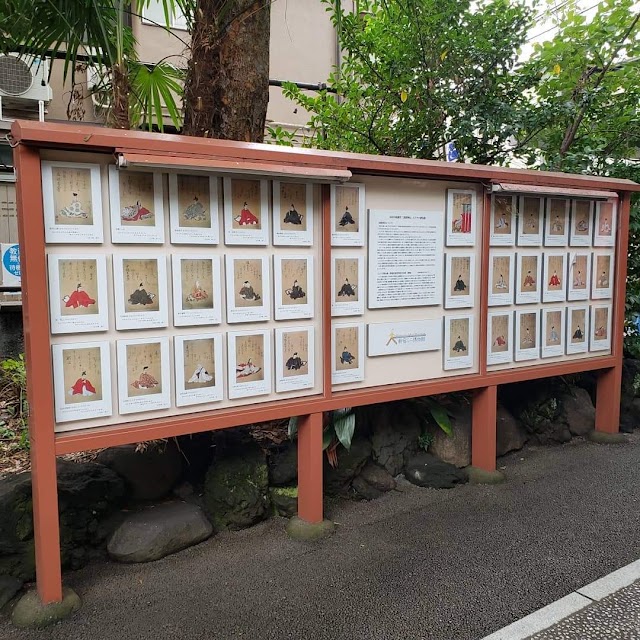
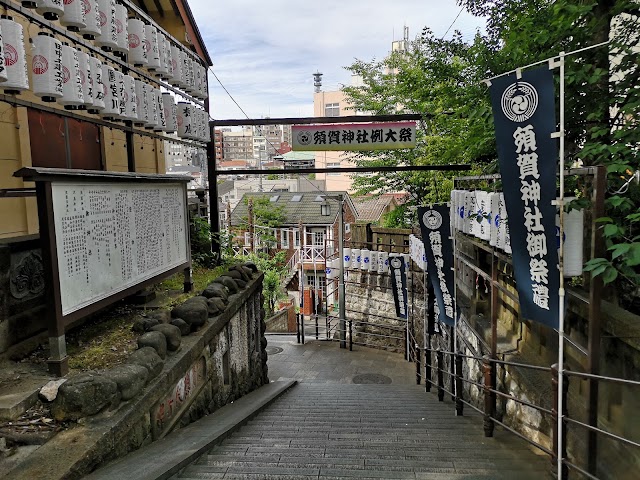
The third point is not about dates but decides whether you end up in the local news: pilgrimage manners. Half of Tokyo's anime sites are not inside commercial buildings but in residential lanes, on shrine staircases, on footbridges people use to get to work. The staircase from the last scene of Your Name belongs to Suga Shrine in Yotsuya, a neighbourhood shrine standing since the Edo period, not a photo set; Kanda Myojin, the LoveLive! site, still receives a heavy flow of genuine worshippers. The rules Japanese pilgrimage communities have settled on are simple: visit residential sites on weekdays between 10:00 and 16:00, never block a path with a tripod, keep residents and other worshippers out of frame, and ask a member of staff before photographing a shop front. That last one catches Taiwanese visitors most often — photographing a storefront is unremarkable at home and treated as something you ask about in Japan.
The ten stops below run from must-see-this-year to evergreen. Split the itinerary into three blocks: Odaiba (the statue plus Big Sight, strung together by the Yurikamome and Rinkai lines), Akihabara plus Kanda on foot, and either Nakano or Ikebukuro — not both in one day. Treat the Ghibli Museum in Mitaka as a separate half day, and deal with the tickets a month ahead.
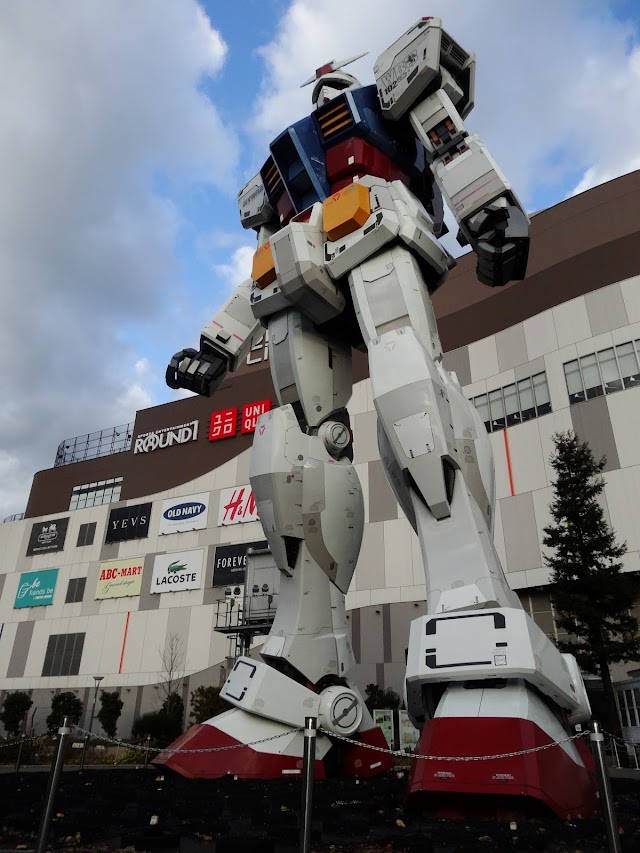
[1. This year's countdown: the Odaiba Unicorn Gundam] Walking over from Odaiba Seaside Park, it is always the first thing you see. The life-size Unicorn Gundam statue went up on the 2nd-floor festival plaza of DiverCity Tokyo Plaza on 24 September 2017; Bandai and the statue's own official site have both announced the display ends on 31 August 2026, a run of eight years and eleven months (https://www.unicorn-gundam-statue.jp/1095/ ; https://gundam-official.com/news/xvynsd27t07xnnkkdhj0gfat ).
It is not simply waiting to be dismantled. Since 20 June it has carried the "RX-0 Unicorn Gundam Ver. TWC FINAL" decoration by Hajime Katoki, the mechanical designer behind Gundam UC. Daytime transformation sequences continue at 11:00, 13:00, 15:00 and 17:00, and after dark a projection show called WALL-G plays on the building behind. Everything is free.
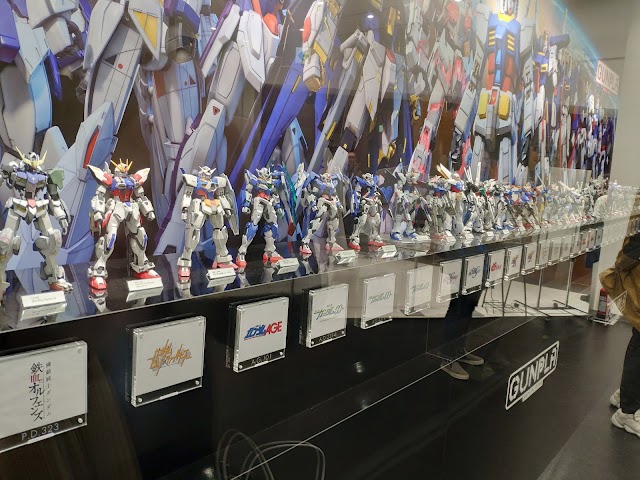
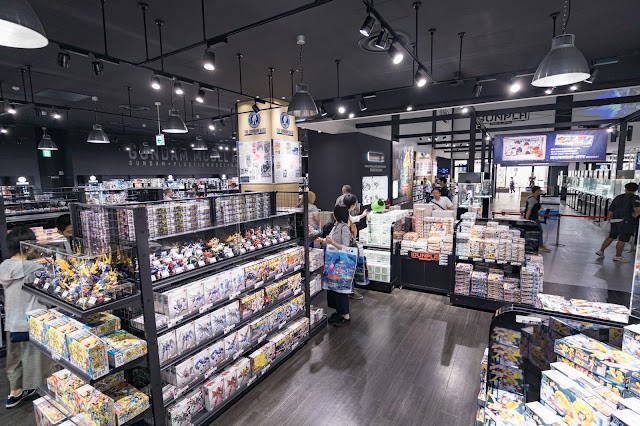
Practical note for August: standing on an unshaded plaza at three in the afternoon in Tokyo is not a joke. Take the 11:00 show for thinner crowds, the 17:00 one for atmosphere plus the evening projection, and spend midday indoors at the Gundam Base or the mall.
[2. Summer Comiket: whether the dates work for or against you] Comic Market 108 runs 15–16 August 2026 at Tokyo Big Sight (https://www.comiket.co.jp/info-a/C108/C108Info.html ). Circle booths open 10:30–16:00 and corporate booths 10:30–17:00 on day one, closing at 16:00 on day two.
Entry is where old guides do the most damage. A wristband participation pass is now required: ¥1,210 for morning entry, ¥440 for afternoon, plus ¥1,000 afternoon passes sold at the venue on the day; morning entry from 10:30, afternoon from 12:30. Sales opened 11 July through animate, Toranoana, Melonbooks and their online shops (https://www.comiket.co.jp/info-a/C108/C108EntryTicket2.html ). Cosplayers register at the changing-room desk for ¥500 on the day, with a priority changing-room ticket at ¥3,385.
On the dates: 13–16 August is Obon, the single largest travel wave of the Japanese year, and C108 sits on its back half. If you plan to combine Tokyo with anywhere else, reserved shinkansen seats, airport expresses and hotel rates all move against you in the same week. Stay inside Tokyo and the effect is mild — city subways are actually quieter during Obon, because commuters have gone home to the provinces.
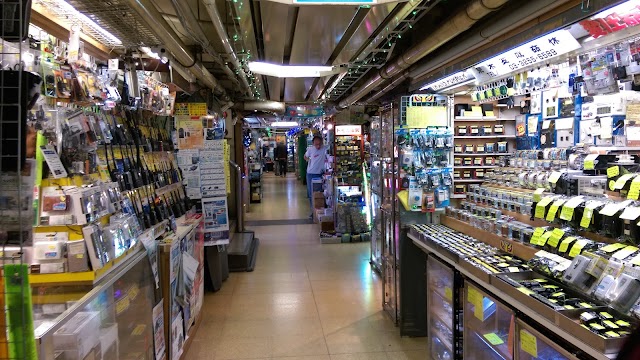
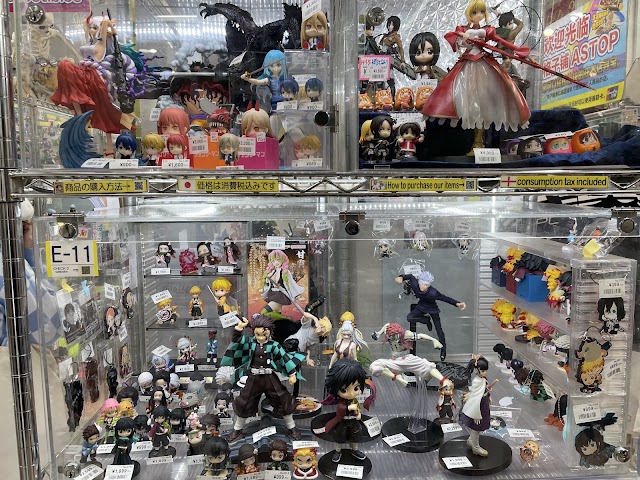
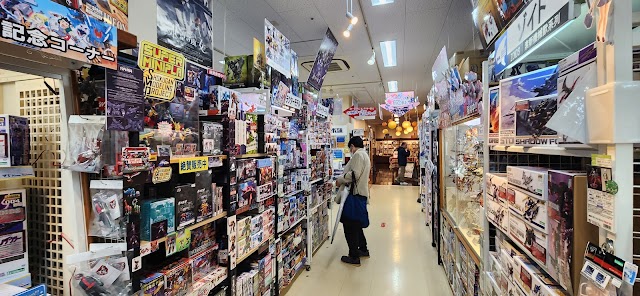
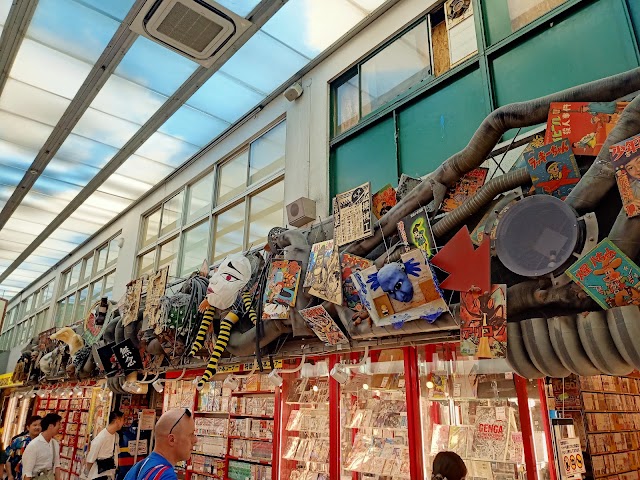
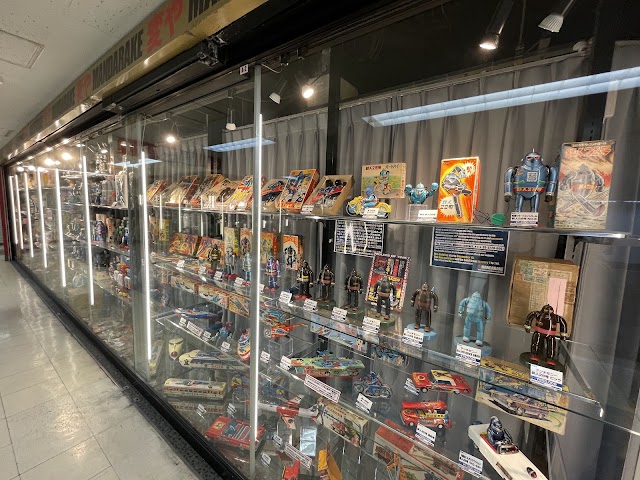
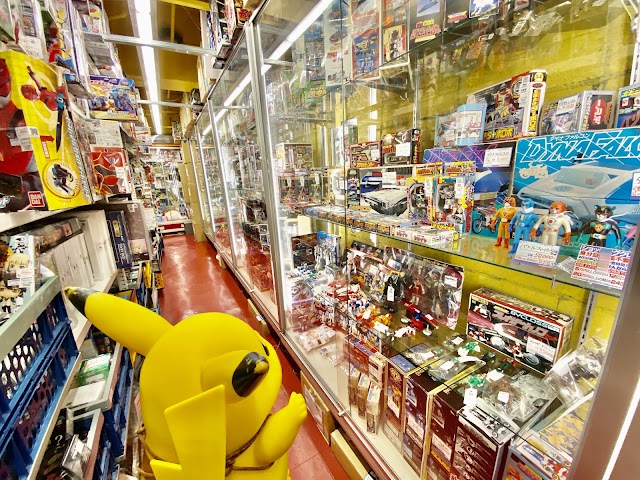
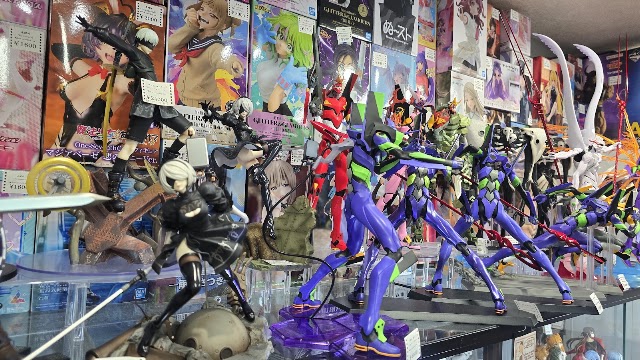
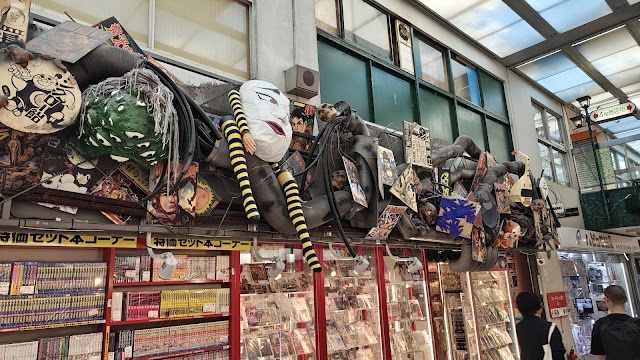
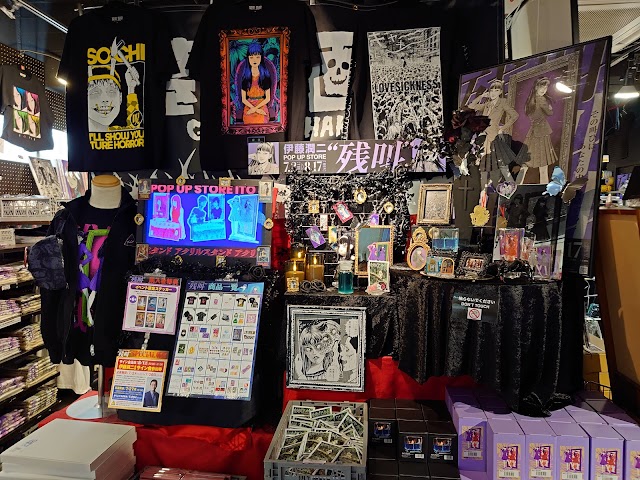
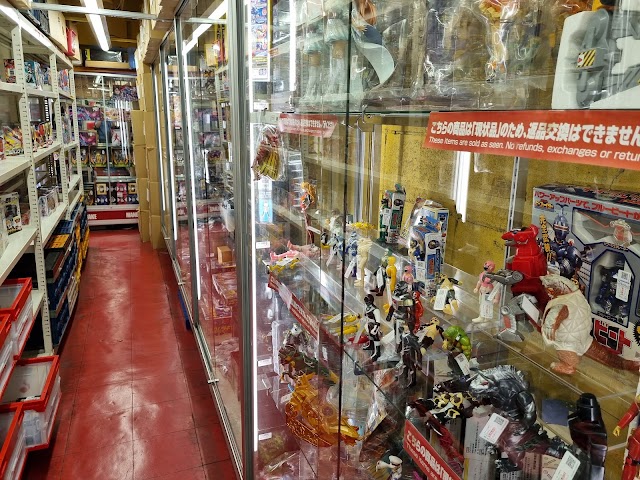
[3. Shopping sites: Nakano and Ikebukuro — pick one per day] Nakano Broadway is the kind of place where the building itself is the destination. Completed in 1966, taken over from the 1980s by second-hand anime dealers, it holds Mandarake's flagship split across multiple specialist branches: production cels, model trains, Showa tokusatsu, BL, retro games, militaria. It opens 12:00–20:00 year-round, so a morning in Nakano is a wasted morning — this district works from early afternoon onward.
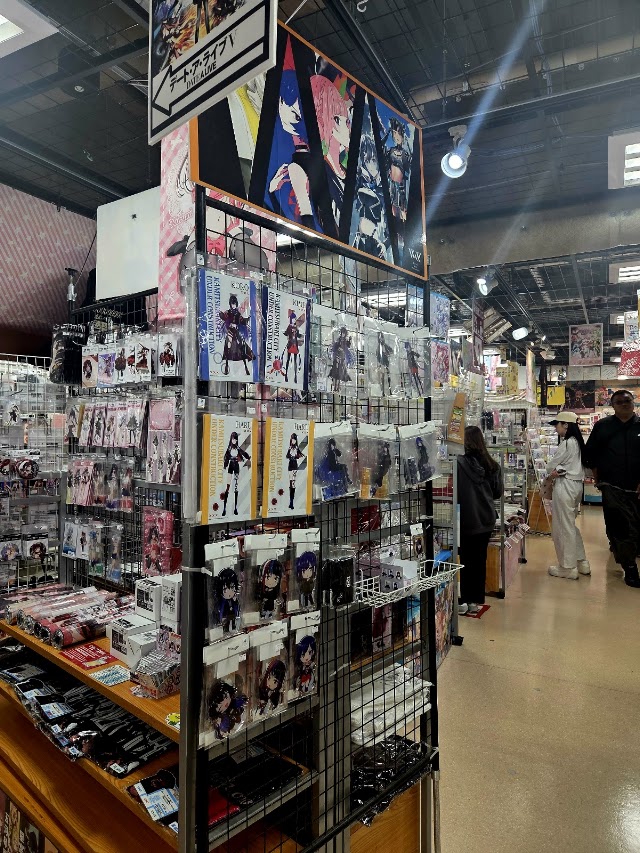
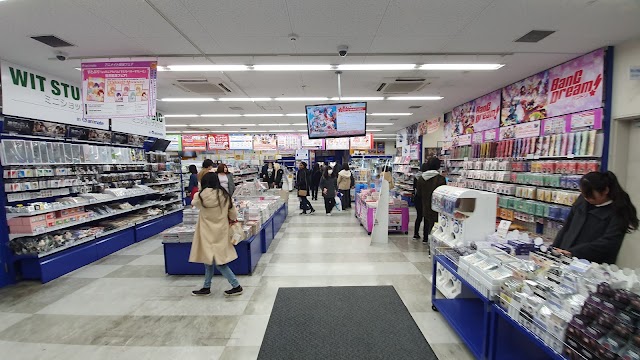
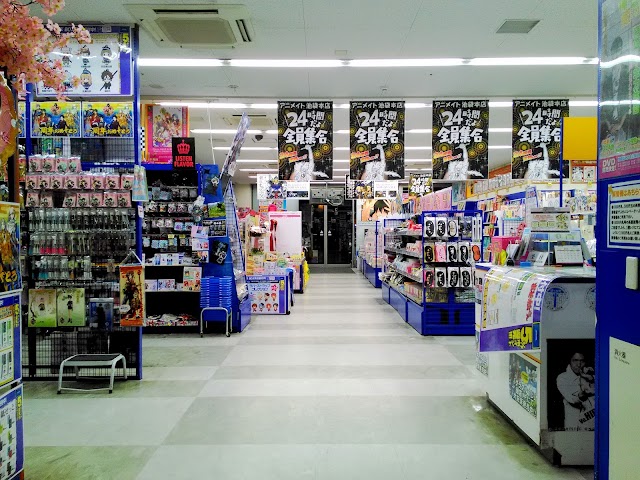
Ikebukuro sits at the other end of the spectrum. Otome Road is a roughly 200-metre stretch off Sunshine 60 Street lined with women's-market doujinshi and second-hand goods shops; Animate Ikebukuro, six floors and among the largest anime stores anywhere, anchors it, with ACOS for cosplay and wigs, Lashinbang, K-BOOKS, Melonbooks and Toranoana around it. All of it is walkable from the east exit of JR Ikebukuro.
The plain difference: Nakano is for digging and for vintage, and rewards a specific collecting target; Ikebukuro is new stock and women's-market titles, bright and easy to walk, and rewards browsing. Doing both in one day leaves you too tired to judge what you are buying.
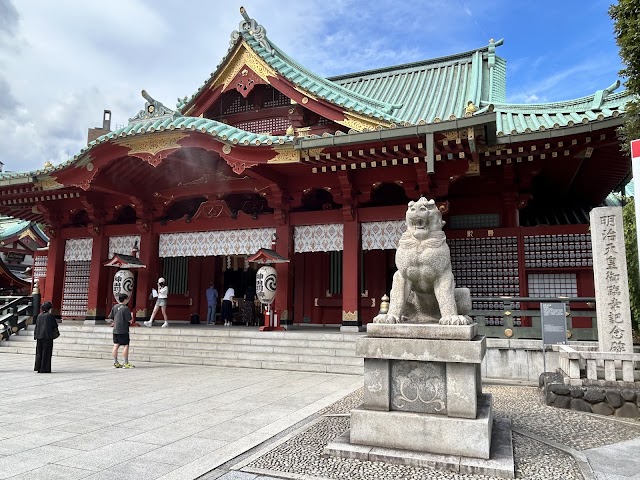
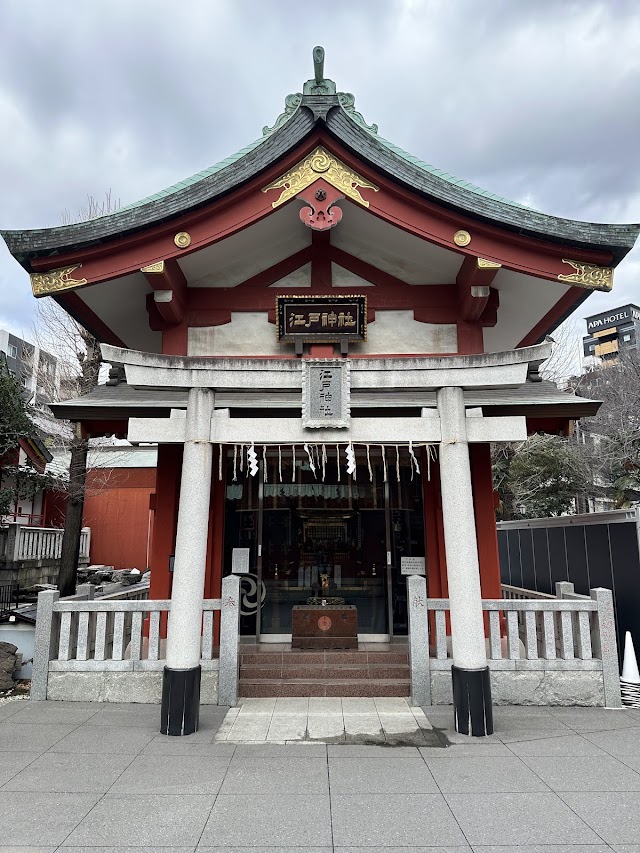
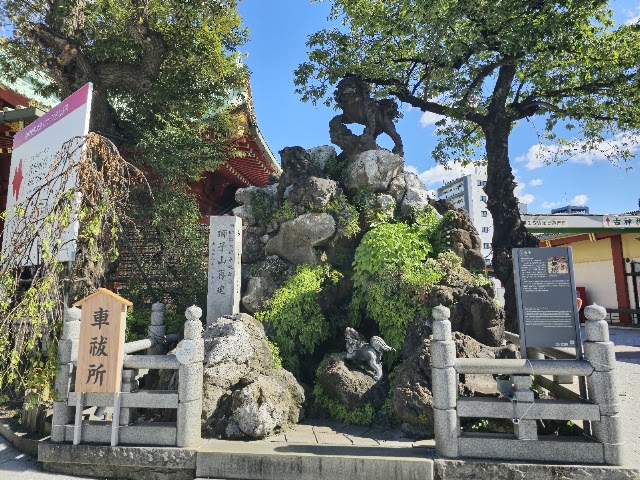
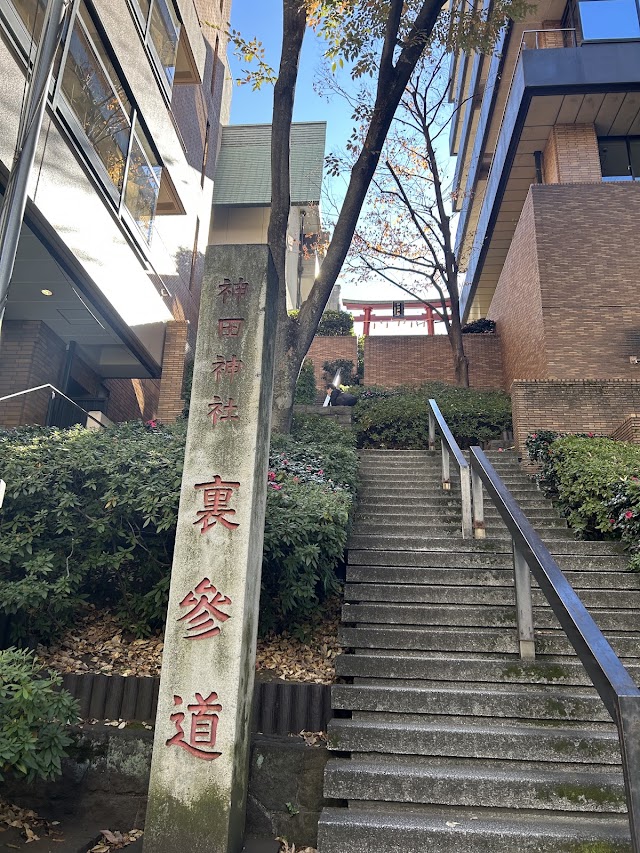
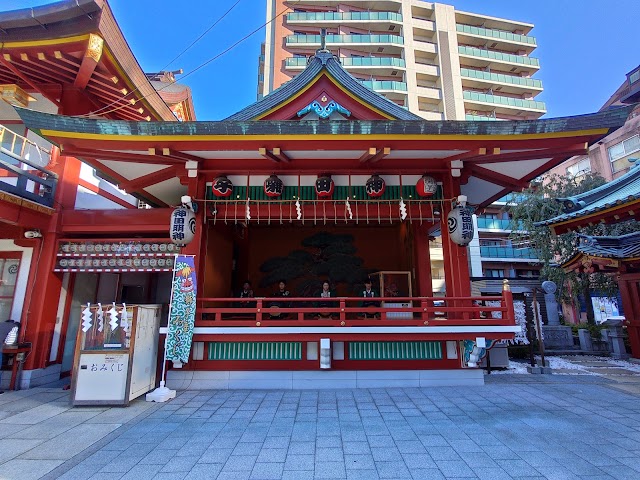
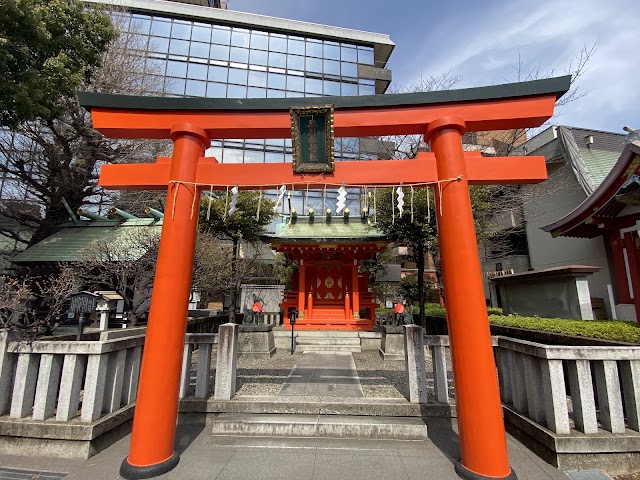
[4. Real-location sites: shrines and street corners, where manners matter more than routing] Kanda Myojin is treated as home ground by LoveLive! fans, but it is first a shrine that has stood in Edo for close to 1,300 years, with real worshippers in it every day (Tokyo's official tourism page on anime sites: https://www.gotokyo.org/jp/anime-and-manga/animetourism88/index.html ). It is about seven minutes uphill from Akihabara's Electric Town exit, which lets you chain it with the Akihabara Radio Kaikan, the setting of Steins;Gate.
Suga Shrine is the harder case. The staircase from the final scene of Your Name stands in Sugacho, Yotsuya, at a neighbourhood shrine dating to the Edo period, and residents use those steps daily. The community-written rules are worth copying: weekdays 10:00–16:00 for residential sites, no tripods blocking the path, no residents or fellow worshippers in frame, ask staff before photographing a storefront, and never approach a site that is somebody's private home (https://libert.co.jp/pilgrimage-guild/pilgrimage-rule/ ). Jujutsu Kaisen has turned Shibuya Station exit 13 and the Sendagaya tunnel into photo stops; both are commuter routes, and standing still to shoot means blocking a queue of people trying to get to work.
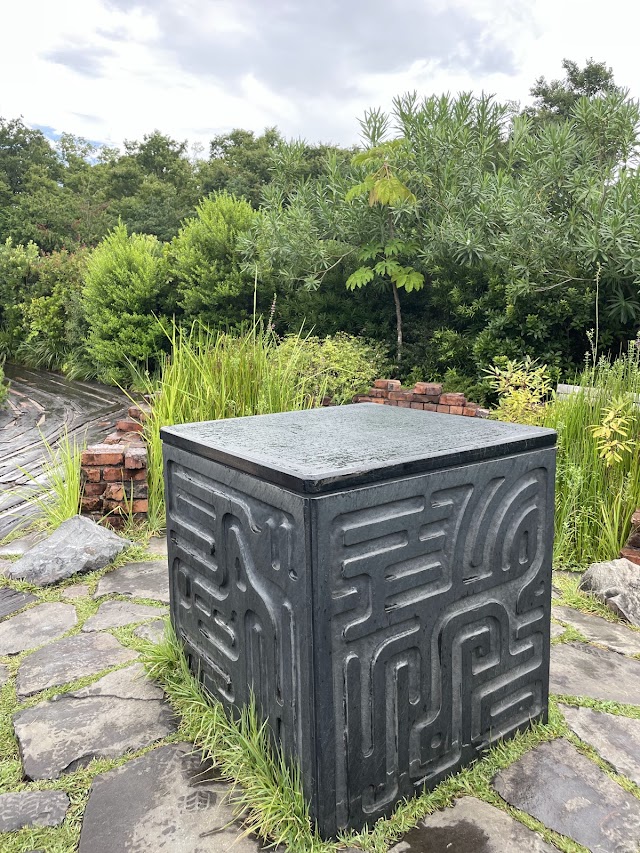
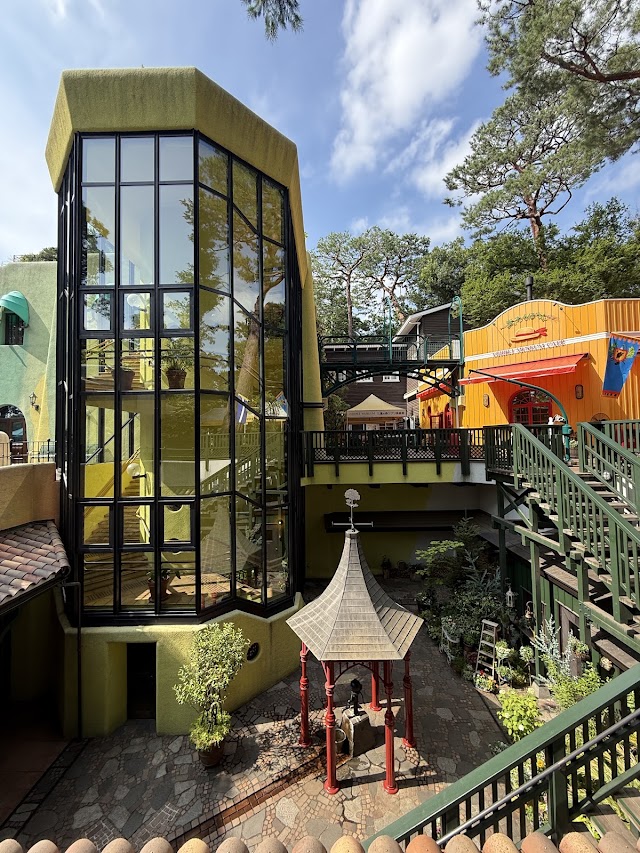
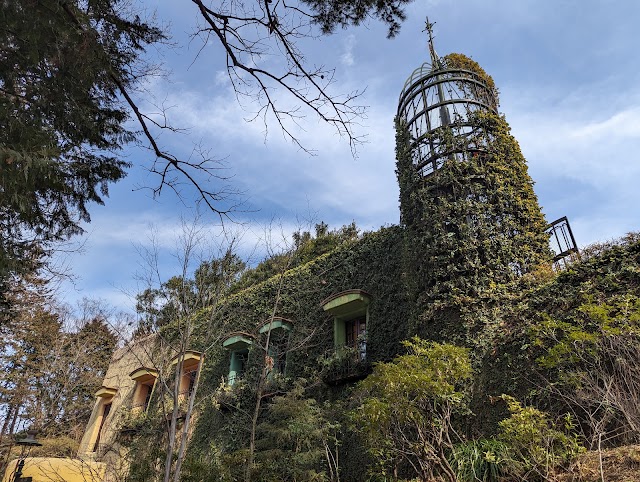
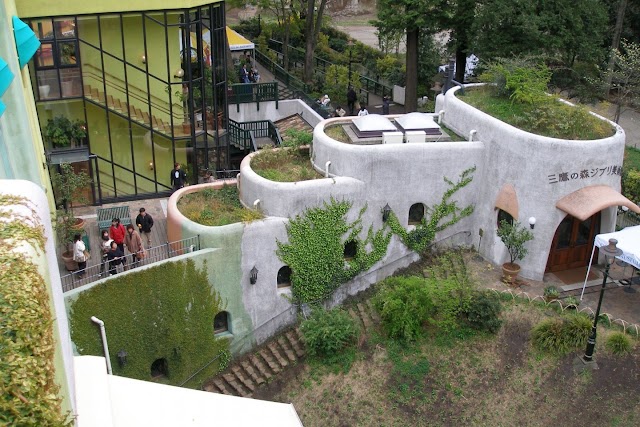
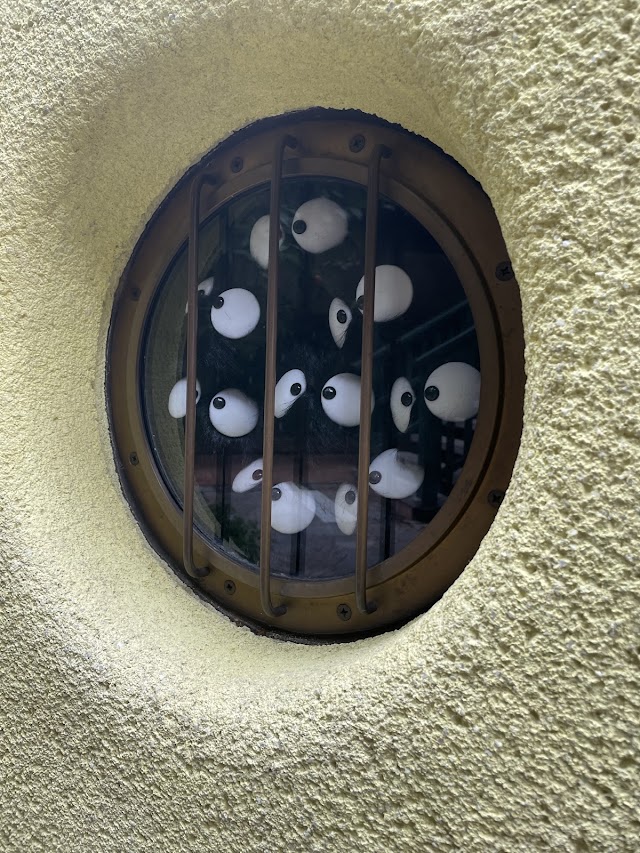
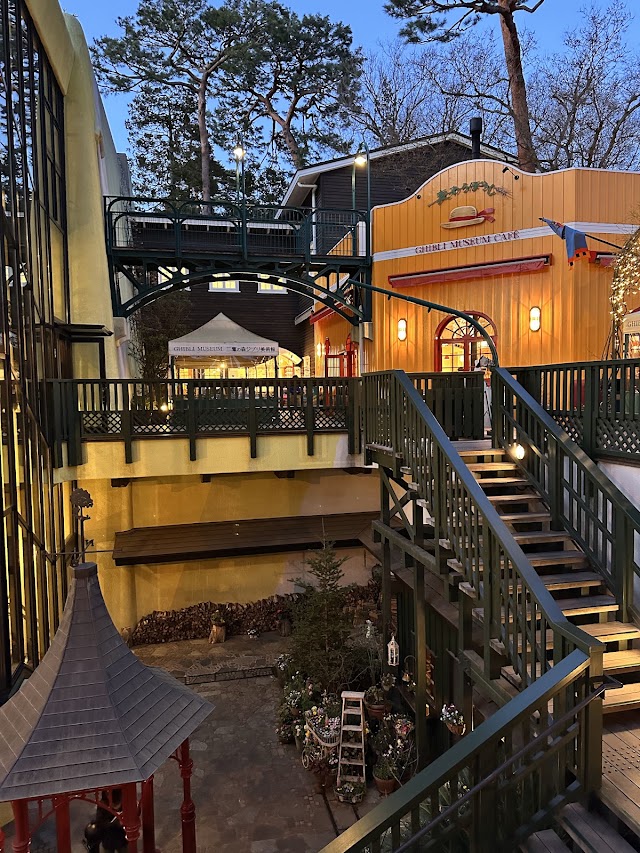
[5. The stop that needs a month's notice: the Ghibli Museum] The Ghibli Museum in Mitaka runs entirely on timed advance reservations and sells nothing at its own counter (https://www.ghibli-museum.jp/ ; https://l-tike.com/ghibli/ ). Tickets for the following month go on sale at 10:00 on the 10th of each month; domestic purchases need a Lawson web account with phone verification, and tickets are issued in the buyer's name. Overseas residents have a separate purchase route explained on the museum's site.
For visitors from Taiwan the implication is blunt: this is not a same-day decision, it is something you handle when you book the flight. August is peak school-holiday season, and without acting a month ahead expectations should be low. The museum is about fifteen minutes on foot from Mitaka Station's south exit, or a short community bus ride, and Inokashira Park next door rounds it into a half day.
[6. Itinerary templates] One day: Akihabara in the morning (Radio Kaikan, Electric Town) → walk to Kanda Myojin → cross to Odaiba in the afternoon (Gundam Base indoors, out of the heat) → the 17:00 transformation → the evening projection show. Two days: morning in Mitaka (Ghibli, reserved) → afternoon in Nakano or Ikebukuro → early evening in Shibuya (Tokyo Anime Center, MODI 2F, open until 20:30). If your trip covers 15–16 August and you hold a pass: those daytimes belong to Big Sight and nothing else — neither your stamina nor your suitcase allows more.
Sources: GUNDAM Official (https://gundam-official.com/news/xvynsd27t07xnnkkdhj0gfat ), the official Unicorn Gundam statue site (https://www.unicorn-gundam-statue.jp/1095/ ), the Comic Market Preparatory Committee (https://www.comiket.co.jp/info-a/C108/C108Info.html ), the Ghibli Museum (https://www.ghibli-museum.jp/ ), GO TOKYO's anime pilgrimage pages (https://www.gotokyo.org/jp/anime-and-manga/animetourism88/index.html ), Tokyo Anime Center in DNP PLAZA SHIBUYA (https://tokyoanimecenter.jp/ ) and Mandarake Nakano (https://www.mandarake.co.jp/dir/nkn/ ). Opening hours and ticketing rules follow each operator's official notices.
 Scan for map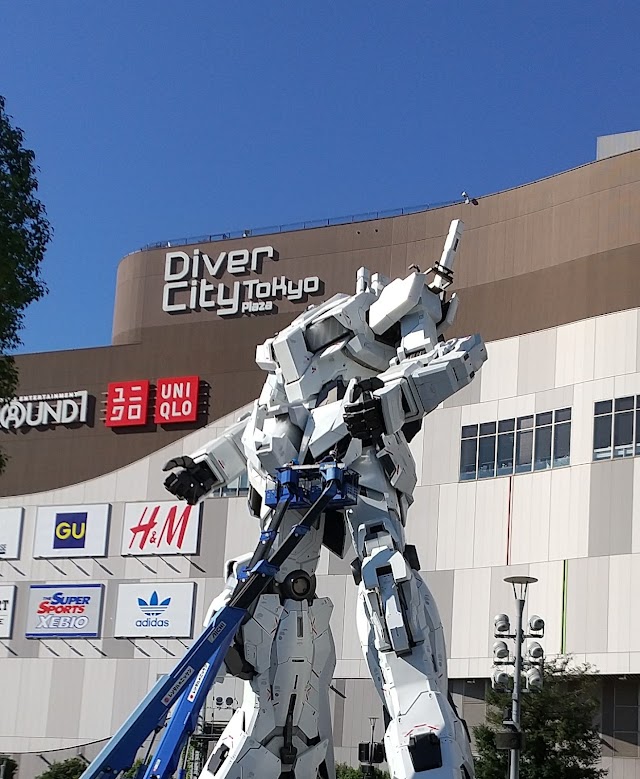
 Scan for map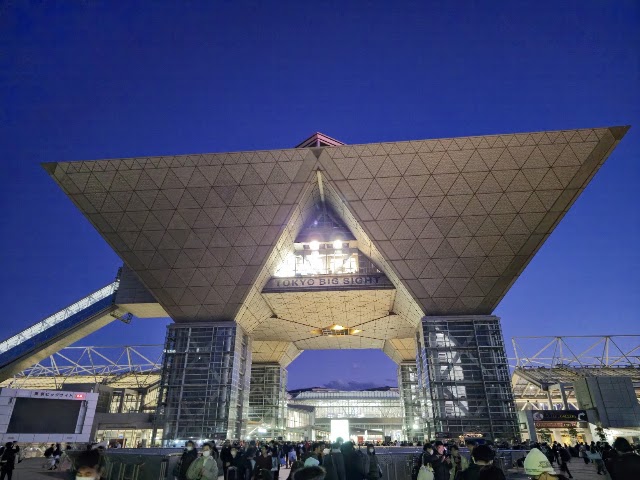



 Scan for map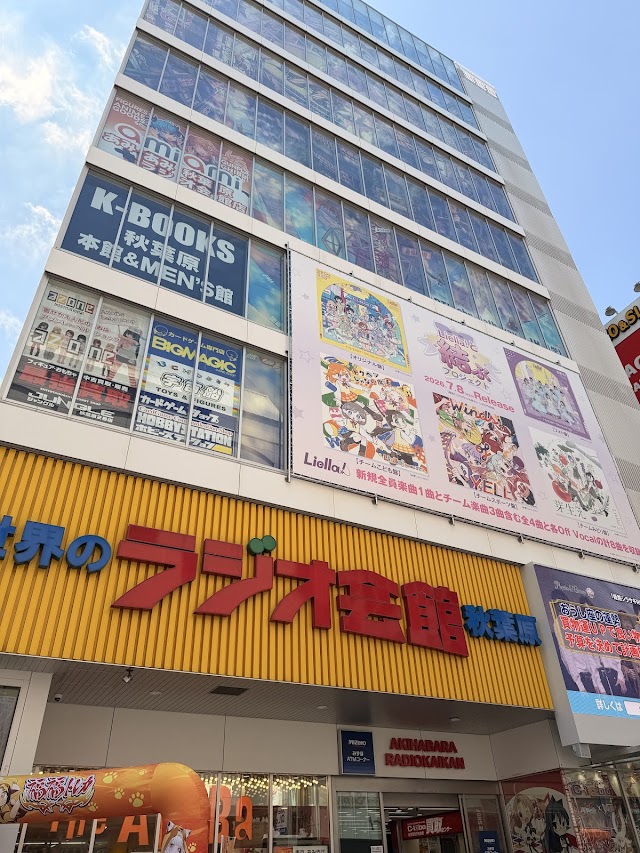
 Scan for map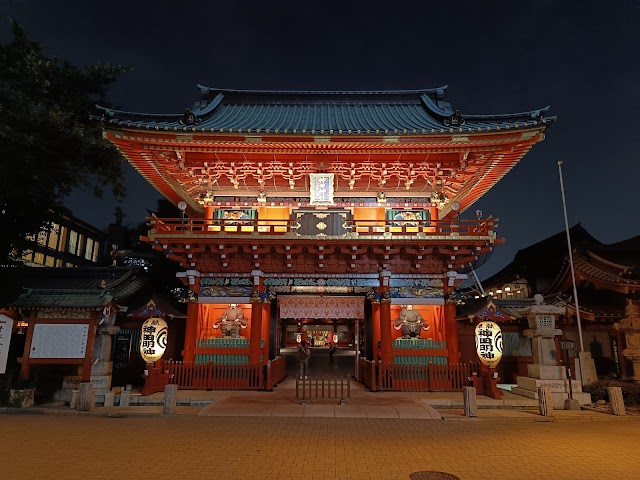
 Scan for map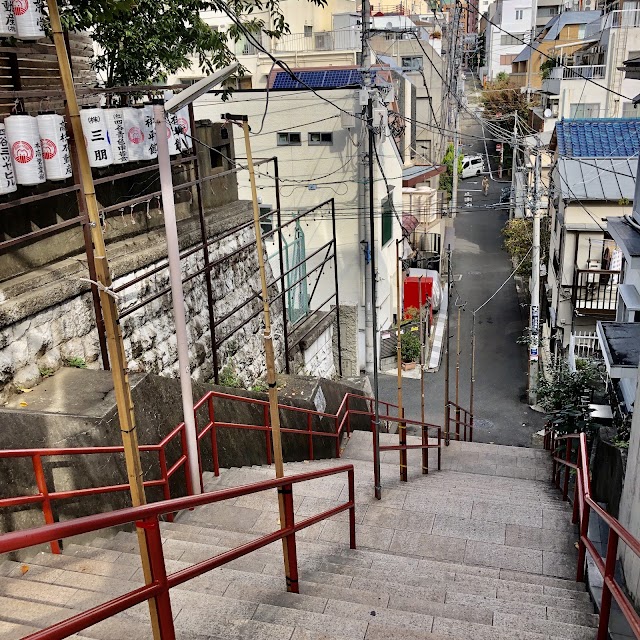
 Scan for map
 Scan for map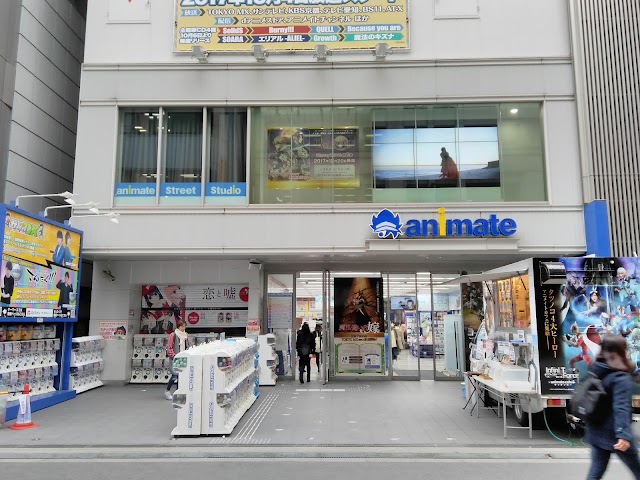

 Scan for map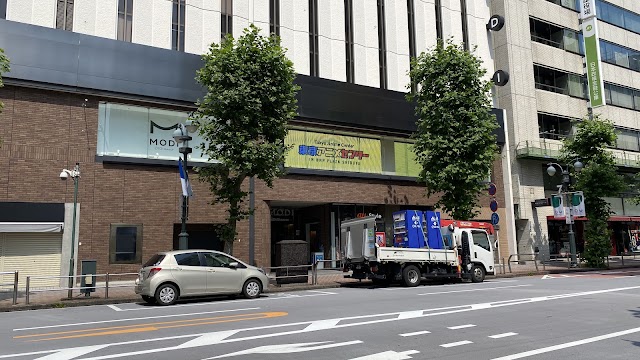
 Scan for map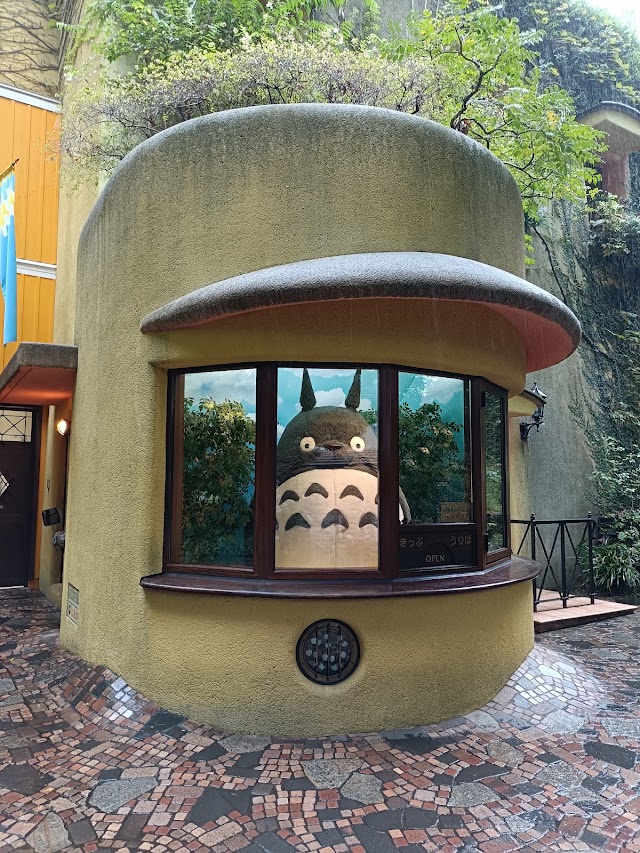
 Scan for map