Narita and Haneda to Central Tokyo, Compared for 2026: JR Raised Fares 7.8% in March While the Skyliner Held, Night Buses Charge Double, and What to Do With Your Bags During Obon
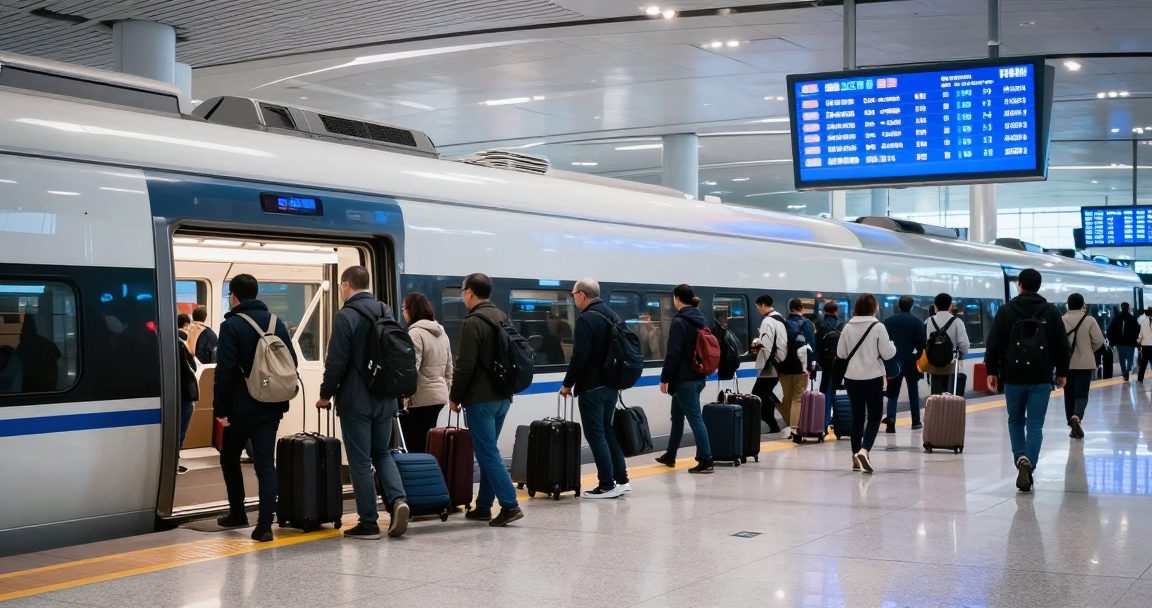
- JR East revised fares on 14 March 2026 — ordinary fares up 7.8% on average, commuter passes up 12.0% — lifting JR-based airport routes, while the Keisei Skyliner held its price over the same period.
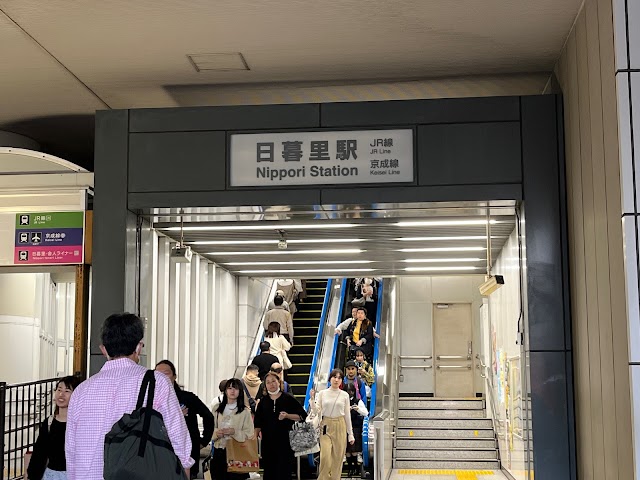
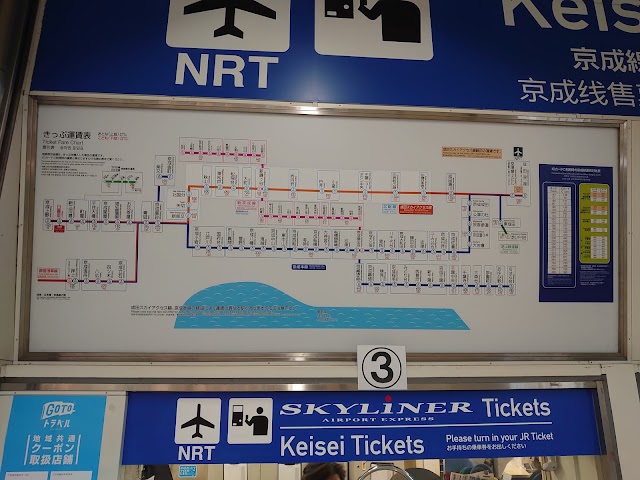
- Fastest from Narita is the Skyliner: about 32 minutes to Nippori and 36 to Keisei Ueno, ¥2,570 from Ueno (¥1,270 fare plus ¥1,300 limited express charge), three departures an hour.
- Budget options are the Keisei Access Express (about 80 minutes, roughly ¥1,235) and the Keisei Main Line rapid limited express (about 80 minutes, roughly ¥1,000), neither requiring a limited express charge.
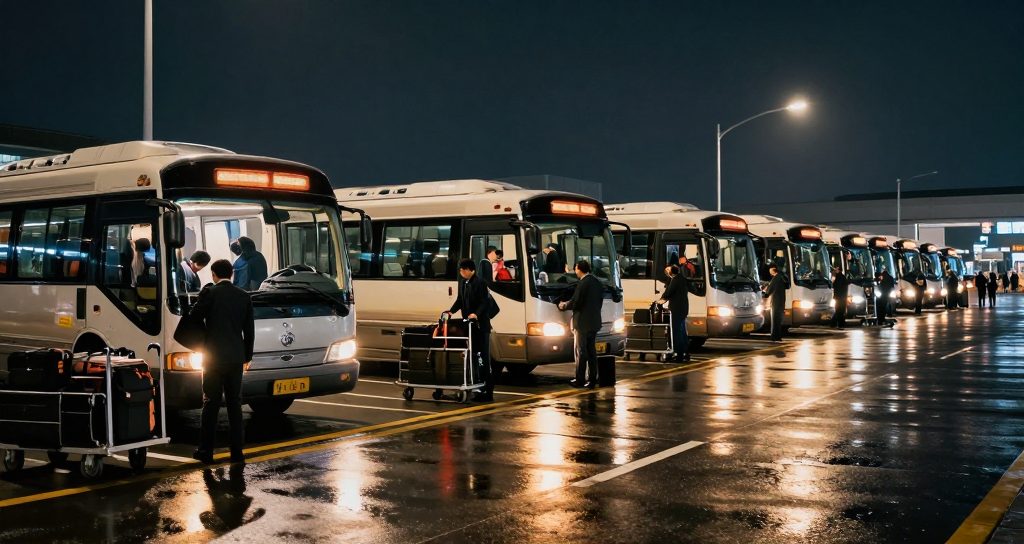
- AIRPORT BUS TYO-NRT runs Tokyo Station to Narita in as little as 65 minutes for ¥1,500 by day, but late-night and early-morning services cost double: ¥3,000 adults, ¥1,500 children. Unreserved seating; IC cards accepted onboard.
- From Haneda: Keihin Kyuko to Shinagawa in about 15 minutes for ¥505; Tokyo Monorail to Hamamatsucho in about 13–18 minutes; limousine buses toward Tokyo Station from around ¥1,200.
- After the last train, only night buses and taxis remain; a taxi between Tokyo Station and Haneda costs roughly ¥7,000–10,000 and takes about 30 minutes.
- During Obon (13–16 August) the congestion lands on expressways and intercity shinkansen, not on city rail — commuters have left town, so take trains and avoid pinning your schedule to a highway bus.
- The Skyliner is sold bundled with 24/48/72-hour Tokyo Subway tickets, with an early-bird discount 30 days ahead; ordinary Suica is available again at both airports since the chip shortage ended in March 2025, alongside Welcome Suica (28 days) and Welcome Suica Mobile (180 days, shinkansen reservations supported).
This year's airport-access comparison differs from last year's, because the pricing structure actually moved. JR East implemented a fare revision on 14 March 2026: ordinary fares rose by an average of 7.8% and commuter passes by 12.0%. That lifts every JR-based route — the Narita Express, and the monorail-plus-JR combination from Haneda — by a step, while Keisei held the Skyliner at its existing price over the same period, widening the gap between them. If you are following an itinerary built from a two-year-old blog post, this is the line item to recalculate.
First, the point most guides skip: the choice is not about which route is fastest or cheapest, but about what time you land. From Narita in daylight the Skyliner reaches Nippori and Ueno in the mid-thirties of minutes. On a late-arriving flight the rail network has closed and the remaining option is a night bus — and AIRPORT BUS TYO-NRT charges double on late-night and early-morning services: ¥3,000 for adults and ¥1,500 for children, against ¥1,500 in the daytime. Same road, different hour, twice the fare. At Haneda the after-hours position is blunter still: once the last train has gone it is night buses or taxis, and a taxi from Tokyo Station to Haneda runs roughly ¥7,000 to ¥10,000.
August adds one more variable. Obon, 13–16 August, is the largest travel wave of the Japanese year, and its effect on airport access is counter-intuitive: what suffers is the intercity shinkansen and the expressway network, not the rail lines into central Tokyo. City trains are actually emptier than usual on weekdays that week, because commuters have gone home to the provinces. What does seize up is the highway bus: congestion on the Higashi-Kanto Expressway and the Shuto Expressway turns a "65 minutes minimum" service into an open-ended journey. Take rail that week, or budget double the time.
Three practical calls for visitors from Taiwan. Heavy luggage does not automatically mean a bus — every Skyliner car has a large-baggage area, and it is bus capacity, not train capacity, that becomes the bottleneck in peak season. If your first day involves moving around the city, Keisei sells the Skyliner bundled with 24-, 48- or 72-hour Tokyo Subway tickets, cheaper than buying separately, with an early-bird discount for booking 30 days ahead. And the IC card rules have loosened: the chip shortage ended in March 2025, so ordinary Suica cards are on sale at both airports, alongside Welcome Suica for short visits (28 days) and Welcome Suica Mobile (180 days, now able to reserve shinkansen seats). Which one you want depends on a single question: are you coming back soon?
The ten locations below are organised by where you actually board, Narita and Haneda handled separately, with route suggestions for three common scenarios.
[1. The line to recalculate this year: JR went up, the Skyliner did not] JR East revised its fares for tickets purchased from 14 March 2026: ordinary fares up an average of 7.8%, commuter passes up 12.0% (official page: https://www.jreast.co.jp/2026unchin-kaitei/ ). The effect on airport access is structural, because the Narita Express and the Haneda monorail-to-JR combination both sit inside the JR fare system.
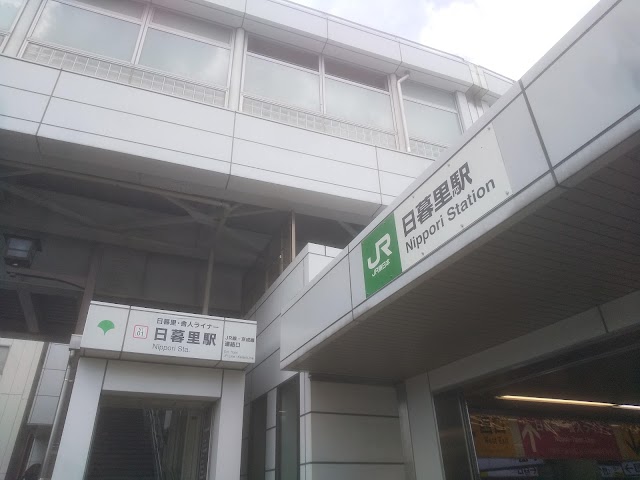
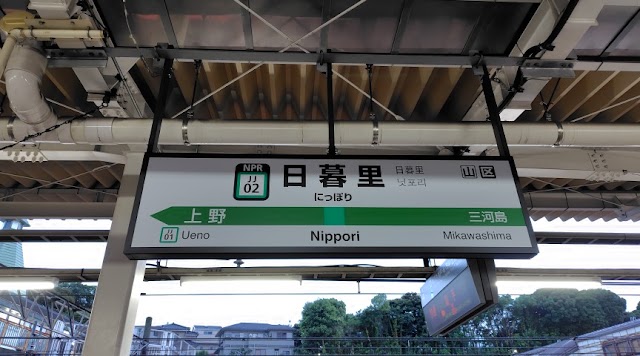
Keisei, meanwhile, held the Skyliner: ¥2,570 from Keisei Ueno, made up of a ¥1,270 fare and a ¥1,300 limited express charge (https://www.keisei.co.jp/keisei/tetudou/skyliner/jp/skyliner/ ). Nippori to Narita Airport takes about 32 minutes, Keisei Ueno about 36, with three departures an hour. The Narita Express covers Tokyo Station to the airport in about 60 minutes at around ¥3,470 (check current pricing with JR directly).
The decision therefore simplifies. If you are based around Ueno, Nippori, Asakusa or anywhere on the Toei Asakusa line, the Skyliner has almost no competition. If you are in Shinjuku, Shibuya or Yokohama, the Narita Express still earns its premium, because what you buy is not speed but the absence of a transfer with luggage.
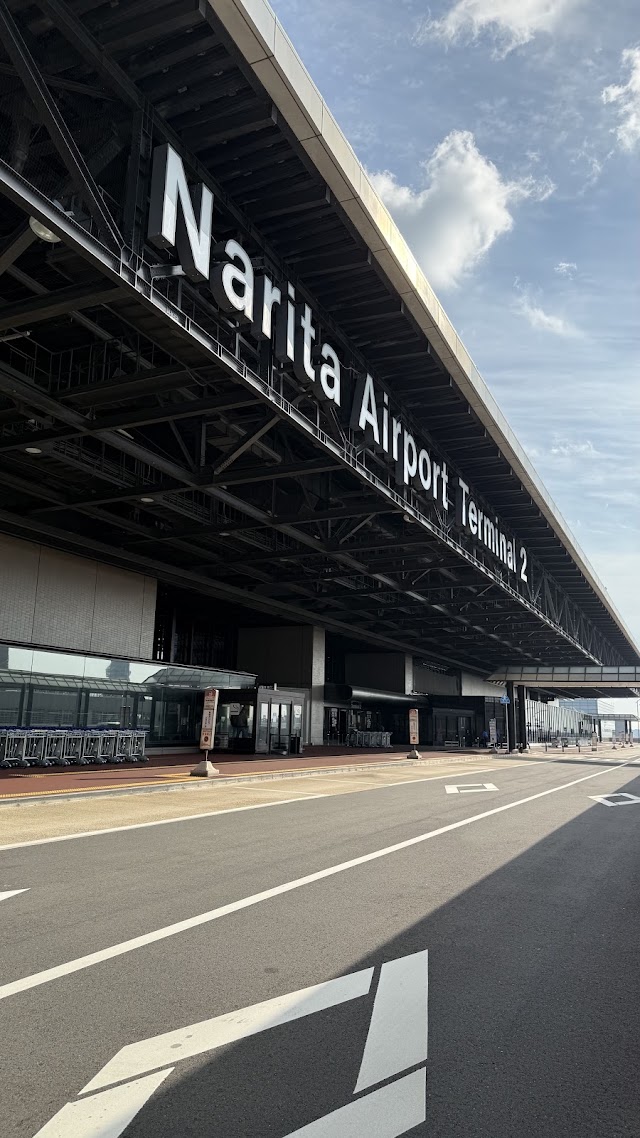
[2. Narita: four routes and who each one is for] **Skyliner** (Keisei): fastest, and best for heavy luggage — every car has a large-baggage area, so nothing goes overhead. Overseas visitors can buy it bundled with 24-, 48- or 72-hour Tokyo Subway tickets, with an early-bird discount for booking 30 days out (https://www.keisei.co.jp/keisei/tetudou/skyliner/us/tickets/index.php ).
**Access Express** (Keisei): about 80 minutes, roughly ¥1,235, no limited express charge. Its real advantage is not price but routing — it runs through onto the Toei Asakusa line, reaching Asakusa, Nihonbashi, Shimbashi and Oshiage (Tokyo Skytree) without a change. If you are staying around Asakusa, this beats the Skyliner on convenience.
**Keisei Main Line rapid limited express**: about 80 minutes at roughly ¥1,000, the cheapest of the four. It stops often and uses commuter rolling stock with limited luggage space — right for a solo traveller packing light with time to spare and a base on the Keisei line.
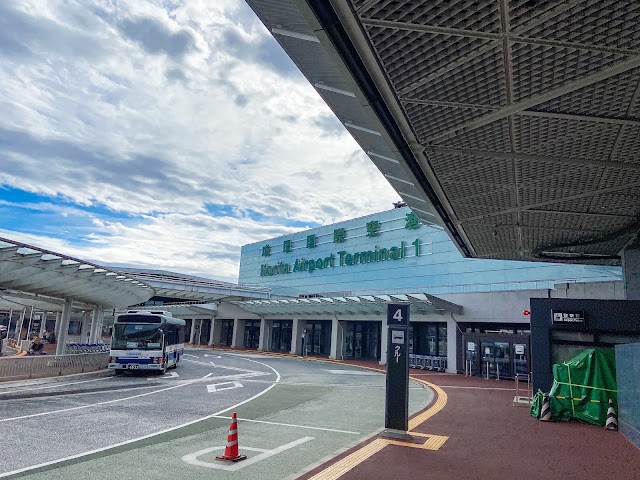
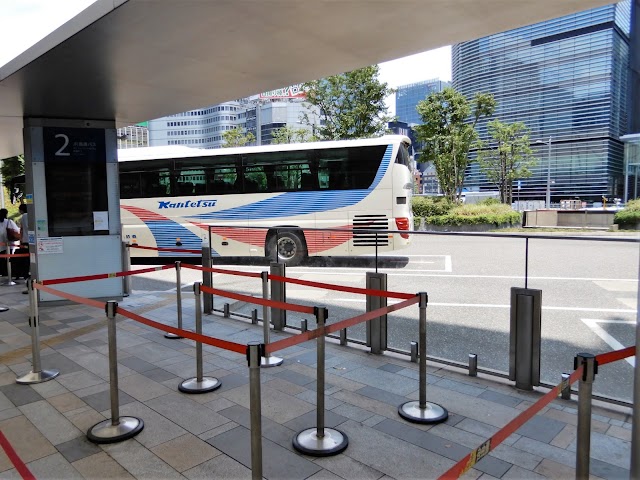
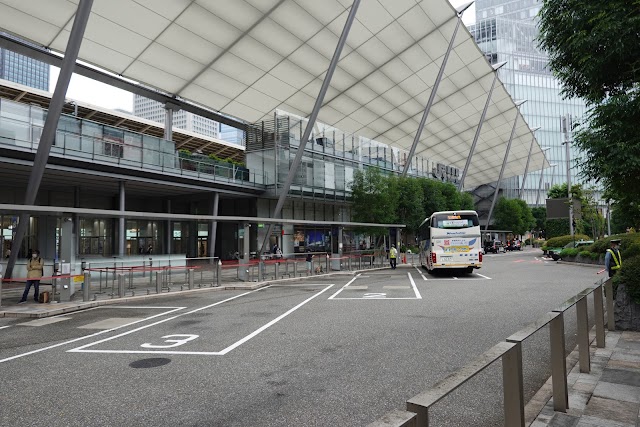
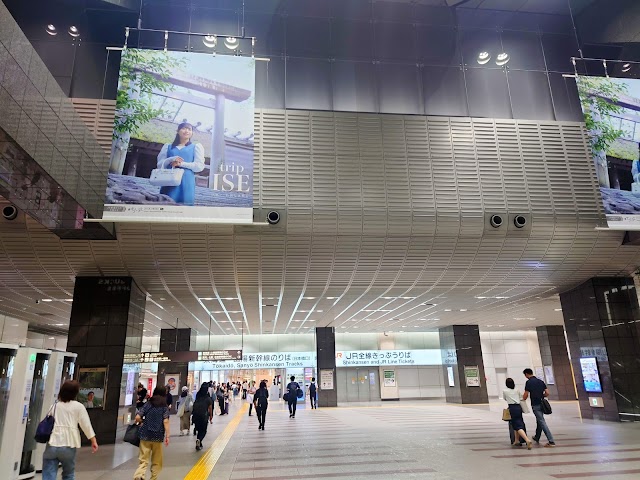
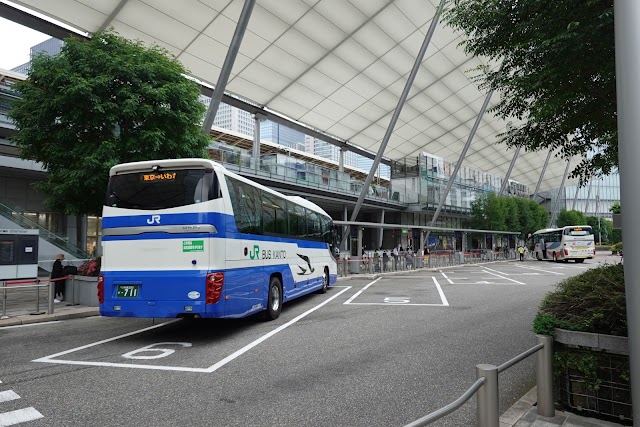
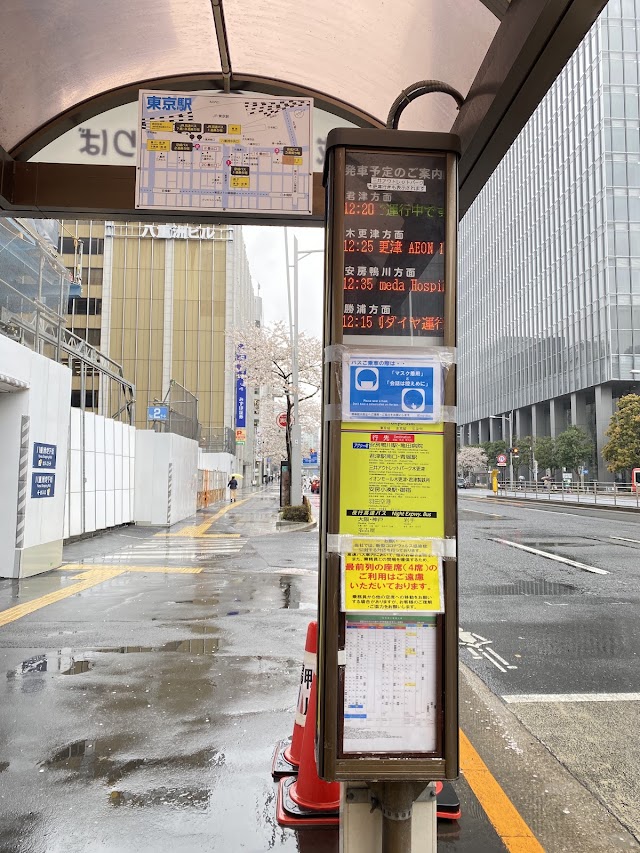
**AIRPORT BUS TYO-NRT**: Tokyo Station's Yaesu side and the Ginza area to Narita, from 65 minutes at ¥1,500 by day (https://tyo-nrt.com/ ). Seating is unreserved; from Tokyo Station you can tap an IC card onboard, while cash and card payers buy first at the JR Express Bus ticket office. Late-night and early-morning services are double: ¥3,000 adults, ¥1,500 children. Its real value is precisely in those hours, when the rail network has shut and little else is running.
[3. Haneda: close in, so the logic changes] Haneda sits inside the city, so no route is expensive or long, and the question becomes which side of Tokyo you are heading for.
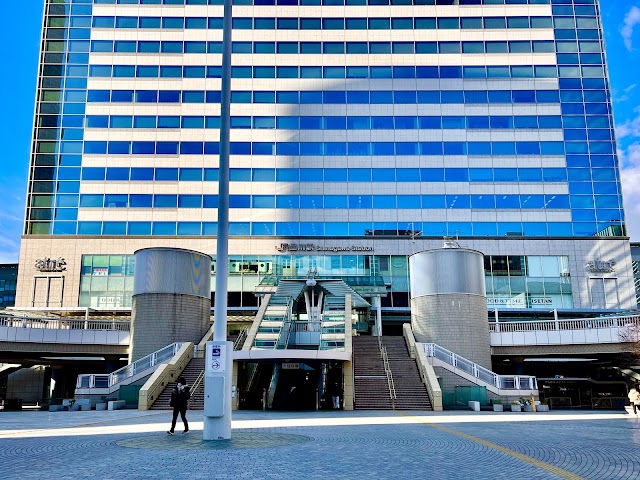
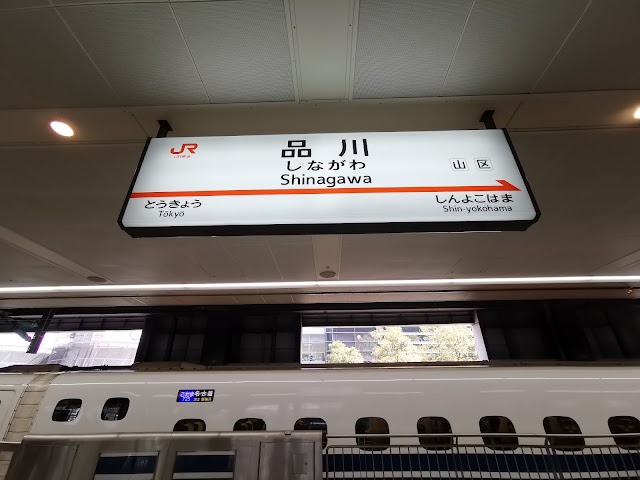
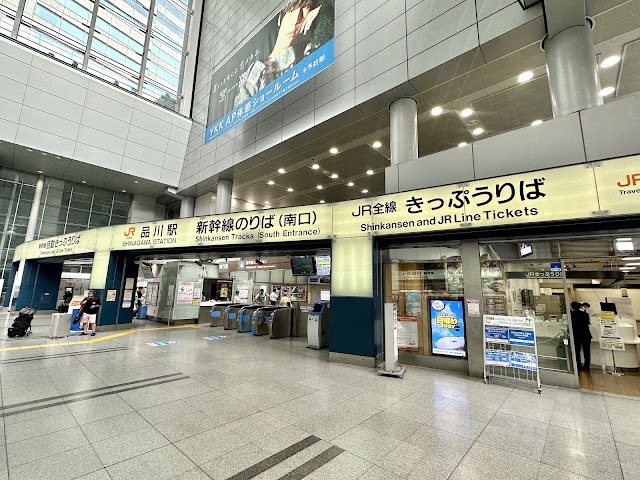
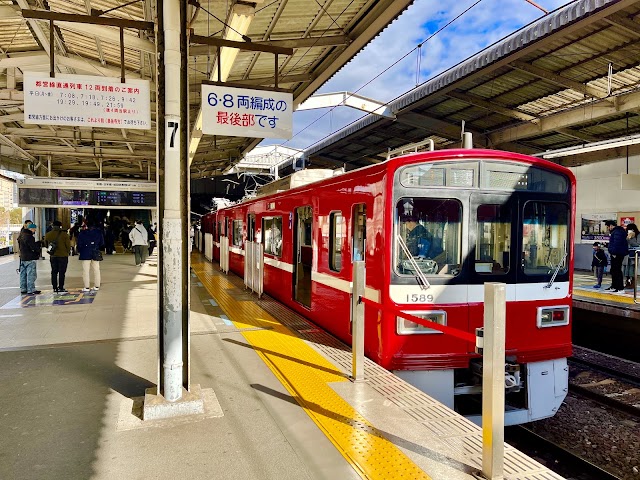
**Keikyu line**: Shinagawa in about 15 minutes for ¥505, with clean transfers to the Yamanote line and the shinkansen, and the fastest run toward Yokohama. Keikyu also runs through onto the Toei Asakusa line for Shimbashi, Nihonbashi and Asakusa without changing.
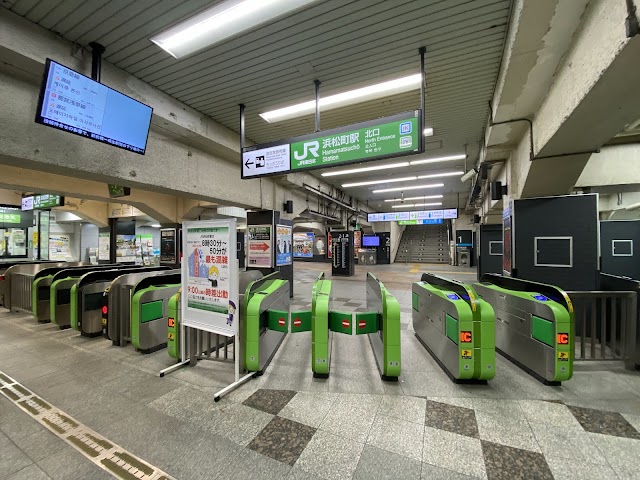
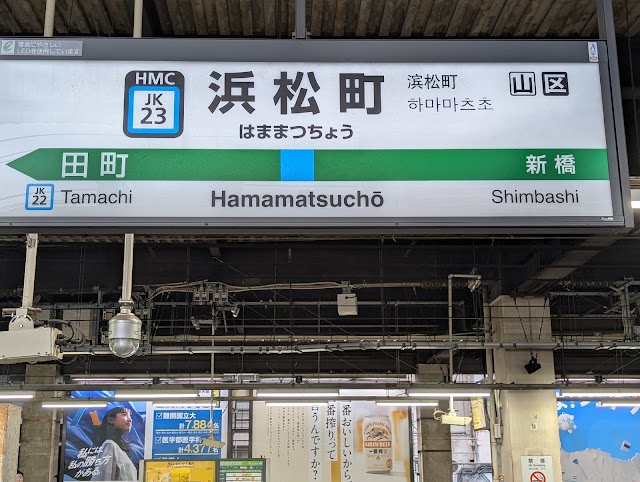
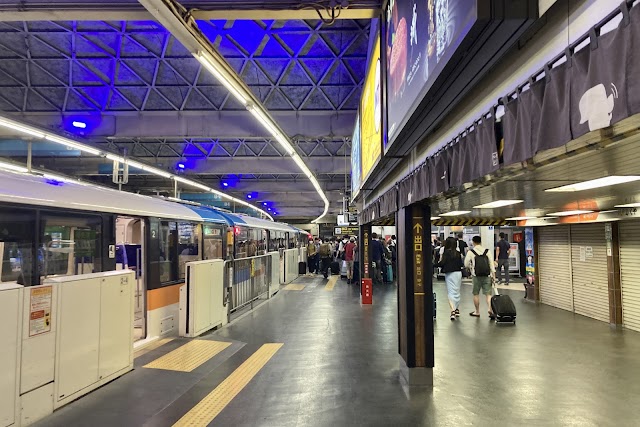
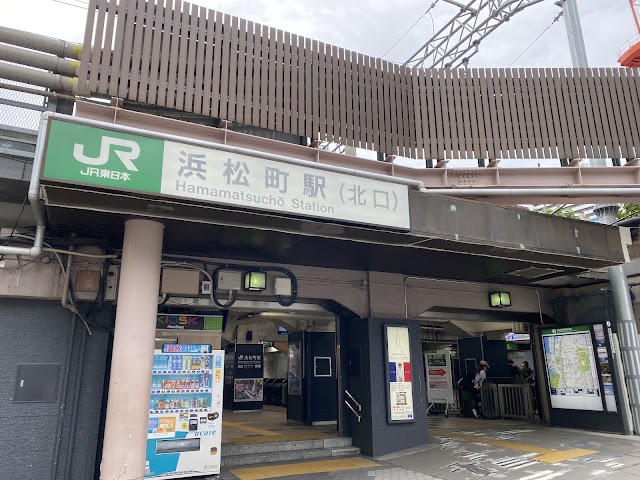
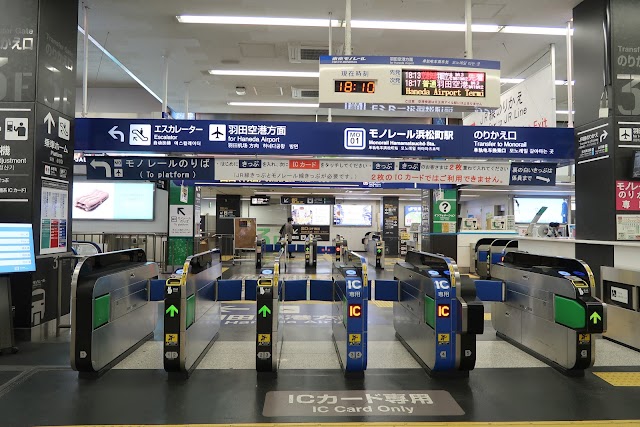
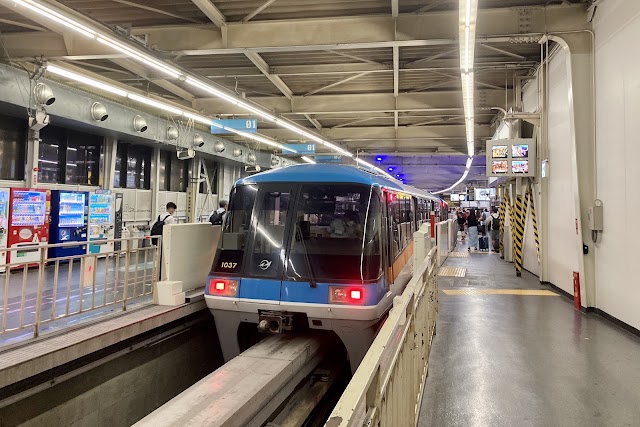
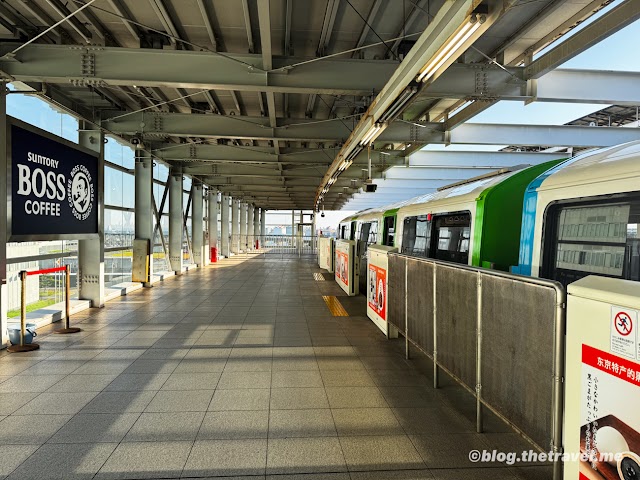
**Tokyo Monorail**: Hamamatsucho in about 13 to 18 minutes, transferring there to the Yamanote or Keihin-Tohoku lines. The ride and the frequency are the draw; the transfer passages at Hamamatsucho are not kind to large suitcases.
**Limousine bus**: from around ¥1,200 toward Tokyo Station, with bags stowed underneath and no transfers — the right answer when travelling with older relatives, small children, or more than two cases. The weakness is that expressway congestion leaves no alternative.
**After the last train**: night buses and taxis only. Tokyo Station to Haneda by taxi runs about ¥7,000 to ¥10,000 in roughly 30 minutes. Split three or four ways that is not far off four bus fares, so it is worth doing the arithmetic once.
[4. What Obon week actually looks like] 13–16 August is Obon, the year's largest travel wave, and it pays to be specific about where the congestion lands. Reserved shinkansen seats to the provinces and the expressway network take the hit; delays on the Higashi-Kanto and Shuto expressways turn every airport bus's stated minimum journey time into an estimate rather than a promise. Rail into central Tokyo does not seize up — weekday city trains run emptier than usual, because commuters have gone home.
So: take rail that week. If you must take a bus, double your time allowance and do not schedule it ahead of anything you have to be on time for. The other August reality is luggage: hotel holds and station lockers fill by midday in peak season, especially at Tokyo, Shinjuku and around Asakusa. Send bags to the hotel directly, or use same-day delivery from the airport, rather than hunting for an empty locker in midsummer heat.
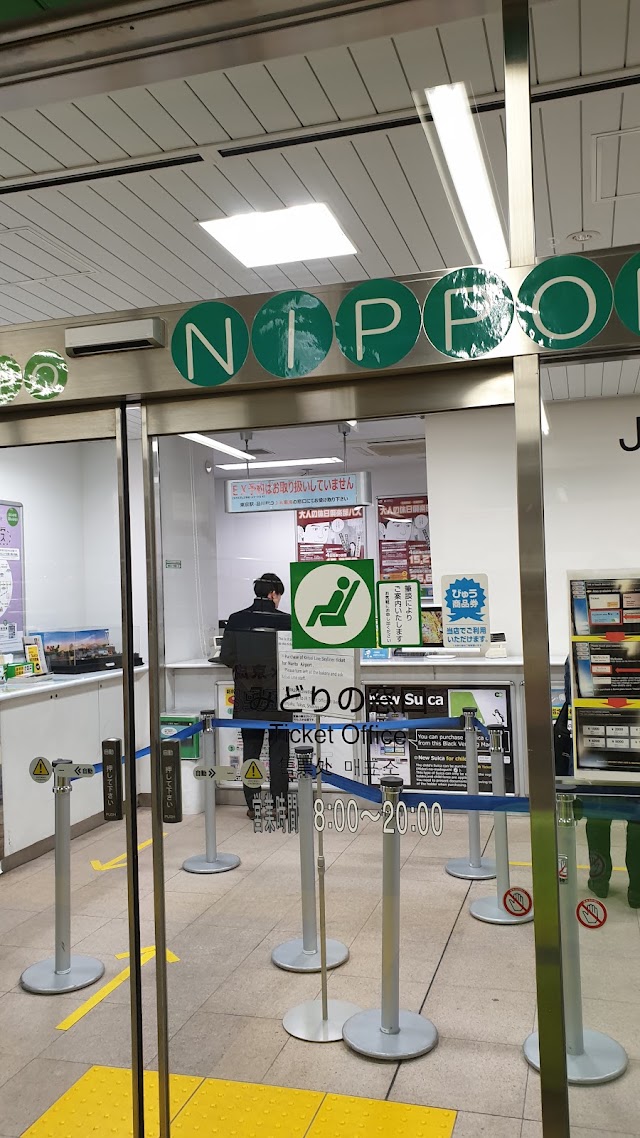
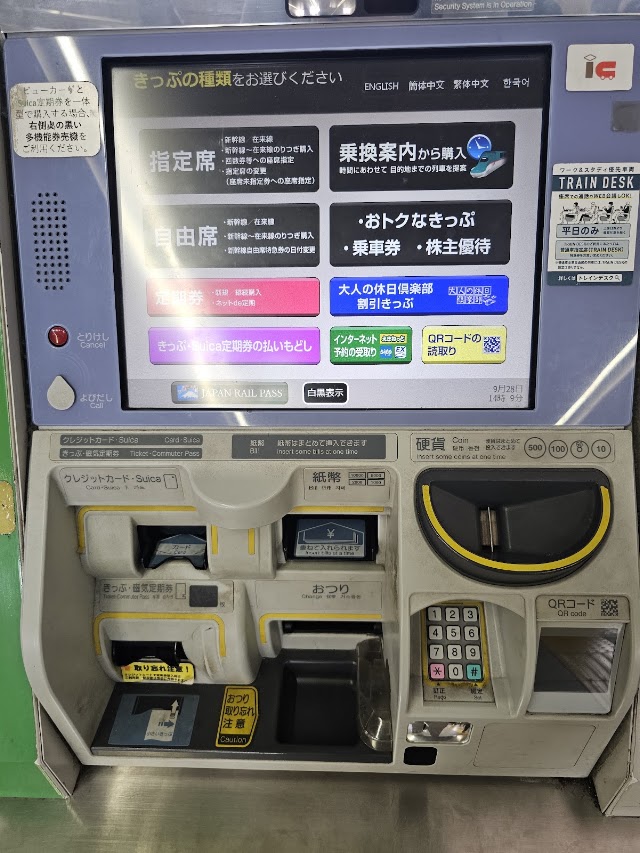
[5. IC cards: the rules loosened this year] The chip shortage that suspended Suica sales ended in March 2025, and ordinary Suica cards are back on sale at Narita, Haneda and major JR ticket machines around Tokyo. Short-term visitors have two further options: the physical Welcome Suica, valid 28 days with no deposit, and Welcome Suica Mobile, valid 180 days and now supporting shinkansen seat reservations (https://www.jreast.co.jp/multi/welcomesuica/welcomesuica.html ). PASMO PASSPORT covers the private railway and subway side. Suica, PASMO and ICOCA all interoperate nationwide, so the decision reduces to one question: are you returning to Japan soon? If yes, buy the ordinary card; if not, take the visitor version.
[6. Three scenarios] **Afternoon arrival at Narita, staying in Ueno or Asakusa**: Skyliner to Nippori or Keisei Ueno, or the Access Express straight through to Asakusa. Heavy bags favour the former. **Late-night arrival at Narita, staying near Tokyo Station**: the TYO-NRT night service at ¥3,000, or a night near the airport and an early run in — a late-night taxi from Narita into the city starts in five figures during peak season, so price it before committing. **Early-morning departure from Haneda**: stay around Shinagawa or Hamamatsucho the night before and clear the trip in twenty minutes on the Keikyu or the monorail. If your flight leaves before the first train, Haneda itself has areas suited to overnighting and shower facilities — more practical than paying for a hotel room you will occupy for three hours.
Sources: JR East fare revision page (https://www.jreast.co.jp/2026unchin-kaitei/ ), Keisei Skyliner (https://www.keisei.co.jp/keisei/tetudou/skyliner/jp/skyliner/ ), Keisei's English ticketing page (https://www.keisei.co.jp/keisei/tetudou/skyliner/us/tickets/index.php ), AIRPORT BUS TYO-NRT (https://tyo-nrt.com/ ), Tokyo Monorail (https://www.tokyo-monorail.co.jp/ ) and JR East's Welcome Suica page (https://www.jreast.co.jp/multi/welcomesuica/welcomesuica.html ). Fares, journey times and frequencies follow each operator's official notices; peak-season journey times can run substantially longer.




 Scan for map
 Scan for map
 Scan for map
 Scan for map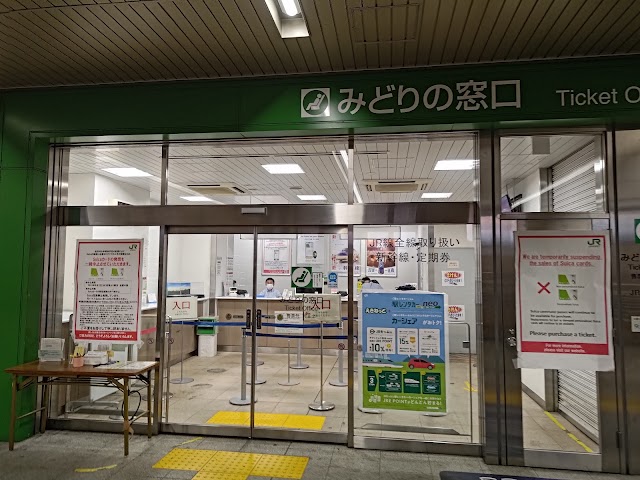
 Scan for map
 Scan for map
 Scan for map
 Scan for map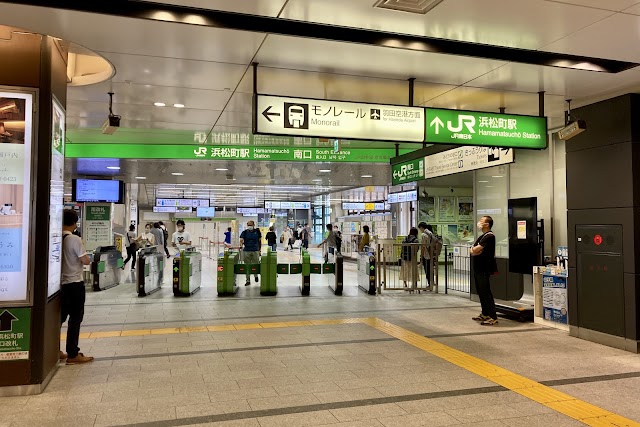
 Scan for map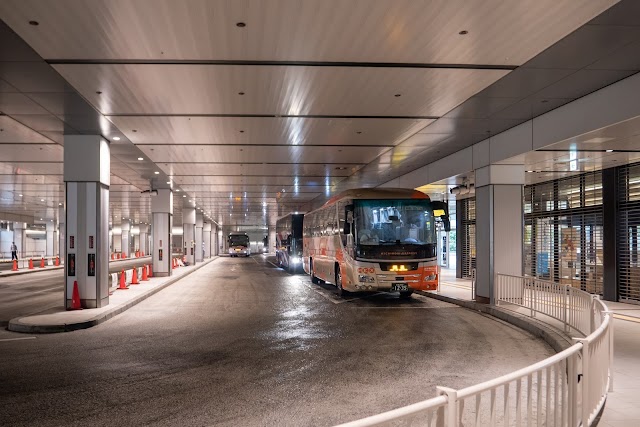
 Scan for map