Tokyo Kids' Museums 2026: Miraikan Shuts for Six Months on 1 October, Toyosu's Gas Museum Closes for Good on 23 September
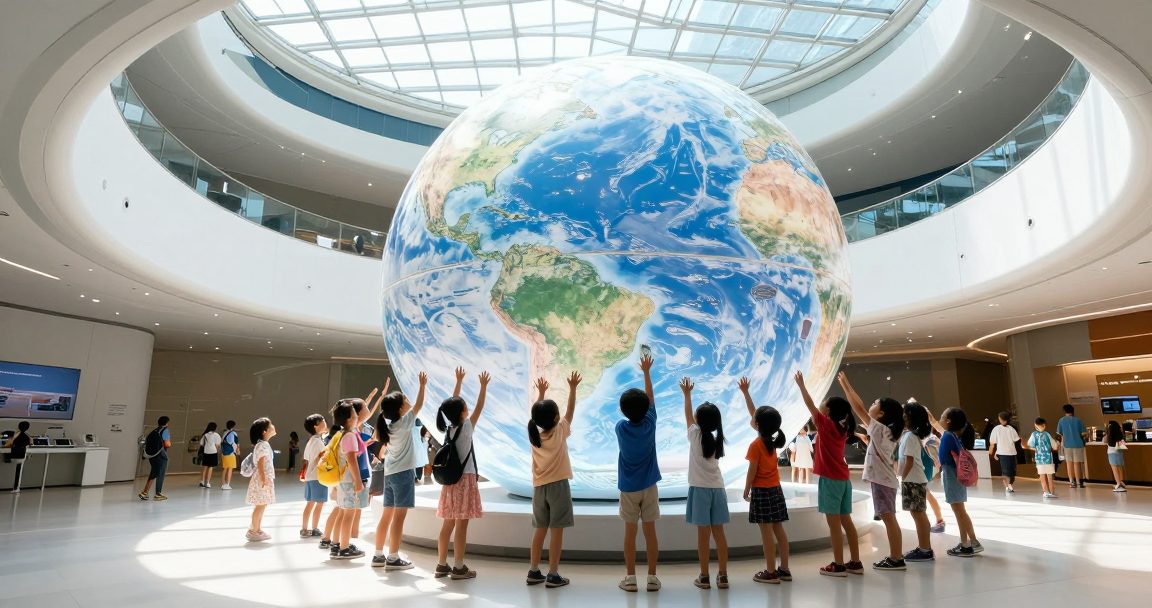
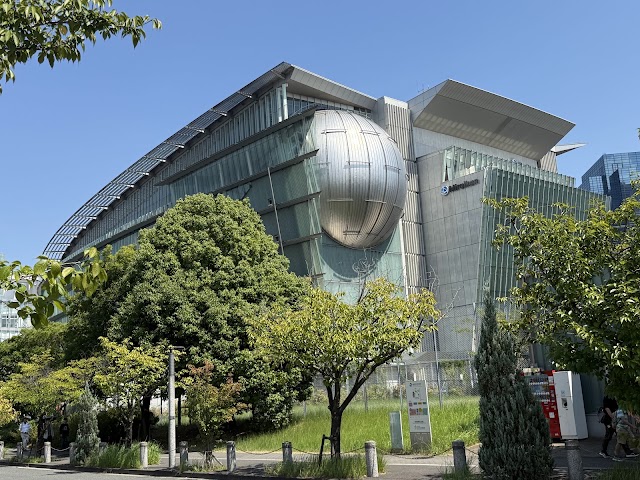
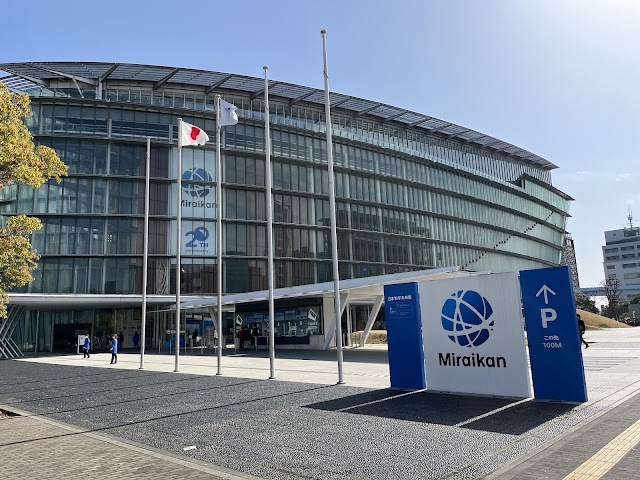
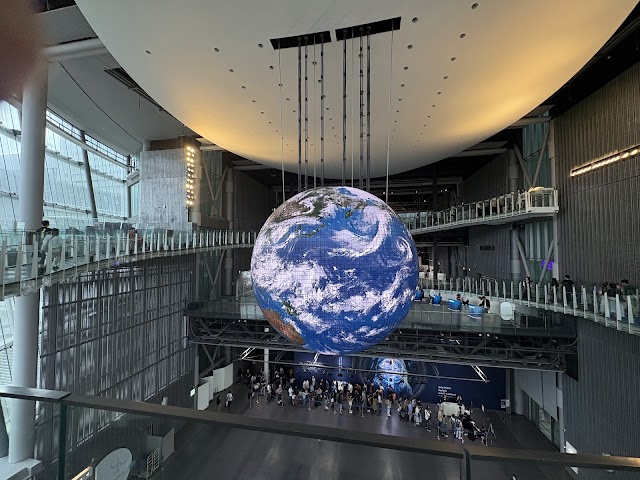
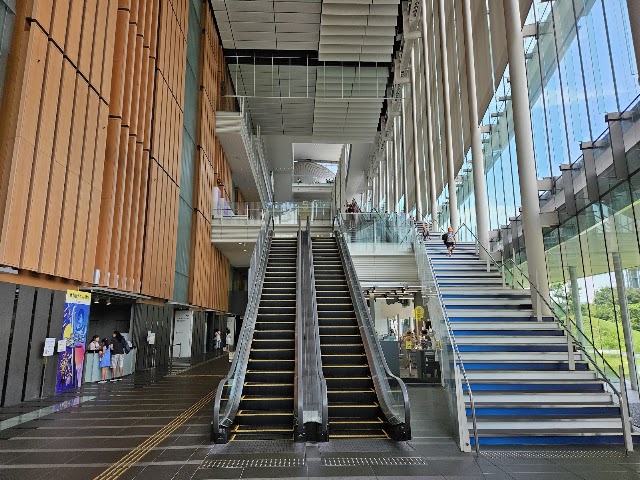
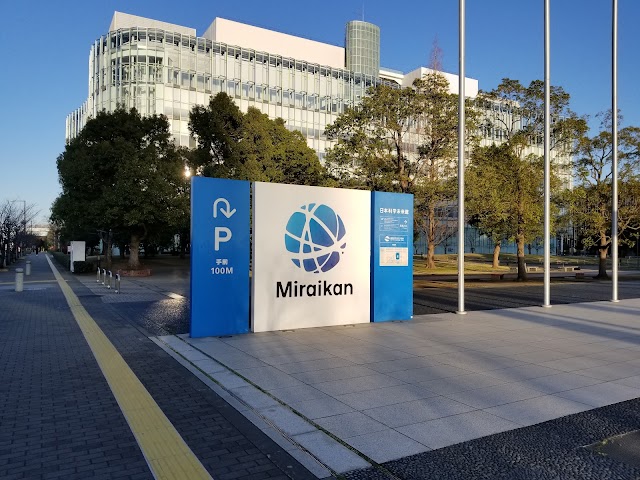
- Miraikan will close for roughly six months, from 1 October 2026 to 22 April 2027, for facility works — removing it from the entire autumn, winter and early-spring season.
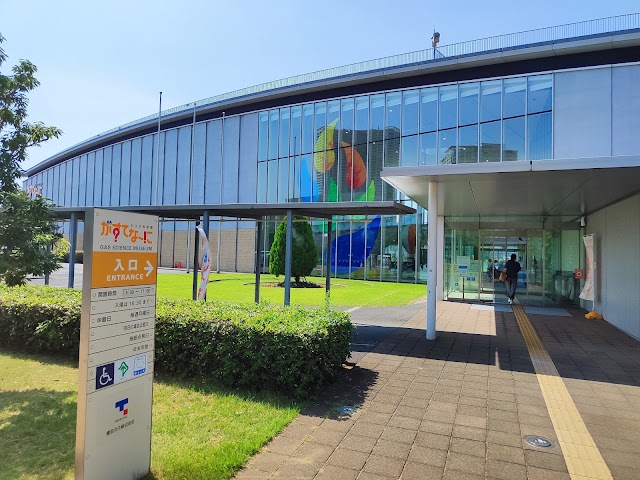
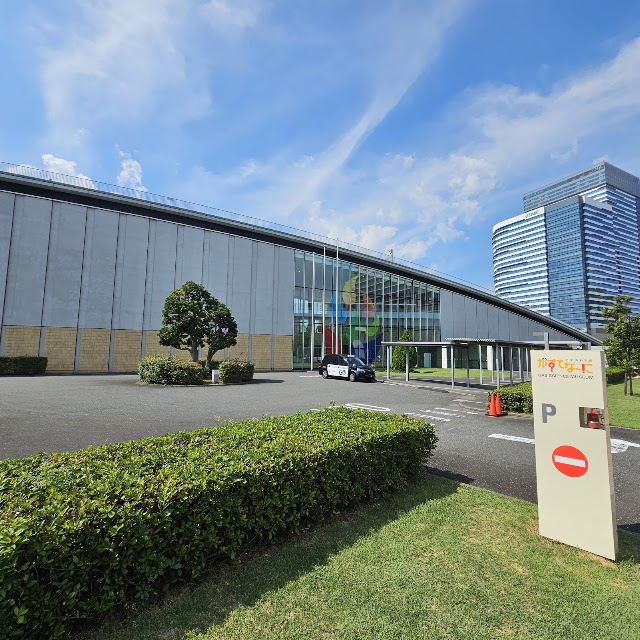
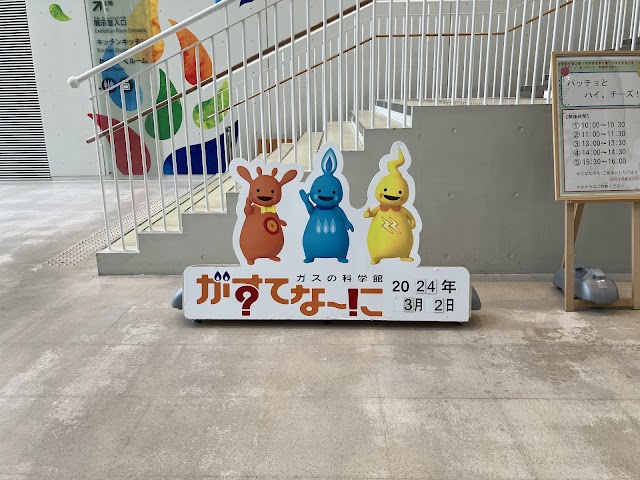
- Tokyo Gas announced on 14 November 2025 that Gastenani, the Gas Science Museum in Toyosu, closes permanently on 23 September 2026 after about forty years; the building will be repurposed.
- Pricing is Tokyo's structural advantage for families: the National Museum of Nature and Science is free for high-school age and under (¥630 adults), the Subway Museum is ¥220 / ¥100, and the Fire Museum, Water Science Museum, Currency Museum and Intermediatheque are free.
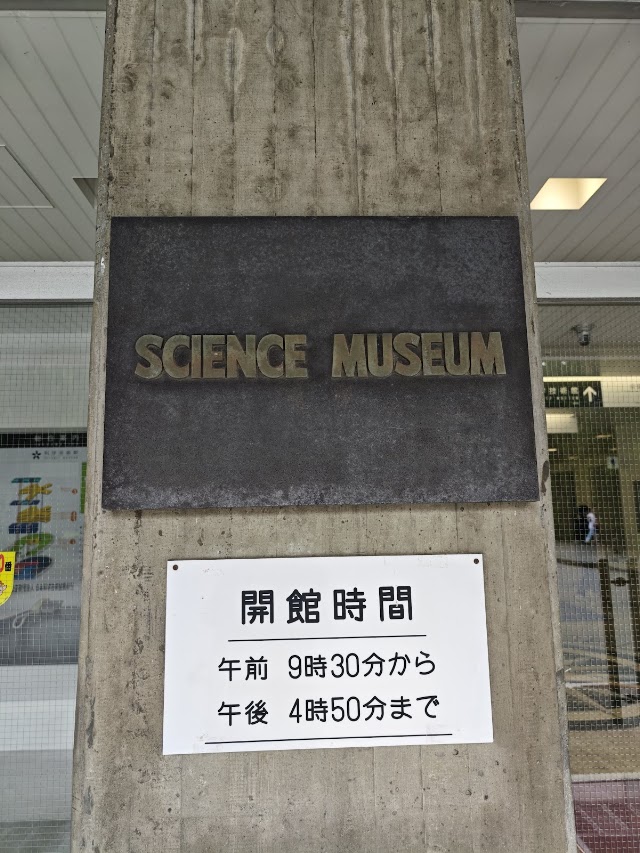
- The Science Museum's summer exhibition 'Forest of the Senses', marking thirty years of its FOREST galleries, runs 7–23 August 2026; the museum closes at 16:50 with last entry at 16:00 and takes irregular Wednesday closures.
- The Yurikamome links Miraikan (¥630), the Water Science Museum (free) and the Gas Science Museum (free) into the most efficient single day before the closures.
- Monday is the common closing day — the Water Science Museum, Gastenani, the Subway Museum, the Currency Museum and Miraikan all close Monday or Tuesday, usually shifting when a holiday falls.
- Choose by the child's age: hands-on venues for preschool to lower primary, narrative museums for upper primary, and Intermediatheque or the Currency Museum for teenagers and adults.
- Transport usually costs more than admission: the ten span six operators, with a Tokyo Metro 24-hour ticket at ¥700, the Toei Marugoto Kippu at ¥700 and the combined Metro–Toei day pass at ¥1,100 since 14 March 2026 — and neither the Yurikamome nor the Rinkai Line is included.
Tokyo is about to lose two of its indoor options for families this autumn.
Miraikan has announced a closure of roughly six months, from 1 October 2026 to 22 April 2027, for facility works. Tokyo Gas announced on 14 November 2025 that Gastenani, its Gas Science Museum in Toyosu, will close permanently on 23 September 2026, about forty years after opening; the building will be repurposed and its educational work will continue as school outreach. One is a pause, the other is the end — but for anyone planning this summer the conclusion is the same: under two months remain.
This matters because of how family itineraries in Tokyo actually run. August daytime highs sit around 35°C, outdoor plans collapse faster than expected, and indoor museums are not the fallback — they are the spine of the day. Tokyo happens to be unusually good at this, and unusually cheap: the National Museum of Nature and Science is free for anyone of high-school age or under and ¥630 for adults; the Subway Museum is ¥220 and ¥100; the Fire Museum, the Water Science Museum, the Currency Museum and Intermediatheque are all free.
The ten below are grouped in three tiers rather than ranked. First, the two with a deadline. Second, the anchor museums worth a dedicated half-day. Third, the free or hundred-yen venues that are the most useful cards to hold when a plan falls apart — most of them a minute from a subway exit, air-conditioned, no booking, and no regret if you leave after an hour.
Pick on three things only: the child's age, which district you are in that day, and how much energy is left.
1. The two closures, with dates
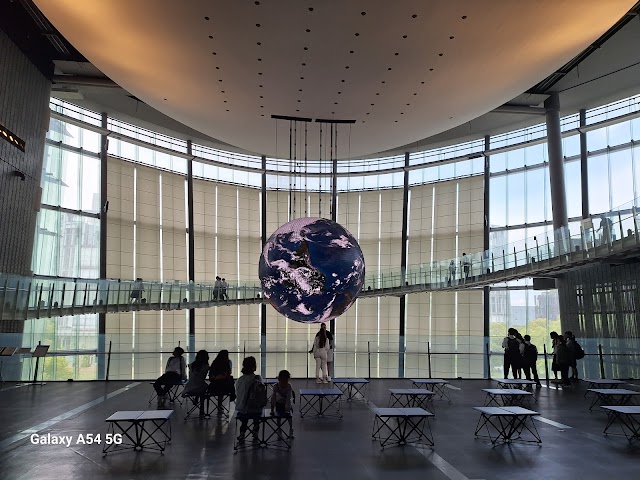
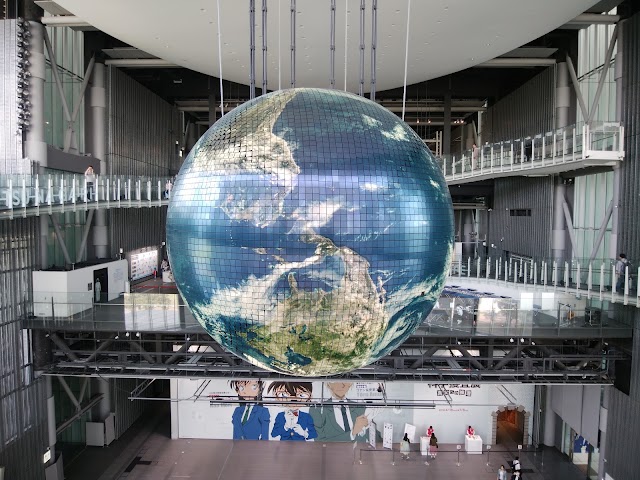
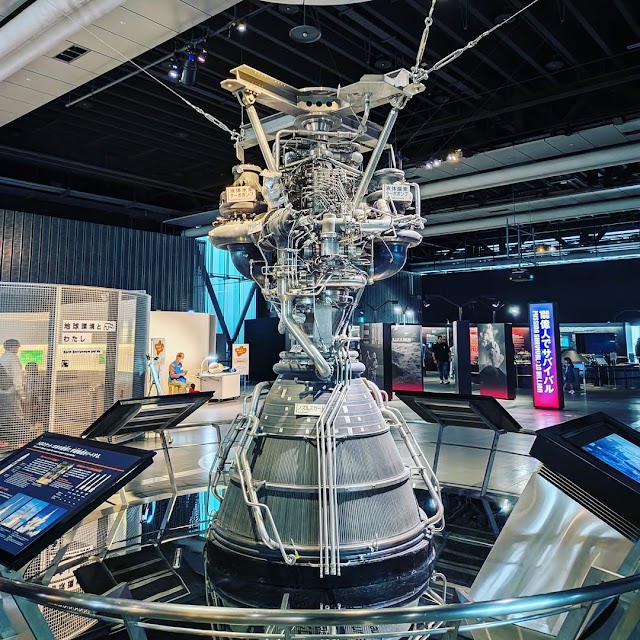
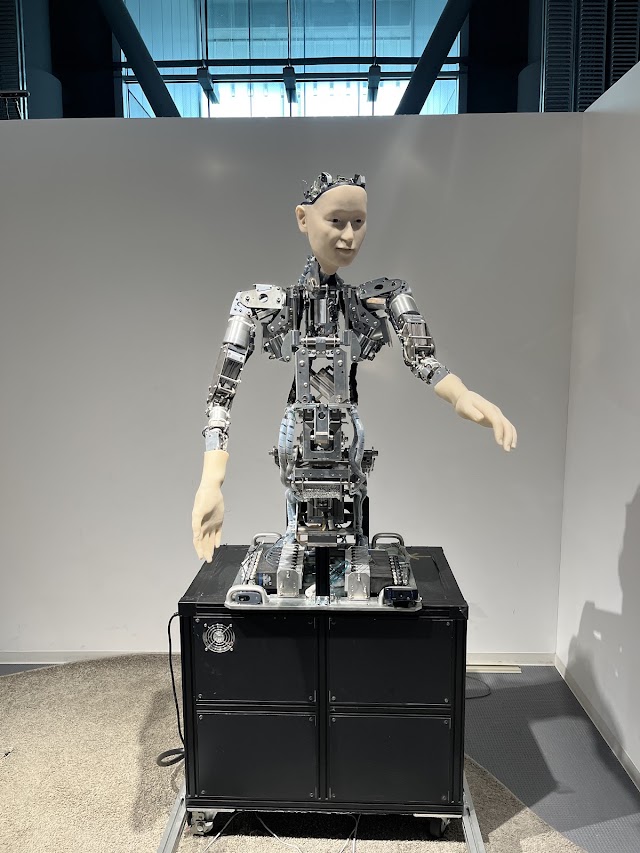
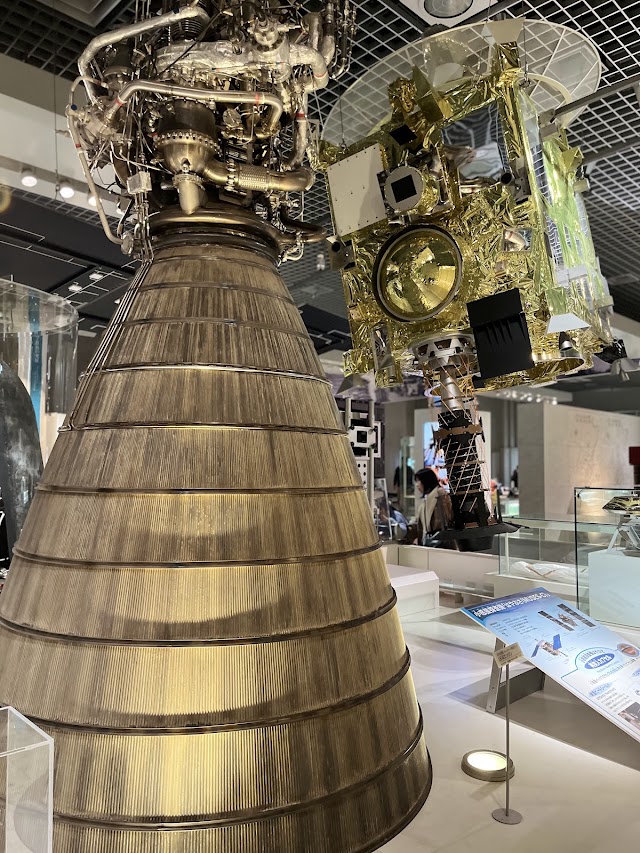
Miraikan's closure is for facility improvement works and runs from 1 October 2026 to 22 April 2027 — around six months, covering the entire autumn, winter and early-spring travel season. Admission to the permanent exhibition is ¥630 for adults, ¥210 for ages 18 and under and free for preschoolers, with free entry for under-18s every Saturday; annual passes are ¥1,250 and ¥410.
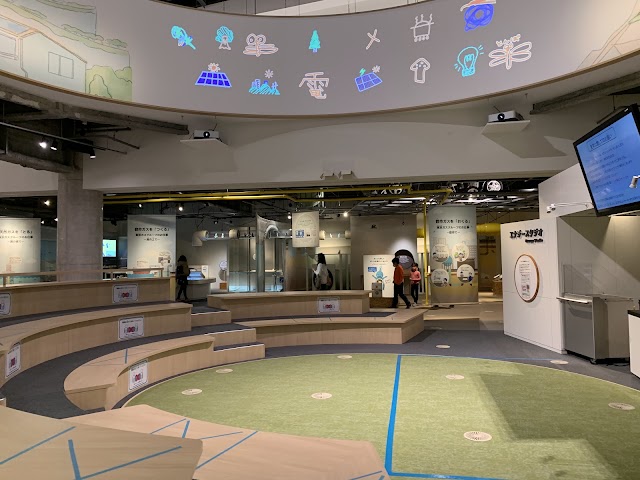
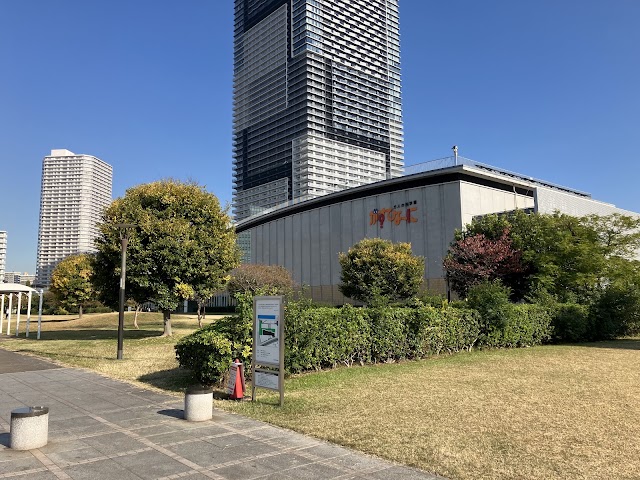
Gastenani is closing for good. Tokyo Gas's 14 November 2025 announcement cites the diversification of social values and challenges as the reason for reviewing the facility's role, setting the final day as 23 September 2026. Its educational function will be folded into outreach teaching, and the building will be refurbished by Tokyo Gas Real Estate for new use. Admission is free, hours are 9:30–17:00 (last entry 16:30), closed Mondays, six minutes from the north exit of Toyosu Station.
Put together: if you are in Tokyo this summer, move both up your list. Along the Odaiba–Ariake–Toyosu corridor, Miraikan, the Water Science Museum and the Gas Science Museum can be strung together in a day on the Yurikamome — two of them free, one ¥630.
2. Three tiers, and where they belong in an itinerary
Tier one is time-limited: Miraikan and Gastenani. If you can fit them, fit them.
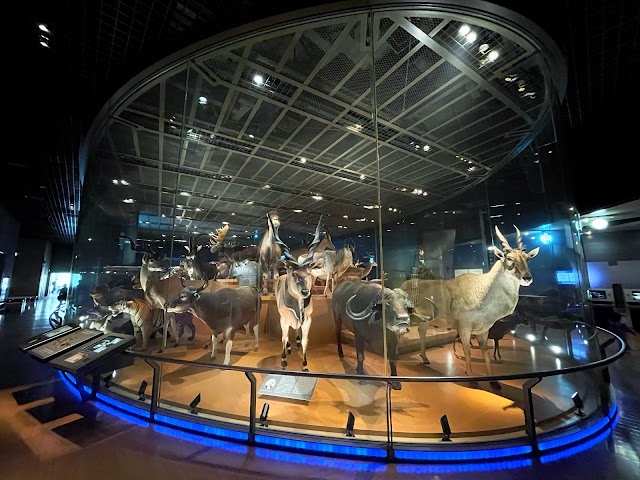
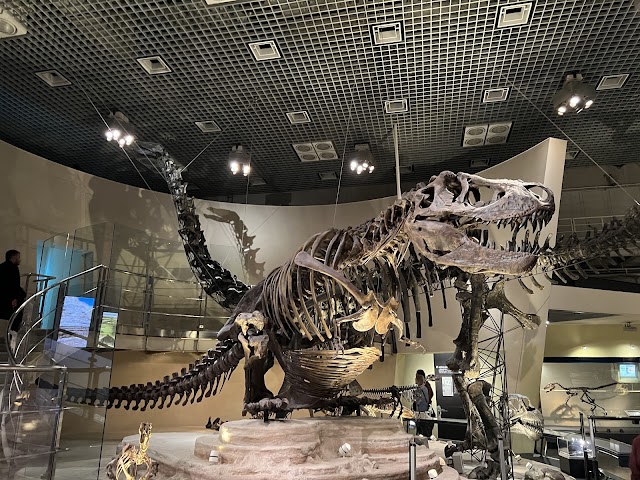
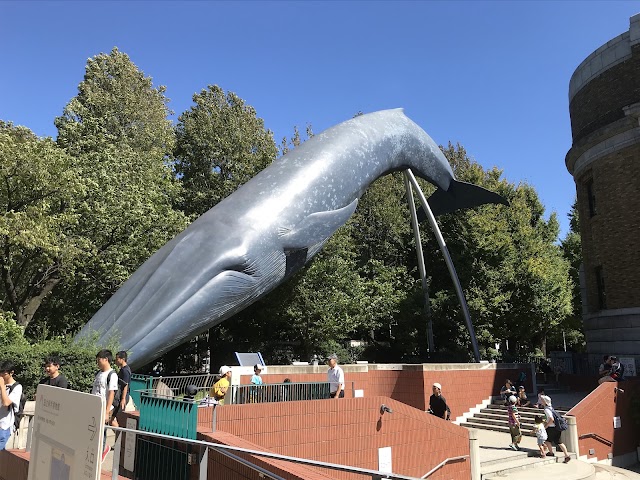
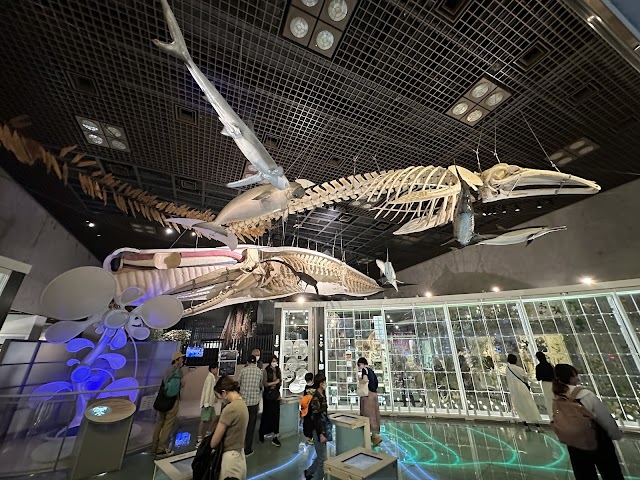
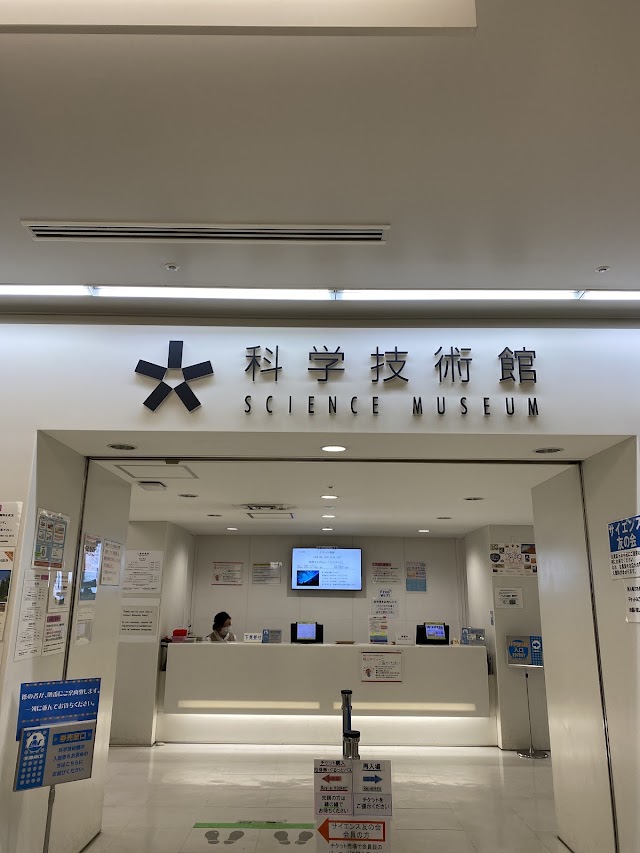
Tier two is the anchors. The National Museum of Nature and Science sits inside Ueno Park — ¥630 for adults and university students, free for high-school age and under and over-65s — and its two buildings absorb most of a day. Its real advantage is flexibility: the zoo, the pond and other museums are in the same park, so a meltdown costs nothing in replanning. The Science Museum in Kitanomaru Park is the priciest here at ¥950 / ¥600 / ¥500, but has the densest concentration of hands-on exhibits; its FOREST galleries turn thirty this year, with the summer exhibition 'Forest of the Senses' running 7–23 August 2026. Note the early close: 16:50, with last entry at 16:00, and irregular Wednesday closures.
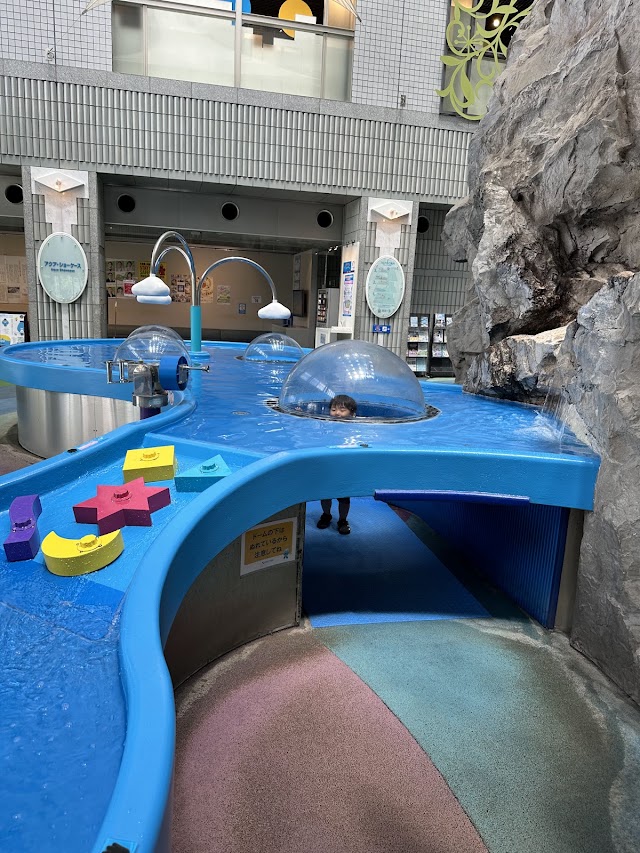
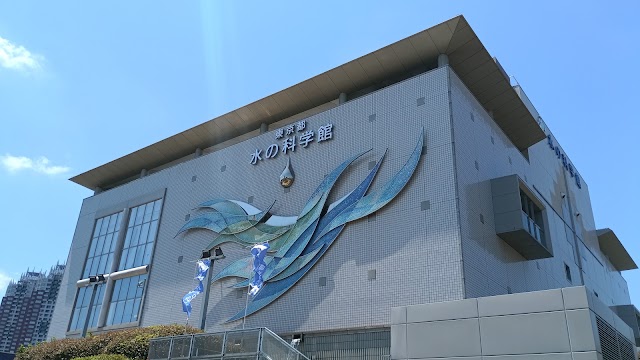
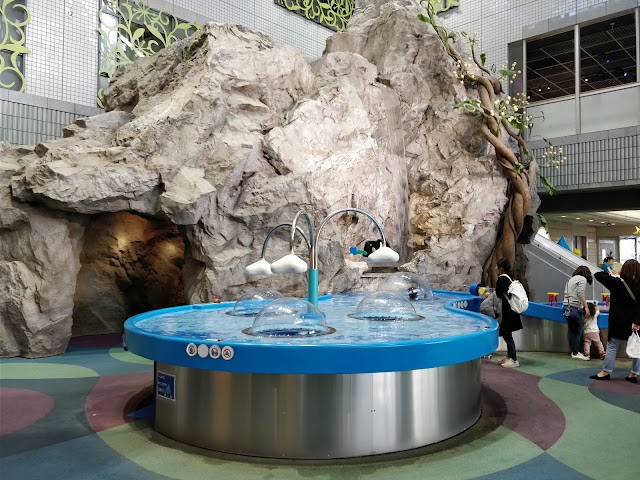
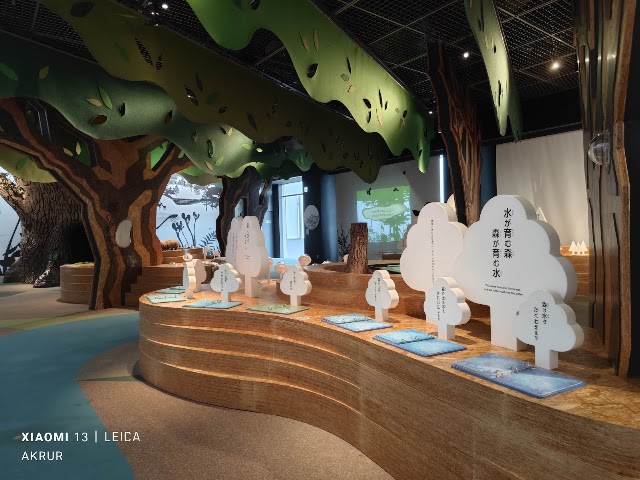
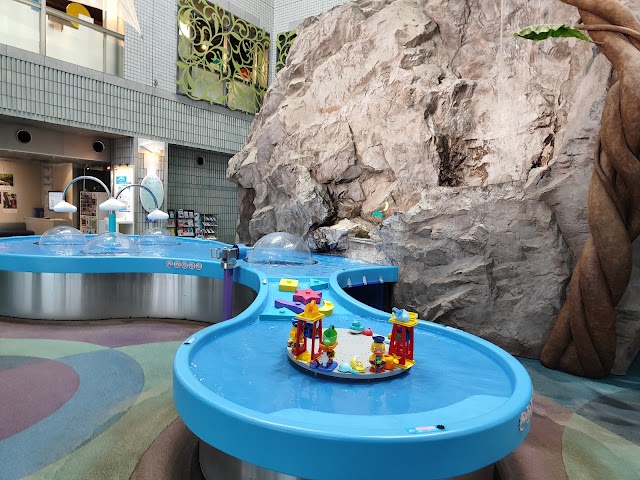
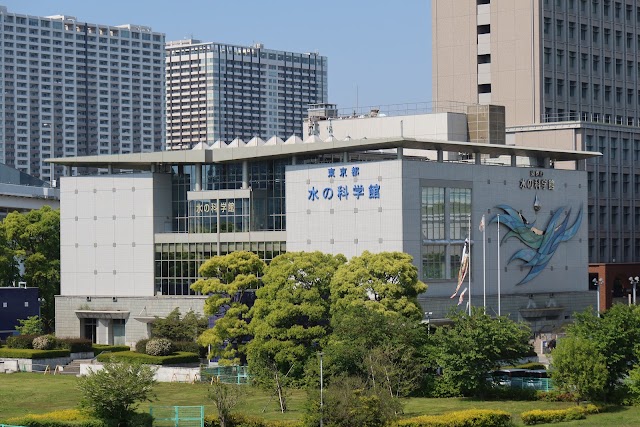
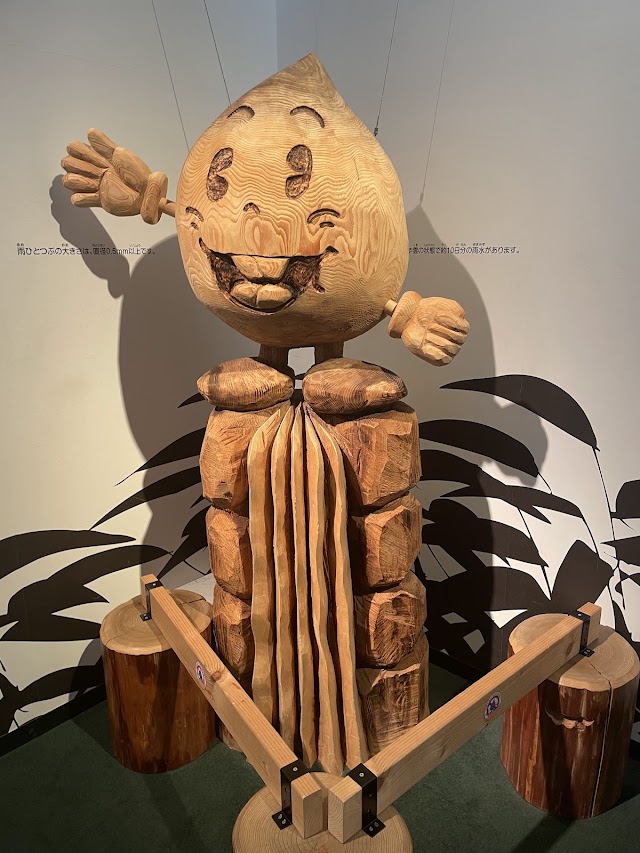
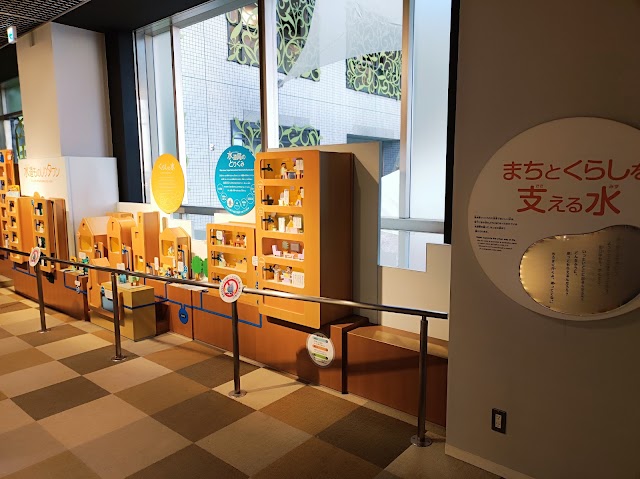
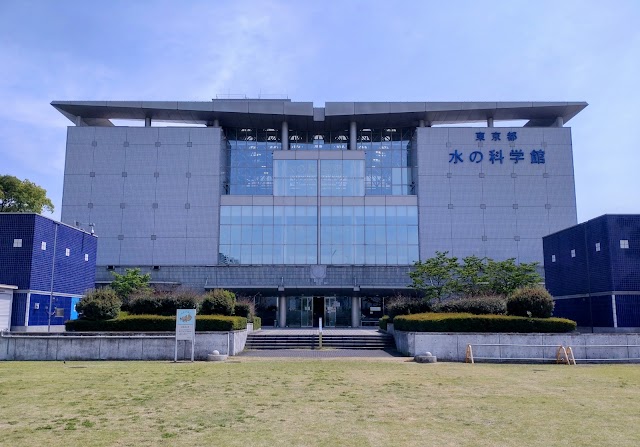
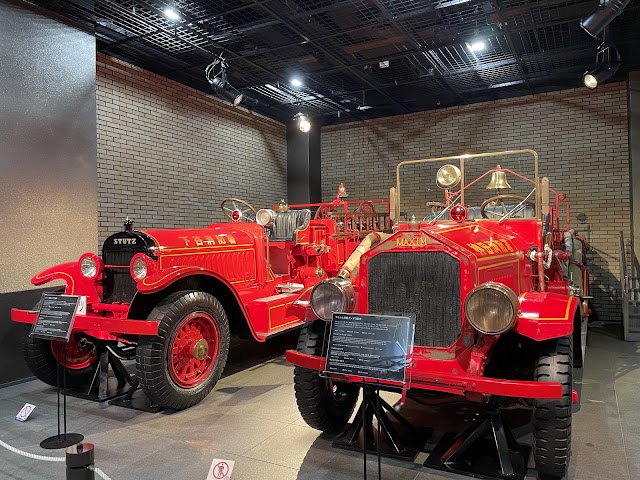
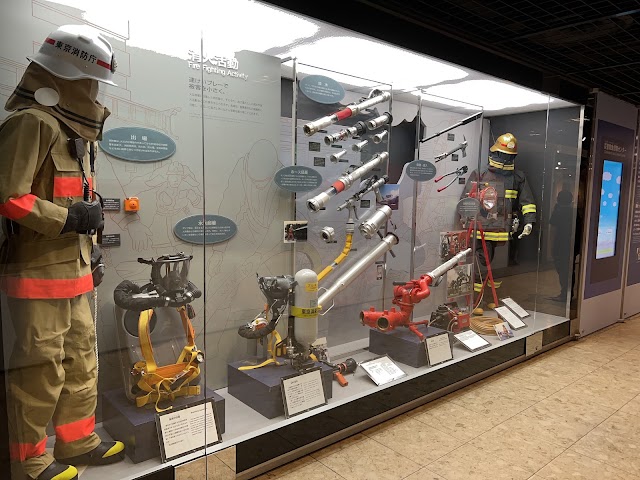
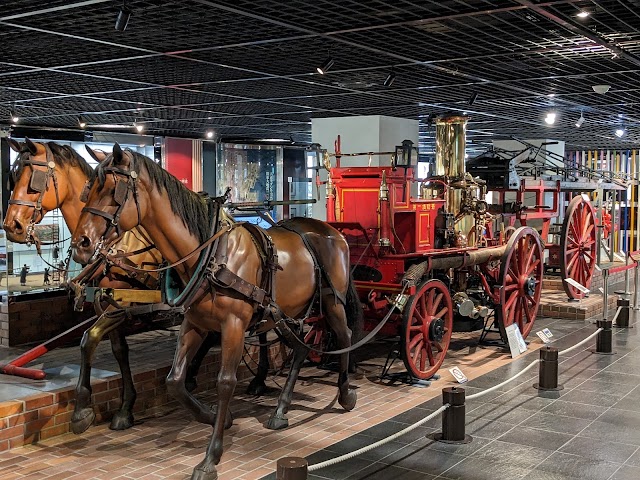
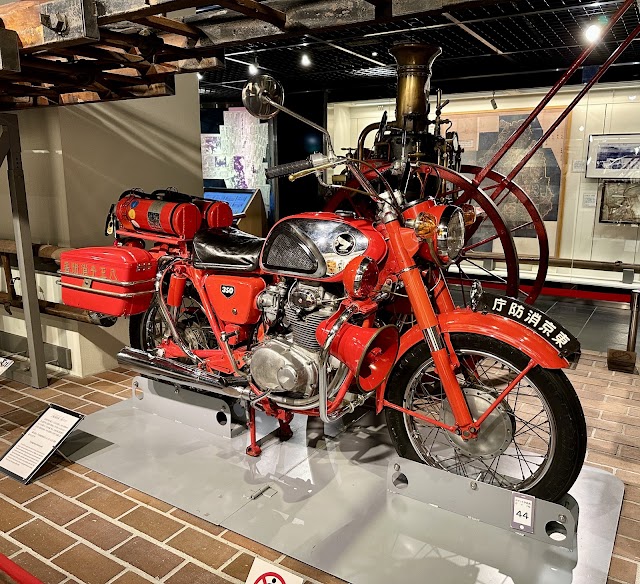
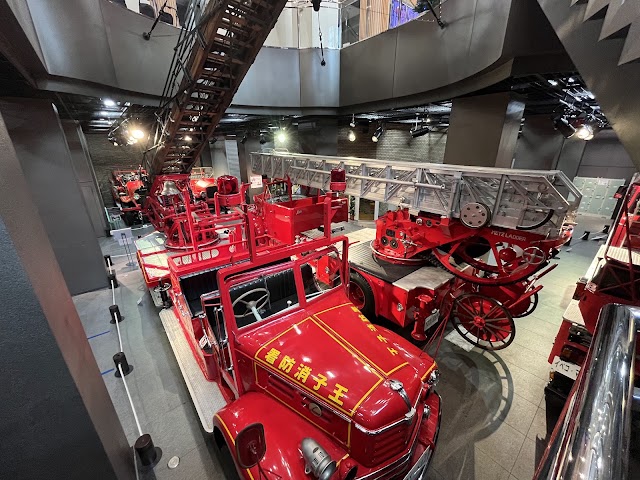
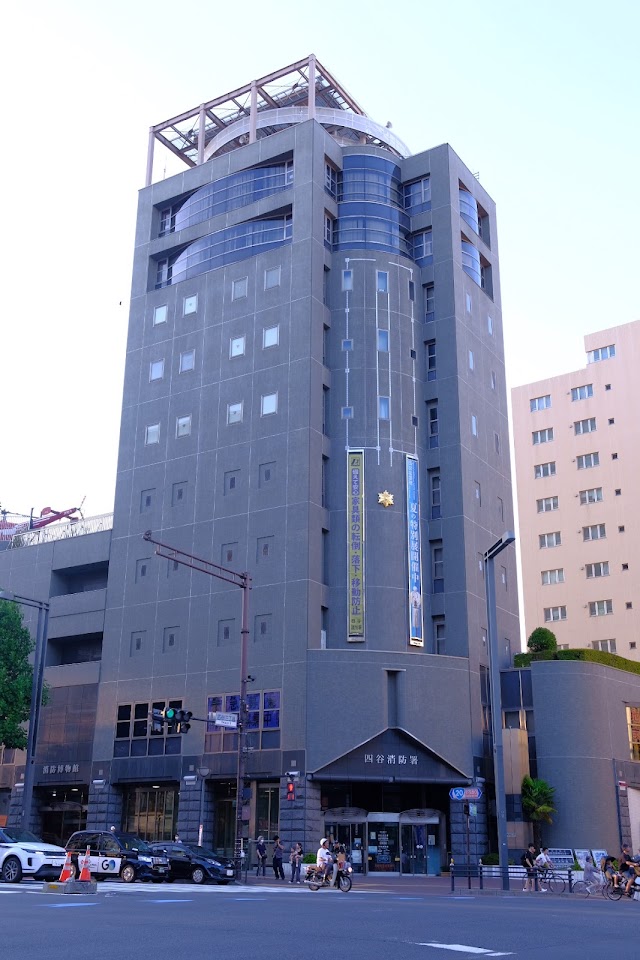
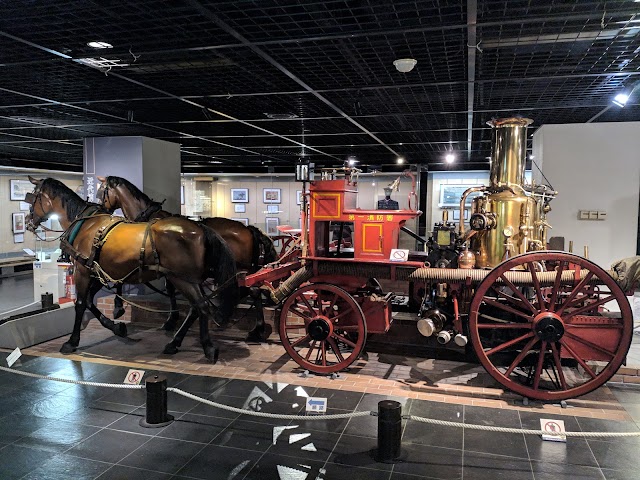
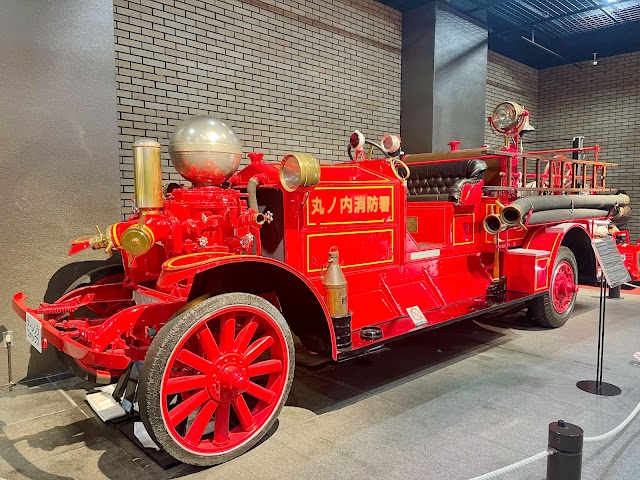
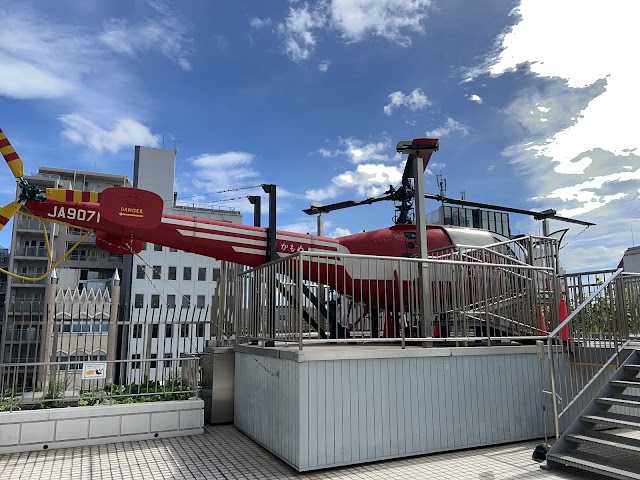
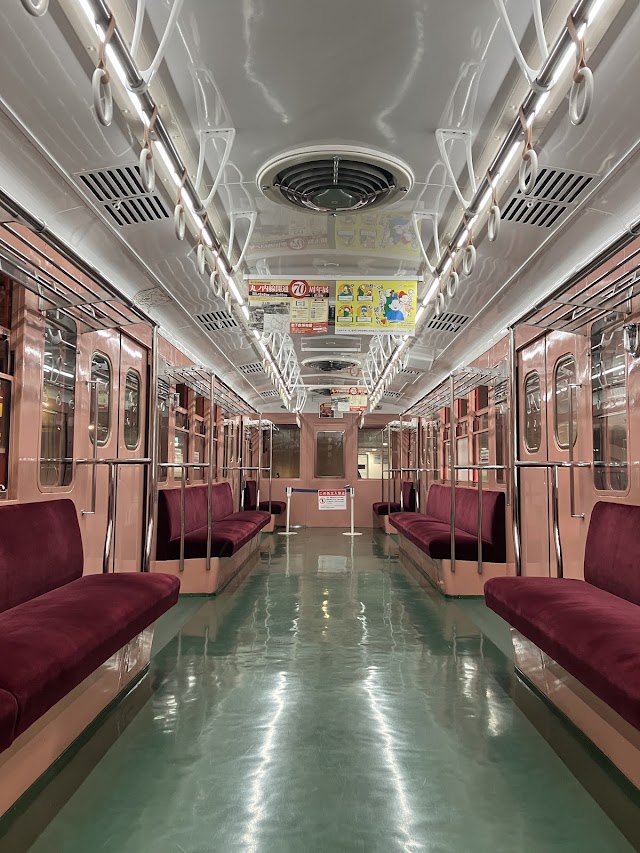
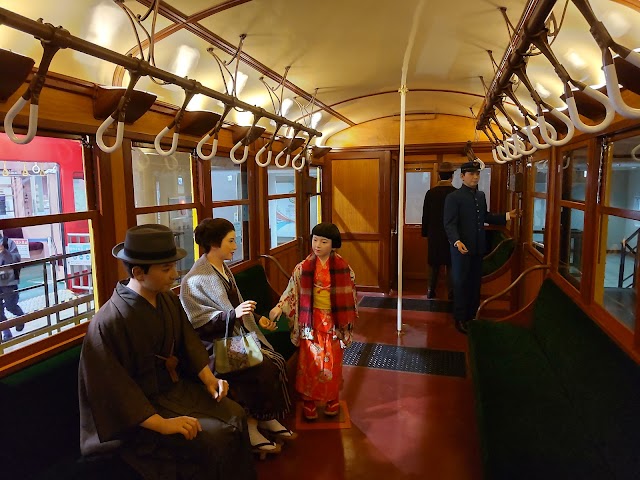
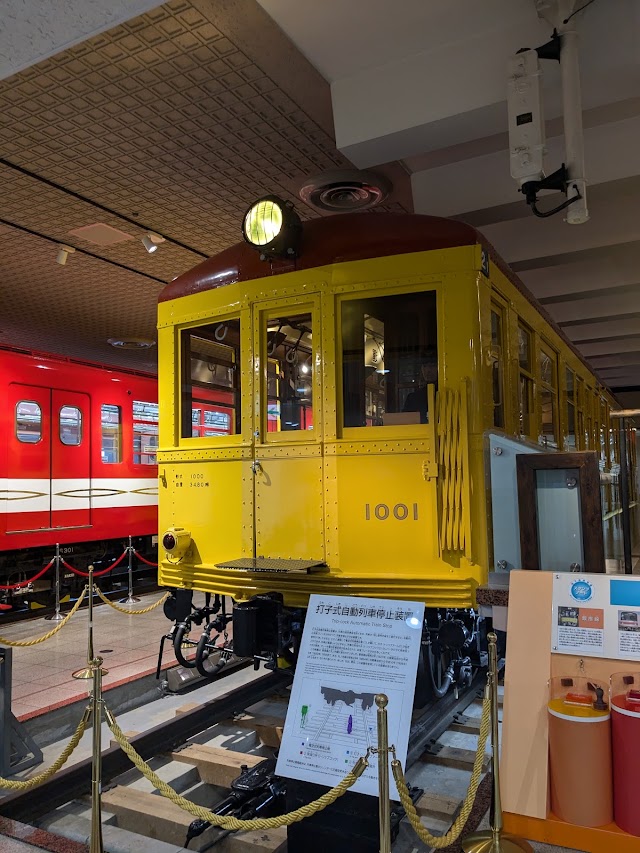
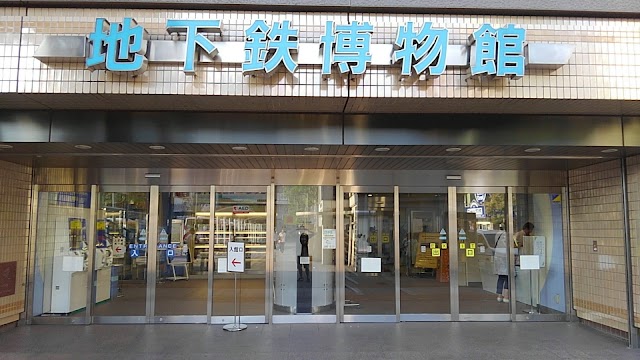
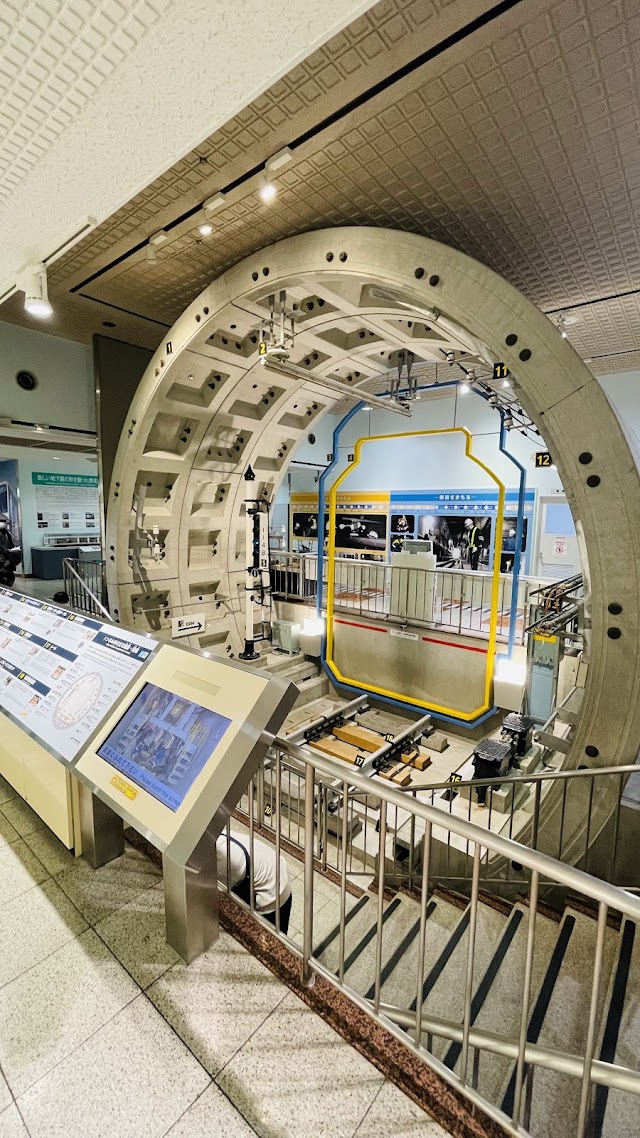
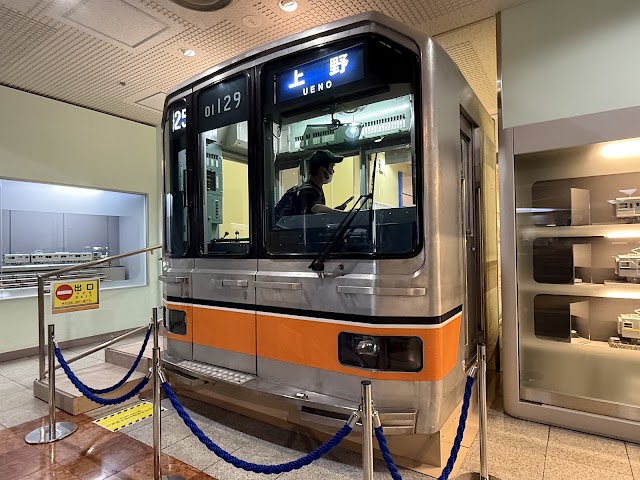
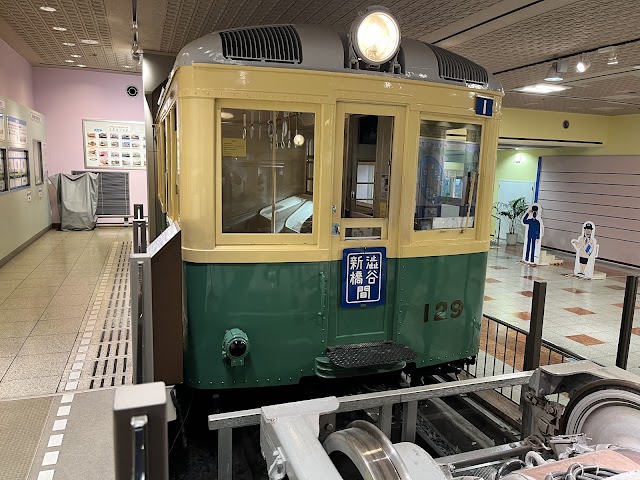
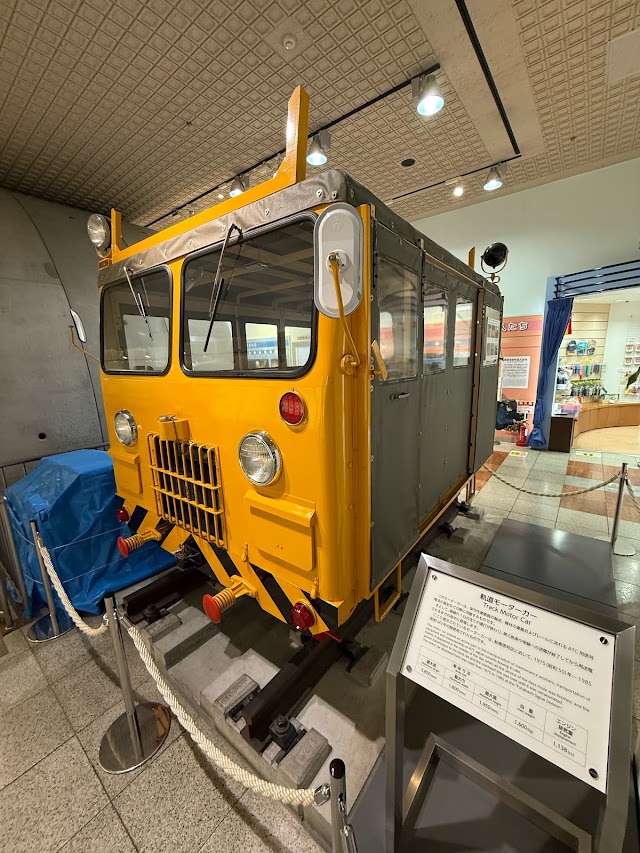
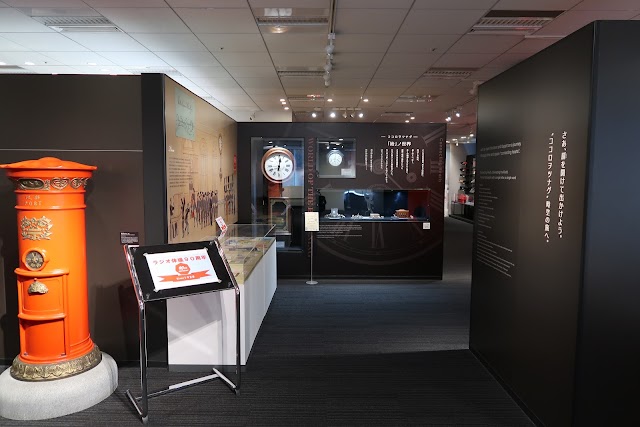
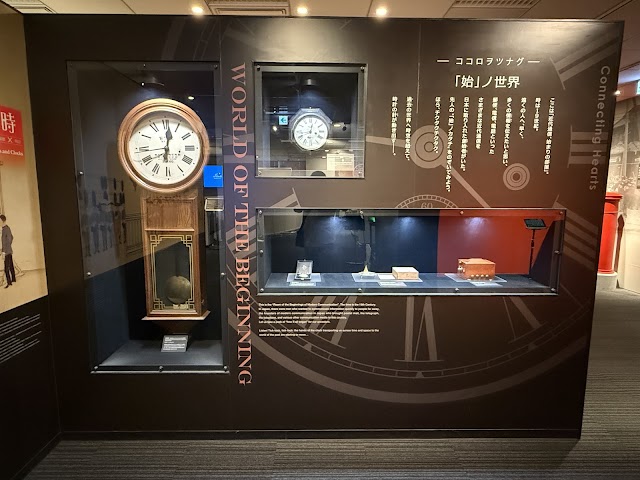
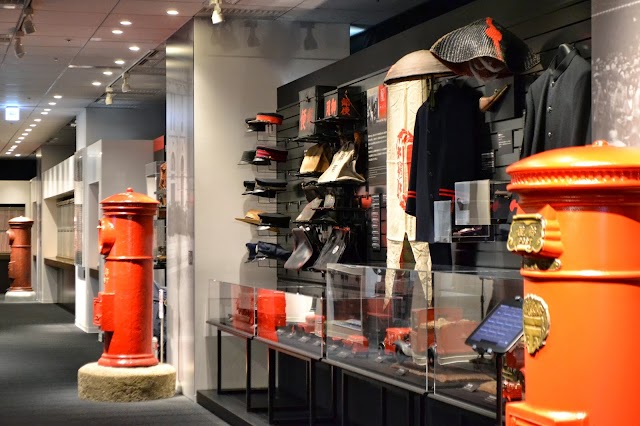
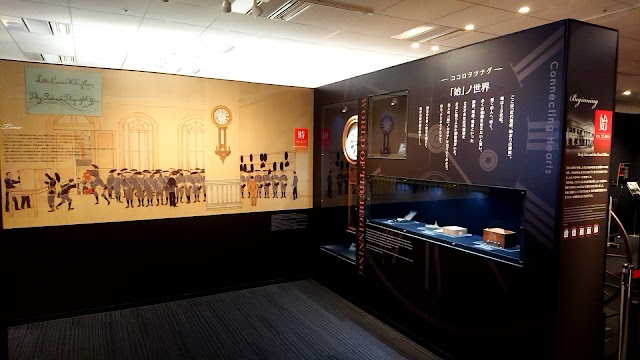
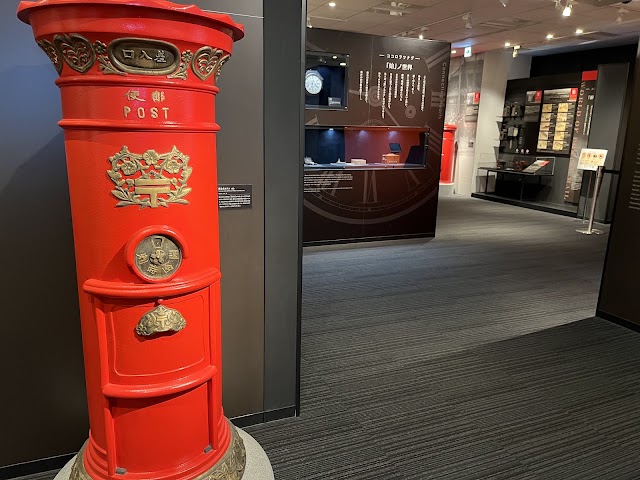
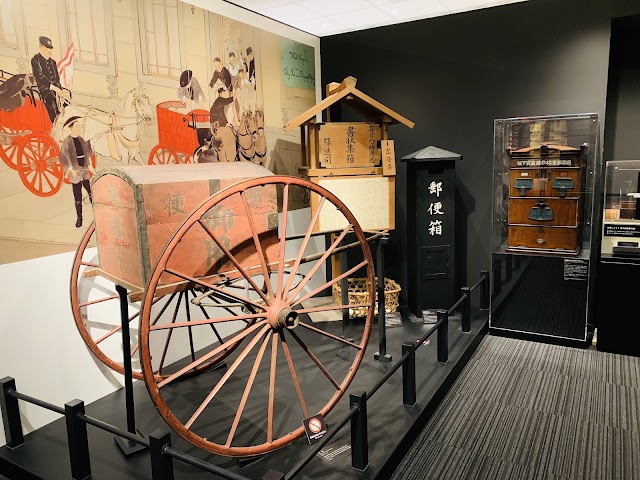
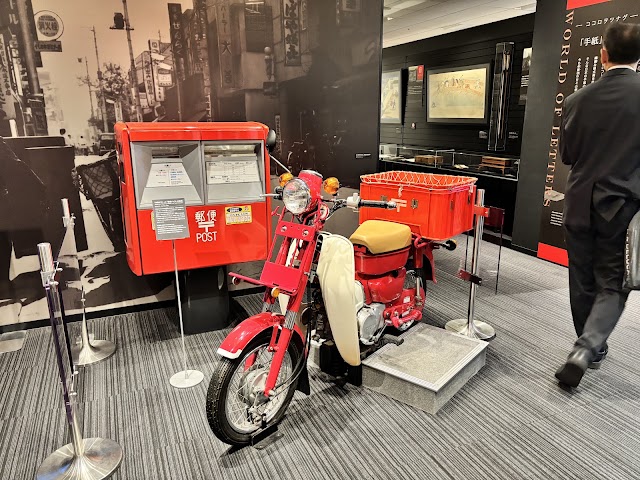
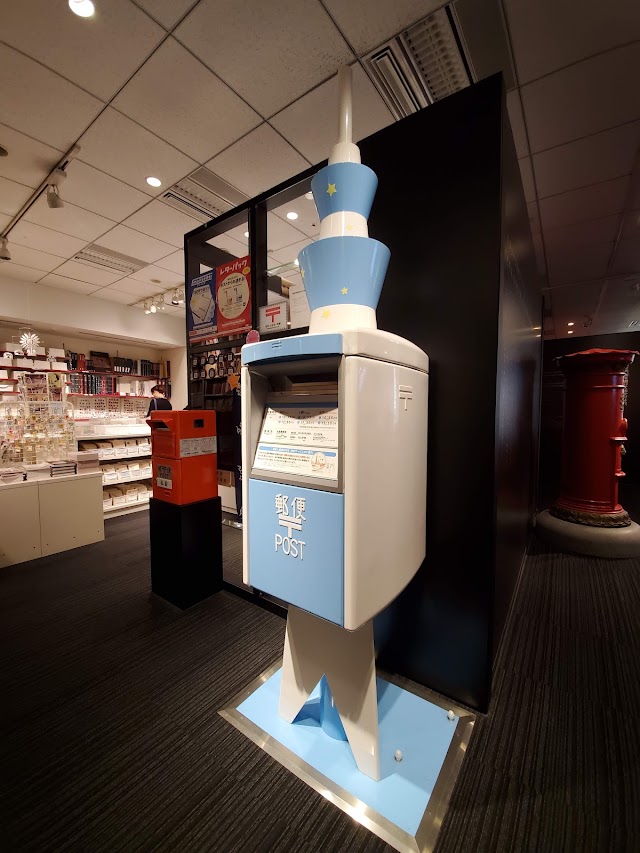
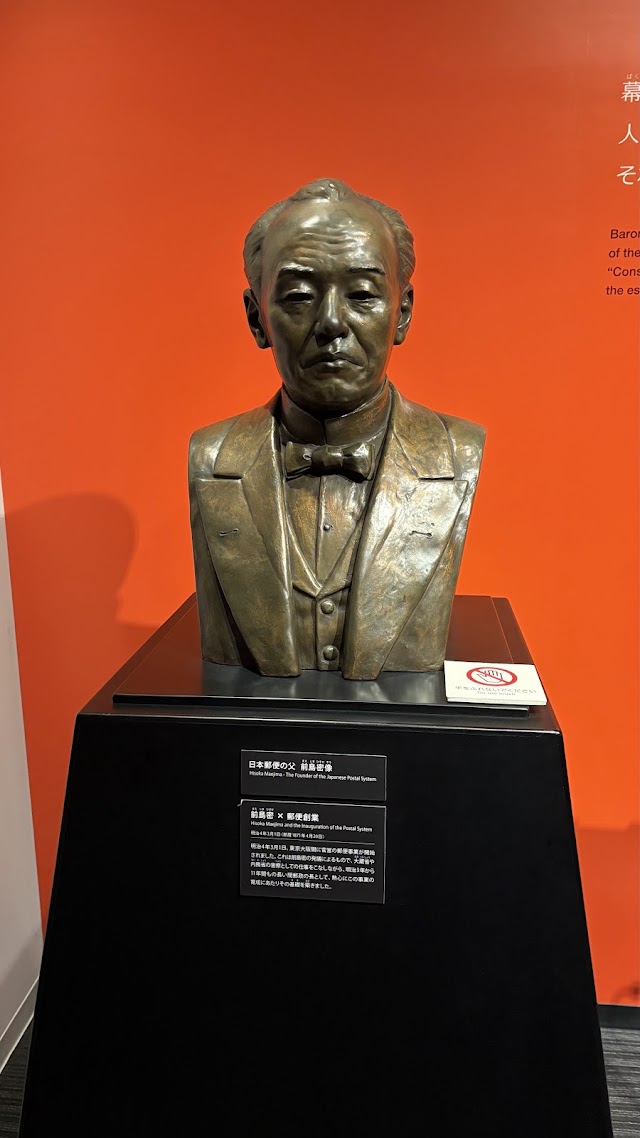
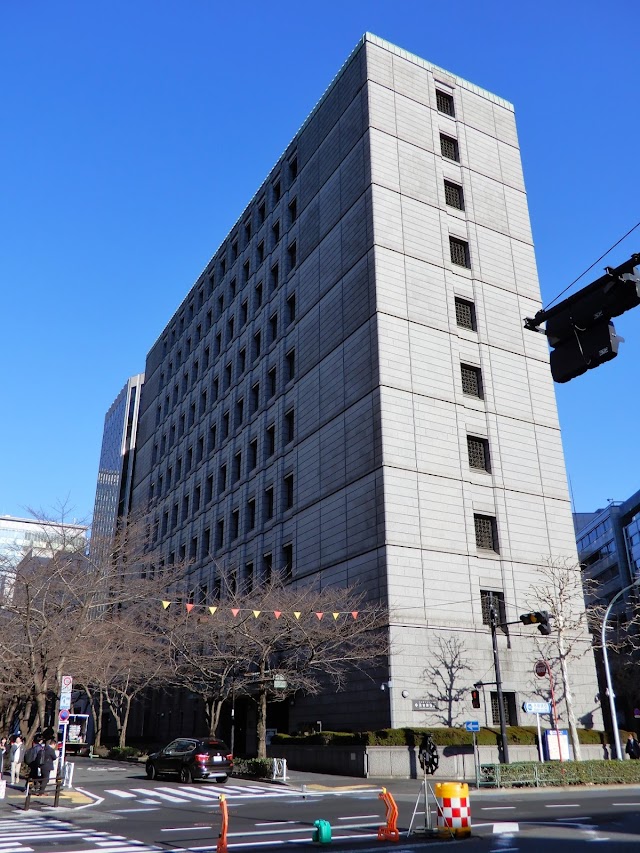
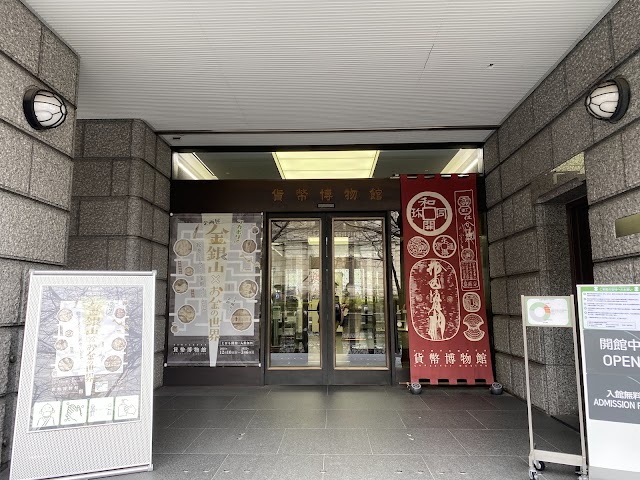
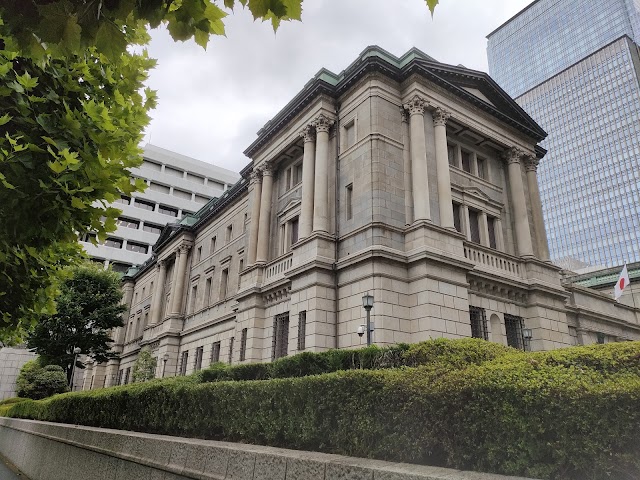
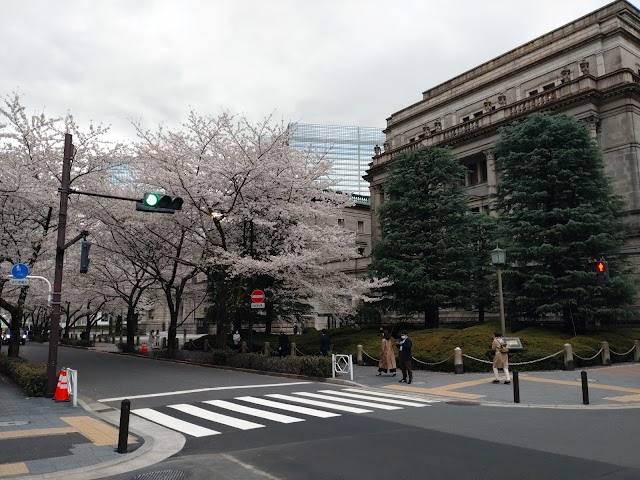
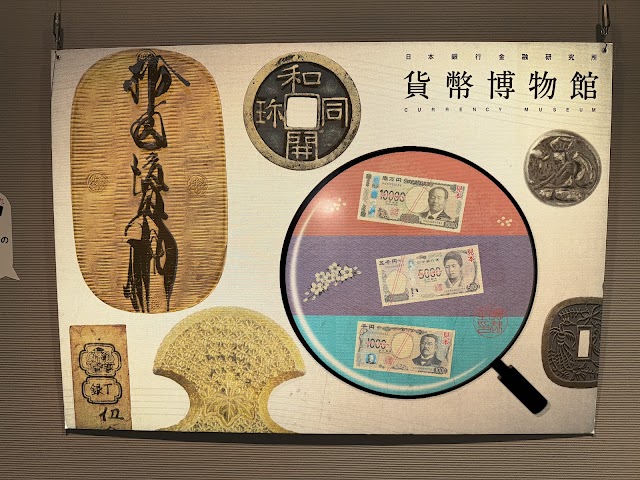
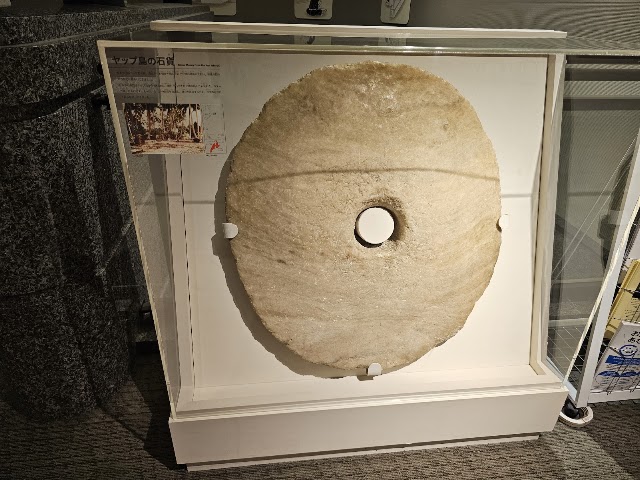
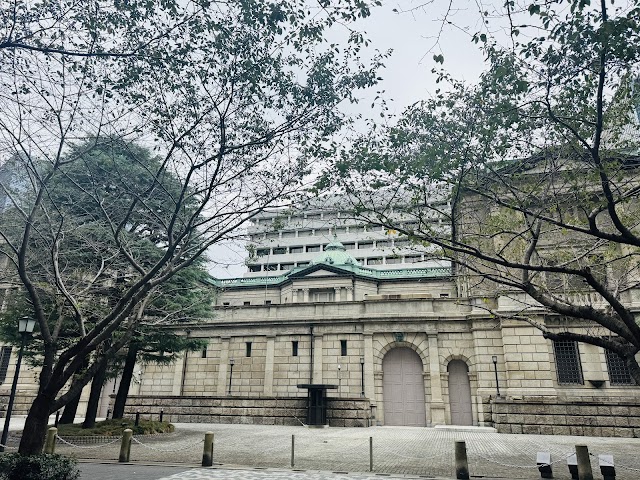
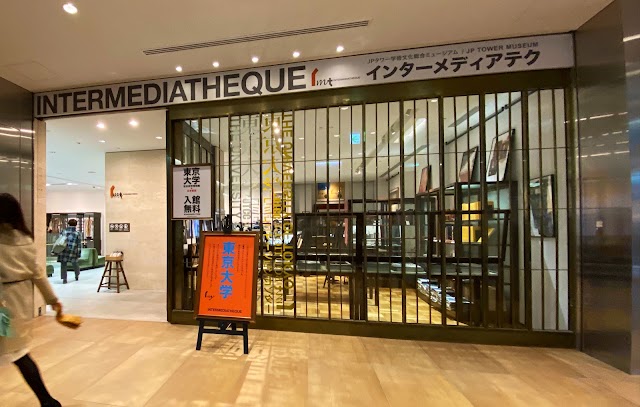
Tier three is the free and hundred-yen venues, and in practice this is the tier families use most: the Fire Museum (free, directly connected to Exit 2 at Yotsuya-sanchome), the Tokyo Water Science Museum (free, Tokyo Big Sight), the Subway Museum (¥220 / ¥100, one minute from Kasai), the Postal Museum (¥300 / ¥150, ninth floor of Solamachi), the Currency Museum (free, one minute from Mitsukoshimae) and Intermediatheque (free, one minute from Tokyo Station's Marunouchi South Exit). All are step-off-the-train close, need no booking, and cost little enough that an hour is not a waste.
3. Choose by age, not by fame
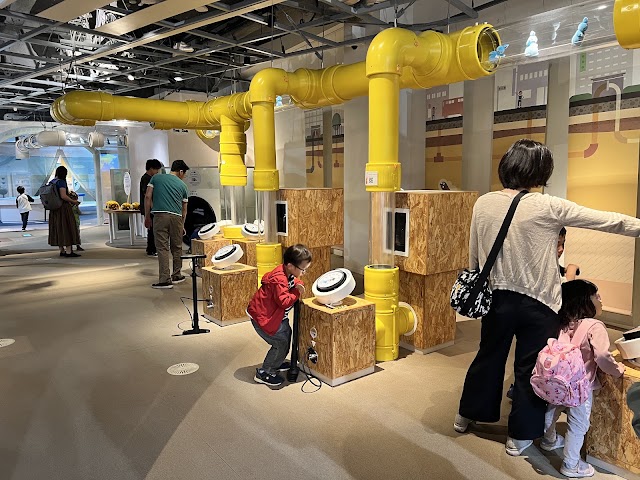
Preschool to lower primary: the Gas Science Museum, the Water Science Museum, the Science Museum and the Fire Museum — all built on touch first, explain second, so reading ability is not a barrier.
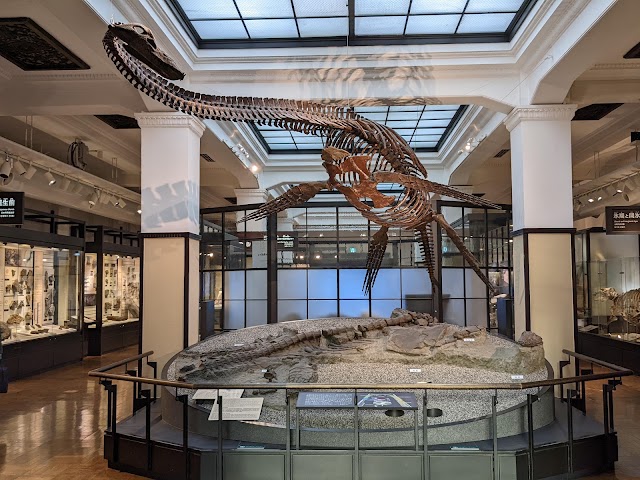
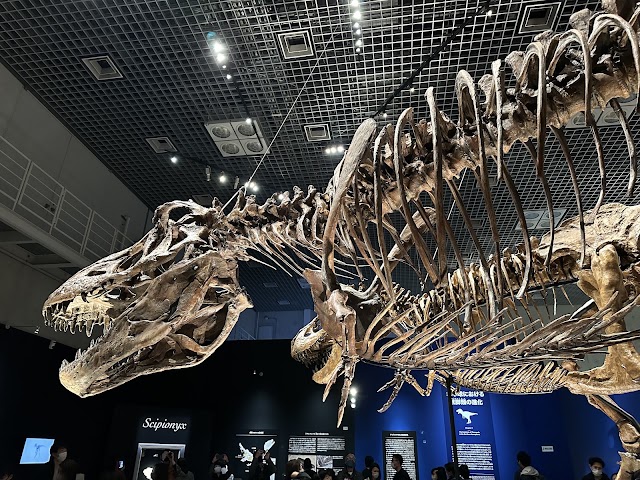
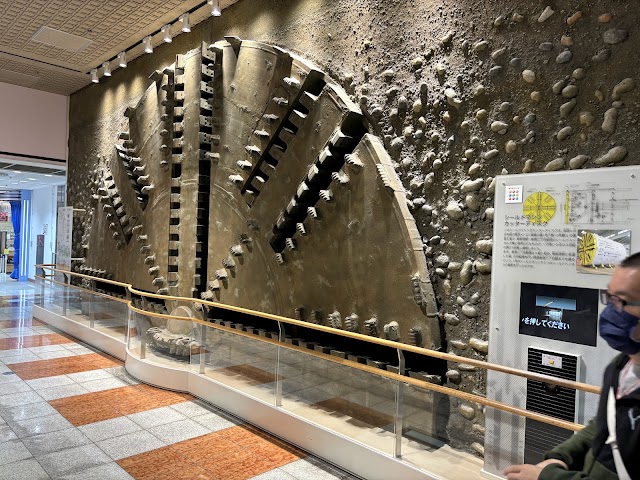
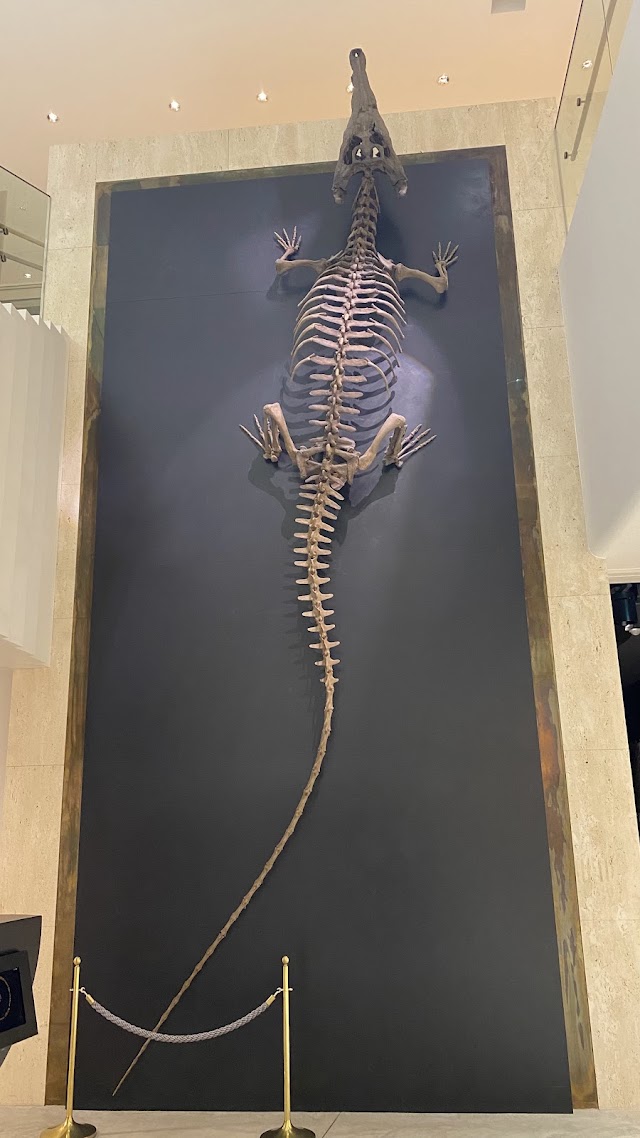
Upper primary: the National Museum of Nature and Science, Miraikan and the Subway Museum, where narrative starts to land — dinosaur skeletons, the history of the planet, how tunnels were dug. The driving simulators at the Subway Museum are devastating at this age.
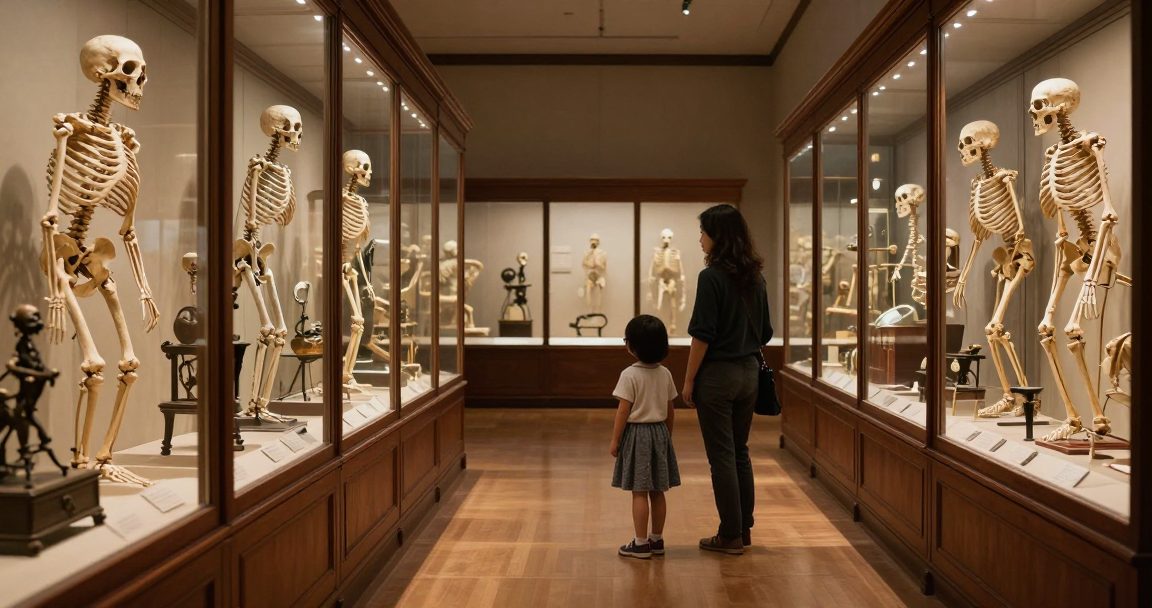
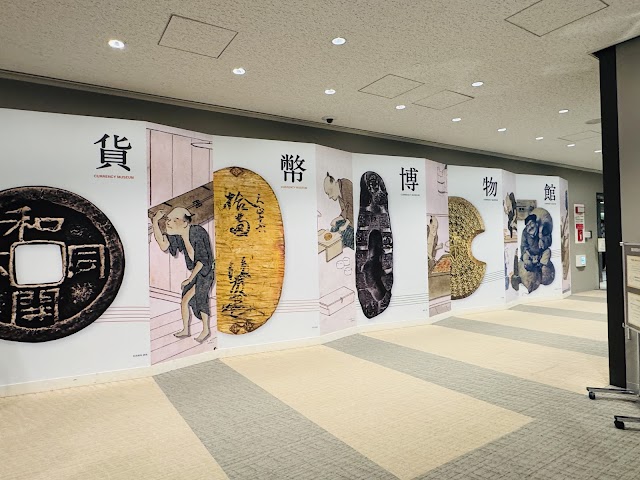
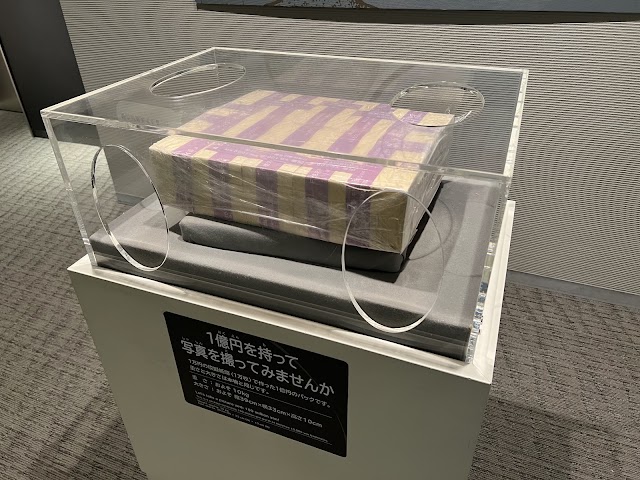
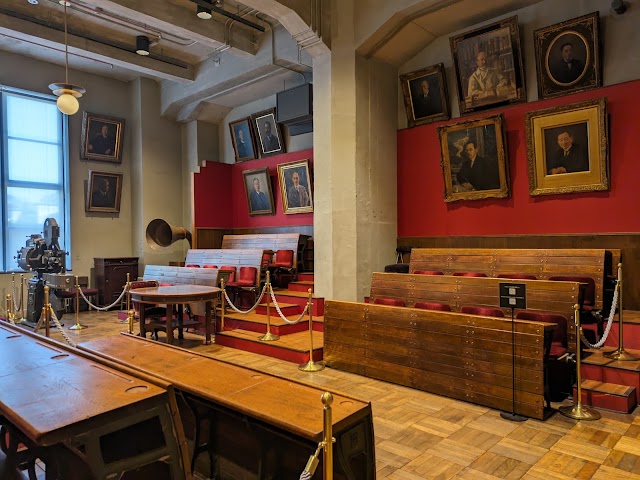
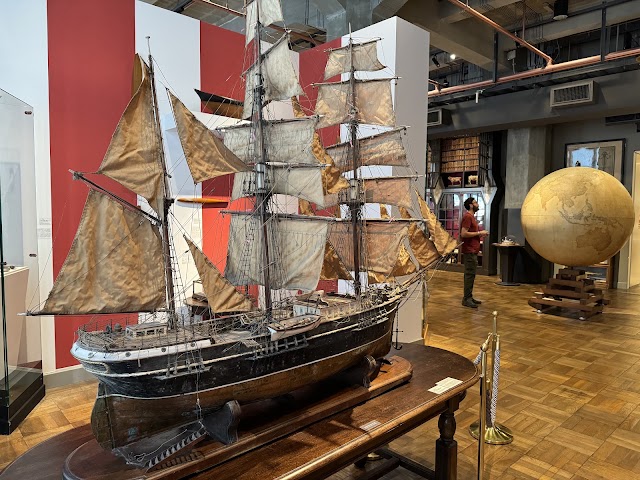
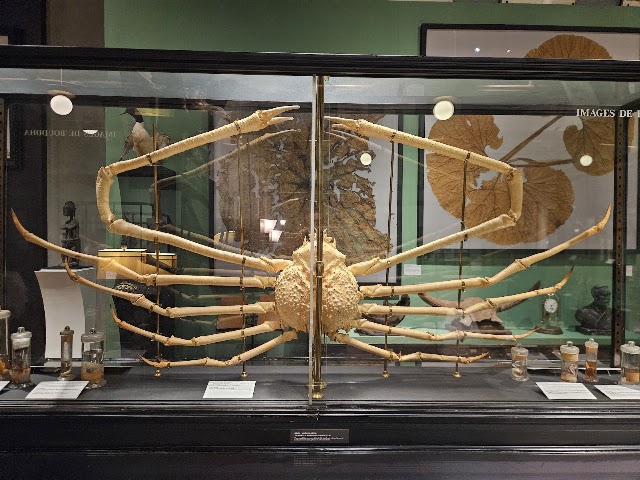
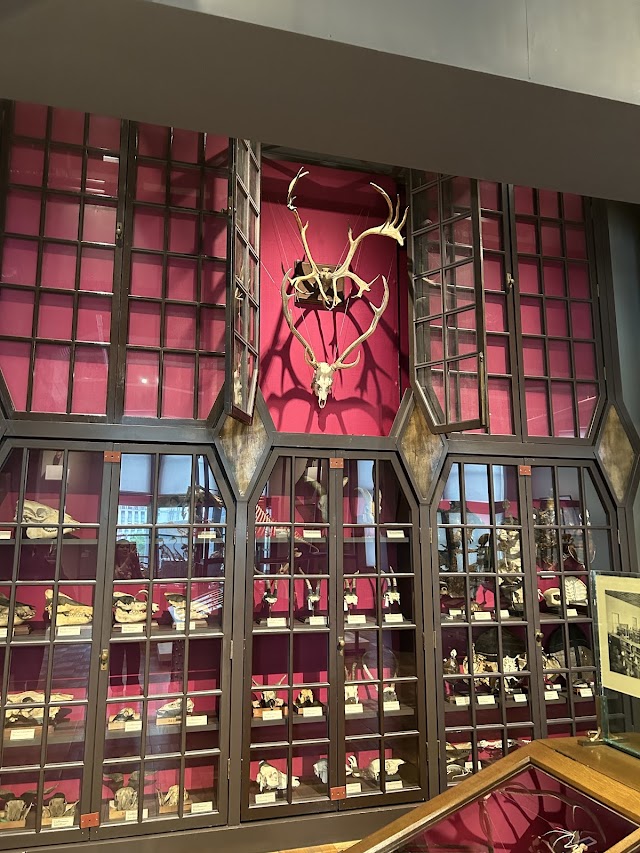
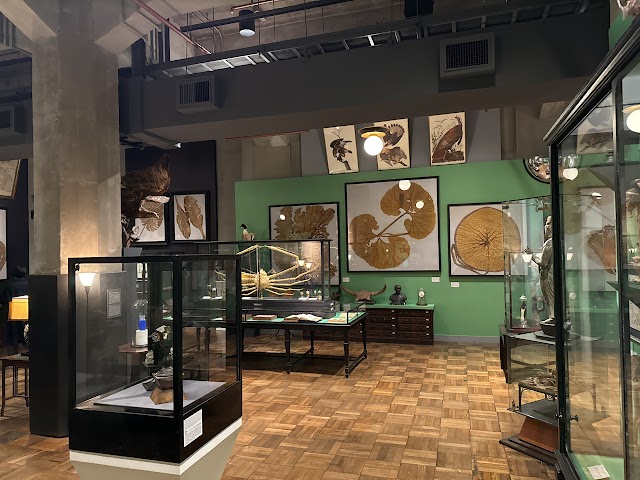
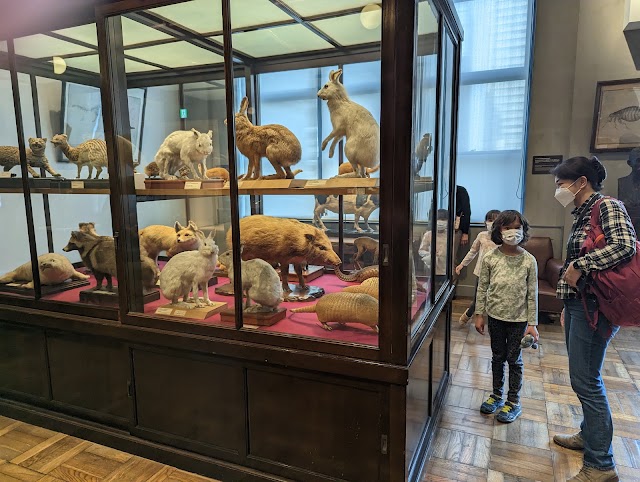
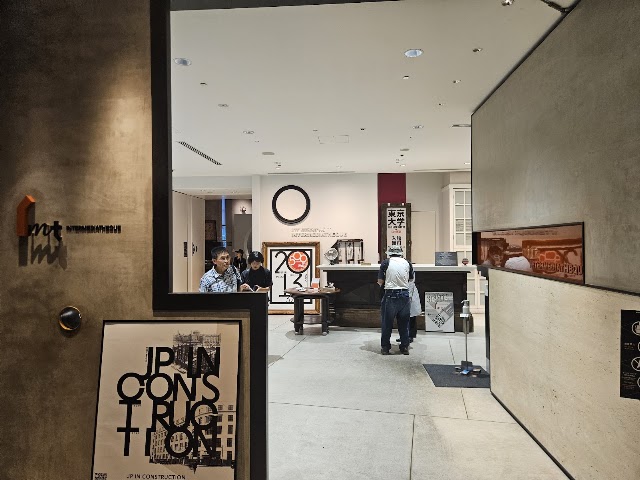
Teenagers and adults: Intermediatheque and the Currency Museum. Neither gamifies anything; they let real objects and cabinetry do the work, which suits older children tired of interactive halls. Photography is banned throughout Intermediatheque — agree that in advance.
4. Operating notes for August
Mondays are the common closing day here — the Water Science Museum, Gastenani, the Subway Museum, the Currency Museum and Miraikan all close Monday or Tuesday, usually shifting to the next day when a holiday falls. Do not make Monday your museum day.
Closing times are earlier than expected. The Science Museum shuts at 16:50 with last entry at 16:00; most others close at 17:00 with last entry at 16:30; the Currency Museum closes at 16:30. Museums belong in the morning-to-mid-afternoon slot, not after lunch.
Special exhibitions and permanent galleries are different animals. In August the queues, timed entry and surcharges are concentrated on special exhibitions; families sticking to permanent galleries often find afternoons calm. Miraikan's Dome Theater is ticketed separately and sells out first.
Transport will cost more than admission. These ten are spread across Ueno, Kudanshita, Yotsuya, Tokyo Station, Nihonbashi, Oshiage, Kasai, Toyosu, Odaiba and Ariake, across Tokyo Metro, Toei, JR, Tobu, the Yurikamome and the Rinkai Line. A Tokyo Metro 24-hour ticket is ¥700 and the Toei Marugoto Kippu ¥700, while the combined Metro–Toei one-day pass rose to ¥1,100 on 14 March 2026; neither the Yurikamome nor the Rinkai Line is covered.
Free does not mean walk-in. The Fire Museum's hands-on areas are capacity-limited, the Subway Museum issues numbered tickets for simulators at weekends, and Gastenani should expect farewell crowds on its final weekends. Free saves money, not time.
Sources - Miraikan, admission and hours (including the 1 October 2026 – 22 April 2027 closure): https://www.miraikan.jst.go.jp/visit/admission/ - Tokyo Gas, closure notice for Gastenani (14 November 2025): https://www.tokyo-gas.co.jp/news/topics/20251114-01.html - National Museum of Nature and Science, visitor information: https://www.kahaku.go.jp/riyou/nyukan-annai/ - Science Museum, Tokyo (fees, hours, summer exhibition): https://www.jsf.or.jp/ - Tokyo Water Science Museum: https://www.mizunokagaku.jp/ - Fire Museum, Tokyo Fire Department: https://www.tfd.metro.tokyo.lg.jp/taiken/hkkan/index.html - Subway Museum: https://www.chikahaku.jp/ - Postal Museum Japan, admission and hours: https://www.postalmuseum.jp/guide/ - Currency Museum, Bank of Japan: https://www.imes.boj.or.jp/cm/

 Scan for map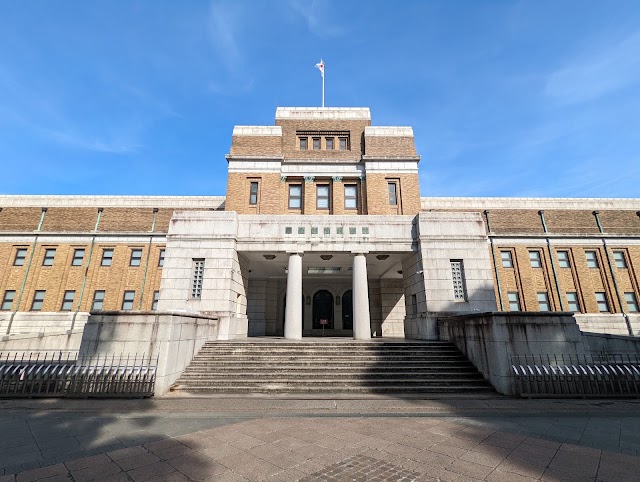
 Scan for map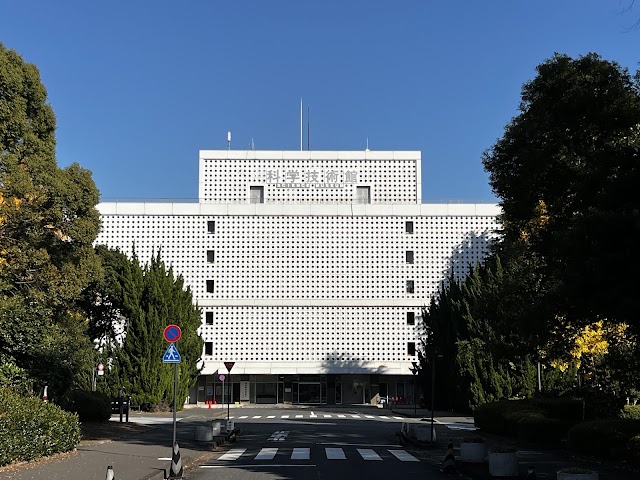



 Scan for map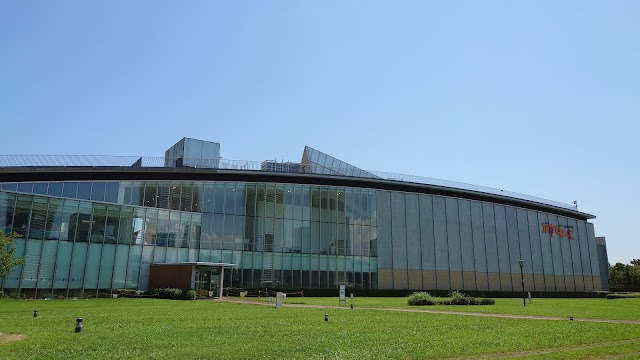
 Scan for map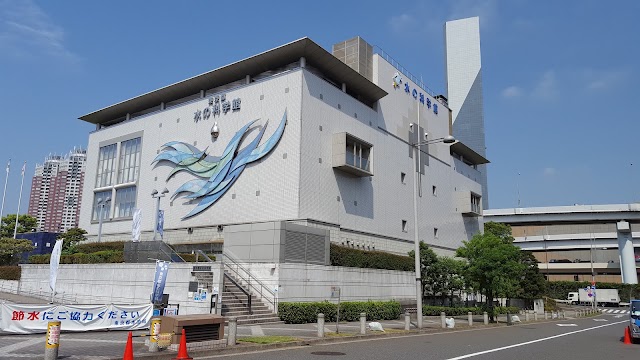
 Scan for map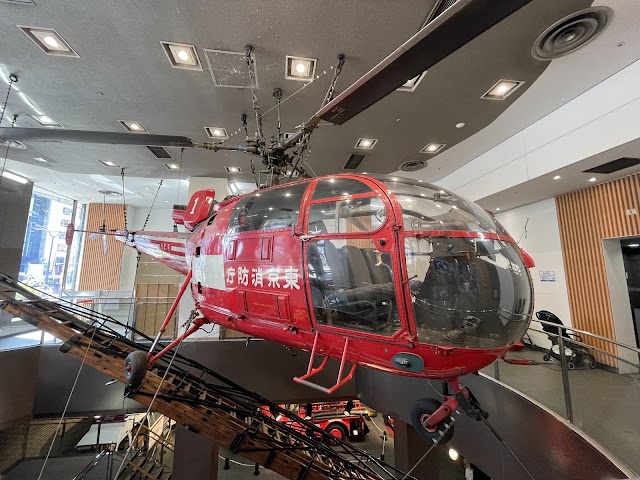
 Scan for map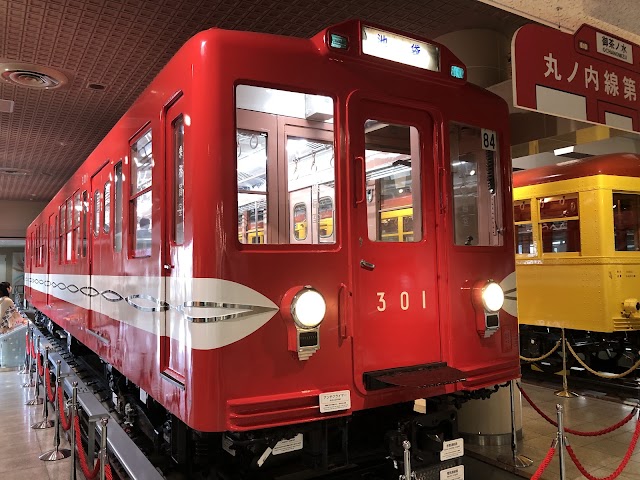
 Scan for map
 Scan for map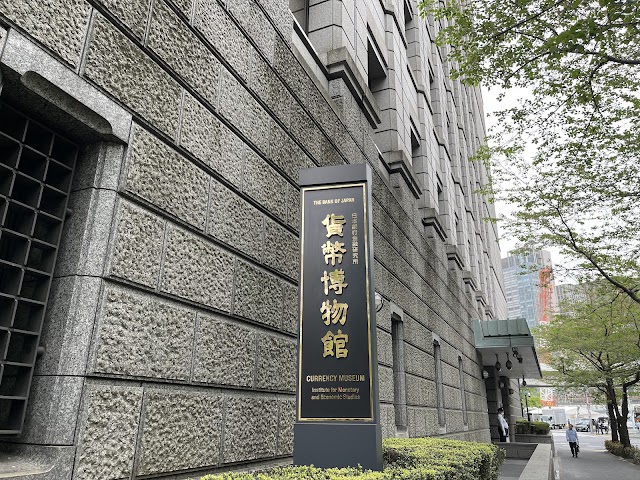
 Scan for map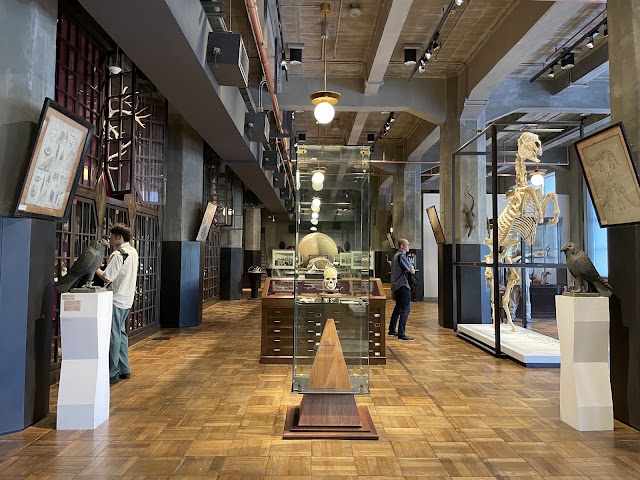
 Scan for map