Tokyo Transit Passes 2026: Three Fares Rose on 14 March — and the Passport-Only Ticket Now Works Out at ¥667 a Day
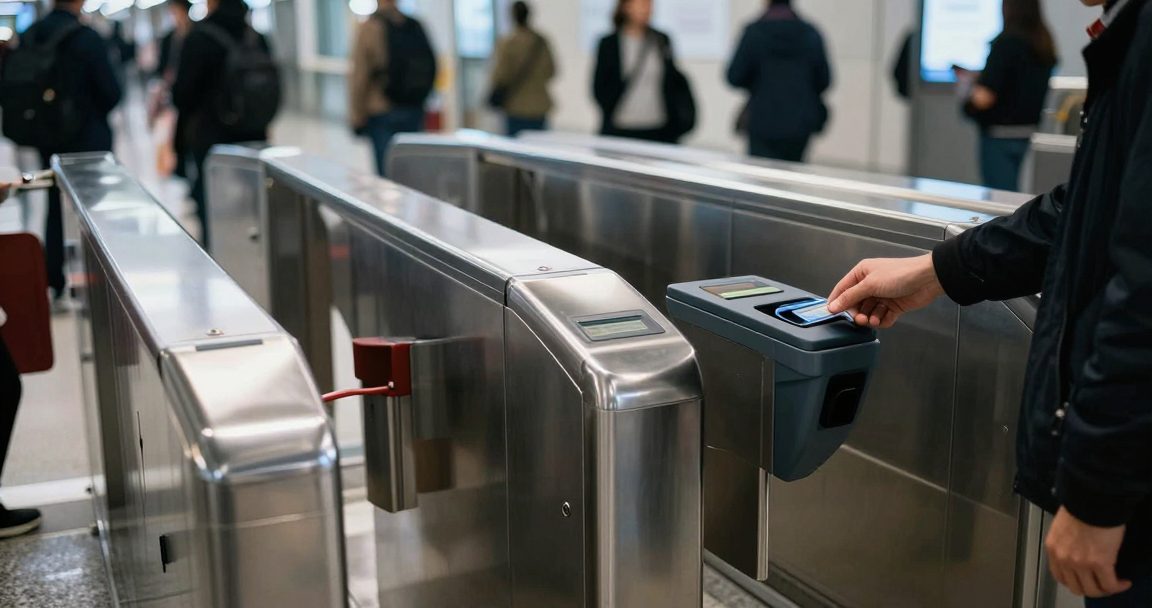
- Three passes rose on 14 March 2026: the combined Metro–Toei one-day ticket ¥900 → ¥1,100, JR's Tokunai Pass ¥760 → ¥870 (about 14 per cent) and the Tokyo Free Kippu ¥1,600 → ¥1,720.
- The Tokyo Subway Ticket moved to ¥1,000 / ¥1,500 / ¥2,000 for 24, 48 and 72 hours (children half price), with QR-code boarding available from 25 March 2026.
- The default answer for visitors is the Tokyo Subway Ticket: ¥2,000 for 72 hours is about ¥667 a day for coverage nearly identical to the ¥1,100 day pass that residents buy. A passport is required.
- Unchanged in this round: the Metro 24-hour ticket at ¥700 and the Toei Marugoto Kippu at ¥700; the former rose from ¥600 back on 15 March 2025, when advance sales moved online.
- JR East raised base fares the same day — short Yamanote singles by about 20 per cent — which lowers the Tokunai Pass break-even point, though it is an alternative to a subway pass rather than a complement.
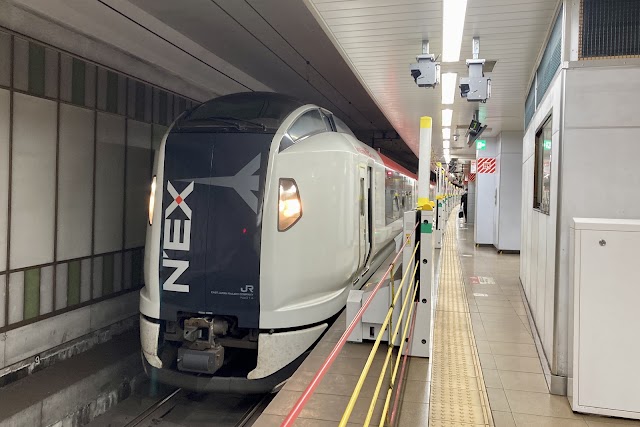
- No subway pass covers airport transfers (Keikyu, the Monorail, the N'EX, the Skyliner), the Yurikamome or the Rinkai Line; budget these separately.
- Two clock types: the Tokyo Subway Ticket and Metro 24-hour ticket count hours from first gate entry, while the Tokunai Pass, Tokyo Free Kippu and Marugoto Kippu expire with the last train of the calendar day.
- IC cards buy convenience, not discounts: a Metro IC minimum fare is about ¥178, so a ¥700 24-hour ticket breaks even at roughly four rides a day.
Tokyo's transit passes all went up in March, and the increase has made the answer clearer rather than murkier for visitors from Taiwan.
Three operators moved on the same day, 14 March 2026. The combined Tokyo Metro and Toei Subway one-day ticket went from ¥900 to ¥1,100. JR East's Tokunai Pass went from ¥760 to ¥870, about 14 per cent. The Tokyo Free Kippu, which spans JR and both subway operators, went from ¥1,600 to ¥1,720. The same day, the visitor-only Tokyo Subway Ticket moved to ¥1,000 for 24 hours, ¥1,500 for 48 and ¥2,000 for 72. Eleven days later, on 25 March, QR-code boarding went live.
Line the new numbers up and something favourable emerges: ¥2,000 for 72 hours is about ¥667 a day across all Tokyo Metro and Toei lines, while the equivalent day pass anyone can buy now costs ¥1,100. The gap between the visitor ticket and the general one widened rather than closed. The single condition is a passport at purchase — residents cannot buy it.
Choosing a pass is not about finding the cheapest one, though. Tokyo's subways are two companies, JR is a third, and the Yurikamome, Rinkai Line, Keikyu, Tobu and the streetcar are separate again. What distinguishes day passes is not price but which operators they cover — and the cost of choosing wrong is not ¥200, it is being stopped at the gate.
What follows works through ten decision points: what each pass costs, what it covers, which itineraries need it, and who should not buy it. The short version: for most Taiwanese visitors the answer is the Tokyo Subway Ticket, unless the trip lives almost entirely on the Yamanote Line.
1. The 14 March 2026 round, in full
Most Tokyo transport guides online still quote the old prices, so the numbers first.
Tokyo Metro & Toei Subway Common One-Day Ticket: ¥900 → ¥1,100 (children ¥450 → ¥550). JR East Tokunai Pass: ¥760 → ¥870 (primary school ¥380 → ¥430), about 14 per cent. Tokyo Free Kippu: ¥1,600 → ¥1,720 (children ¥800 → ¥860). Tokyo Subway Ticket: ¥1,000 for 24 hours, ¥1,500 for 48, ¥2,000 for 72 (children half price). All effective 14 March 2026; QR-code boarding from 25 March 2026 at the same prices.
Unchanged in this round: the Tokyo Metro 24-hour ticket at ¥700 and the Toei Marugoto Kippu at ¥700. The former rose from ¥600 on 15 March 2025, when advance sales also moved online and stations stopped selling the advance version.
Read it alongside JR East's own fare revision, effective the same day: short single fares inside the Yamanote loop rose about 20 per cent, journeys around Tokyo about 10 per cent, and longer distances about 5 per cent. That cuts the other way for the Tokunai Pass — the pass rose 14 per cent while base fares rose 20, so it breaks even sooner than before.
2. Operator structure is the real logic of the choice
The common mistake is not overpaying but buying the wrong coverage. Central Tokyo's rail splits at least this far:
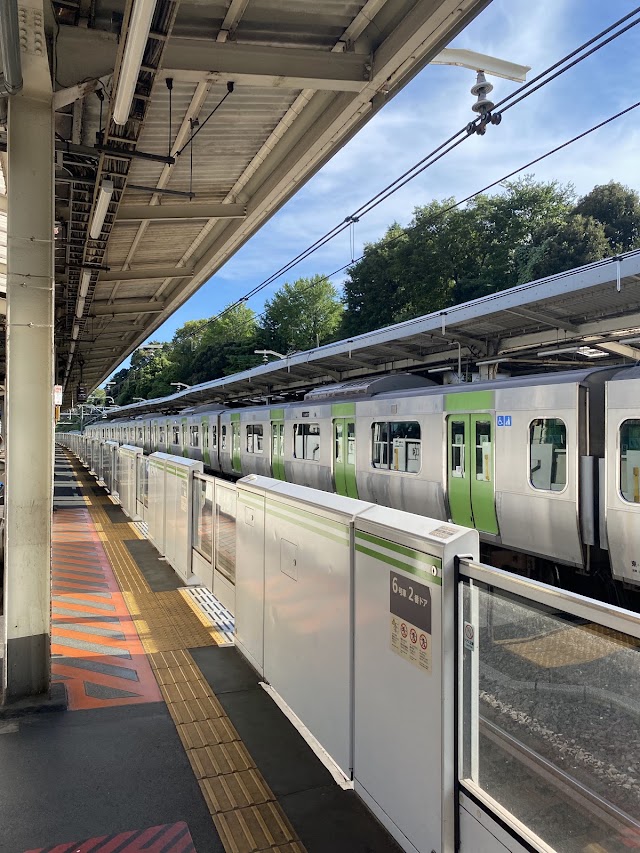
Tokyo Metro, nine lines: Ginza, Marunouchi, Hibiya, Tozai, Chiyoda, Yurakucho, Hanzomon, Namboku, Fukutoshin. Toei Subway, four lines: Asakusa, Mita, Shinjuku, Oedo. JR East: Yamanote, Chuo, Sobu, Keihin-Tohoku and others. Independents: Yurikamome, Rinkai Line, Keikyu, Keisei, Tobu, Seibu, Tokyu, Odakyu, the Arakawa streetcar and the Nippori–Toneri Liner.
So a Metro 24-hour ticket cannot ride Toei, the Toei Marugoto Kippu cannot ride Metro, and no subway pass rides JR or the Yurikamome. Stations served by both subway operators — Asakusa, Roppongi — are where travellers wrongly assume passes are interchangeable.
3. Six passes and the itineraries that fit them
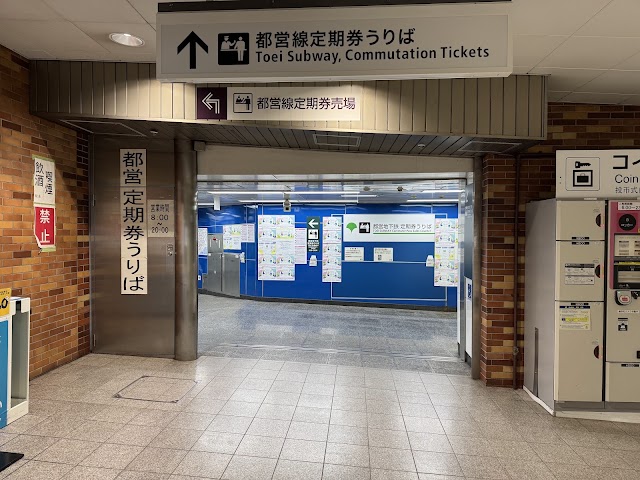
Tokyo Subway Ticket (¥1,000 / ¥1,500 / ¥2,000): all Tokyo Metro and Toei lines, passport required, for overseas visitors or Japanese travellers living outside the capital region. The default answer. At ¥667 a day the 72-hour version undercuts the ¥1,100 day pass by nearly 40 per cent. The clock starts at first gate entry, so buying at the airport and starting the next day wastes nothing.
Tokyo Metro 24-hour ticket (¥700): Metro only. Suits itineraries on the Ginza–Omotesando–Shinjuku–Ikebukuro axis spread across two half-days. Anyone can buy it from a machine, no passport.
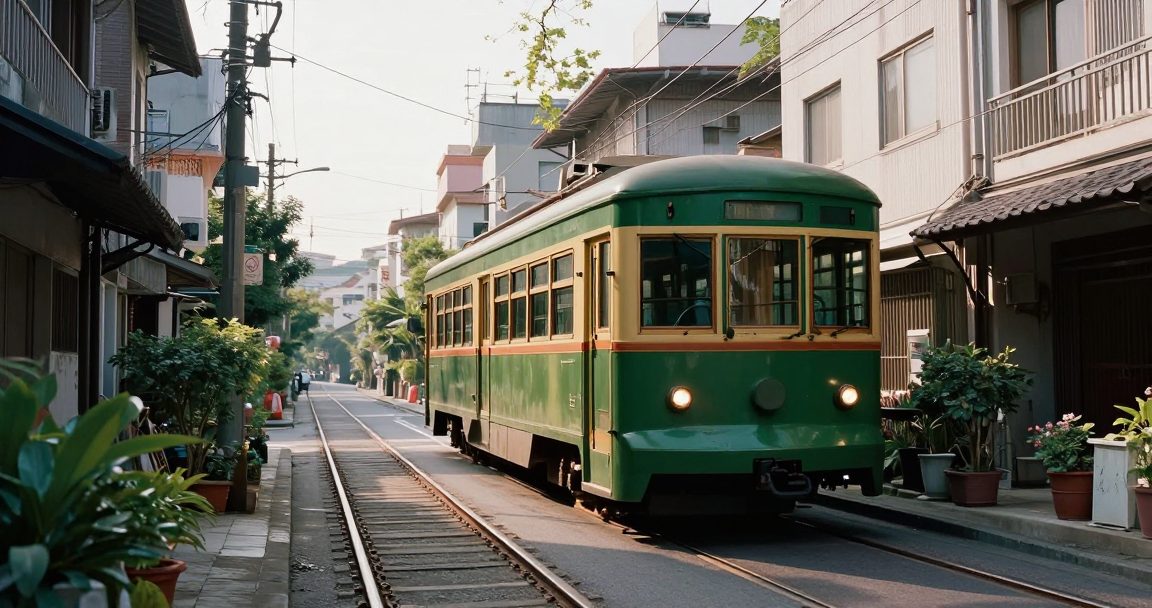
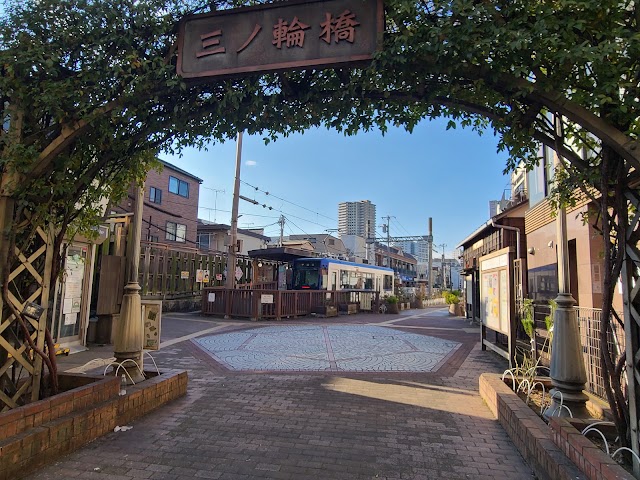
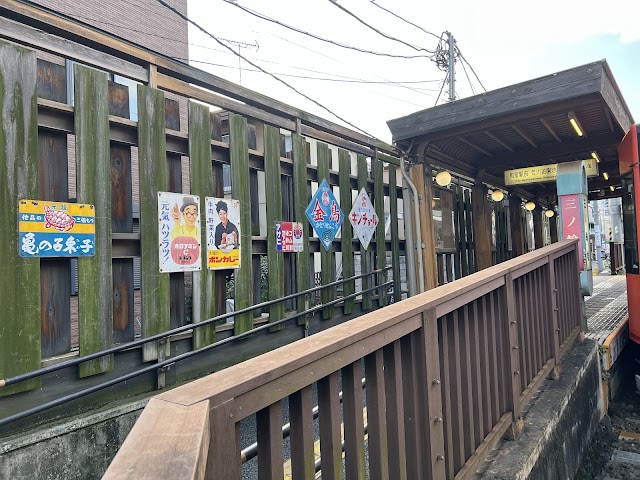
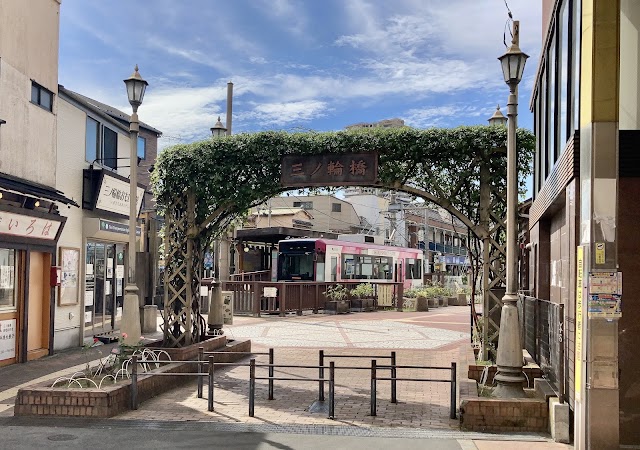
Toei Marugoto Kippu (¥700): four Toei lines plus Toei buses, the Arakawa streetcar and the Toneri Liner. For days built around the tram, city buses or Toneri Park. Carries discounts along the lines.
Combined Metro–Toei one-day ticket (¥1,100): awkward after the rise, overlapping the visitor ticket at a higher price. With a passport in hand, ignore it.
JR Tokunai Pass (¥870): unlimited JR local and rapid travel inside the 23 wards. Suits the Yamanote circuit with no subway at all. Mutually exclusive with a subway pass.
Tokyo Free Kippu (¥1,720): JR plus both subway operators. A high bar to break even; its value is removing decisions on a day that genuinely crosses all three with many changes.
4. Three gaps no subway pass covers
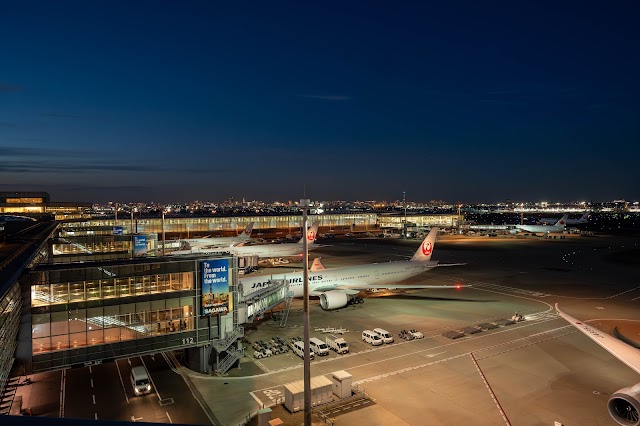
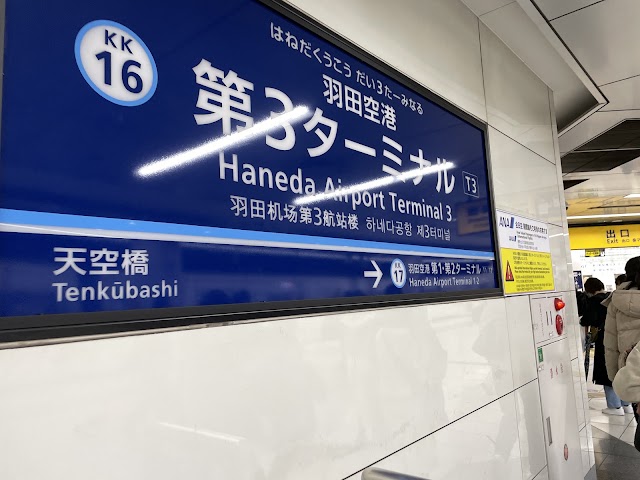
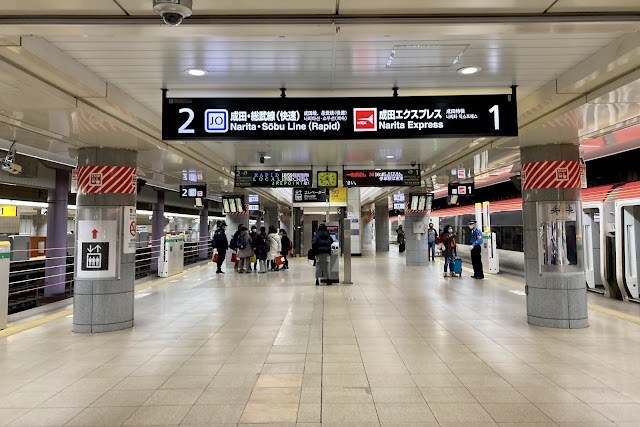
Airport transfers. Keikyu and the Monorail at Haneda, the N'EX and Keisei Skyliner at Narita — none are included. Price the airport legs separately (each operator has its own visitor deals) and cover the city with a Tokyo Subway Ticket.
Odaiba, Ariake and Toyosu. The Yurikamome and Rinkai Line are independent. The Yurikamome day ticket is ¥820 and only pays off on three or more hops — which is precisely the waterfront museum run with children. A combined product with the Tokyo Subway Ticket exists.
Leaving the city. Hakone, Nikko, Kamakura, Kawagoe and Karuizawa lie outside the 23 wards, and Odakyu, Tobu, Seibu and JR East each sell their own regional passes. Subtract out-of-town days from your Tokyo day count before choosing a subway pass length.
5. The decision sequence
First, count the full days actually spent inside the 23 wards; subtract day trips and Disney (Urayasu is in Chiba, on the JR Keiyo Line).
Second, with a passport, start from the Tokyo Subway Ticket and match days to 24, 48 or 72 hours. For trips of four days or more, one 72-hour ticket plus a few single fares usually beats two passes.
Third, check whether the itinerary lives on the Yamanote Line. If the subway barely features, the ¥870 Tokunai Pass is the right call — but it is an alternative, not an addition.
Fourth, budget the Odaiba and airport legs separately.
Fifth, if a day includes the streetcar or Toei buses, buy that day's ¥700 Marugoto Kippu on its own.
6. Details that get missed
Two different clocks. The Tokyo Subway Ticket and the Metro 24-hour ticket run on hours from first gate entry; the Tokunai Pass, Tokyo Free Kippu and Marugoto Kippu run to the last train of the calendar day. For an evening start, the hourly ones are far more efficient.
Advance versus same-day. Toei advance tickets are valid on any single day within six months; same-day ones only that day. Metro advance tickets have been online-only since 15 March 2025.
QR versions. Available since 25 March 2026 at the same price. Magnetic cards can demagnetise after repeated gate use, so QR or IC versions are steadier on long trips.
IC cards are not a saving. Suica and PASMO buy convenience, not discounts: a Metro IC minimum fare is about ¥178, so a ¥700 24-hour ticket breaks even at roughly four rides. Past four rides a day, switch.
Sources - Tokyo Metropolitan Bureau of Transportation, Tokyo Subway Ticket: https://www.kotsu.metro.tokyo.jp/subway/fare/otoku_limited.html - Tokyo Metropolitan Bureau of Transportation, Toei Marugoto Kippu: https://www.kotsu.metro.tokyo.jp/pickup_information/otoku_marugoto.html - Tetsudo.com on the 14 March price changes to three planned tickets: https://www.tetsudo.com/news/3944/ - Travel Watch on the combined day pass rising to ¥1,100 and QR boarding from 25 March: https://travel.watch.impress.co.jp/docs/news/2082454.html - Travel Watch on the Metro 24-hour ticket rising to ¥700: https://travel.watch.impress.co.jp/docs/news/1649499.html - Tokyo Metro, one-day tickets: https://www.tokyometro.jp/ticket/value/1day/index.html - Tabiris on the simultaneous fare-pass increases by JR East, Metro and Toei: https://tabiris.com/archives/tokyo-freeticket2026/ - rail20000.jpn.org, Tokyo free-ticket comparison and break-even analysis (March 2026 edition): https://rail20000.jpn.org/wp/2023/08/08/tokyo_free_ticket/
 Scan for map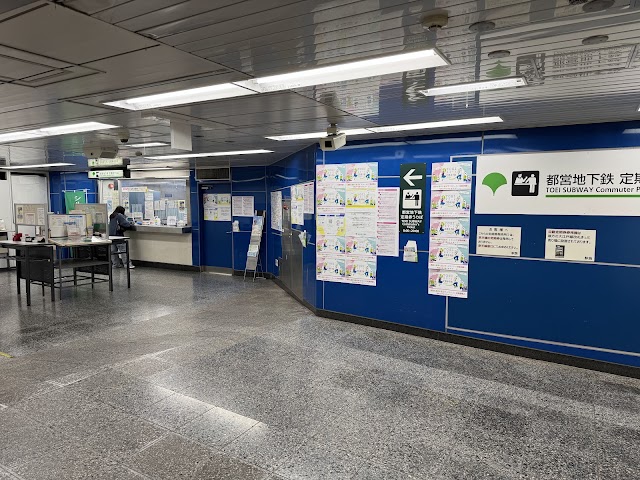
 Scan for map
 Scan for map
 Scan for map
 Scan for map
 Scan for map
 Scan for map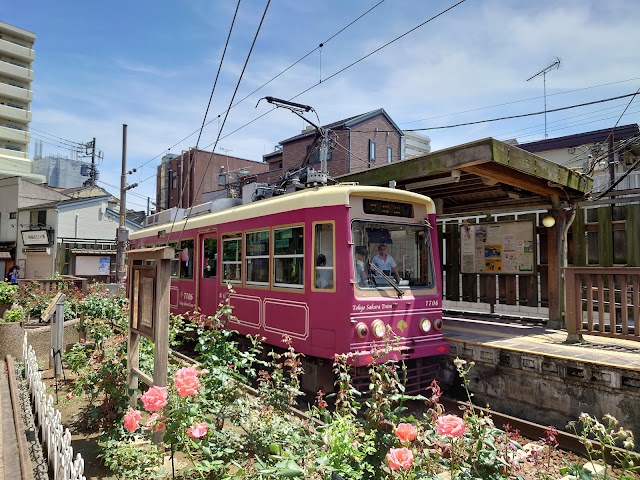
 Scan for map
 Scan for map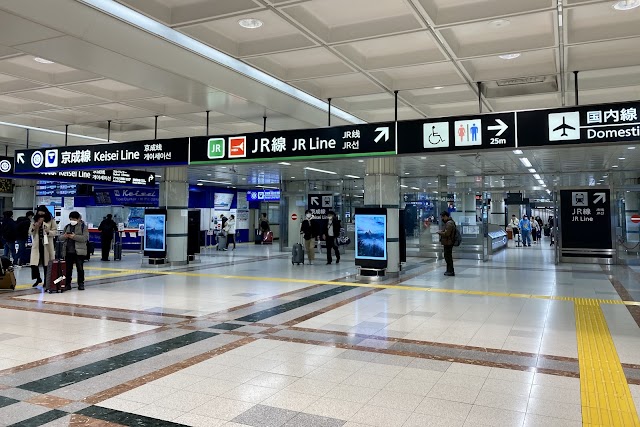
 Scan for map