Jp¥online 繁中简中EN2026/08/09

Kappabashi Tool Street: 170 Shops That Shut at Five and Close on Sundays — and From 1 November the Tax Break Moves to the Airport
Source: Jp¥online 編輯部· Published: 2026/08/09 16:20 JST· Section: REAL ESTATE & TOURISM
Kappabashi Tool Street: 170 Shops That Shut at Five and Close on Sundays — and From 1 November the Tax Break Moves to the Airport
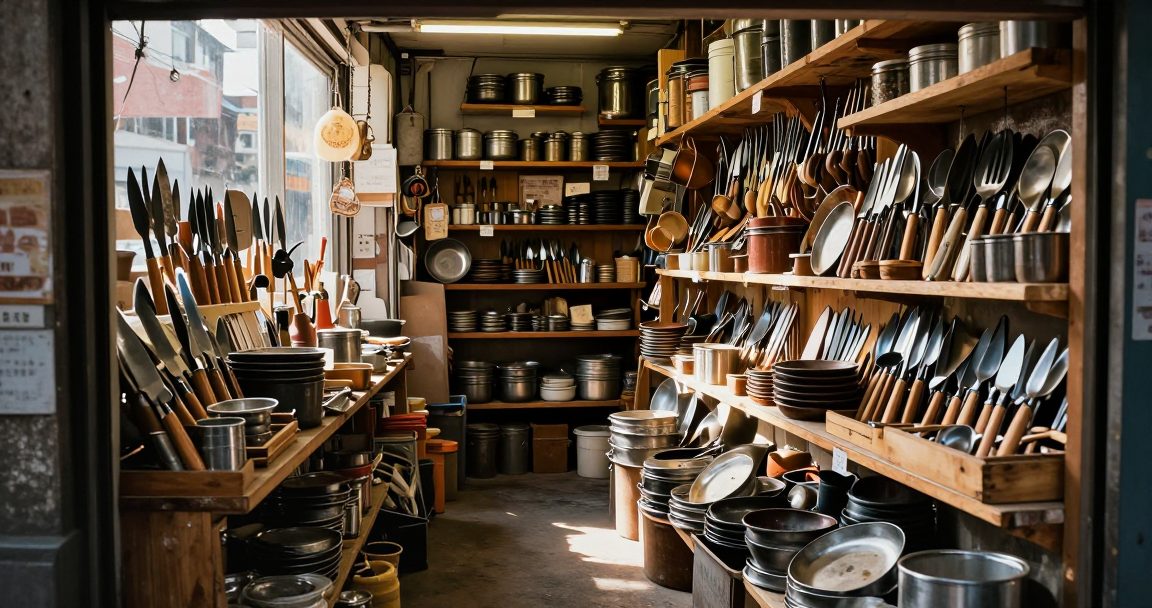
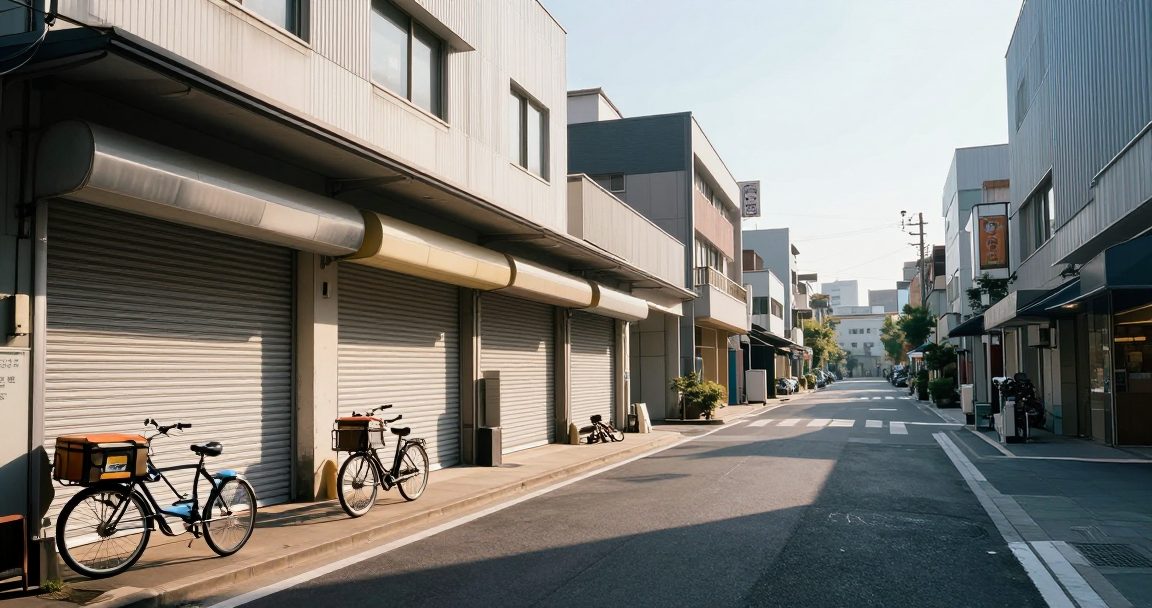
Illustration: AI-generated (Jp¥online)
# Kappabashi# Tokyo shopping# Japanese knives# food samples# tax-free refund# Asakusa# Taito# kitchenware# wholesale district# Tokyo guide
Key Points
  • Kappabashi Dogugai in Taito ward runs about 800 metres with roughly 170 shops, growing from a cluster of tool and second-hand dealers in the early Taisho era; it is a catering wholesale district, not a tourist arcade.
  • Its hours invert tourist Tokyo: most shops open 9:30–10:00 and close 17:00–18:00, with Sundays and public holidays shut — slotting it in after Senso-ji in the afternoon is the standard mistake.
  • Only three categories genuinely repay a visitor: durables such as knives and iron pans, few-hundred-yen small tools such as cookie cutters and piping tips, and packaging; ceramics and glass rarely justify the weight and breakage risk.
  • Single-bevel Japanese knives — deba, yanagiba, usuba — are ground for right or left hands, making this the category online buying gets wrong and an in-person counter gets right.
  • Knives travel in checked baggage only, never carry-on.
  • Japan's consumption tax exemption becomes a refund method on 1 November 2026: pay tax-inclusive in store, refunded to card or e-wallet after customs confirms departure, with 90 days between purchase and departure, and both the goods/consumables distinction and the ¥500,000 ceiling abolished.
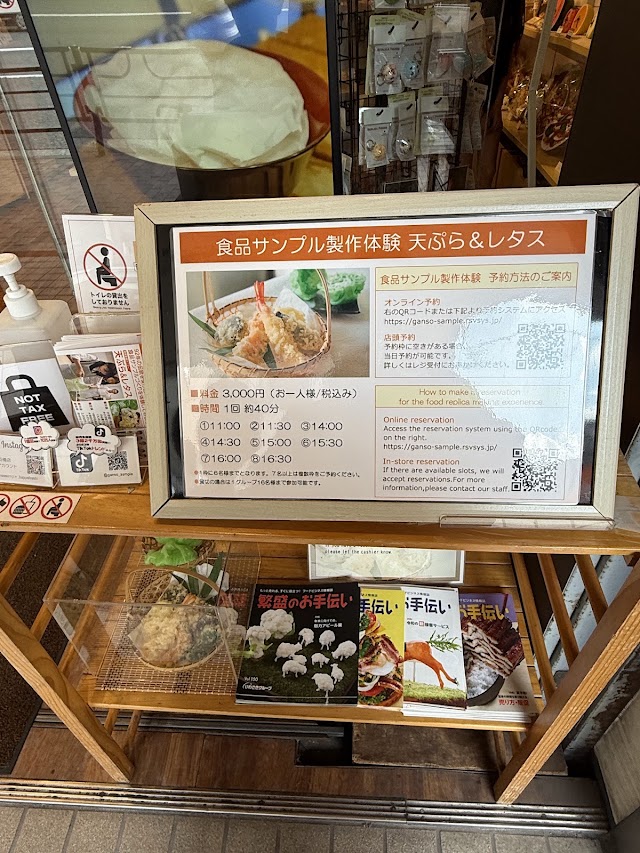
  • The food-sample workshop at Ganso Shokuhin Sample-ya requires advance booking and admits children from the first year of primary school; from 1 July 2026 non-participating companions pay ¥500 each, two per group.
  • Majimaya closes on public holidays, at New Year and over Obon, which falls in mid-August 2026.
  • A workable route enters at Tawaramachi and heads north, placing Iidaya mid-route because it opens at 11:00, then continues ten minutes east to Senso-ji for the afternoon.
Analysis

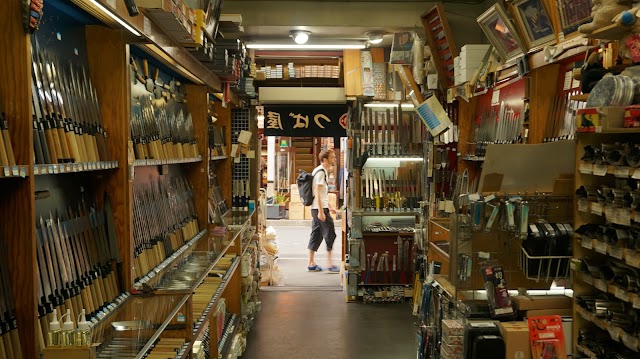
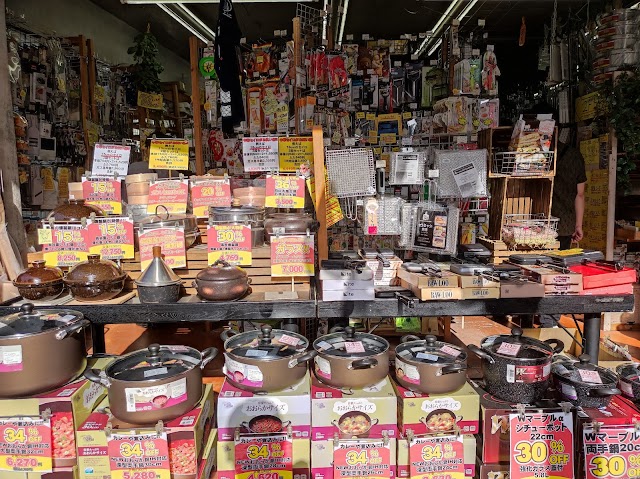
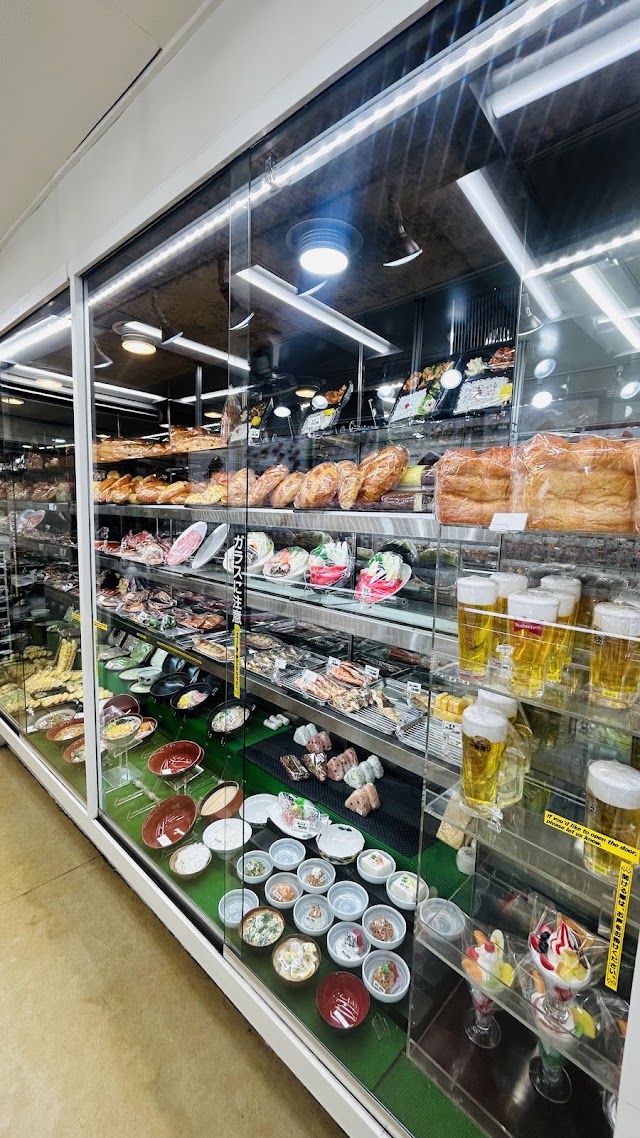
Kappabashi is one of the few places in Tokyo where you need not be a professional but will briefly want to become one. The street runs roughly 800 metres north from Tawaramachi Station, lined with about 170 shops selling everything a restaurant needs to open: knives, pans, crockery, menu stands, noren curtains, plastic food samples, packaging. It grew from a cluster of tool and second-hand dealers in the early Taisho era, more than a century ago, and it remains a wholesale district rather than a shopping street — which determines how you should visit.

Wholesale means the hours run opposite to tourist Tokyo. Most shops open between 9:30 and 10:00 and close between 17:00 and 18:00, and the whole street shutters on Sundays and public holidays. The standard mistake is to slot Kappabashi in after Senso-ji at four in the afternoon, arriving as the shops you wanted are closing. Reverse it: Kappabashi in the morning, Asakusa after lunch. They are ten minutes apart on foot.

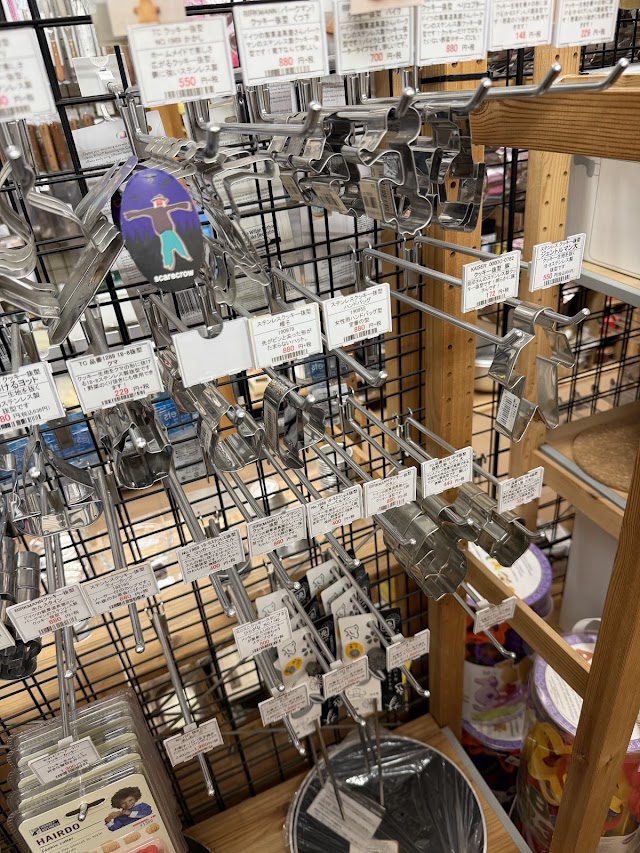
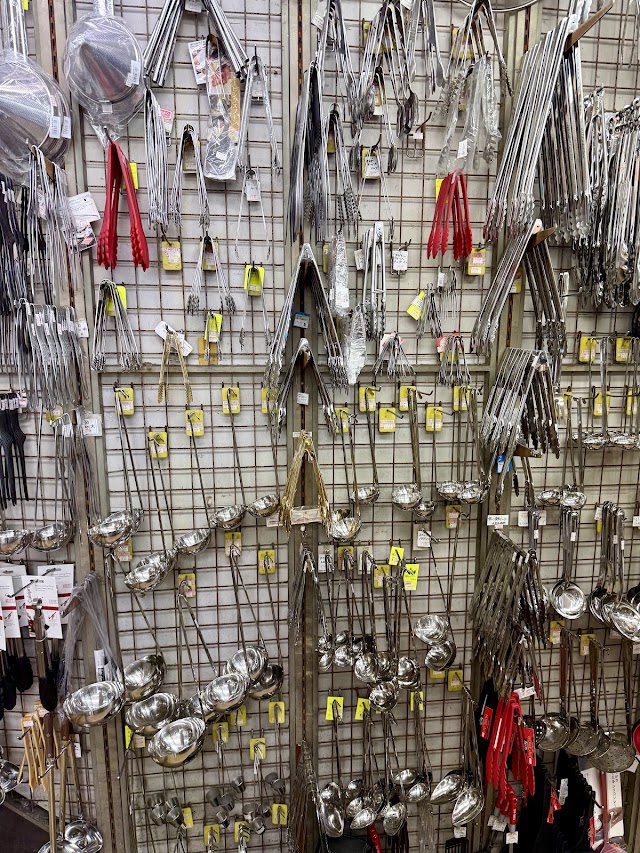
The second question is what to buy. The range is vast, but only three categories genuinely repay a visitor: durable goods that are hard to buy in Taiwan and priced differently here, such as knives and iron pans; small tools like cookie cutters and piping tips that cost a few hundred yen and take no luggage space; and packaging, where Japanese quality and pattern range are a real step up. Ceramics are heavy, glass breaks, large commercial pans eat space — without a specific use, the cost of carrying them home exceeds the value.

The third point is new this year. Japan's tax-free system changes to a refund method on 1 November 2026: you pay the tax-inclusive price in store and the consumption tax is returned after customs confirms at departure that the goods are leaving the country. On a street of small independent shops, that will bite harder than it does in a department store. Come in August and the familiar point-of-sale exemption still applies; come after November and both the amount you hand over and the process change.

As for knives, one rule admits no exception: checked baggage only, never carry-on.

The Analysis Desk

1. What kind of street this is

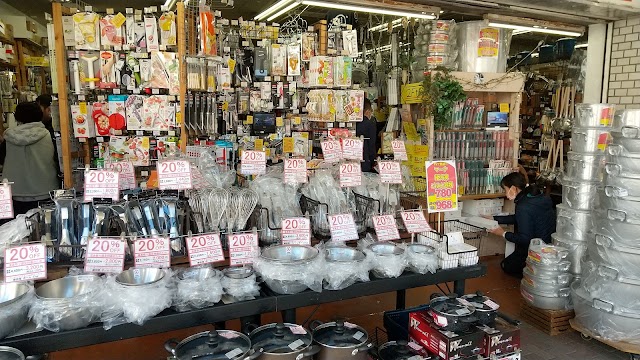
Kappabashi Dogugai runs about 800 metres north to south between Matsugaya and Nishi-Asakusa in Taito ward, with roughly 170 shops along it. Its origins trace to the early Taisho era, when tool merchants and second-hand dealers began gathering here, and it has functioned as a wholesale district for catering equipment for more than a century. The core customers are buyers for restaurants, hotels and confectioners rather than tourists — which sets the opening hours, the display style and the pricing logic.

Because it is a wholesale district, much of the stock is piled rather than styled and prices are stated plainly. And because it is a wholesale district that nonetheless sells single items to anyone without a trade licence, it is open to visitors in a way such streets often are not.

2. Three timing traps

First, most shops close between 17:00 and 18:00, far earlier than tourist areas. Second, Sundays and public holidays are closed across most of the street — a Sunday visit is a wasted trip. Third, some shops close for several days over Obon, which falls in mid-August in 2026, so August visitors should check.

Mornings are the best window. Shops open from 9:00 to 9:30, crowds are thin, staff have time to explain and the light is good. After 11:00 visitor numbers rise and the narrow interiors start to jam.

3. Buying a knife, and how to ask

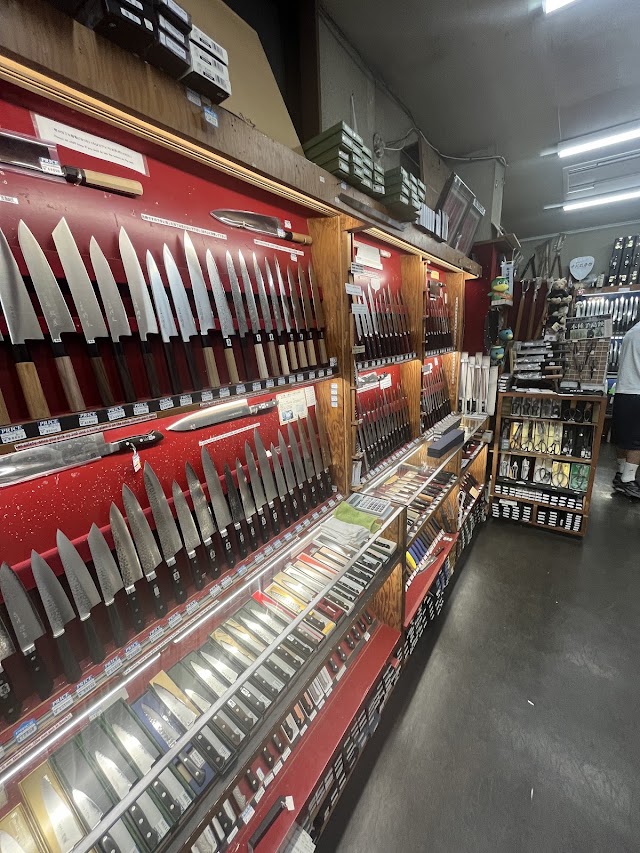
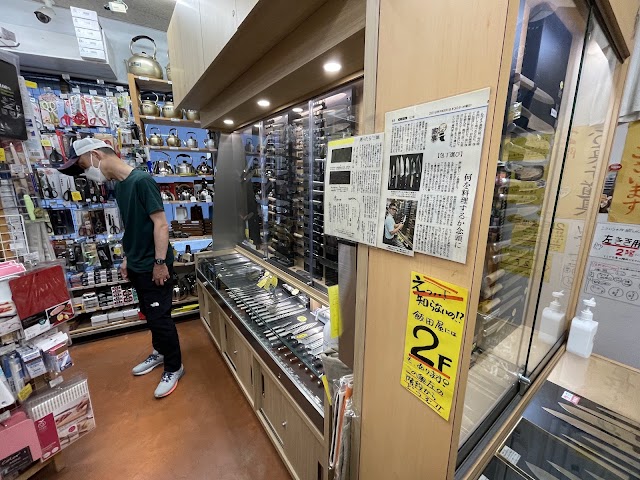
Taiwanese home kitchens run on double-bevel santoku and gyuto knives. What Kappabashi really offers that they do not is the single-bevel Japanese family — deba for breaking down whole fish, yanagiba for sashimi, usuba for vegetables. Single-bevel blades are ground for right or left hands, which is where online purchases go wrong and where buying in person earns its keep.

Be ready to state three things: what you mainly cut, what board you use (glass or stone boards wreck an edge) and whether you own a whetstone. Japanese blades are hard and hold an edge long; the trade-off is brittleness, and they chip if dropped or used on bone. When staff ask these questions they are choosing a steel for you, not upselling.

Engraving your name on the blade is free at some shops and takes minutes. Sharpening services generally require leaving the knife for several days and rarely suit a short trip.

4. What else is worth carrying home

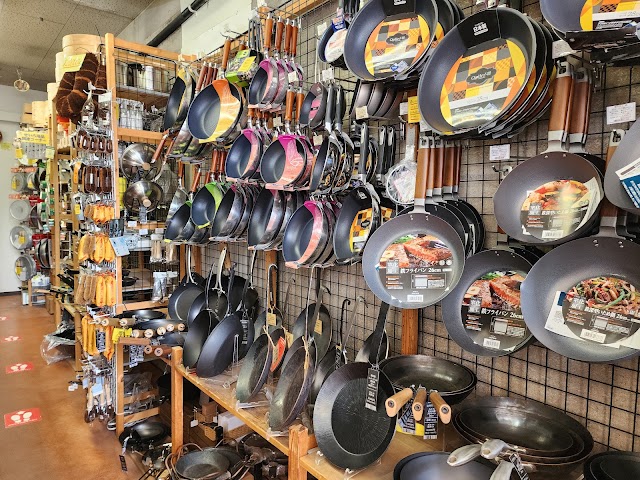
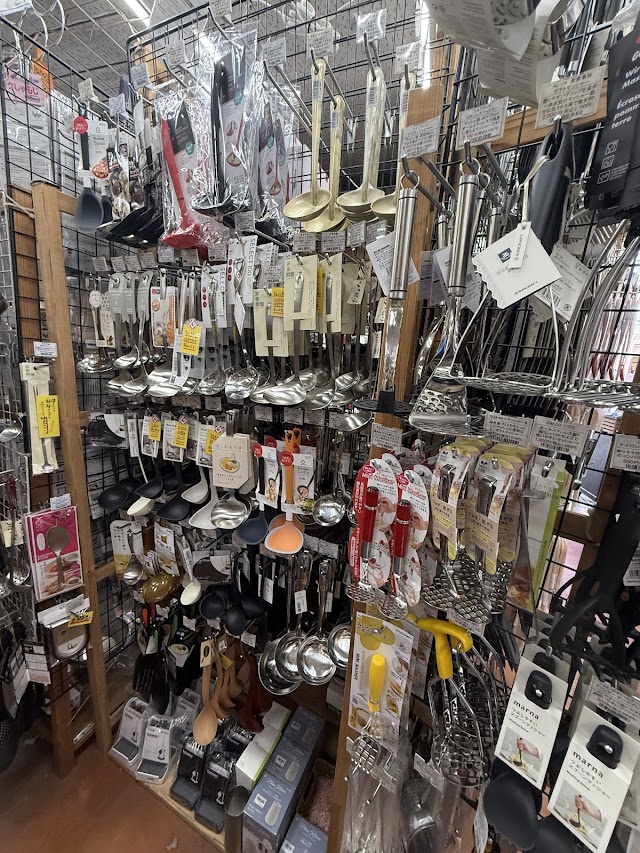
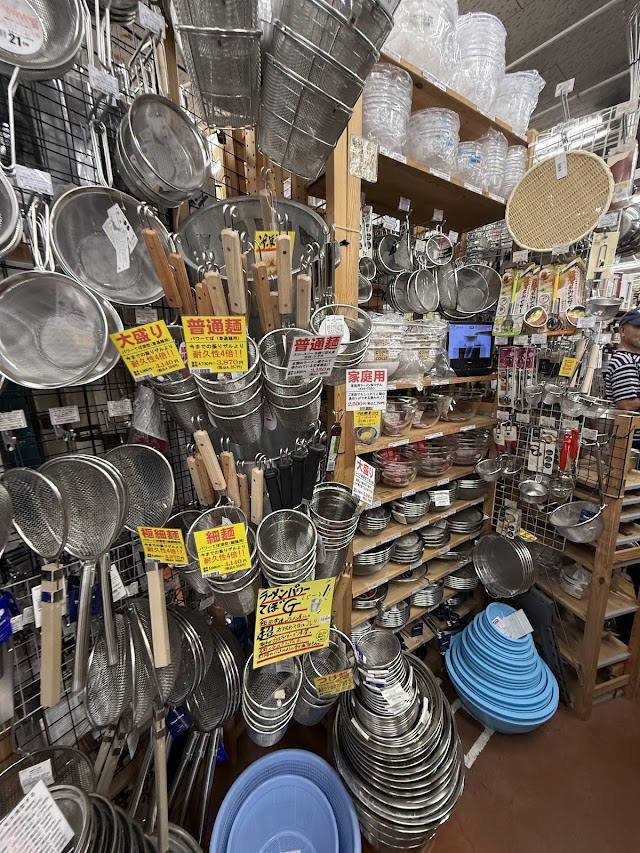
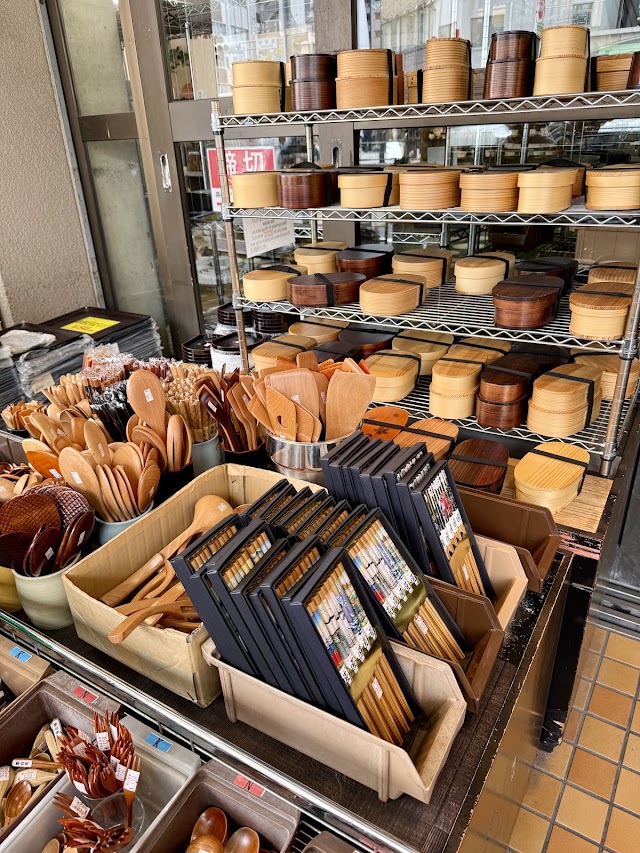
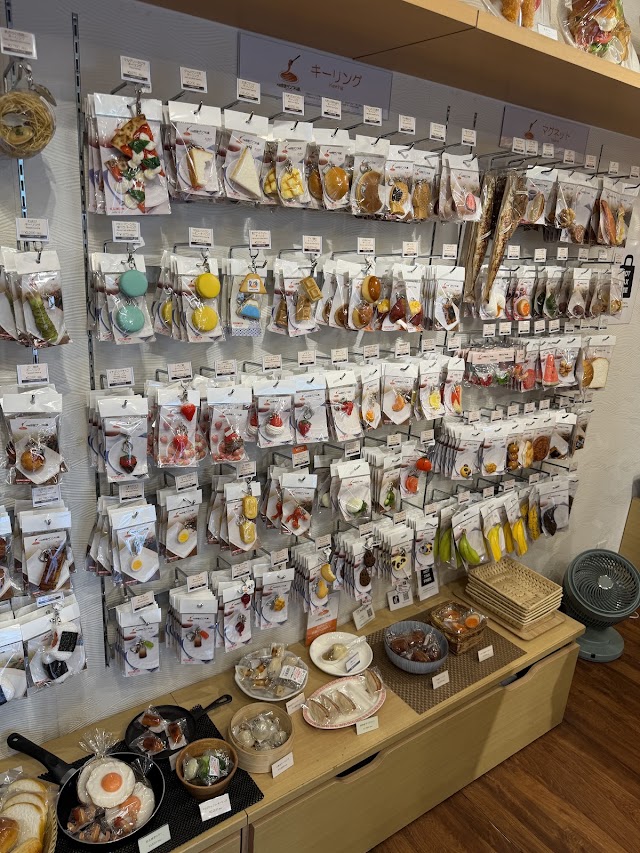
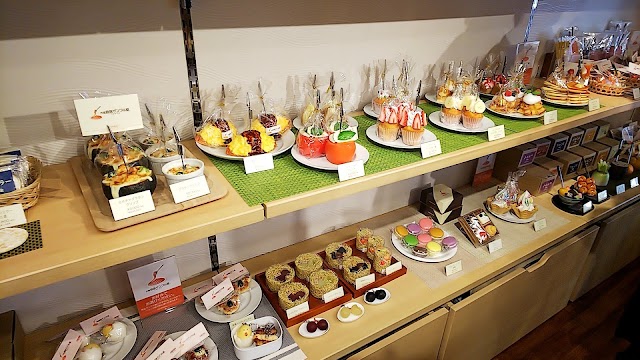
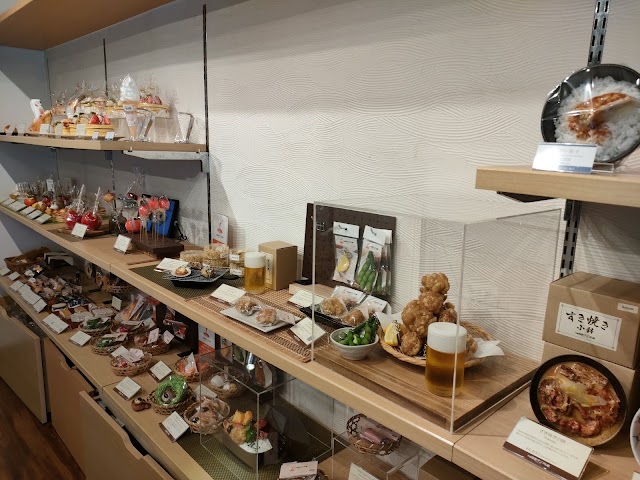
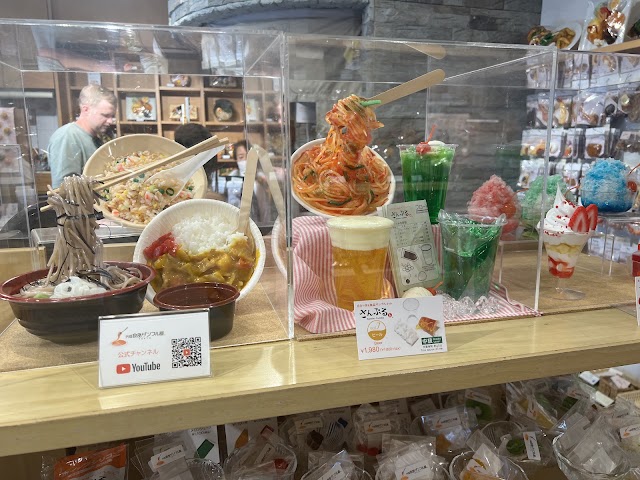
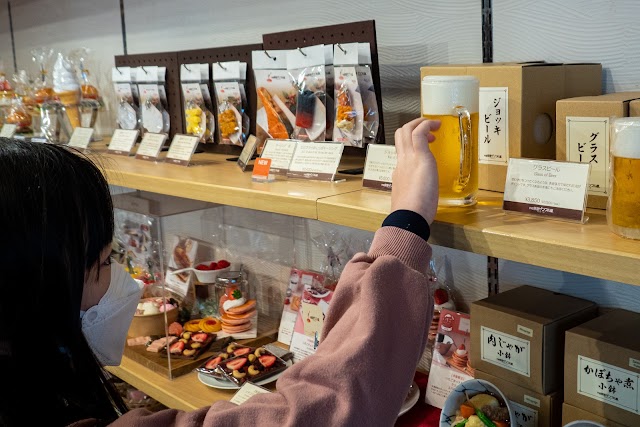
Worth it: iron skillets and aluminium yukihira pots, available in finer gradations of weight than a Taiwanese store offers and priced on wholesale logic; cookie cutters and piping tips at a few hundred yen and almost no luggage volume; packaging, where quality and pattern range are a genuine step up; and food-sample magnets and keyrings, the most recognisable souvenir on the street.

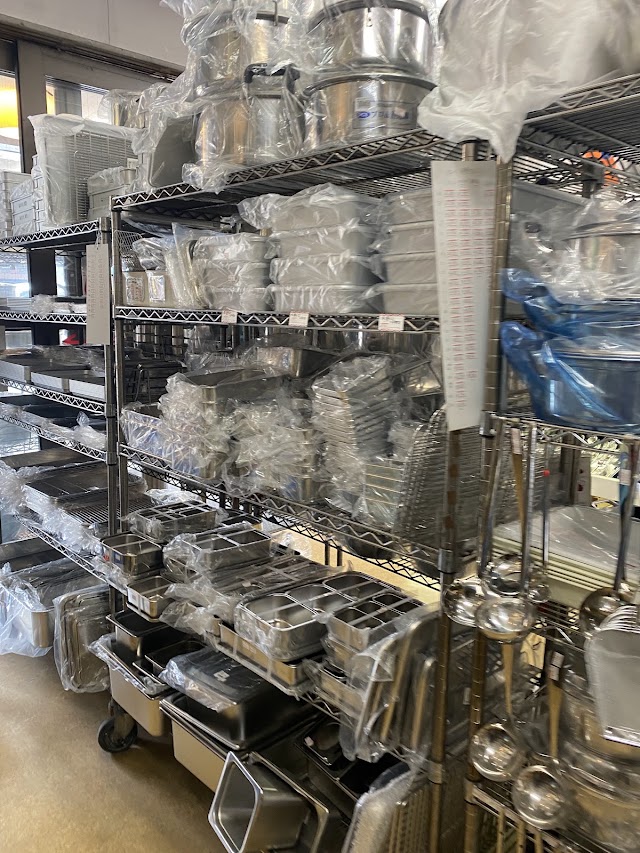
Not worth it: full ceramic dinner services (heavy), glassware (fragile in checked baggage), large commercial pans without a defined use, and electrical goods, where voltage and standards differ.

5. The summer-holiday answer for families

Kappabashi is an underrated indoor plan in high summer. The food-sample workshop uses the traditional wax method, admits children from the first year of primary school, requires advance booking, runs entirely indoors and sends everyone home holding something. Note a rule introduced on 1 July 2026: companions who enter the workshop space without participating are charged ¥500 each, capped at two per group. For a family of four with two accompanying adults, budget for it.

6. How the 1 November 2026 tax-free change lands here

From 1 November 2026 Japan's consumption tax exemption moves to a refund method: you pay the tax-inclusive price in store, and after customs confirms at departure that the goods are leaving Japan, the tax is refunded to a credit card or electronic wallet. The distinction between general goods and consumables disappears, as does the ¥500,000 purchase ceiling.

Two practical consequences. Cash flow: you must carry the full tax-inclusive amount at the till, with the refund arriving later and departure required within 90 days of purchase. And coverage: Kappabashi is a street of small independents, and how each shop implements the new system will vary — do not assume every counter can handle it. Anyone visiting between August and October still gets the current point-of-sale exemption, a relatively simple window.

7. A route that works

Enter from Tawaramachi on the Ginza Line. Head north to Dr.Goods for a feel of the street, photograph the giant chef's hat on the roof of Niimi at the Kappabashi crossing, then work north along Dogugai-dori past Tsubaya, Ganso Shokuhin Sample-ya and Shimojima. Further north lies the blade axis of Kama-Asa and Kamata Hakensha, with Majimaya in a side street to the west. Iidaya opens at 11:00, so place it mid-route. The walk takes about an hour without shopping; allow two or more if you are choosing a knife seriously.

Ten minutes east afterwards is Senso-ji, which makes the obvious second half of the day: tools in the morning, Asakusa in the afternoon, Skytree or the Sumida river in the evening.

Sources - Tokyo Kappabashi Shotengai Promotion Association (official) https://www.kappabashi.or.jp/ - GO TOKYO, Tokyo's official travel site, "Kappabashi Dogugai" https://www.gotokyo.org/jp/spot/59/index.html - Asakusa Tourism Federation https://e-asakusa.jp/information/1364 - Japan Travel Bureau Foundation, national tourism resource register https://tabi.jtb.or.jp/res/130163- - Jalan News, "Kappabashi Dogugai 2026" https://www.jalan.net/news/article/439839/ - Ganso Shokuhin Sample-ya, official workshop page https://www.ganso-sample.com/experience/ - Japan Tourism Agency, consumption tax-free shop site (refund method) https://www.mlit.go.jp/kankocho/tax-free/page01_000001_00019.html - Japan Tax-Free Shop Association, refund-method site https://zenmenkyo.jp/refund/ (Addresses, hours and operating status for all ten shops verified via the Google Places API on 9 August 2026; all ten trading.)
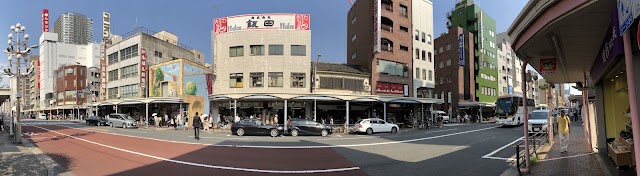
Kappabashi Tool Street: 170 Shops That Shut at Five and Close on Sundays — and From 1 November the Tax Break Moves to the Airport
Chart: Jp¥online
Venue Info (Google Maps)
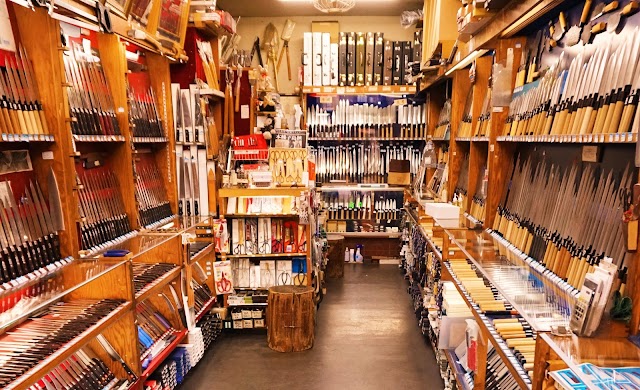
釜淺商店
Photos: yksg、n a、Hayato Onishi、BlackCenturion BonvoyBrilliant Platina.、荒川トラム、Abel Tsang、Takayuki N、y. ki、井原修、和久田翔悟 / Google Maps
釜淺商店
Why we recommend
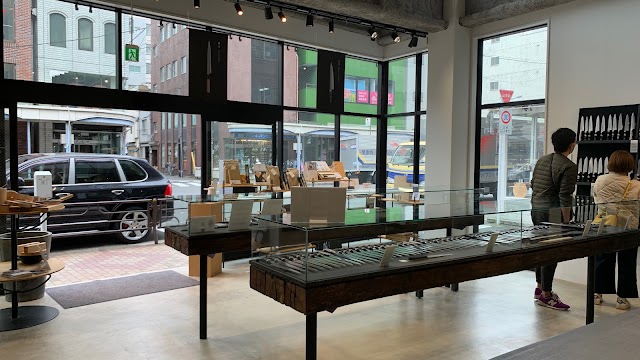
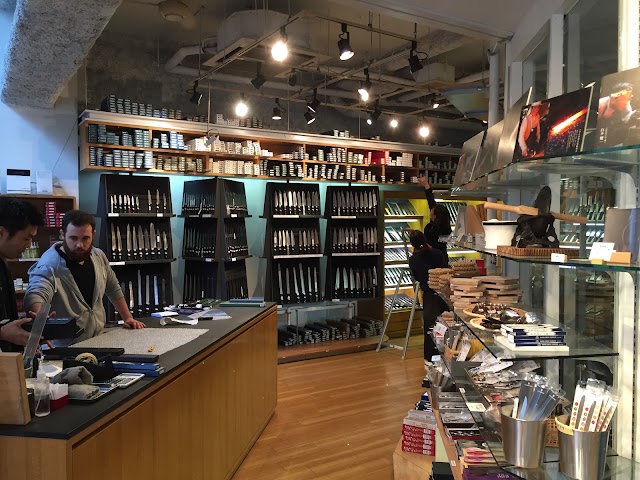
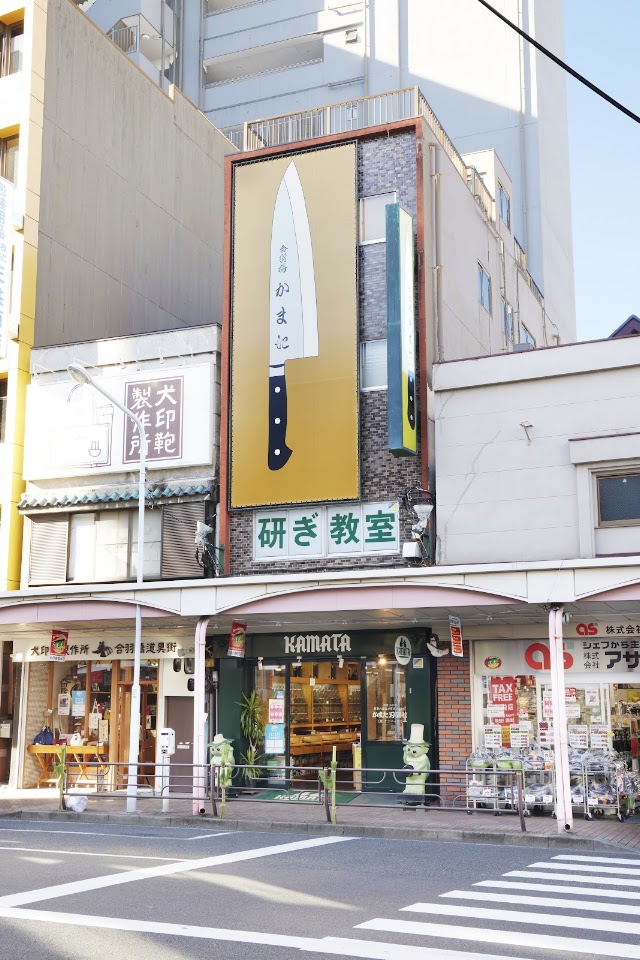
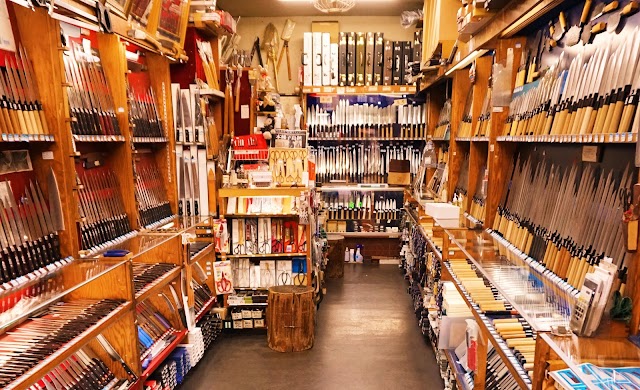
Start here — not because it is the oldest shop on the street but because it explains best. Founded in 1908, its house phrase is 'ryori-dogu': good tools have reasons behind them. The business occupies two buildings facing each other, one for cookware and one for knives alone. For a first Japanese knife, the value is that staff ask what you cut, what board you use and whether you own a whetstone before recommending a steel and a shape, rather than reaching for the most expensive blade. Engraving your name on the blade is free and done on the spot — the cheapest way to turn a tool into a gift.
★ Sharpening is a paid service and usually takes several days, so it rarely suits a short trip; ask instead about home maintenance when you buy.
VENUE INFO
Address: 2-chōme-24-1 Matsugaya, Taito City, Tokyo 111-0036
Phone: 03-3841-9355
Hours: Monday: 11:00 AM – 5:30 PM; Tuesday: 11:00 AM – 5:30 PM; Wednesday: 11:00 AM – 5:30 PM; Thursday: 11:00 AM – 5:30 PM; Friday: 11:00 AM – 5:30 PM; Saturday: 11:00 AM – 5:30 PM; Sunday: 11:00 AM – 5:30 PM
Nearest Sta.: 8 min from Tawaramachi (Tokyo Metro Ginza Line); 6 min from Asakusa (Tsukuba Express)
Price: Knives mostly from a few thousand yen into the ¥20,000–30,000 range, with hand-forged honyaki above that; iron and aluminium pans mostly in the low thousands
Google rating: 4.4(769 則評論)
Verified: 2026-08-10 16:01 Google Maps
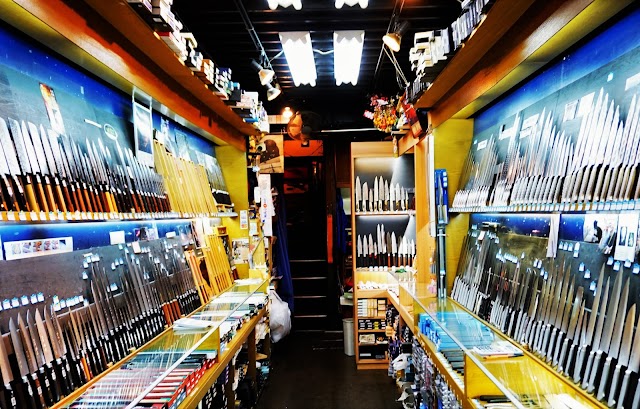
鎌田刃研社
Photos: 合羽橋 包丁専門店 かまた刃研社、Ratnaprabha Patil、Philippe Guegan、Troy Bartlett、Ameen Khan、Jeevan Komarlaa、Websupport Flex、Kenny Huang / Google Maps
鎌田刃研社
Why we recommend
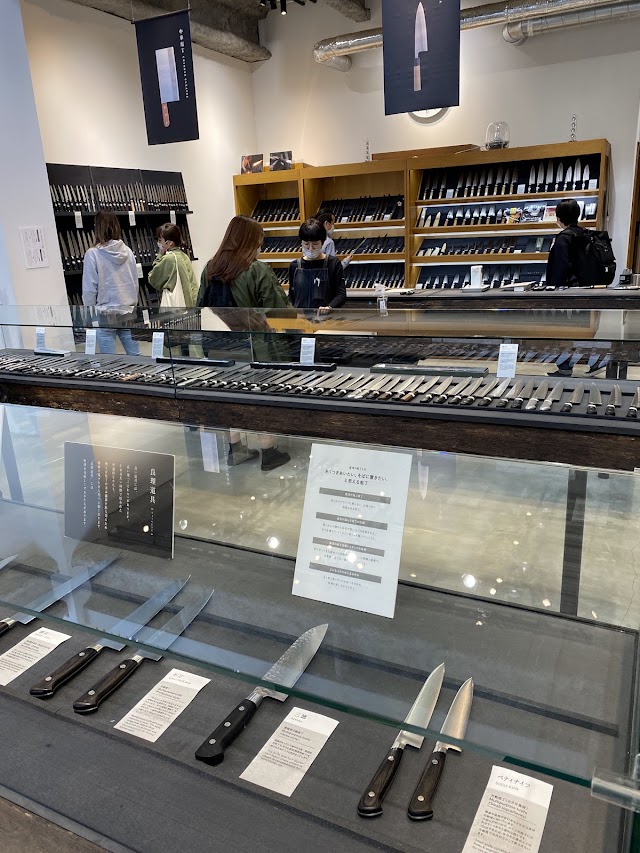
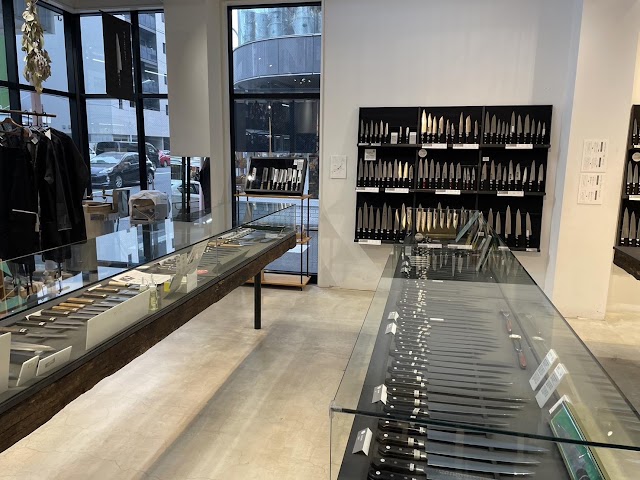
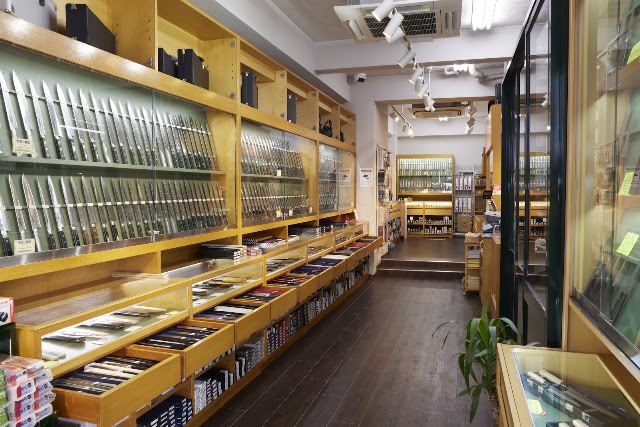
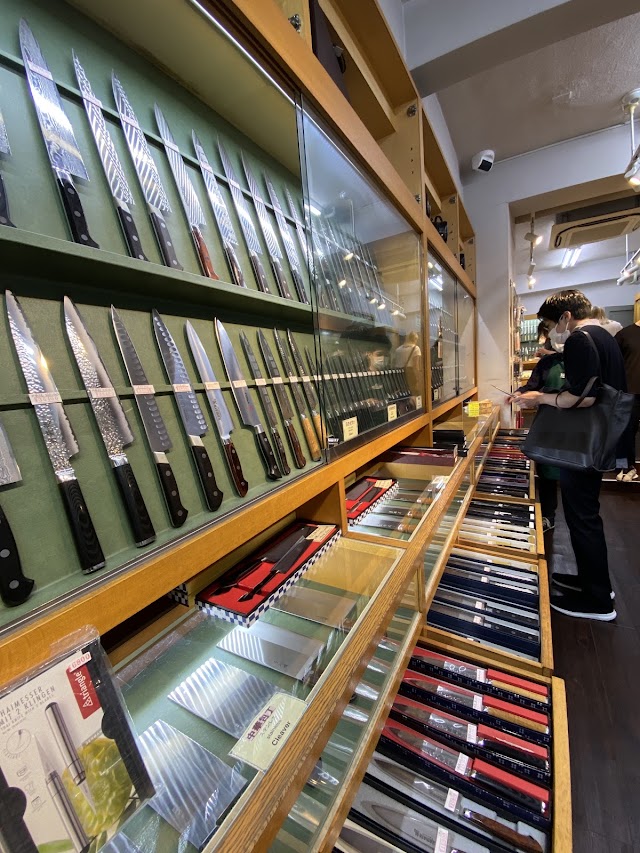
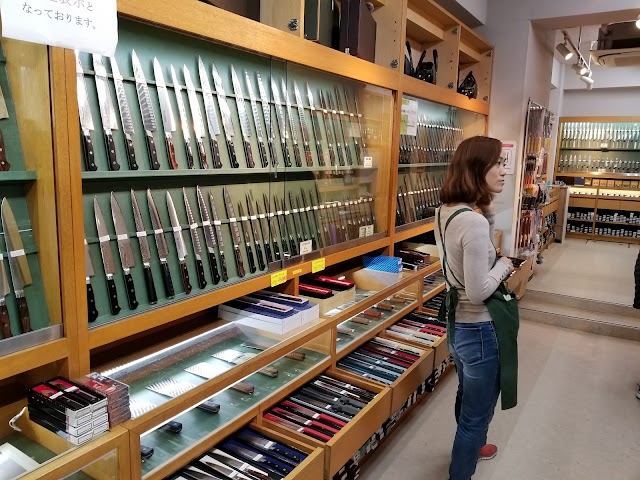
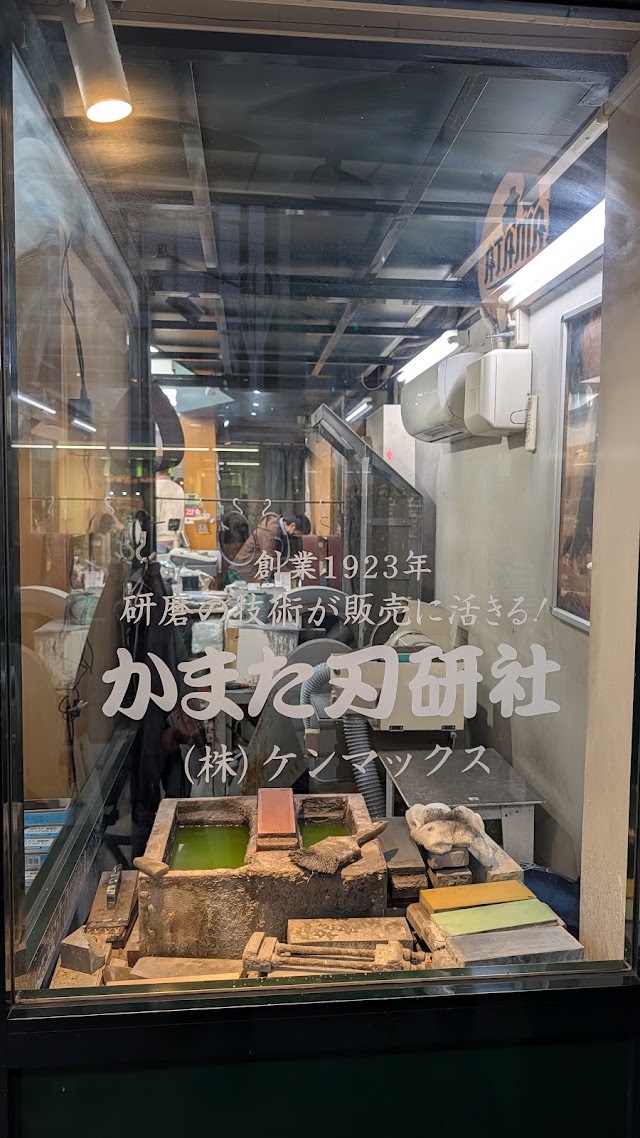
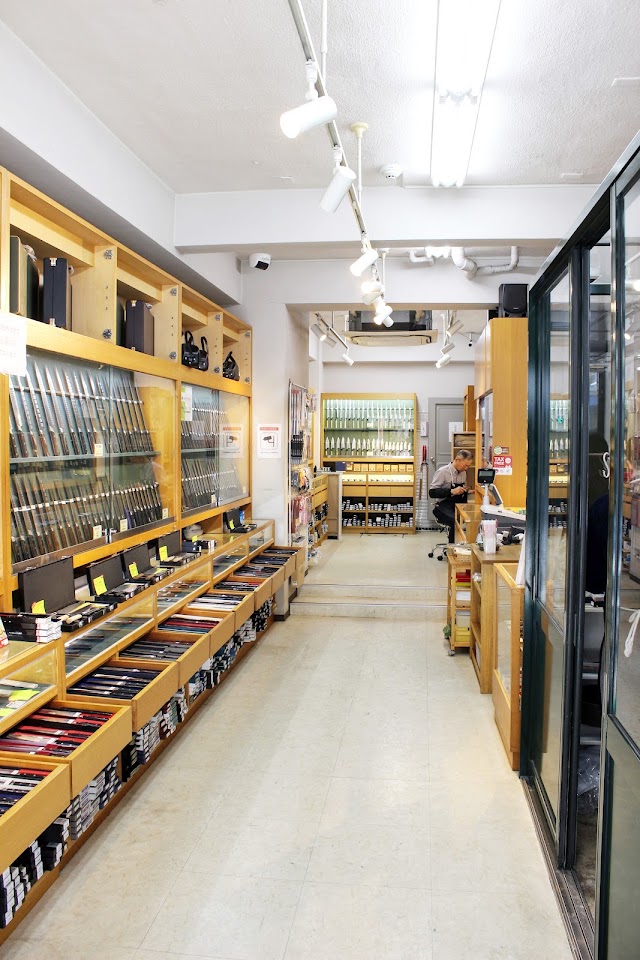
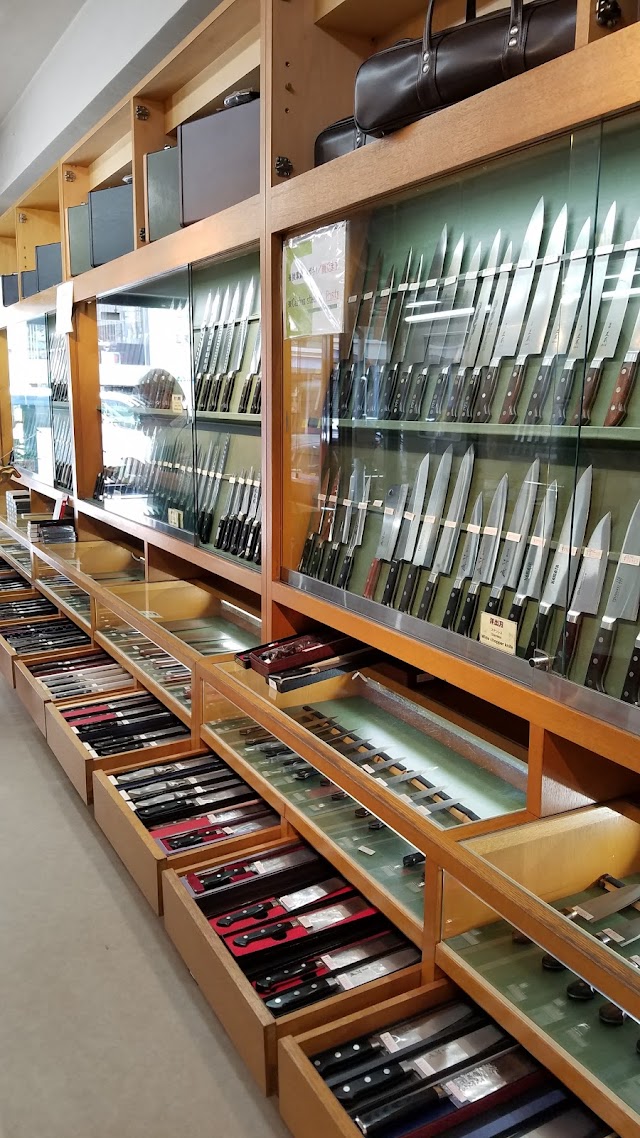
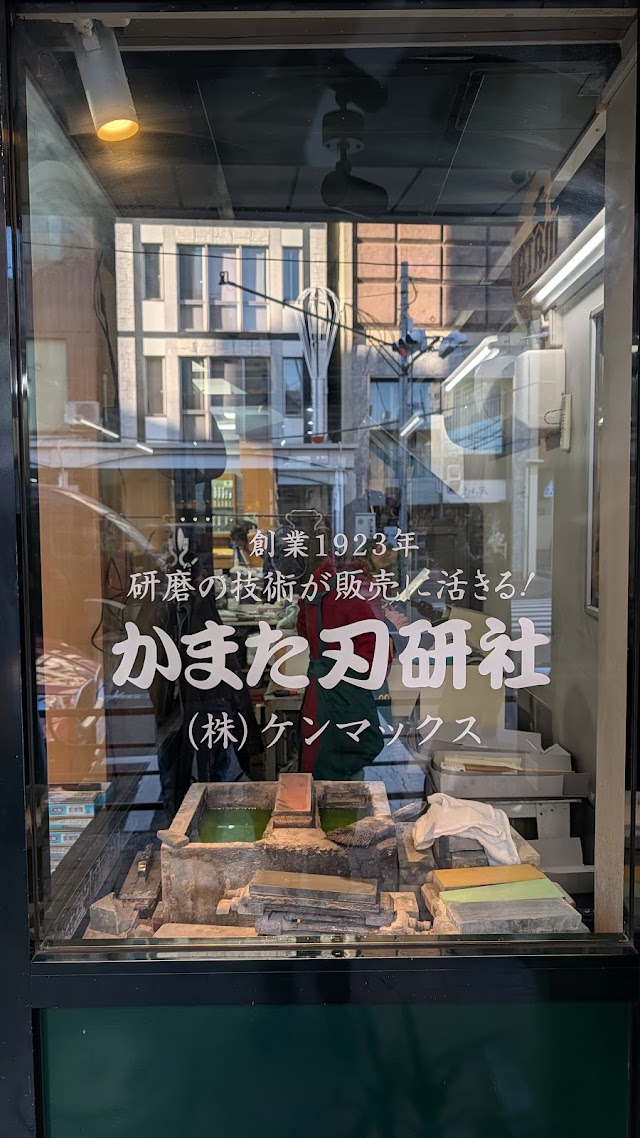
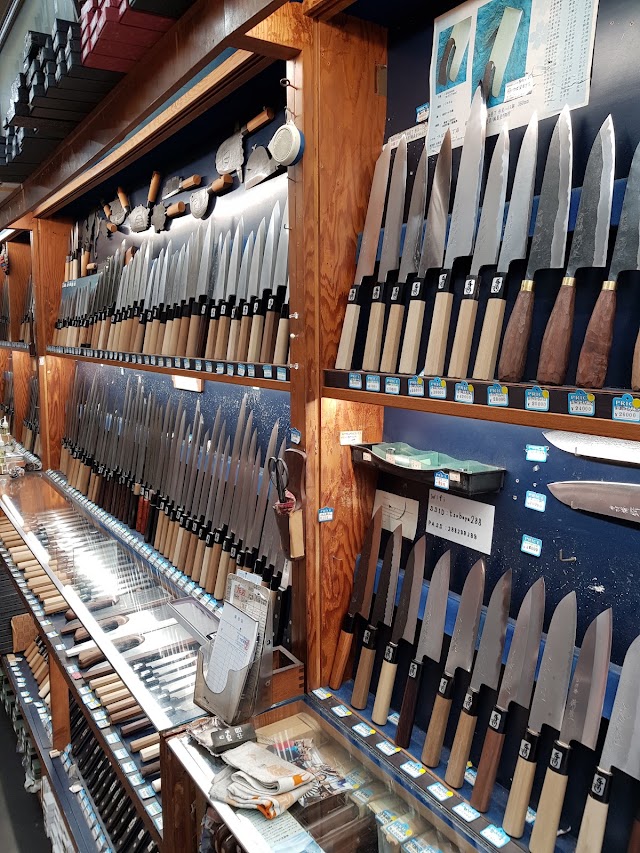
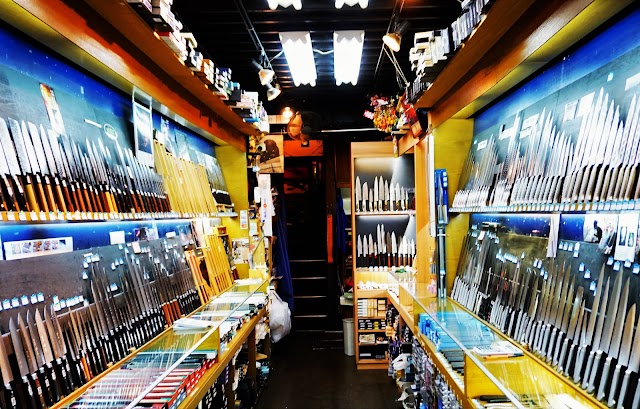
One of the street's highest-rated blade specialists (4.6 on Google from nearly 700 reviews), with a narrower range than Kama-Asa: knives and what goes with them. The feel is closer to a trade counter than a lifestyle shop — walls of blades, high model density, blunt advice. It is the most efficient place to ask which of a santoku, gyuto or nakiri suits your kitchen at a given budget. Open until 18:00, unusually late for the street, so it works as the last stop after browsing elsewhere.
★ Knives must go in checked baggage, never carry-on; if you fly the same day, take them back to your accommodation first.
VENUE INFO
Address: 2-chōme-12-6 Matsugaya, Taito City, Tokyo 111-0036
Phone: 03-3841-4205
Hours: Monday: 10:00 AM – 6:00 PM; Tuesday: 10:00 AM – 6:00 PM; Wednesday: 10:00 AM – 6:00 PM; Thursday: 10:00 AM – 6:00 PM; Friday: 10:00 AM – 6:00 PM; Saturday: 10:00 AM – 6:00 PM; Sunday: 10:00 AM – 6:00 PM
Nearest Sta.: 8 min from Iriya (Hibiya Line); 10 min from Tawaramachi (Ginza Line)
Price: Entry-level santoku typically from the low thousands; professional blades run into the tens of thousands
Google rating: 4.6(688 則評論)
Verified: 2026-08-10 16:01 Google Maps
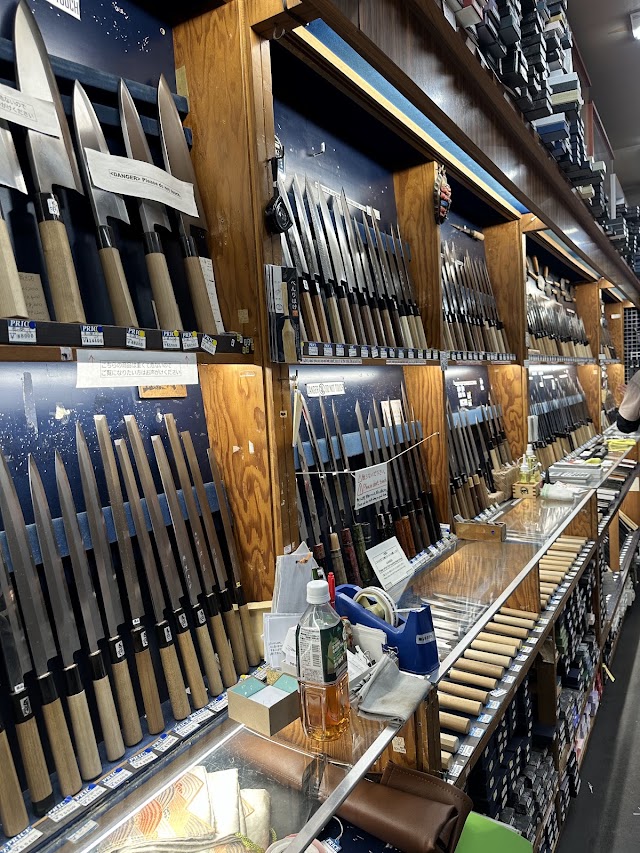
鍔屋庖丁店
Photos: 張士新、つば屋庖丁店 | CUTLERY TSUBAYA、Betül Aydoğan、Sasa Beslic、Pierodavide Leardi、貓貓 / Google Maps
鍔屋庖丁店
Why we recommend
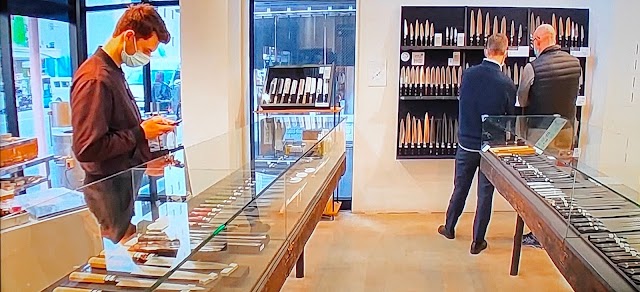
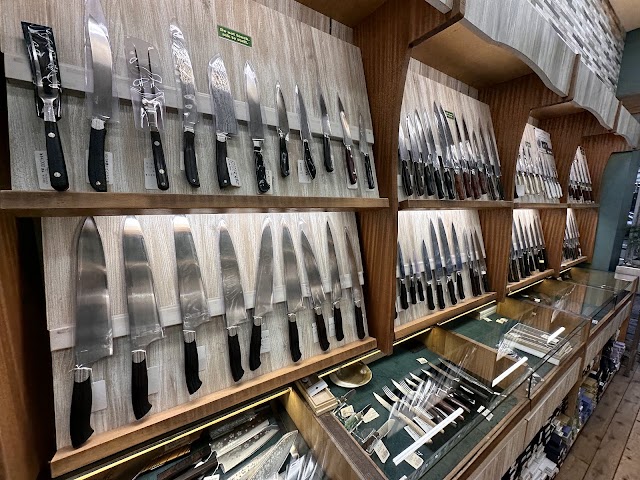
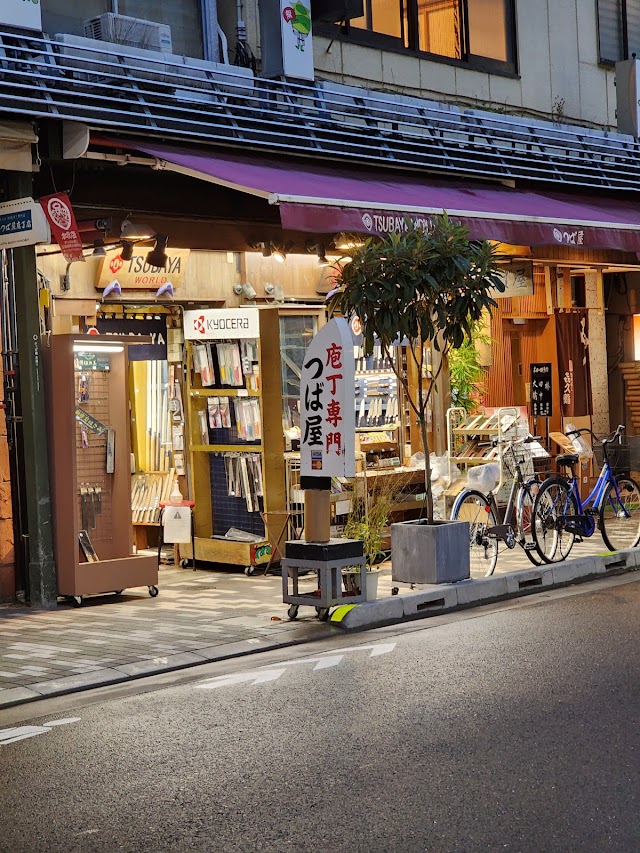
Right by the Kappabashi crossing, and the shop where many visitors actually commit. Its strength is single-bevel Japanese blades — deba, yanagiba, usuba — shapes rarely seen in Taiwanese kitchens but essential once you break down a whole fish. It is also the place to understand why Japanese knives come handed: single-bevel blades are ground for right or left hands, and getting it wrong makes your cuts drift. This is precisely the mistake online buying produces and a counter visit prevents. Closes at 17:00, earlier than its neighbours, so plan around it.
★ Single-bevel blades are handedness-sensitive — say so if you are left-handed; double-bevel santoku and gyuto are not affected.
VENUE INFO
Address: 3-chōme-7-2 Nishiasakusa, Taito City, Tokyo 111-0035
Phone: 03-3845-2005
Hours: Monday: 10:00 AM – 5:00 PM; Tuesday: 10:00 AM – 5:00 PM; Wednesday: 10:00 AM – 5:00 PM; Thursday: 10:00 AM – 5:00 PM; Friday: 10:00 AM – 5:00 PM; Saturday: 10:00 AM – 5:00 PM; Sunday: 10:00 AM – 5:00 PM
Nearest Sta.: 5 min from Asakusa (Tsukuba Express); 10 min from Tawaramachi (Ginza Line)
Price: Household knives from the low thousands; single-bevel Japanese blades such as deba and yanagiba price up by size
Google rating: 4.5(479 則評論)
Verified: 2026-08-10 16:01 Google Maps
飯田屋
Photos: Daisuke Sato、飯田屋、Russell Huang、1日券でどこ行こう?、Supakij Khomvilai、ㄚ倫倫、ばからりお、Shige Naka / Google Maps
飯田屋
Why we recommend
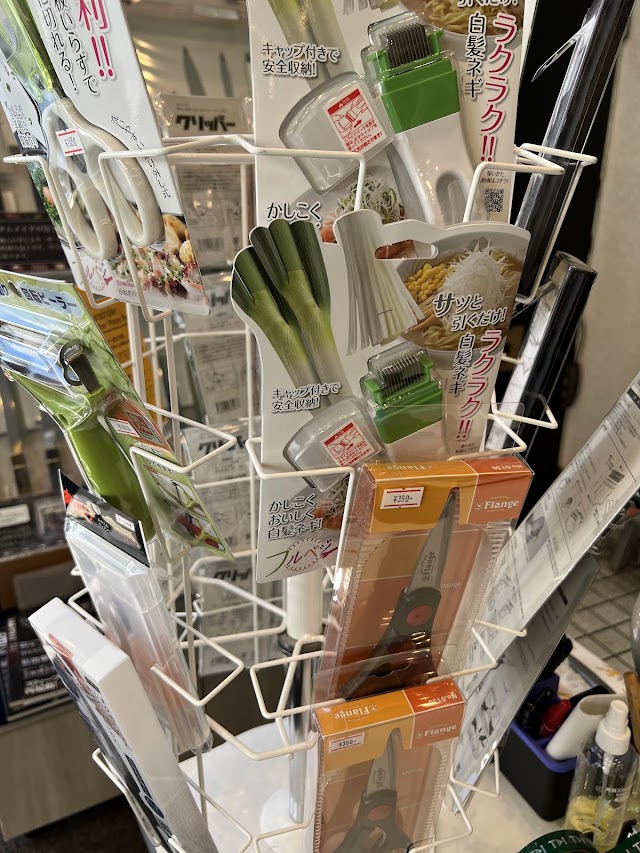
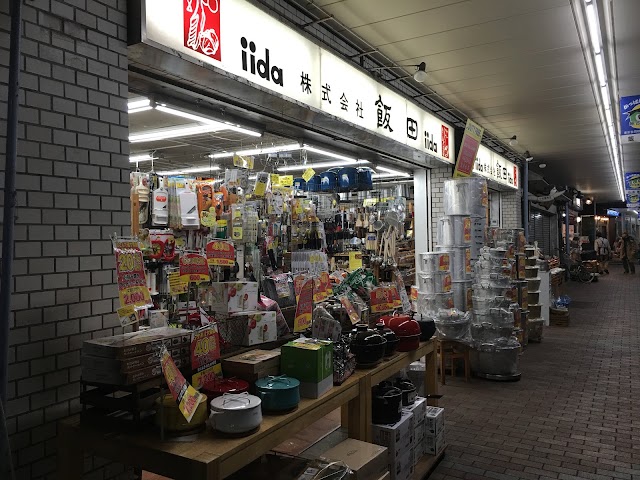
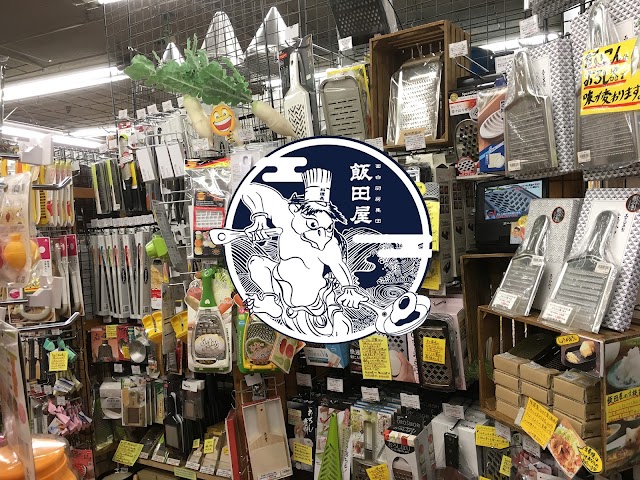
If you only enter one shop, many people pick this one. It stocks thousands of cooking tools at warehouse density, and its real strength is offering a dozen answers to one function: an entire wall of graters, with staff who can tell you whether the difference is in the blade angle or the output speed. The price band is the friendly part — this is the shop that needs no decision, where a few hundred yen buys something you will actually use. It opens at 11:00, so visit others first.
★ Closed over the New Year period; the aisles are narrow in peak season, so leave large suitcases in a locker.
VENUE INFO
Address: 2-chōme-21-6 Nishiasakusa, Taito City, Tokyo 111-0035
Phone: 03-3842-3757
Hours: Monday: 11:00 AM – 6:00 PM; Tuesday: 11:00 AM – 6:00 PM; Wednesday: 11:00 AM – 6:00 PM; Thursday: 11:00 AM – 6:00 PM; Friday: 11:00 AM – 6:00 PM; Saturday: 11:00 AM – 6:00 PM; Sunday: 11:00 AM – 6:00 PM
Nearest Sta.: 7 min from Tawaramachi (Ginza Line); 7 min from Asakusa (Tsukuba Express)
Price: Most small tools between a few hundred and ¥3,000 — the easiest shop on the street for a small purchase
Google rating: 4.3(572 則評論)
Verified: 2026-08-10 16:01 Google Maps
新美洋食器店
Photos: T “スパイ防止法に反対するのはスパイ” S、Gaby、The Foodie Architect、Jean Y、Abbie Girl、NAMIO / Google Maps
新美洋食器店
Why we recommend
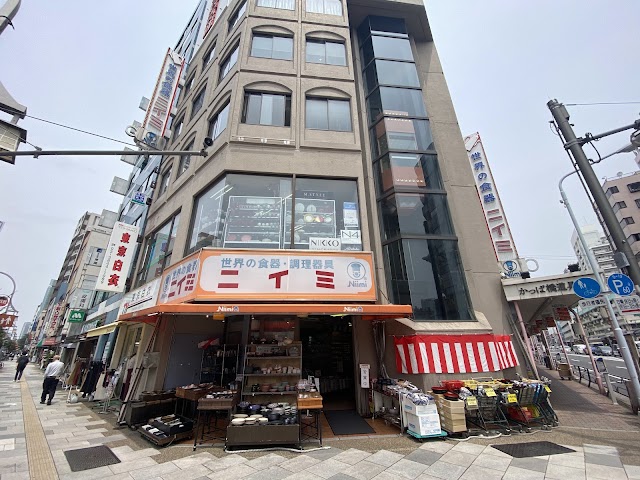
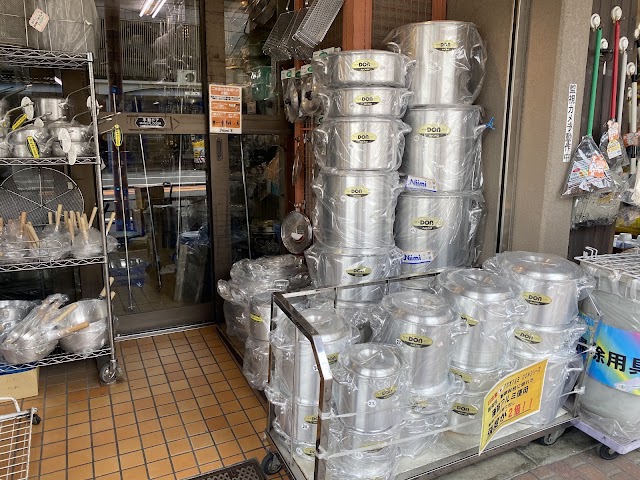
The giant chef's hat on the roof is Kappabashi's landmark and everyone photographs this corner, but those who only photograph it miss the point. Inside is an old-school Western tableware wholesaler where plates, cutlery and glasses are priced by quantity, which suits buying a matching set outright — exactly what ordinary retail cannot do, since it sells only settings for two or four. For anyone fitting out a restaurant, or simply wanting one pattern throughout the kitchen, the unit prices and range beat the high street.
★ Closed Sundays and public holidays — the classic wholesale-district rhythm. A Sunday visit leaves only a handful of shops open.
VENUE INFO
Address: 1-chōme-1-1 Matsugaya, Taito City, Tokyo 111-8628
Phone: 03-3842-0213
Hours: Monday: 11:00 AM – 5:45 PM; Tuesday: 10:00 AM – 5:45 PM; Wednesday: 10:00 AM – 5:45 PM; Thursday: 10:00 AM – 5:45 PM; Friday: 10:00 AM – 5:45 PM; Saturday: 10:00 AM – 5:45 PM; Sunday: Closed
Closed: Sunday
Nearest Sta.: 3 min from Tawaramachi (Tokyo Metro Ginza Line)
Price: Western tableware, glassware and commercial-use crockery mostly from a few hundred to a few thousand yen
Google rating: 4.1(298 則評論)
Verified: 2026-08-10 16:01 Google Maps
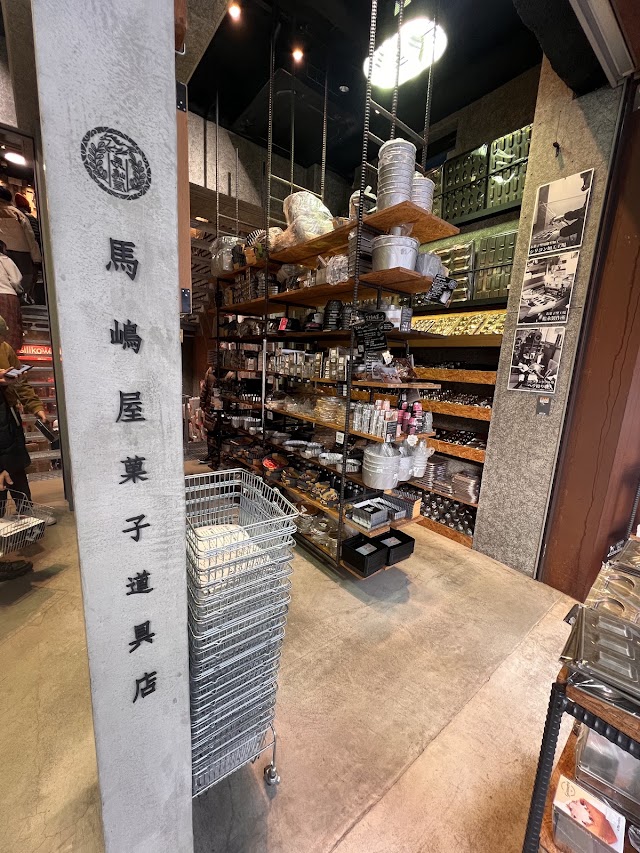
馬嶋屋菓子道具店
Photos: 馬嶋屋菓子道具店 かっぱ橋道具街店、yuichi inoue、Shiro Su、ピーマン、y kfh、はちみつ0812、823、Kyoko Takahashi / Google Maps
馬嶋屋菓子道具店
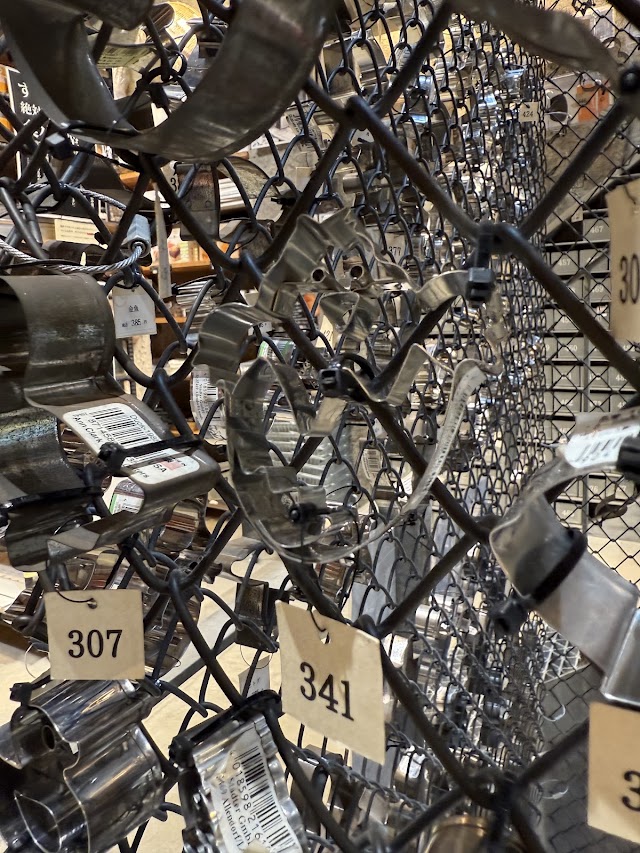
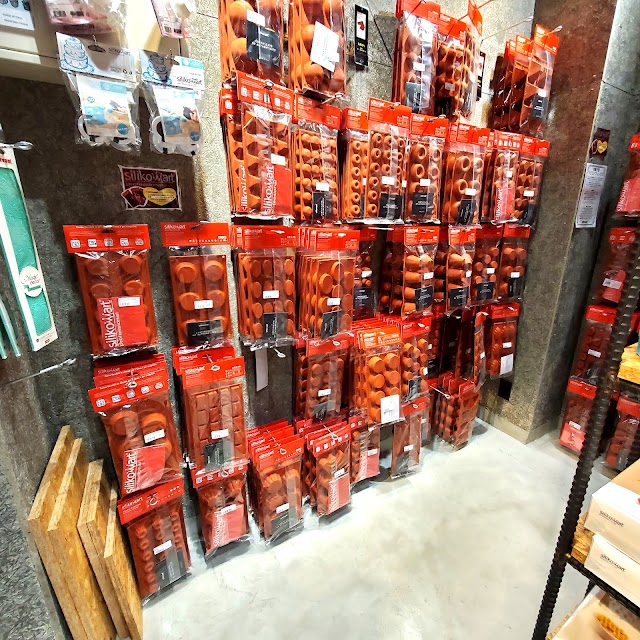
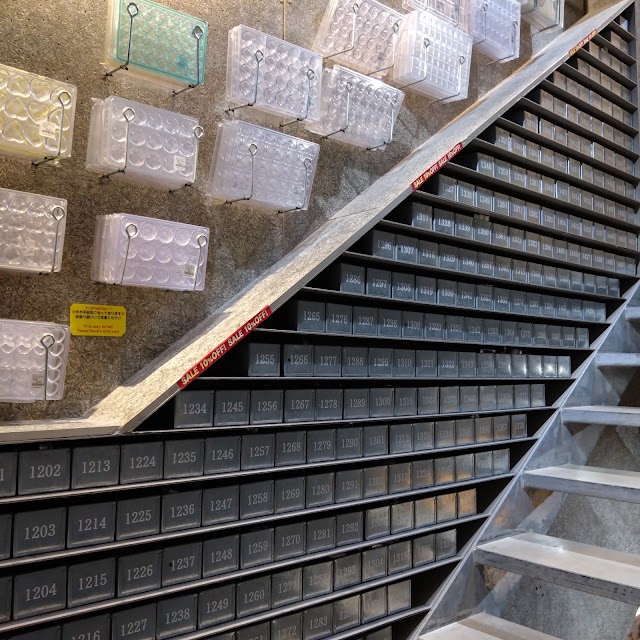
Why we recommend
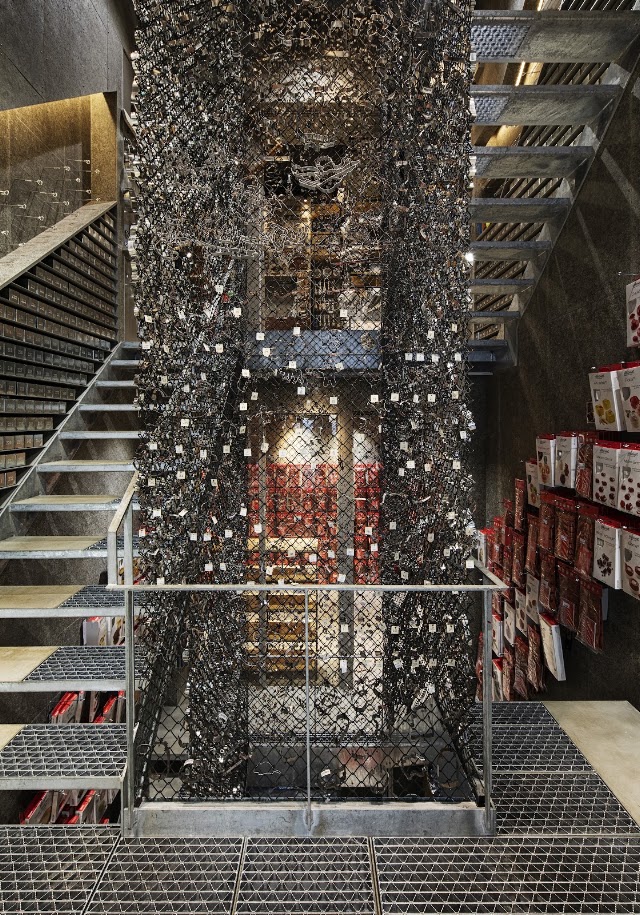
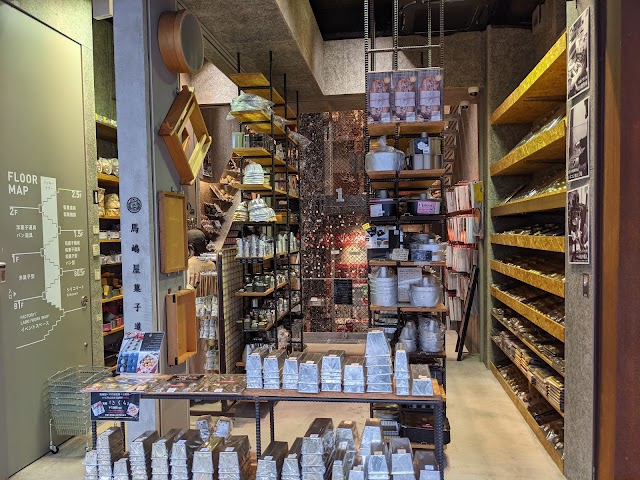
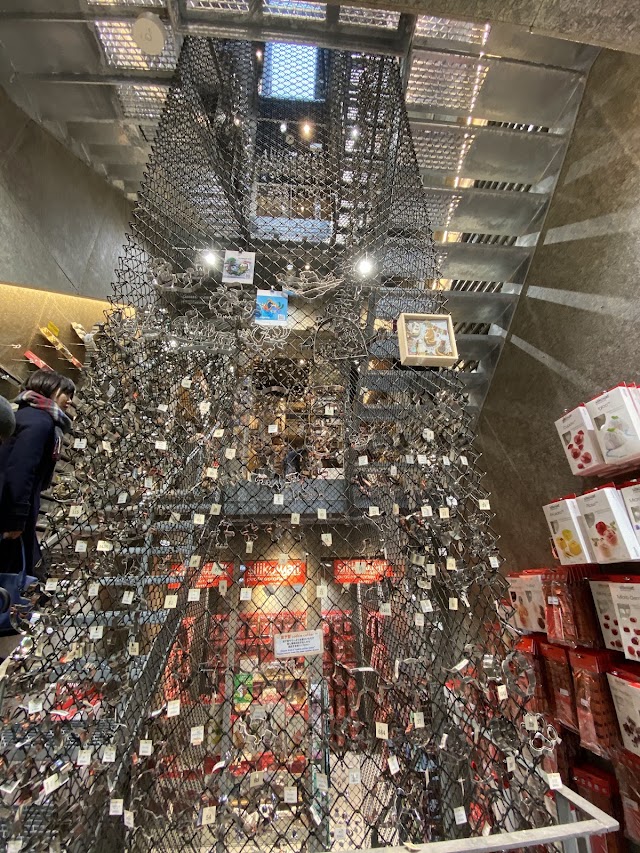
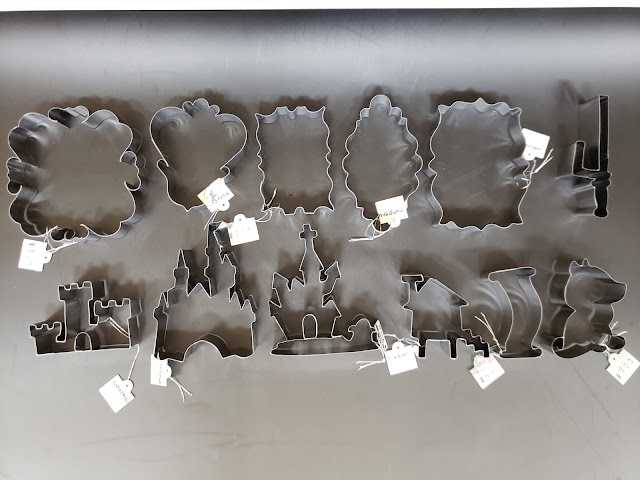
The street's headquarters for confectionery tools and where professional bakers stock up. The fun part for visitors is the sheer density of cookie cutters, including shapes you will not find in Taiwan, at a few hundred yen each — the souvenir that takes up least suitcase space. The shop also takes orders for custom cutters, which is hard to complete inside a trip but worth knowing exists: if you want a cutter carrying your own bakery's mark, this is where it starts.
★ Closed on public holidays, at New Year and over the Obon period, which falls in mid-August 2026 — check before going then.
VENUE INFO
Address: 2-chōme-5-4 Nishiasakusa, Taito City, Tokyo 111-0035
Phone: 03-3844-3850
Hours: Monday: 9:30 AM – 5:30 PM; Tuesday: 9:30 AM – 5:30 PM; Wednesday: 9:30 AM – 5:30 PM; Thursday: 9:30 AM – 5:30 PM; Friday: 9:30 AM – 5:30 PM; Saturday: 9:30 AM – 5:30 PM; Sunday: 10:00 AM – 5:00 PM
Nearest Sta.: 8 min from Iriya (Hibiya Line); 9 min from Tawaramachi (Ginza Line)
Price: Cookie cutters and piping tips mostly a few hundred yen; moulds and tins up into the thousands
Google rating: 4.3(312 則評論)
Verified: 2026-08-10 16:01 Google Maps
元祖食品樣品屋 合羽橋店
Photos: GOタイム、DRY “ザ・ブラック” ZERO、おおたぶちょう、Nowak Abel、うなぎ犬、すんちゃ、Jay Lee、nhat、Oto Yo、早川一美 / Google Maps
元祖食品樣品屋 合羽橋店
Why we recommend
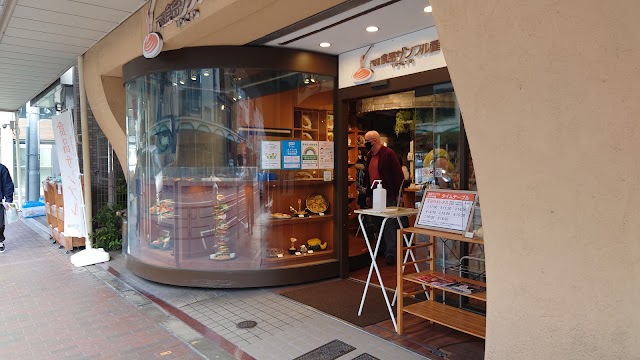
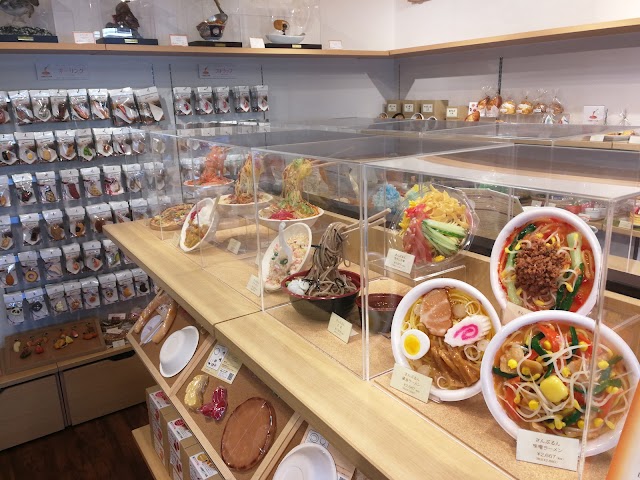
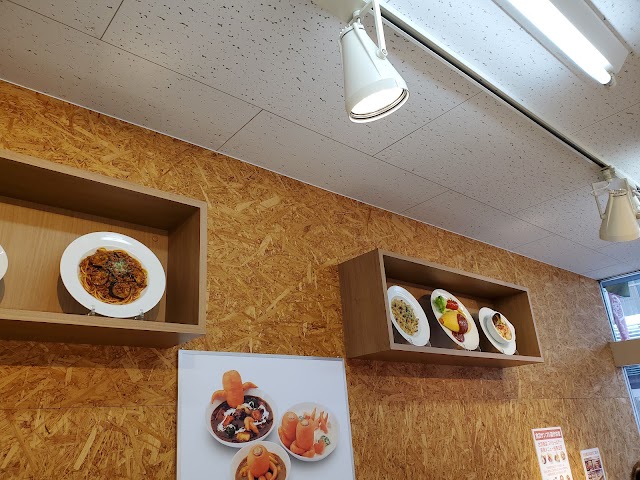
Food samples are a distinctly Japanese branch of commercial art, and this street is where they are made. The shop turns that into two things: finished pieces to buy (tempura magnets, spaghetti keyrings — souvenirs nobody mistakes for anything else) and a hands-on workshop. The session uses the traditional wax method, pouring hot wax into water and drawing out the shape of a tempura prawn, and is open to children from the first year of primary school. It is one of the easiest indoor plans in Tokyo for a summer holiday with children: weatherproof, and you leave holding the result.
★ From 1 July 2026, non-participating companions entering the workshop space are charged ¥500 each, limited to two per group. Workshops must be booked in advance.
VENUE INFO
Address: 3-chōme-7-6 Nishiasakusa, Taito City, Tokyo 111-0035
Phone: 0120-171-839
Hours: Monday: 10:00 AM – 5:30 PM; Tuesday: 10:00 AM – 5:30 PM; Wednesday: 10:00 AM – 5:30 PM; Thursday: 10:00 AM – 5:30 PM; Friday: 10:00 AM – 5:30 PM; Saturday: 10:00 AM – 5:30 PM; Sunday: 10:00 AM – 5:30 PM
Nearest Sta.: 5 min from Asakusa (Tsukuba Express); 10 min from Tawaramachi (Ginza Line)
Price: Magnets and keyrings around ¥1,000; the making workshop is priced by item and requires advance booking
Google rating: 4.3(360 則評論)
Verified: 2026-08-10 16:01 Google Maps
Dr.Goods
Photos: 食と料理の道具店 Dr.Goods / Google Maps
Dr.Goods
Why we recommend
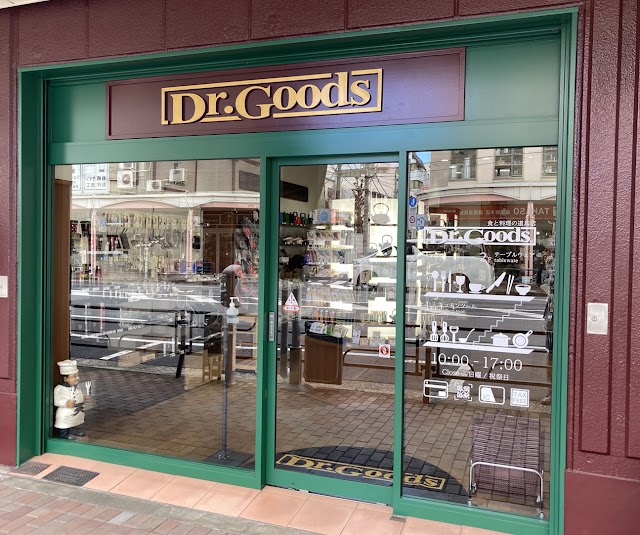
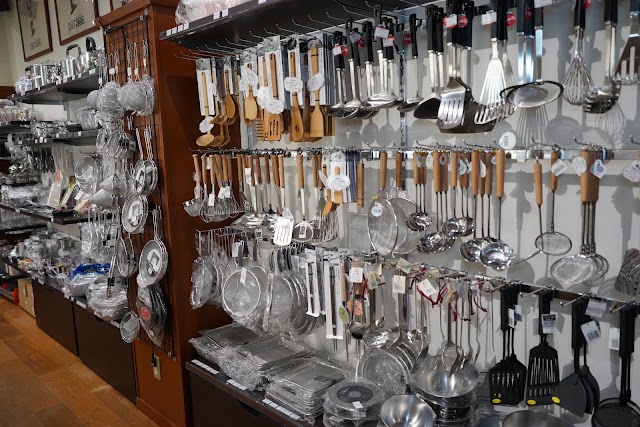
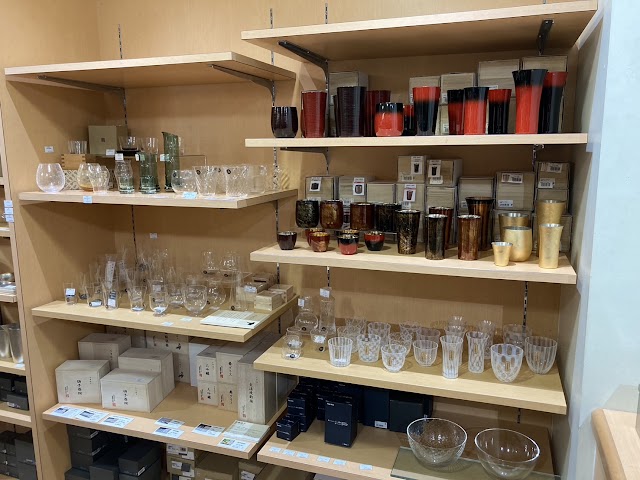
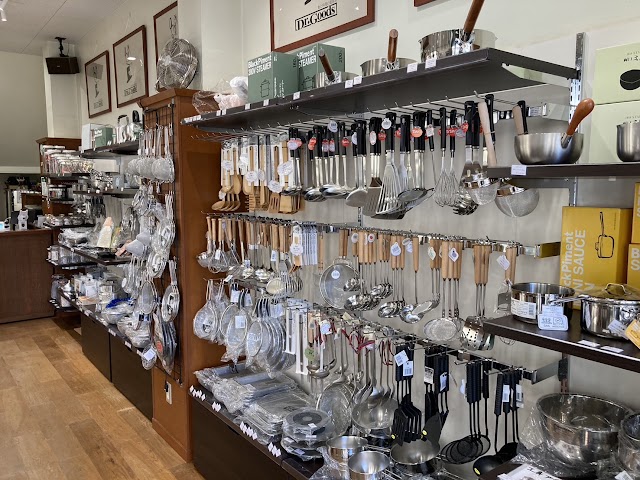
One of the few shops here that merchandises its stock as design objects, with a clear curatorial slant and a rhythm quite unlike the wholesale counters. For anyone who does not cook much but wants to bring home something well made, the hit rate beats the knife shops: bottle openers, measuring spoons, tongs — good shapes that also last. It sits close to Tawaramachi Station, making it the natural first stop when you arrive on the Ginza Line and want a feel for what Kappabashi sells before heading deeper.
★ Closes at 17:00 and the floor is small; avoid the mid-afternoon crush if you can.
VENUE INFO
Address: 1-chōme-4-8 Nishiasakusa, Taito City, Tokyo 111-0035
Phone: 03-3847-9002
Hours: Monday: 10:00 AM – 5:00 PM; Tuesday: 10:00 AM – 5:00 PM; Wednesday: 10:00 AM – 5:00 PM; Thursday: 10:00 AM – 5:00 PM; Friday: 10:00 AM – 5:00 PM; Saturday: 10:00 AM – 5:00 PM; Sunday: Closed
Closed: Sunday
Nearest Sta.: 4 min from Tawaramachi (Tokyo Metro Ginza Line)
Price: Kitchen gadgets and hardware mostly ¥1,000 to a few thousand
Google rating: 4.1(62 則評論)
Verified: 2026-08-10 16:01 Google Maps
藤田道具
Photos: コイズミカズヤ、。たけりょう、ようこ、藤田道具株式会社、ixy 0701 / Google Maps
藤田道具
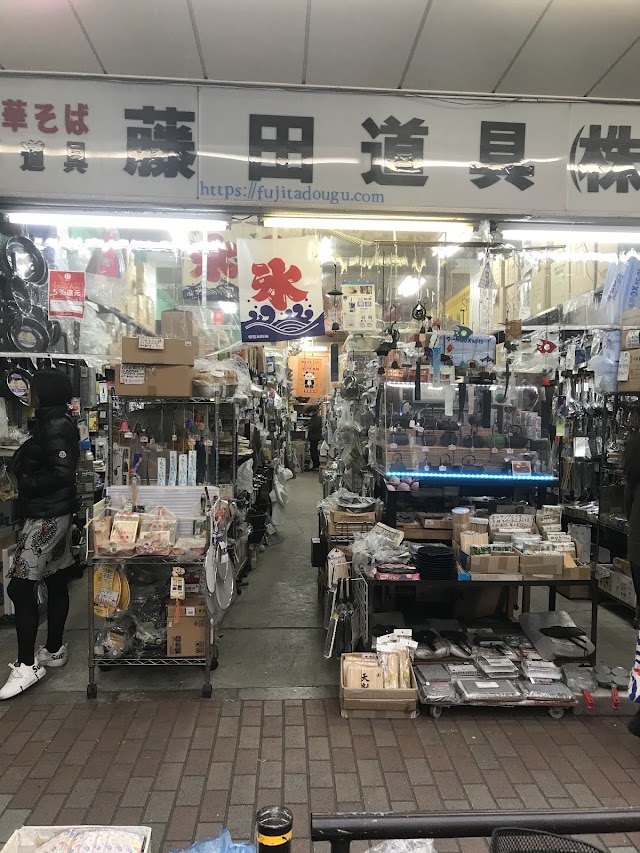
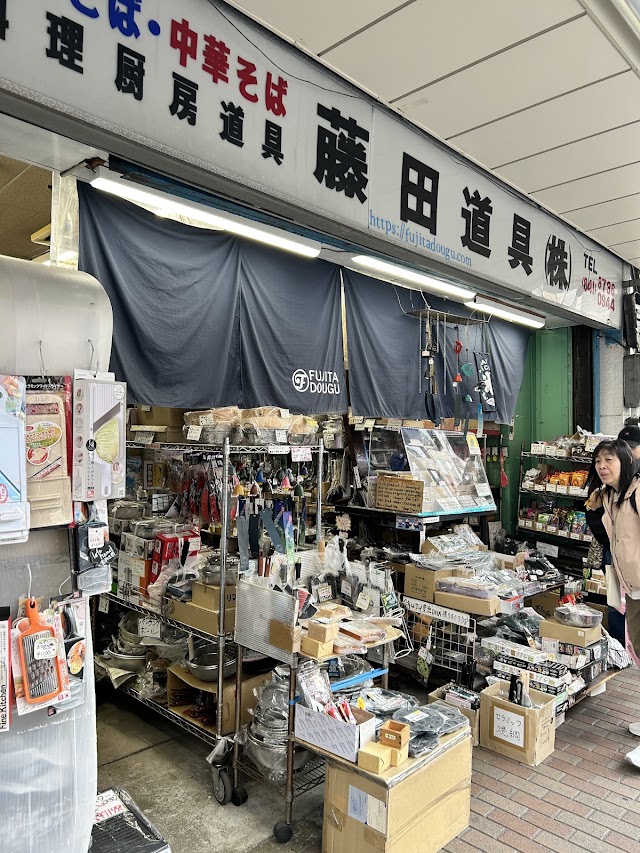
Why we recommend
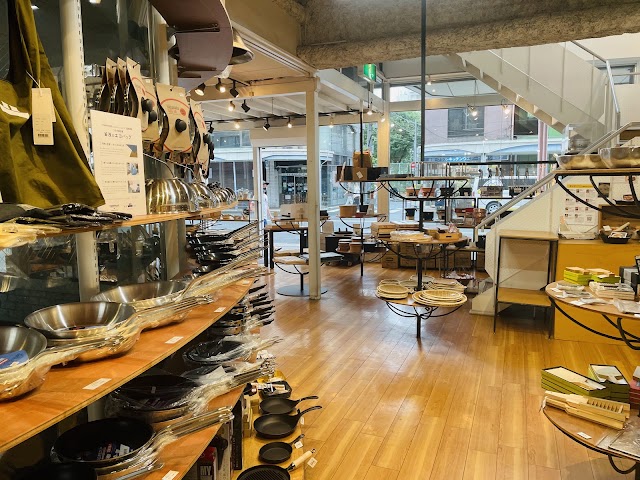
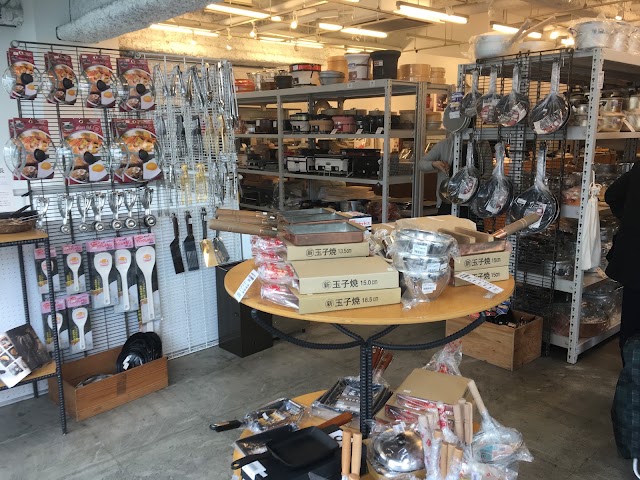
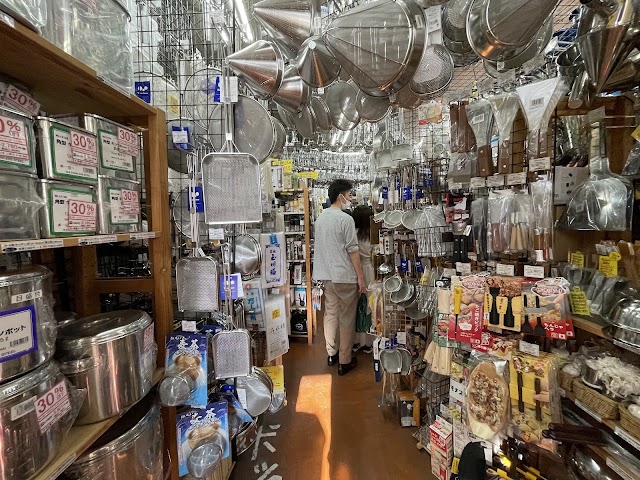
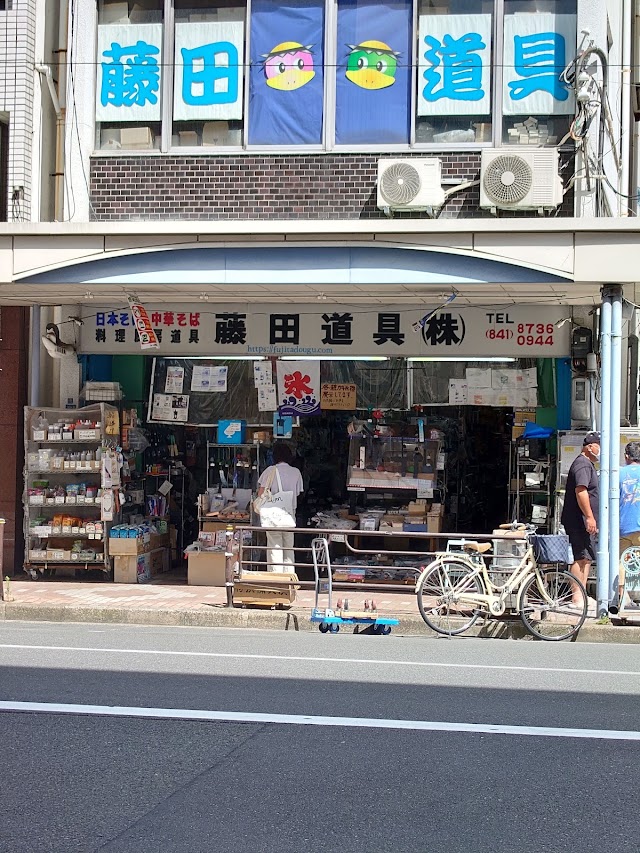
An old-line wholesaler of pans and hardware that opens at 9:30, among the first on the street to come alive. Anyone after an iron pan should include it: Japanese hammered iron skillets, aluminium yukihira pots and wok-style pans come in finer gradations of weight and thickness than a Taiwanese department store offers, at wholesale logic on price. The thing to judge is not the brand but the weight — the one that feels heavy in the shop is usually the one you use most at home, because it holds heat and does not drop temperature when food hits it.
★ Stock skews commercial; domestic sizes are fewer, so ask if you want a small pan.
VENUE INFO
Address: 〒111-0035 Tokyo, Taito City, Nishiasakusa, 2-chōme−20−4 藤田道具株式会社
Phone: 03-3841-0944
Hours: Monday: 9:30 AM – 5:30 PM; Tuesday: 9:30 AM – 5:30 PM; Wednesday: 9:30 AM – 5:30 PM; Thursday: 9:30 AM – 5:30 PM; Friday: 9:30 AM – 5:30 PM; Saturday: 9:30 AM – 5:30 PM; Sunday: 12:00 – 4:30 PM
Nearest Sta.: 7 min from Tawaramachi (Tokyo Metro Ginza Line)
Price: Iron pans, wok-style pans and commercial cookware mostly from a few thousand yen to ¥10,000
Google rating: 4.3(70 則評論)
Verified: 2026-08-10 16:01 Google Maps
SHIMOJIMA 合羽橋店
Photos: T M、a ma、Steven L. Johnson、ZMC S、T “スパイ防止法に反対するのはスパイ” S、間桐里瑚、Tetsuo Kiyama / Google Maps
SHIMOJIMA 合羽橋店
Why we recommend
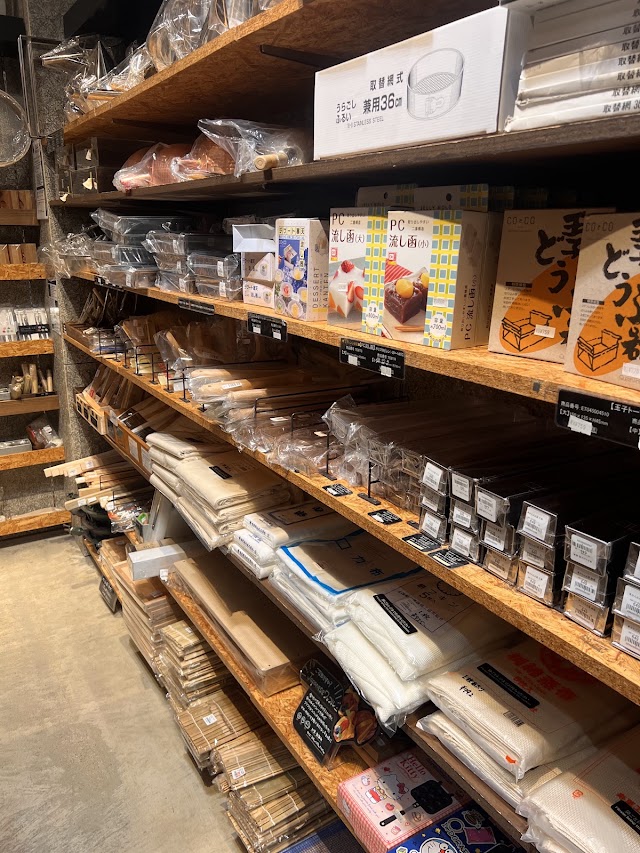
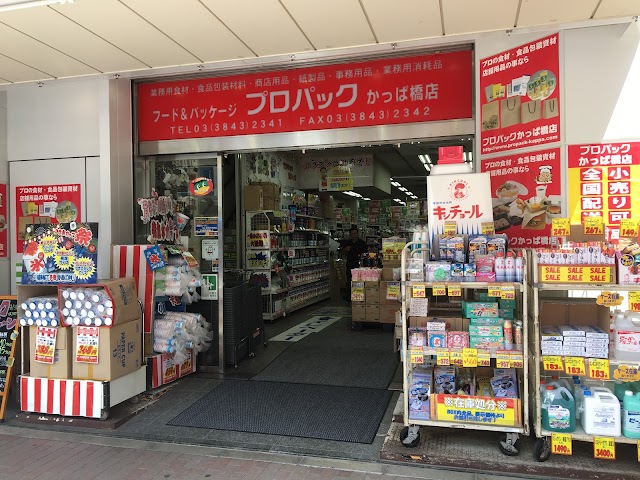
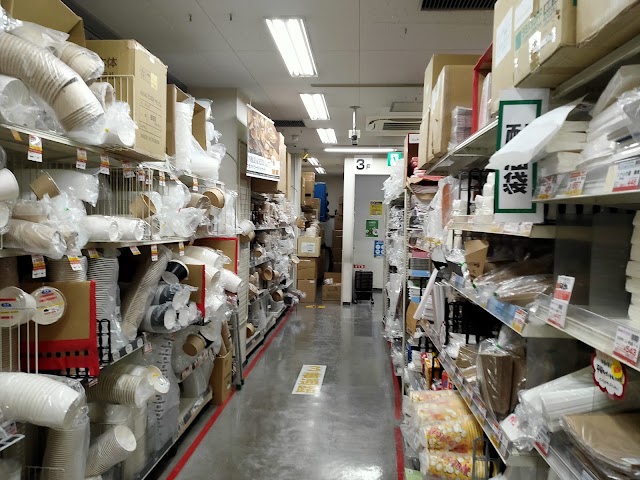
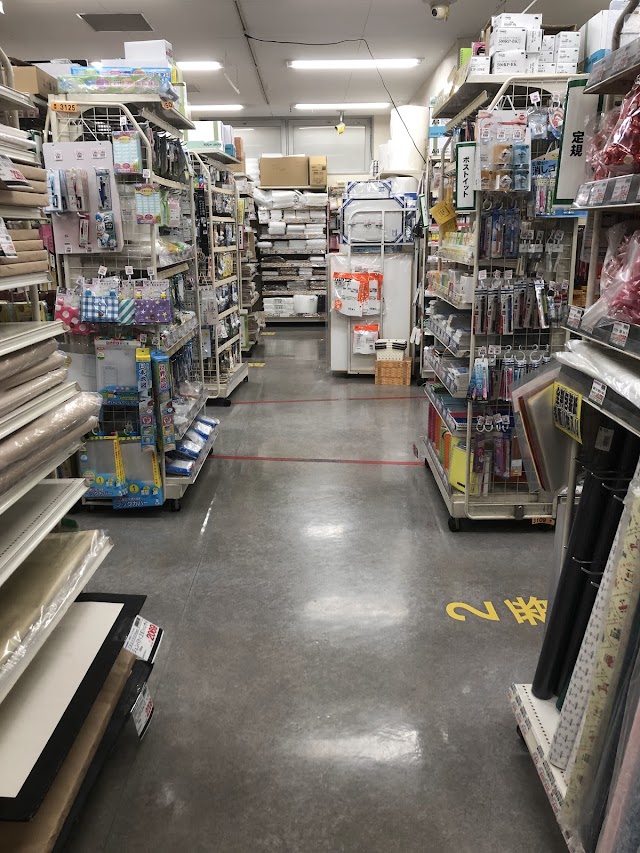
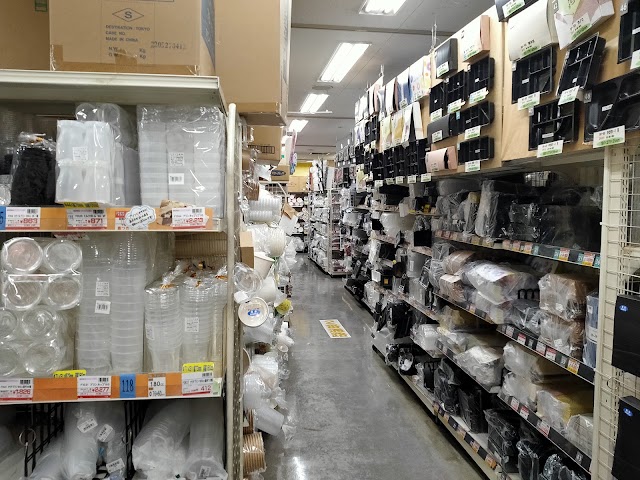
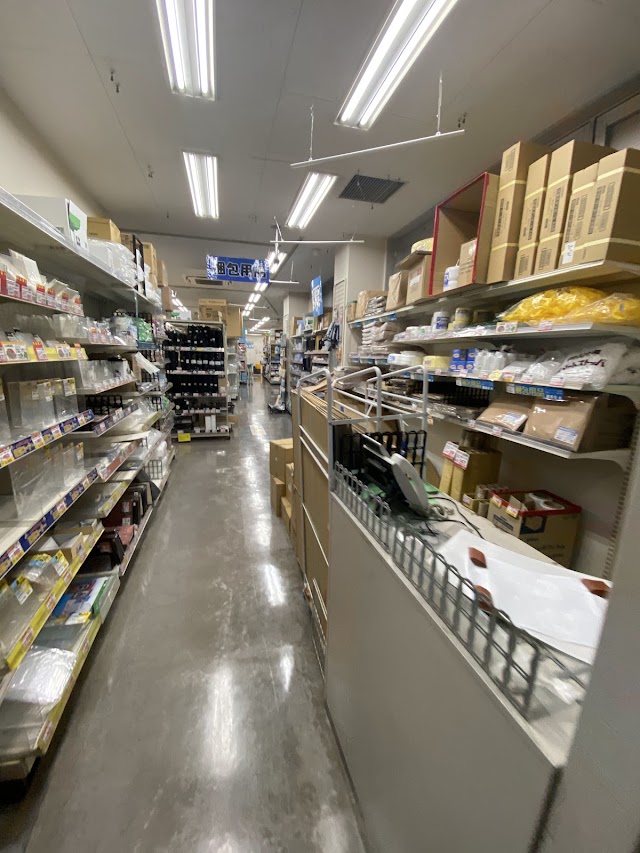
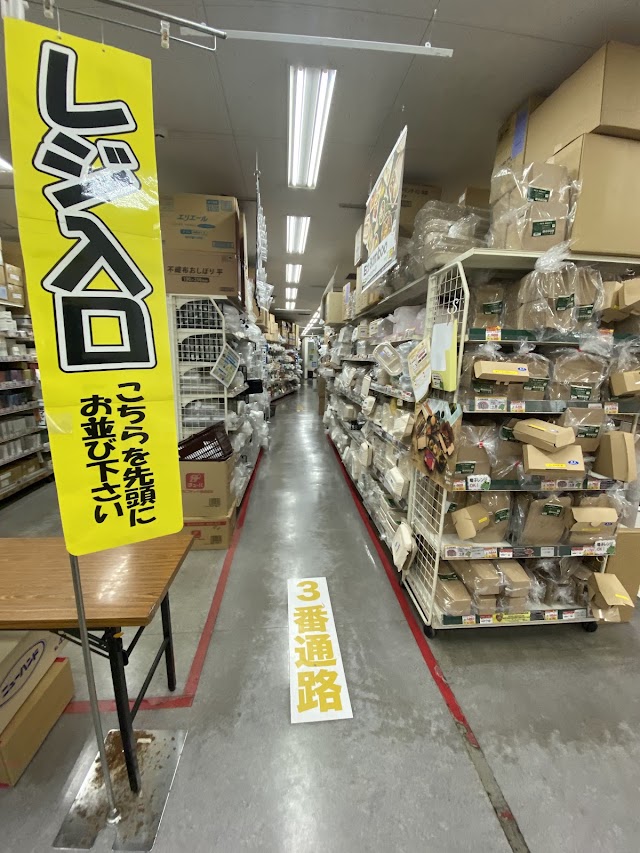
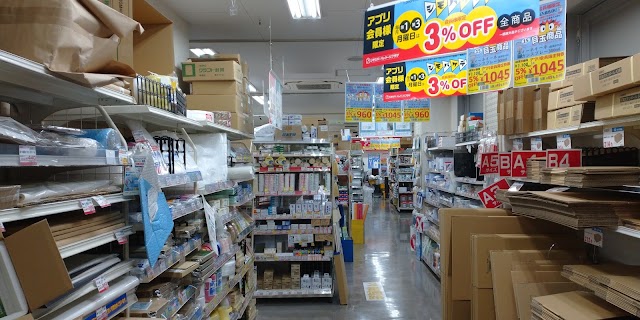
A large packaging supplier that opens at 9:00, and the street's most underrated stop. Once you have bought a knife, a pan and a set of cookie cutters, the real question is how to give them away — and this is floors of paper bags, wrapping paper, ribbon, cellophane and stickers, where Japanese quality and pattern range are a genuine step up, sold by the pack at low unit prices. Anyone making things to sell should come: stocking a year of packaging in one visit costs far less per item than buying piecemeal in Taiwan.
★ Packaging is bulky but light — buy it last, and watch suitcase volume rather than the weight limit.
VENUE INFO
Address: 3-chōme-7-5 Nishiasakusa, Taito City, Tokyo 111-0035
Phone: 03-3843-2341
Hours: Monday: 9:00 AM – 5:30 PM; Tuesday: 9:00 AM – 5:30 PM; Wednesday: 9:00 AM – 5:30 PM; Thursday: 9:00 AM – 5:30 PM; Friday: 9:00 AM – 5:30 PM; Saturday: 9:00 AM – 5:30 PM; Sunday: 9:00 AM – 5:30 PM
Nearest Sta.: 5 min from Asakusa (Tsukuba Express)
Price: Wrapping paper, paper bags and ribbon sold by the pack, from a few hundred yen
Google rating: 3.9(423 則評論)
Verified: 2026-08-10 16:01 Google Maps
※ Business info may change; please check the venue's official sources before visiting.
← Back to home