Tokyo Business Hotels 2026: City ADR Hits ¥42,600, Up 17.4% — What the ¥10,000 Band Still Buys, and Why April 2027's Tax Change Favours It
- Tokyo's all-category ADR reached ¥42,600 in April 2026, up 17.4% year on year, while the national business-hotel ADR was ¥15,000 — over 36% above April 2019's ¥11,000 (HotelBank).
- The national average ADR hit a monthly record ¥32,340 in May 2026, roughly 18.9% higher over two years.
- Demand has not softened: Japan Tourism Agency figures put Tokyo occupancy at 70.7% in January 2026.
- Cost pressure is structural: all 47 prefectures revised minimum wages between October 2025 and March 2026, with the national average passing ¥1,000 for the first time.
- Tokyo's accommodation tax is currently flat: nothing below ¥10,000 per person per night, ¥100 from ¥10,000 to under ¥15,000, and ¥200 at ¥15,000 and above.
- From 1 April 2027 it becomes a flat 3% with no ceiling, the exemption threshold rises to under ¥13,000, and simple lodgings and private accommodation enter the tax base; ministerial consent was given on 30 June 2026.
- The change favours the ¥10,000–13,000 band, which moves from ¥100 to exempt, while stays above ¥20,000 go from a flat ¥200 to ¥600 and up.
- Compare differently: the same room varies up to twofold by date, so the date decides the number more than the property; the useful comparison is what a price band buys — bath, free breakfast, per-room or per-person pricing, staffed desk at midnight.
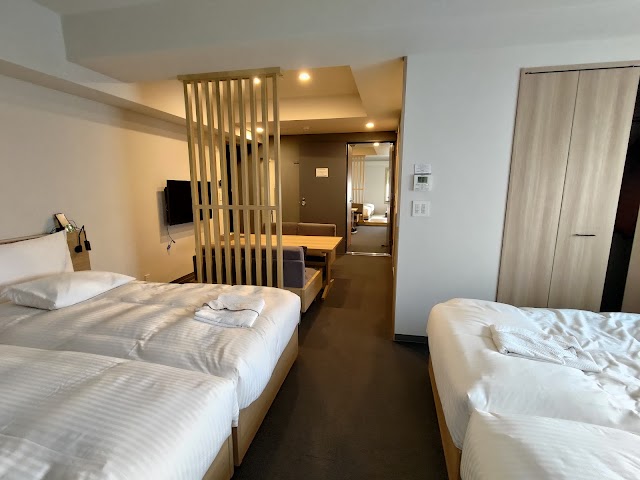
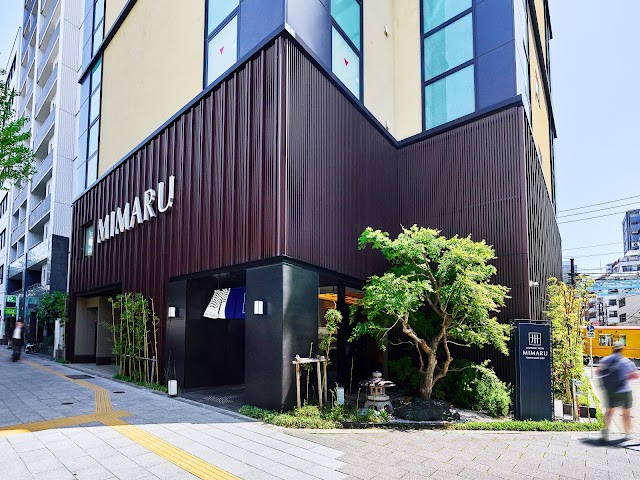
- From four people up, apartment-style stays priced per unit with a kitchen usually beat two business singles on effective cost per head; MIMARU Tokyo Ueno East is the highest rated here at 4.8 from over 1,600 reviews.
- All ten properties were verified as trading via the Google Places API on 9 August 2026; rates move daily, so no individual prices are quoted.
Tokyo accommodation got more expensive in 2026, and it is not an impression. According to the industry data site HotelBank, the all-category average daily rate in Tokyo reached ¥42,600 in April 2026, up 17.4 per cent year on year, while the national business-hotel average that month was ¥15,000 — more than 36 per cent above the ¥11,000 of April 2019. In May the national average hit a monthly record of ¥32,340.
Inbound demand is not the only cause. Between October 2025 and March 2026 all 47 prefectures completed minimum-wage revisions and the national average passed ¥1,000 for the first time, pushing up the on-site labour that hotels run on. Tokyo occupancy still stood at 70.7 per cent in January 2026, so demand has not softened — operators raise rates knowing the rooms still fill.
Given that structure, "find a cheap hotel" is the wrong question. Straight price comparison gets more expensive the longer you do it, because the same room can vary twofold between weekday and weekend or peak and off-peak: the date decides the number more than the property does. The useful comparison is what a given price band buys — a communal bath or not, breakfast free or not, priced per person or per room, staffed at midnight or not, and how far the station is.
One more thing is worth knowing, because it changes how the ¥10,000-odd band feels. Tokyo's accommodation tax is currently a flat charge: nothing below ¥10,000 per person per night, ¥100 from ¥10,000 to under ¥15,000, and ¥200 above that. From 1 April 2027 it becomes a flat 3 per cent of the room rate, with the exemption threshold raised to under ¥13,000 per person per night and simple lodgings and private accommodation brought into scope. For the band covered here, next April actually widens the exemption; it is the expensive end that gets more expensive.
All ten properties below were verified as trading via the Google Places API on 9 August 2026, and are grouped by what a given price band buys.
1. The numbers, laid out
HotelBank data puts Tokyo's all-category average daily rate at ¥42,600 in April 2026, up 17.4 per cent year on year. The national business-hotel ADR was ¥15,000 the same month, more than 36 per cent above April 2019's ¥11,000. In May 2026 the national average reached ¥32,340, a monthly record, with roughly 18.9 per cent of cumulative increase over two years.
Demand shows no sign of easing: Japan Tourism Agency figures put Tokyo occupancy at 70.7 per cent in January 2026, among the highest nationally.
Cost pressure is structural too. Between October 2025 and March 2026 all 47 prefectures revised minimum wages and the national average passed ¥1,000 for the first time, feeding directly into housekeeping, front-desk and food-service costs. Once such costs pass into room rates they rarely retreat in step when demand softens.
2. The accommodation tax, before and after April 2027
Tokyo currently levies a flat accommodation tax in three bands per person per night: nothing below ¥10,000, ¥100 from ¥10,000 to under ¥15,000, and ¥200 at ¥15,000 and above. It is not included in displayed rates and is generally collected separately.
For stays from 1 April 2027 the system becomes proportional: a flat 3 per cent of the room rate with no ceiling, the exemption threshold raised to under ¥13,000 per person per night, and the tax base extended from hotels and ryokan to simple lodgings and private accommodation. The change received the Internal Affairs Minister's consent on 30 June 2026.
The practical read splits in two. Anyone paying ¥10,000–13,000 moves from ¥100 to nothing, a marginal saving. Anyone paying above ¥20,000 moves the other way: ¥200 flat today becomes ¥600 and rises with the rate. The band this article covers sits on the benefiting side.
3. Tier one: spend the budget on bathing and breakfast
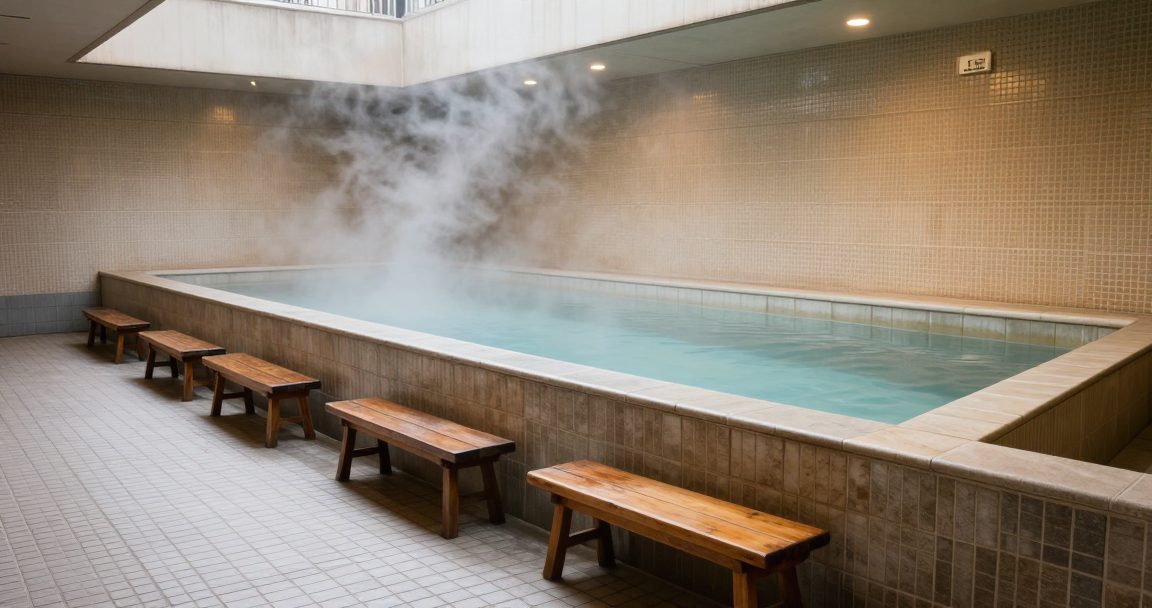
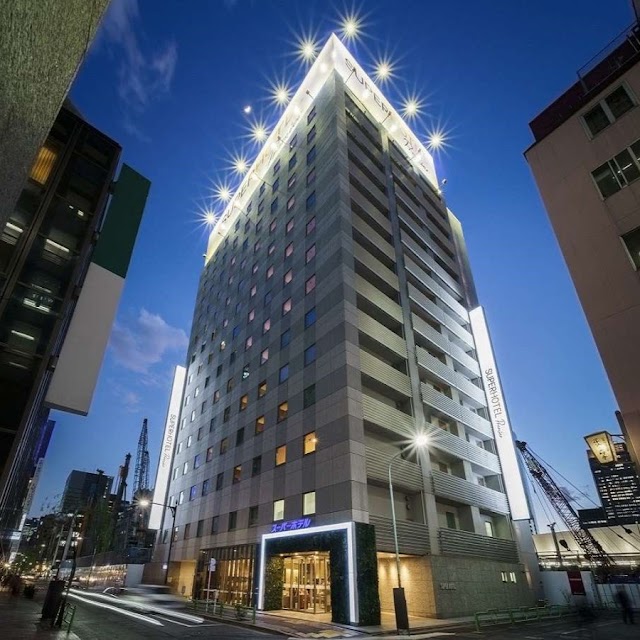
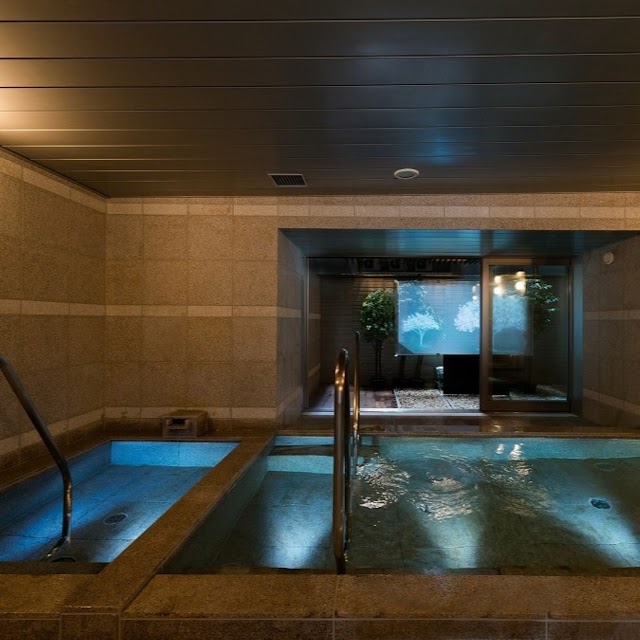
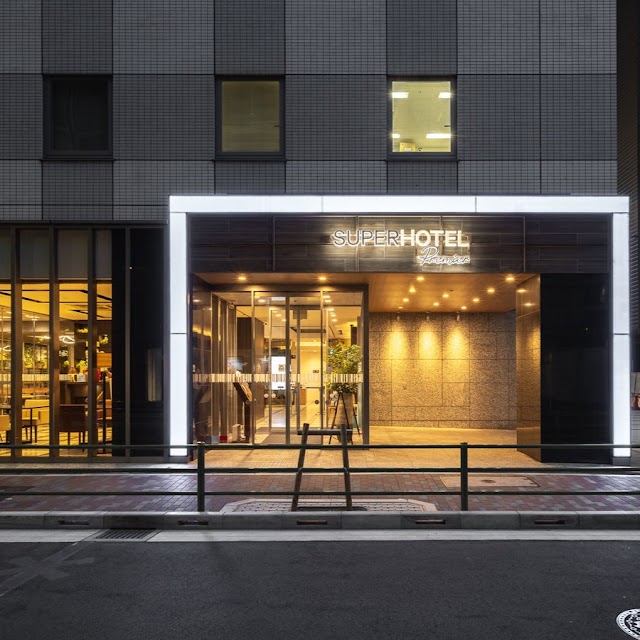
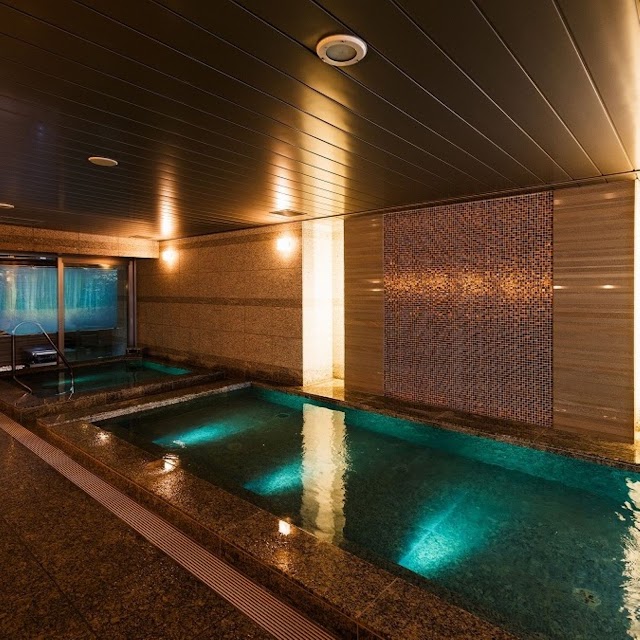
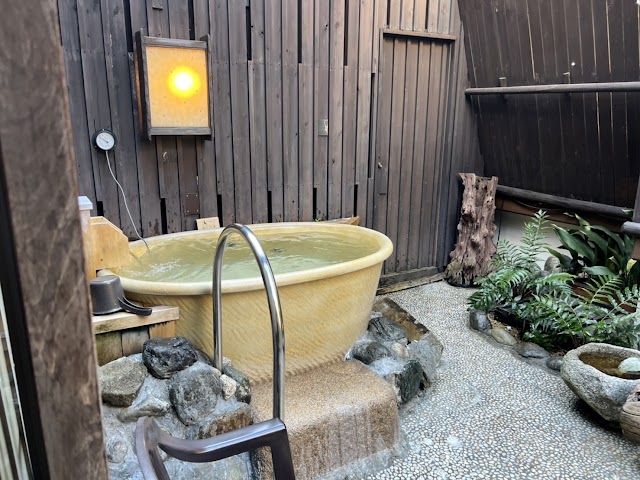
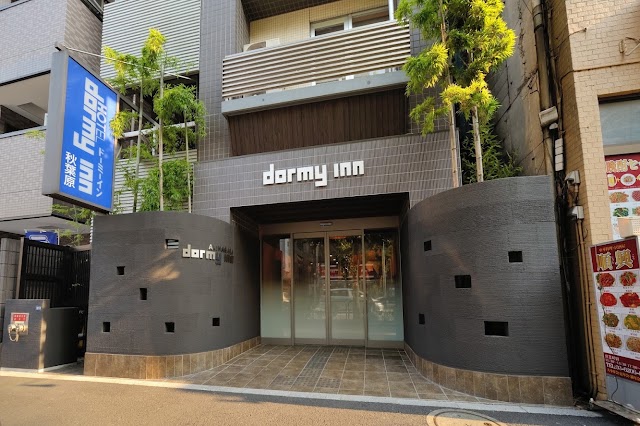
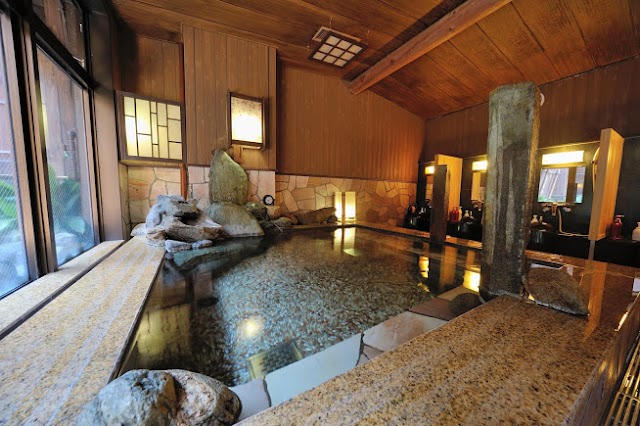
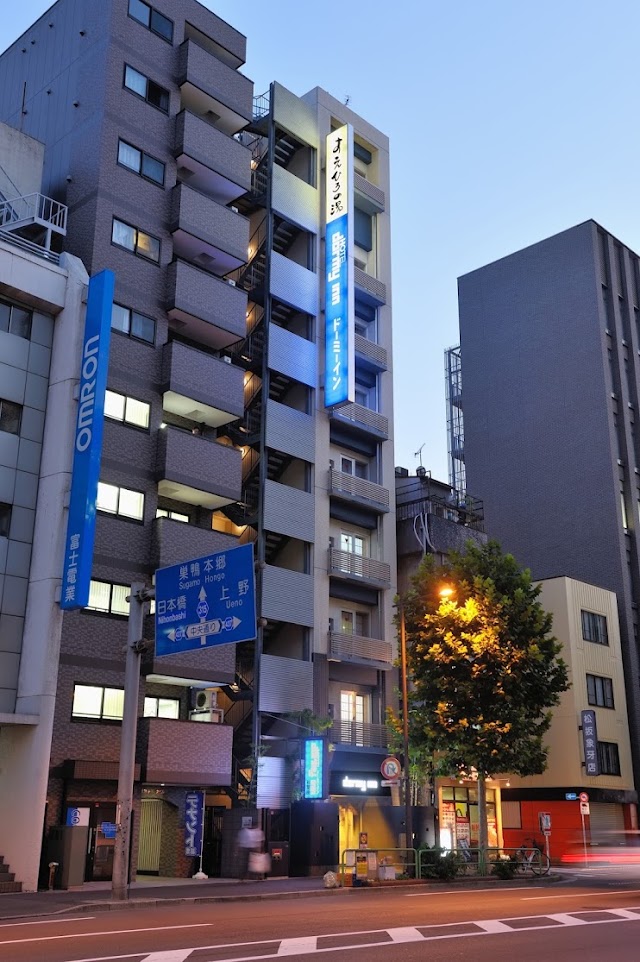
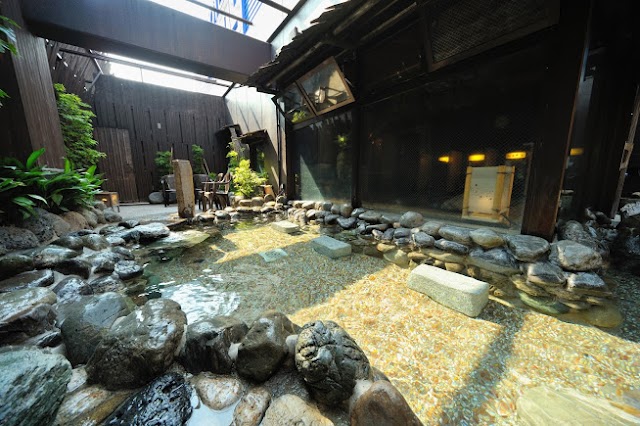
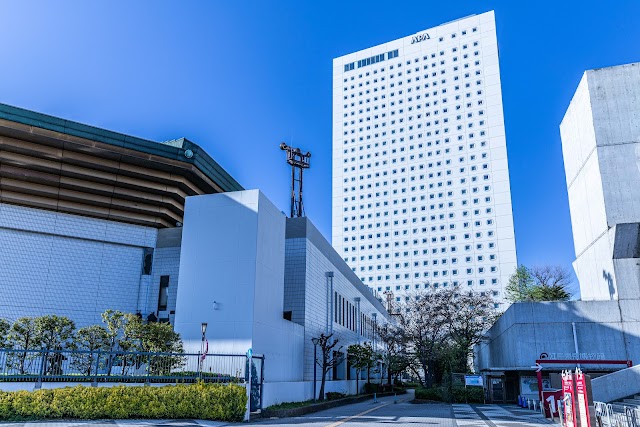
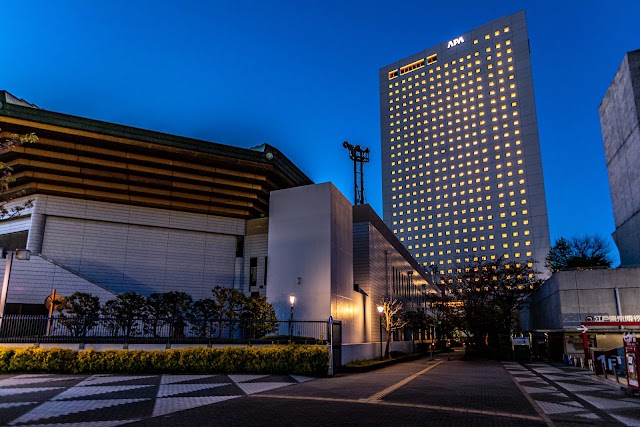
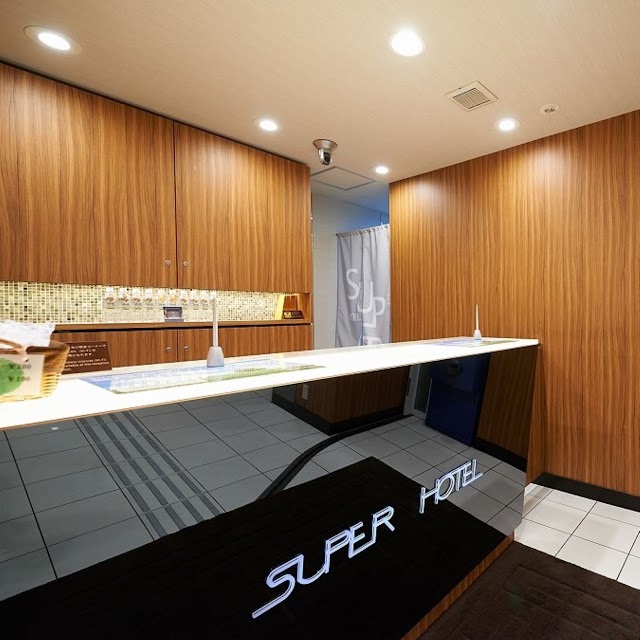
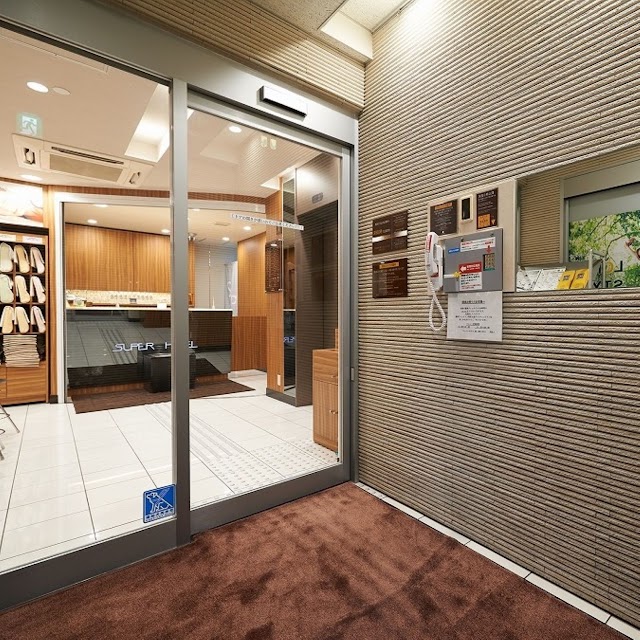
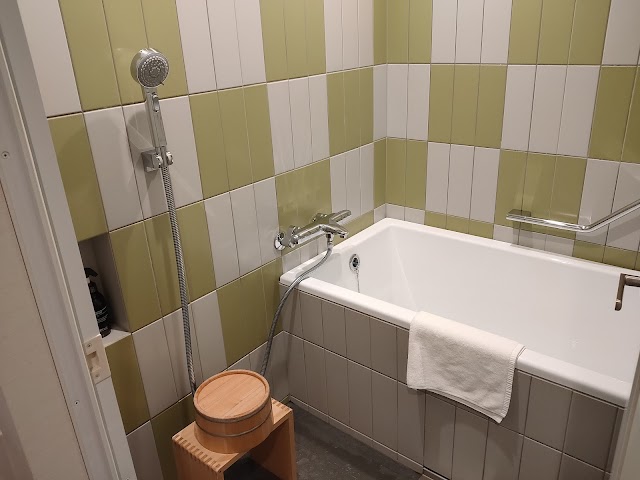
The most concrete expectation Taiwanese travellers bring to a Japanese hotel is a proper bath, and a communal bath is the facility that most widens the experience gap within the business price band. Super Hotel Premier Tokyo Station Yaesu Chuo-guchi pairs Yaezakura-no-yu, a high-concentration artificial carbonated spring, with a three-minute walk to the station — the least luggage-handling of any option here. Dormy Inn Akihabara's Suehiro-no-yu adds a sauna, alongside the brand's free late-night 'yonaki' ramen. APA Ryogoku-Ekimae Tower wins on scale, with over 4,000 reviews, rooms that rarely all go in peak season and a location beside the station exit.
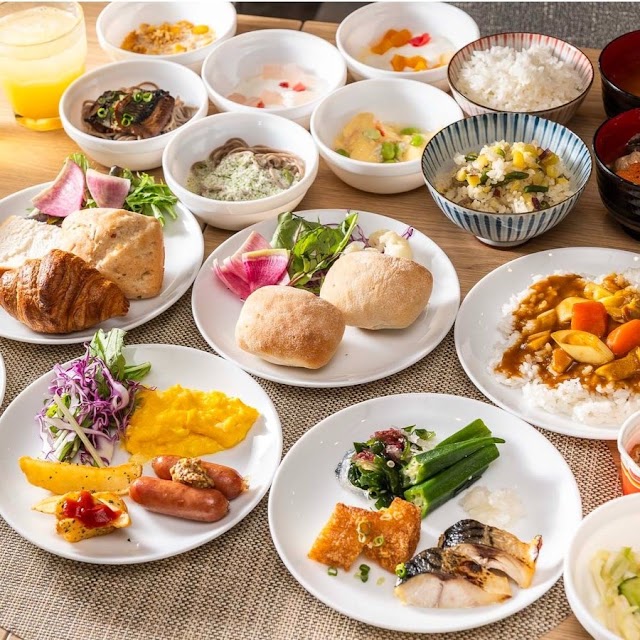
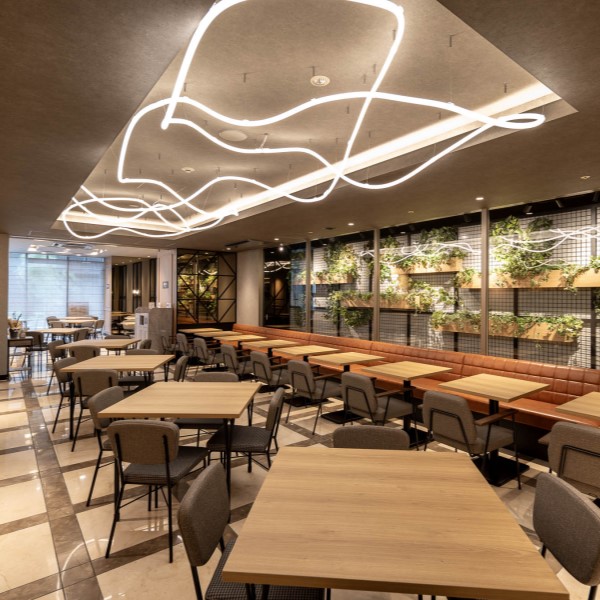
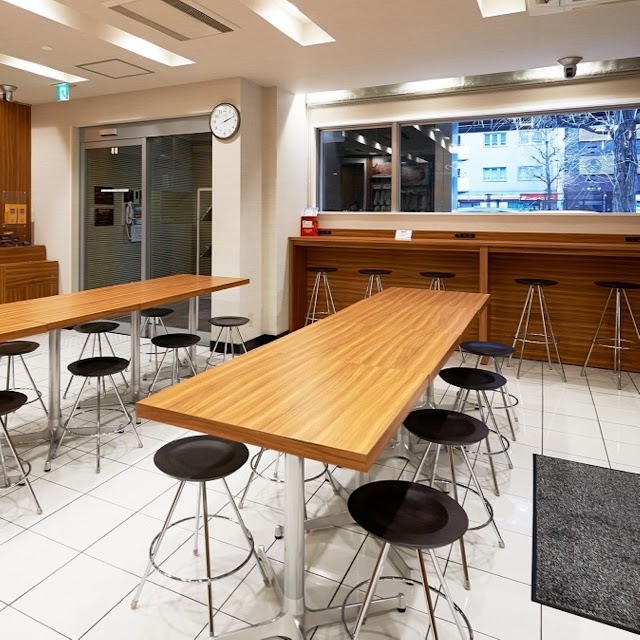
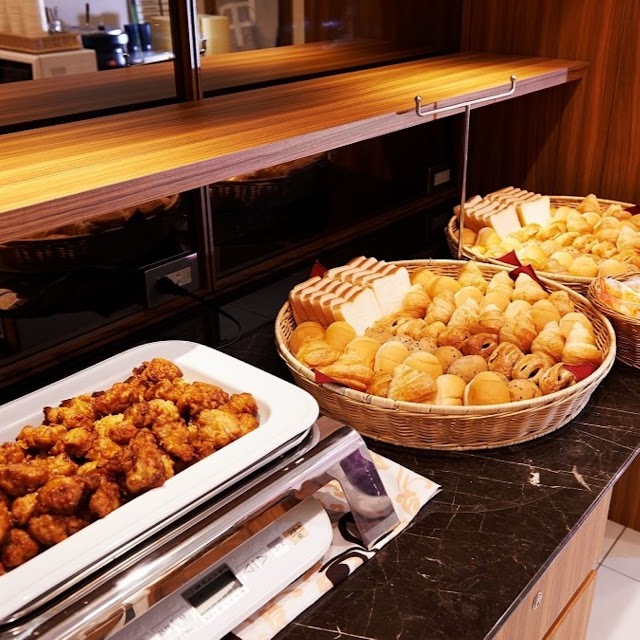
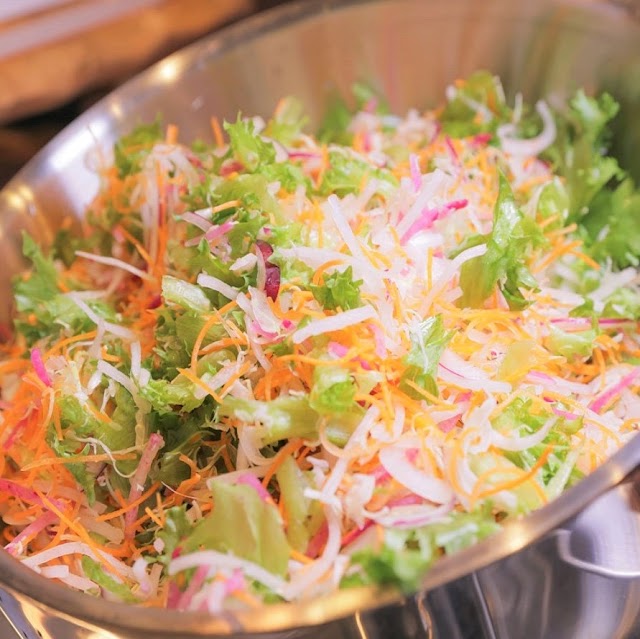
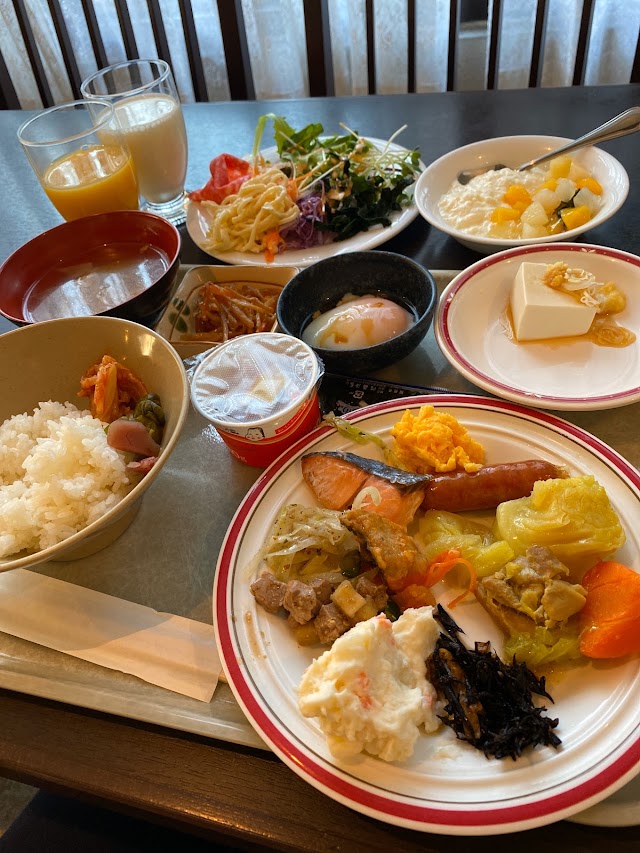
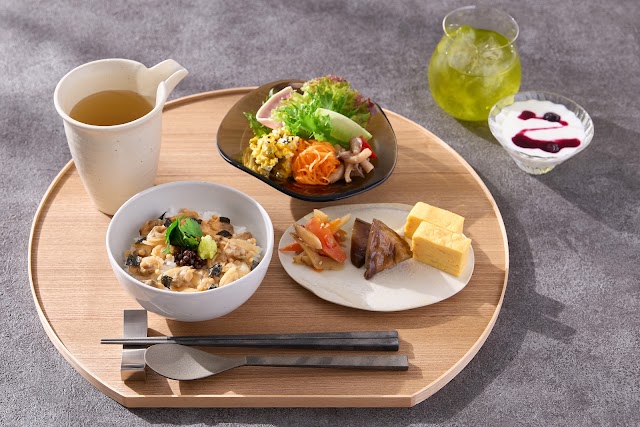
Free breakfast is the other real discount. A café set in Tokyo now passes ¥1,000 easily, so the brand-standard free breakfast at Super Hotel and Toyoko Inn saves that per person per day.
4. Tier two: buying predictability
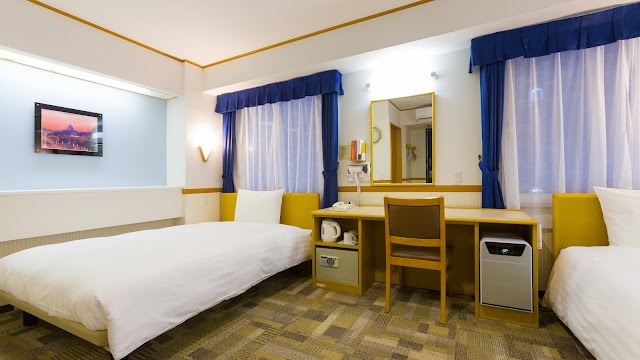
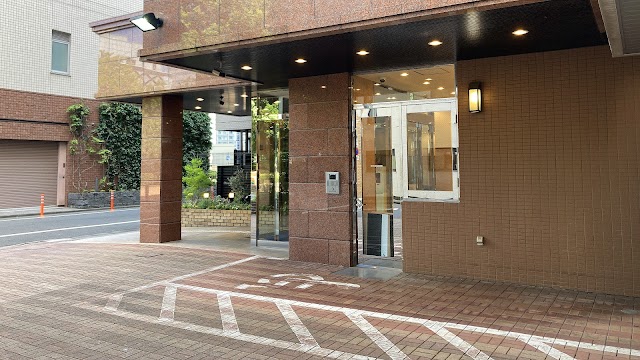
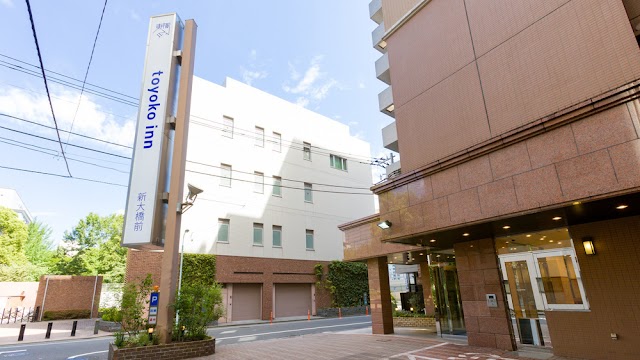
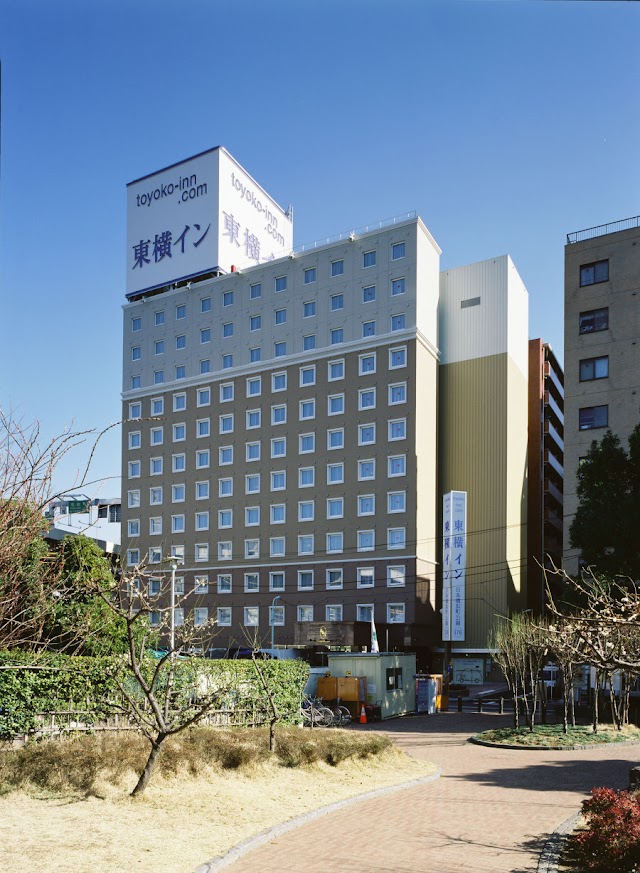
Toyoko Inn Tokyo-eki Shin-ohashi-mae sells standardisation itself — identical room types, amenities, breakfast and desk process nationwide. On a first independent trip, or one with older relatives, the absence of surprises is the product. Mind the gap between name and location: it is in Nihonbashi-Hamacho rather than beside Tokyo Station, which is why rates are lower, with the Toei Shinjuku Line running direct to Shinjuku.
Super Hotel JR Ueno Iriyaguchi applies the same predictability in Ueno, whose value is regularly underrated: the Keisei Skyliner from Narita, the Yamanote Line to everywhere, and northbound Shinkansen from the same station. Self-service check-in means a red-eye arrival waits for nobody.
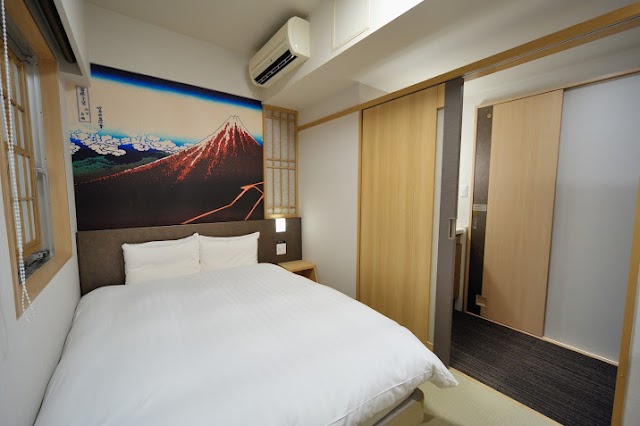
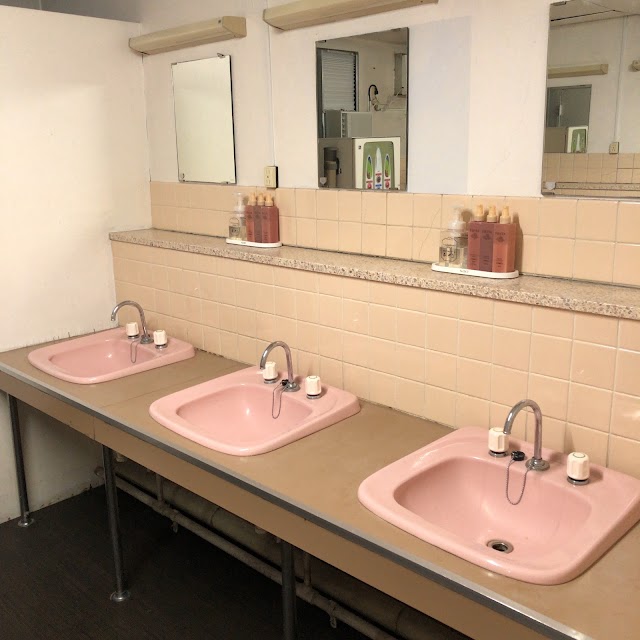
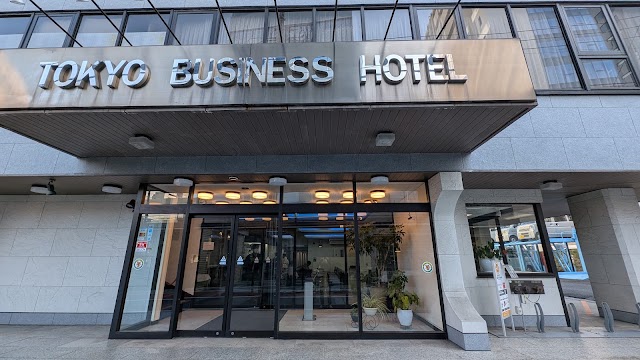
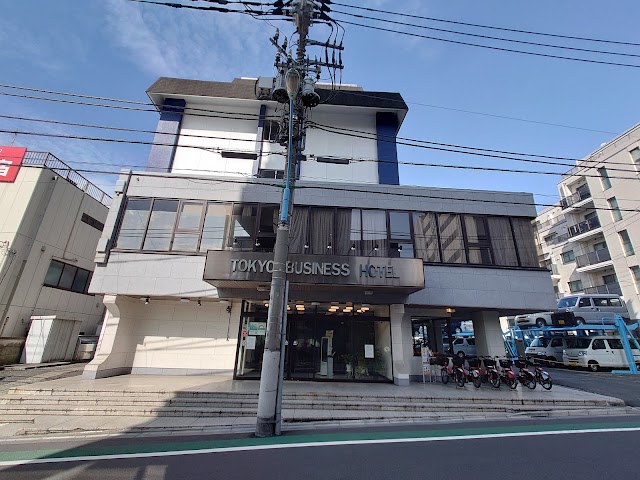
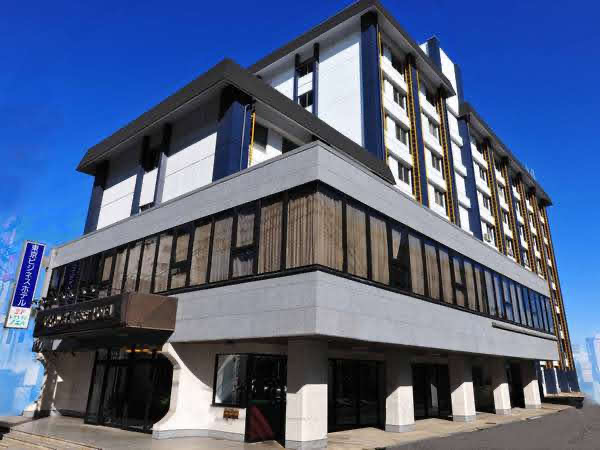
Tokyo Business Hotel in Shinjuku is the one old-line independent and the floor of the price spectrum, with a communal bath, bicycle hire, Showa-era fitting-out and a Google rating of 3.7 — the lowest of the ten. It is here to show what the cheapest end of Shinjuku looks like, not as a recommendation for everyone.
5. Tier three: same money, different stay
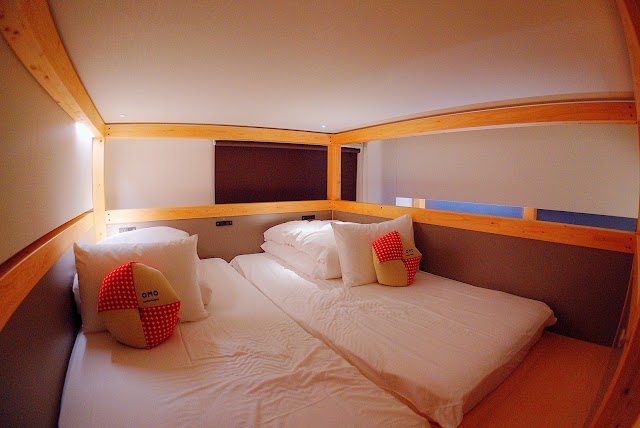
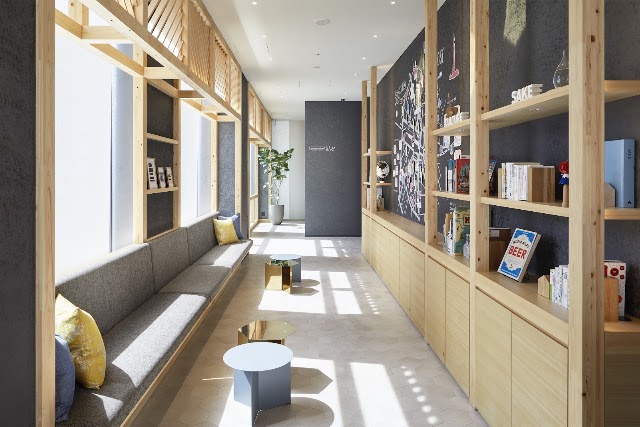
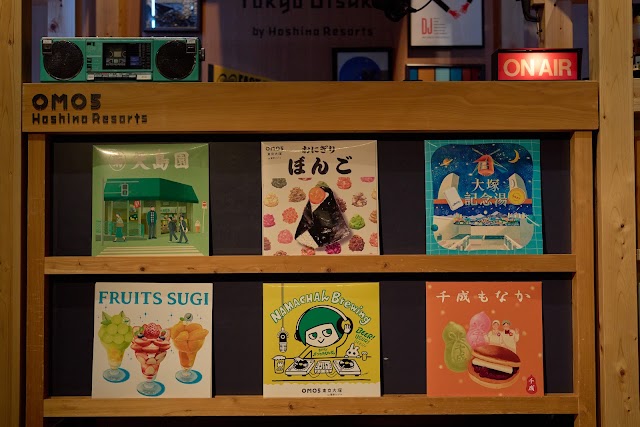
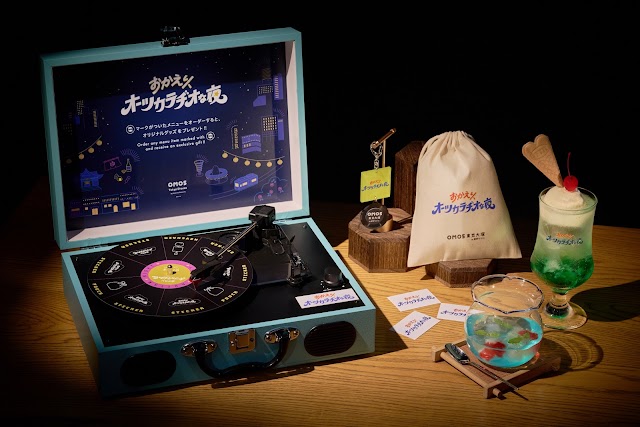
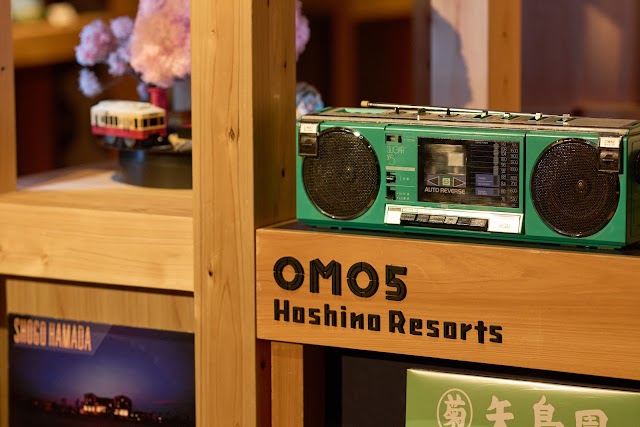
OMO5 Tokyo Otsuka by Hoshino Resorts builds its product in the neighbourhood rather than the room, with in-house guides walking guests through Otsuka's izakaya and shopping streets. It stands a minute from Otsuka on the Yamanote Line, with the Tokyo Sakura Tram terminus outside. It prices above the standard business band but still below Tokyo's all-category average.
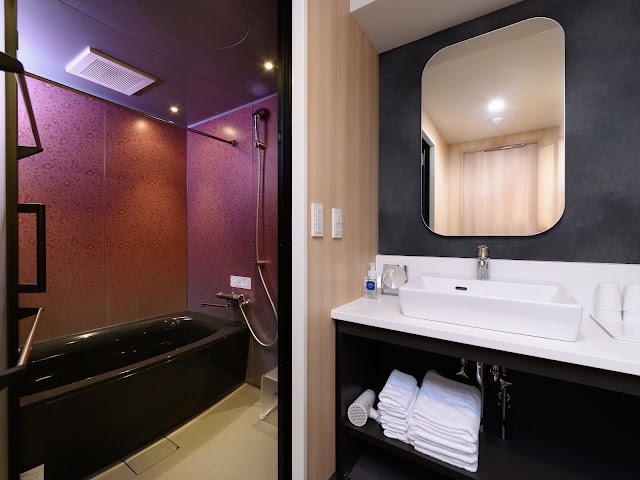
MIMARU Tokyo Ueno East is the highest-rated property here at 4.8 from over 1,600 reviews. It is apartment-style, with kitchen, laundry and separate living space, sleeping four to six and priced per apartment rather than per head. For families the correct arithmetic is the nightly rate divided by heads plus food — and on that basis apartments almost always win from four people up.
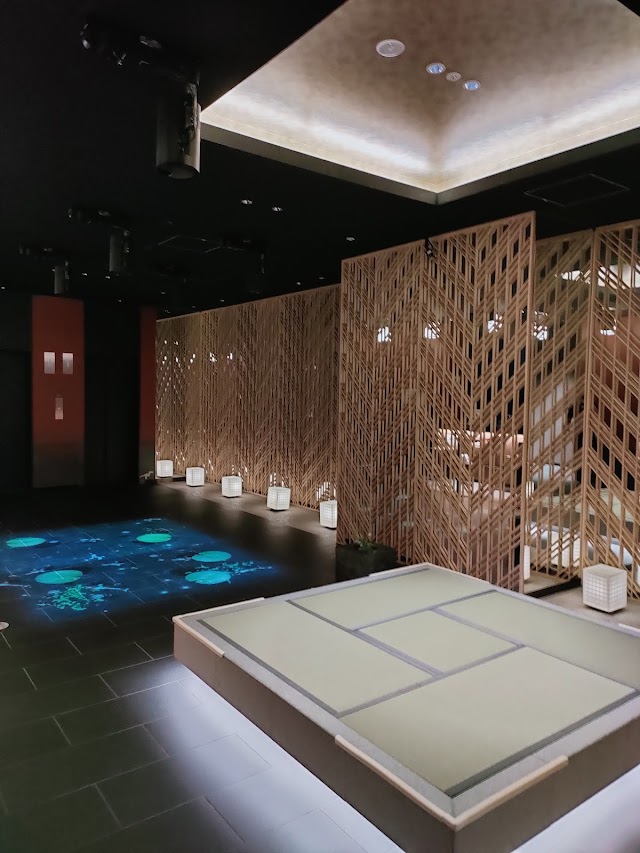
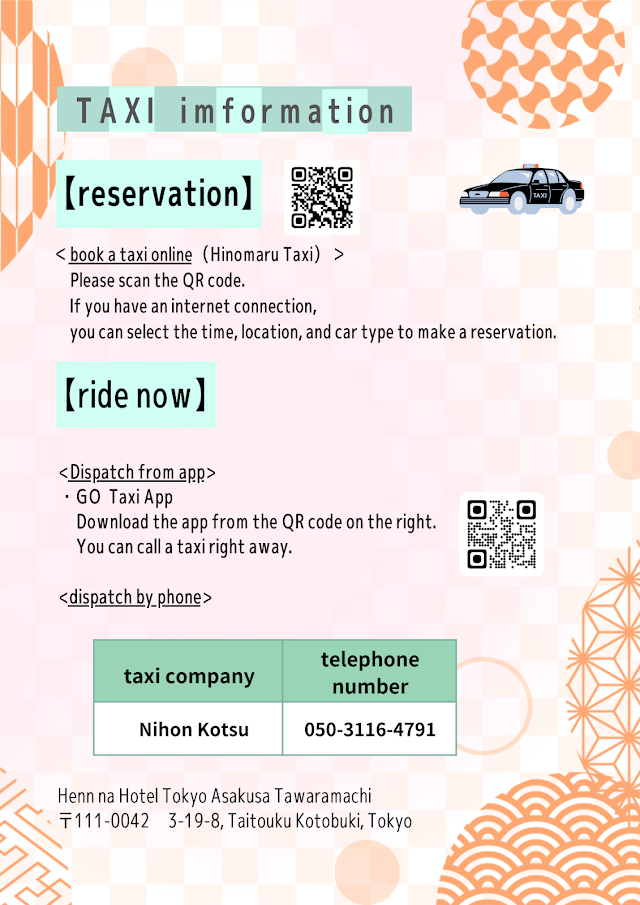
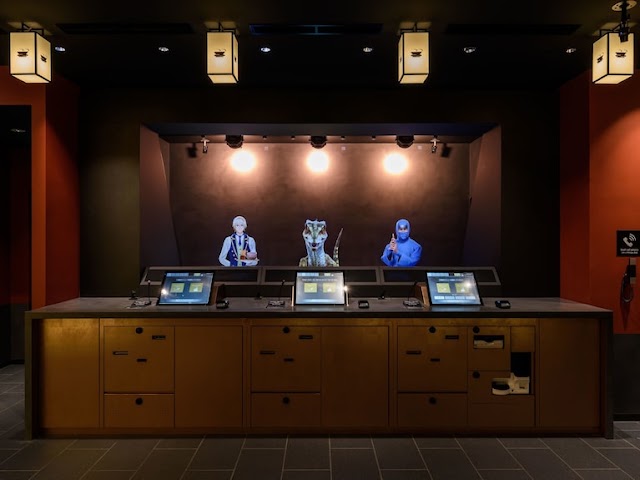
Henn na Hotel Tokyo Asakusa Tawaramachi puts its value not in the novelty of a robot desk but in language and time: a fully self-service flow requires no conversation and no waiting on a late arrival. Senso-ji and Kappabashi tool street are both within ten minutes.
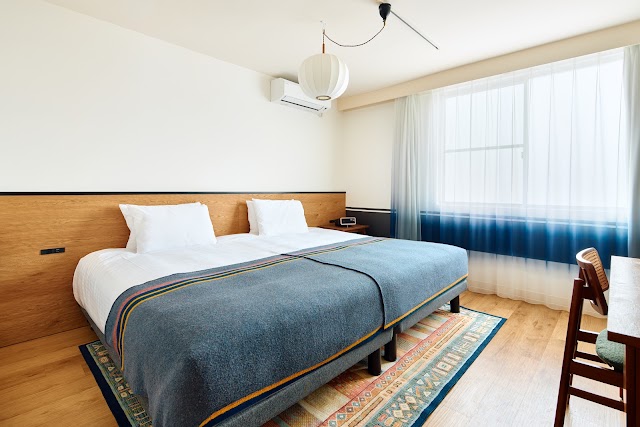
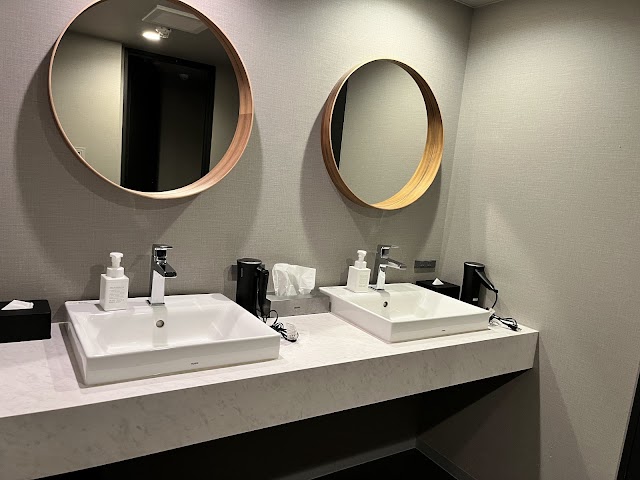
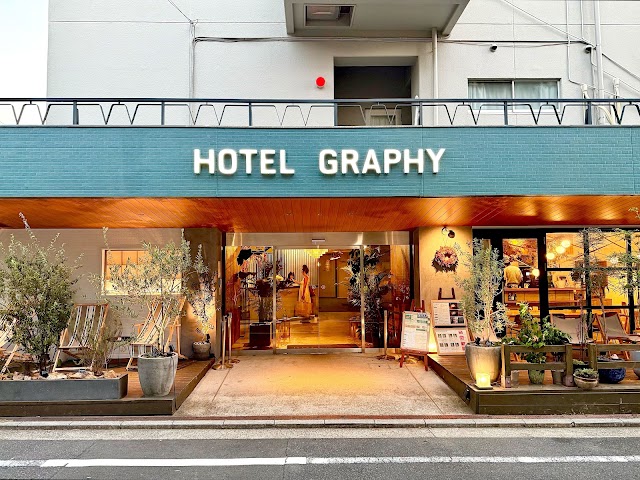
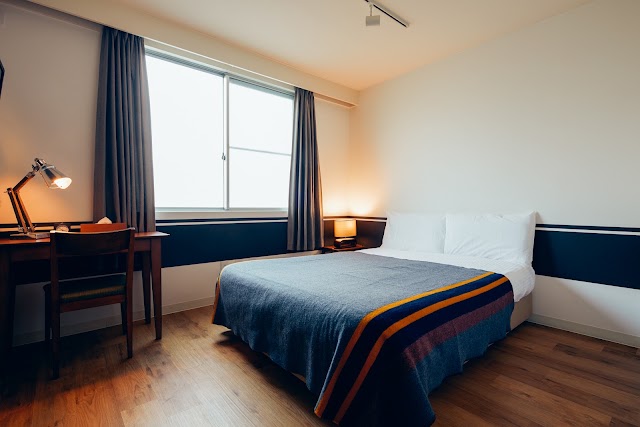
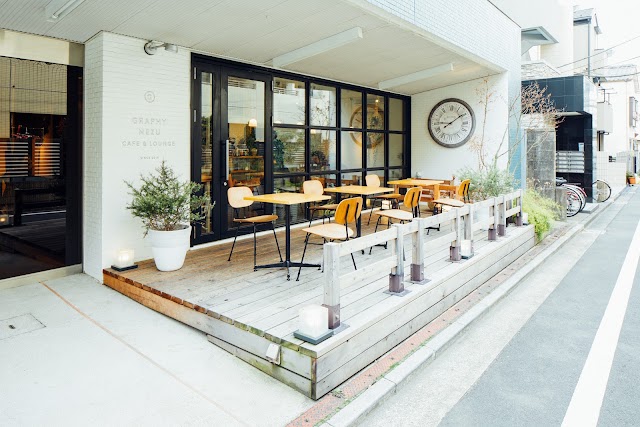
HOTEL GRAPHY NEZU is a hotel–hostel hybrid with a shared kitchen and lounge, rooms from private to dormitory, in the Yanesen district — best for solo travellers on longer stays.
6. Five booking decisions that move the number
First, date before property: the same room can vary twofold across weekday, weekend and season, so fix your flexibility before choosing a hotel.
Second, per-person or per-room pricing. Business hotels generally charge per head and apartments per unit; from three people up that difference usually exceeds the difference between properties.
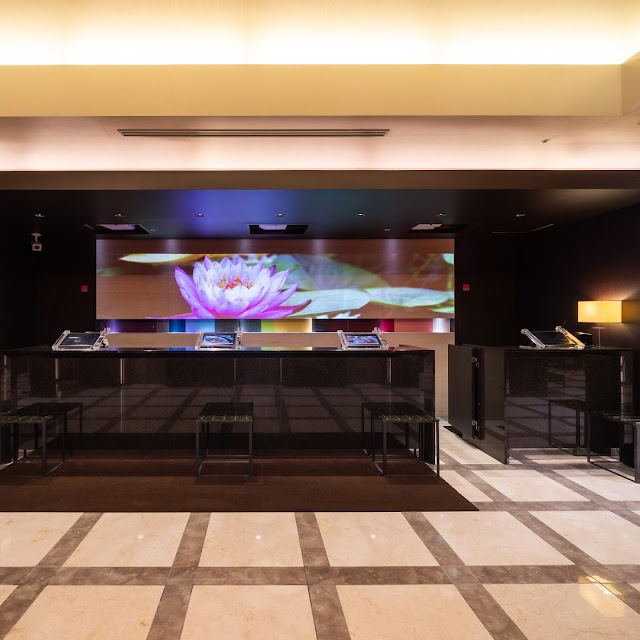
Third, check desk hours. MIMARU Ueno East runs 07:00–22:00 and HOTEL GRAPHY NEZU 07:30–23:00, so late arrivals must arrange ahead; OMO5 and Henn na are 24-hour or self-service.
Fourth, check how the communal bath actually works — gender-separated or swapped by time slot, with late night and early morning the busy windows.
Fifth, the accommodation tax is separate. Under the current system nothing is charged below ¥10,000, a quiet advantage of this band, and from April 2027 the exemption widens again to under ¥13,000.
Sources - Tokyo Metropolitan Government Bureau of Taxation, accommodation tax https://www.tax.metro.tokyo.lg.jp/kazei/leisure/shuk/2 - Bureau of Taxation, consultation on revising the accommodation tax https://www.tax.metro.tokyo.lg.jp/information/press/r7/11/2025112601 - Nikkei, "Tokyo announces 3% proportional accommodation tax" https://www.nikkei.com/article/DGXZQOCC263SS0W5A121C2000000/ - Tokyo Shimbun, "Tokyo accommodation tax to be a flat 3% from 1 April next year" https://www.tokyo-np.co.jp/article/499341 - HotelBank, national ADR record for May 2026 https://hotelbank.jp/industry-trends/national-adr-32340-record-2026-05-cpi-cost-passthrough/ - HotelBank, business-hotel ADR analysis https://hotelbank.jp/trends/business-hotel-adr-2026-cost-performance/ - HotelBank, Japan Tourism Agency January 2026 preliminary figures https://hotelbank.jp/inbound/foreign-guest-ratio-shift-jan2026/ - Travel.jp, Tokyo business hotel value ranking https://www.travel.co.jp/guide/matome/5535/ (Addresses, operating status and ratings for all ten properties verified via the Google Places API on 9 August 2026. Rates move daily, so this article states positioning bands rather than individual prices.)
 Scan for map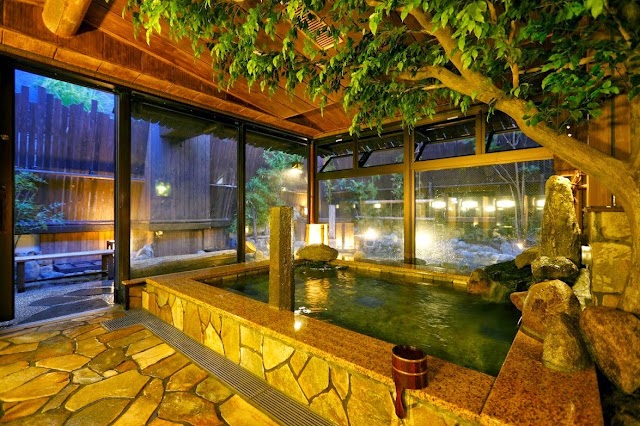
 Scan for map
 Scan for map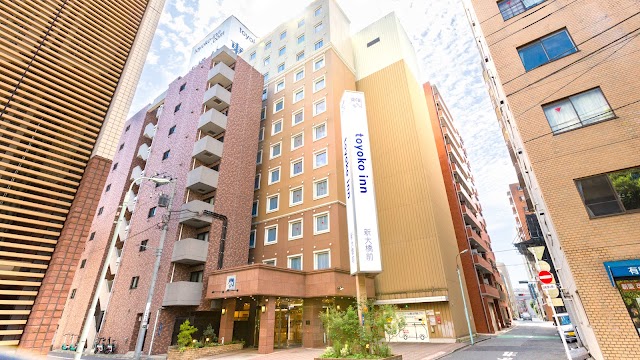
 Scan for map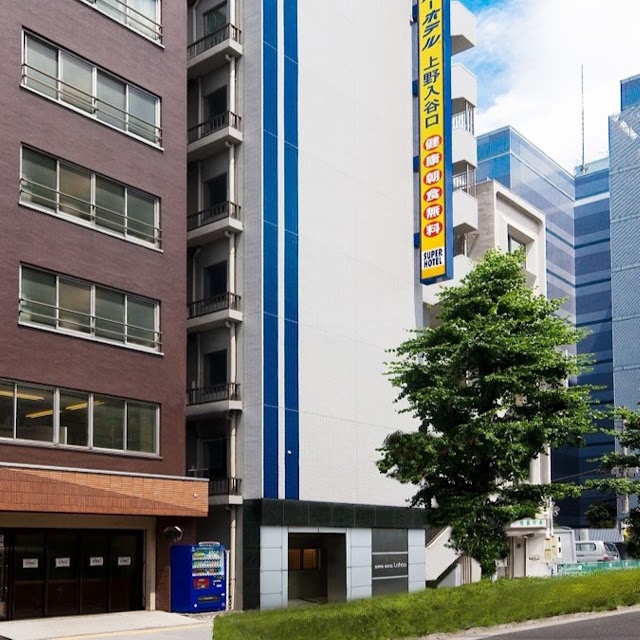
 Scan for map
 Scan for map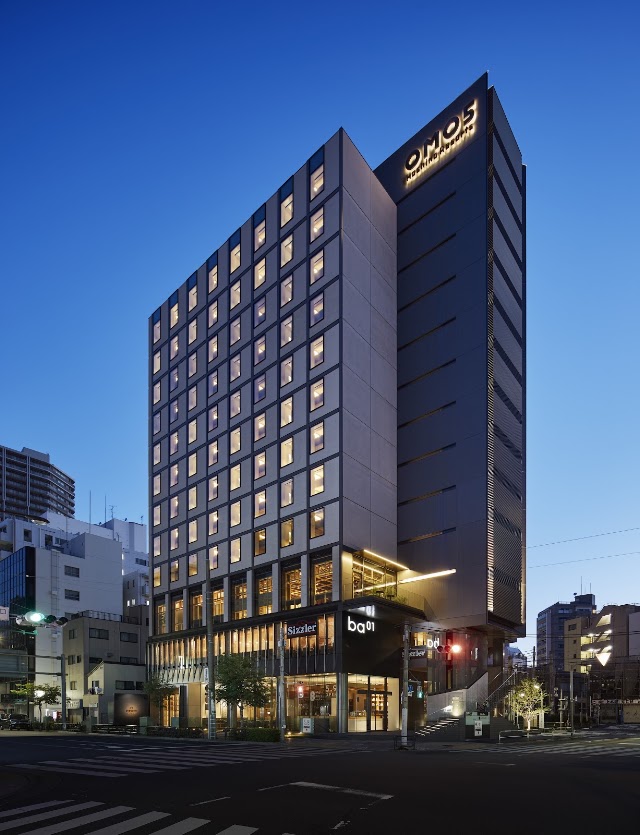
 Scan for map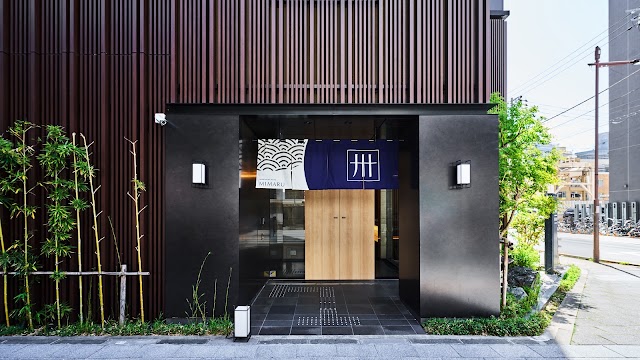
 Scan for map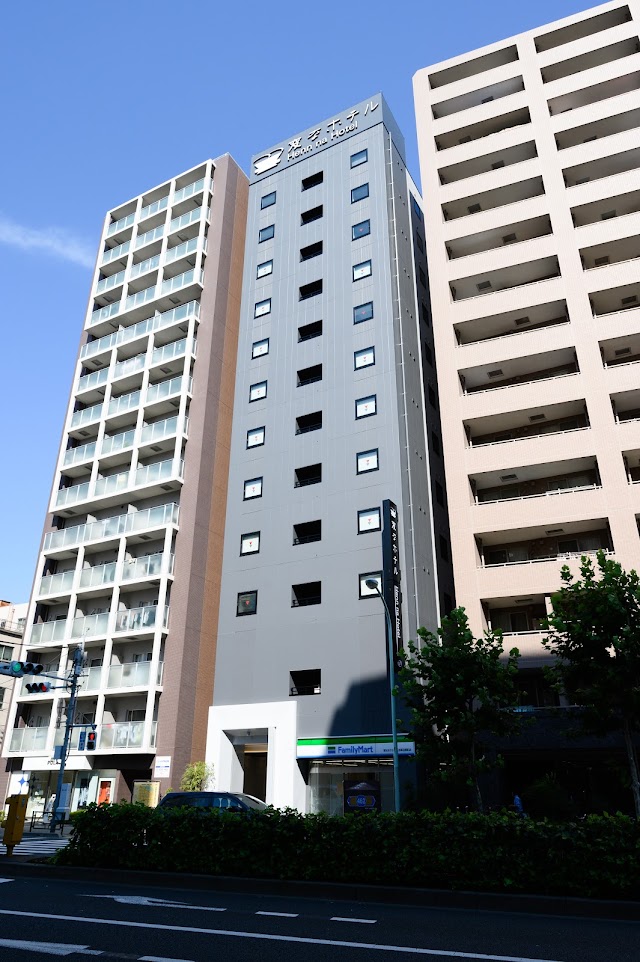

 Scan for map
 Scan for map