Jp¥online 繁中简中EN2026/08/10

Ten Vintage Shops in Shimokitazawa and Koenji: The First Summer After the Landmark Went Dark, and the Tax Break Moves to the Airport on 1 November
Source: Jp¥online 編輯部· Published: 2026/08/10 16:17 JST· Section: CONSUMER & RETAIL
Ten Vintage Shops in Shimokitazawa and Koenji: The First Summer After the Landmark Went Dark, and the Tax Break Moves to the Airport on 1 November
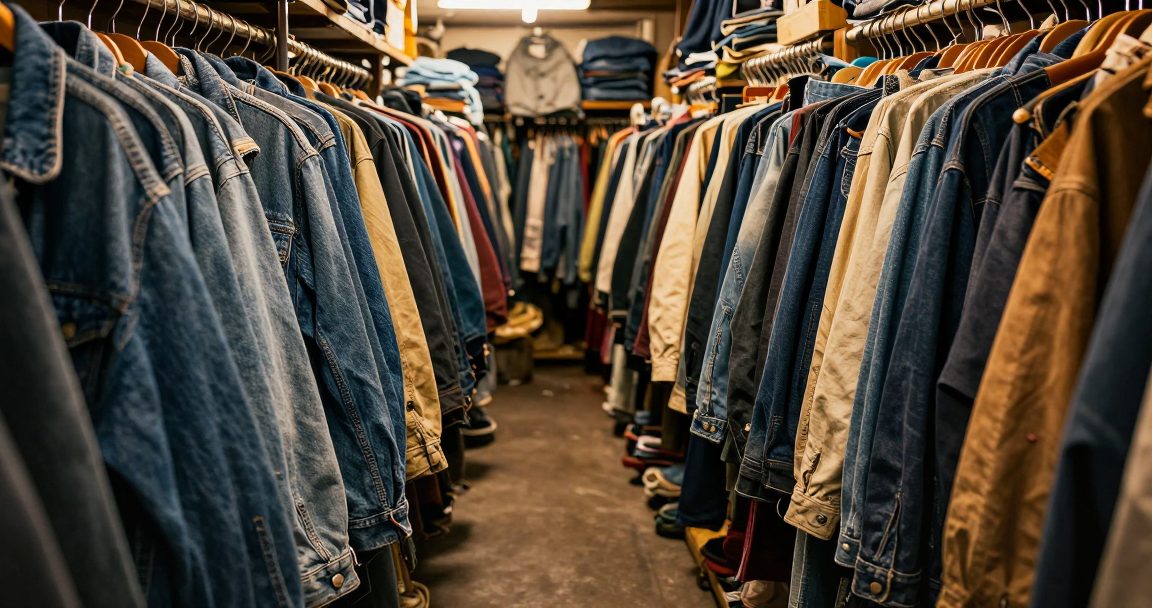
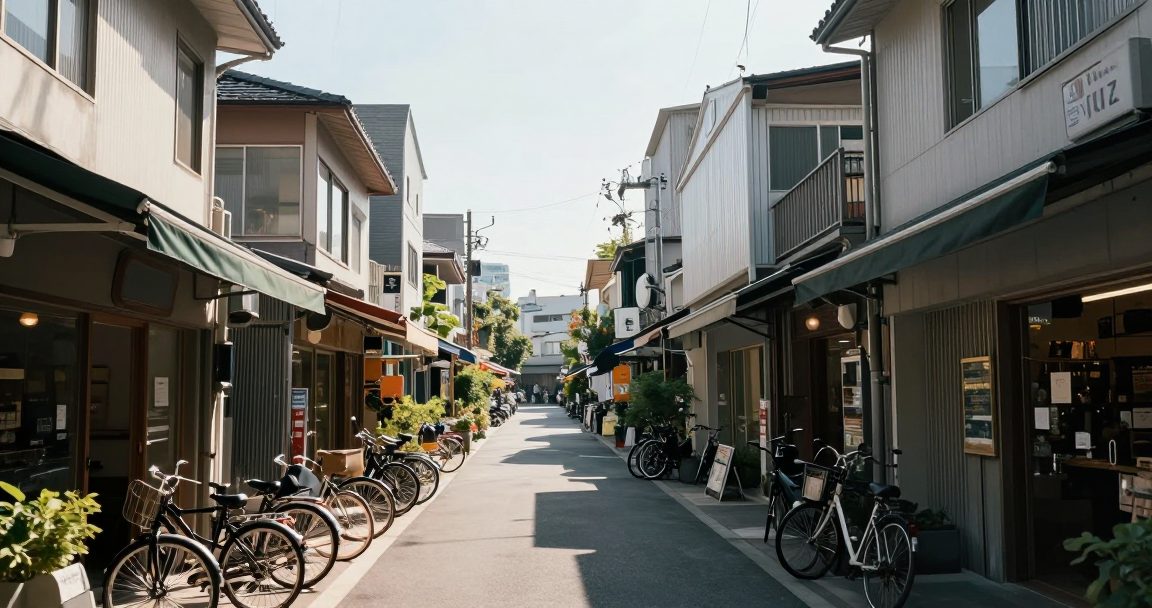
Illustration: AI-generated (Jp¥online)
# Shimokitazawa# Koenji# vintage clothing# second-hand fashion# Tokyo shopping# Toyo Hyakkaten# Awa Odori# tax-free refund# Setagaya# Suginami
Key Points
  • Shimokitazawa's landmark Toyo Hyakkaten main building closed on 30 March 2025 after 22 years, citing building age and area redevelopment; the annex inside Mikan Shimokita continues trading and several stallholders relocated nearby.
  • Japan's fashion reuse market reached ¥1.15 trillion in 2023, up 13.9 per cent, with ¥1.28 trillion forecast for 2024, a further 11.3 per cent (Yano Research Institute).
  • The two districts differ in kind: Shimokitazawa is curated and trend-led with clear categories and a wide price range; Koenji is volume and depth, concentrated in military, workwear and European vintage, mostly owner-run.
  • Koenji's south-side shops generally open around 13:00 and close around 19:00, so a morning visit finds shutters down.
  • Three price bands: flat-rate (high hundreds to just over ¥1,000), curated (¥3,000–10,000) and vintage (¥6,000 upwards); do not buy at the first stop, establish a baseline first.
  • New York Joe Exchange occupies a converted bathhouse and buys, sells and trades, with a higher valuation when taken in goods — the practical way to hold luggage weight flat.
  • The 67th Tokyo Koenji Awa Odori runs 29–30 August 2026 with street dancing 17:00–20:00; streets close and most vintage shops shut early on those days.
  • Japan's consumption tax exemption becomes a refund method on 1 November 2026: tax-inclusive in store, refunded after customs confirmation on departure, within 90 days of purchase, with the goods/consumables distinction and ¥500,000 ceiling abolished.
  • Independent vintage shops are often not registered tax-free retailers and single-shop spend rarely clears the threshold, so budget at tax-inclusive prices rather than buying to reach it.
  • August is summer clearance, making summer pieces cheapest; the best autumn and winter outerwear appears from mid-September.
Analysis

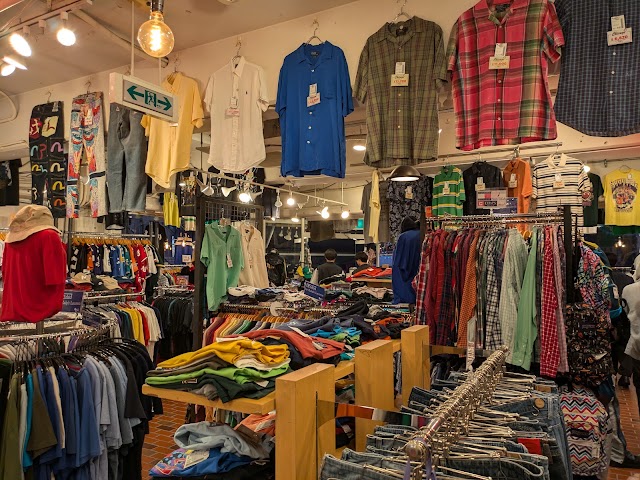
If your last visit to Shimokitazawa was two years ago, one fact needs updating first: the Toyo Hyakkaten main building, listed as unmissable in nearly every Chinese-language guide, closed on 30 March 2025 after twenty-two years, citing building age and the redevelopment sweeping the district. Its successor is the annex inside Mikan Shimokita — same format, a dozen independent stallholders sharing one floor, but smaller and in a different place. The summer of 2026 is the first full season after the landmark went dark.

Used clothing in Japan is no longer a subcultural footnote. Yano Research Institute put the domestic fashion reuse market at ¥1.15 trillion in 2023, up 13.9 per cent year on year, and forecast ¥1.28 trillion for 2024, a further 11.3 per cent — several consecutive years of double-digit growth. That is not merely thrift: flea-market apps, environmental awareness and a younger generation redefining "old clothes" as "clothes with provenance" have expanded the market together. For a visitor it means the prices you meet in Shimokitazawa and Koenji have been set by a mature market, not invented on the spot.

The difference between the two districts is worth understanding before you leave the hotel, or you will waste a day. Shimokitazawa is curation and trend: clean shops, clear categories, a wide price range, and a street grid reorganised after the Odakyu line went underground, with new complexes such as Mikan Shimokita and Reload making it read like a designed neighbourhood. Koenji is volume and depth: dense alleys off the south exit, shops where the owner does the buying and minds the counter, and a concentration of knowledge-heavy categories — military, workwear, European vintage. Prices are firmer, but the goods are older. Treat them as two half-days rather than one.

Two August timing points matter this year. The 67th Tokyo Koenji Awa Odori runs on 29 and 30 August along the shopping streets either side of Koenji Station and Konan-dori, with street dancing from 17:00 to 20:00; on those days Koenji is for the festival, not for shopping. And from 1 November Japan's consumption tax exemption becomes a refund system — you pay tax-inclusive in store and are refunded after customs confirms your departure. For a category defined by low unit prices and independent shops, that change bites harder than it does elsewhere.

The Analysis Desk

1. Read the terrain first: these are not the same kind of shop

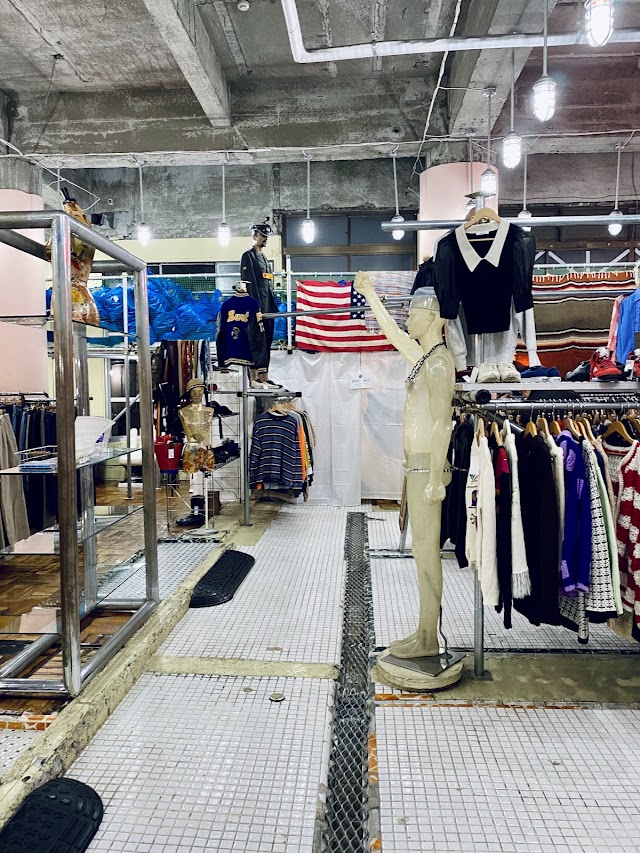
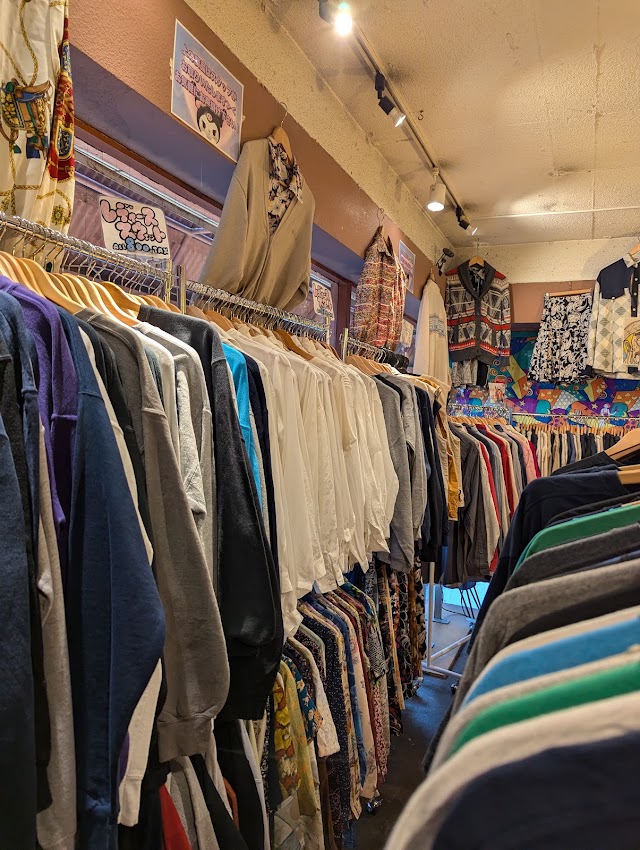
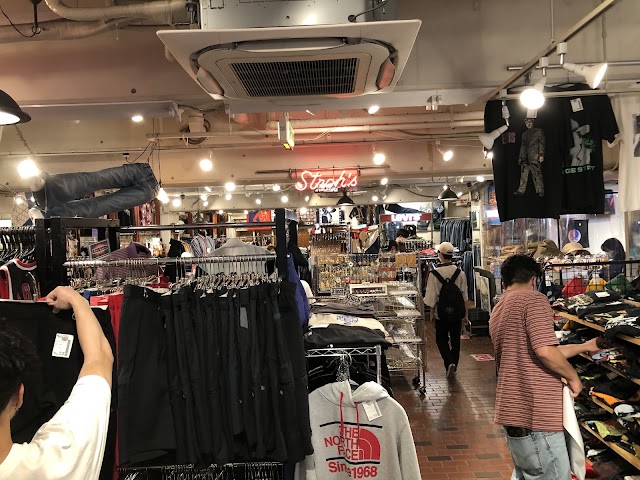
Shimokitazawa's used-clothing shops cluster in Kitazawa 2-chome on the north side of the station, densest within a 500-metre radius, with larger stores towards the south exit and Daizawa. Half a day covers it. Shops here mostly carry clear categorisation and size labelling, with prices running from a few hundred yen at flat-rate stores up into five figures for vintage, and a high proportion of overseas visitors. The linear park left by the undergrounding of the Odakyu line — Mikan Shimokita, Reload, Bonus Track — has stitched a once-scattered grid into something legible.

Koenji works differently. South from the JR station, the Pal shopping arcade runs on, and the alleys either side hold dozens of small shops, most of them owner-bought and owner-staffed. Opening is late — shutters go up around 13:00 and come down around 19:00. Prices are firmer than in Shimokitazawa, but the stock is older and more specialised: military, workwear, European labour clothing, American pieces from the 1960s to the 1980s, all categories that reward knowledge.

In one line: for good-looking and easy to buy, Shimokitazawa; for finding what nobody else has, Koenji.

2. After the landmark: how to read the Toyo Hyakkaten closure

The Toyo Hyakkaten main building opened in 2004 and brought the multi-stall shared-floor format to Shimokitazawa, becoming a synonym for the district's vintage scene over twenty-two years. It closed on 30 March 2025 to building age and redevelopment. Three practical consequences follow.

First, the large volume of pre-2024 guidance still listing it as essential will send you to a closed door. Second, several stallholders relocated nearby and kept trading, so the district's stall density has not vanished, only dispersed — which arguably increases the chance of stumbling on something. Third, the annex inside Mikan Shimokita continues to operate and is the closest surviving thing to the original, which is why it opens this list.

Separately, the Shimokitazawa Furugi Market Plus, run by the local shopping-street association, has become the fastest-growing local event, held at the station's east-exit plaza during Golden Week and the summer holidays with around thirty stalls and daily attendance passing ten thousand. Check the official notice before you travel.

3. Three price bands — build a baseline before you buy

There are really only three pricing logics at work across both districts.

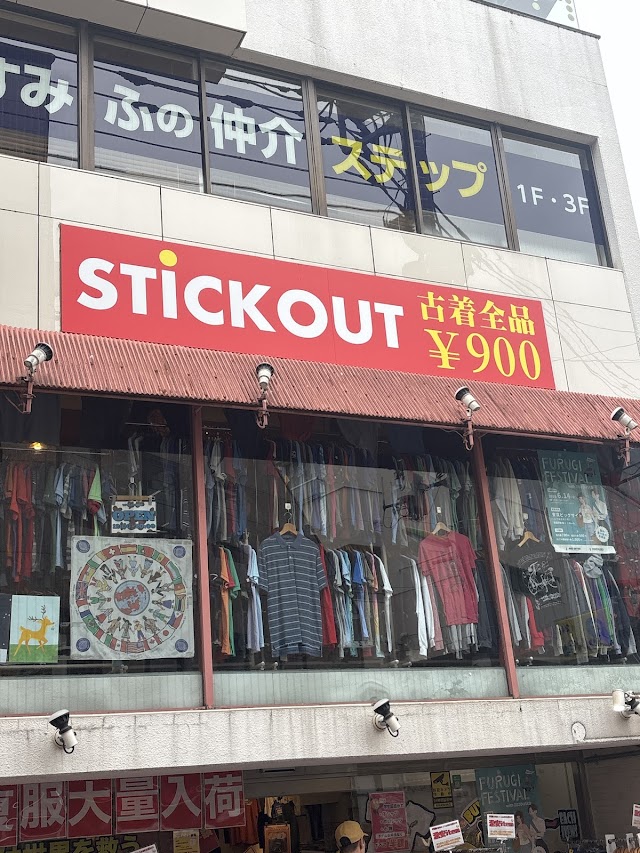
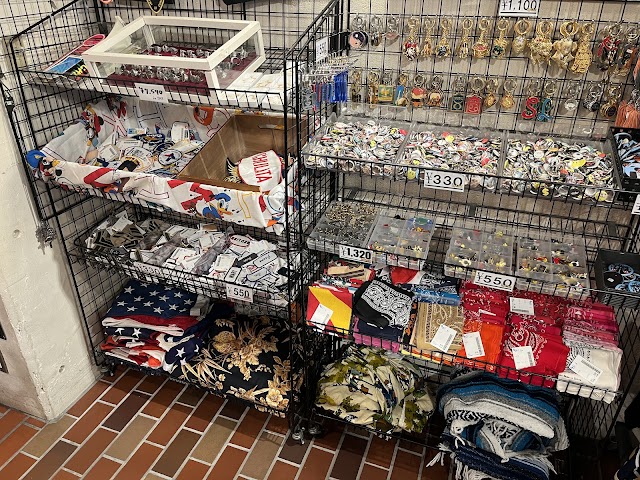
Flat-rate (high hundreds to just over ¥1,000), typified by Stick Out: pricing simplified until thought is unnecessary, winning on volume. Condition varies most widely here; digging pays, but finding nothing in ten pieces is normal.

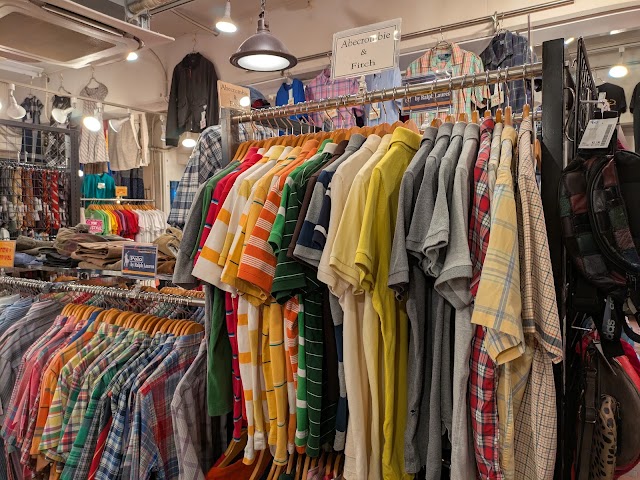
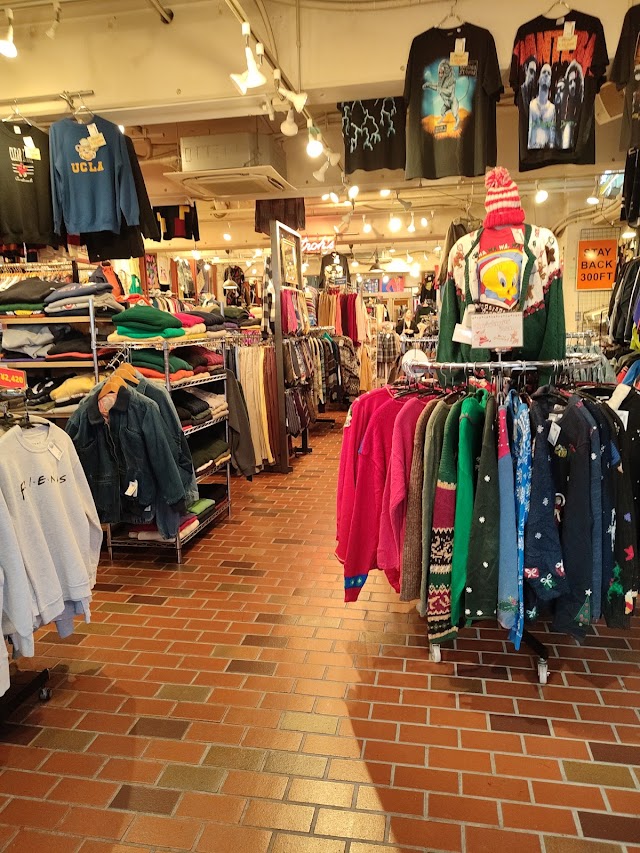
Curated (¥3,000–10,000), typified by chains such as Jam: sorted, prepared and labelled, so what you pay for is search time saved and risk reduced. Safest band for a first-time buyer.

Vintage (¥6,000 upwards, no ceiling on rarities), typified by Koenji's independents: selling date, specification and scarcity. The band that most rewards knowledge, and where the pieces genuinely worth carrying home tend to be.

Practical rule: do not buy at your first stop. Look through one flat-rate shop and one curated shop, establish what a plain white tee is worth in this city, then commit. That sequence saves more than any discount.

4. Luggage and weight: the real cost of buying vintage

The underestimated cost is not money but mass. A pair of jeans runs about 600 grams; a military jacket can reach 1.5 kilograms. Five pieces equals an extra cabin bag.

Three things that work. Put New York Joe Exchange in the itinerary: trading clothes you have tired of against stock is the only way to keep luggage weight flat, and the valuation is higher when taken in goods. Buy heavy things first and light things later, since the heavy items are usually the ones you most want. And use hotel storage and domestic delivery to the airport, both mature services in Japan — ship rather than carry.

5. What changes on 1 November, and why vintage feels it most

From 1 November 2026 Japan's consumption tax exemption becomes a refund method: tax-free shops sell at tax-inclusive prices, and on departure the traveller presents a passport at a dedicated terminal in the airport or port, with the tax refunded to a card or e-wallet once customs has confirmed the goods. Purchase to departure must fall within 90 days. The distinction between general goods and consumables is abolished, as is the ¥500,000 ceiling, simplifying the system overall.

Vintage feels this more than other shopping for two reasons. Independent shops are frequently not registered tax-free retailers at all, so exemption must be asked about rather than assumed. And unit prices are low enough that a single shop's spend often falls short of the threshold, meaning the 10 per cent you think you are saving frequently never arrives. The sound conclusion is to budget at tax-inclusive prices and treat any refund as a bonus, rather than buying things you do not want to clear a threshold.

Anyone travelling after 1 November should also leave time for the airport procedure and keep purchases inspectable — wearing them immediately or burying them deep in checked baggage can complicate the refund.

6. Two timing points in August

The first is the festival. The 67th Tokyo Koenji Awa Odori takes place on Saturday 29 and Sunday 30 August 2026 along the shopping streets north and south of Koenji Station and on Konan-dori, with street dancing from 17:00 to 20:00. Those two days bring street closures and crowds in the hundreds of thousands; most shops close early or become unreachable. Avoid them if you came to shop — or shop between 13:00 and 16:00, the only window after opening and before the dancing.

The second is the seasonal turn. August shops are clearing summer stock while autumn pieces trickle in. Summer items are at their cheapest now, while the best-condition autumn and winter outerwear appears from mid-September. If you want a military jacket or a coat, August is early; if you want tees, shirts, shorts and summer dresses, this is the moment.

7. A route that actually works

Day one, from 11:00 in Shimokitazawa: Toyo Hyakkaten Bekkan (opens 12:00), Stick Out, Notime (24 hours, insertable anywhere), Jam, the alleys around Big Time at random, Chicago towards the south side for the kimono floor, then back east to New York Joe Exchange in the late afternoon to trade. Roughly five hours including lunch.

Day two, from 13:00 in Koenji — not earlier, nothing is open: south from the station along the Pal arcade to Whistler Chart, Safari No.1, Gaijin, then further out to Jacob's Ladder for European vintage. Most shops close around 19:00, which lands you neatly in Koenji's izakaya belt for dinner.

If you can only take one day, choose by intention: for smooth, plentiful buying with food and browsing attached, Shimokitazawa; for unique finds and conversation with owners, Koenji.

Sources: - Yano Research Institute, fashion reuse market survey 2024 https://www.yano.co.jp/press-release/show/press_id/3584 - Nikkei on the Yano fashion reuse market findings https://www.nikkei.com/article/DGXZRSP675952_R00C24A8000000/ - San-tatsu, on Shimokitazawa vintage culture passing to Toyo Hyakkaten Bekkan https://san-tatsu.jp/articles/503670/ - Mikan Shimokita official area guide, Toyo Hyakkaten Bekkan https://mikanshimokita.jp/areaguide/detail/?cd=000085 - I Love Shimokitazawa, Furugi Market Plus https://love-shimokitazawa.jp/archives/66322 - Tokyo Koenji Awa Odori Promotion Association, event outline https://koenji-awaodori.com/about/about01.html - Go Tokyo, 67th Tokyo Koenji Awa Odori https://www.gotokyo.org/jp/spot/ev039/index.html - Japan Tourism Agency, consumption tax-free shop site (refund method) https://www.mlit.go.jp/kankocho/tax-free/page01_000001_00019.html - Japan Tax-Free Shop Association, refund-method site https://zenmenkyo.jp/refund/ (Addresses, hours and operating status for all ten shops verified via the Google Places API on 10 August 2026; all ten trading.)
Ten Vintage Shops in Shimokitazawa and Koenji: The First Summer After the Landmark Went Dark, and the Tax Break Moves to the Airport on 1 November
Chart: Jp¥online
Venue Info (Google Maps)
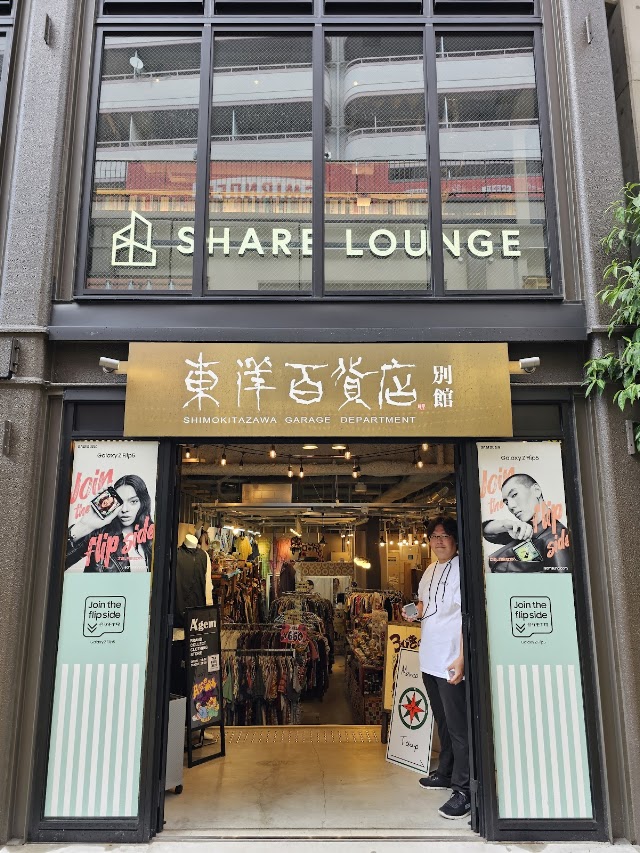
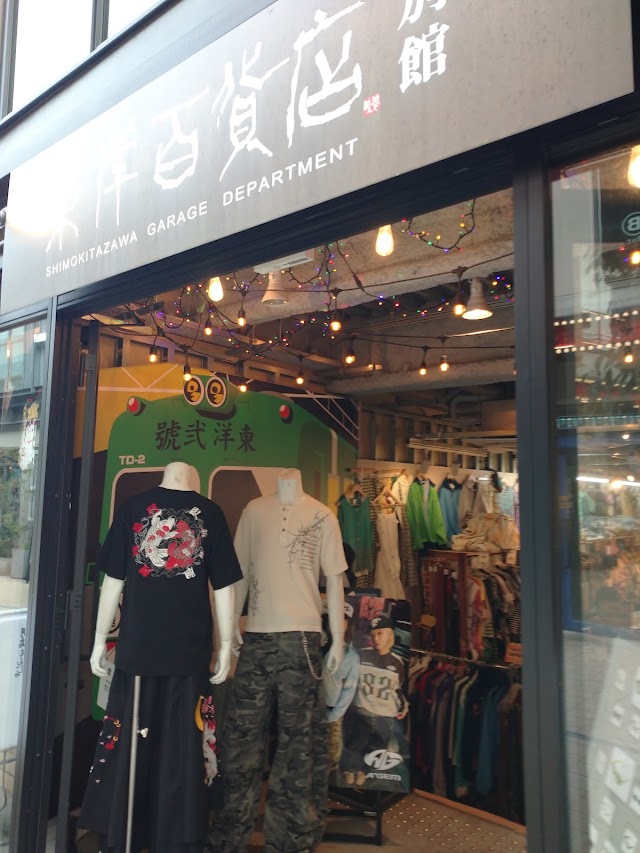
東洋百貨店 別館
Photos: 三冠馬、BJ KIM、Yi Chen、フレディ / Google Maps
東洋百貨店 別館
Why we recommend
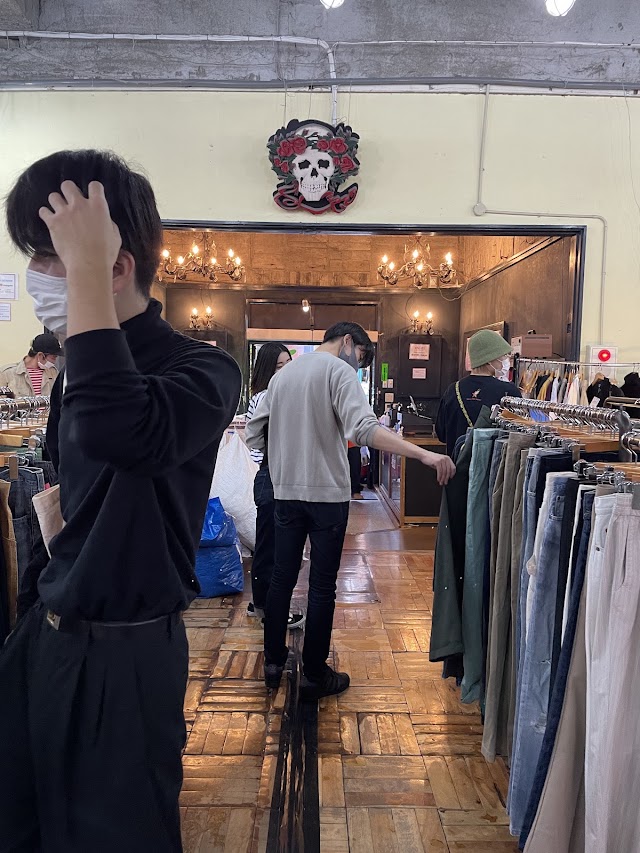
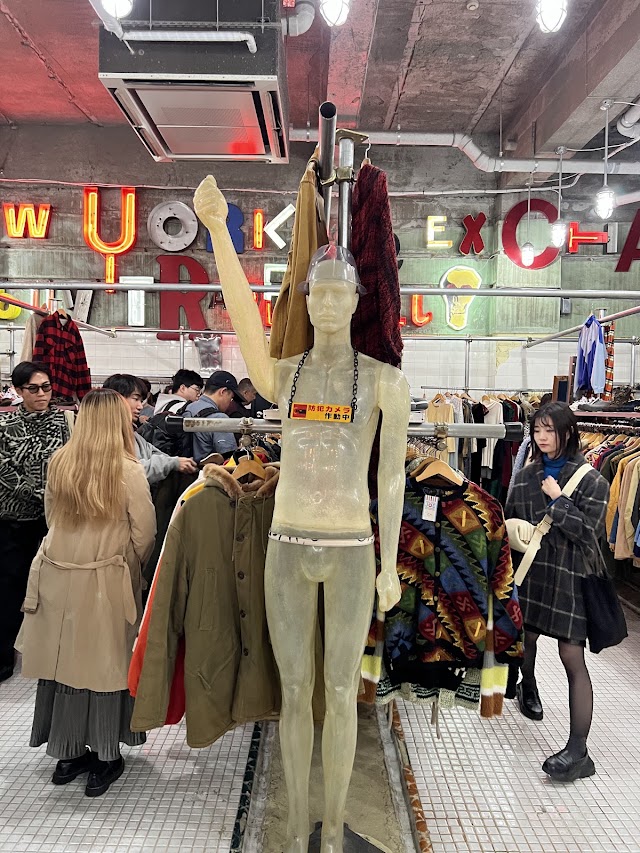
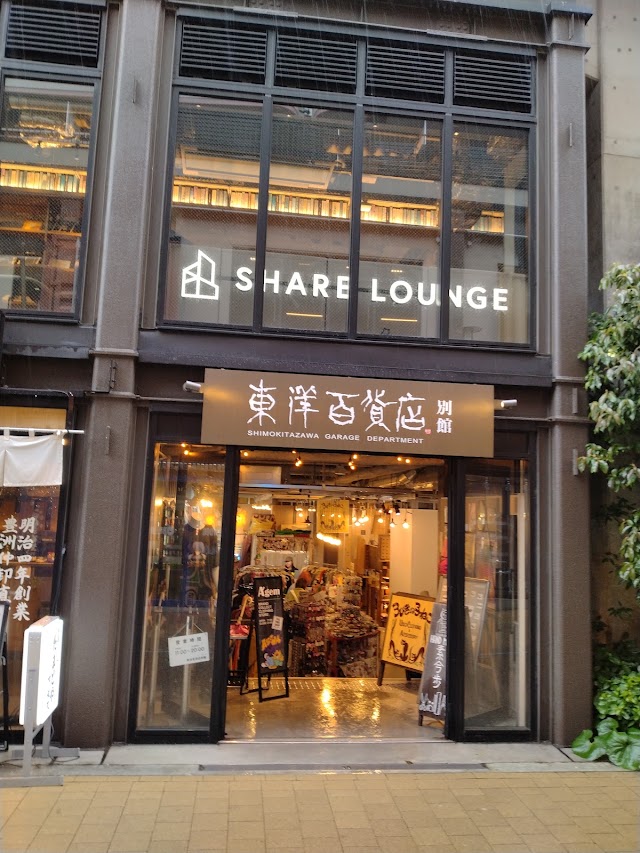
First, a correction to most Chinese-language guides: the Toyo Hyakkaten main building they call unmissable closed on 30 March 2025 after 22 years, citing building age and the redevelopment around Shimokitazawa. What survives, and what carries the same air, is this annex under the railway viaduct inside Mikan Shimokita. It keeps the main building's format — not one shop but a dozen independent stallholders sharing a floor, a few square metres each, every few steps a different eye. It is the fastest way to grasp the density of Shimokitazawa's used-clothing scene.
★ The stall line-up rotates, so the same booth may have a different owner on your next visit; if you like something, decide there and then.
VENUE INFO
Address: 2 Chome-10 Kitazawa, Setagaya City, Tokyo 155-0031
Phone: 03-3468-7000
Hours: Monday: 12:00 – 8:00 PM; Tuesday: 12:00 – 8:00 PM; Wednesday: 12:00 – 8:00 PM; Thursday: 12:00 – 8:00 PM; Friday: 12:00 – 8:00 PM; Saturday: 12:00 – 8:00 PM; Sunday: 12:00 – 8:00 PM
Nearest Sta.: 2 min from Shimokitazawa (Odakyu / Keio Inokashira lines), inside Mikan Shimokita block A
Price: Most stalls price everyday pieces between ¥1,000 and ¥3,000, with well-kept vintage running into five figures
Google rating: 4(9 則評論)
Verified: 2026-08-11 16:01 Google Maps
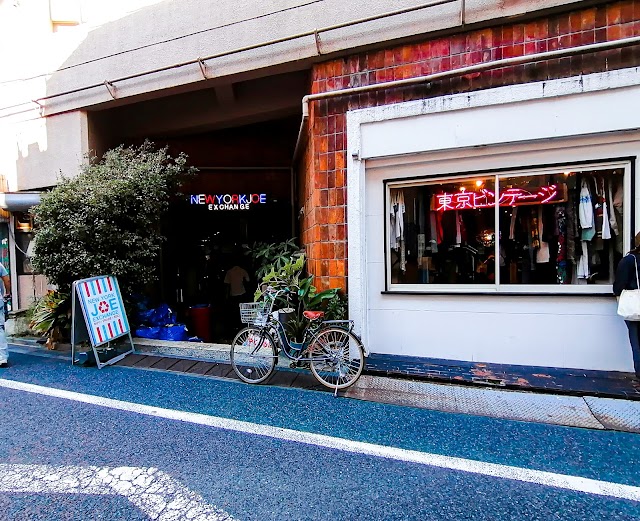
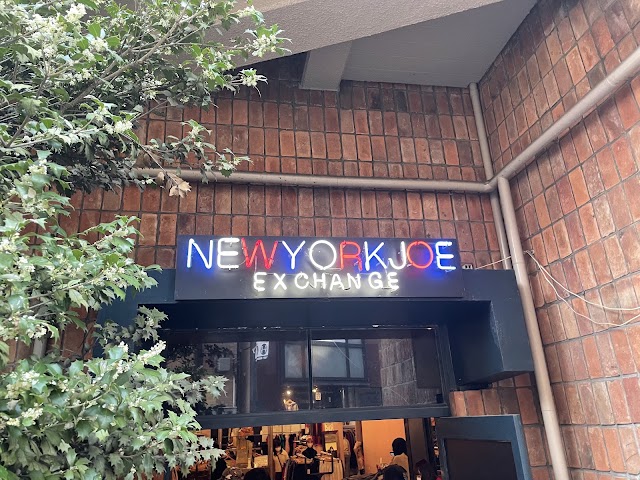
NEW YORK JOE EXCHANGE
Photos: ウッチー、Jason、Taroimonne、Tr N、Neil Yeh、다연、Dawid Dieu、Miotai Cam / Google Maps
NEW YORK JOE EXCHANGE
Why we recommend
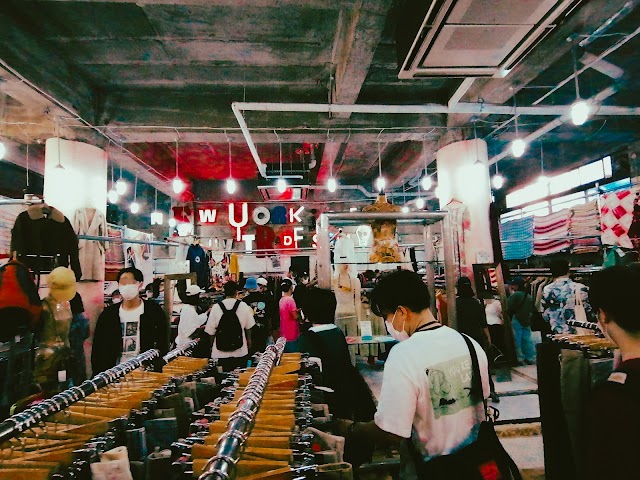
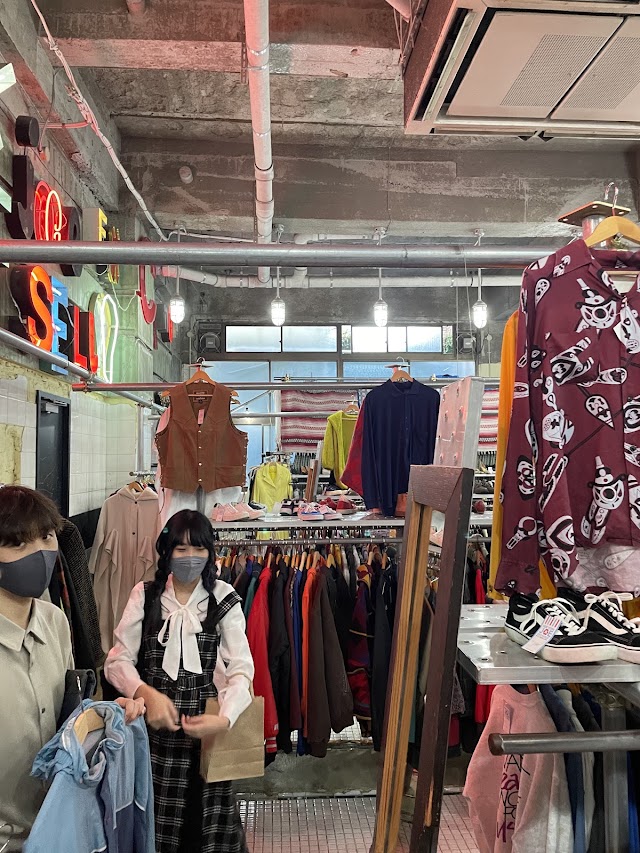
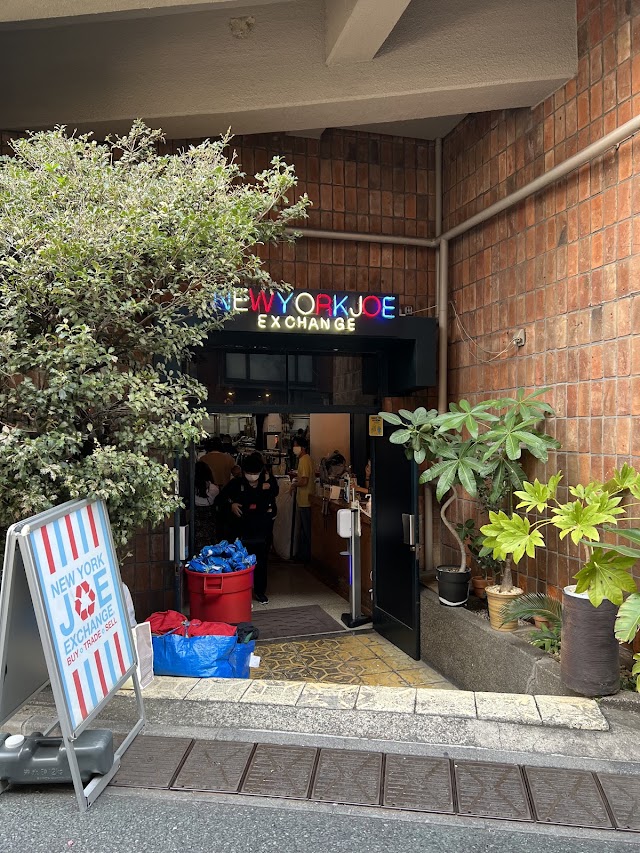
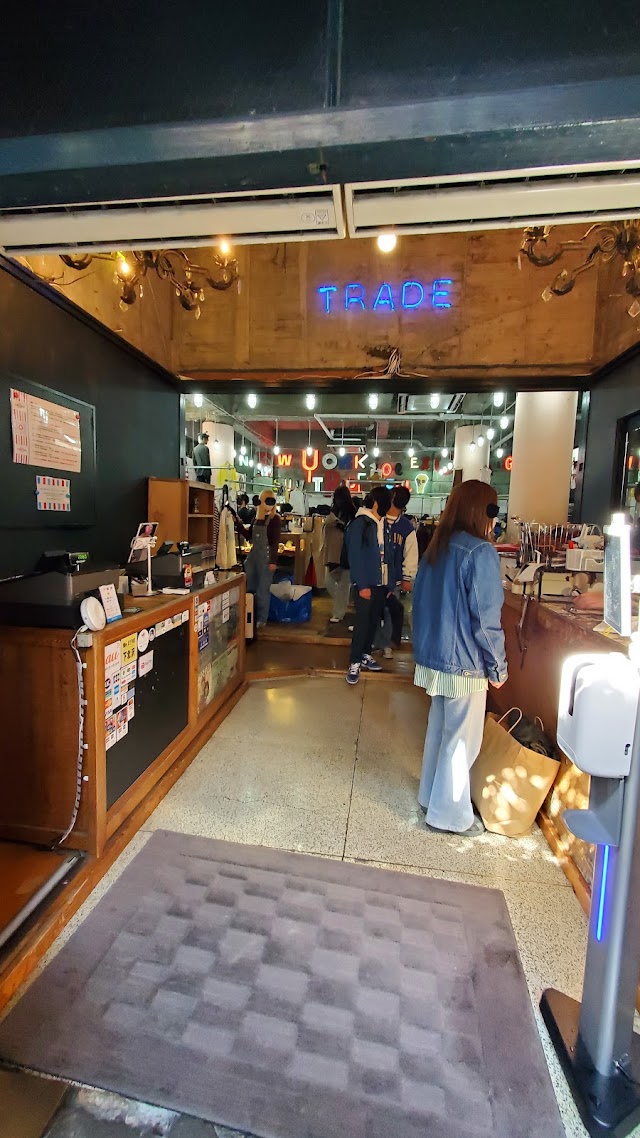
The building is a converted public bathhouse, high ceilings and tiling intact, rails hung where the tubs once were — worth entering for that alone. Its real distinction is doing three things at once: buying, selling and exchanging. You can bring clothes you have tired of, have them valued, and trade them for stock, with a bonus on the valuation if you take goods rather than cash. On a trip of a week or more it is the one form of shopping that keeps your luggage weight flat. Prices sit low, which makes it a good first stop for calibrating what things should cost.
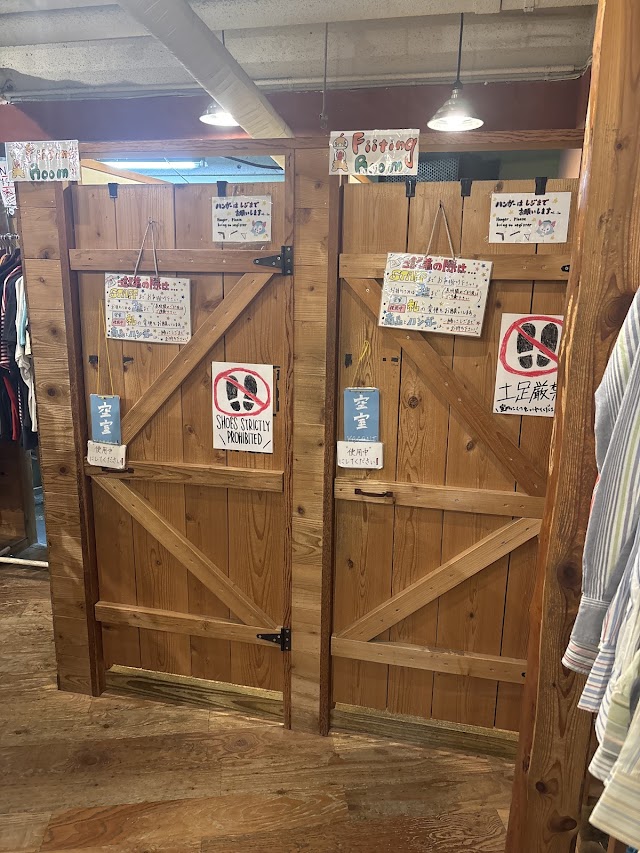
★ Selling or trading requires your passport, and items must be washed and undamaged; valuation is at the shop's discretion and rejected pieces are handed straight back.
VENUE INFO
Address: 〒155-0031 Tokyo, Setagaya City, Kitazawa, 3-chōme−26−4 栃倉ビル
Phone: 03-5738-2077
Hours: Monday: 12:00 – 8:00 PM; Tuesday: 12:00 – 8:00 PM; Wednesday: 12:00 – 8:00 PM; Thursday: 12:00 – 8:00 PM; Friday: 12:00 – 8:00 PM; Saturday: 12:00 – 8:00 PM; Sunday: 12:00 – 8:00 PM
Nearest Sta.: 5 min from the east exit of Shimokitazawa Station
Price: T-shirts and shirts hover around ¥1,000; jackets and dresses mostly ¥2,000–5,000
Google rating: 3.7(394 則評論)
Verified: 2026-08-11 16:01 Google Maps
古着屋STICK OUT
Photos: STICK OUT、Kevin Kwok、高木、。 / Google Maps
古着屋STICK OUT
Why we recommend
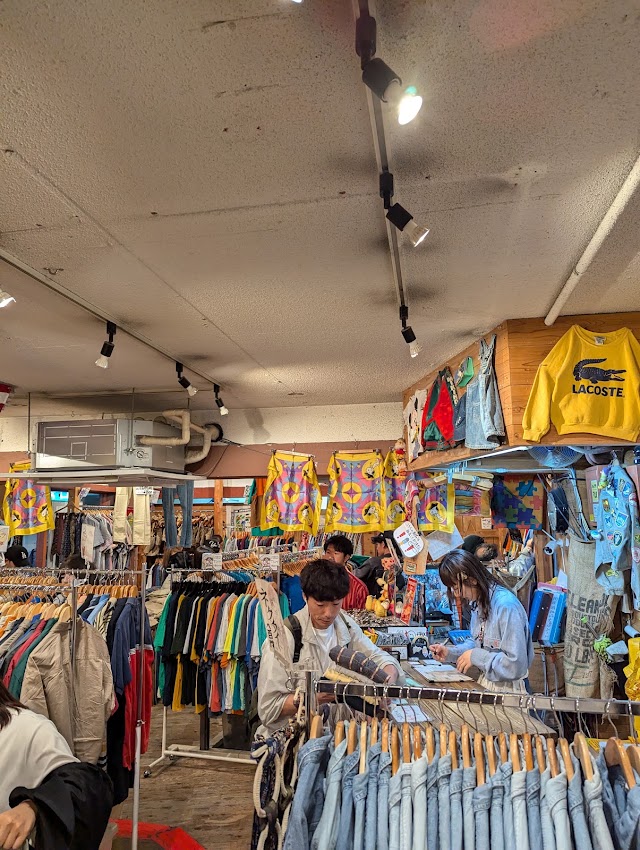
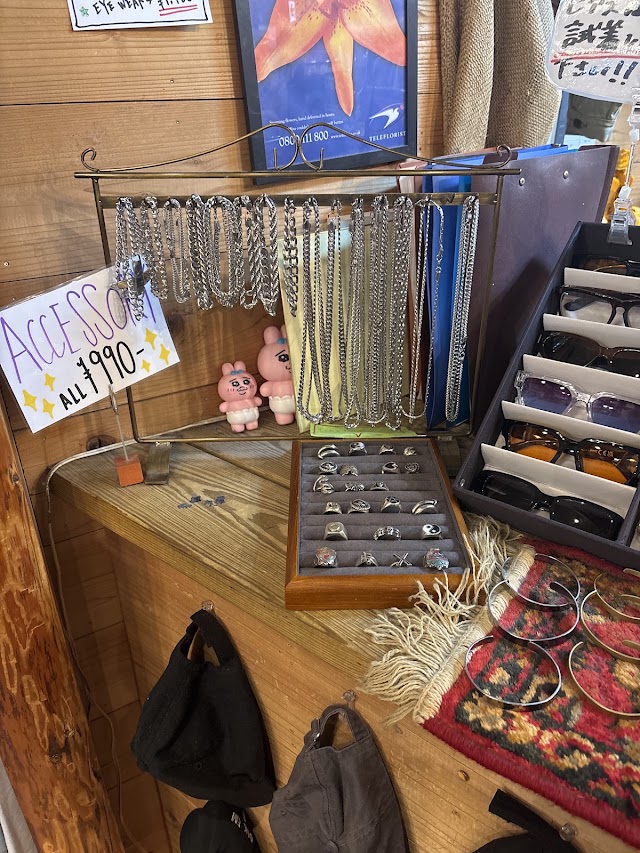
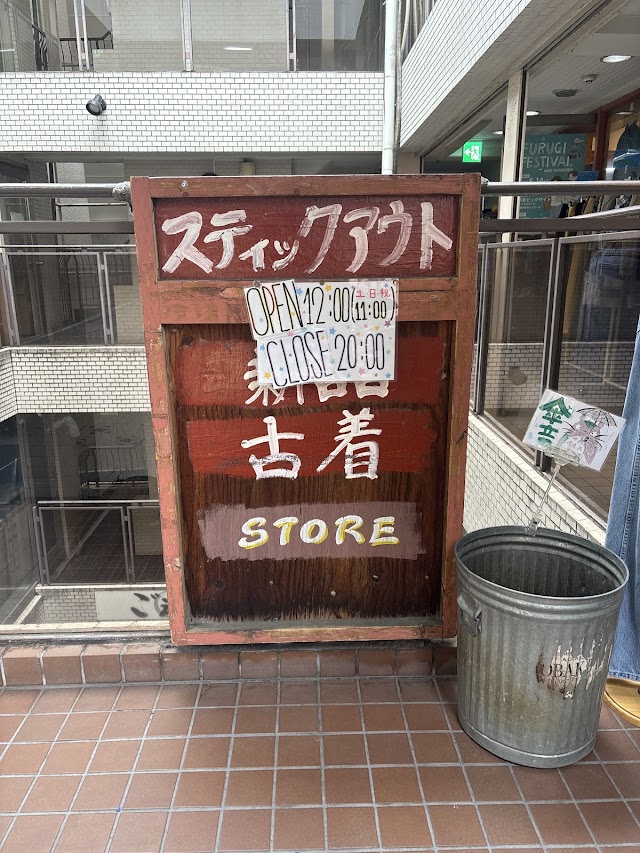
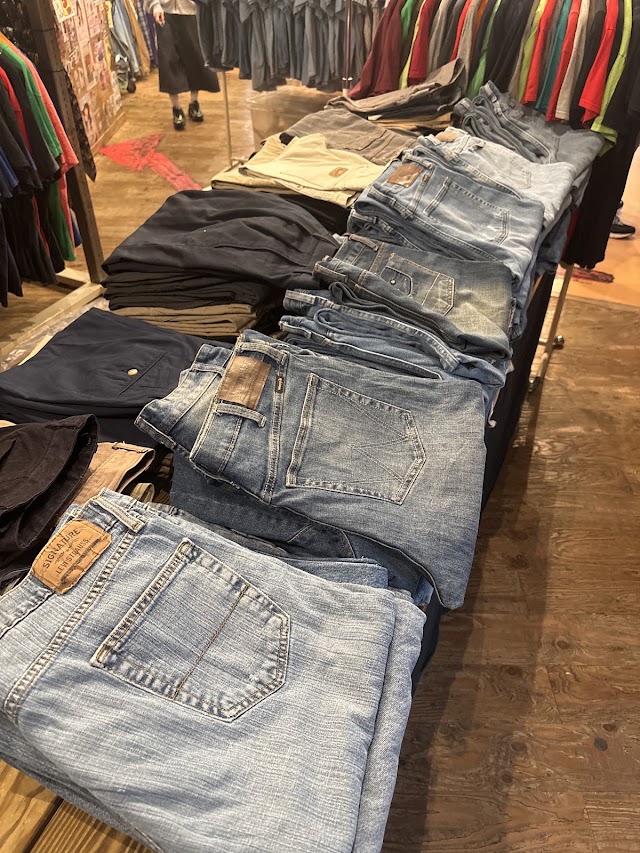
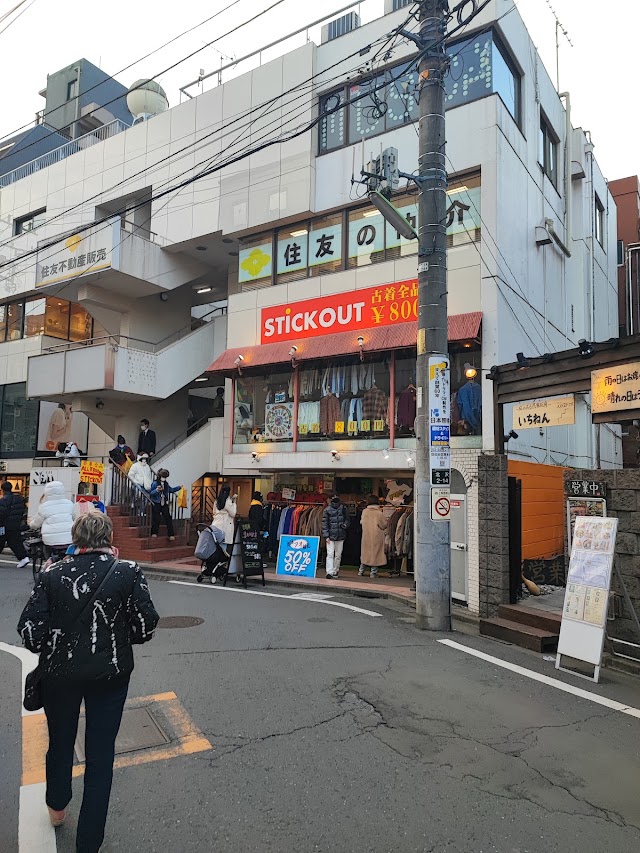
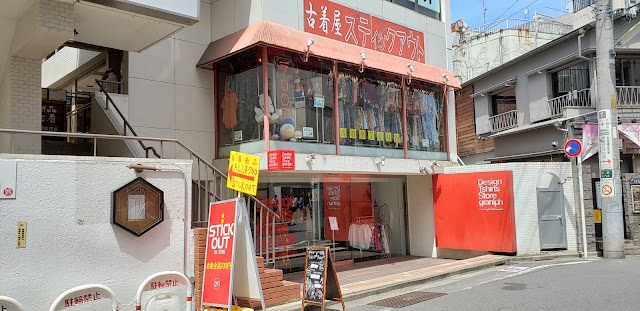
Shimokitazawa's best-known cheap shop, and unusually for the category it holds 4.4 on Google across more than 400 reviews — bargain shops are normally dragged down by 'nothing worth buying'. Its method is to simplify pricing until you barely have to think, then pack two floors solid, making the digging itself the experience. It suits people willing to spend forty minutes going piece by piece, not people who want to be advised. Slot it mid-route: once you have seen prices elsewhere, you will know what is genuinely cheap here.
★ The entrance is on the second floor and the stairwell is easy to miss; aisles are narrow at busy times and a large suitcase will not fit.
VENUE INFO
Address: 〒155-0031 Tokyo, Setagaya City, Kitazawa, 2-chōme−14−16 北沢プラザ 2階
Phone: 03-3487-3266
Hours: Monday: 12:00 – 8:00 PM; Tuesday: 12:00 – 8:00 PM; Wednesday: 12:00 – 8:00 PM; Thursday: 12:00 – 8:00 PM; Friday: 12:00 – 8:00 PM; Saturday: 11:00 AM – 8:00 PM; Sunday: 11:00 AM – 8:00 PM
Nearest Sta.: 3 min from Shimokitazawa Station
Price: Built on a low flat-price format, with most stock in the high hundreds to just over ¥1,000
Google rating: 4.4(435 則評論)
Verified: 2026-08-11 16:01 Google Maps
古着屋NOTIME 下北沢店
Photos: 古着屋NOTIME 下北沢店、hawk eyeboi、ไชยวัฒน์ งามบุญลือ、中村友昭、Lavitra Thiemsri、오진우、Jun、심규하、Moustafa Eltahhan / Google Maps
古着屋NOTIME 下北沢店
Why we recommend
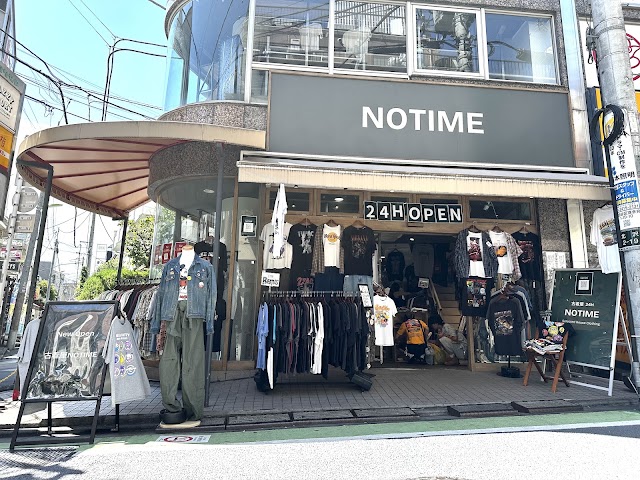
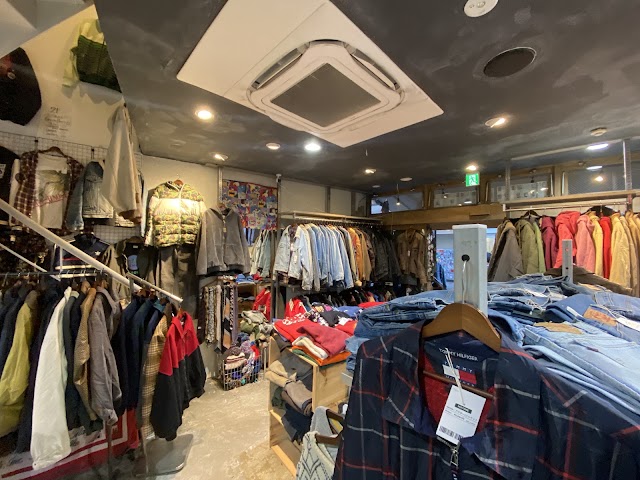
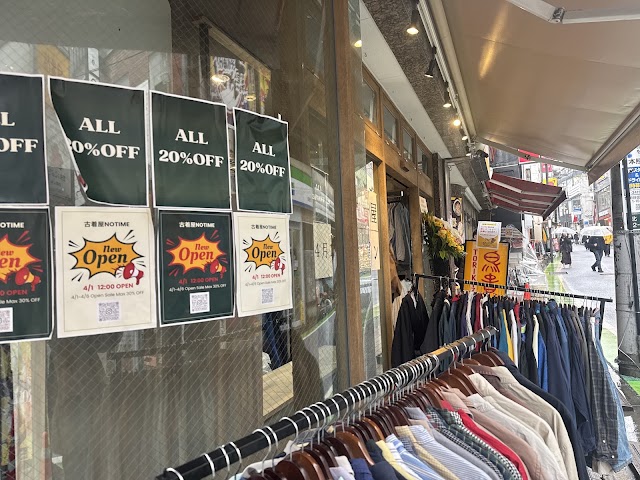
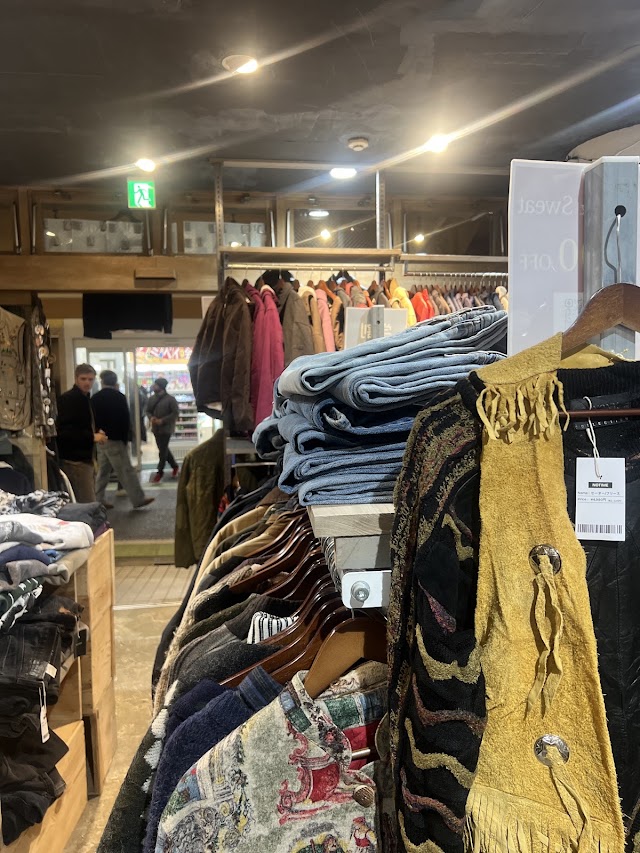
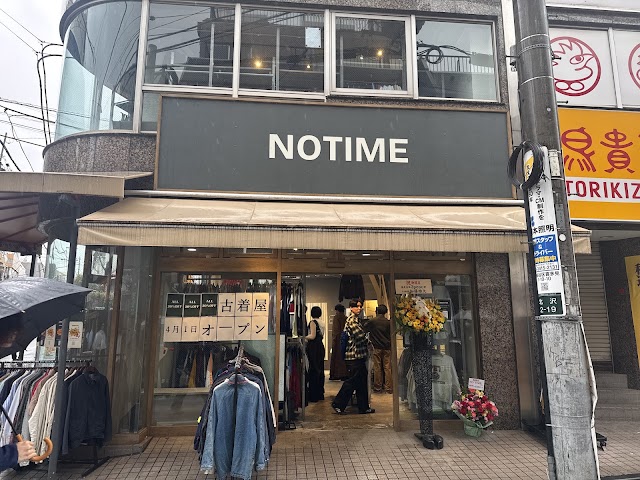
A 24-hour unstaffed used-clothing shop with self-checkout terminals, open through the night, and at 4.9 from more than 300 reviews the highest-rated name on this list. It solves the timing clash Taiwanese visitors hit most often: most Shimokitazawa shops open at noon and shut at 20:00, while your daylight hours are usually committed elsewhere. On the way back from a late night in Shinjuku, or in the pre-dawn gap before an early flight, it is the only door open. The absence of staff also removes the pressure of being watched while you browse.
★ Unstaffed operation leans on cards and e-payments — check the terminals work before a late-night trip — and with nobody to ask, inspect condition carefully yourself.
VENUE INFO
Address: 〒155-0031 Tokyo, Setagaya City, Kitazawa, 2-chōme−19−17 サザン石井ビル
Phone: 03-6908-7077
Hours: Monday: Open 24 hours; Tuesday: Open 24 hours; Wednesday: Open 24 hours; Thursday: Open 24 hours; Friday: Open 24 hours; Saturday: Open 24 hours; Sunday: Open 24 hours
Nearest Sta.: 3 min from Shimokitazawa Station
Price: Most items ¥1,000–3,000, with a flat-price rack in the hundreds
Google rating: 4.9(356 則評論)
Verified: 2026-08-11 16:01 Google Maps
古着屋JAM VINTAGE&SELECT 下北沢店
Photos: t s、sachi n.、fast pro、Christine Lu / Google Maps
古着屋JAM VINTAGE&SELECT 下北沢店
Why we recommend
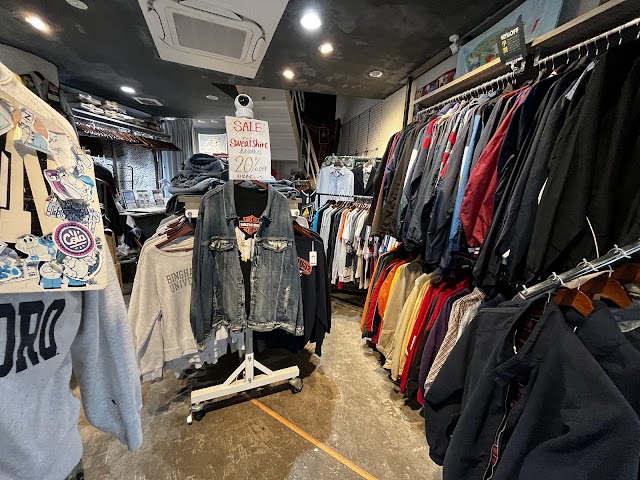
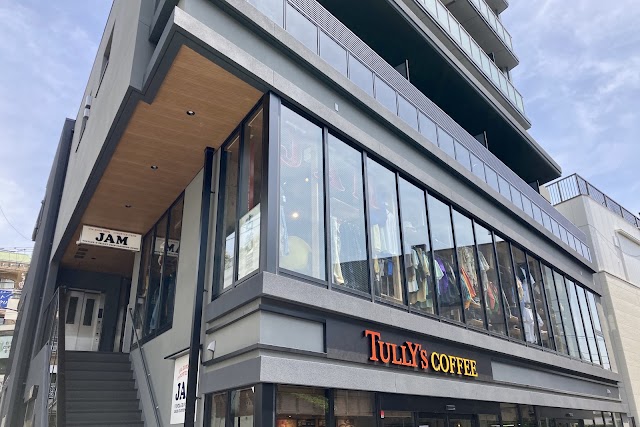
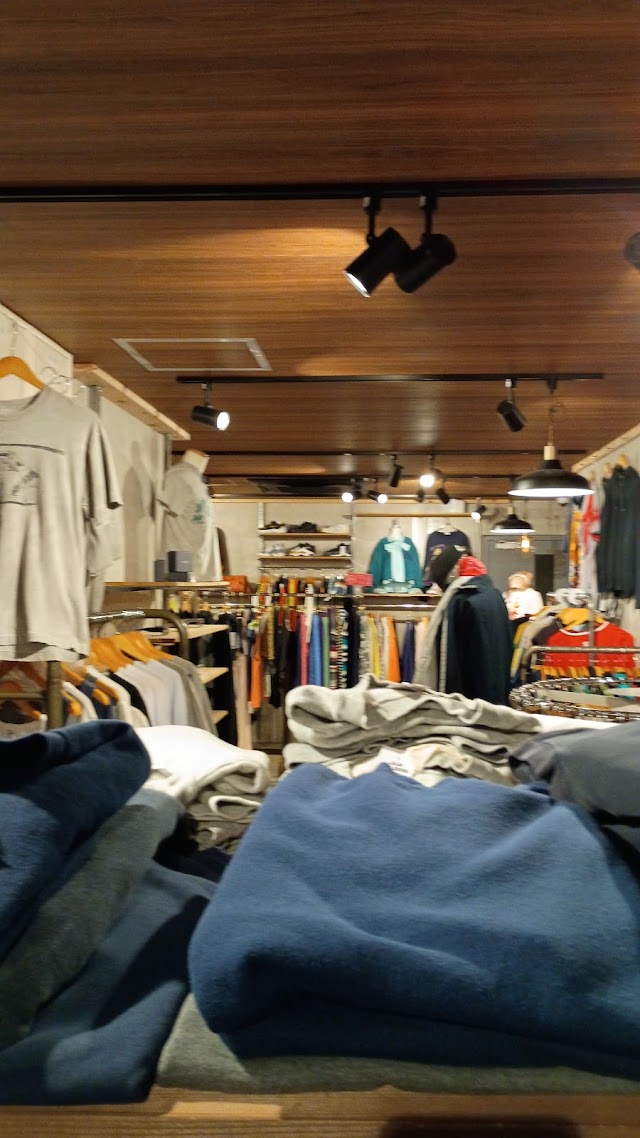
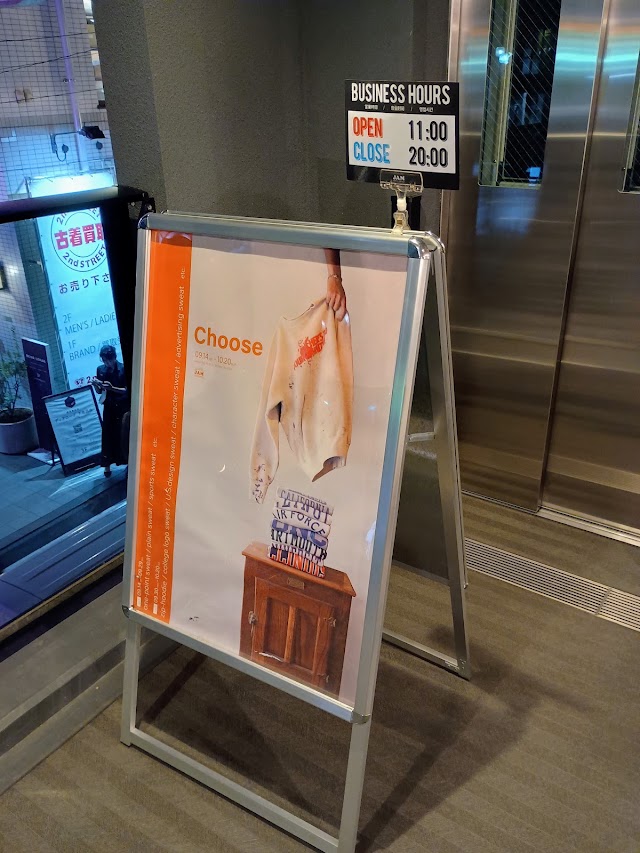
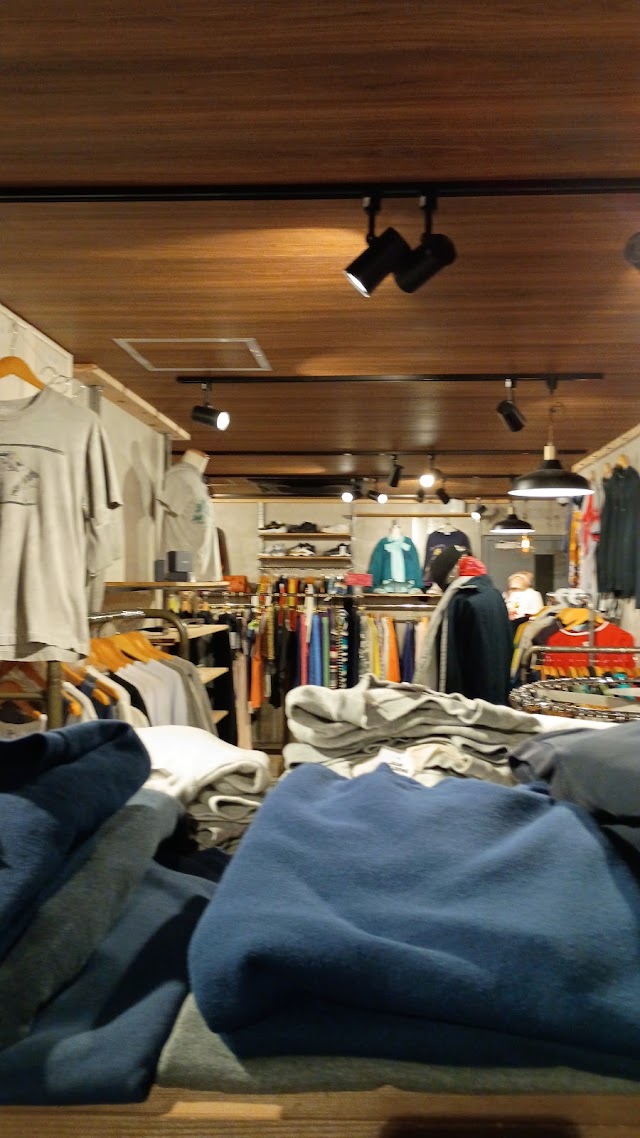
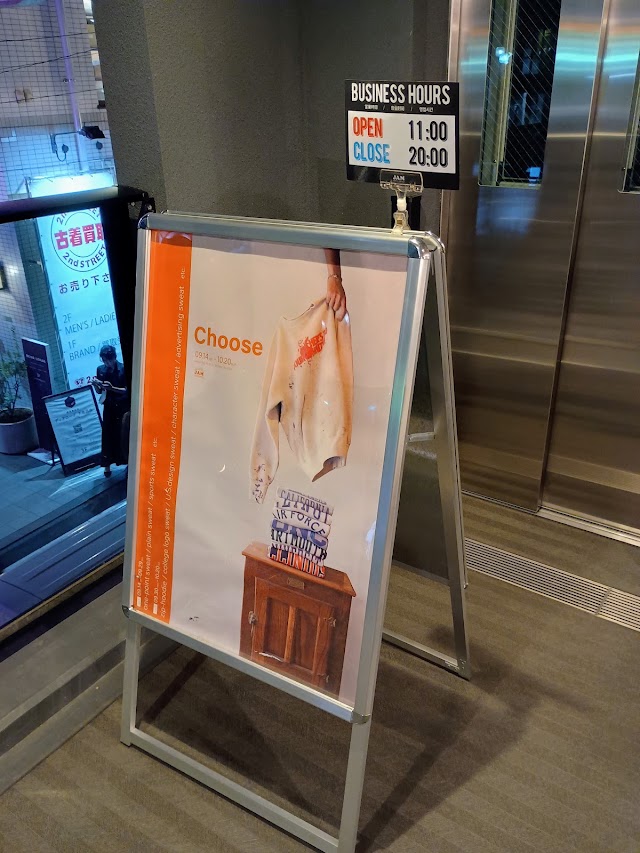
An Osaka-born chain whose strength is simply that someone has sorted it: the same second-hand clothes, but arranged by era, origin and style with sizes clearly marked, so you are not relying on luck. For a first-time buyer worried about fit or condition, it is the lowest-risk stop on this list. Prices run above the flat-rate shops, but what you pay for is curation and preparation. Its 4.6 on Google puts it near the top in a neighbourhood this saturated.
★ Vintage sizing follows the standards of its own era, so an American M and a Japanese M can differ by a full size — always try things on.
VENUE INFO
Address: 〒155-0031 Tokyo, Setagaya City, Kitazawa, 2-chōme−31−7 2階
Phone: 03-6804-7728
Hours: Monday: 11:00 AM – 8:00 PM; Tuesday: 11:00 AM – 8:00 PM; Wednesday: 11:00 AM – 8:00 PM; Thursday: 11:00 AM – 8:00 PM; Friday: 11:00 AM – 8:00 PM; Saturday: 11:00 AM – 8:00 PM; Sunday: 11:00 AM – 8:00 PM
Nearest Sta.: 4 min from Shimokitazawa Station
Price: Selected pieces mostly ¥3,000–10,000, with vintage and designer names above that
Google rating: 4.6(77 則評論)
Verified: 2026-08-11 16:01 Google Maps
原宿シカゴ 下北沢店
Photos: 阿部顕悟、Michał G、‣、Jim Reaugh、Gianpietro Comelli、Hon Faai Fong / Google Maps
原宿シカゴ 下北沢店
Why we recommend
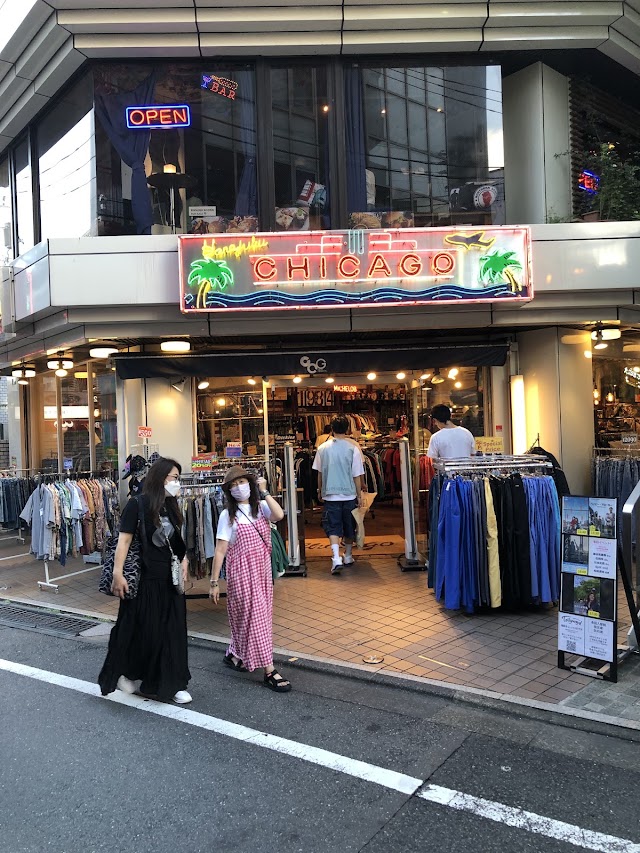
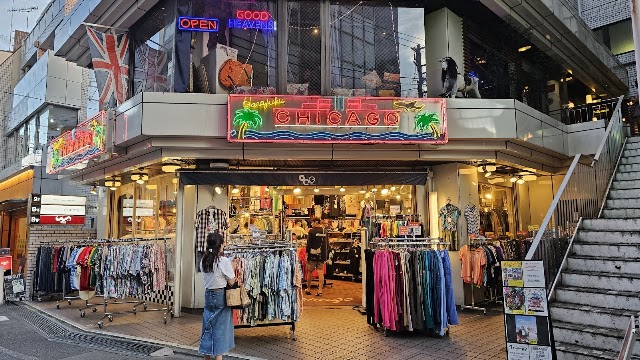
A long-established large-format chain whose draw is the kimono and yukata section inside — the category visitors from Taiwan most often overlook and most often should not. A new yukata in a tourist district runs well over ¥10,000; here a serviceable second-hand kimono, haori or obi is frequently in the low thousands, in patterns no new production reproduces. You need not wear it out: it works as a house robe or simply as textile worth keeping. The American vintage floor is large too, so you cover two lineages in one visit.
★ On second-hand kimono, check the collar and cuffs for staining and moth damage first; silk pieces need dry storage in Taiwan's humidity.
VENUE INFO
Address: 5-chōme-32-5 Daizawa, Setagaya City, Tokyo 155-0032
Phone: 03-3419-2890
Hours: Monday: 11:00 AM – 8:00 PM; Tuesday: 11:00 AM – 8:00 PM; Wednesday: 11:00 AM – 8:00 PM; Thursday: 11:00 AM – 8:00 PM; Friday: 11:00 AM – 8:00 PM; Saturday: 11:00 AM – 8:00 PM; Sunday: 11:00 AM – 8:00 PM
Nearest Sta.: 4 min from the south side of Shimokitazawa Station
Price: American vintage mostly ¥3,000–10,000; entry-level kimono and yukata often in the low thousands
Google rating: 4(149 則評論)
Verified: 2026-08-11 16:01 Google Maps
whistler chart
Photos: Ryo IT、David Pohly、Yuutarou Koseki、Andy C.、ももせえ、Nooree Na、鼻でか太郎 / Google Maps
whistler chart
Why we recommend
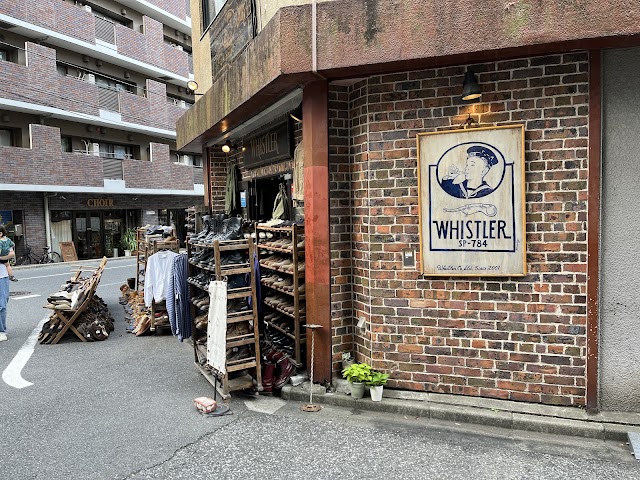
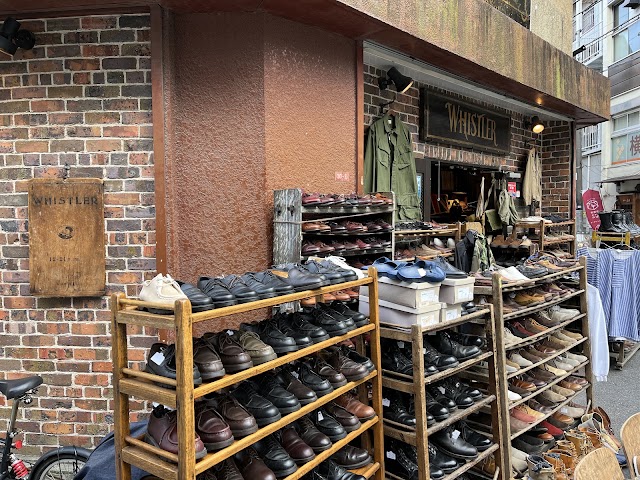
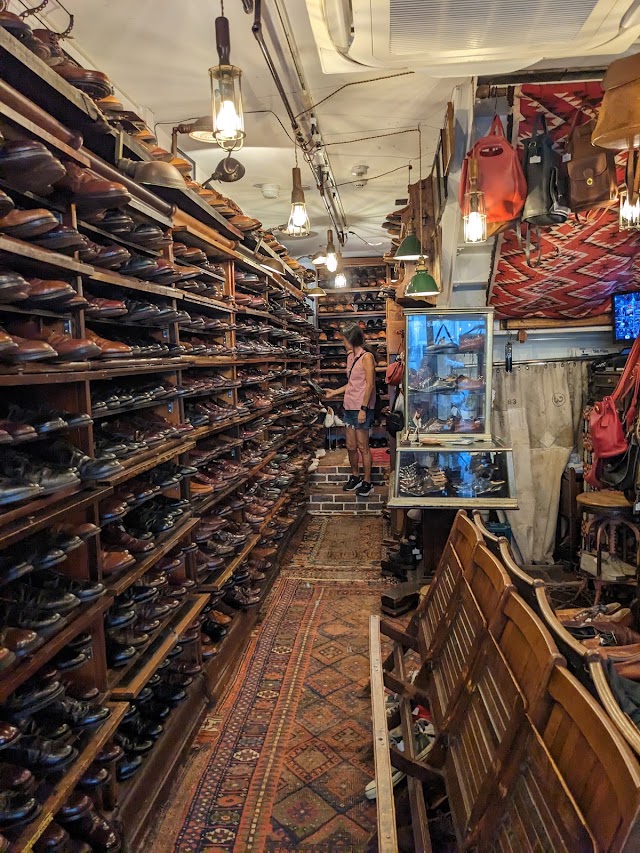
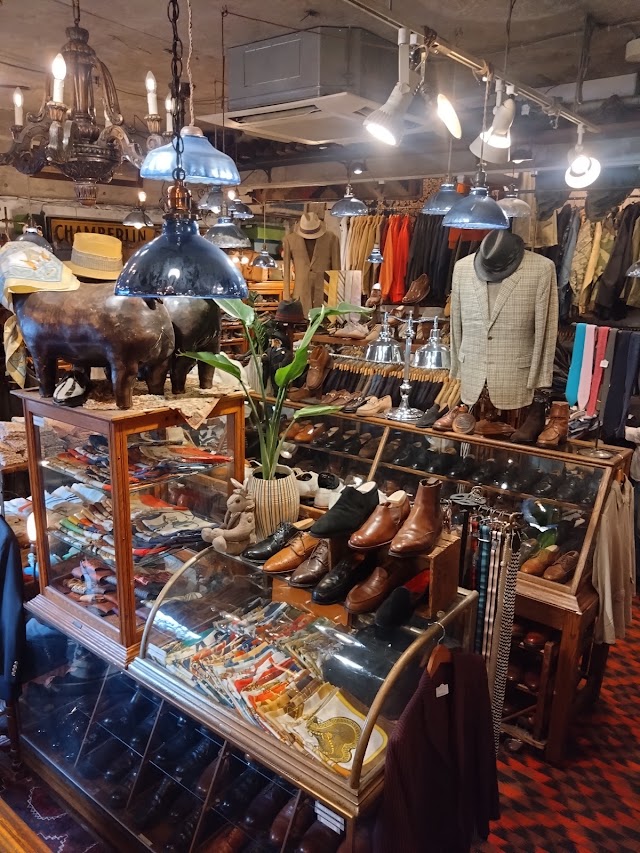
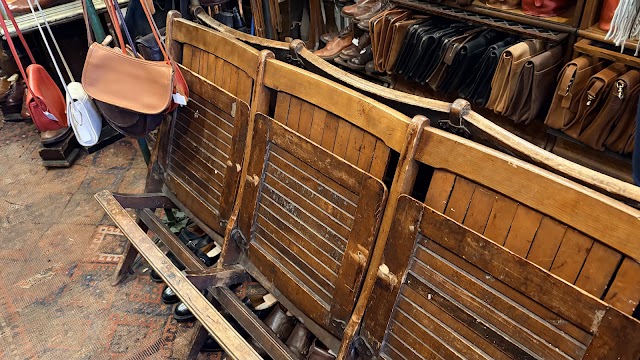
The Koenji side has a different character from Shimokitazawa: Shimokitazawa is curation and trend, Koenji is volume and depth. This shop represents the south-exit strip, buying mainly from West Coast American flea markets, antique dealers and thrift chains, and selecting on design rather than date alone — so the racks hold pieces with no name you can place that still read right. Density is high enough to need time; allow forty minutes and look upwards, since the good things tend to hang high.
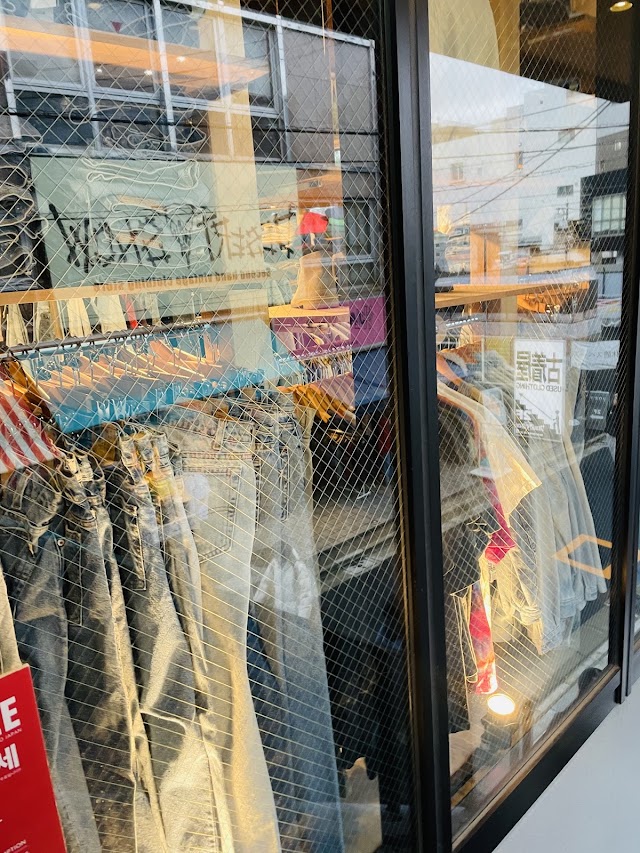
★ Most shops on Koenji's south side open around 13:00; arrive in the morning and you will find shutters down.
VENUE INFO
Address: 4-chōme-30-8 Kōenjiminami, Suginami City, Tokyo 166-0003
Phone: 03-5377-1911
Hours: Monday: 12:00 – 9:00 PM; Tuesday: 12:00 – 9:00 PM; Wednesday: 12:00 – 9:00 PM; Thursday: 12:00 – 9:00 PM; Friday: 12:00 – 9:00 PM; Saturday: 12:00 – 9:00 PM; Sunday: 12:00 – 9:00 PM
Nearest Sta.: 5 min from the south exit of Koenji Station (JR Chuo / Sobu lines)
Price: Core stock ¥3,000–10,000, with rare vintage priced separately
Google rating: 3.9(191 則評論)
Verified: 2026-08-11 16:01 Google Maps
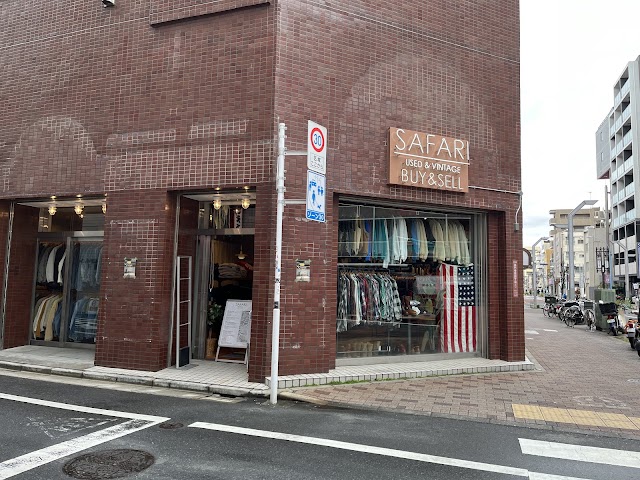
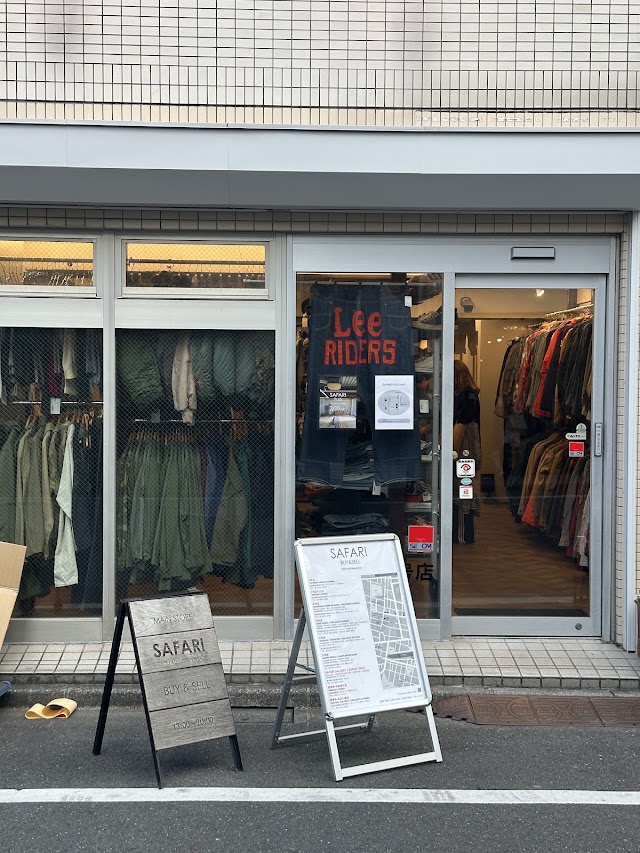
サファリ 1号店
Photos: h ysd、Yoichiro Ando、1952nrfcs、kiyomi.m、Jaengbae、Experience Suginami Tokyo、ゆかみん / Google Maps
サファリ 1号店
Why we recommend
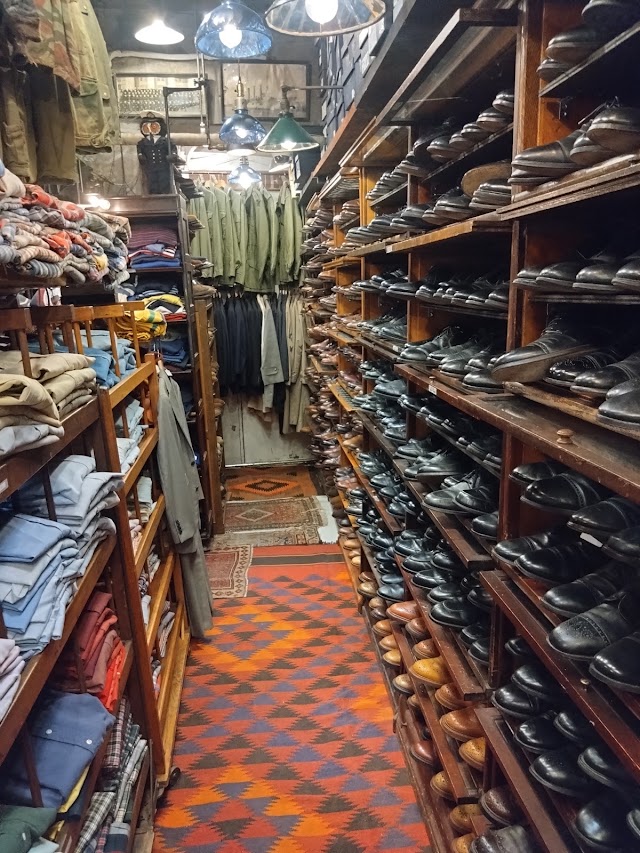
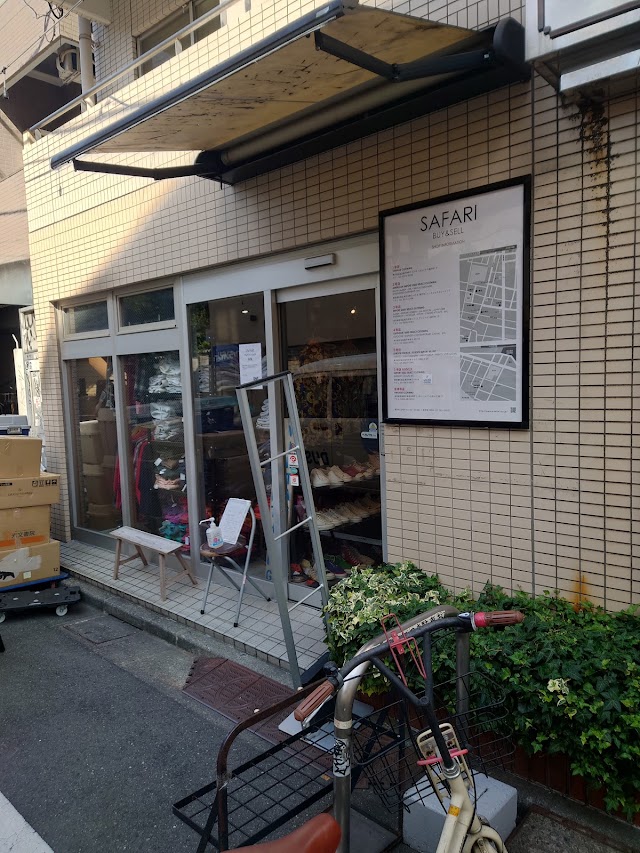
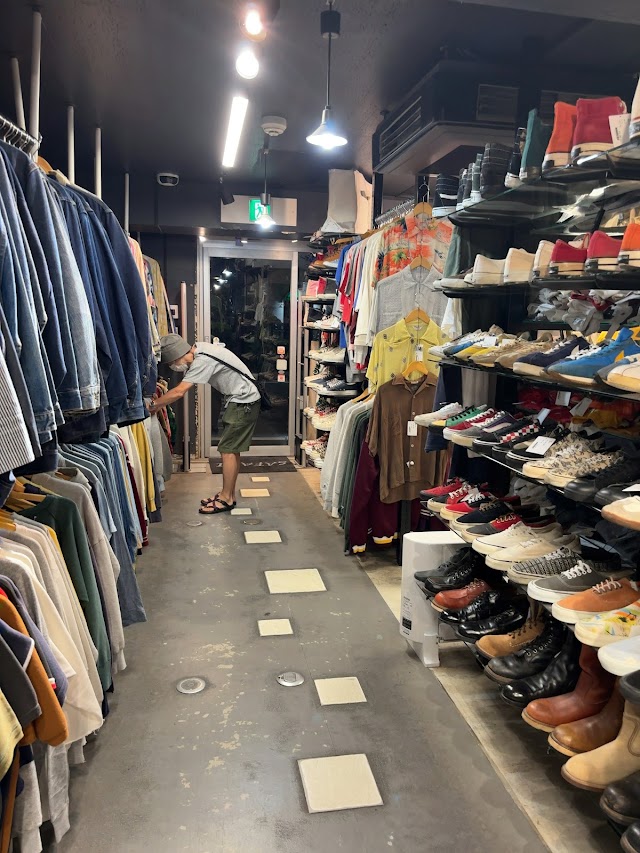
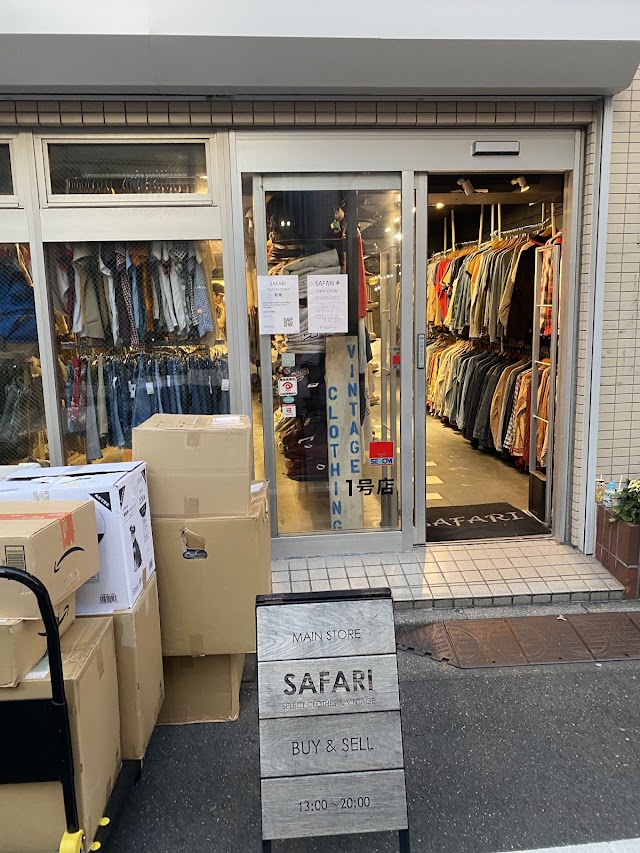
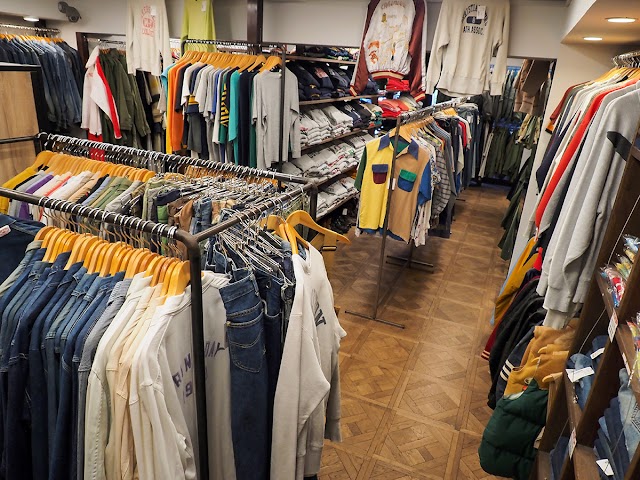
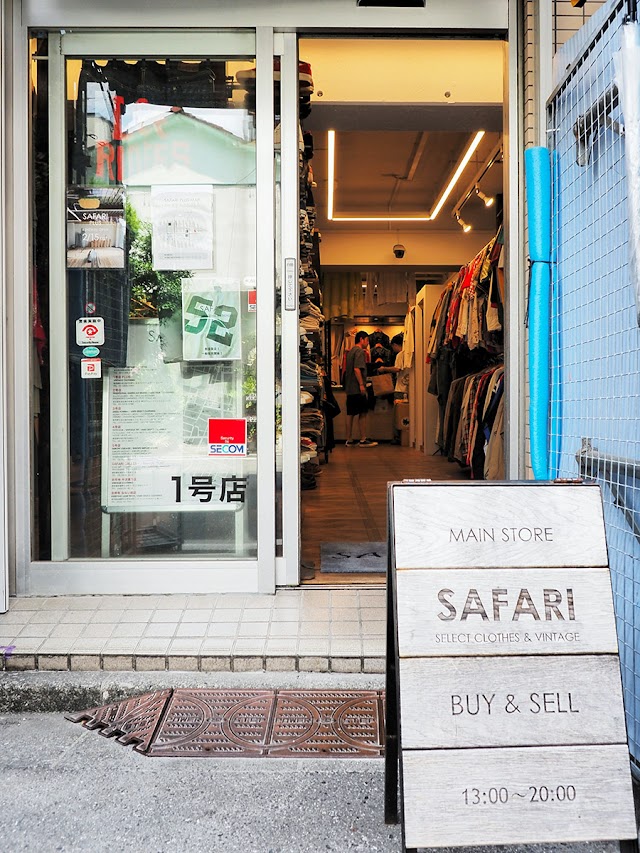
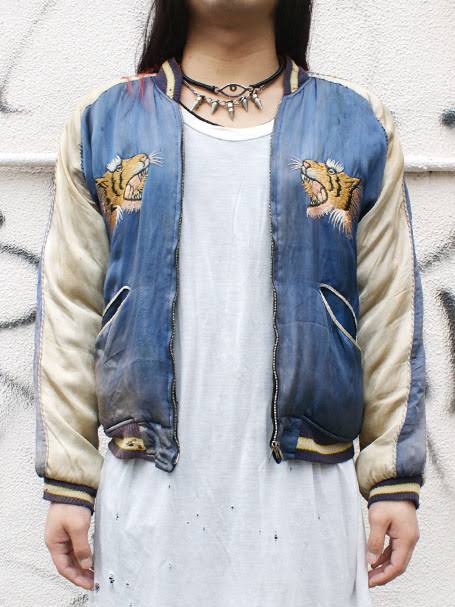
One of Koenji's long-running local groups with several branches; this is the entry point. Its strength is military and workwear, categories where age is an argument — with an M-65 the staff will tell you which year's specification it follows and how the pockets and zips differ. That is Koenji's real advantage over Shimokitazawa: you can compare the same garment across five shops on one street, and the spread in price and condition surfaces on its own. Open until 20:00, later than many south-side shops, so it works as a closing stop.
★ Military sizing follows the original US spec, where Regular and Long refer to body length rather than chest — watch the sleeves when trying things on.
VENUE INFO
Address: 〒166-0003 Tokyo, Suginami City, Kōenjiminami, 3-chōme−57−4 ベルシャトー高円寺 1F
Phone: 03-5378-9230
Hours: Monday: 1:00 – 8:00 PM; Tuesday: 1:00 – 8:00 PM; Wednesday: 1:00 – 8:00 PM; Thursday: 1:00 – 8:00 PM; Friday: 1:00 – 8:00 PM; Saturday: 1:00 – 8:00 PM; Sunday: 1:00 – 8:00 PM
Nearest Sta.: 4 min from the south exit of Koenji Station
Price: Military and workwear mostly ¥5,000–15,000; accessories and small goods in the low thousands
Google rating: 3.7(70 則評論)
Verified: 2026-08-11 16:01 Google Maps
Jacob's Ladder
Photos: 奈塚Q弥、ジェイコブスラダー高円寺、Jacob's Ladder ジェイコブスラダー、さへきひろのぶ / Google Maps
Jacob's Ladder
Why we recommend
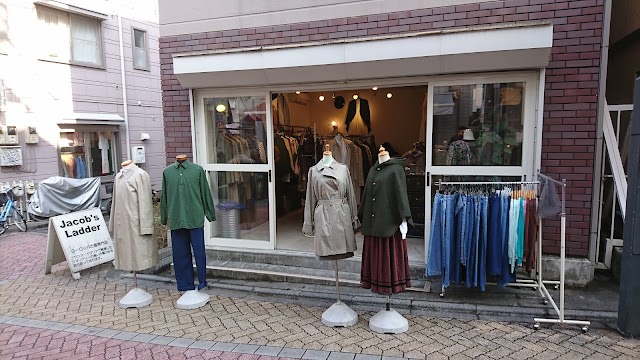
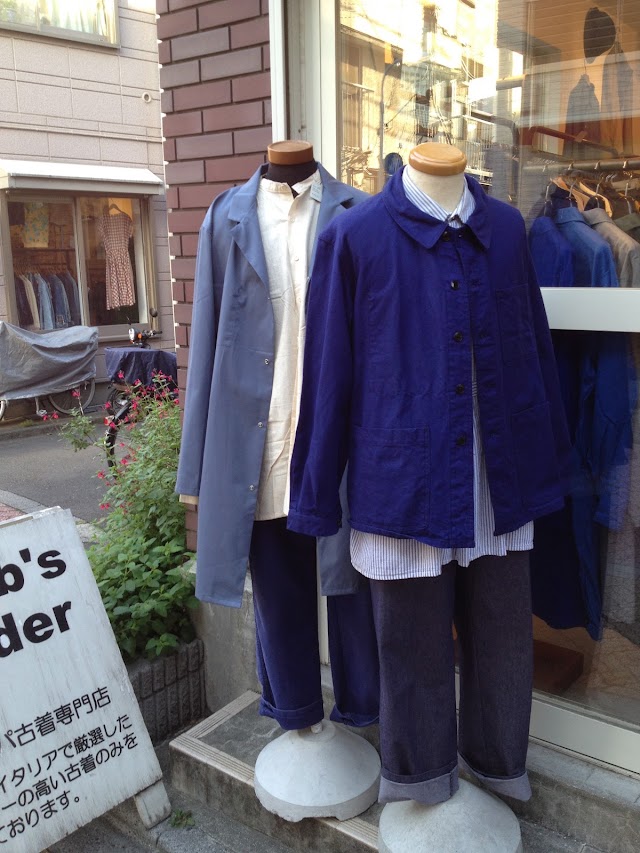
Eighty per cent of Tokyo's vintage comes from America; this shop works Europe, chiefly France with Italy and the Netherlands alongside. The difference is immediately legible: more linen and cotton, colours running to grey-blue and earth, cuts loose without slouching, with French workwear moleskin jackets and smocks as the signature. For Taiwanese bodies and weather, European vintage is often the easier wear — sizing sits closer to Asian frames and the fabrics suit a humid spring and autumn. The shop is small and rewards quiet browsing.
★ Open to 19:00 on weekdays and 20:00 at weekends; the floor is small, so a larger group should go in shifts.
VENUE INFO
Address: 2-chōme-22-13 Kōenjiminami, Suginami City, Tokyo 166-0003
Phone: 03-5913-7570
Hours: Monday: 1:00 – 7:00 PM; Tuesday: 1:00 – 7:00 PM; Wednesday: 1:00 – 7:00 PM; Thursday: 1:00 – 7:00 PM; Friday: 1:00 – 7:00 PM; Saturday: 1:00 – 8:00 PM; Sunday: 1:00 – 8:00 PM
Nearest Sta.: 7 min from the south exit of Koenji Station
Price: European vintage mostly ¥5,000–15,000
Google rating: 4.1(24 則評論)
Verified: 2026-08-11 16:01 Google Maps
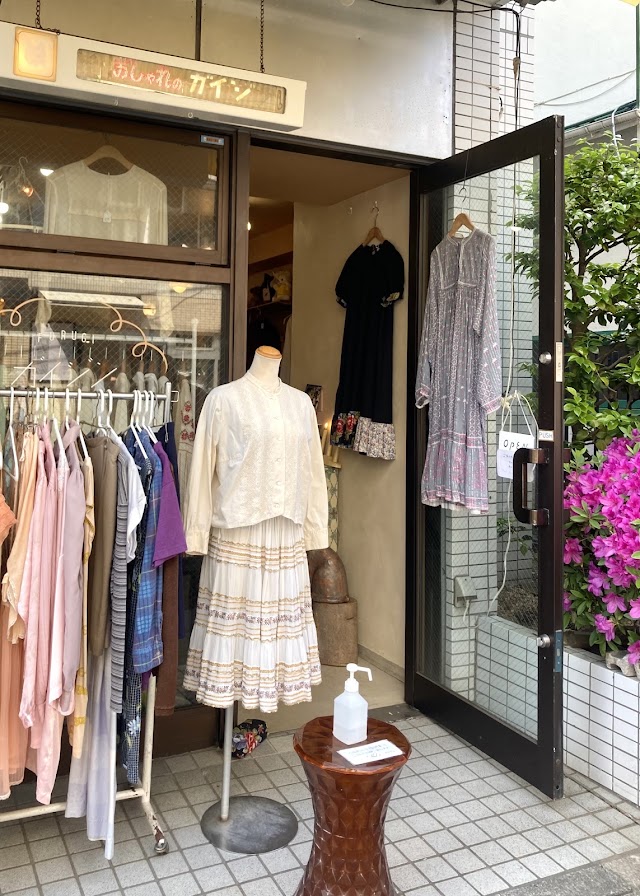
ガイジン
Photos: ガイジン / Google Maps
ガイジン
Why we recommend
A small vintage-led shop that buys in America three or four times a year, working on 'few but right' — you will not find a rack of the same model to compare, but every piece has a reason for being there. This is the mainstream ecology of Koenji: the owner buys the stock and minds the shop, and answers whatever you ask. Anyone who wants the story gets the most here; anyone who wants to sweep quickly will find it slow. Put it at the end of the day rather than the start.
★ Open until 19:00 and owner-run, so unscheduled closures are likelier than at chains — check its social feed before setting out.
VENUE INFO
Address: 104 3-chōme-56-1 Kōenjiminami, Suginami City, Tokyo 166-0003
Phone: 03-3316-9337
Hours: Monday: 1:00 – 7:00 PM; Tuesday: 1:00 – 7:00 PM; Wednesday: 1:00 – 7:00 PM; Thursday: 1:00 – 7:00 PM; Friday: 1:00 – 7:00 PM; Saturday: 1:00 – 7:00 PM; Sunday: 1:00 – 7:00 PM
Nearest Sta.: 5 min from the south exit of Koenji Station
Price: Vintage-led, mostly ¥6,000–20,000
Google rating: 4.1(15 則評論)
Verified: 2026-08-11 16:01 Google Maps
※ Business info may change; please check the venue's official sources before visiting.
← Back to home