Jp¥online 繁中简中EN2026/08/10

Shibuya's Redevelopment Mapped: Station District Slips From 2027 to Fiscal 2031, the Whole Scheme to 2034, While Residential Land Prices Jump 13.5% in a Year
Source: Jp¥online 編輯部· Published: 2026/08/10 16:22 JST· Section: REAL ESTATE & TOURISM
Shibuya's Redevelopment Mapped: Station District Slips From 2027 to Fiscal 2031, the Whole Scheme to 2034, While Residential Land Prices Jump 13.5% in a Year
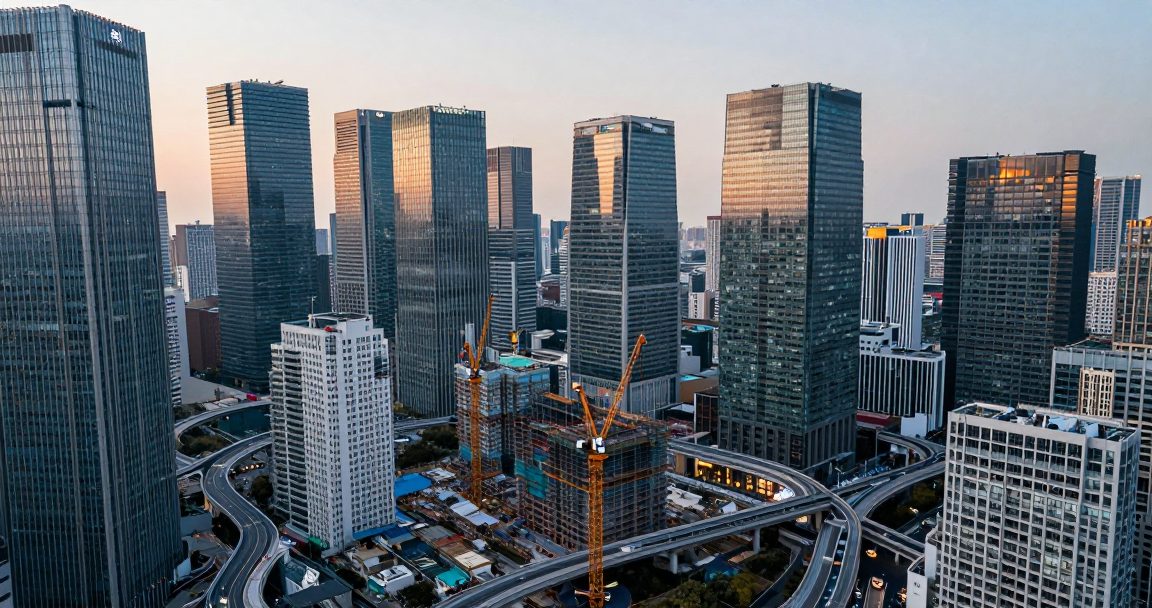
Illustration: AI-generated (Jp¥online)
# Shibuya redevelopment# Shibuya Station# Shibuya Upper West# Sakura Stage# land prices# office vacancy# Tokyu# property investment# urban renewal# Shibuya ward
Key Points
  • Completion of Scramble Square's Central and West towers has moved from the previously announced fiscal 2027 to fiscal 2031, with the pedestrian network substantially complete in fiscal 2030 and the full scheme including Hachiko Square in fiscal 2034.
  • The Shibuya Upper West Project on the former Tokyu Department Store main site broke ground on 11 March 2025 — 34 storeys, about 155 metres, due in fiscal 2029, absorbing a relocated and expanded Bunkamura The Museum.
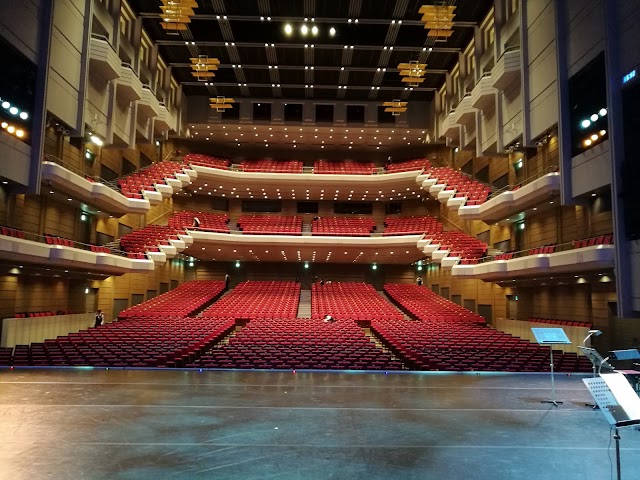
  • Bunkamura has been closed for renovation since 10 April 2023 with Orchard Hall running weekends only; the hall closes fully from 3 January 2027, with reopening in fiscal 2027.
  • Shibuya Sakura Stage was completed in November 2023 and fully opened on 25 July 2024 with 37 tenants at a project cost of roughly ¥197.3 billion, its retail mix leaning to supermarket and bookshop formats for residents.
  • Shibuya ward office vacancy has held in the high 1 per cent range, lowest of the central five wards; asking rents run about ¥22,000–26,000 per tsubo against a five-ward average of ¥21,648, up 6.28 per cent year on year in January 2026.
  • Shibuya ward's 2026 published residential land price averaged ¥6.16 million per tsubo (¥1.86 million per square metre), up 13.5 per cent, with roughly 24 per cent cumulative growth since 2024.
  • Second-hand homes in Tokyo's 23 wards traded at about ¥1.33 million per square metre, up 12.9 per cent; Shibuya ward averaged ¥151.17 million in July 2026 across 230 new listings.
  • Counter-signal: in May 2026 the metropolitan-area contracted price per tsubo for second-hand homes fell for the first time in 73 months.
  • Shibuya reads as seven or eight neighbourhoods rather than one district: offices and interchange to the east, airport access and everyday retail to the west, culture and consumption to the north, and the most disrupted older quarter around Dogenzaka.
  • Three rules for not getting lost: choose east or west before choosing an exit, favour the elevated decks, and use Scramble Square as a fixed reference point.
Analysis

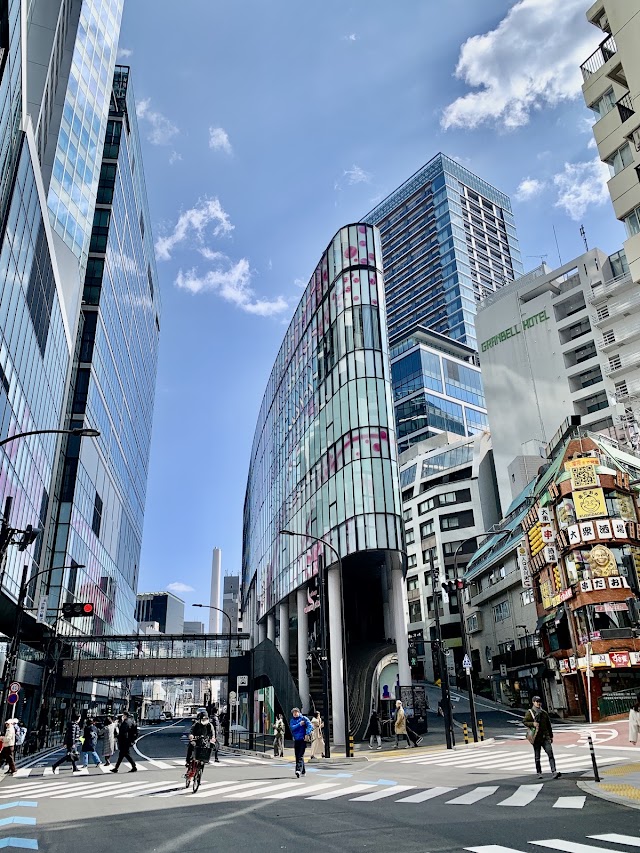
Shibuya's redevelopment is routinely called a once-in-a-century project, but this year the phrase needs one correction: the timetable has slipped again. The Central and West towers of the station-district plan, once announced for fiscal 2027, are now officially scheduled for completion in fiscal 2031, with the pedestrian network around the station substantially complete in fiscal 2030 and the whole scheme, including Hachiko Square, finished in fiscal 2034. If Shibuya has felt like a permanent building site on your recent visits, that is because it has eight more years to run.

That means three different things to three groups. For visitors, every future trip may find the station laid out differently from the last — not a failure of memory, but genuine ongoing change. For residents, office and housing supply will not expand materially before 2030, so prices have little room to soften. For property buyers, this is the single most important timeline for judging entry.

The numbers make Shibuya one of Tokyo's tightest markets. Office vacancy has sat in the high 1 per cent range, the lowest among central Tokyo's five wards, with average asking rents around ¥22,000–26,000 per tsubo against a five-ward average of ¥21,648, up 6.28 per cent year on year as of January 2026. Land is steeper still: Shibuya ward's 2026 published residential land price averaged ¥6.16 million per tsubo (¥1.86 million per square metre), up 13.5 per cent on the year, with a cumulative rise of roughly 24 per cent from 2024 to 2026 — two consecutive years of double digits. Second-hand housing in the 23 wards traded at about ¥1.33 million per square metre, up 12.9 per cent.

One signal deserves attention, though: in May 2026 the contracted price per tsubo for second-hand homes across the metropolitan area fell for the first time in 73 months. That is not a reversal, but after six years of gains it is the first crack worth watching.

This guide arranges ten facilities built across the past fourteen years into a route you can walk, each marked with its role in the wider board — a walking map for visitors, a site-inspection list for anyone in lodging or property. By the end it is clear that Shibuya is not one station-front district but seven or eight neighbourhoods, built by different developers in different years for different customers, forced under a single station name.

The Analysis Desk

1. Get the timeline straight: what has been built, and how much longer

Counting from Shibuya Hikarie in 2012, this round of redevelopment has been running for fourteen years. The completed milestones, in order: Hikarie in 2012, Shibuya Cast in 2017, Shibuya Stream in 2018, Shibuya Scramble Square East Tower and the rebuilt Shibuya Parco in November 2019, Shibuya Fukuras with Tokyu Plaza Shibuya in December 2019, Miyashita Park in 2020, Shibuya Sakura Stage completed in November 2023 and fully opened on 25 July 2024, and Shibuya Axsh in 2024.

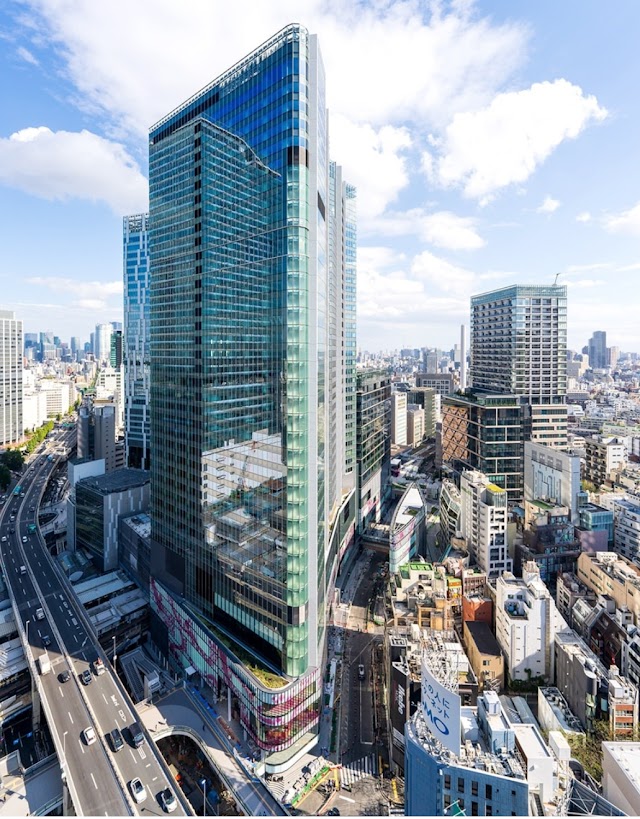
Two blocks remain. The first is the station district: Scramble Square's Central and West towers, once announced for fiscal 2027, are now officially due in fiscal 2031, with the station-centred pedestrian network substantially complete in fiscal 2030 and the whole scheme including Hachiko Square in fiscal 2034. The second is the Shibuya Upper West Project on the former Tokyu Department Store main site, which broke ground on 11 March 2025 — 34 storeys, roughly 155 metres, due in fiscal 2029, combining retail, hotel and residences and absorbing a relocated, expanded Bunkamura The Museum.

Put together, the conclusion is plain: Shibuya's completed state does not belong to this decade but to the first half of the next.

2. Not one district but seven or eight fused together

The most effective way to understand Shibuya is to abandon the idea of a station front and read it as neighbourhoods.

East of the station (Hikarie, Scramble Square, Stream, Axsh): Tokyu-led, functioning as offices and transport interchange, serving office workers and business travellers. The least Shibuya-like side, and the most expensive.

West of the station (Fukuras, Sakura Stage): the airport bus terminal and everyday retail, with a notably older customer base. Sakura Stage is the first complex explicitly built for people who live here.

North (Miyashita Park, Parco, Udagawacho): the culture and consumption side, concentrating younger visitors and tourists, with the food alley and the official game stores.

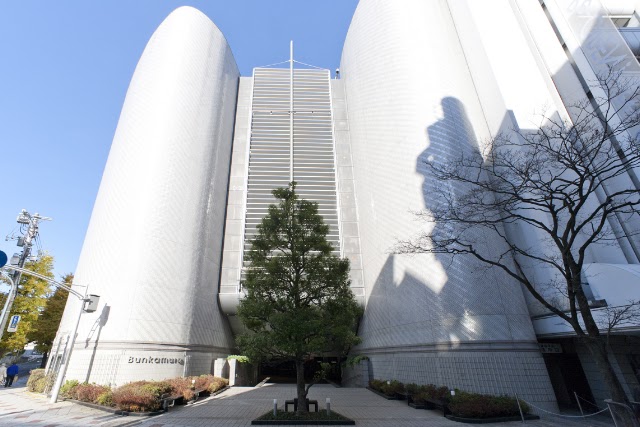
Dogenzaka and Maruyamacho (Bunkamura, the Upper West site): the older cultural and night economy, and currently the most disrupted quarter.

For a visitor, these four move at different rhythms and even sit at different price points for a meal. Treating Shibuya as a single place is the main reason it exhausts people.

3. For buyers and investors: three numbers that matter

First, office vacancy. Shibuya has held in the high 1 per cent range, the lowest of the central five wards. At that level new supply is absorbed almost on completion, and 2026 brings no large-scale new office stock — the structural reason rents rise easily and fall reluctantly. Average asking rents run around ¥22,000–26,000 per tsubo, against a five-ward average of ¥21,648, up 6.28 per cent year on year as of January 2026.

Second, land. Shibuya ward's 2026 published residential land price averaged ¥6.16 million per tsubo (¥1.86 million per square metre), up 13.5 per cent, with roughly 24 per cent cumulative growth from 2024 to 2026 and two consecutive double-digit years — a gradient at the front of the pack even for central Tokyo.

Third, transactions. Second-hand homes in the 23 wards traded at about ¥1.33 million per square metre, up 12.9 per cent; in Shibuya ward, July 2026 averaged ¥151.17 million (¥2.16 million per square metre) across 230 new listings.

Against that, one counter-signal: in May 2026 the metropolitan-area contracted price per tsubo for second-hand homes fell for the first time in 73 months. A single negative print after more than six years of gains is not a turning point, but it belongs on the watchlist. Practically, Shibuya's fundamentals — scarce supply, concentrated demand, a lengthening development schedule — are unchanged, while price momentum has produced its first noise. There is no need to chase.

4. For lodging and short-stay operators: the customer base is changing

Shibuya's accommodation demand once ran on young backpackers and nightlife. Three observations on how that is shifting.

The airport bus terminal beneath Fukuras makes Shibuya a starting point for airport journeys, so staying here no longer requires a first move to Shinjuku or Tokyo Station. That widens the district's viability for business and family travellers.

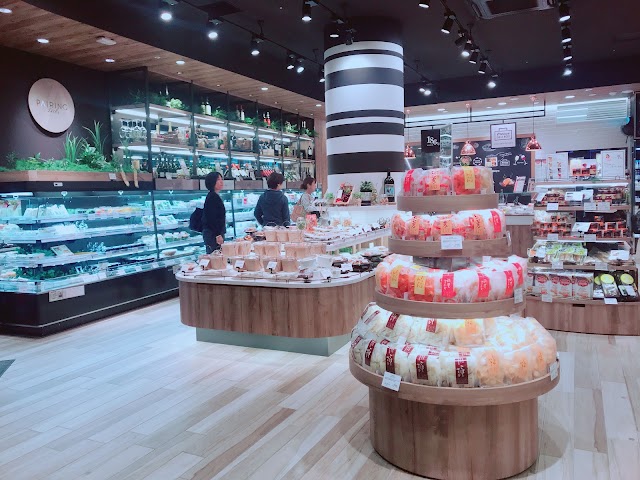
Sakura Stage's retail mix — supermarket, bookshop, everyday dining — signals that the developer judged resident and long-stay demand sufficient to support it. Long-stay demand is the neighbour of short-stay demand.

Both Miyashita Park and Shibuya Stream include hotels, importing the station-attached urban hotel price band directly into the district. That is pressure on smaller operators nearby, and also a pricing reference.

Practical advice: do not compete with station-attached hotels on location. Compete on breakfast, luggage flexibility, multilingual service, and the ability to explain clearly how a guest gets from your door to Narita or Haneda. Until the pedestrian network completes around 2030, that last point remains the biggest pain in staying in Shibuya.

5. The most practical part: how to not get lost at Shibuya Station

Shibuya is among Japan's most complicated stations, and it is still changing. Three principles solve most of it.

Decide which side you want before you choose an exit. East (Hikarie, Scramble Square) and west (Fukuras, Sakura Stage) are separated by a single rail corridor, but getting it wrong costs ten minutes or more.

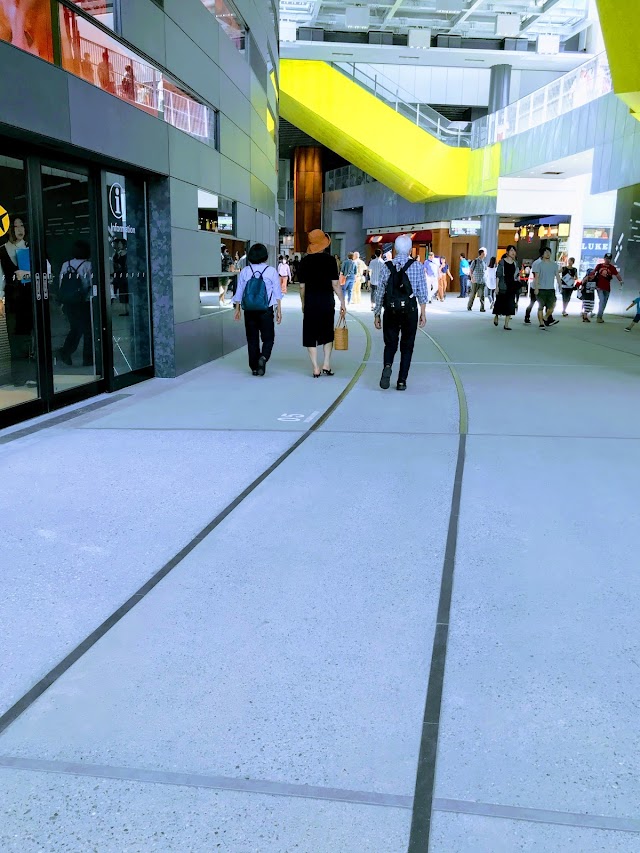
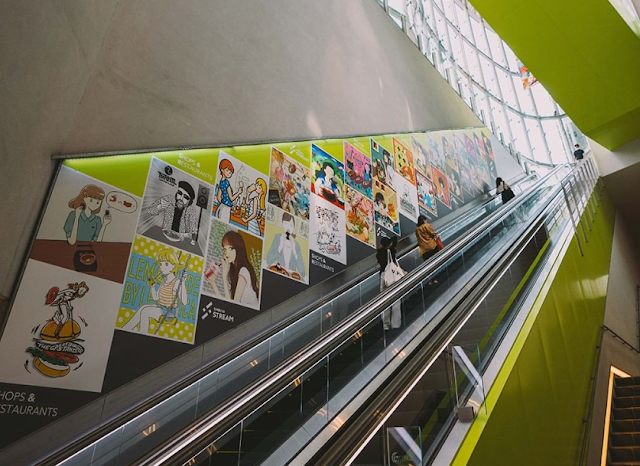
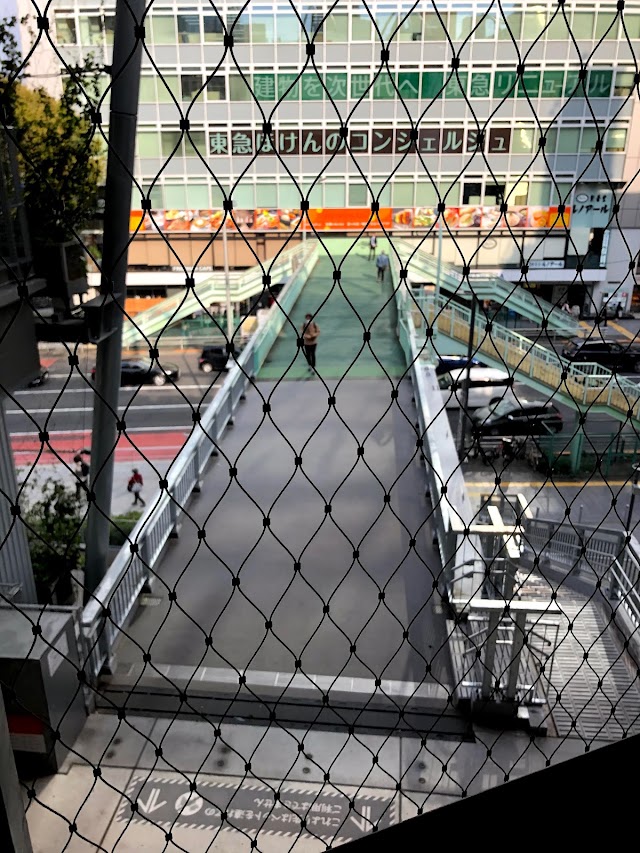
Use the decks and elevated walkways. The pedestrian network is the point of this round of development: go up rather than across, where it is less crowded, more intuitive and free of traffic lights.

Use Scramble Square as your fixed reference. It is the tallest, most recognisable building and the easiest to reach from any platform; when lost, walk towards it.

As for the famous scramble crossing, the best photographs are not taken at the crossing but from height in the surrounding buildings and from the deck on the Miyashita Park side — fewer people, complete angle.

6. A site-inspection route you can finish

Half a day. Start at Scramble Square, ideally going up to Shibuya Sky for spatial orientation, then Hikarie to see where 2012 began; take the deck to Stream and the Shibuya River walk; double back north to Miyashita Park for the stacked park and food alley; continue to Parco and Udagawacho; head west across the crossing to Fukuras; take the deck to Sakura Stage to see the side built for residents; and finish up Dogenzaka at Bunkamura and the Upper West site — ending on the part that is not finished.

About three hours walking, half a day with meals and the observatory. Completing it puts fourteen years of built results and eight years of pending construction in a single field of view, which is the most worthwhile thing to see in Shibuya right now — more so than any single attraction.

Sources: - Tokyu Corporation, Shibuya redevelopment official site, final chapter of the station district plan https://www.tokyu.co.jp/shibuya-redevelopment/redevelopment/future/ - Tokyu Corporation, story feature on the Shibuya Upper West Project https://www.tokyu.co.jp/shibuya-redevelopment/insight/4.html - Shibuya Keizai Shimbun on the former Tokyu Department Store site groundbreaking https://www.shibukei.com/headline/19020/ - Shibuya Sakura Stage official, 25 July 2024 opening https://www.shibuya-sakura-stage.com/en/eventtopics/detail/?cd=000090 - Toshoken on the Sakura Stage retail zone opening https://toshoken.com/news/28436 - Mitsubishi Estate Real Estate Services, Tokyo office market as of end-May 2026 https://office.mecyes.co.jp/market/detail/140 - Tochidai, Shibuya ward land prices 2026 https://tochidai.info/tokyo/shibuya/ - Shibuya Keizai Shimbun on Bunkamura's long-term closure https://www.shibukei.com/headline/16836/ - Natalie on Orchard Hall's 2027 closure https://natalie.mu/music/news/651578 (Addresses, hours and operating status for all ten facilities verified via the Google Places API on 10 August 2026; all ten operating.)
Shibuya's Redevelopment Mapped: Station District Slips From 2027 to Fiscal 2031, the Whole Scheme to 2034, While Residential Land Prices Jump 13.5% in a Year
Chart: Jp¥online
Venue Info (Google Maps)
澀谷 SCRAMBLE SQUARE 東棟
Photos: carl hong、Christine Wong、Mami Endo、Hiroshi Koizümi、mimi mi、Shelly、F C / Google Maps
澀谷 SCRAMBLE SQUARE 東棟
Why we recommend
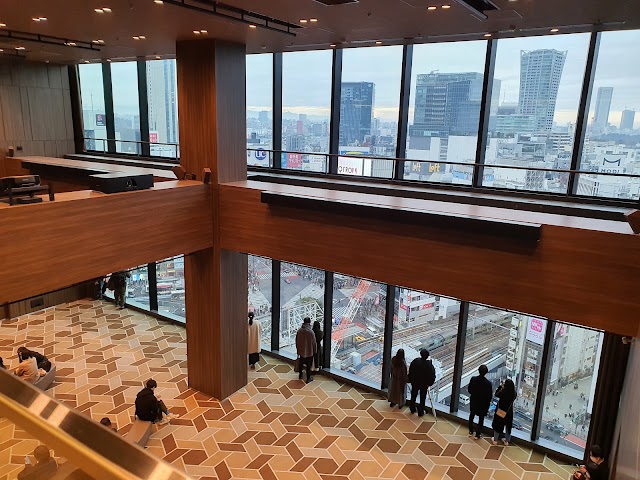
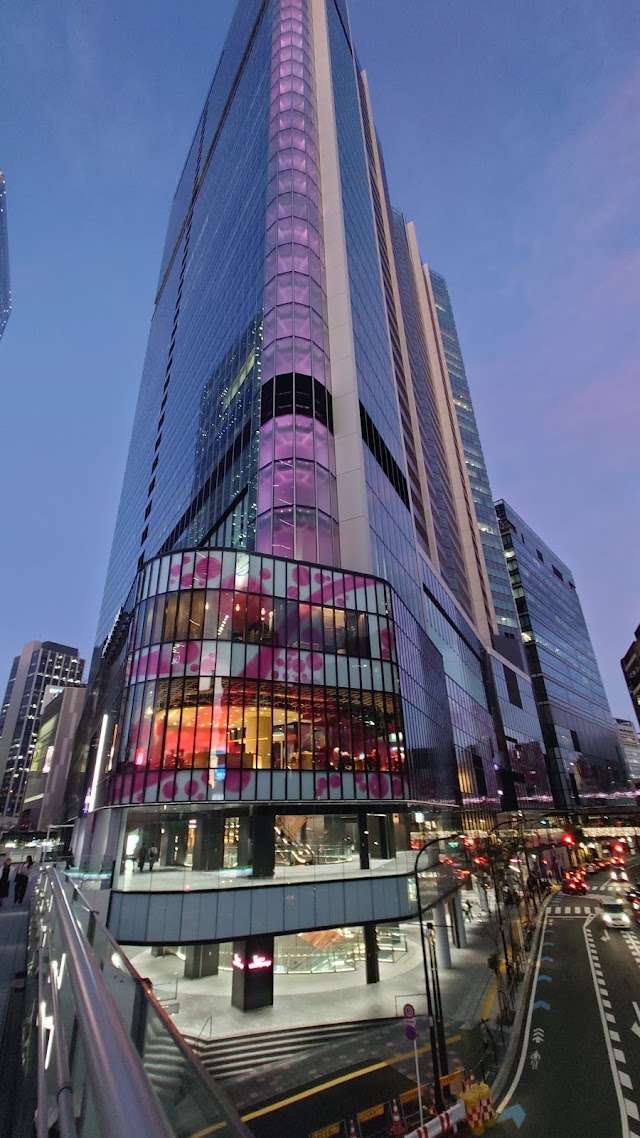
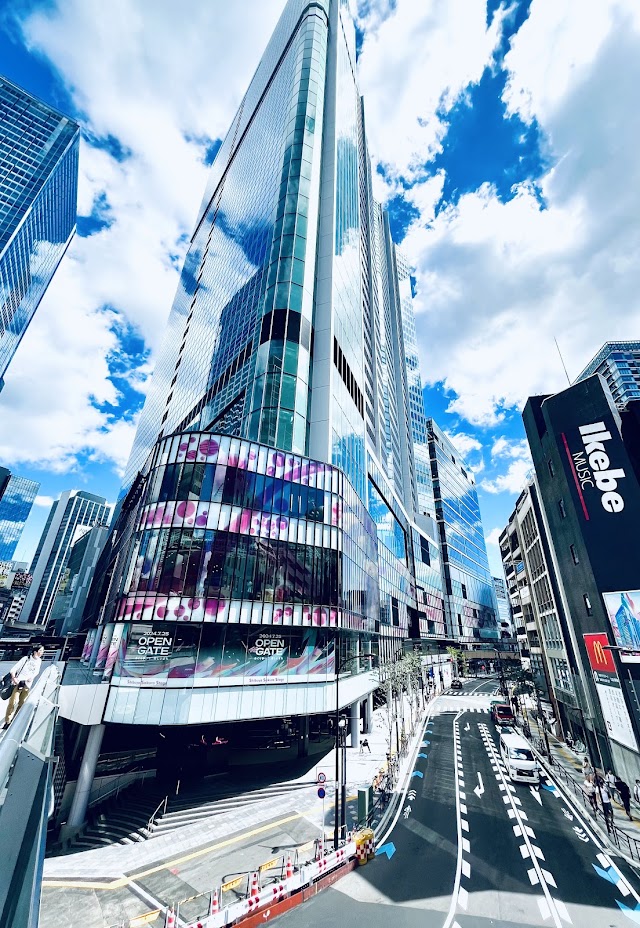
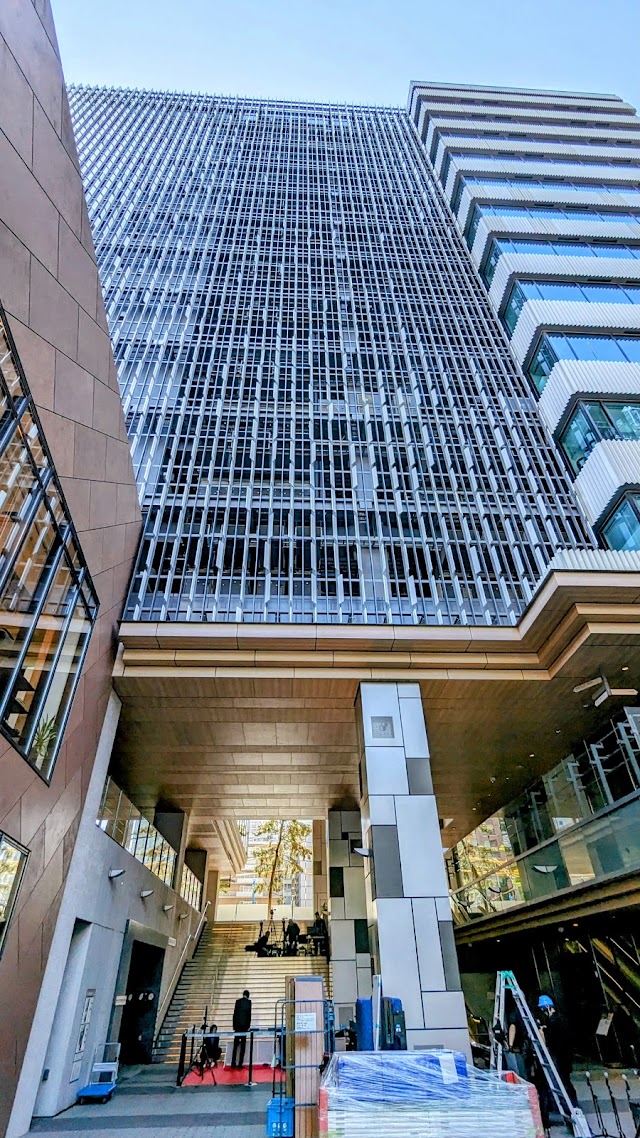
The fastest way to understand Shibuya's redevelopment is to start here. Opened in November 2019 at 47 storeys and roughly 230 metres, it is the tallest building in Shibuya and the only one of the station district's three planned towers — East, Central, West — actually standing. From the Shibuya Sky rooftop you look straight down on every site due to move over the next decade: Sakuragaoka to the west, Miyashita to the north, Nichome to the east, all in one frame. For anyone buying property or running lodging, the value is not the view but seeing the whole development sequence laid out in space.
★ The observatory runs on timed entry and the open-air deck closes in poor weather; check conditions before buying, as the indoor floors still open.
VENUE INFO
Address: 2-chōme-24-12 Shibuya, Tokyo 150-0002
Hours: Monday: 10:00 AM – 9:00 PM; Tuesday: 10:00 AM – 9:00 PM; Wednesday: 10:00 AM – 9:00 PM; Thursday: 10:00 AM – 9:00 PM; Friday: 10:00 AM – 9:00 PM; Saturday: 10:00 AM – 9:00 PM; Sunday: 10:00 AM – 9:00 PM
Nearest Sta.: Directly connected to Shibuya Station (JR, Tokyo Metro, Tokyu, Keio)
Price: Retail floors free to enter; the Shibuya Sky rooftop observatory requires a separate timed ticket, cheaper online in advance
Google rating: 4.2(9,338 則評論)
Verified: 2026-08-11 16:03 Google Maps
澀谷 HIKARIE
Photos: Kevin Cheng、alireza asgari、桑原弘子、kosho sansho、Jinwoo Yang (Tactus)、Nattawoot Sangmanee、yass、のりすけ / Google Maps
澀谷 HIKARIE
Why we recommend
Opened in 2012, this was the starting gun for the current round of redevelopment: before it, Shibuya was a street for the young; after it, Shibuya began stacking offices, theatres and department stores on top of the station. For a visitor its most practical use is as a base — direct rail access, toilets, seating, food, and far thinner crowds than the scramble side. During Bunkamura's long closure, some performances moved to venues here, making it a live example of how cultural functions relocate through a redevelopment.
★ Some floors close an hour earlier on Sundays, so check before an evening plan; the eleventh-floor restaurants have long waits at peak.
VENUE INFO
Address: 2-chōme-21-1 Shibuya, Tokyo 150-8510
Phone: 03-5468-5892
Hours: Monday: 11:00 AM – 9:00 PM; Tuesday: 11:00 AM – 9:00 PM; Wednesday: 11:00 AM – 9:00 PM; Thursday: 11:00 AM – 9:00 PM; Friday: 11:00 AM – 9:00 PM; Saturday: 11:00 AM – 9:00 PM; Sunday: 11:00 AM – 8:00 PM
Nearest Sta.: Directly connected to Shibuya Station (Fukutoshin and Toyoko lines); 3 min from JR Shibuya
Price: Retail floors free to enter; the basement food halls and the eleventh-floor restaurant belt are the main spend
Google rating: 3.9(14,836 則評論)
Verified: 2026-08-11 16:03 Google Maps
澀谷 STREAM
Photos: KOM Travel Note、旅カメ女子、渋谷ストリーム、Tony Alexander、SO、miu、K H / Google Maps
澀谷 STREAM
Why we recommend
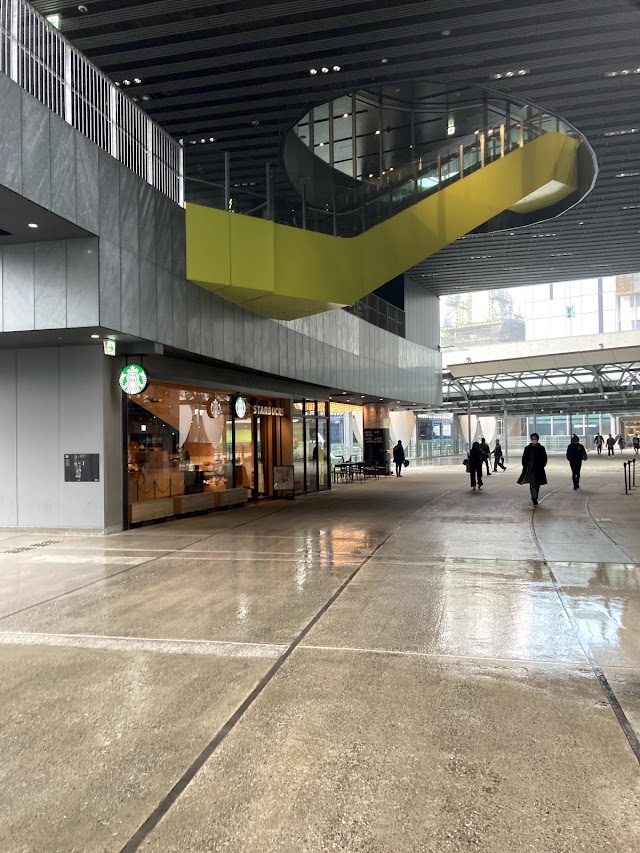
Opened in 2018 on the site of the old Toyoko line platforms — the neatest move in the whole redevelopment: the surface freed by putting the railway underground became buildings and a riverbank. The Shibuya River beside it was rebuilt as a 600-metre waterside walk, one of the few places in Shibuya where you can sit and hear water. For lodging operators, the hotel inside is a good sample of how a station-attached urban hotel prices itself; for visitors, it is the nearest escape from the scramble crowds.
★ The riverside walk is dimly lit at night as shops close — quiet, but stay aware if you are alone.
VENUE INFO
Address: 3-chōme-21-3 Shibuya, Tokyo 150-0002
Hours: Monday: 7:00 AM – 11:30 PM; Tuesday: 7:00 AM – 11:30 PM; Wednesday: 7:00 AM – 11:30 PM; Thursday: 7:00 AM – 11:30 PM; Friday: 7:00 AM – 11:30 PM; Saturday: 7:00 AM – 11:30 PM; Sunday: 7:00 AM – 11:30 PM
Nearest Sta.: 3 min from the south exit of JR Shibuya, built over the former Toyoko line platforms
Price: The riverside walk and plaza are free; the hotel, offices and restaurants inside price separately
Google rating: 4(3,565 則評論)
Verified: 2026-08-11 16:03 Google Maps
東急 PLAZA 澀谷(澀谷 FUKURAS)
Photos: 村長智、東急プラザ 渋谷、IS、HUMM ER (ハマー)、kozy / Google Maps
東急 PLAZA 澀谷(澀谷 FUKURAS)
Why we recommend
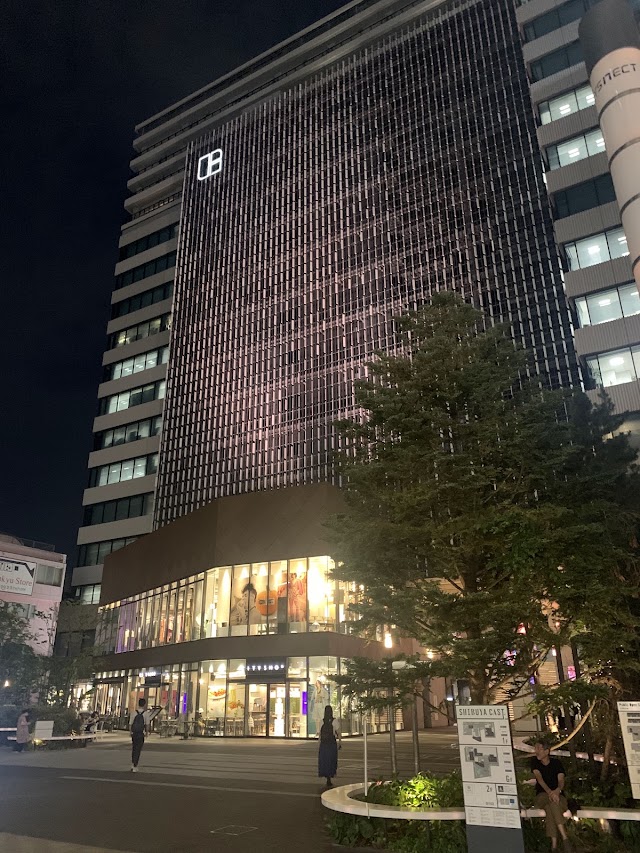
Opened in December 2019 on the site of the previous Tokyu Plaza, with an airport bus terminal beneath it — which matters more than the mall above. Buses run directly to Narita and Haneda, turning Shibuya from a district you leave via Shinjuku or Tokyo Station into a departure point of its own. The practical consequence: staying in Shibuya now works for flights. The customer base skews notably older than the 109 side, making it a rare mature retail floor here and a much quieter lunch than anywhere near the station.
★ Airport buses take both reservations and walk-ups, and peak or early-morning departures fill quickly; arrive early with heavy luggage.
VENUE INFO
Address: 〒153-0043 Tokyo, Shibuya, Dōgenzaka, 1-chōme−2−3 渋谷フクラス 内
Phone: 03-3464-8109
Hours: Monday: 11:00 AM – 8:00 PM; Tuesday: 11:00 AM – 8:00 PM; Wednesday: 11:00 AM – 8:00 PM; Thursday: 11:00 AM – 8:00 PM; Friday: 11:00 AM – 8:00 PM; Saturday: 11:00 AM – 8:00 PM; Sunday: 11:00 AM – 8:00 PM
Nearest Sta.: 1 min from the west exit of JR Shibuya
Price: Retail floors free; dining and viewing space on floors 17–18 priced by venue
Google rating: 3.9(1,340 則評論)
Verified: 2026-08-11 16:03 Google Maps
MIYASHITA PARK
Photos: Mickson Wong、MIYASHITA PARK、KC Fan、Jason Kim、Melvyn Ling、鄭英喆、Sun Umzoo、Elliot Hosch、Miho Fujii、タナカ / Google Maps
MIYASHITA PARK
Why we recommend
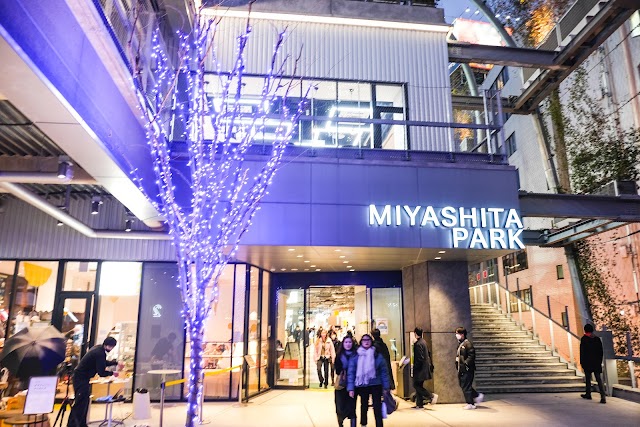
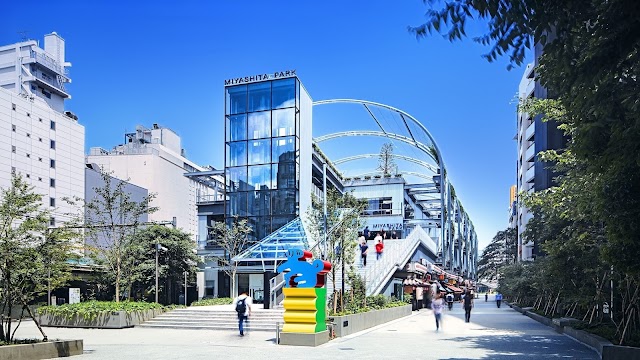
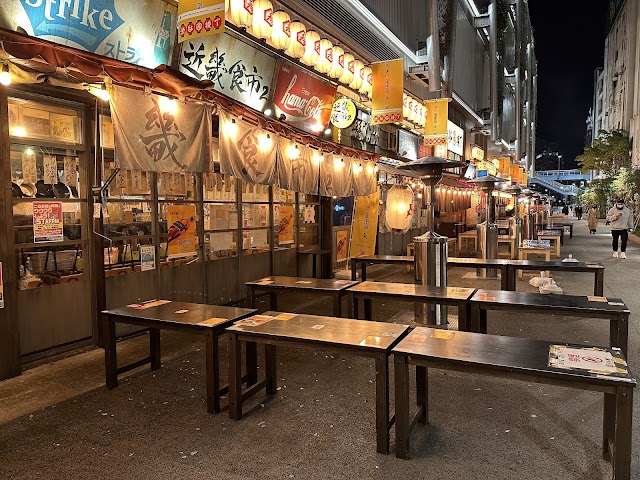
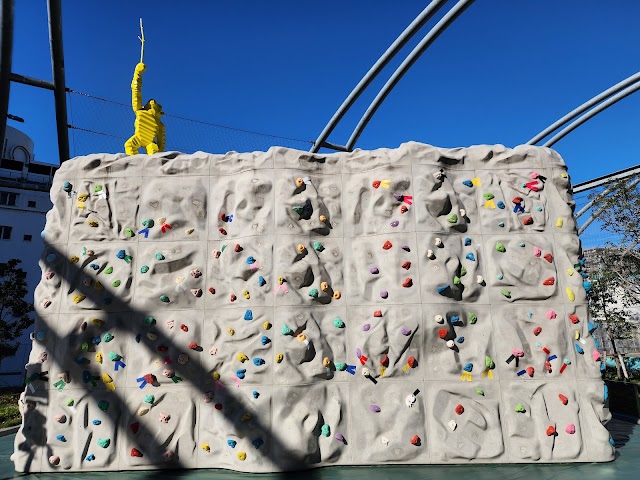
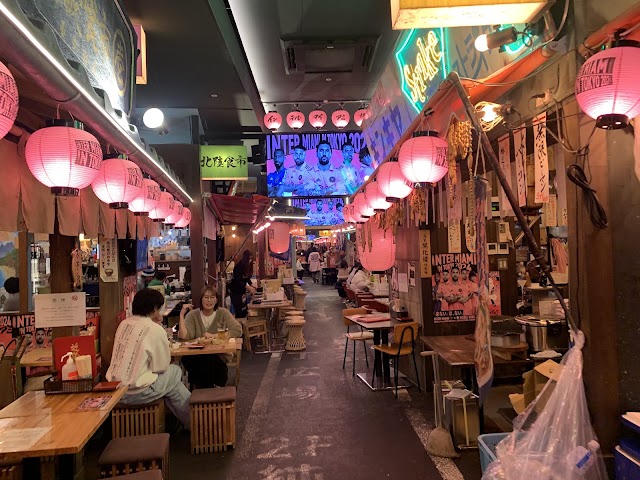
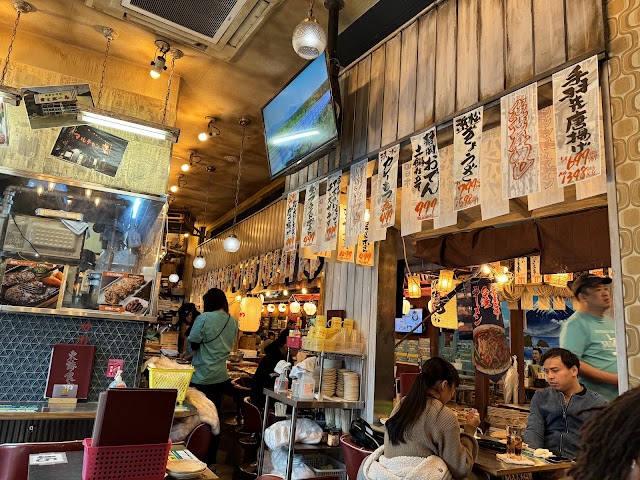
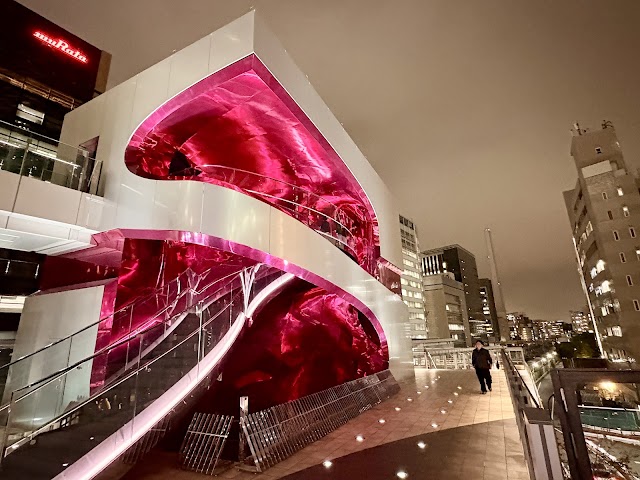
Opened in 2020 by lifting a municipal park onto the roof of a retail complex — the most contested and most imitated project in the redevelopment. The park remains a park under ward management, but shops sit beneath it and a hotel beside it, and this stacked-city-park model has since been cited across central Tokyo. For visitors, the Shibuya Yokocho food alley at ground level is the one place here serving regional Japanese cooking late into the night; for property people, it is a case study in how public-private partnership rewrites the value of public land.
★ The rooftop park has set hours and closes at night, with sports facilities requiring booking; the food alley is extremely crowded late at weekends.
VENUE INFO
Address: 6-chōme-20-10 Jingūmae, Shibuya, Tokyo 150-0001
Phone: 03-6712-5630
Hours: Monday: 11:00 AM – 9:00 PM; Tuesday: 11:00 AM – 9:00 PM; Wednesday: 11:00 AM – 9:00 PM; Thursday: 11:00 AM – 9:00 PM; Friday: 11:00 AM – 9:00 PM; Saturday: 11:00 AM – 9:00 PM; Sunday: 11:00 AM – 9:00 PM
Nearest Sta.: 3 min from JR Shibuya; 9 min from Meiji-jingumae
Price: The rooftop park is free; the retail floors and the food alley price separately
Google rating: 4.2(5,442 則評論)
Verified: 2026-08-11 16:03 Google Maps
Shibuya Sakura Stage
Photos: JIN JIN、KA MF、12 45、はたぽん2、mryokohamamarinos93、otomochi、Jin Jin、鄭英喆、tatsuya tomiyasu / Google Maps
Shibuya Sakura Stage
Why we recommend
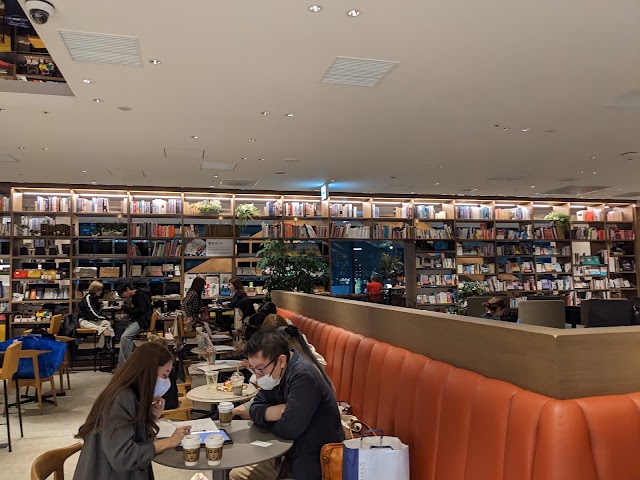
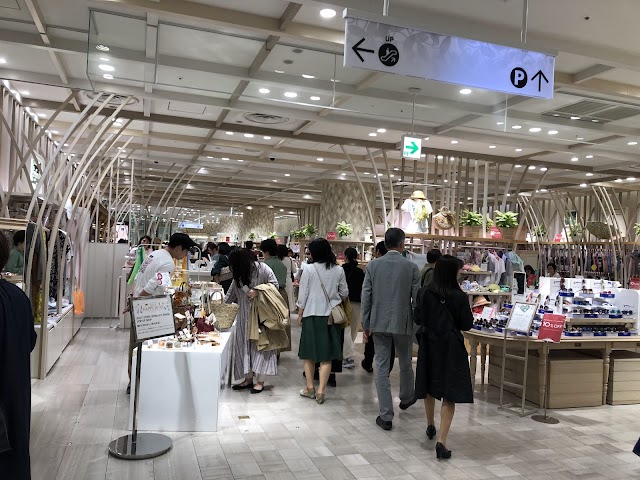
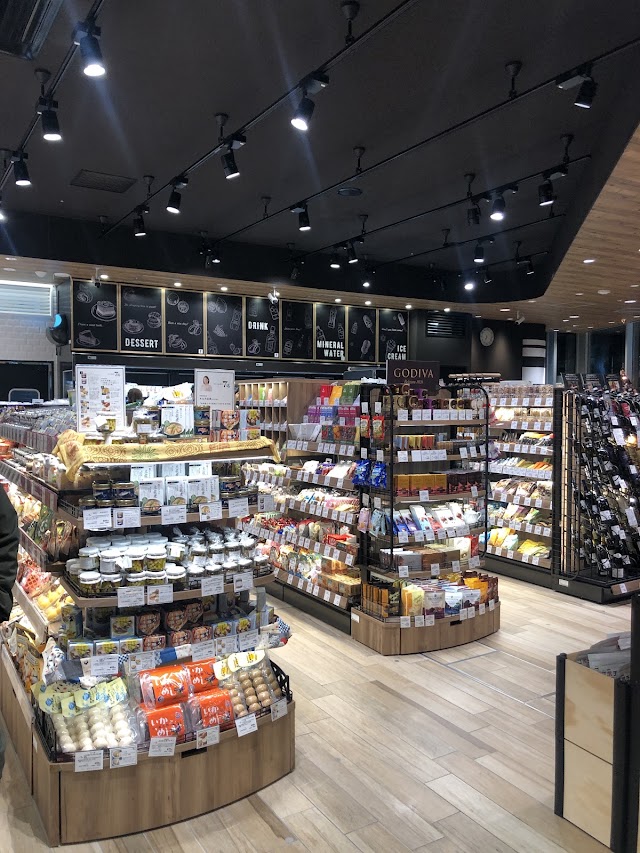
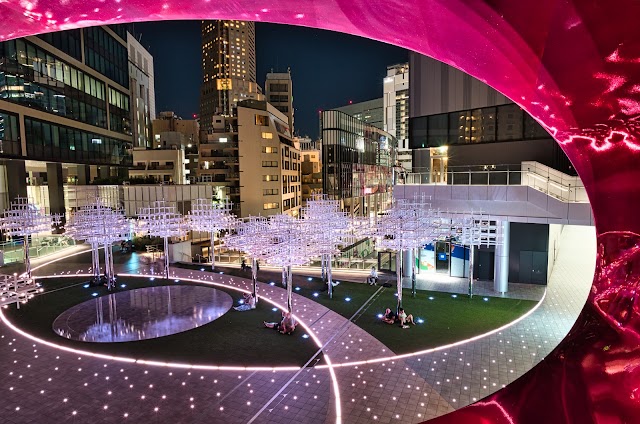
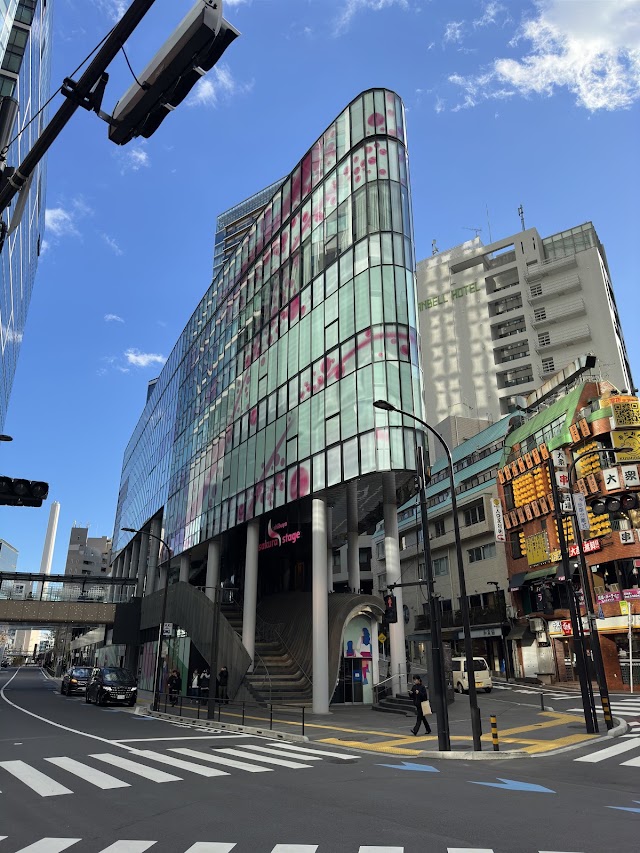
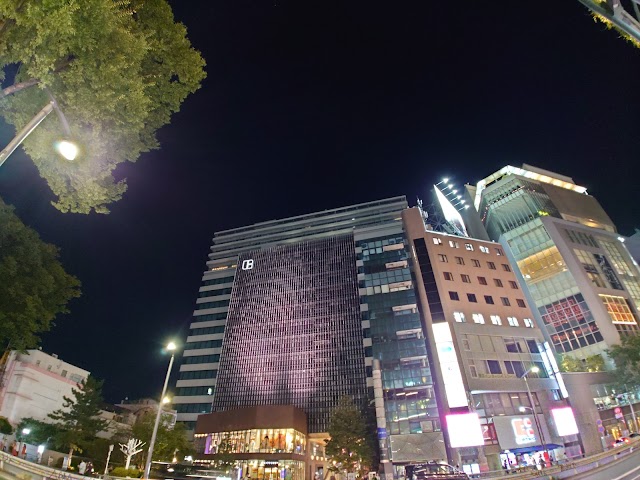
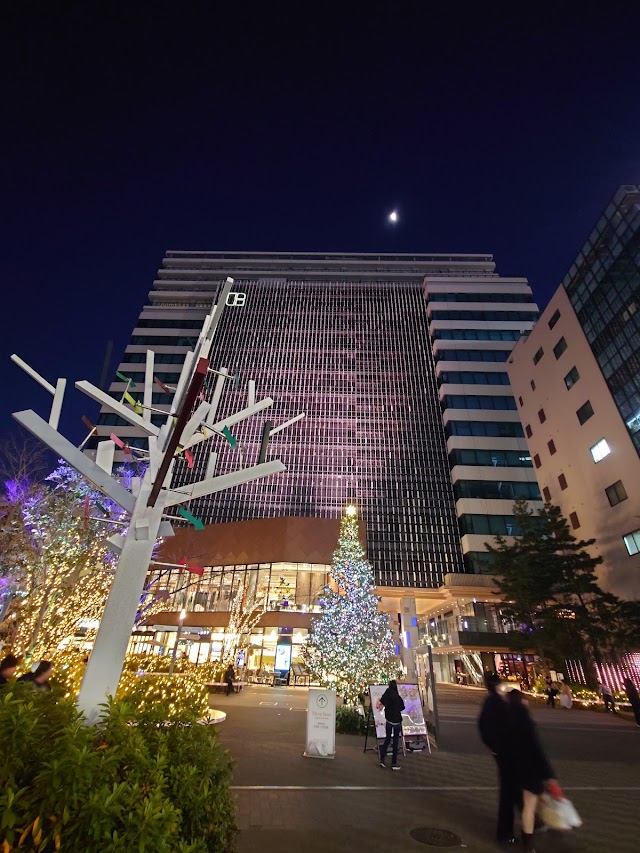
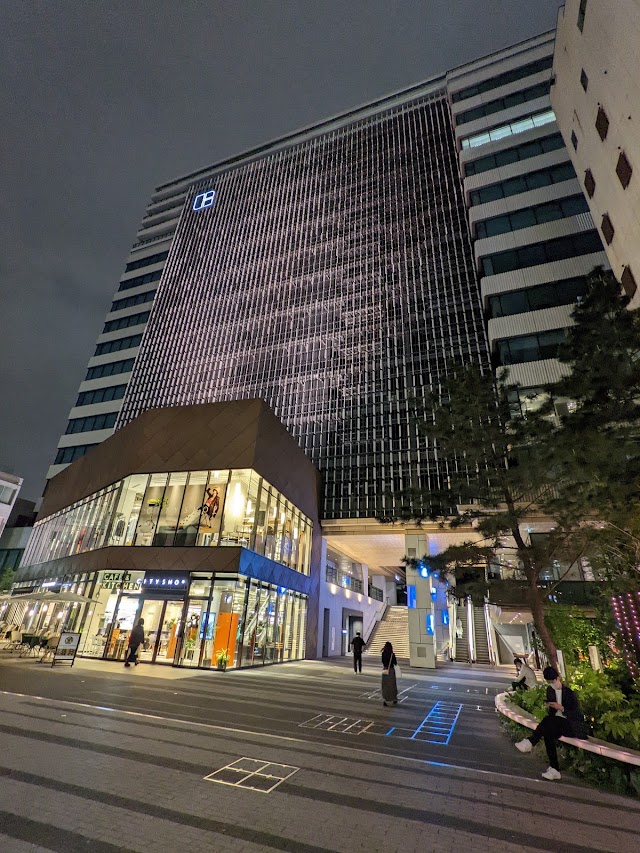
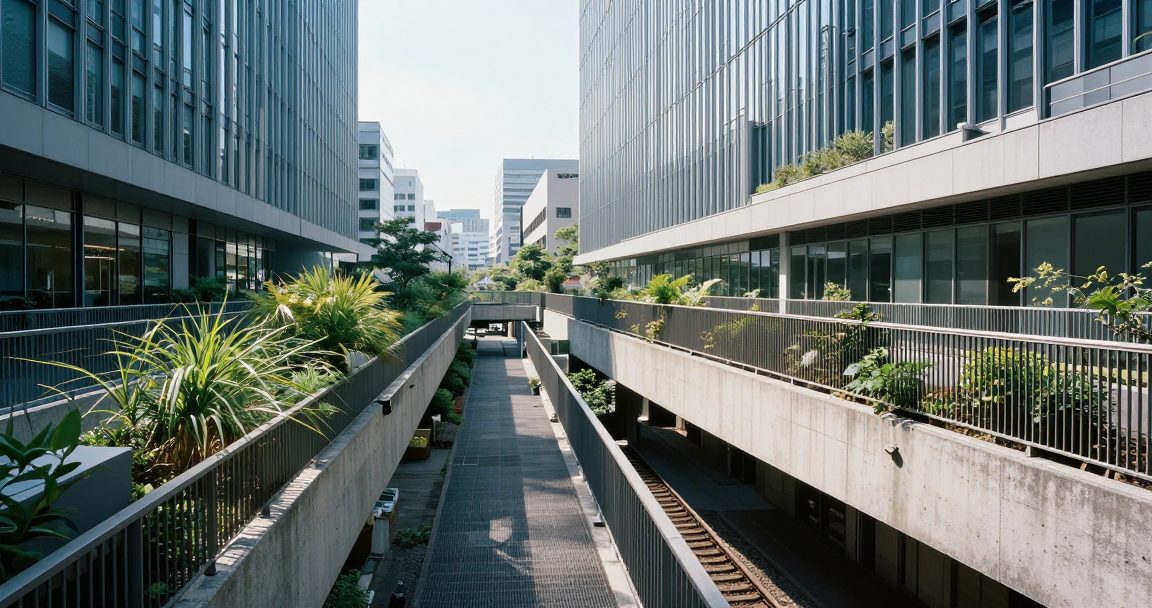
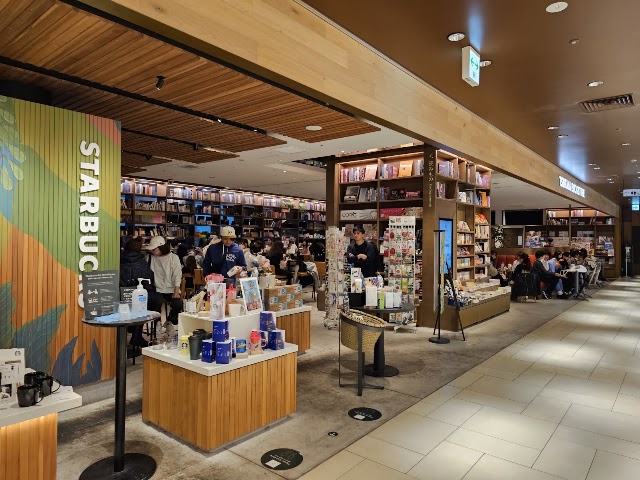
The Sakuragaoka-guchi district redevelopment, completed in November 2023 and fully opened on 25 July 2024 when 37 tenants launched together, at a project cost of about ¥197.3 billion. It fixes Shibuya's oldest problem: Sakuragaoka sits directly in front of the station yet was severed by Route 246, its lanes narrow and steep, so it behaved like a separate district for decades. A pedestrian deck now reconnects it, three minutes on foot. The retail mix deliberately favours a supermarket, a bookshop and cafés over tourist formats — the first complex here built explicitly for people who live in Shibuya, and the best gauge of its residential demand.
★ The complex spans several buildings linked by decks and is easy to misnavigate on a first visit; signage uses block codes, so check the floor plan first.
VENUE INFO
Address: 1-1 Sakuragaokachō, Shibuya, Tokyo 150-0031
Nearest Sta.: 3 min from the west exit of JR Shibuya via the pedestrian deck
Price: Plazas and walkways free; the retail mix leans everyday, priced below the station's east side
Google rating: 3.8(475 則評論)
Verified: 2026-08-11 16:03 Google Maps
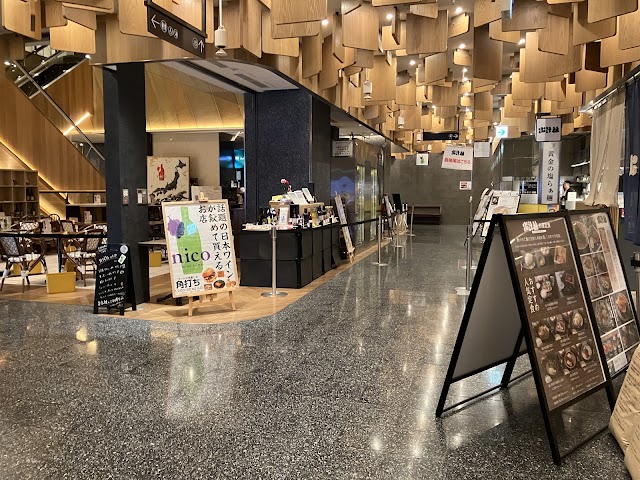
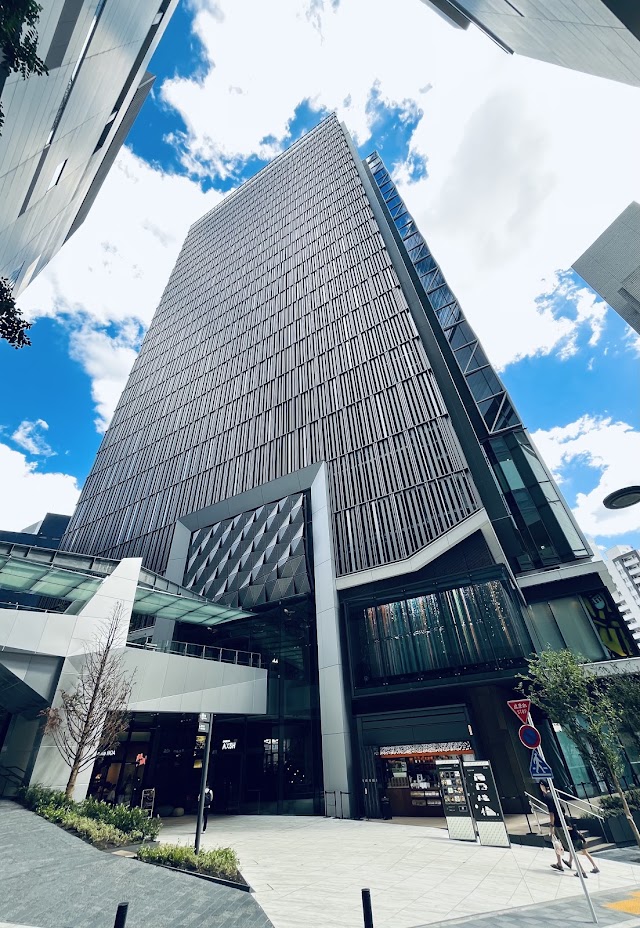
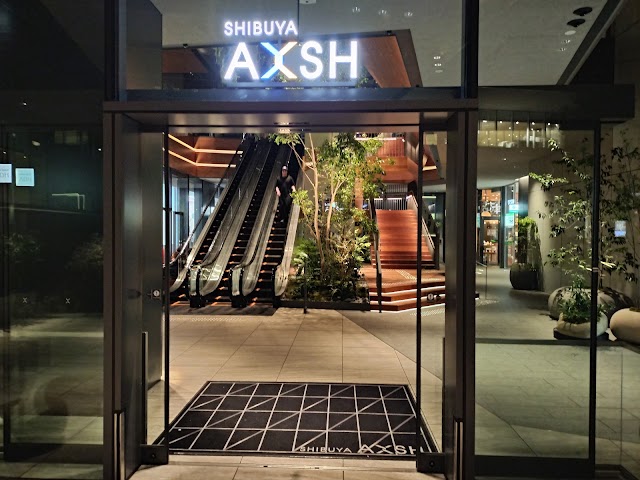
澀谷 AXSH
Photos: 能勢靖、otomochi、なか の、ohta shinichi、所長、Joe 9⃣7⃣、カメレオンマン、はこさん、Joe Fieldever / Google Maps
澀谷 AXSH
Why we recommend
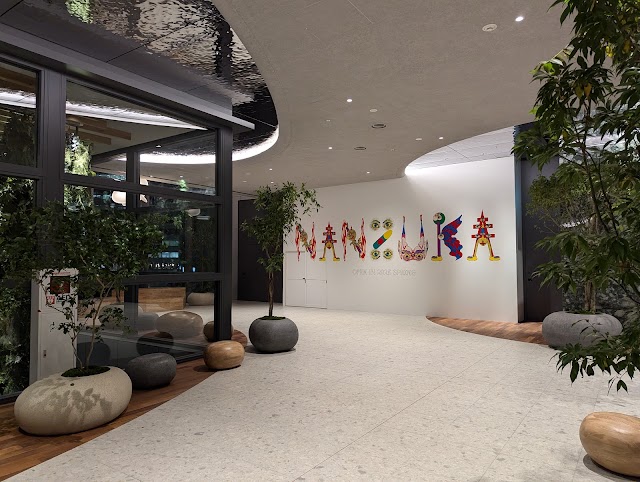
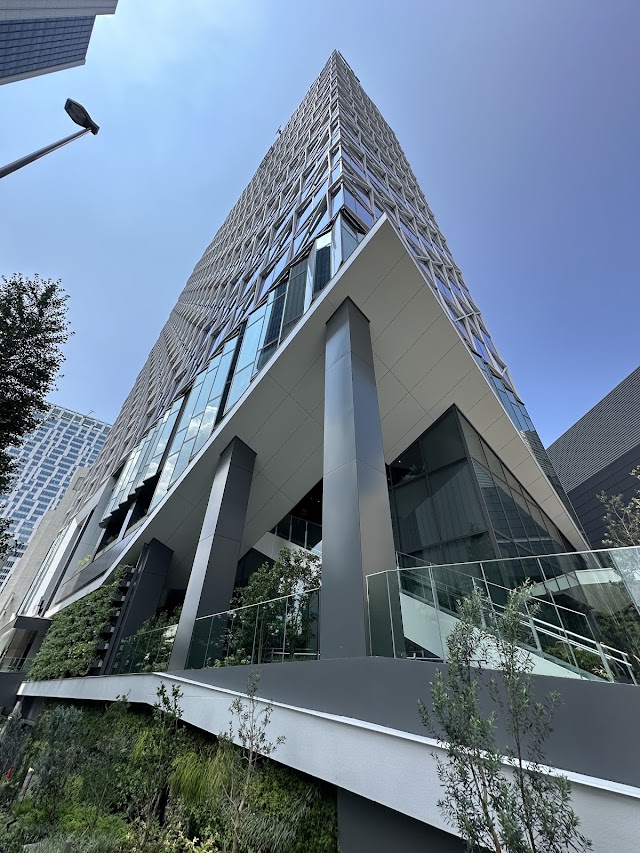
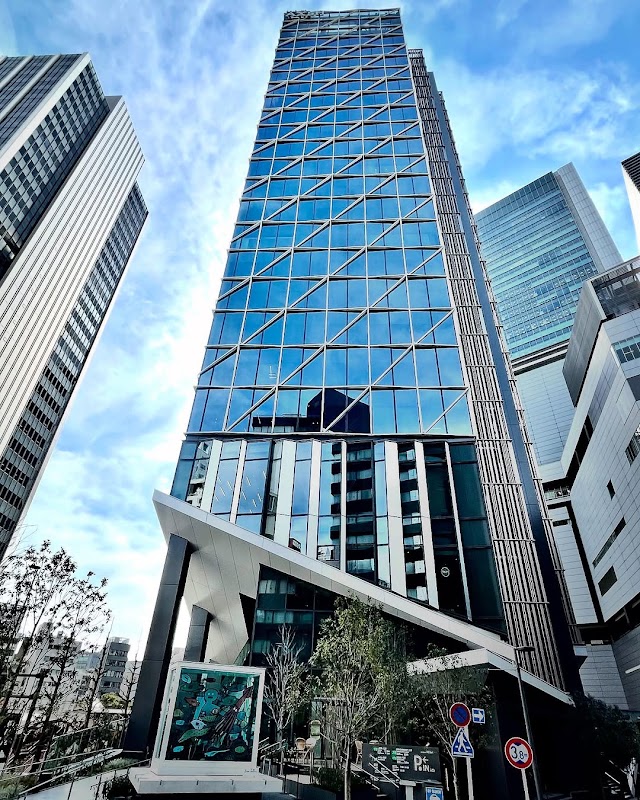
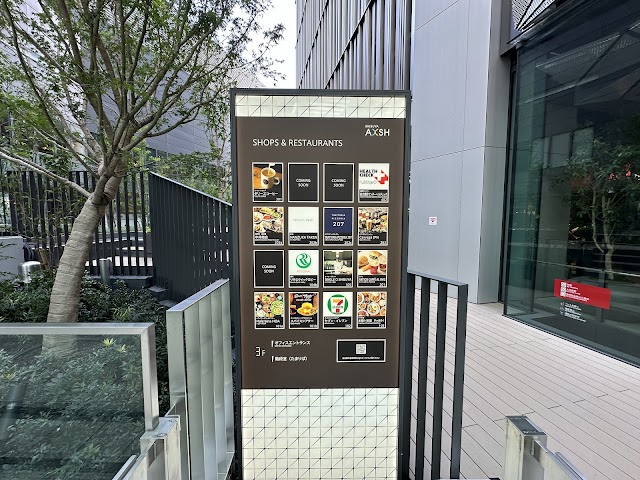
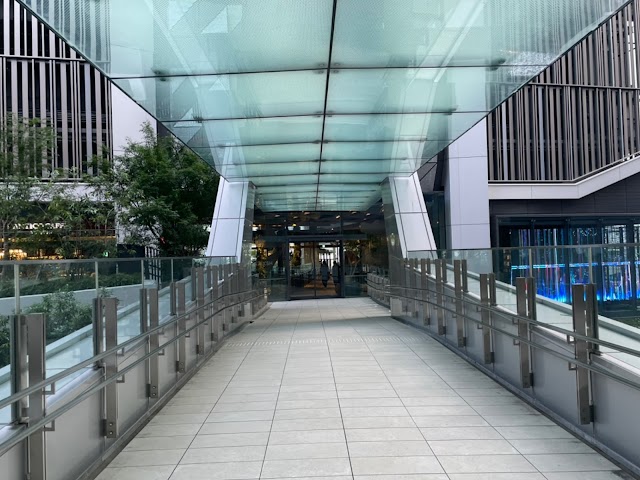
Completed in 2024 as the Shibuya Nichome 17 district redevelopment, its name derived from 'handshake': the brief was to connect Shibuya and Aoyama, long separated by Meiji-dori and the terrain. It is not a sightseeing stop, but it matters for reading Shibuya's next phase. Office vacancy here has sat in the high 1 per cent range, the lowest of central Tokyo's five wards, with recent supply absorbed almost entirely by the tech sector — and this is among the newest of it. The lower-level passages and plaza are open, and walking through shows the standard fitting of Shibuya-style development: treating pedestrian flow itself as public infrastructure.
★ Office floors are closed to visitors and access is limited to the lower public levels and some shops; weekends are quiet but several tenants close.
VENUE INFO
Address: 2-chōme-17-1 Shibuya, Tokyo 150-0002
Hours: Monday: 5:00 AM – 1:00 AM; Tuesday: 5:00 AM – 1:00 AM; Wednesday: 5:00 AM – 1:00 AM; Thursday: 5:00 AM – 1:00 AM; Friday: 5:00 AM – 1:00 AM; Saturday: 5:00 AM – 1:00 AM; Sunday: 5:00 AM – 1:00 AM
Nearest Sta.: 4 min from Shibuya (Ginza line); 7 min from JR Shibuya
Price: Lower-level public space is free; the upper floors are offices and not open to the public
Google rating: 4(149 則評論)
Verified: 2026-08-11 16:03 Google Maps
澀谷 PARCO
Photos: h yuka、Jim Au、toma、mitsu sagawa、mimi mi、whpc chj、がんばれ!ぶそんくん、Ronald SanSag、이민규 / Google Maps
澀谷 PARCO
Why we recommend
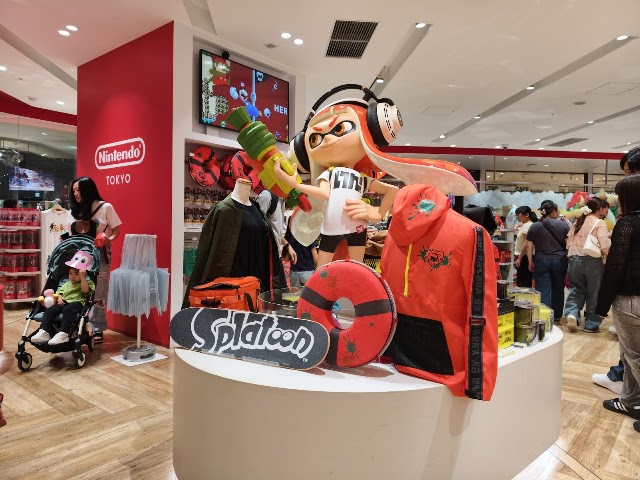
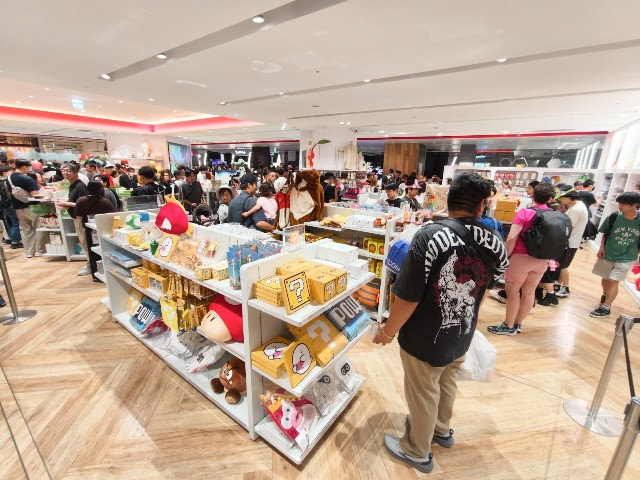
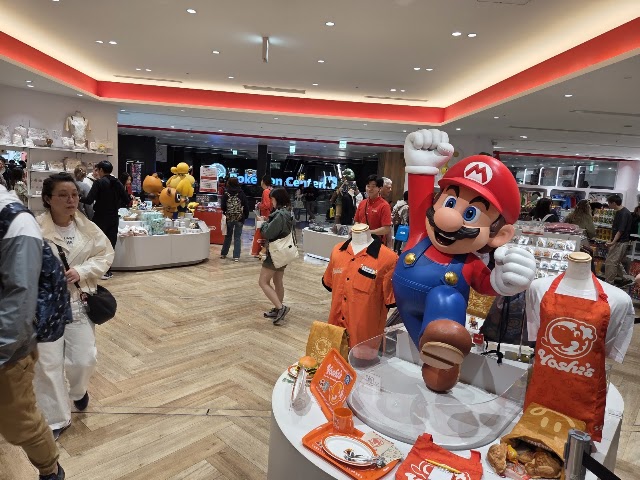
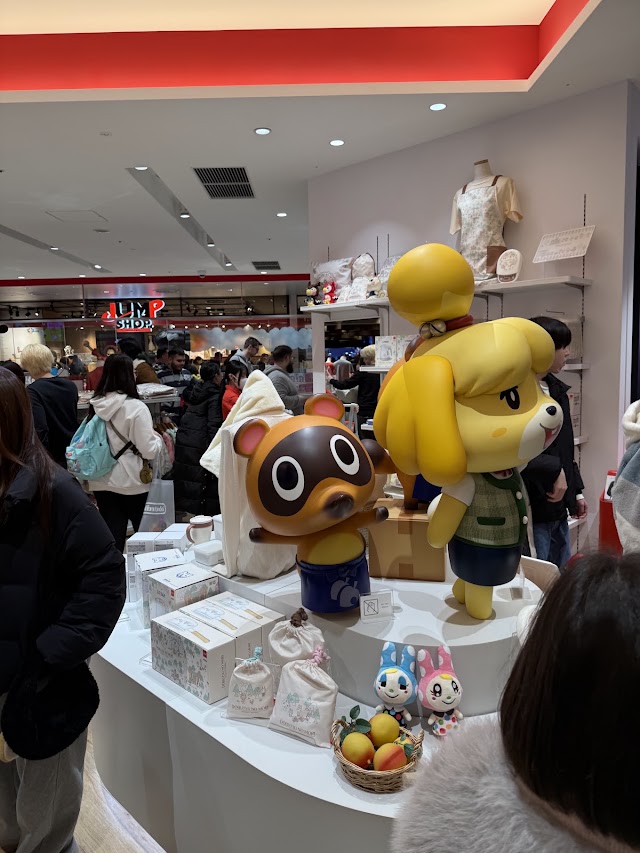
Opened in 1973, closed for reconstruction in 2016 and reopened in a wholly new building in November 2019 — one of the few cases of same site, same brand, started again. Its value lies in proving a point: Shibuya's cultural assets cannot be preserved by demolition and new floorspace alone, the content has to survive too. The sixth floor gathers the official Nintendo, Pokémon and Capcom stores, making it the first stop in Shibuya for families and anime-oriented visitors, while the free rooftop plaza is a rare central spot you can occupy without spending.
★ The sixth-floor official stores use entry control or numbered tickets at weekends and on release days; check announcements before going.
VENUE INFO
Address: 〒150-8377 Tokyo, Shibuya, Udagawachō, 15−1 渋谷パルコ・ヒューリックビル B1-10階
Phone: 03-3464-5111
Hours: Monday: 11:00 AM – 9:00 PM; Tuesday: 11:00 AM – 9:00 PM; Wednesday: 11:00 AM – 9:00 PM; Thursday: 11:00 AM – 9:00 PM; Friday: 11:00 AM – 9:00 PM; Saturday: 11:00 AM – 9:00 PM; Sunday: 11:00 AM – 9:00 PM
Nearest Sta.: 5 min from JR Shibuya; 6 min from Shibuya (Tokyo Metro)
Price: Free to enter; the sixth-floor official game stores and the rooftop plaza draw the footfall
Google rating: 4.3(8,229 則評論)
Verified: 2026-08-11 16:03 Google Maps
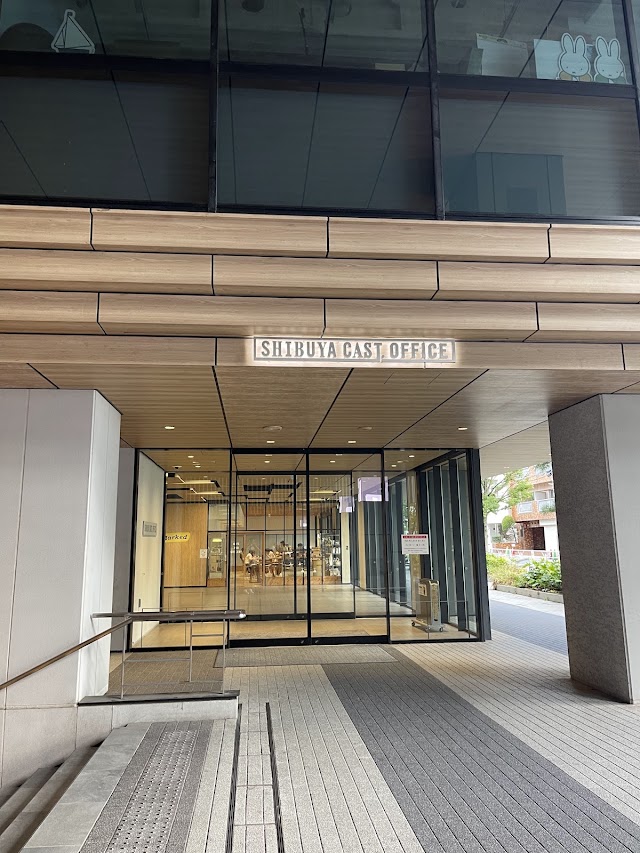
澀谷 CAST
Photos: Reo 2000、Tetra、oseery、楽しみ、kenken.t、Jun Takahashi、SY L、堀江奈美、Björn Köhler、Joe Fieldever / Google Maps
澀谷 CAST
Why we recommend
Opened in 2017 on the slope running from Miyashita Park towards Aoyama, the smallest building in the redevelopment and the one professionals mention most. The reason is its mix: offices, rental housing, shops and an open plaza stacked in a single structure, with the plaza in regular use for markets and performances — the functions of a street compressed into one building. For anyone planning small-format retail or short-stay accommodation in Tokyo, it is the most transferable sample of scale. Not every development has to be a 200-metre tower.
★ Plaza programming varies by date and non-event days are quiet; parts of the building are tenant-only.
VENUE INFO
Address: 1-chōme-23-21 Shibuya, Tokyo 150-0002
Phone: 03-5778-9178
Hours: Monday: 9:00 AM – 8:00 PM; Tuesday: 9:00 AM – 8:00 PM; Wednesday: 9:00 AM – 8:00 PM; Thursday: 9:00 AM – 8:00 PM; Friday: 9:00 AM – 8:00 PM; Saturday: 9:00 AM – 8:00 PM; Sunday: 9:00 AM – 8:00 PM
Nearest Sta.: 7 min from JR Shibuya; 9 min from Omotesando
Price: The plaza and lower public space are free; offices, residences and shops inside price separately
Google rating: 3.8(869 則評論)
Verified: 2026-08-11 16:03 Google Maps
Bunkamura
Photos: Bunkamura、Alexander Ivanov、t s、Vera LAI、冬将クン、Akie Kurokawa、Hiroyuki Hayafune、Noriyuki Yakushiji、小澤千秋、Kiichiro Kumada / Google Maps
Bunkamura
Why we recommend
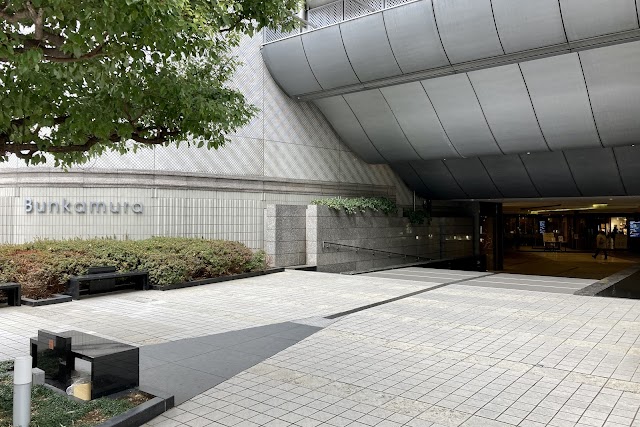
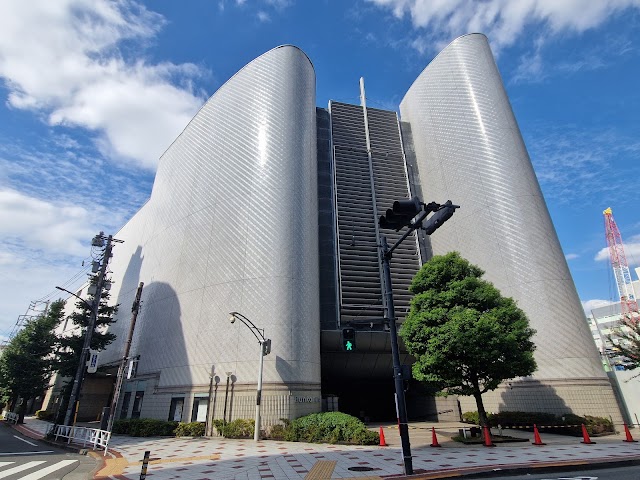
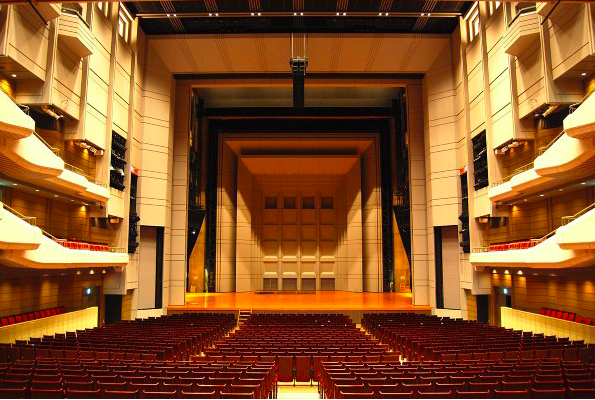
Shibuya's only large-scale cultural complex, opened in 1989 and under long-term closure since 10 April 2023 because of the redevelopment on the adjacent former Tokyu Department Store site. Orchard Hall has kept operating on a weekends-only basis through the closure and shuts completely from 3 January 2027, with reopening scheduled for fiscal 2027 after renovation. The attached Bunkamura The Museum will relocate and expand inside the new Shibuya Upper West Project next door. This is where the cost of redevelopment becomes visible: demolishing a department store also suspended a city's cultural functions for more than four years. Walking past the site explains it faster than any briefing.
★ Access and venues shift frequently during the closure, so check official notices; the surrounding area is an active construction zone with changing pedestrian routes.
VENUE INFO
Address: 2-chōme-24-1 Dōgenzaka, Shibuya, Tokyo 150-8507
Phone: 03-3477-9111
Nearest Sta.: 7 min from JR Shibuya, towards the former Tokyu Department Store main building site
Price: Ticketed by performance and exhibition; during the closure some programming has moved to other venues
Google rating: 4.1(5,432 則評論)
Verified: 2026-08-11 16:03 Google Maps
※ Business info may change; please check the venue's official sources before visiting.
← Back to home