Shinagawa and Takanawa Gateway City Mapped: A ¥600 Billion District Is Fully Open, but the Maglev Meant to Carry It Slips From 2027 to 2036 at the Earliest
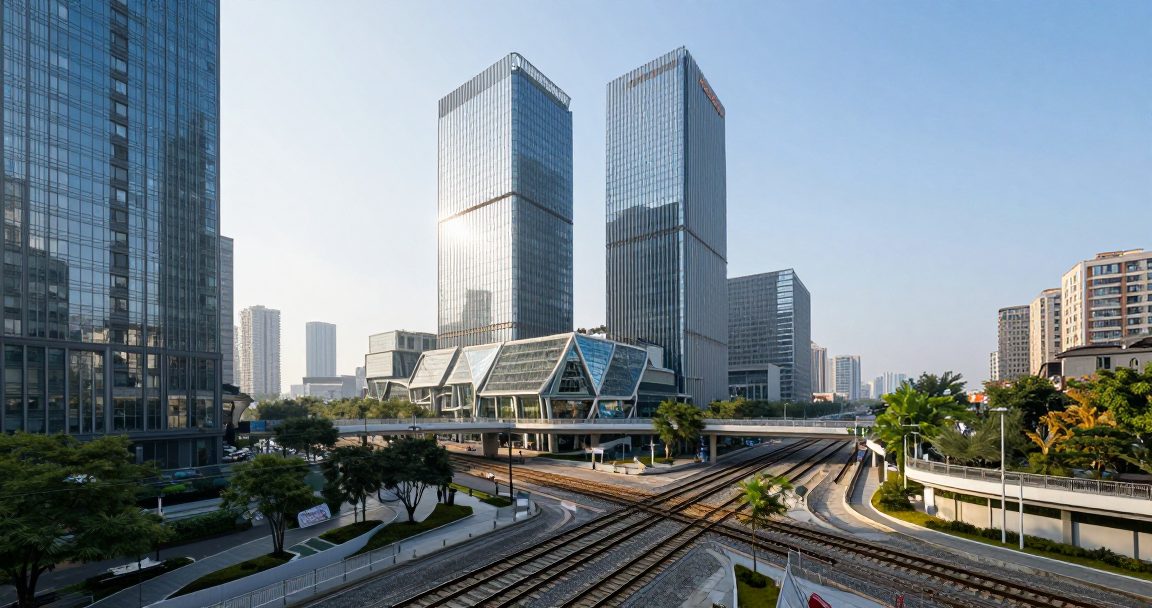
- Takanawa Gateway City held its opening on 27 March 2025 and fully opened on 28 March 2026: about 9.5 hectares and roughly ¥600 billion, the largest mixed-use redevelopment JR East has run alone.
- The Chuo Shinkansen maglev between Shinagawa and Nagoya has slipped from 2027 to 2036 at the earliest; 31 of 84 construction sections miss the original target, with prolonged tunnelling, land acquisition delays and labour shortages beyond Shizuoka.
- THE LINKPILLAR 1 is a 30-storey twin tower of roughly 459,000 square metres; NEWoMan Takanawa, Lumine's largest project with about 200 shops, fully opened on 12 September 2025.
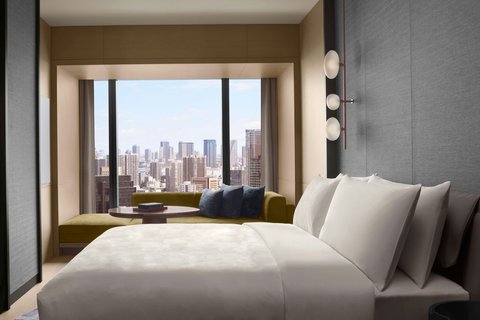
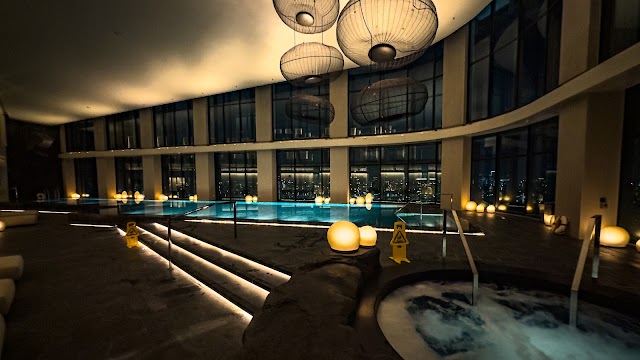
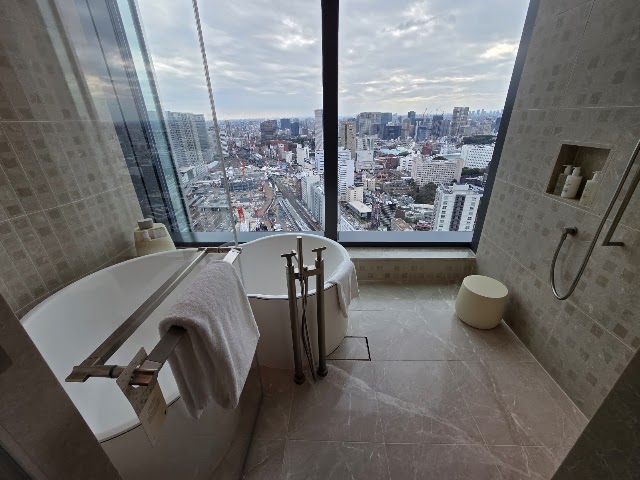
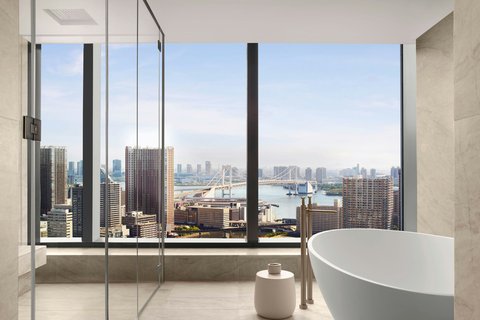
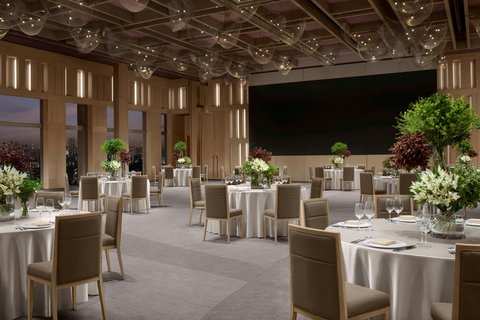
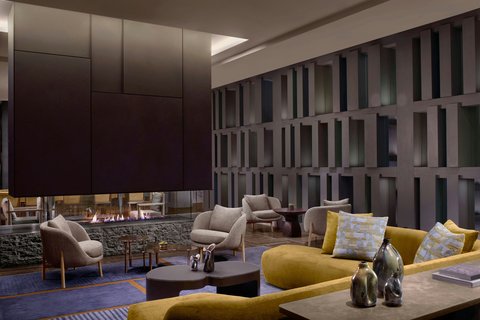
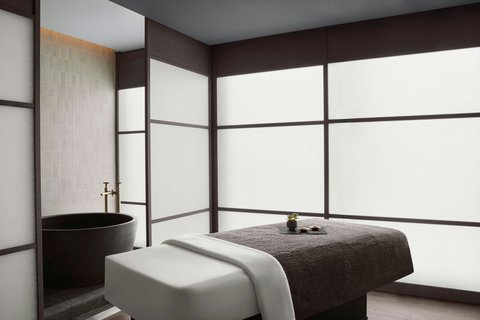
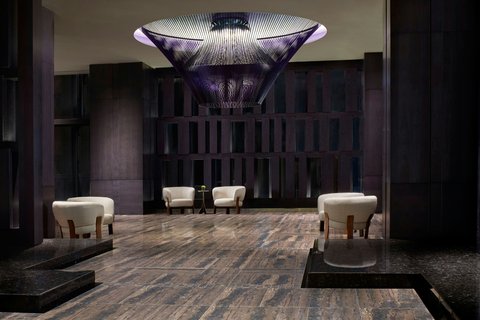
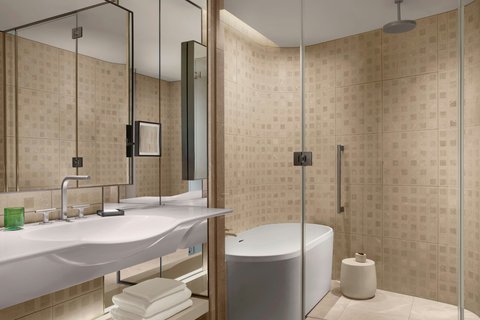
- JW Marriott Hotel Tokyo opened on 2 October 2025, the brand's first in Tokyo, signalling a move from business-grade to luxury in Shinagawa's guest profile.
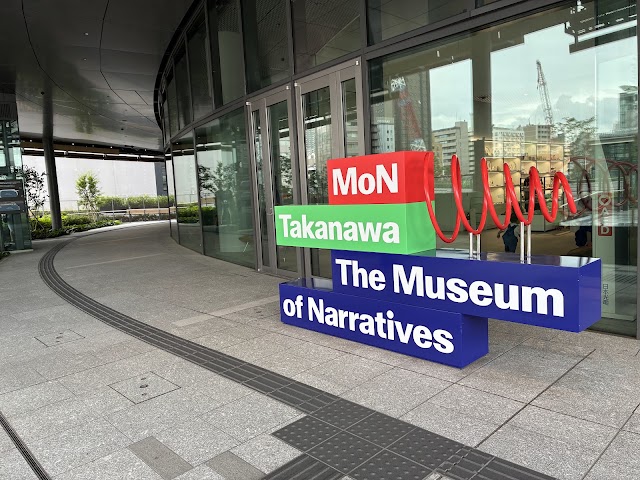
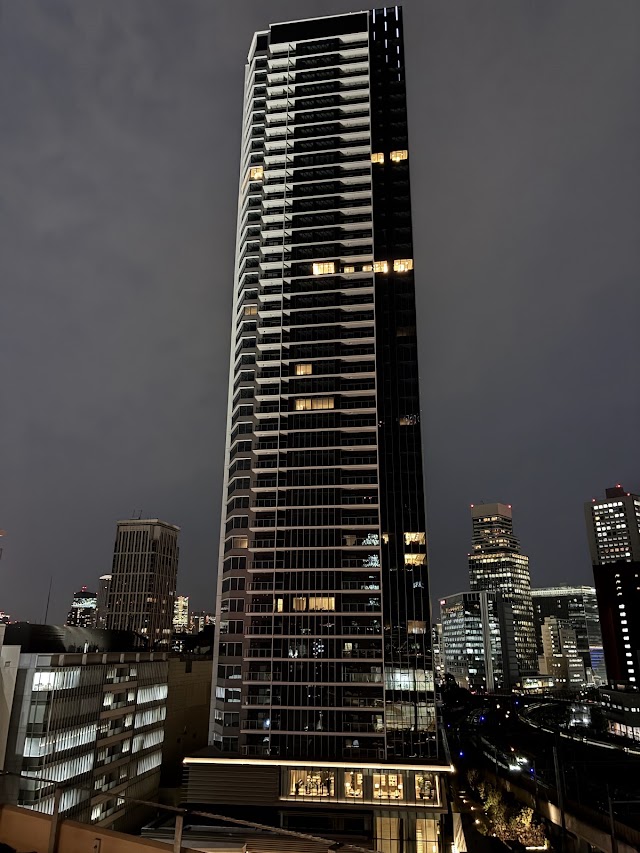
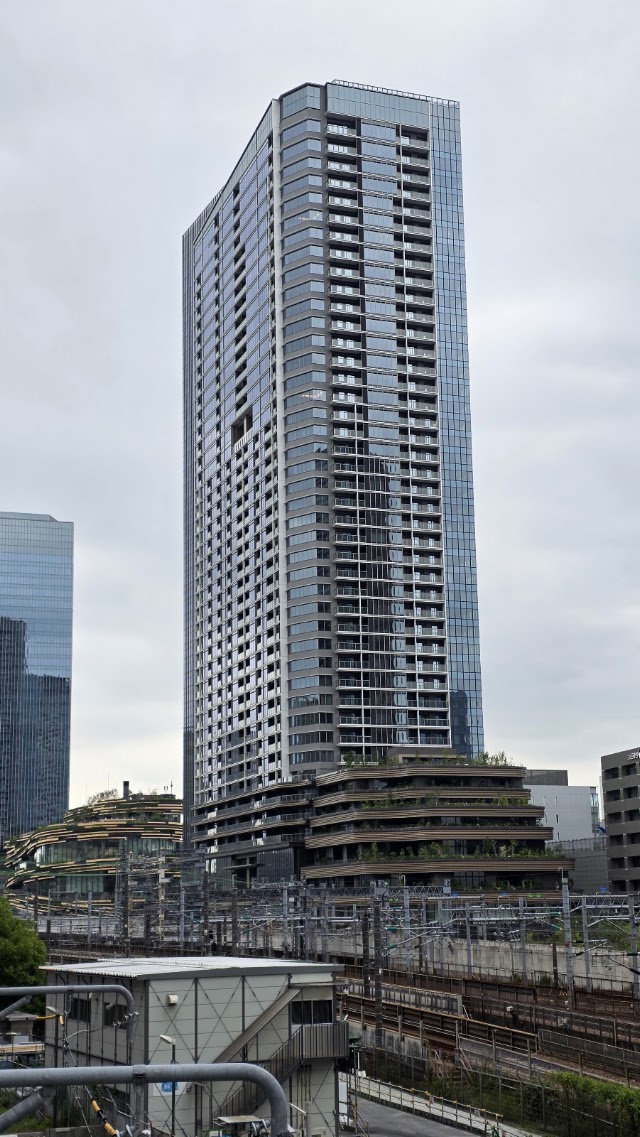
- The 28 March 2026 full opening added THE LINKPILLAR 2 (31-storey office building with MIMURE and clinics), the cultural building MoN Takanawa with exterior design supervised by Kengo Kuma, and the 44-storey residential tower.
- The residential tower is rental-only and cannot be bought: about ¥240,000 to ¥2.05 million a month for units of 43 to 199 square metres, with occupancy from April 2026.
- Minato ward's published land prices rose 15.0 per cent on average in 2026, with Konan 3-7-23 up 22.2 per cent and Akasaka 1-14-11 up 20.5 per cent, among the steepest in Tokyo.
- Three works run in parallel at Shinagawa's west exit: the Route 15 pedestrian deck (northern section targeted for 2027), lowering the Keikyu platforms to grade (end of fiscal 2029), and the West Exit Area A complex (construction fiscal 2025, opening fiscal 2029).
- The Tokyo Metro Namboku line extension from Shirokane-takanawa to Shinagawa covers about 2.5 kilometres with no intermediate station at a cost of roughly ¥131 billion; work started on 5 November 2024 for a mid-2030s opening.
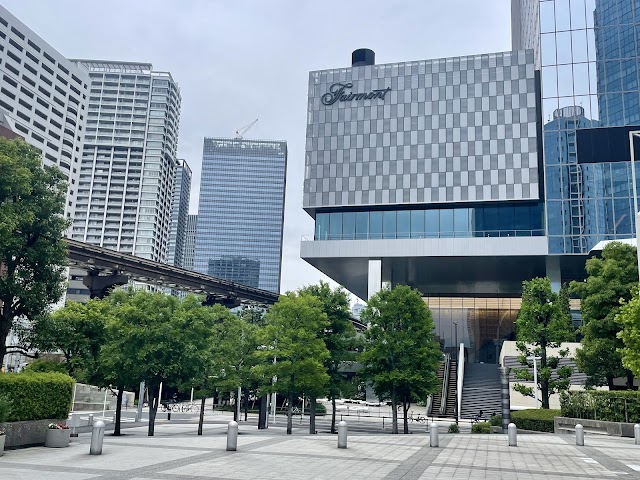
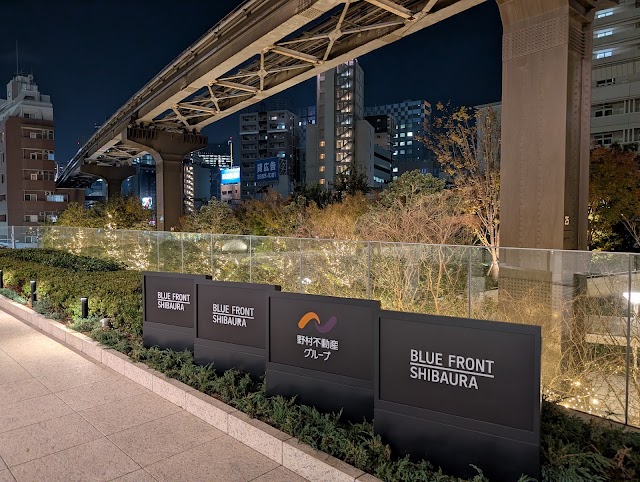
- BLUE FRONT SHIBAURA TOWER S (43 storeys, 228.88 metres) completed in February 2025 and fully opened on 1 September, with Fairmont Tokyo from 1 July; TOWER N starts in fiscal 2027 and completes in fiscal 2030.
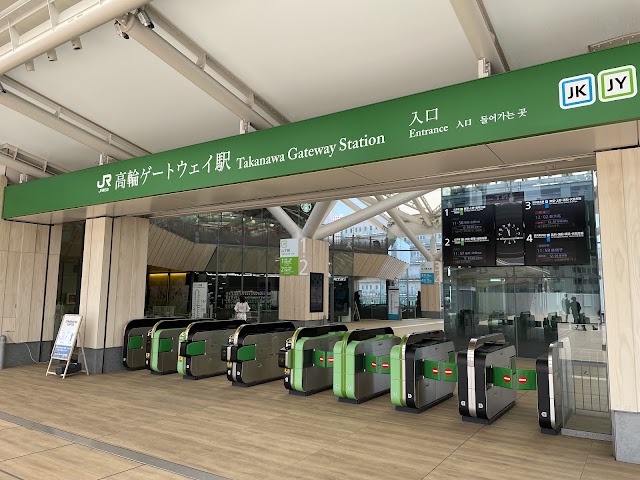
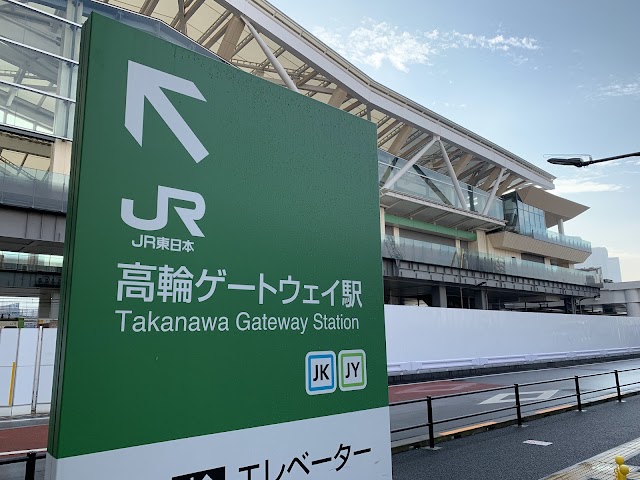
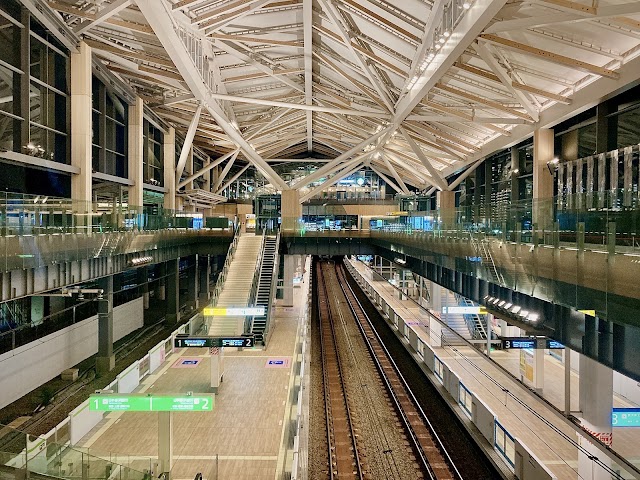
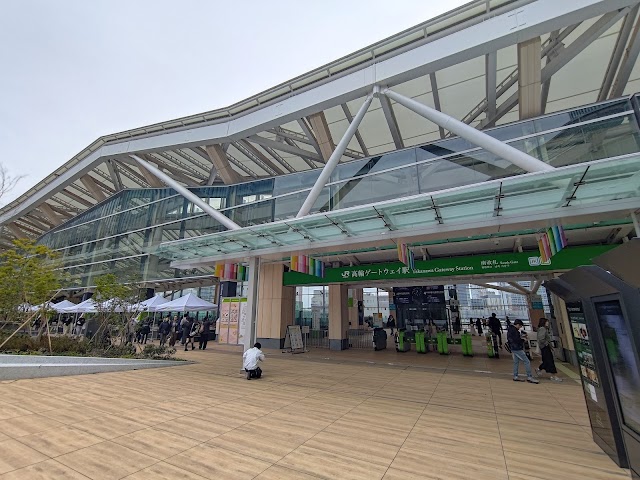
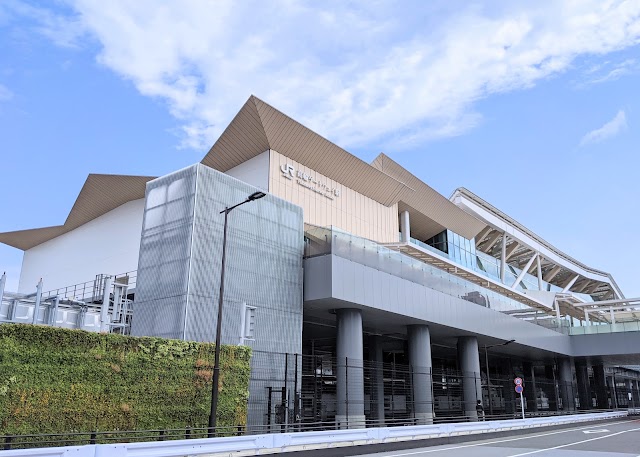
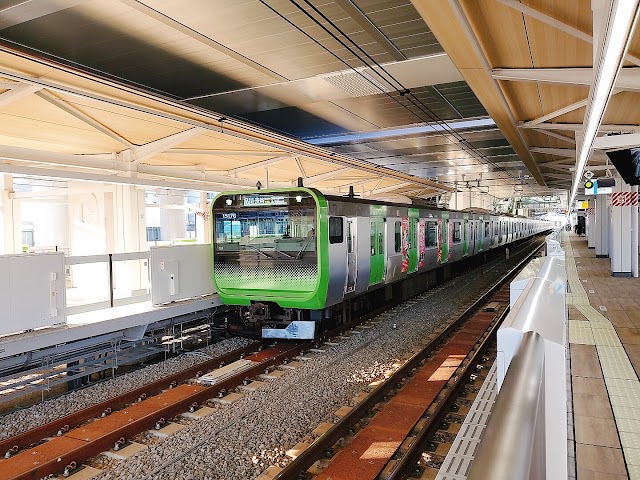
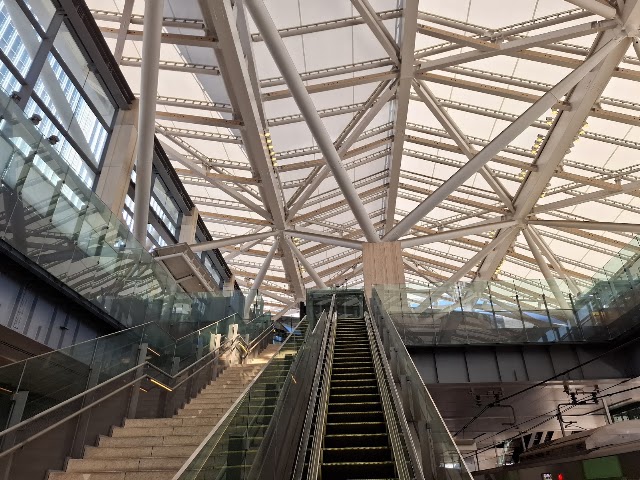
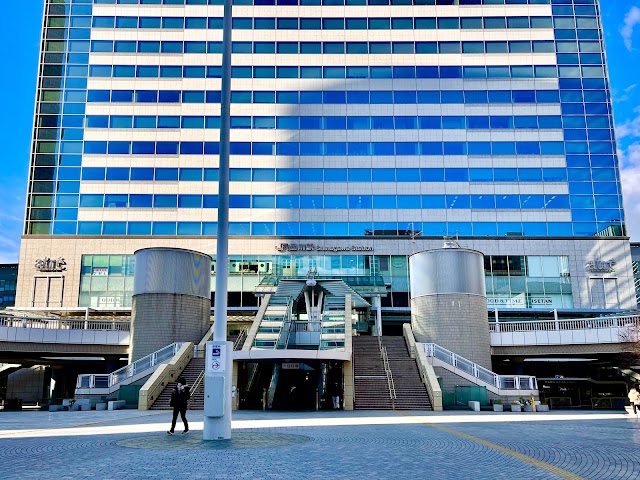
If you last changed trains at Shinagawa two years ago, the station is no longer what you remember. Takanawa Gateway City held its opening ceremony on 27 March 2025 and reached full opening on 28 March 2026. It is the largest mixed-use redevelopment JR East has run on its own: about 9.5 hectares, a total project cost of roughly ¥600 billion, with retail, offices, a hotel, housing, medical facilities, culture and a purpose-built energy centre all on one site. Takanawa Gateway Station, mocked online as the station in the middle of nowhere when it opened in March 2020, has grown a district around it in six years.
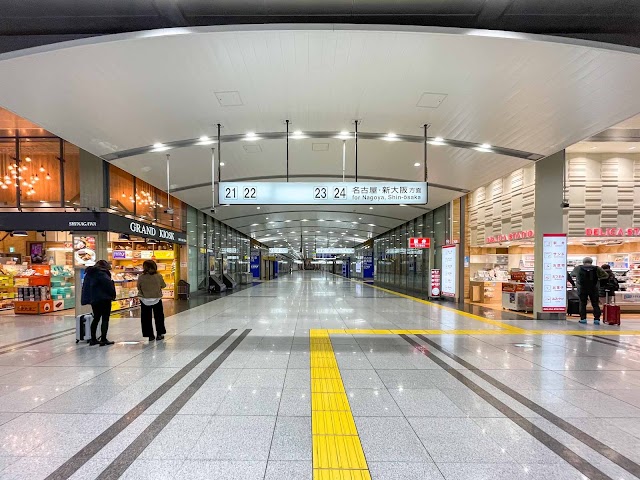
The point of this guide is not the opening, though. It is the timing gap. The original script for the whole development was the Chuo Shinkansen maglev running from Shinagawa to Nagoya in 2027, turning Shinagawa from one Shinkansen stop into Japan's new front door. That script has been rewritten: Shinagawa to Nagoya will now open in 2036 at the earliest, nine years late. Of the 84 construction sections, 31 will not make the original 2027 target; beyond the Shizuoka section, prolonged tunnelling, land acquisition delays and labour shortages in other prefectures each contributed.
So Shinagawa is in an unusual state: the buildings arrived before the lead actor. That means different things to three groups. Visitors get value — a brand-new, not-yet-crowded district close to Haneda, where hotel and dining density has doubled within six months. Residents get options: the Takanawa Gateway City residential tower is rental-only, from ¥240,000 to ¥2.05 million a month, which sets a new yardstick for Minato's upper rental market. Investors face a judgement call: Minato's published land prices rose 15.0 per cent in 2026 and one point in Konan 3-chome rose 22.2 per cent — how much of a 2036 maglev is already priced into those numbers?
This guide walks ten places, from the station, the twin towers, the cultural building and the residential tower out to Sengakuji and the construction sites at Shinagawa's west exit, then north to Shibaura. Walk it and you see that these are not separate projects but JR East rewriting the whole northern half of Shinagawa along its own tracks.
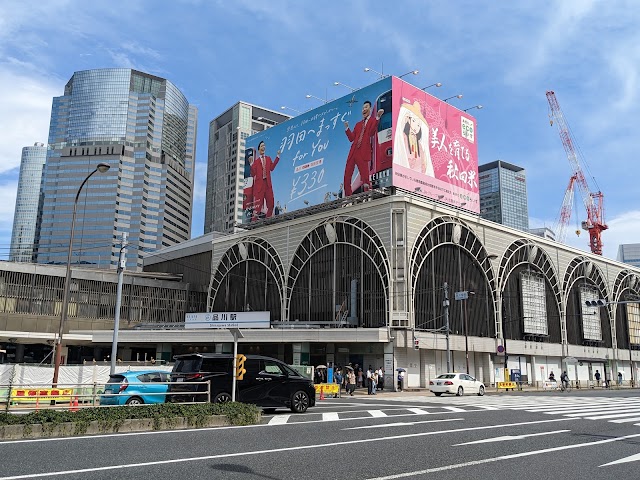
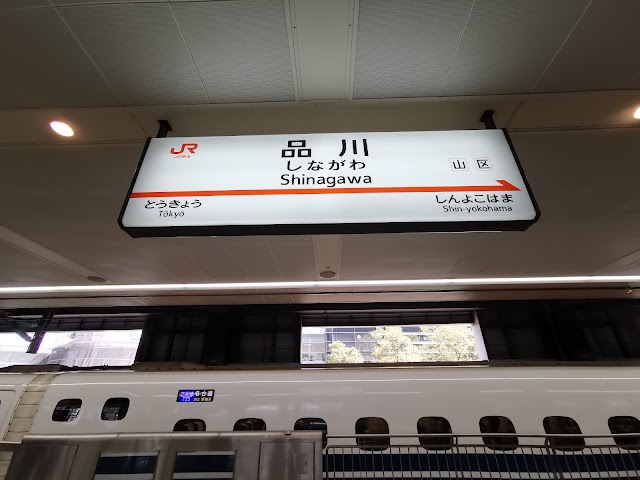
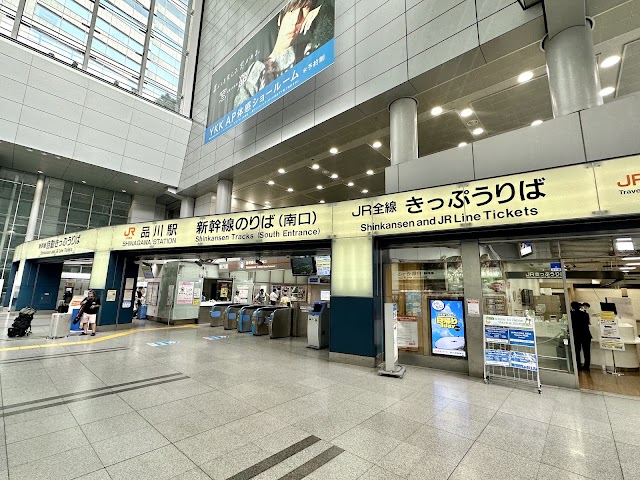
[1] Shinagawa Station is not in Shinagawa ward. It sits in Takanawa 3-chome, Minato ward; Shinagawa ward is further south around Oimachi and Gotanda. Everything in this guide — Takanawa, Konan, Shibaura — is Minato ward, which matters when you look up prices, taxes or municipal information.
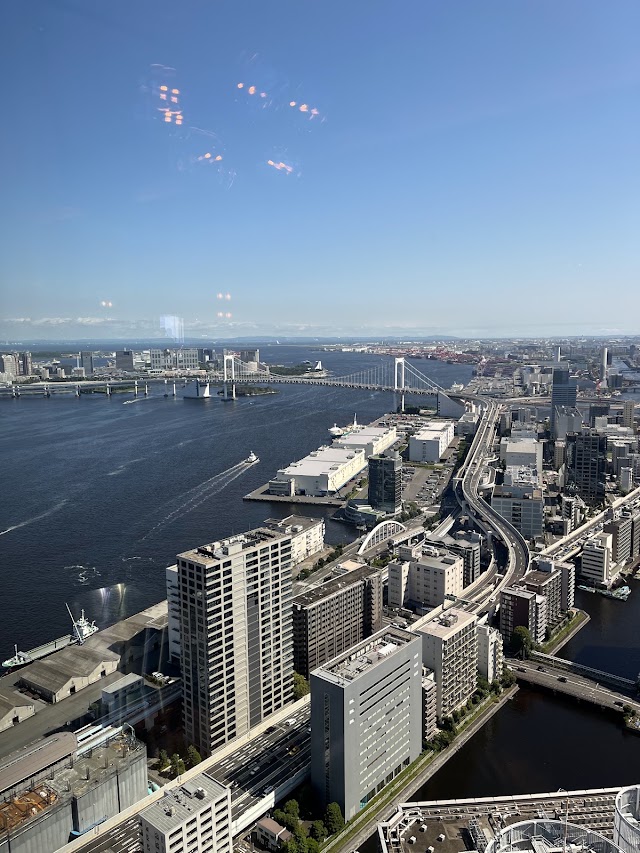
The station splits the area in two. The west (Takanawa) side is a plateau of old Tokyo: temples, narrow lanes, slopes, with Sengakuji at its heart. The east (Konan) side is reclaimed land, flat and wide, lined with office blocks and cut by canals. Takanawa Gateway City sits between them, on the site of a former rail depot — the land became available because JR moved its own yard.
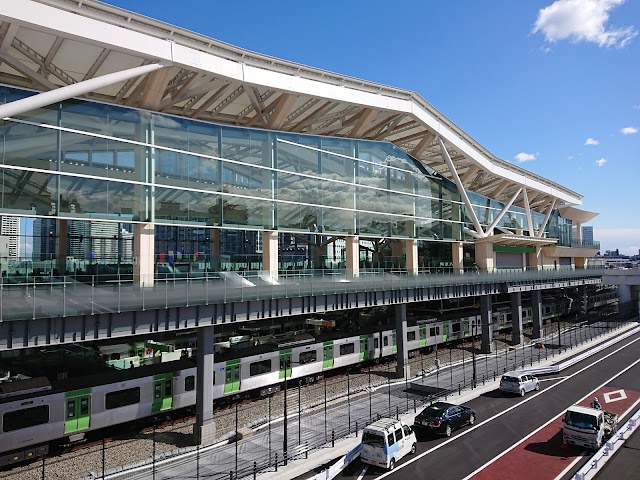
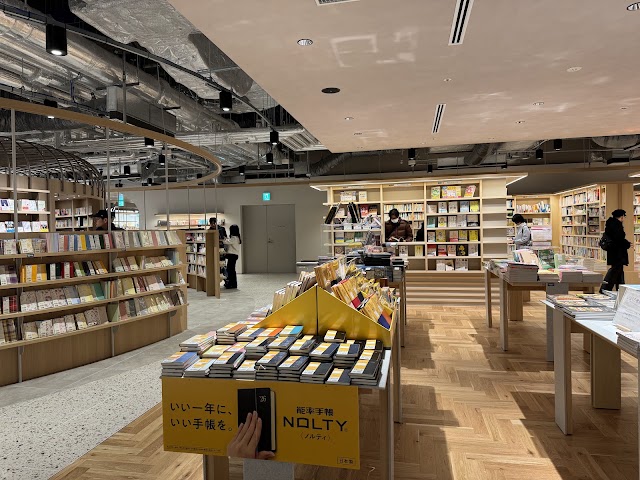
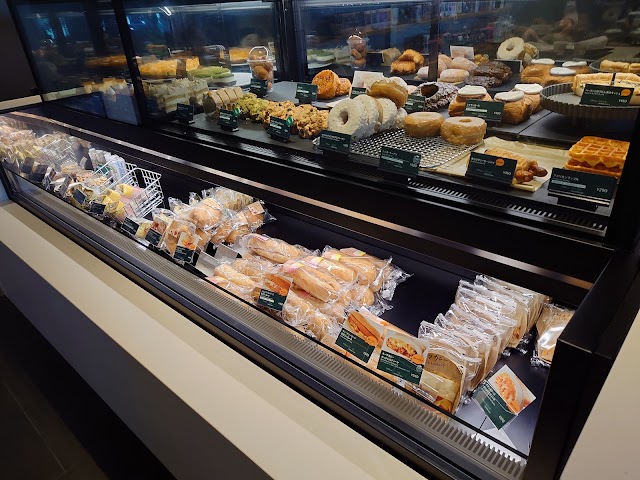
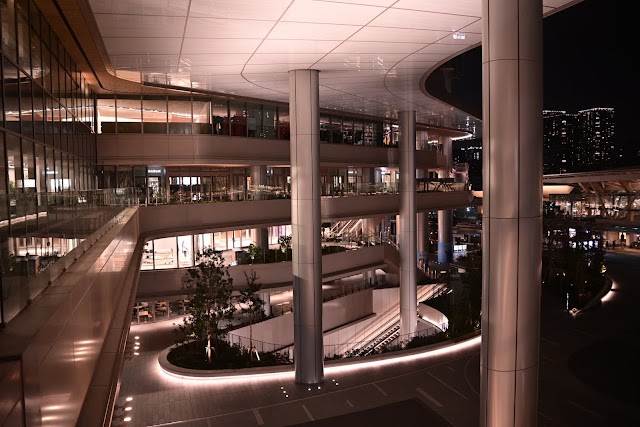
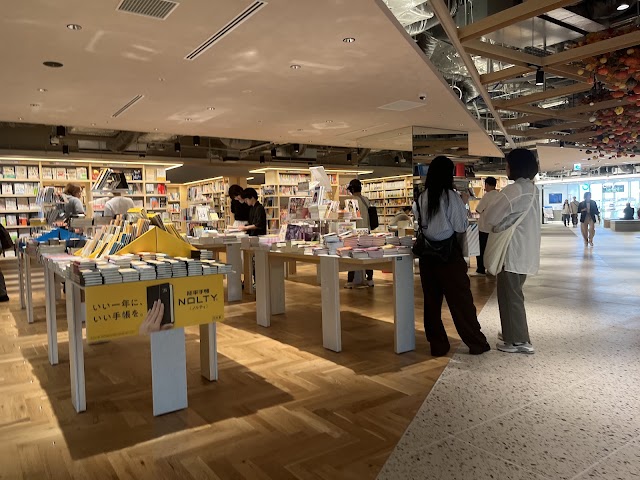
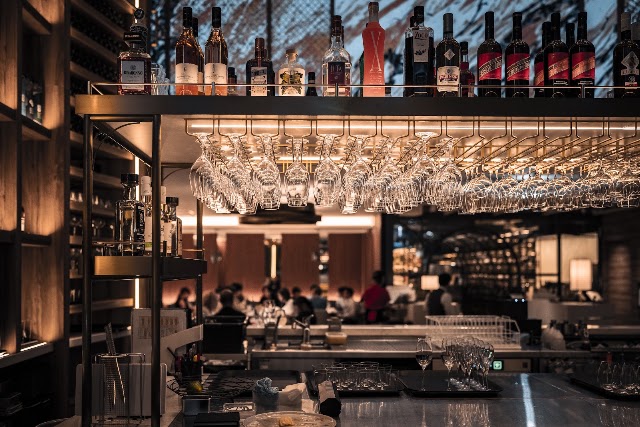
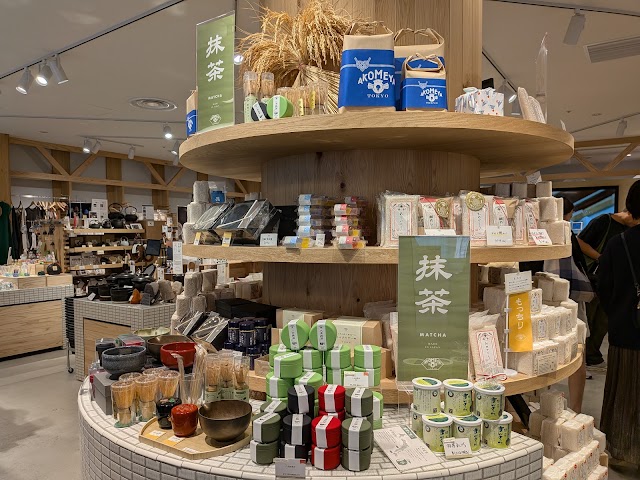
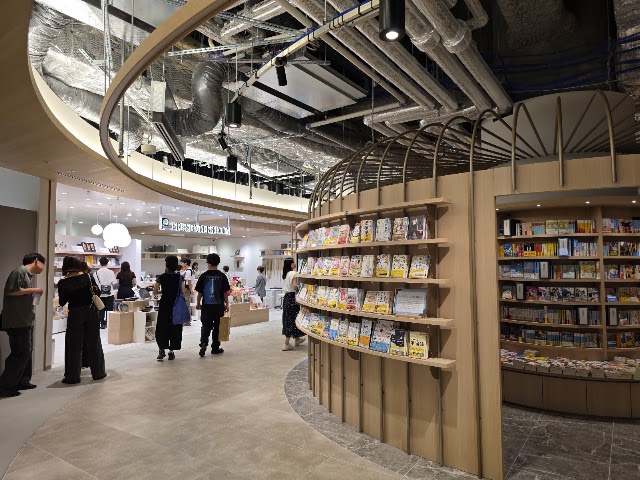
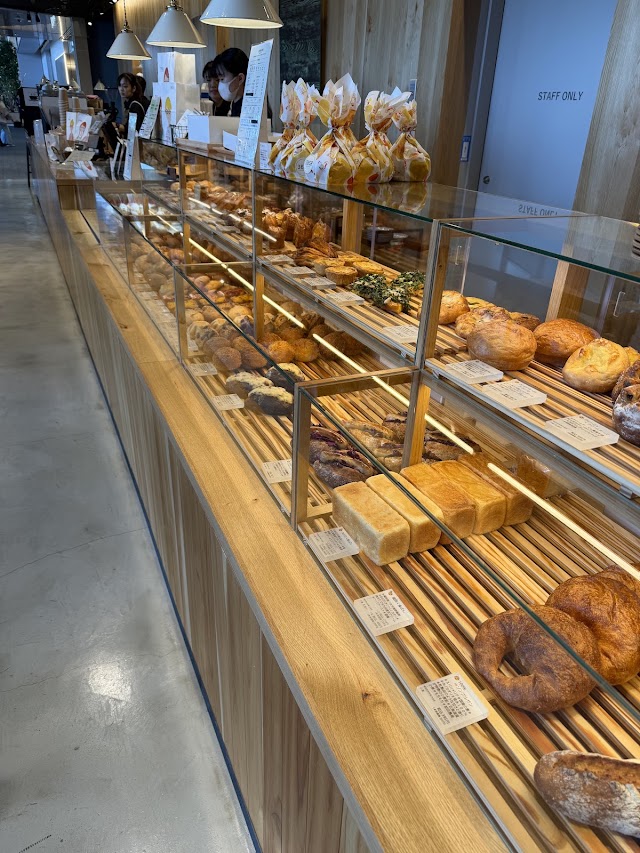
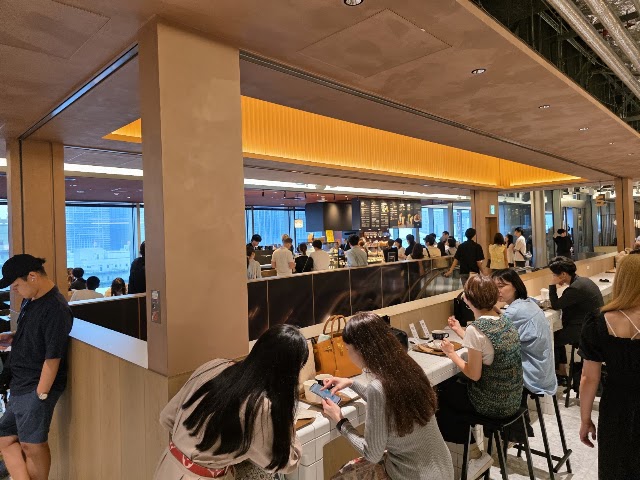
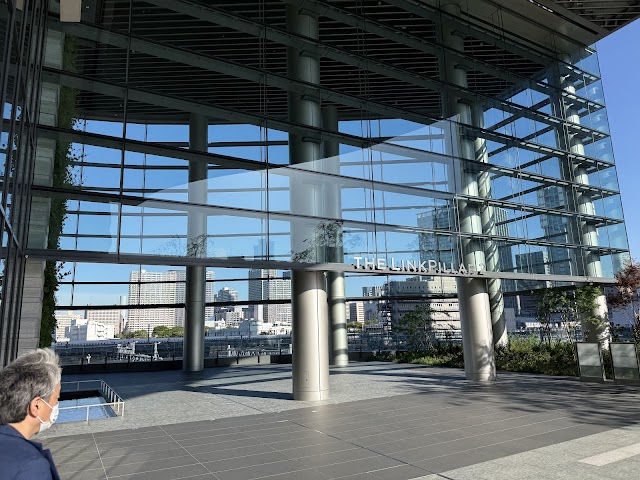
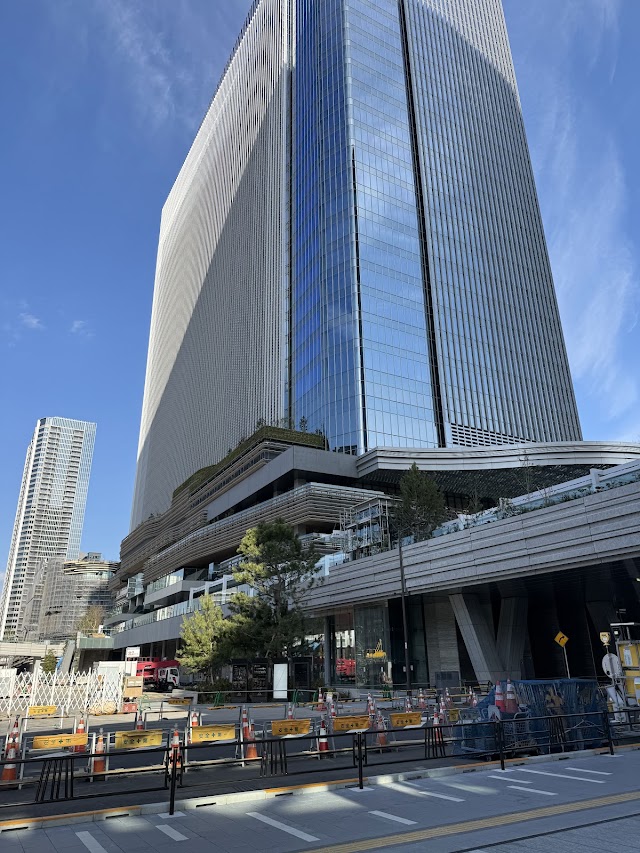
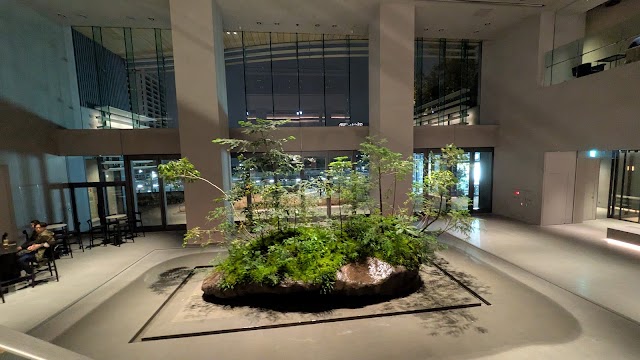
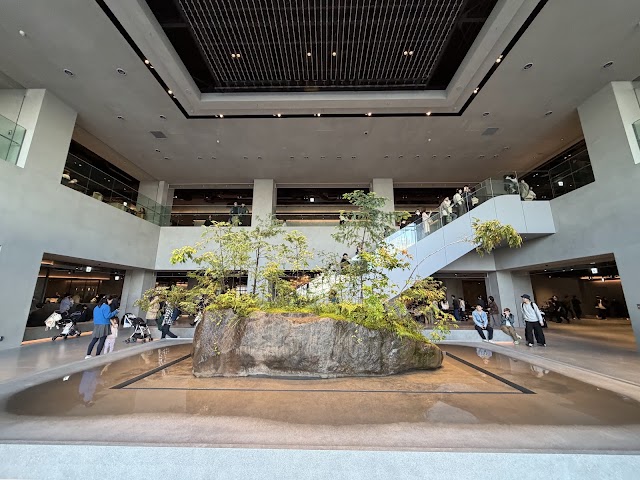
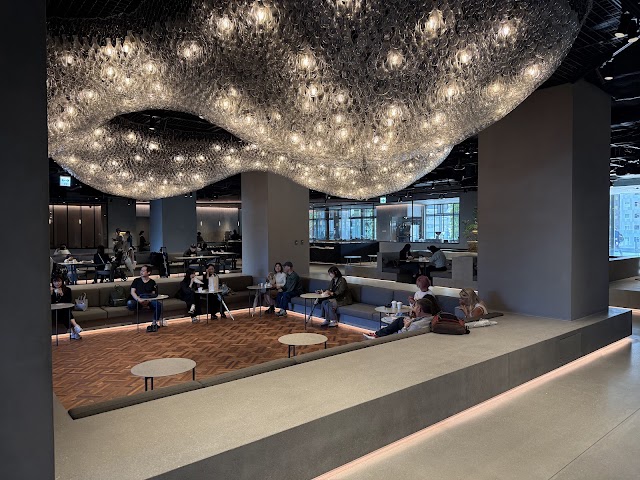
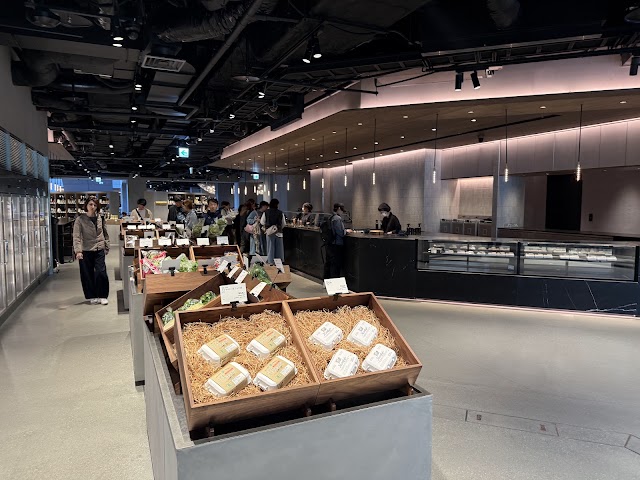
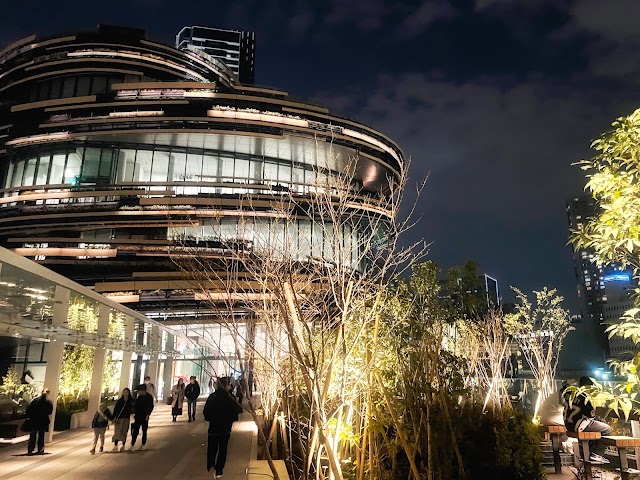
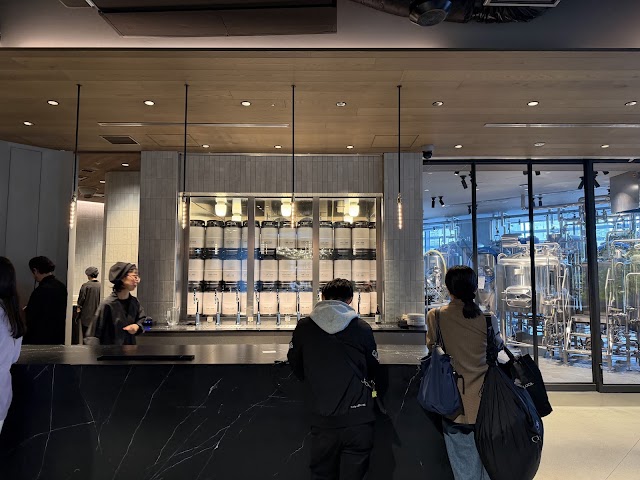
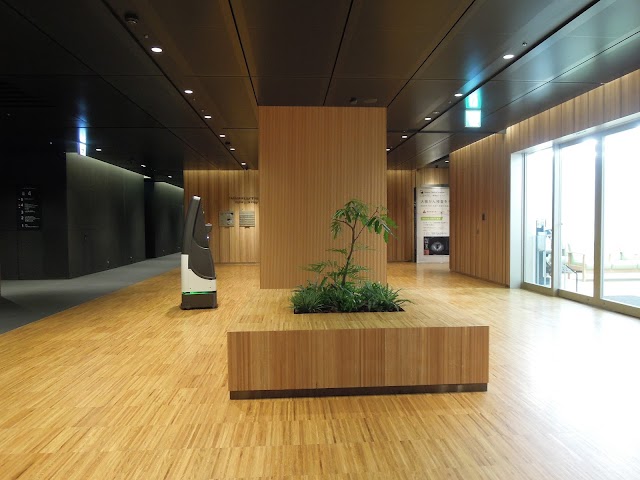
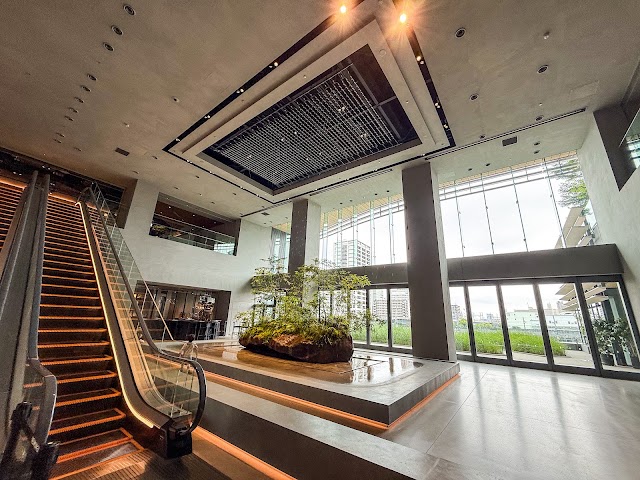
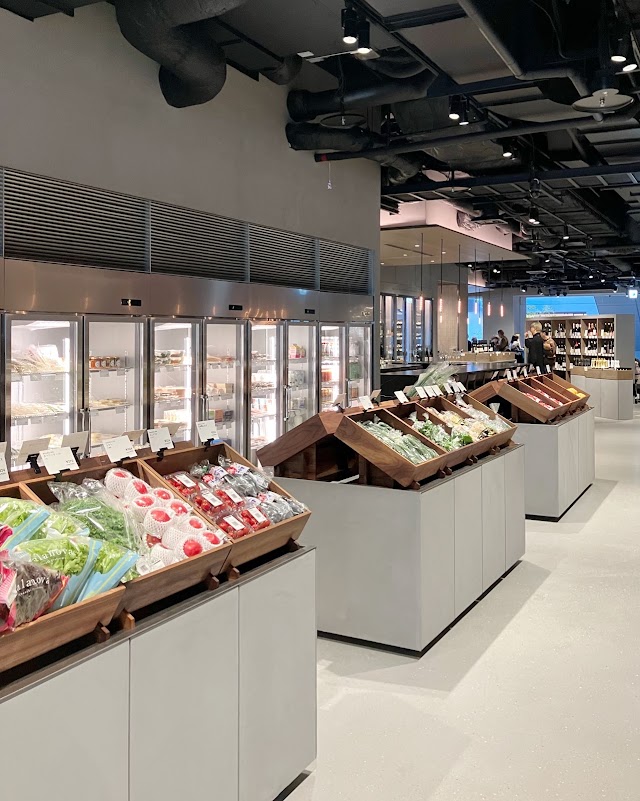
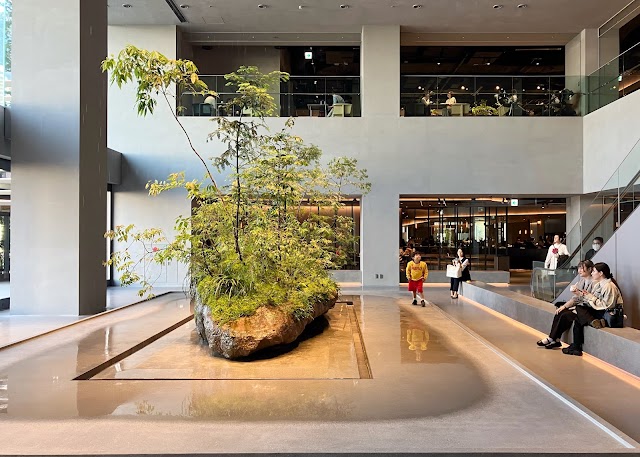
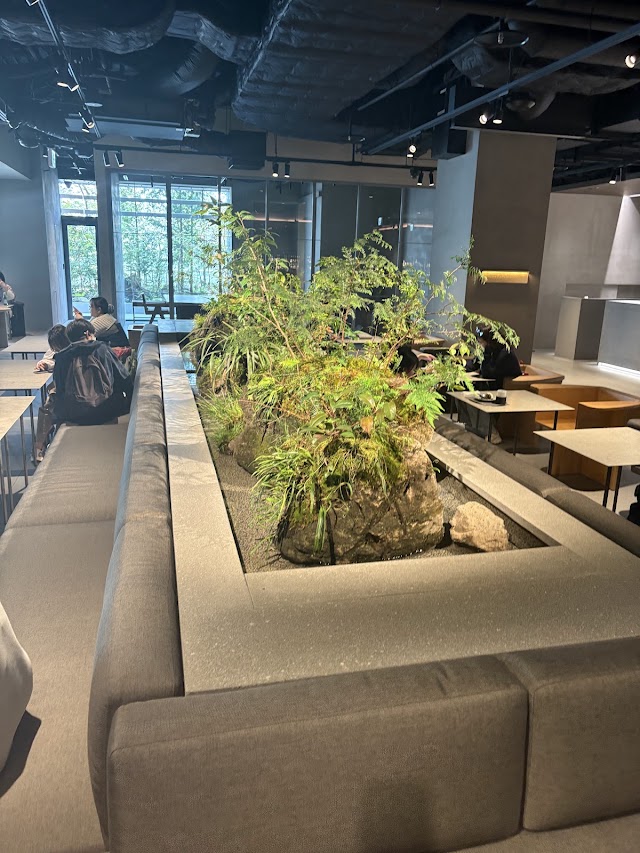
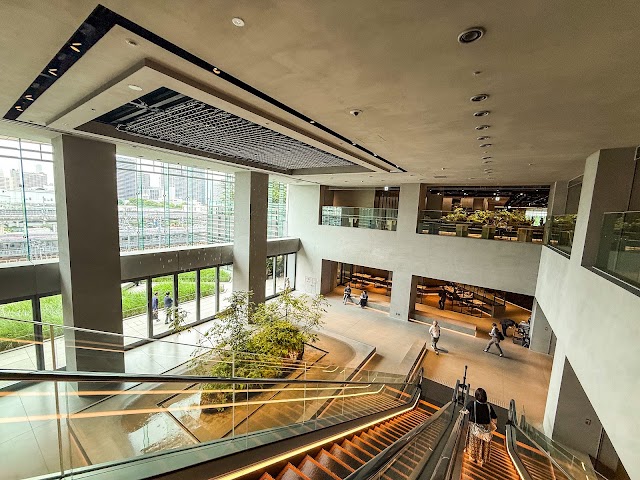
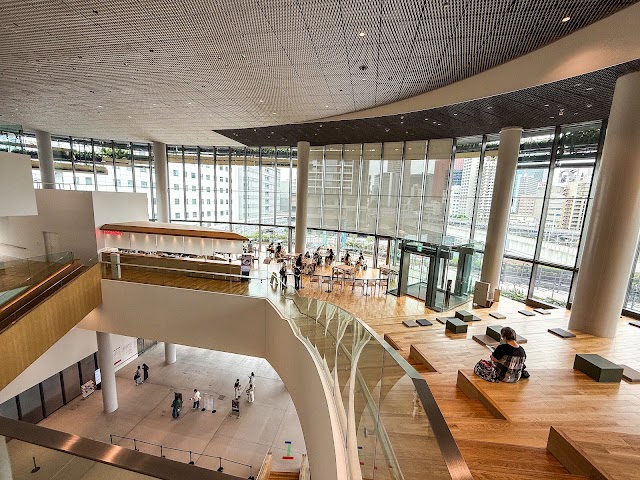
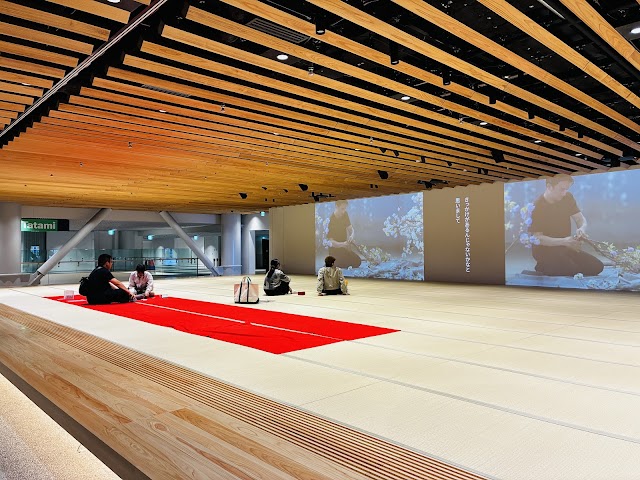
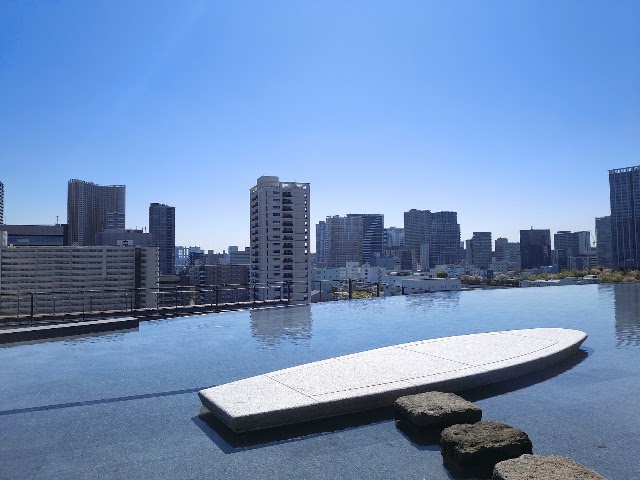
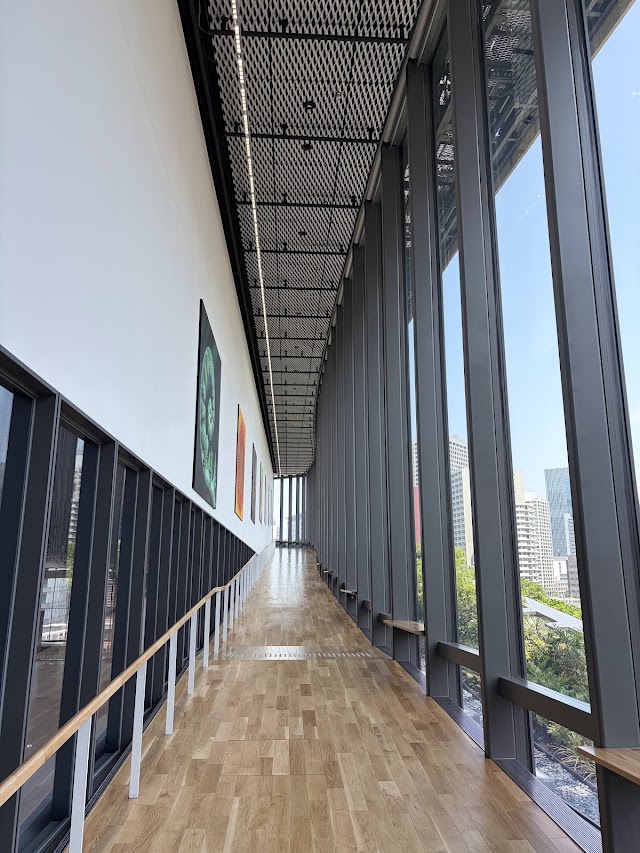
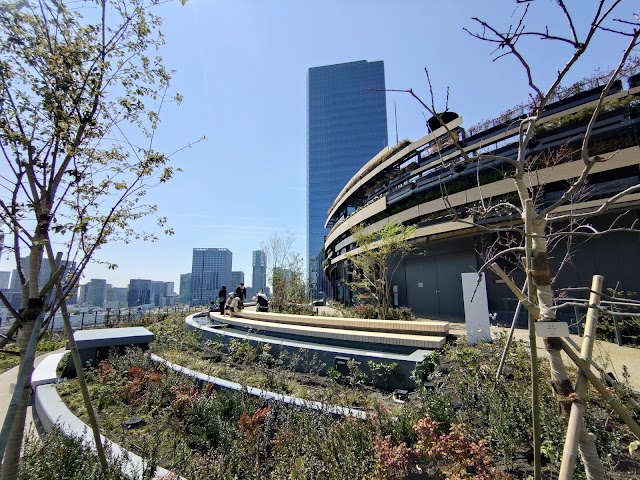
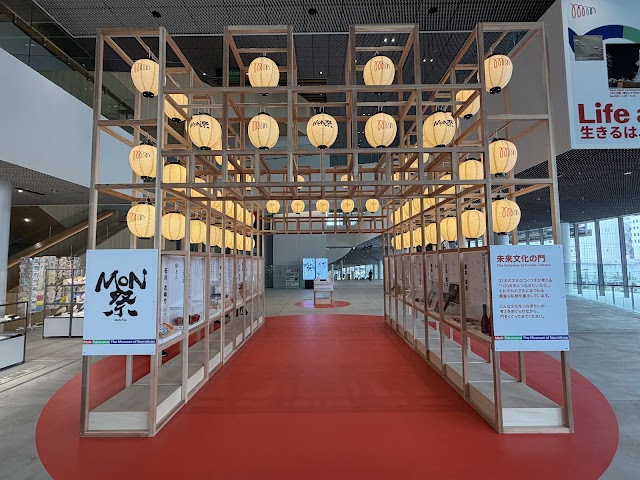
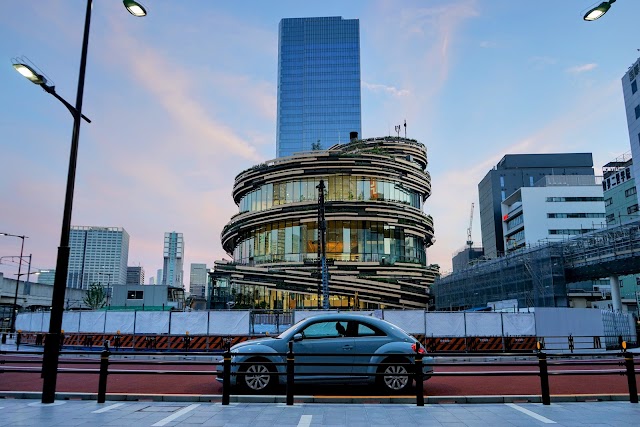
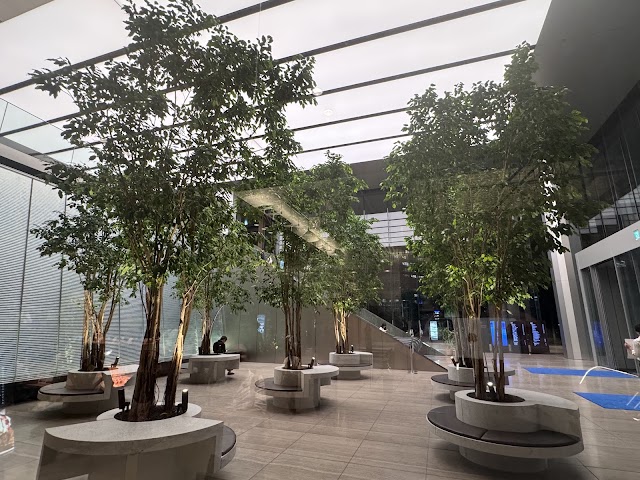
[2] What ¥600 billion bought. The site covers about 9.5 hectares and opened in two stages. On 27 March 2025 came THE LINKPILLAR 1: twin towers of 30 storeys above ground and three below, roughly 459,000 square metres of floor area. NEWoMan Takanawa, Lumine's largest project ever with about 200 shops, fully opened on 12 September 2025; JW Marriott Hotel Tokyo opened on 2 October. The full opening on 28 March 2026 added three more pieces: the 31-storey office building THE LINKPILLAR 2 (with a ground-floor gallery and fitness club, NEWoMan Takanawa MIMURE on floors two and three, clinics on four and five), the cultural building MoN Takanawa with exterior design supervised by Kengo Kuma, and the 44-storey residential tower. Only at that point were the district's functions complete. Note the on-site energy centre: large developments manage their own energy for carbon figures and business-continuity planning, both of which now directly affect whether international tenants sign, and therefore rents.
[3] How much the maglev delay matters. The line was to open Shinagawa–Nagoya in 2027 with a fastest journey of 40 minutes; the current line is 2036 at the earliest. In practice the short-term effect is smaller than people assume and the long-term effect larger. Short-term, because the traffic filling these offices and hotels was never maglev passengers but the existing Tokaido Shinkansen, Haneda and Yamanote flows, which have not changed. Long-term, because the premium attached to being Japan's new front door is essentially future cash flow discounted into today's price. Stretching that discount period from five years to fourteen changes what the same future is worth now. The practical implication for Taiwanese buyers: do not use after the maglev opens as a reason to enter, because nobody can date it. Use reasons that already hold — proximity to Haneda, proximity to the Tokaido Shinkansen, Minato rental demand, and whether JR East keeps investing.
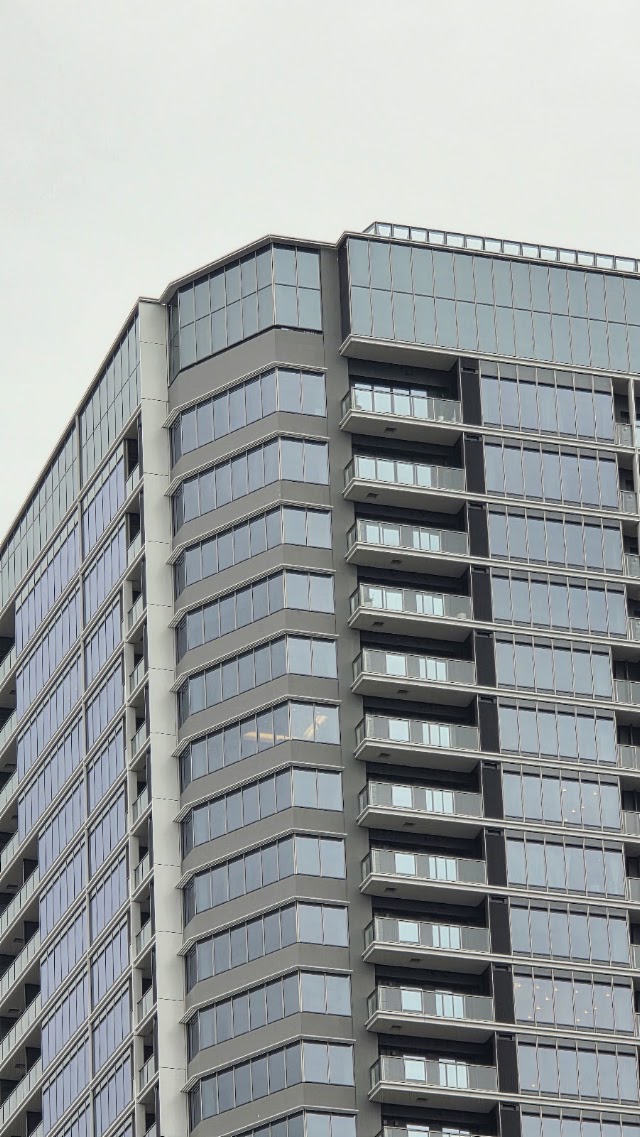
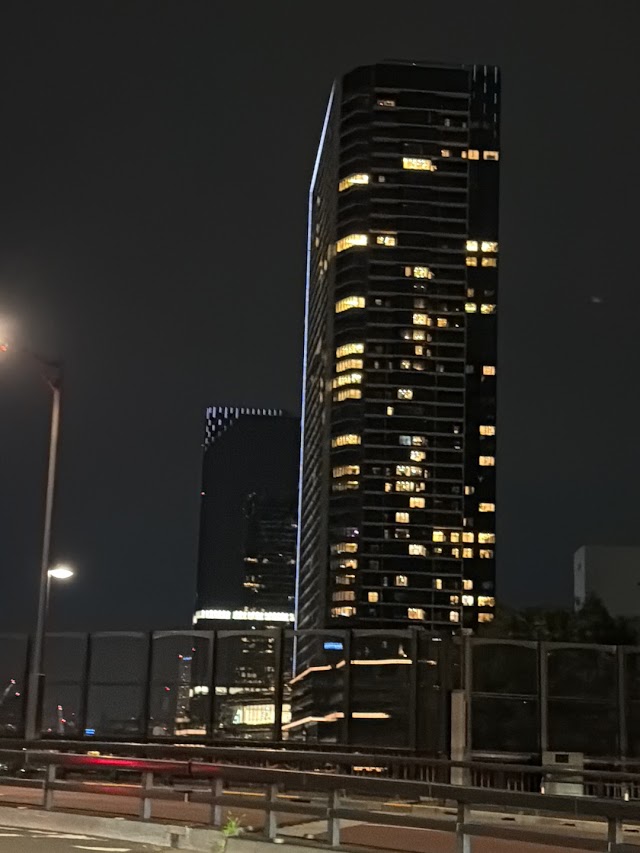
[4] Prices and rents. Minato ward's 2026 published land prices averaged 15.0 per cent above the previous year. Among the steepest risers were Konan 3-7-23 at 22.2 per cent and Akasaka 1-14-11 at 20.5 per cent, putting the Konan side near the top of the metropolitan range; Tokyo's residential land has now risen five years running. On rents, the newest hard number is the Takanawa Gateway City residence itself: 44 storeys, on the order of 800 units, rental-only, from about ¥240,000 to ¥2.05 million a month for units of 43 to 199 square metres. The refusal to sell is itself information — JR East wants long-run income and control over who lives in its district rather than a one-off sales profit.
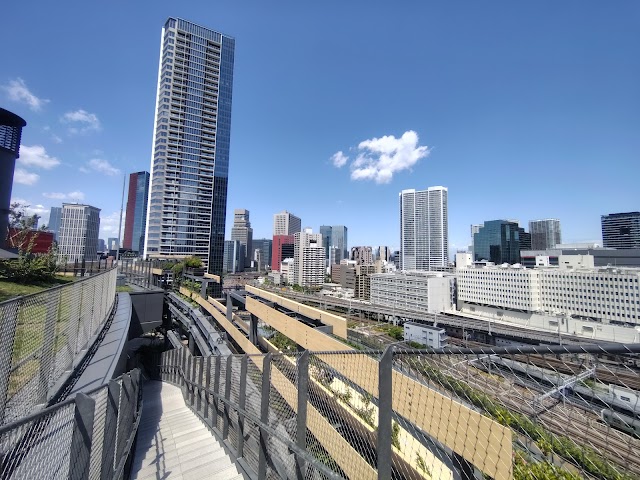
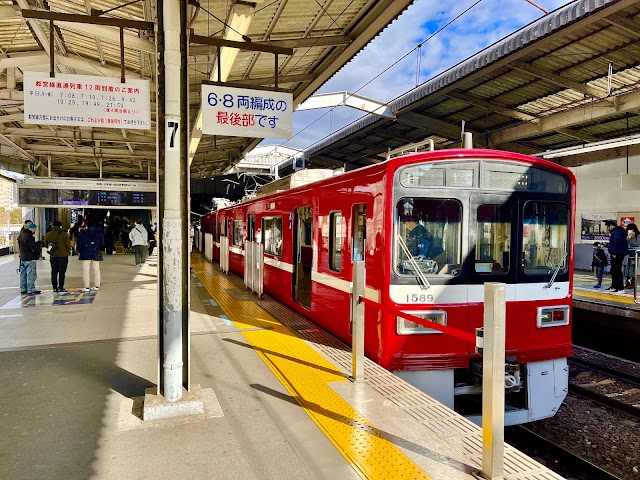
[5] The unfinished part: three works at the west exit. First, a pedestrian deck over National Route 15, targeting 2027 for the northern section and the ground-level plaza expansion, after which buses, taxis and share cycles take the ground and people take the upper level. Second, lowering the Keikyu platforms to grade as part of the Sengakuji–Shimbamba grade separation, targeted for the end of fiscal 2029. Third, the West Exit Area A complex of offices, retail, hotel and MICE space, starting construction in fiscal 2025 and opening in fiscal 2029. Beyond that, the Tokyo Metro Namboku line will branch at Shirokane-takanawa and run about 2.5 kilometres to Shinagawa with no intermediate station, at a cost of roughly ¥131 billion; work began on 5 November 2024 with an opening target in the mid-2030s. Line those dates up and Shinagawa does not settle down until the second half of the 2030s.
[6] Look north: this is a line, not a set of projects. At Shibaura 1-chome, the BLUE FRONT SHIBAURA twin towers by Nomura Real Estate and JR East include TOWER S at 43 storeys and 228.88 metres, completed February 2025 and fully open from 1 September, with Fairmont Tokyo opening on 1 July; TOWER N is due to start in fiscal 2027 and complete in fiscal 2030. The GREEN WALK pedestrian route from Hamamatsucho to Shibaura is open and Minato's Shinhama Park has been rebuilt. Hamamatsucho, Shibaura, Takanawa, Shinagawa: join those four points and you have JR East's own tracks. One company, using its own former depots and station land, rewriting the bayside of southern Tokyo along its own line.
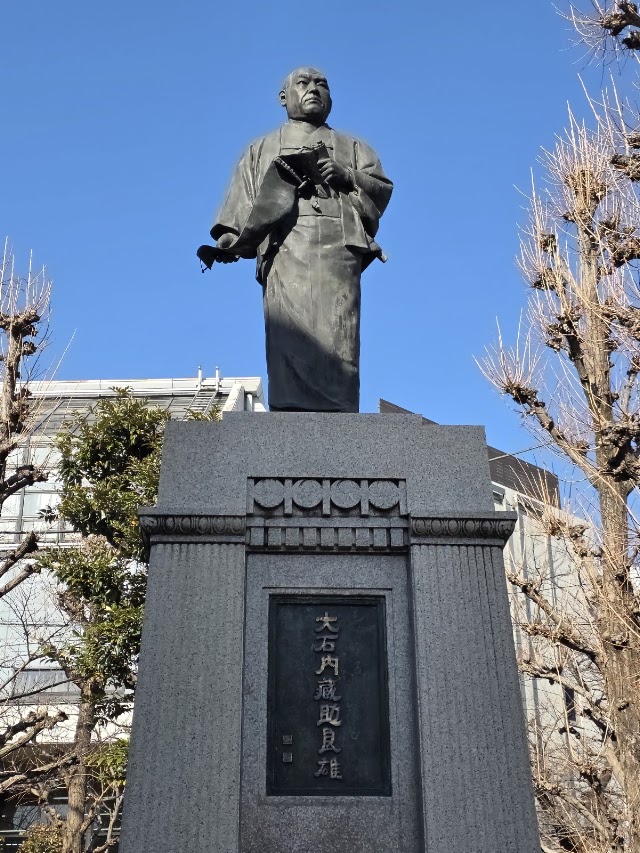
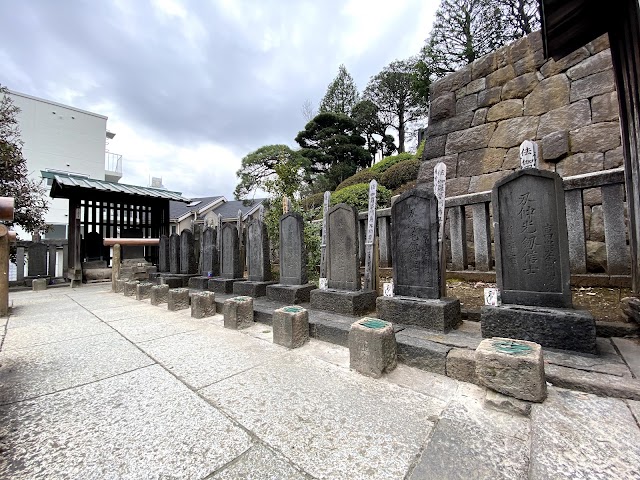
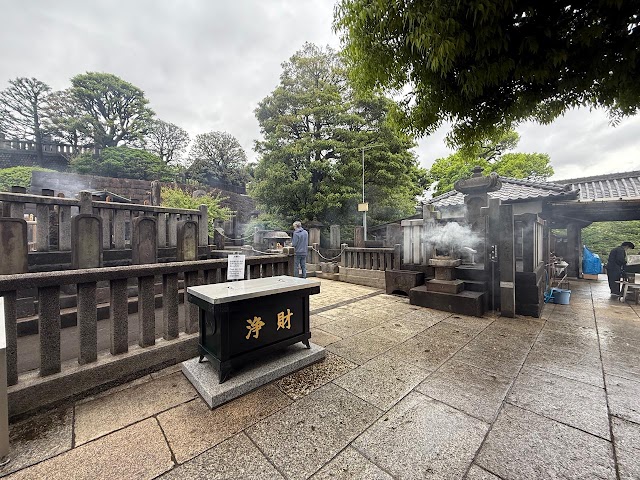
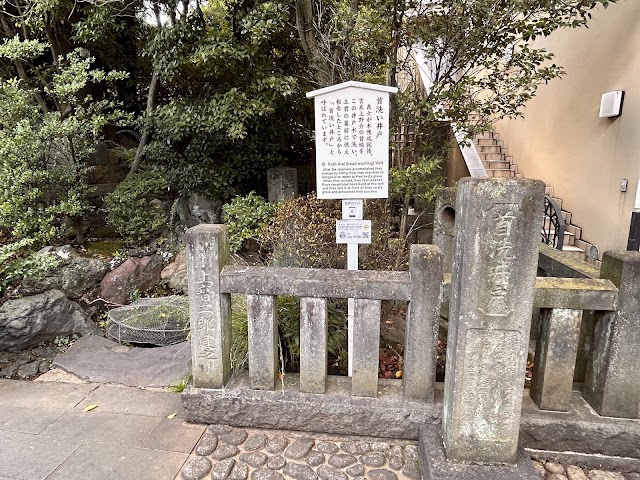
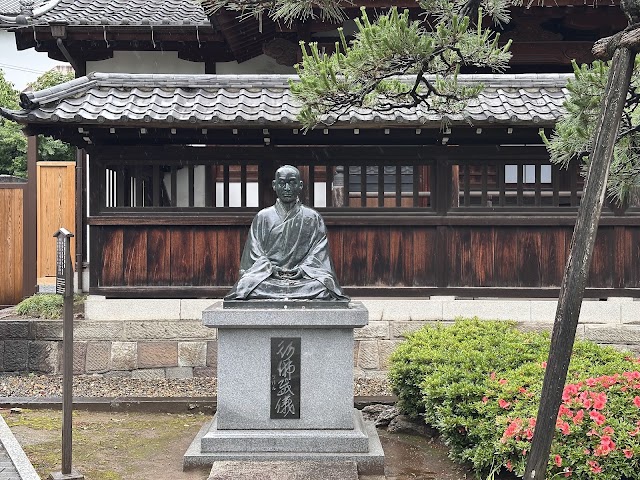
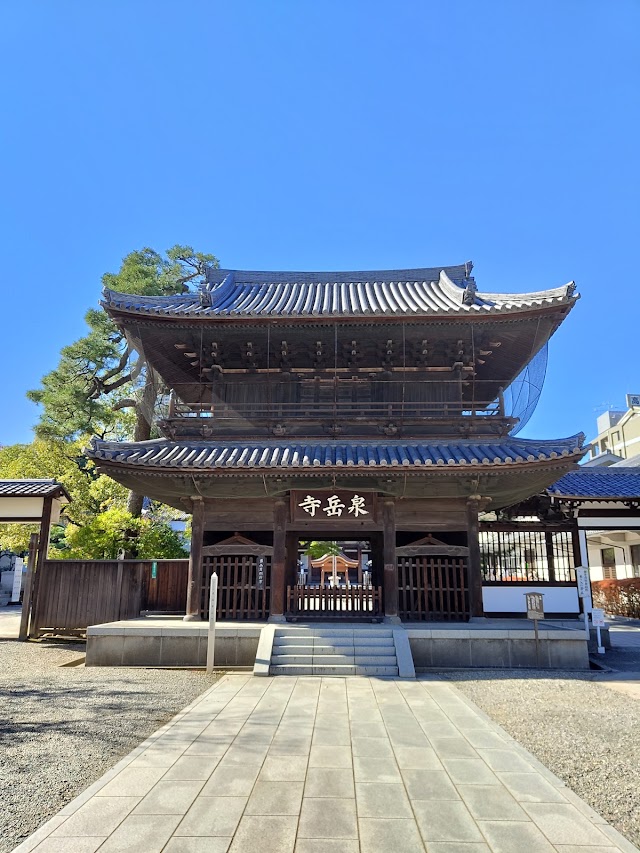
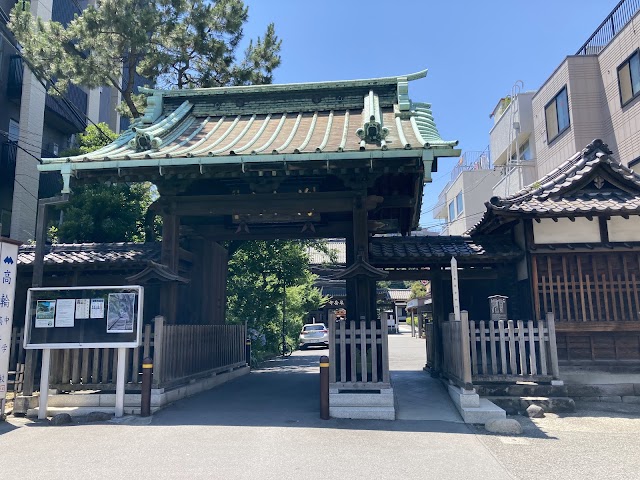
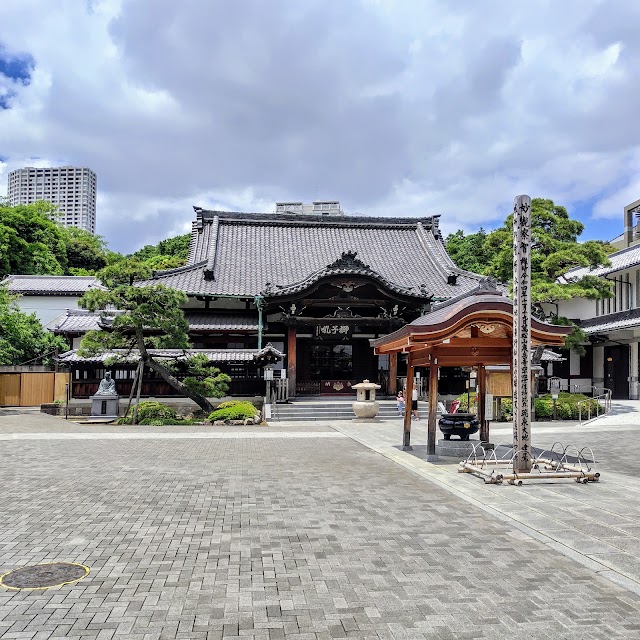
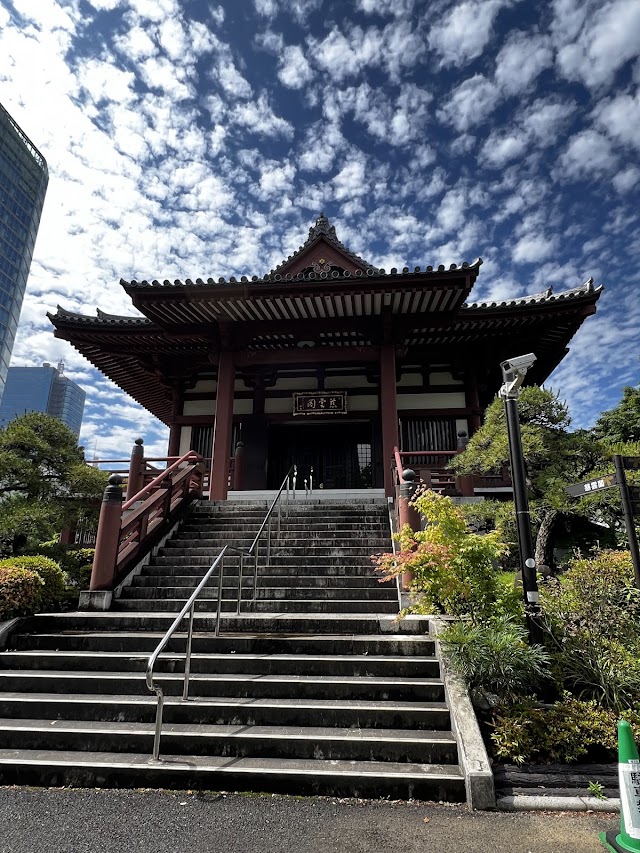
[7] A survey route you can actually walk. Half a day to a full day. Start at Takanawa Gateway Station and look at how the station meets the decks; then THE LINKPILLAR 1 and NEWoMan Takanawa for scale, with lunch on an upper floor; THE LINKPILLAR 2 and MIMURE for how the functions stack; MoN Takanawa for how the narrative is built; the perimeter of the residential tower for its distance from the retail; south across the Takanawa plateau to Sengakuji, ten minutes from high-rise to Edo; on to Shinagawa's Takanawa exit and up onto the footbridge to see the three sites along Route 15; and if you have energy, one stop to Hamamatsucho and the GREEN WALK to BLUE FRONT SHIBAURA. About three hours of walking, half a day to a day with stops. The value is the order: you see what is finished, what is moving and what has not started, coexisting on one site.
[8] Practical notes for three kinds of reader. Visitors: hotels here are mostly business-grade but have moved up a tier since Takanawa Gateway City opened, with visible peak-season increases; for Haneda trips the district's transport efficiency remains among the best in Tokyo. Residents: rents in Takanawa and Shirokane now sit near the top of Minato and much of the new supply is rental-only, with foreign tenants normally needing a Japanese guarantor or guarantee company plus proof of local income. Investors: prices here already reflect a great deal of expectation. Treat the maglev timetable as a variable rather than a premise, and note that a large volume of new supply — TOWER N and West Exit Area A among it — lands around 2030.
Addresses, phone numbers, opening hours and ratings for all ten places were checked against the Google Places API before publication; photographs are officially licensed through Google with photographer attribution.
 Scan for map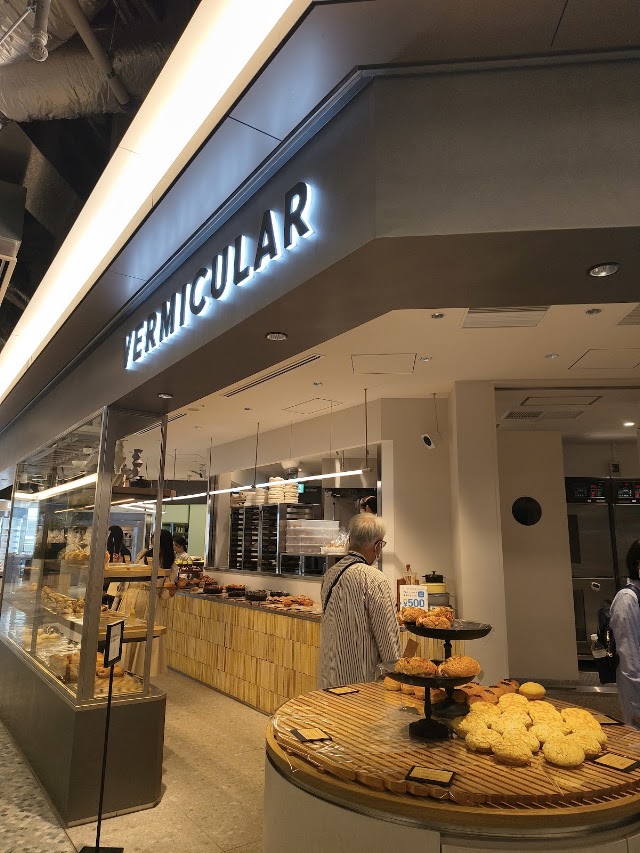
 Scan for map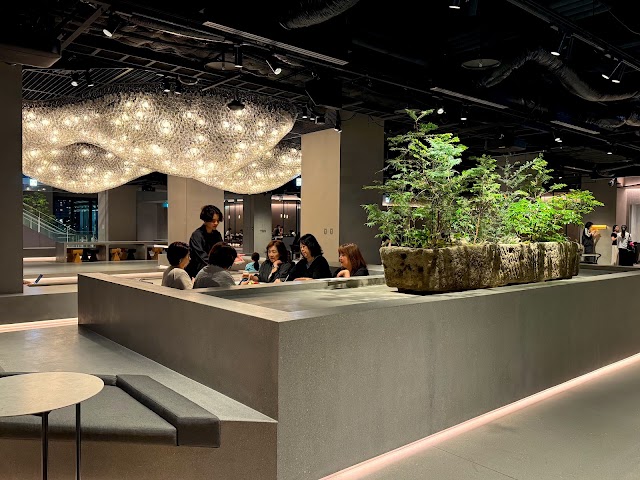
 Scan for map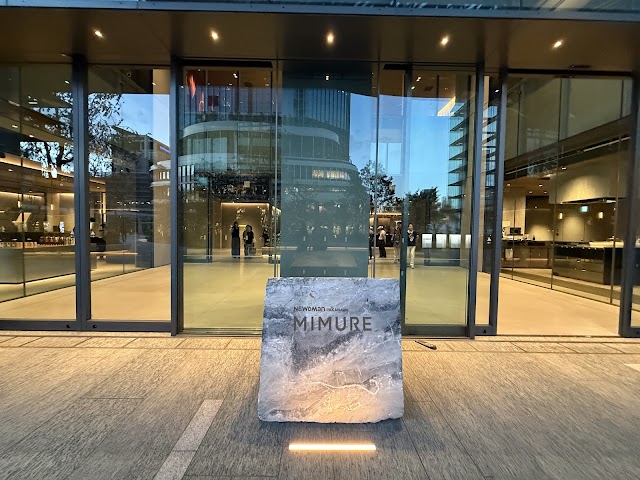
 Scan for map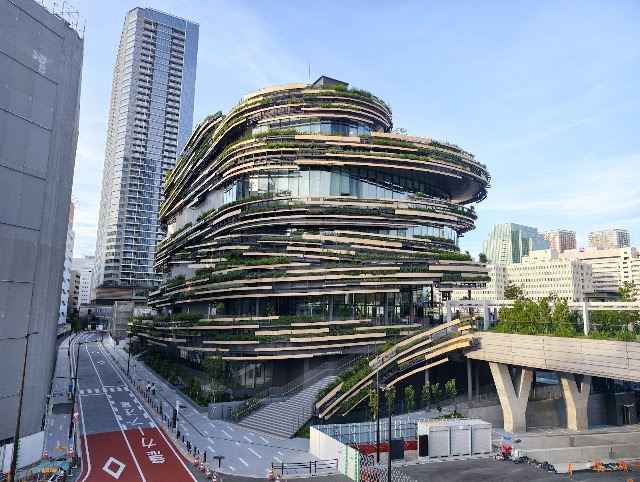
 Scan for map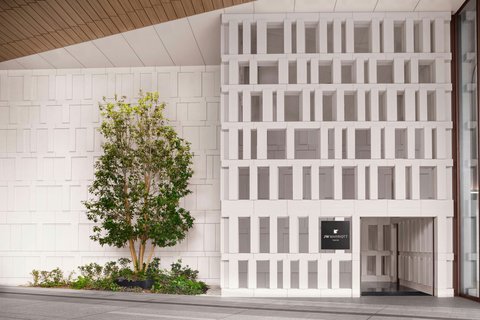
 Scan for map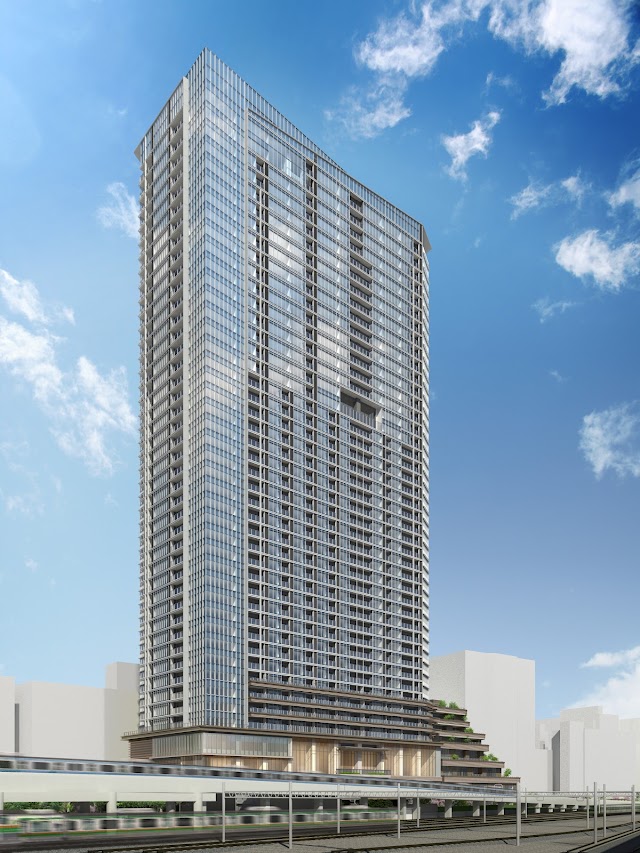
 Scan for map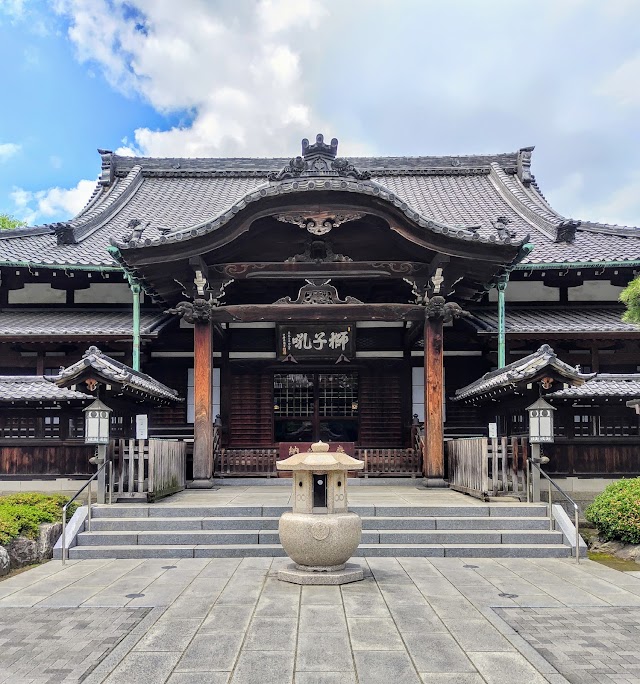
 Scan for map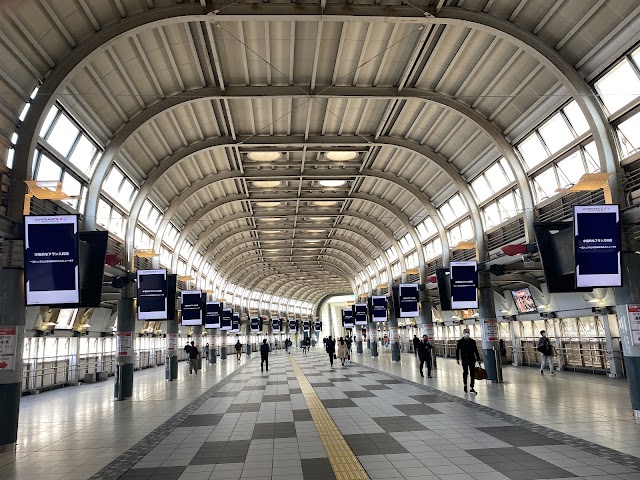
 Scan for map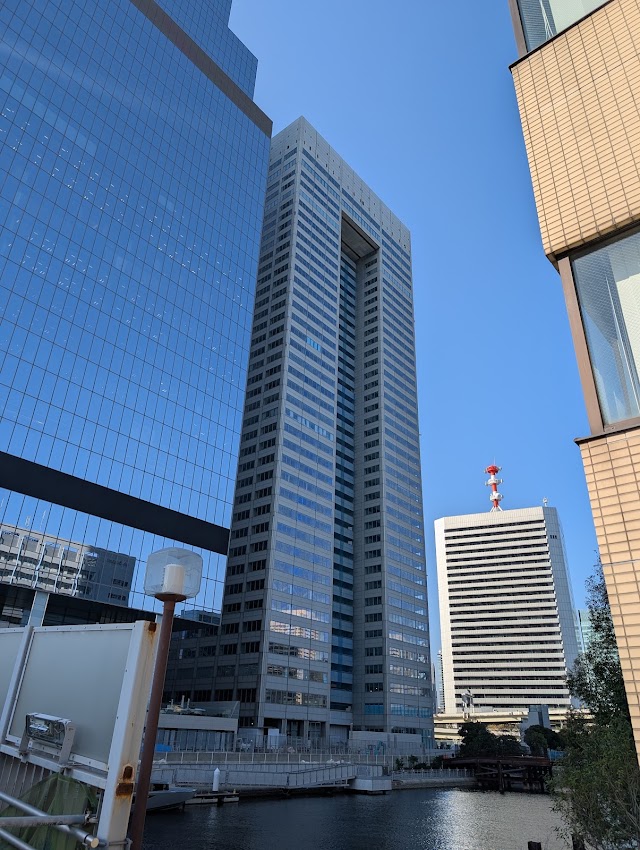
 Scan for map