Ninety Years of Yanagi's Museum: Ten Tokyo Shops for Craft and Folk Objects, From a 1933 Ginza Institution to the Gap Left by a Nishi-azabu Closure
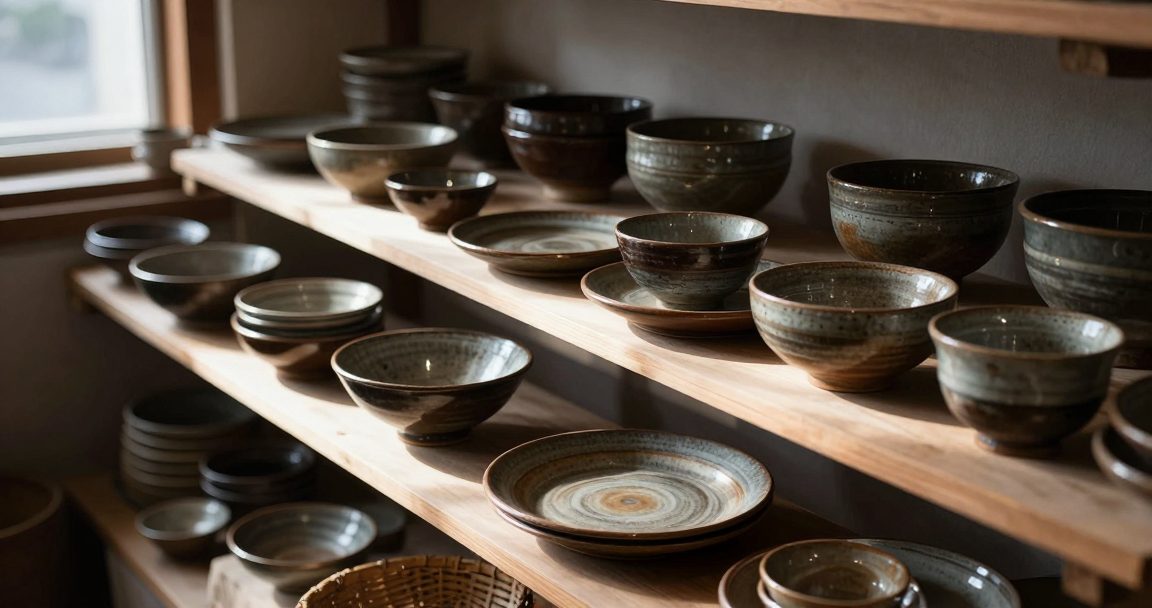
- Toukyo, the Nishi-azabu vessel shop open since September 1987, closed on 26 May 2026; owner Ichiro Hirose is now curator of Chabatei, a craft gallery set up by the label 45R. Most Chinese-language guides have not updated.
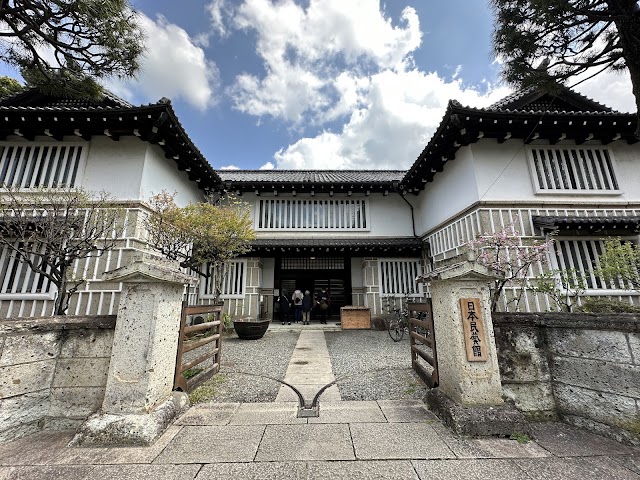
- The Japan Folk Crafts Museum, founded by Soetsu Yanagi in 1936, turns 90 in 2026, the same year the mingei prospectus turns 100; the anniversary exhibition runs 6 June to 12 August 2026.
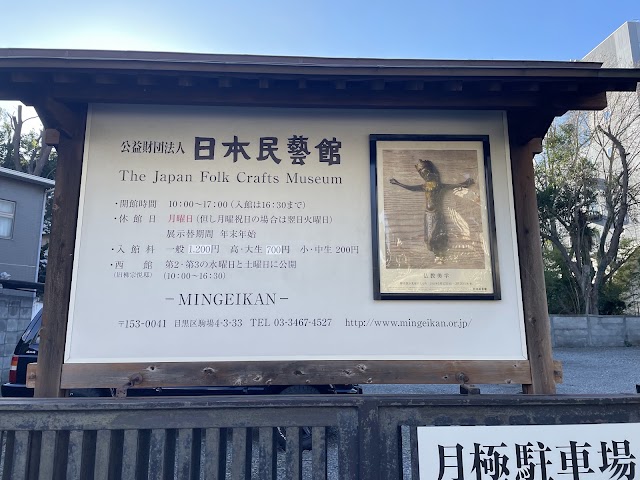
- Museum admission is ¥1,500 general and ¥800 for students, open 10:00–17:00 with last entry 16:30, closed Mondays, at 4-3-33 Komaba, Meguro ward.
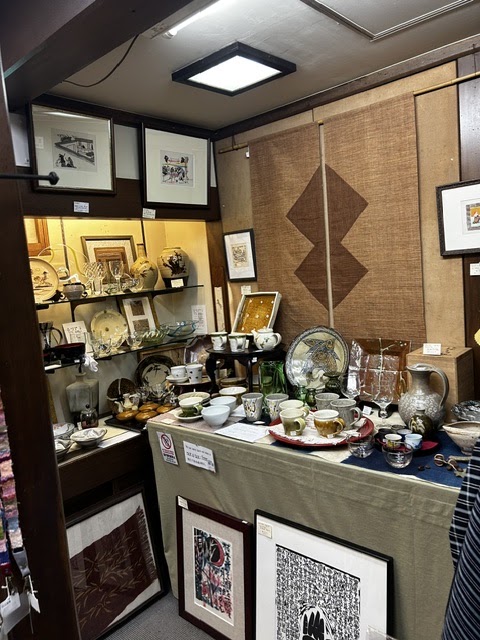
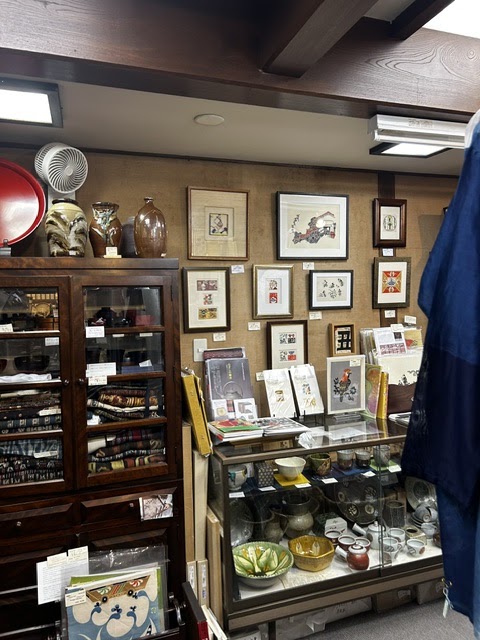
- Ginza Takumi was founded in 1933, three years before the museum, by a group including Yanagi, Shoji Hamada, Kenkichi Tomimoto, Keisuke Serizawa and Naoya Shiga; closed Wednesdays and public holidays.
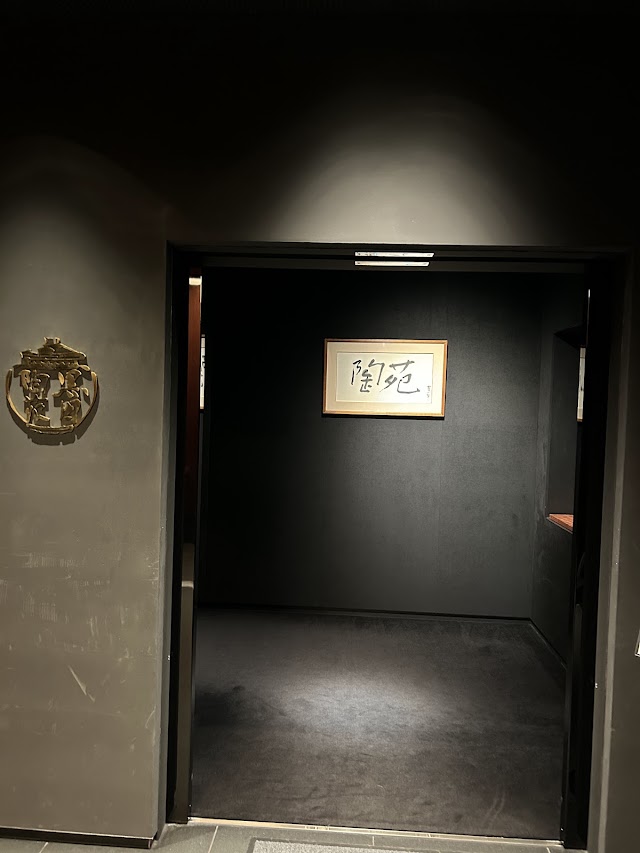
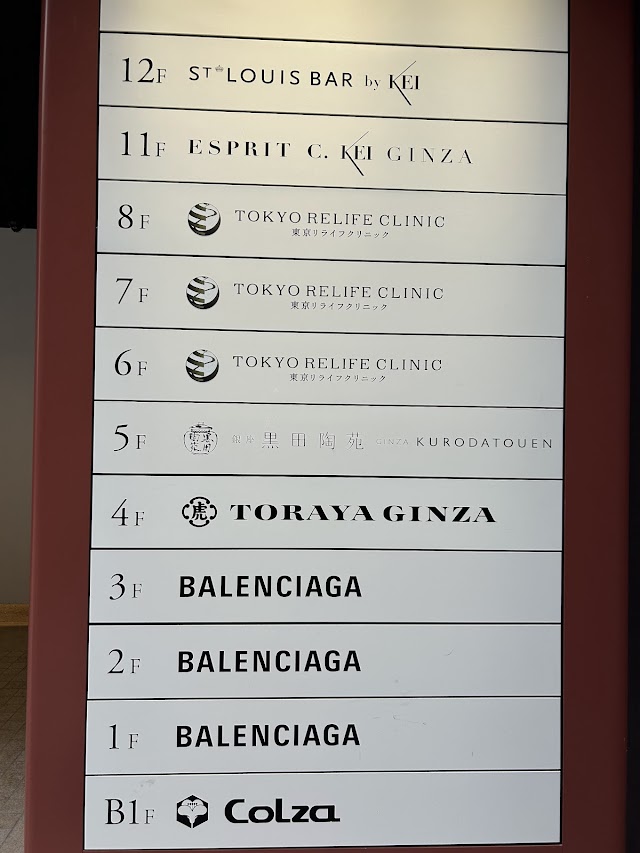
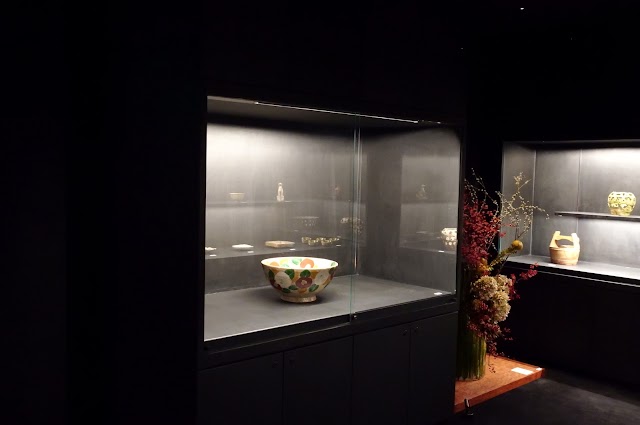
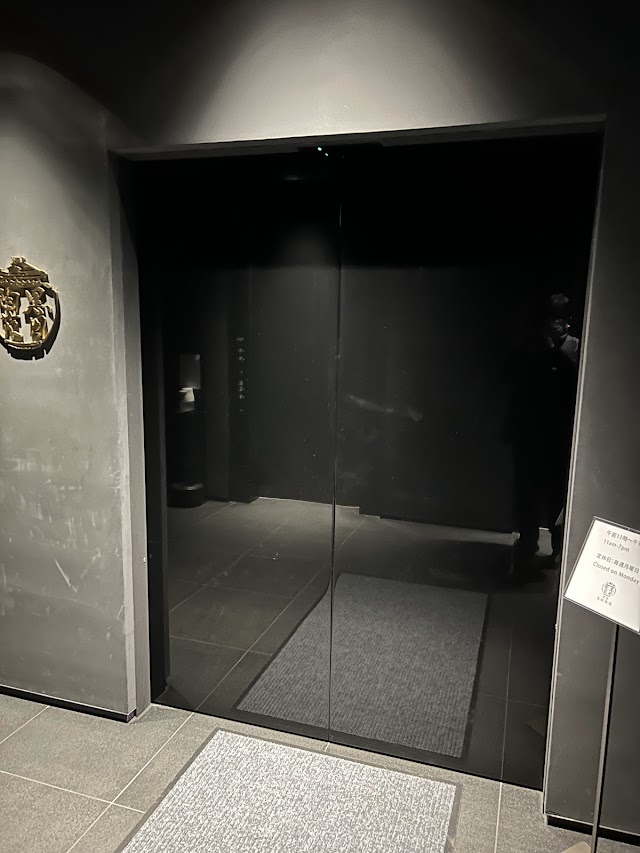
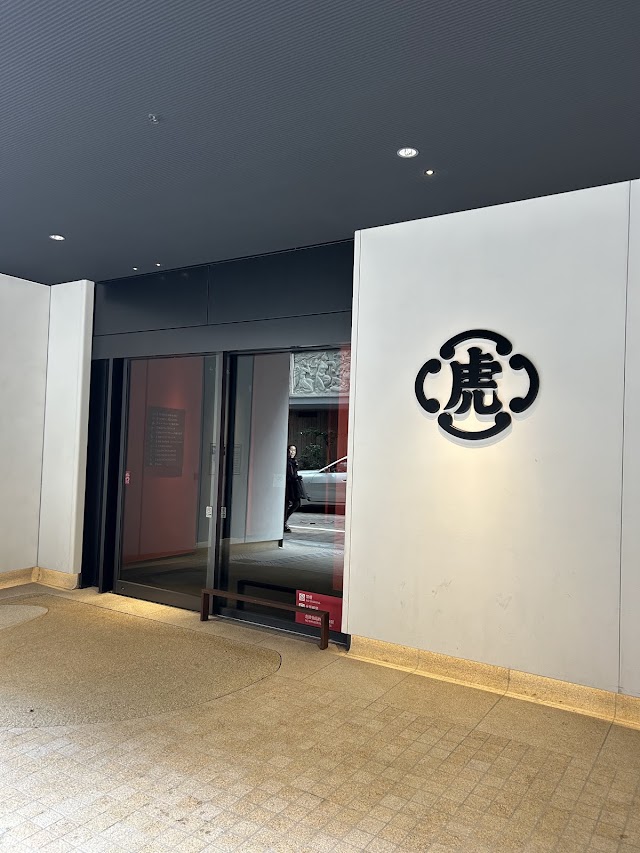
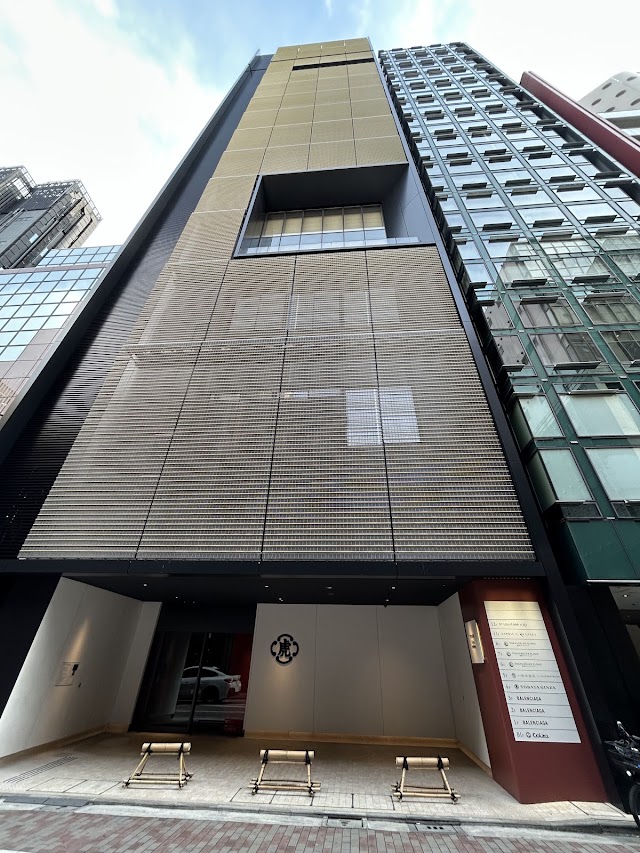
- Ginza Kuroda Toen was founded on 11 February 1935 by Ryoji Kuroda under a signboard carved by Rosanjin Kitaoji; the present fifth-floor space at 7-8-17 Ginza was designed by Hiroshi Naito and closes Mondays.
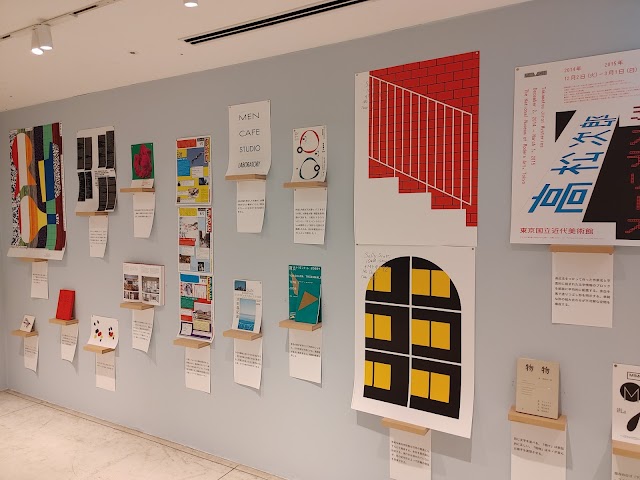
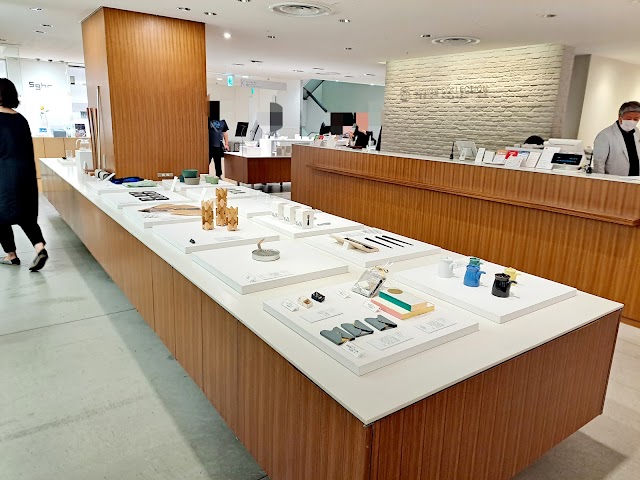
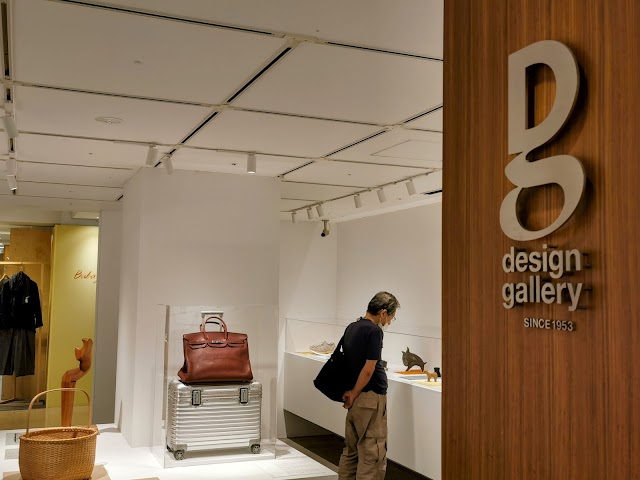
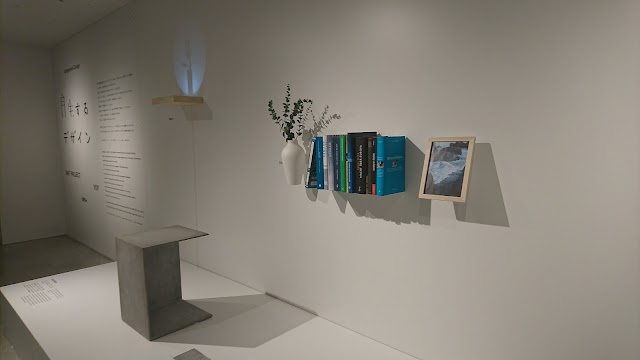
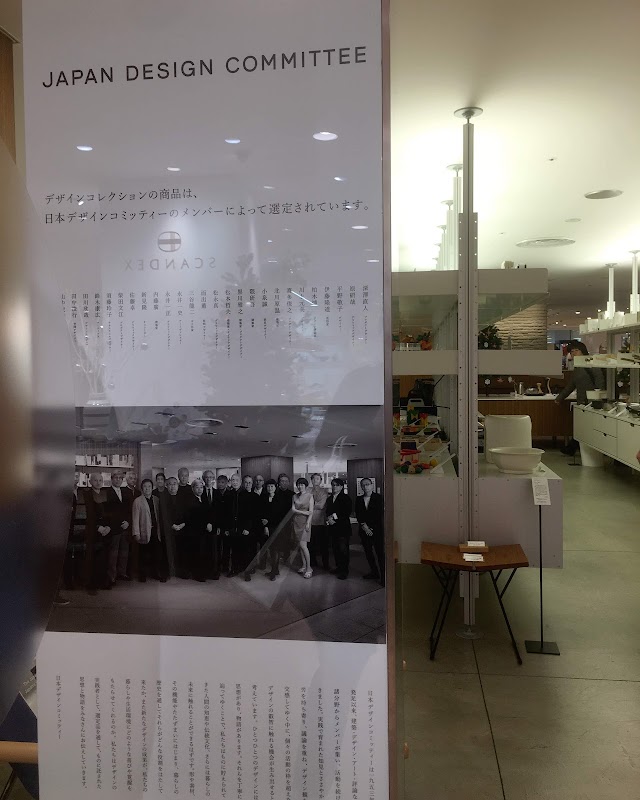
- The Matsuya Ginza design floor opened in 1955 as the working venue of the Japan Design Committee (Kenzo Tange, Yusaku Kamekura, Taro Okamoto), with a written note on each item explaining its selection.
- Bingoya in Wakamatsu-cho, Shinjuku closes Mondays and the third Saturday of each month, with a 2026 summer break from 10 to 17 August.
- Tokyo's craft shops fall into four types — folk-craft direct line, design selection, contemporary selection and ceramics gallery — each with its own value argument and pricing logic.
- Three price bands: entry ¥1,000–3,000 (tenugui, small plates), core ¥3,000–10,000 (studio vessels, SyuRo canisters) and works above ¥10,000 (tea bowls, sake vessels, major names).
- From 1 November 2026 duty-free becomes a refund system requiring the tax-inclusive price up front; of these ten, only Matsuya Ginza and BEAMS JAPAN are the department-store or chain operations that reliably process it.
Start with something that happened in 2026 and has not reached most Chinese-language guides: Toukyo, the celebrated vessel shop in Nishi-azabu, has closed. Open since September 1987, it ended on 26 May 2026, and its owner Ichiro Hirose has become curator of Chabatei, a new craft gallery set up by the clothing label 45R. Among Japanese collectors of ceramics its standing was close to what Toyo Hyakkaten was for Shimokitazawa's vintage scene — follow an old list and you will find a shuttered door.
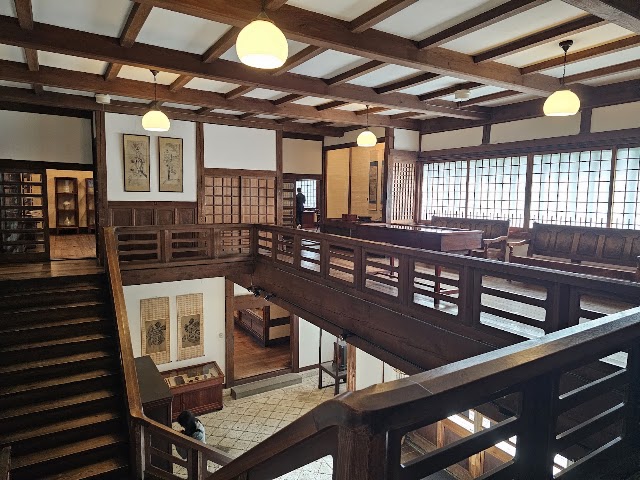
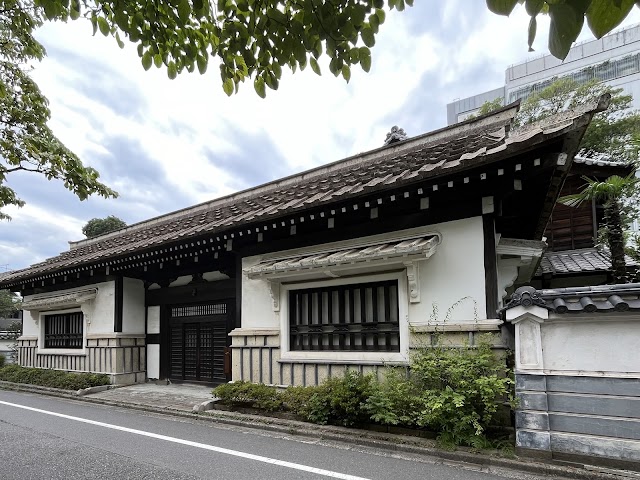
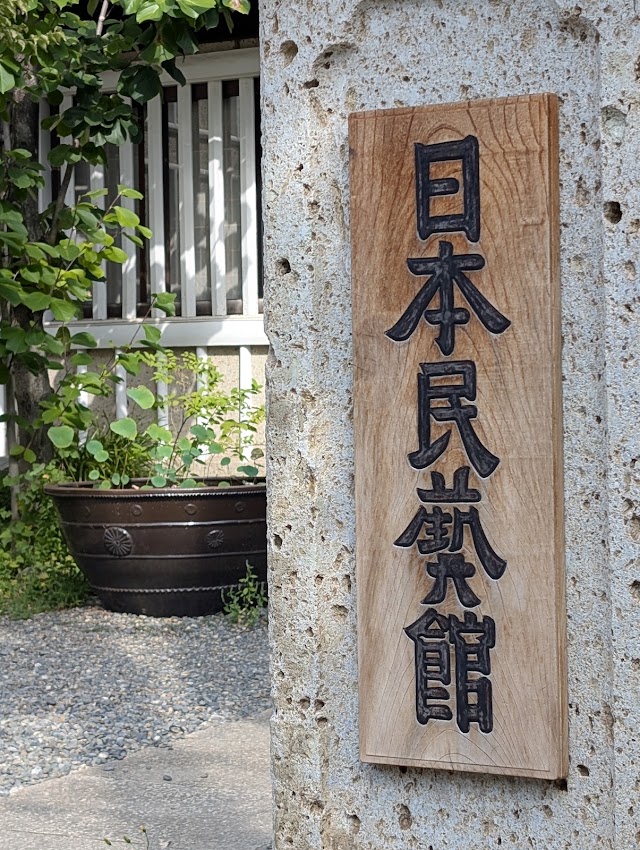
At the other end of the same year is a ninetieth anniversary. The Japan Folk Crafts Museum, founded by Soetsu Yanagi at Komaba in 1936, turns 90 in 2026; the prospectus that established the idea of mingei turns 100. The museum marked it with a special exhibition, Soetsu Yanagi and the Japan Folk Crafts Museum, running from 6 June to 12 August 2026 — the day this article goes live is its last. Missing it is no great loss: the real attraction is the building and the standing collection, Yanagi's own built argument for beauty in use, and those are there all year.
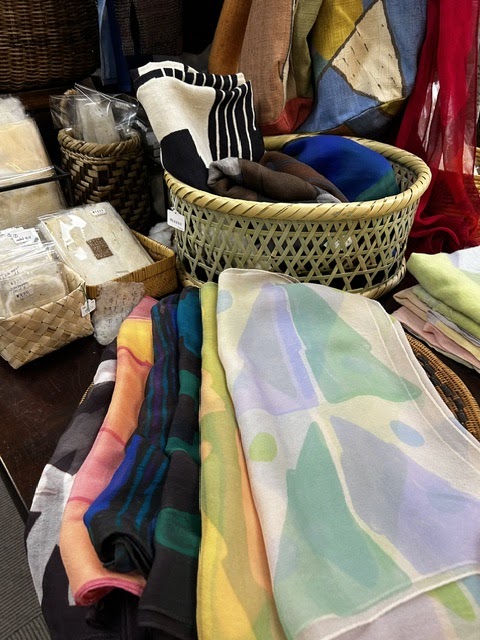
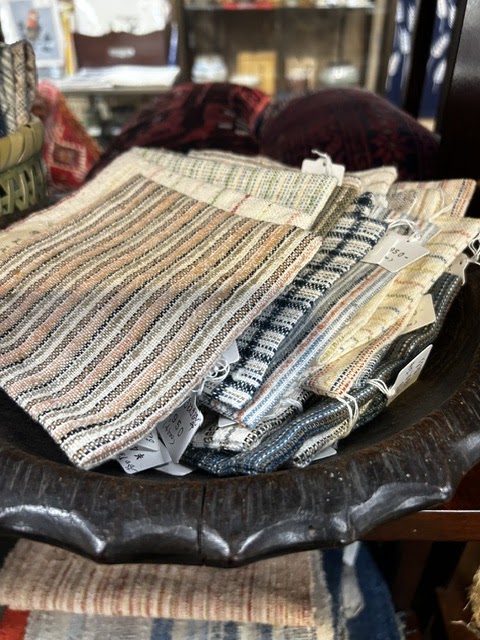
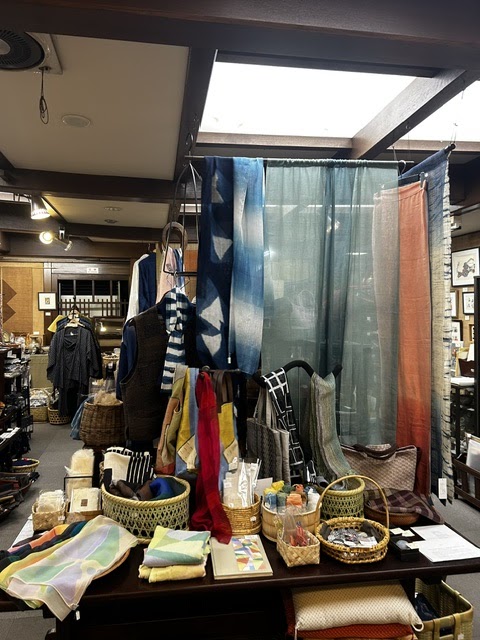
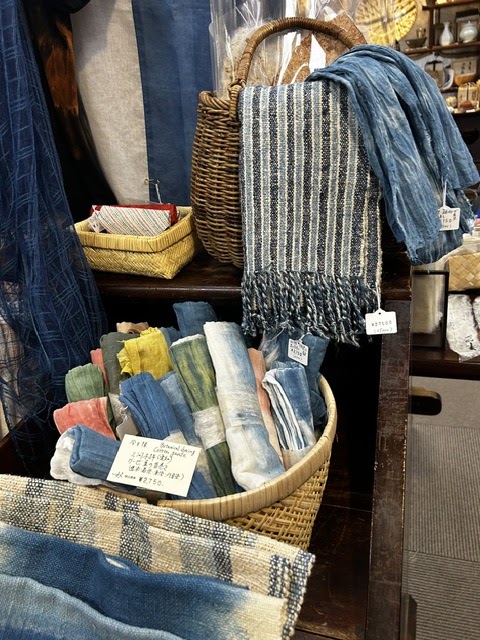
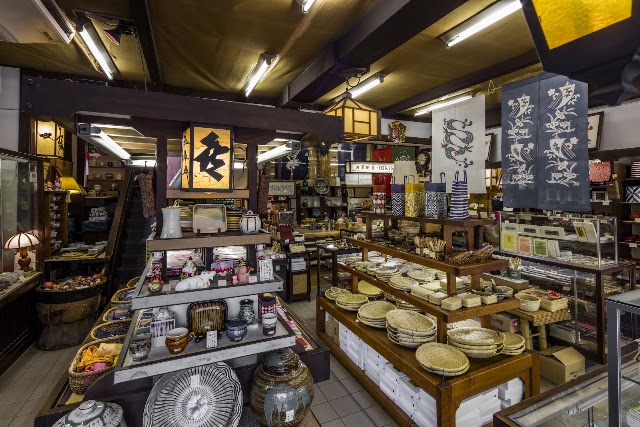
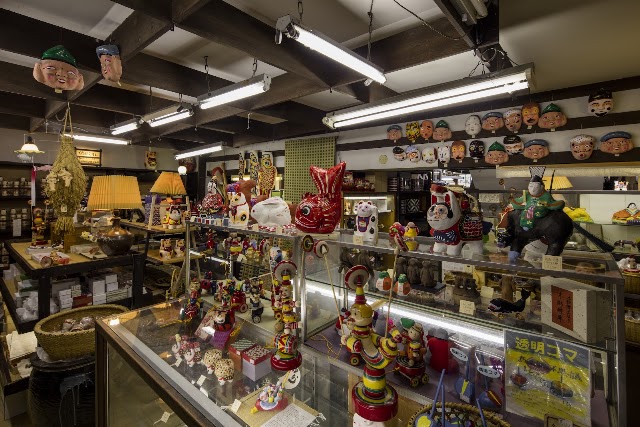
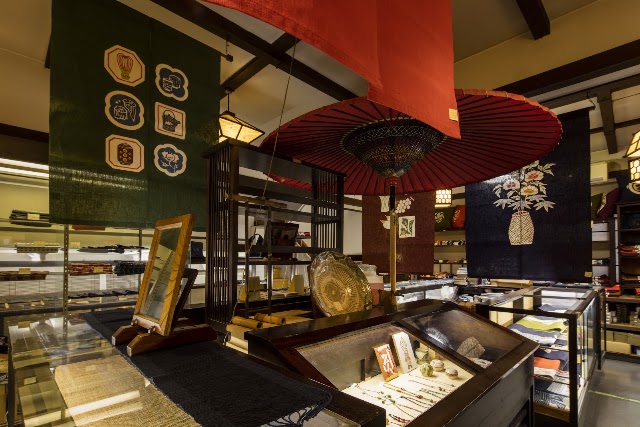
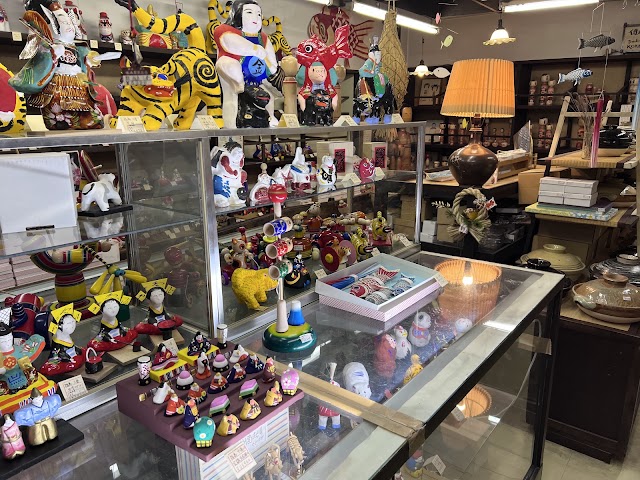
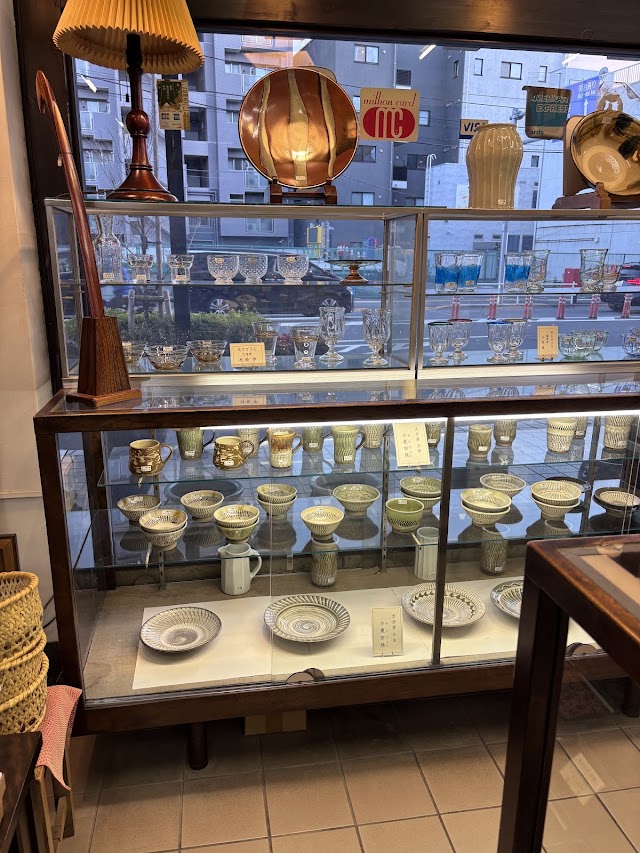
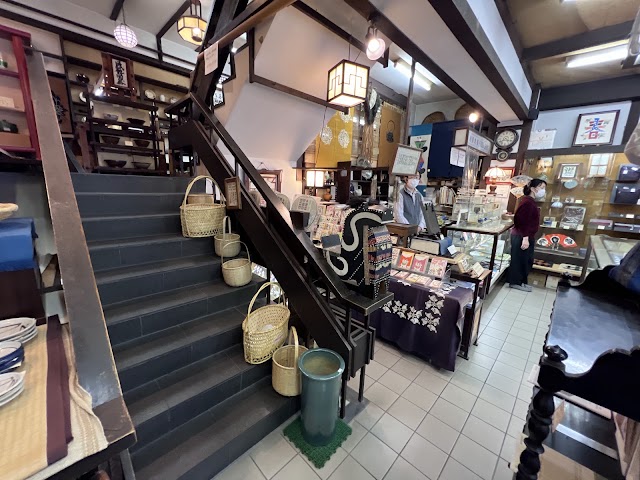
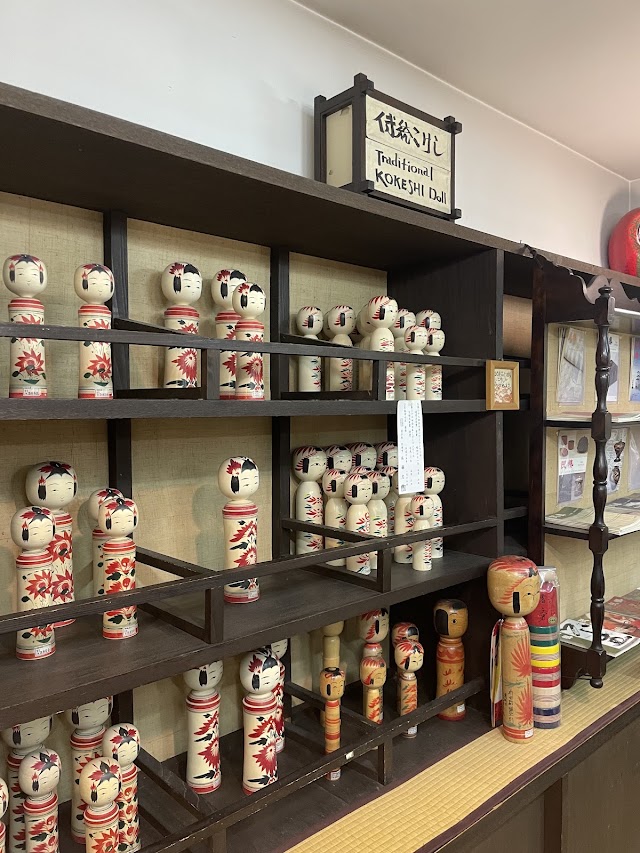
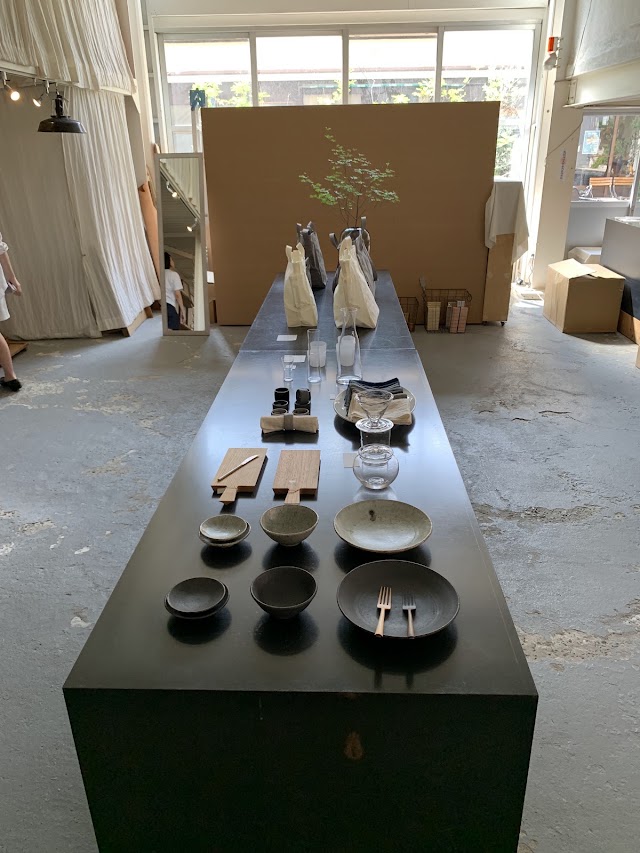
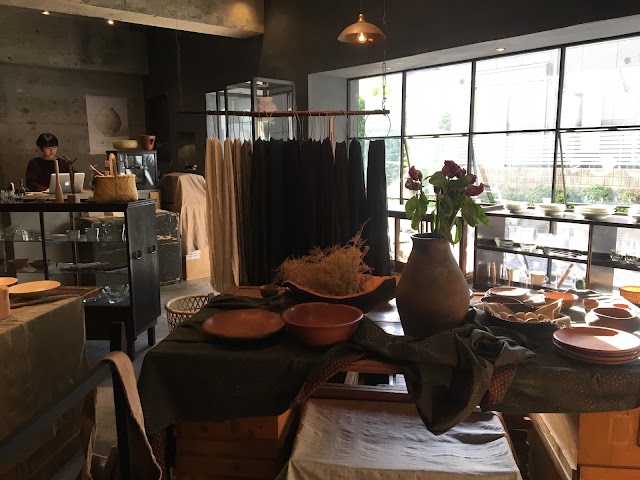
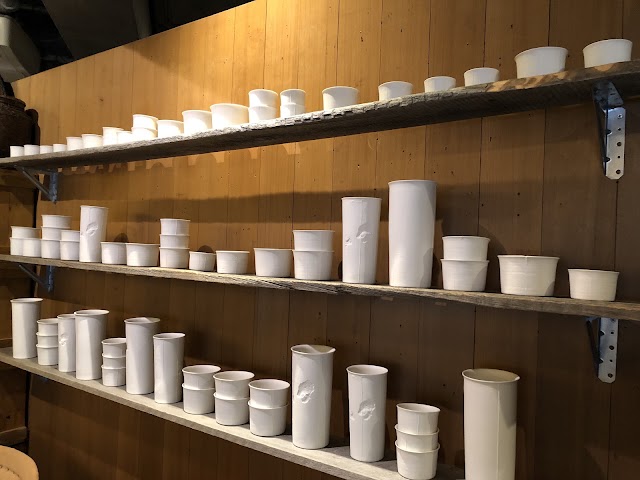
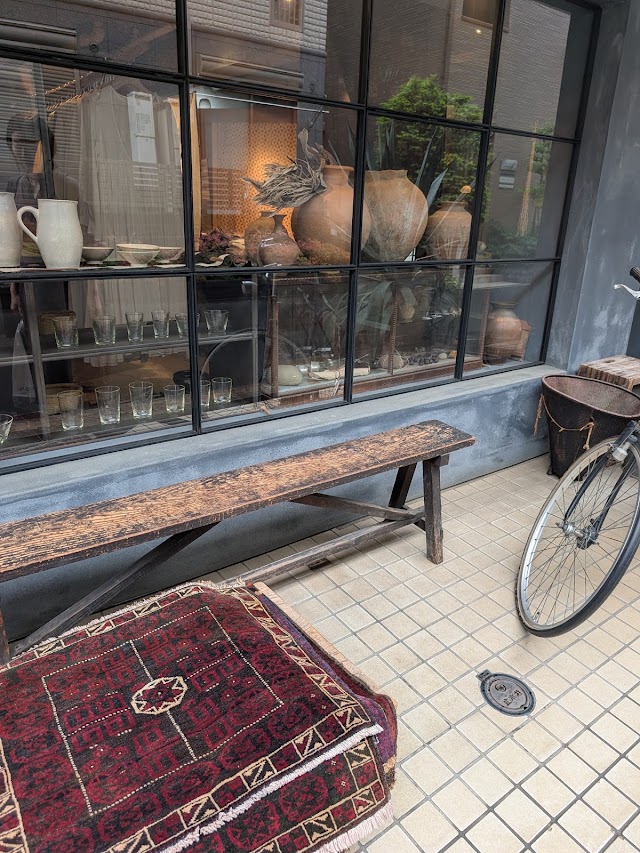
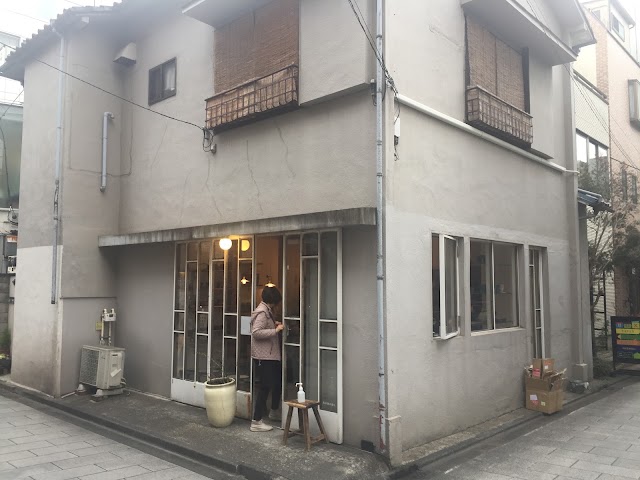
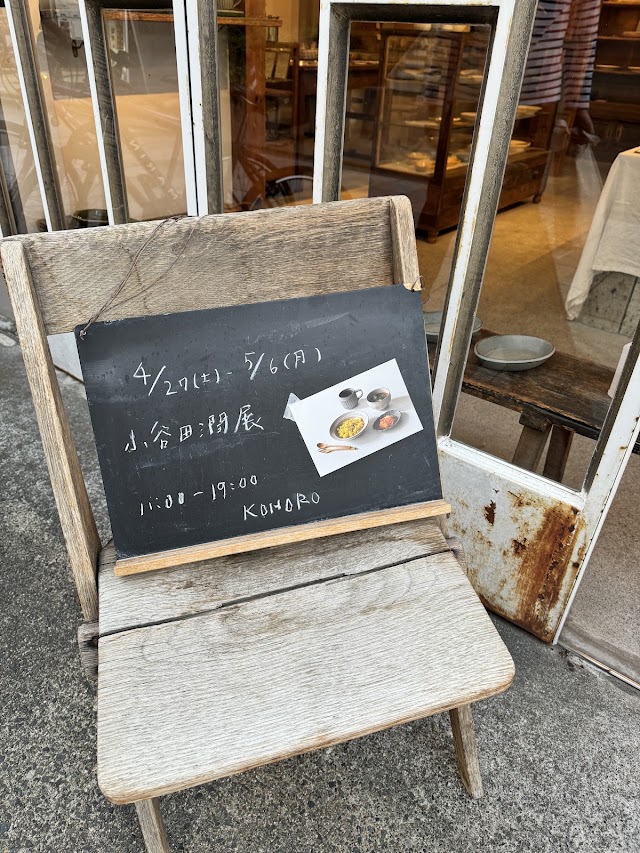
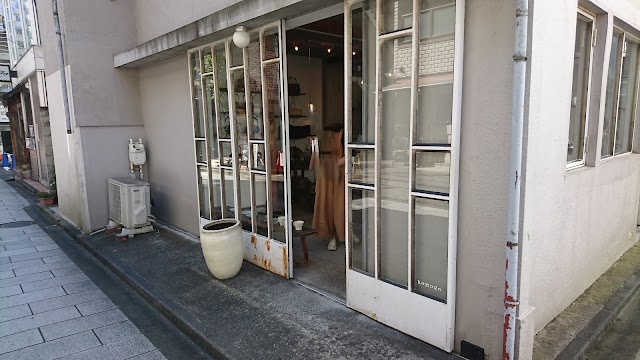
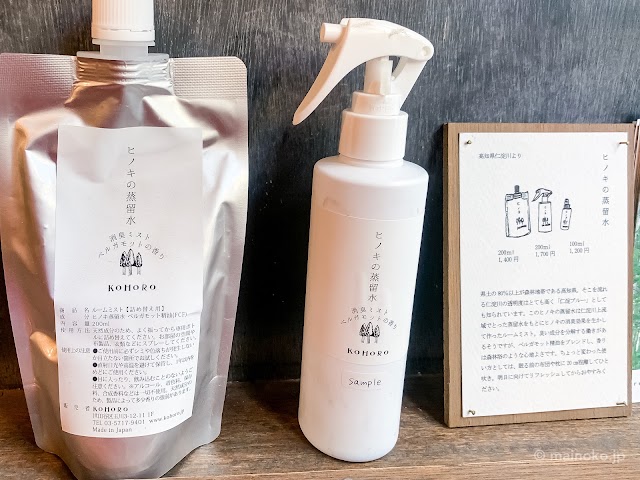
Why should a Taiwanese visitor give half a day to objects? Because this is one of the few categories that is not expensive and genuinely gets used at home. A ¥3,000 plate by a named maker or a ¥5,000 copper canister enters daily life the moment it is unpacked, which outlasts any souvenir. What makes Tokyo unusual is that four different kinds of shop coexist here: folk-craft shops arguing from tradition (Ginza Takumi, Bingoya), a design floor arguing from industrial design (Matsuya Ginza), contemporary selections arguing from one person's eye (Utsuwa Kenshin, OUTBOUND, KOHORO), and a ceramics gallery arguing from the value of the work itself (Kuroda Toen). See all four and you get a three-dimensional answer to why Japanese objects look the way they do.
Two practical warnings. First, these are mostly small independents where scheduled and unscheduled closures are common — Bingoya's 2026 summer break runs 10 to 17 August, squarely across this article's publication. Second, from 1 November Japan's duty-free system becomes a refund system: pay the tax-inclusive price in store and claim it back after customs confirmation on departure. Craft pieces are pricier than used clothing and reach the threshold more easily, but most small shops are not registered duty-free retailers at all, so budget at tax-inclusive prices.
Kappabashi is not included here; that district had its own guide on 9 August. These are the ten worth walking beyond it.
[1] What mingei actually claims. Many people take mingei to mean Japanese rustic style, which is a misreading. Soetsu Yanagi's argument in the 1920s was one sentence long: objects made by unknown craftspeople for everyday use are more beautiful than works that reach for art. He was against beauty as an attachment to decoration and reputation, and for beauty growing out of use itself. It was a radical position. With the potters Shoji Hamada and Kanjiro Kawai, he put regional goods nobody had taken seriously — country bowls, farmers' dyed cloth, mountain-village basketry — into museum cases. In 1936 the Japan Folk Crafts Museum opened at Komaba, and the building Yanagi designed himself is the argument made physical. 2026 is the museum's ninetieth year and the prospectus's hundredth; the anniversary exhibition runs 6 June to 12 August, admission ¥1,500 general and ¥800 for students, open 10:00 to 17:00 with last entry at 16:30, closed Mondays. The history matters to a shopper because it sets the criterion: once you know mingei asks whether a thing has been used well, you stop hunting for pretty and start reading weight, the thickness of a rim, the finish of a foot ring — which is where the price differences actually come from.
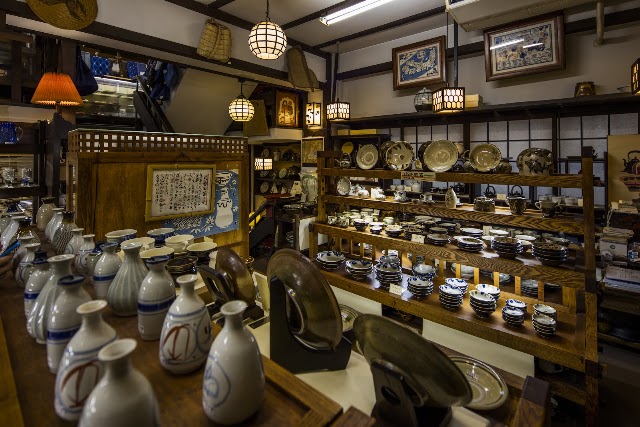
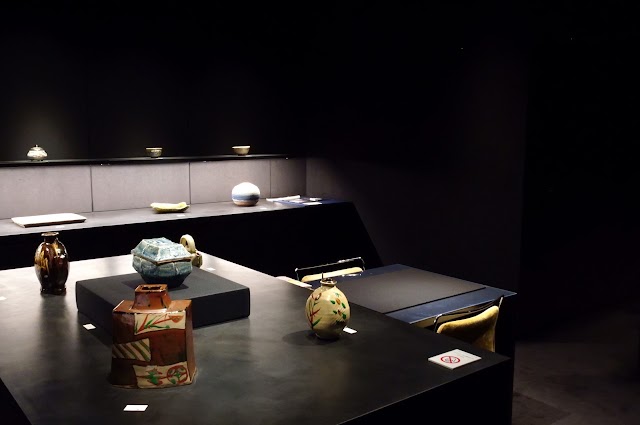
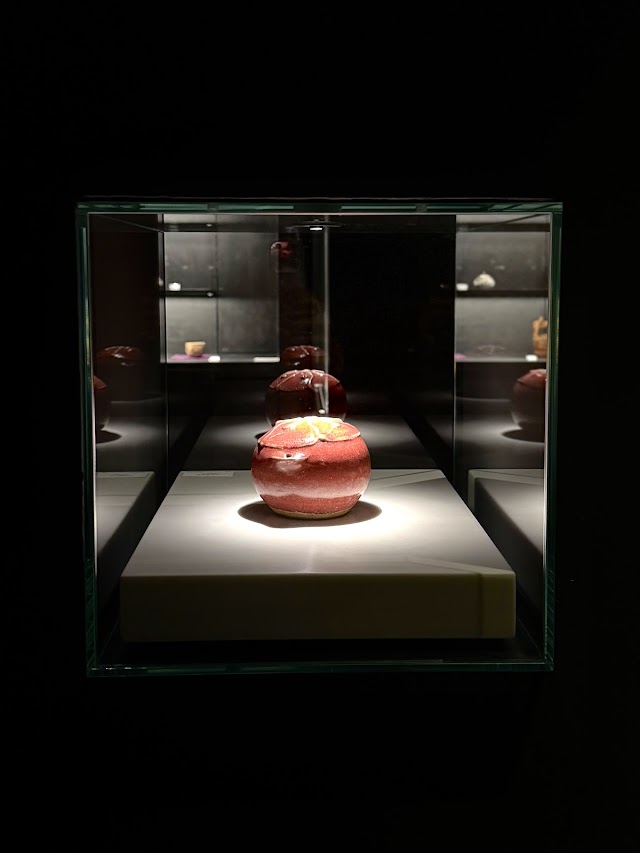
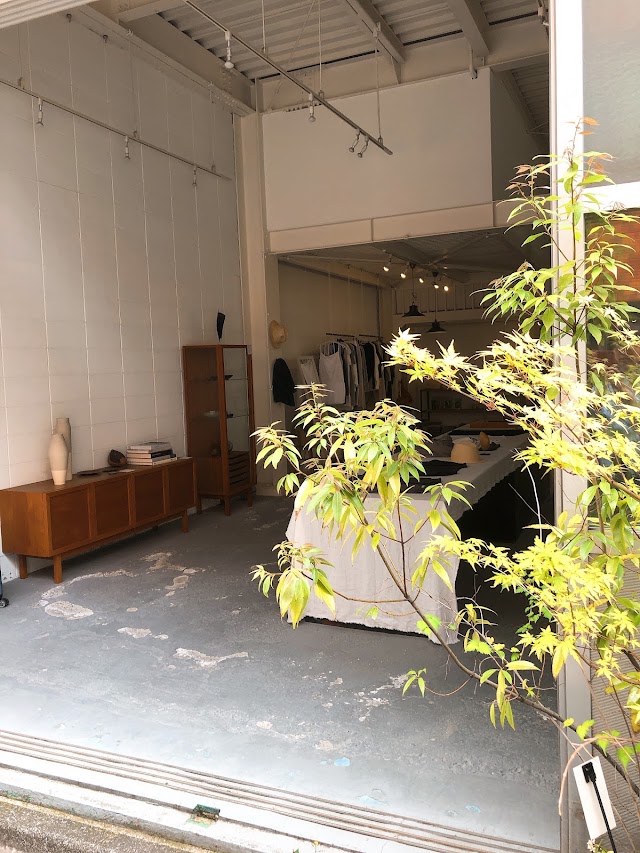
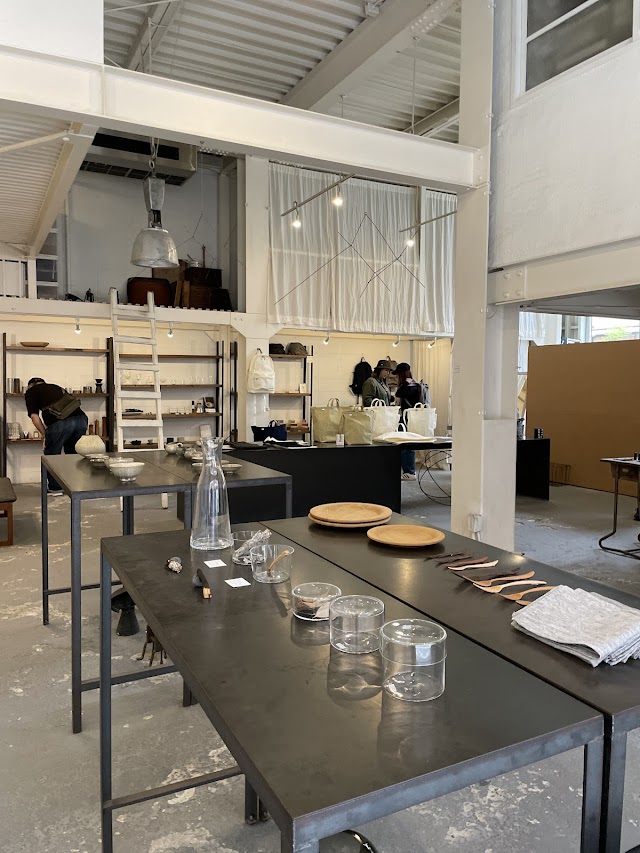
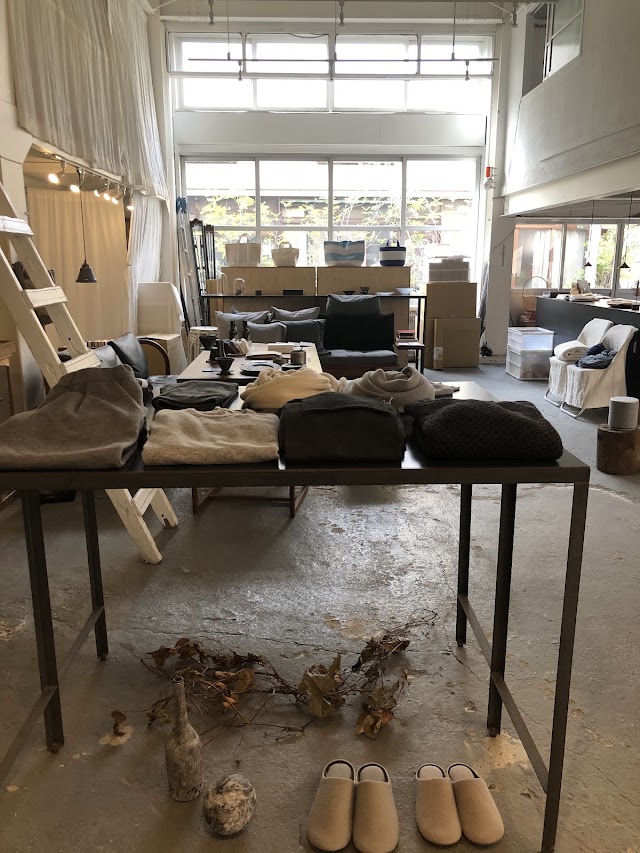
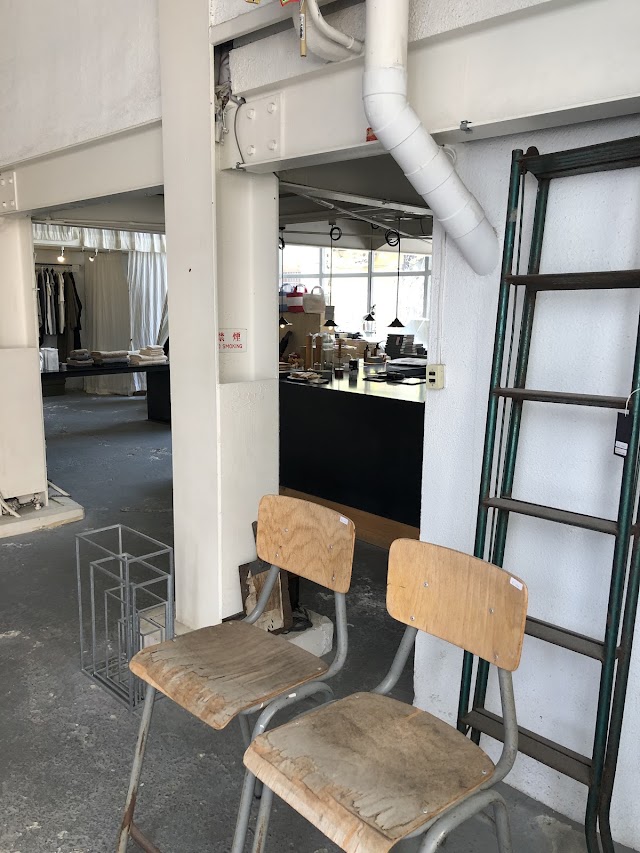
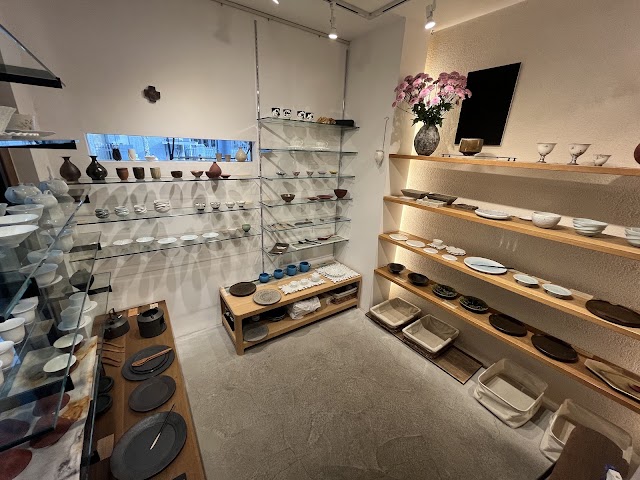
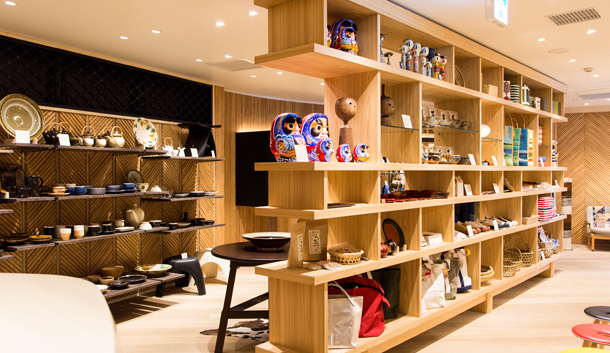
[2] Four kinds of shop, not one. The direct line of the movement: Ginza Takumi, founded in 1933 by a group including Yanagi, Hamada, Kenkichi Tomimoto, Keisuke Serizawa and Naoya Shiga, three years before the museum itself; and Bingoya, a whole building of folk crafts from every region. Both argue from the legitimacy of tradition and place. Design selection: the Matsuya Ginza design floor, opened in 1955 by the Japan Design Committee of Kenzo Tange, Yusaku Kamekura and Taro Okamoto, where each item carries a note on why it was chosen — the case for industrial design and mass production rather than handwork. Contemporary selection: Utsuwa Kenshin in Shibuya, about eleven square metres; OUTBOUND in Kichijoji; KOHORO in Futako-tamagawa. Each is decided by its owner's eye, regardless of origin or age, on whether the thing is good; most stock falls between ¥3,000 and ¥30,000, the easiest band to buy in. And the ceramics gallery: Ginza Kuroda Toen, founded 11 February 1935 with a signboard carved by Rosanjin Kitaoji, its present near-black interior designed by Hiroshi Naito, where prices start above ¥10,000 and reach the hundreds of thousands for major names.
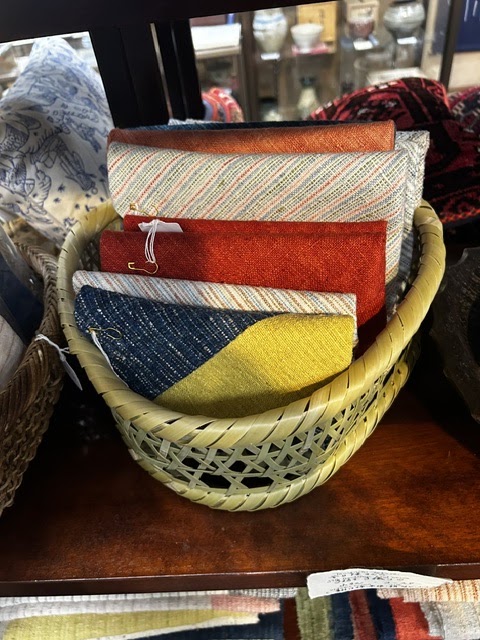
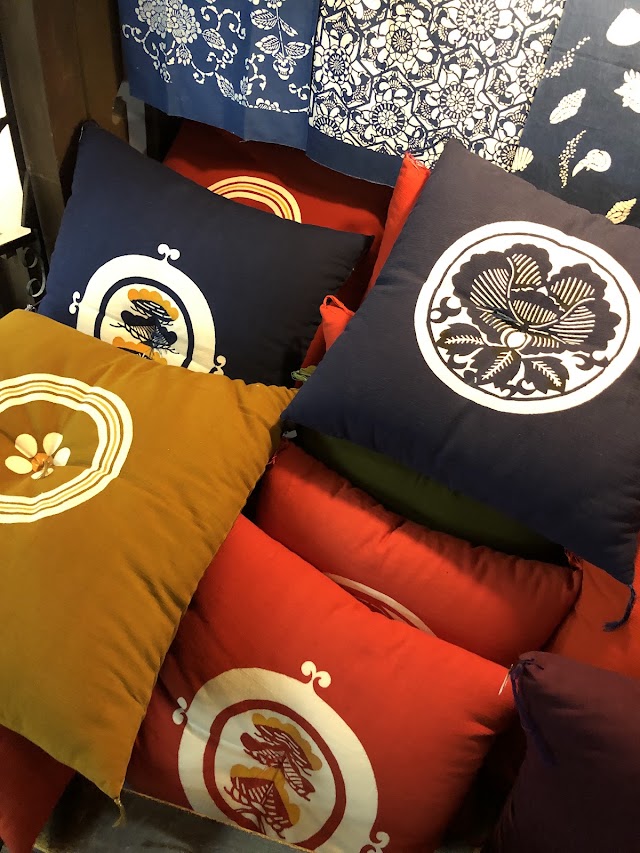
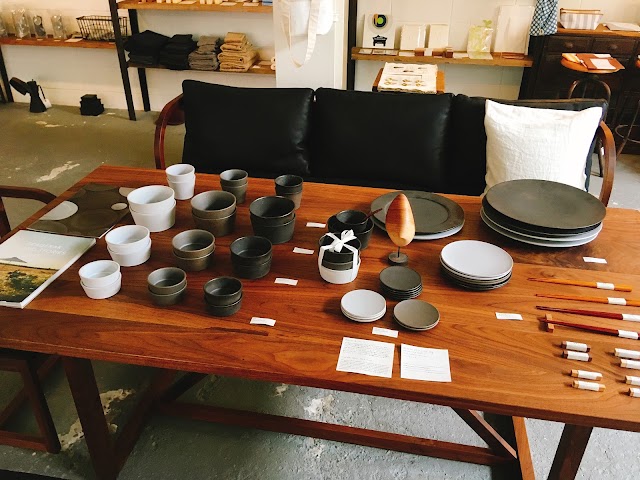
[3] Three price bands. Entry, ¥1,000–3,000: tenugui, small plates, cups, small basketry — standard regional goods where prices vary little between shops, good for taking a batch home. Core, ¥3,000–10,000: bowls and plates by contemporary makers, SyuRo's copper canisters, wooden spoons and boards. Names appear here and price tracks technique and rarity; for one piece to use daily, this is the realistic budget. Works, above ¥10,000: tea bowls, sake vessels, large flower vessels, major names — priced apart from use, on maker, period and rarity, and not something to decide on mid-trip without knowledge. The practical rule is the same as for vintage clothing: do not buy at the first stop. Look at one folk-craft shop and one contemporary selection first, work out what a six-inch plate costs in this city, then go back.
[4] Luggage. Used clothing is heavy; vessels break. Three habits. Prefer small and thick: little plates, cups and sake cups with substantial bodies travel best, while large platters and thin-walled stemware are the real risks. Tell the shop you are flying — Japanese wrapping is careful anyway, but say that you will carry it on a plane and you will usually get an extra layer of bubble wrap or a firmer box. Carry it on rather than checking it: ceramics are fragile, checked baggage is genuinely rough, and vessels are small enough to fit in a cabin case. If you buy a lot, domestic delivery to the airport is well established in Japan.
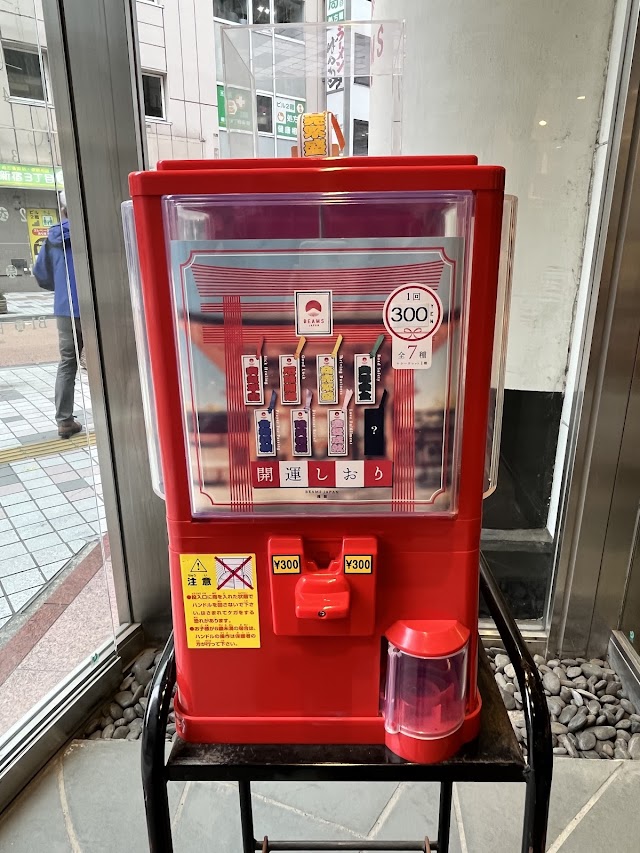
[5] The 1 November duty-free change. Today the tax is waived in store; from 1 November 2026 you pay the tax-inclusive price and claim a refund after customs confirmation on departure, with purchases to be exported within 90 days and the split between general goods and consumables, along with the ¥500,000 ceiling, abolished. Two consequences for craft. Cash flow: you now front 10 per cent and recover it after leaving, and a batch of vessels is not a trivial amount to front. More practically, of the ten shops here only the department store and the chain — Matsuya Ginza and BEAMS JAPAN — will reliably process a refund; most small independents are not registered duty-free retailers at all. Budget at tax-inclusive prices and do not buy extra to reach a threshold.
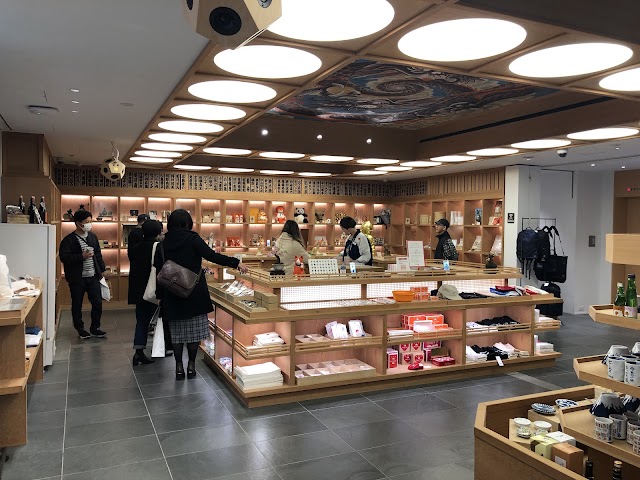
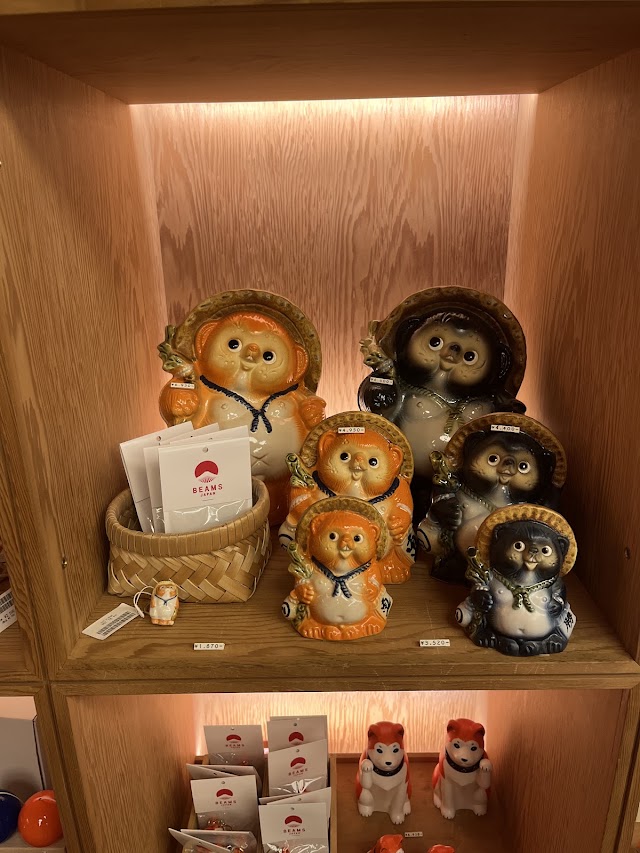
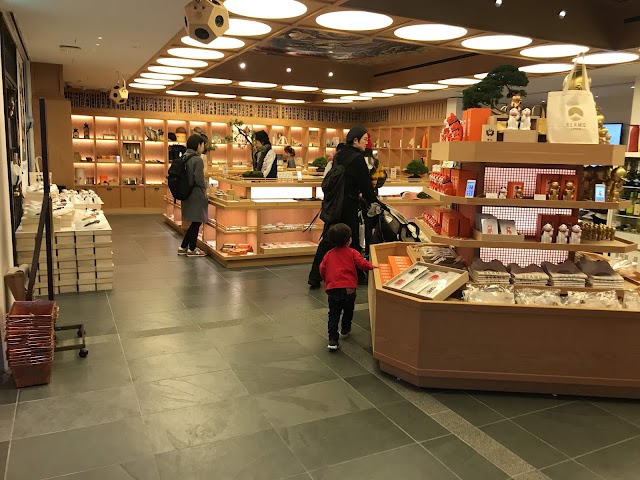
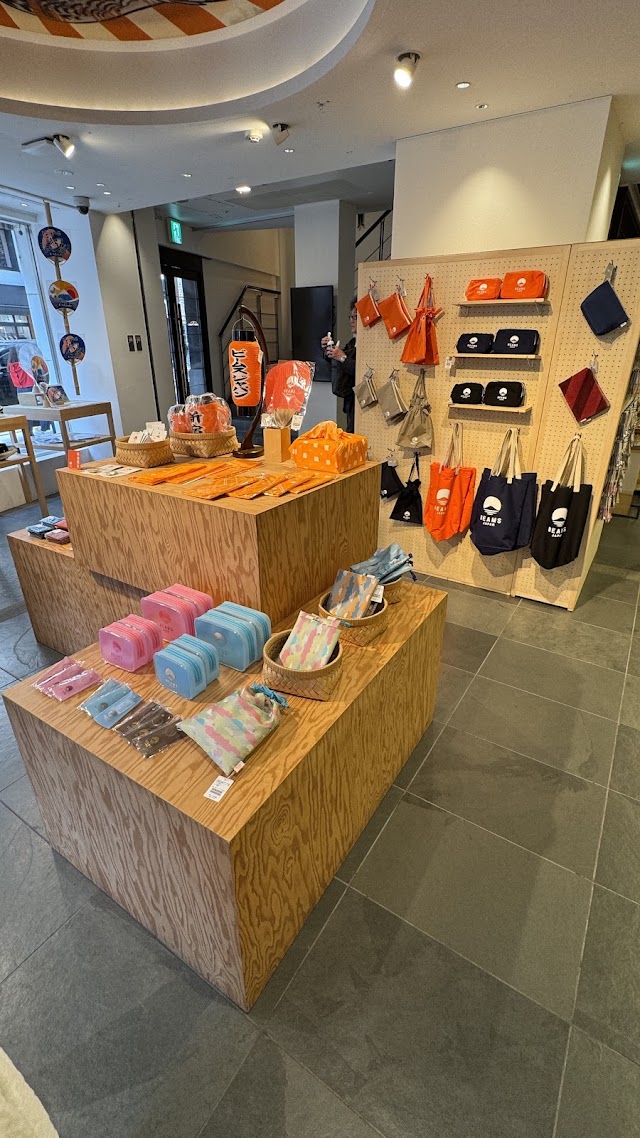
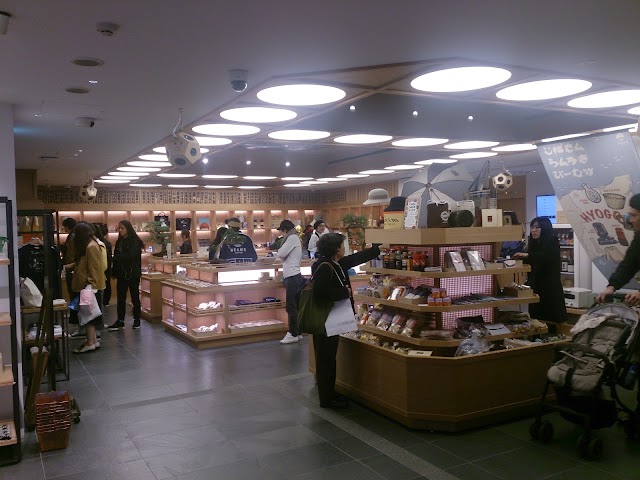
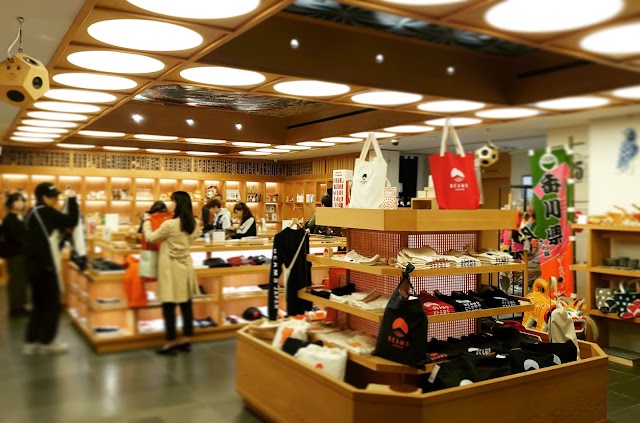
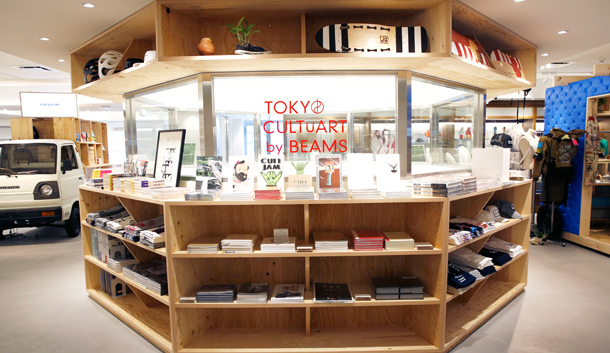
[6] A route in two half-days. Origins and Ginza: the Japan Folk Crafts Museum at Komaba in the morning to set your criteria, then the Inokashira line to Shibuya and the Ginza line into town for Ginza Takumi, Kuroda Toen to see where the ceiling sits, and the Matsuya Ginza design floor for the industrial side; the three Ginza stops are within walking distance. Contemporary and shitamachi: SyuRo in Kuramae for the designer-and-local-factory model, then Utsuwa Kenshin in Shibuya, and if time allows either OUTBOUND in Kichijoji or KOHORO in Futako-tamagawa — pick one, they are far apart. Bingoya at Wakamatsu-kawada can join either day provided you have checked its closures. On a compressed schedule, BEAMS JAPAN in Shinjuku is the only genuine one-stop, open until eight and able to process a refund.
[7] Notes for three kinds of reader. Visitors: this is one of the few categories that is cheap to buy and used every day afterwards, but small shops close often, both on schedule and off, so check the day you go. Residents: exhibitions are the fastest way to get to know makers, most run only five to ten days, and shop social media updates faster than shop websites. Anyone with a commercial interest in Japanese craft: the mingei value argument (beauty in use, anonymity, regional origin) and the contemporary-selection argument (authorship, individual eye) are two separate systems in the Japanese market, with different pricing logic and different customers — do not mix them when buying or representing.
Addresses, phone numbers, opening hours, closing days and ratings for all ten shops were checked against the Google Places API before publication; photographs are officially licensed through Google with photographer attribution.
 Scan for map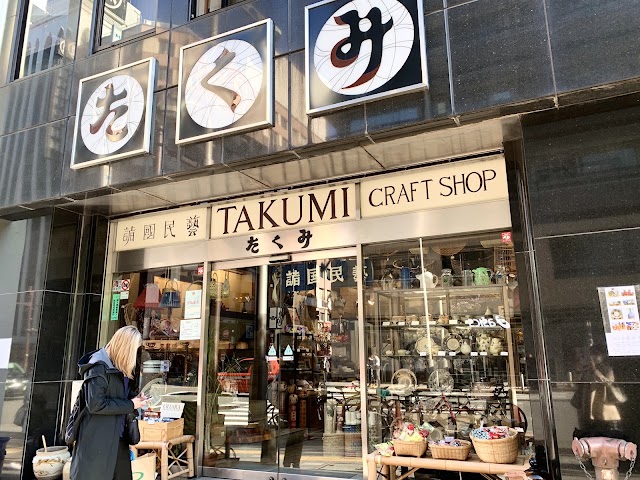
 Scan for map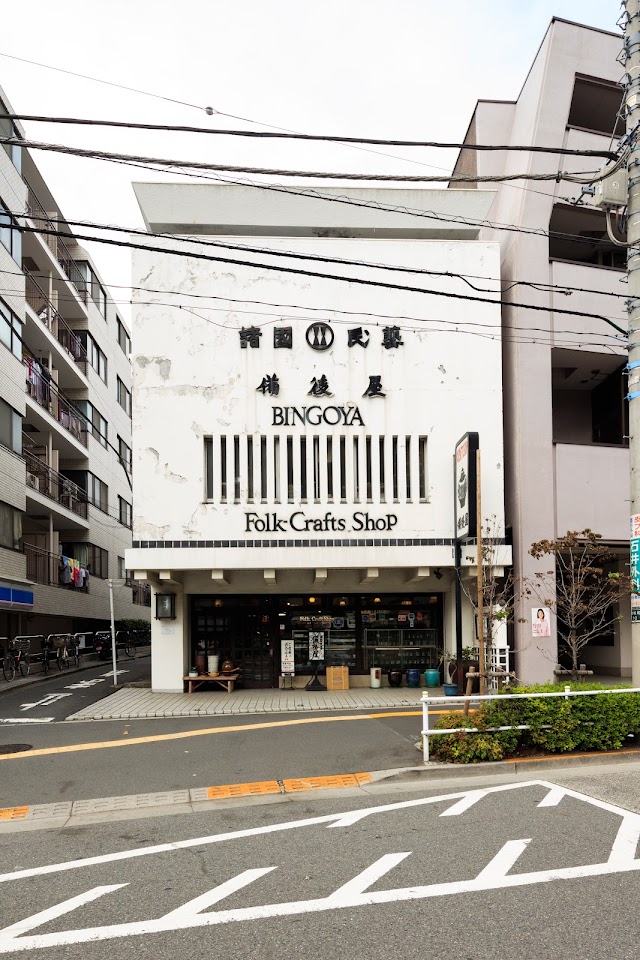
 Scan for map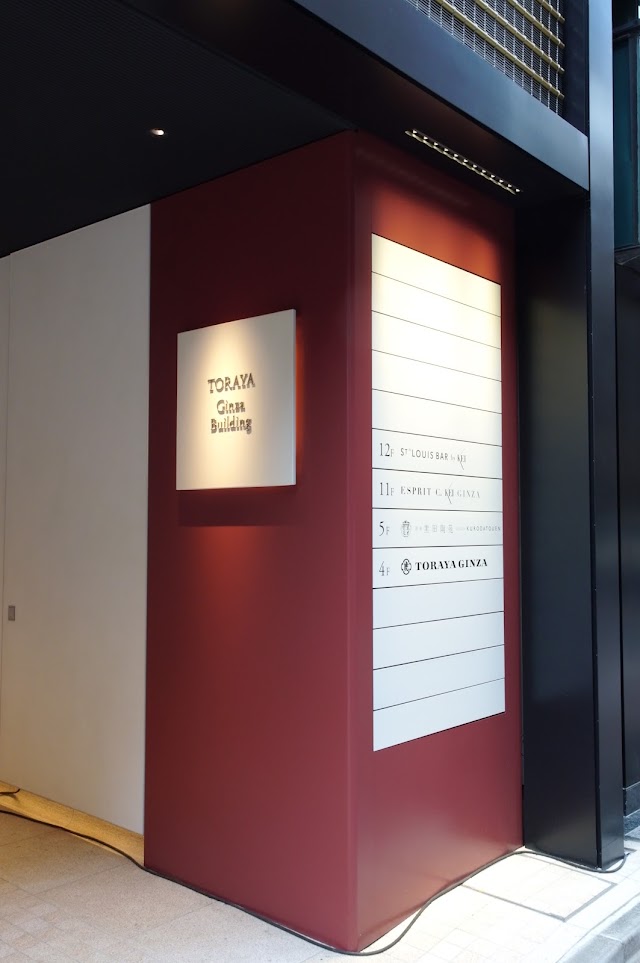
 Scan for map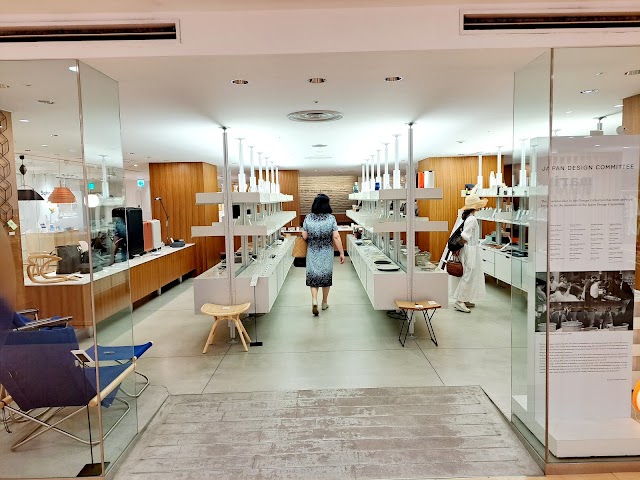
 Scan for map
 Scan for map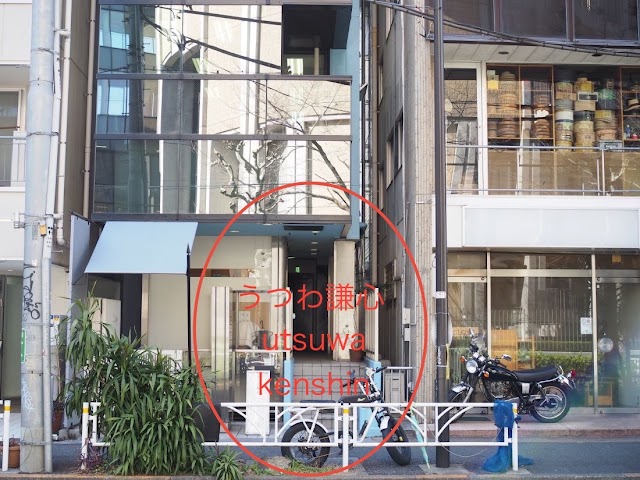
 Scan for map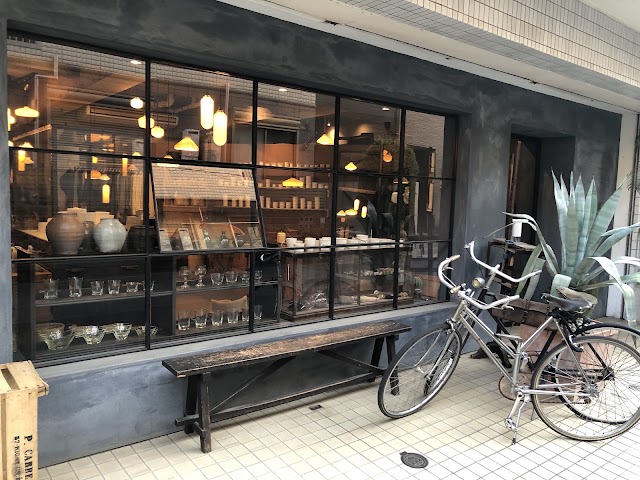
 Scan for map
 Scan for map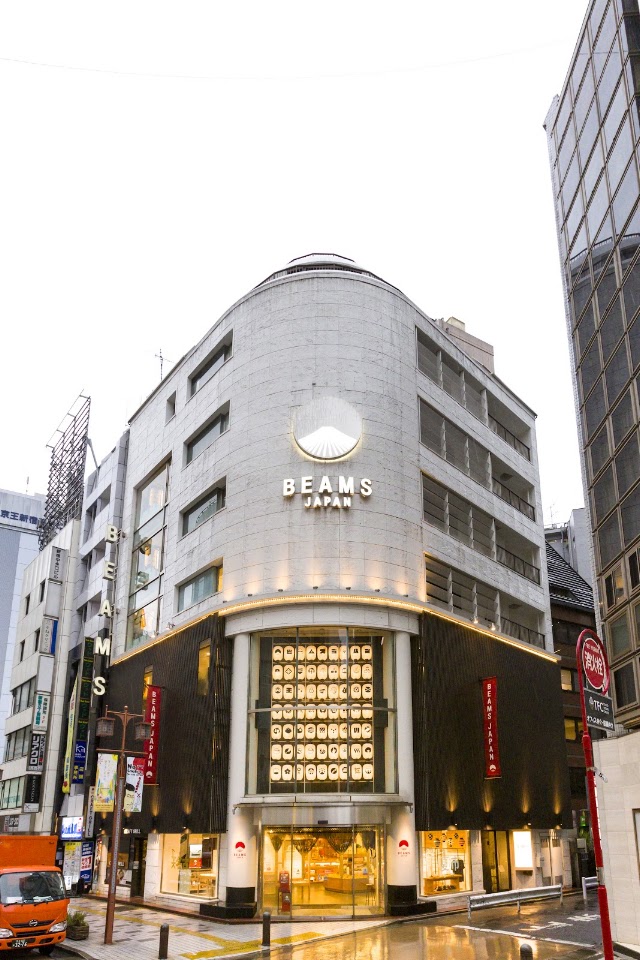
 Scan for map