Foreign Residents Turn Population Positive in Kawaguchi and Nagoya
- Saitama's Kawaguchi City ranks third in foreign resident growth
- Nagoya is second, benefiting from an influx of foreigners
- The top city remains undisclosed but leads in foreign population increase
If you are looking at rental yields in Japan, or thinking about sending a child to school there, this ranking is worth more than any population white paper. Toyo Keizai lists the municipalities where Japanese residents are falling but foreign residents are rising by more, so total population grows. Kawaguchi in Saitama is third; Nagoya in Aichi is second.
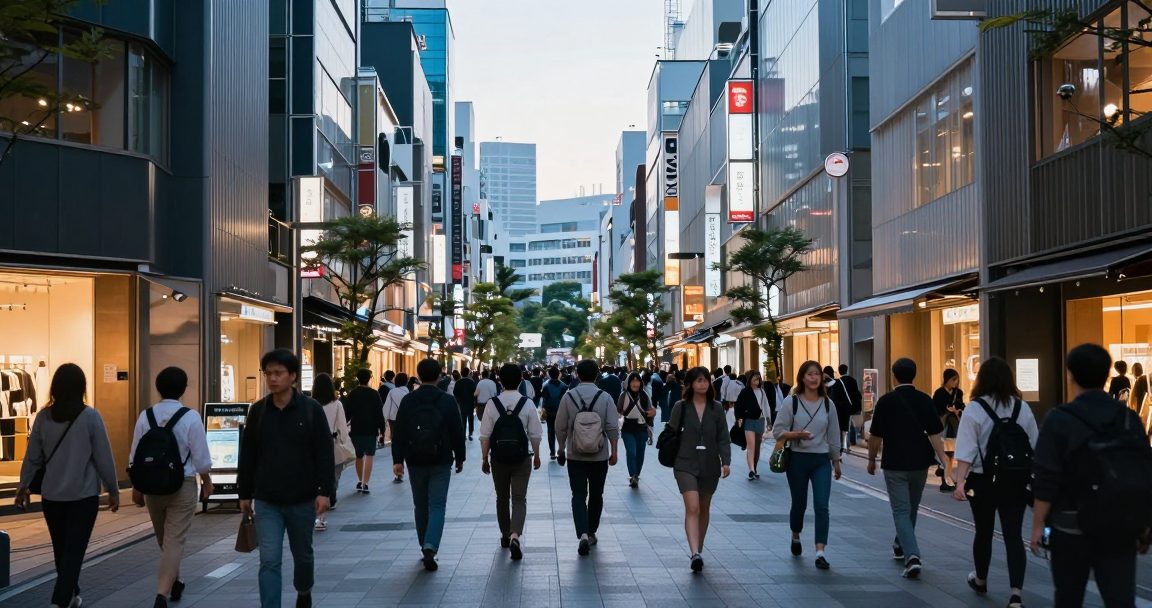
Read the definition carefully. These are not regional revival stories. The Japanese resident count keeps falling; the increase in foreign residents more than offsets it. The population turns positive because the resident mix is changing. What Kawaguchi and Nagoya share is plain: both sit inside a major metropolitan commuting radius, with rents below the core and jobs within reach. People choose commute time divided by rent, not the name of a ward.
That matters more for property than for demography. Rental demand is carried by whoever lives there. Where the total holds up because of foreign residents, so do rents, shops, schools and clinics — and neighbouring municipalities without that inflow keep sliding.
Expect concentration first, then spillover to outer areas as rents rise. Screen districts on commute time, actual rent bands and existing foreign resident numbers. And watch the one trend that has not stopped: the pace of Japanese population decline.