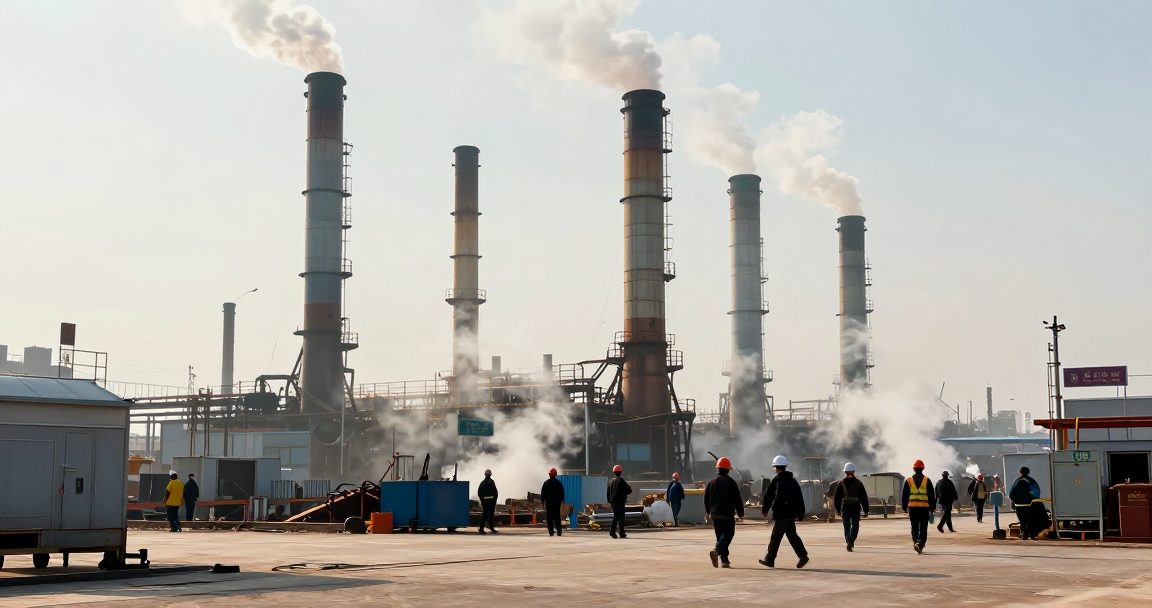
Super El Nino Threatens Up to 20% Food Price Inflation in Japan

- 2026 may see the strongest El Niño event, causing global weather anomalies.
- Rising oil prices and yen depreciation could drive food costs up to 20%.
- Energy shortages intensify, impacting manufacturing output.
For anyone travelling to Japan, trading Japanese food products, or running a restaurant there, the pressure over the coming year may come from the dinner table rather than the exchange rate. Toyo Keizai lays out the risk of a record-scale super El Nino in 2026: abnormal weather worldwide, combined with higher crude prices and a weak yen, could push food prices up by as much as 20 percent, alongside energy supply strain. India has already restricted sugar exports, and coffee beans are climbing.
The 20 percent figure is not one shock but three stacked: weather lifting raw commodities, crude lifting freight, packaging and processing, and the weak yen raising the yen cost of every imported input. Japan has little buffer against any of them, because inputs, energy and processing all trace back to imports.
India's sugar move shows how these crises actually spread. Weather hits output, output shapes export policy, and export policy moves world prices. That middle step is political, and it moves faster and harder than the weather.
Importers should pull purchasing forward and quote with room for a 20 percent jump. Operators in Japan should map which menu items are most exposed to imported inputs and power bills now, not after margins are gone. Watch new export restrictions, broad rather than single-item price notices, and crude and the yen moving against Japan together.