Tokyo Room Rates Up 17.4% in a Year While Sauna Hotels Hold at ¥3,300: Ten Evolved Capsule Hotels, Five of Them Open to Women
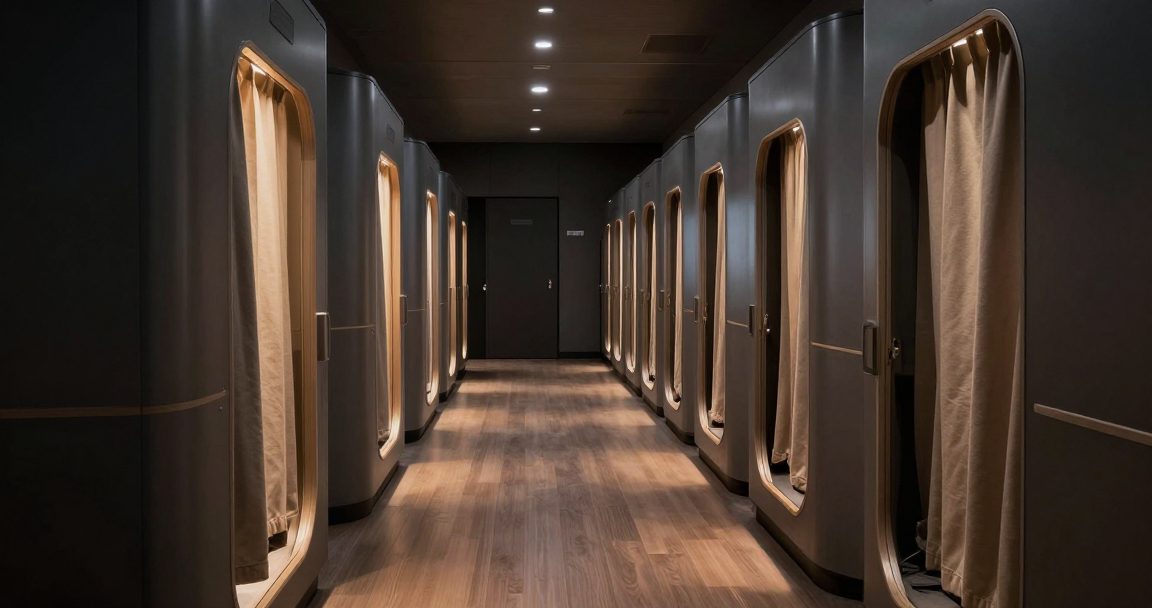
- HotelBank data puts Tokyo's all-category ADR at ¥42,600 in April 2026, up 17.4% year on year; the cheapest of the ten sauna hotels here starts at ¥3,300.
- Tokyo's accommodation tax currently exempts stays under ¥10,000; from 1 April 2027 it becomes a flat 3% with the exemption raised to under ¥13,000, leaving capsule stays exempt either way.
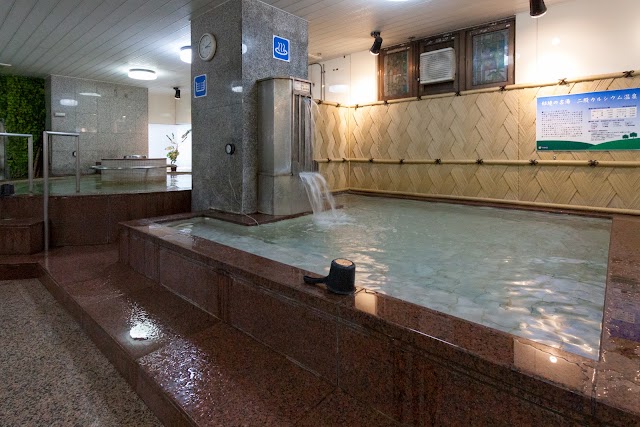
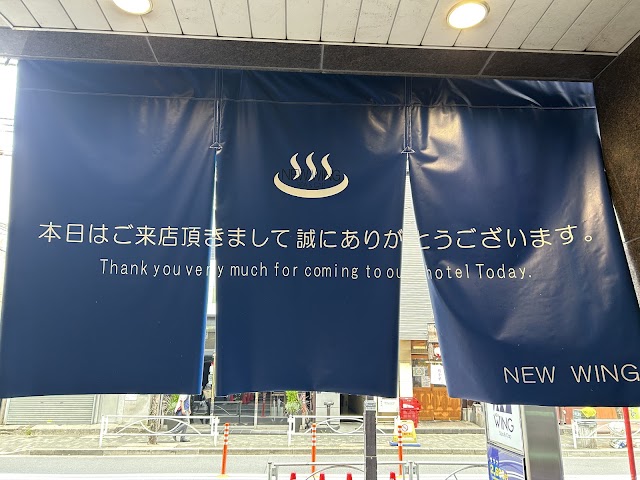
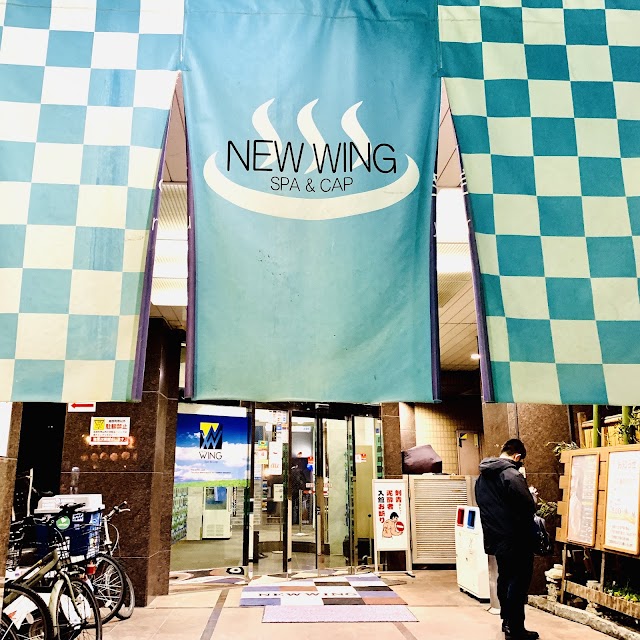
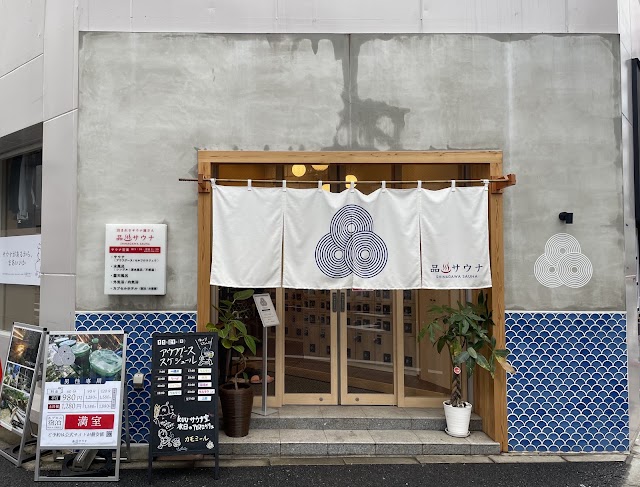
- Since 2015 the format has split in two: sauna-led (Karumaru's four rooms, New Wing's swimmable cold bath, Shinagawa Sauna's three cold-bath temperatures) and sleep-led (nine hours' cocoon capsules with sleep analysis, Do-C's floor separation).
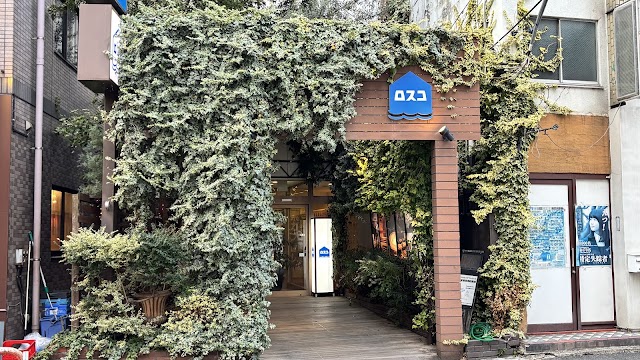
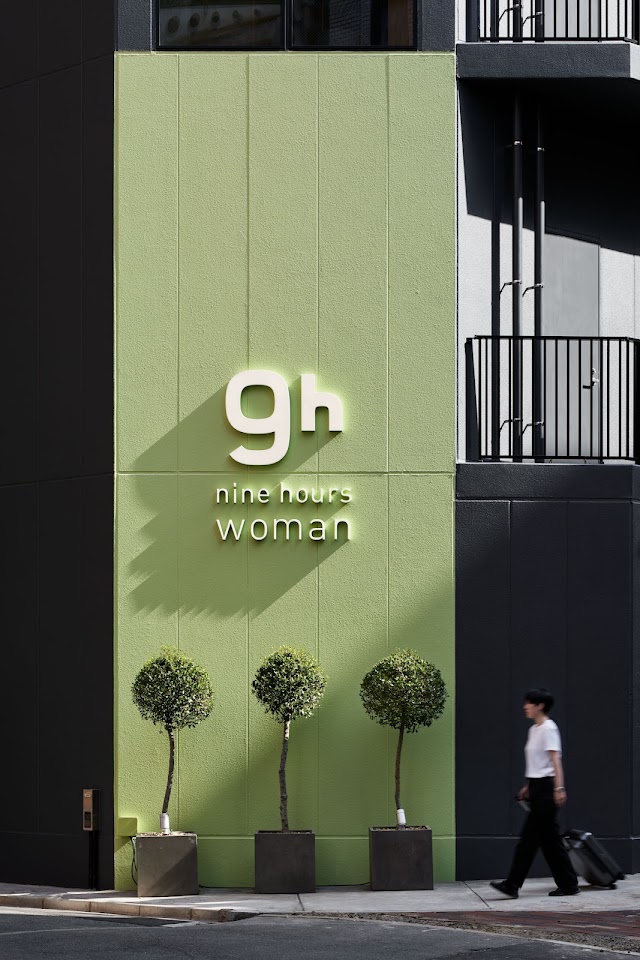
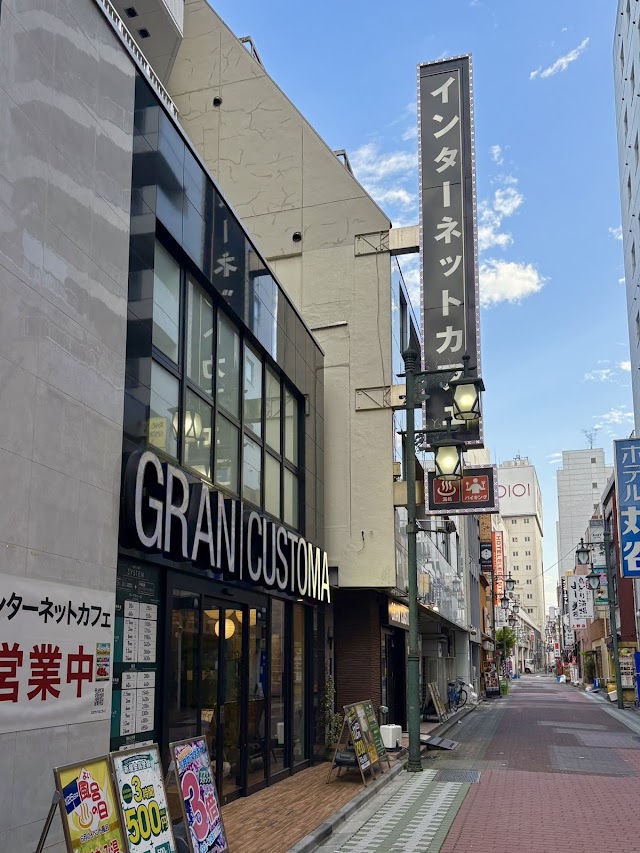
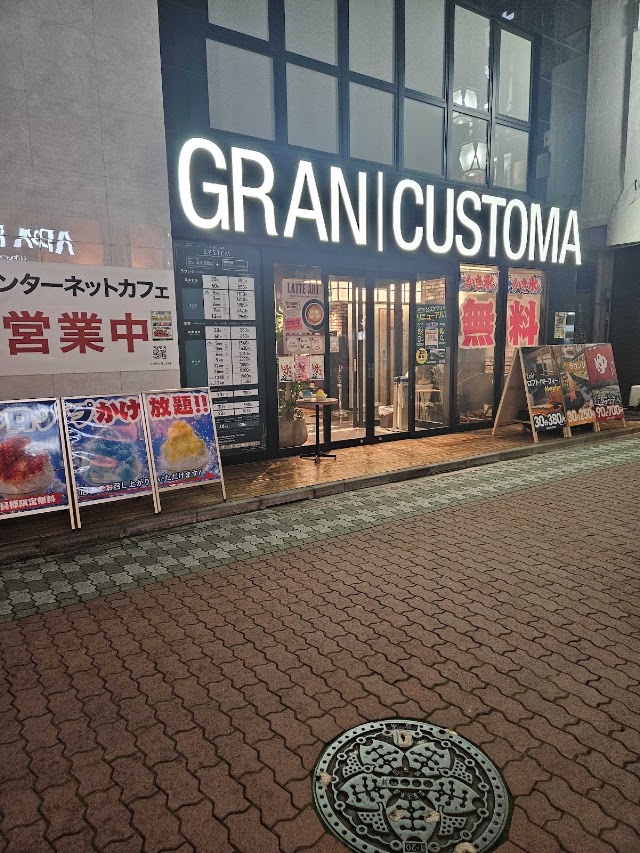
- Five of the ten admit women: Rosco Komagome, Do-C Ebisu (women's floor), nine hours woman shinjuku (women only), Smart Stay SHIZUKU Oimachi (IC-card women's floor) and Gran Custama Ueno.
- Rates move far more than at business hotels: in one sample week of July 2026 the same Karumaru capsule ran about ¥4,980 on a Sunday and ¥9,280 on a Saturday.
- Six things to check first: gender policy by property not brand, tattoo rules, luggage size, morning checkout on consecutive nights, valuables lockers, and cleaning closures of the bathing areas.
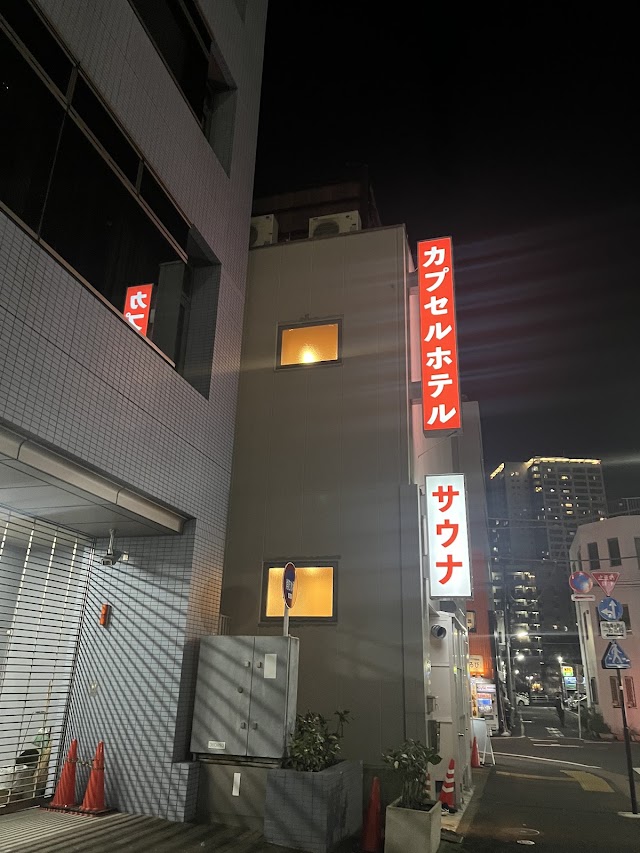
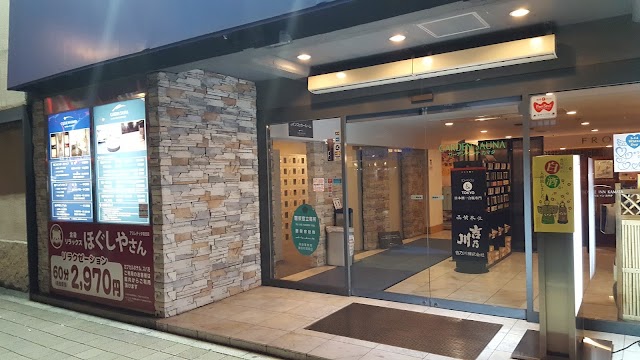
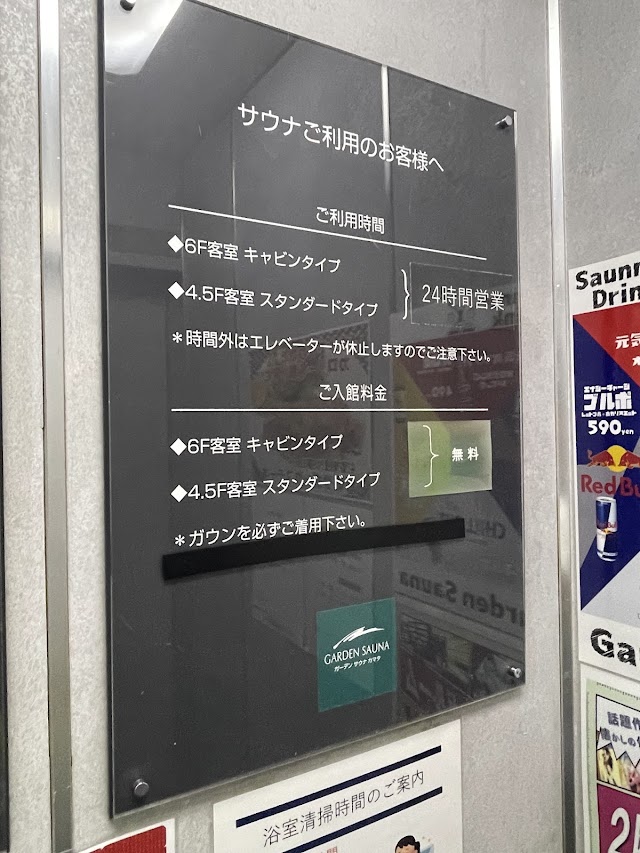
- Airport logic: Hokuou for Narita (one minute from Ueno's Asakusa exit, direct Skyliner); Shinagawa Sauna, Smart Stay SHIZUKU or Garden Sauna Kamata for Haneda.
Put two numbers side by side. Our business-hotel guide of 9 August cited the industry data site HotelBank: the all-category average daily rate in Tokyo reached ¥42,600 in April 2026, up 17.4 per cent year on year. Over the same period, the cheapest of the ten sauna hotels in this guide charges ¥3,300 a night and the most expensive starts around ¥5,300 midweek. That is not a gap; it is an order of magnitude.
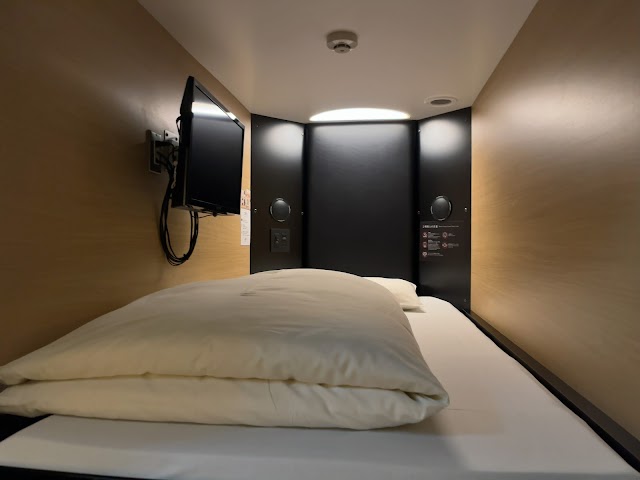
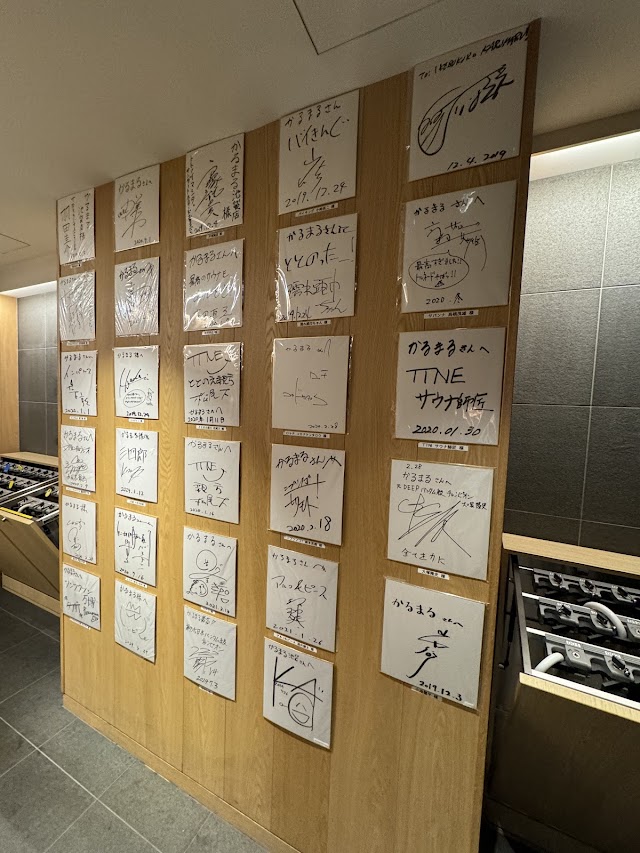
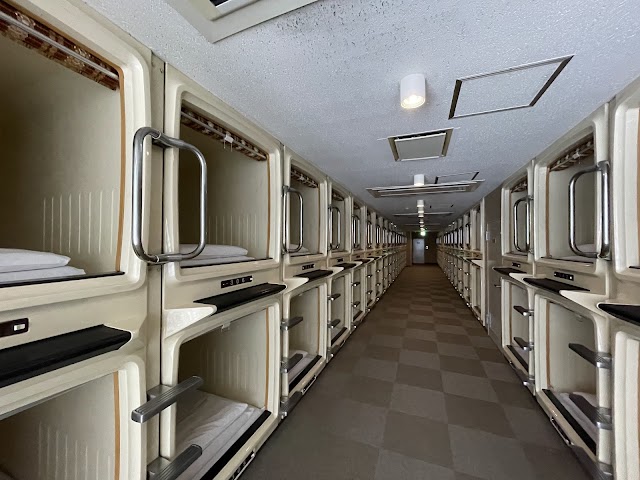
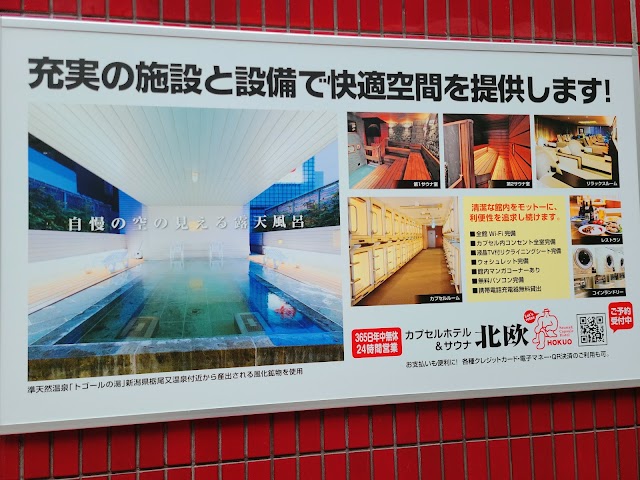
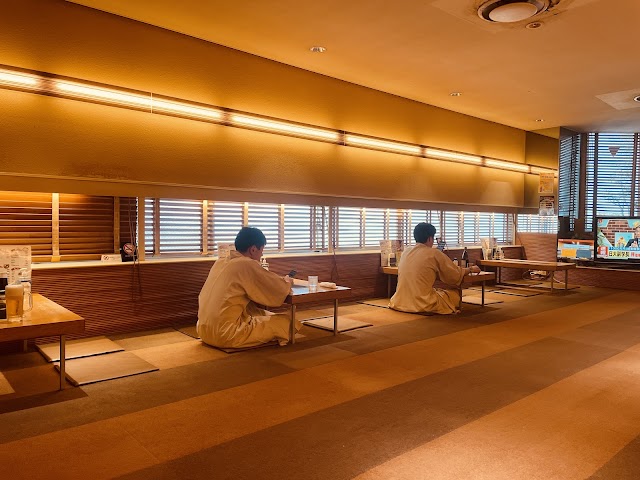
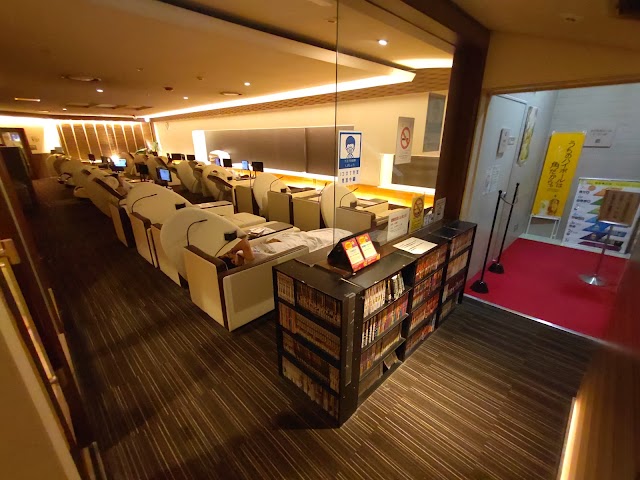
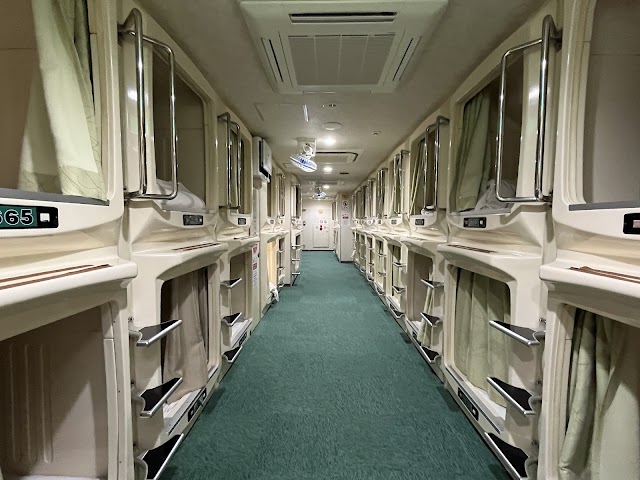
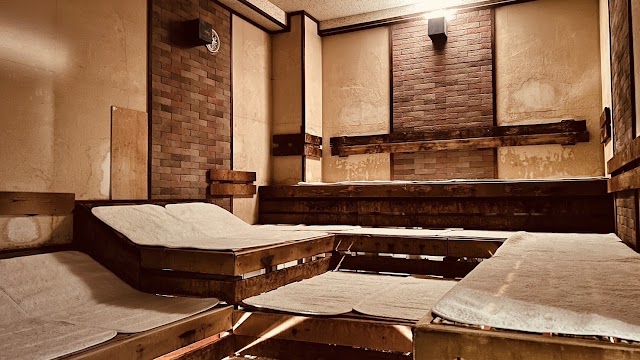
For most Taiwanese travellers the phrase capsule hotel still means cheap, cramped and nothing better available — the first-generation image dating from the original Osaka capsule hotel of 1979. The real change came after 2015, along two lines. One makes the sauna the main event and the bed an extra: Karumaru in Ikebukuro, Hokuou in Ueno, New Wing in Kinshicho. The other treats sleep itself as the product: nine hours and Do-C. In the first you are paying for four saunas and five baths; in the second for one good night and a short walk from bath to bed. Neither is a place you stay because you are broke.
Three practical points. First, women can use only a minority of these: five of the ten here are mixed or women-only, and branches of the same brand can have opposite policies, so read the specific property. Second, rates swing far harder than at business hotels — the same capsule at Karumaru can be under ¥5,000 on a Sunday and close to ¥9,000 on a Saturday, so flexible dates halve the bill. Third, tattoos: most sauna facilities still refuse bathers with them, and it is worth a phone call rather than a surprise at the desk.
One timing point is worth noting. Tokyo's accommodation tax currently exempts stays under ¥10,000 a night; from 1 April 2027 it becomes a flat 3 per cent of the room rate, with the exemption threshold raised to under ¥13,000. Capsule stays in the ¥3,000–6,000 band are exempt now and stay exempt after the change, while a ¥40,000 hotel room will cost an extra ¥1,200 a night.
[1] What actually evolved. The capsule hotel began in Osaka in 1979, designed by the architect Kisho Kurokawa as a box for salarymen who had missed the last train, and for thirty years the format stayed tied to the idea of making do. The wave that began around 2015 changed everything except the box.
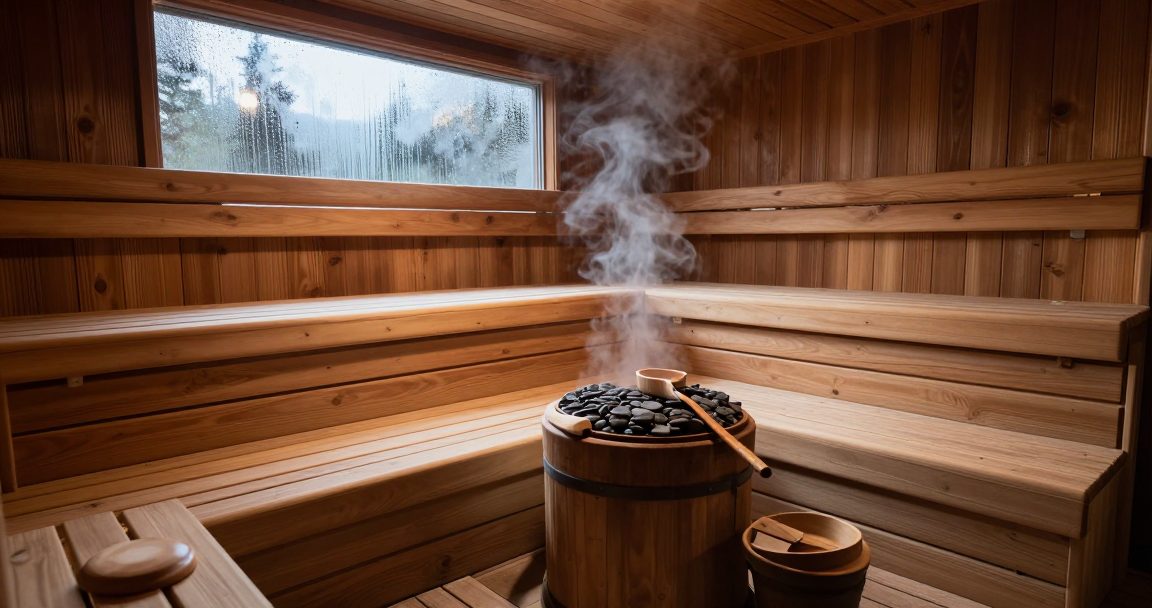
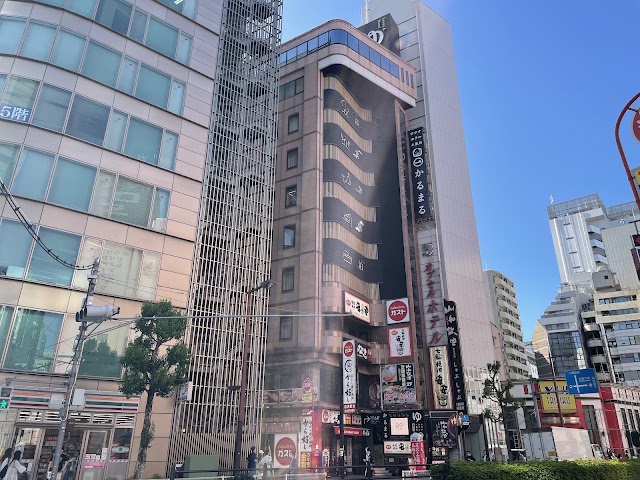
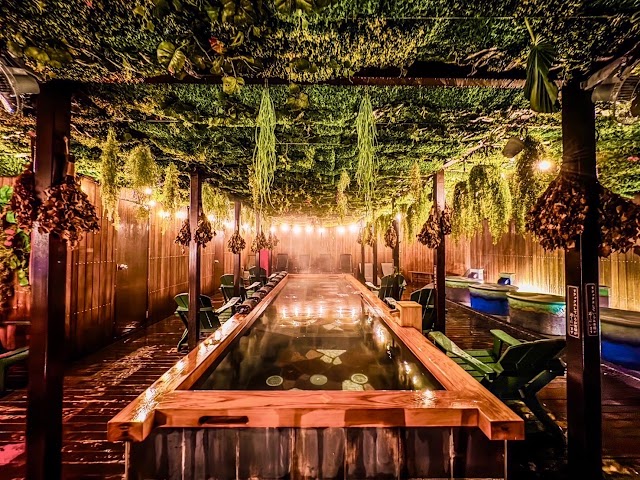
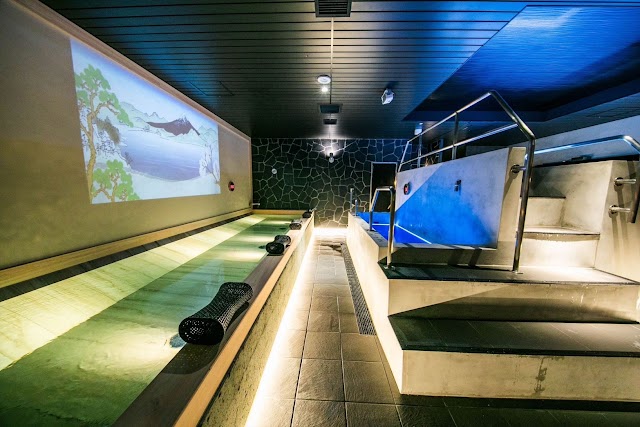
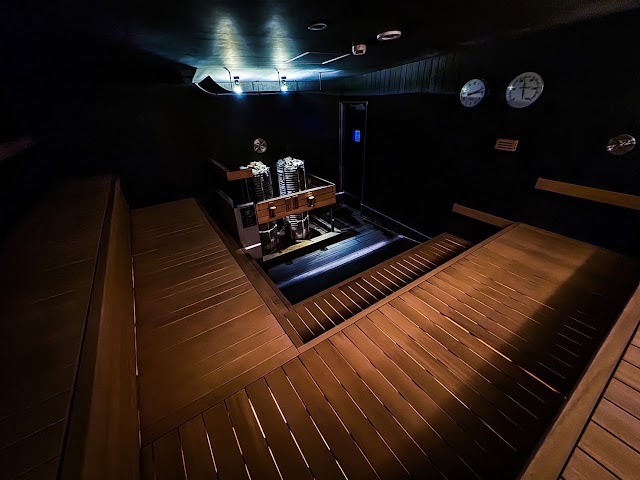
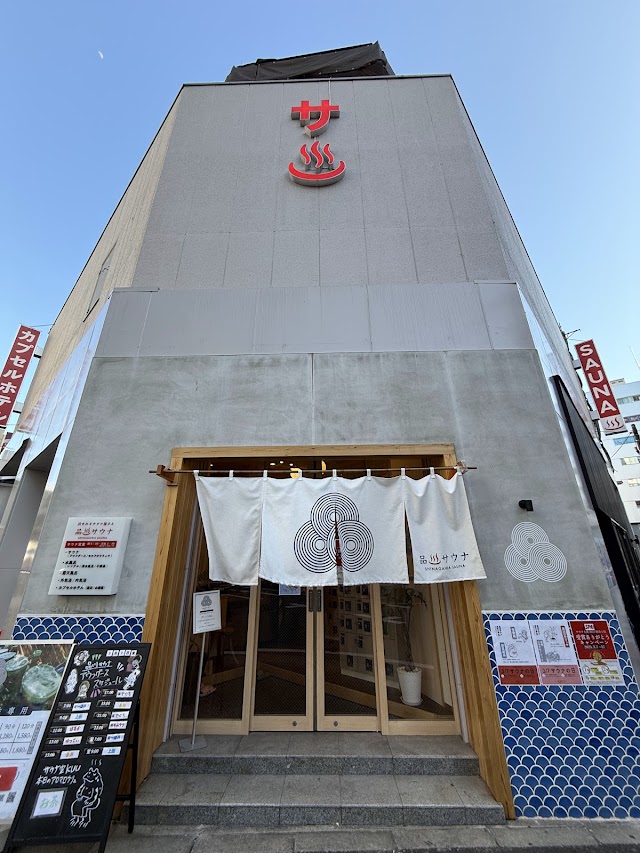
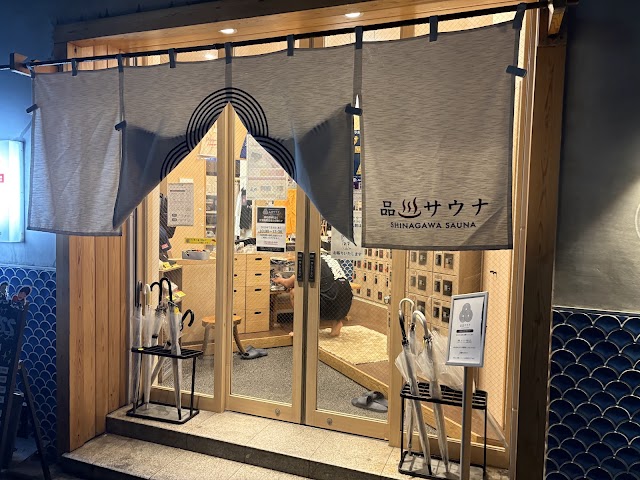
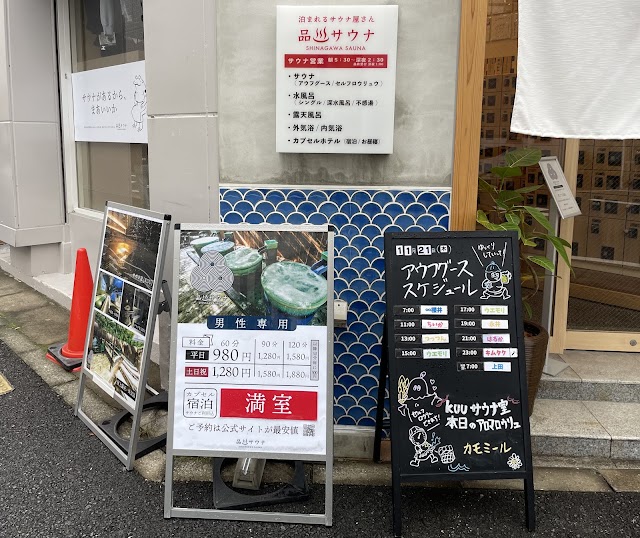
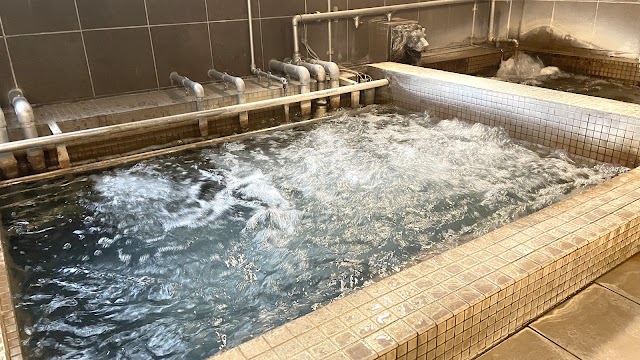
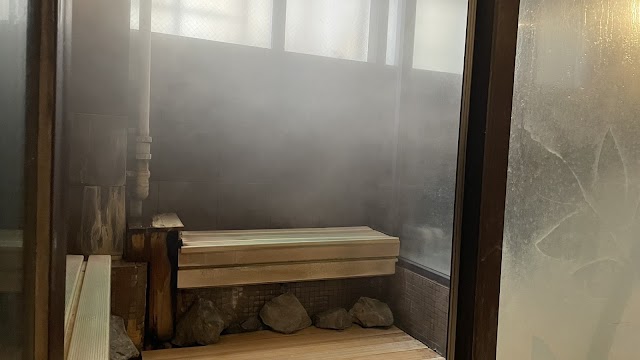
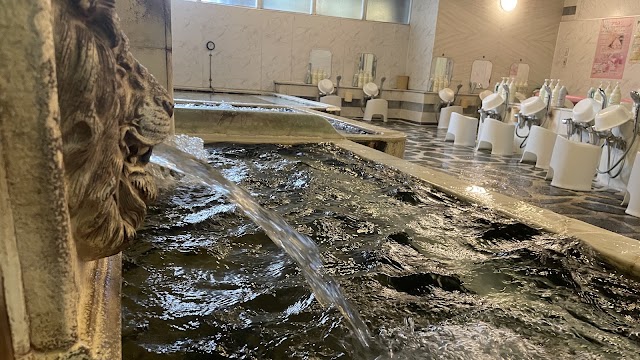
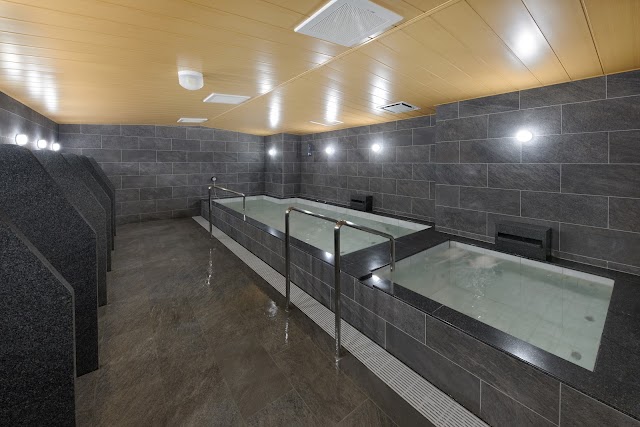
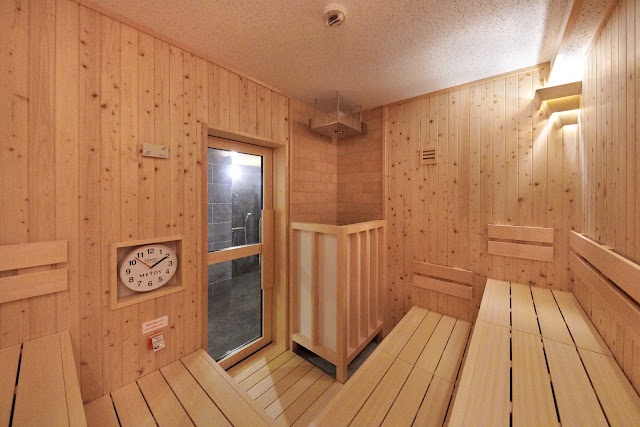
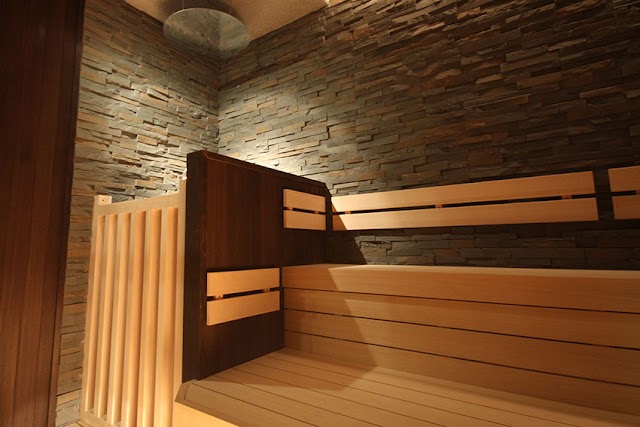
The first line makes the sauna the point. Karumaru Ikebukuro runs four rooms on different principles — Aji-granite stone, wood-fired, steam, and Finnish kelo pine. New Wing built a cold bath long enough to swim in. Shinagawa Sauna sets three cold baths at different temperatures so guests can dial their own intensity. Here the bed is the extra: you came to bathe, and sleeping afterwards is convenient.
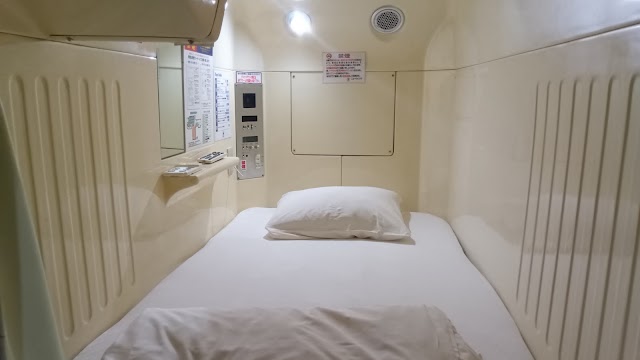
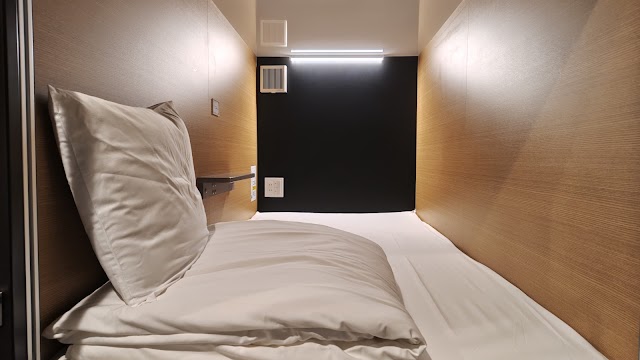
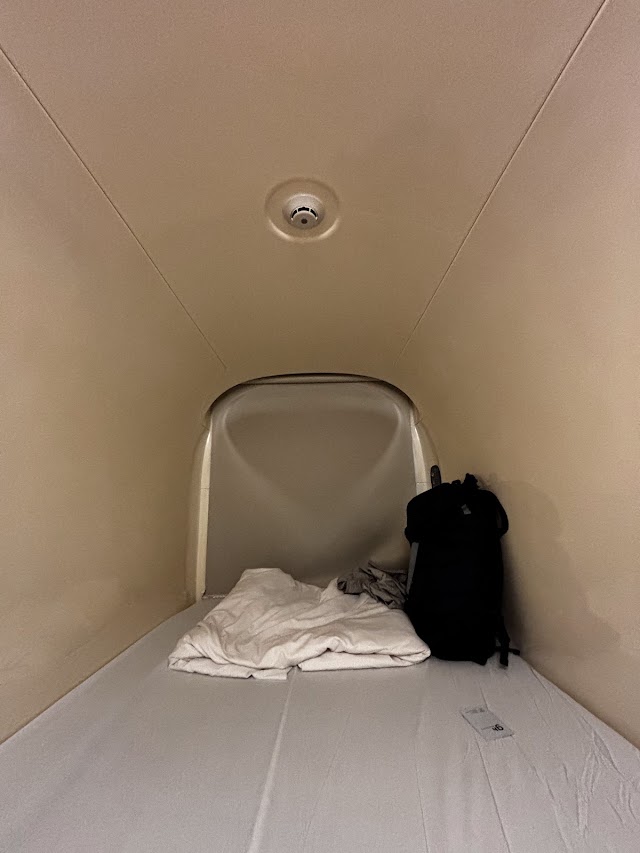
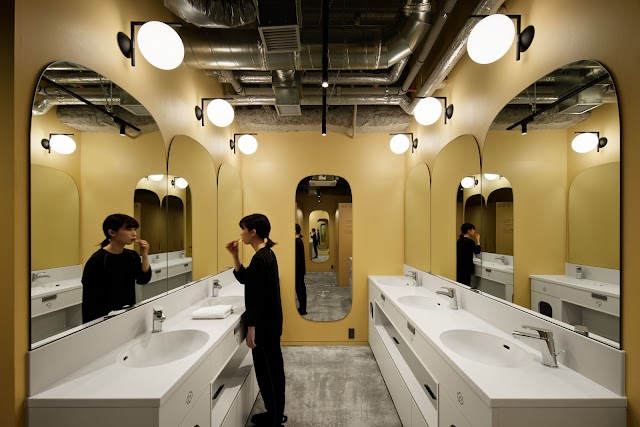
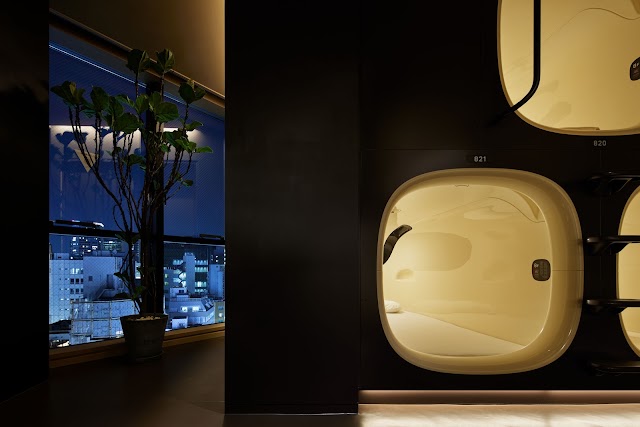
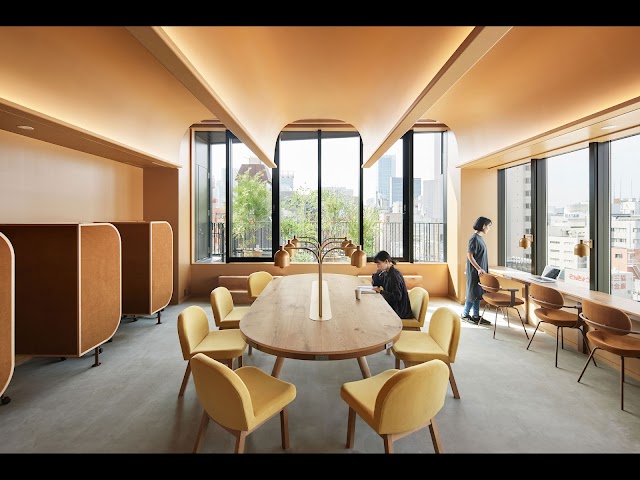
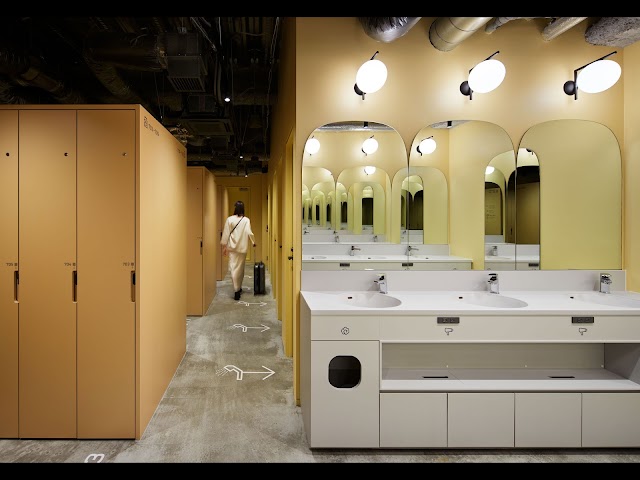
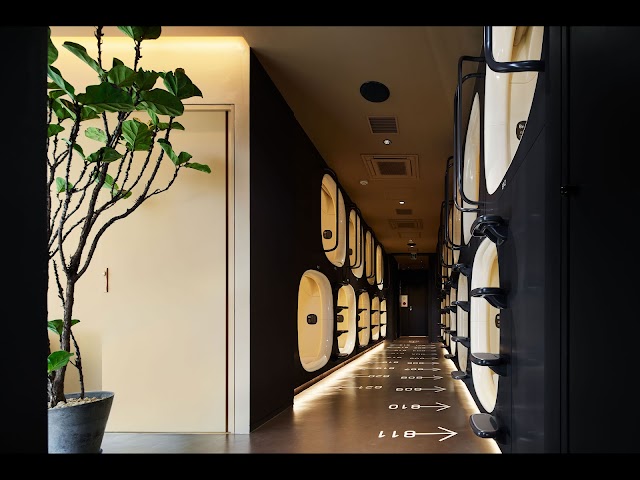
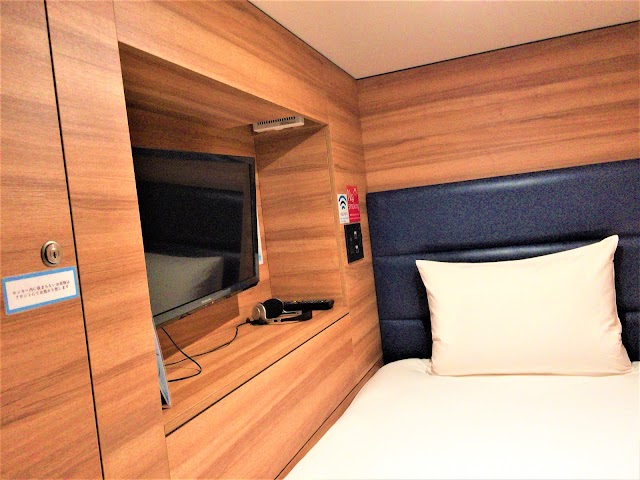
The second line makes sleep the product. nine hours shapes its capsules as cocoons without interior corners and offers sleep analysis; Do-C separates the sexes by floor, keeps the lighting low and shortens the distance from bath to bed. The logic is that a hotel exists to let you sleep, so concentrate the budget there and cut the rest.
[2] The 2026 price gap. HotelBank puts Tokyo's all-category ADR at ¥42,600 in April 2026, up 17.4 per cent year on year. Two forces drive it: all 47 prefectures completed minimum-wage revisions between October 2025 and March 2026, with the national average passing ¥1,000 for the first time, and demand has not softened — Tokyo occupancy was still 70.7 per cent in January 2026. Sauna hotels have barely followed, because a large share of their revenue comes from day-use bathing priced for locals who would notice an increase. The result is a visible discontinuity in the Tokyo market, with the business-hotel band caught awkwardly in between.
Tax adds to it. Tokyo's accommodation tax is currently ¥0 under ¥10,000, ¥100 from ¥10,000 to ¥15,000 and ¥200 above that; from 1 April 2027 it becomes 3 per cent of the rate with exemption raised to under ¥13,000. Every property in this guide is exempt before and after; a ¥40,000 room pays about ¥1,200 more per night.
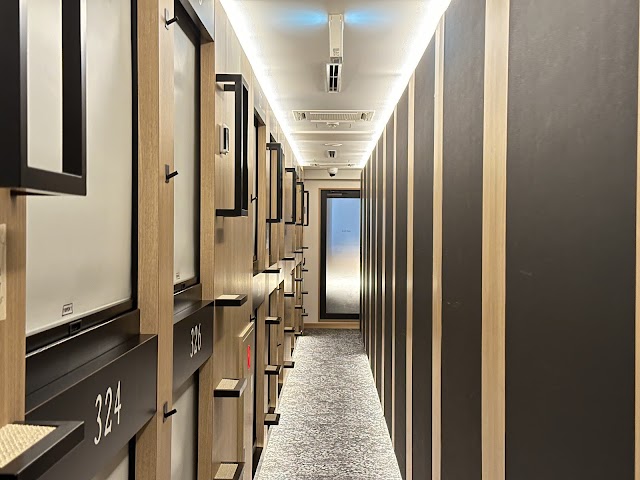
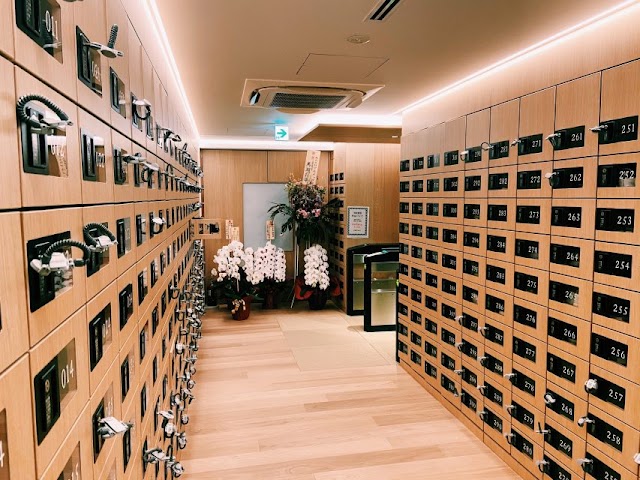
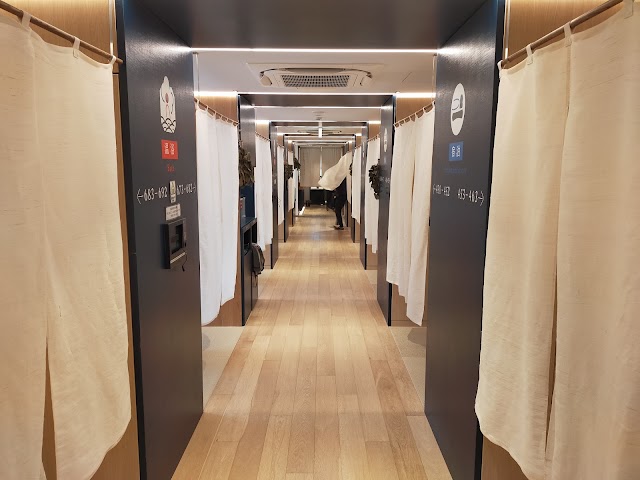
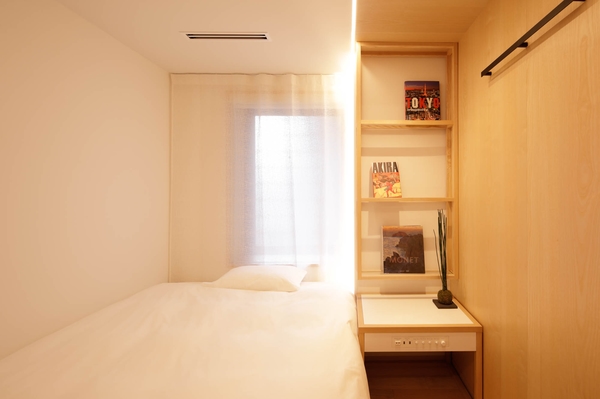
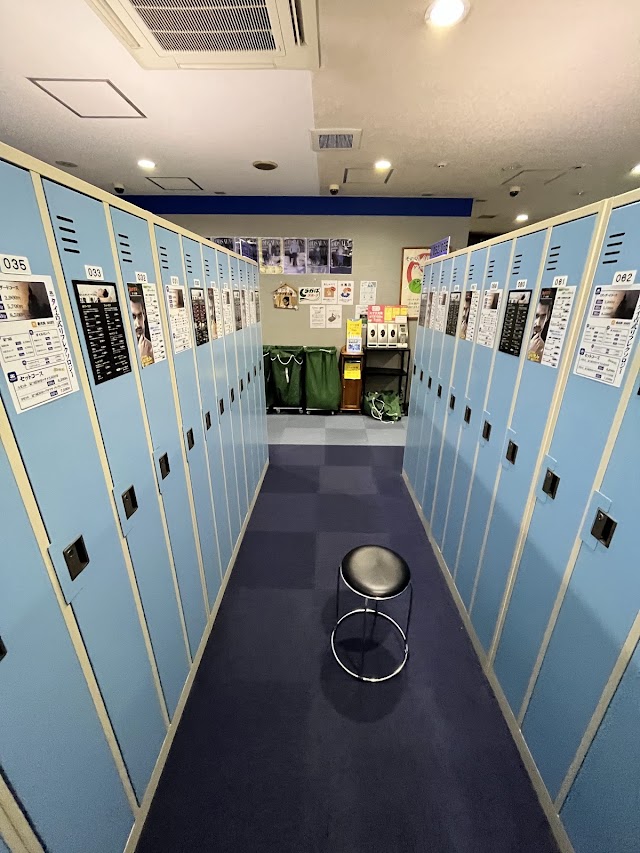
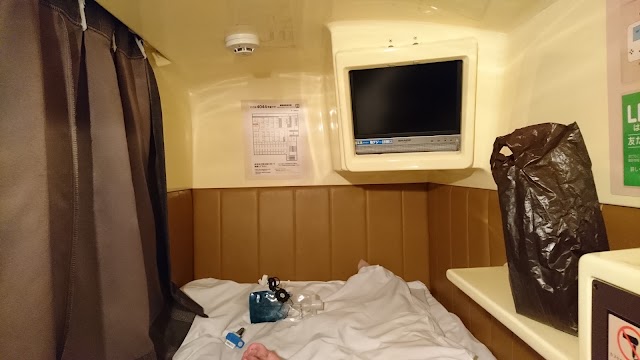
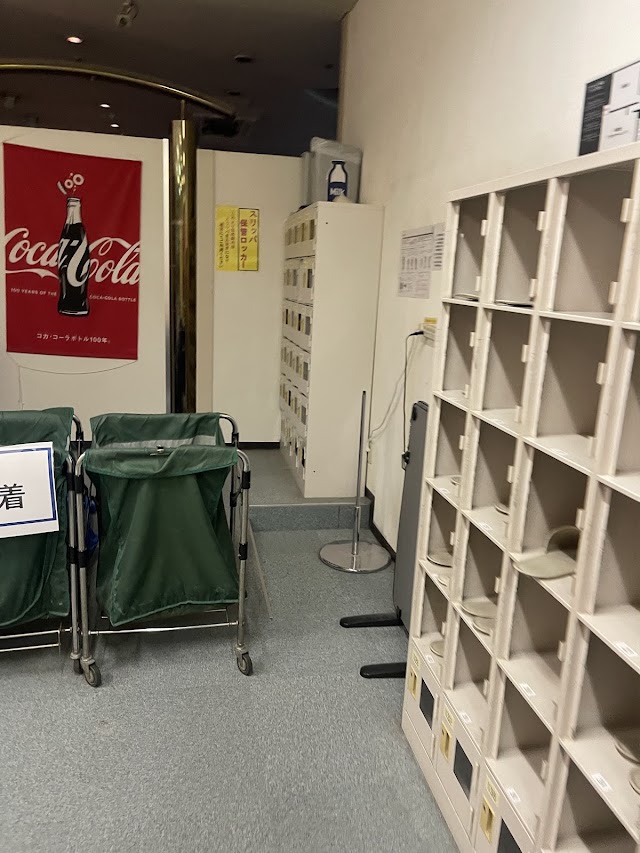
[3] Six things to know first. Gender policy is the easiest trap — five of these ten are men-only, and branches of one brand can differ, so book the property rather than the brand. Tattoos are still refused at most bathing facilities, with varying rules on covering small ones. Luggage is a real constraint: a 29-inch case will not fit in a capsule, large lockers are limited, and oversized bags may have to go to the front desk or a station locker. Consecutive nights usually require checking out each morning and re-entering in the afternoon; you cannot leave belongings in the pod. Capsules have curtains, not doors, so passports, cash and electronics belong in the valuables locker. Most places are open around the clock, but bathing areas close for cleaning, which matters on a red-eye arrival.
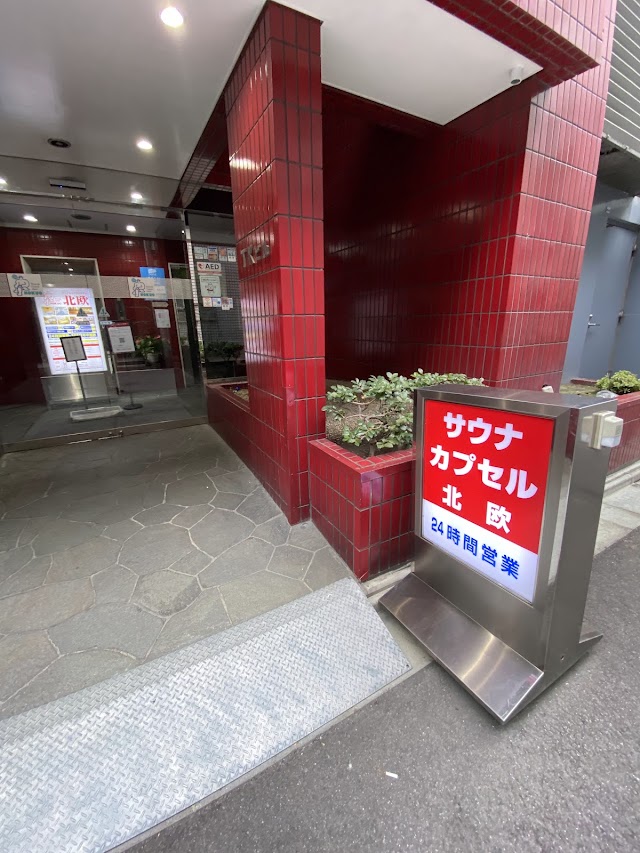
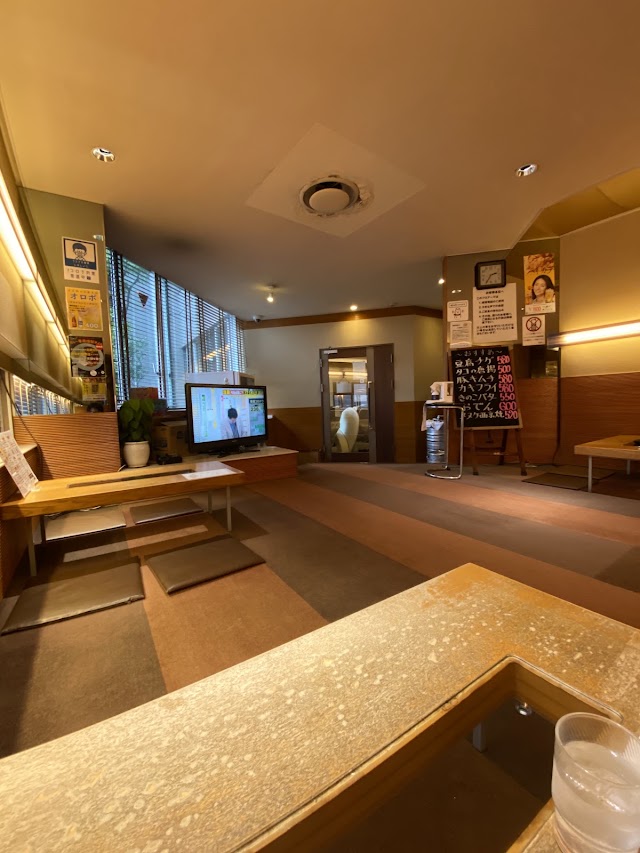
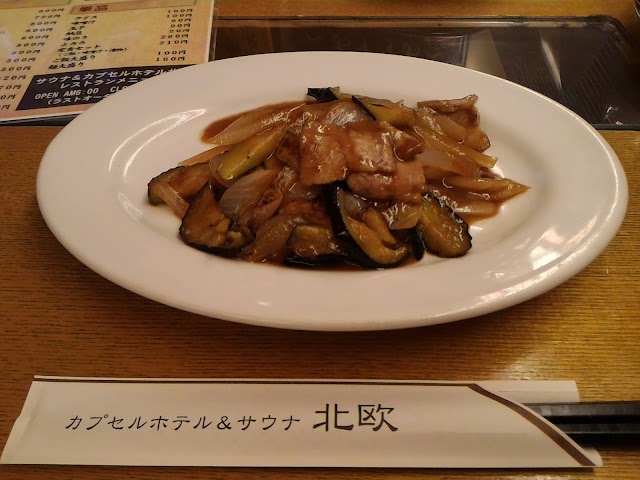
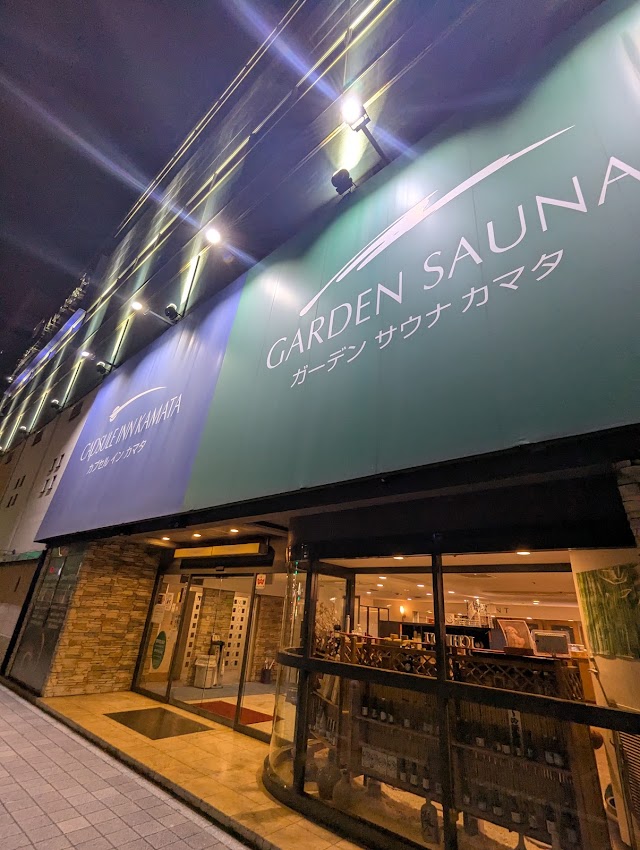
[4] How the ten divide. For the sauna as the main event: Karumaru Ikebukuro, New Wing Kinshicho and Hokuou Ueno, the last of these the most relaxed for foreign visitors thanks to its television fame. For the newest, quietest hardware: Shinagawa Sauna, opened 2024. Women have five options — Rosco Komagome, Do-C Ebisu, nine hours woman shinjuku, Smart Stay SHIZUKU Oimachi and Gran Custama Ueno — of which nine hours woman shinjuku is women-only and adds hourly pricing, about ¥700 for a shower and from ¥1,000 for a nap, which covers a midnight landing or the gap after checkout. By airport: Hokuou for Narita via the Skyliner, and Shinagawa Sauna, Smart Stay SHIZUKU or Garden Sauna Kamata for Haneda. On price, Kamata's ¥3,300 is the floor here, in the neighbourhood that gave Japan hane-tsuki gyoza.
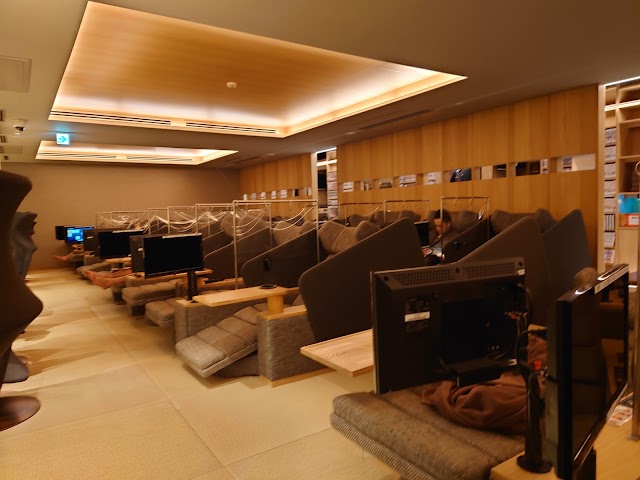
[5] How to actually use them. The efficient approach is not to stay in capsules for a whole trip but to slot them into the gaps: a late arrival, the hours between checkout and a flight, or turning six hotel nights into four plus two — the saving is roughly one good sushi dinner. The other approach is the local one: skip the bed, pay about ¥1,500 for the bath and the cooling-off air, and treat it as recovery at the end of a long walking day, cheaper and more effective than a massage. Our 21 July guide covered the day-use sento and sauna route; this is the version you can sleep in.
Sources: HotelBank (https://hotelbank.jp/); Tokyo Metropolitan Bureau of Taxation on the accommodation tax (https://www.tax.metro.tokyo.lg.jp/kazei/shukuhaku.html); Spaworks (https://spaworks.jp/article/3837); Jalan News (https://www.jalan.net/news/article/776895/); Do-C (https://do-c.jp/locations); nine hours (https://ninehours.co.jp/locations); Karumaru (https://karumaru.jp/ikebukuro/). Addresses, phone numbers, opening hours and ratings were verified through the Google Places API the day before publication; rates move daily and the figures here are indicative bands.
 Scan for map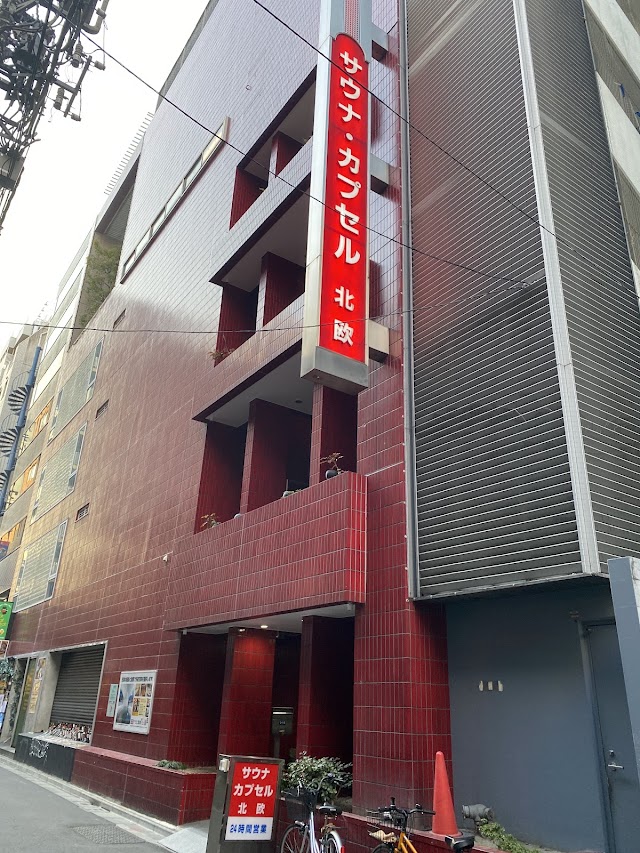
 Scan for map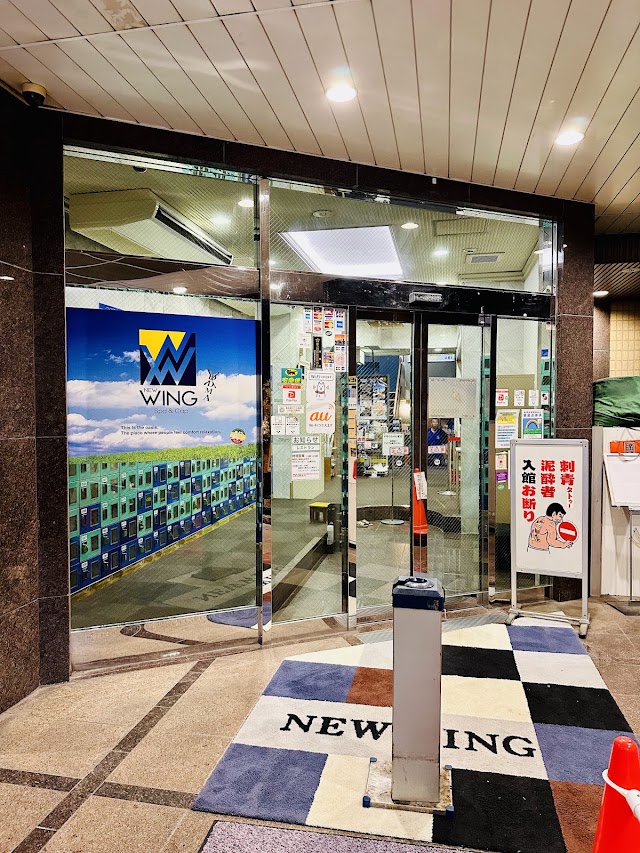
 Scan for map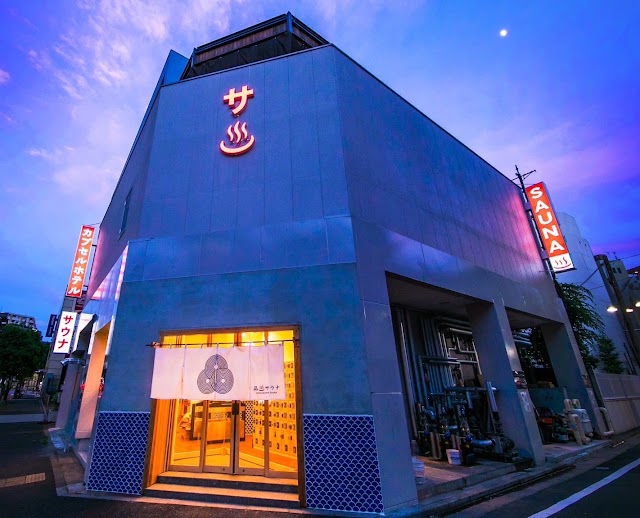
 Scan for map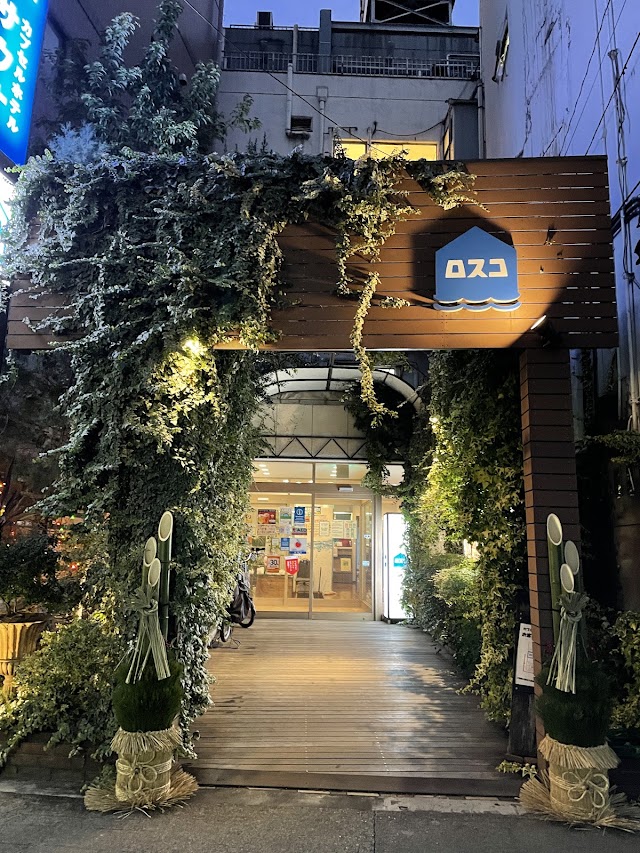
 Scan for map
 Scan for map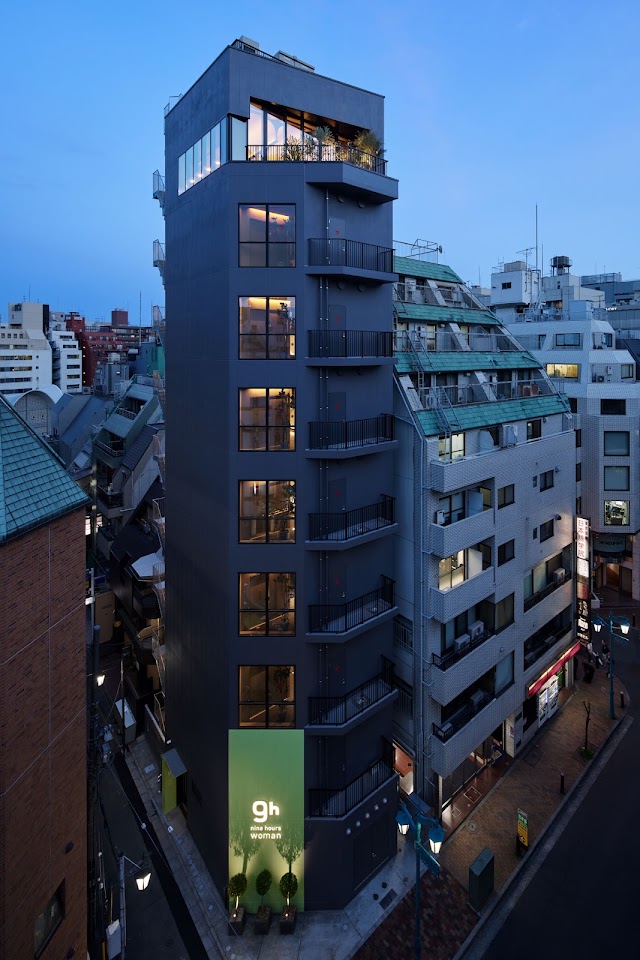
 Scan for map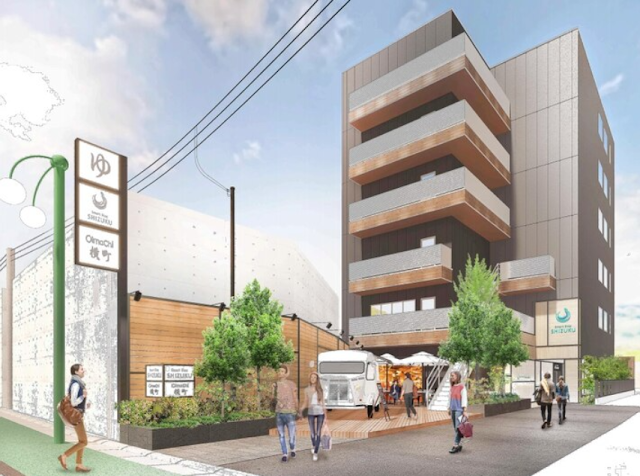
 Scan for map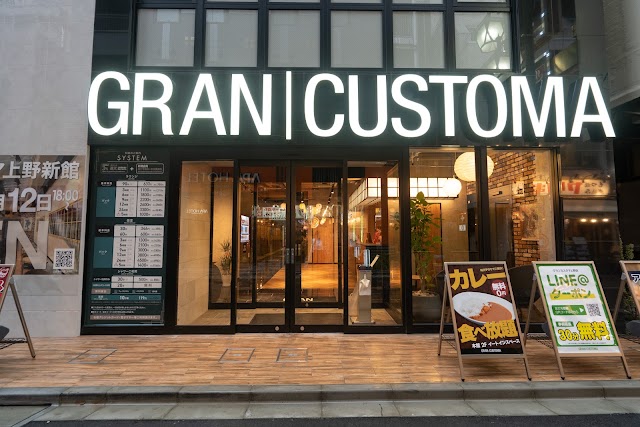
 Scan for map
 Scan for map