A 1706 Shrine and a Street of Seventy Shops: Ten Stops Through Yanesen in a Day, With Four Indoor Stops for August
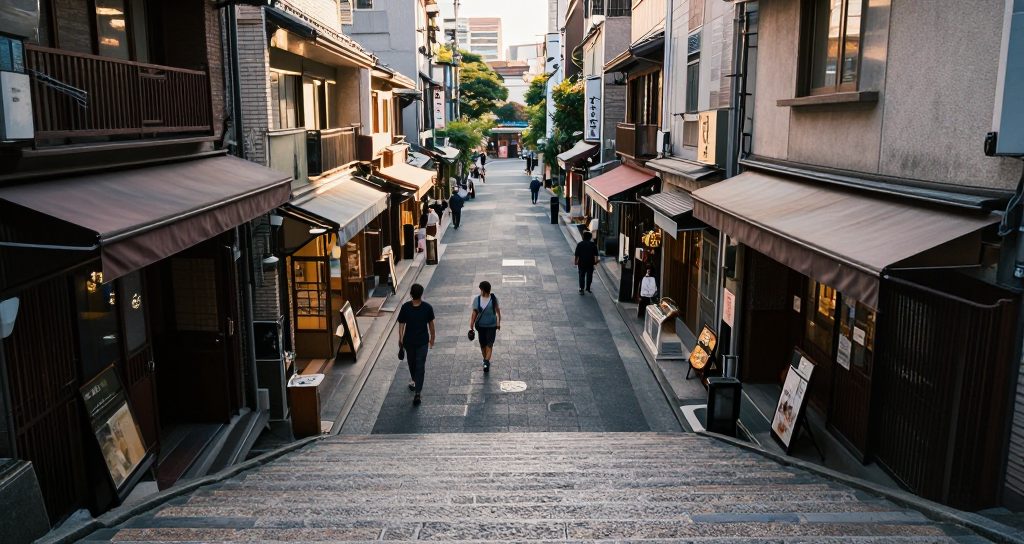
- Yanesen contracts Yanaka (Taito), Nezu and Sendagi (Bunkyo); the name comes from a local magazine founded in 1984, and the prewar wooden grid survives because wartime firebombing missed the area.
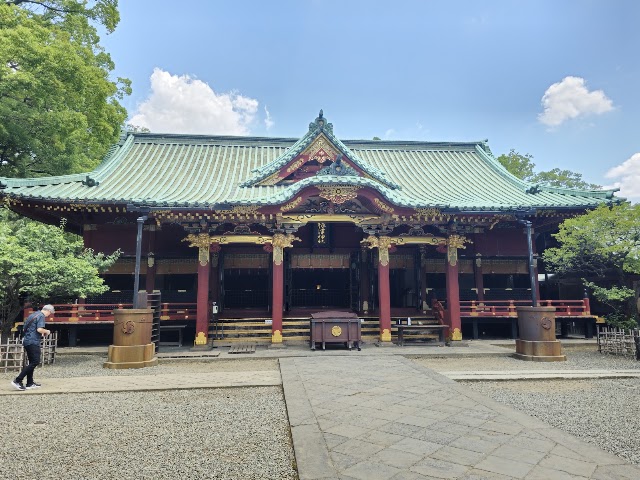
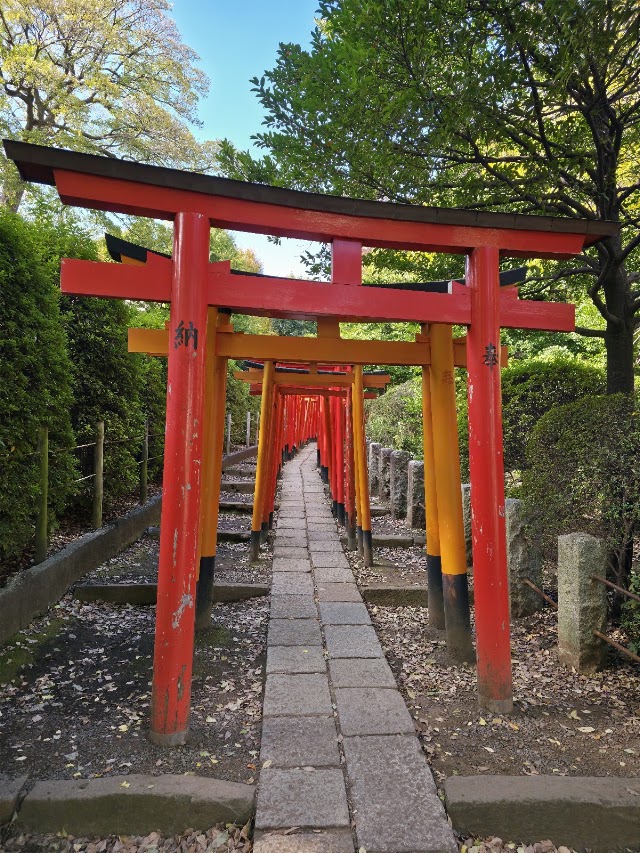
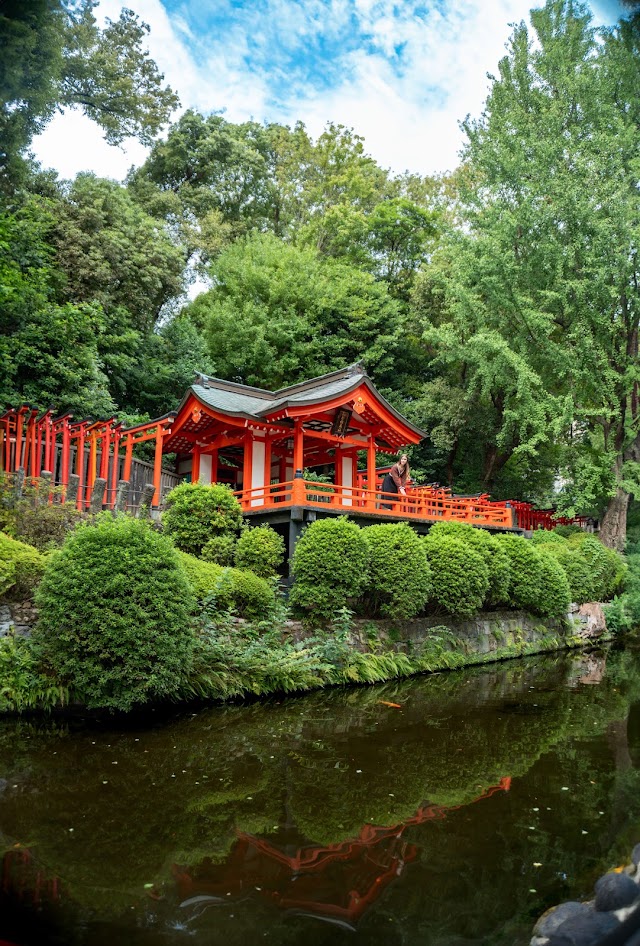
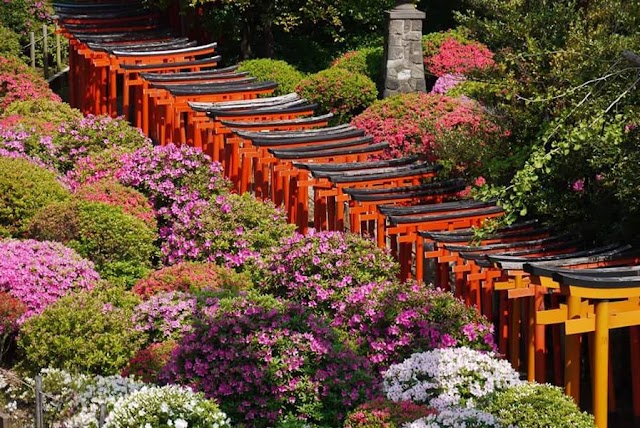
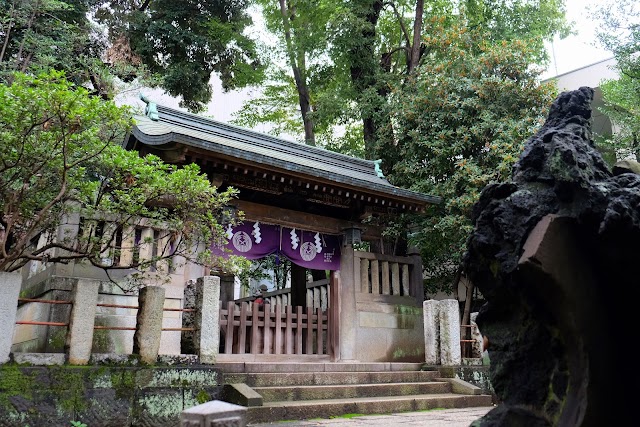
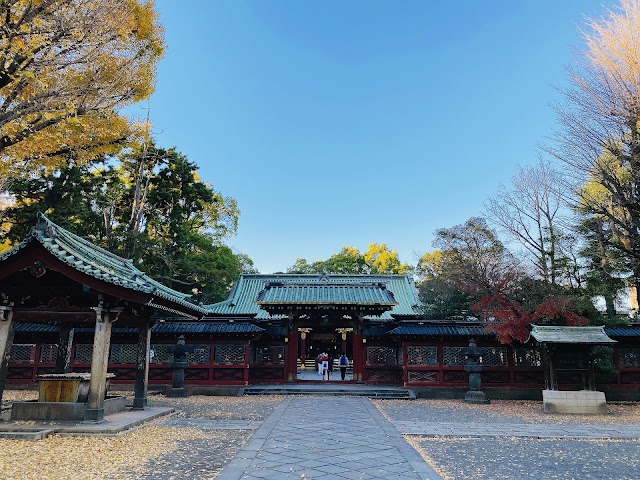
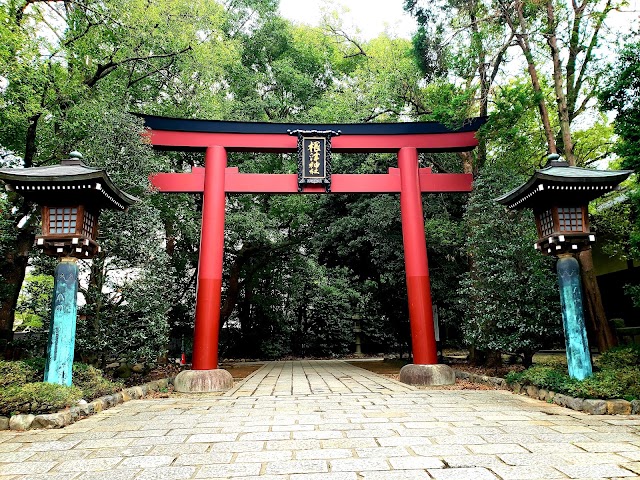
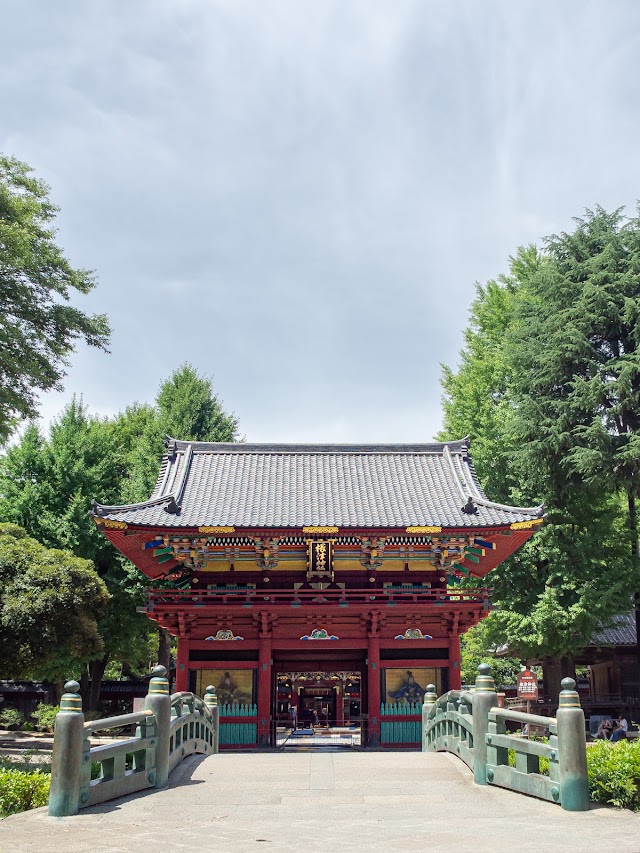
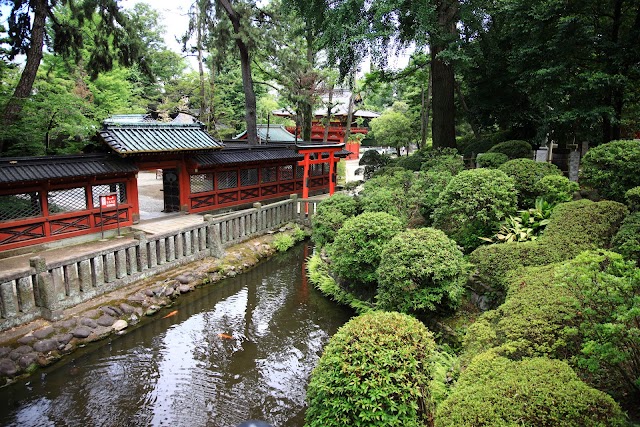
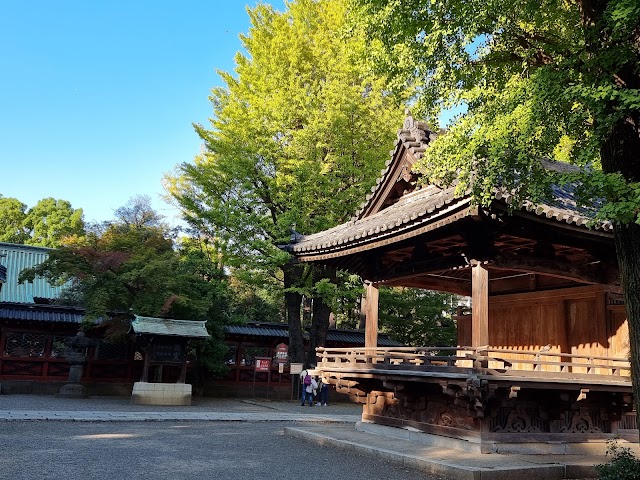
- Nezu Shrine's present buildings were commissioned in 1706 by the fifth shogun Tsunayoshi, making 2026 their 320th year; the main hall, offering hall, worship hall, karamon, fence and tower gate are all national Important Cultural Properties. Free to enter.
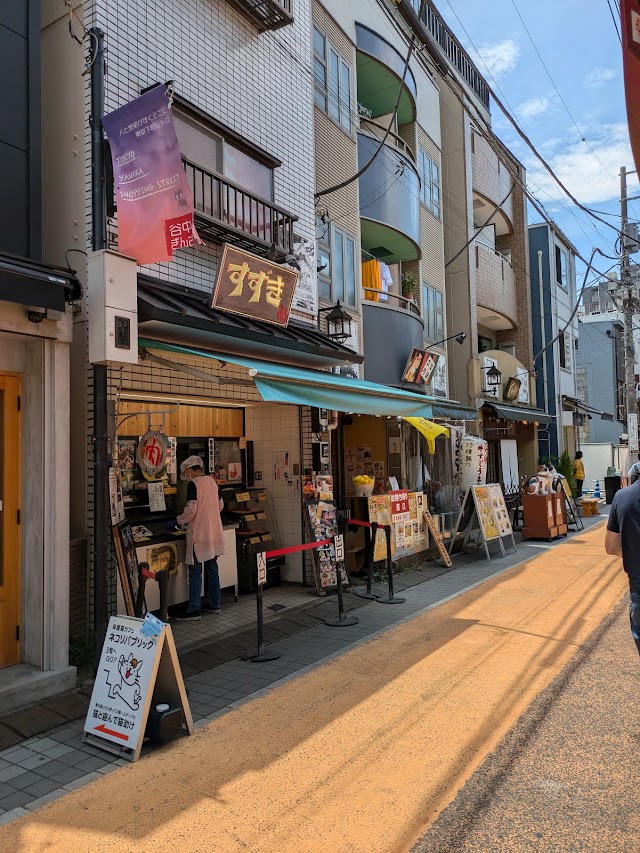
- Yanaka Ginza runs about 170 metres with some 70 shops, took shape after the war, opens between 10:00 and 11:00 and closes around 18:00, and has no public bins.
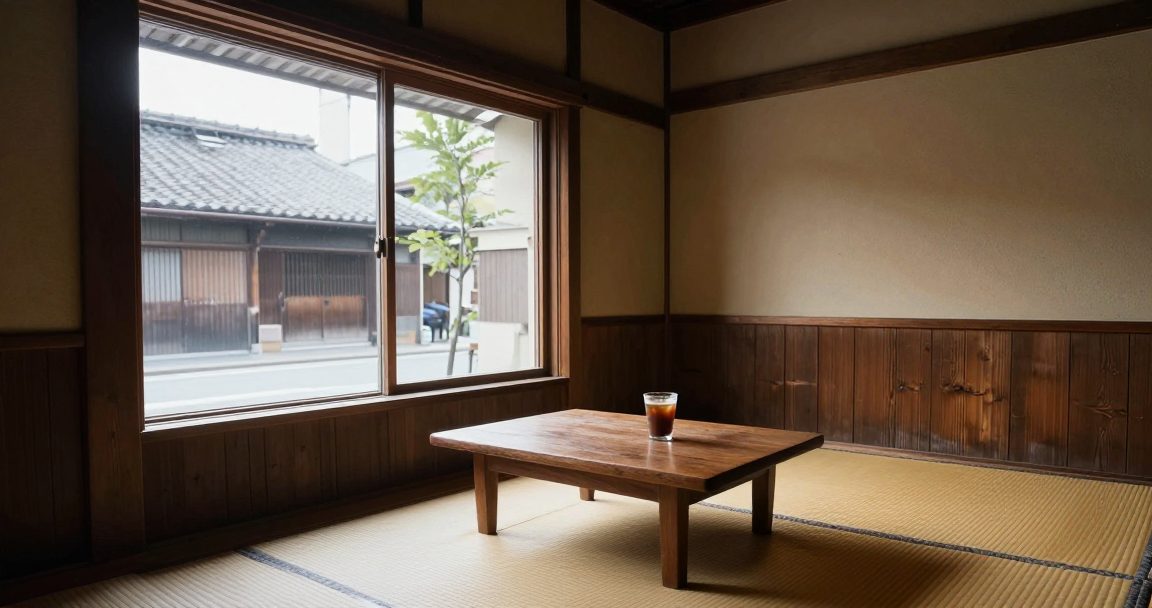
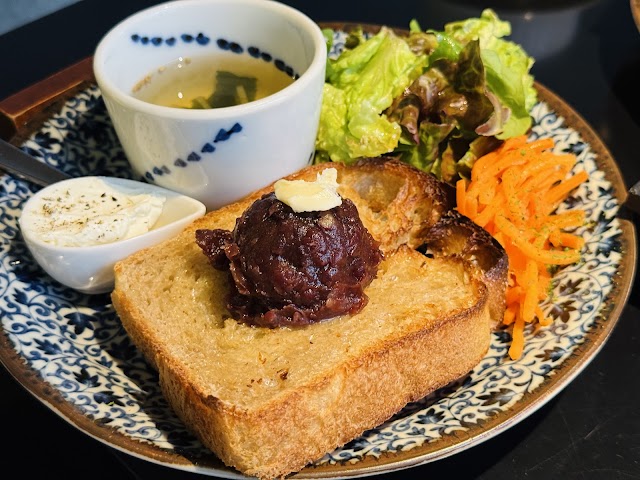
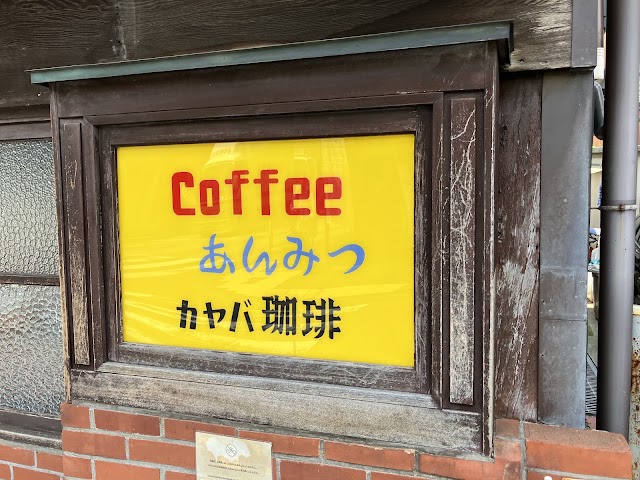
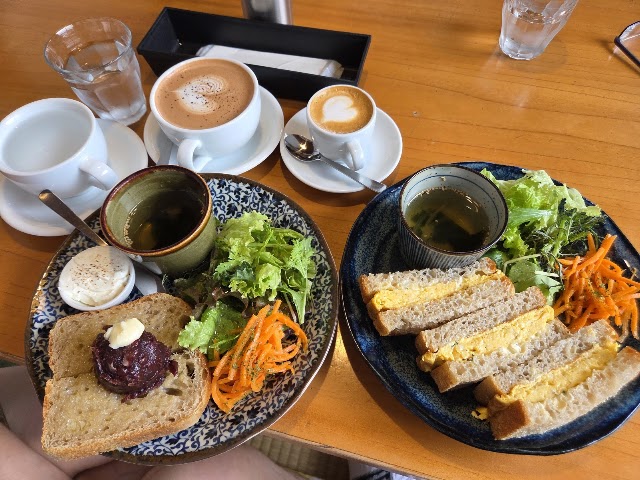
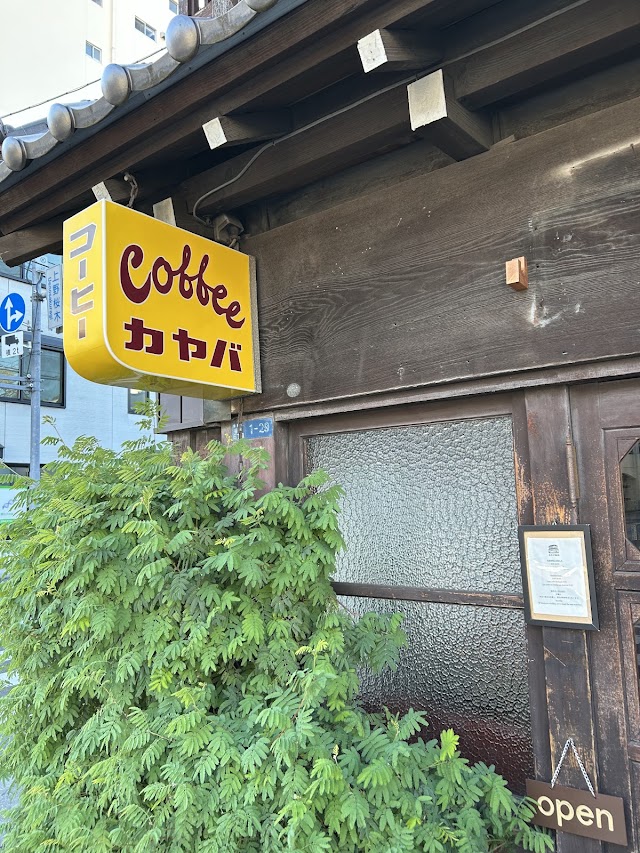
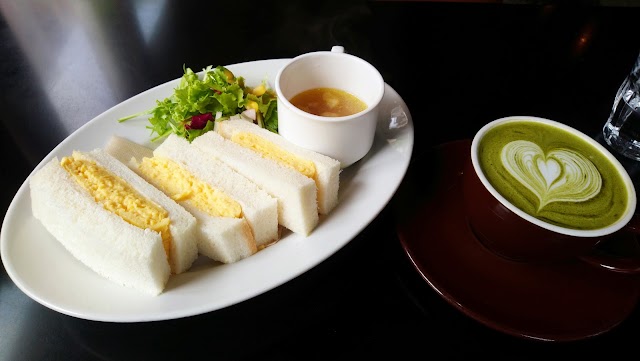
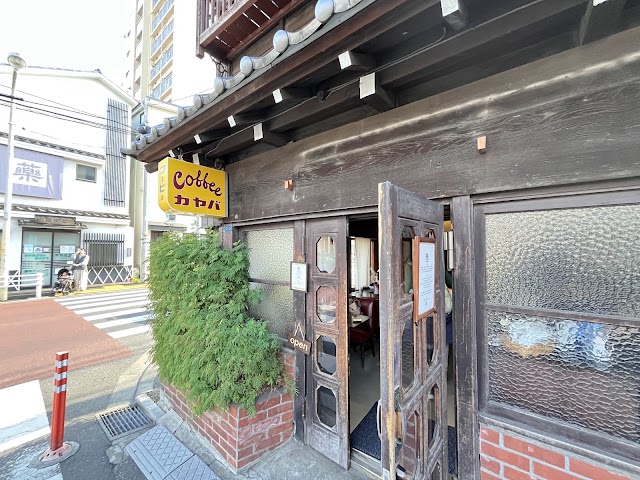
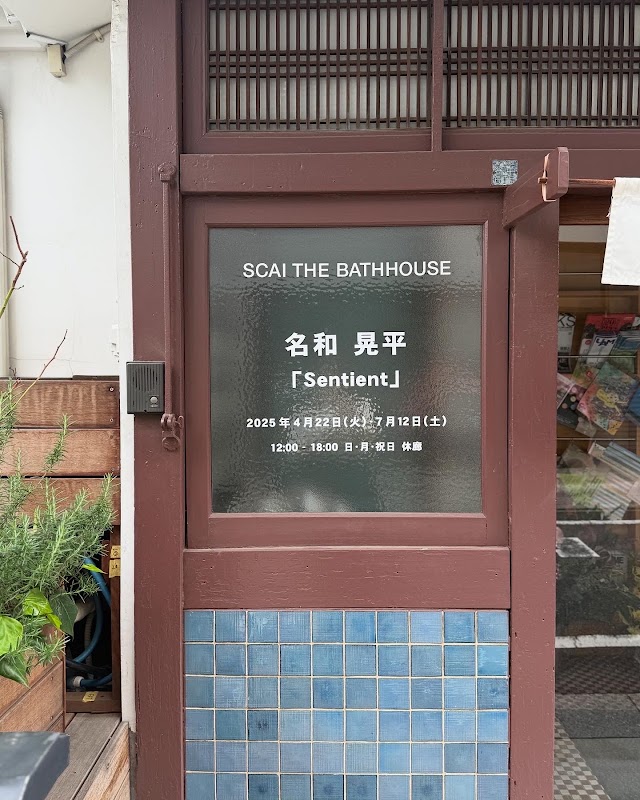
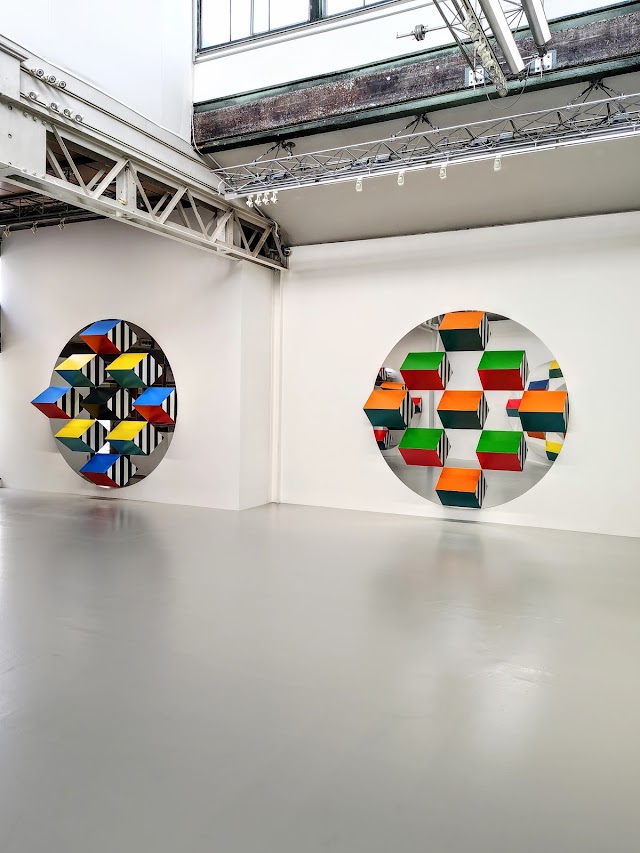
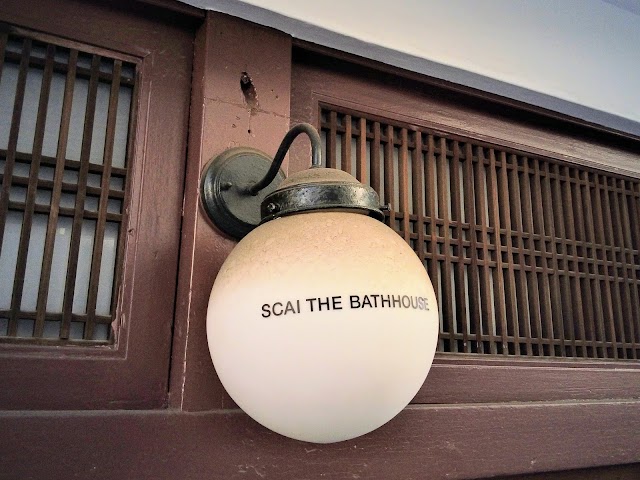
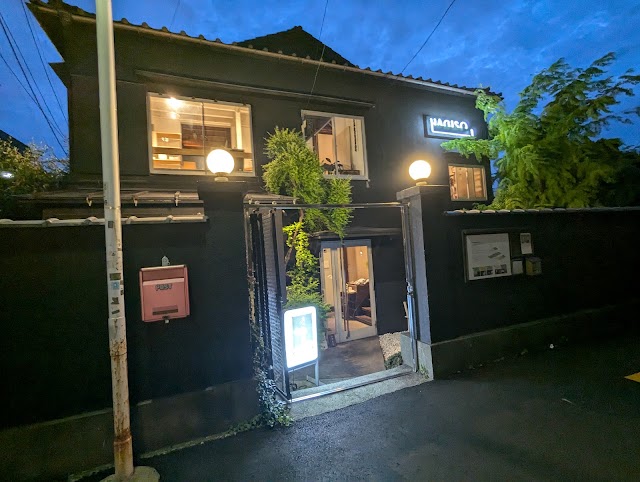
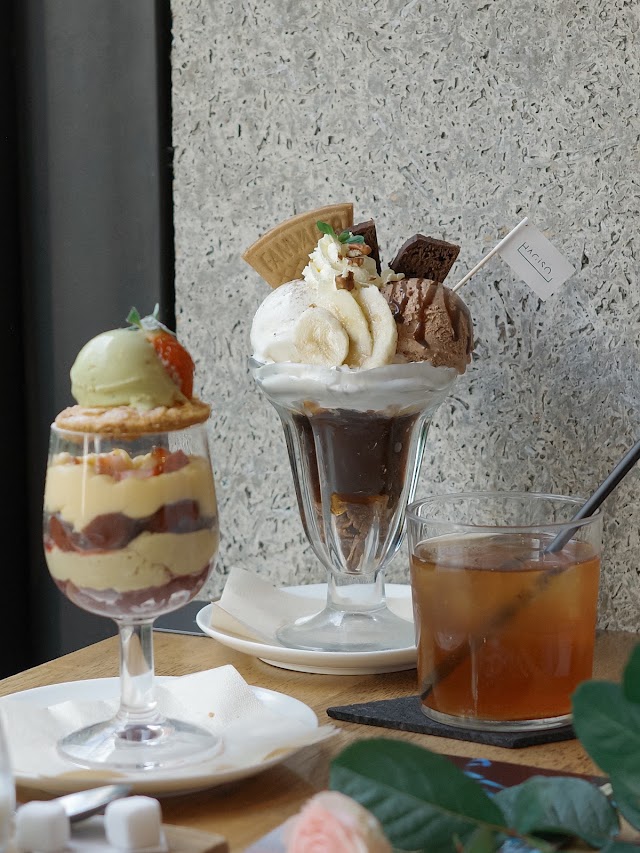
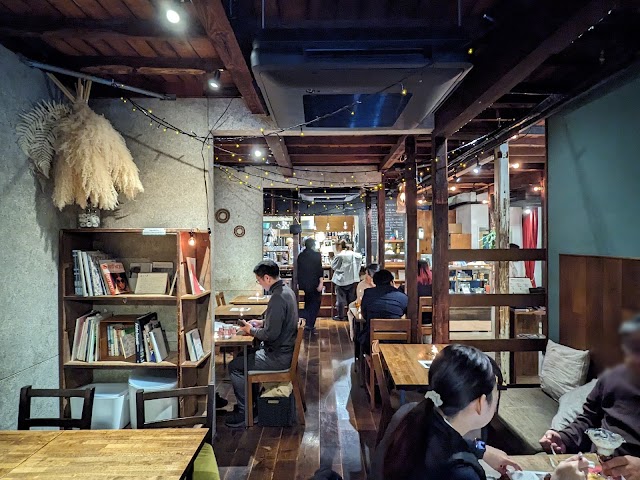
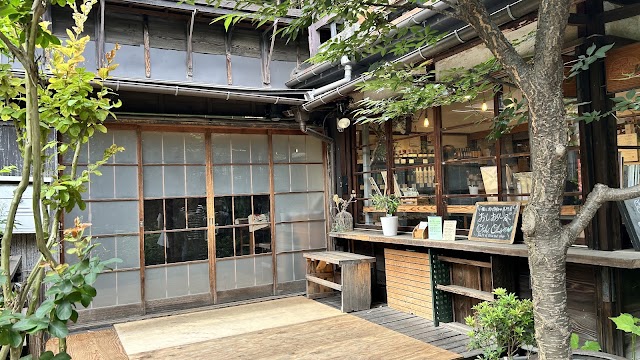
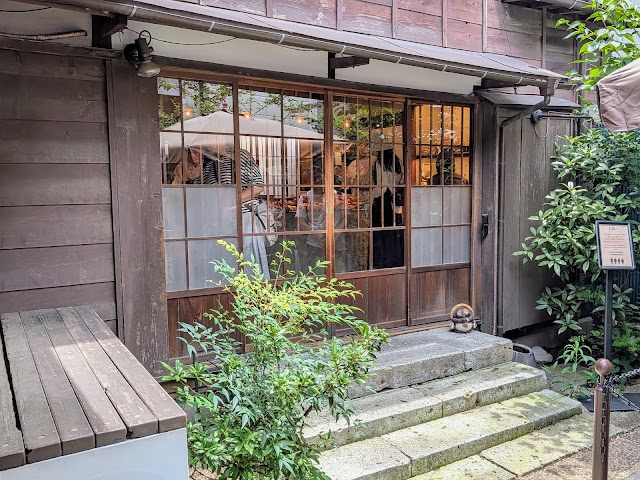
- Four old buildings, four methods of reuse: Kayaba Coffee (1938, closed 2006, conserved and reopened 2009), SCAI THE BATHHOUSE (a gallery since 1993 in the 200-year-old Kashiwayu bathhouse, free), HAGISO (1955 apartment block, cultural complex since 2013), Ueno Sakuragi Atari (three 1938 houses restored as a set in 2015).
- The August route is sequenced around heat: four of the ten stops are indoors, and the walk runs 4–5 km over five to six hours with breaks.
- Closing-day traps: the Asakura Museum shuts Mondays and Thursdays, SCAI THE BATHHOUSE Sundays, Mondays and holidays, and many small shops on Mondays; independent shops close more often during Obon, 13–16 August.
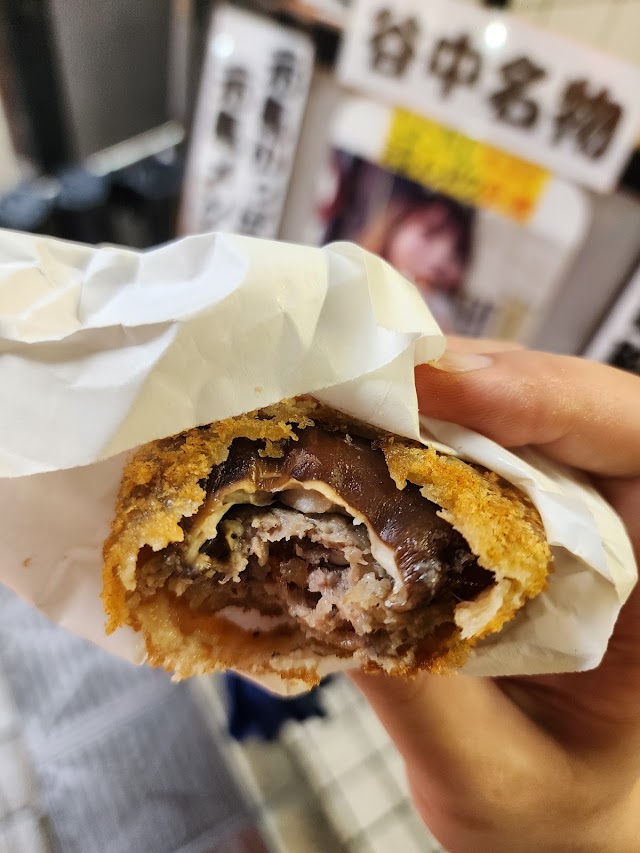
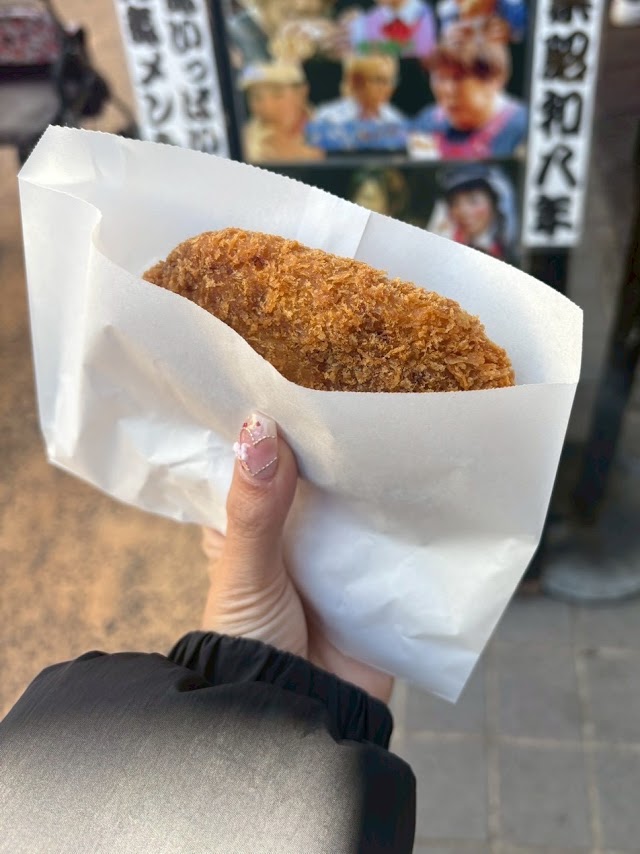
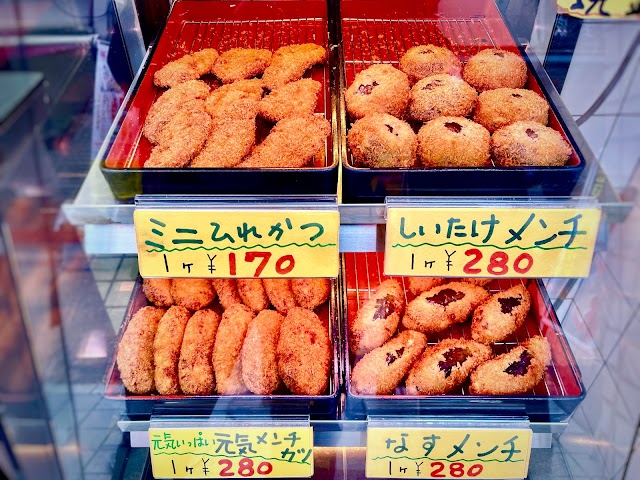
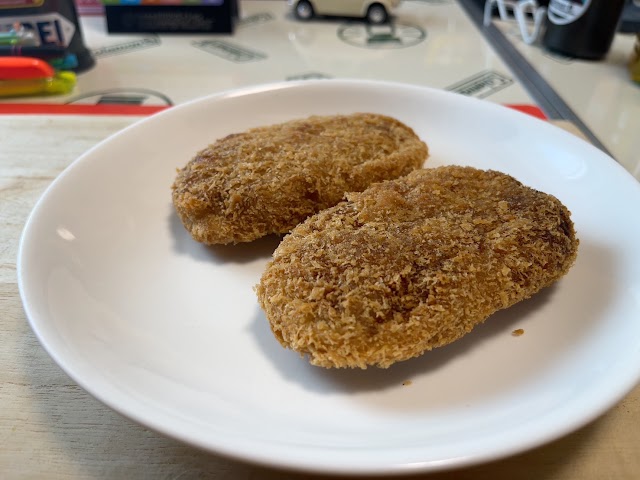
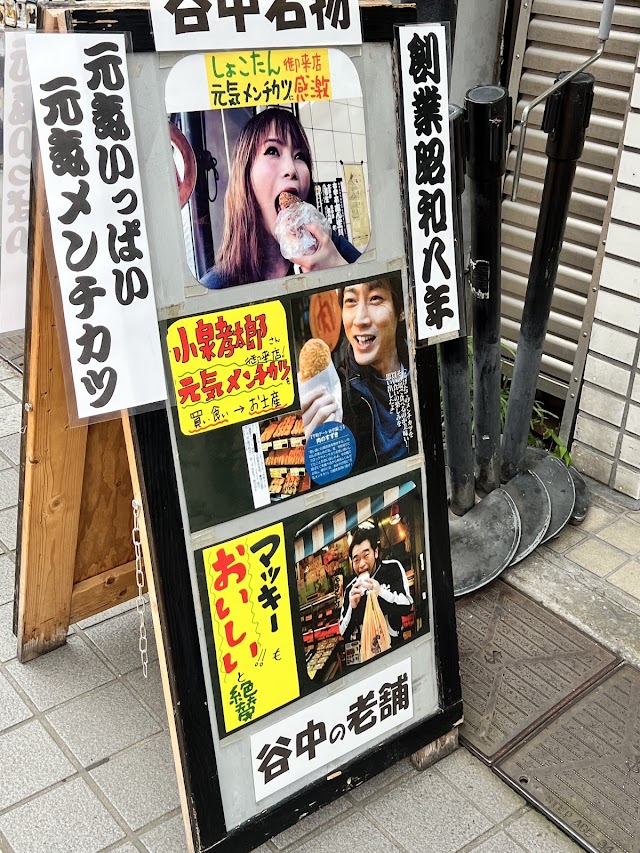
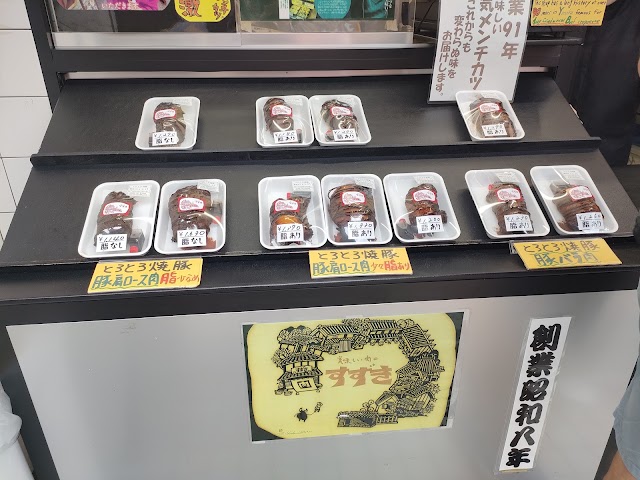
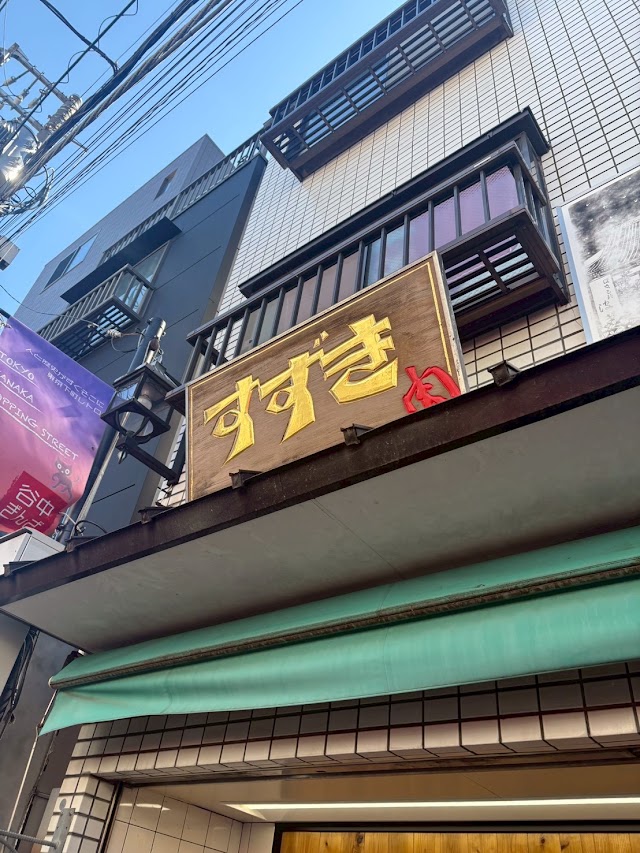
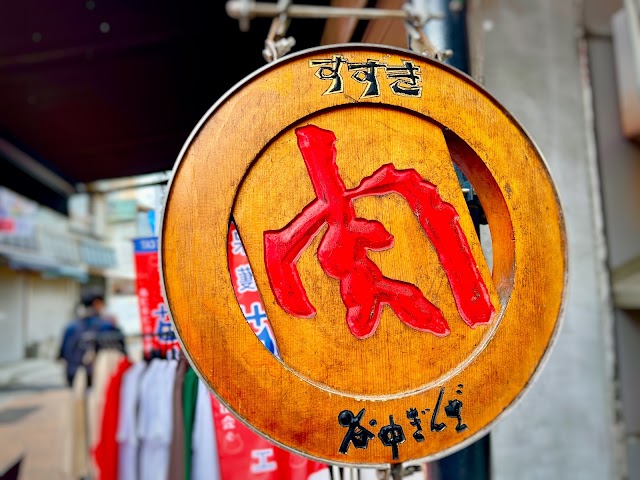
- Niku no Suzuki, a butcher since 1933, makes its menchi-katsu from domestic beef chuck flap and Australian topside, all beef with no pork, in oil changed three times a day, and often sells out by mid-afternoon.
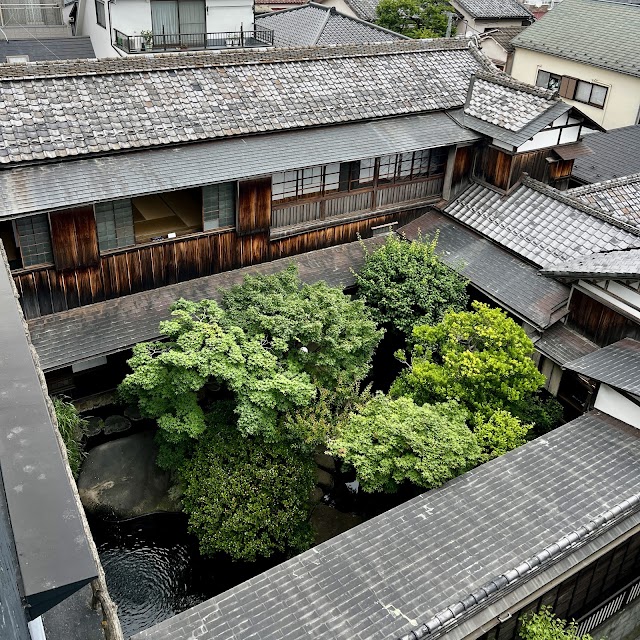
Yanesen is a contraction of Yanaka, Nezu and Sendagi, three districts straddling Taito, Bunkyo and Arakawa wards, beginning at the west exit of JR Nippori Station. The reason it still looks the way it does is blunt: wartime firebombing burned most of eastern Tokyo, and terrain and wind spared this pocket, so its prewar wooden street grid survived. Most old buildings elsewhere in central Tokyo were rebuilt later.
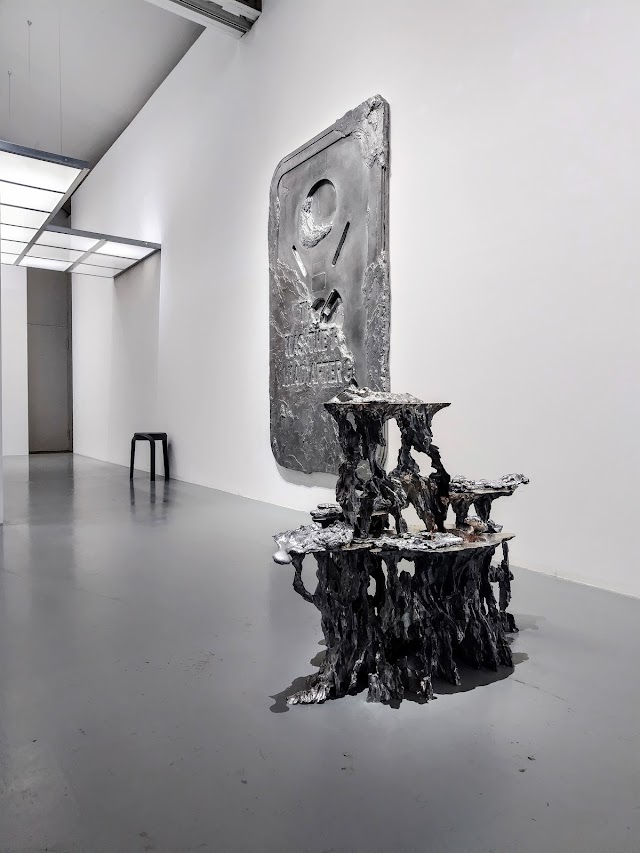
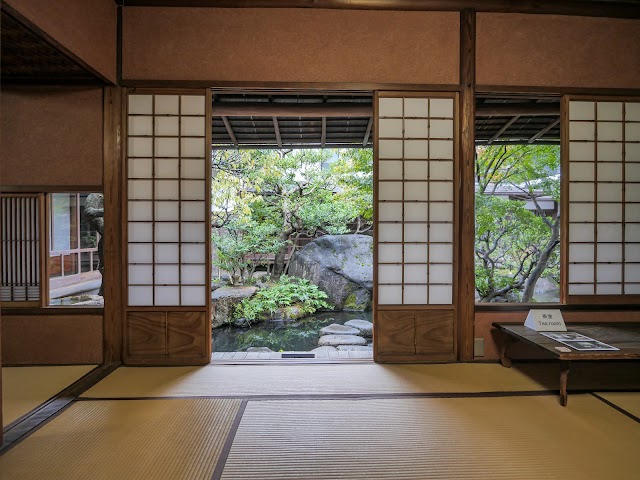
For Taiwanese visitors it feels close to Dadaocheng or the old quarters of Tainan — not a district demolished and rebuilt in period style, but one where shops still sell household goods and residents still live upstairs. What sets Yanesen apart is that it turned the question of how an old building stays useful into a method: a 1938 townhouse became a coffee shop (Kayaba Coffee), a two-hundred-year-old bathhouse became a contemporary art gallery (SCAI THE BATHHOUSE), a 1955 apartment block facing demolition became a cultural complex (HAGISO), and three 1938 houses became a courtyard complex (Ueno Sakuragi Atari). Four buildings, four uses, none of them a museum.
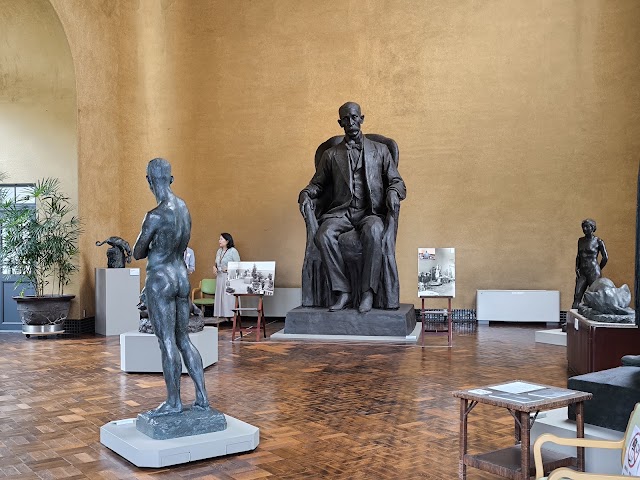
Two practical problems come with August. Heat is the first: this is an outdoor walking route and Yanaka Ginza has no shade at midday, so heatstroke is not an exaggeration. Four of the ten stops here are indoors — Kayaba Coffee, SCAI THE BATHHOUSE, the Asakura Museum of Sculpture and HAGISO — and the route is arranged so that air conditioning is never more than thirty or forty minutes away. The second is Obon, 13 to 16 August, when independent shops close at a much higher rate than usual; confirm each one the day before rather than walking the list as printed.
Three more things. Cash dominates here far more than in Ginza or Shinjuku. There are almost no public bins, so rubbish from street food goes in the vendor's own bin or home with you. Mondays are the common closing day, while the Asakura Museum closes Mondays and Thursdays and SCAI THE BATHHOUSE closes Sundays, Mondays and public holidays — come on a Monday and half the route is shut.
[1] The map. Yanaka sits in Taito ward, Nezu and Sendagi in Bunkyo, forming an inverted triangle divided by a slope. The name Yanesen comes from a local magazine of the same three districts founded in 1984; the editors' abbreviation spread until all of Tokyo used it, which is a very Yanesen way for a place to be named. The terrain matters: this is the valley between the Hongo and Ueno plateaus, so the ya in Yanaka is a real valley. Nippori station sits on the plateau, the Yuyake Dandan steps drop into Yanaka Ginza, Nezu is at the bottom, and Sendagi climbs again. In summer the gradient costs more than the distance.
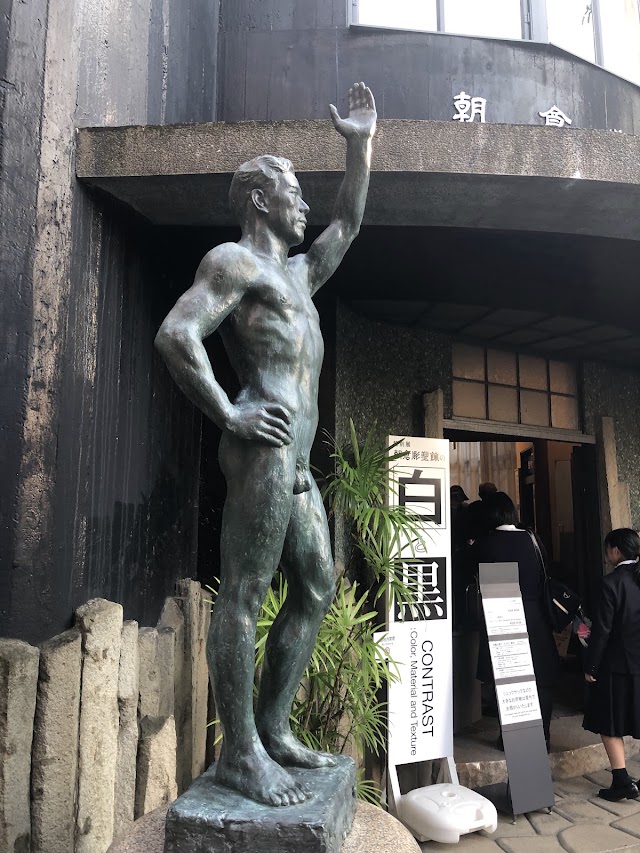
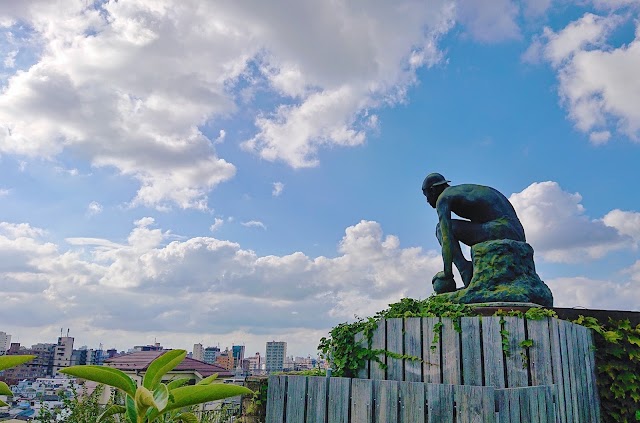
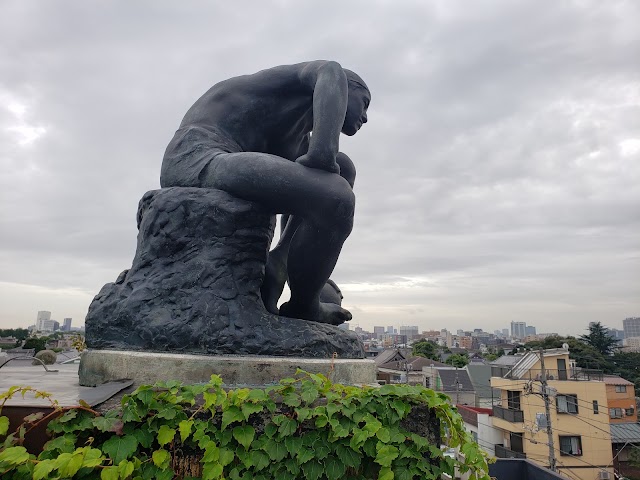
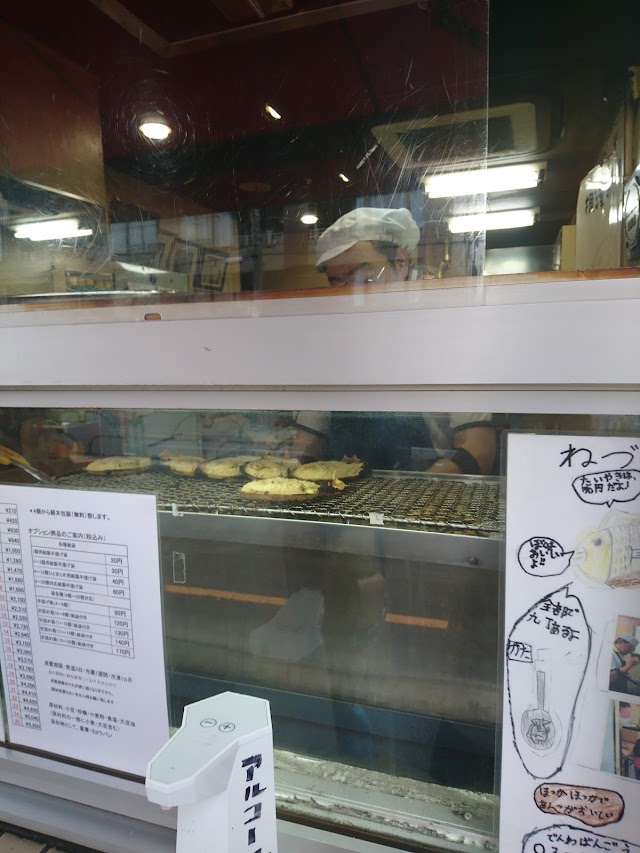
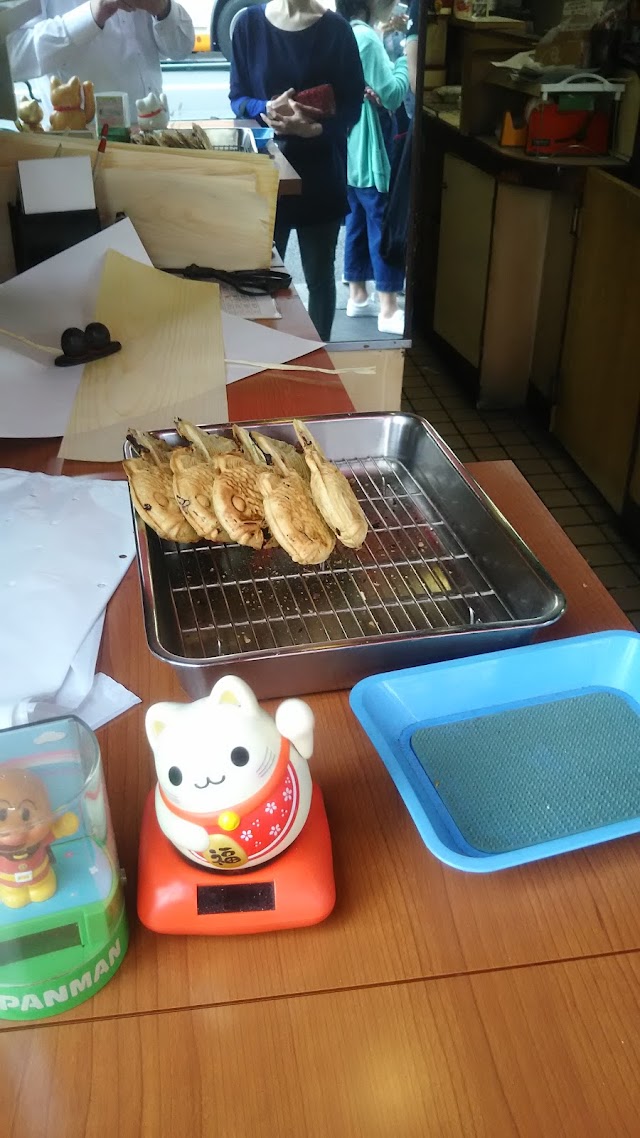
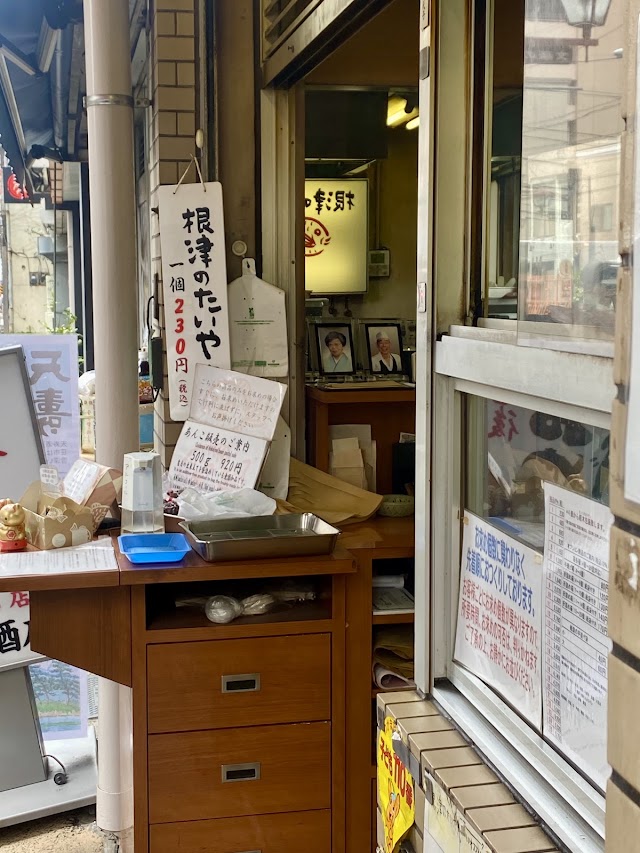
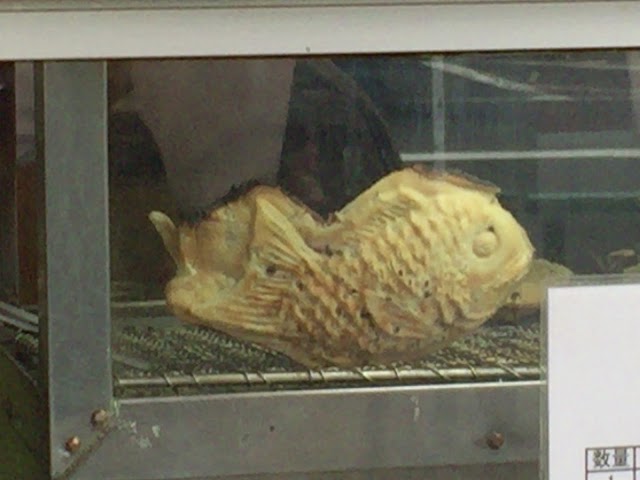
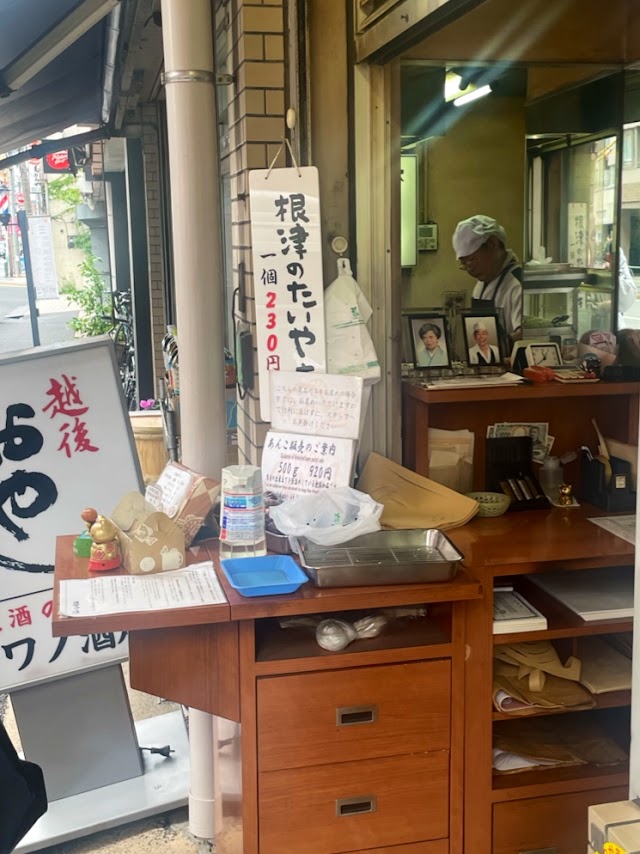
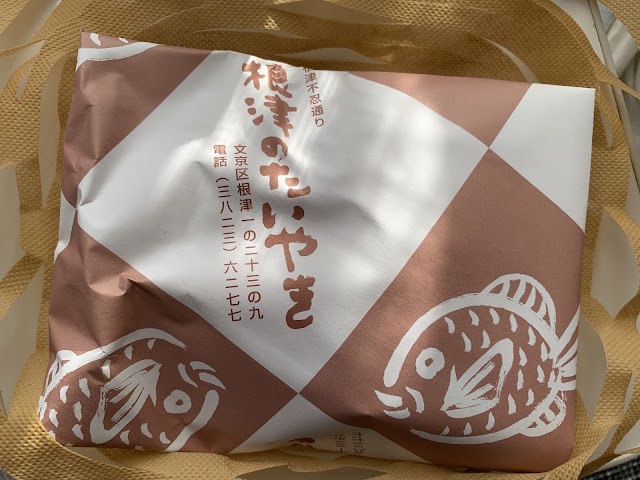
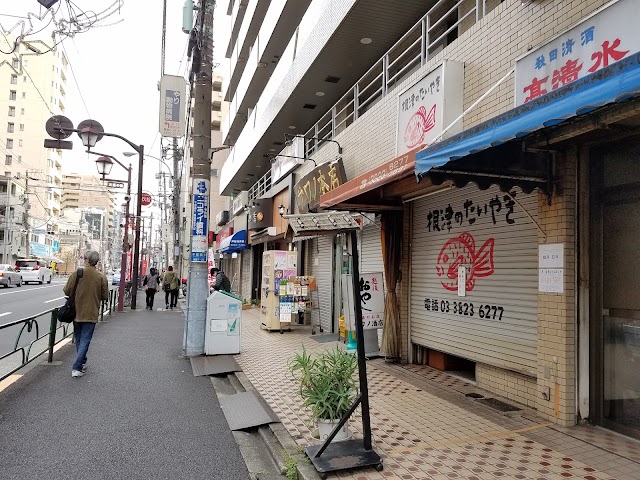
[2] An August route. Start early at Nezu Shrine, when it is emptiest and shadiest. Buy a taiyaki at Nezu no Taiyaki, head north through Sendagi to HAGISO for breakfast or coffee — the first air-conditioned stop — then across to Kayaba Coffee and SCAI THE BATHHOUSE next door, one minute apart, for the second and third. Continue north to the Asakura Museum of Sculpture, the fourth and quietest stop, then come down the Yuyake Dandan steps into Yanaka Ginza for a freshly fried menchi-katsu at Niku no Suzuki, and finish sitting down at Ueno Sakuragi Atari. Four to five kilometres on foot, five to six hours with stops; drop the last stop and return to Nippori if you are with older travellers. The route works in reverse in the late afternoon — Yuyake Dandan means sunset steps, and the view down them before dusk is the district's signature image — but most shops shut around 18:00, so an evening walk is for looking, not buying.
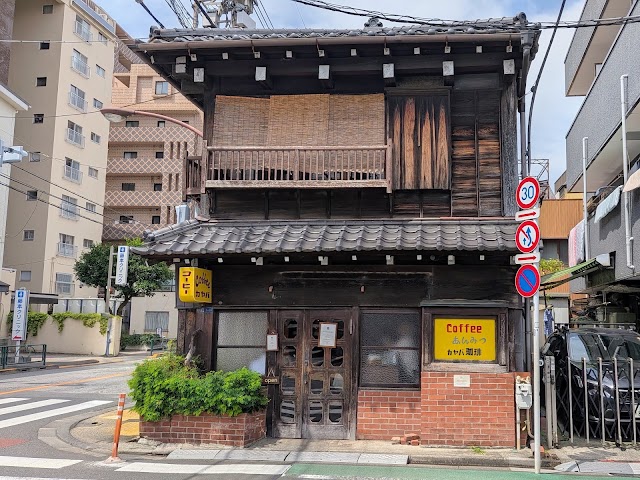
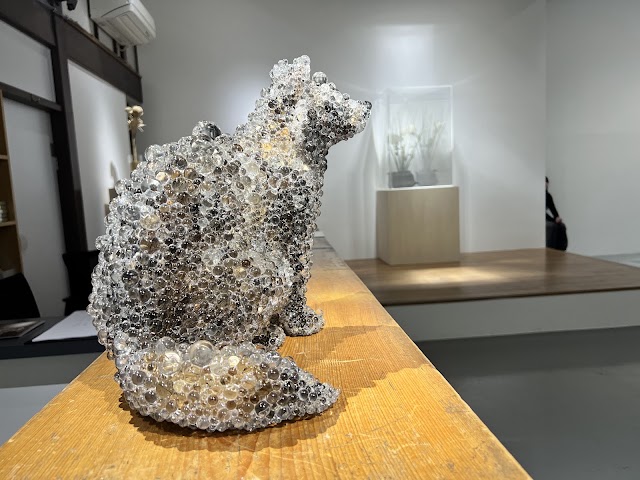
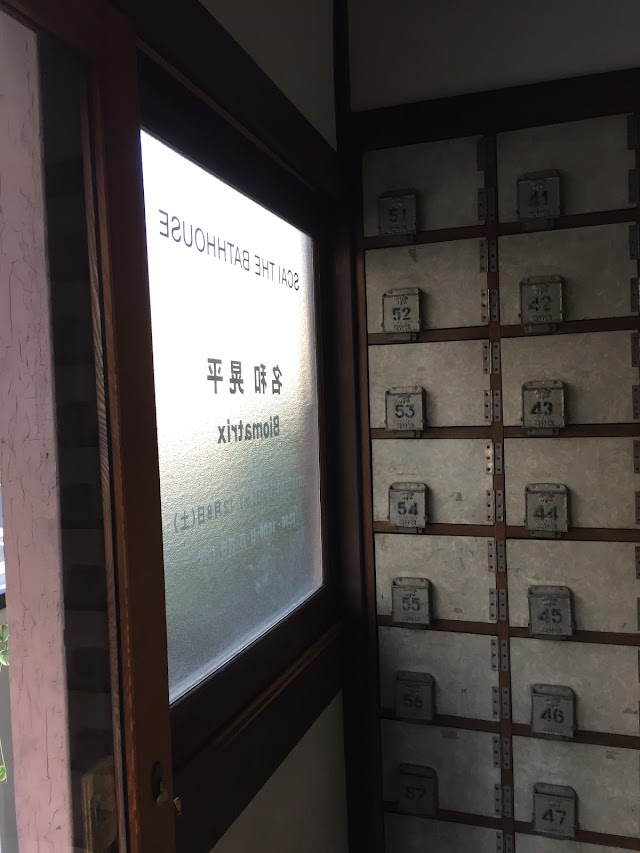
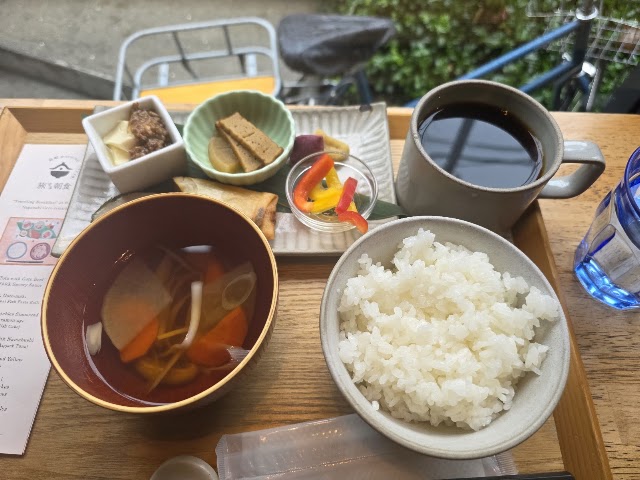
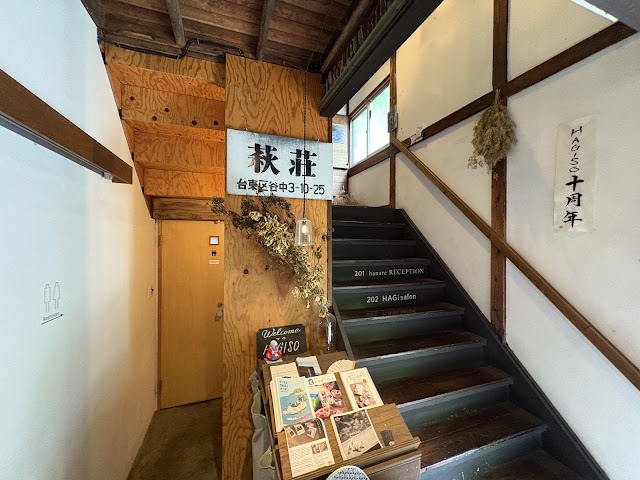
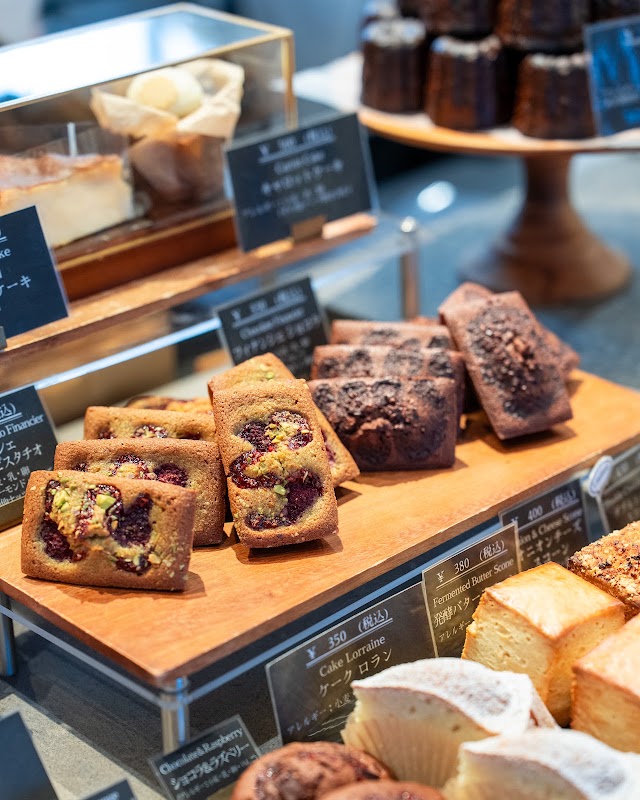
[3] Four buildings, four methods. Kayaba Coffee, open since 1938, closed in 2006 after its owner died and reopened in 2009 under a local heritage group together with people from SCAI THE BATHHOUSE: change the operator, keep the use. SCAI THE BATHHOUSE, a gallery since 1993 in the two-hundred-year-old Kashiwayu bathhouse, keeps the shell and changes the use, so from the street it is still a bathhouse. HAGISO, open since 2013, was saved by the architecture students living in it, and the group went on to run the whole neighbourhood as a single inn — reception at HAGISO, rooms in nearby old houses, bathing at the local sento, dinner at the local diners — one of the most cited examples in Japanese regional revitalisation and worth study by anyone in the accommodation trade; rely on their current official information for how it operates and how to book. Ueno Sakuragi Atari, opened 2015, restored three 1938 houses as a set and leased them to a beer hall, a bakery and specialist shops: restore a cluster, not a single house. The common thread is that preservation here never meant freezing. A building survives by being used and by earning.
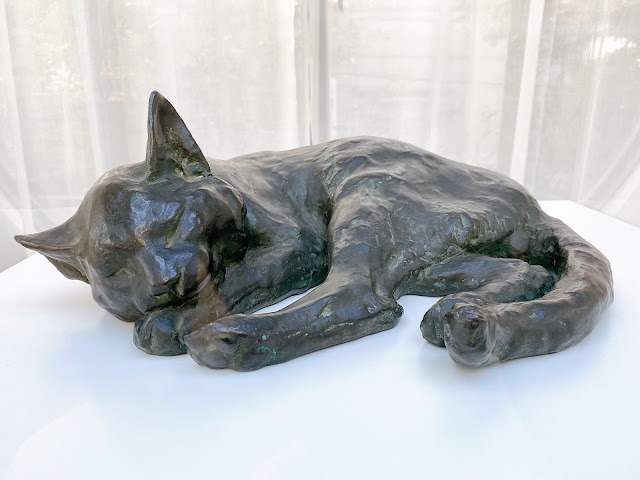
[4] Practical notes. Carry cash; independent shops here take far less plastic than central Tokyo, and there are convenience-store ATMs near Nippori and Nezu. The Yanaka cats are a local emblem in carvings and merchandise, though the actual street-cat population has thinned in recent years. Public bins are essentially absent, which is normal across Japan and simply more noticeable where people eat as they walk. Mondays close much of the route, with the Asakura Museum also closed Thursdays and SCAI THE BATHHOUSE closed Sundays and holidays. During Obon, 13 to 16 August, independent shops close at a higher rate than usual. To extend the day, Ueno Park is ten minutes on foot from Ueno Sakuragi Atari, putting the Tokyo National Museum and Ueno Zoo in reach, and Nippori is two minutes from Ueno and about ten from Tokyo Station by JR. For those who want to stay in the area, Yanaka has family-run inns that have hosted mostly foreign guests for decades, priced like a business hotel and nothing like one in feel.
Sources: Yanaka Ginza Shopping Street Association (https://www.yanakaginza.com/); Nezu Shrine (https://www.nedujinja.or.jp/); Asakura Museum of Sculpture (https://www.taitogeibun.net/asakura/); SCAI THE BATHHOUSE (https://www.scaithebathhouse.com/ja/); HAGISO (https://hagiso.com/); Tokyo Shimbun (https://www.tokyo-np.co.jp/article/484149); San-tatsu (https://san-tatsu.jp/articles/433183/); Rurubu & More (https://rurubu.jp/andmore/spot/80011293). Addresses, phone numbers, opening hours and ratings were verified through the Google Places API the day before publication; independent shops change their closing days and sell out at unpredictable times, so confirm again before setting out.
 Scan for map
 Scan for map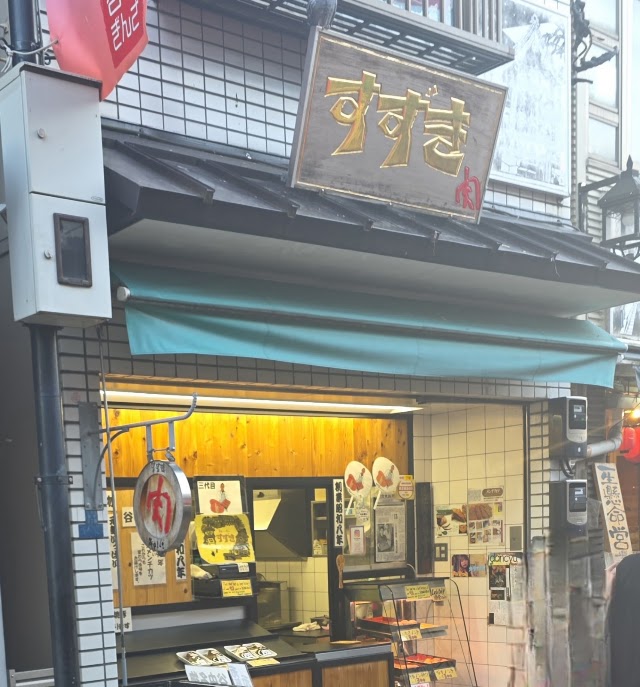
 Scan for map
 Scan for map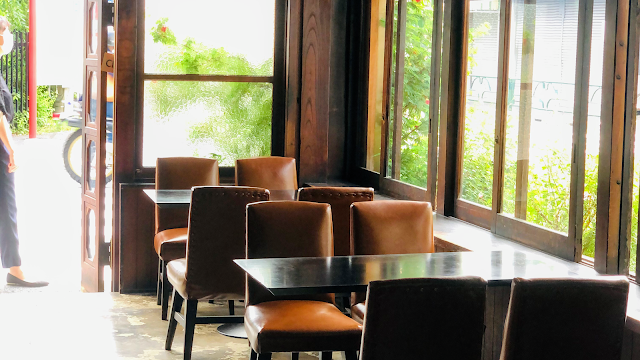
 Scan for map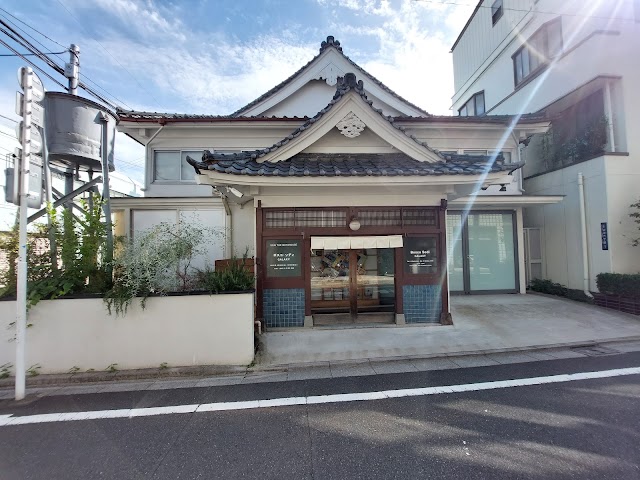


 Scan for map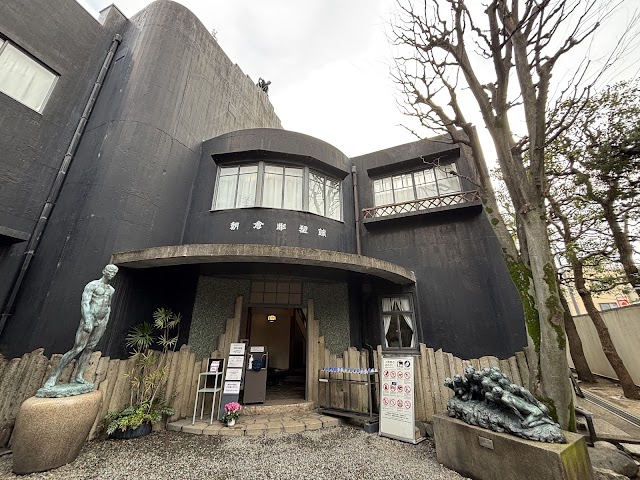
 Scan for map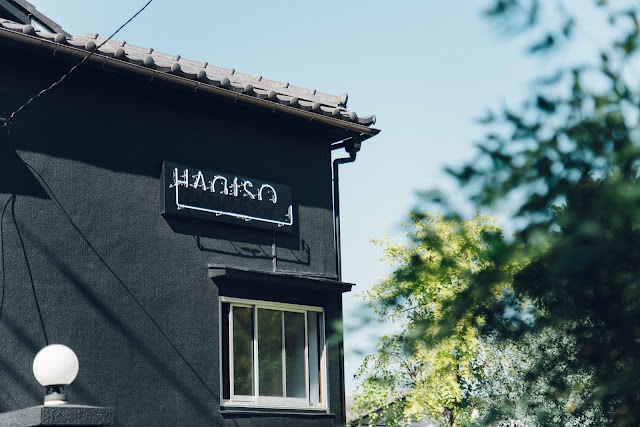
 Scan for map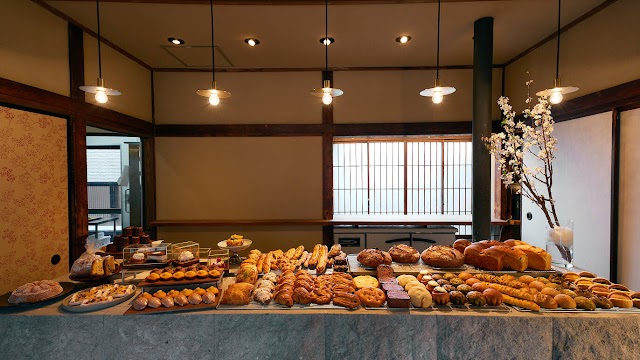
 Scan for map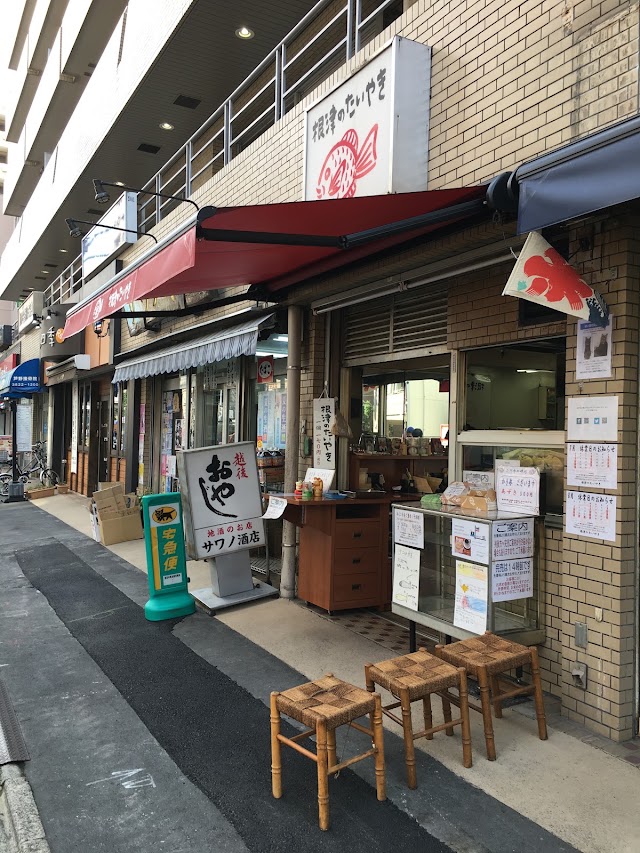
 Scan for map