A Water-Throwing Festival That Comes Once in Three Years, and Japan's First Blue Bottle: Ten Stops Through Kiyosumi-shirakawa and Monzen-nakacho
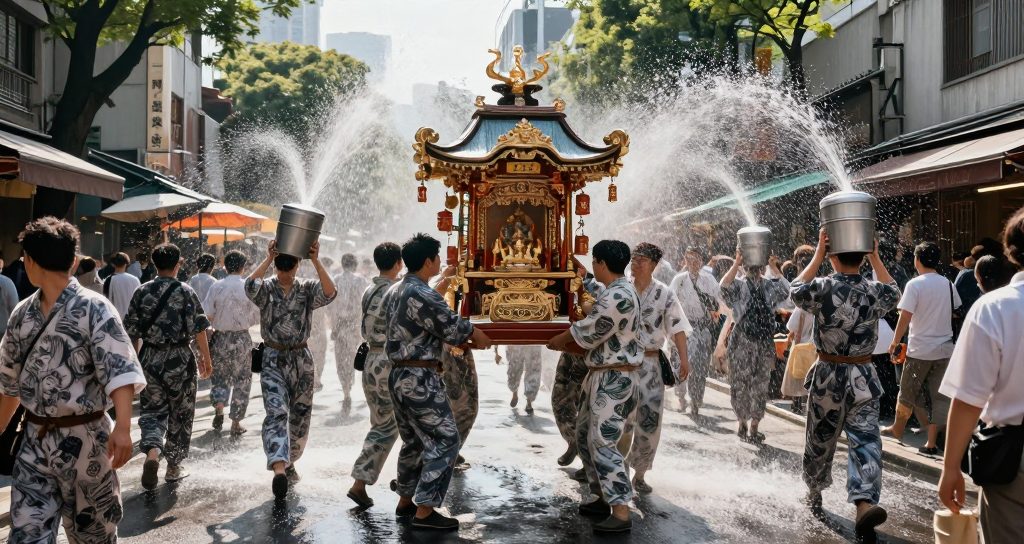
- 2026 is a main-festival year for Tomioka Hachimangu's Fukagawa Hachiman Matsuri, which happens once in three years: 12–16 August, with the phoenix palanquin departing 08:00 and returning 16:15 on Saturday the 15th, and the massed mikoshi procession at 07:30 on Sunday the 16th.
- The water-throwing is literal and thorough: waterproof phones and cameras, expect soaked clothes and shoes, bring a change; streets around Monzen-nakacho are controlled and extremely crowded during the festival.
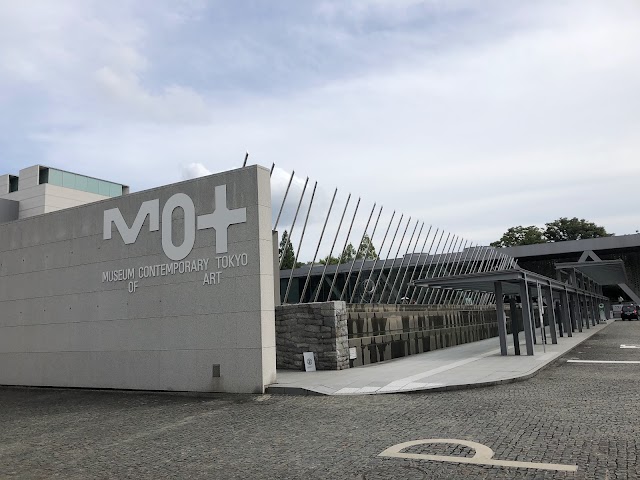
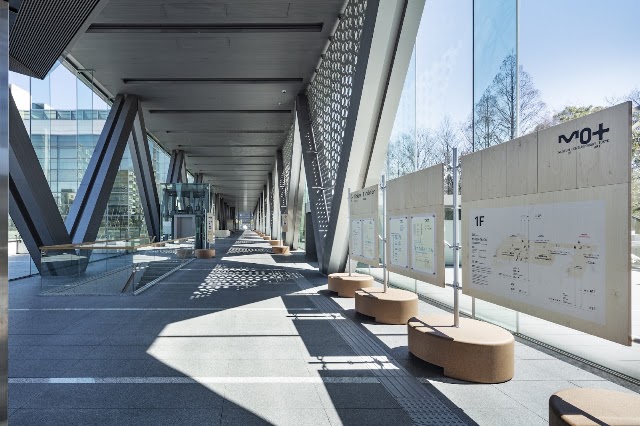
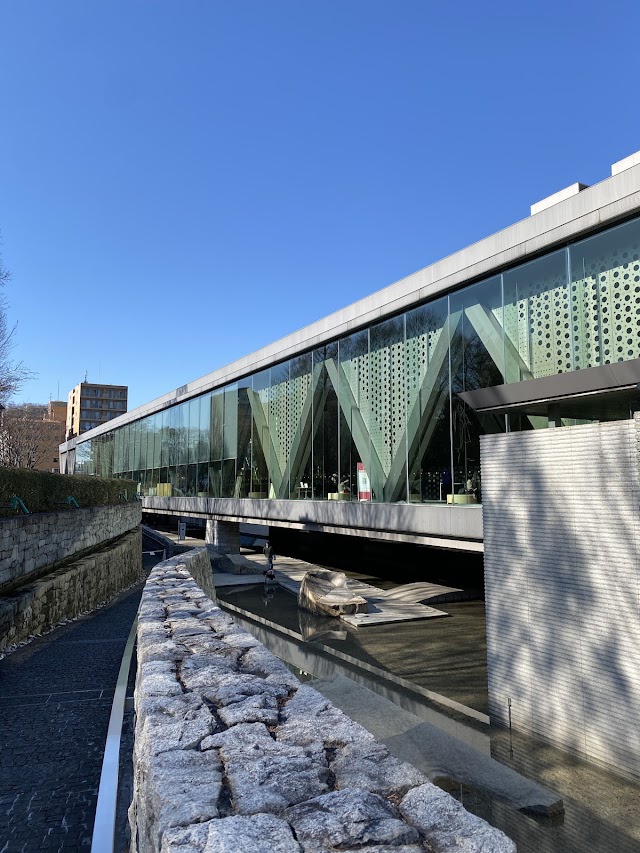
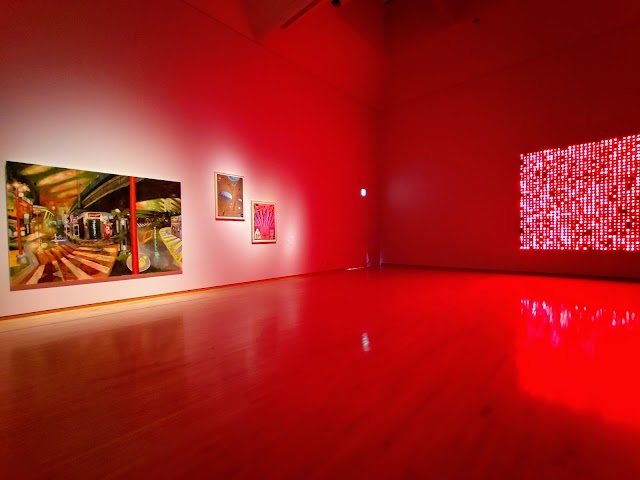
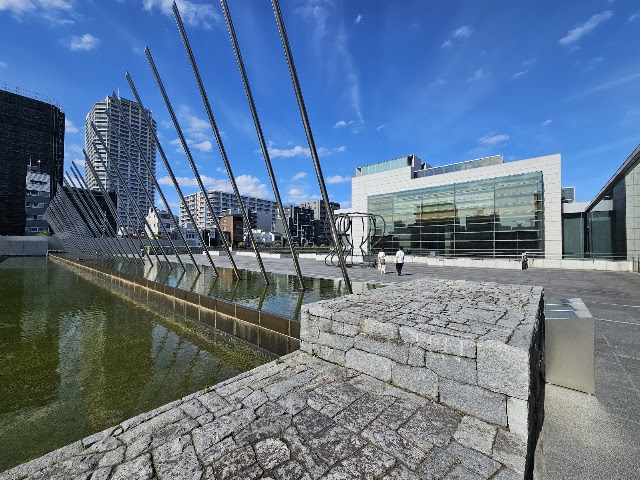
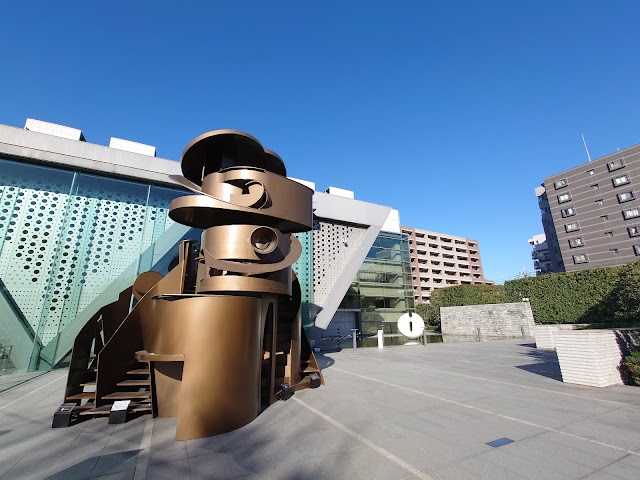
- The Museum of Contemporary Art Tokyo's 2026 Summer Night Museum evenings are Friday 7 and Friday 14 August, open until 21:00 with 20% off entry after 17:00 and free admission for students; normal hours 10:00–18:00, closed Mondays.
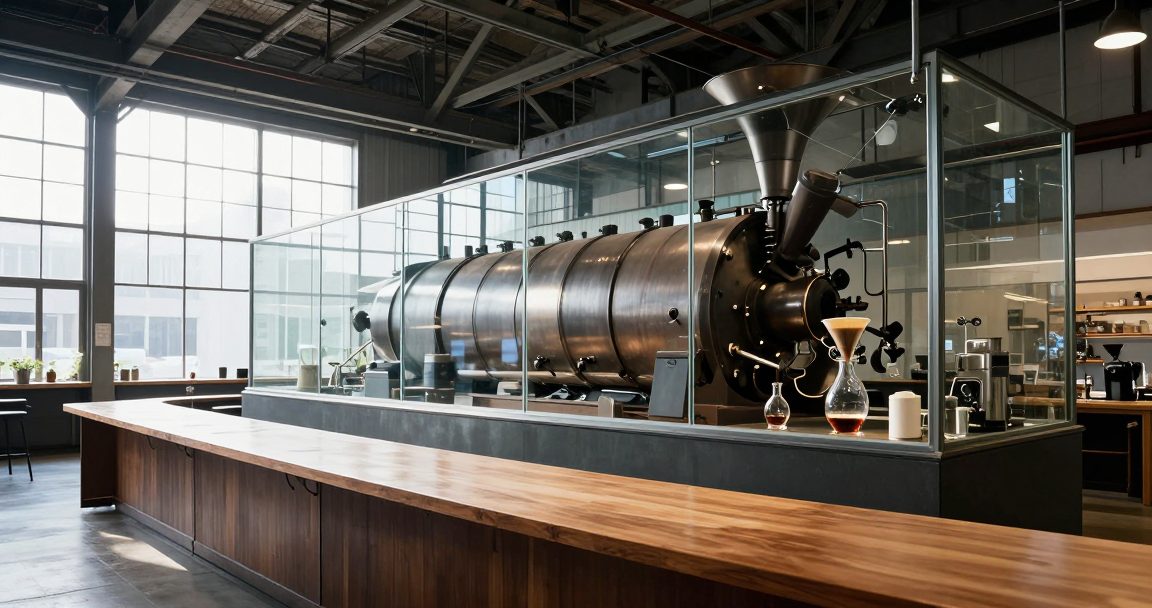
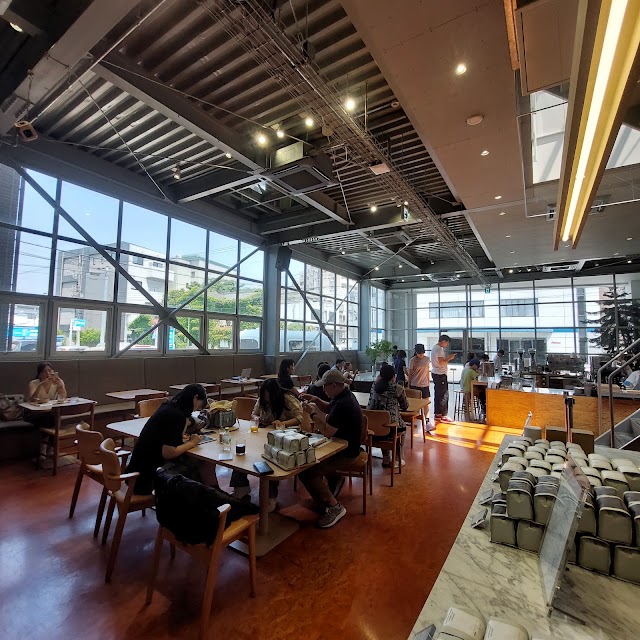
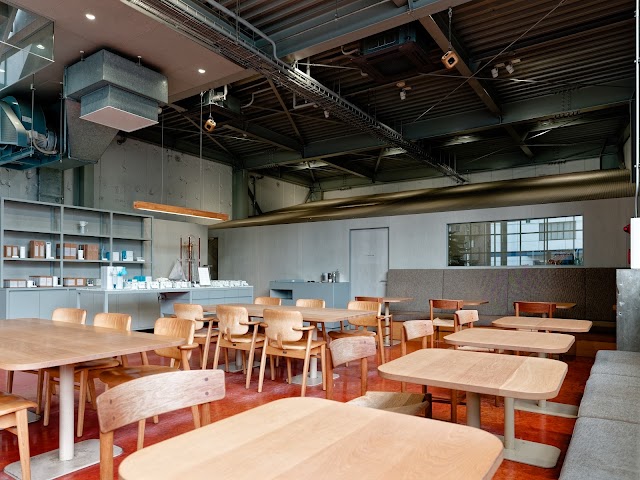
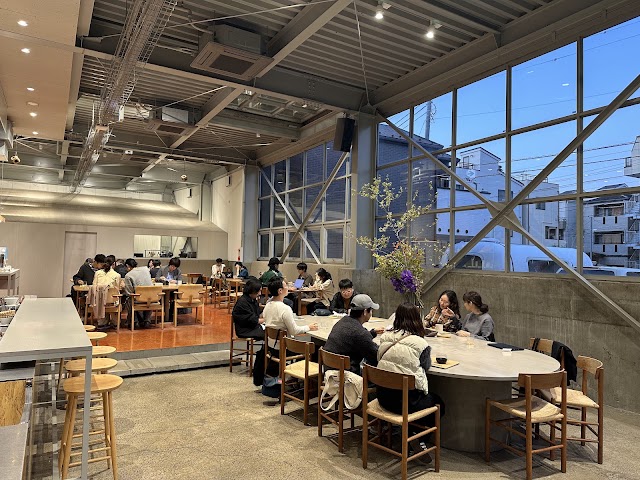
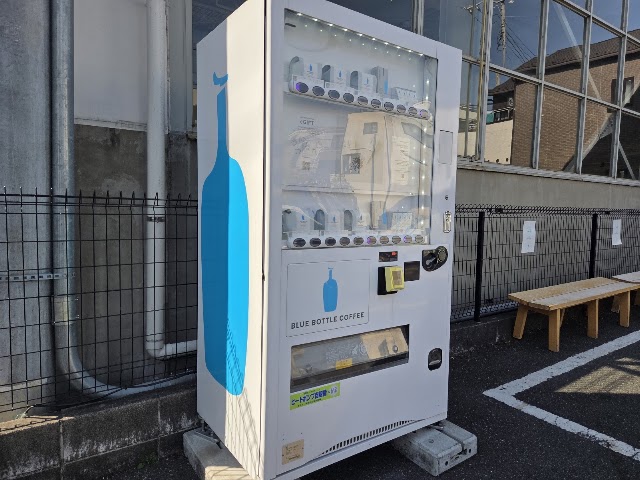
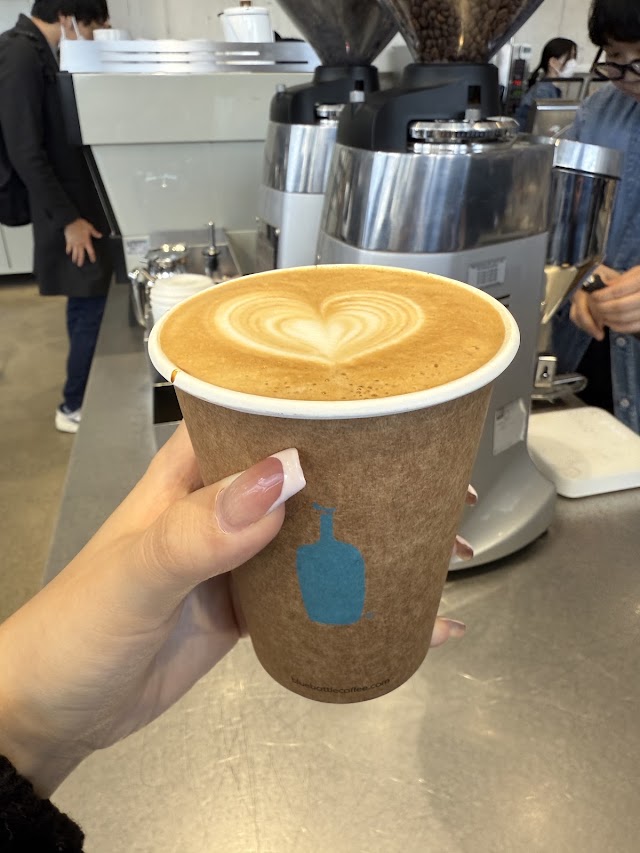
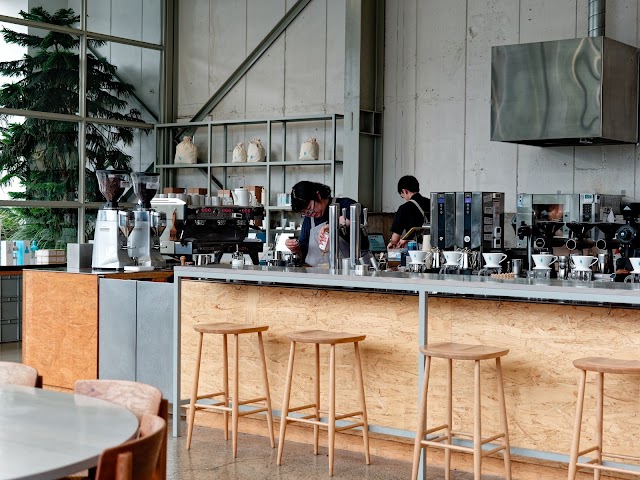
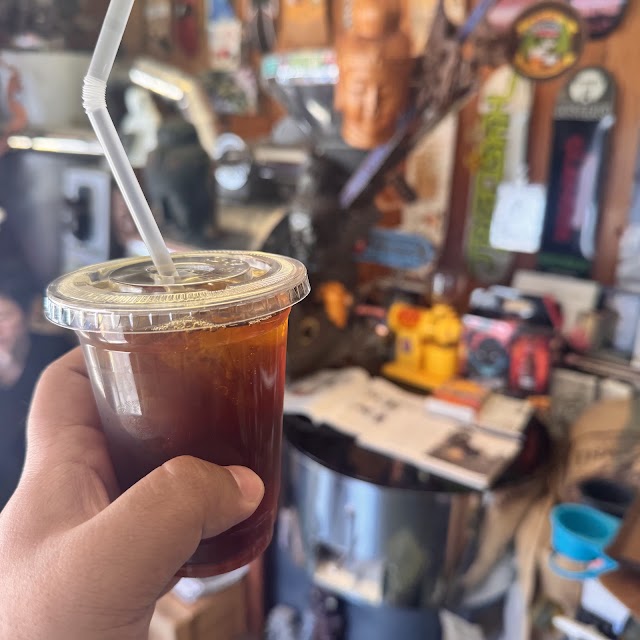
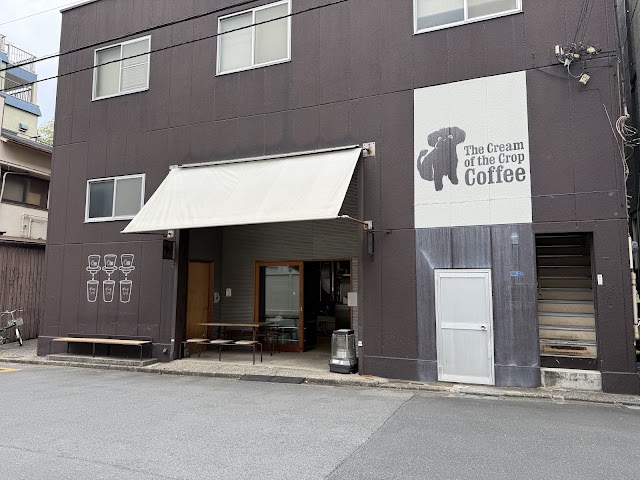
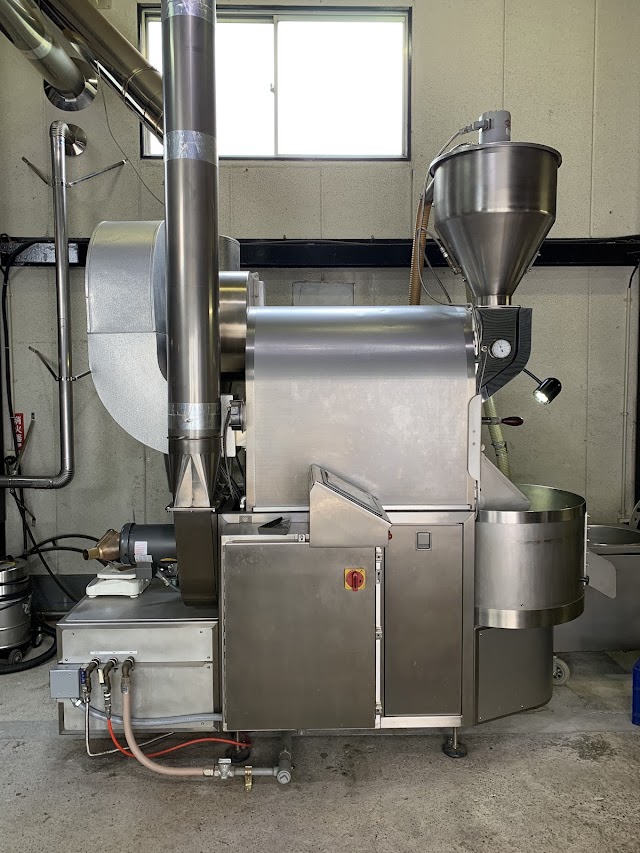
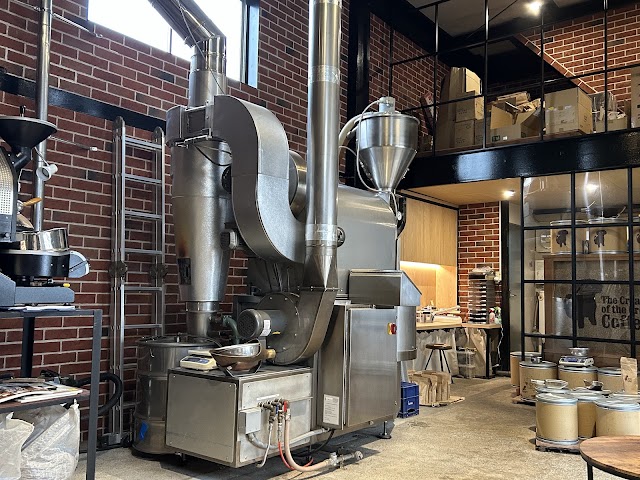
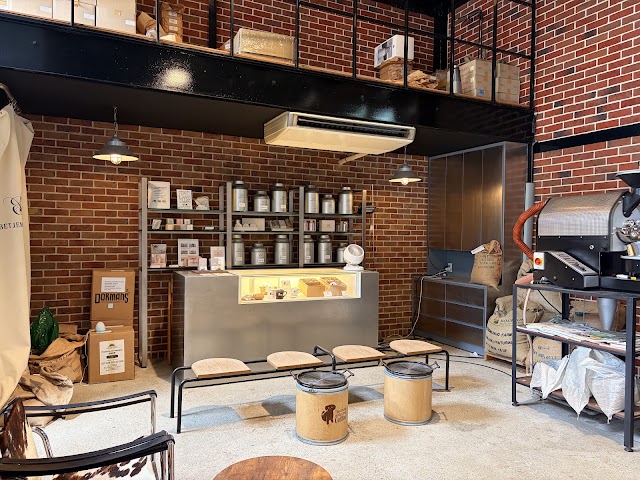
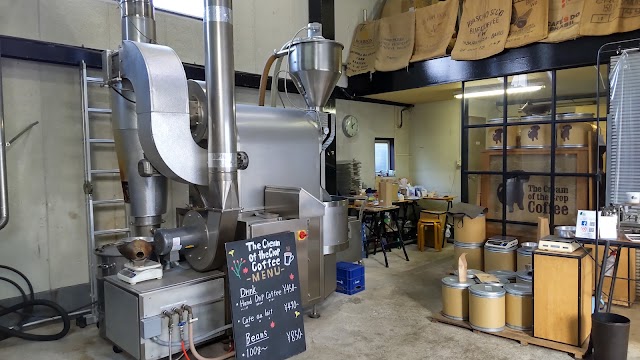
- Kiyosumi-shirakawa became a coffee cluster for spatial reasons: tall old warehouses that could house large roasters, at rents below central Tokyo. Blue Bottle opened its first Japanese shop here in 2015; The Cream of the Crop set up a roastery earlier.
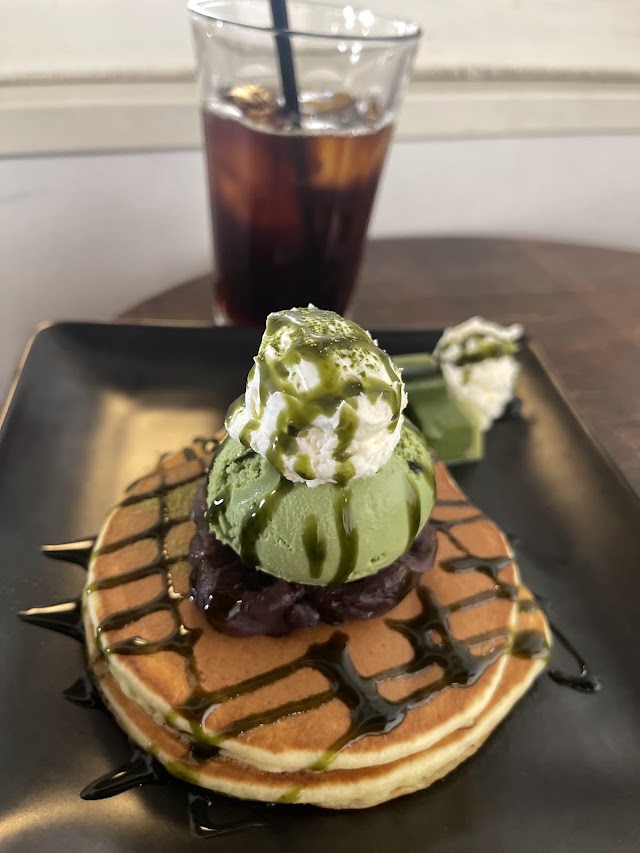
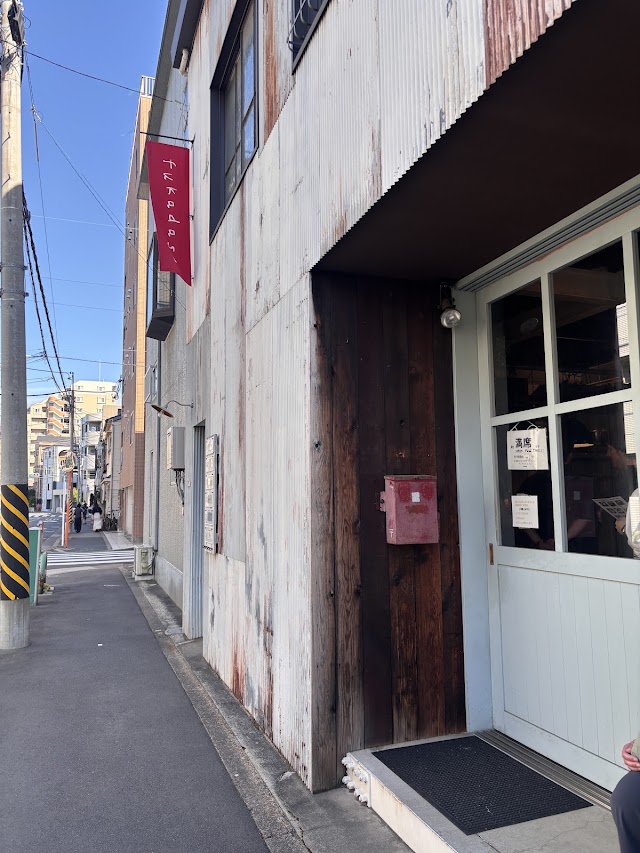
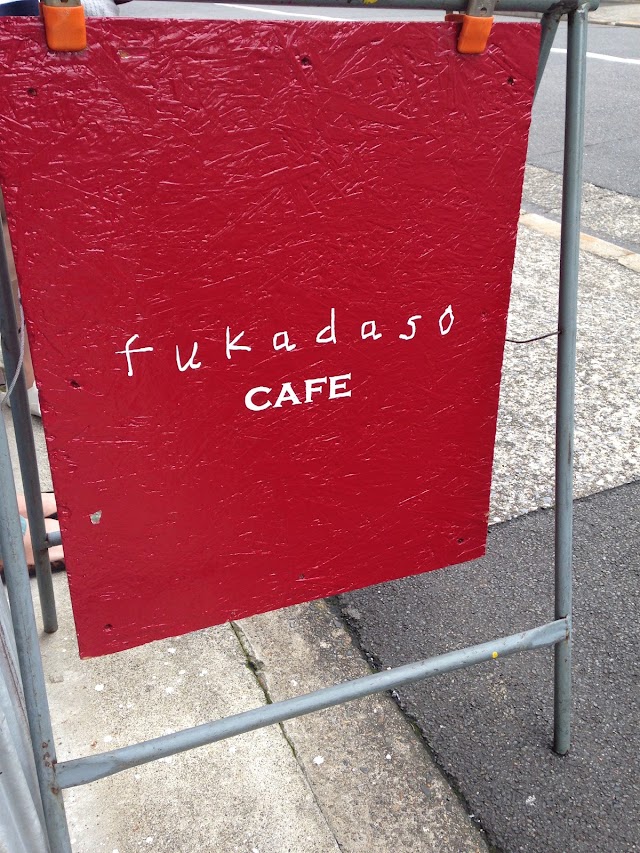
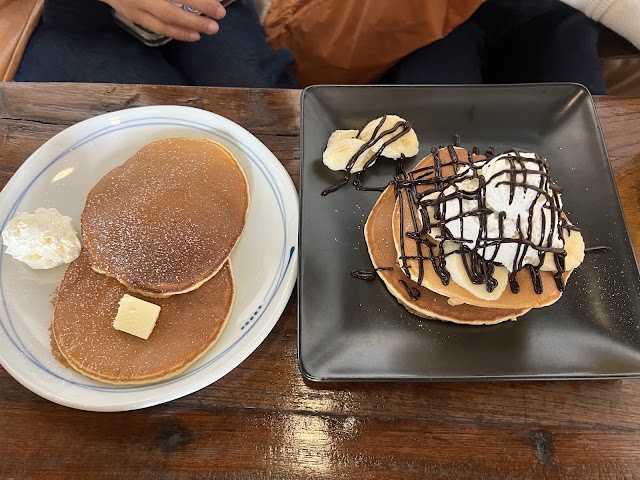
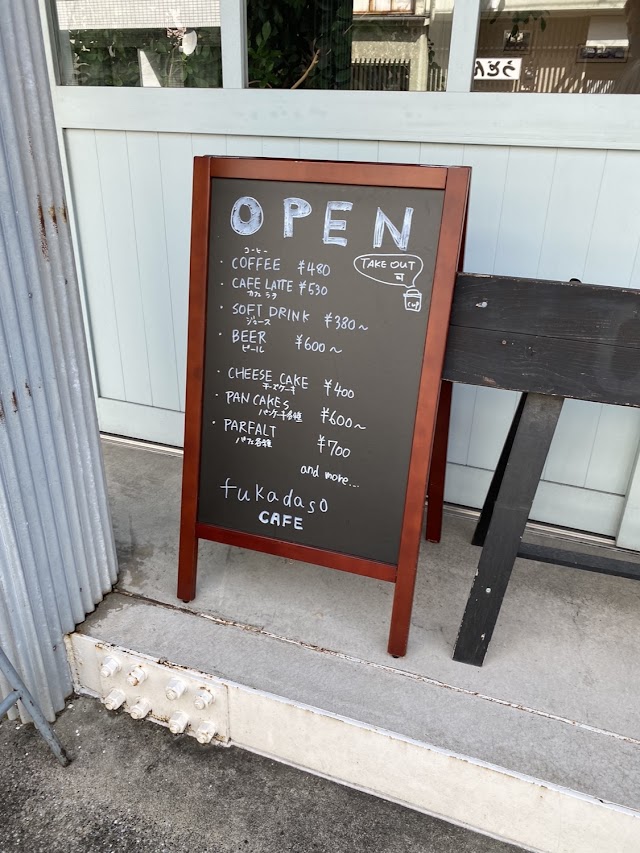
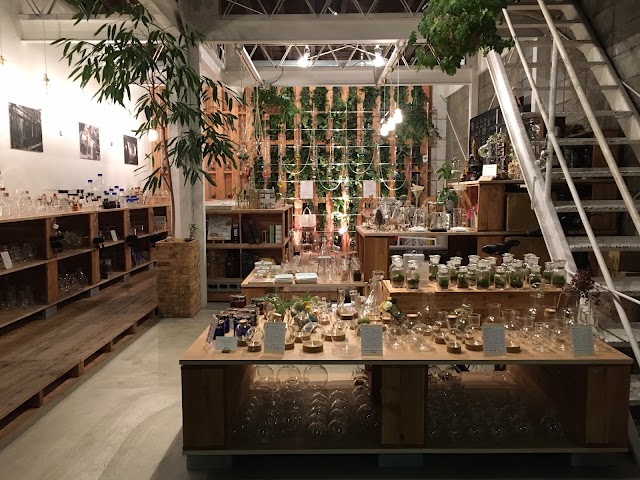
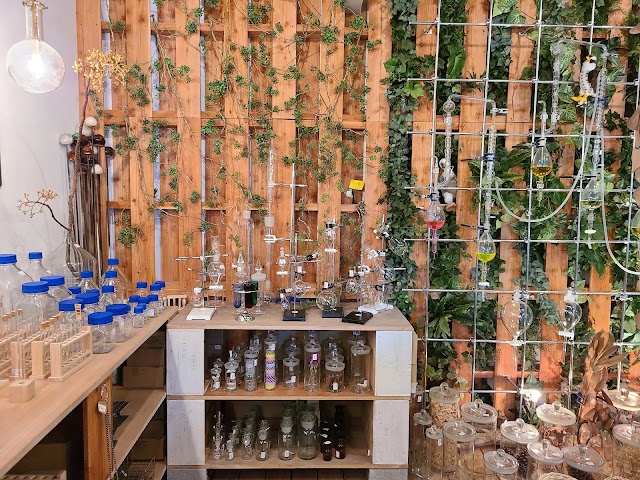
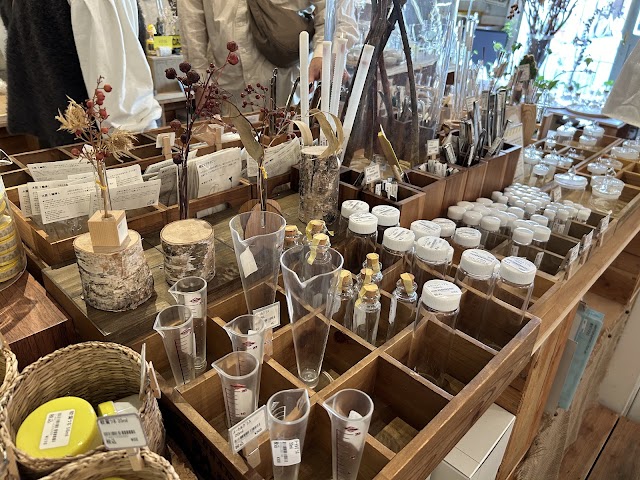
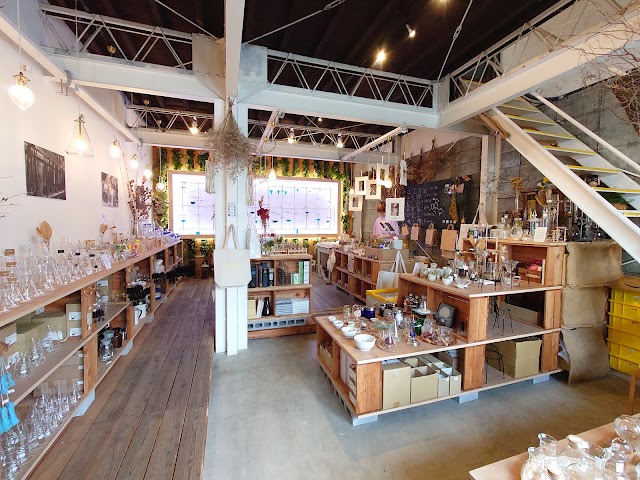
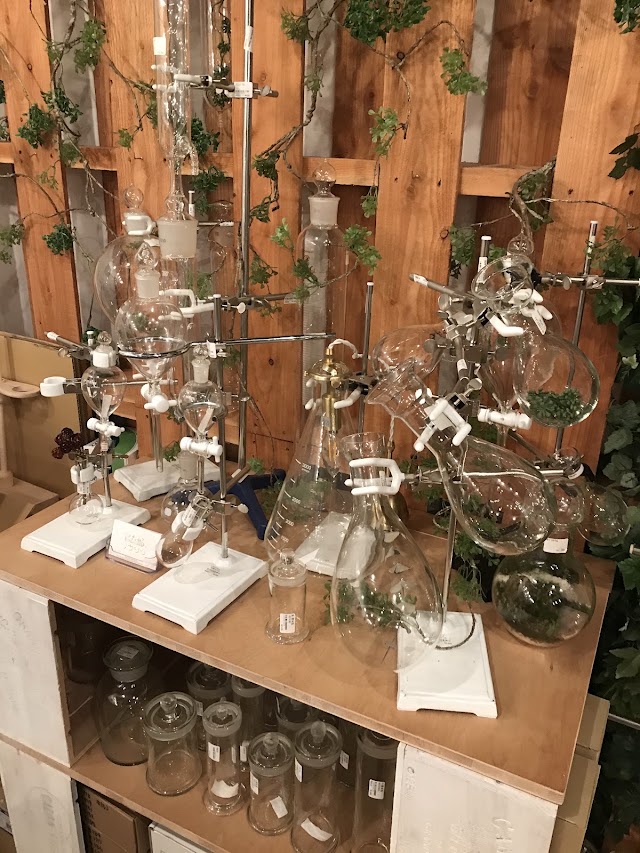
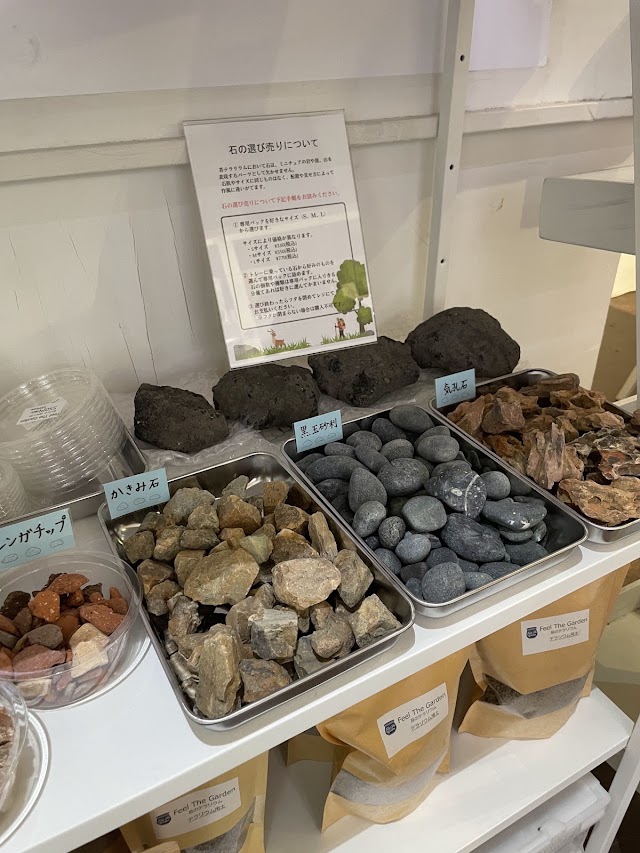
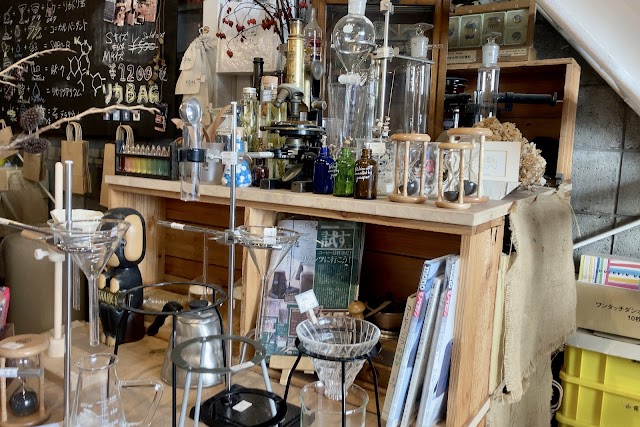
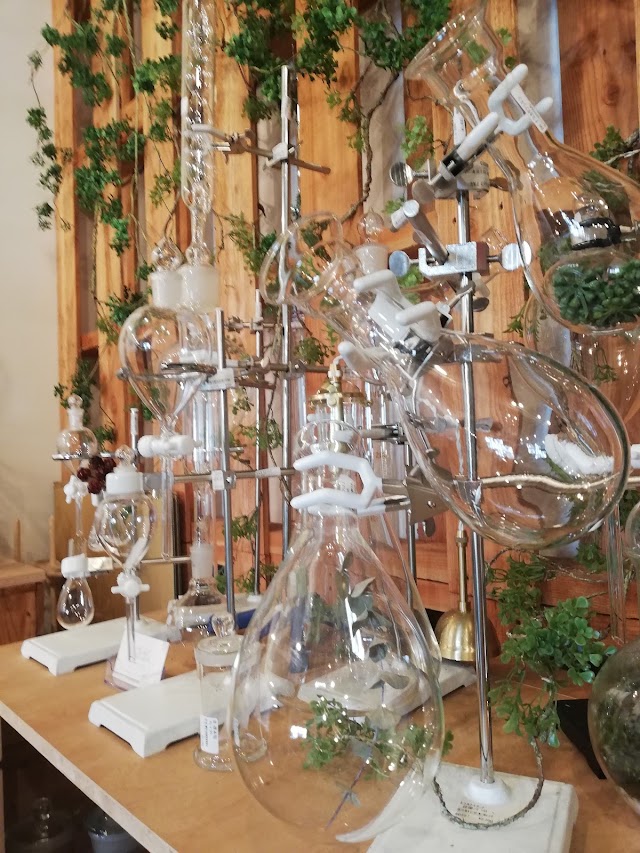
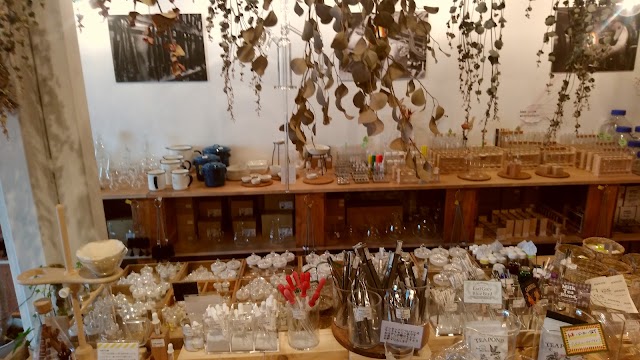
- fukadaso, a roughly 60-year-old apartment-and-warehouse, was converted whole in 2012 into a mixed-use building; Rikashitsu, the retail outlet of glassware maker Sekiya Rika, occupies room 102 and generally opens 13:00–17:00, closed Monday to Wednesday.
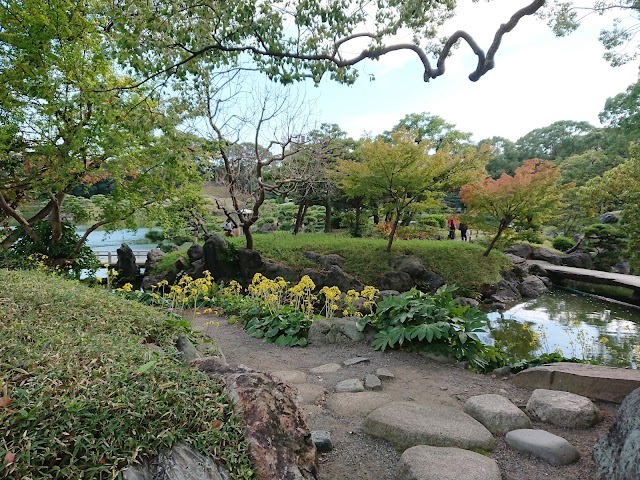
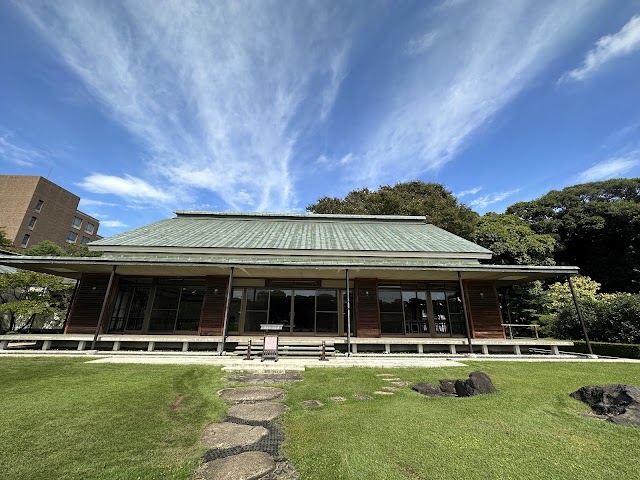
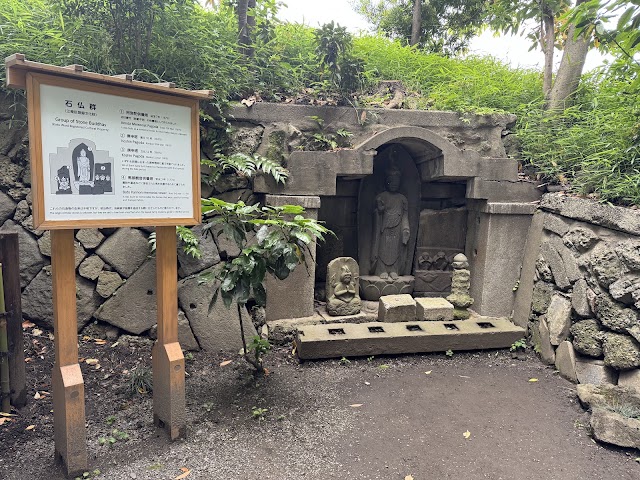
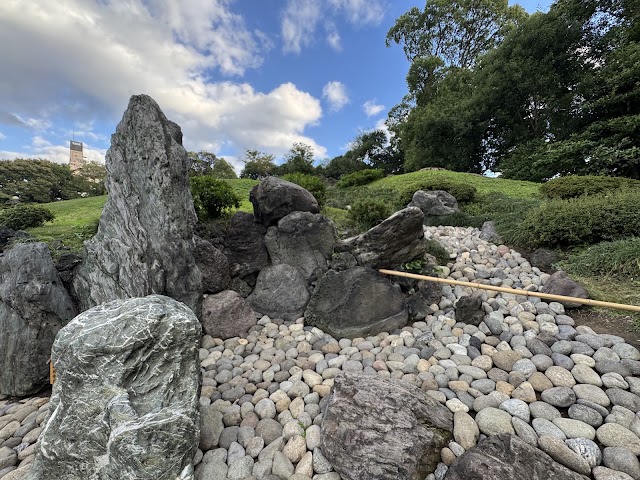
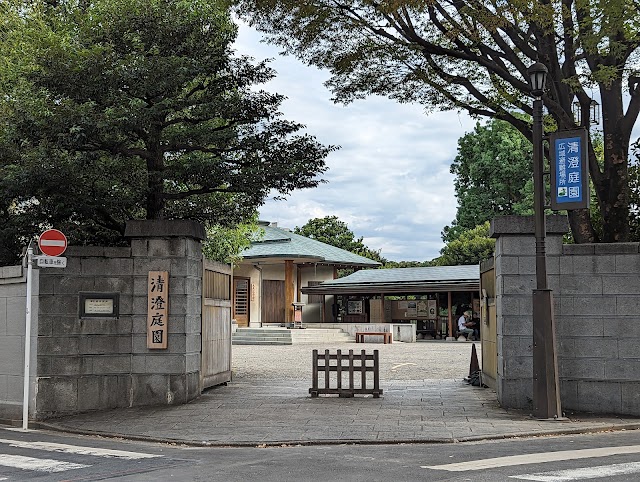
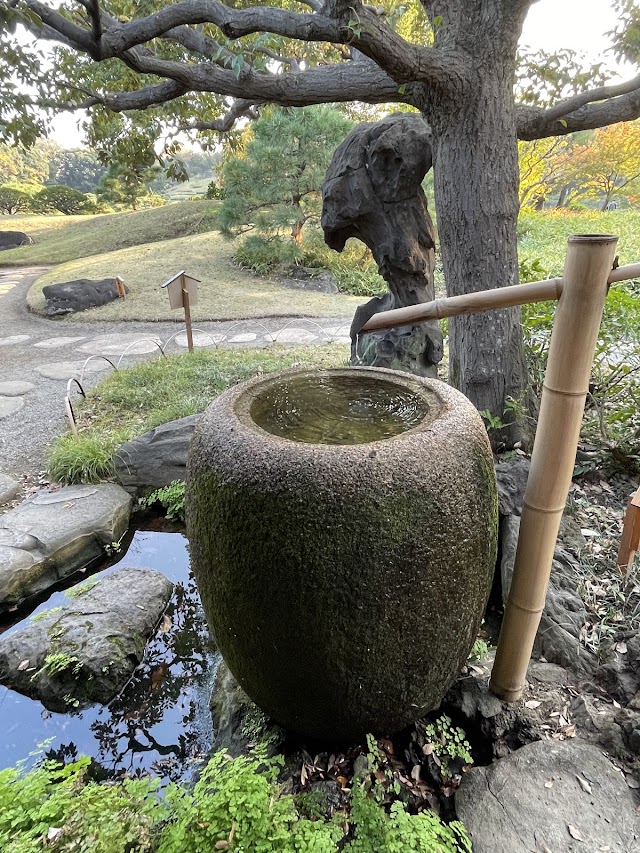
- Kiyosumi Garden charges ¥150 general, ¥70 for 65 and over and is free for children, open 9:00–17:00 with last entry 16:30; it is a strolling pond garden built around notable stones the Iwasaki family shipped in from across Japan.
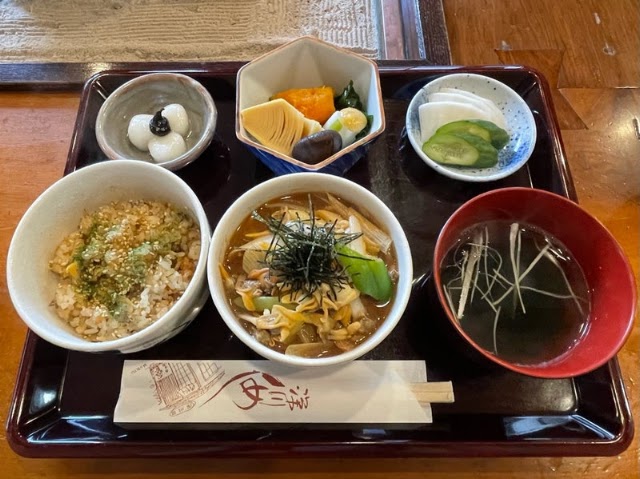
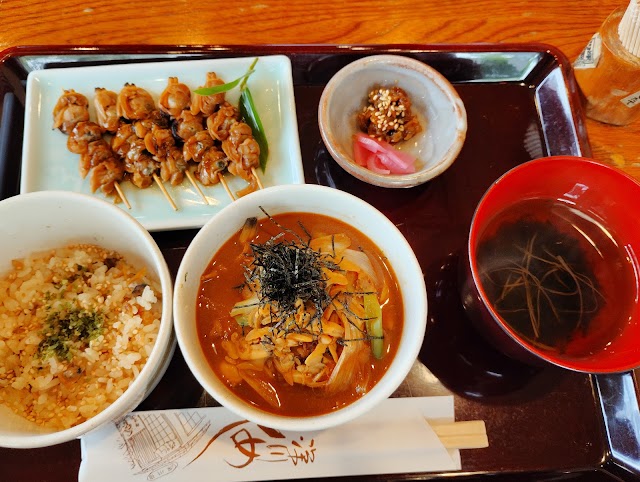
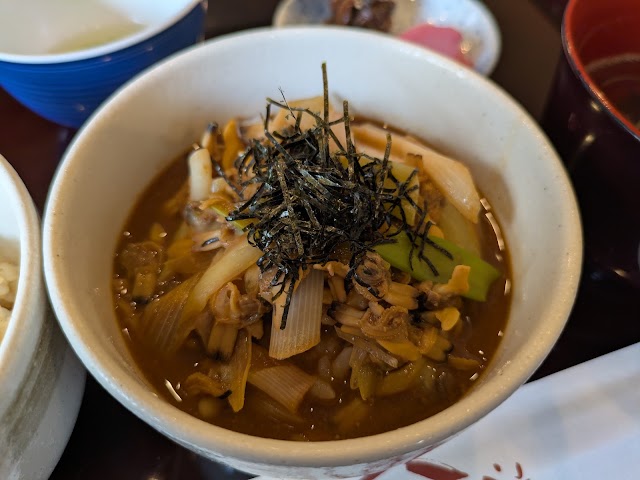
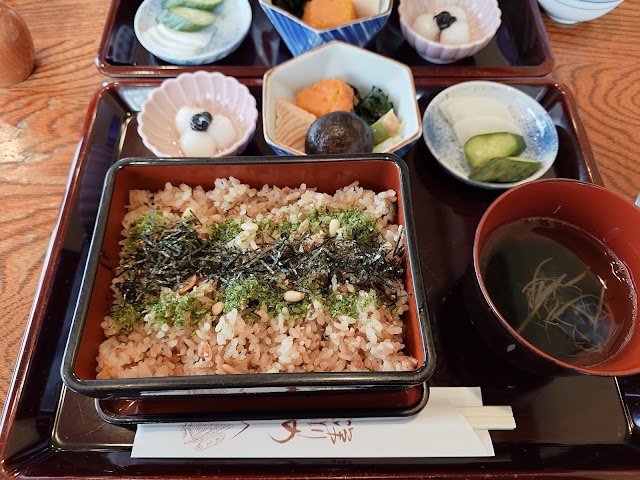
- Fukagawa-meshi comes in two schools, bukkake (miso-simmered clams over rice) and takikomi (clams cooked with the rice); Fukagawa itself now produces almost no clams, so the value lies in method and context.
- The route can be run in reverse to beat the heat: cafés by day, museum after 17:00, fukagawa-meshi for dinner and the festival atmosphere at night.
Kiyosumi-shirakawa and Monzen-nakacho are two doors into the same place. Both sit in Koto ward, separated by a canal and twenty minutes on foot, yet they present entirely different faces: one end is the festival district of one of the three great festivals of Edo, the other a warehouse quarter now called a coffee mecca. Walking both is the only way to understand what has actually happened in Koto over the past decade.
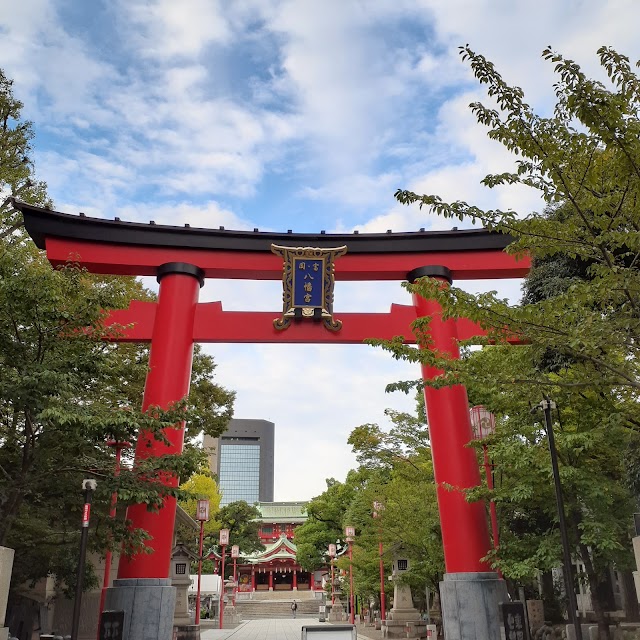
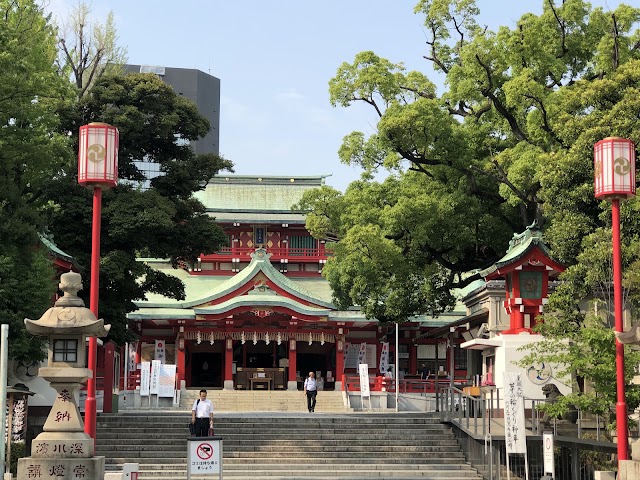
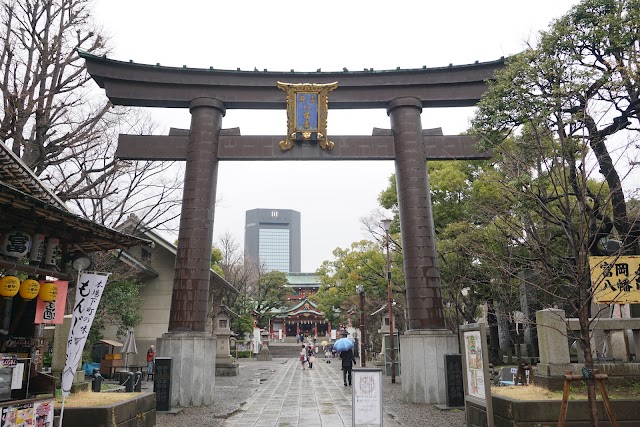
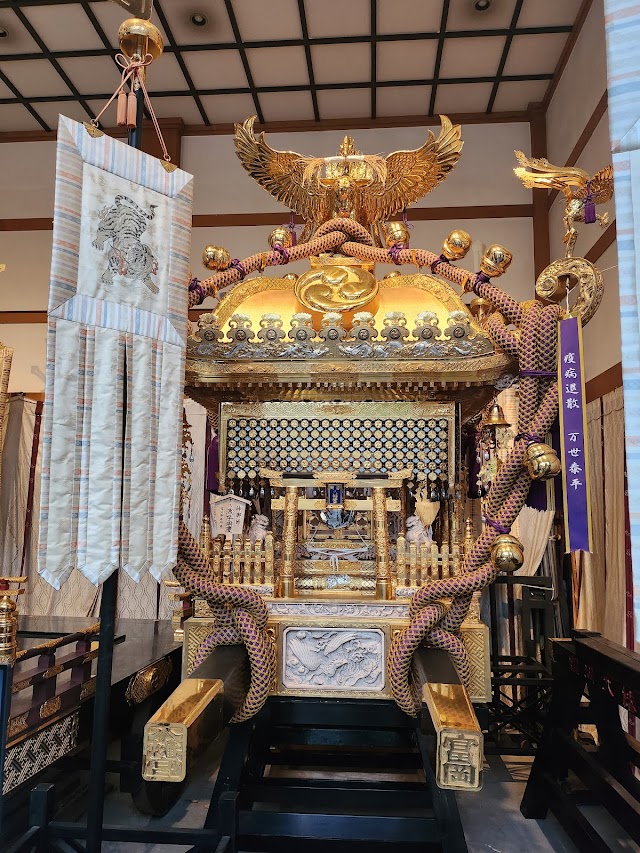
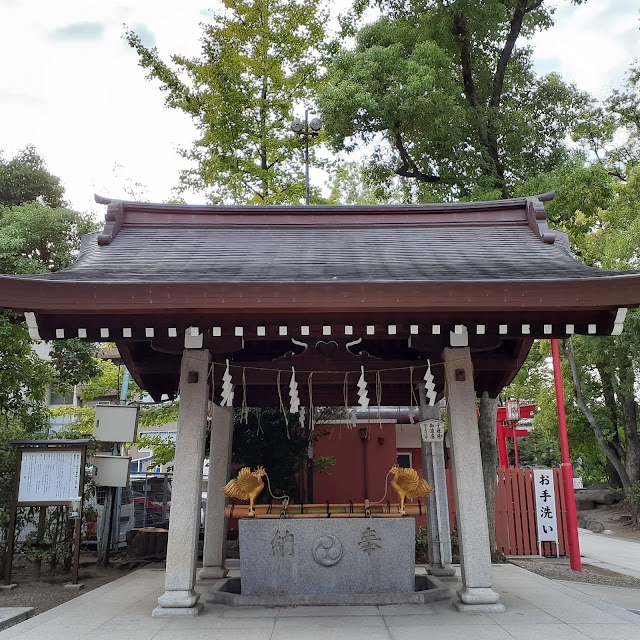
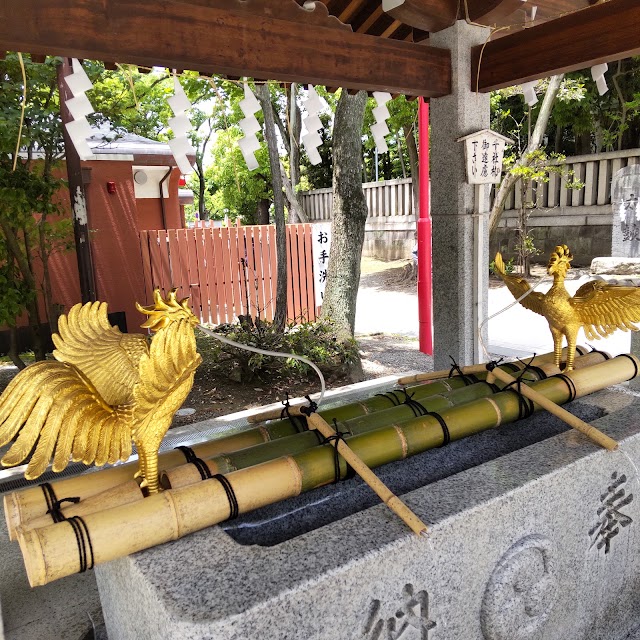
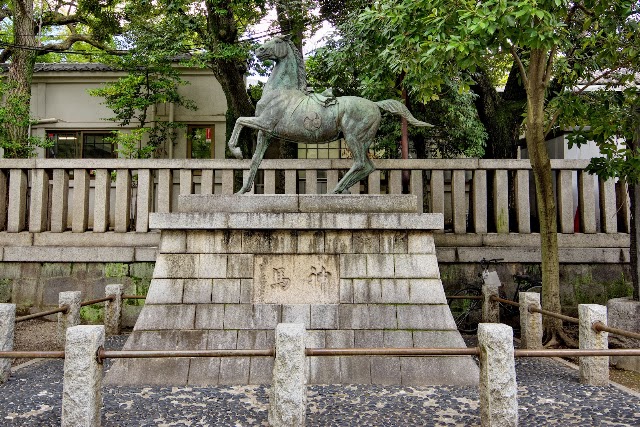
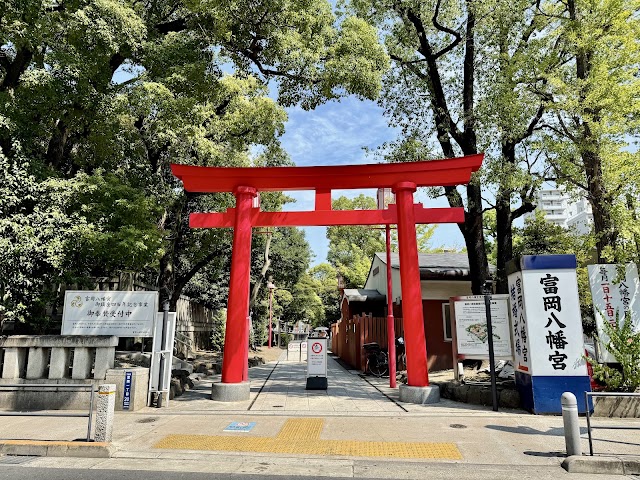
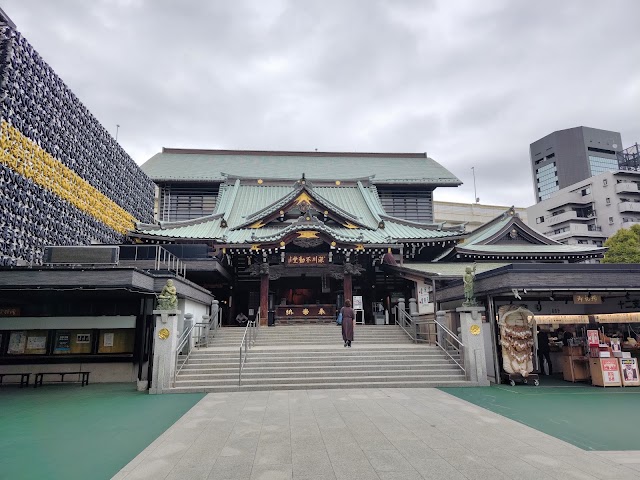
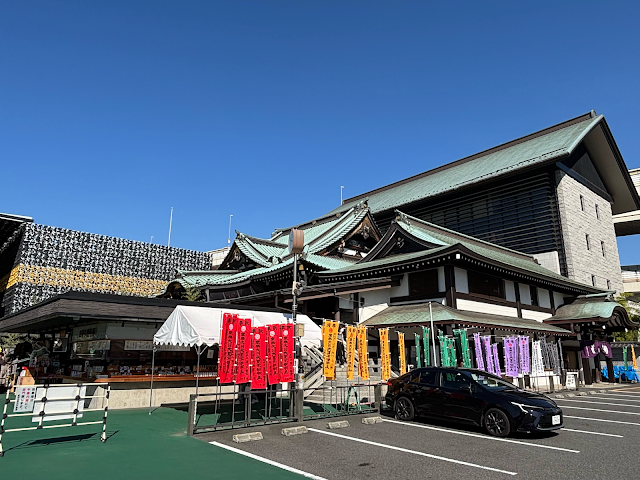
Start with what makes this August unusual. Tomioka Hachimangu's grand festival, the Fukagawa Hachiman Matsuri, is one of Edo's three great festivals, and the full version in which every neighbourhood parades its portable shrine comes only once in three years. 2026 is that year. Per the complete schedule published by the local magazine Fukagawa WEB, the festival runs from Wednesday 12 to Sunday 16 August, with the phoenix palanquin departing at 08:00 on Saturday the 15th and returning at 16:15, and the massed neighbourhood mikoshi procession beginning at 07:30 on Sunday the 16th. Its other name is the water-throwing festival, because spectators empty buckets over the bearers along the route. This article reaches you two days before the biggest morning of it.
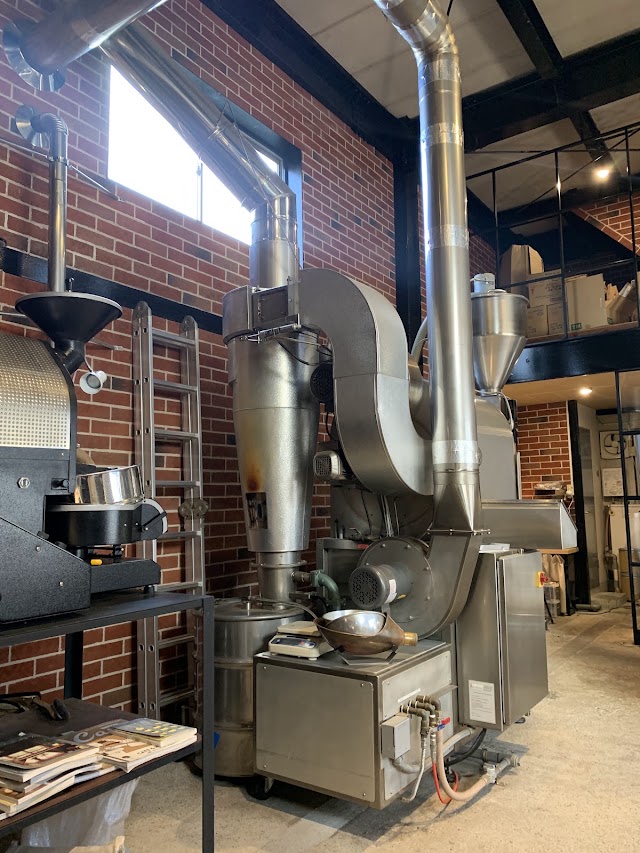
For Taiwanese visitors the barrier here is lower than at Asakusa. Asakusa has been entirely set by tourism; Fukagawa has not. The festival is carried by neighbourhood associations, the coffee is drunk by locals, and fukagawa-meshi was a fisherman's working lunch. Most of what you see was not put there for you. The coffee has a concrete industrial explanation: Blue Bottle chose Kiyosumi-shirakawa for its first Japanese shop in 2015 because the old warehouses had ceilings tall enough for large roasters and rents below the city centre, and over ten years the trade followed. A district of timber and storage became a district of coffee — the result of old buildings being neither demolished nor museumified, but kept cheaply in use.
An August route has to be sequenced by temperature rather than by map. Koto sits around 35°C on mid-August afternoons, so four of these ten stops are places you can stay in for a long time — the museum, the temple's inner hall, two roasteries — and the piece offers a reversed version of the route, because the Museum of Contemporary Art Tokyo stays open until 21:00 on Friday 14 August with 20% off entry after 17:00 and free admission for students. Saving money and escaping the heat happen to have the same answer this month.
[1] The geography. Kiyosumi-shirakawa Station (Tokyo Metro Hanzomon Line / Toei Oedo Line) and Monzen-nakacho Station (Tokyo Metro Tozai Line / Toei Oedo Line) are about 1.5km apart — twenty minutes on foot, one stop on the Oedo Line. In the Edo period this whole block was known as Fukagawa, the east bank of the Sumida that lived off water: timber yards, shipping, fishing, warehouses. The two things you see today, the festival and the coffee, are both extensions of that waterfront-warehouse history — one a faith that stayed, the other an industry that took over the space.
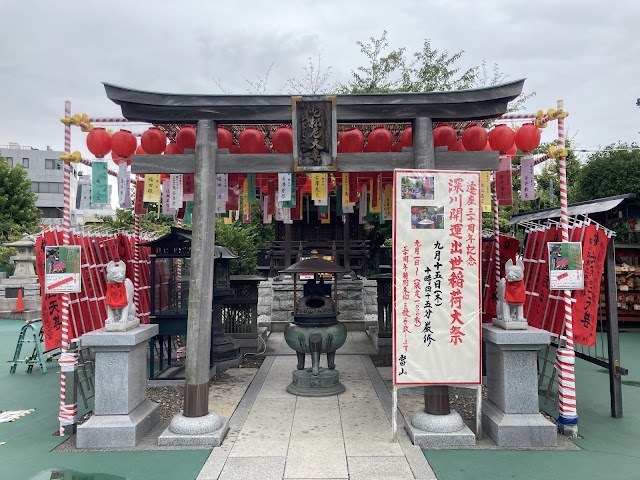
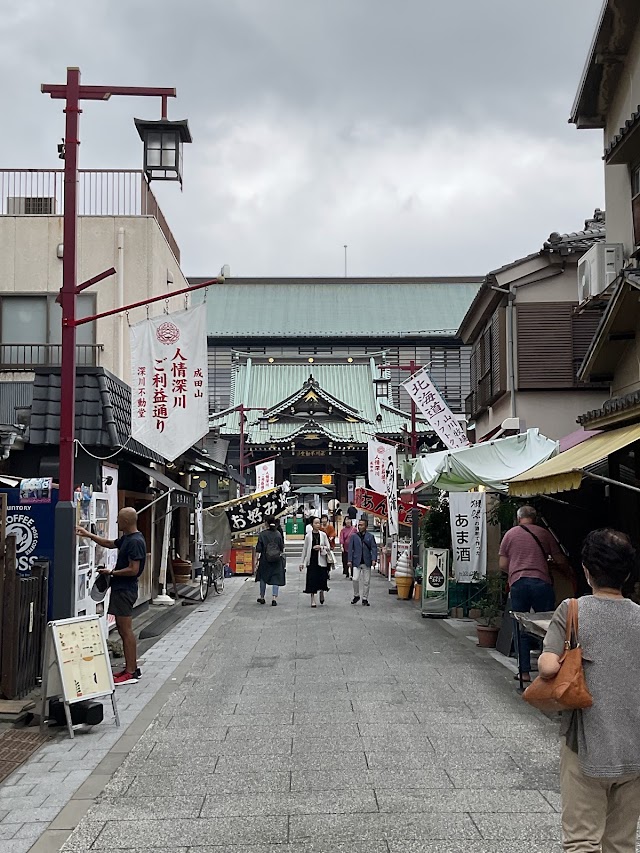
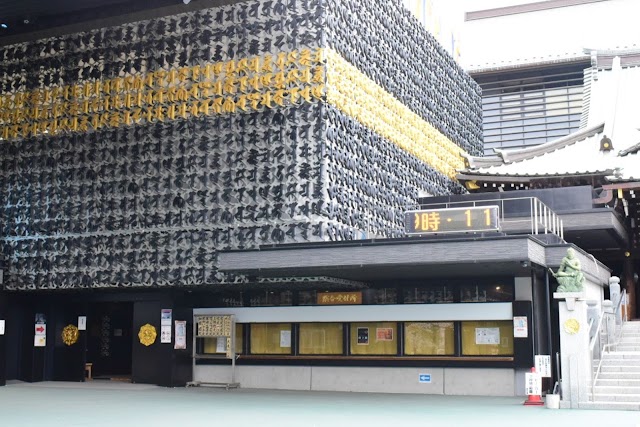
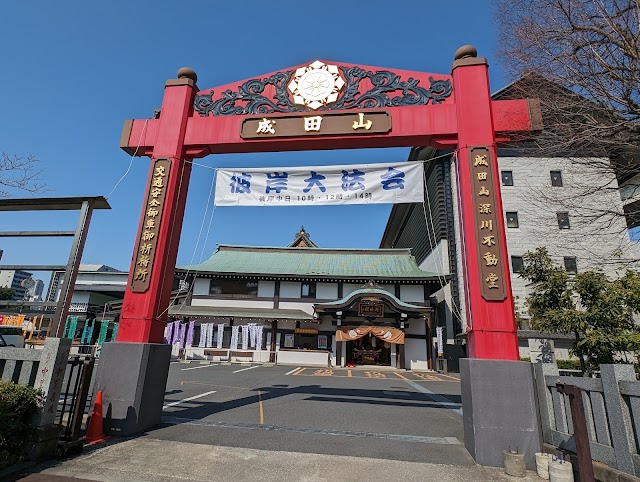
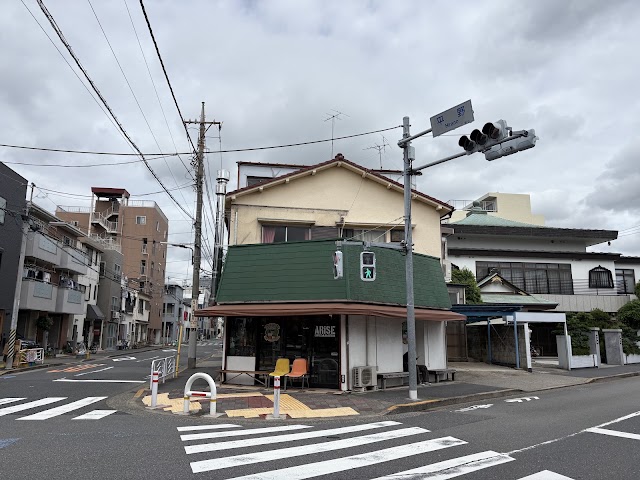
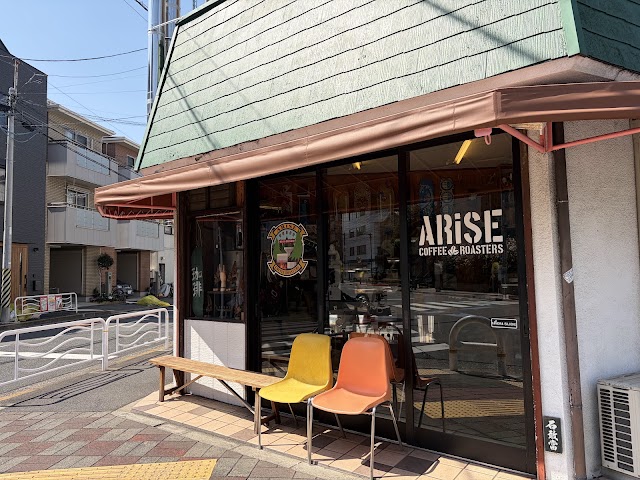
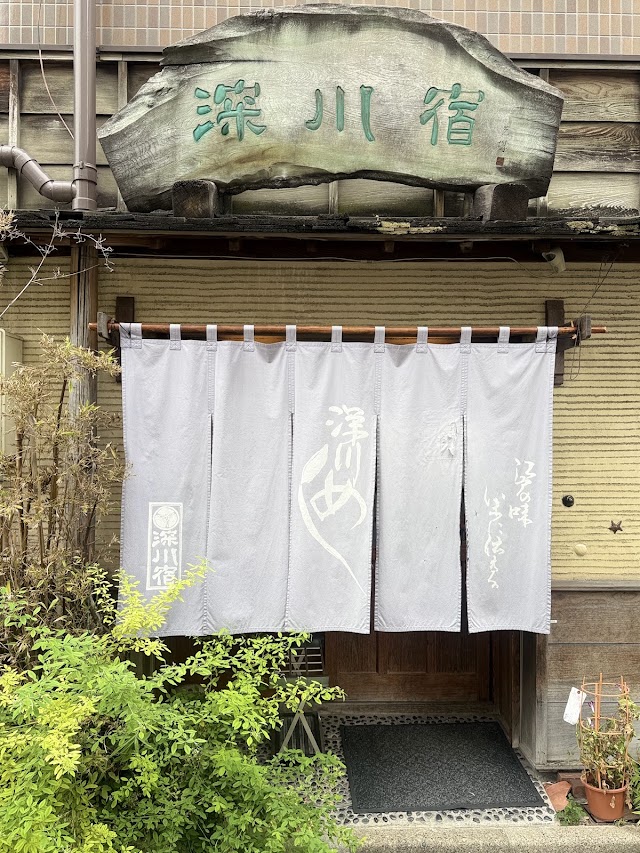
Two ways to walk it. Forward, starting in the morning: Monzen-nakacho Station, Tomioka Hachimangu, Fukagawa Fudodo, then lunch at Fukagawajuku, Kiyosumi Garden, three coffee stops (Blue Bottle, ARiSE, fukadaso and Rikashitsu), finishing at the Museum of Contemporary Art Tokyo. Backwards, if you hate the heat or want to save money: cafés through the hottest hours, the museum after 17:00 (on 14 August that means 20% off, free for students), then a fukagawa-meshi dinner and the festival atmosphere of Monzen-nakacho by night.
[2] The festival, and why 2026 matters. Tomioka Hachimangu's grand festival ranks with Kanda and Sanno among the three great festivals of Edo, and it runs on a three-year cycle: in a main-festival year every neighbourhood's mikoshi parades together, and other years are far smaller. 2026 is a main-festival year. Per the full schedule published by the local magazine Fukagawa WEB, proceedings open on Wednesday 12 August, continue through rites, Noh and dance on the 13th, the principal rite at 11:00 on Friday the 14th, the phoenix palanquin's departure at 08:00 on Saturday the 15th with its return at 16:15 and Iwami kagura at 18:00, and the massed mikoshi procession at 07:30 on Sunday the 16th, with performances into the evening.
Three practical warnings. The water-throwing is real and enthusiastic: waterproof your phone and camera, assume clothes and shoes will be soaked, and bring a change. The procession starts at 07:30, so a good vantage point means leaving before most hotel breakfasts open. And during the festival the streets around Monzen-nakacho are controlled and packed — suitcases and strollers will be punishing, so leave luggage behind.
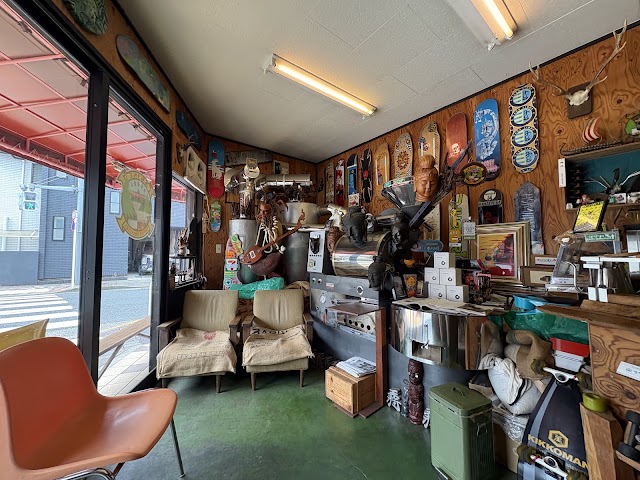
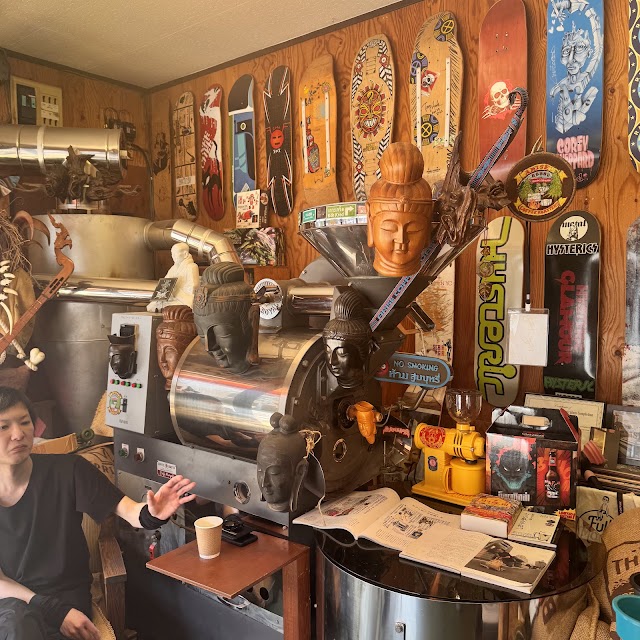
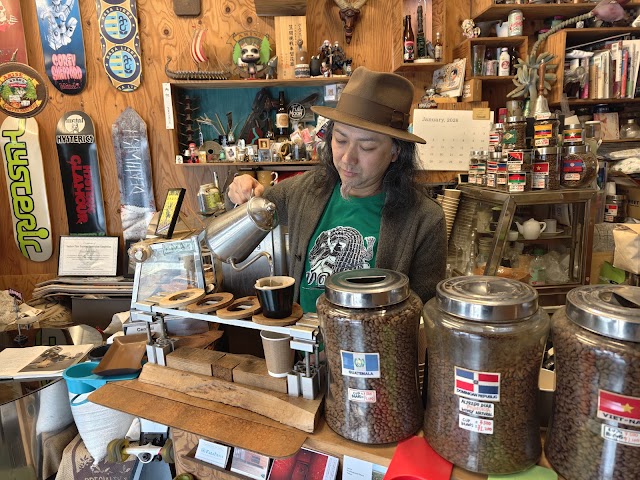
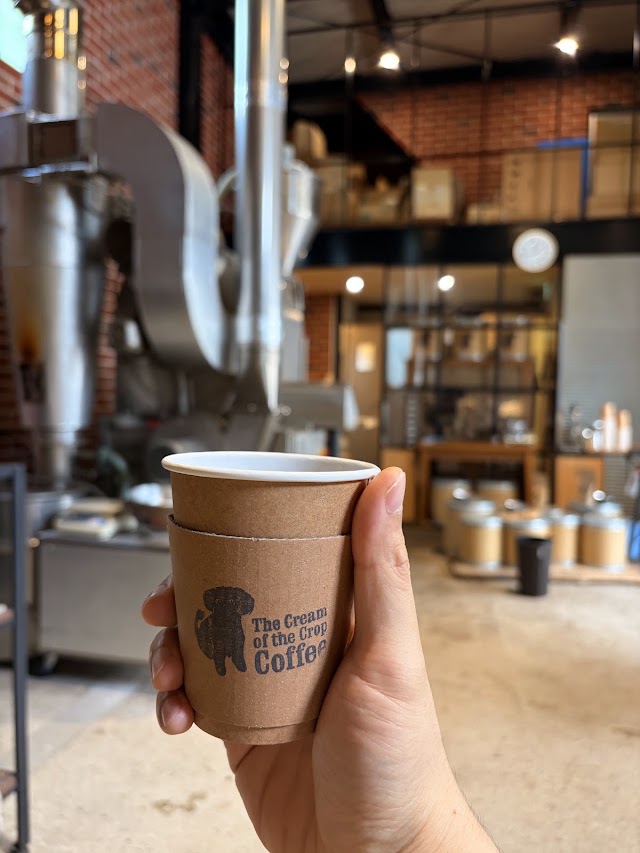
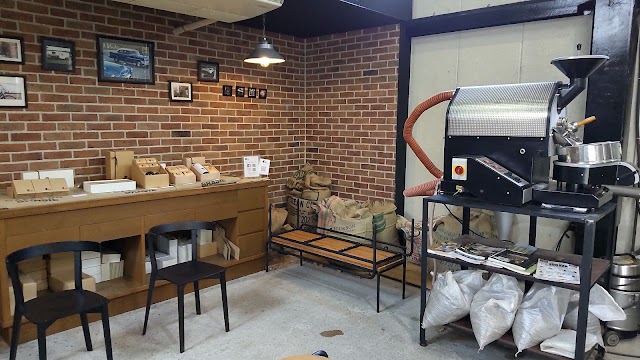
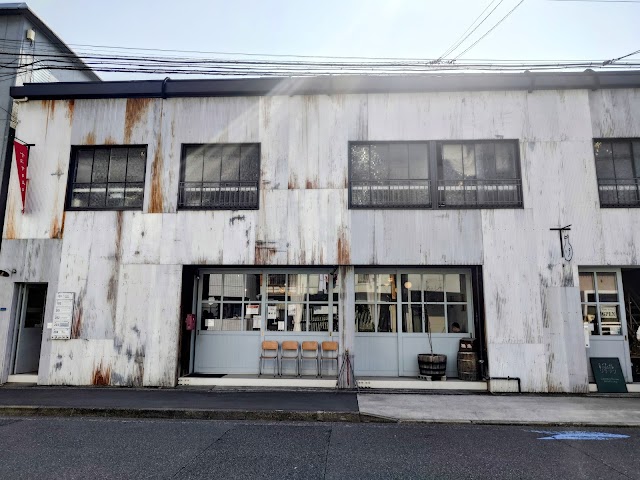
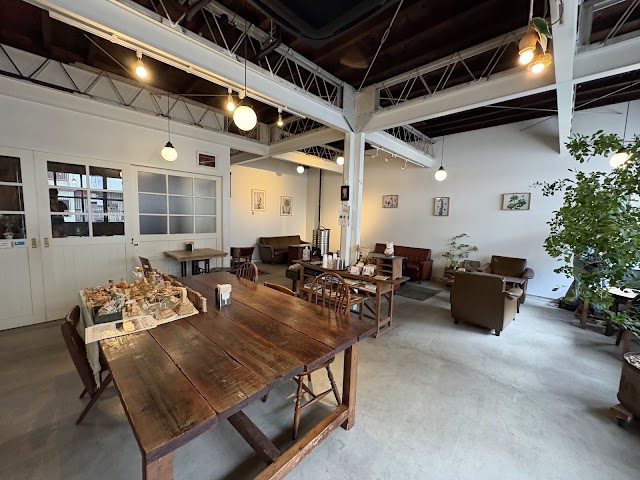
[3] Why Kiyosumi-shirakawa: a story about rent and ceiling height. The district's coffee reputation is usually dated to Blue Bottle's first Japanese shop in 2015, though The Cream of the Crop Coffee opened a roastery here earlier and is often credited locally as the spark. The site logic is severely practical, and worth attention from anyone in hospitality or commercial property: a large roaster needs high ceilings, exhaust and a floor that can carry the load, three conditions almost impossible to meet at once in a central Tokyo ground-floor unit and all present in a Kiyosumi warehouse, at lower rent. The industry adapted to the existing buildings rather than the reverse. The consequence is that these old structures were not cleared for redevelopment but filled, one by one, with new uses — fukadaso, a sixty-year-old apartment-and-warehouse, was converted whole in 2012 into a café plus let rooms, and Rikashitsu, the retail outlet of laboratory glassware maker Sekiya Rika, occupies room 102 inside it. The lesson for readers at home: adaptive reuse does not have to mean a cultural-creative park. Fukagawa kept space cheap and rules loose, and waited for the people who needed that kind of space to arrive.
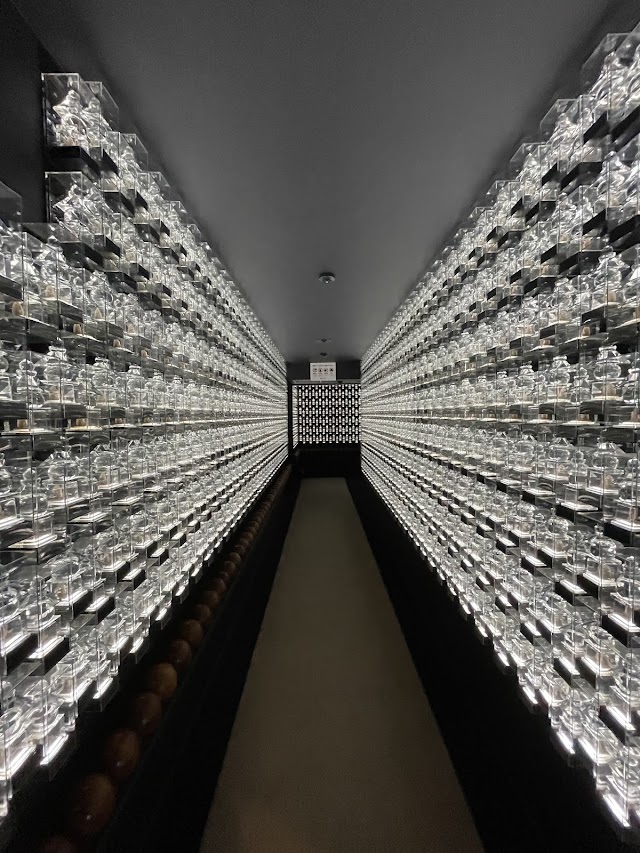
[4] Beating the August heat. Four of these ten stops let you linger: the museum, the inner prayer corridor at Fukagawa Fudodo, and the indoor seating at the Blue Bottle and Cream of the Crop roasteries. The museum comes with a specific discount this year: per its own notice, the 2026 Summer Night Museum evenings fall on Friday 7 and Friday 14 August, with opening extended to 21:00, entry after 17:00 at 20% off and free for students. Normal hours are 10:00–18:00 with last gallery entry 30 minutes before closing, closed Mondays (the next weekday when Monday is a holiday), plus installation periods and the new year break. Kiyosumi Garden works the other way: go at nine when it opens, before the flagstones heat up, for ¥150 general, ¥70 for over-65s and free for children.
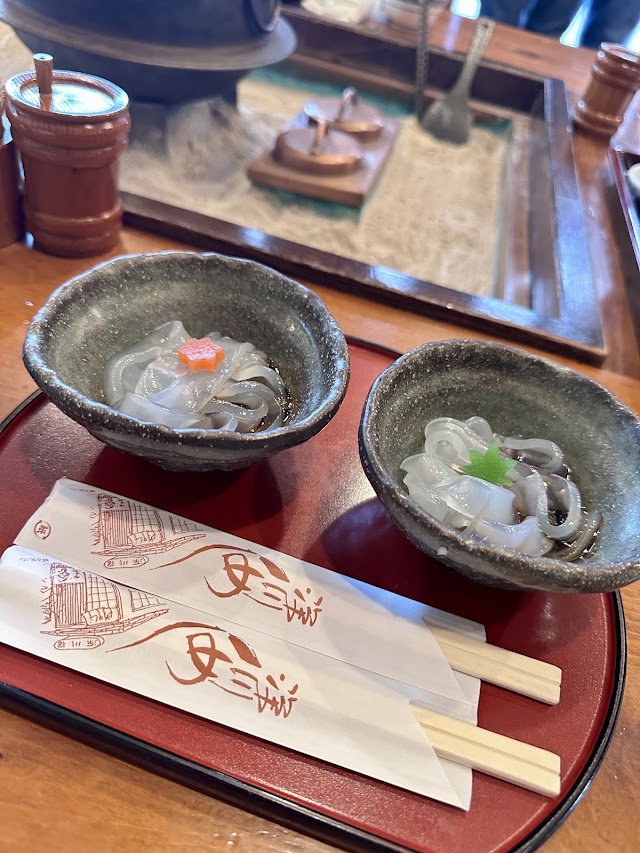
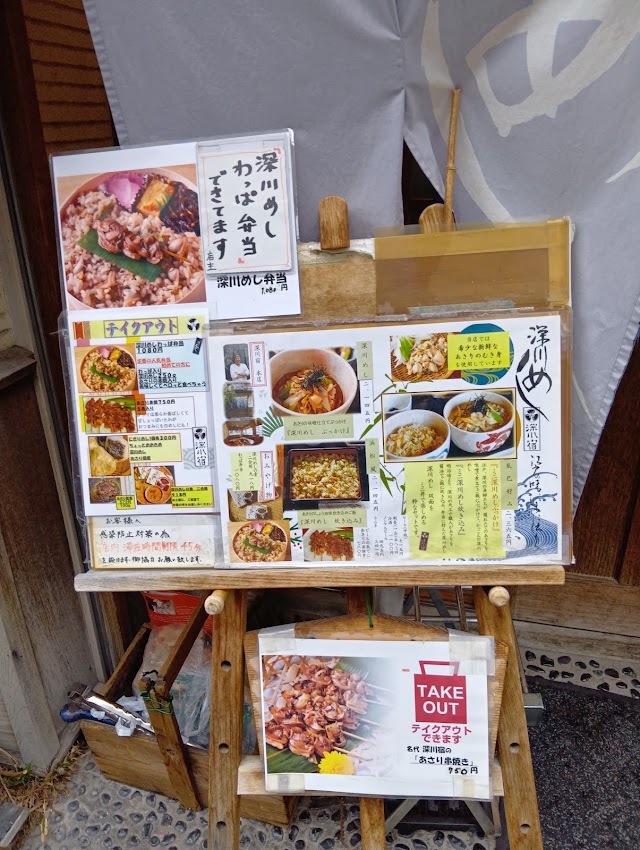
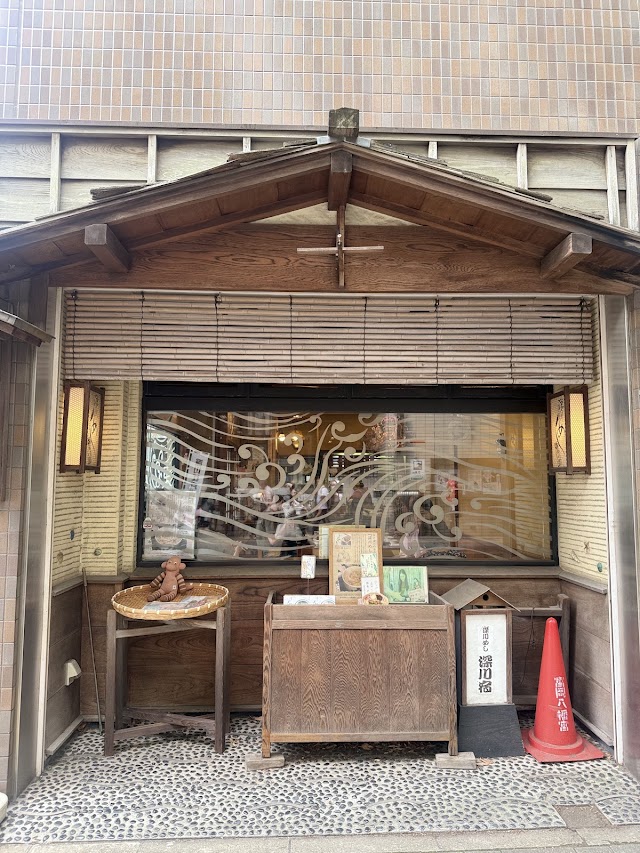
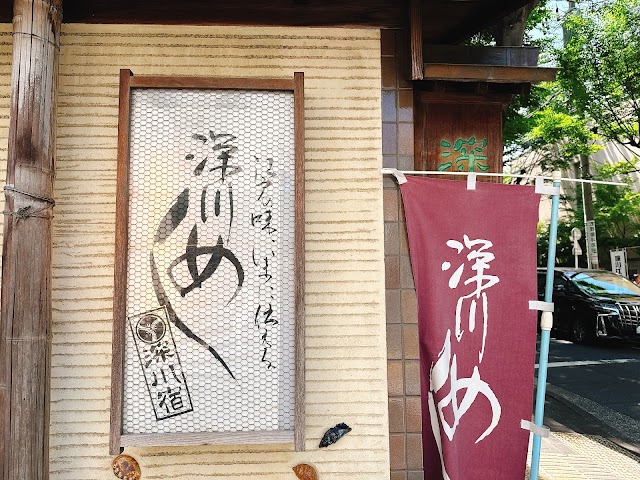
[5] Fukagawa-meshi is about method, not provenance. The dish was a fisherman's working lunch, in two forms: bukkake, miso-simmered clams poured over rice, from the boats; and takikomi, clams cooked with the rice, the refinement that came ashore. Fukagawajuku's honten near Kiyosumi-shirakawa Station serves both in one set, which is what a first-timer should order. Honestly stated: Fukagawa has almost no clam fishery left, the Tokyo Bay beds having retired with reclamation and changing water quality, and restaurants now buy from around the country. What survives intact is the method and the context. Toward Morishita Station you will also find Miyako, a kappo house founded in the Taisho era, and Fukagawa Kamasho.
[6] Closing-day traps. Three catch people out: the museum shuts Mondays; The Cream of the Crop Coffee shuts Mondays; and Rikashitsu generally opens 13:00–17:00 and closes Monday through Wednesday, which is four afternoons a week. fukadaso's hours vary sharply by weekday. If your only free day is a Monday, shift the whole route by a day or rebuild it around shrines and temples.
[7] For residents and investors. Fukagawa over the past decade is a case study in an industry moving into old buildings and lifting a district with it: Kiyosumi-shirakawa went from storage to a place people travel to for coffee on a day off, pulling in galleries, boutiques and small lodgings behind it. Two features belong in any assessment of property here. First, the Hanzomon and Oedo lines cross, putting Otemachi and Roppongi within an acceptable commute. Second, the stock of convertible warehouses is shrinking — every building used is one fewer left — which is both scarcity and a signal that the next phase of growth cannot rely on the same spatial dividend. Monzen-nakacho offers a different sort of stability: shrine and temple footfall recurs annually and is relatively insulated from the business cycle.
[8] In one line. You can do Fukagawa in August for the festival alone or the coffee alone, but the pair is the point: a once-in-three-years festival of Edo that leaves a whole street drenched, next to a contemporary industry that put roasting machines inside the warehouses Edo left behind. One district, two answers to the question of how old things go on being useful.
 Scan for map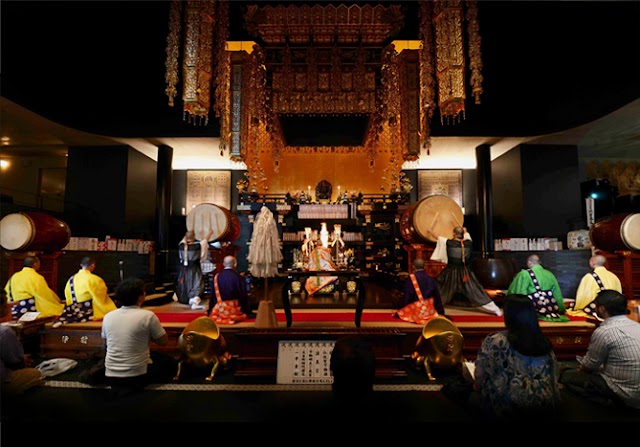
 Scan for map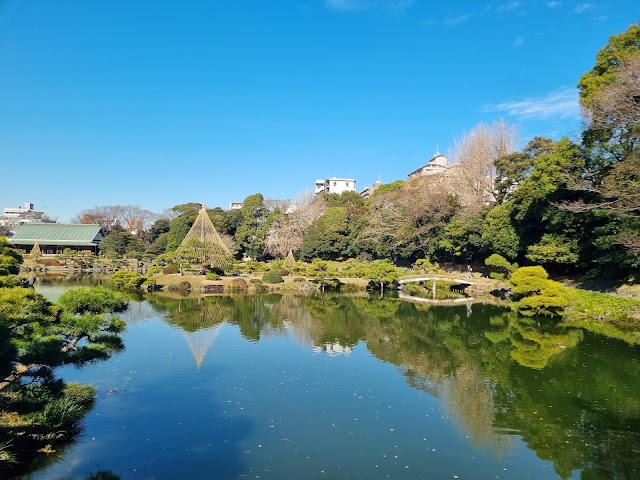
 Scan for map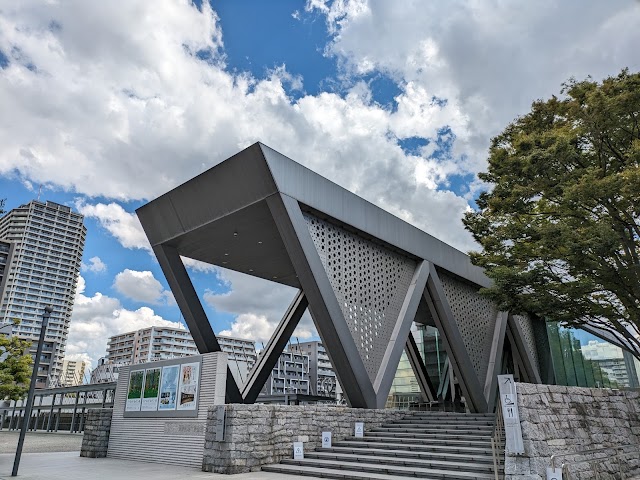
 Scan for map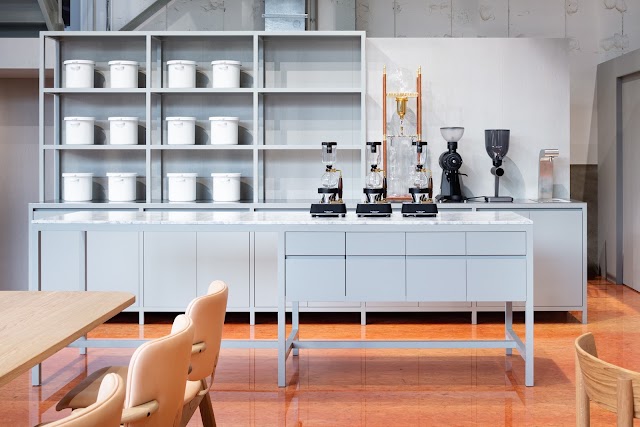
 Scan for map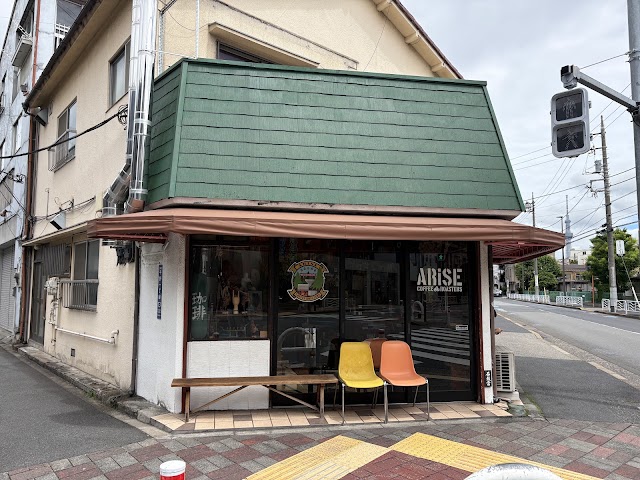
 Scan for map
 Scan for map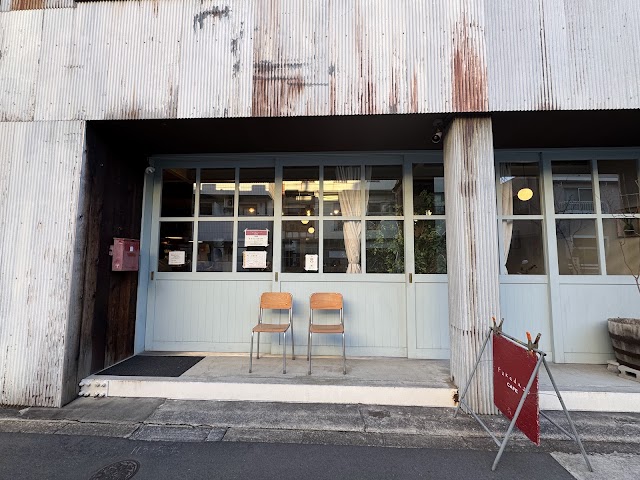
 Scan for map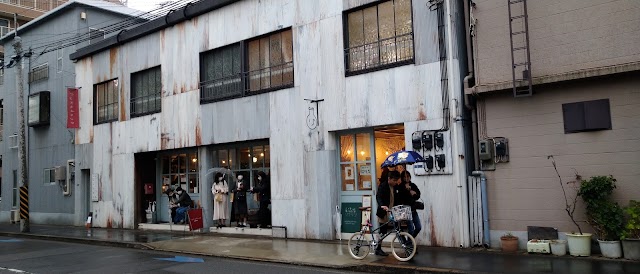
 Scan for map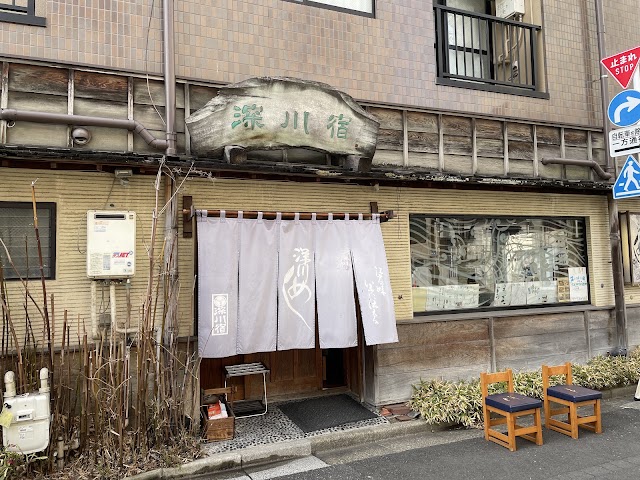
 Scan for map