Ten Centimetres Deep, Zero Yen, Gone by the End of September: Ten Free Water-Play Parks in Tokyo
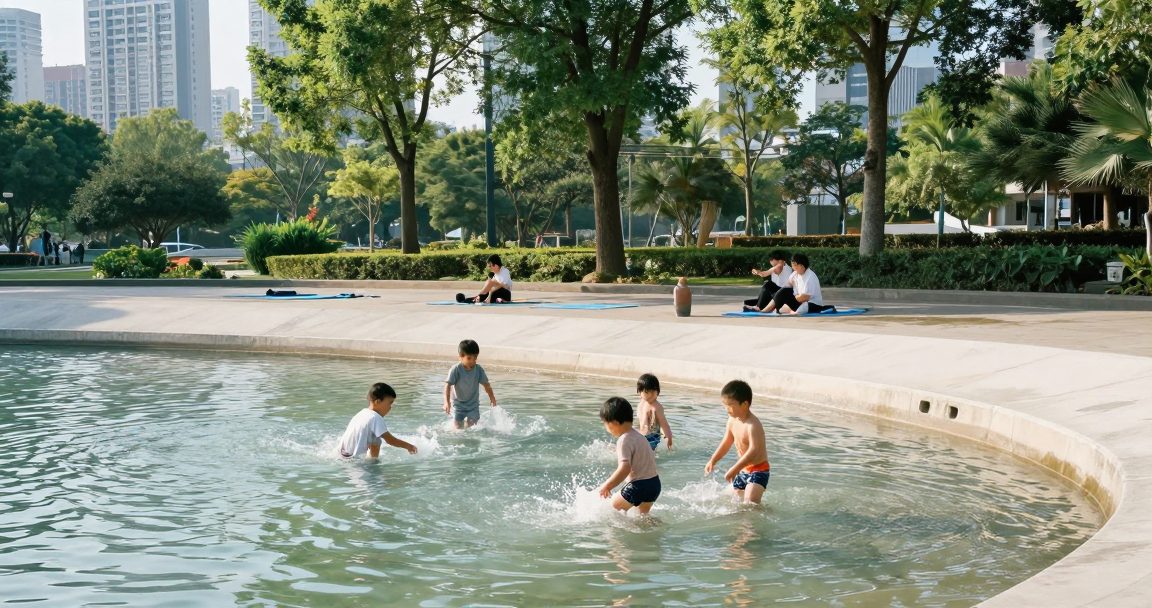
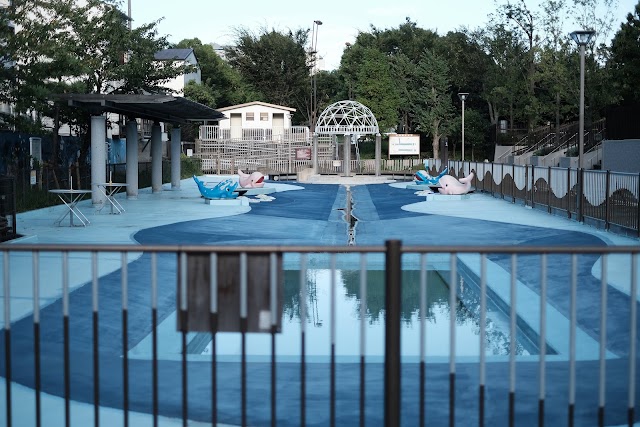
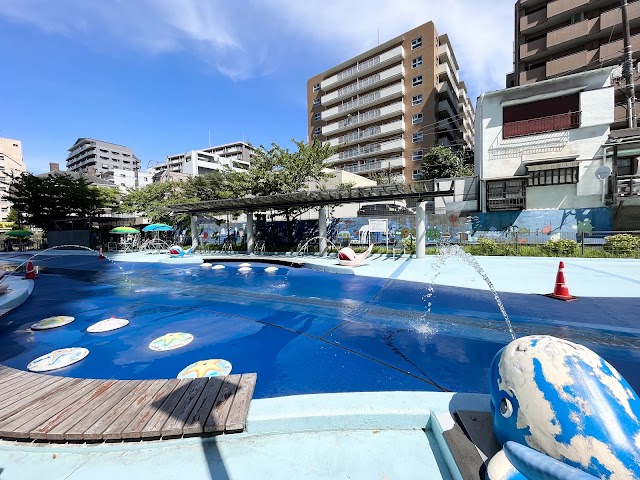
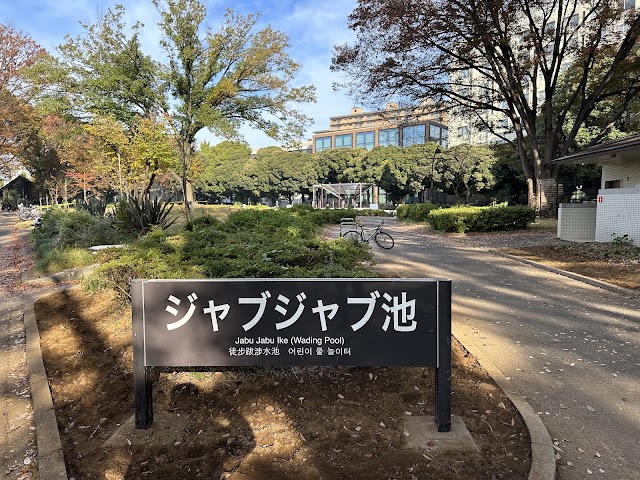
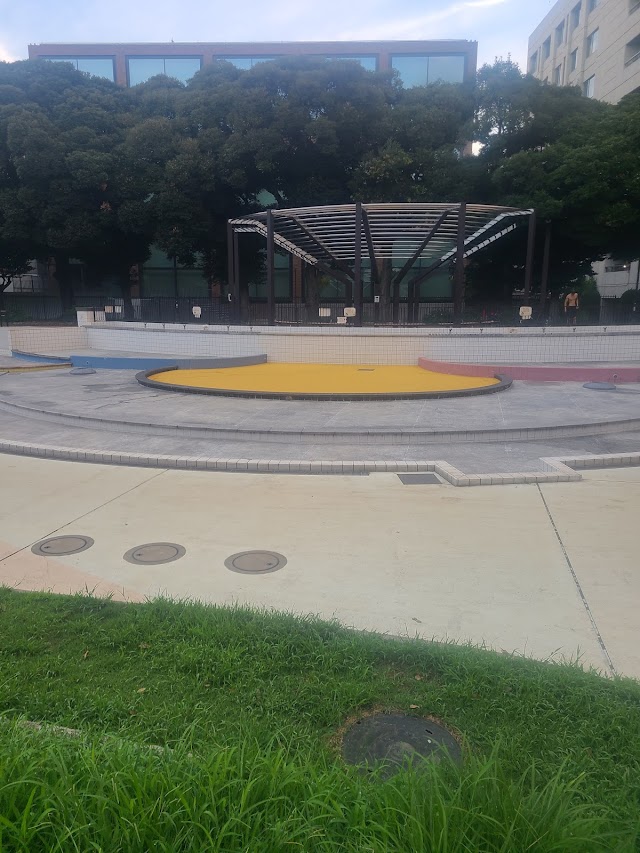
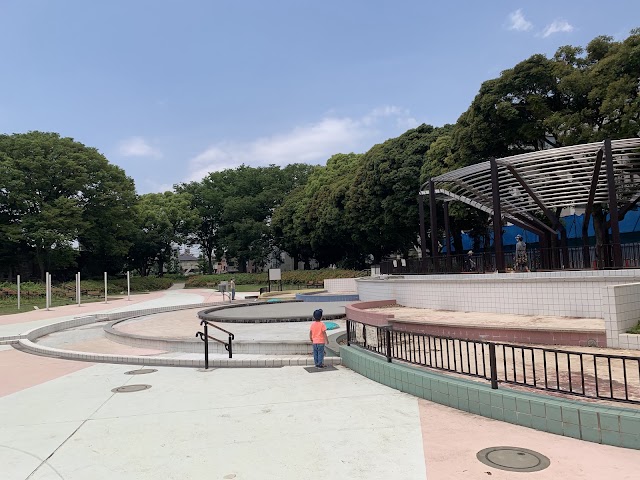
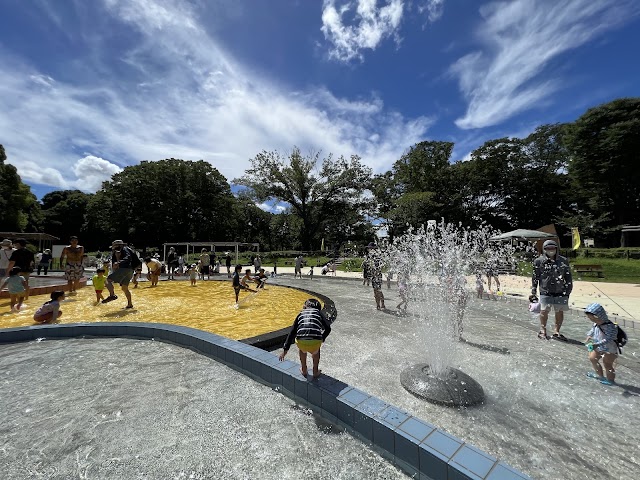
- A jabu-jabu ike is a free shallow water facility in a public park for toddlers and lower-primary children, usually 10–30cm deep, run by metropolitan or ward park authorities and re-notified each year.
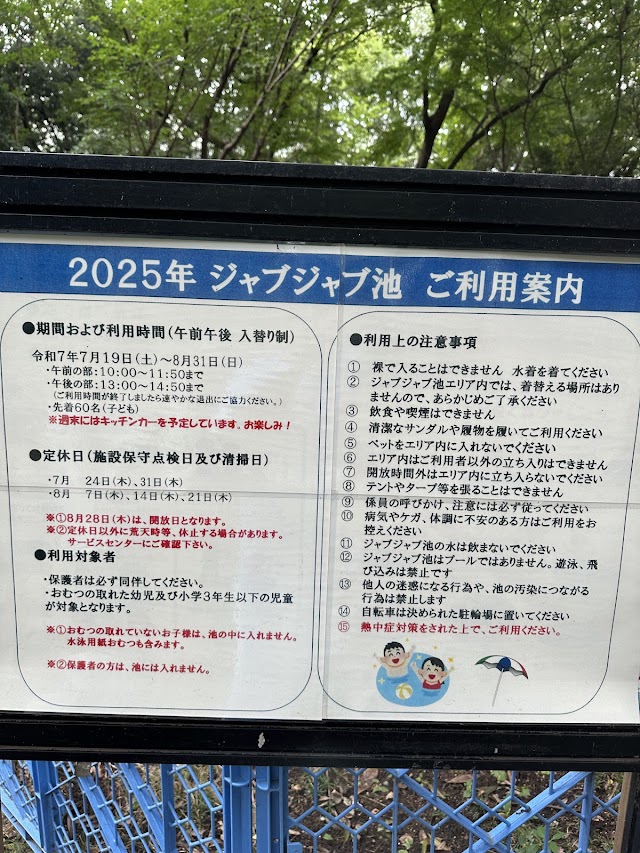
- Kiba Park's official notice: the 2026 season runs 1 August to 30 September, 10:00–16:00 with a 12:30–13:00 break, closed on cleaning days 5 and 18 August and 1, 2 and 16 September, for children up to third grade.
- Rinshi-no-mori Park's official notice: the 2026 season runs 1 July to 30 September in two sessions, 10:00–11:50 and 13:00–14:50, for children up to third grade.
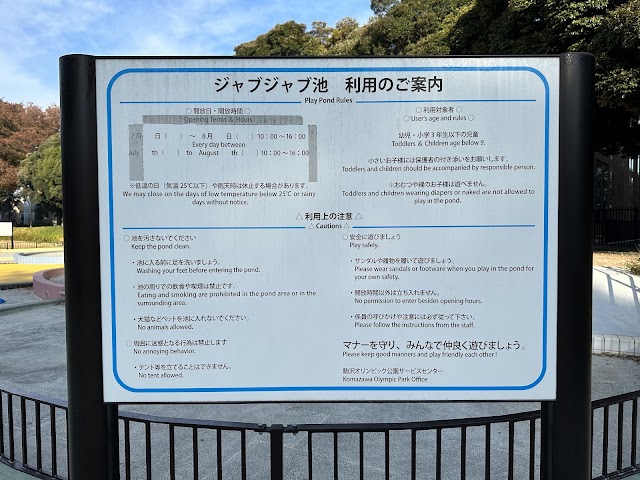
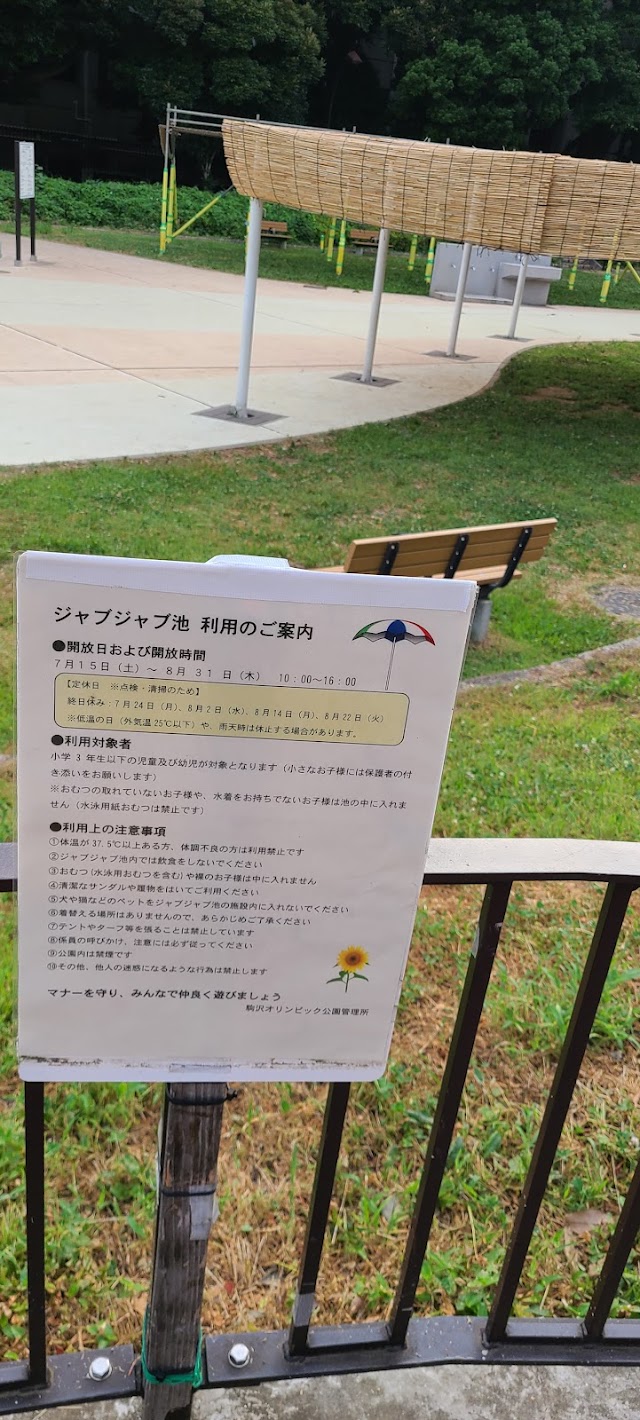
- Universal hard rules: swimwear required; children not yet out of nappies may not enter, swim nappies included; no eating or drinking poolside, no pets, no smoking on site.
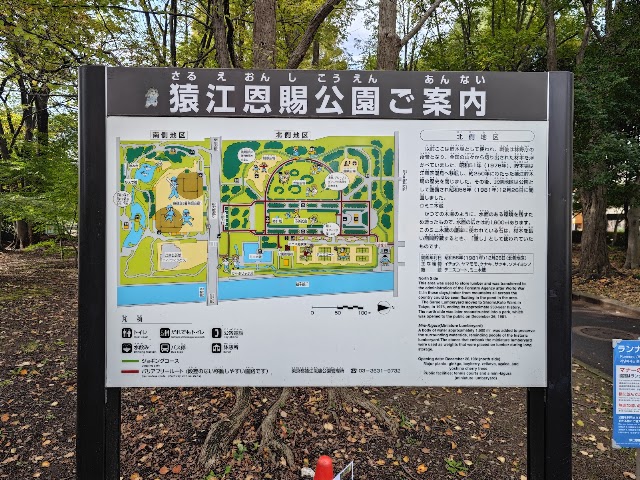
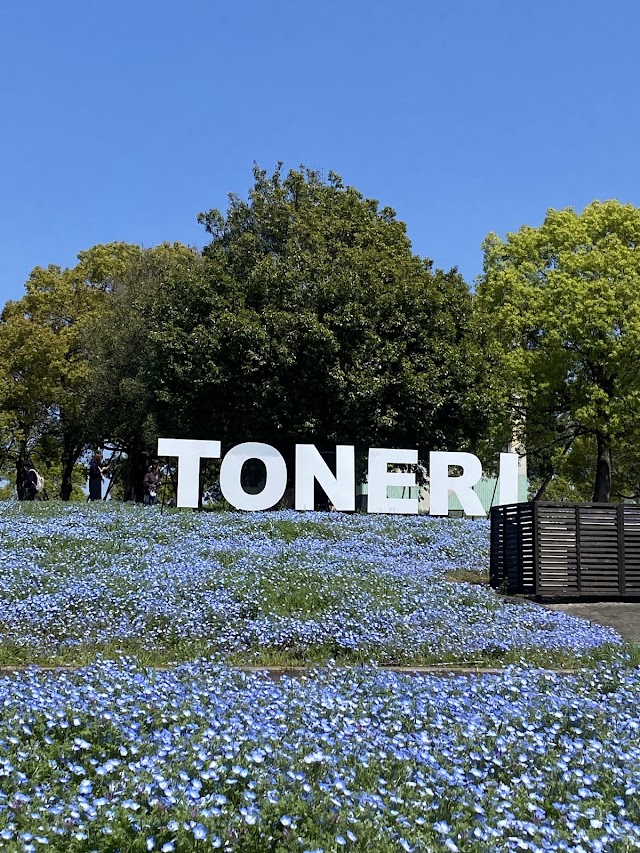
- Least-walking group, one to two minutes from a station: Sarue Onshi, Toneri, Ukima and Otonashi; note Ukima's narrower band of 10:30–15:30.
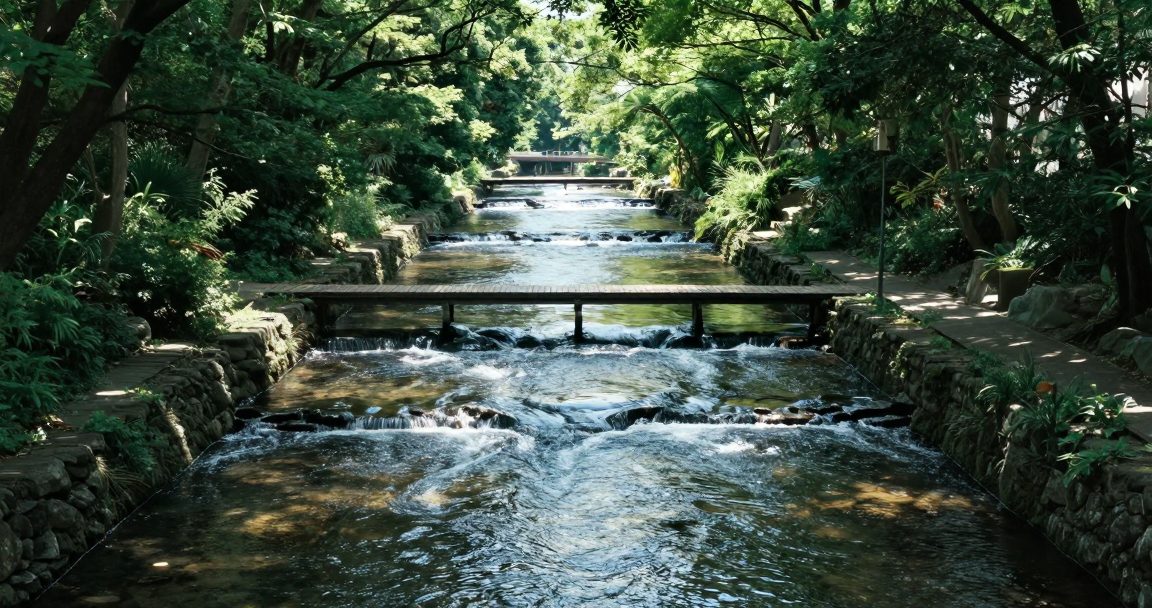
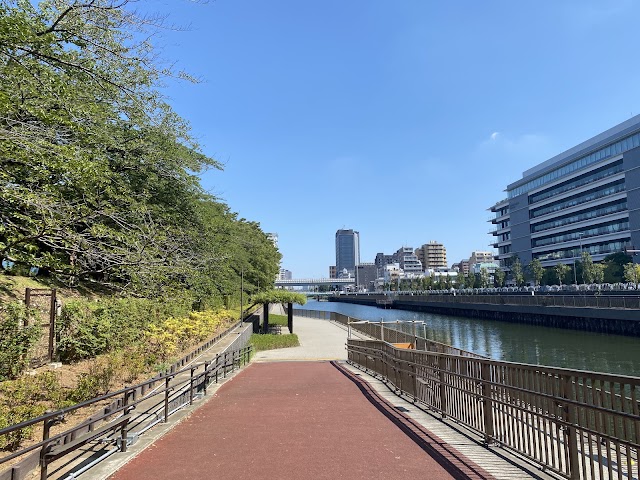
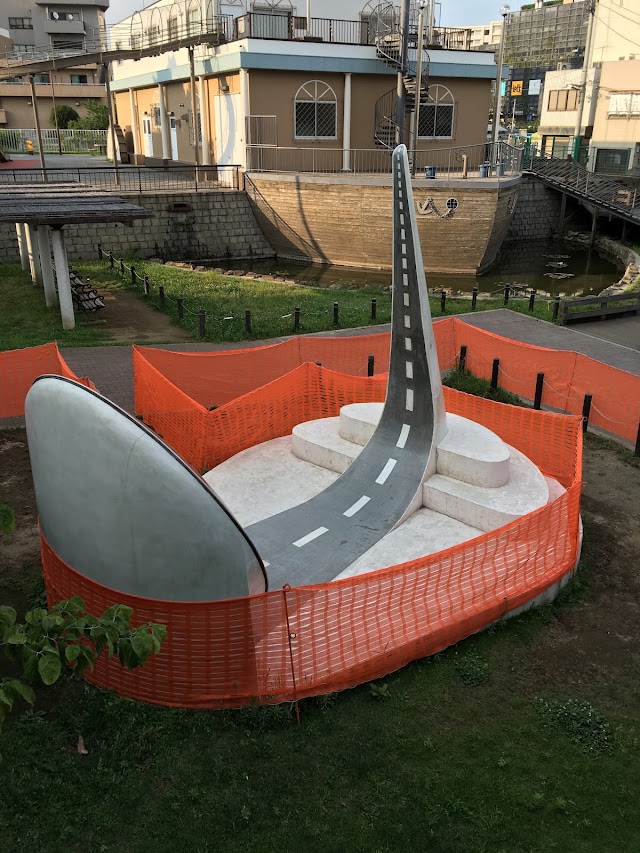
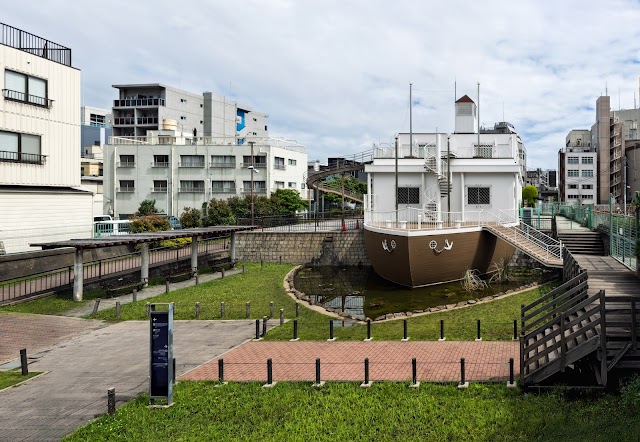
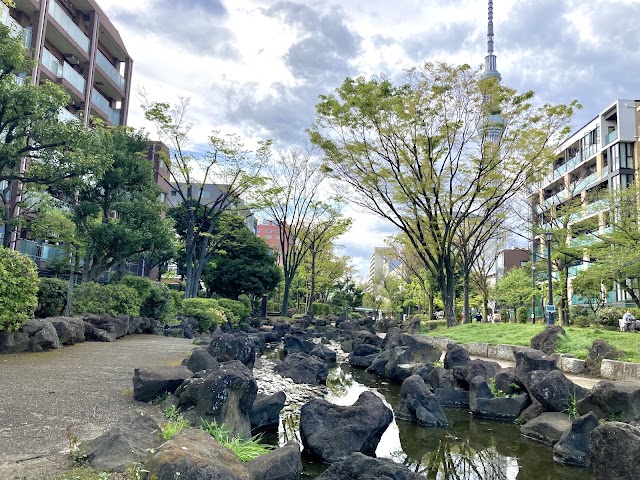
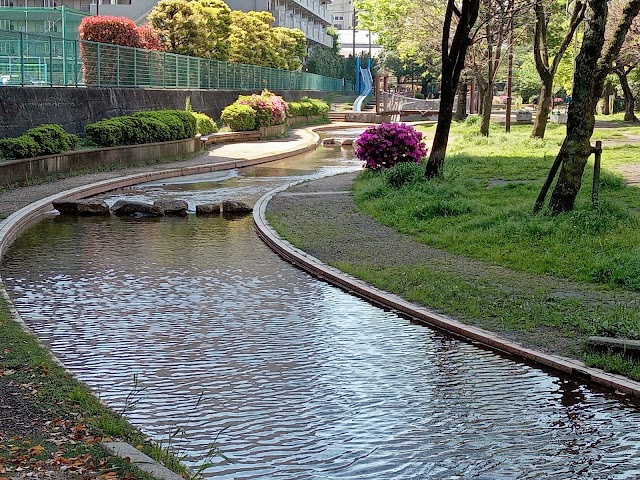
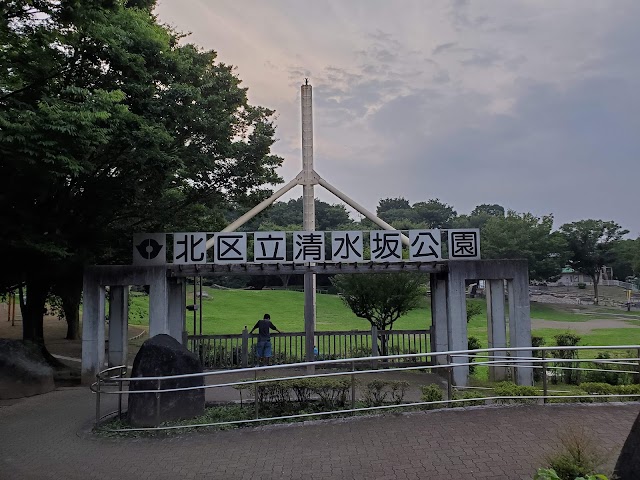
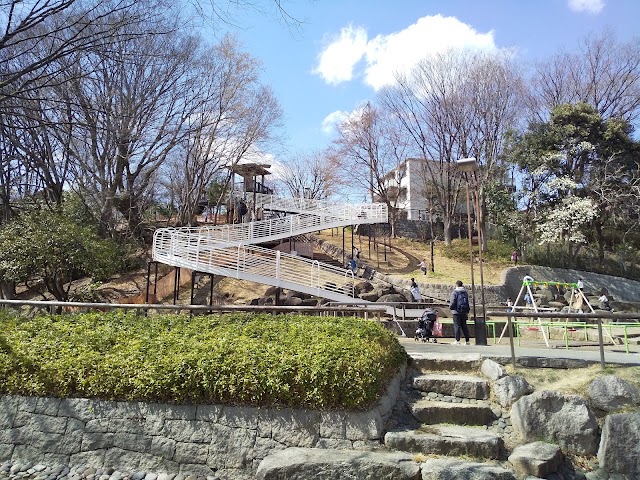
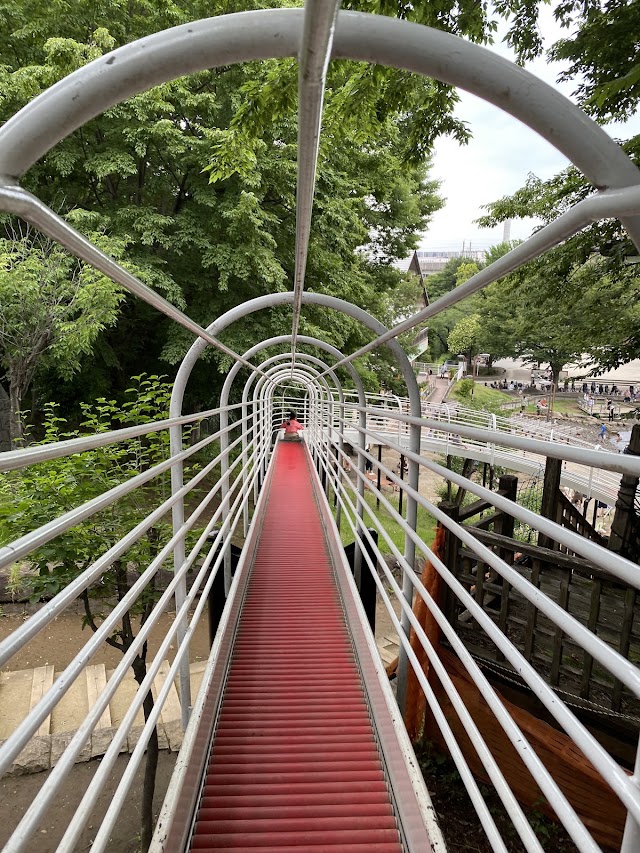
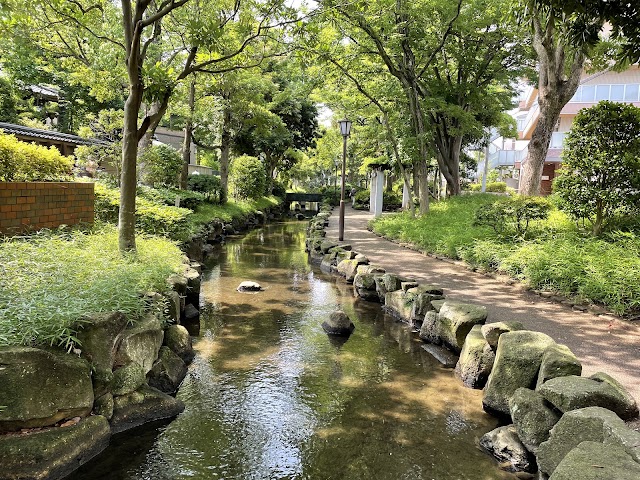
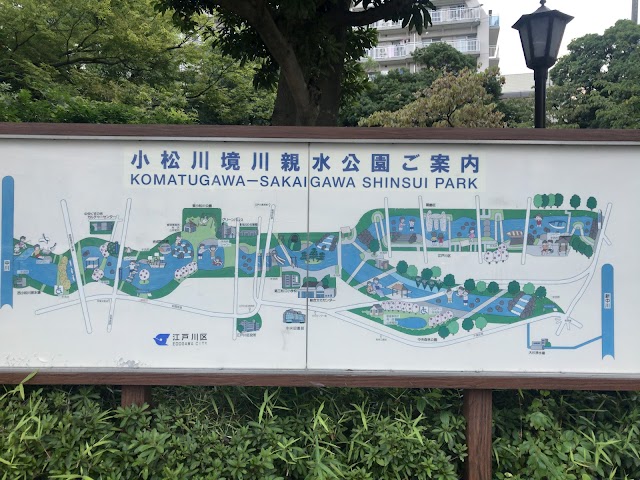
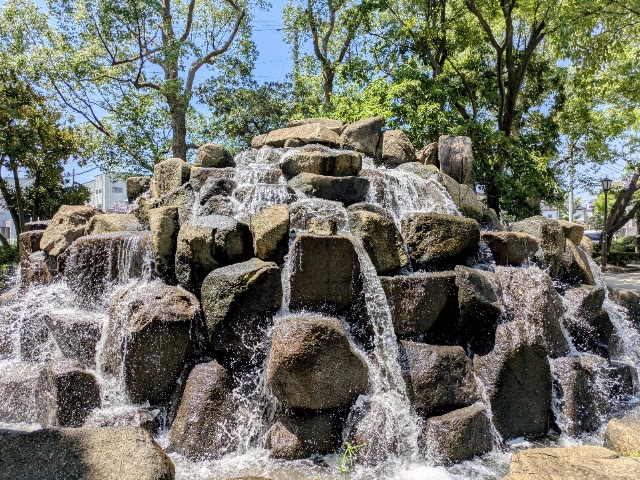
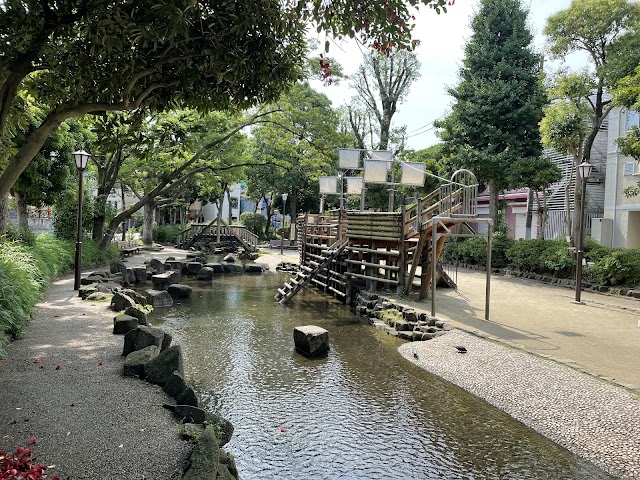
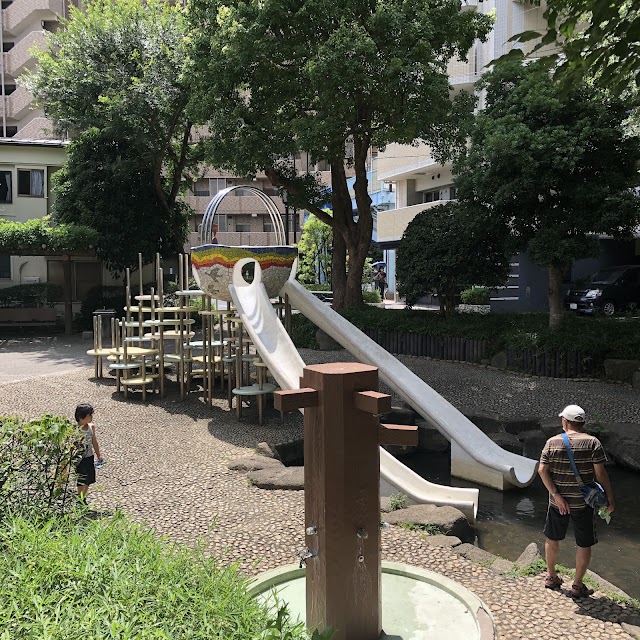
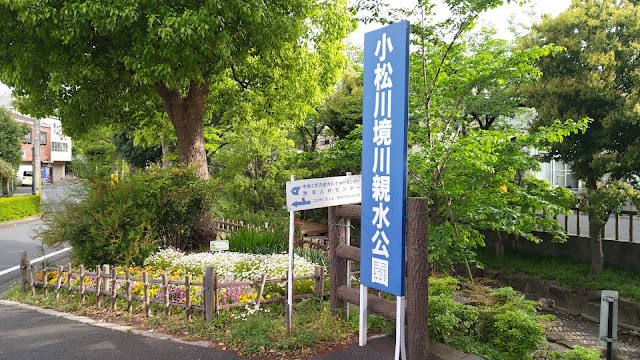
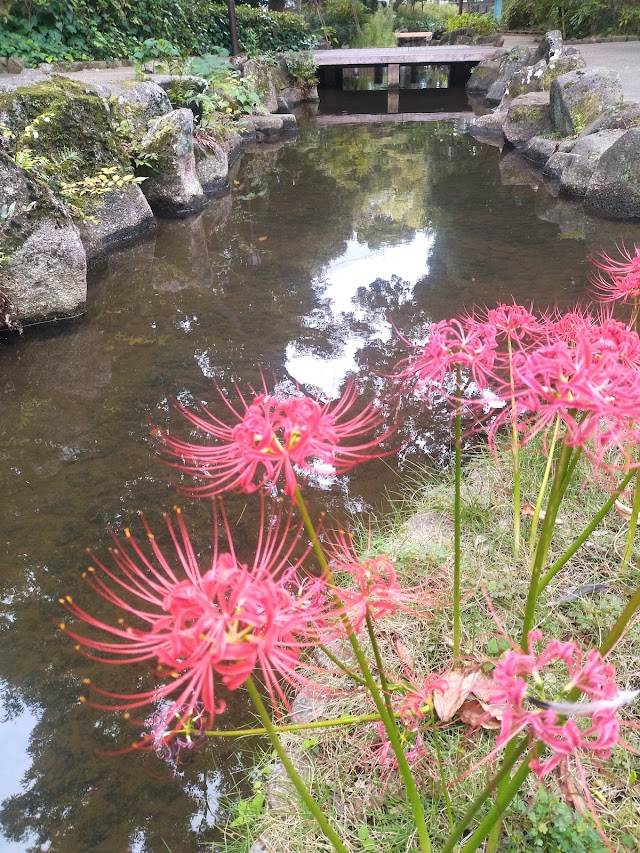
- For older primary children: Shimizuzaka Park, a 30–60cm artificial stream with a roller slide, or Komatsugawa Sakaigawa Park, 3.9km of waterside with falls and an adventure ship.
- Komatsugawa Sakaigawa opens at 09:00, an hour earlier than most, and runs to 23 September in 2026; the Kappa Kawara zone of Oyokogawa Shinsui Park is open year-round with no summer-season limit.
- Most sites have no lifeguard and supervision rests with the guardian; playing in water still dehydrates, so take a drink out of the water every 30 minutes.
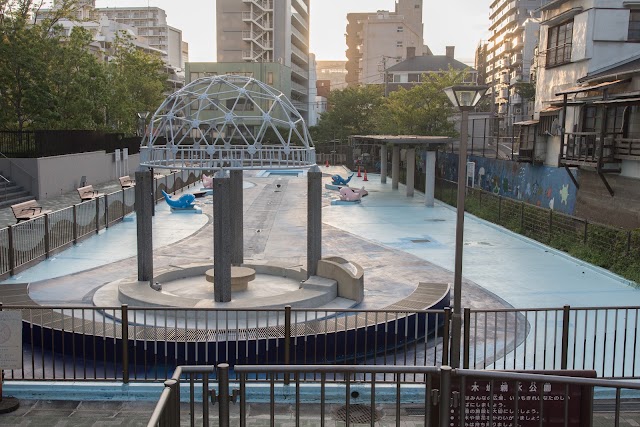
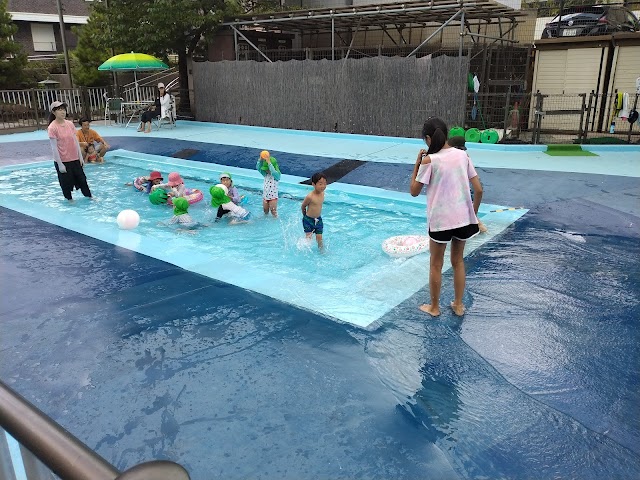
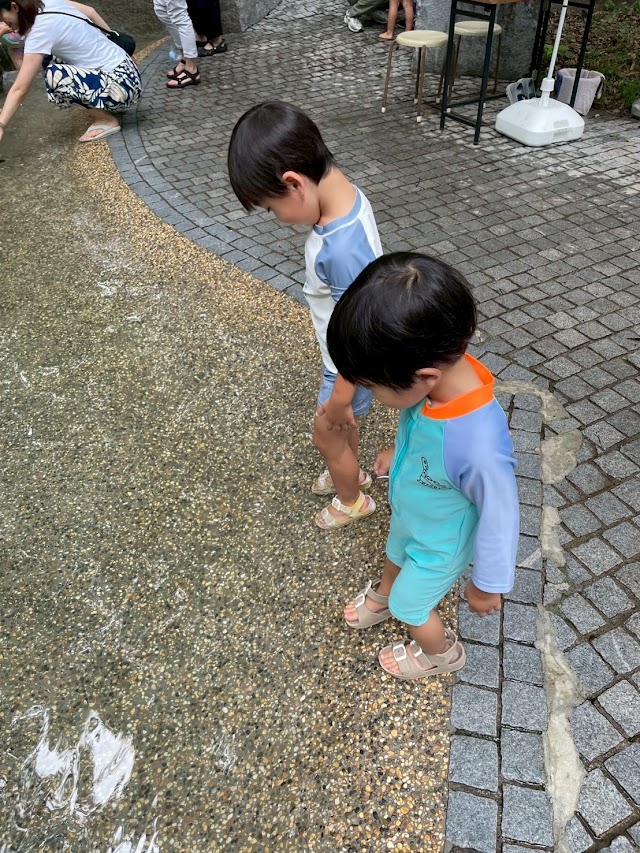
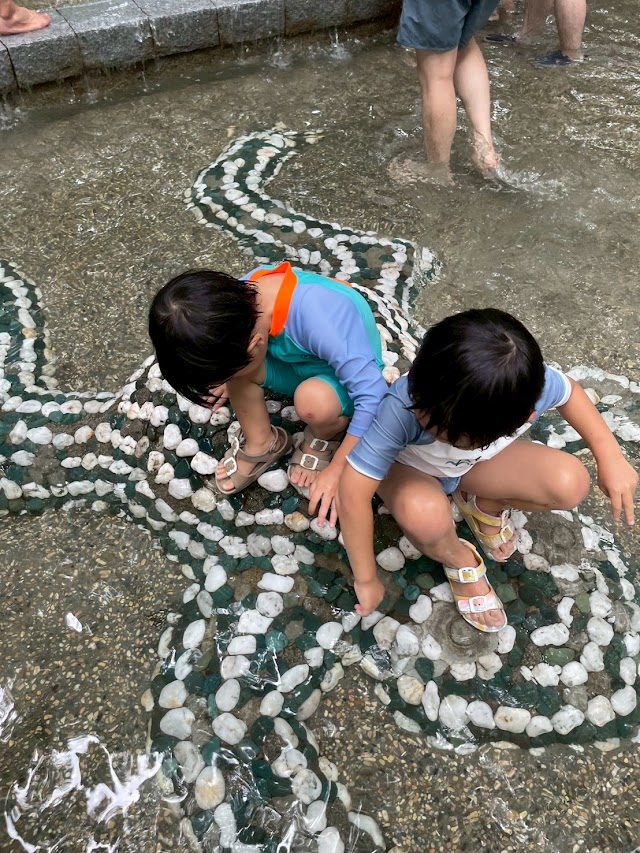
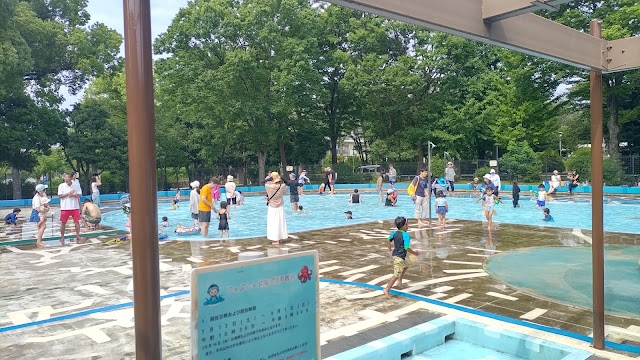
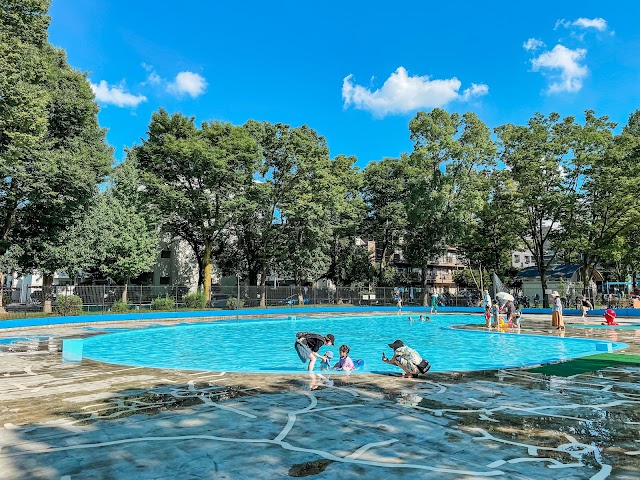
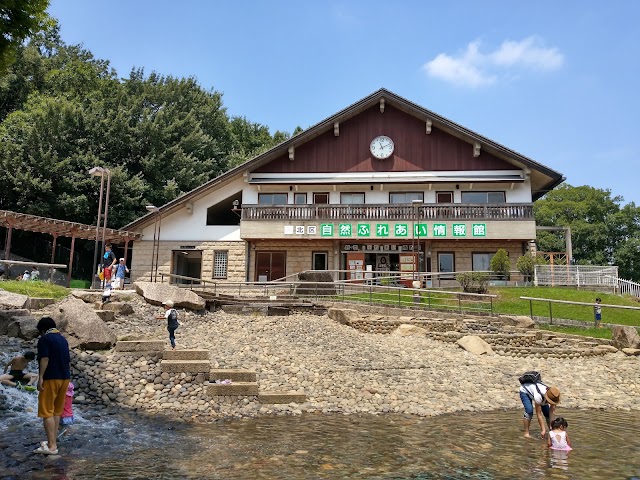
Taking children out in Tokyo in mid-August, the practical problem is not where to go but how to survive the daytime. Indoor attractions keep raising prices and a theme park costs a family of four ¥20,000 and up, while the city holds a set of resources Chinese-speaking visitors barely use: the jabu-jabu ike, the paddling ponds of public parks — free, mostly 10 to 30cm deep, with opening periods and rules set by the park authorities.
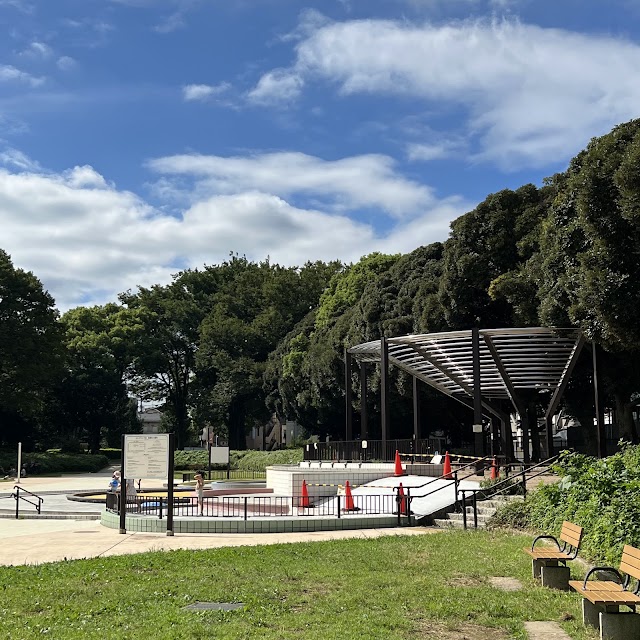
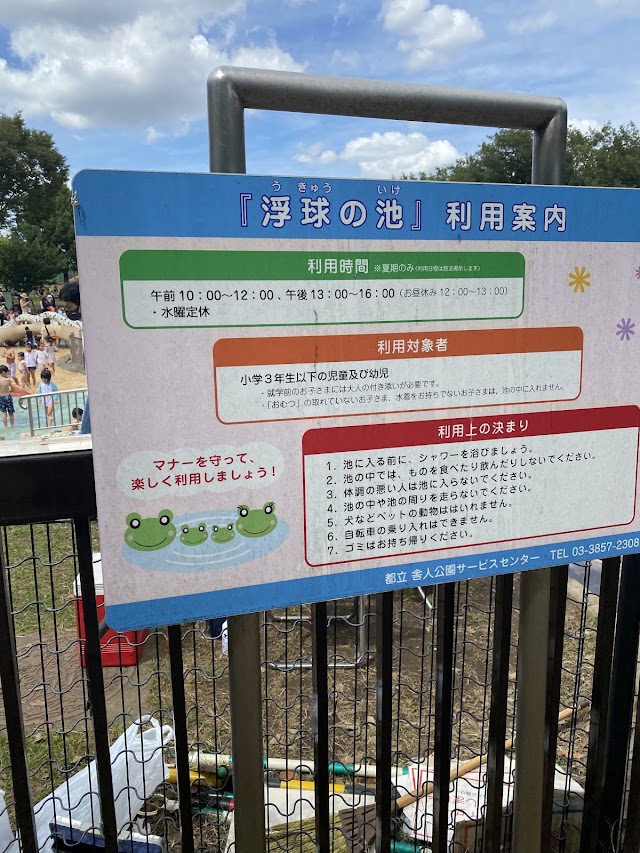
These are not temporary pools. Most are permanent installations opened each summer by public notice, with clear age limits (usually up to third grade), hygiene rules (swimwear required; children still in nappies may not enter, swim nappies included) and scheduled cleaning days. Kiba Park's own notice puts the 2026 season at 1 August to 30 September, 10:00–16:00 with a break from 12:30 to 13:00 and five cleaning-day closures; Rinshi-no-mori Park runs 1 July to 30 September in two sessions, 10:00–11:50 and 13:00–14:50. These details are not background colour — go without checking and the usual outcome is arriving during the midday break or on a cleaning day.
Why now? Because the window is closing. Most ponds shut at the end of September and Edogawa's finish on 23 September, so after school restarts and the weather turns, only a few usable weekends remain. The Obon holiday of 13–16 August is the year's largest travel peak, when indoor attractions are packed and prices at their hardest — exactly when a free pool that locals use and you can walk to becomes disproportionately valuable.
These ten were chosen on three criteria: published, checkable opening information; reachable by train, with five of them within five minutes of a station; and variety of play, from toddler ponds 10cm deep to a 60cm stream with a roller slide for older primary-school children. Residents can treat it as a fixed summer roster; short-stay visitors can use it to rescue an afternoon when the children cannot walk any further and the adults are close to heatstroke.
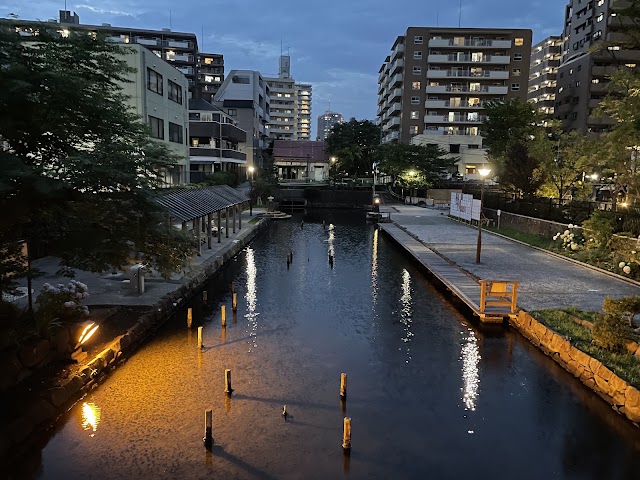
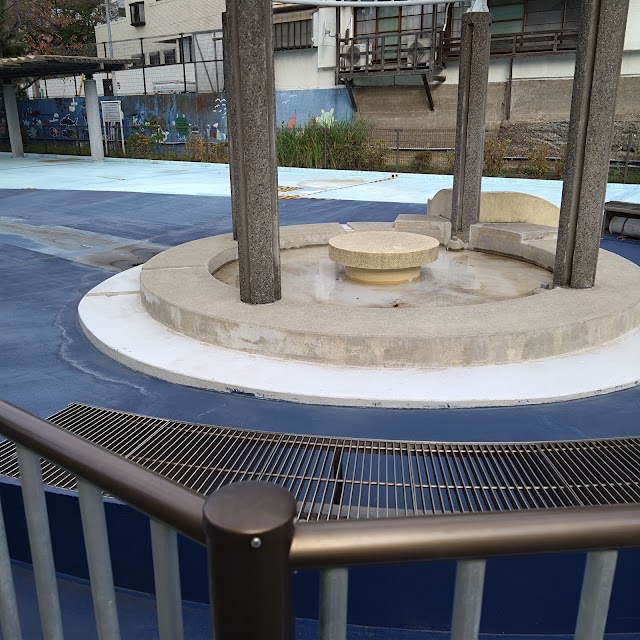
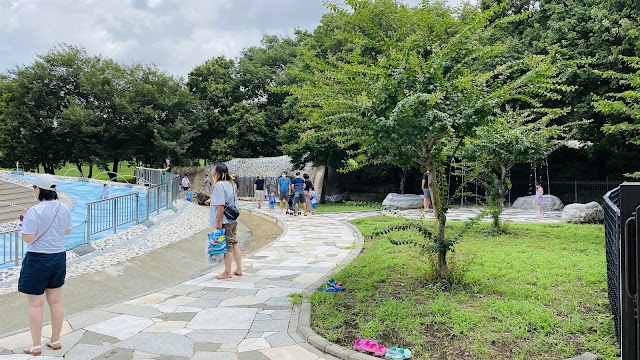
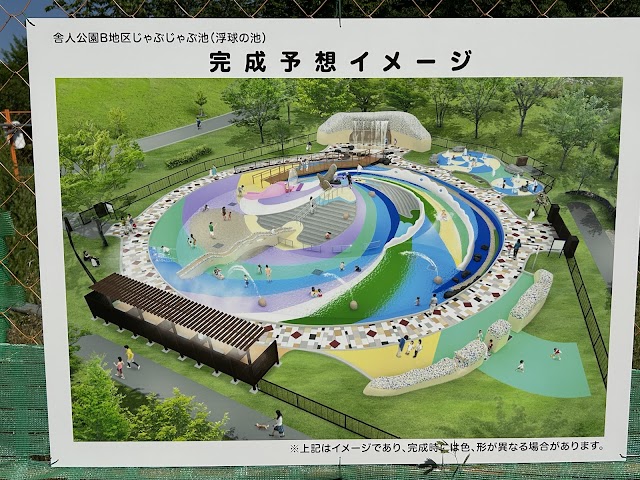
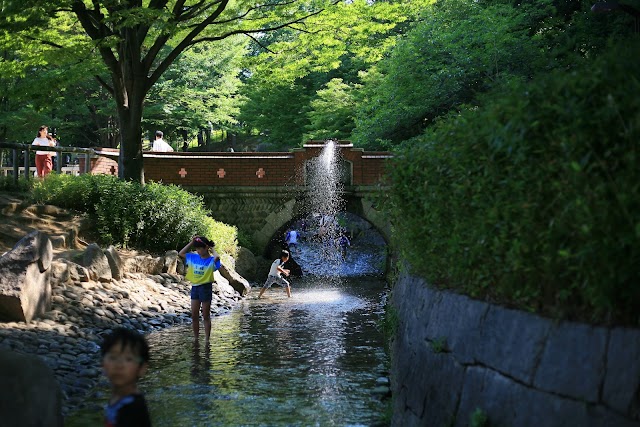
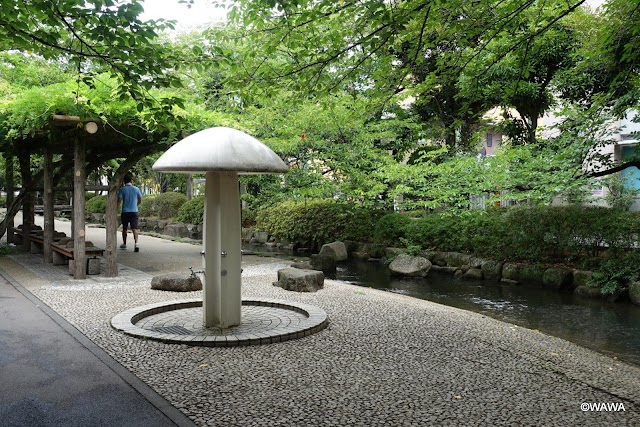
[1] What a jabu-jabu ike is. Jabu-jabu is the Japanese onomatopoeia for splashing, so the term translates to splashing pond. It refers to shallow water facilities in public parks built for toddlers and lower-primary children, usually 10–30cm deep, managed by metropolitan or ward park authorities and free to use. Three things separate them from swimming pools: mostly no changing rooms and no lifeguards, a firm upper age limit, and a fixed summer season each year. A related category, shinsui parks, are old river channels rebuilt as linear waterside parks — streams rather than ponds, varying in depth, played by walking along the water. Both types appear here.
[2] Five common rules to read before leaving. First, nappies are a hard barrier: almost every site states that children not yet out of nappies may not enter, explicitly including swim nappies. This is the rule visitors from Taiwan most often misjudge, since swim nappies are accepted at pools at home. Second, swimwear is required — not shorts; staff will stop you. Third, age limits: most cap at third grade, Ukima Park at elementary age and under, while deeper Shimizuzaka suits older children. Fourth, midday breaks and cleaning days: Kiba pauses 12:30–13:00 daily, Rinshi-no-mori clears the pond between two sessions, and cleaning days close a site outright — Kiba's 2026 dates are 5 and 18 August and 1, 2 and 16 September. This is the commonest reason for a wasted trip. Fifth, no eating or drinking at the poolside, no pets, no smoking; move picnics to the lawn.
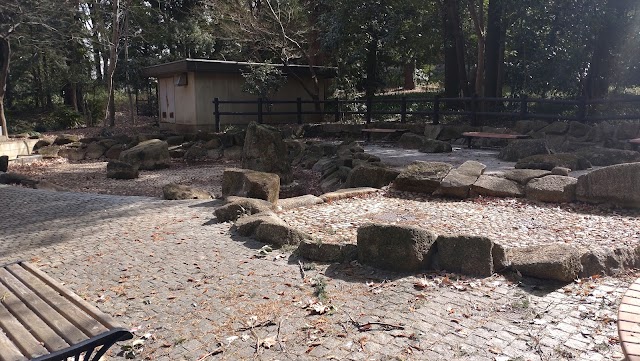
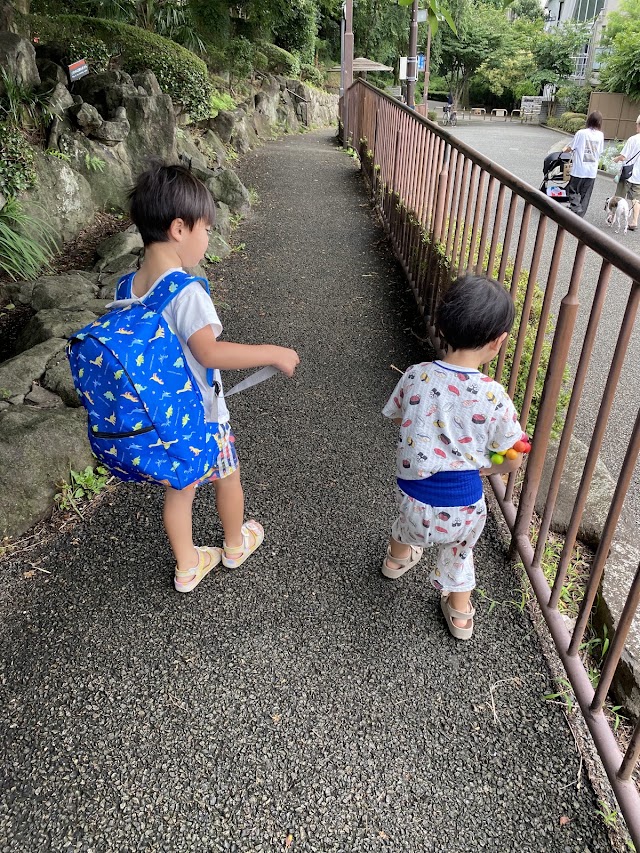
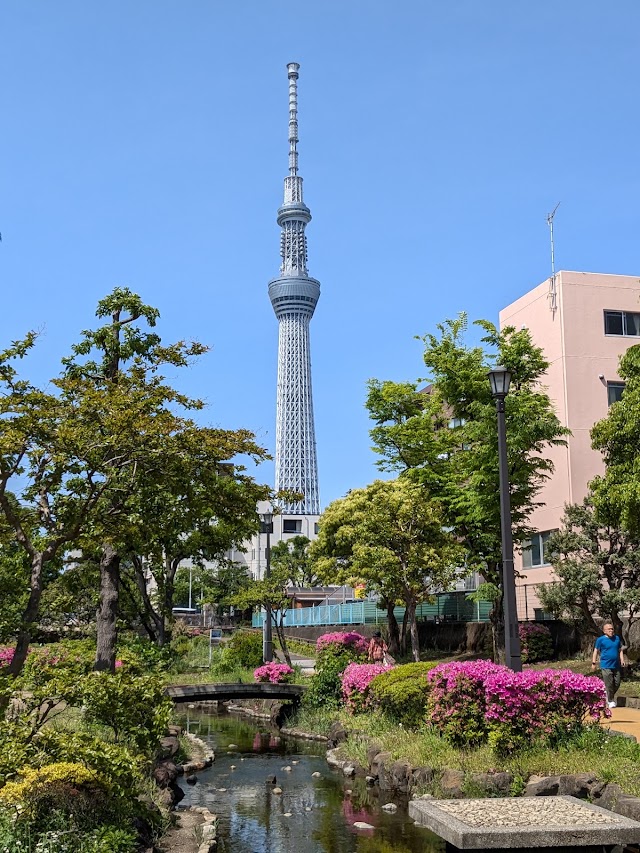
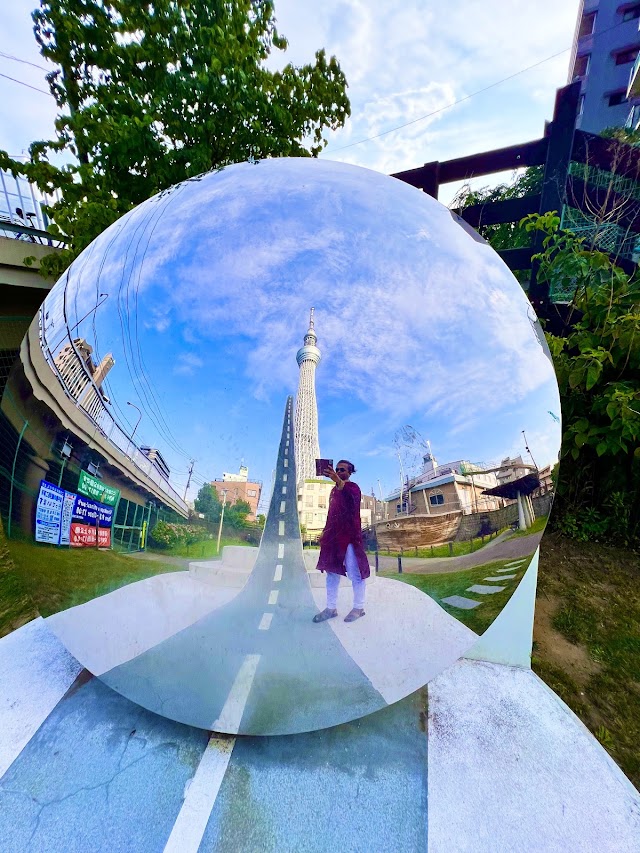
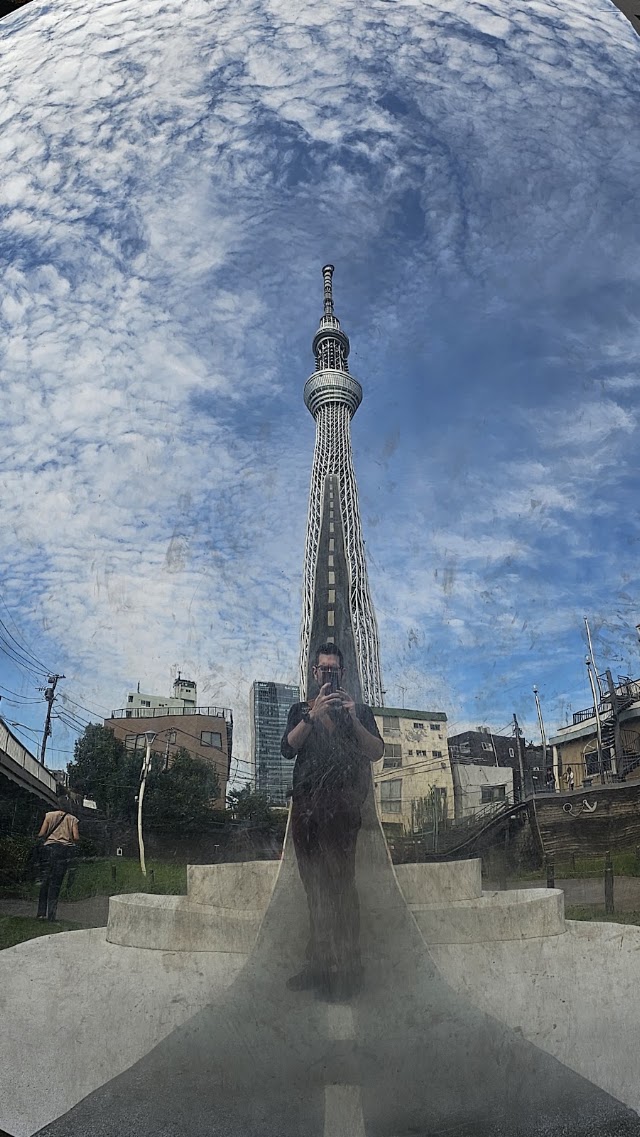
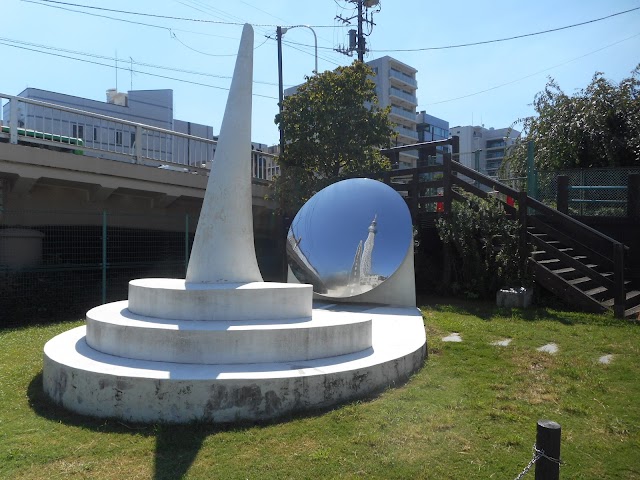
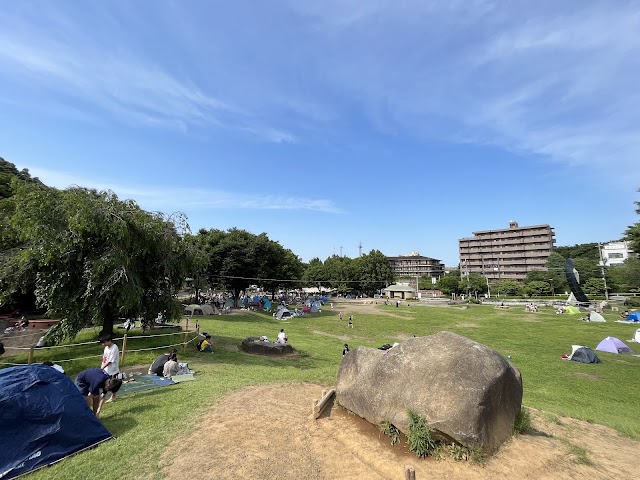
[3] Pick one by situation. First outing, half a day or more: Kiba Park — large, shaded, with the Museum of Contemporary Art Tokyo inside the same grounds, the only entry here that completes outdoor and indoor in one site; 2026 season 1 August to 30 September, 10:00–16:00 with a 12:30–13:00 break. Most heat-averse: Rinshi-no-mori, a former Meiji forestry experiment station with exceptional tree density and a noticeably lower felt temperature; sessions 10:00–11:50 and 13:00–14:50. Stroller, minimal walking: Sarue Onshi (2 minutes from Sumiyoshi), Toneri (1 minute), Ukima (1 minute) and Otonashi (1 minute from Oji). Older children who find paddling ponds babyish: Shimizuzaka, a 30–60cm artificial stream with a roller slide, or Komatsugawa Sakaigawa, 3.9km of waterside with falls, shallows and an adventure ship. Combining with Skytree, or on impulse: the Kappa Kawara zone of Oyokogawa, open year-round, five minutes from the tower. Family doing separate things: Komazawa Olympic Park, a 1964 Olympic venue with running and cycling courses. Wanting an earlier start: Komatsugawa Sakaigawa opens at 09:00, an hour before most.
[4] How many weekends are left. Line up the closing dates and the window is tighter than it feels: Komatsugawa Sakaigawa ends 23 September; Kiba, Rinshi-no-mori, Sarue, Komazawa, Toneri and Ukima mostly on 30 September; Otonashi and Shimizuzaka finish their summer run at the end of August with only two days in early September; only Oyokogawa runs year-round. After 13 August and before term restarts, that leaves under seven weekends, minus days lost to typhoons and thunderstorms.
[5] What to bring. Swimwear (mandatory, shorts will not do); two large towels, one to dry and one to sit on; a change of clothes and a waterproof bag for wet ones; water shoes or sandals, as pond floors can be slippery; sunscreen applied thirty minutes before entering, choosing a formulation gentle on water quality; a sun hat; your own drinking water, consumed in the designated area rather than poolside; and small change, since most parks have vending machines rather than shops. Two warnings: most ponds have no lifeguard and supervision is the guardian's responsibility — 10cm of water is still enough for an accident, so do not leave a child unwatched. And heatstroke risk is easy to underestimate while playing in water; being wet is not being hydrated, and a drink out of the water every thirty minutes is a sensible rhythm.
[6] For residents. The existence of this whole apparatus demonstrates the logic of Tokyo's public space: run by local government, free, minutely ruled and re-notified every year. For anyone weighing raising children in Tokyo, or factoring neighbourhood quality into a property decision, the distribution of these ponds is a usable proxy — it generally indicates a ward with substantial metropolitan or ward parkland, a maintenance budget, and a family demographic to match. That Koto, Kita and Edogawa recur in this list is no coincidence: their rivers and former industrial land left large sites that could become parks.
[7] In one line. A Tokyo summer does not have to be solved with money. Ten centimetres of water, zero yen, gone by the end of September — a resource local families use every year and visitors rarely know about, leaving only one question: did you check the opening hours and the cleaning days before you left.
 Scan for map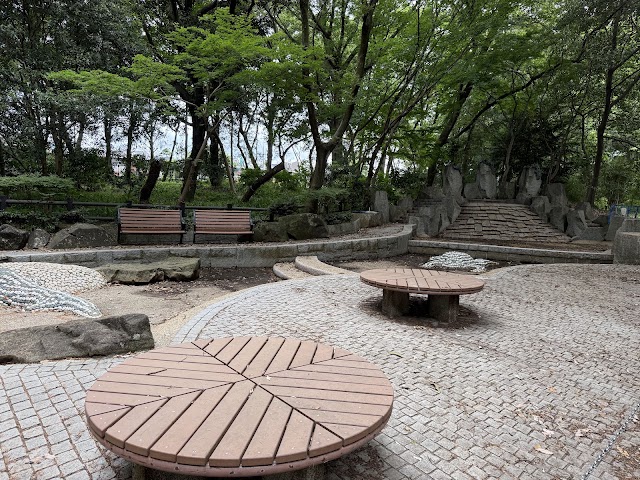
 Scan for map
 Scan for map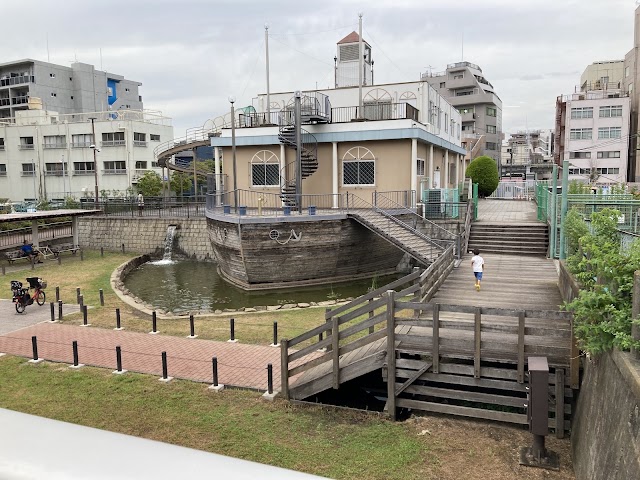
 Scan for map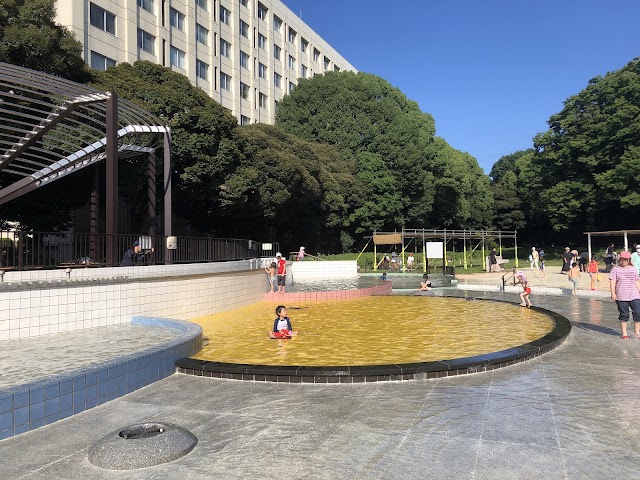
 Scan for map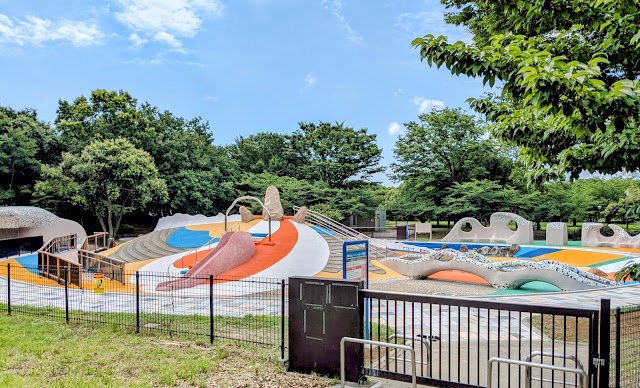
 Scan for map
 Scan for map
 Scan for map
 Scan for map
 Scan for map