Nankai Cuts Crew Scheduling From Months to a Week With Quantum-Inspired Computing
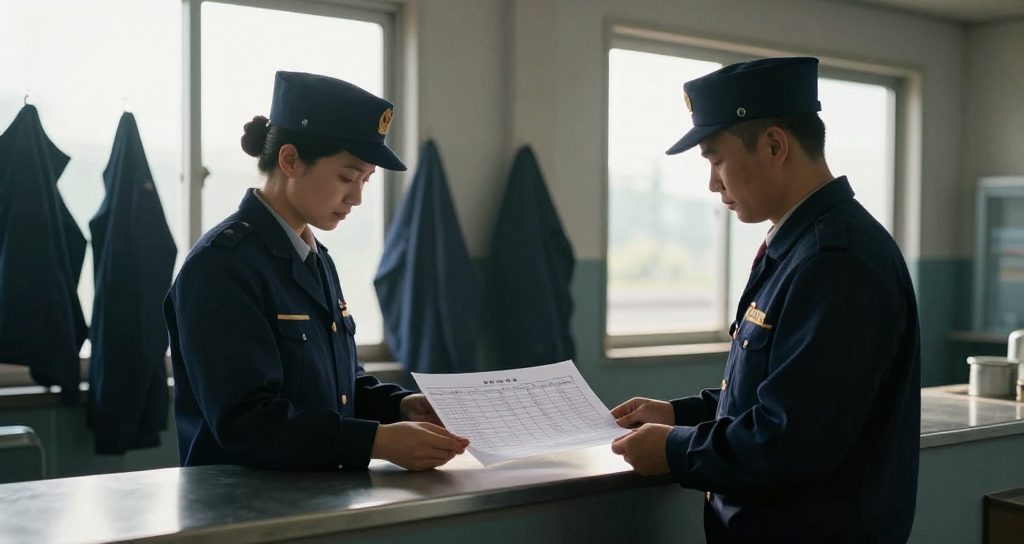
- Nankai Trains and Hitachi collaborate
- CMOS annealing technology applied
- Automating crew scheduling plans
Nankai Electric Railway has cut crew scheduling that once took months down to a week, using what it describes as a quantum-inspired simulation — conventional computers borrowing the logic of quantum algorithms to attack the problem. The story is not really about the word quantum. It is that the most labour-intensive back-office task in railway operations turns out to be tractable.
Why is scheduling hard? It is a classic combinatorial optimisation problem: qualifications, rest days, statutory hours, route connections and disruption handling multiply until the possible arrangements explode. Humans can only iterate toward something workable, not something optimal. Going from months to a week frees not just calendar time but the senior staff who were tied up producing it.
Two takeaways. For anyone running transport, logistics or production scheduling, the barrier is lower than assumed — and the real difficulty is not the algorithm but writing down the rules: which constraints are hard, which are negotiable, who decides. Most failed deployments stall there. For industry watchers, Japanese railways under labour shortage are directing spending toward maintaining service without adding staff, which is a useful thread when reading their cost structures.
Watch whether the method spreads to rolling stock and maintenance scheduling, whether peers follow, and where the freed hours actually go.