Japan's All-Polymer "Dream Battery" Restarts Under a Revival Plan
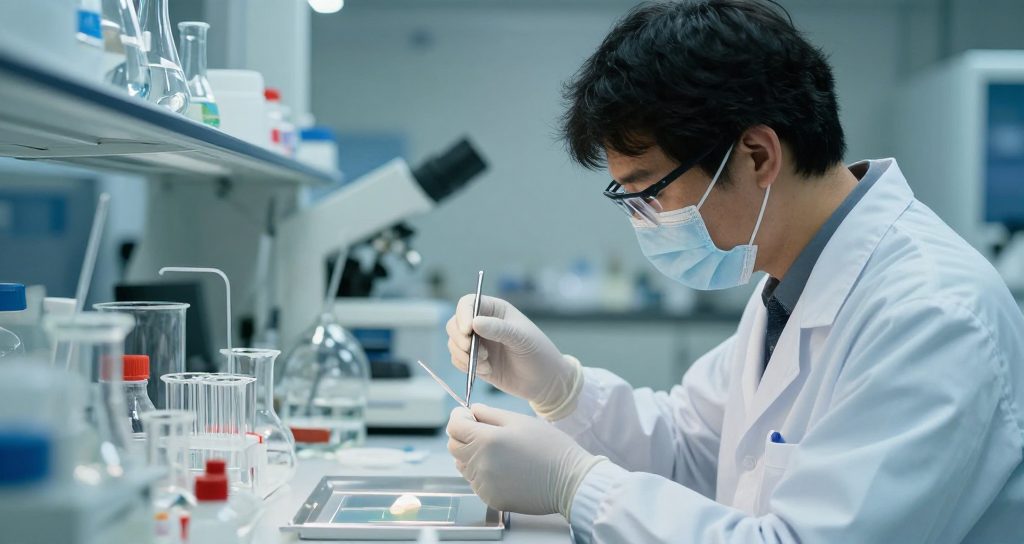
- A revival plan is under way for the all-polymer "dream battery"
- The technology replaces conventional current collectors with resin, simplifying production
- Mass production and funding were where the project stalled
Japan's all-polymer battery — once billed as a dream technology — has a revival plan that is finally moving. The pitch was replacing conventional metal current collectors with resin, simplifying manufacturing and improving safety. Japanese industry invested high hopes, then the project stalled on mass production and funding. That trajectory is itself a useful lesson in the state of Japanese manufacturing.
What separates a laboratory result from a production line is rarely performance. It is three unglamorous things: yield, cost, and someone willing to buy first. Batteries make this acute, since automotive and storage customers validate new chemistry over years while a start-up's cash does not last that long.
Two practical implications. For component and materials suppliers, restructurings of this kind come with asset and team reshuffles, which is a better moment to negotiate licensing or partnership than when the technology was first announced. For investors, story-driven technology is usually priced well before production is proven; the signal worth waiting for is a first order at scale, not a restructuring announcement.
Watch who leads after the reorganisation and where the money comes from, whether a real adopter appears and in which segment — automotive, storage or consumer electronics — and whether production yield figures are ever published. If any of the three never progresses, the plan remains a plan.