Japan Shifts Cost of Dispatched Care Workers to Public Funds for Quake-Hit Kumamoto Facilities
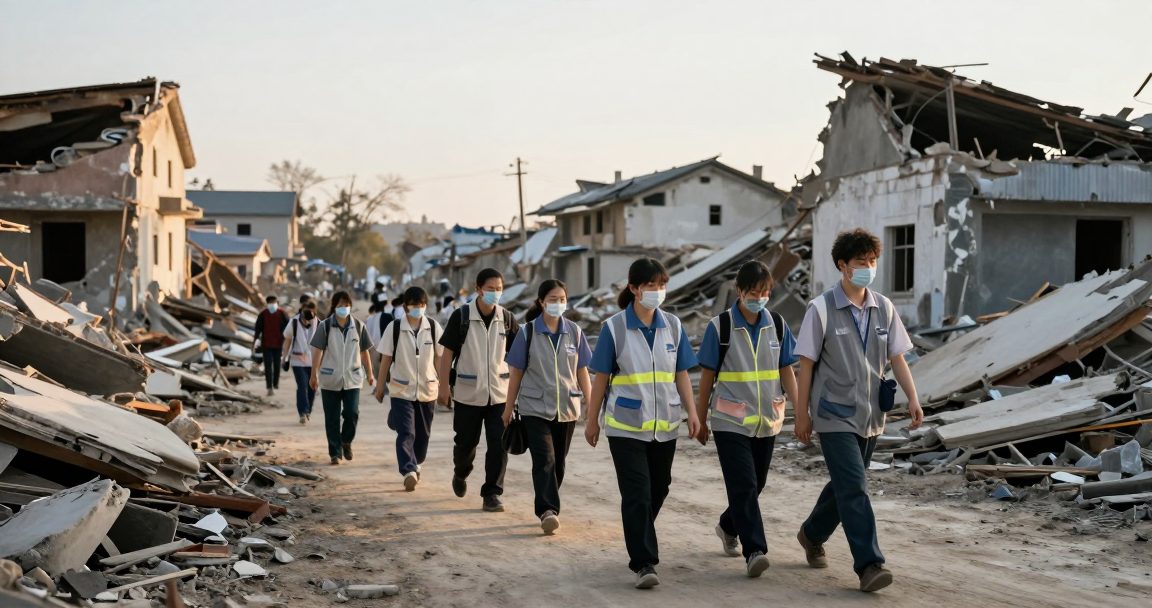
- The Ministry of Health, Labour and Welfare will cover the costs of dispatched care workers
- Earthquakes have damaged local welfare facilities
- Public feedback led to policy adjustments
For welfare facilities damaged in last month's Kumamoto earthquake, the Health, Labour and Welfare Ministry has decided that the personnel costs of nationally dispatched care workers will be covered by public funds rather than by the facilities themselves. It is a small administrative change addressing the most practical problem in post-disaster care: who pays for the help.
Consider why the original design failed. After a disaster a welfare facility faces two things at once: its own staff are disaster victims and cannot all report for duty, while residents needing care cannot go a single day without it. External staff are the only answer — but if the damaged facility must absorb the cost, an organisation with interrupted income and broken equipment is asked to add a payroll line. The result is that facilities hesitate to ask for help and push on until care quality falls. Shifting the cost to public funds removes exactly that threshold.
The design principle transfers directly to Taiwan, which faces the same ageing population and seismic risk: if a disaster support scheme leaves the cost with the most fragile party, the scheme fails — not because nobody offers help, but because nobody dares accept it.
Watch whether public funding becomes standing policy or remains a one-off fix for this earthquake. The first means the system changed; the second only patched a hole.