A Meiji-Era Pickle Maker Builds Its Own AI Tools for Umeboshi Artisans
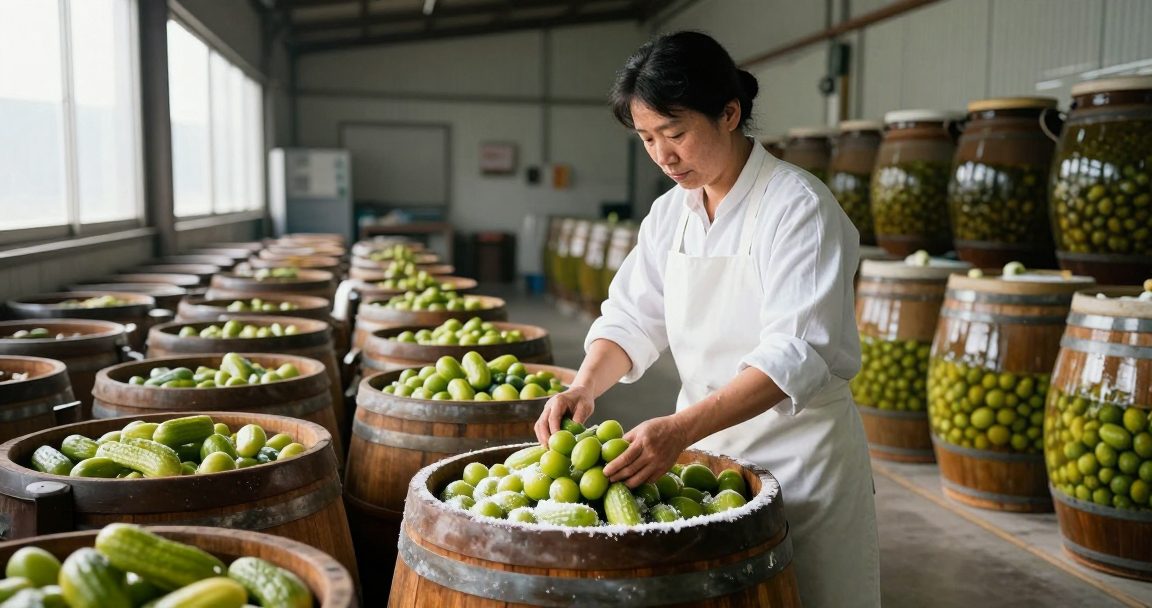
- A pickle maker founded in the Meiji era built internal tools using Claude
- The tools target the daily work of umeboshi artisans
- Built through chat and copy-paste, without an engineering team
The same long-established pickle maker, founded in the Meiji era, did something else: it built an internal tool for umeboshi artisans using Claude, assembled through chat and copy-paste, and designed so that staff uncomfortable with computers could still use it. The useful lesson for small firms is not how capable the AI is — it is the order of operations.
Small companies usually fail at AI adoption the same way: buy the tool first, look for a use afterwards. This shop reversed it. Find the step where the craftsperson actually gets stuck each day, then build something that solves only that. The interface should be as plain as possible, because the user makes pickles for a living. Small and precise beats comprehensive and unused.
The chat-and-paste detail matters. It shows the barrier has fallen below the point of needing an engineering team: describe the requirement clearly, paste the result back into your workflow. The bottleneck has shifted from technical skill to whether you can explain your own work — the same capability that determines whether you can explain your product's value.
A workable sequence: pick a task that repeats daily, follows clear rules and is low-risk when wrong; involve the person who does it in the design rather than deciding from the top; then measure the time saved and scrap it if there is none.
Watch whether such tools grow from single tasks into departmental processes.