Kura Sushi's Waste-Cutting Extra Portions Mistaken for Special Treatment, Spreading 40 Million Times
- 40 million times shared campaign backfires
- Actually part of anti-food-waste efforts
- Corporate strategy meets backlash
- Internet frenzy ignites public discussion
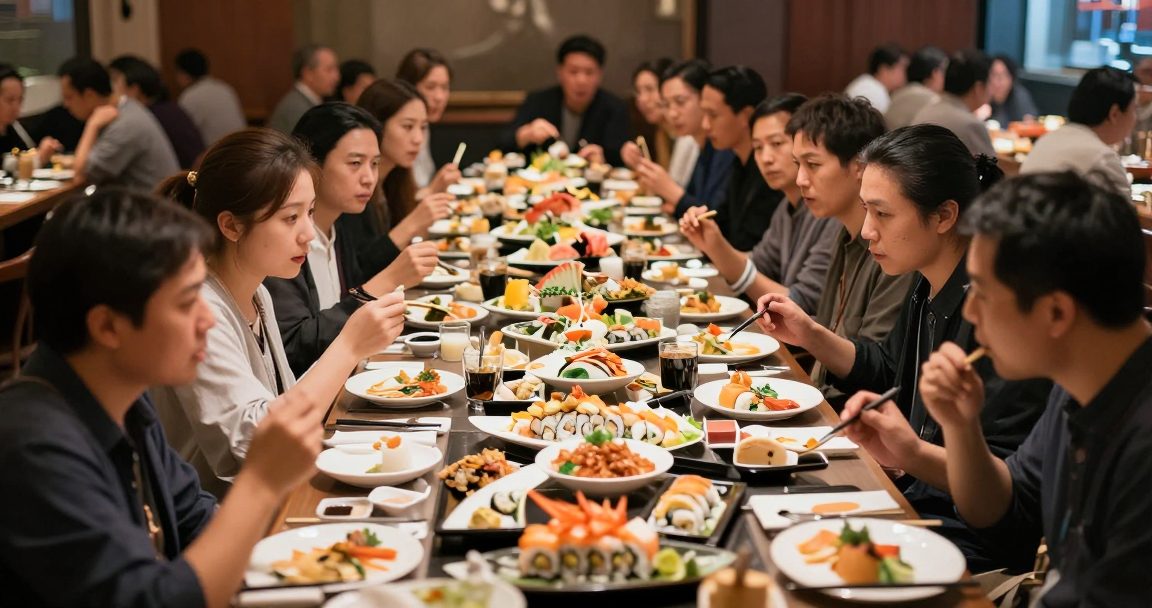
A post about a Kura Sushi serving with an absurdly generous amount of fish went viral and turned into a backlash — even though it was an official service designed to reduce food waste. The misunderstanding spread 40 million times, and the company took the damage. For anyone working in brand or marketing, it is a clean case study in a very modern risk: goodwill read as unfairness.
The failure is informational. Viewers who know the rule see a sensible way to cut waste; viewers who do not see someone else getting more than they did. Once a post travels beyond its original context, only the image survives, not the rule — and people react to perceived unfairness far faster than they absorb explanations. Forty million shares means the story had long since outrun the company's ability to explain it.
Three operational lessons. Any service that looks like special treatment needs its rules published in advance; explaining afterwards always costs more. Frontline discretion needs clear boundaries, or the same service takes different shapes across branches, and the inconsistency is the detonator. And speed of response beats wording, because the narrative sets within hours.
For restaurants and retailers elsewhere: food waste measures are encouraged, but if execution leaves customers feeling somebody got more, the trust lost exceeds the cost saved.
Watch whether the rules are now formalised or the service quietly disappears.