The ¥1,000 Ticket You Must Book at 10am on the 10th: Ten Stops From Harmonica Yokocho to the Ghibli Museum
- The Ghibli Museum is reservation-only with no door sales: tickets are released via Lawson's L-tike at 10:00 on the 10th of each month for the following month. Adults ¥1,000, junior/high school ¥700, elementary ¥400, age 4-preschool ¥100.
- 2026 Ghibli Museum closures: every Tuesday, maintenance 12-19 May and 4-18 November, and 27 Dec 2026 - 2 Jan 2027. Open 10:00-18:00; no photography inside.
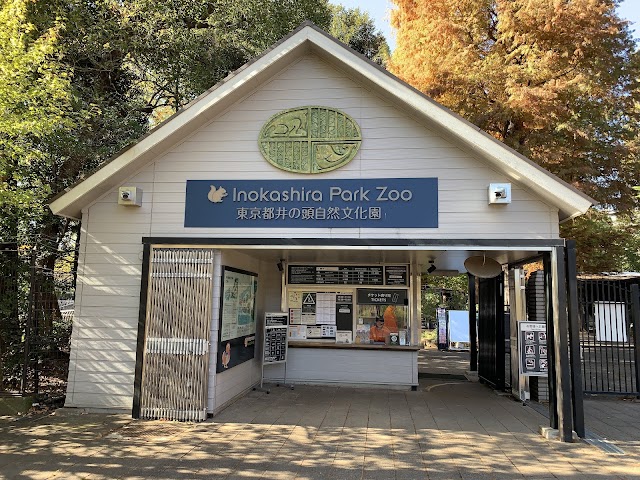
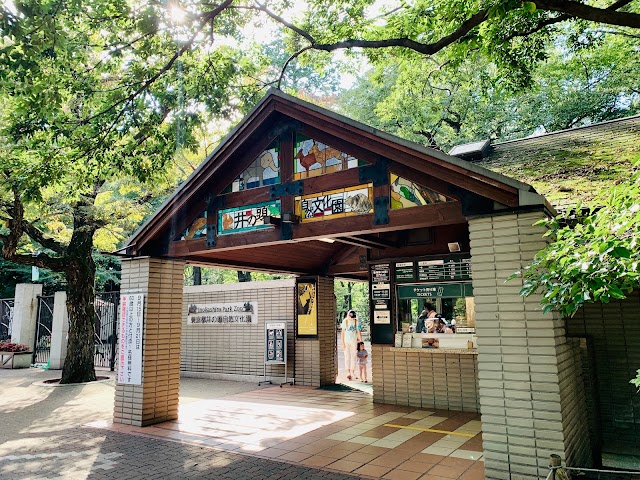
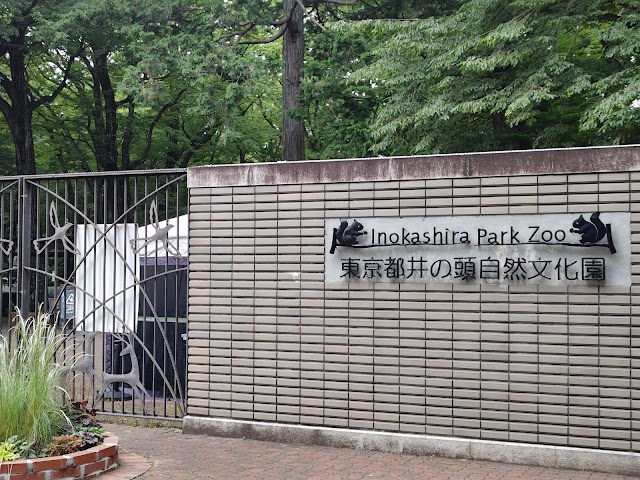
- Inokashira Park Zoo costs ¥400 (junior high ¥150, free for Tokyo residents/students, 65+ ¥200, free under elementary), 9:30-17:00, closed Mondays; several 2026 renovations mean some exhibits are shut.
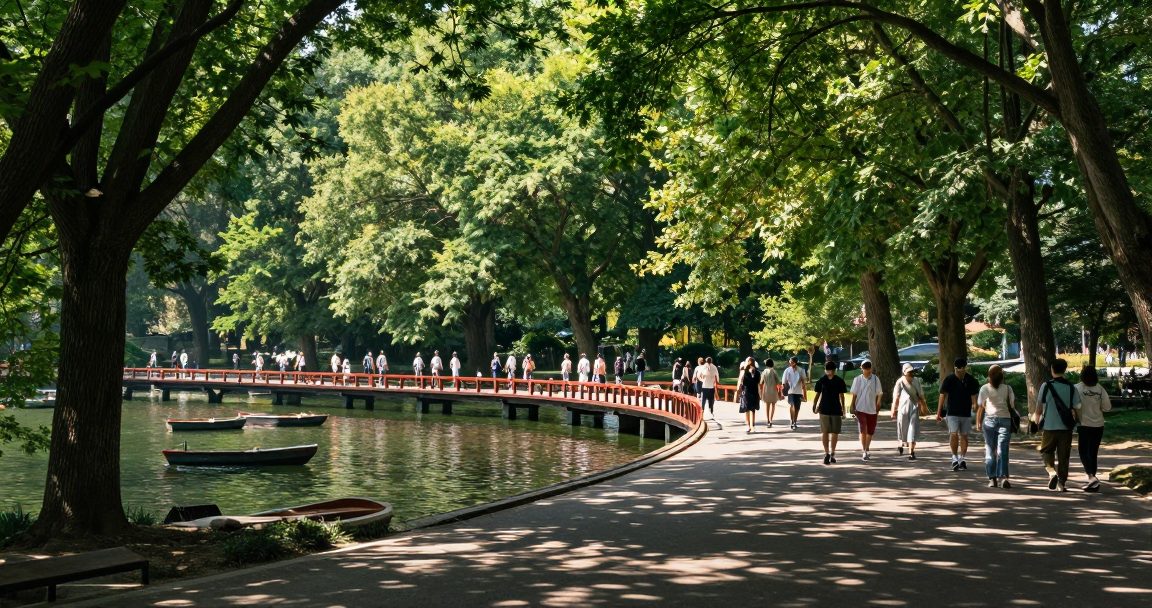
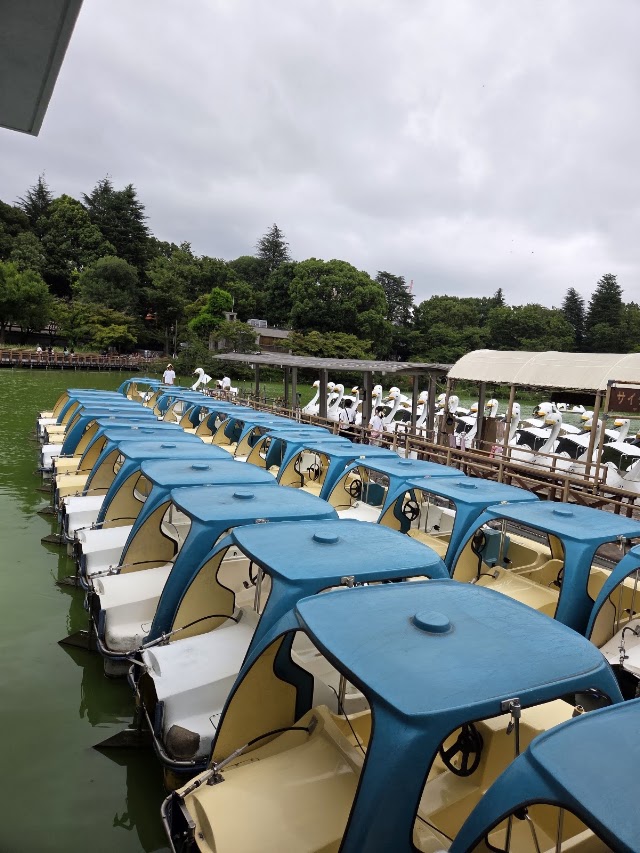
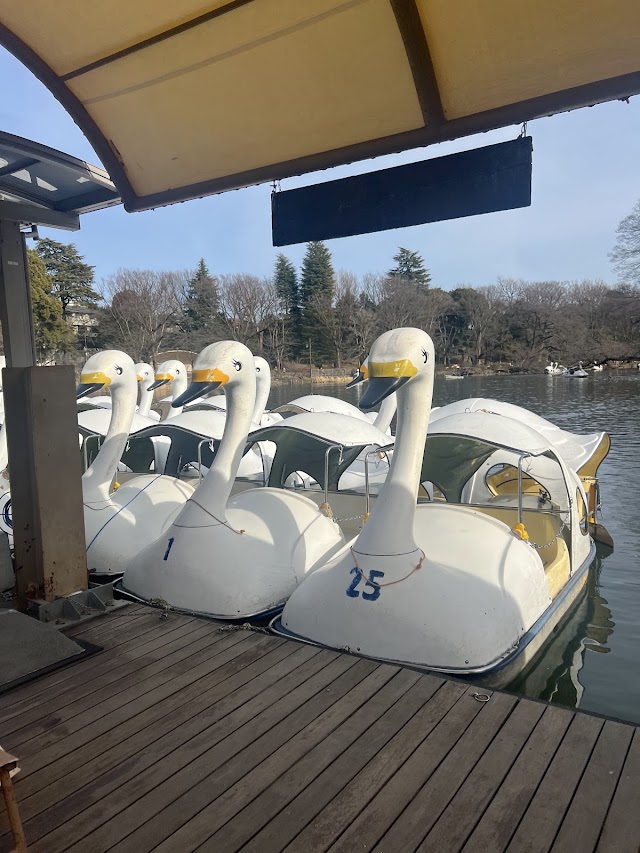
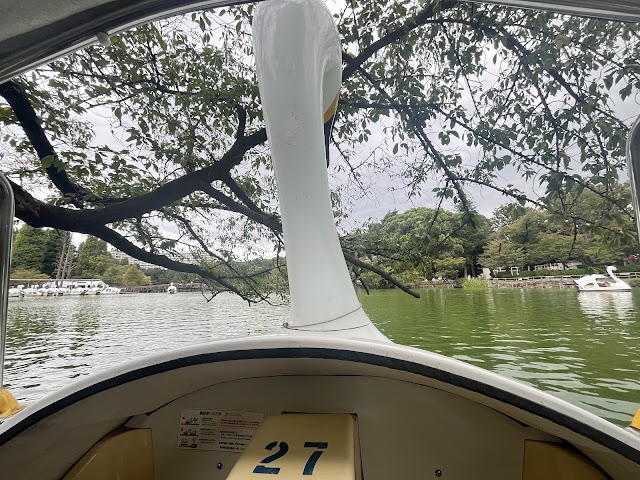
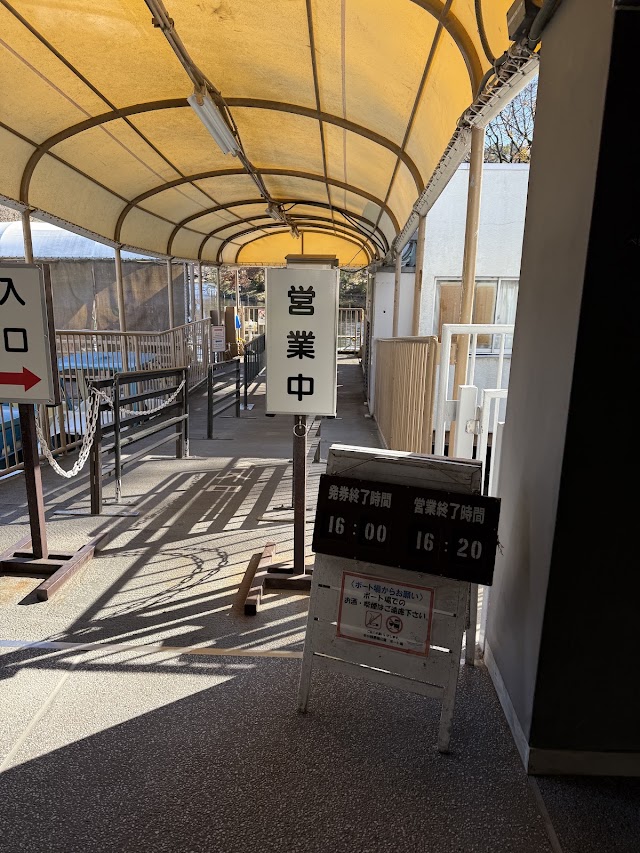
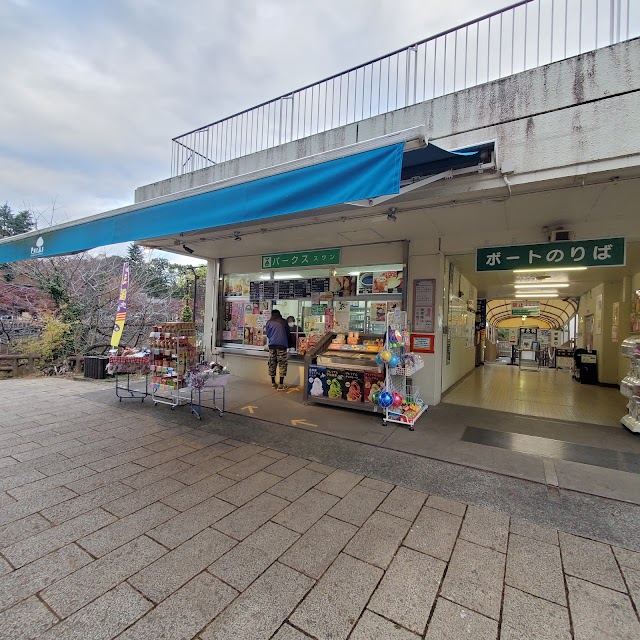
- Inokashira Park is free to enter; boat rental is priced by boat type, and the Tokyo Metropolitan Government announced a fee revision in October 2025 — check on-site rates.
- The August logic of this route is shade: the pondside path and the walkway to the museum are tree-lined, and Harmonica Yokocho is the only roofed way to move near the station.
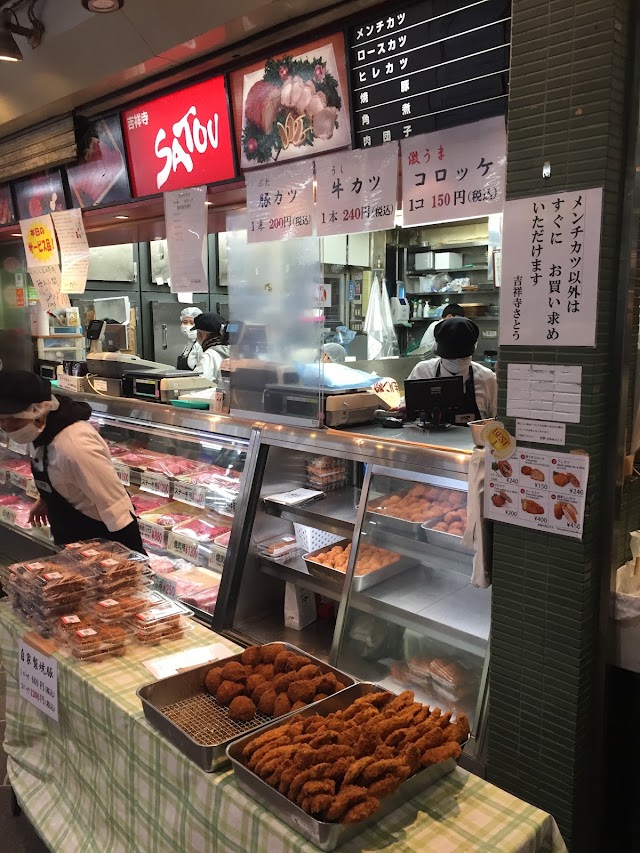
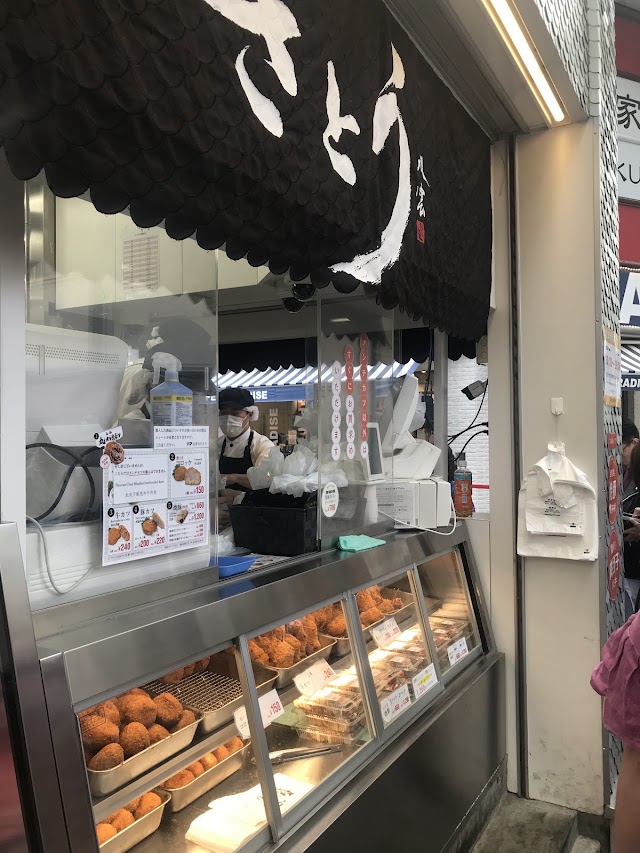
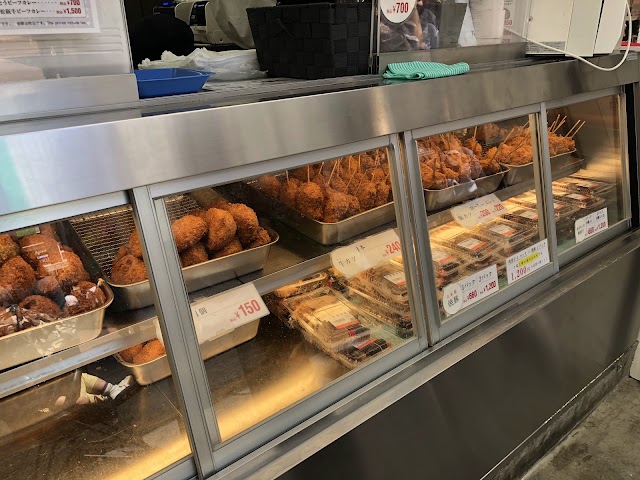
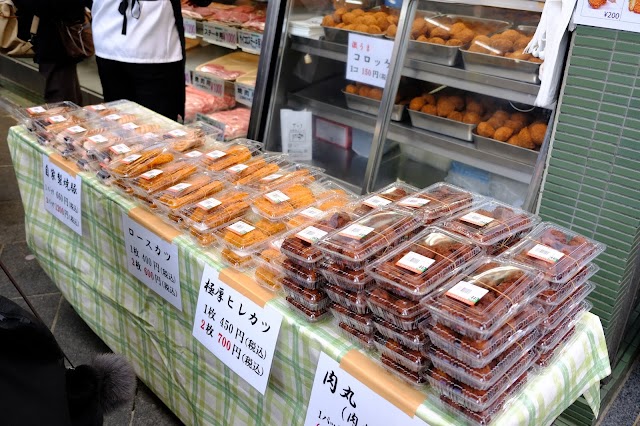
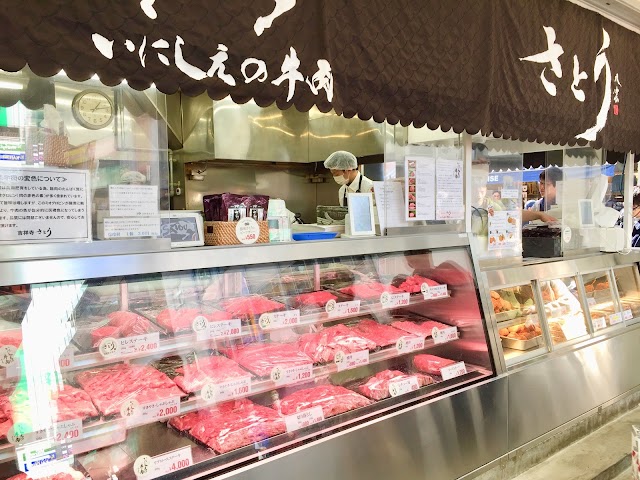
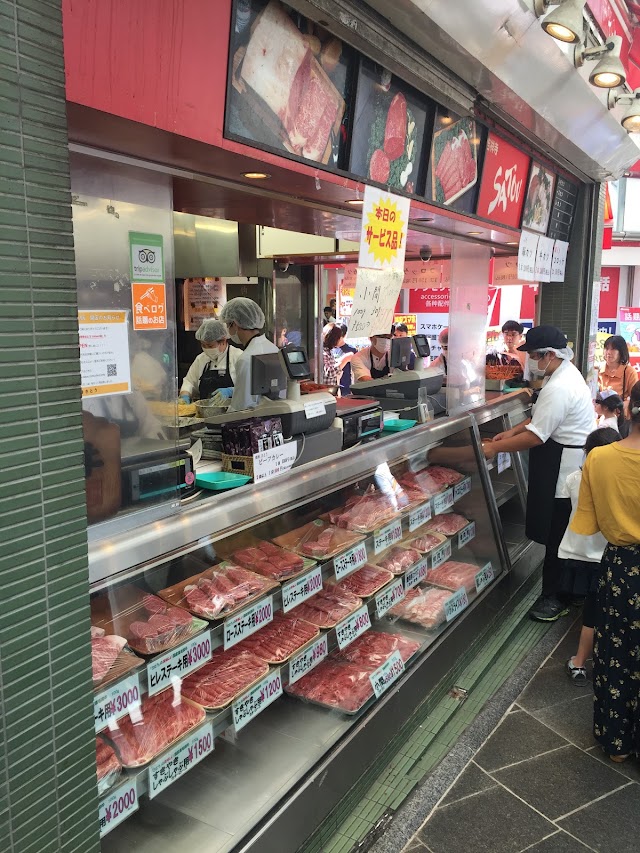
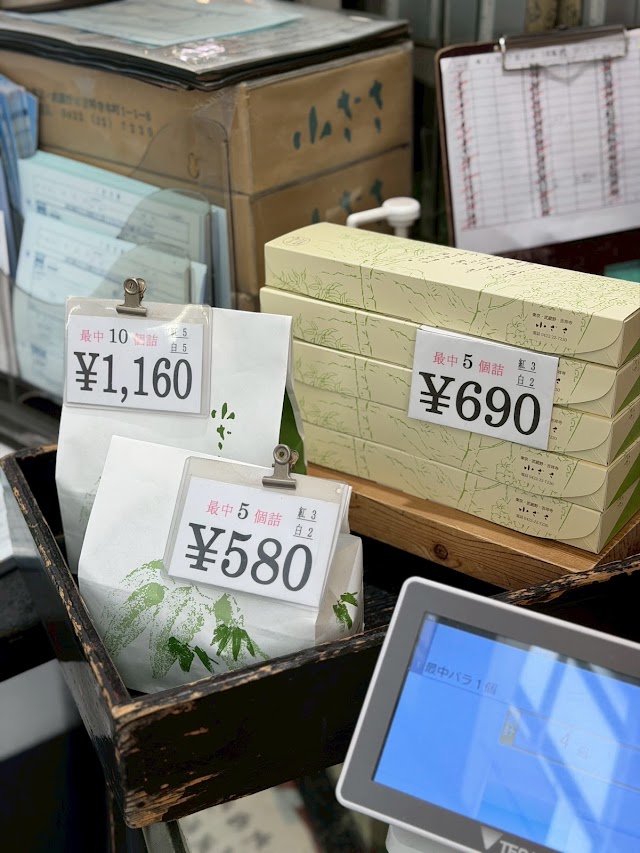
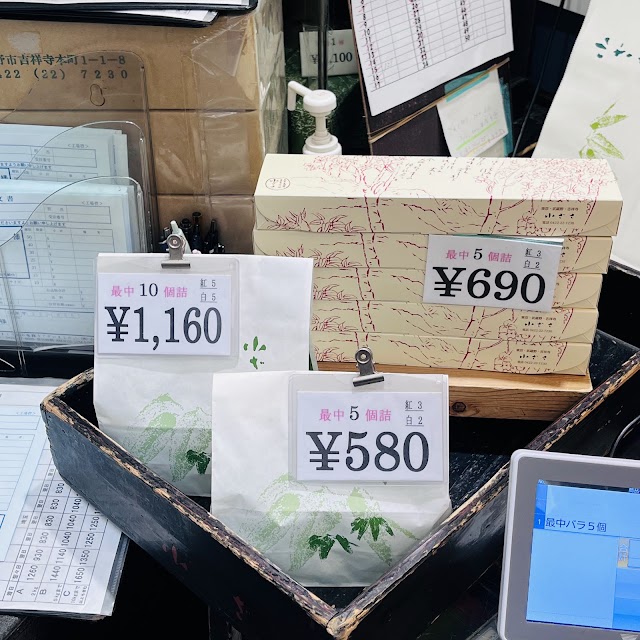
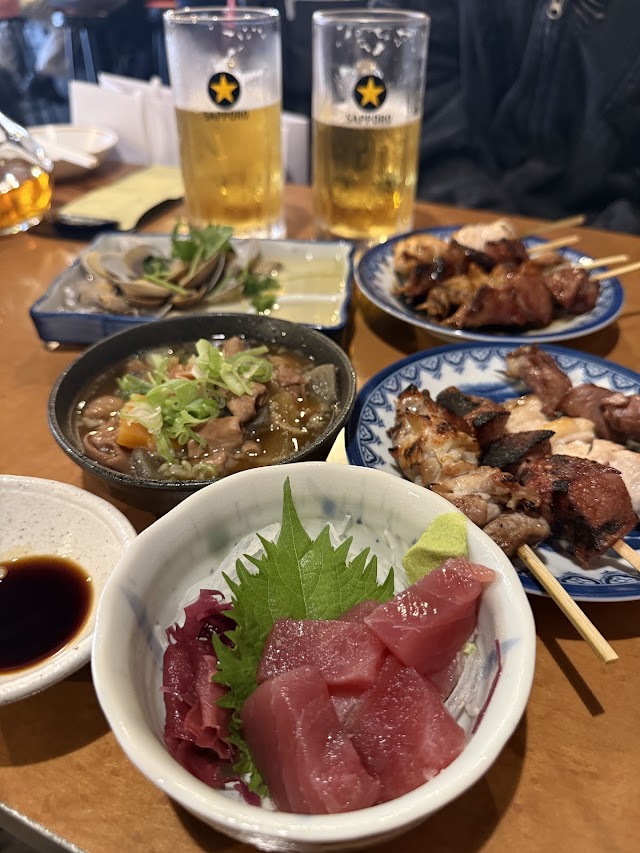
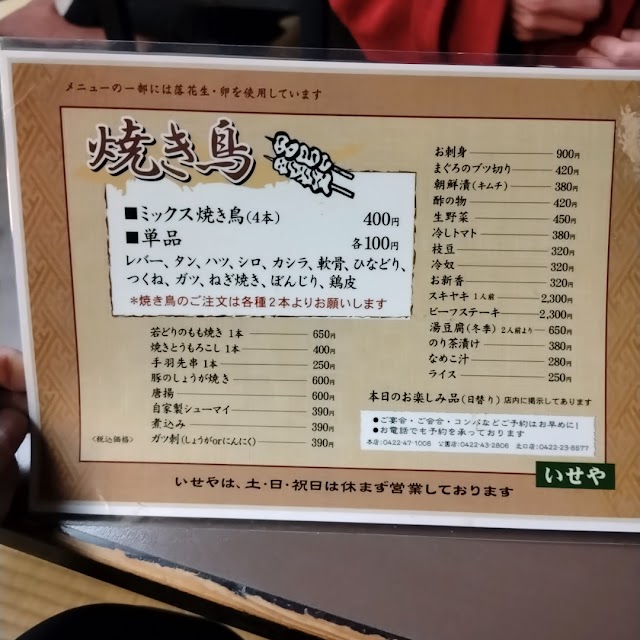
- Timing for the three old shops by the station: Satou opens at 10:00 with the fried-food window from about 10:30 until sold out (cash); Ozasa's yokan goes by dawn ticket, so visitors realistically buy monaka; Iseya's park branch opens at lunchtime with skewers around ¥80.
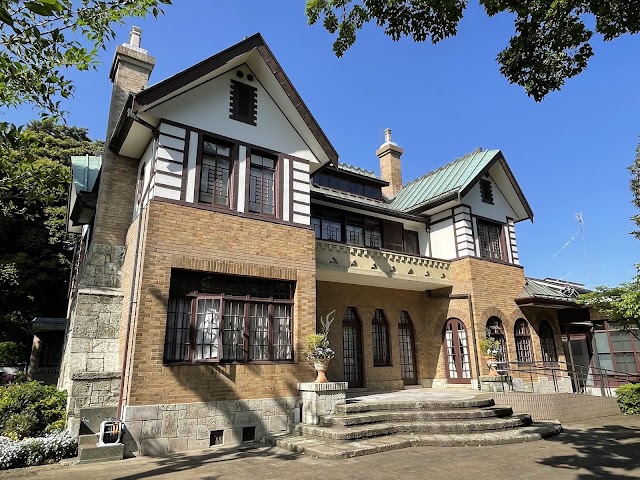
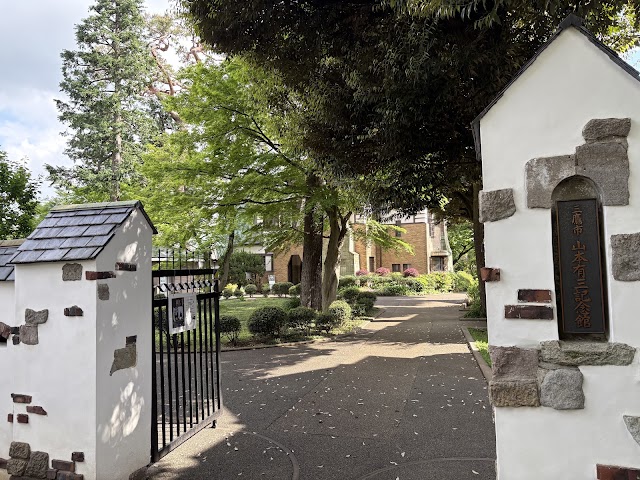
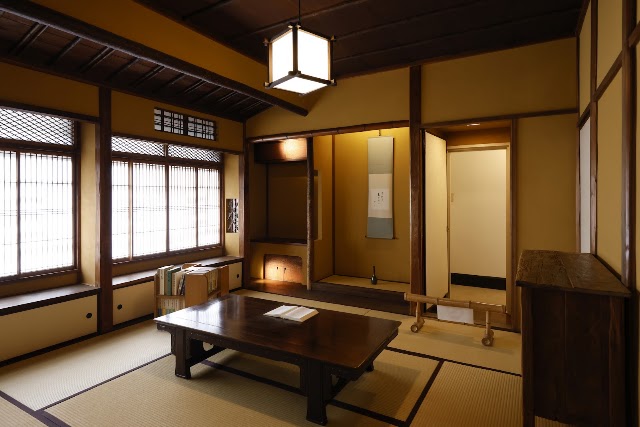
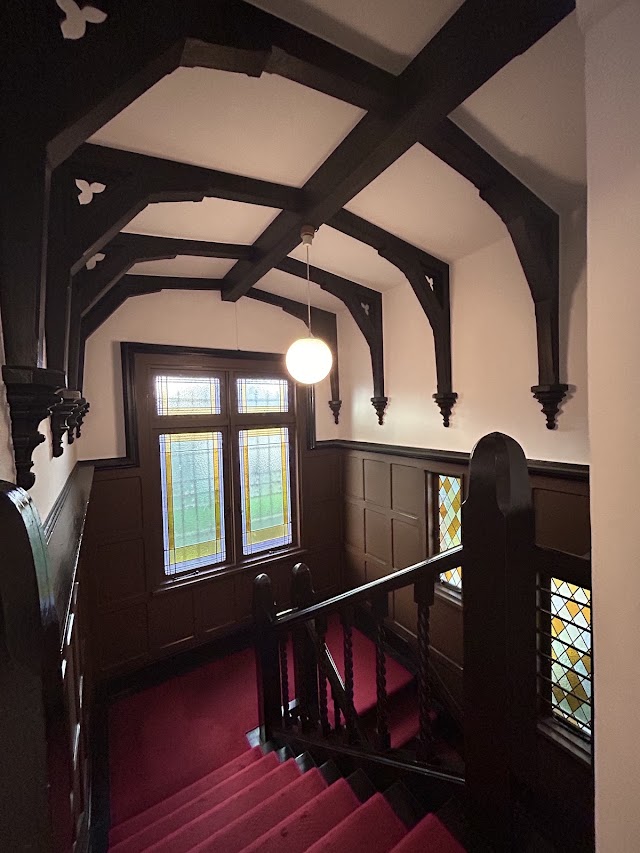
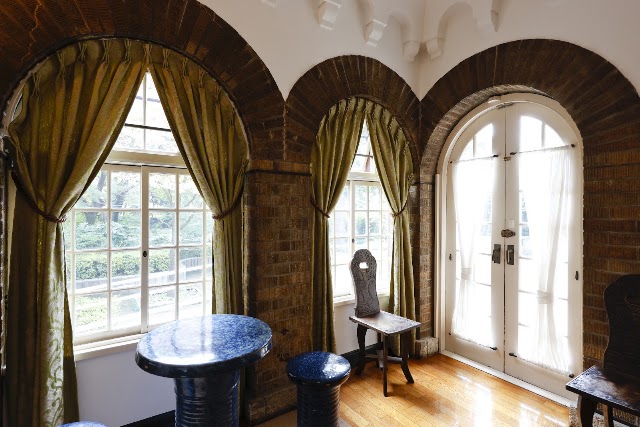
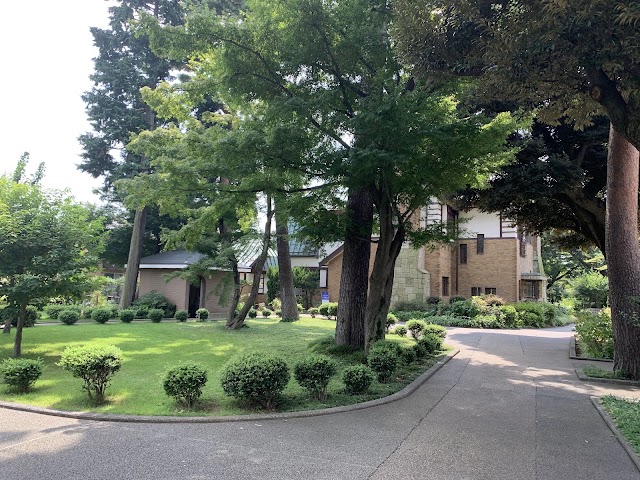
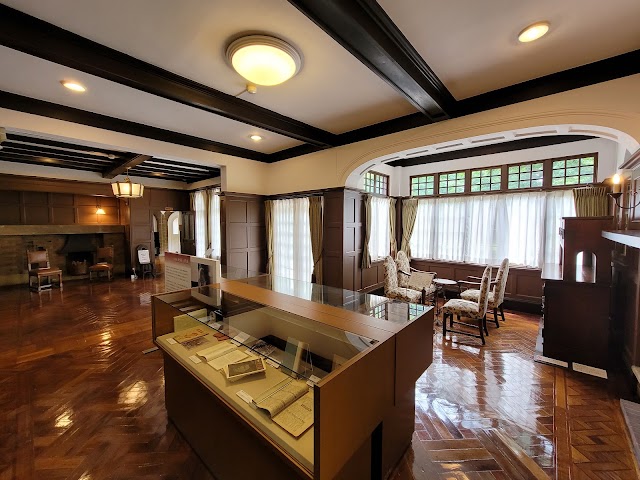
- The Yuzo Yamamoto Memorial Museum (¥300, 9:30-17:00, closed Mondays) is the only air-conditioned rest stop between the park and the Ghibli Museum.
- Half-day version: north exit, Harmonica Yokocho, Satou, park exit, Inokashira Park, then back. Full day continues west to the zoo, the memorial museum, the Ghibli Museum and Mitaka Station.
Kichijoji has a fixed image in Japan: a residential district that lands near the top of the "most desirable places to live" rankings year after year. For visitors, though, it is usually reduced to a fifteen-minute hop from Shinjuku on the Chuo Line, a shopping street, and back — compressing a full day into two hours.
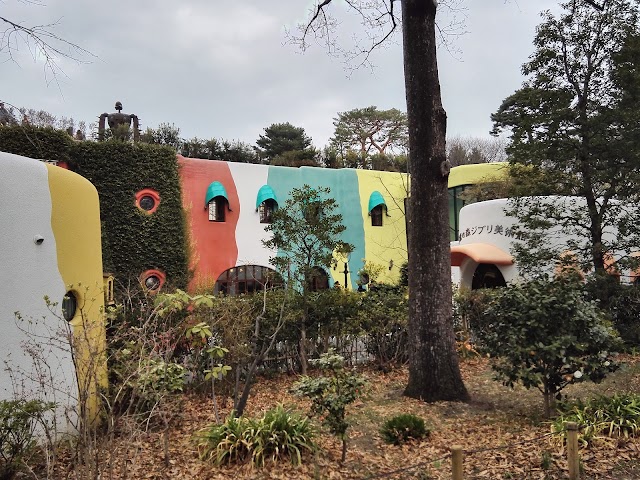
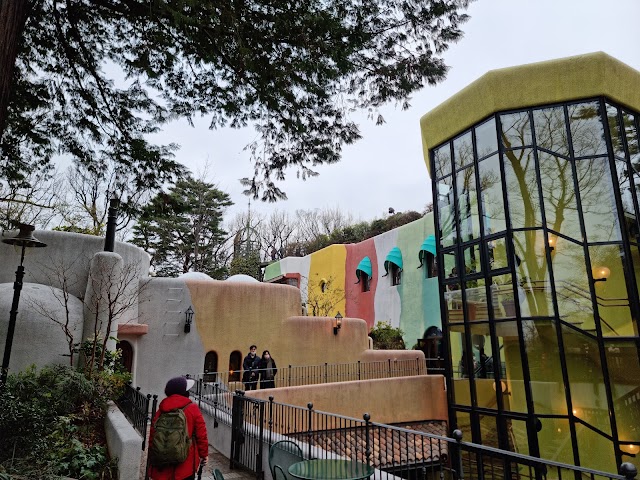
The area's structure is unusual. It holds three things that do not belong together: a dense warren of alleys grown in place from a post-war black market (Harmonica Yokocho), a metropolitan park built around water (Inokashira Park), and one of the hardest museum tickets in the world (the Ghibli Museum, Mitaka). The walk from the station's north exit to Mitaka Station is under three kilometres, yet it passes through Showa-era stalls, a Taisho house and a Heisei museum.
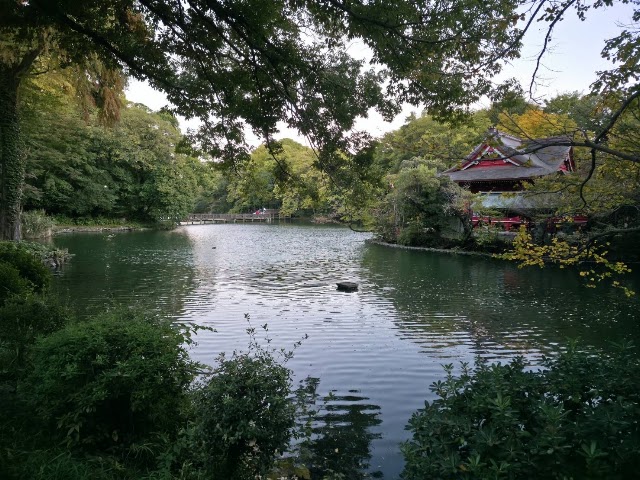
There is a practical reason to do this route in August: shade. Mid-August afternoons in Tokyo sit around 34-35C, and most of this line is under trees — tall trees along the pondside path, and a leafy walkway toward the museum. More important is the museum's ticketing rhythm: timed reservations only, no door sales, released at 10:00 on the 10th of each month for the following month. If you only thought of it this month, the tenth stop is likely out of reach; the other nine need no booking at all.
The ten stops below run east to west as an actual walking line, about three kilometres, six to eight hours with meals and admissions. For a half-day, turning back at stop six is a complete route in itself.
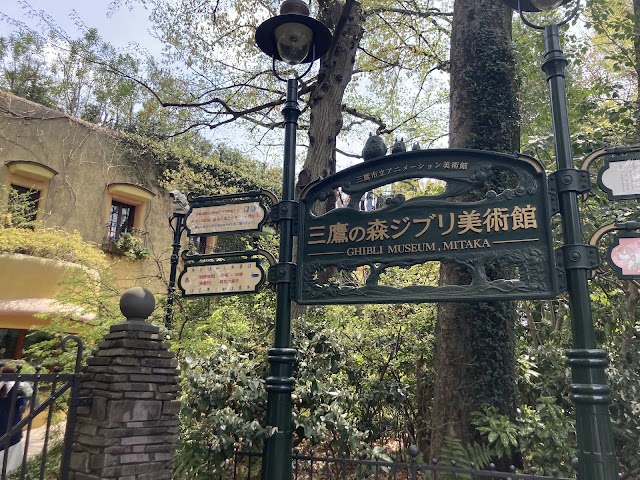
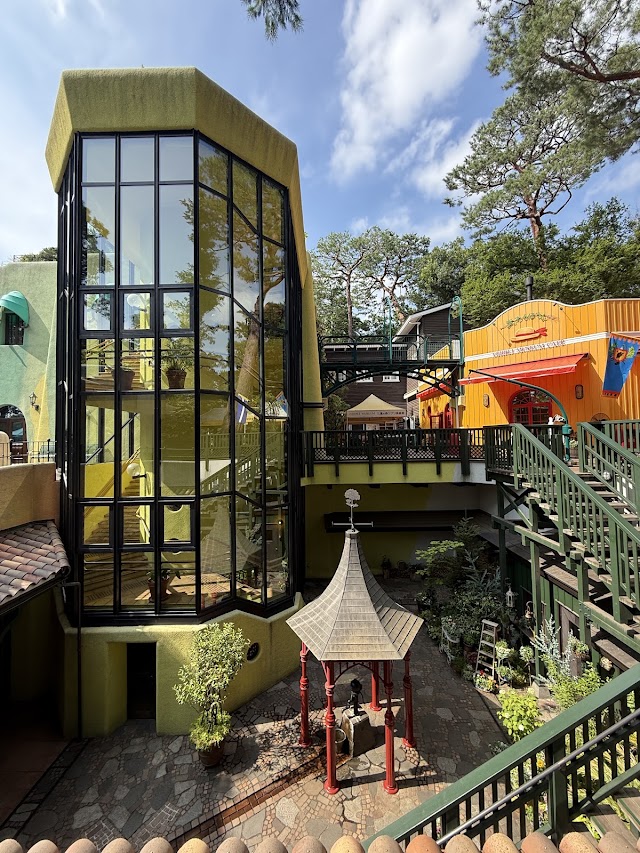
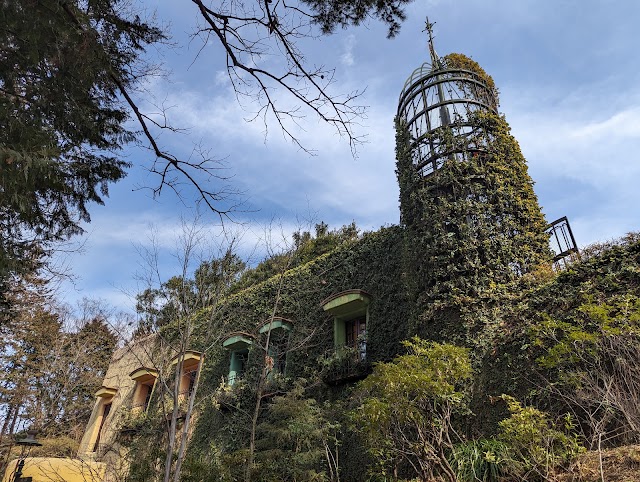
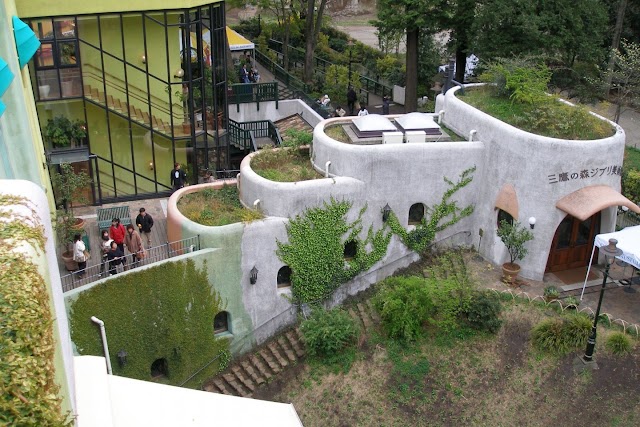
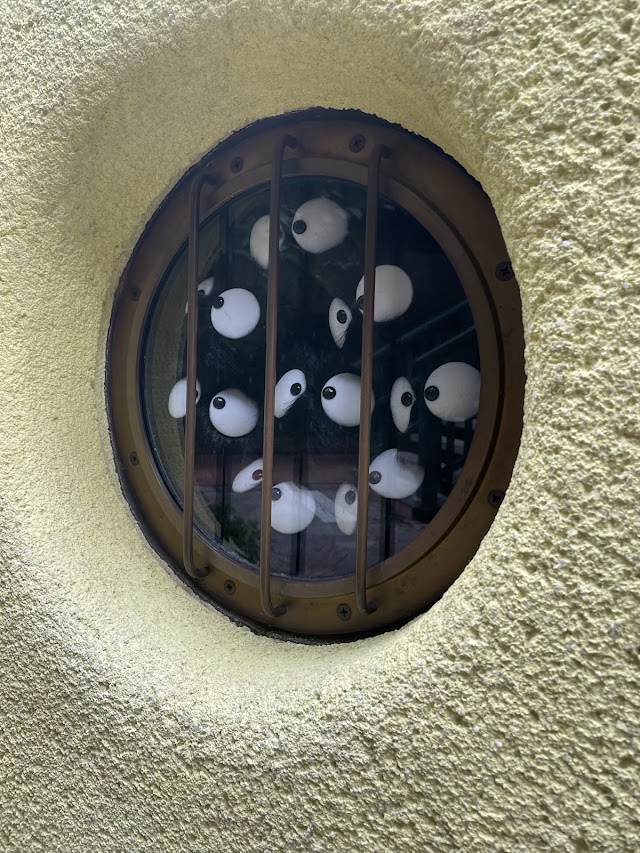
[1] Solve the ticket first. The Ghibli Museum in Mitaka is timed-entry, reservation-only, with no sales at the door. Tickets go on sale through Lawson's L-tike system at 10:00 on the 10th of each month for the following month, so 10 August releases September dates. Prices are low by Tokyo museum standards — ¥1,000 adults, ¥700 for high and junior high, ¥400 elementary, ¥100 for age four to preschool, free under four. In 2026 the museum closes every Tuesday, plus maintenance periods of 12-19 May and 4-18 November, and 27 December 2026 to 2 January 2027. Open 10:00-18:00, no photography anywhere inside.
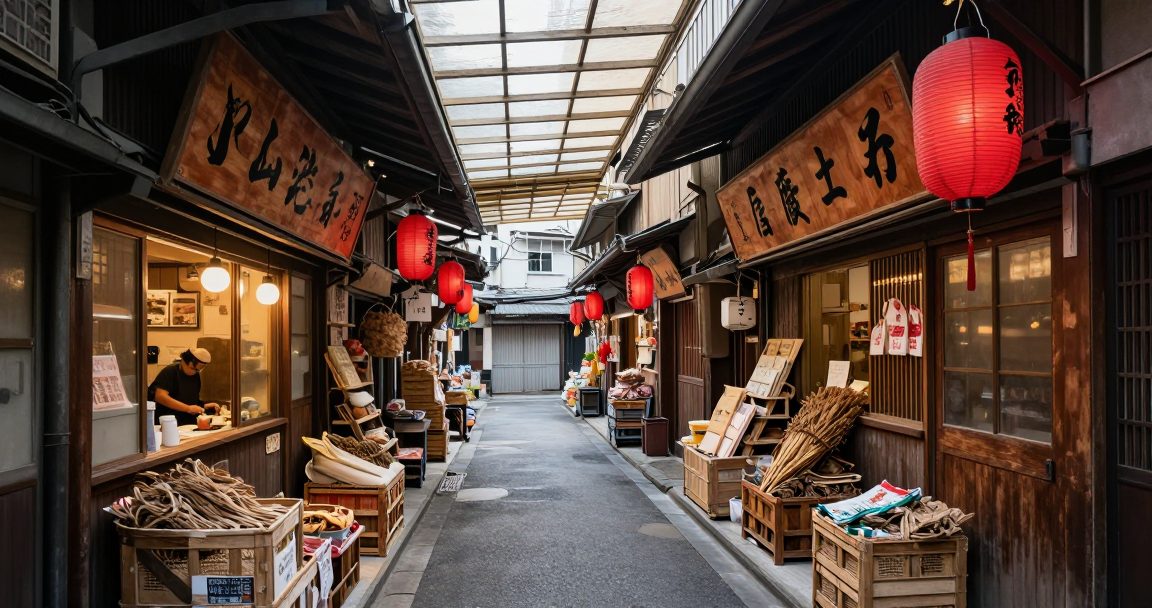
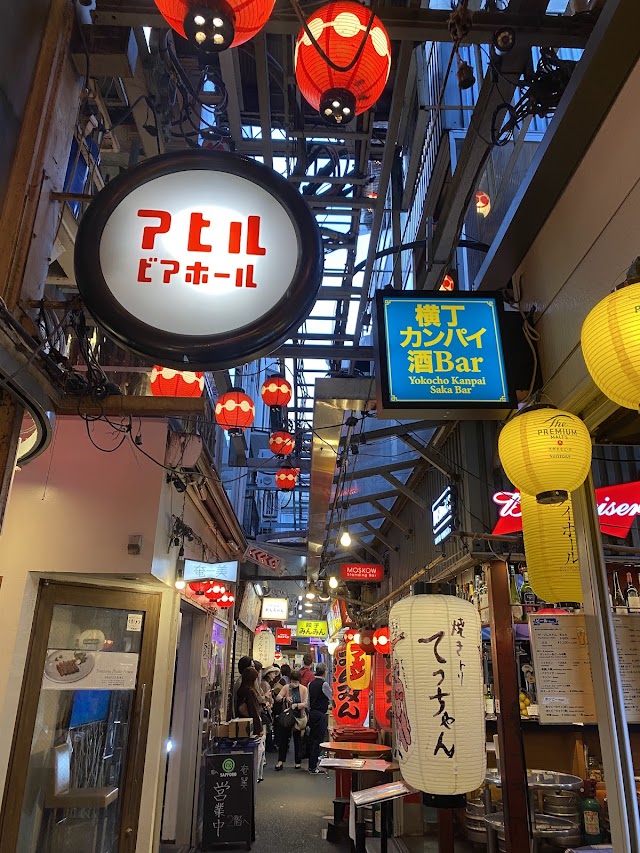
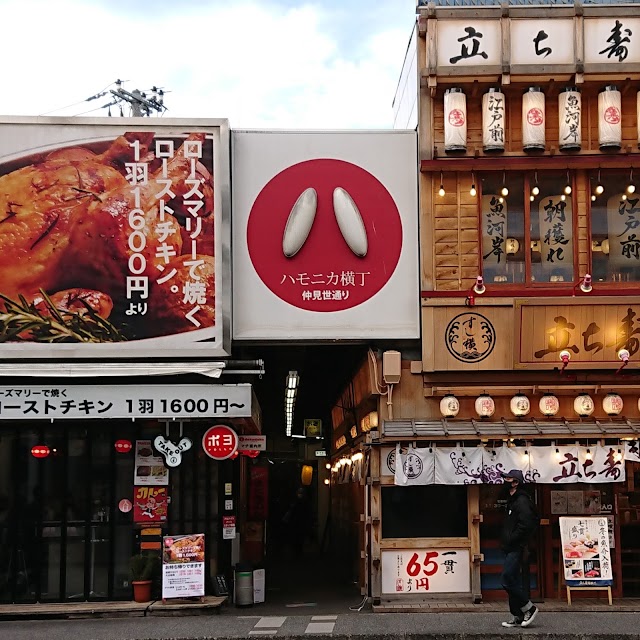
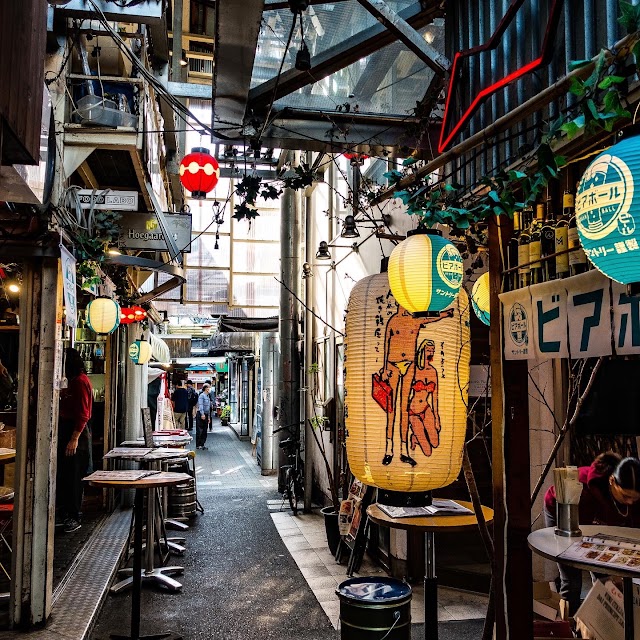
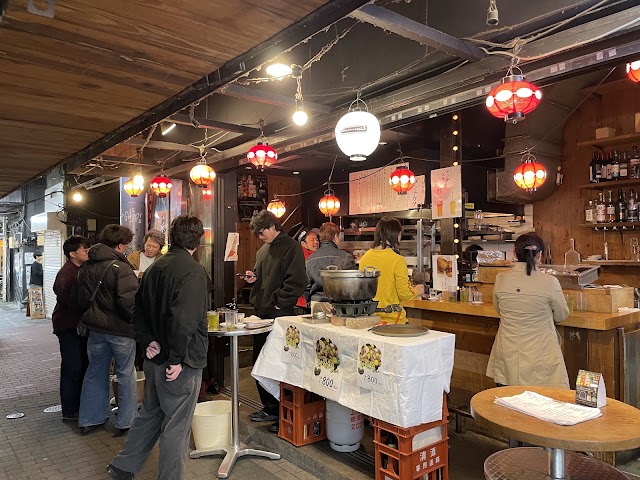
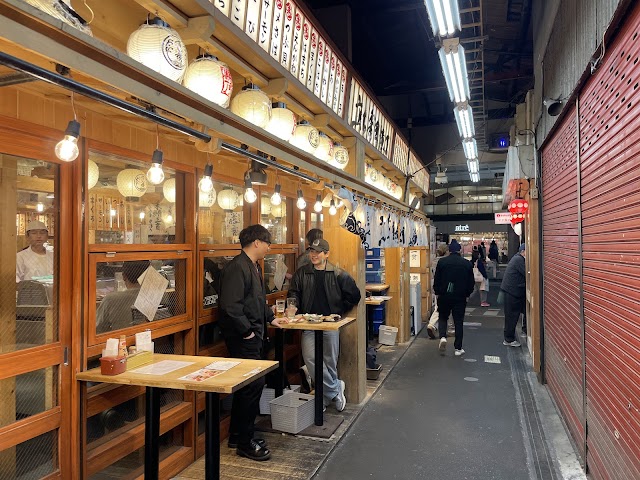
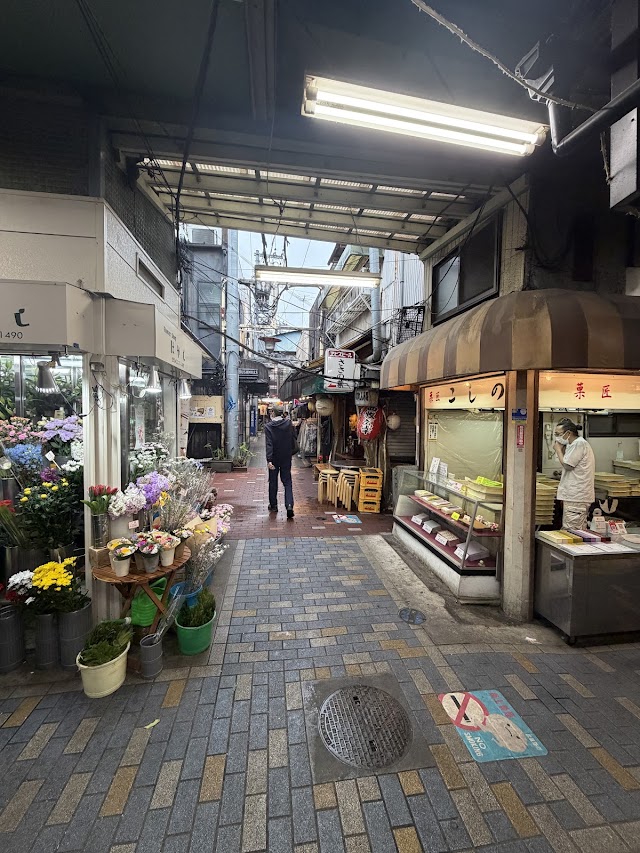
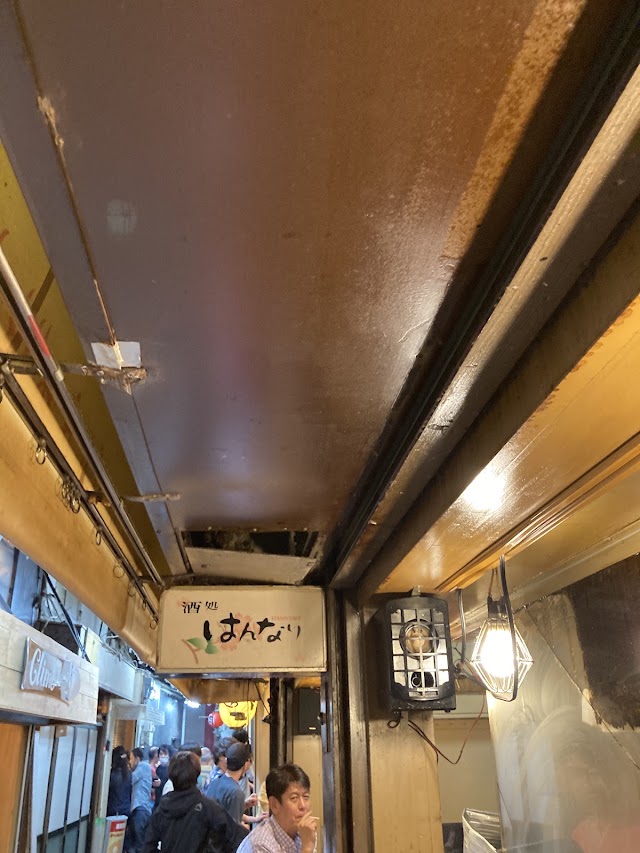
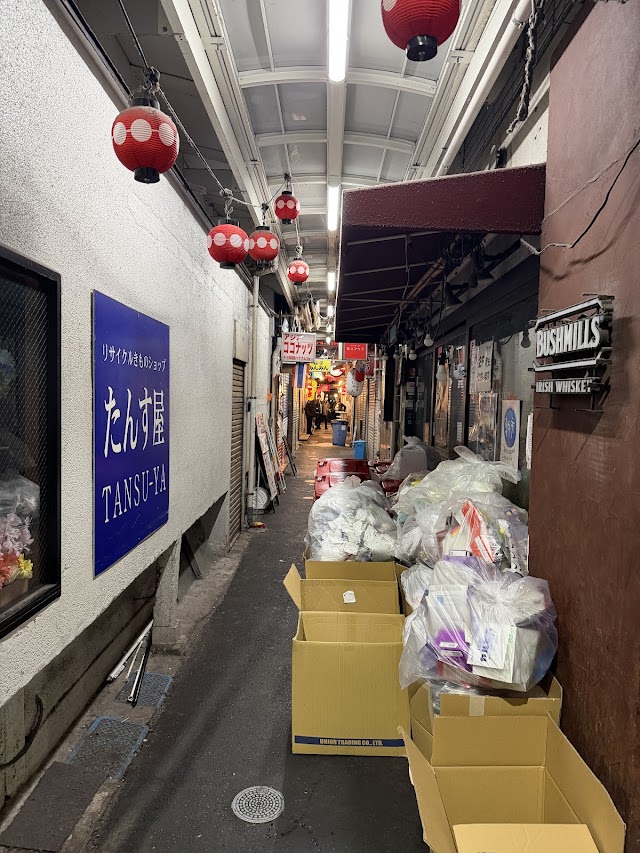
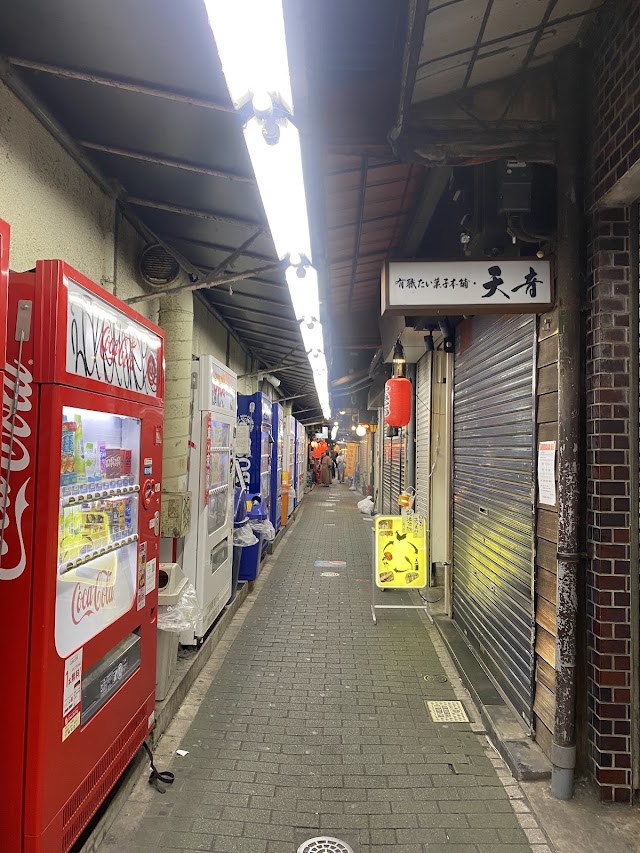
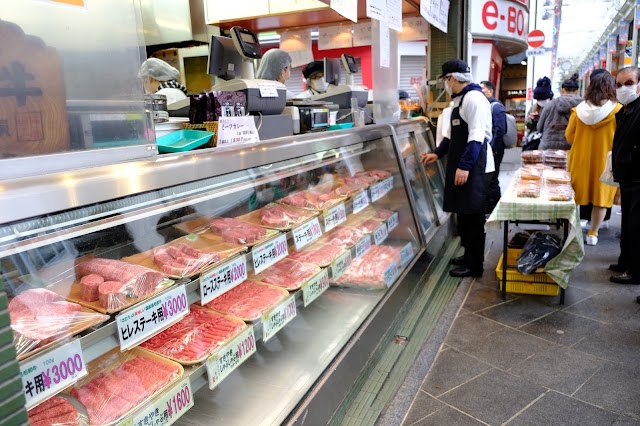
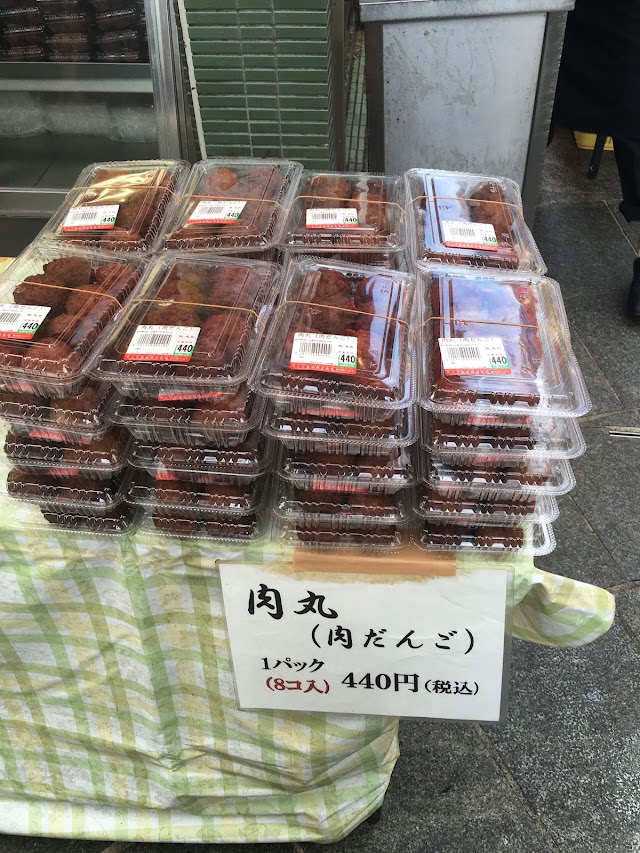
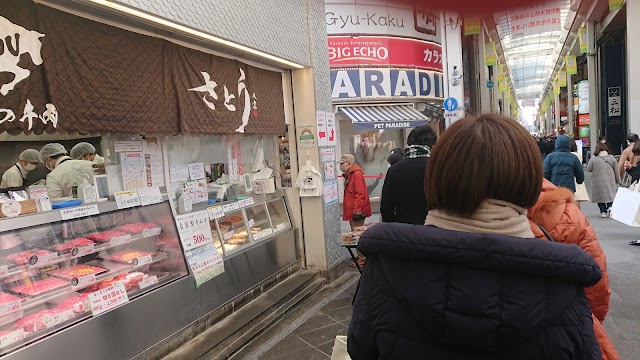
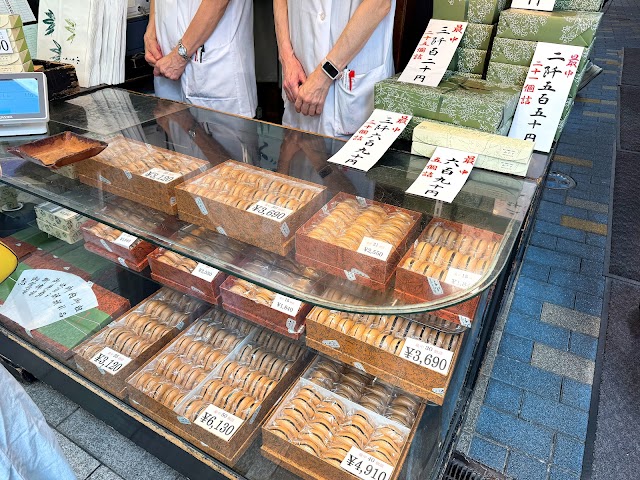
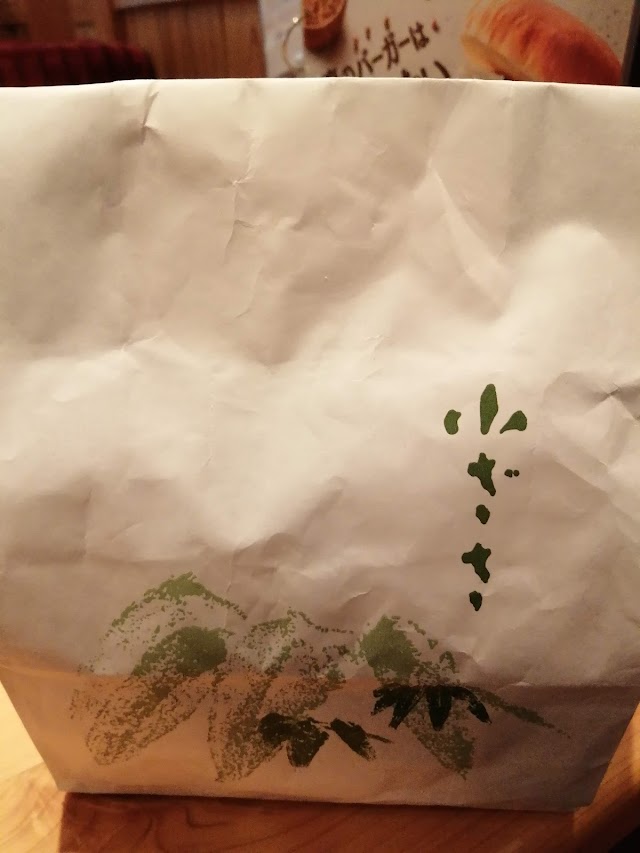
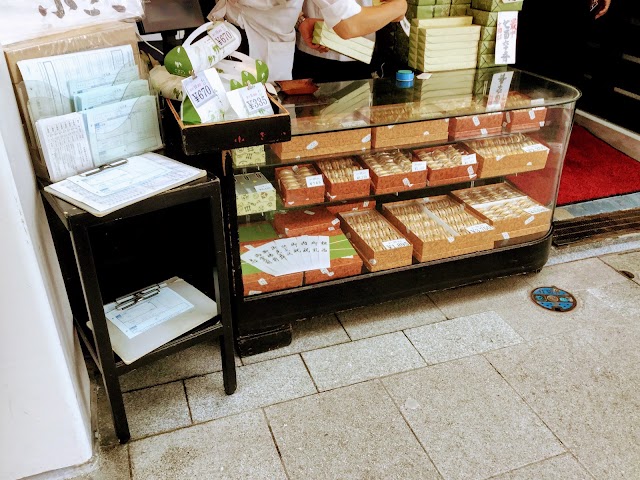
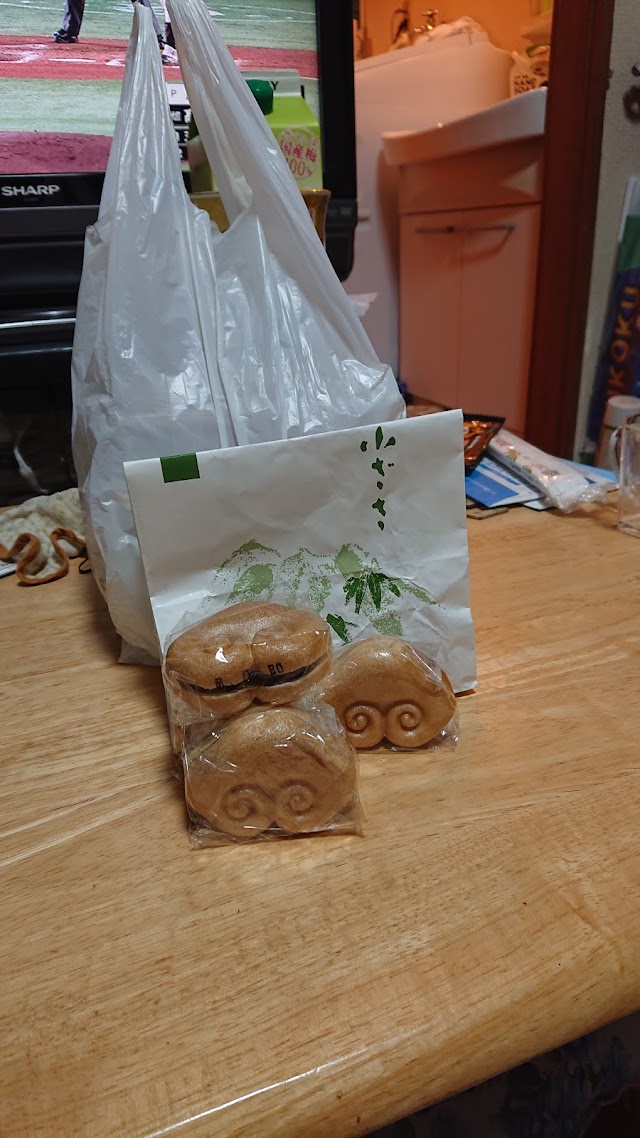
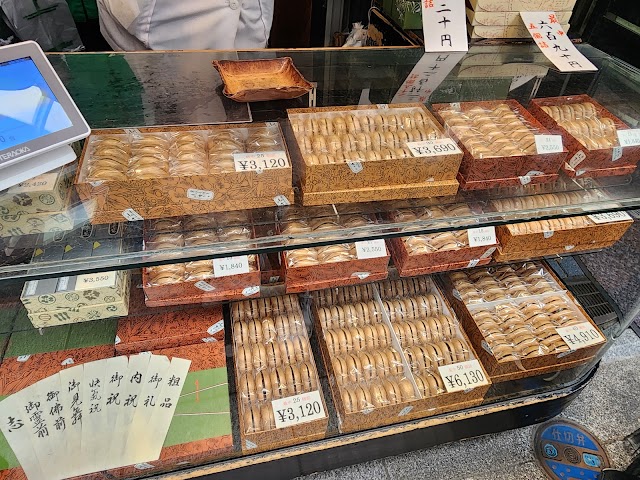
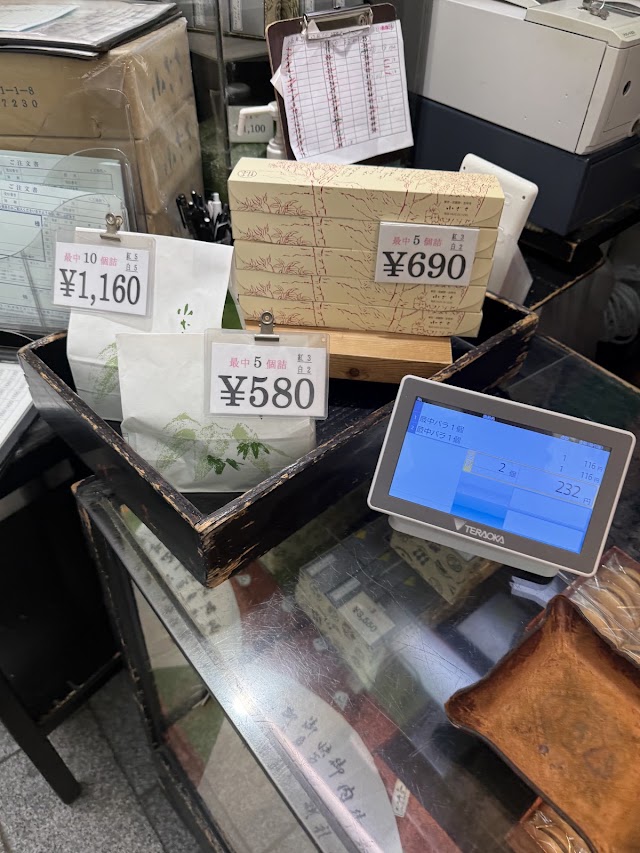
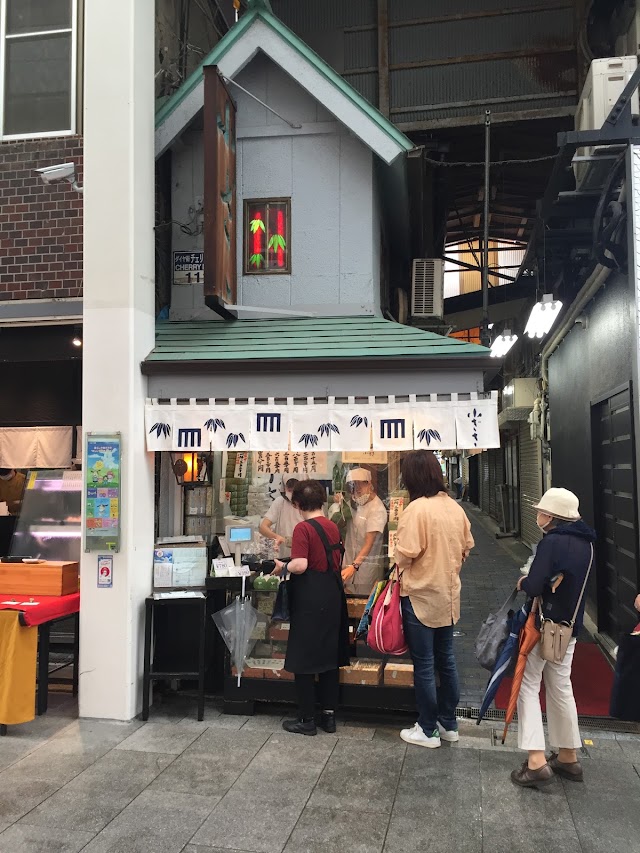
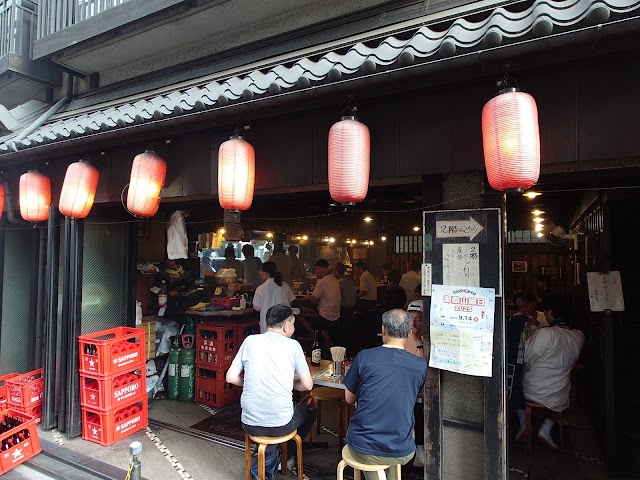
[2] The first hundred metres. Harmonica Yokocho grew directly out of a post-war black market that was never cleared: alleys about a metre wide, shops of two or three tsubo, roughly a hundred businesses in a very short stretch, and — because it was built for local shoppers rather than nightlife — open in the daytime. Beside it stand two shops that carry the Kichijoji name beyond Tokyo. Satou is a wagyu butcher whose street window sells around five thousand round menchi-katsu a day (shop from 10:00, window from about 10:30, cash, until sold out). Ozasa is the opposite extreme: a single-tsubo shop selling only yokan and monaka, the yokan capped at one batch a day and distributed by dawn numbered tickets — a textbook case of deliberate non-expansion. Visitors should treat the yokan as a sight and buy the monaka.
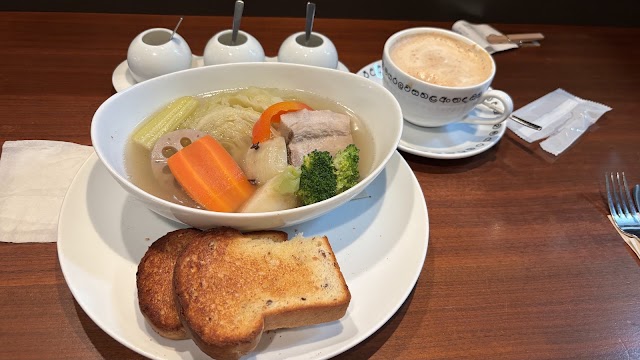
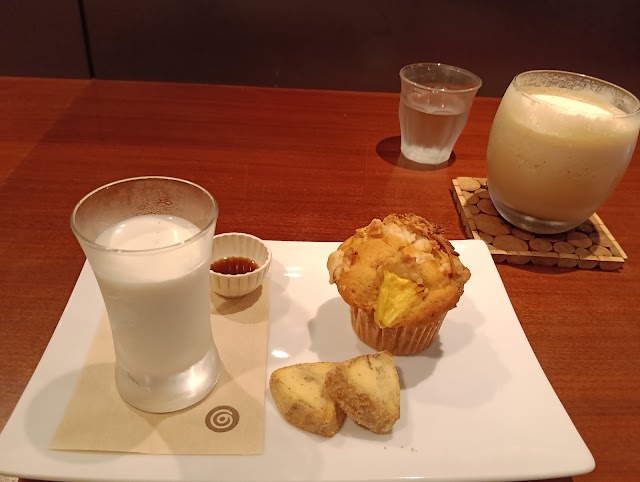
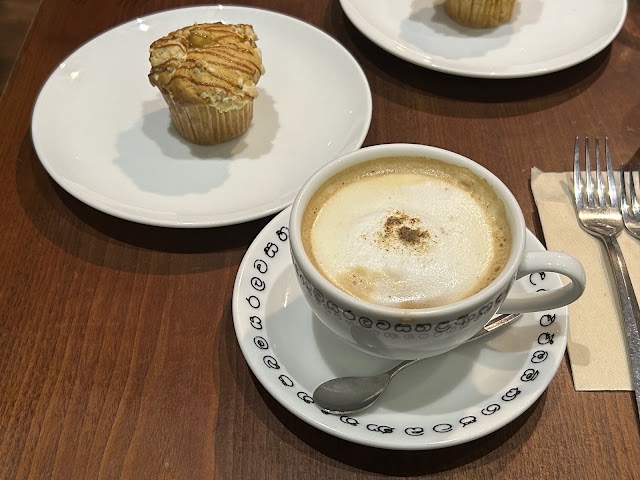
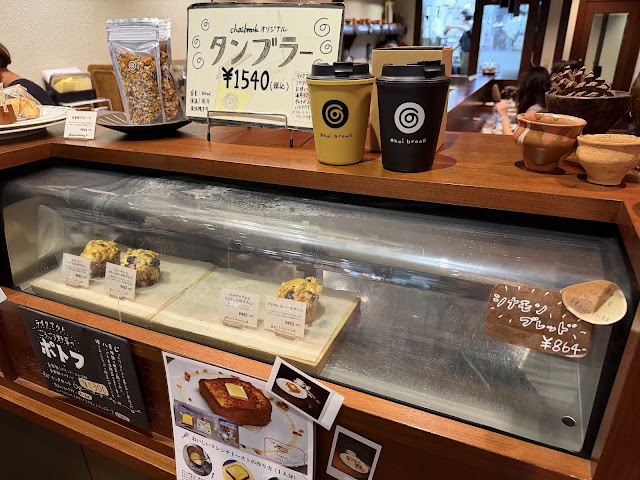
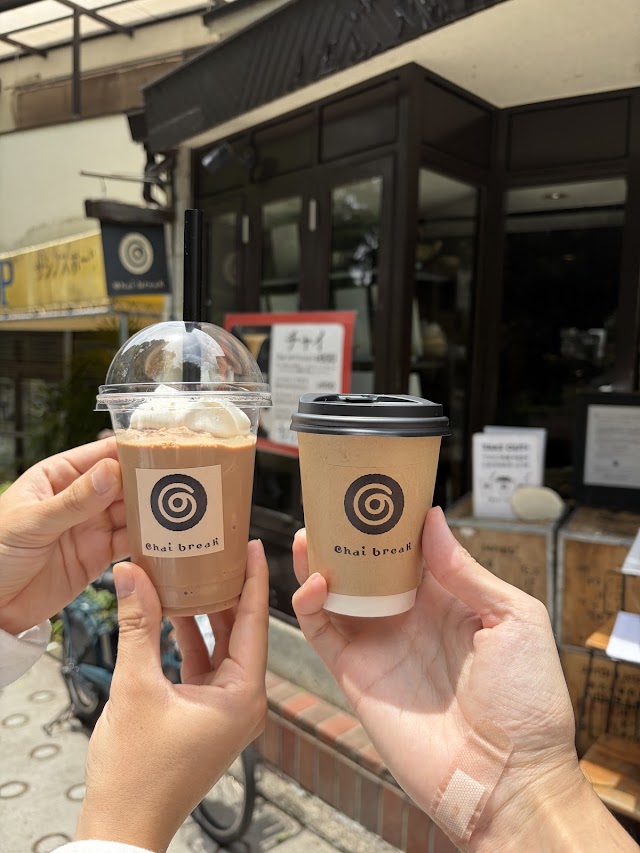
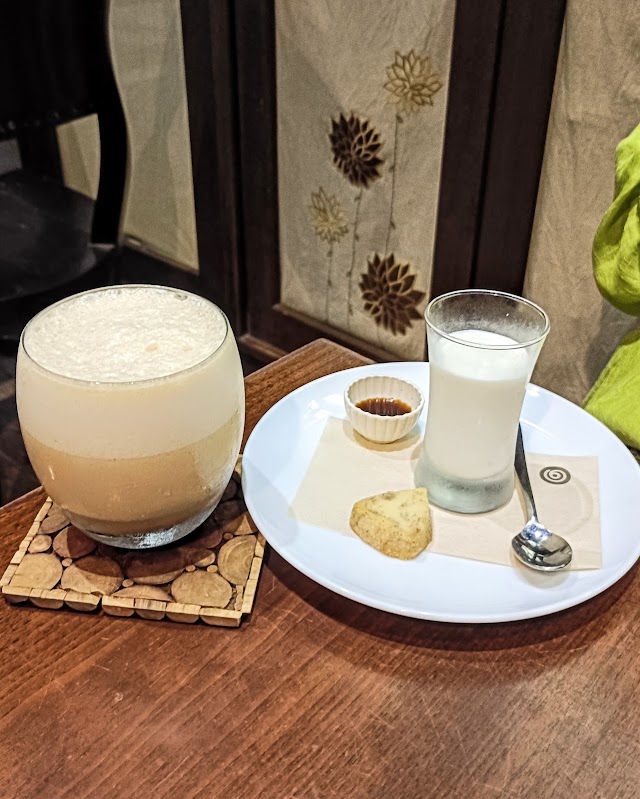
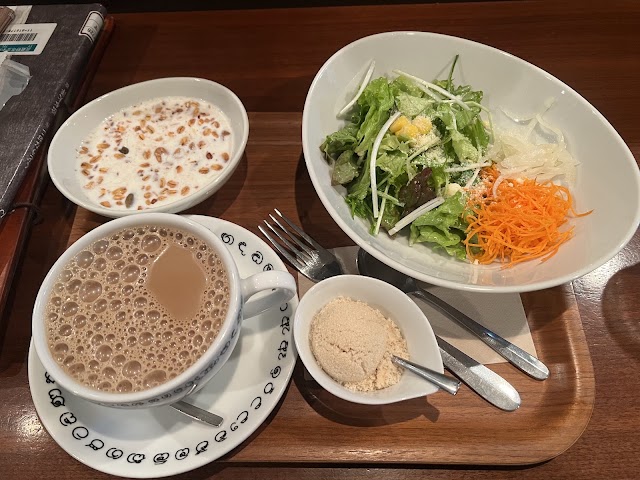
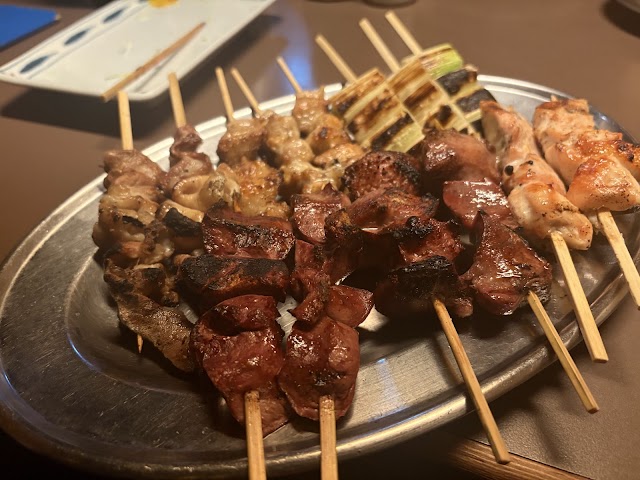
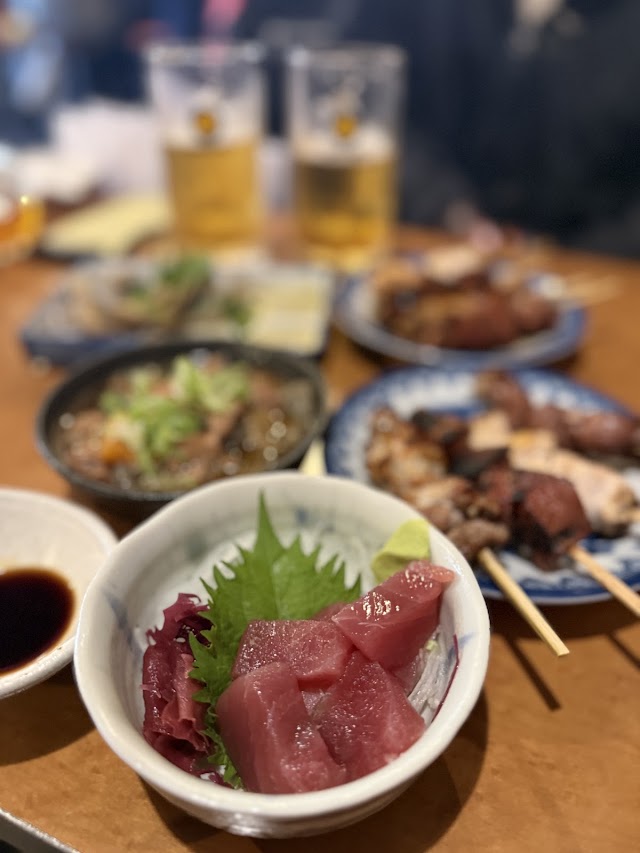
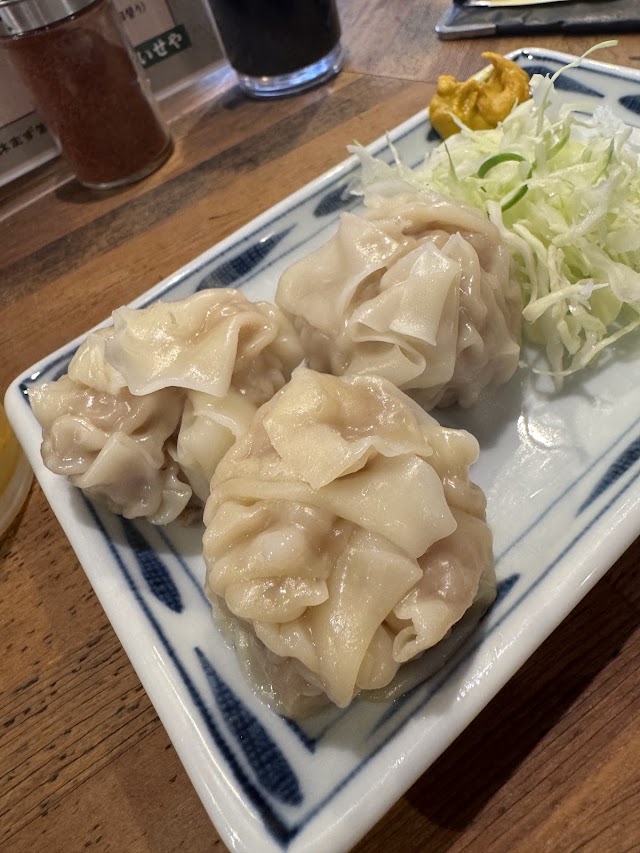
[3] The park exit. chai break, a specialist in Indian chai and leaf tea near the park entrance, opens at 9:00 (8:00 at weekends), unusually early for Tokyo, and is closed Tuesdays. Iseya's park branch, founded 1928 as a butcher, converted to skewers in 1958 and opened here in 1960 (rebuilt 2013), still sells skewers at around ¥80. That price deserves context: Tokyo business-hotel ADR reached roughly ¥21,400 in April 2026, over 40% above 2019. An ¥80 skewer is not nostalgia; it is a local price that tourism has not yet repriced.
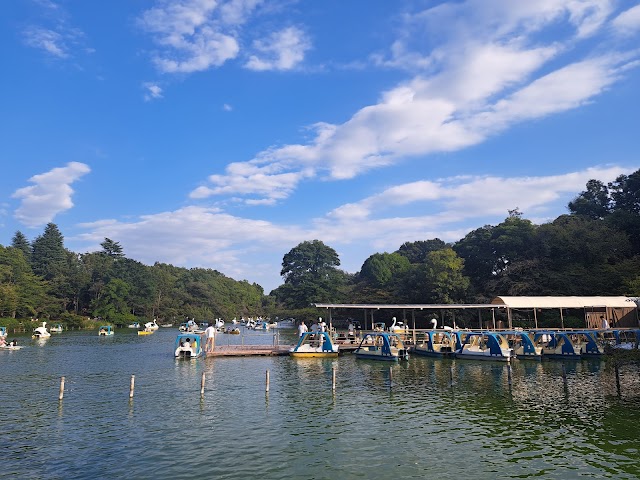
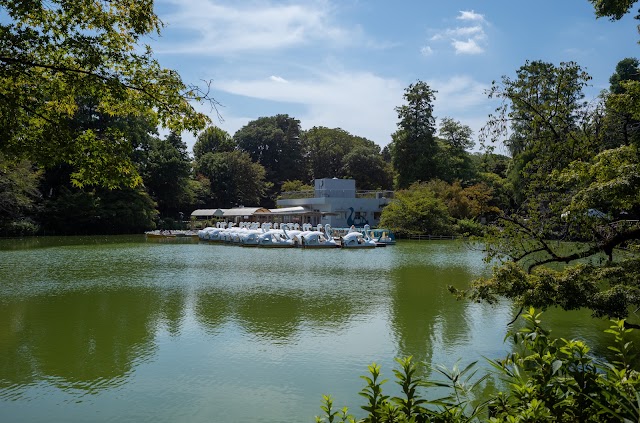
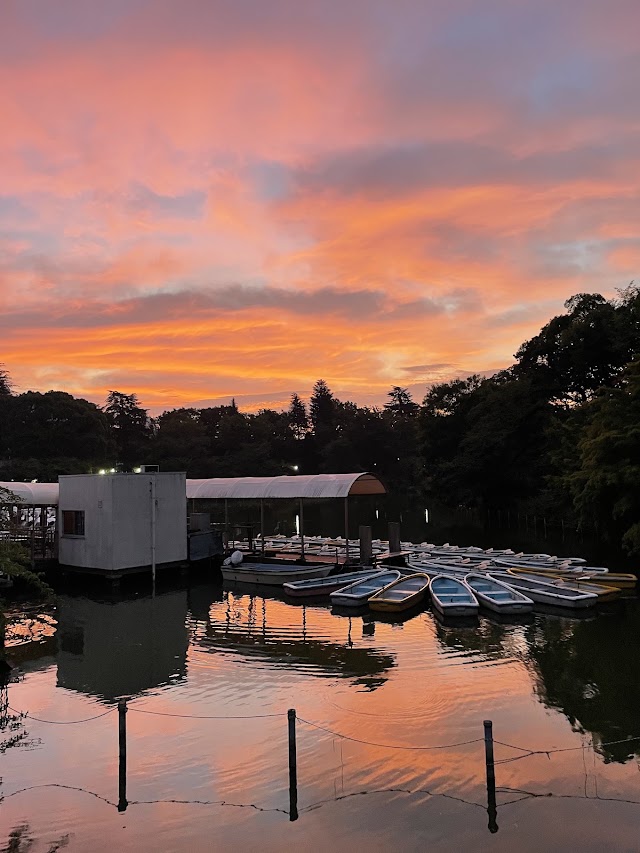
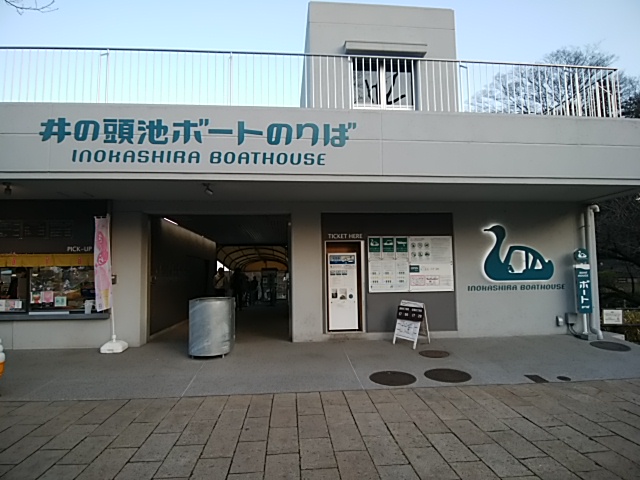
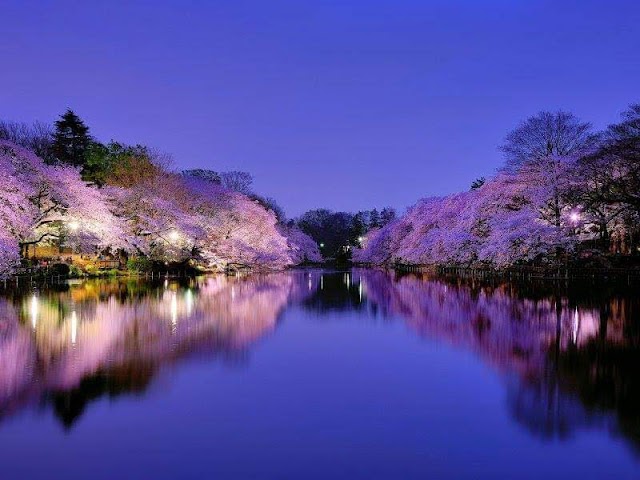
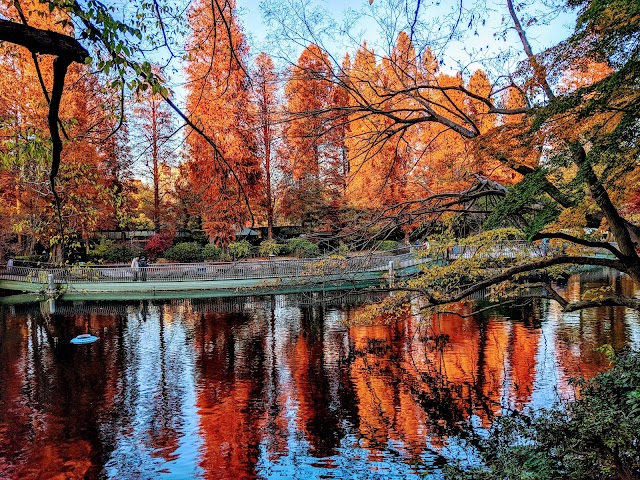
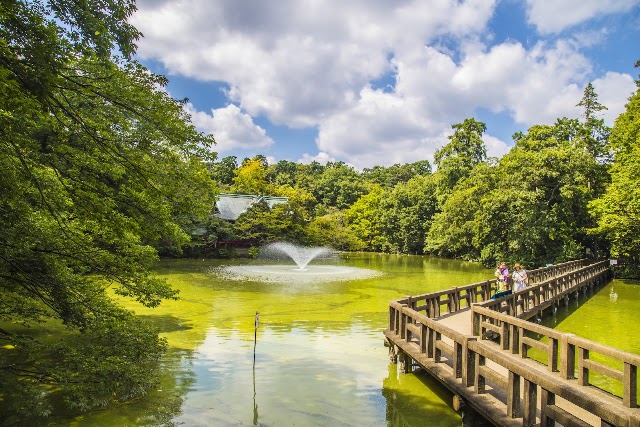
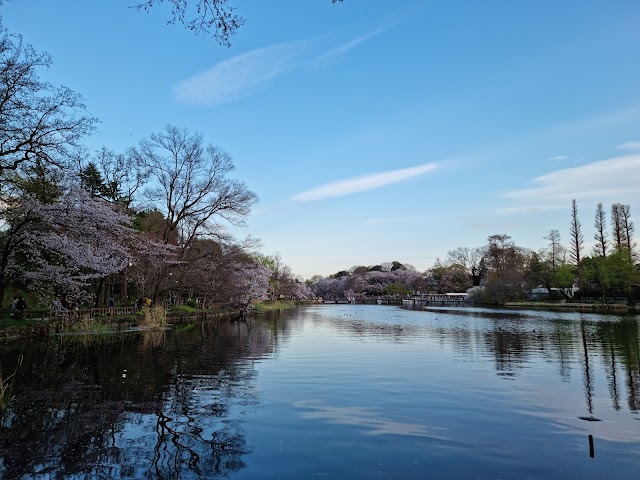
[4] Inokashira Park. The pond is the source of the Kanda River, which is why the paths follow water rather than lawn, and why Nanai Bridge is the most photographed frame in Kichijoji. Rowboats, cycle boats and swan boats are available; the metropolitan government announced a fee revision in October 2025, so check on-site rates. Feeding waterfowl and barbecuing are prohibited.
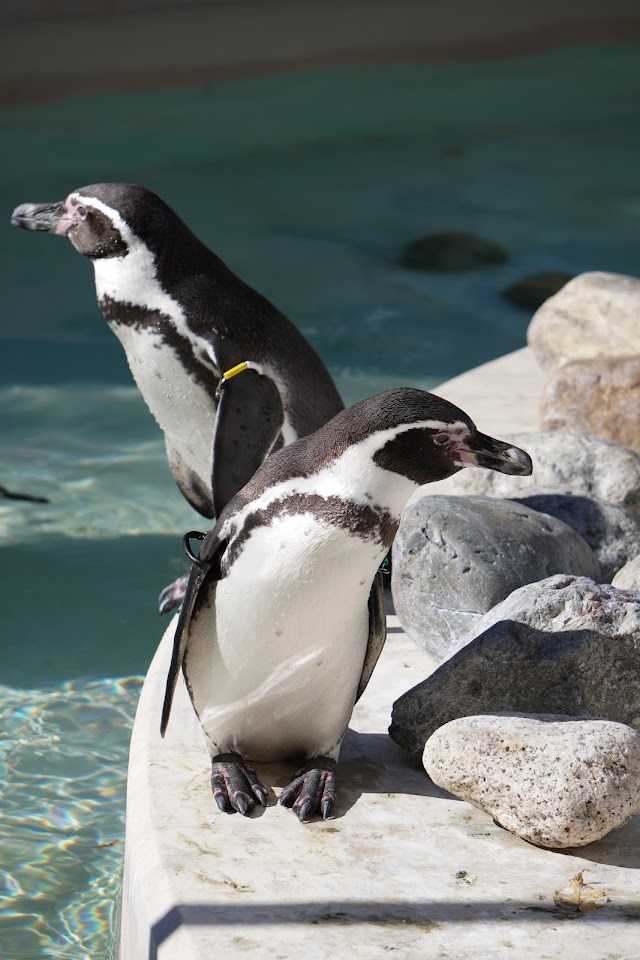
[5] The ¥400 zoo. Inokashira Park Zoo is the smallest of the four metropolitan zoos: ¥400 adults, ¥150 junior high (free for Tokyo residents and students), ¥200 for 65+, free for elementary and under, 9:30-17:00, closed Mondays. Its signature squirrel walk puts visitors inside the mesh while the animals run free, and it holds a permanent sculpture collection by Seibo Kitamura. Several 2026 renovation projects mean some exhibits are closed.
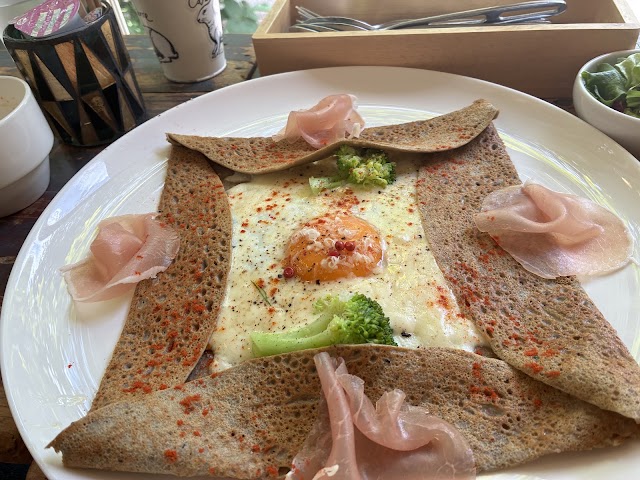
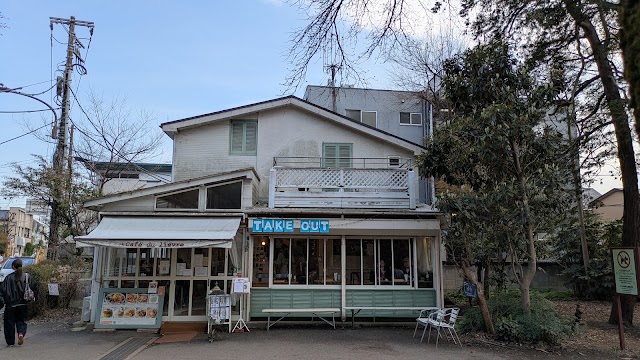
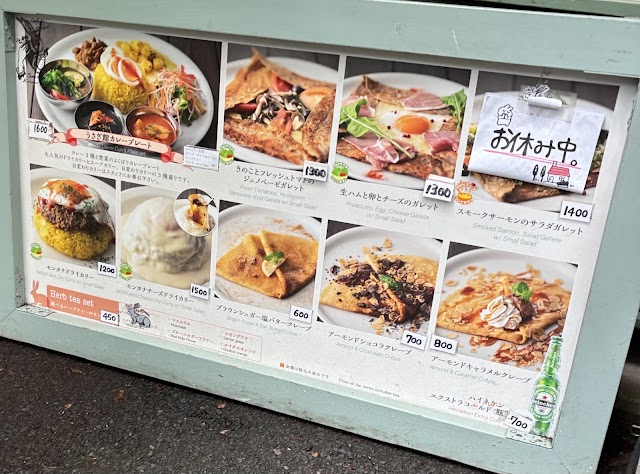
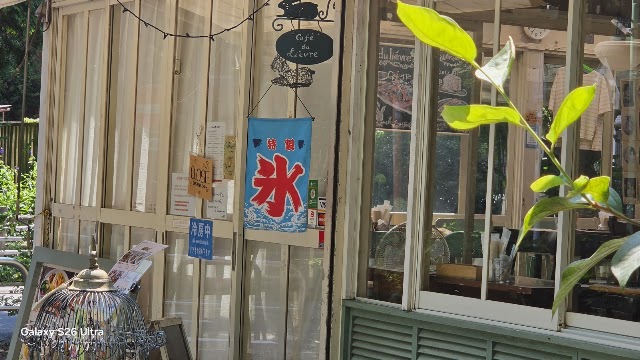
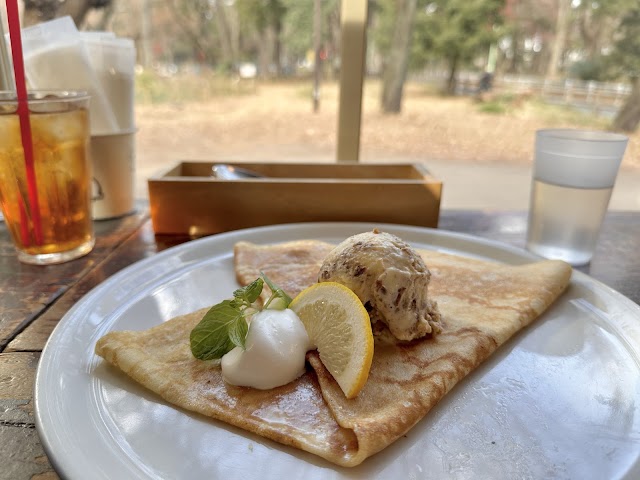
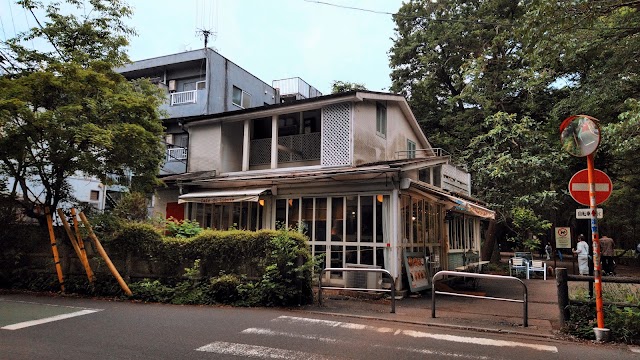
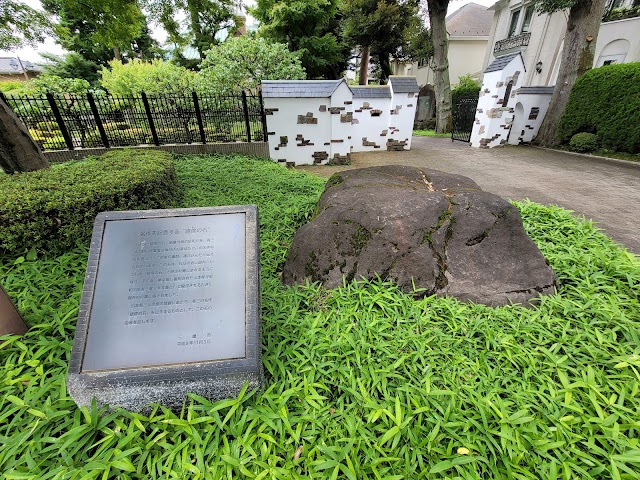
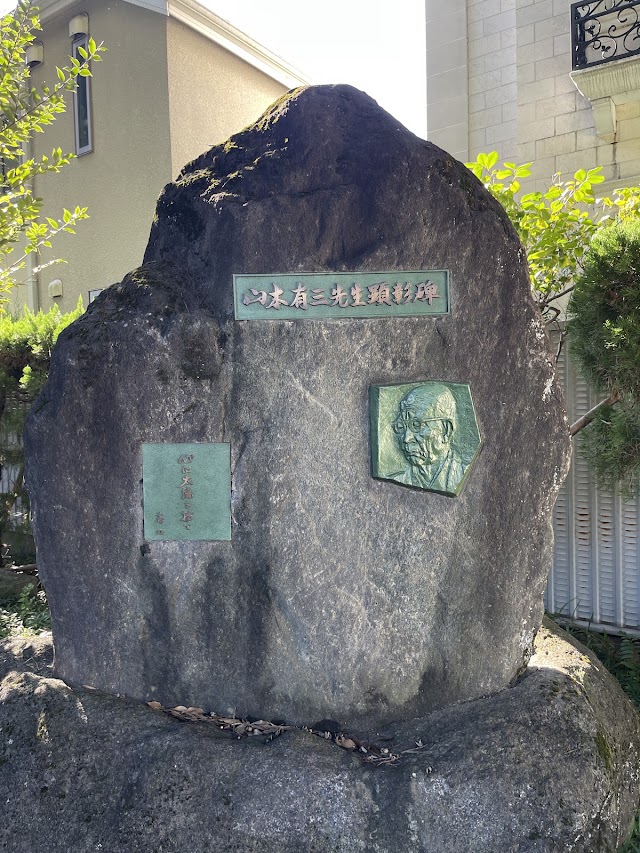
[6] The walkway west. Cafe du Lievre, a wooden cottage restaurant inside the park known for suiton and pancakes, sits in the shadiest corner of the grounds. The Yuzo Yamamoto Memorial Museum (¥300, 9:30-17:00, closed Mondays) occupies the late-Taisho house the novelist lived in from 1936 to 1946 and donated after the war as a children's library. Both are useful for filling the gap before an afternoon museum slot without leaving the route.
[7] What is opening now. Local trade press records a pattern for 2026: a queue-forming yoshoku brand from Shibuya and Omotesando arriving in late July, a Goto-udon specialist opening on 1 August in a new building by the north exit, and a Nagoya beef-tongue yakiniku chain making its first Kanto appearance the same day. Kichijoji is being used as the first suburban test site for brands proven in central Tokyo — stable residential demand, weekend inflow, rents below Shibuya. For visitors it means shorter queues for the same brands.
[8] For residents and investors. Kichijoji's ranking as a desirable address rests on verifiable structure: about fifteen minutes to Shinjuku on the Chuo Line and about eighteen to Shibuya on the Inokashira Line, a large metropolitan park, a complete shopping district, and steady museum-driven visitor flow — demand split across commuters, students, families and tourists. The other side: that reputation is already priced in, and the dense pre-war-format blocks near the station are extremely hard to redevelop given fragmented titles and fire regulations. That is precisely why the townscape survives, and equally why liquidity there is limited. The question to ask is not whether prices rise, but how stable the tenant mix is.
 Scan for map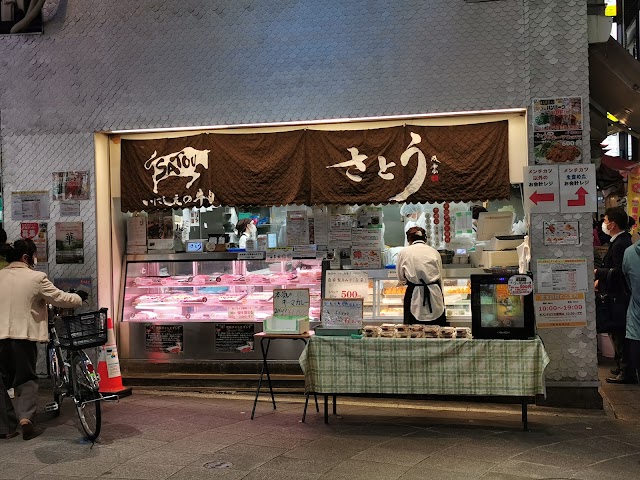
 Scan for map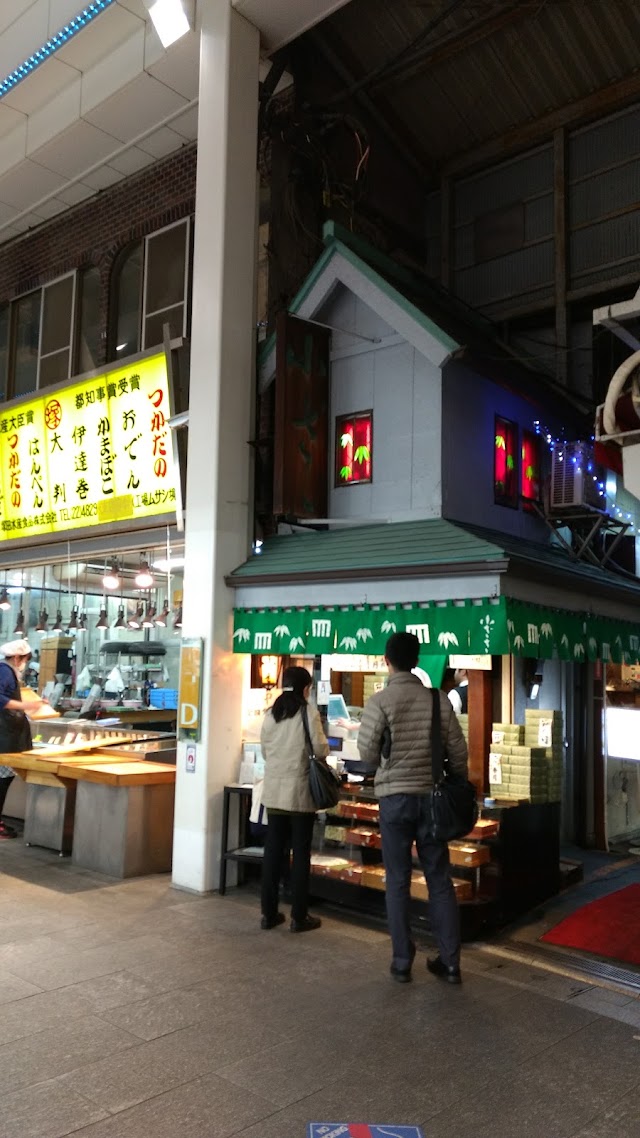
 Scan for map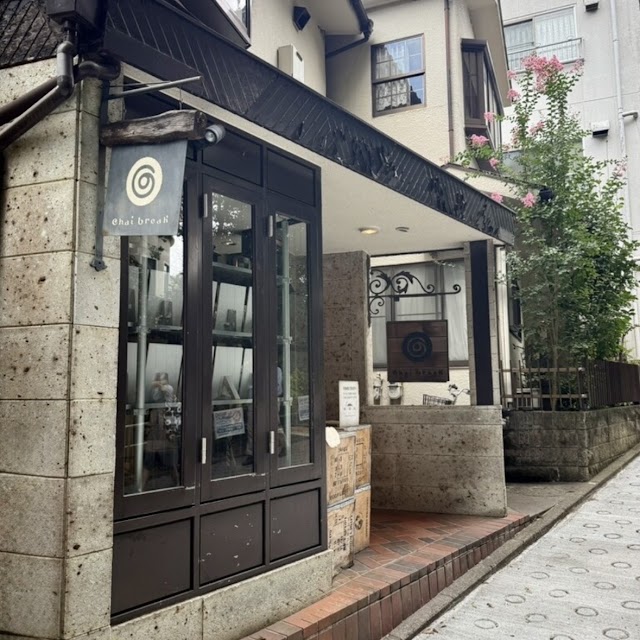
 Scan for map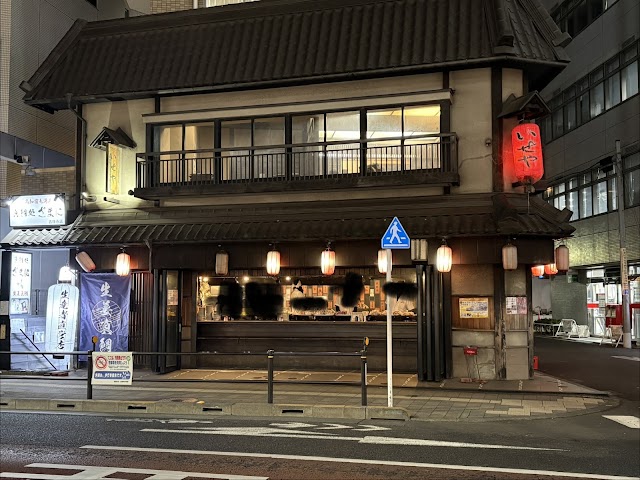
 Scan for map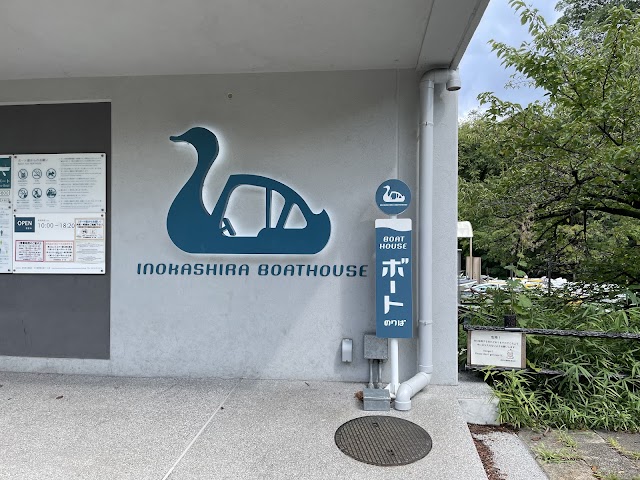
 Scan for map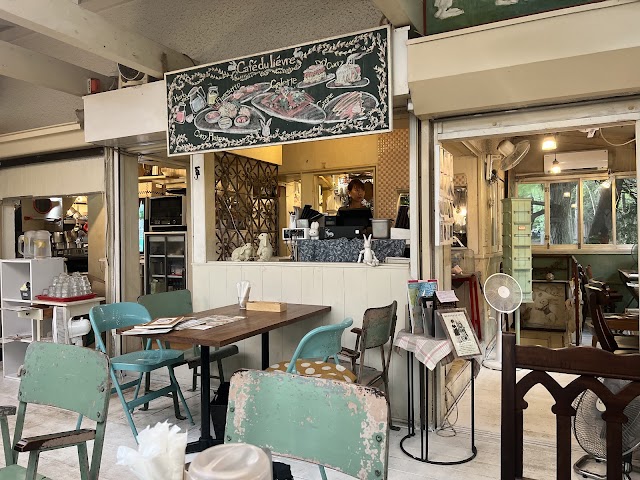
 Scan for map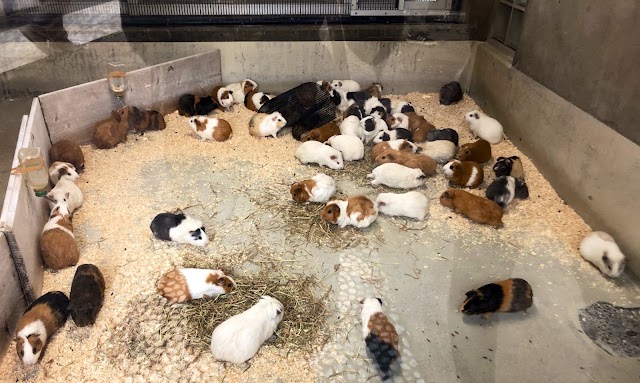
 Scan for map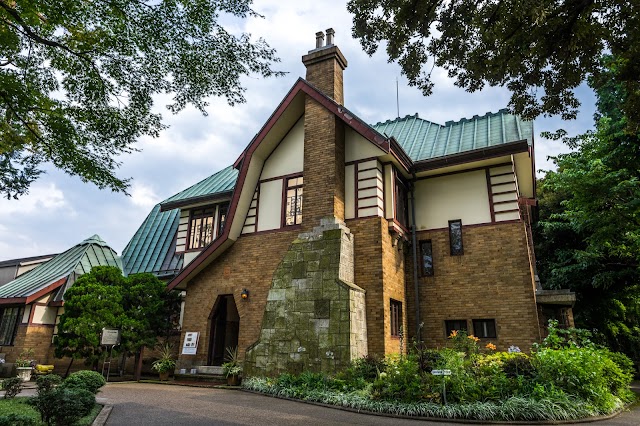
 Scan for map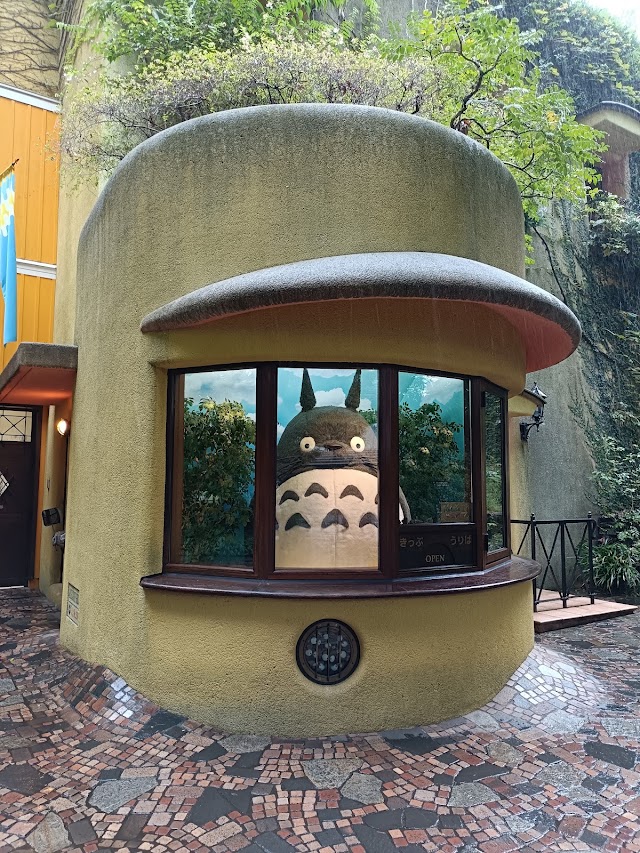
 Scan for map