A 57-Room Reopening and a ¥250,000 Ceiling: Ten New-Generation Luxury Hotels in Tokyo, 2026 Edition
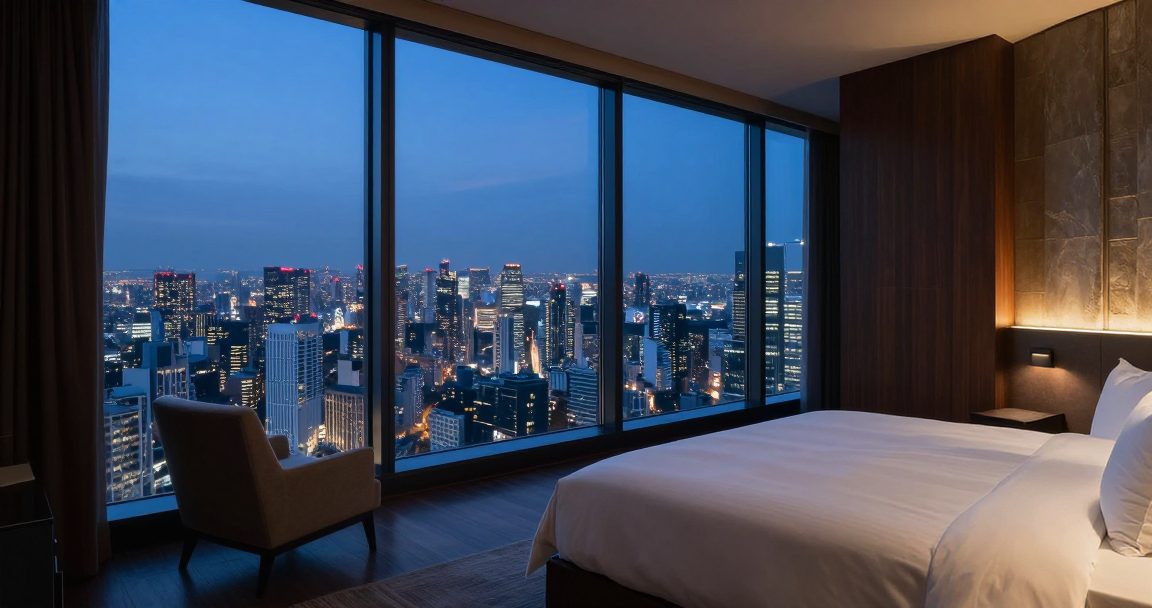
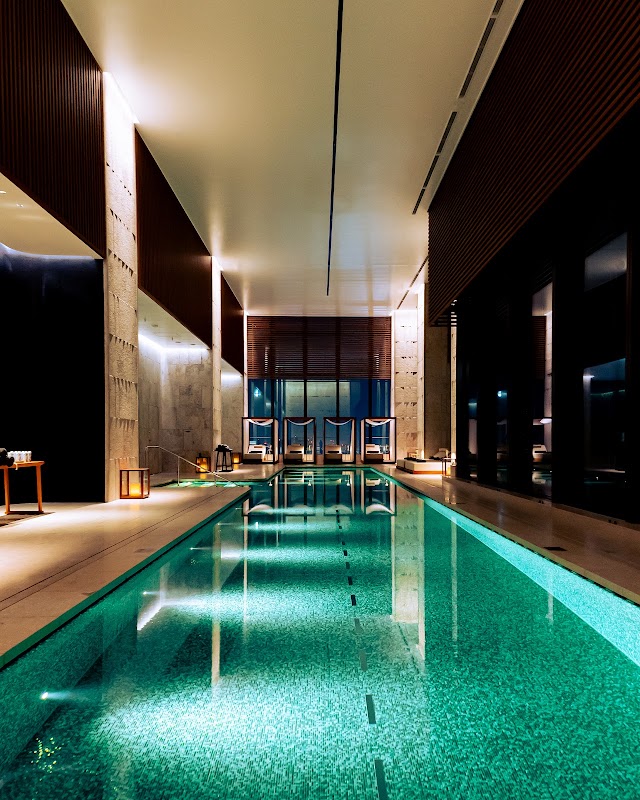
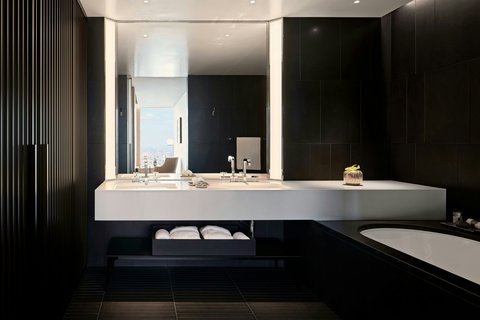
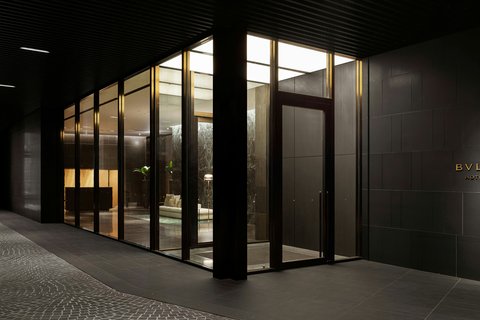
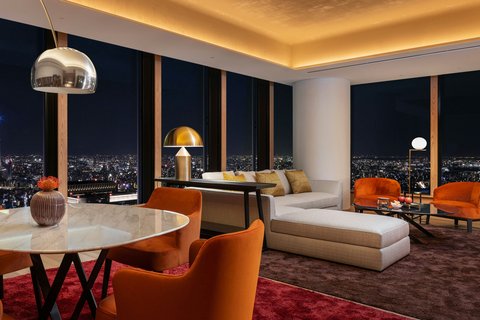
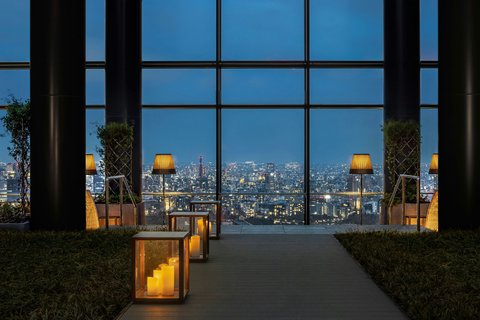
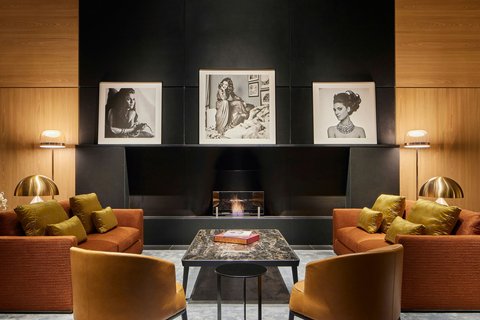
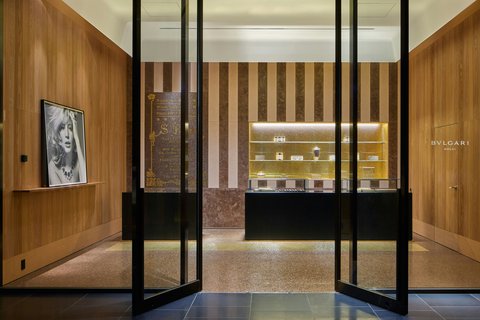
- Only post-2020 properties are included. The ceiling: Bulgari Tokyo (opened 4 April 2023, floors 40-45 of Tokyo Midtown Yaesu, opening rates from ¥250,000) and Janu Tokyo (13 March 2024, 122 rooms, reference rate from ¥139,550 per room for two).
- Hook 1: the 57-room Four Seasons Hotel Tokyo at Marunouchi has been under full renovation since 1 July 2025, with completion announced for end of March 2026 and a spring reopening as a boutique luxury hotel; guests were directed to the Otemachi property (opened 1 September 2020) during the works.
- Hook 2: Waldorf Astoria Tokyo Nihonbashi, Hilton's first top-brand property in Japan, is planned at 197 rooms on floors 39-47, but reports still differ between 2026 and autumn 2027 for opening.
- Hook 3: Tokyo business-hotel ADR reached roughly ¥21,400 in April 2026, more than 40% above 2019, with many central city hotels averaging over ¥30,000 — lifting the entry line of the luxury band.
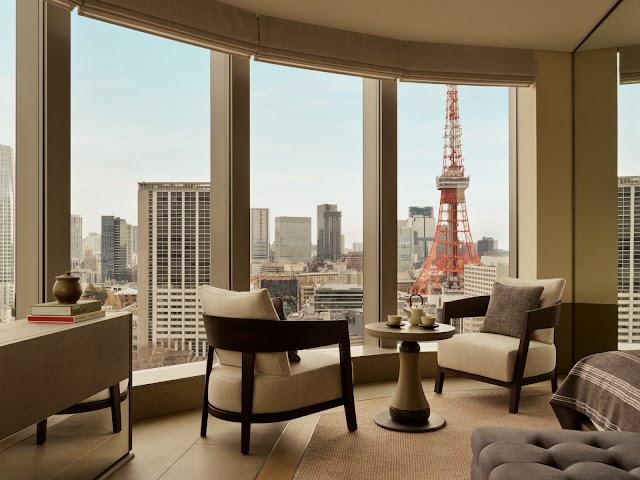
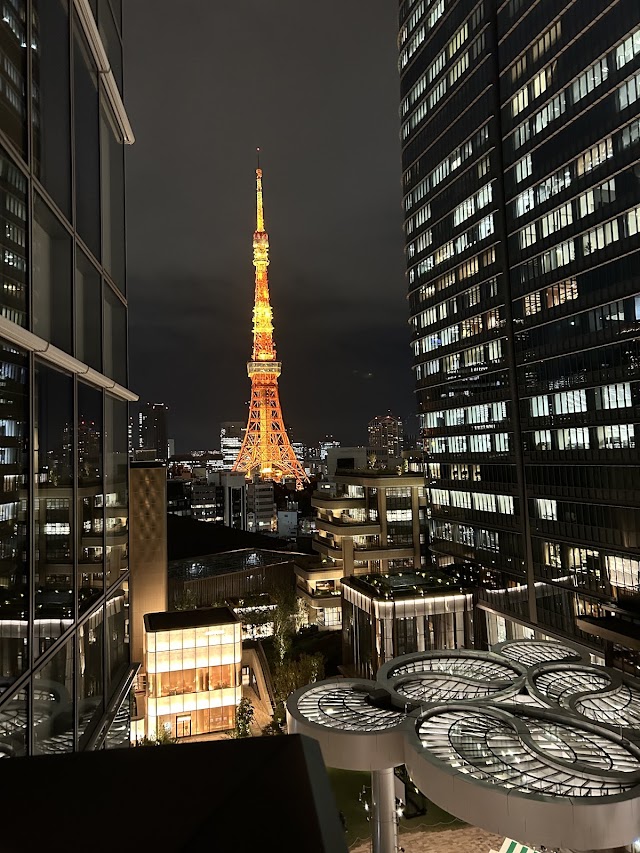
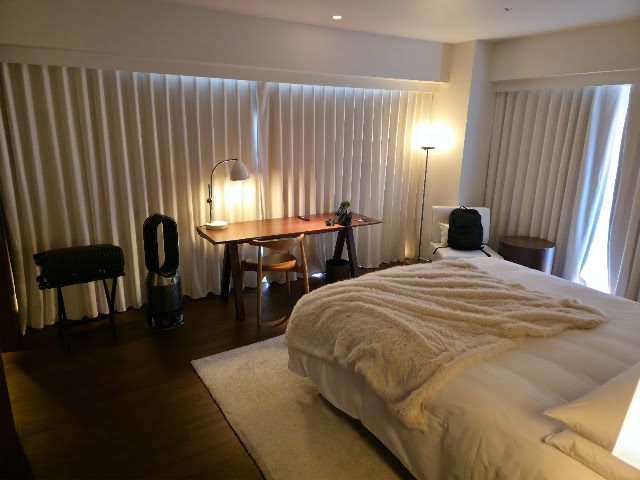
- Two-property strategies are visible: EDITION Toranomon (20 October 2020, 206 rooms) handles business and banquets while EDITION Ginza (12 December 2023, 86 rooms) runs small-room and high-common-space; Four Seasons does the same across Otemachi and Marunouchi.
- Station integration is a defining feature: Hotel Toranomon Hills (6 December 2023, 205 rooms including 30 suites) was designed together with a new Hibiya Line station.
- Entry points: Hotel Indigo Tokyo Shibuya (29 August 2023, 272 rooms) is five minutes from Shibuya Station well below the ¥200,000 tier, while TRUNK(HOTEL) YOYOGI PARK (2023, 25 rooms including five suites) represents the small-boutique route.
- All rates are dynamic. Except where an official figure was announced, no prices are quoted here — check each hotel's official site.
Ask about luxury hotels in Tokyo and most visitors still name the three grand old houses. Yet the real change of the past six years has happened elsewhere — in the wave that opened after 2020 and turned luxury hotels from tourism facilities into the crowning use of central redevelopment projects.
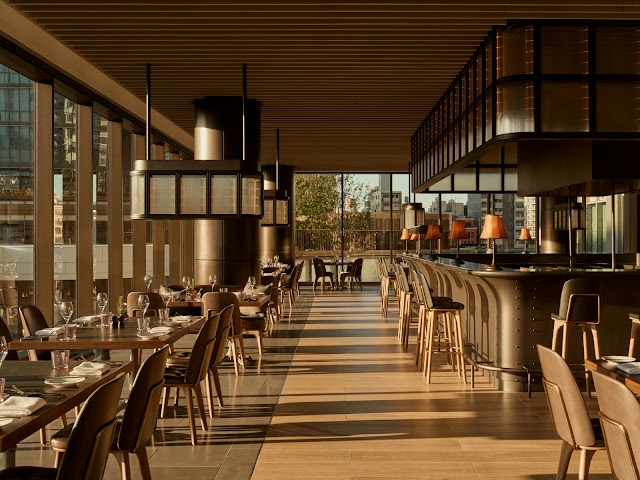
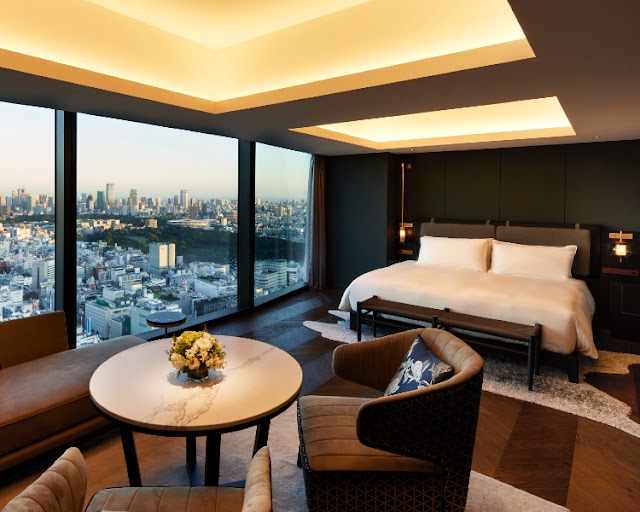
The logic is straightforward. Toranomon, Azabudai, Yaesu and Kabukicho all completed towers in the same few years, and the top floors of each had to find a use that could pay for the height. Offices cannot; apartments are awkward to carve up; hotels can. Bulgari took floors 40-45 of Tokyo Midtown Yaesu in front of Tokyo Station and BELLUSTAR took 39-44 of Tokyu Kabukicho Tower — not a coincidence but one pattern.
Three things make 2026 the moment to write this. First, the 57-room Four Seasons at Marunouchi has been under full renovation since July 2025, with completion announced for the end of March 2026 and a spring reopening as a boutique luxury hotel: the contest has shifted from room counts to density. Second, Hilton's top brand Waldorf Astoria is bringing its first Japanese property to Nihonbashi with 197 rooms, though reports still differ between 2026 and autumn 2027 for the opening. Third, the price floor has risen: industry figures put Tokyo business-hotel ADR at about ¥21,400 in April 2026, more than 40% above 2019, with many central city hotels now averaging over ¥30,000 — which pushes the entry line of the luxury band up with it.
All ten below opened from 2020 onward (or reopen in 2026), ordered from the ¥250,000 ceiling down to an option five minutes from Shibuya Station that is still within reach.
[1] Read the floor before the ceiling. Industry figures put Tokyo's business-hotel ADR at roughly ¥21,400 in April 2026, second only to Kyoto and more than 40% above 2019, with many central city hotels averaging over ¥30,000 since 2024. The practical consequence is that Tokyo's entry line has risen as a whole, which is precisely why the last three entries here are more worth considering than they were five years ago: they did not get cheaper, the tier below caught up.
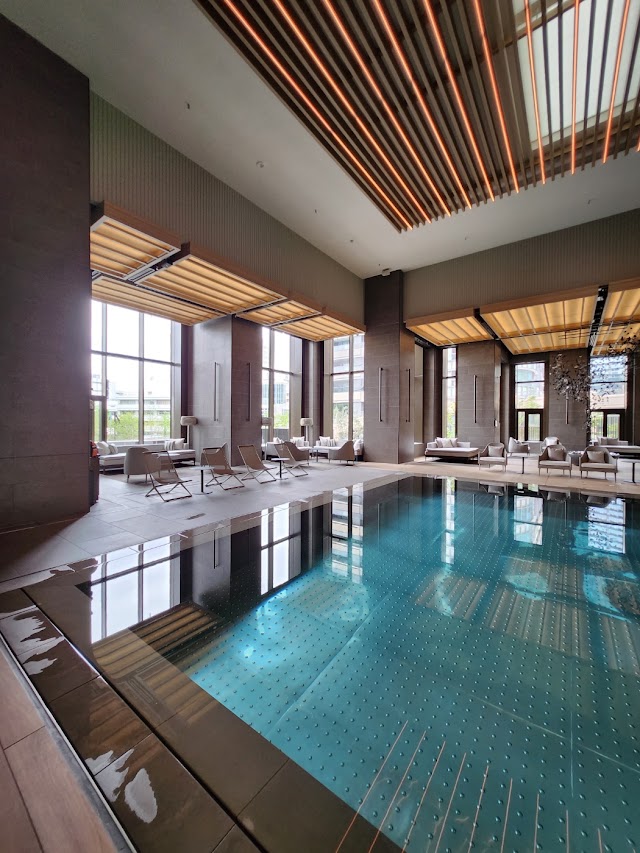
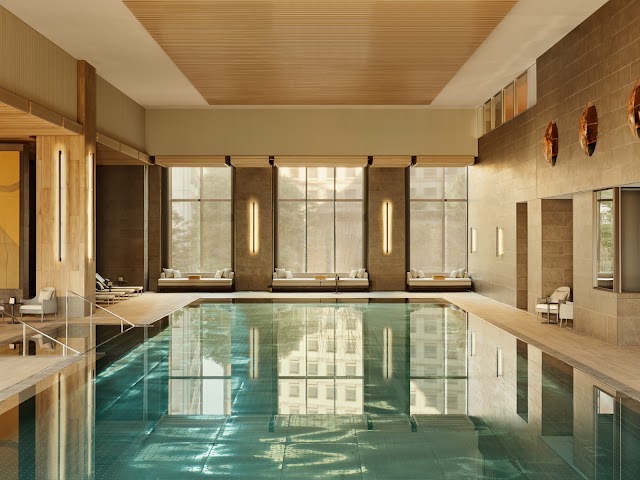
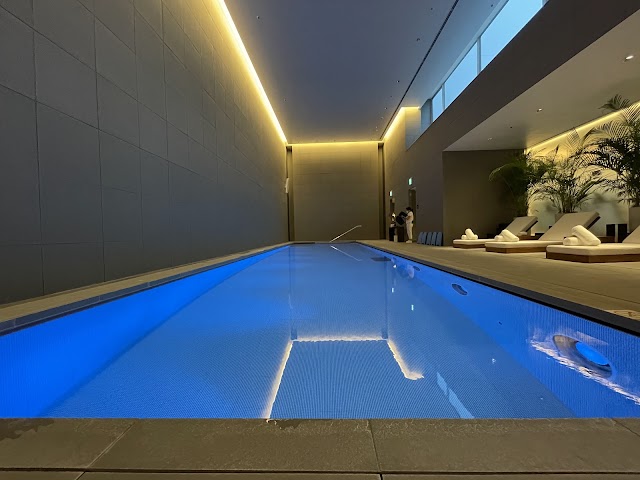
[2] Three things that define 2026. The 57-room Four Seasons at Marunouchi has been fully renovating rooms and the ground-floor lobby since 1 July 2025, with completion announced for the end of March 2026 and a spring reopening as a boutique luxury hotel; restaurants, bar and spa stayed open and guests were pointed to the Otemachi property (opened 1 September 2020). Waldorf Astoria Tokyo Nihonbashi, Hilton's first top-brand property in Japan, is planned for floors 39-47 of a Nihonbashi redevelopment tower with 197 rooms, three restaurants, a lounge bar, chapel, indoor pool and spa — but reports still split between 2026 and autumn 2027, so check Hilton's own announcements rather than travel-media copy. And the price bands have resorted themselves: Bulgari's ¥250,000 opening rate was an outlier in 2023 and is no longer alone, while the ¥100,000 range has filled with properties like Janu that sell time spent inside.
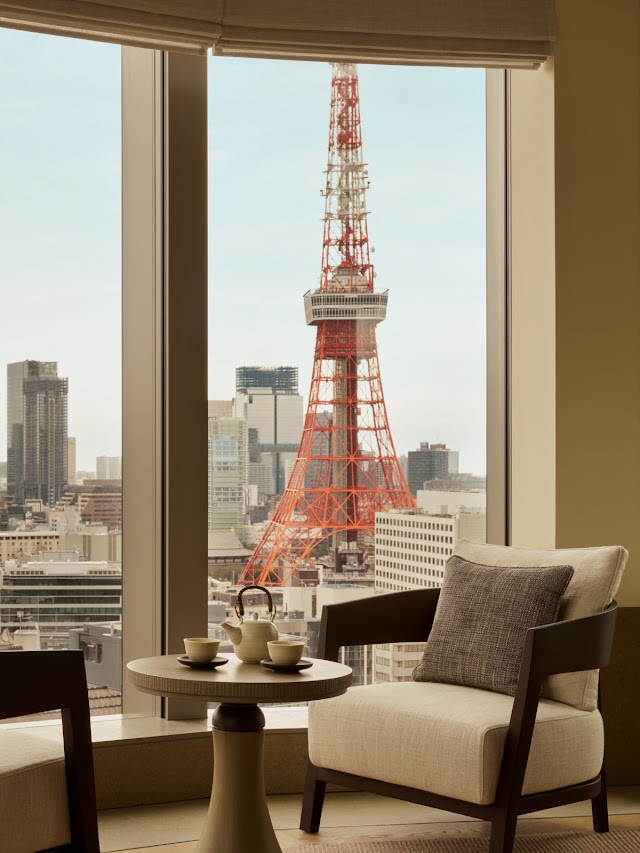
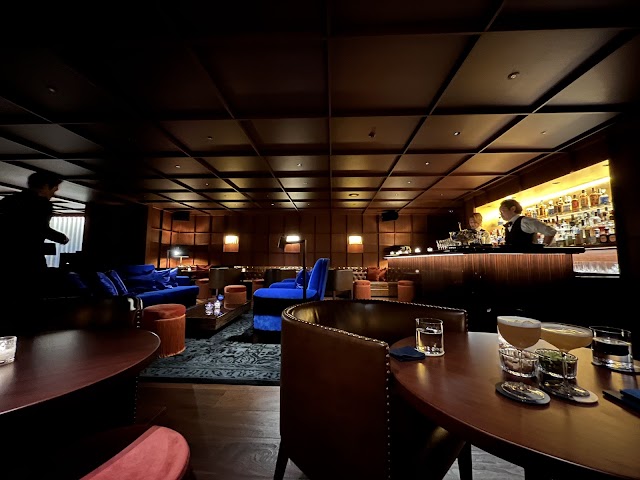
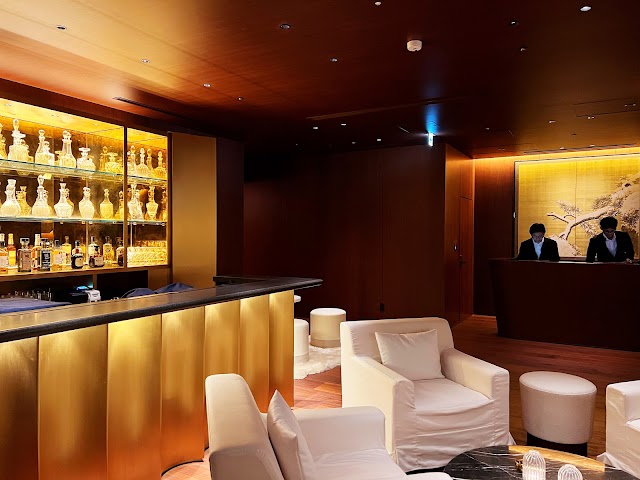
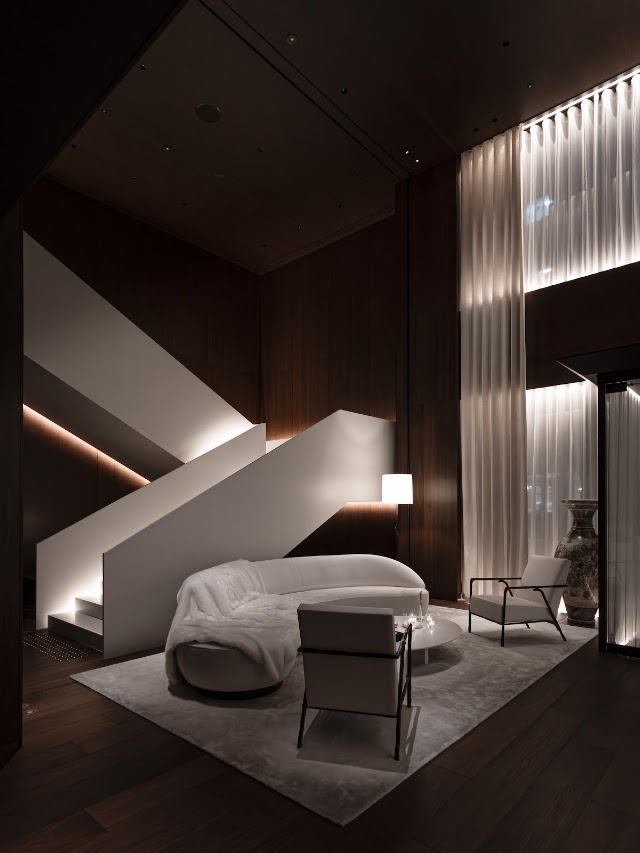
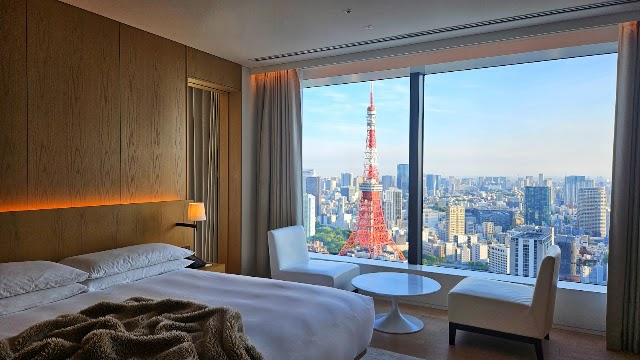
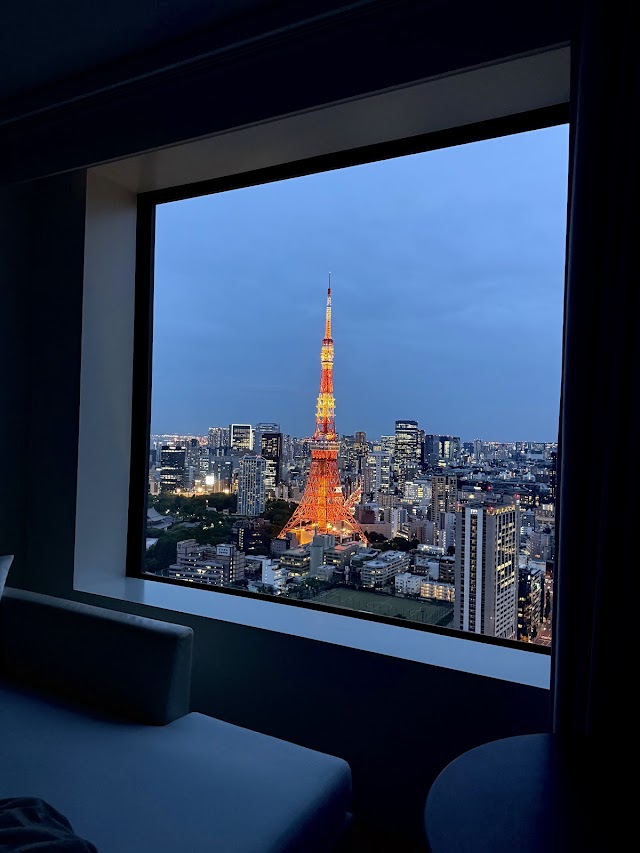
[3] Four routes. (A) Top-of-tower brand statements: Bulgari on floors 40-45 of Tokyo Midtown Yaesu (4 April 2023) and BELLUSTAR on 39-44 of Tokyu Kabukicho Tower (19 May 2023, 97 rooms), both built on vertical contrast, both with dining open to non-guests as the cheapest way in. (B) Core assets of redevelopment blocks: Janu Tokyo (13 March 2024, 122 rooms, roughly 4,000 sqm of wellness), EDITION Toranomon (20 October 2020, 206 rooms, Kengo Kuma interiors, Tokyo Tower terrace bar) and Hotel Toranomon Hills (6 December 2023, 205 rooms including 30 suites, designed with a new Hibiya Line station) — walkable to each other and, read together, a map of what Mori Building has spent a decade stitching. (C) Few rooms, high density: EDITION Ginza (86), Four Seasons Marunouchi (57) and TRUNK(HOTEL) YOYOGI PARK (25, five suites), the last of which sits in a residential block by Yoyogi Park rather than a tower. (D) Entry and function: Hotel Indigo Tokyo Shibuya (29 August 2023, 272 rooms, five minutes from Shibuya) and mesm Tokyo (April 2020, 265 rooms, bay views and a monorail link to Haneda).
[4] Three common mistakes. Judging opening status from third-party booking sites, which lag on renovations and unopened properties. Treating announced rates as actual rates, when nearly everything here is dynamically priced and can vary two- or threefold — which is why no figures are quoted except the officially announced ones. And ignoring shared-building realities: crowded lifts at commuting hours, station connections on different levels, taxi drop-offs shared with offices — invisible in photographs, decisive with luggage or children.
[5] For investors and operators. Plot these ten on a map and they fall along Yaesu, Toranomon, Azabudai and Nihonbashi — the densest redevelopment axis of the past decade. Luxury hotels here are not standalone commercial bets but components of large projects, generating attention and footfall while monetising the top floors. The variable to watch is supply timing: the 2020-2026 wave added a great many luxury rooms quickly, and Waldorf Astoria's 197 and later projects are still to come. While ADR keeps climbing, that supply is absorbed. If inbound growth slows, the pressure will not fall on the two or three at the ceiling, which sell scarcity, but on the middle — routes B and D here, where room counts are high, positioning overlaps and substitution is easy.
 Scan for map
 Scan for map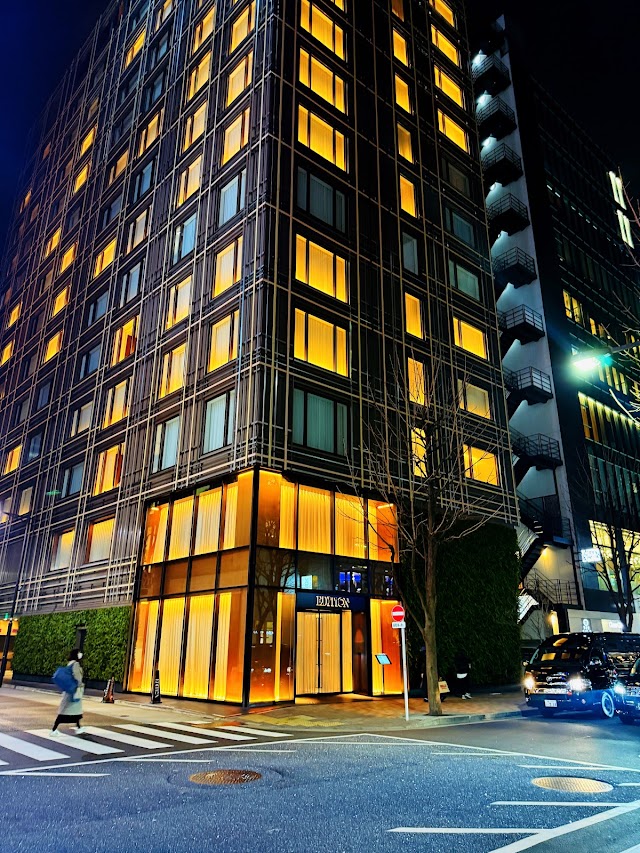
 Scan for map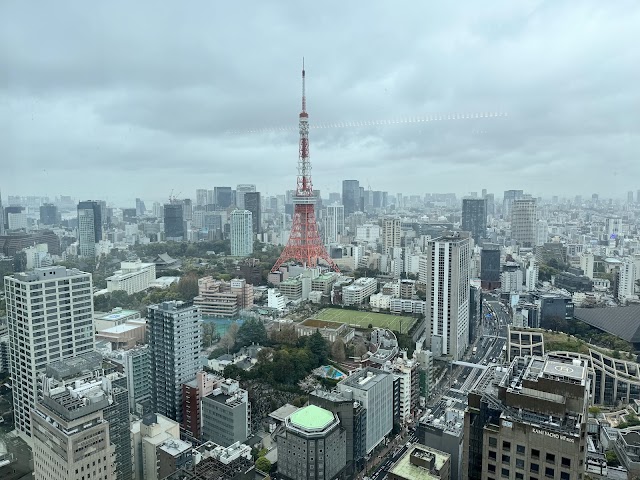
 Scan for map
 Scan for map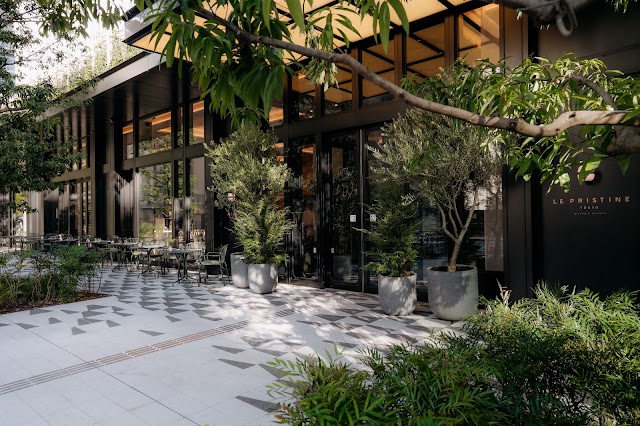
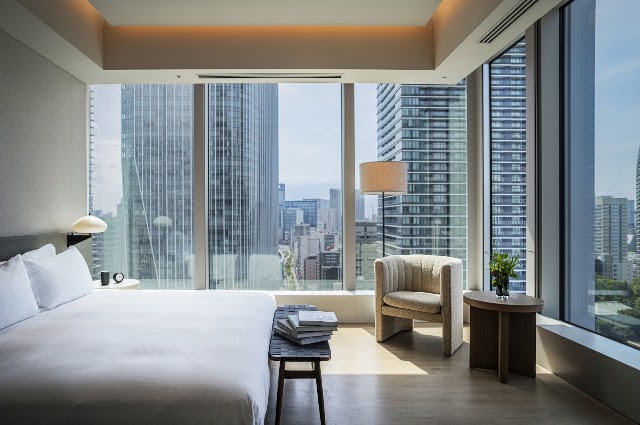
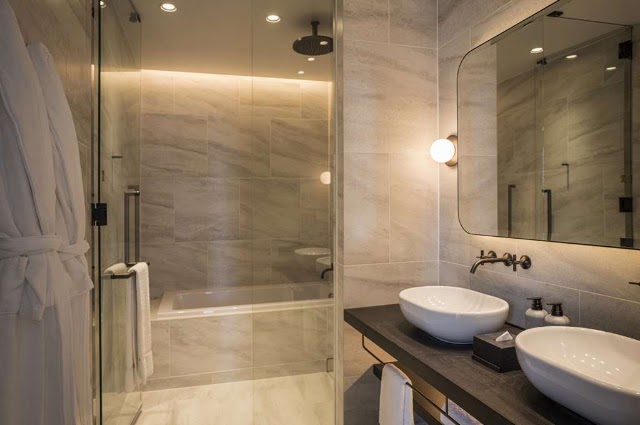
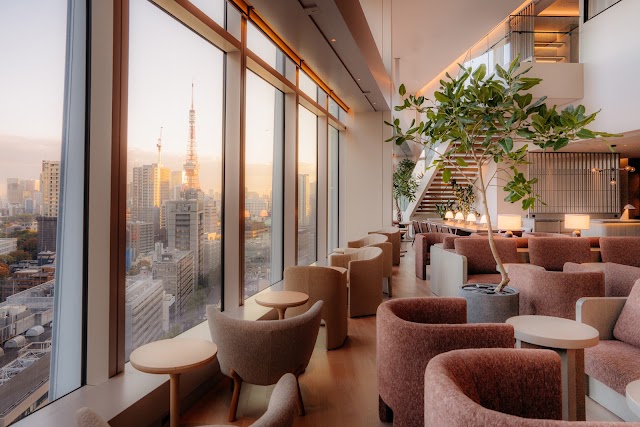
 Scan for map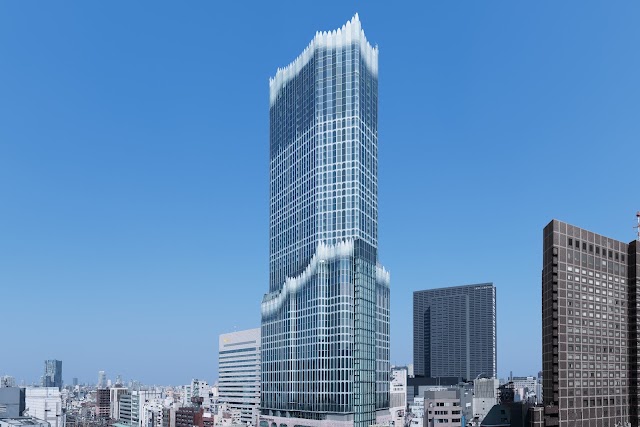
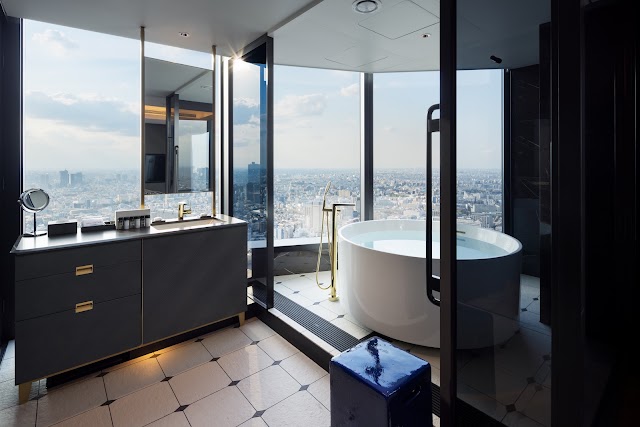
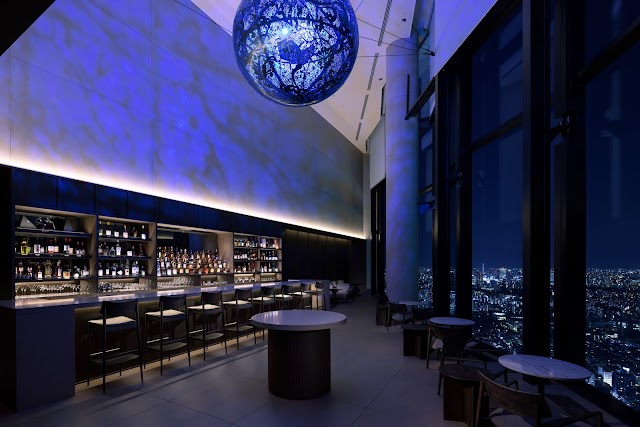
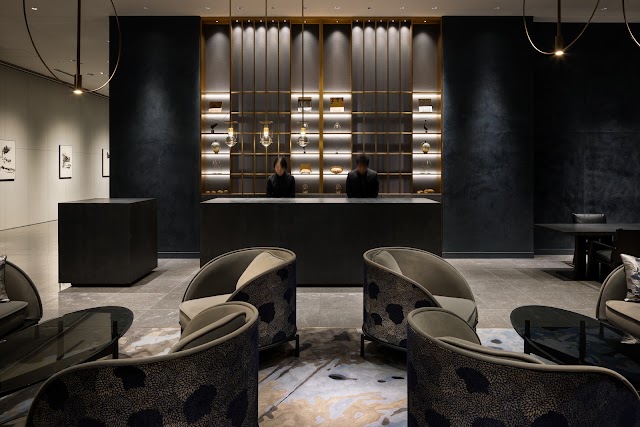
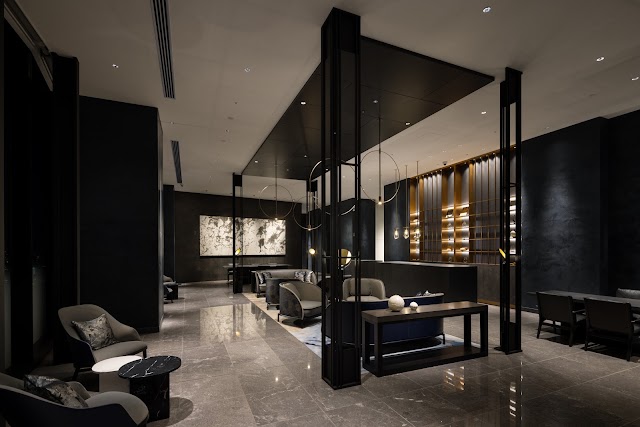
 Scan for map
 Scan for map
 Scan for map
 Scan for map