1.02 Million People, Nine Dance Stages: Ten Stops in Koenji, From Junjo Shotengai to a Bathhouse Open Until 1:30am
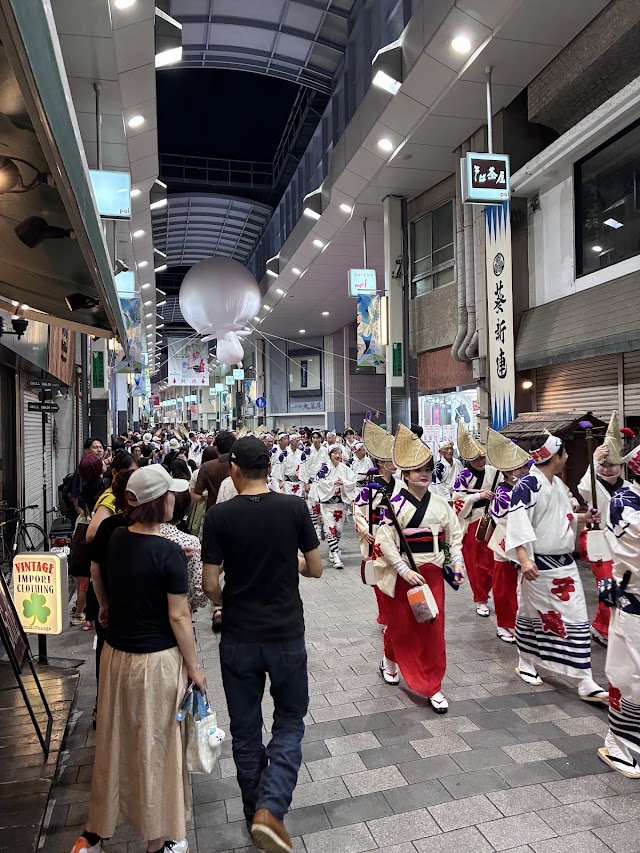
- 67th Tokyo Koenji Awa Odori: Saturday 29 and Sunday 30 August 2026, 17:00-20:00, across nine dance stages (Chuo, Higashi, Junjo, Pal, Momozono, Minami, Look First, Look Second, Koenmae). The organiser's official page records 158 troupes and 1.02 million spectators the previous year.
- Tokyo's regulated public bathhouse admission changed on 1 August 2026: adults (12+) from ¥550 to ¥600; ¥200 for ages 6-11 and ¥100 under 6 remain unchanged. Kosugiyu's official page now lists ¥600 for adults.
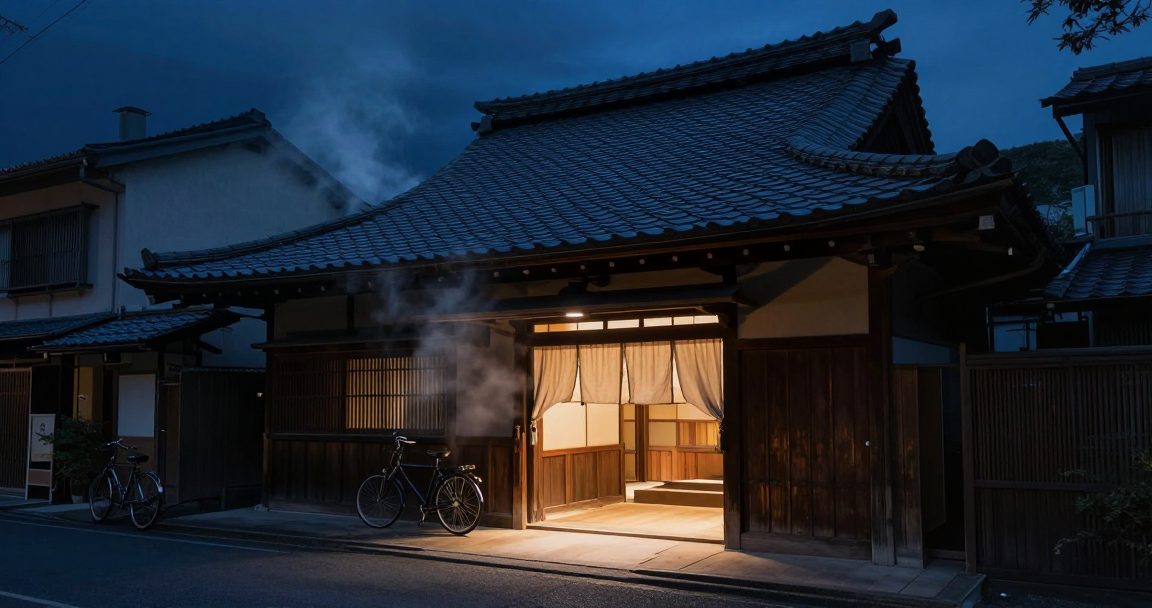
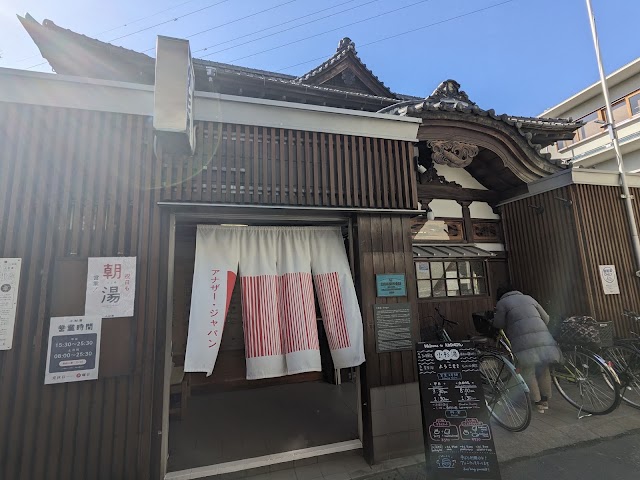
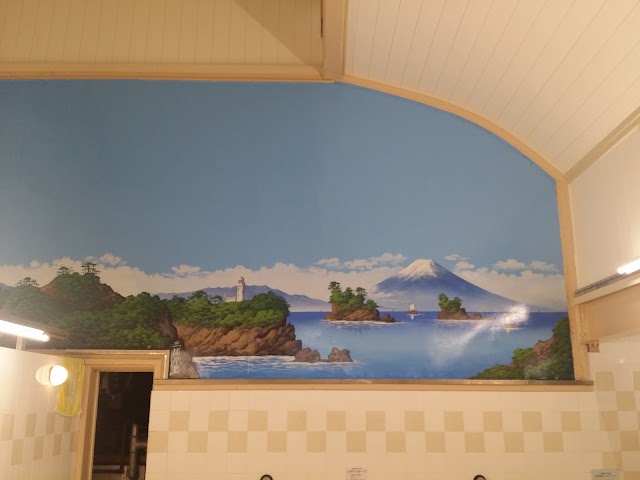
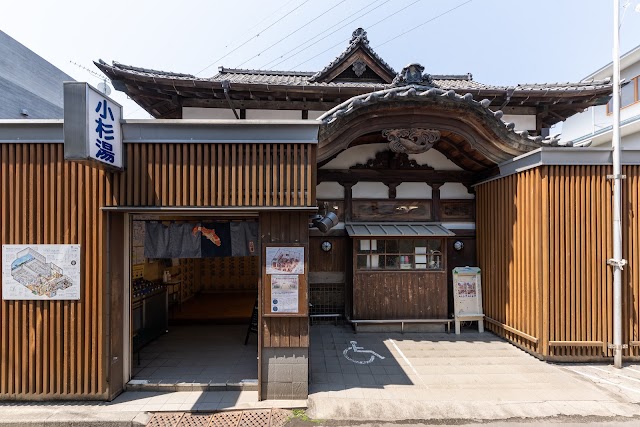
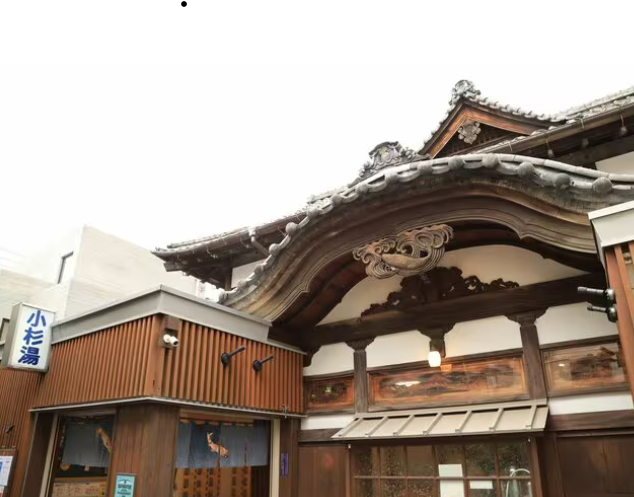
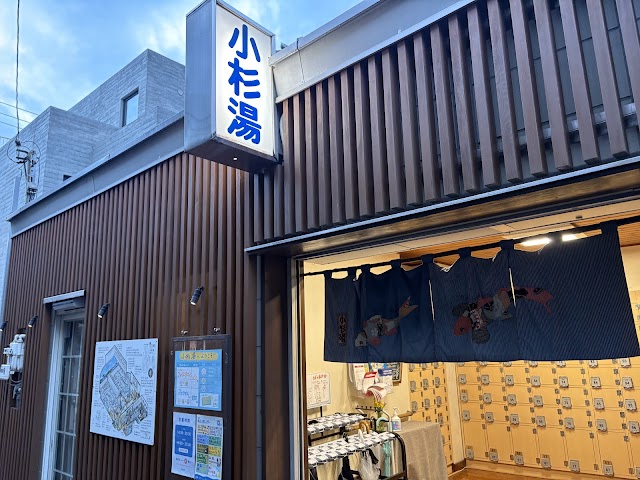
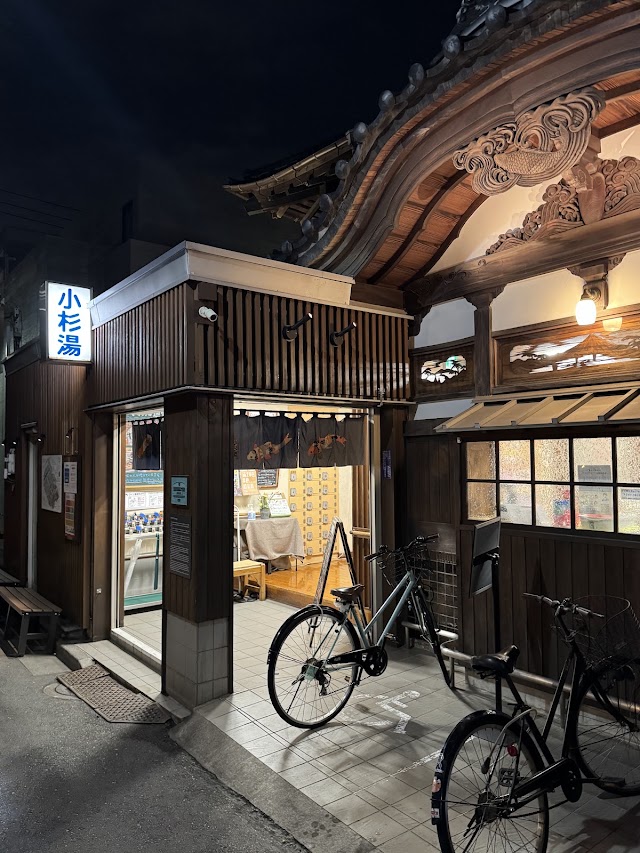
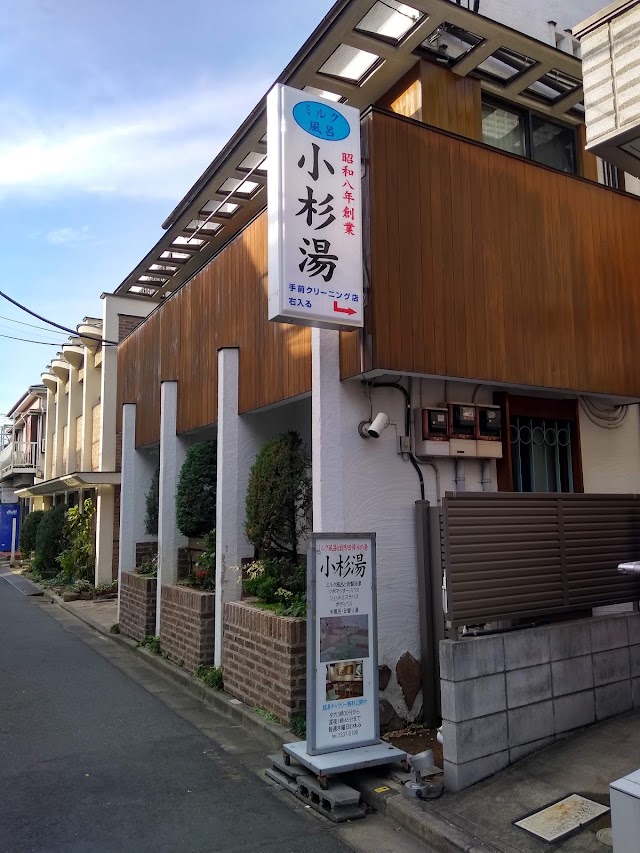
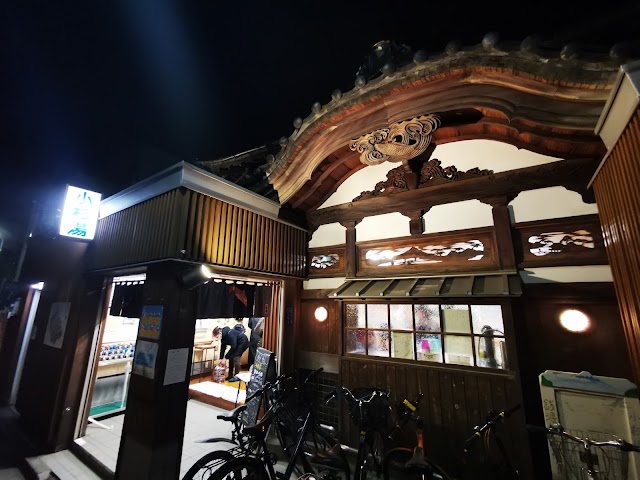
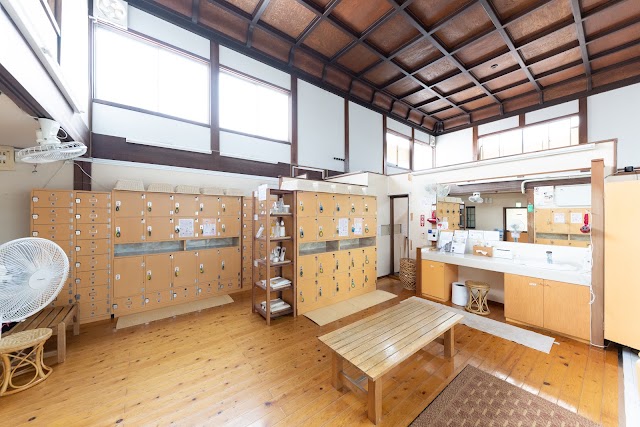
- Kosugiyu: founded 1933, registered as a Tangible Cultural Property in 2020. Weekdays 14:00-25:30 (last entry 25:00), from 08:00 at weekends and holidays, closed Thursdays. Face towel ¥100, bath towel ¥200, hairdryer ¥20 per 3 minutes, toiletries and free Wi-Fi provided.
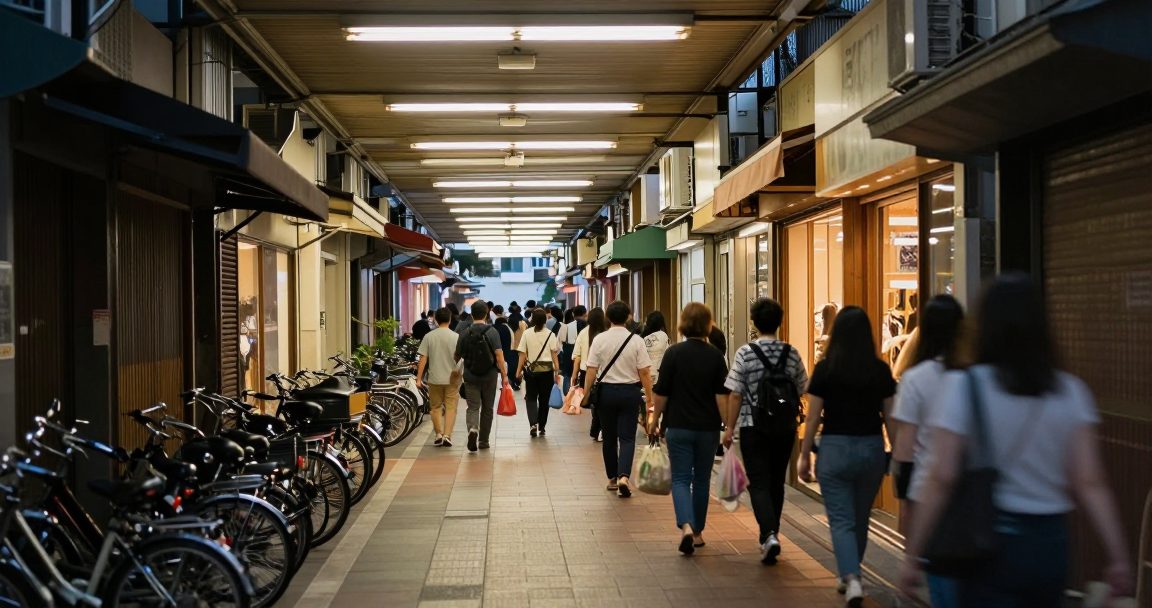
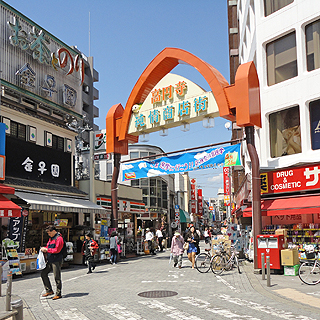
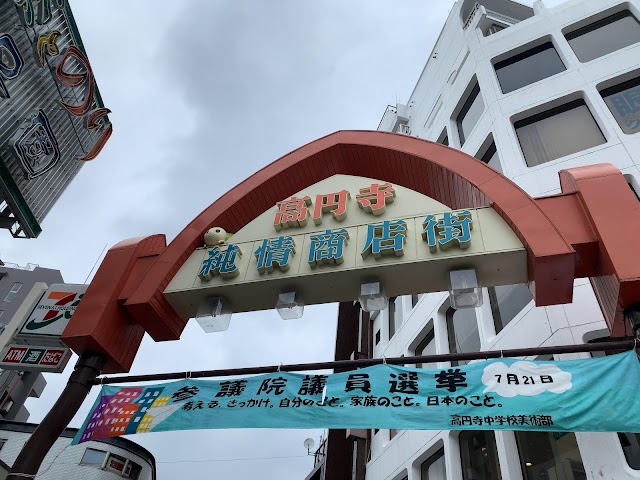
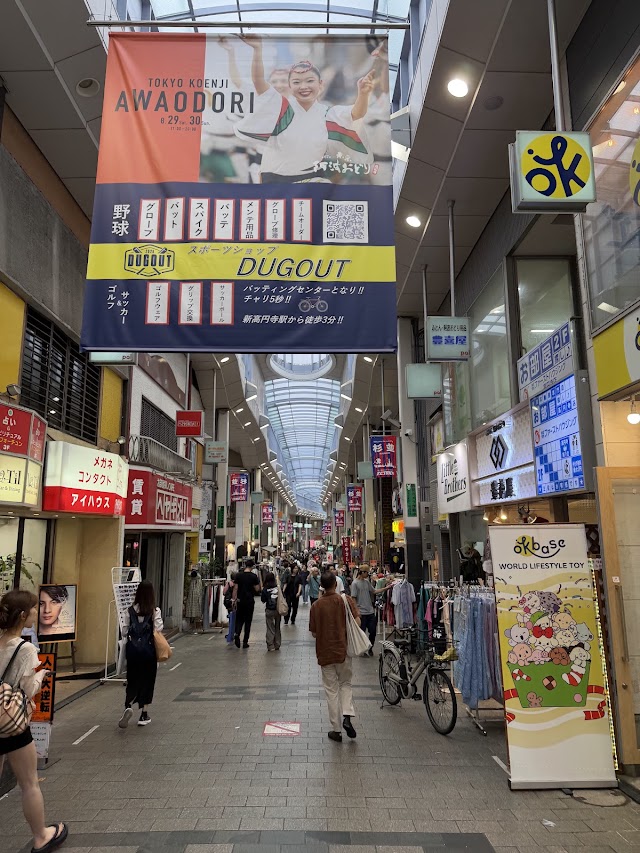
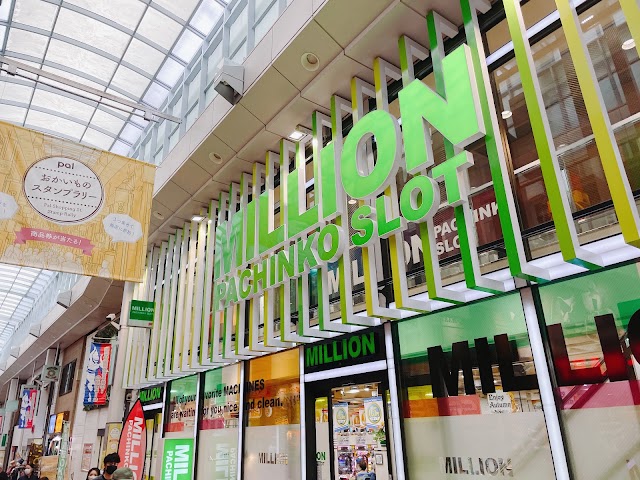
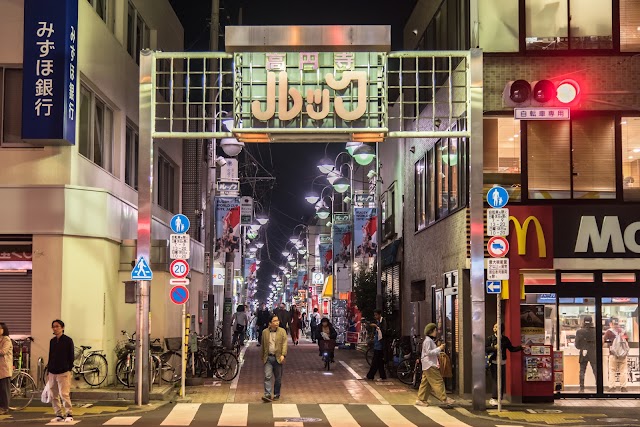
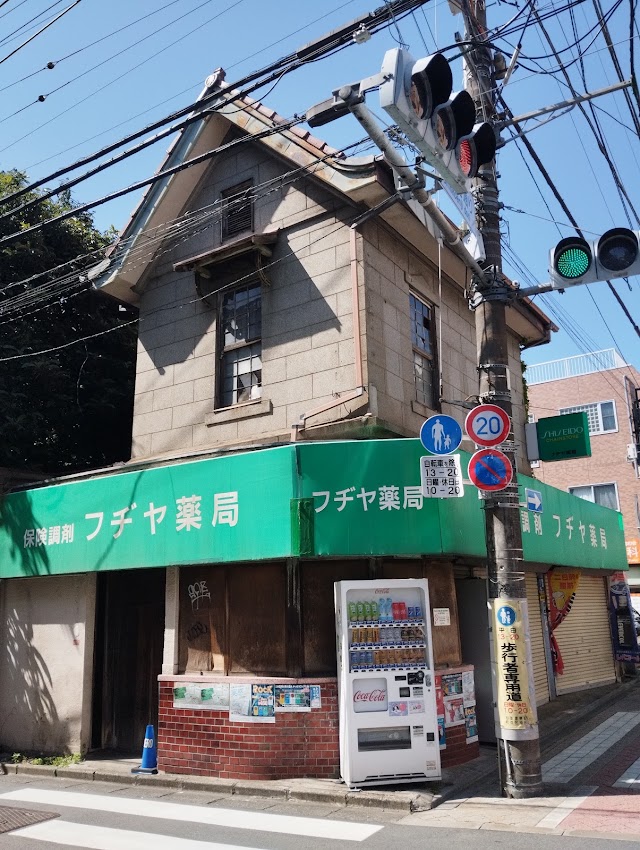
- Shopping-street skeleton: Junjo Shotengai on the north side (formerly Koenji Ginza, renamed after Nejime Shoichi's Naoki Prize-winning 1989 novel) and, on the south, covered Pal running into uncovered Look.
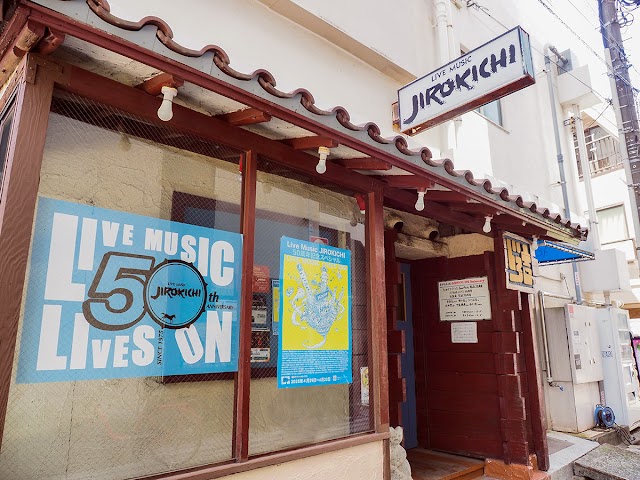
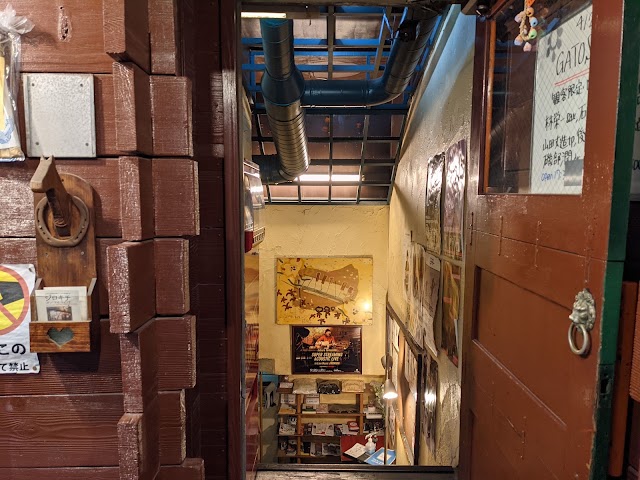
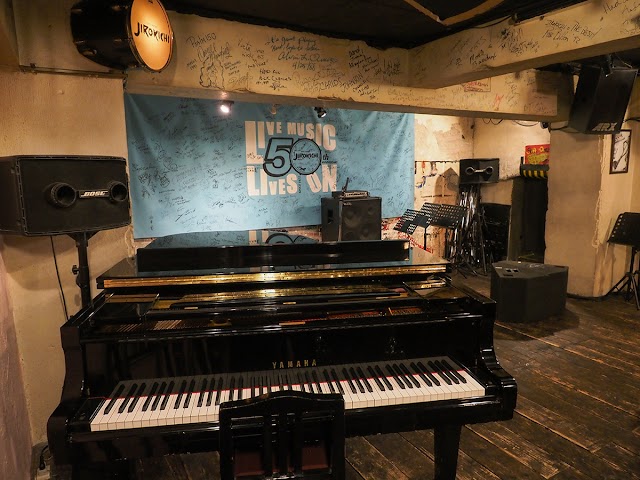
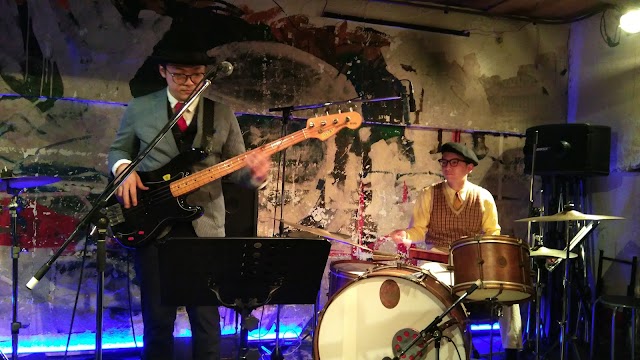
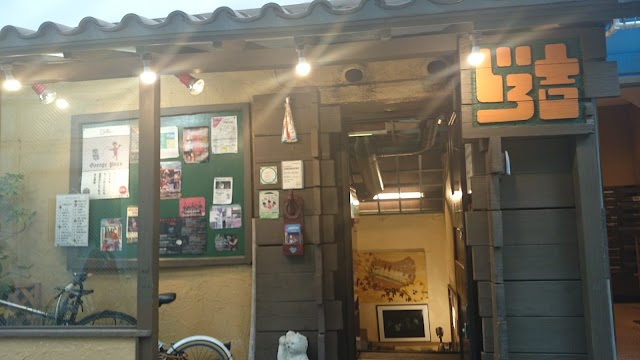
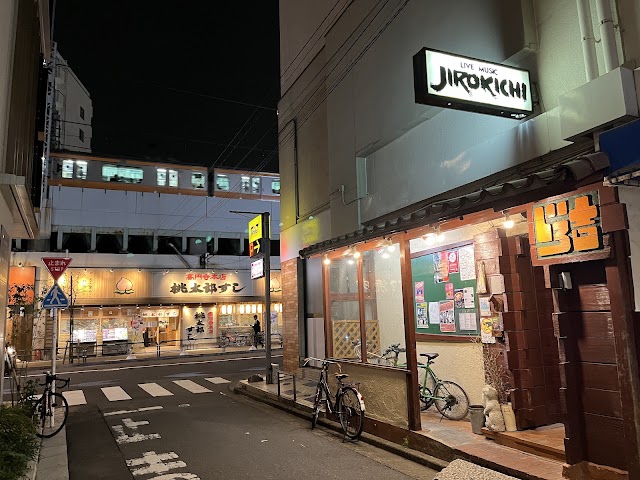
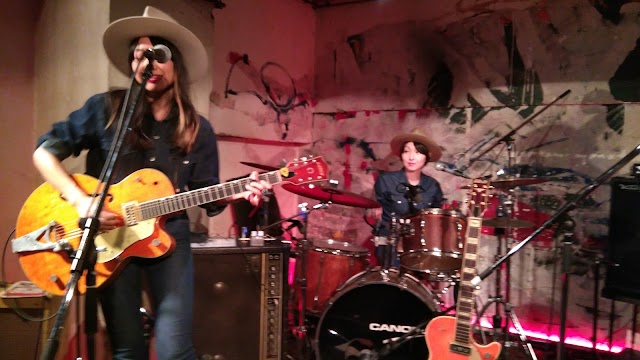
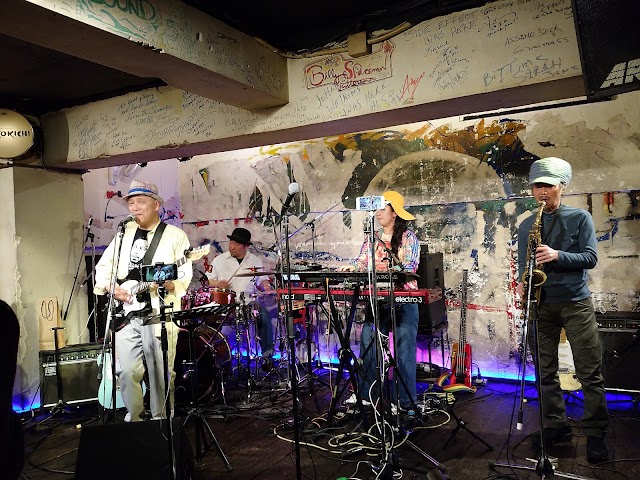
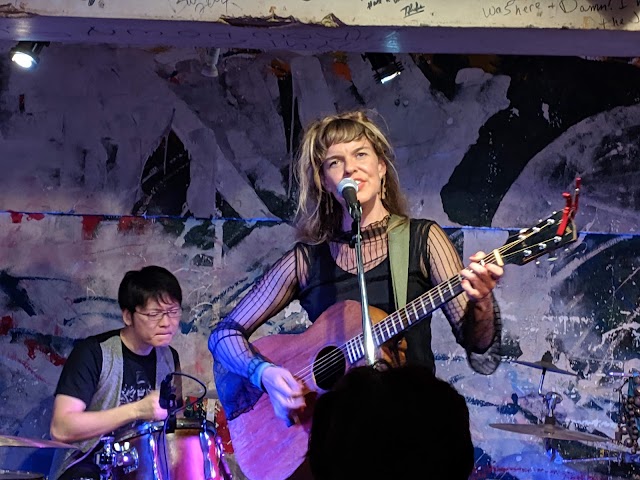
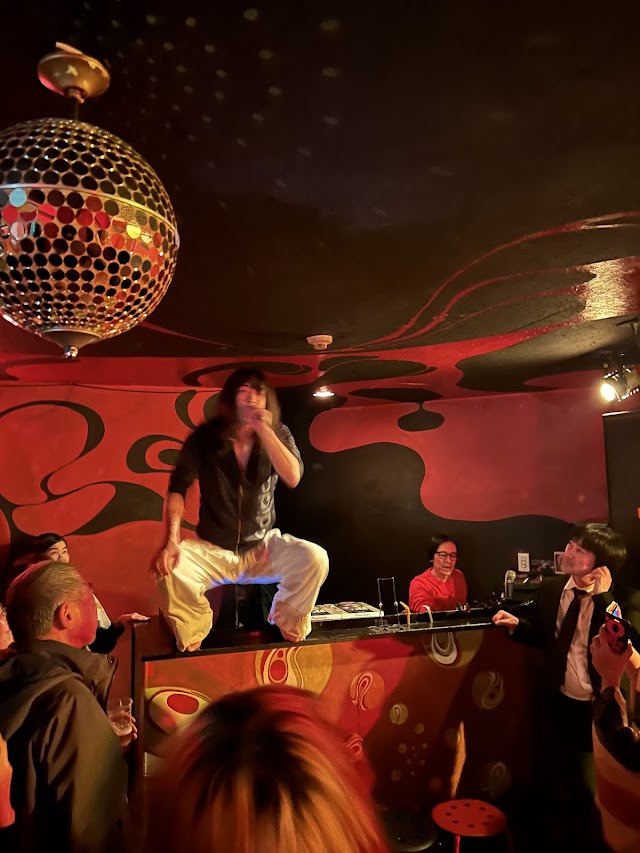
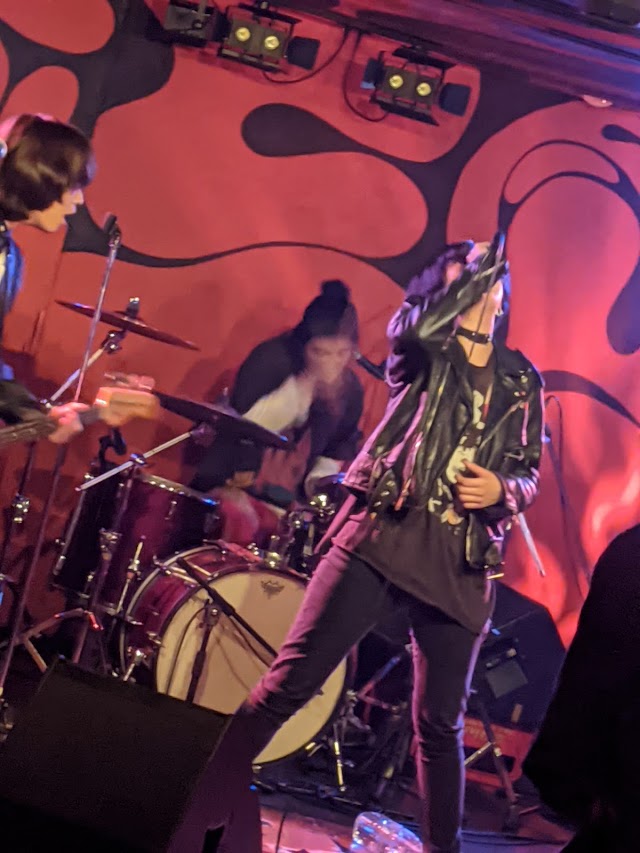
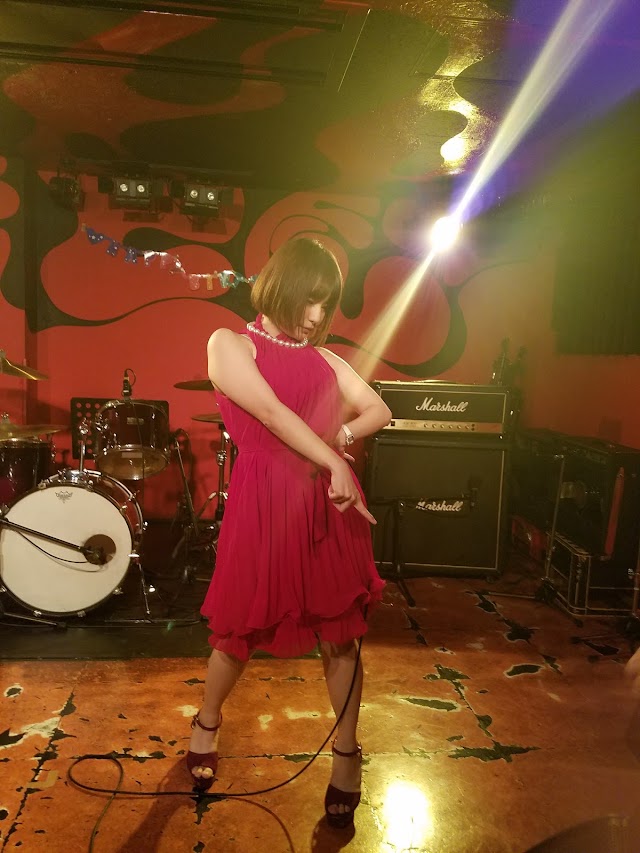
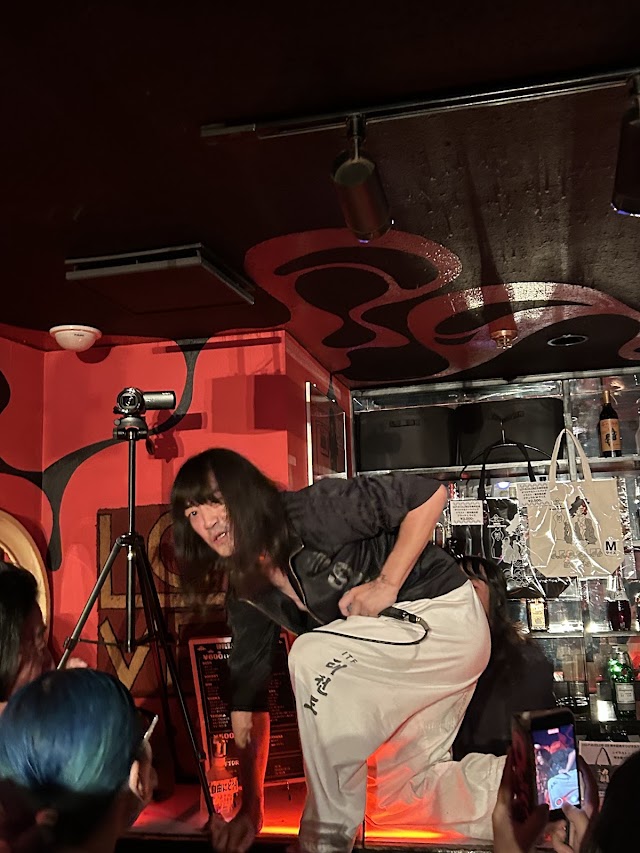
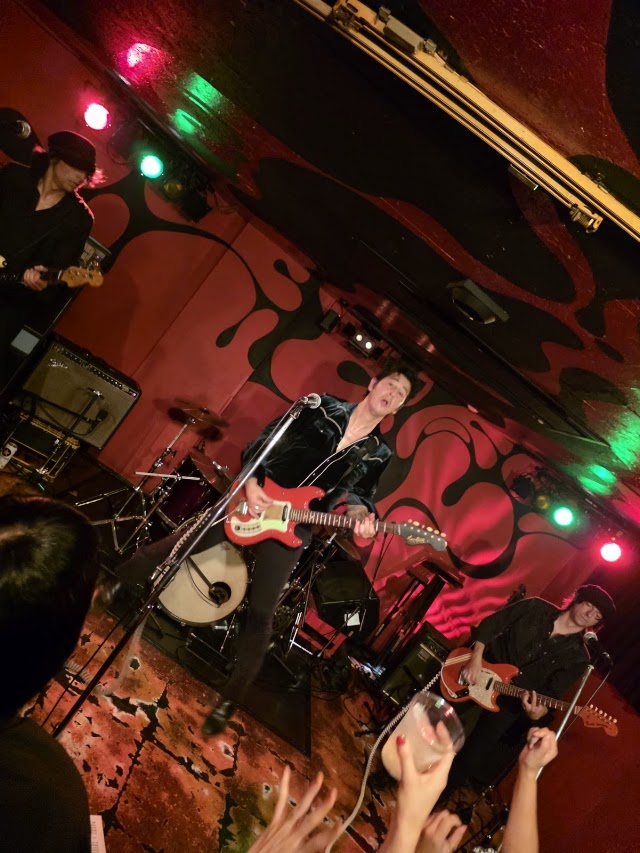
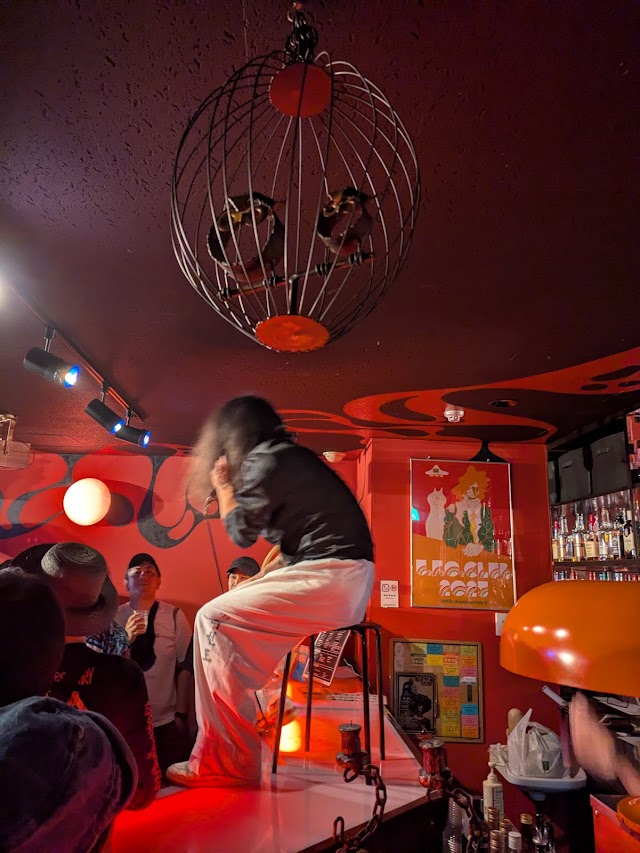
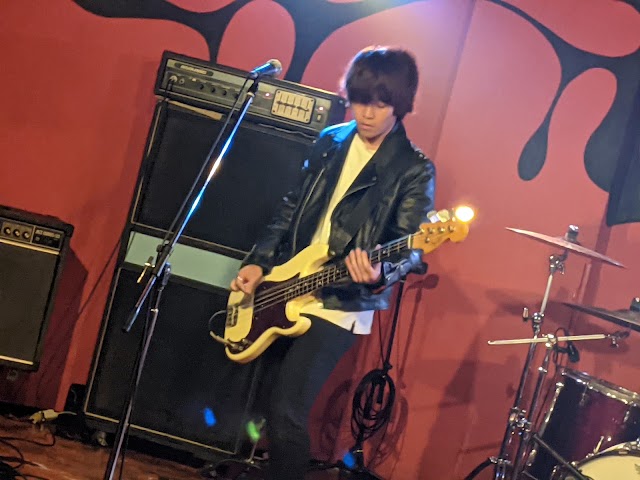
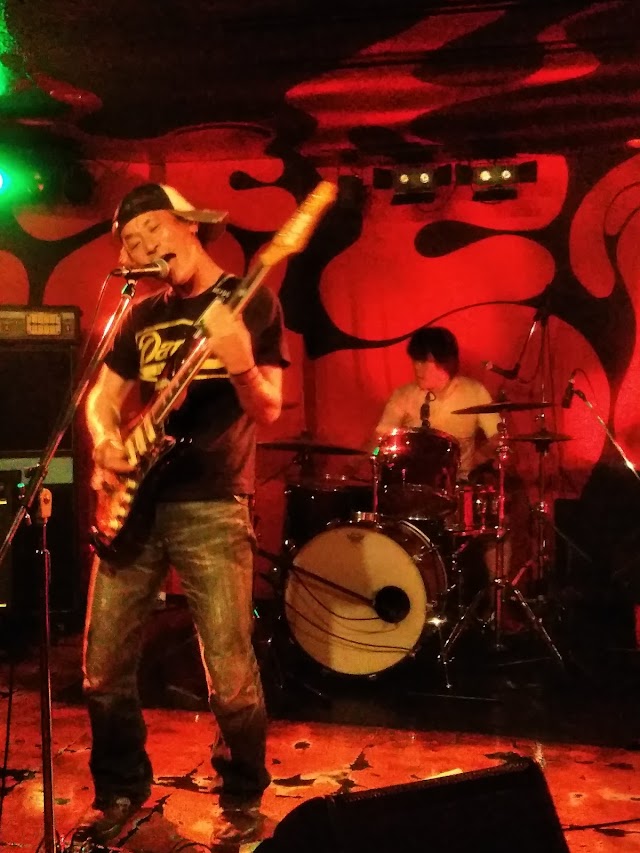
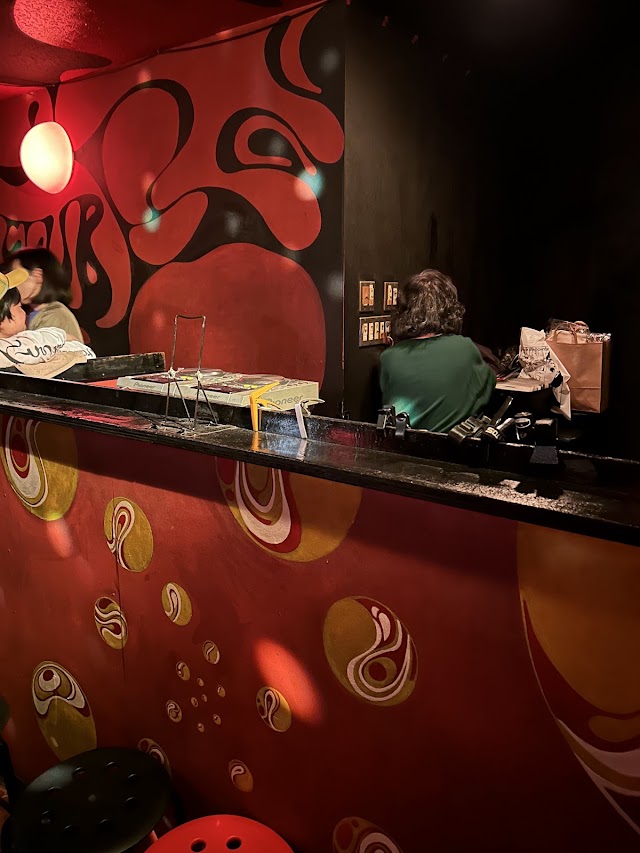
- Two music routes: JIROKICHI (opened 1975; blues, jazz, funk) and UFO CLUB (basement room of about 120 capacity; psychedelic, experimental, independent). Tickets typically ¥2,500-4,500 plus a one-drink charge.
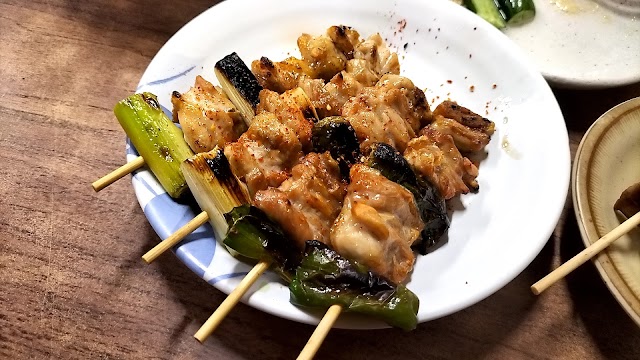
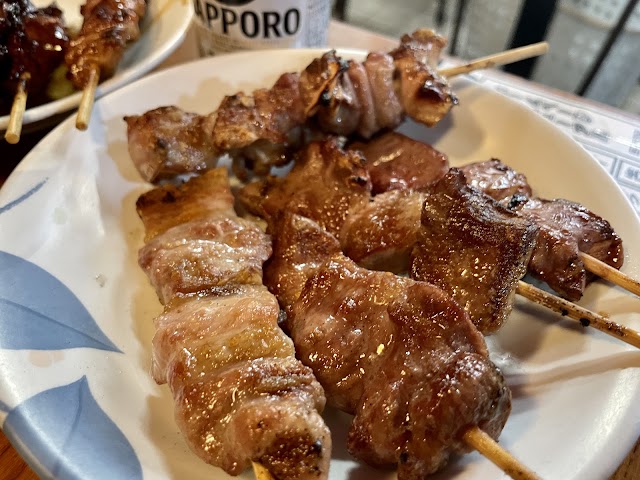
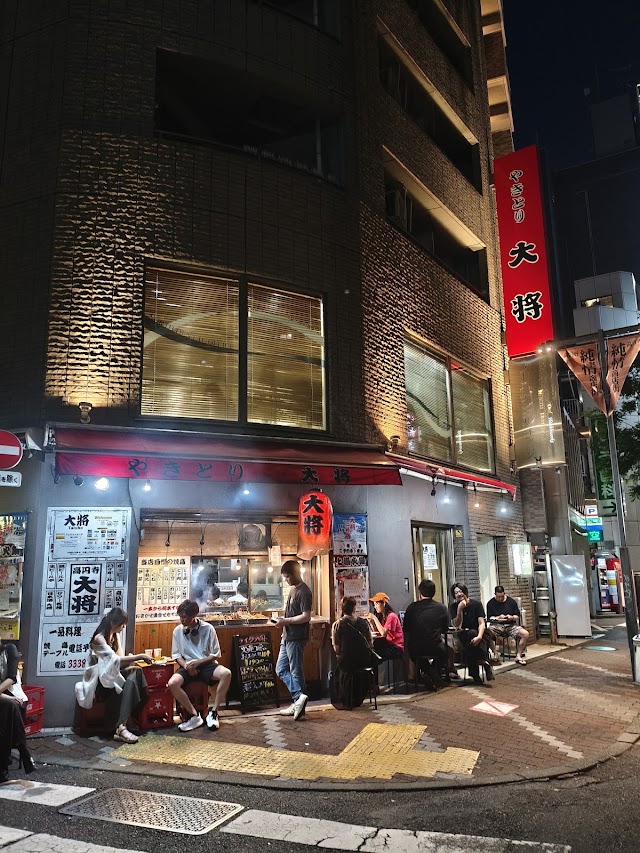
- Late-night options: Yakitori Taisho runs to around 2:00 and Kosugiyu to 25:30, so there is somewhere to go after a gig — check your last Chuo Line train.
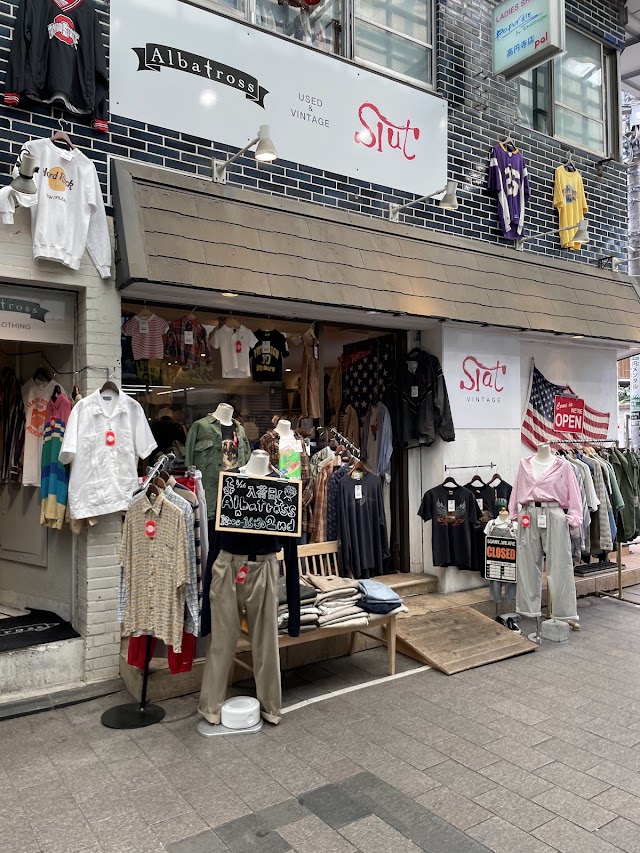
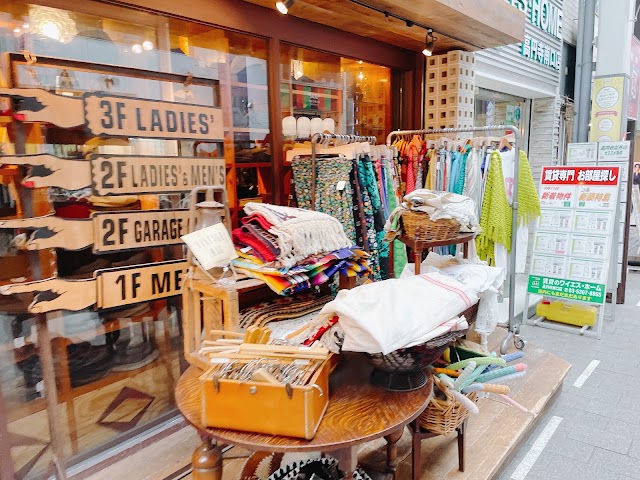
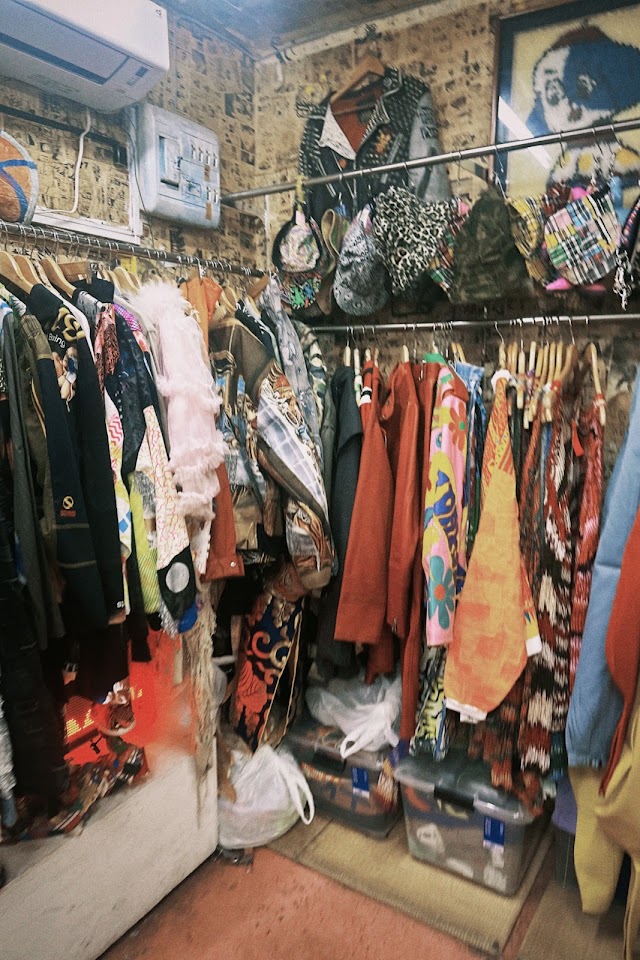
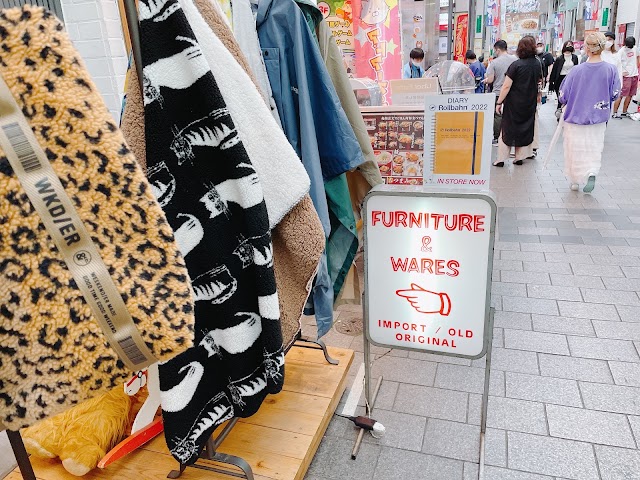
- Division of labour with our 10 August guide to Shimokitazawa and Koenji vintage clothing: vintage appears here only as part of the Look Shotengai stop; the shop-by-shop list is in that article.
- Roughly 3km of walking, six to nine hours with meals and a show. In August, save the uncovered stretch (Look Shotengai) for late afternoon.
Koenji is the third stop west of Shinjuku on the Chuo Line, under ten minutes away. That proximity creates a misreading: many visitors treat it as a detour for vintage clothing, spend an hour on the two southern shopping streets and go back. It is in fact a complete neighbourhood ecosystem, of which vintage is one layer.
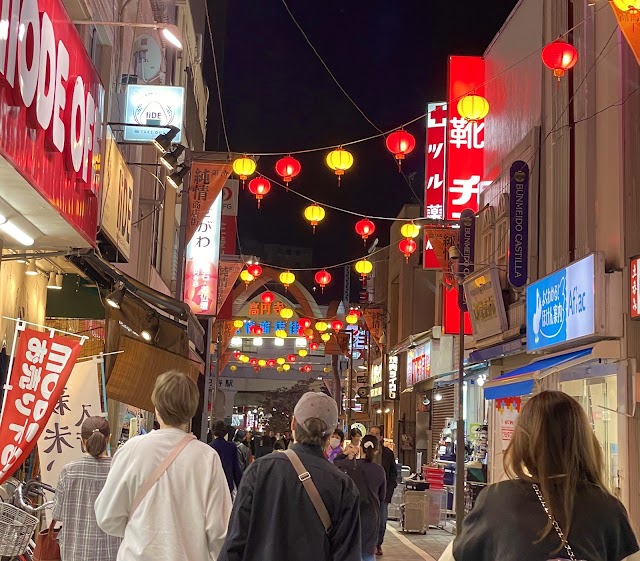
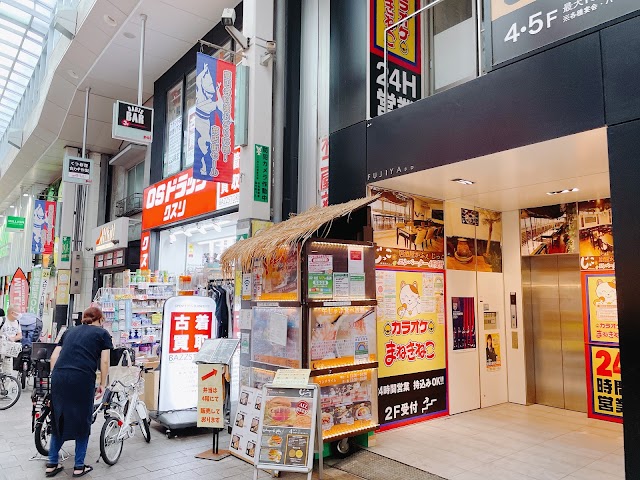
Three things describe its structure. First, shopping-street density: four main arcades run almost end to end on both sides of the station. Junjo Shotengai on the north side is a working local street renamed after a novel — Nejime Shoichi's Koenji Junjo Shotengai won the Naoki Prize in 1989. On the south side, covered Pal runs straight into uncovered Look, together forming over four hundred metres of continuous route. Second, music: small live houses cluster here, with JIROKICHI (opened 1975) and the basement UFO CLUB representing two entirely different programmes at prices below the big central venues. Third, late hours: yakitori until around 2:00 and a bathhouse until 1:30, which is not the Tokyo norm.
There are two concrete reasons to come in August. The 67th Tokyo Koenji Awa Odori is set for Saturday 29 and Sunday 30 August, 17:00-20:00, with all nine dance stages laid out along these same shopping streets; the organiser's official page records the previous year's figures as 158 participating troupes and 1.02 million spectators. The route becomes something else entirely that weekend — which makes the fortnight before it the moment to walk the streets empty and see their ordinary shape. The second reason is a price change: Tokyo's regulated bathhouse admission rose from ¥550 to ¥600 on 1 August 2026, a city-wide statutory rate, so budget the bathhouse stop accordingly.
The ten stops below follow a walking route from the north exit to the south: three for the shopping-street skeleton, three for food, two for music, one for books and drink, one for the bath. About three kilometres in total, six to nine hours with meals and a gig. For a half day, drop the two music stops and the late-night counter; the seven daytime stops stand on their own.
[1] Put the dates in first. The 67th Tokyo Koenji Awa Odori runs on Saturday 29 and Sunday 30 August 2026, 17:00-20:00, organised by the NPO Tokyo Koenji Awa Odori Association. Unlike the original festival in Tokushima there is no dedicated venue: all nine dance stages — Chuo, Higashi, Junjo, Pal, Momozono, Minami, Look First, Look Second and Koenmae — are laid out on the ordinary shopping streets and roads that make up this route. The association's official page records 158 troupes and 1.02 million spectators the previous year. Translate that number into practice: these arcades are four to eight metres wide, so on those two days you will not browse the shops, you will be carried past them. To watch, arrive early and hold your position; to shop, come on another day, or come in daylight, since dancing starts at 17:00. The festival began in 1957 as a shopping-street promotion, which is why it still happens in the streets rather than in a hall — a commercial district's festival, not a tourist performance.
[2] From 1 August 2026, the bath costs ¥50 more, and that is a city-wide statutory price rather than one shop's decision. Tokyo announced the revision on 24 July 2026: adults (12 and over) move from ¥550 to ¥600, while ¥200 for ages 6-11 and ¥100 for under-6s stay unchanged. Public bathhouses are price-regulated under the Public Bath House Act and cannot pass on fuel and utility costs on their own; they have to wait for the metropolitan government to move the ceiling, which is part of the structural reason Tokyo keeps losing bathhouses. For a visitor the ¥50 hardly matters, but the context does. Kosugiyu supplies toiletries and rents towels at ¥100, so you can arrive empty-handed.
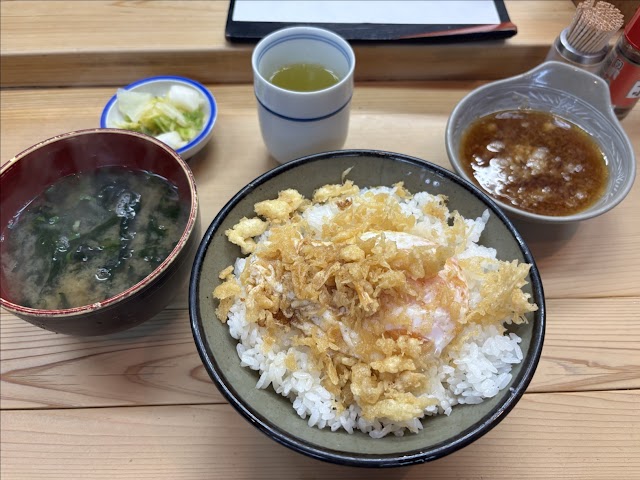
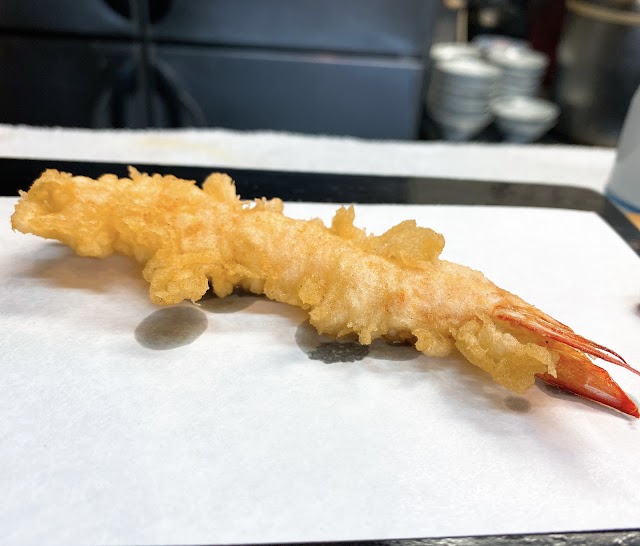
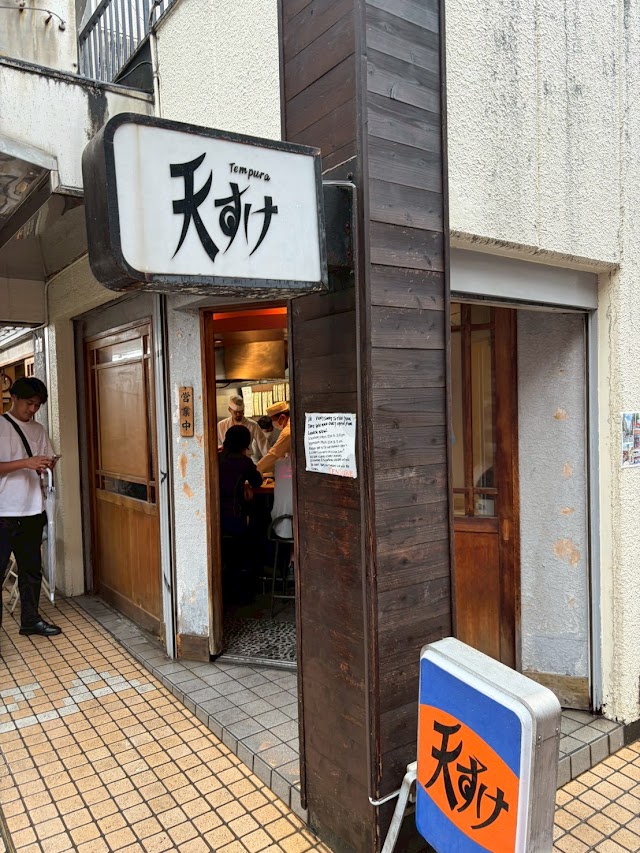
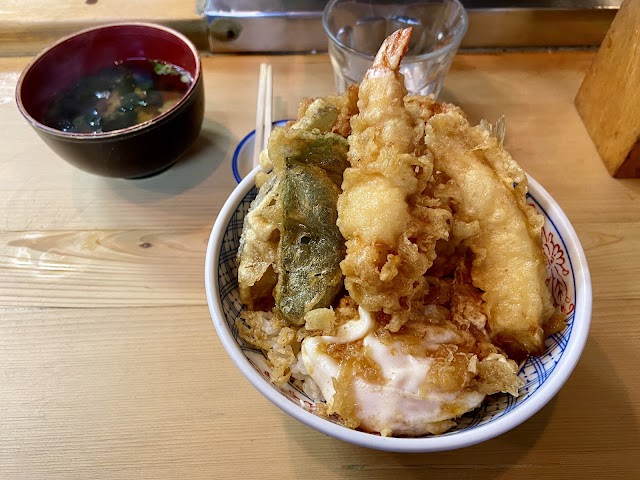
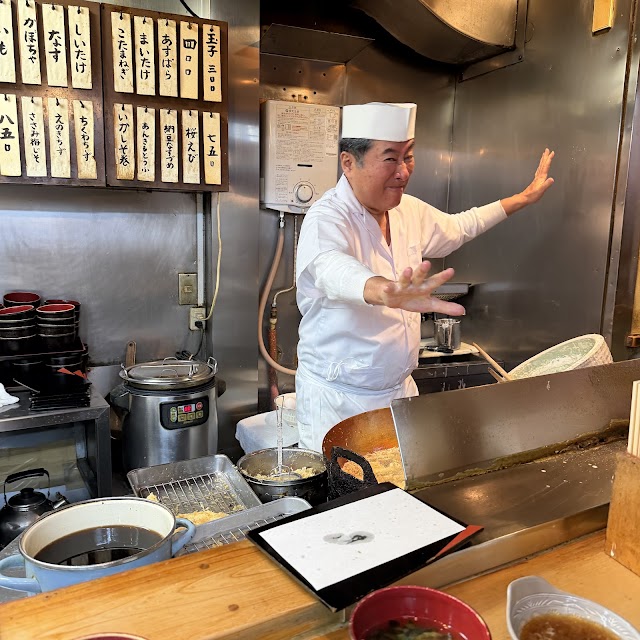
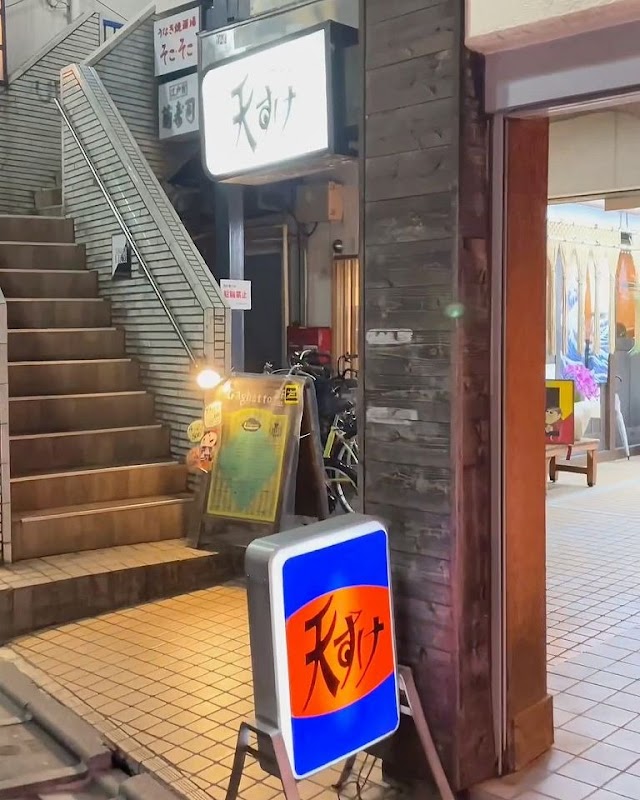
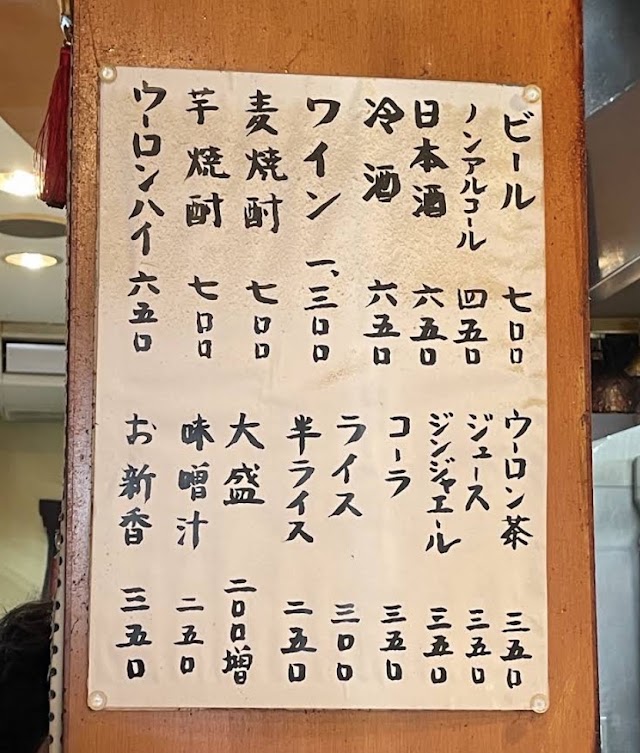
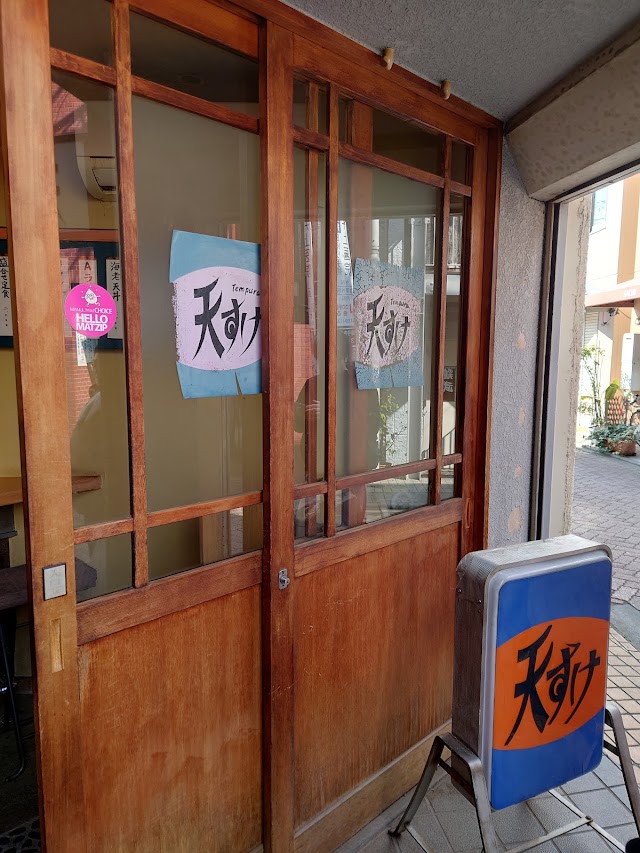
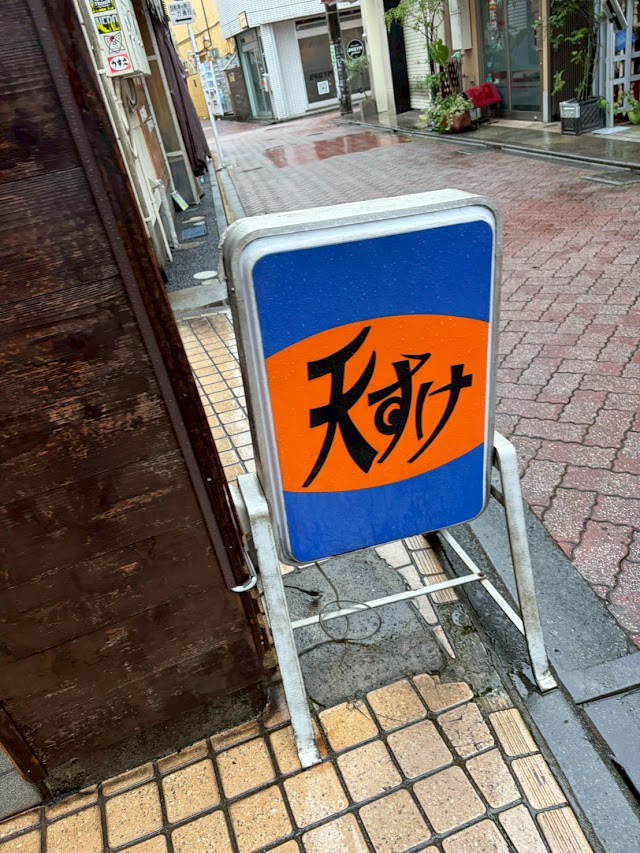
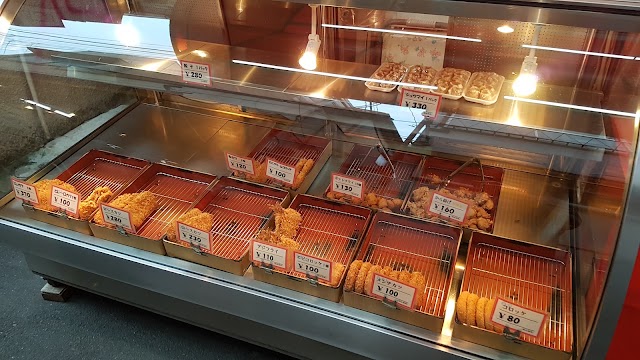
[3] North side: a shopping street renamed by a novel, and an egg that runs. Junjo Shotengai was Koenji Ginza until 1989, when local author Nejime Shoichi won the Naoki Prize for a novel of that name and the street adopted it. It still sells fishcakes, prepared food, bread and household goods at local prices. Tensuke, open since 1987, drops a raw egg straight into the fryer and spins the white into a cloud; the yolk is still soft when it lands on the rice, and you only see the whole thing from the counter. Queues run most of the day. JIROKICHI, open since 1975, programmes blues, jazz and funk in a low-stage room, with a daily schedule online and door tickets usually available — easier for non-Japanese speakers than a large venue. Kosugiyu, founded 1933 and listed as a cultural property in 2020, sits on Koshin-dori with its milk bath, open from 14:00 to 25:30 on weekdays and closed Thursdays.
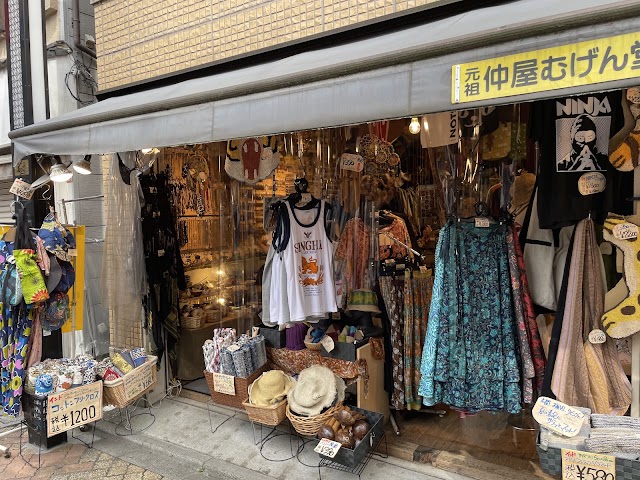
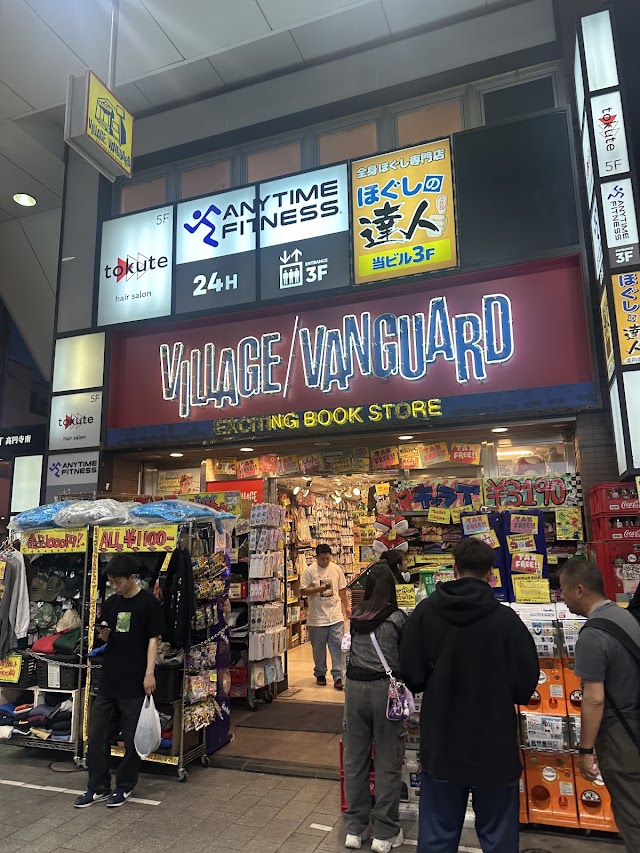
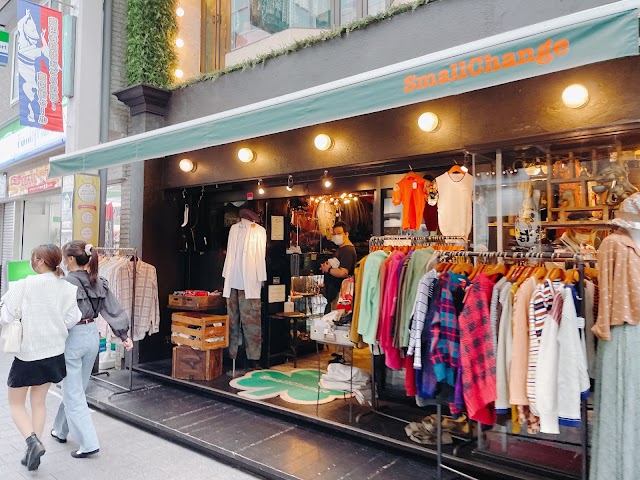
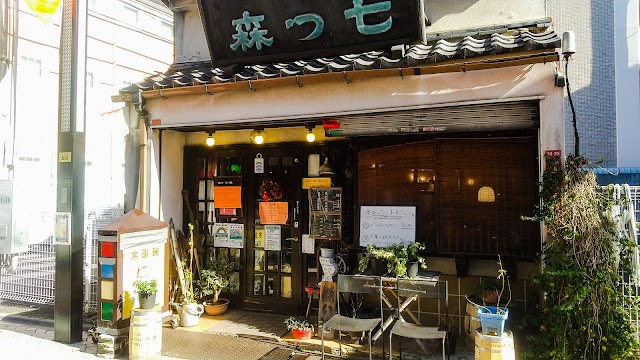
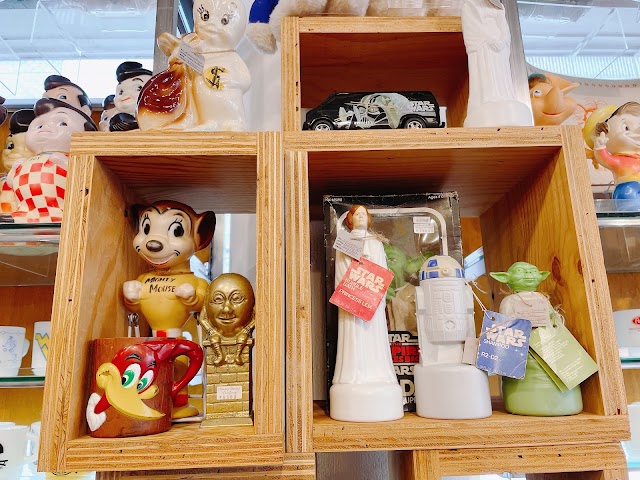
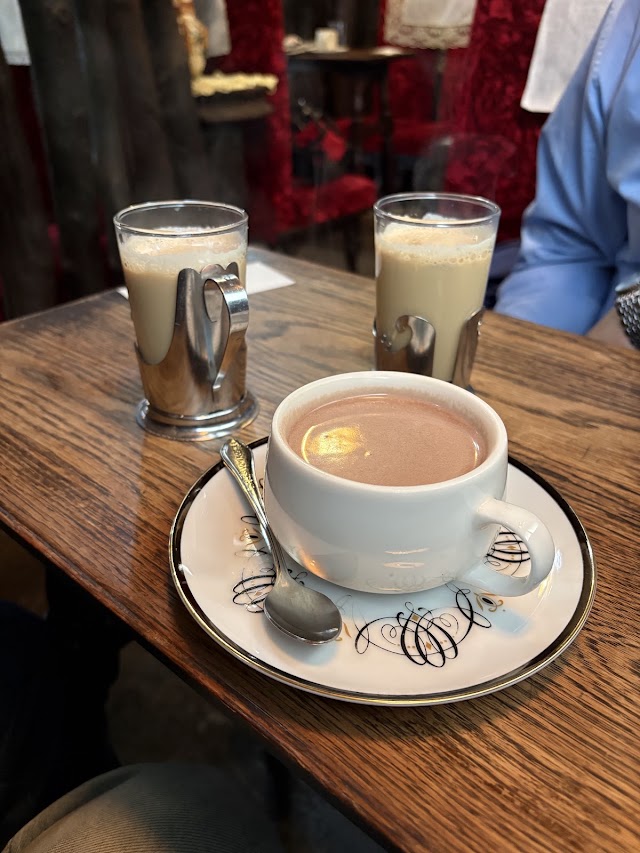
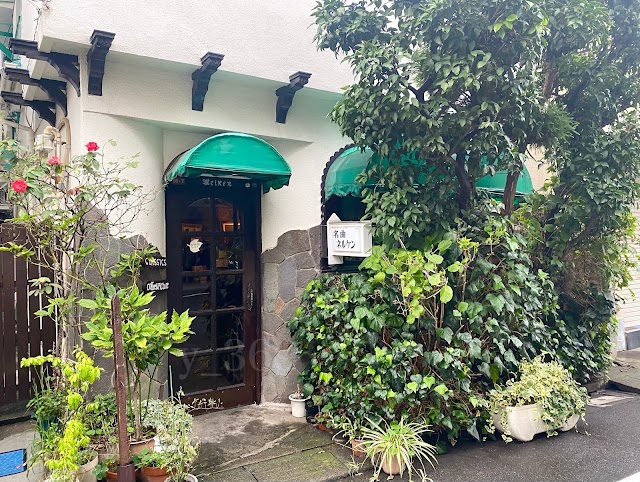
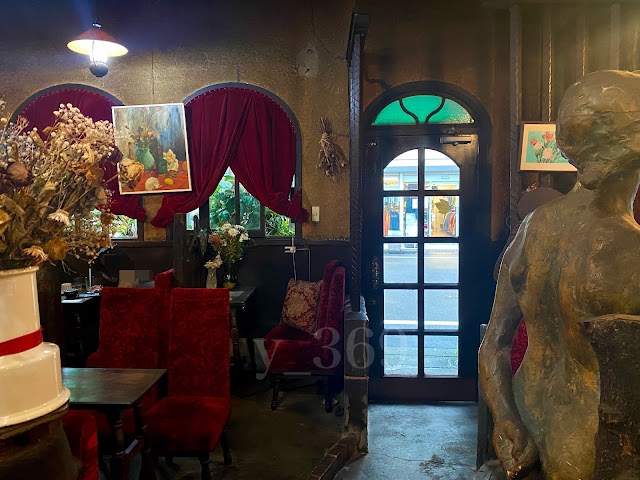
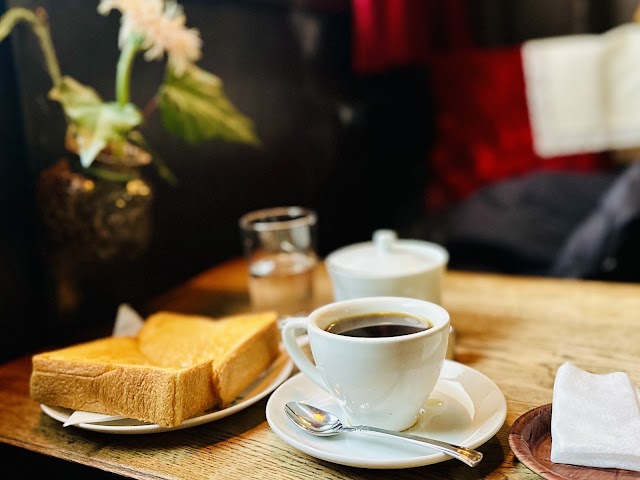
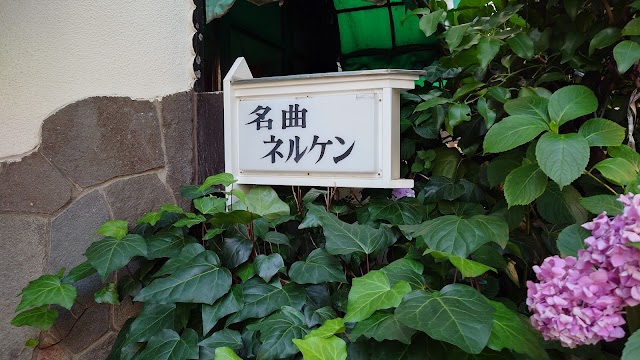
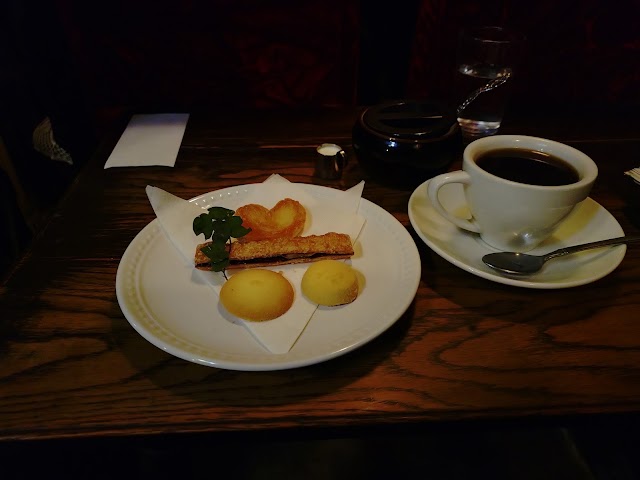
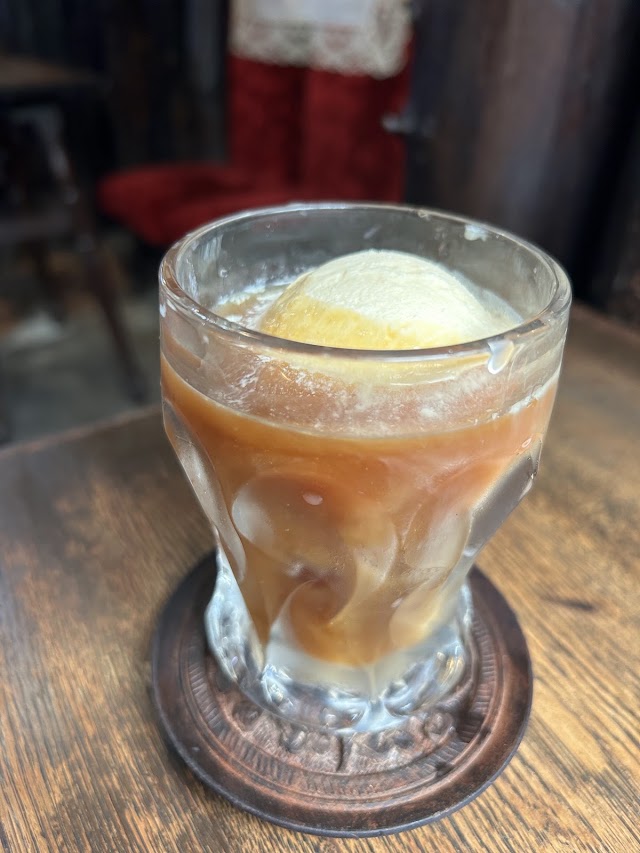
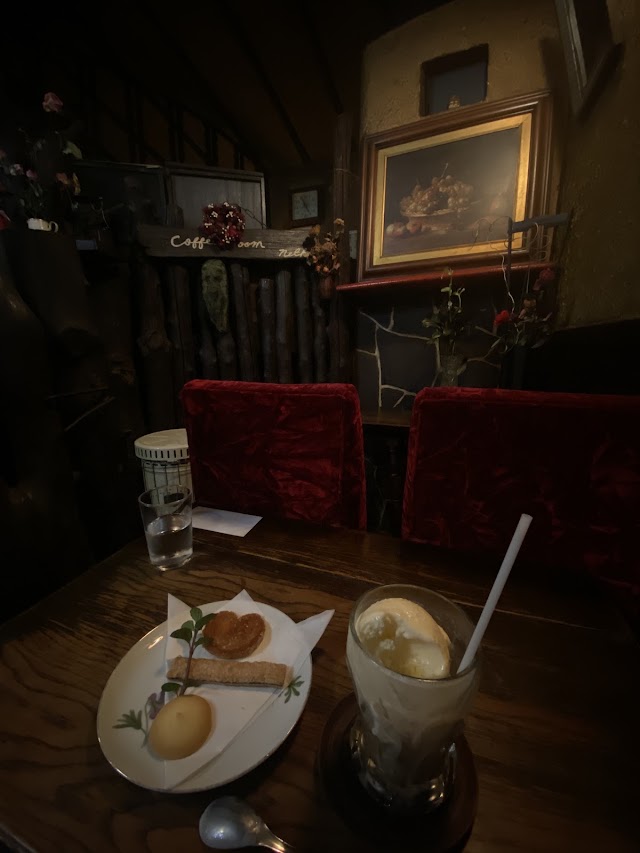
[4] South side: an arcade, open sky, a classical-music cafe and a bookshop that serves drinks. Covered Pal Shotengai runs straight into uncovered Look Shotengai, together over four hundred metres in one line; the mix shifts to vintage clothing, records, independent shops and small cafes. We covered the vintage shops themselves in our 10 August guide to Shimokitazawa and Koenji, so they appear here only in passing; the short version is that Koenji's average prices sit a step below Shimokitazawa's. Meikyoku Kissa Nelken is the transition point on this route — a disappearing format where classical music plays loud, conversation stays low, and a drink buys a seat to listen. After dark the route splits: UFO CLUB, a basement of about 120 capacity, runs three or four psychedelic, experimental or independent acts a night; Yakitori Taisho grills skewers from about ¥150 until around 2:00. Cocktail Shobo closes the route — a second-hand bookshop and izakaya in a century-old house, books floor to ceiling, all of them genuinely for sale.
[5] Practicalities. About three kilometres, six to nine hours with meals and a show. Half-day version: arrive at 14:00, do Junjo Shotengai, Tensuke and the bathhouse, and be out in four hours. Full-day version: midday arrival, both sides of the station, a gig at dusk, skewers after, bath last — but check the last Chuo Line train, because ten minutes to Shinjuku by train becomes a ¥3,000-plus taxi if you miss it. Festival version (29-30 August): finish all shopping and eating before 17:00 and expect heavy congestion at the station afterwards. Two common misjudgements: not all of Koenji is roofed — Look Shotengai is open to the sky and punishing at midday in August — and many shops do not open until noon or 13:00, so a morning here is spent in front of shutters.
 Scan for map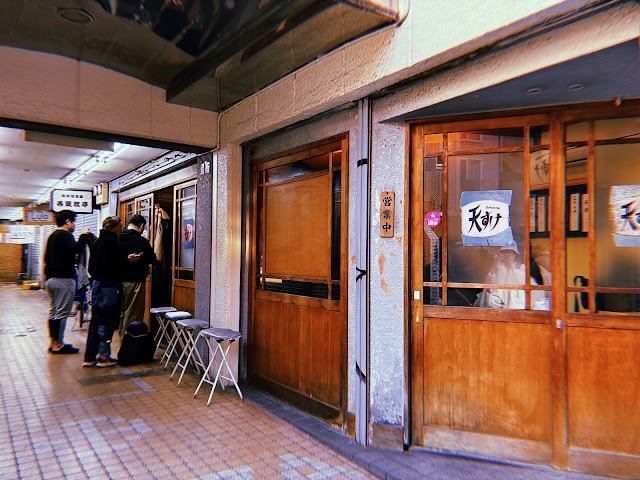
 Scan for map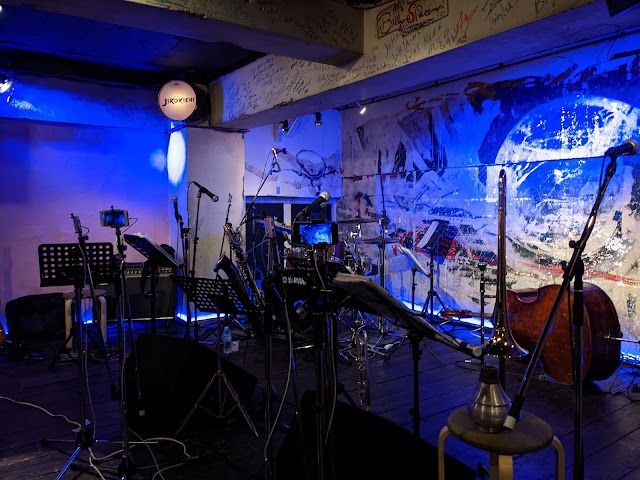
 Scan for map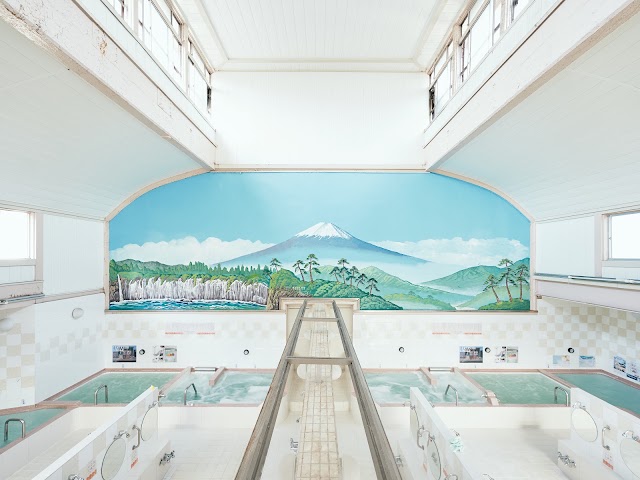
 Scan for map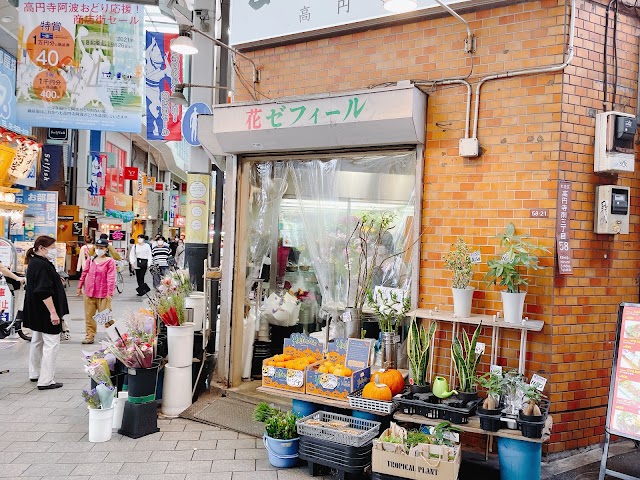
 Scan for map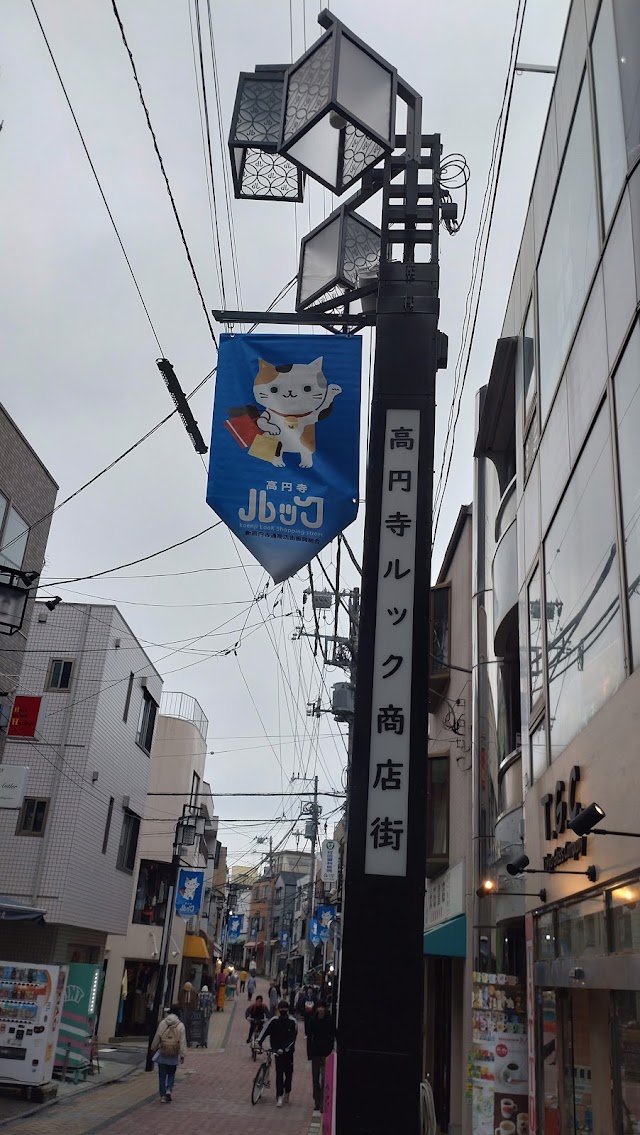
 Scan for map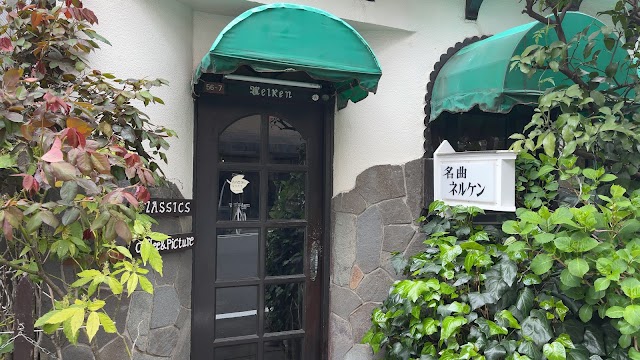
 Scan for map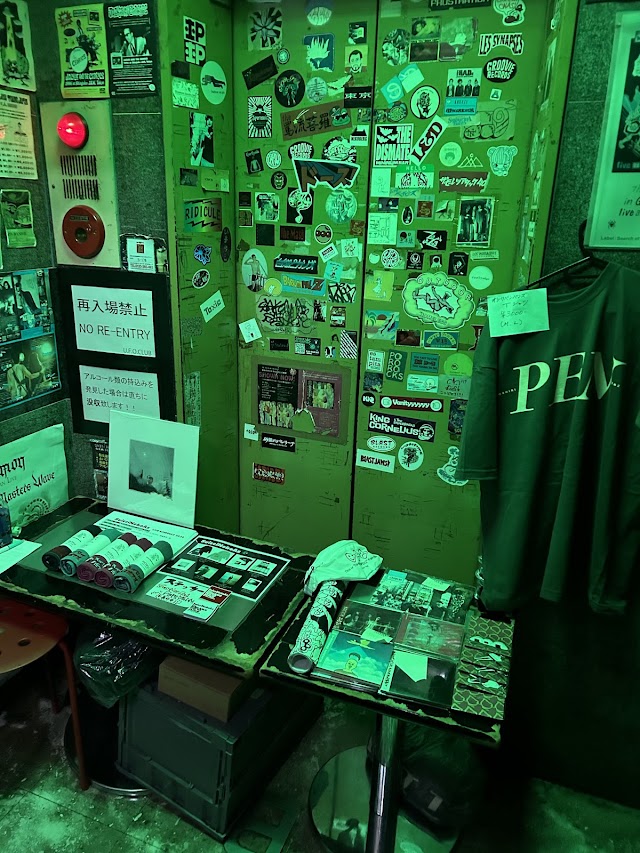
 Scan for map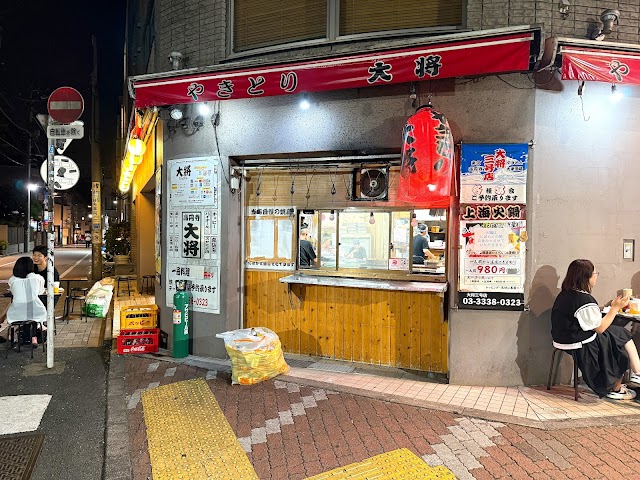
 Scan for map
 Scan for map