Jp¥online 繁中简中EN2026/08/15

¥400 for the Whole Line: Ten Stops Along Tokyo's Last Streetcar, From Minowabashi to Kishimojin
Source: Jp¥online 編輯部· Published: 2026/08/15 16:22 JST· Section: REAL ESTATE & TOURISM
¥400 for the Whole Line: Ten Stops Along Tokyo's Last Streetcar, From Minowabashi to Kishimojin
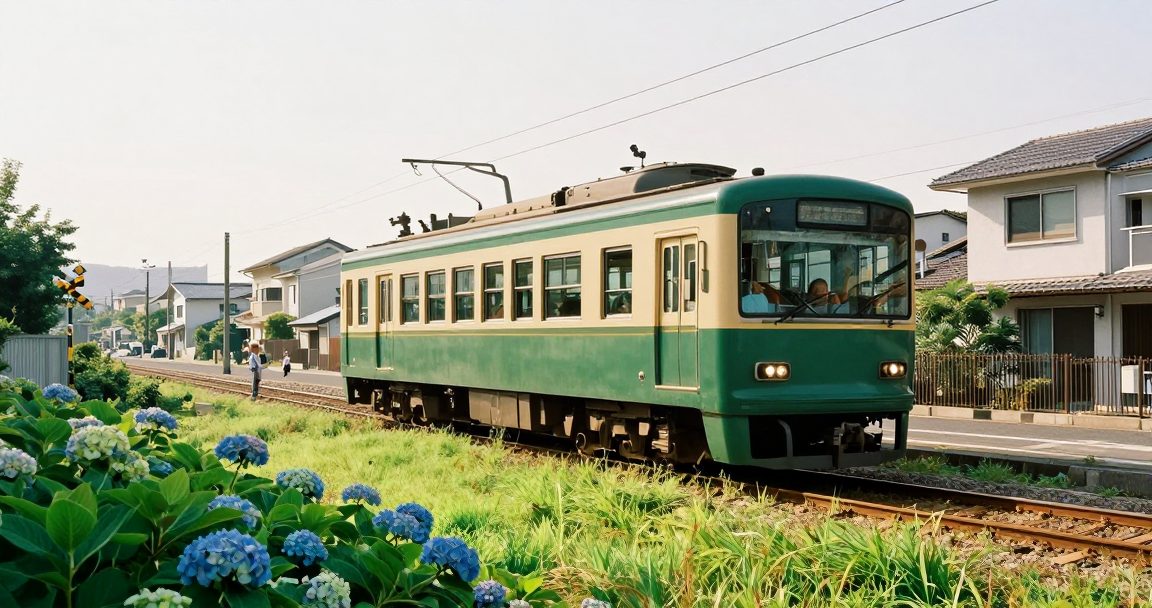
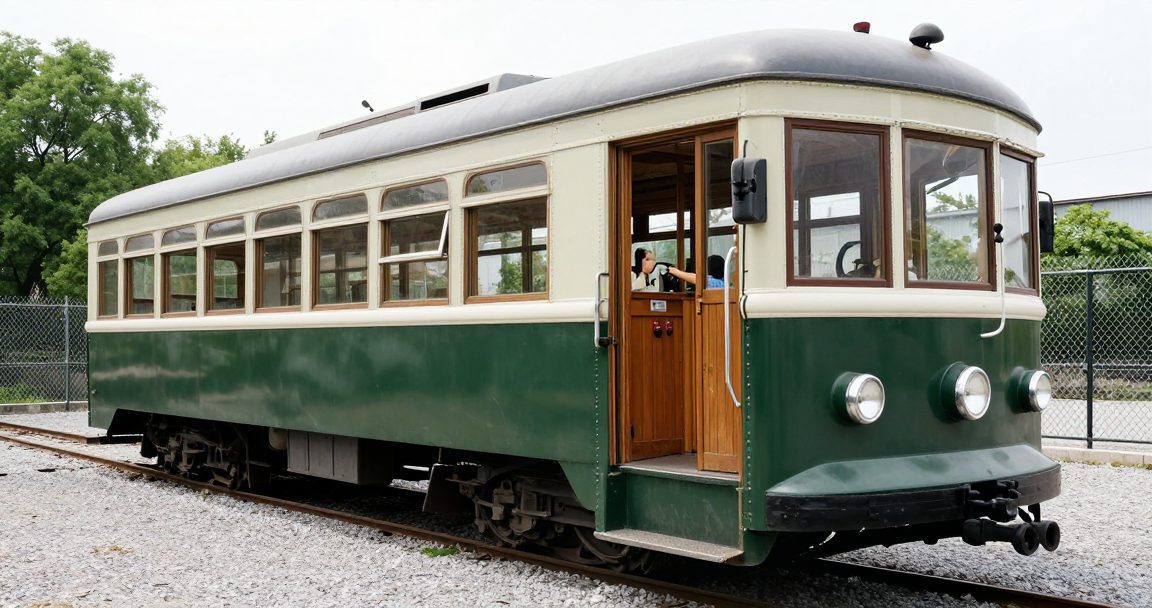
Illustration: AI-generated (Jp¥online)
# Toden Arakawa Line# Tokyo Sakura Tram# one-day pass# Asukayama# Sugamo# Arakawa Yuen# Tokyo shitamachi# family itinerary
Key Points
  • Toden one-day pass: ¥400 adults, ¥200 children. Magnetic cards are sold at the Arakawa tram depot office, Toden commuter-pass offices and Minowabashi Omoide-kan, with same-day passes also sold on board; IC one-day passes are sold only on board (mobile PASMO/Suica); a digital version is available in the RYDE PASS app and must be bought before boarding.
  • Fares are flat: ¥170 adults (¥168 IC), ¥90 children (¥84 IC) — the day pass pays for itself on the third ride.
  • Advance magnetic passes are valid for any one day within six months of purchase; same-day, IC and digital versions are valid only on the day of sale.
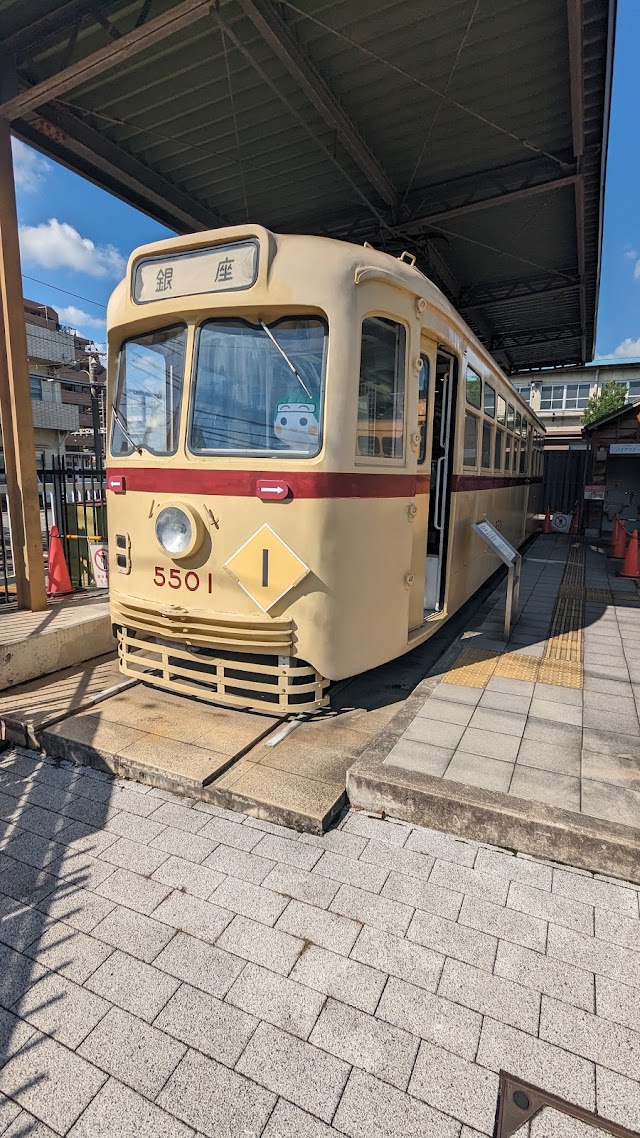
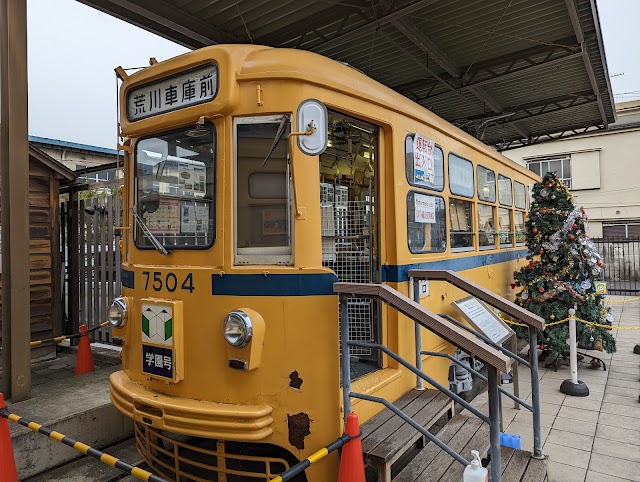
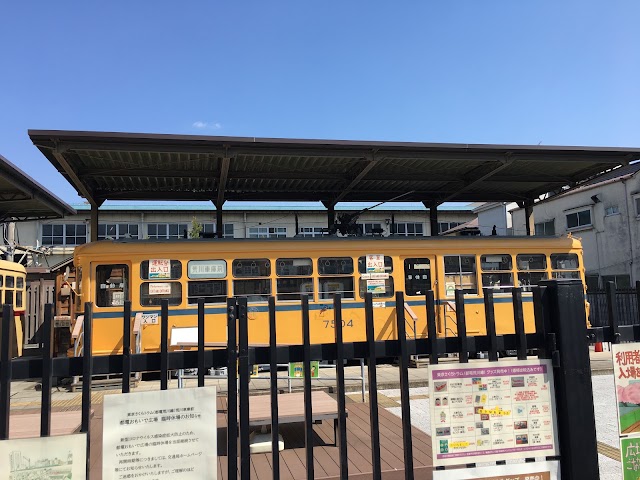
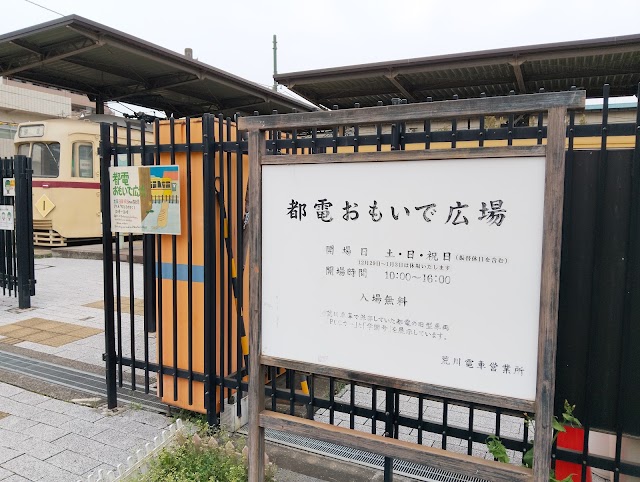
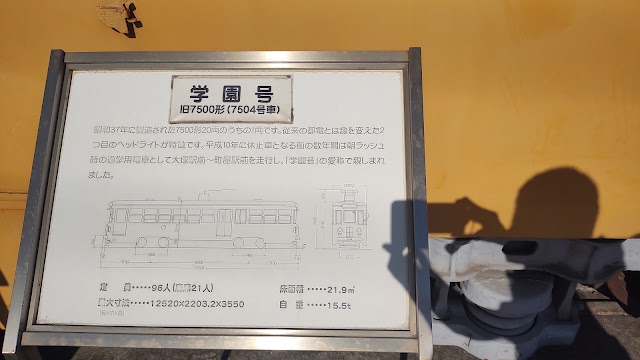
  • Toden Omoide Hiroba (Arakawa-shakomae): free, open only on weekends and public holidays 10:00-16:00, displaying 5500-series No. 5501 (1954, the PCC car) and 7500-series No. 7504 (1962).
  • Arakawa Yuen: ¥800 adults, ¥200 elementary, ¥400 junior high, ¥400 over-65s, free for preschoolers aged 3+. Free pass ¥1,800 adults; single ride tickets ¥100; After-4 admission ¥500 adults. Open 9:00-17:00, closed Tuesdays, open daily during the summer holidays.
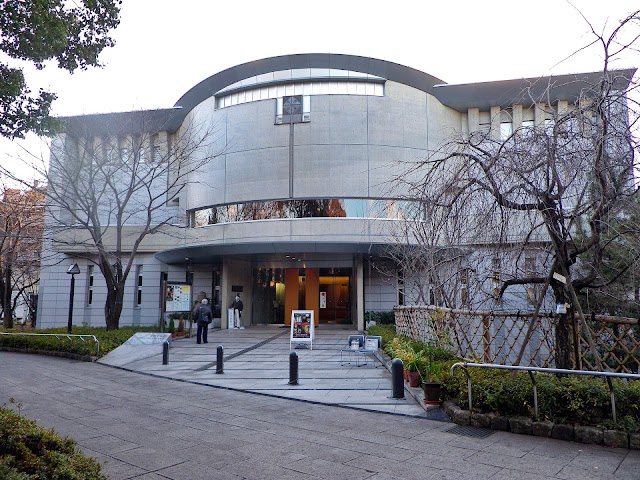
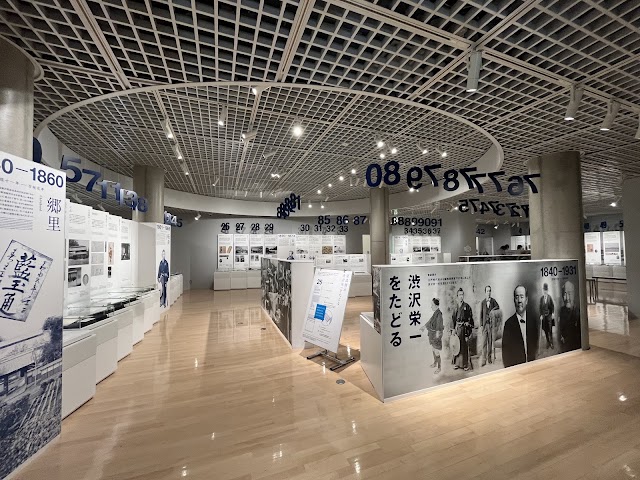
  • Shibusawa Memorial Museum (Asukayama Park): ¥300 general, ¥100 students, 10:00-16:00. The park also holds the Kita City Asukayama Museum and the Paper Museum, and the Ascalgo inclined lift is free.
  • Minowabashi Omoide-kan: free, 10:00-18:00, closed Tuesdays and Wednesdays (open when these fall on holidays) and 29 Dec-3 Jan.
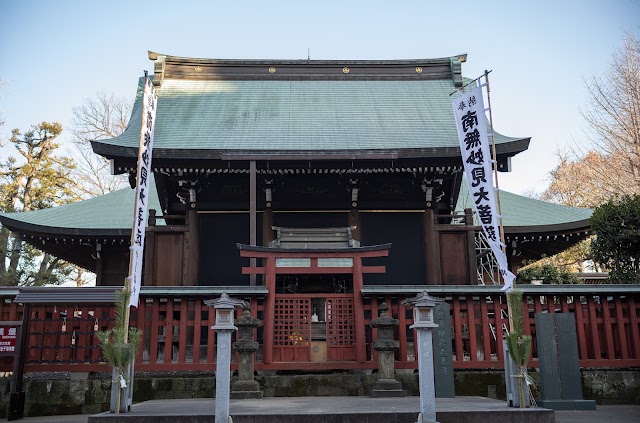
  • Zoshigaya Kishimojin-do's main hall dates from 1664, with the connecting room and worship hall added in 1700; designated an Important Cultural Property on 25 July 2016. Sugamo's Togenuki Jizo holds its festival days on the 4th, 14th and 24th of each month.
Analysis

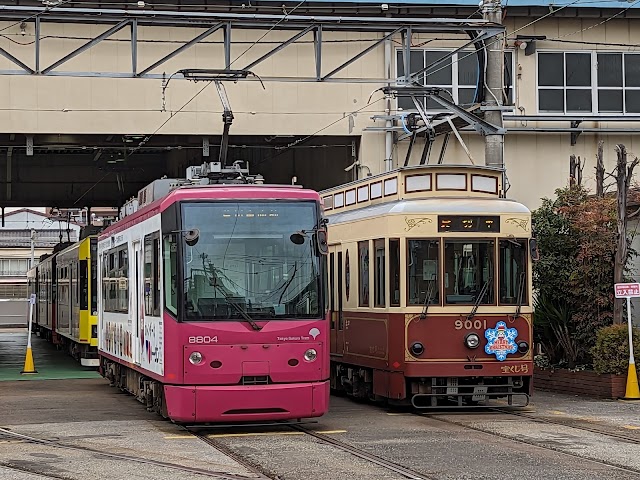
Tokyo once had a streetcar network of over two hundred kilometres. Two lines remain, and the Toden Arakawa Line is the larger of them: about twelve kilometres and thirty stops from Minowabashi in the east to Waseda in the west, roughly an hour end to end. What makes it unusual is not nostalgia but function — most passengers are locals going to the shops, the hospital or school, with visitors a minority on the same car.

For a traveller the value is in the fare structure. The line charges a flat ¥170 for adults (¥168 by IC card) regardless of distance, while a one-day pass is ¥400 — so it starts paying off on the third ride. That makes a particular style of travel possible: get off wherever looks interesting, and if it does not hold you, catch the next tram a few minutes later. No other rail line in Tokyo supports that kind of stop-and-resume itinerary.

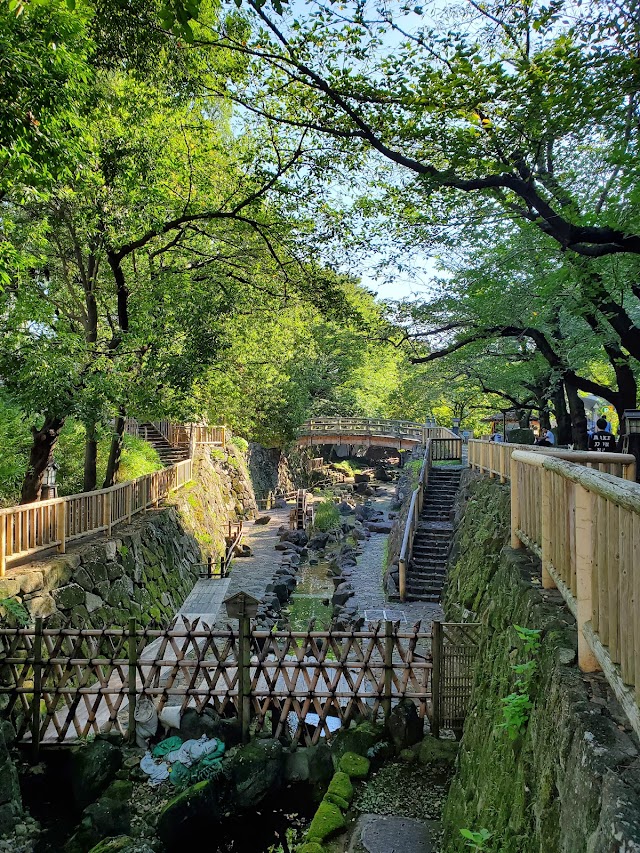
Two things make August the right month. First, water: Otonashi Shinsui Park is shallow enough to wade in, and Arakawa Yuen sits against the Sumida River, opens daily through the school holidays and offers After-4 admission at ¥500 for adults, which skips the hottest hours. Second, the indoor stops are cheap or free — Toden Omoide Hiroba costs nothing (weekends and holidays only) and the Shibusawa Memorial Museum is ¥300, so an afternoon thunderstorm has somewhere to go.

The ten stops below run east to west in riding order: two at the terminus, two around the depot and amusement park, three at Oji and Asukayama, two in Sugamo and one at the far end. Six to eight hours with meals and visits; splitting it in two at Asukayama also works.

The Analysis Desk

[1] Do the fare arithmetic first. The Arakawa Line charges a flat fare — ¥170 for adults (¥168 by IC), ¥90 for children (¥84 IC) — whether you ride one stop or thirty. The one-day pass is ¥400 adults, ¥200 children. Two rides cost ¥340, three cost ¥510, so the pass breaks even the moment you board a third time, and this route involves at least eight boardings. That changes how you travel, not just what you spend: with the marginal cost of each ride at zero, you can get off wherever looks interesting and rejoin a few minutes later. Note the ticket variants: magnetic passes are sold at the depot office, commuter-pass offices and Minowabashi Omoide-kan, with advance ones valid for any single day within six months; IC day passes are sold only on board; and the RYDE PASS digital version must be bought before boarding.

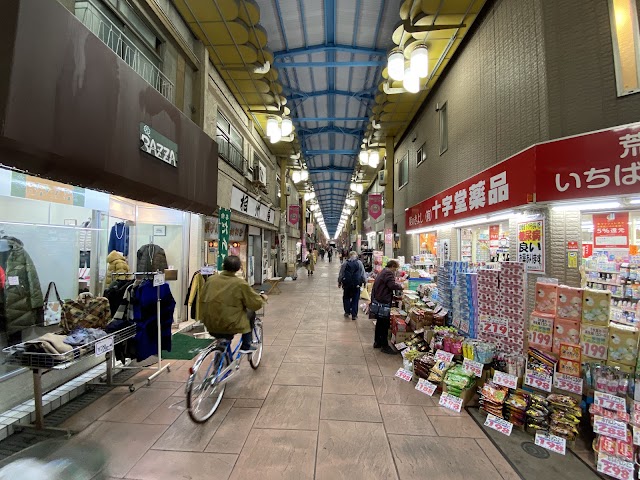
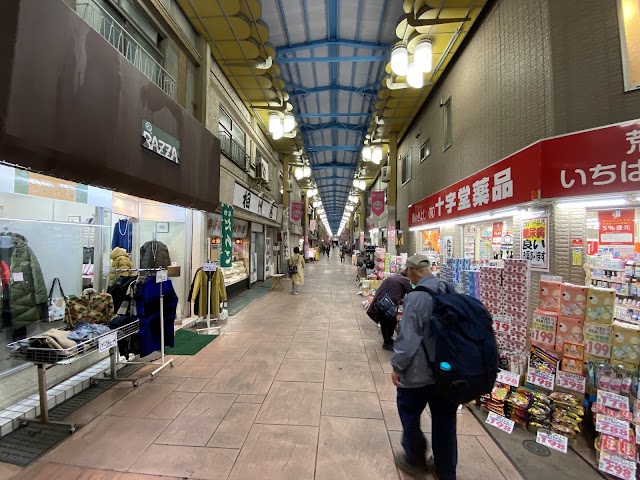
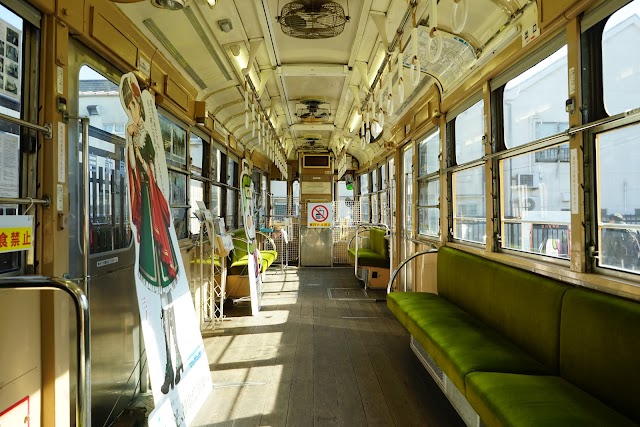
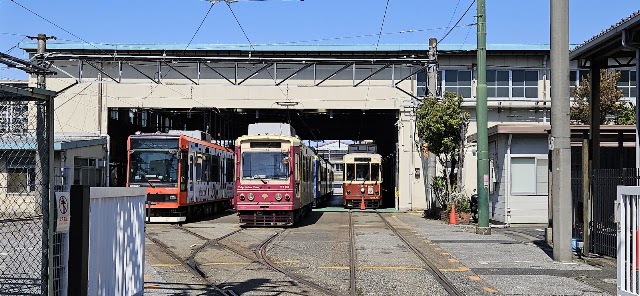
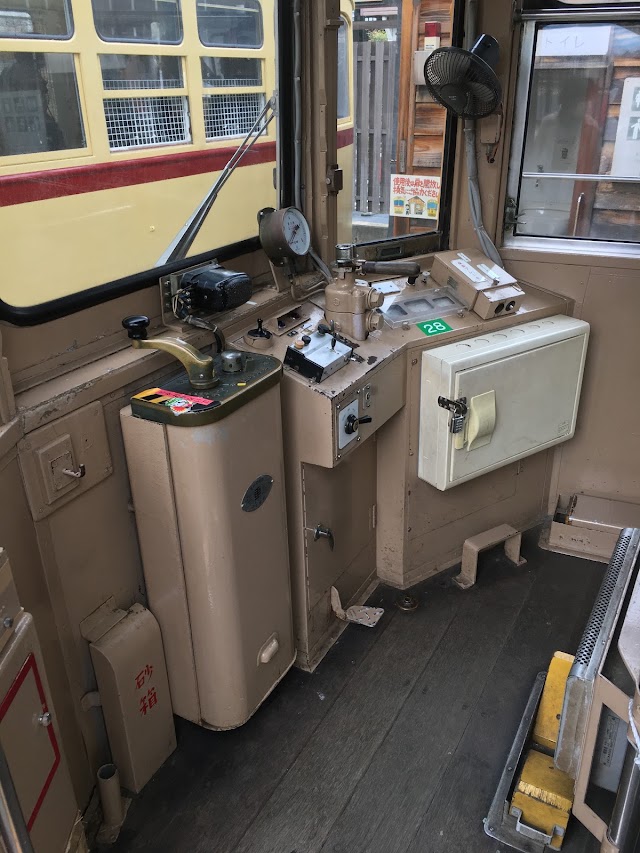
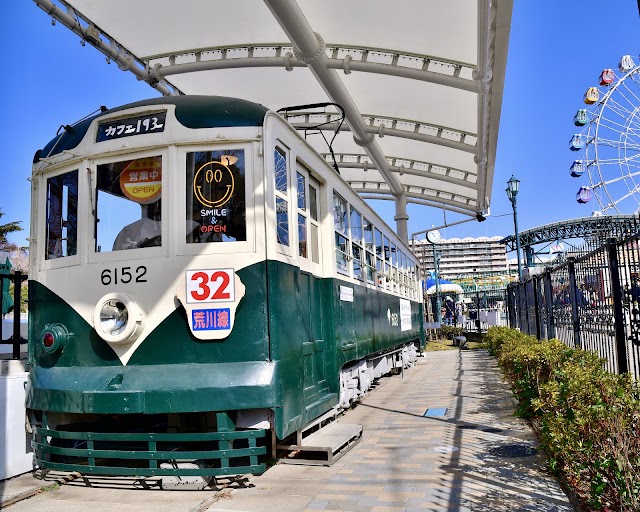
[2] The eastern half. Start at Minowabashi, where the old platform and its planting survive and the free Omoide-kan (10:00-18:00, closed Tuesdays and Wednesdays) sells magnetic passes. The covered Joyful Minowa arcade begins right outside — about a hundred shops, mostly food, and a regular filming location. A few stops west, Toden Omoide Hiroba at Arakawa-shakomae opens two retired cars for you to walk into: the 1954 5500-series No. 5501, the streamlined PCC car, and the 1962 7500-series No. 7504, with mock driving consoles inside. It is free — but open only on weekends and public holidays, 10:00-16:00, which is the scheduling trap on this line.

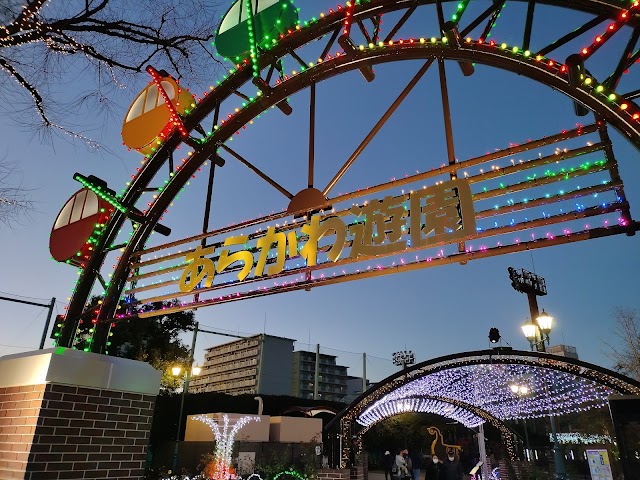
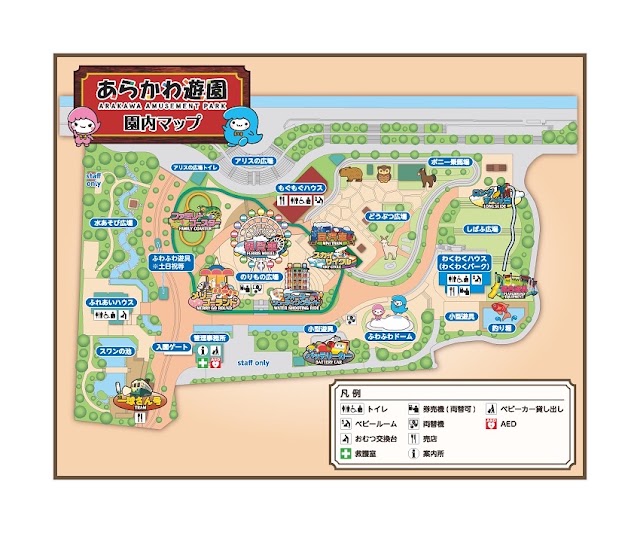
[3] Arakawa Yuen and the After-4 ticket. The ward-run amusement park charges ¥800 for adults, ¥400 junior high, ¥200 elementary, ¥400 for over-65s, free for preschoolers aged three and up, with rides at ¥100 each or a ¥1,800 adult free pass. In August the right choice is After-4: enter from 16:00 for ¥500 as an adult, ¥100 elementary, ¥200 for junior high and over-65s, which avoids the peak heat and catches the river breeze before the 17:00 close (20:00 on evening-opening days). The park stays open daily through the school holidays, dropping its usual Tuesday closure, and the free pass excludes coin-operated rides, the fishing pond, animal feed and pony rides.

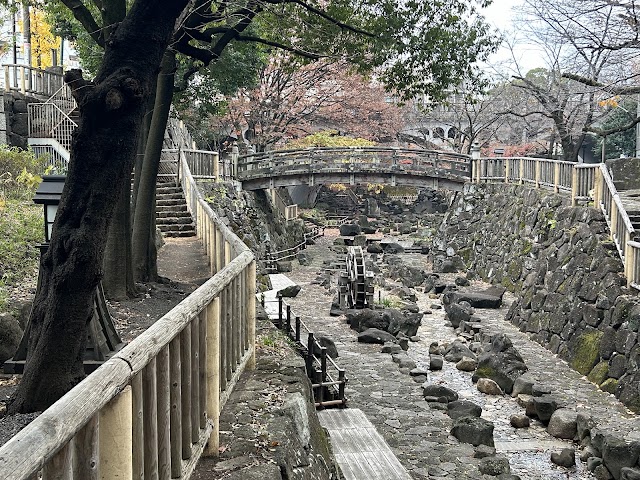
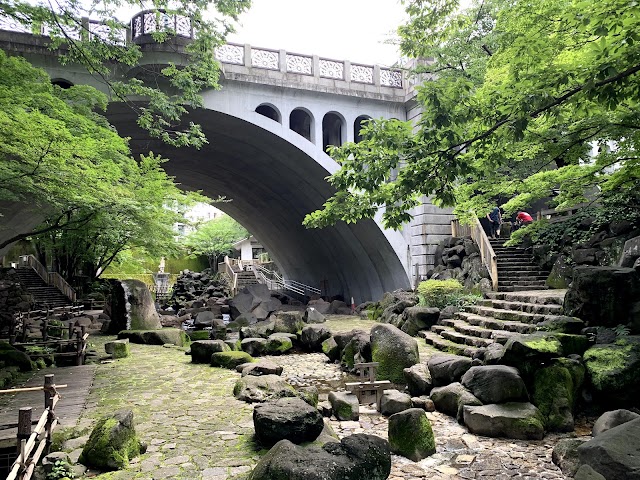
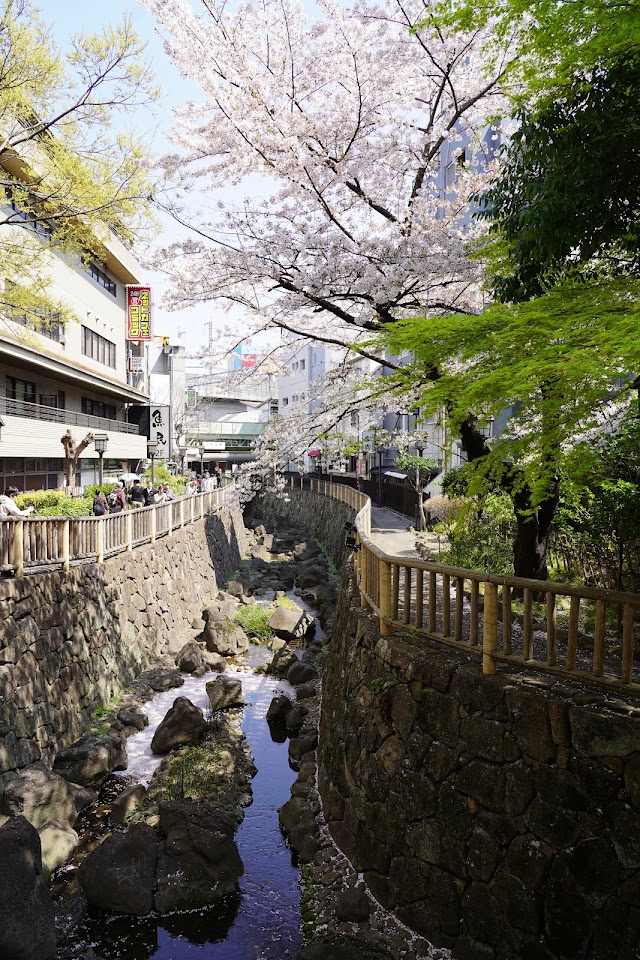
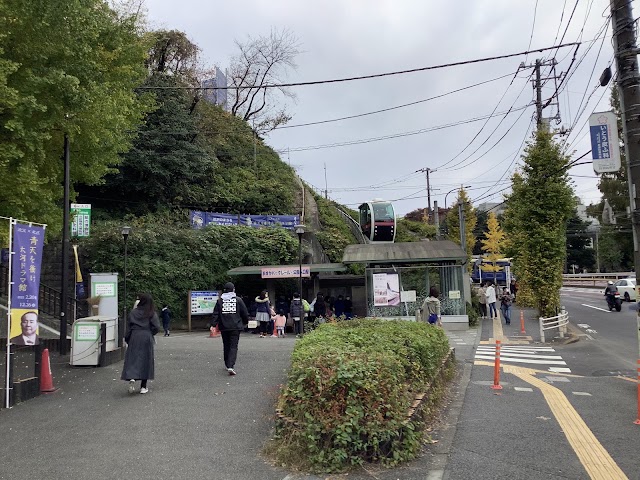
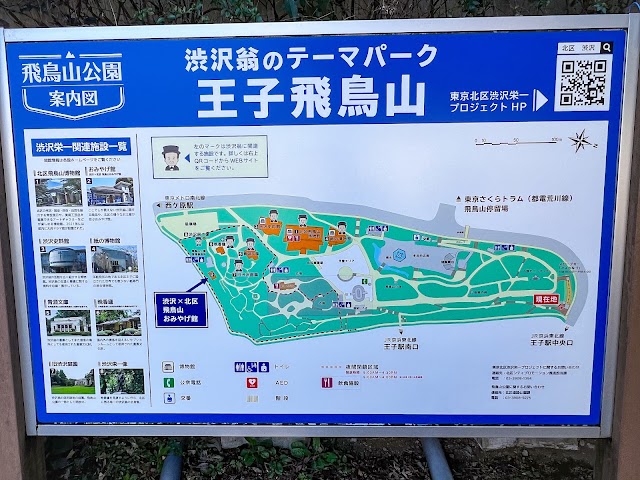
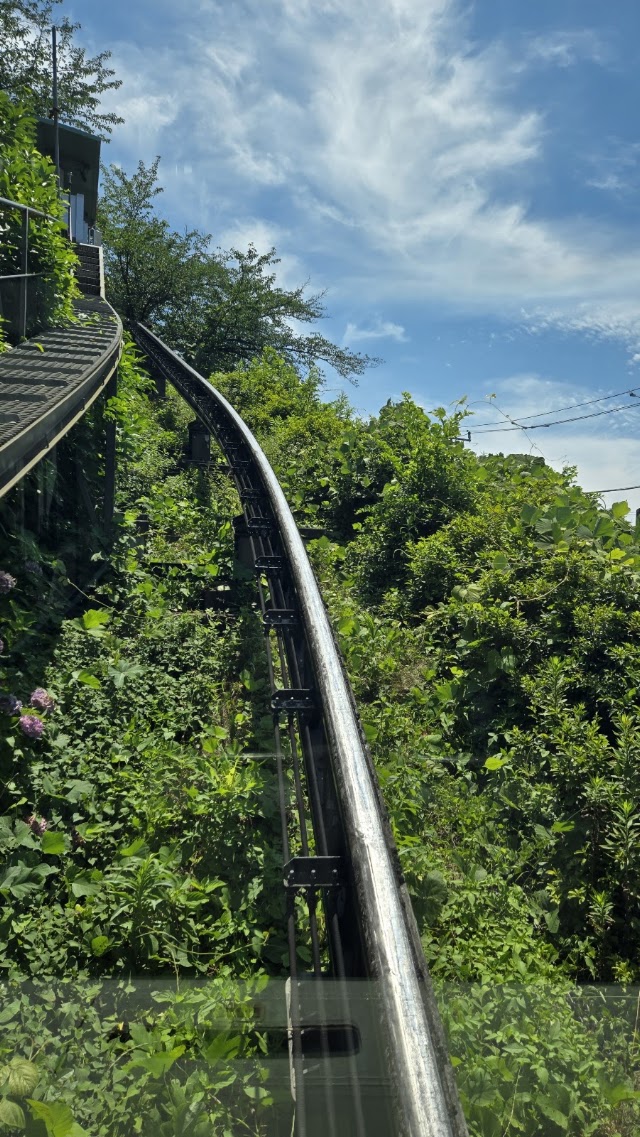
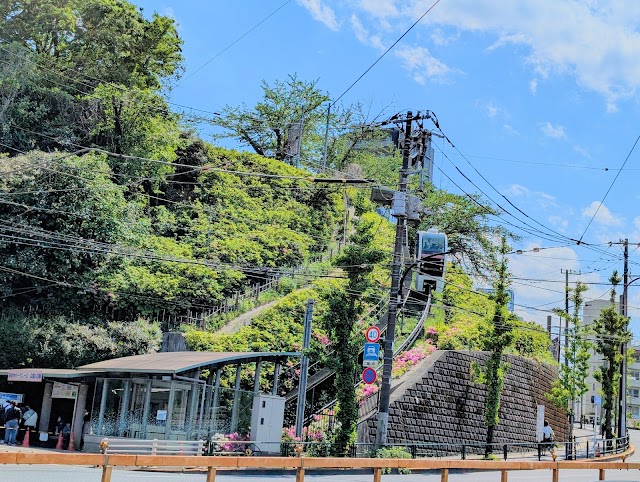
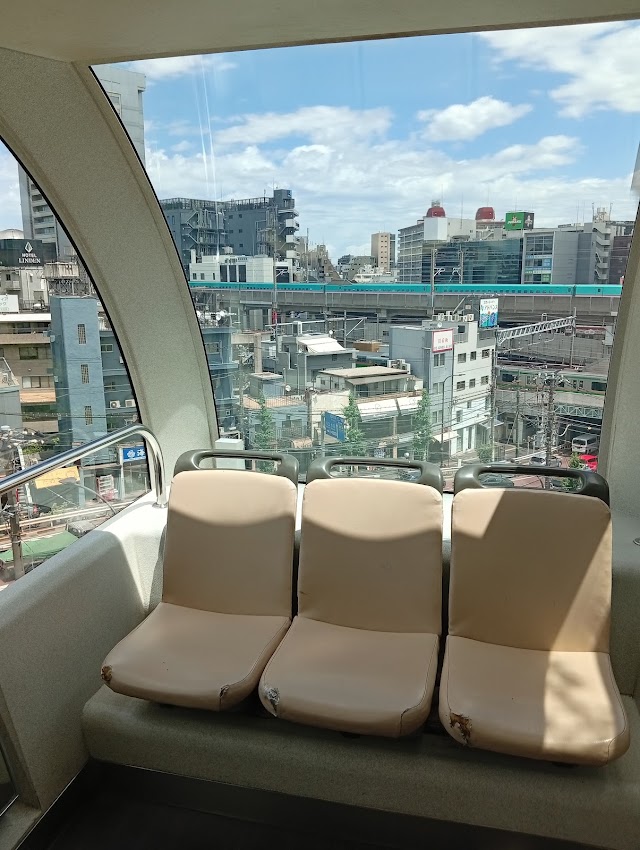
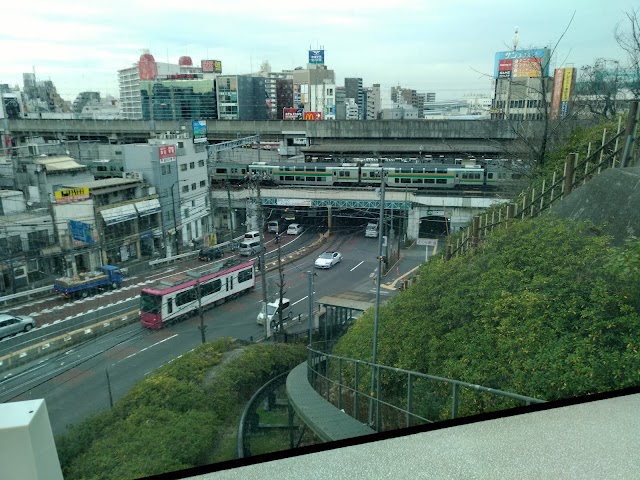
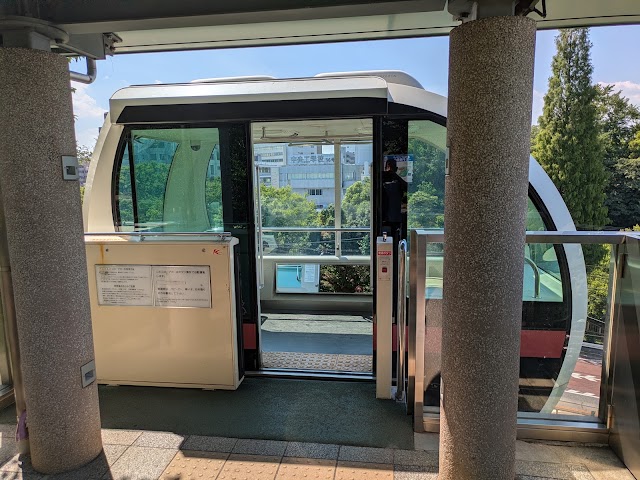
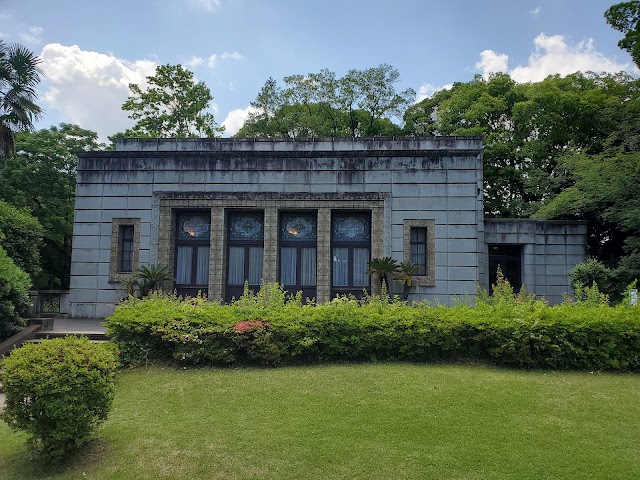
[4] Oji and Asukayama. Otonashi Shinsui Park, three minutes from the Oji-ekimae stop, is a shallow stream park on the old course of the Shakujii River, listed among Japan's hundred notable urban parks and the best cooling stop on the line. Above it, Asukayama Park is reached by a free self-propelled inclined lift nicknamed Ascalgo, which doubles as a step-free route for strollers and older visitors; a D51 steam locomotive and a retired Toden car sit at the top. Of the three museums on the hill, the Shibusawa Memorial Museum (¥300 general, ¥100 students, 10:00-16:00) covers Shibusawa Eiichi, the face of the ¥10,000 note since 2024, who helped found over five hundred companies and some six hundred social projects and lived here in later life — an hour and ¥300 for the skeleton of modern Japanese corporate history.

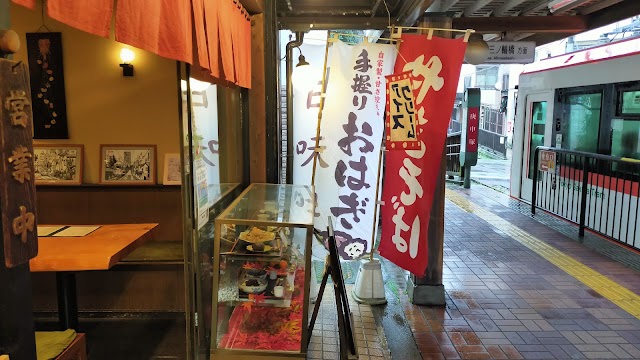
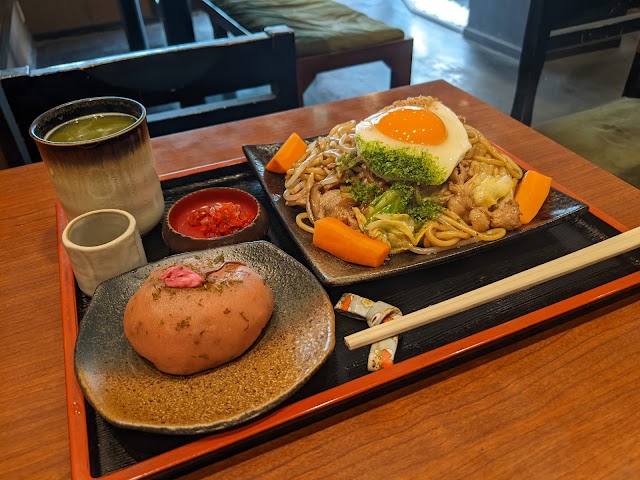
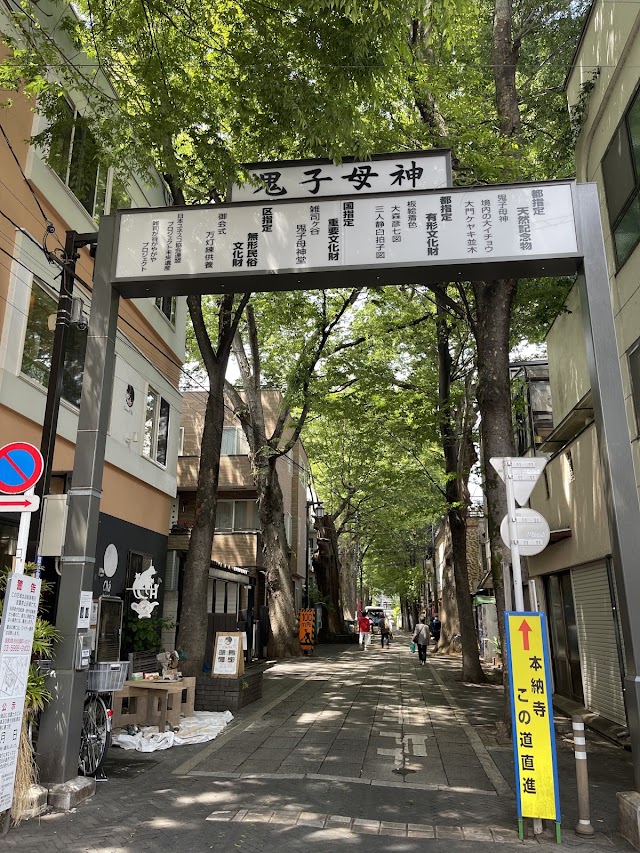
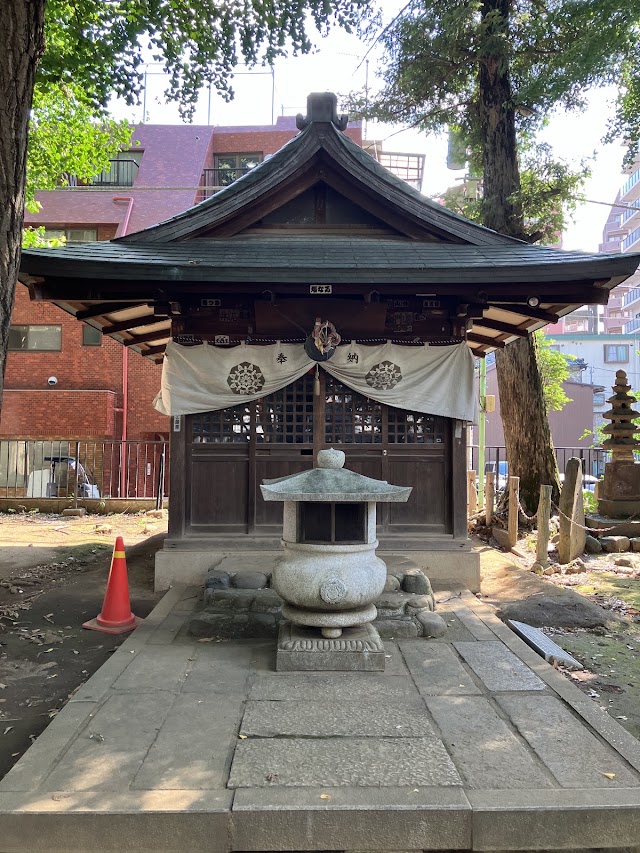
[5] The western half. At Koshinzuka the point is the platform itself, where Ippukutei serves handmade ohagi with yakisoba as trams pass a metre away — the natural mid-route break. One minute from there begins Sugamo Jizo-dori, eight hundred metres and two hundred shops known as the Harajuku for grandmothers. What is worth looking at is not the red underwear but the design: gentle gradients, enlarged signage, frequent seating, unhurried service — a street rebuilt around older customers. Kogan-ji, midway, enshrines the Togenuki Jizo, and the 4th, 14th and 24th are festival days with far bigger crowds. The route ends at Kishibojinmae, where an avenue of old zelkova leads to Zoshigaya Kishimojin-do: main hall of 1664, worship hall added 1700, designated an Important Cultural Property on 25 July 2016.

[6] Three common misjudgements. The tram is a working commuter line, not a sightseeing train — suitcases block the aisle, so use a locker first. Weekdays and weekends show you different things: Omoide Hiroba opens only at weekends and holidays, Sugamo's festival days fall on the 4th, 14th and 24th, and Arakawa Yuen normally closes on Tuesdays, so check all three against your date. And in August, treat water and roofs as scheduling constraints: keep midday for the covered arcade or the indoor museums, and save the stream park and the amusement park for after 16:00, when the After-4 ticket applies anyway. If you finish at a bathhouse, note that Tokyo's regulated admission rose from ¥550 to ¥600 on 1 August 2026.
¥400 for the Whole Line: Ten Stops Along Tokyo's Last Streetcar, From Minowabashi to Kishimojin
Chart: Jp¥online
Venue Info (Google Maps)
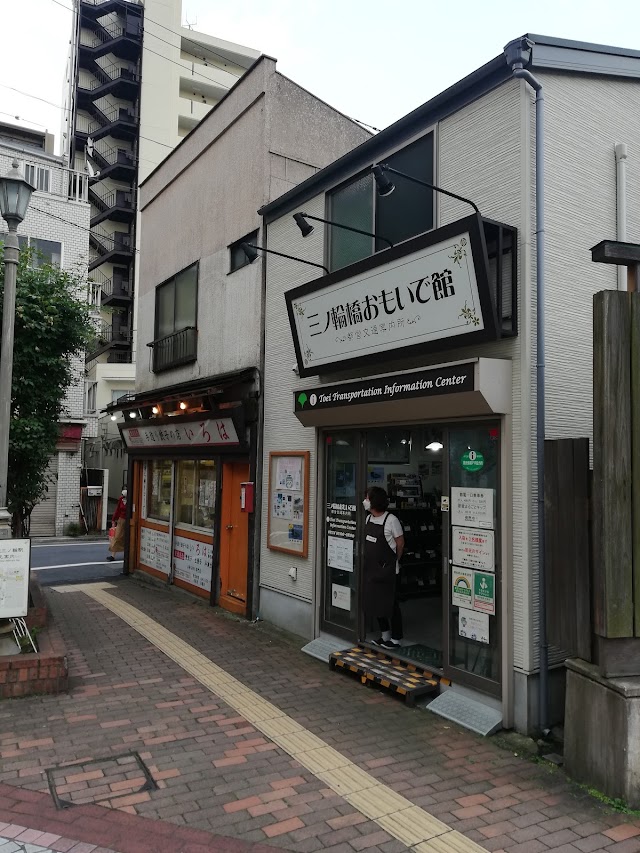
三ノ輪橋停留場・三ノ輪橋おもいで館
Photos: Shigeharu Tanaka、tatu、nao10s、服部博之、浩二、Kî Ngô͘、M T / Google Maps
三ノ輪橋停留場・三ノ輪橋おもいで館
Why we recommend
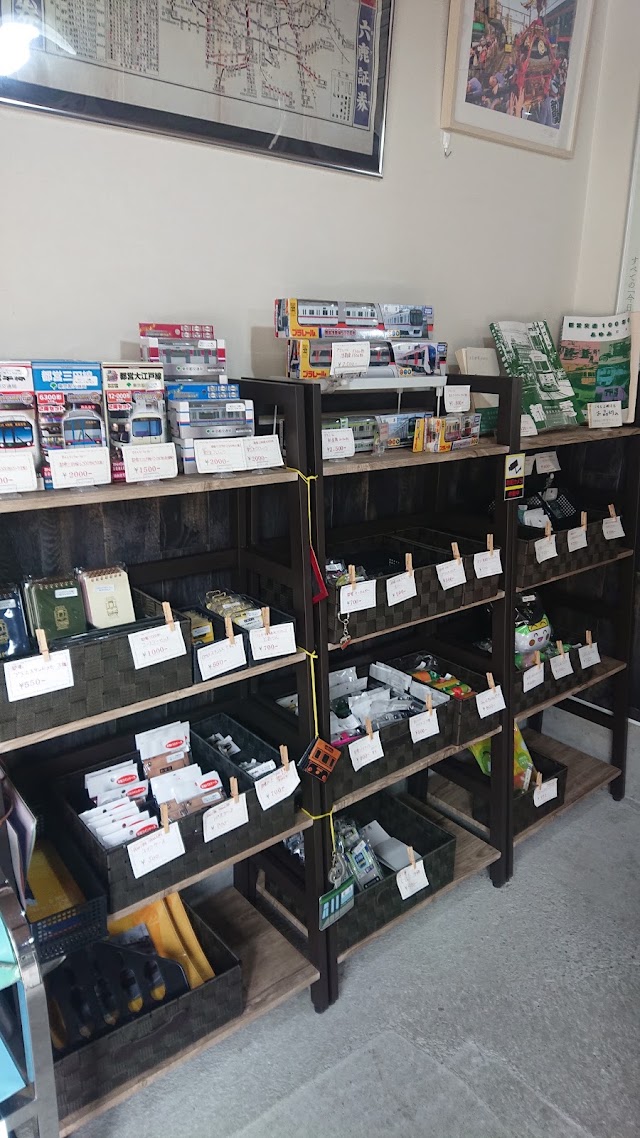
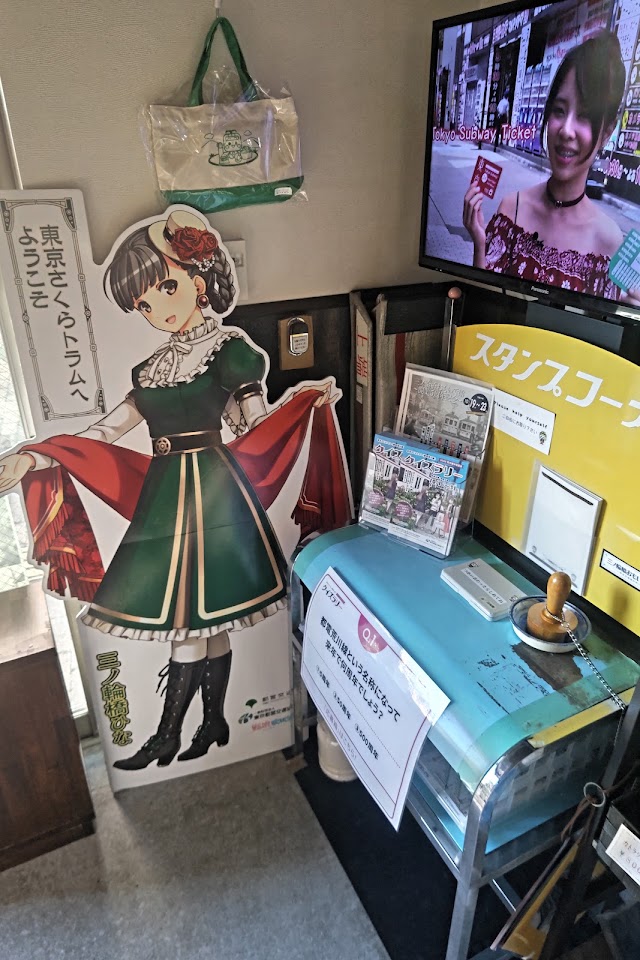
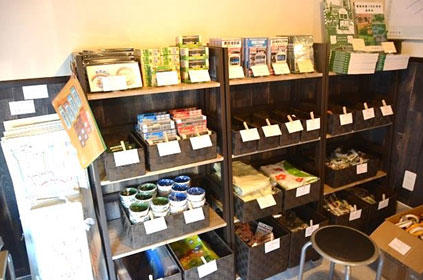
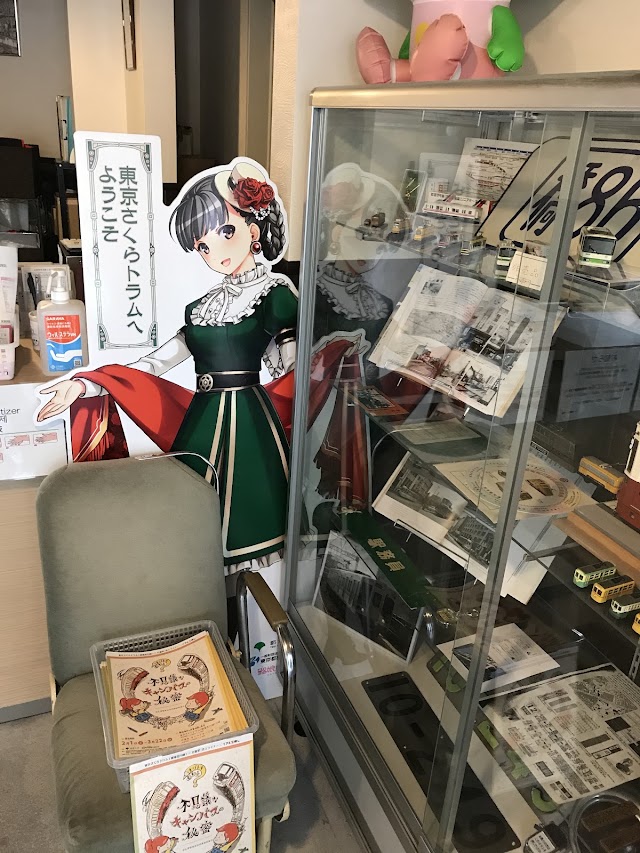
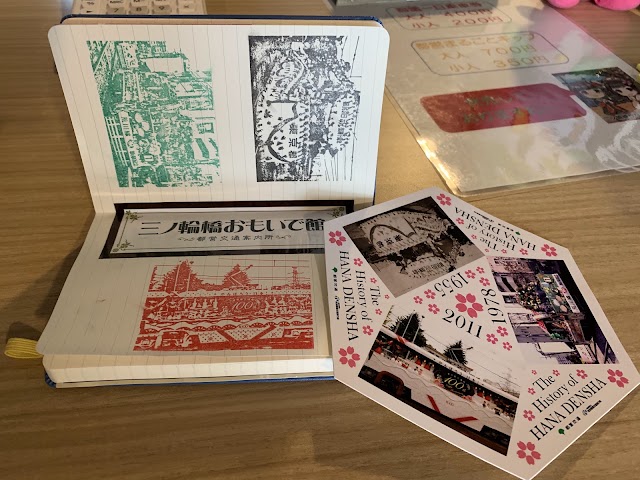
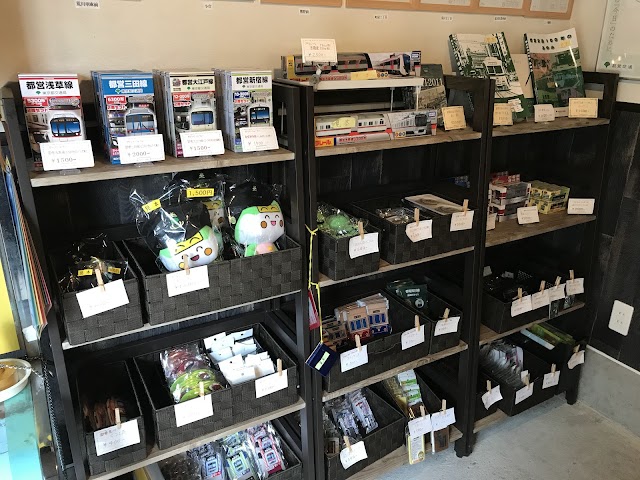
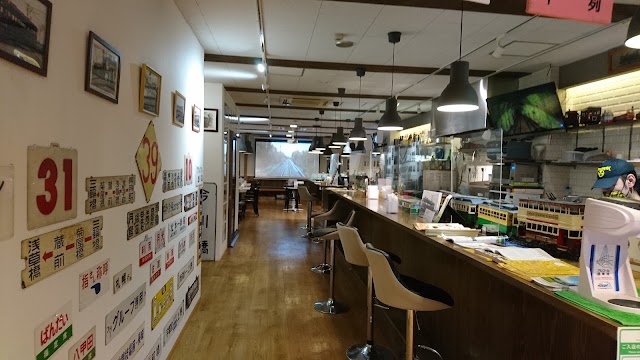
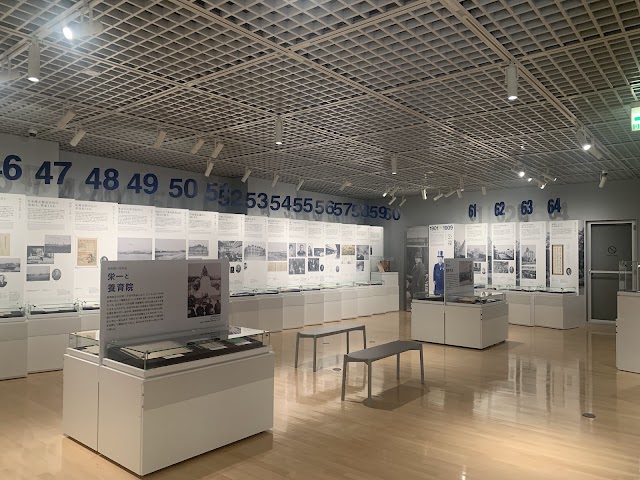
Starting the line from this end is not only about it being the terminus. The Minowabashi stop keeps its old low platform and planting, and the structure itself is a postcard; beside it, the Bureau of Transportation runs a small free exhibition room with tram models and historical material. More practically, magnetic one-day passes are sold here — one of the few points on the line where you can keep a physical ticket stub, since the trams themselves only sell same-day and IC versions. Plan the day east to west: leave here in the morning, finish at Waseda in the evening, and the sun stays behind you rather than in the window.
★ Minowabashi Omoide-kan opens 10:00-18:00, closed Tuesdays and Wednesdays (open when these are holidays) and 29 Dec-3 Jan. The platform is narrow — watch for trams and other passengers when taking photographs.
VENUE INFO
Address: 1-chōme-12-6 Minamisenju, Arakawa City, Tokyo 116-0003
Hours: Monday: 10:00 AM – 6:00 PM; Tuesday: Closed; Wednesday: Closed; Thursday: 10:00 AM – 6:00 PM; Friday: 10:00 AM – 6:00 PM; Saturday: 10:00 AM – 6:00 PM; Sunday: 10:00 AM – 6:00 PM
Closed: Tuesday, Wednesday
Nearest Sta.: Tokyo Sakura Tram (Toden Arakawa Line) Minowabashi; about 5 minutes from Minowa Station on the Tokyo Metro Hibiya Line
Price: Free entry. The Toden one-day pass is ¥400 for adults and ¥200 for children, and magnetic-card passes are sold here
Google rating: 4.2(51 則評論)
Verified: 2026-08-16 16:01 Google Maps
ジョイフル三の輪商店街
Photos: Joy Wu、tatu、JAPAN a GO、F L、Kei Iguchi、Yassan62、Coo progressive、Platea U / Google Maps
ジョイフル三の輪商店街
Why we recommend
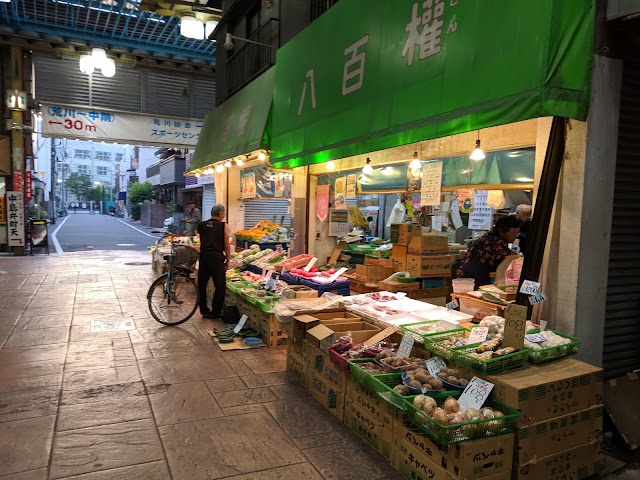
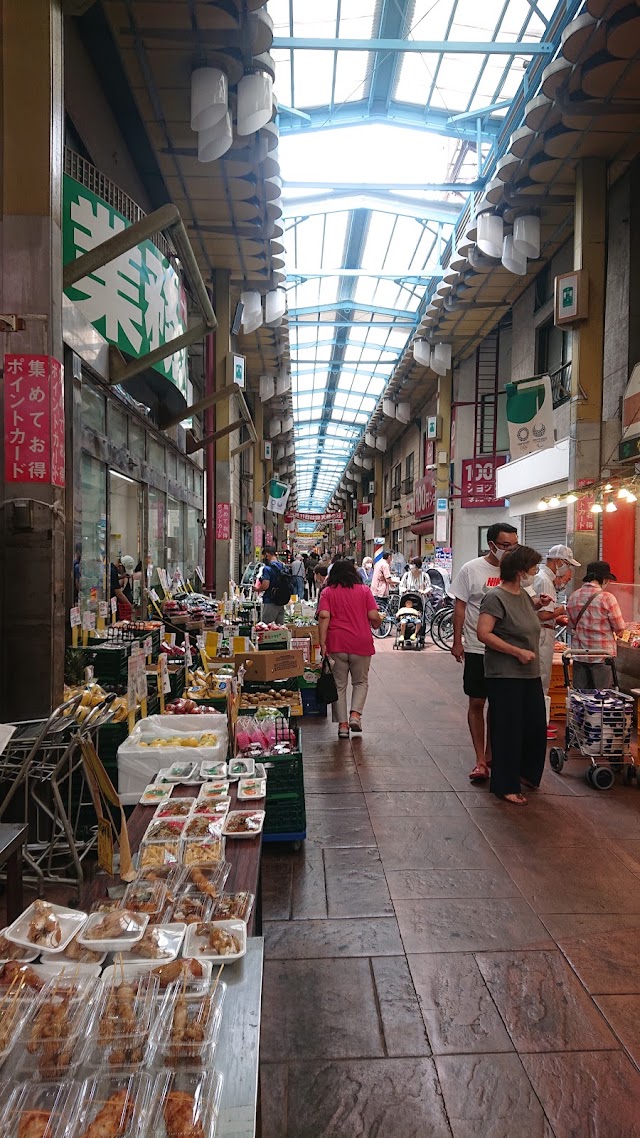
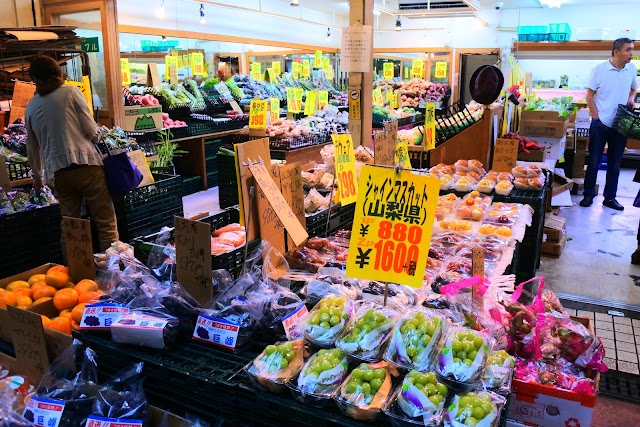
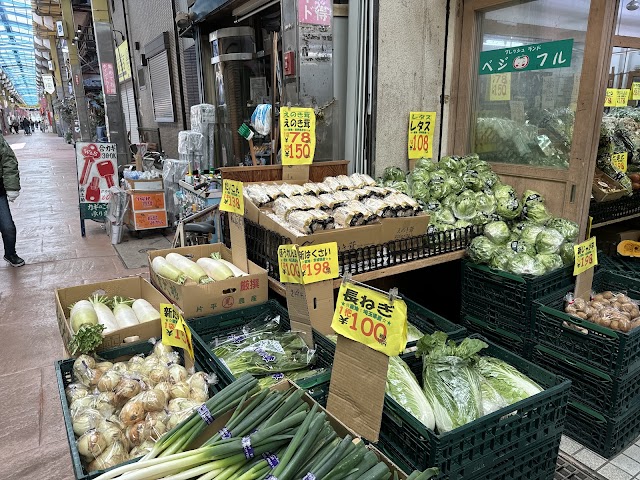
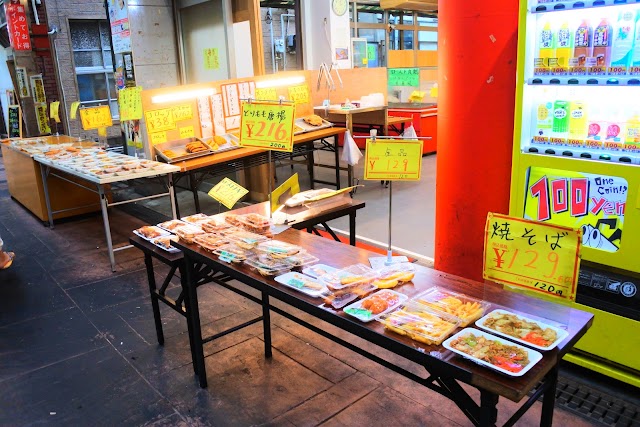
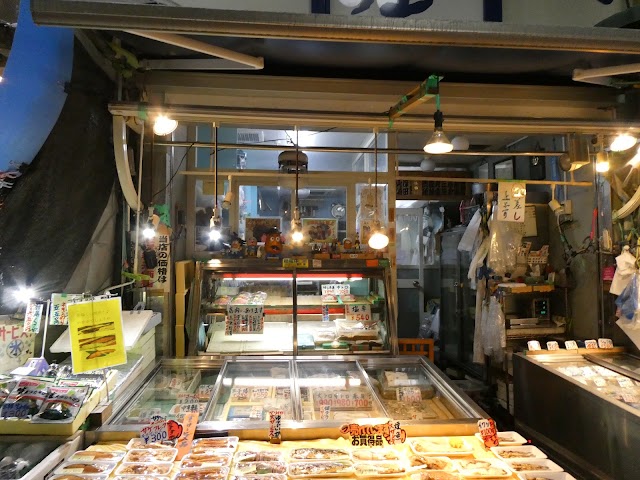
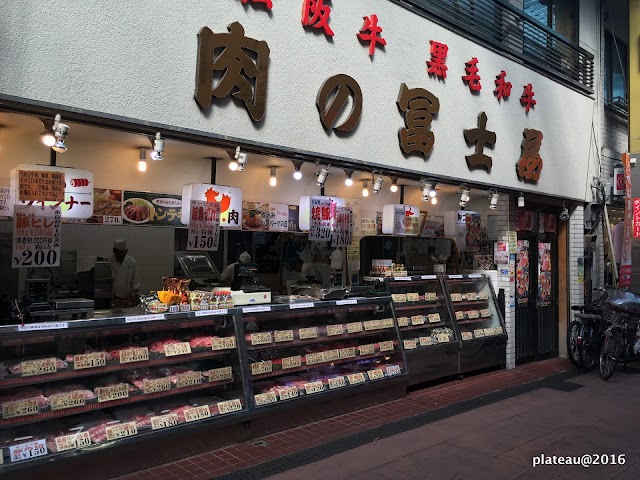
Step out of the tram stop and you are already in this covered arcade of about a hundred shops: prepared food, butchers, greengrocers, bento, bakeries and clothing — a mix assembled for residents, with almost nothing aimed at tourists. Japanese film crews use it often (Shoplifters and The Fish Tale both shot here) for the obvious reason that the Showa atmosphere is not a set but a working street. The best use of it is breakfast or lunch: croquettes, fried snacks and skewers mostly run one or two hundred yen, so buy a few things and eat as you walk. In August it has one more advantage — the arcade is roofed, one of the few shaded stretches on the whole route.
★ Most shops are family-run with varying closing days, and many shut between 18:00 and 19:00. Some take cash only. The street runs a regular sale event on the 11th of each month.
VENUE INFO
Address: 1-chōme-19-1 Minamisenju, Arakawa City, Tokyo 116-0003
Phone: 03-3801-1633
Hours: Monday: 10:00 AM – 8:00 PM; Tuesday: 10:00 AM – 8:00 PM; Wednesday: 10:00 AM – 8:00 PM; Thursday: 10:00 AM – 8:00 PM; Friday: 10:00 AM – 8:00 PM; Saturday: 10:00 AM – 8:00 PM; Sunday: 10:00 AM – 8:00 PM
Nearest Sta.: About 1 minute from Minowabashi tram stop
Price: Free to walk; takeaway food mostly ¥100-500
Google rating: 3.8(368 則評論)
Verified: 2026-08-16 16:01 Google Maps
都電おもいで広場(荒川車庫前)
Photos: 上松みき、やまちゃん、山崎修平、komeayu、Hiro Ishibashi、naomiku99、森田直樹、内田匡亮、ぽんぽこ / Google Maps
都電おもいで広場(荒川車庫前)
Why we recommend
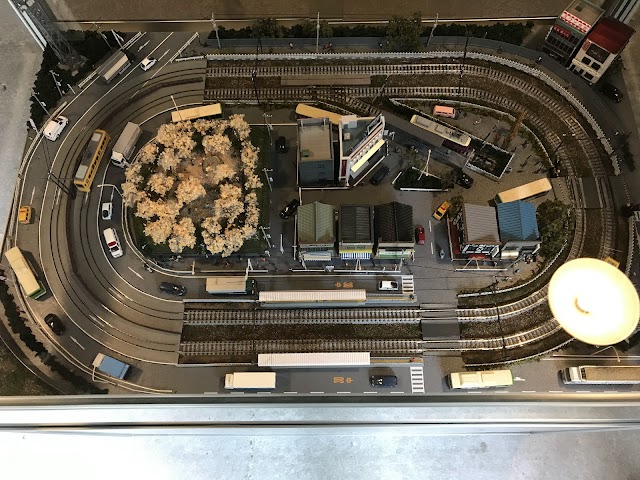
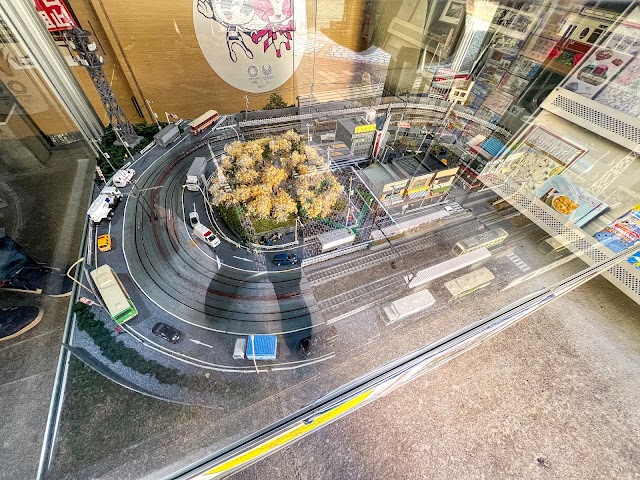
Beside the tram depot sit two retired cars you can walk into: a 5500-series No. 5501 built in 1954, the streamlined high-performance type known as the PCC car, and an older 7500-series No. 7504 from 1962 with its twin-headlight face, once nicknamed the school car. Inside are mock driving consoles and a diorama of the line, and children can sit in the driver's seat and work the handle. It is free with no booking — but it only opens at weekends and on public holidays, which is the easiest scheduling mistake to make on this route, since a weekday visit finds the gate shut. Thirty minutes is enough; then ride one stop to the amusement park.
★ Open Saturdays, Sundays and public holidays (including substitute holidays) 10:00-16:00; closed on weekdays. The site is small with no food facilities, but has an accessible toilet.
VENUE INFO
Address: 8-chōme-33-7 Nishiogu, Arakawa City, Tokyo 116-0011
Phone: 03-3893-7451
Hours: Monday: Closed; Tuesday: Closed; Wednesday: Closed; Thursday: Closed; Friday: Closed; Saturday: 10:00 AM – 4:00 PM; Sunday: 10:00 AM – 4:00 PM
Closed: Monday, Tuesday, Wednesday, Thursday, Friday
Nearest Sta.: Right at the Arakawa-shakomae tram stop
Price: Free
Google rating: 4.2(275 則評論)
Verified: 2026-08-16 16:01 Google Maps
あらかわ遊園
Photos: Unkle So、Daemian Koh、daizo sato、Onsen Club、ゴールドストロング、yasuhiko watanabe、A ISHIDA、N S、Takatoshi Hida、Hajime Taira / Google Maps
あらかわ遊園
Why we recommend
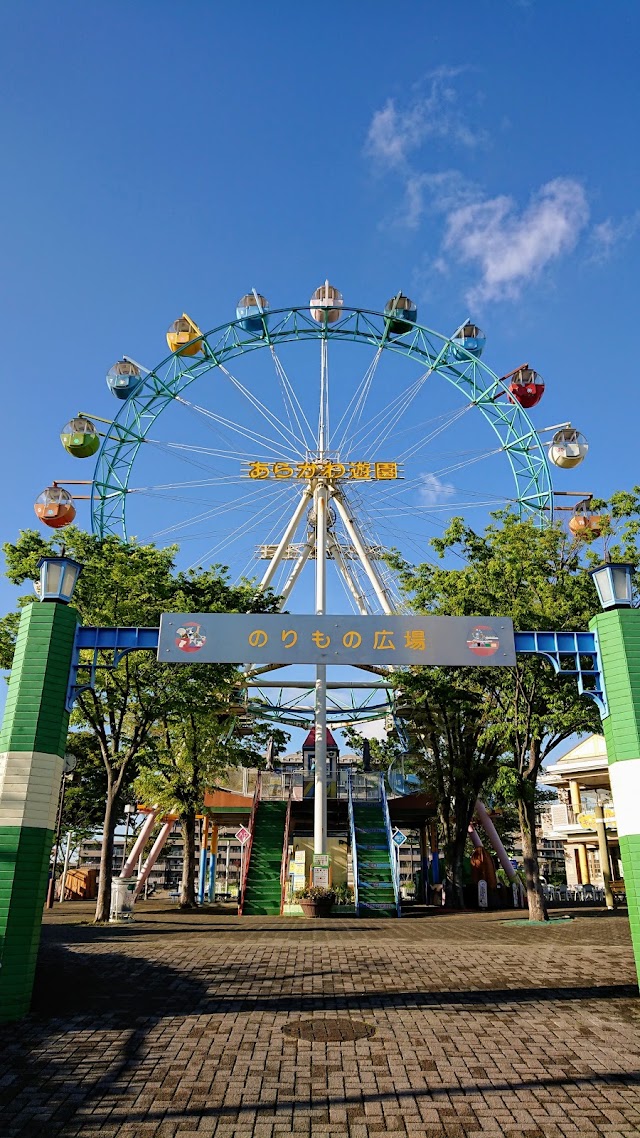
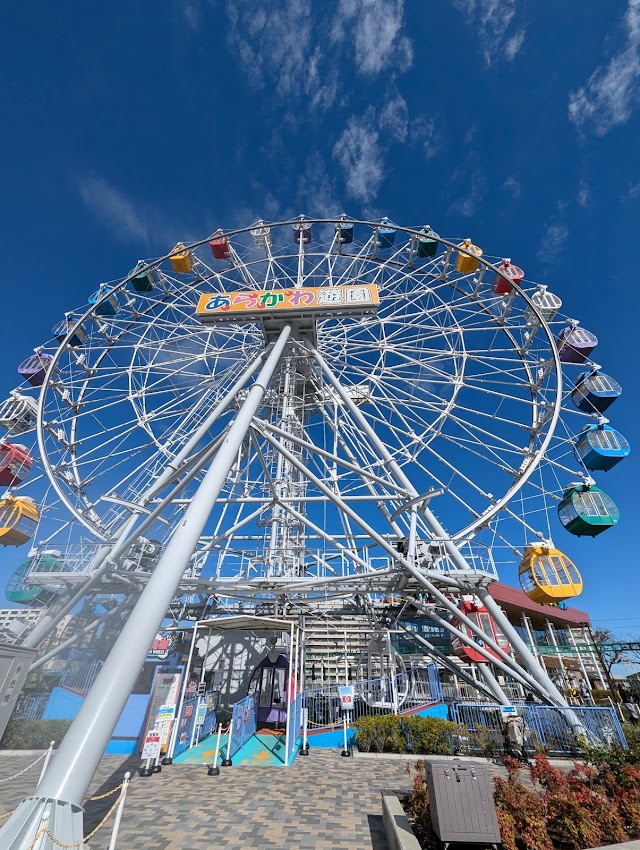
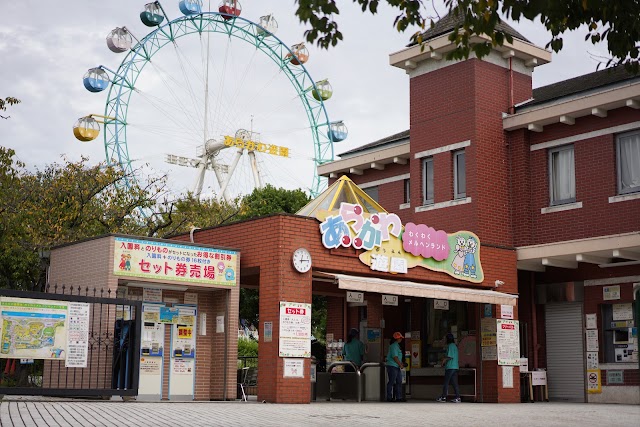
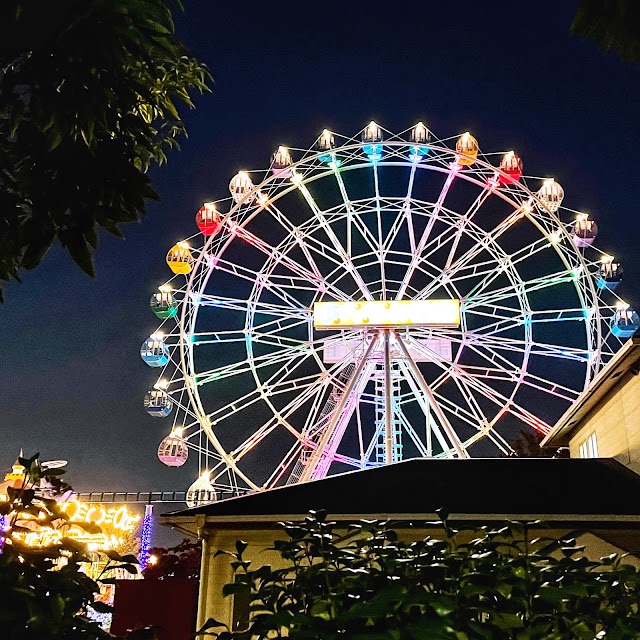
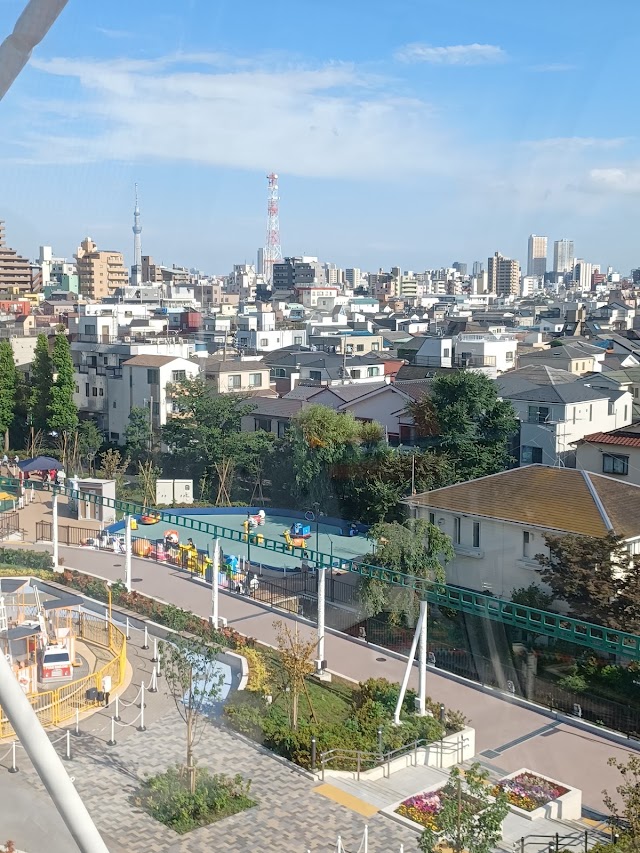
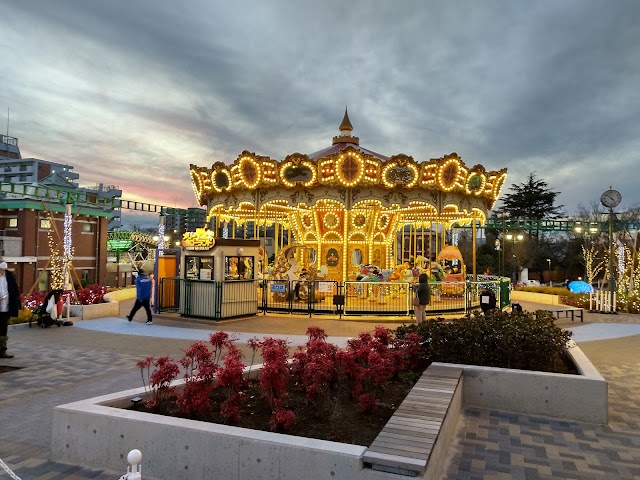
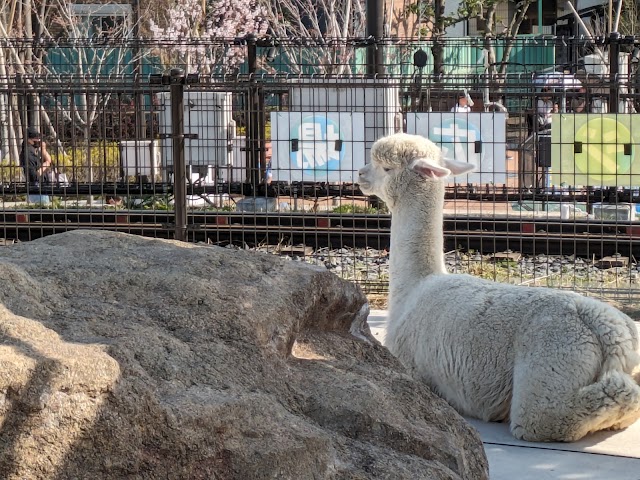
A ward-run amusement park, in a different category from central Tokyo's big parks in both price and scale: ¥800 to enter, ¥100 a ride, a Ferris wheel and carousel slow enough for a three-year-old, plus a small animal corner and a fishing pond. For families it is a clear proposition — half a day, two or three thousand yen, and no hour-long queues. In August the useful option is After-4: enter from 16:00 for ¥500 as an adult, skipping the hottest hours, with a better breeze off the river towards sunset. The park sits against the Sumida River, and the embankment path outside makes a natural way to end the visit before catching the tram back.
★ Open 9:00-17:00 (to 20:00 on evening-opening days), closed Tuesdays (or the next weekday when Tuesday is a holiday) and 29 Dec-1 Jan; open daily during the summer holidays. The free pass excludes coin-operated rides, the fishing pond, animal feed and pony rides. Free admission for visitors with a disability certificate (free pass not included).
VENUE INFO
Address: 6-chōme-35-11 Nishiogu, Arakawa City, Tokyo 116-0011
Phone: 03-3893-6003
Hours: Monday: 9:00 AM – 5:00 PM; Tuesday: Closed; Wednesday: 9:00 AM – 5:00 PM; Thursday: 9:00 AM – 5:00 PM; Friday: 9:00 AM – 8:00 PM; Saturday: 9:00 AM – 8:00 PM; Sunday: 9:00 AM – 8:00 PM
Closed: Tuesday
Nearest Sta.: About 3 minutes from Arakawa-yuenchimae tram stop
Price: Admission: adults ¥800, over-65s ¥400, junior high ¥400, elementary ¥200, free for preschoolers aged 3 and over. Free pass: ¥1,800 adults, ¥1,400 over-65s, ¥1,000 junior high, ¥700 elementary, ¥500 preschool. Single ride tickets ¥100 (five for ¥500, ten for ¥1,000). After-4 admission: ¥500 adults, ¥200 over-65s and junior high, ¥100 elementary
Google rating: 4.2(3,489 則評論)
Verified: 2026-08-16 16:01 Google Maps
音無親水公園
Photos: Chou Meizai (粗眉仔)、惣名ゆうこ、Naka Hiro、剣舞右近流橘珠ゆり(さゆり)、Regulus、Robert Gaul、ichiro、VICTOR IP、Takahiro Ito、To Ri / Google Maps
音無親水公園
Why we recommend
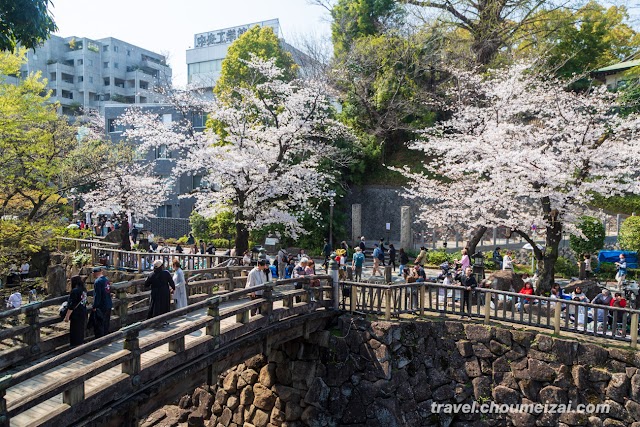
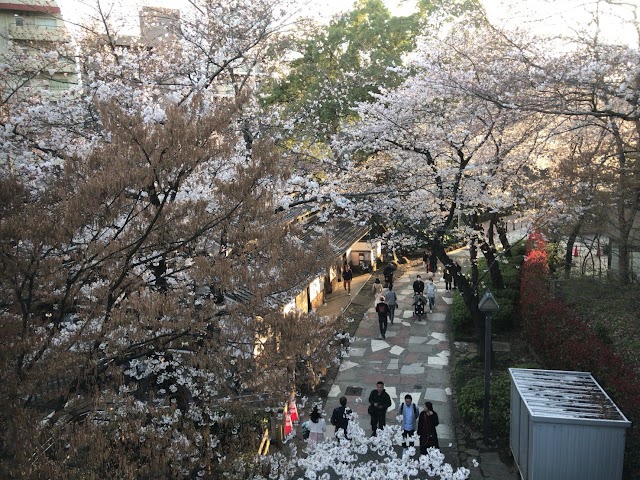
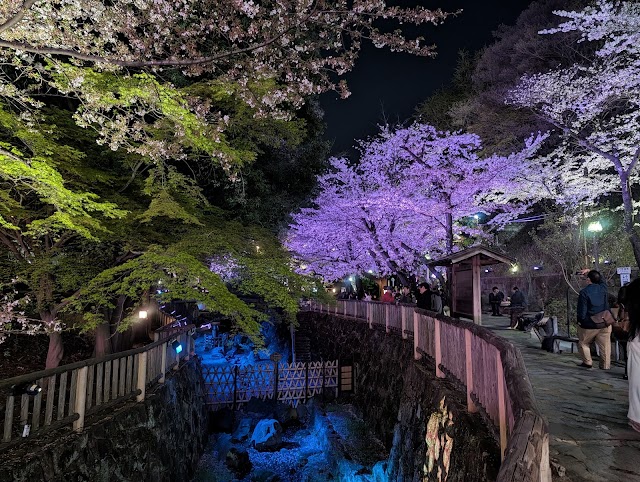
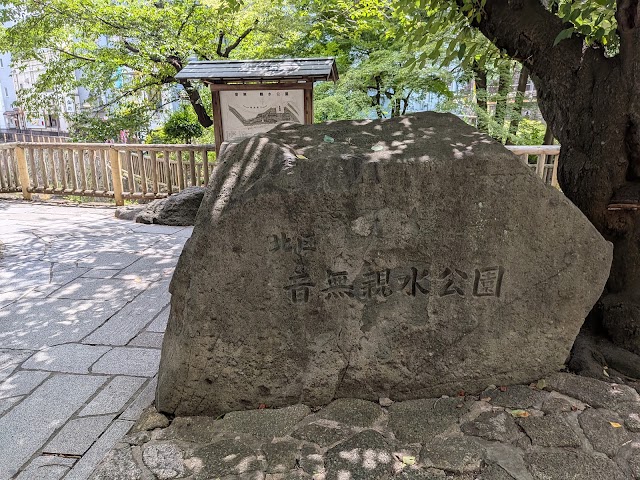
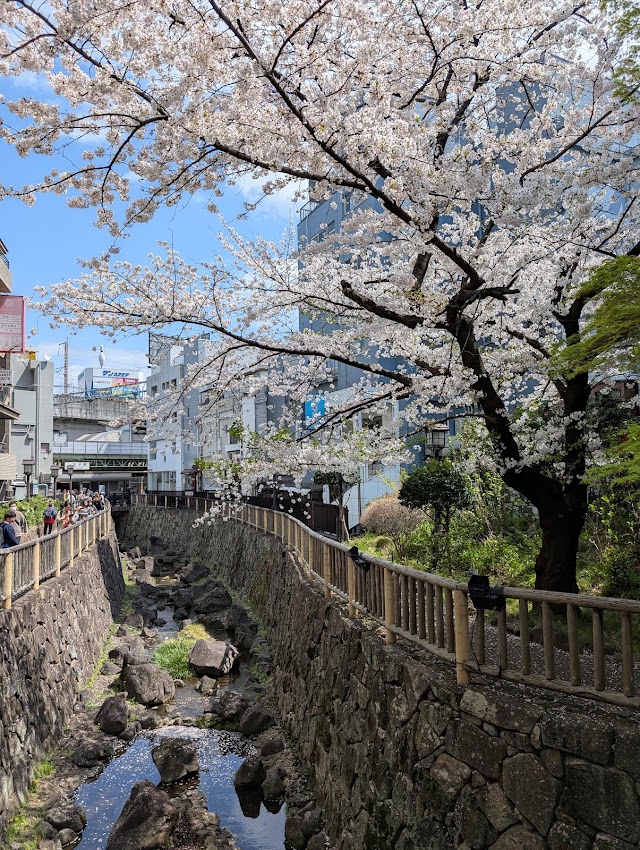
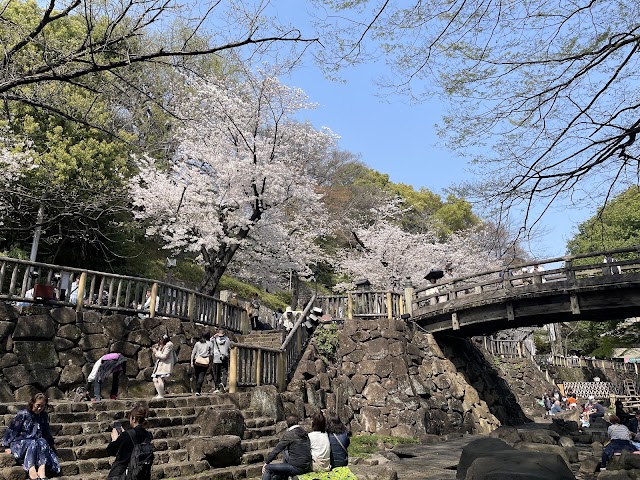
A water park built on the old course of the Shakujii River, listed among Japan's hundred notable urban parks. Its summer function is simple: water, shade, and shallow enough to wade barefoot. The bed is flat and local parents let children play here until evening, which makes it the most useful cooling stop on the line. It is three minutes from Oji Station yet sits a level below the bridge, so the traffic noise drops away as you walk down — a sinking-into-quiet that runs against most people's impression of Tokyo and is worth fifteen minutes. In the Edo period this area was a cherry-blossom destination; the Oji of ukiyo-e prints usually means this stream and Asukayama above it.
★ Shade is limited and the stonework radiates heat at midday. There are no changing facilities at the water, so bring a towel and spare clothes. Access may be restricted after heavy rain — follow on-site notices.
VENUE INFO
Address: 1 Chome-2 Ojihoncho, Kita City, Tokyo 114-0022
Phone: 03-5980-9210
Hours: Monday: 9:00 AM – 4:00 PM; Tuesday: 9:00 AM – 4:00 PM; Wednesday: 9:00 AM – 4:00 PM; Thursday: 9:00 AM – 4:00 PM; Friday: 9:00 AM – 4:00 PM; Saturday: 9:00 AM – 4:00 PM; Sunday: 9:00 AM – 4:00 PM
Nearest Sta.: About 3 minutes from Oji-ekimae tram stop
Price: Free
Google rating: 4.2(590 則評論)
Verified: 2026-08-16 16:01 Google Maps
飛鳥山公園(あすかパークレール「アスカルゴ」)
Photos: このやろう、丹沢太郎、T F、ほんかつ、M T、Taka S、とど、NC、わしわし、金丸三喜男 / Google Maps
飛鳥山公園(あすかパークレール「アスカルゴ」)
Why we recommend
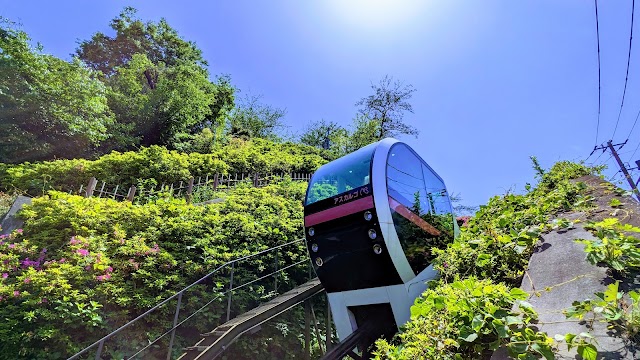
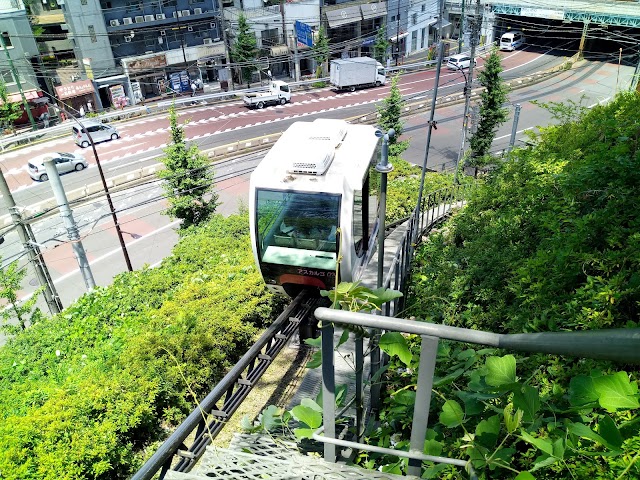
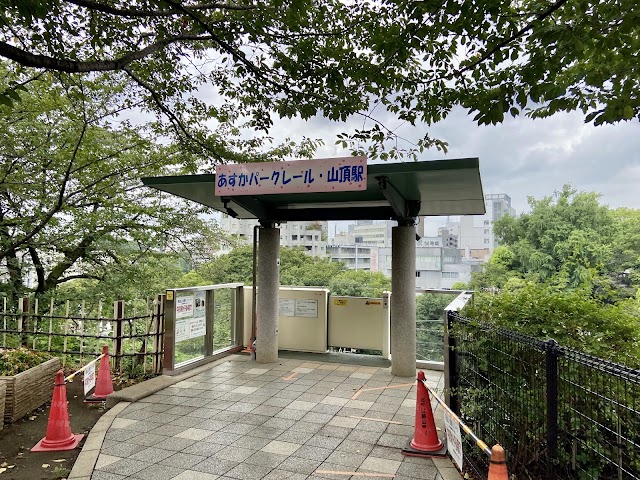
The park sits on a low hill, so from the Oji side there is a climb — which Kita City solved with a self-propelled inclined lift nicknamed Ascalgo, a pun on escargot for its snail-like shell. It is free and takes two minutes to the top. The ride itself is the kind of thing children want to repeat, and it doubles as a genuine step-free route for strollers and older visitors. At the top, alongside lawns and playgrounds, the popular fixtures are two retired vehicles you can climb into: a D51 steam locomotive and a Toden car No. 6080. Asukayama was opened to commoners for cherry blossom viewing by the shogun Tokugawa Yoshimune, making it one of the prototypes of the Tokyo park; it is still both a blossom destination and an ordinary neighbourhood green.
★ Ascalgo operating hours and maintenance closures follow Kita City notices. Shade on the summit lawn is limited in summer, and the display vehicles have restricted opening hours and may close in rain.
VENUE INFO
Address: 1 Chome-1 Oji, Kita City, Tokyo 114-0002
Phone: 03-3908-9275
Hours: Monday: 10:00 AM – 4:00 PM; Tuesday: 10:00 AM – 4:00 PM; Wednesday: 10:00 AM – 4:00 PM; Thursday: 10:00 AM – 4:00 PM; Friday: 10:00 AM – 4:00 PM; Saturday: 10:00 AM – 4:00 PM; Sunday: 10:00 AM – 4:00 PM
Nearest Sta.: Right by the Asukayama or Oji-ekimae tram stops
Price: Park free; the Ascalgo inclined lift is free to ride
Google rating: 4.2(156 則評論)
Verified: 2026-08-16 16:01 Google Maps
渋沢史料館(飛鳥山三館)
Photos: 中田智也、廃な旅人、Nais J、705 05、S “Nana” W、Mr_hige、Morrison Mou、浅草寿、入江秀則、kisaburo nas / Google Maps
渋沢史料館(飛鳥山三館)
Why we recommend
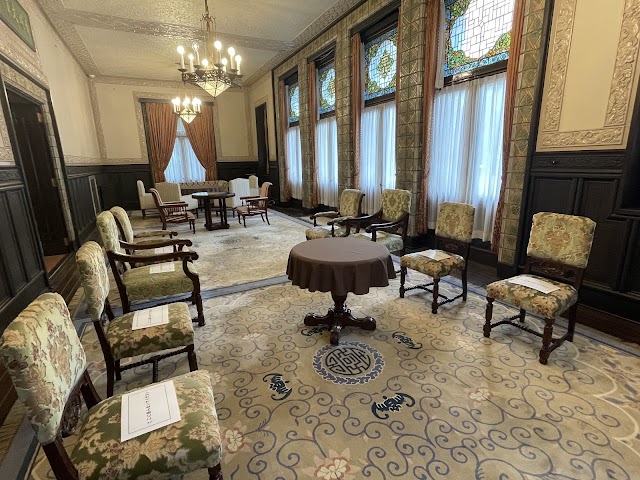
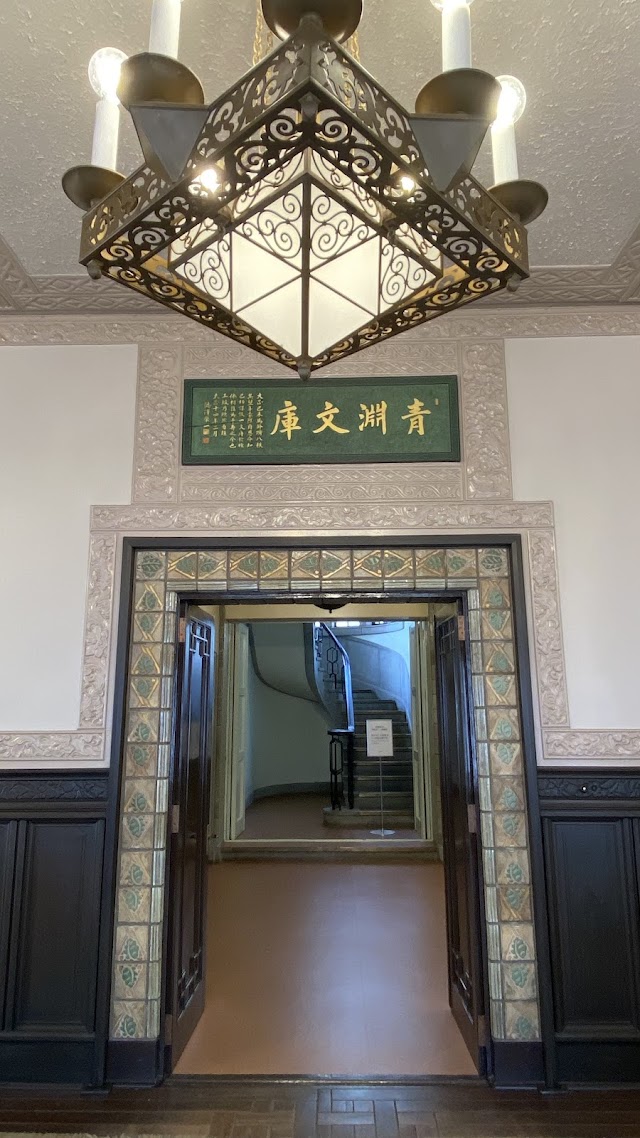
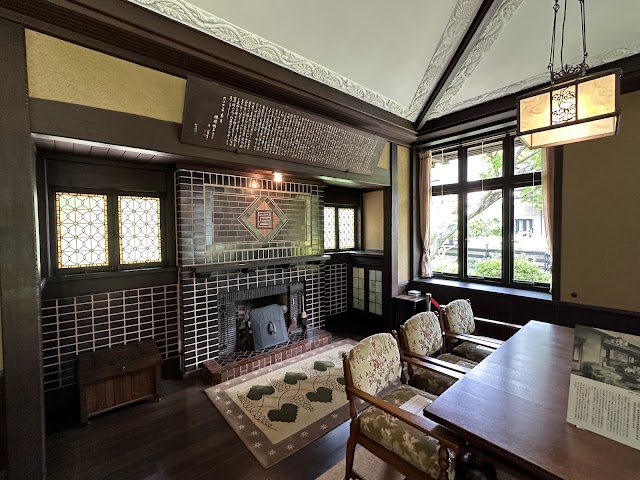
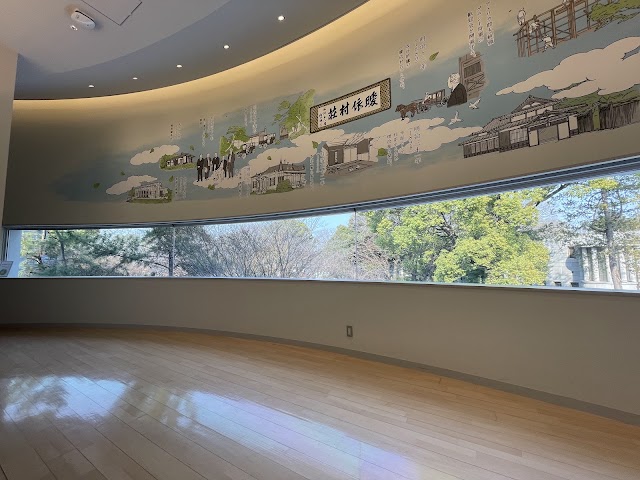
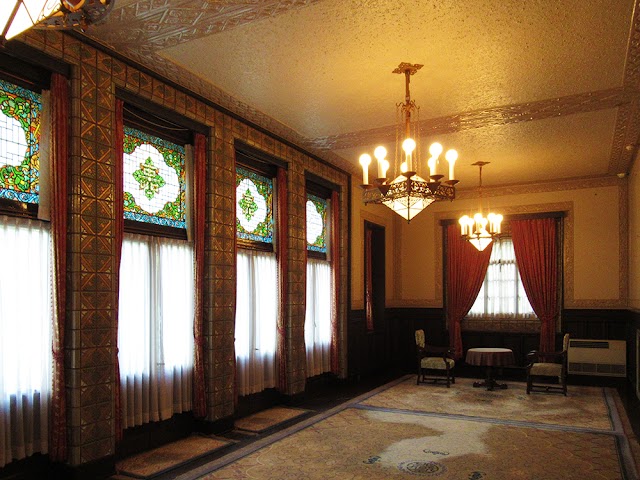
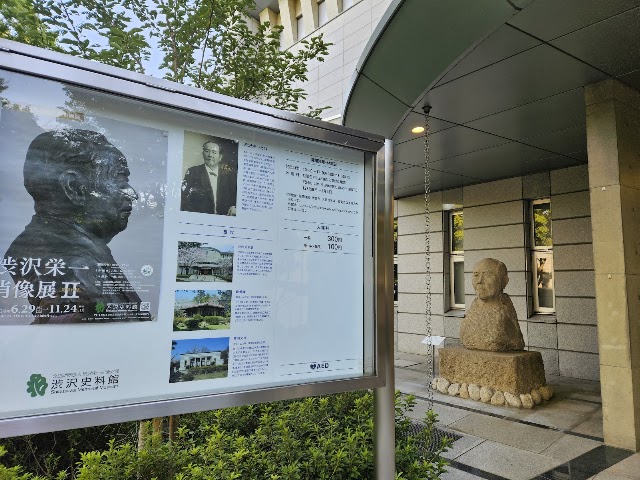
Three museums sit on Asukayama; this one covers Shibusawa Eiichi, the figure who became the face of the ¥10,000 note in 2024 and is called the father of Japanese capitalism — and who spent his later years on this hill. The collection traces his life across the five hundred-odd companies and six hundred-odd social projects he helped found, which makes it a fast read of modern Japanese corporate history for anyone researching business or investment here. Two of his buildings, Bankoro and Seienbunko, survive on the grounds along with the old Shibusawa garden. ¥300 is cheap for Tokyo and an hour is enough; if you happen to be carrying a ¥10,000 note, hold it up as you go round — it is the most direct guide available.
★ Open 10:00-16:00 (final admission per the museum's notice); check the website for closing days and special-exhibition schedules. Interior access to Bankoro and Seienbunko is limited to designated days and times.
VENUE INFO
Address: 2-chōme-16-1 Nishigahara, Kita City, Tokyo 114-0024
Phone: 03-3910-0005
Hours: Monday: Closed; Tuesday: 10:00 AM – 5:00 PM; Wednesday: 10:00 AM – 5:00 PM; Thursday: 10:00 AM – 5:00 PM; Friday: 10:00 AM – 5:00 PM; Saturday: 10:00 AM – 5:00 PM; Sunday: 10:00 AM – 5:00 PM
Closed: Monday
Nearest Sta.: About 5 minutes from Asukayama tram stop
Price: General ¥300, students (elementary to high school) ¥100
Google rating: 4.1(567 則評論)
Verified: 2026-08-16 16:01 Google Maps
甘味処 いっぷく亭(庚申塚停留場)
Photos: 甘味処 いっぷく亭、Soh資、Tom、安部雪江、pon san、Mando 283、tomoe / Google Maps
甘味処 いっぷく亭(庚申塚停留場)
Why we recommend
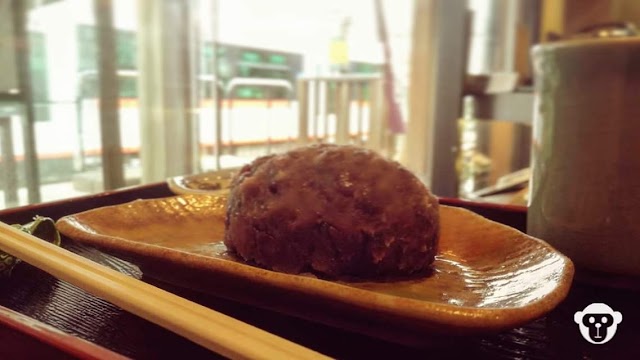
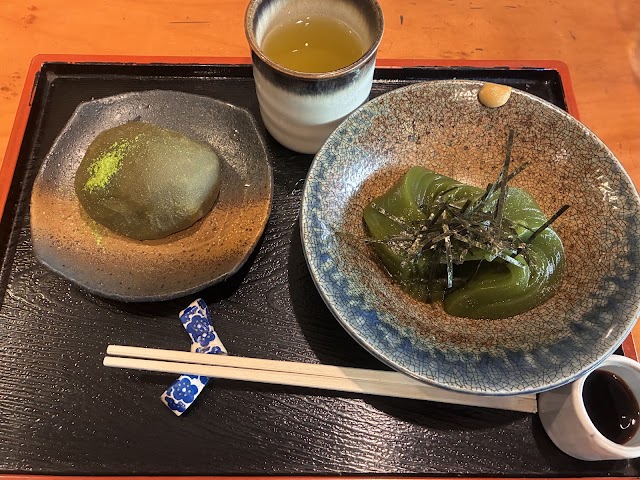
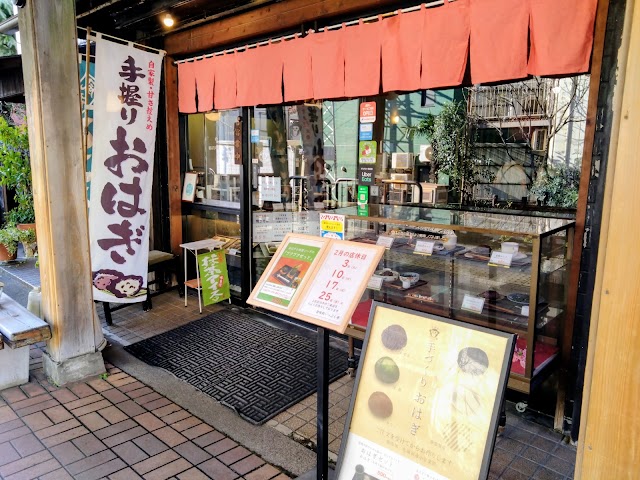
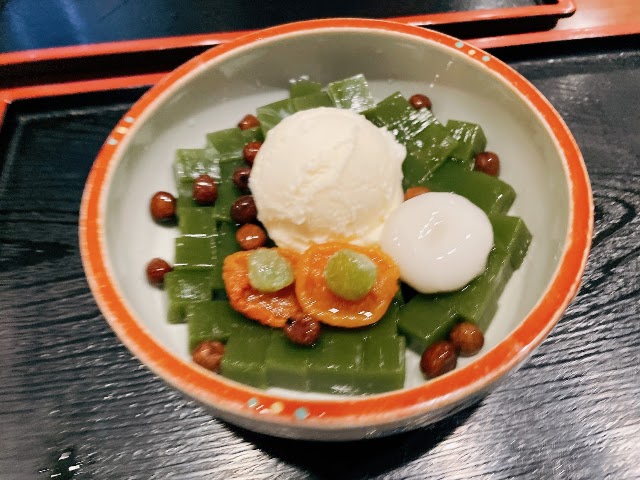
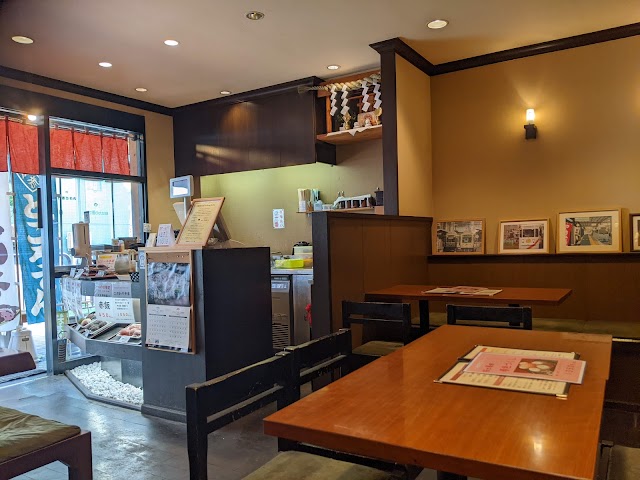
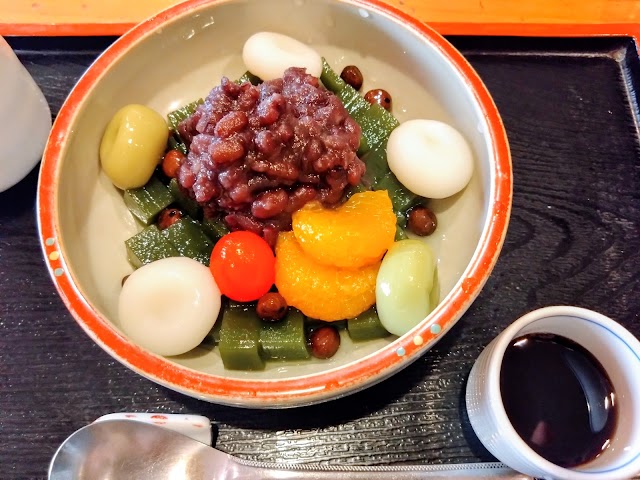
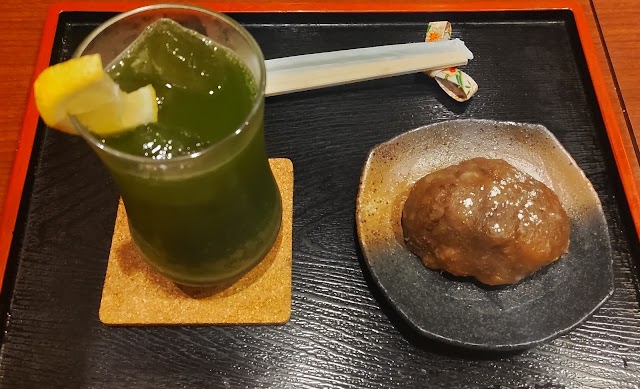
This shop is on the tram platform itself — not outside the stop, not beside it — so trams pass a metre from the window while you eat. The house combination is handmade ohagi (sweet rice with red bean) alongside yakisoba, which sounds odd until you try it: the noodles are downtown Kanto style under a soft egg, and the sweet follows the savoury naturally. It is the best mid-route break on the line and sits roughly at its midpoint. If you only stop once to eat along the Arakawa Line, stop here — it solves eating and watching trams at close range in one move.
★ Few seats and waits at peak times; hours and closing days follow the shop's own notices and it may close early when sold out. The platform is tight, so large luggage is awkward.
VENUE INFO
Address: 2-chōme-32-10 Nishisugamo, Toshima City, Tokyo 170-0001
Phone: 03-3949-4574
Hours: Monday: 10:00 AM – 6:00 PM; Tuesday: Closed; Wednesday: 10:00 AM – 6:00 PM; Thursday: 10:00 AM – 6:00 PM; Friday: 10:00 AM – 6:00 PM; Saturday: 10:00 AM – 6:00 PM; Sunday: 10:00 AM – 6:00 PM
Closed: Tuesday
Nearest Sta.: On the platform of Koshinzuka tram stop
Price: The signature ohagi-and-yakisoba set runs roughly ¥600-1,000 (confirm on site)
Google rating: 4.3(251 則評論)
Verified: 2026-08-16 16:01 Google Maps
巣鴨地藏通商店街(とげぬき地藏尊 高岩寺)
Photos: 小濱剛孝、s、Evita Designart、奧克斯、石井和夫、ちゃっぴーすとらいく、原和、カメレオンマン、sabai e、藤尚次 / Google Maps
巣鴨地藏通商店街(とげぬき地藏尊 高岩寺)
Why we recommend
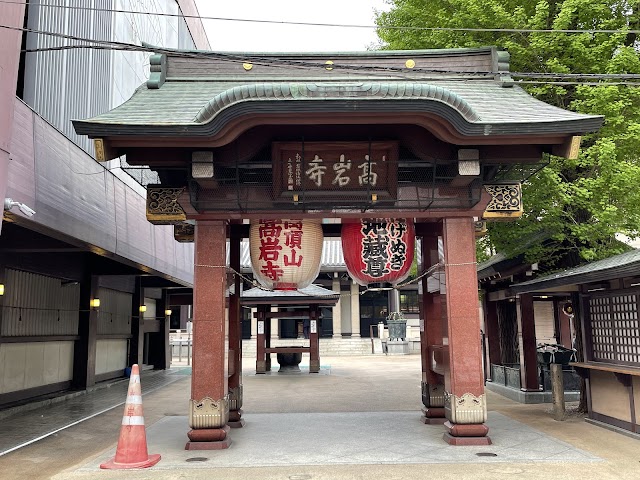
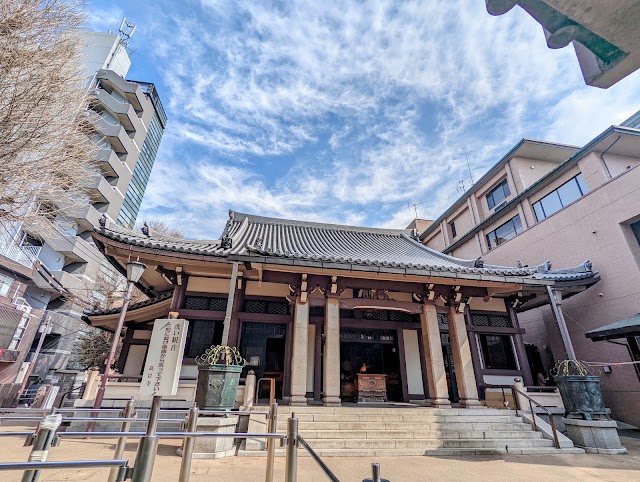
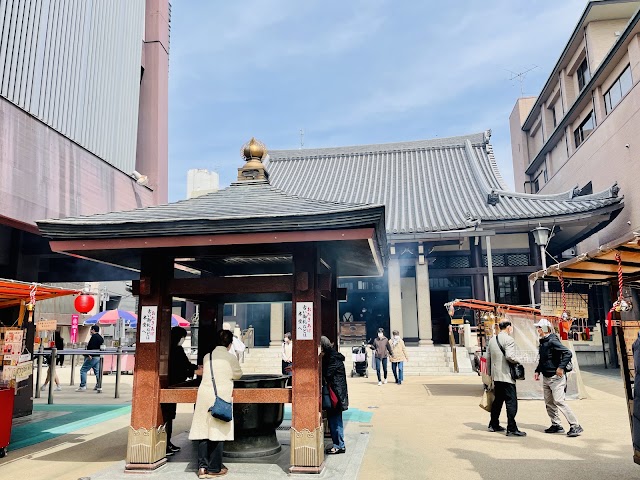
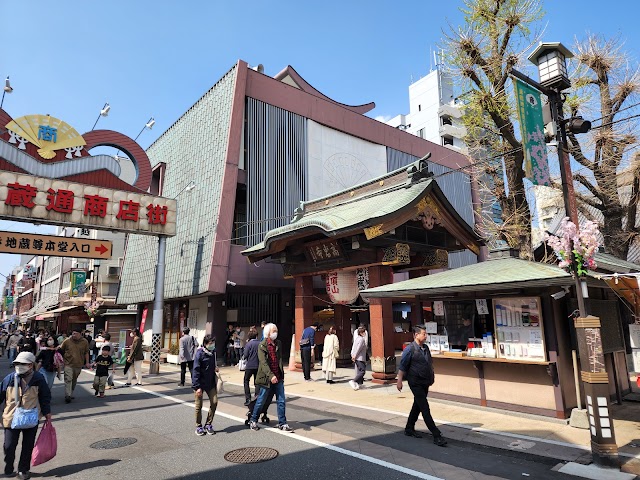
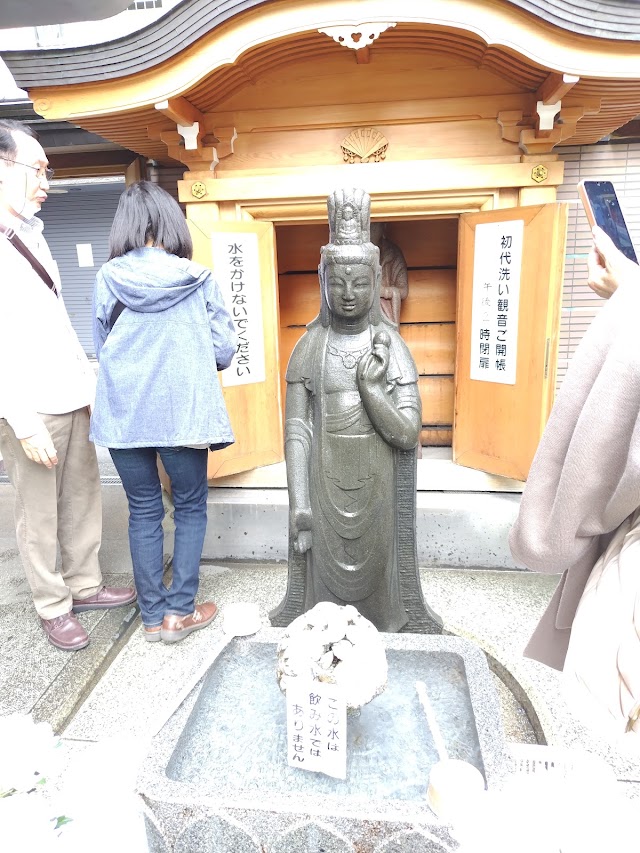
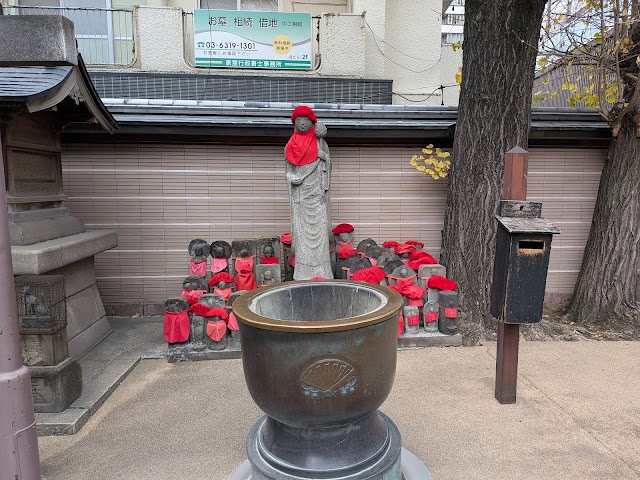
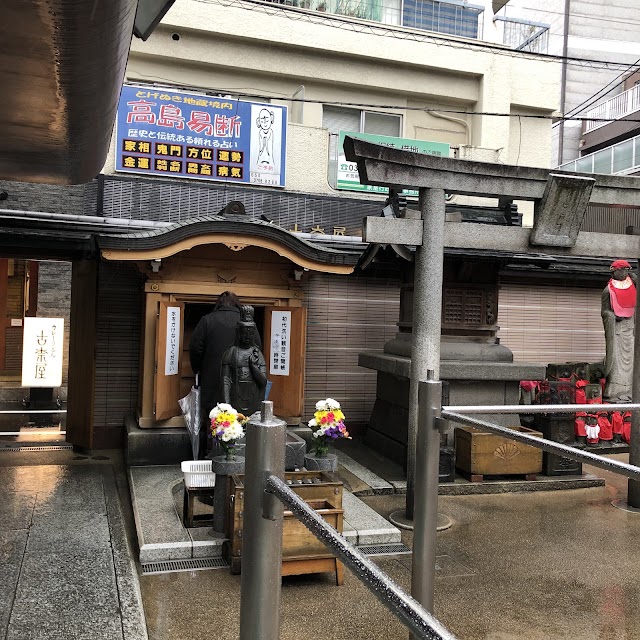
Nicknamed the Harajuku for grandmothers, this street runs about eight hundred metres from Koshinzuka to Sugamo Station with some two hundred shops. Its target customer is unambiguous: red underwear, walking sticks, salted daifuku, wagashi and herbal medicine, cheap, slowly explained, with plenty of benches. For visitors the value is not shopping but seeing how an ageing society actually works — a shopping street reorganised around older customers, with gentle gradients, enlarged signage and frequent places to sit. Midway along, Kogan-ji enshrines the Togenuki Jizo, and its Arai Kannon draws a queue of people wiping the stone figure where their own bodies hurt. The 4th, 14th and 24th of each month are festival days, with more stalls and noticeably more people.
★ The 4th, 14th and 24th are markedly busier — avoid them if mobility is a concern. Most shops close between 17:00 and 18:00. Follow posted rules on photography and worship inside the temple.
VENUE INFO
Address: 3-chōme-35-2 Sugamo, Toshima City, Tokyo 170-0002
Phone: 03-3917-8221
Hours: Monday: 6:00 AM – 5:00 PM; Tuesday: 6:00 AM – 5:00 PM; Wednesday: 6:00 AM – 5:00 PM; Thursday: 6:00 AM – 5:00 PM; Friday: 6:00 AM – 5:00 PM; Saturday: 6:00 AM – 5:00 PM; Sunday: 6:00 AM – 5:00 PM
Nearest Sta.: About 1 minute from Koshinzuka tram stop, at the north end of the street
Price: Free to walk; worship is free, with charges only for amulets and offerings
Google rating: 4.1(3,973 則評論)
Verified: 2026-08-16 16:01 Google Maps
雜司之谷鬼子母神堂
Photos: YI FONG CHANG、강원식、おすぬ、Nocti-LUX、beaute- Do、韓介安、Jim Reaugh、お腹タンク、Sergiy Galyonkin、Akari Coco / Google Maps
雜司之谷鬼子母神堂
Why we recommend
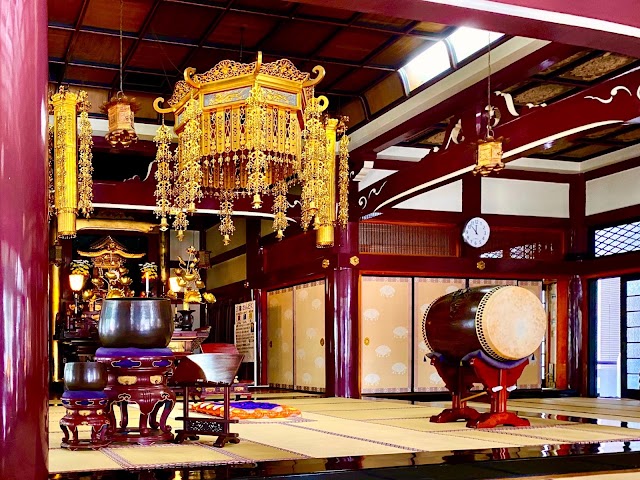
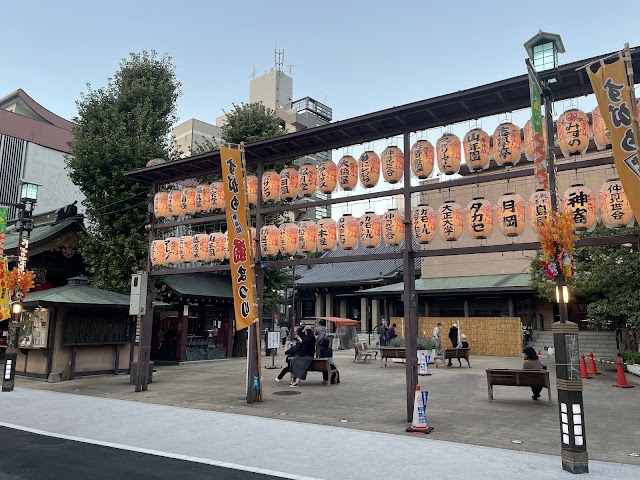
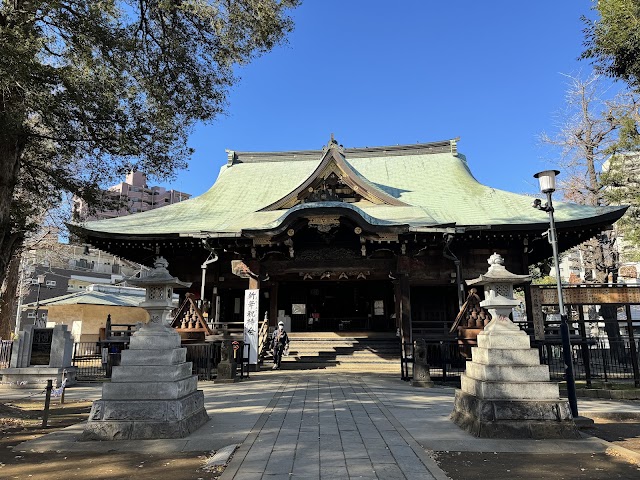
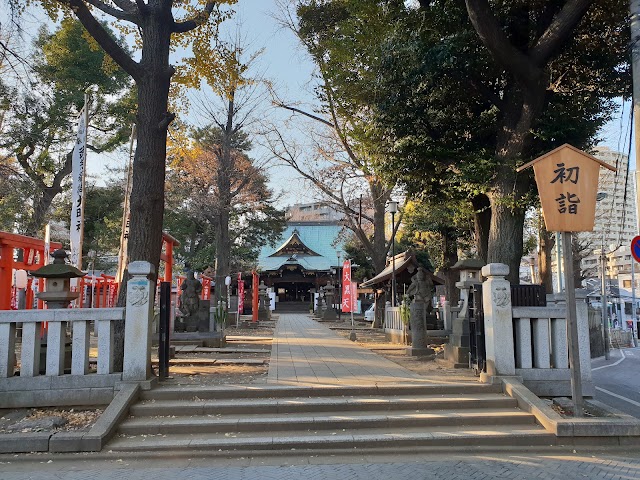
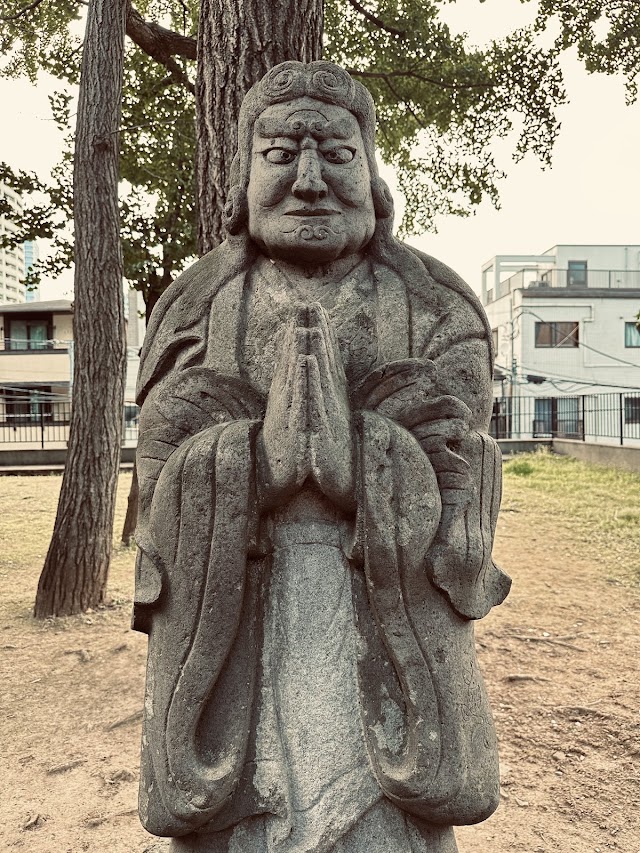
The last stretch of the route and the quietest stop on the line. The walk from the tram passes along an avenue of zelkova trees, some centuries old, filtering the light so finely that the temperature drops noticeably in August. The main hall dates from 1664, endowed by Jishoin, wife of the second Hiroshima daimyo Asano Mitsuakira, with the connecting room and worship hall added in 1700; it was designated an Important Cultural Property on 25 July 2016. Kishimojin is a deity of safe childbirth and child-rearing, and the precinct holds a hand-made sweet shop said to have run for centuries, selling plain malt candy. It is not a headline attraction, which is why it still looks like ordinary life: strollers in the late afternoon, people sitting under the trees. As the end of a day riding a tram, that quiet does more than one more sight would.
★ This is an active temple: follow the precinct's rules on worship and photography, and expect restricted areas during services. There is no night lighting, so the approach is dark after sunset, and the streets near the tram stop are narrow.
VENUE INFO
Address: 3-chōme-15-20 Zōshigaya, Toshima City, Tokyo 171-0032
Phone: 03-3982-8347
Hours: Monday: 6:30 AM – 5:00 PM; Tuesday: 6:30 AM – 5:00 PM; Wednesday: 6:30 AM – 5:00 PM; Thursday: 6:30 AM – 5:00 PM; Friday: 6:30 AM – 5:00 PM; Saturday: 6:30 AM – 5:00 PM; Sunday: 6:30 AM – 5:00 PM
Nearest Sta.: About 5 minutes from Kishibojinmae tram stop
Price: Free to visit
Google rating: 4.2(3,130 則評論)
Verified: 2026-08-16 16:01 Google Maps
※ Business info may change; please check the venue's official sources before visiting.
← Back to home