Unreserved Seats Are Disappearing From Japan's Express Trains
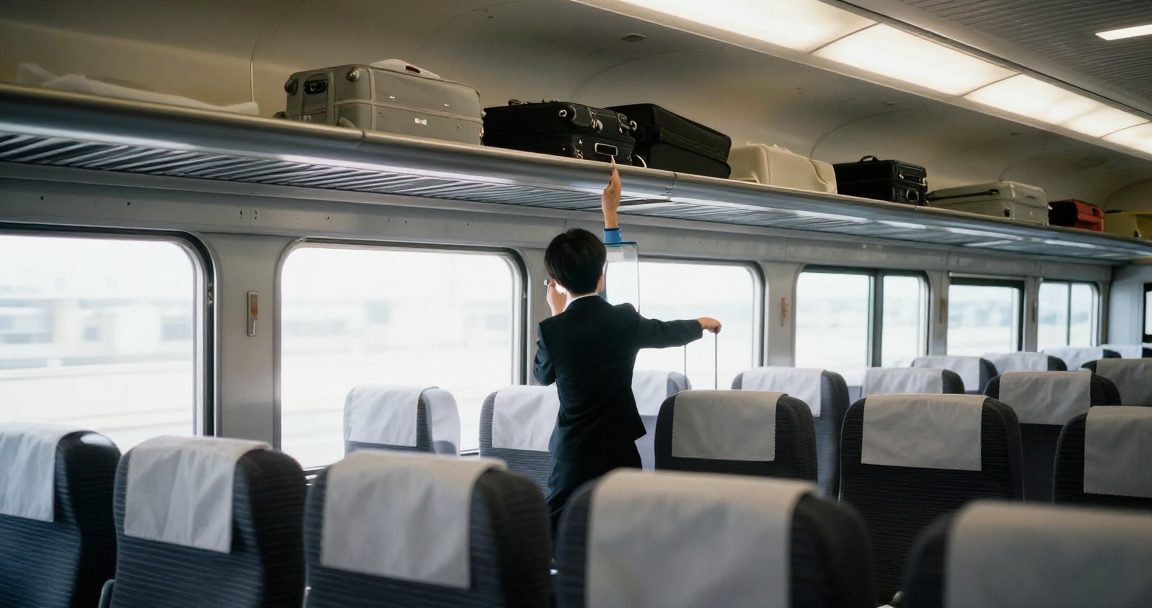
- A timetable analysis shows unreserved seating shrinking on Shinkansen and limited express trains.
- JR Hokkaido's reserved-seat ratio stands at 100%.
- The share of reserved seating differs sharply between JR companies.
This matters more to visiting travellers than the headline suggests. Unreserved seating is the last piece of flexibility in Japanese rail travel: no need to fix a departure time, just buy a ticket and board. A timetable analysis shows unreserved cars shrinking on Shinkansen and limited express services, and JR Hokkaido's reserved ratio has reached 100%.
For the railways this is yield management taken to its conclusion. Reserved seats can be priced by time and demand and spread passengers across services; unreserved cars deliver crush loads at peak and empty seats off-peak. Cutting them buys predictable occupancy and a higher average fare, and the differing ratios between companies reflect different demand structures.
The cost lands unevenly on passengers. Business travellers who book anyway barely notice. Those changing plans at short notice, and foreign visitors dealing with an extra layer of language and ticketing, absorb the rest — and during holiday periods reserved seats sell out early.
Delete "decide at the station" from your Japan playbook. Reserve long-distance legs in advance, and if you hold a rail pass, check how many reservations it covers.