800 Cherry Trees, 2.1km, Almost No Queue in August: Ten Stops in Nakameguro, From the 700m Viaduct Arcade to a Rooftop Bath
- August is the quietest stretch of Nakameguro's year: the 61st Nakameguro Summer Festival was held on 1-2 August 2026, 17:30-20:30, along Meguro Ginza shopping street and in front of Nakameguro GT (Awa Odori on day one, Yosakoi on day two, demonstration dances from 16:00), with no major events afterwards
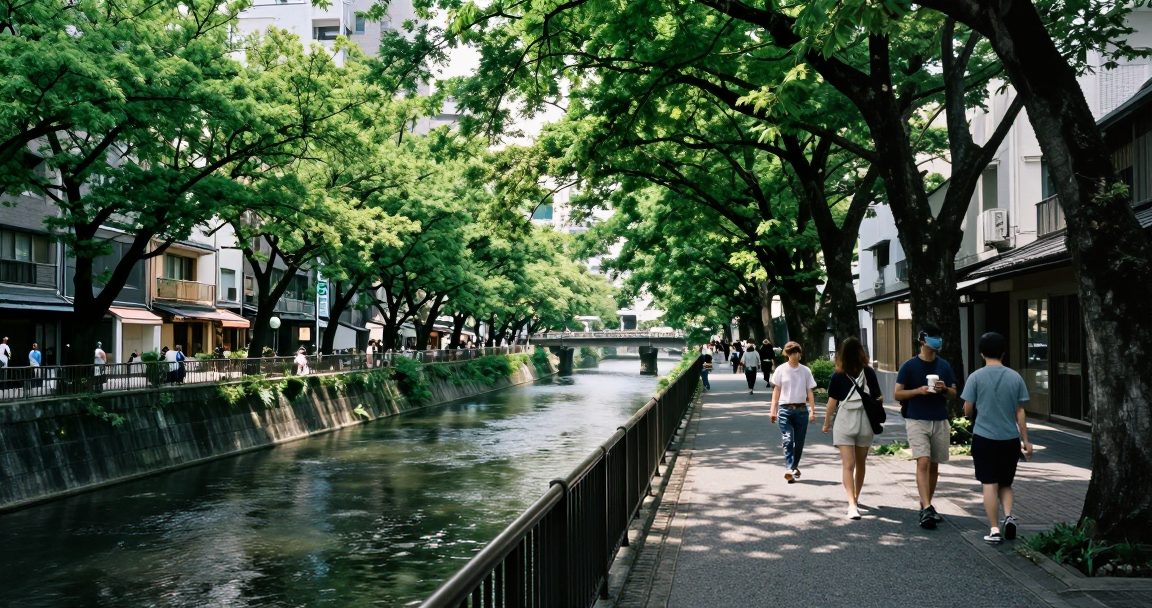
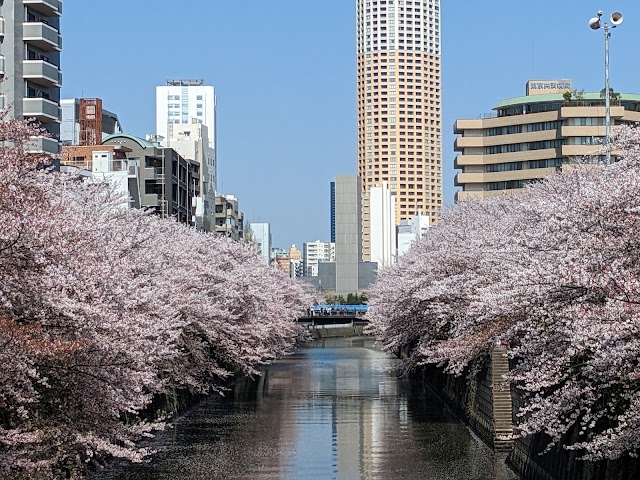
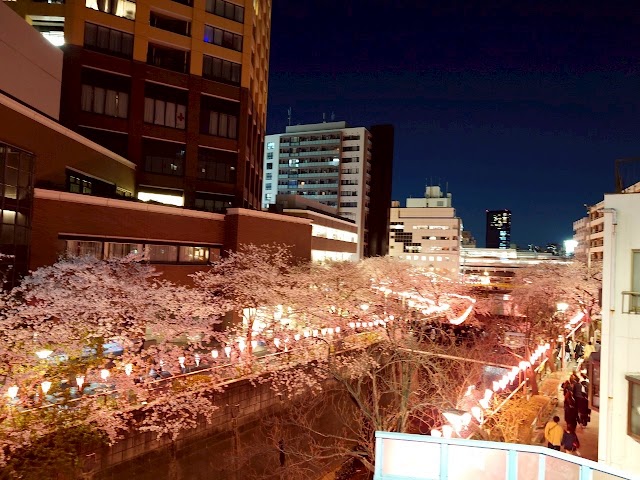
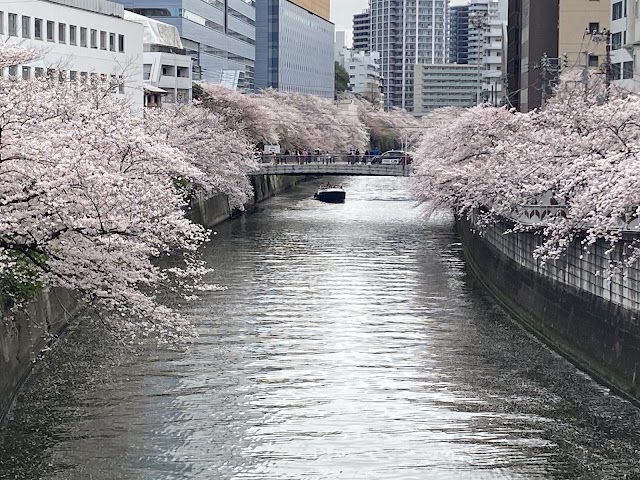
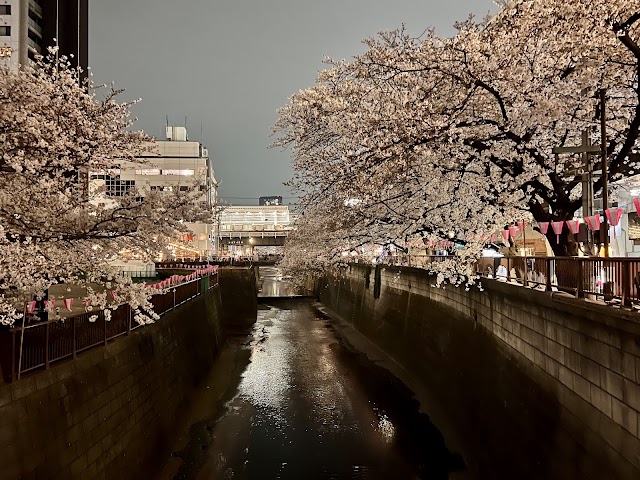
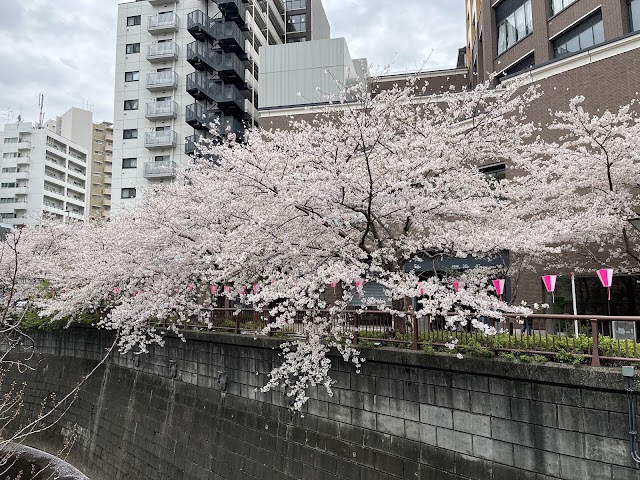
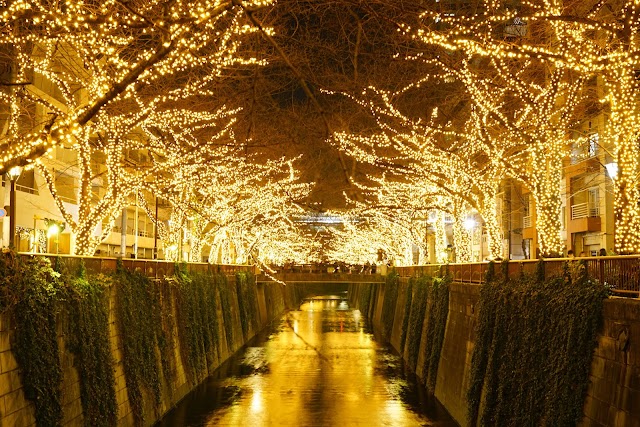
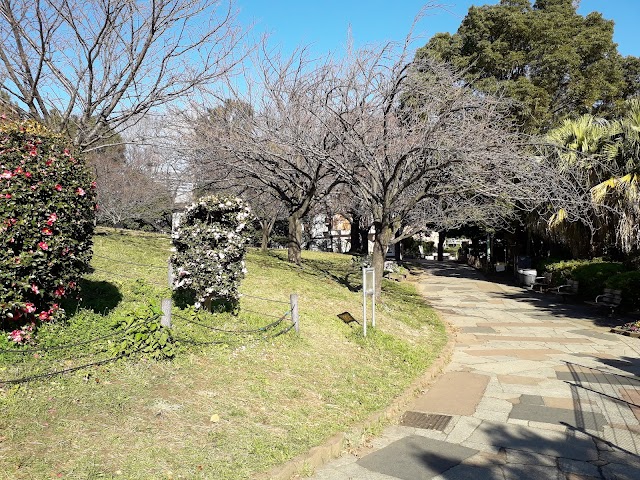
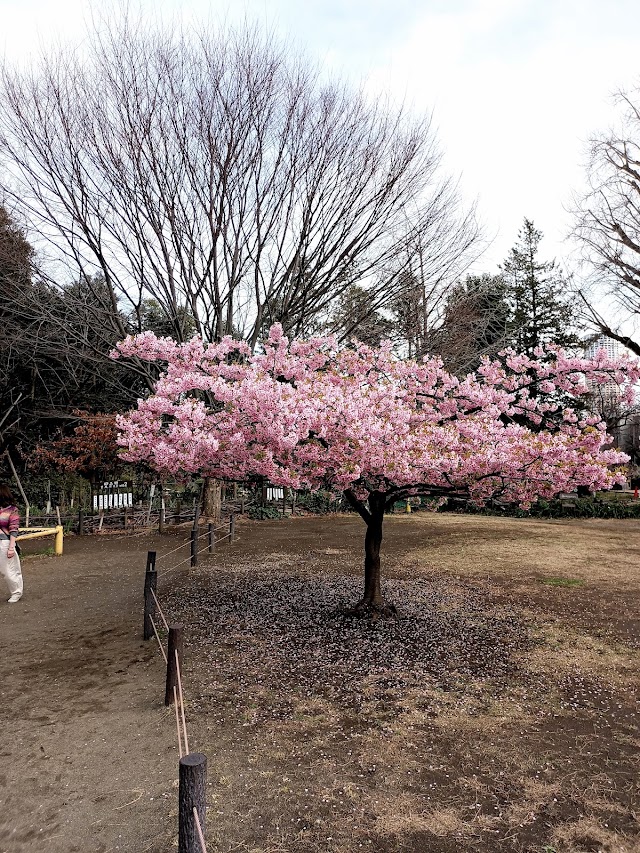
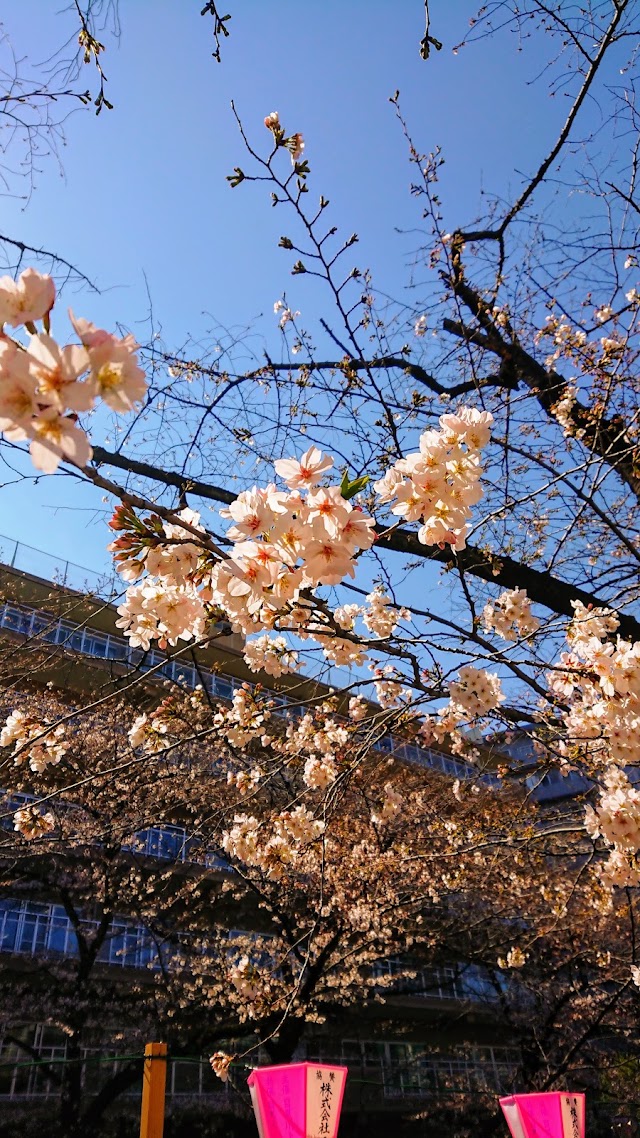
- The Meguro River promenade runs about 2.1km with roughly 800 Yoshino cherry trees; there are no blossoms in August, but the canopy shades the whole channel and the air off the water is cooler than the streets behind
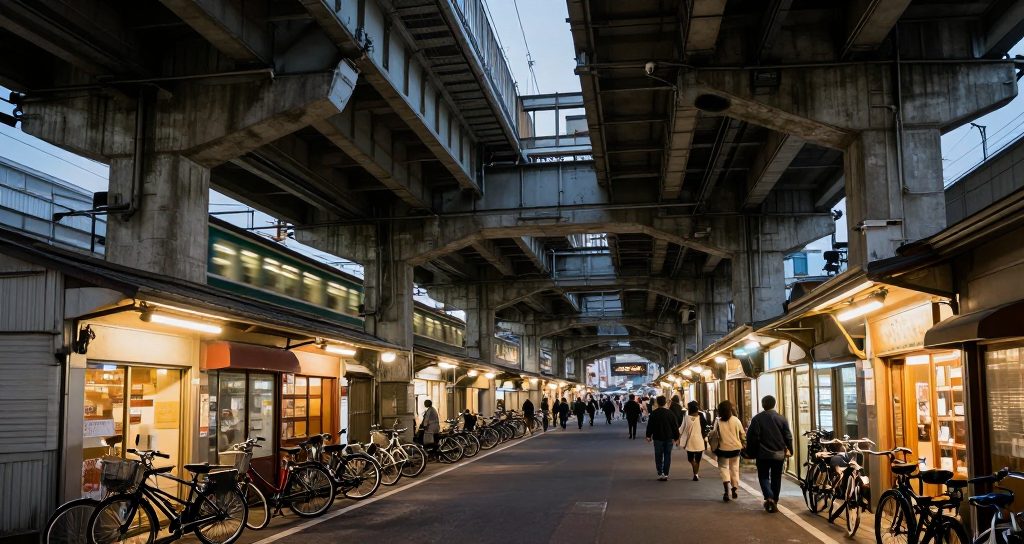
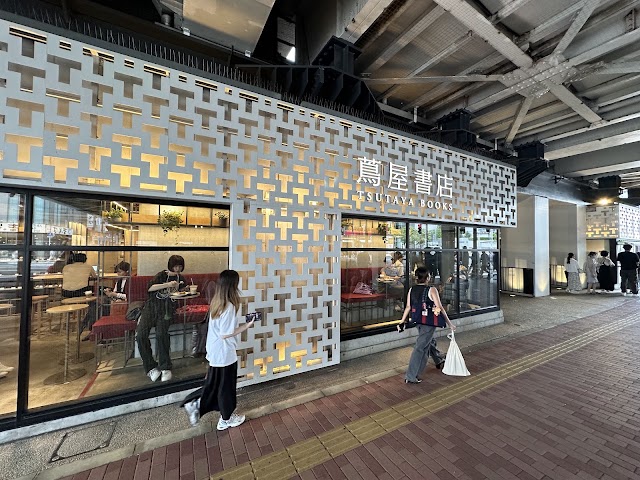
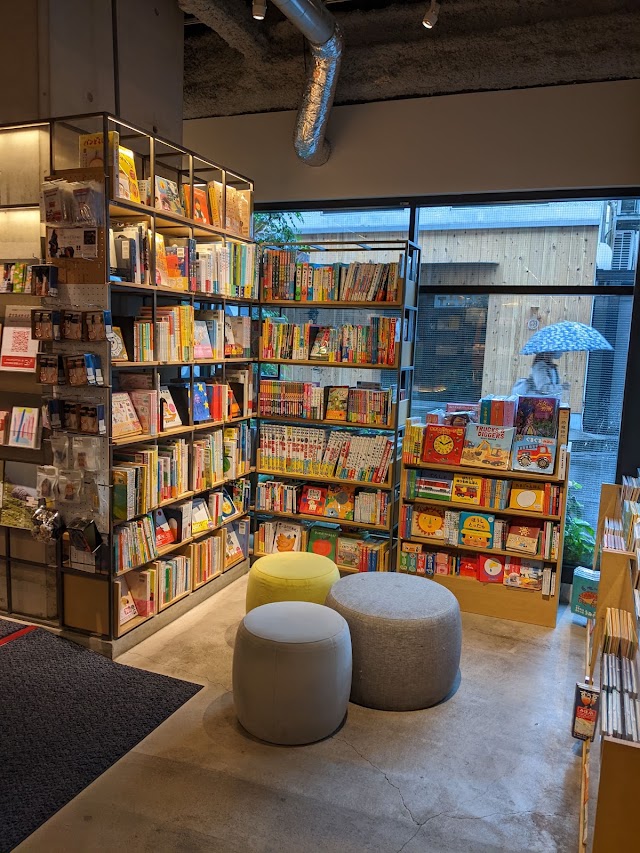
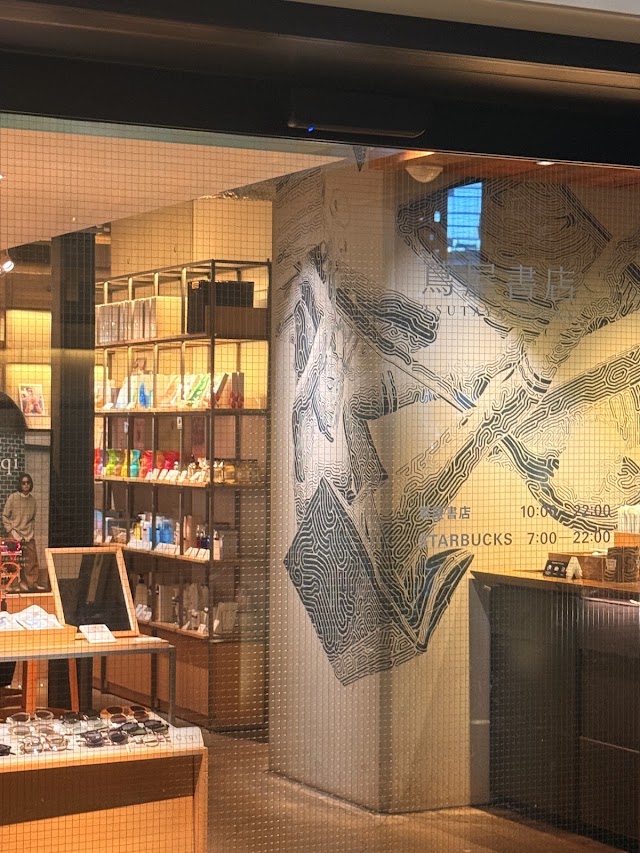
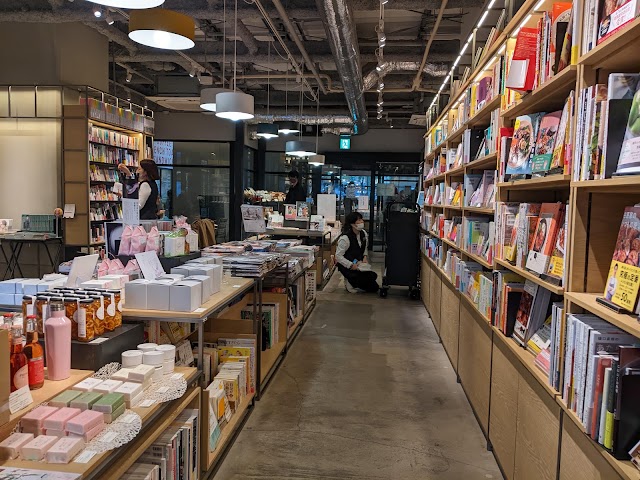
- Nakameguro Koukashita has run about 700 metres since its 2016 renovation, entirely covered beneath the viaduct — the only route in the area you can walk without sun or rain; Nakameguro Tsutaya Books sits at the main gate with Meet, Talk, Work and Share zones and a Starbucks inside
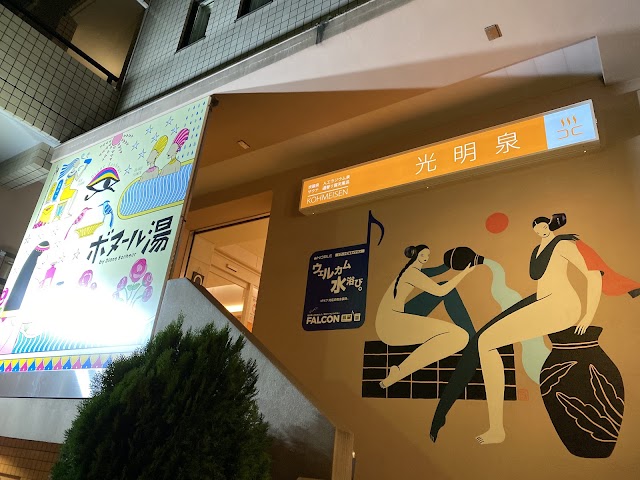
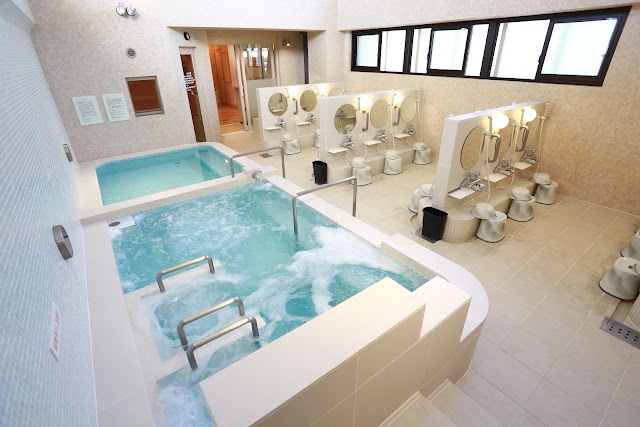
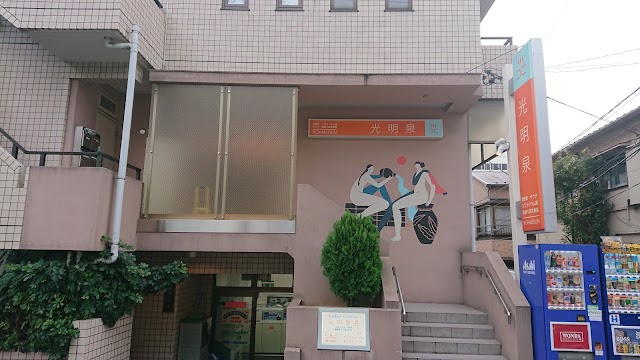
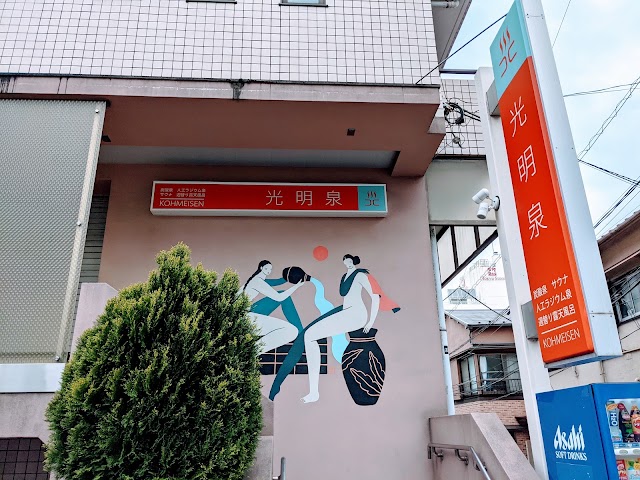
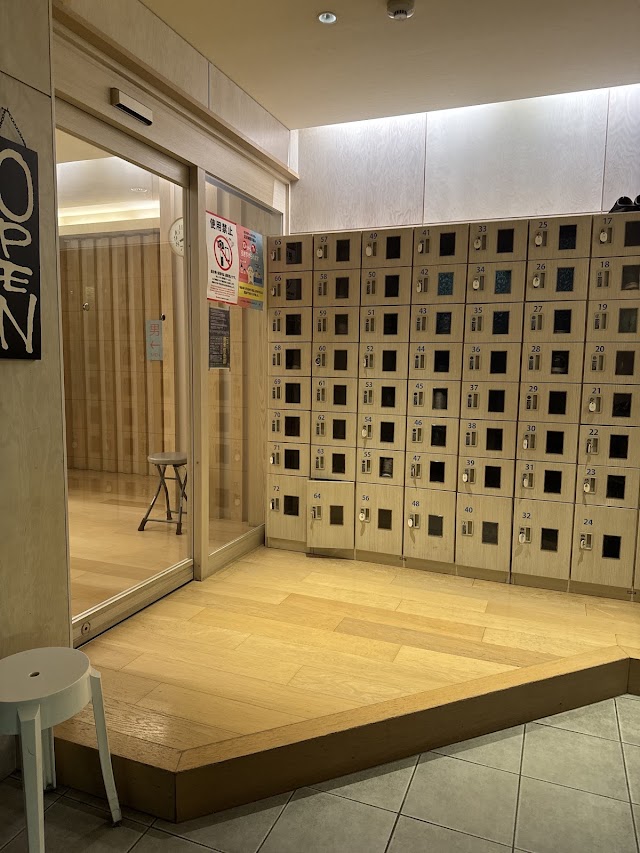
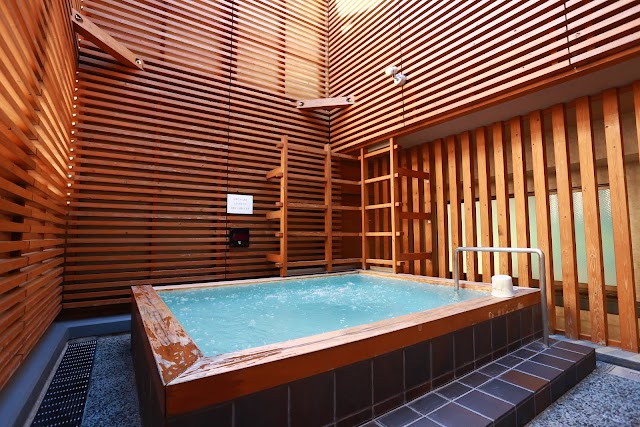
- Admission to Kohmeisen bathhouse is ¥600 for adults: this is the Tokyo Metropolitan controlled bathhouse price, raised from ¥550 on 1 August 2026 and uniform across the city. The bathhouse reopened after renovation in March 2014 with an artificial radium bath and high-concentration carbonated bath, and the rooftop open-air baths swap between men and women every Friday
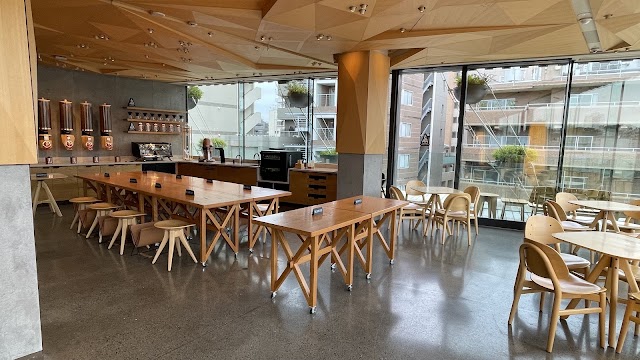
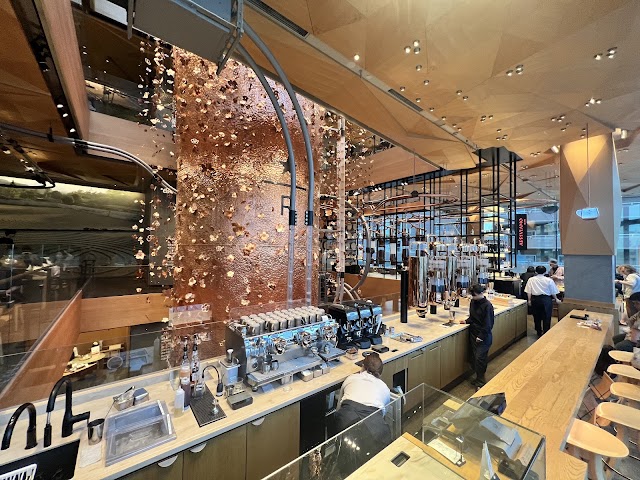
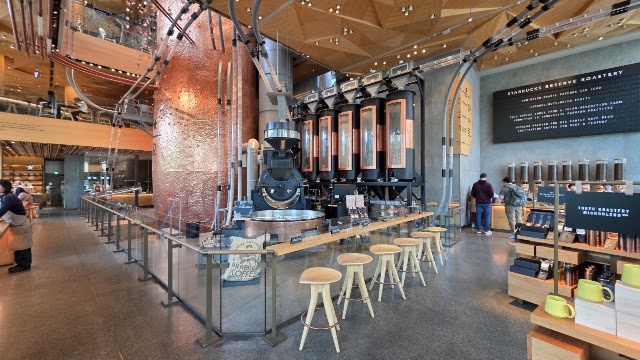
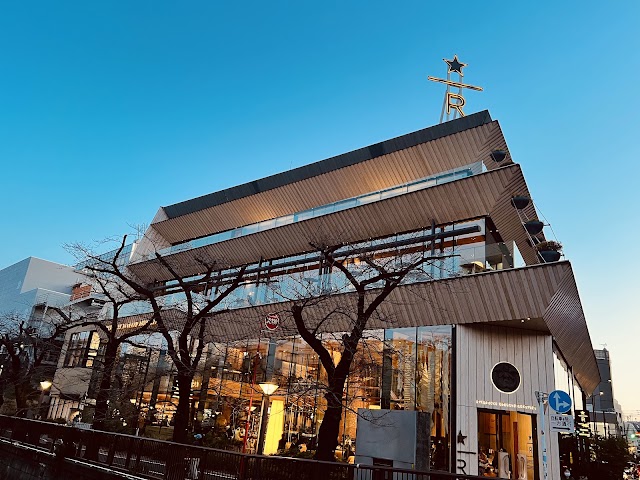
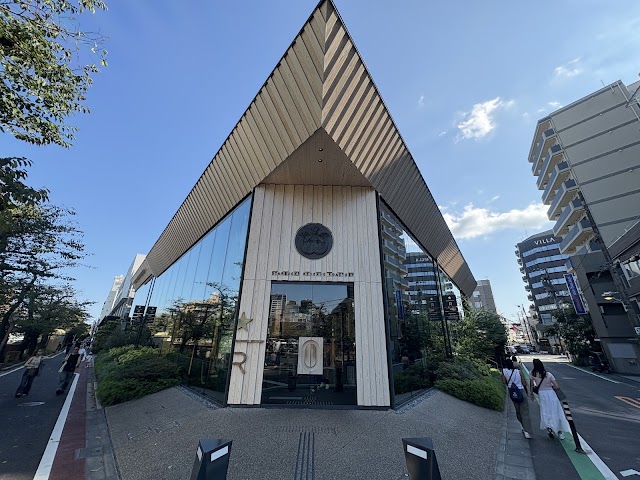
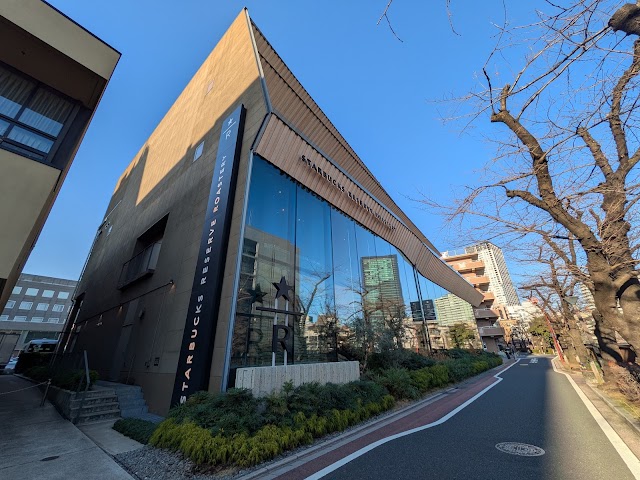
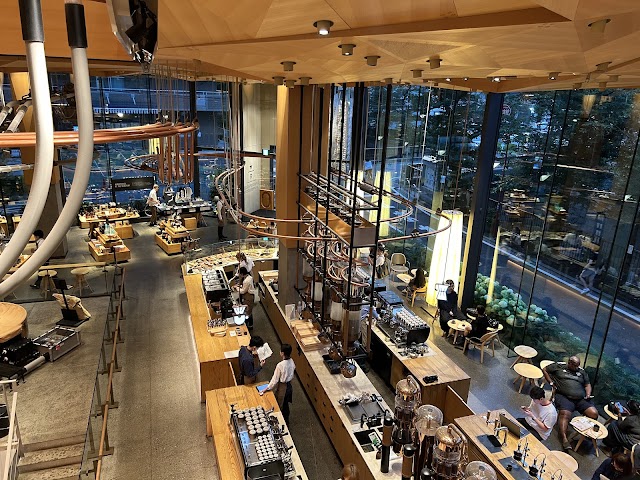
- Starbucks Reserve Roastery Tokyo opened on 28 February 2019 as the world's fifth and Japan's first, on a site of about 1,200 square metres with an exterior by Kengo Kuma, on the Meguro River in Aobadai
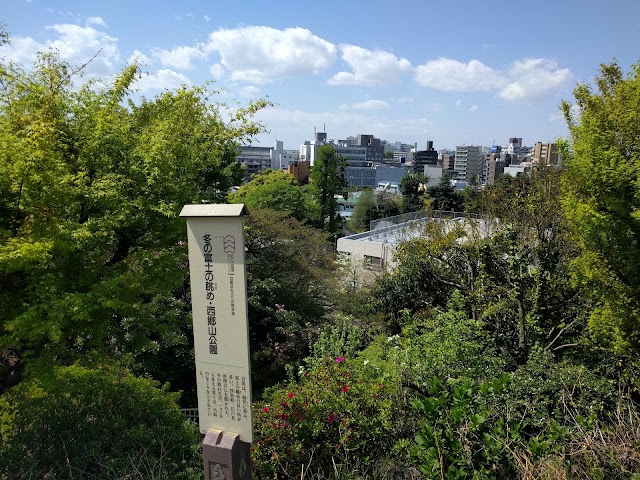
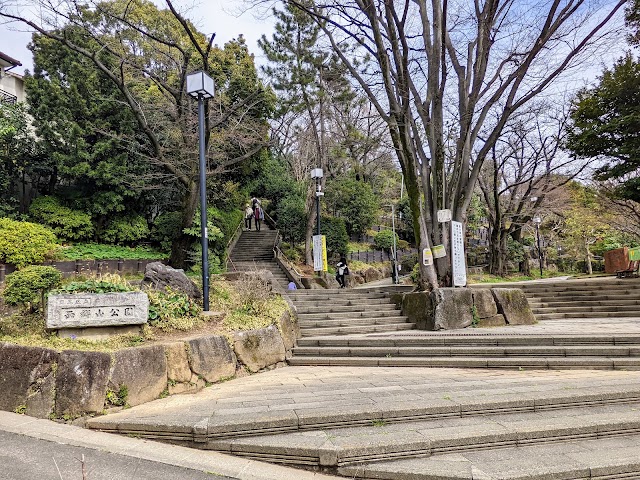
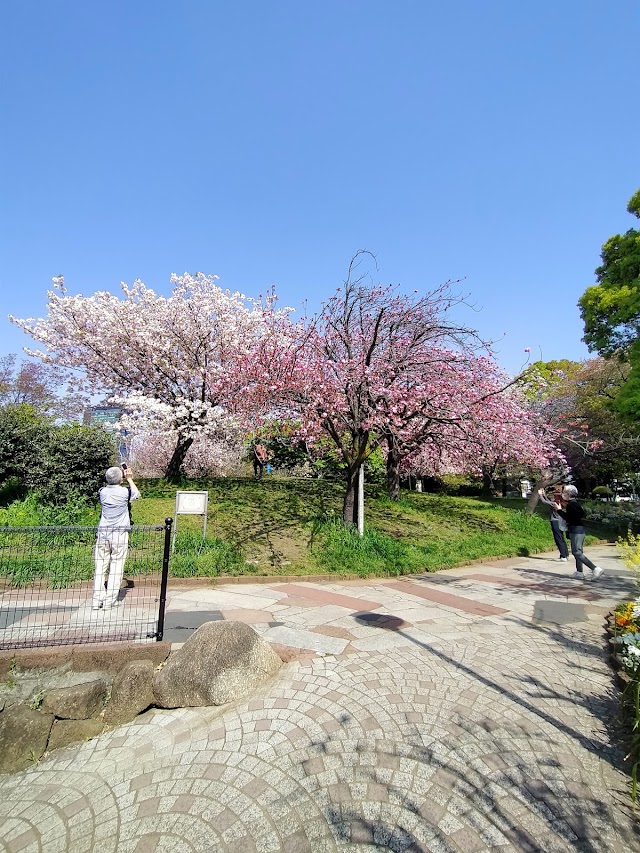
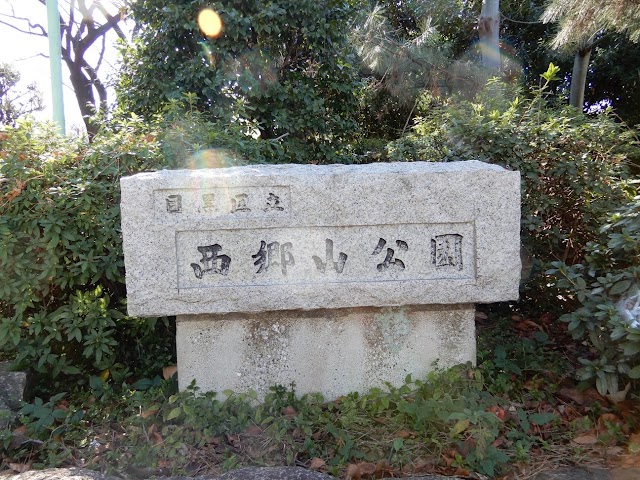
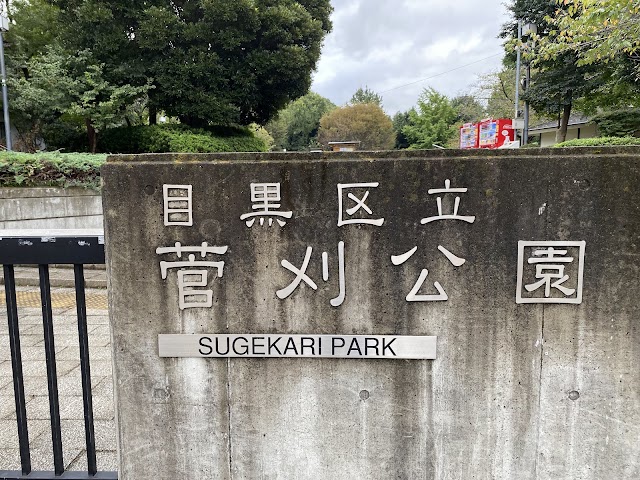
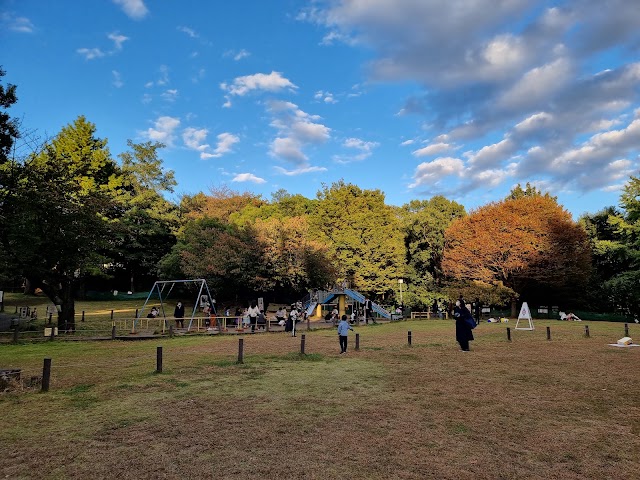
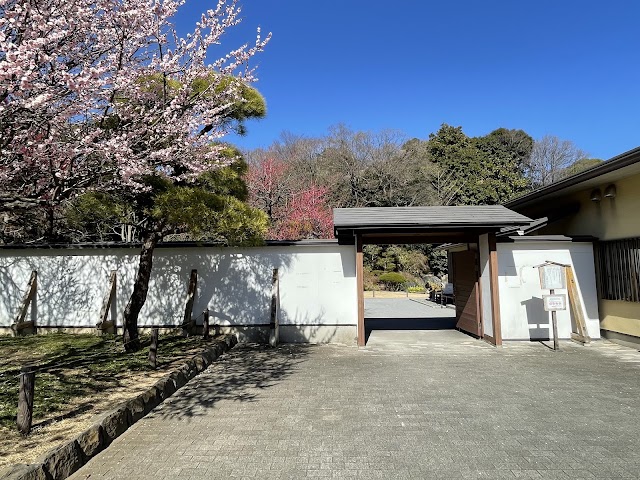
- Saigoyama Park and Sugekari Park in Aobadai were once a single Saigo Tsugumichi estate: the former has a 20-metre artificial waterfall and a viewing deck with Mount Fuji visible on clear winter days; the latter's Japanese garden was partly restored from archaeological findings, was once called the finest garden in the Eastern Capital, and received an imperial visit in 1889
- Budget guide: coffee ¥500-800, bread ¥250-600, a chocolate bar ¥1,000-1,600, the bathhouse ¥600, both parks free; about 3km on foot in total
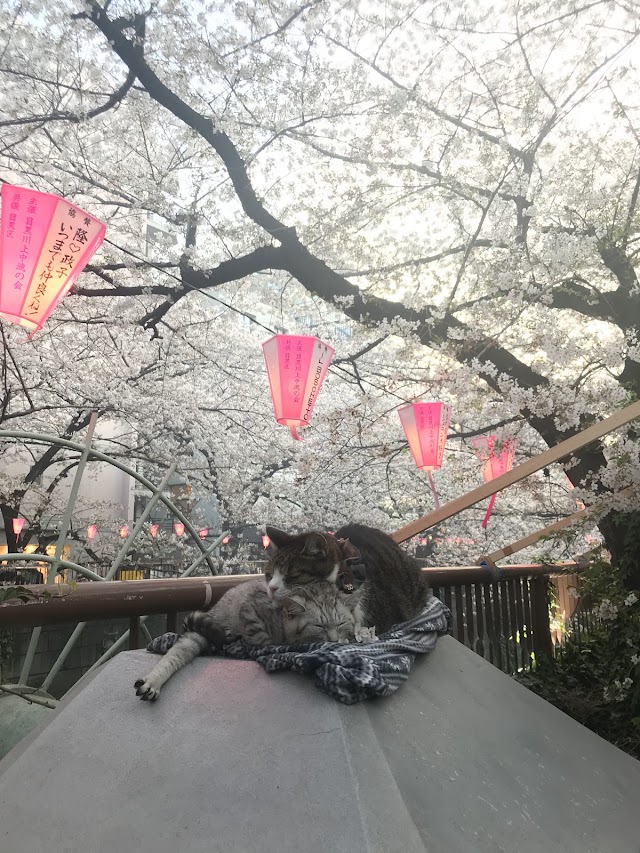
For most Taiwanese travellers, Nakameguro has exactly one use: the end of March, when around 800 Yoshino cherry trees bloom along the Meguro River and the banks become a slow-moving queue of photographers. For the other eleven months, the neighbourhood disappears from the list.
That is a misreading. Nakameguro is not a cherry-blossom street but a residential district where the Tokyu Toyoko and Hibiya lines meet and the space beneath the elevated station has been turned into a continuous arcade. The Nakameguro Koukashita, renovated in 2016, runs about 700 metres of bookshop, coffee, restaurants and select shops — and it is covered end to end. The riverside promenade runs about 2.1km; in August there are no flowers, but the same trees form a canopy that shades the whole channel. Walk upstream to Aobadai and you reach two parks left behind by the Saigo Tsugumichi estate, plus a glass-boxed roastery opened in 2019.
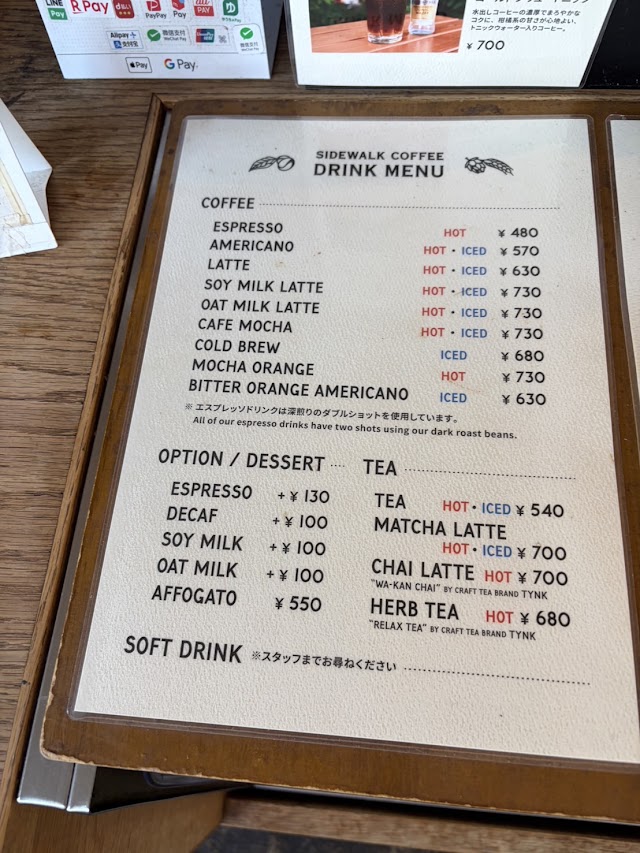
The case for August is practical. First, the crowds: the density of those two weeks in spring is gone, and you can actually sit by the water and finish a coffee. Second, the neighbourhood's centre of gravity is indoors anyway — coffee, books, a chocolate workshop, a bathhouse are all places to escape the sun, so the day can be built as 'indoors when it is hottest, the river at dusk'. Third, cost: the area reads as expensive, but coffee runs ¥500-800, bread ¥250-600 and the bathhouse ¥600, which lands the day below Ginza or Omotesando.
The ten stops below are ordered geographically, from under the station along the river to Aobadai: about three kilometres, five to seven hours including meals and a bath. The 61st Nakameguro Summer Festival finished on 1-2 August, so anyone arriving in the second half of the month has no festival crowds to dodge — which makes this the loosest the street gets all year.
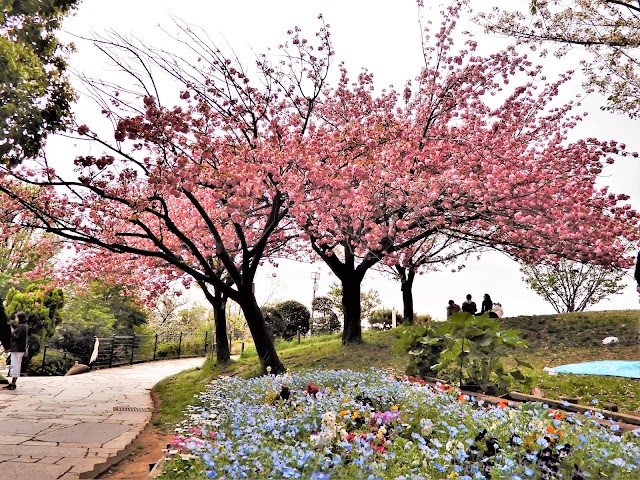
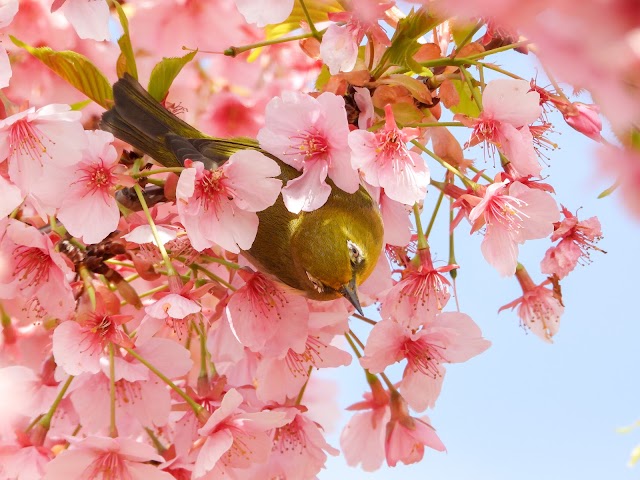
[1] August in Nakameguro: no blossom, but shade and empty seats. Start with the season. The Meguro River promenade runs about 2.1km and is lined with roughly 800 Yoshino cherry trees; at the end of March, when they open at once, those 2.1km become a single slow-moving queue. Coming in August is not merely quieter — the path does a different job. The same trees form a summer canopy, the channel stays shaded, and the air off the water sits a degree or two below the road behind it. In spring the Meguro River is a sight; in summer it is a corridor — not the reason you came, but the way you get from the station to Aobadai without heatstroke.
The area did have its busy spell earlier in the month. The 61st Nakameguro Summer Festival ran on Saturday 1 and Sunday 2 August 2026, 17:30-20:30, along Meguro Ginza shopping street and in front of Nakameguro GT, with demonstration dances from 16:00 — Awa Odori on day one, Yosakoi on day two, three minutes' walk from the station. Late July brought the 31st Sake Festival (25-26 July, in front of the Nakameguro GT tower, 53 breweries and over 250 sakes). Both are finished, which means anyone arriving in the second half of August gets the gap between festival and blossom: the shopping street back to normal, shops not braced for crowds, seats free by the water. Sources: [61st Nakameguro Summer Festival (Walkerplus)](https://www.walkerplus.com/event/ar0313e76541/), [Summer events in Nakameguro 2026 (Let's Enjoy Tokyo)](https://www.enjoytokyo.jp/feature/matsuri_summer/area_tokyo_nakameguro/)
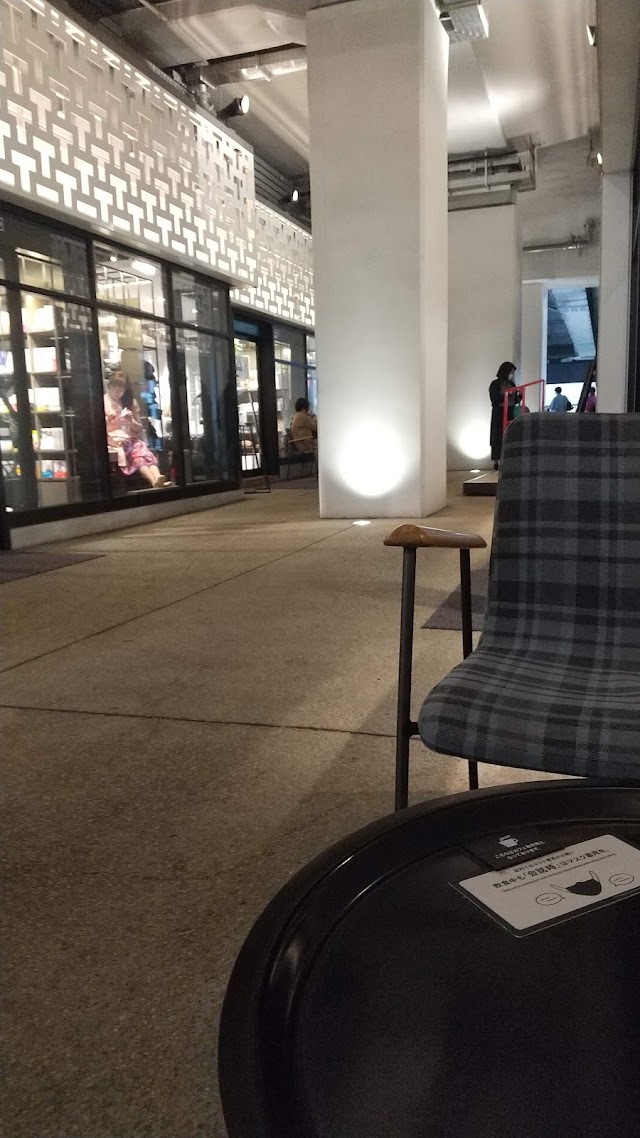
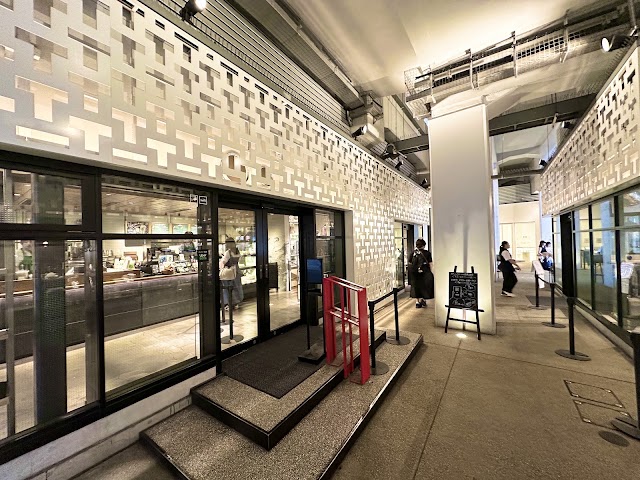
[2] Seven hundred metres under the tracks. The geography starts at the station, which is elevated. Since the 2016 renovation, the space between the viaduct piers has been developed as a continuous shopping street about 700 metres long running east and west. Under-viaduct development is not new in Tokyo, but the density here is unusual and the mix leans towards bookshops, coffee, select shops and restaurants rather than volume retail.
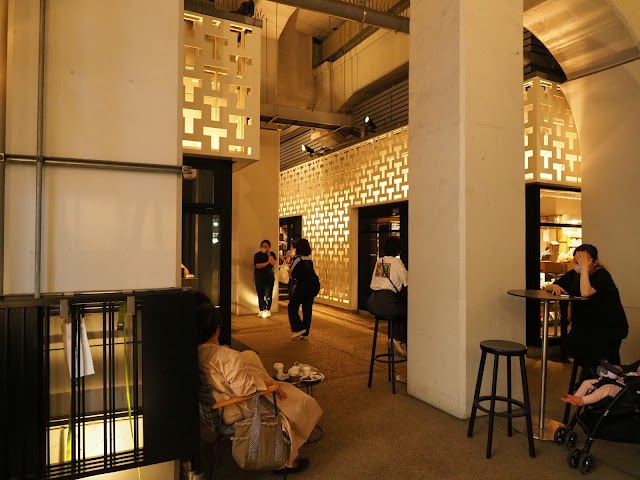
The practical point for a visitor: those 700 metres are covered. Tokyo in August routinely hits 35C and afternoon thunderstorms arrive without warning; this is the only stretch of Nakameguro where you can walk for fifteen minutes with neither sun nor rain. Nakameguro Tsutaya Books stands immediately outside the main gate, divided into Meet, Talk, Work and Share zones with a Starbucks inside — file it as your meeting point for waiting out people, weather or indecision.
One common misunderstanding: the arcade is not a tourist street. It is also how residents get around. Keep to one side when photographing and do not occupy shop entrances — this matters more here than in Asakusa, because there is no tourist buffer zone; apartments start one street away. Sources: [Tokyu official Nakameguro area guide](https://www.tokyu.co.jp/area/naka-meguro/article/arti-01JT7V14F0WG4JGV7VT3Q8VSG6/), [Nakameguro Tsutaya Books access and hours](https://store.tsite.jp/nakameguro/access/)
[3] Coffee: one of the origin points of Tokyo's light-roast map. Nakameguro is marked on coffee drinkers' maps not for the number of shops but for how clearly defined they are. Three here, each a different type.
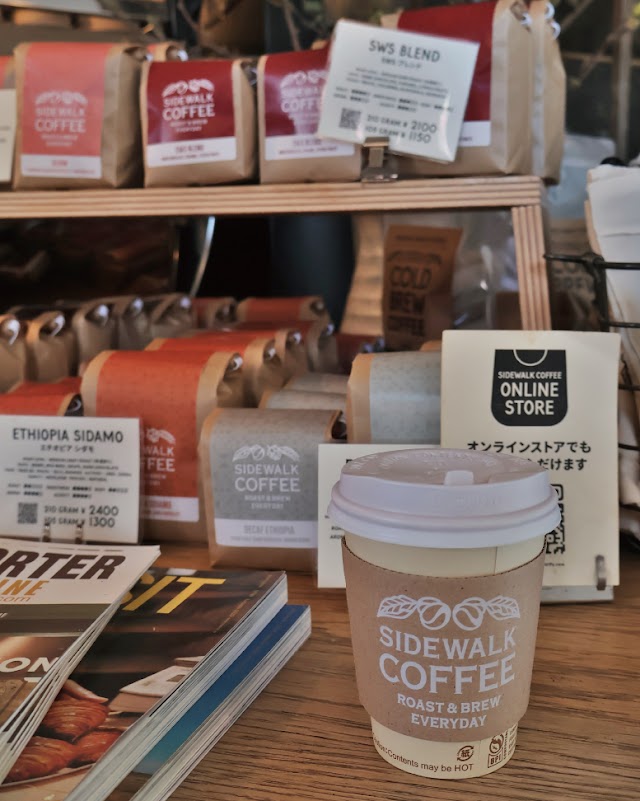
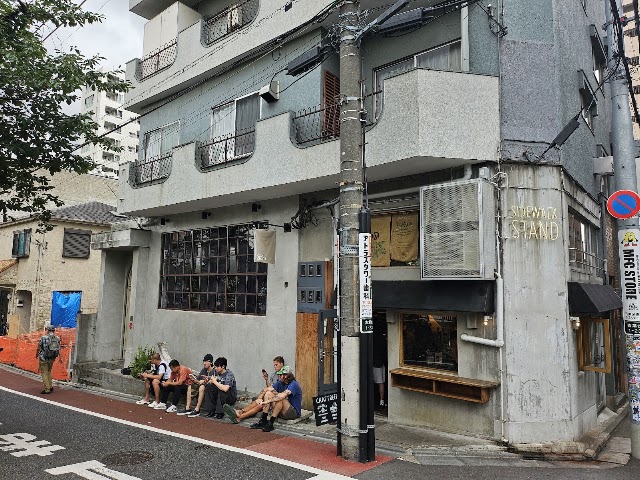
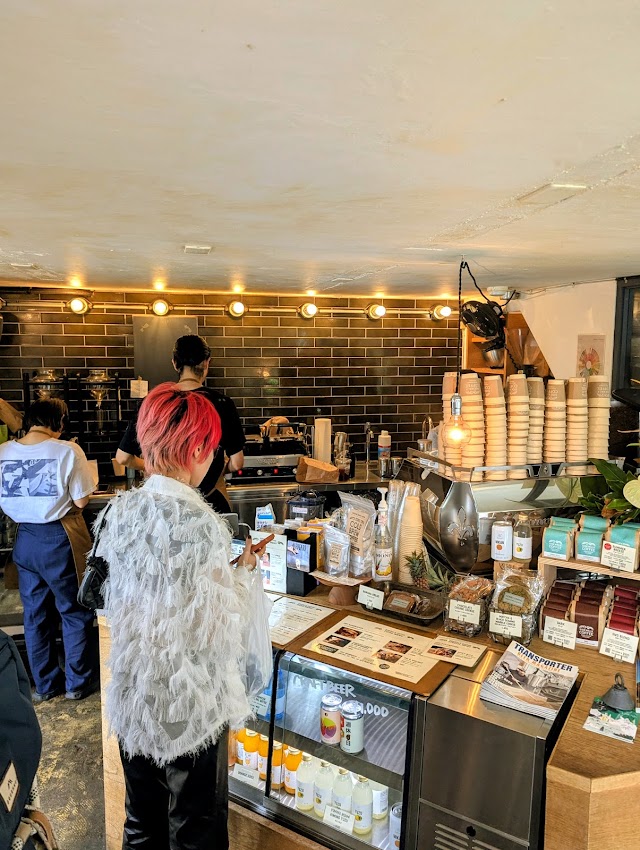
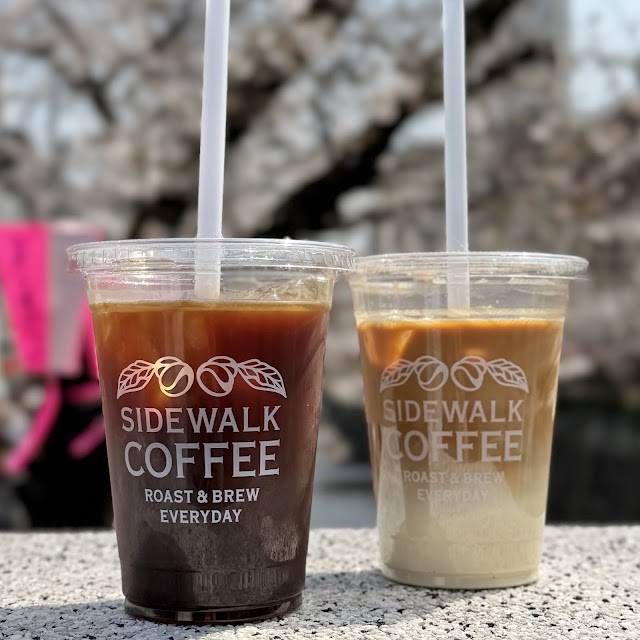
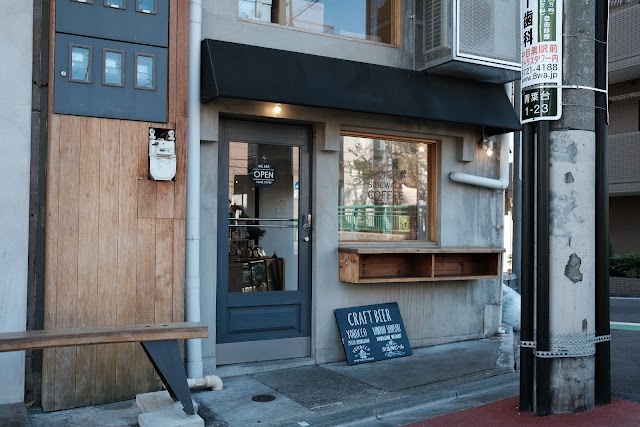
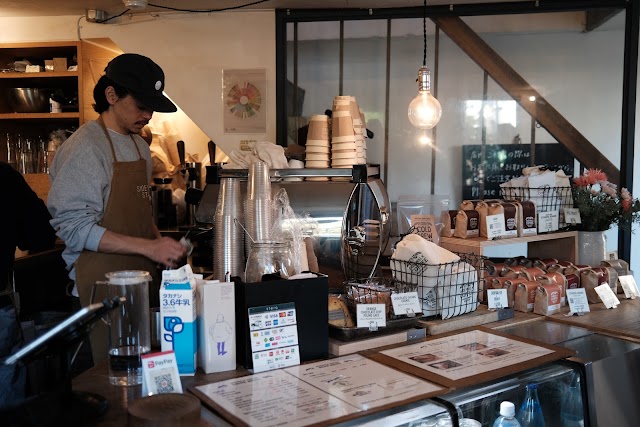
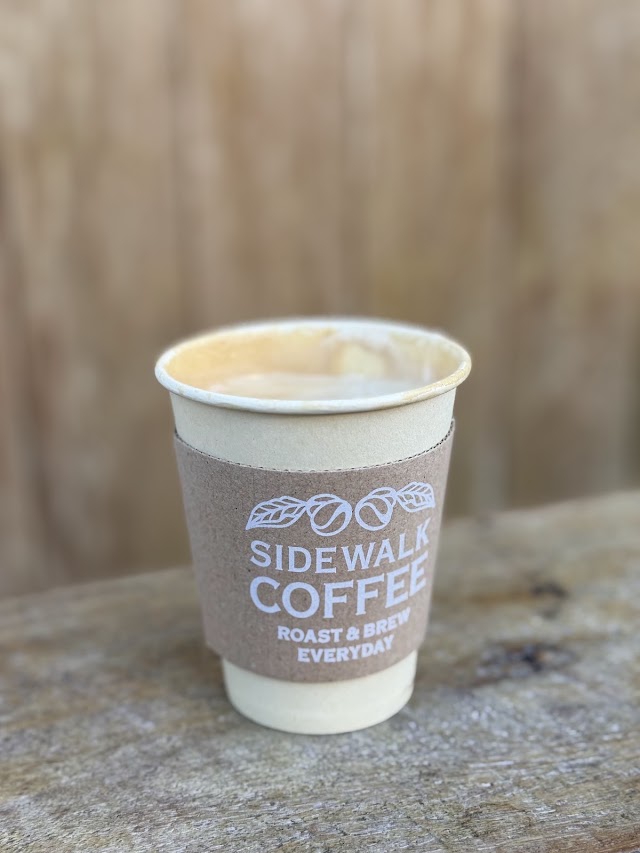
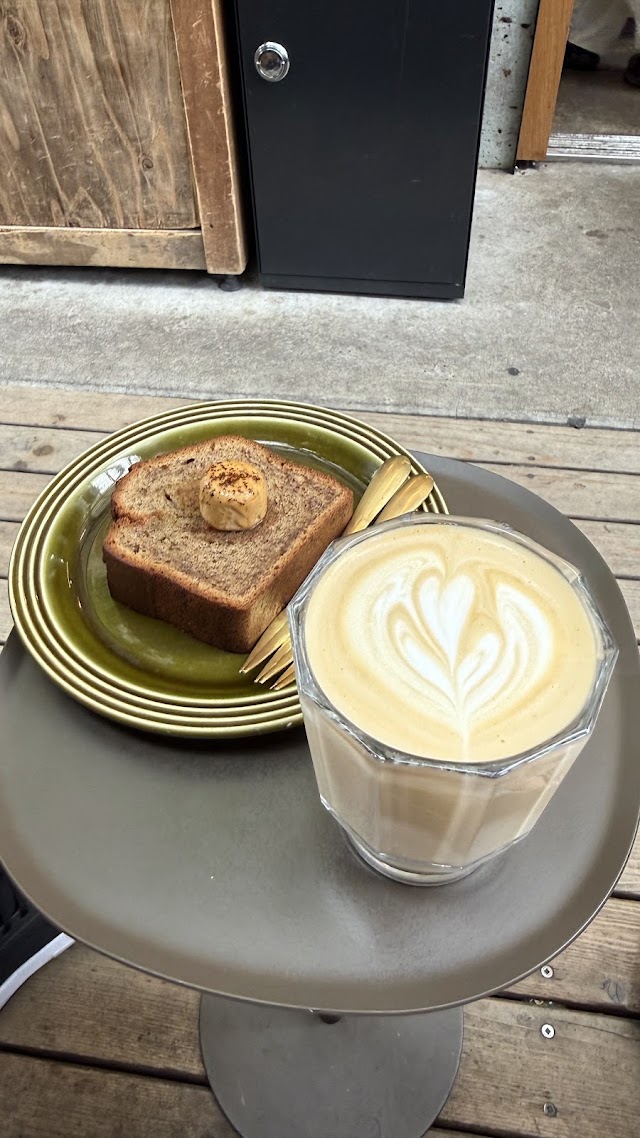
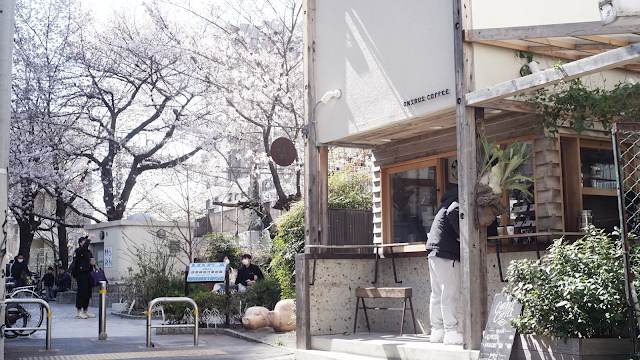
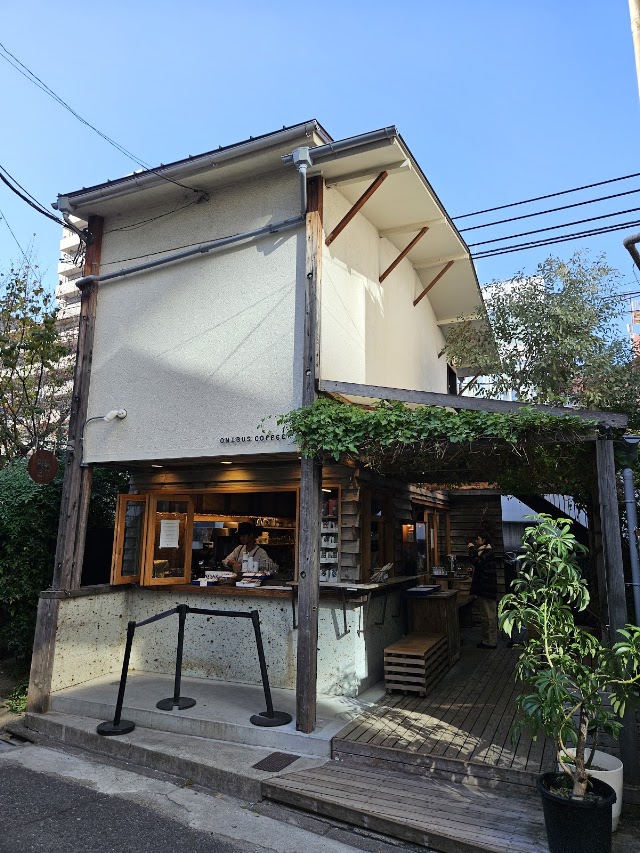
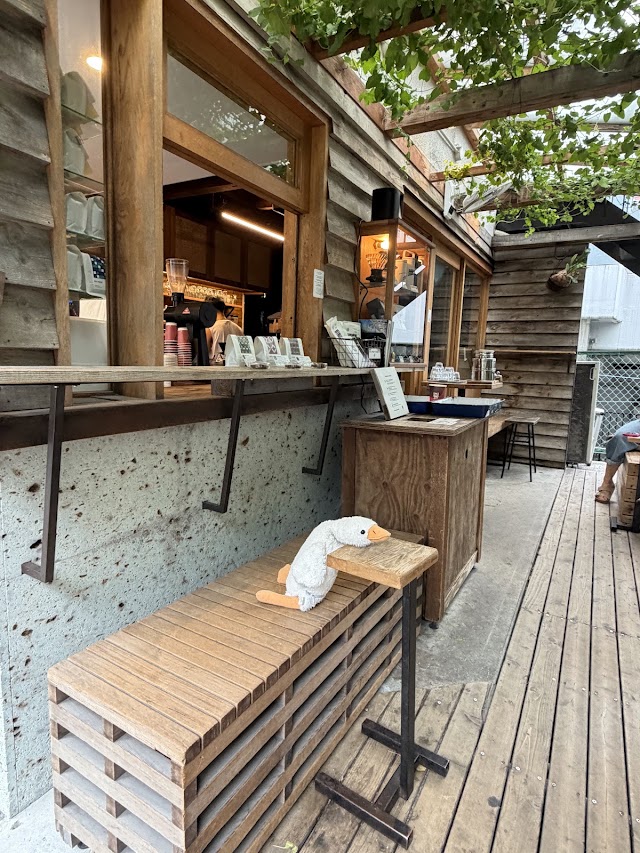
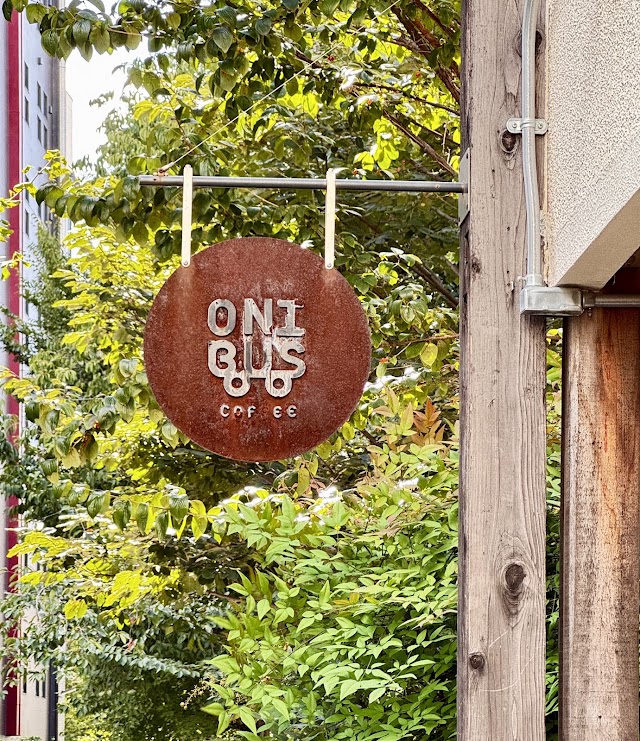
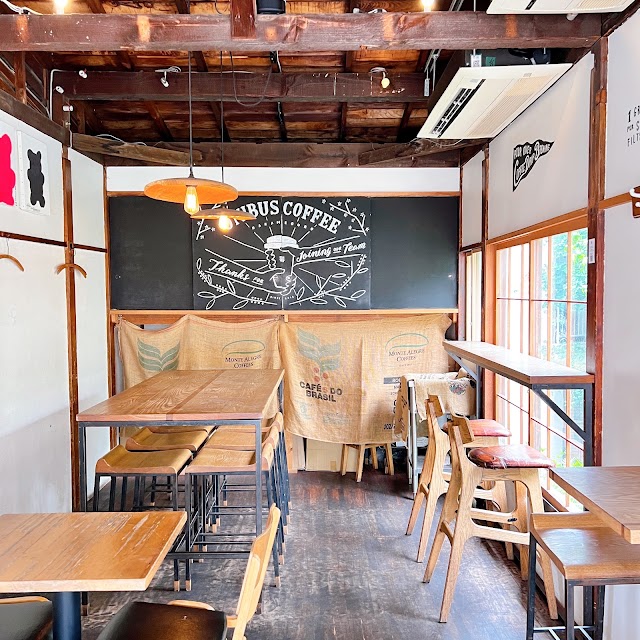
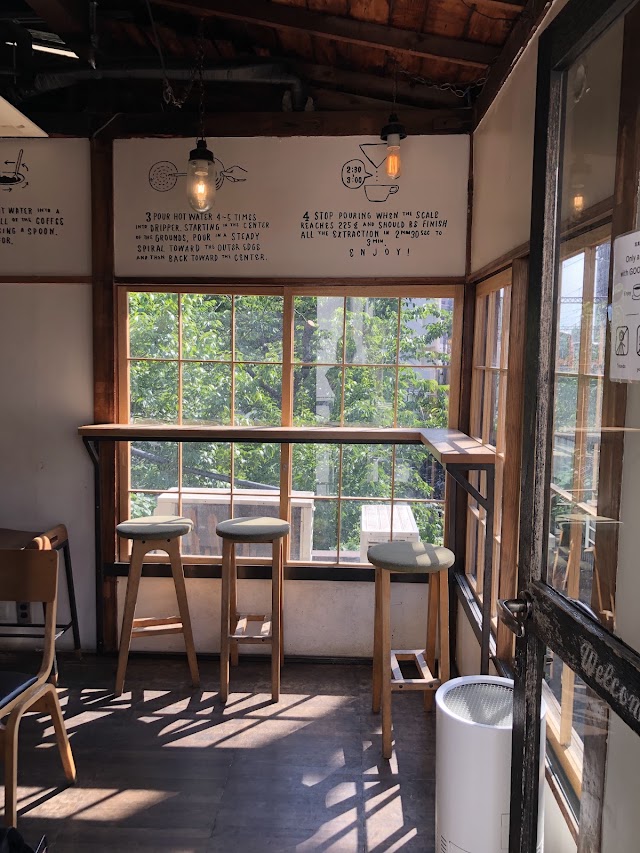
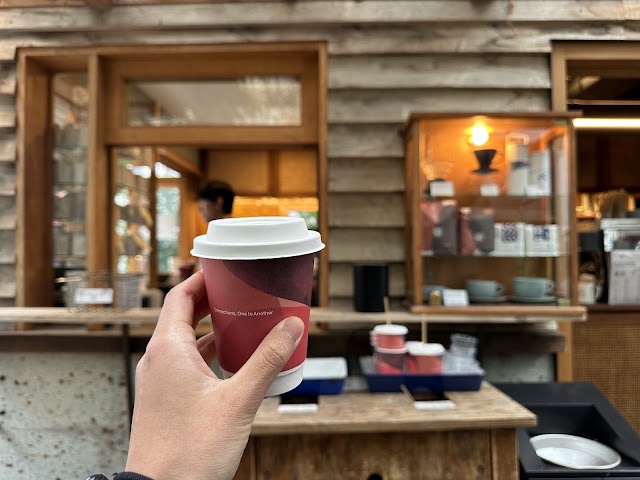
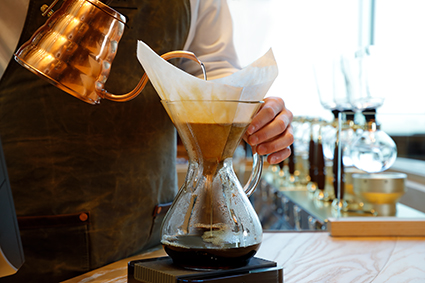
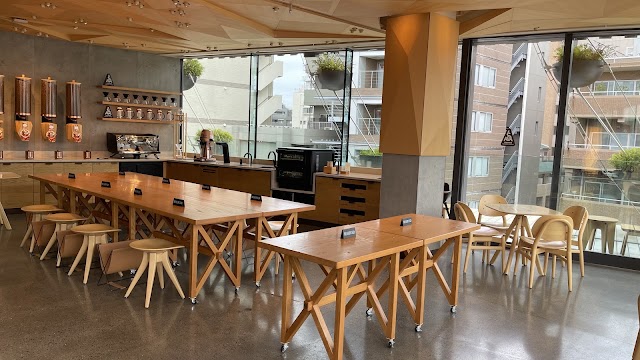
Onibus Coffee Nakameguro occupies an old wooden house — counter and takeaway window downstairs, a small room upstairs where trains pass the window — pouring light-roast single origins, two minutes from the station. Sidewalk Stand sits on the river with an open counter facing the water; customers take their cup outside and lean on the railing, and seating exists only upstairs. By evening the row drinking beer on the bank is mostly local. Starbucks Reserve Roastery Tokyo is another order of magnitude: opened 28 February 2019 as the world's fifth and Japan's first, about 1,200 square metres, exterior by Kengo Kuma drawn from the riverside cherry trees, and inside a working four-storey roastery with a copper cask and pipework running through it.
Ordering, once and for all: menus at Japanese light-roast shops usually split into espresso and filter. For origin character, order filter and ask which beans are on today — staff will offer two or three with tasting notes, exactly the exchange you would have at a Taiwanese roaster. Seating strategy matters more: Onibus upstairs fills up and Sidewalk is standing-room, so save sitting down for the Roastery, which has the strongest air conditioning and the most seats on this route. Put the hottest two hours of the day there. Sources: [Roastery Tokyo opening (Impress Travel Watch)](https://travel.watch.impress.co.jp/docs/news/1152458.html), [Kengo Kuma's Roastery Tokyo (Casa BRUTUS)](https://casabrutus.com/categories/food/98528)
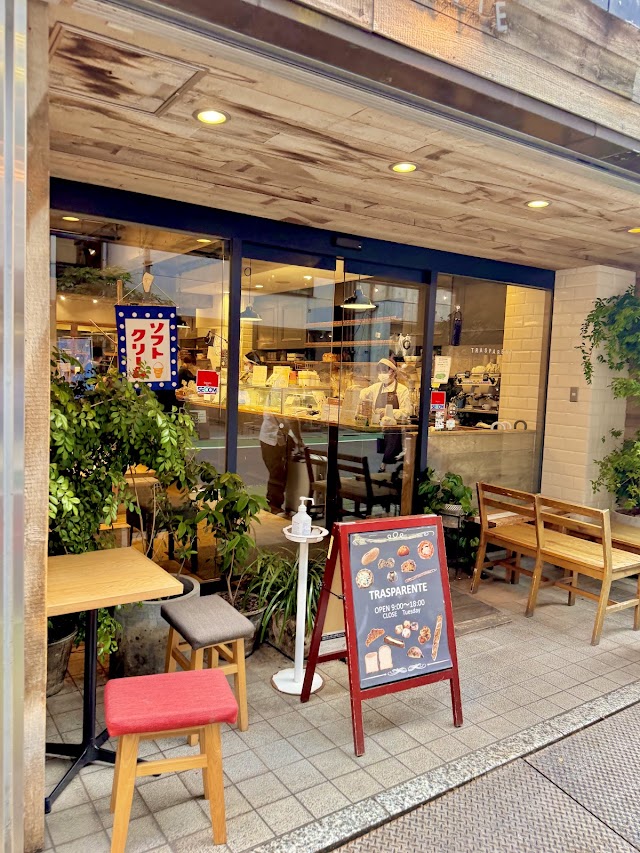
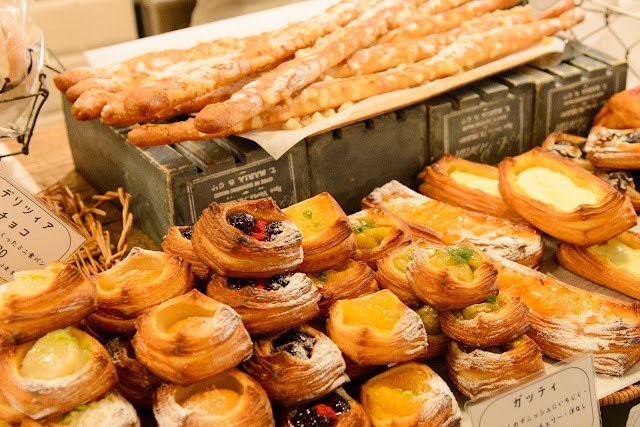
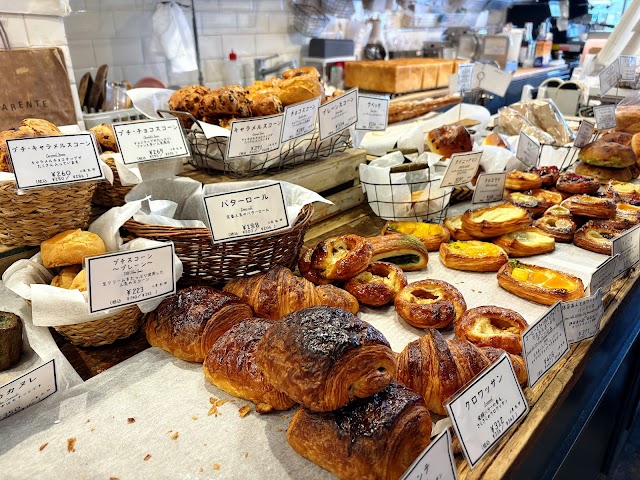
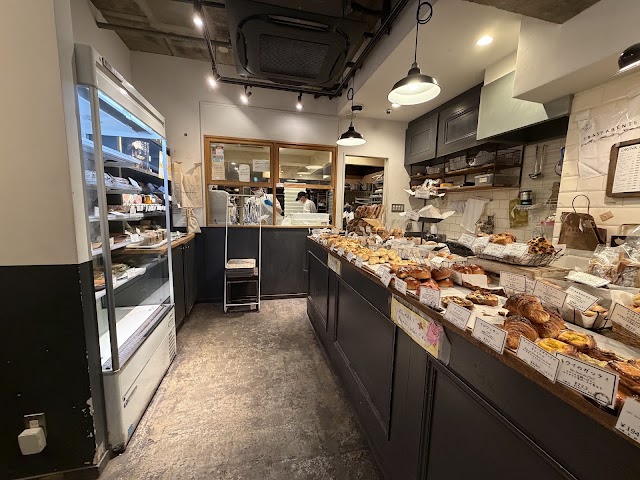
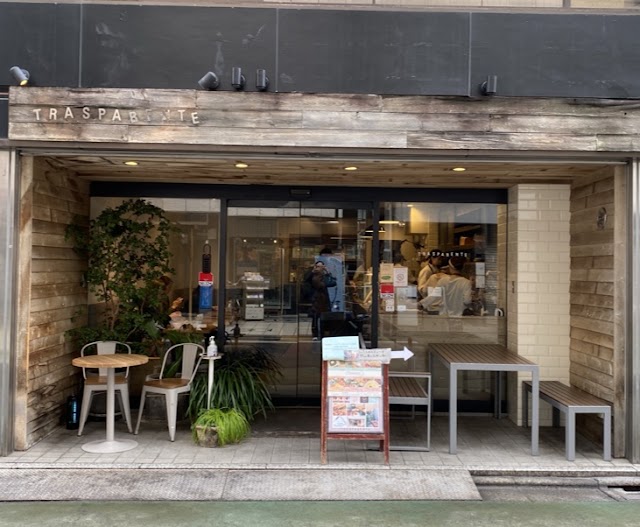
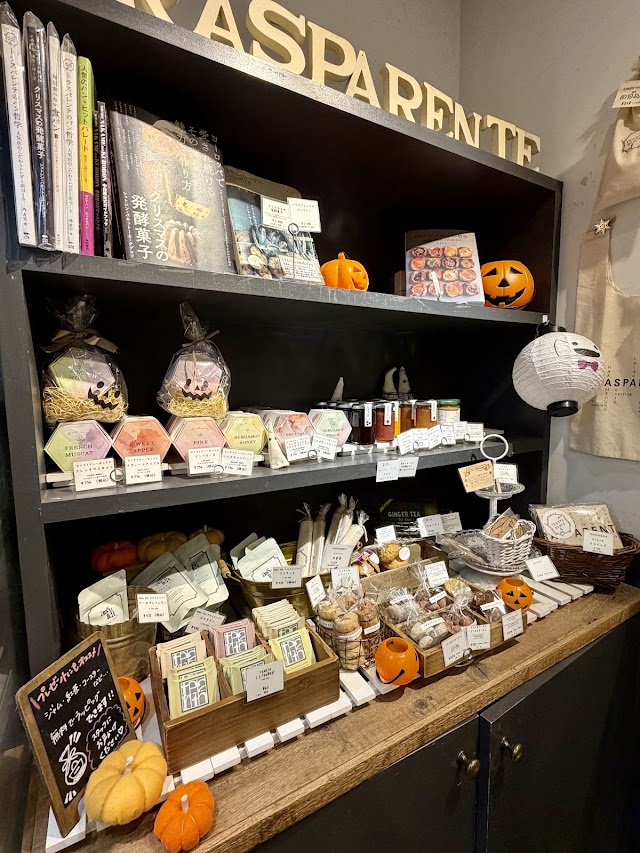
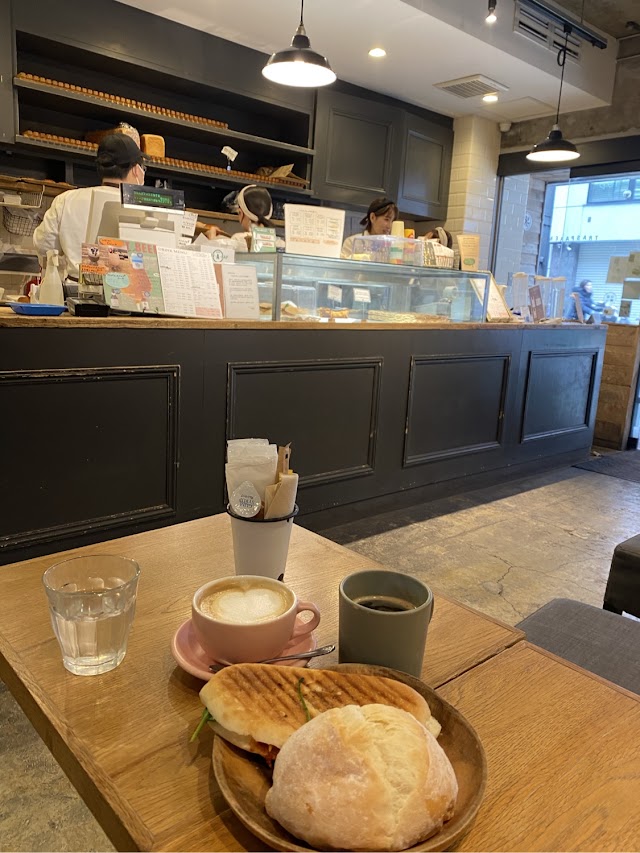
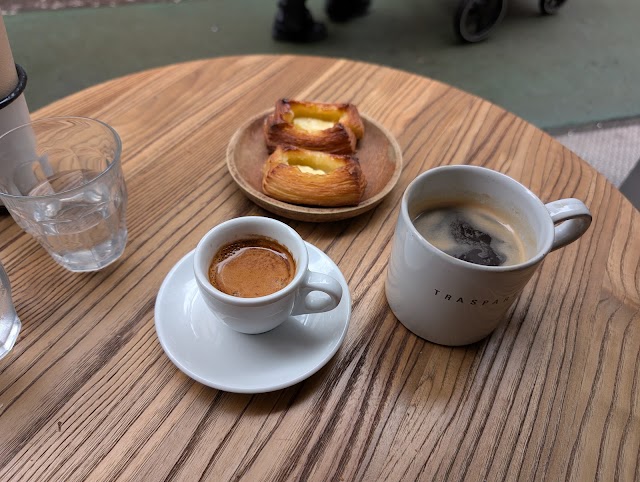
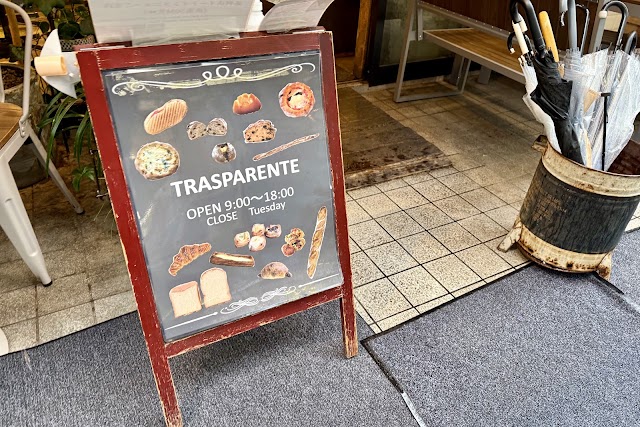
[4] Bread and chocolate: one ranked list, one national first. Nakameguro has a structural problem — most shops do not open before noon, leaving early arrivals stranded. Trasparente Nakameguro is the fix: doors at 8:00, morning sets, and a Tabelog Bread TOKYO Hyakumeiten 2026 selection, about seven minutes from the station. Building it into the plan starts the whole route two hours earlier — breakfast, then the river before the heat, then the arcade and indoor stops after midday. The baking is Italian in style, with savoury and hard-crust loaves ahead of the sweet range.
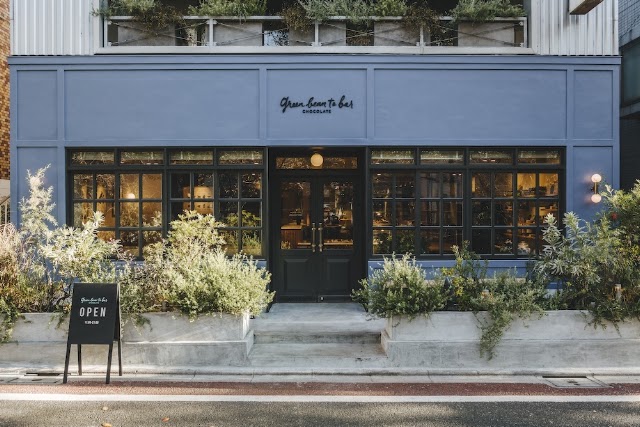
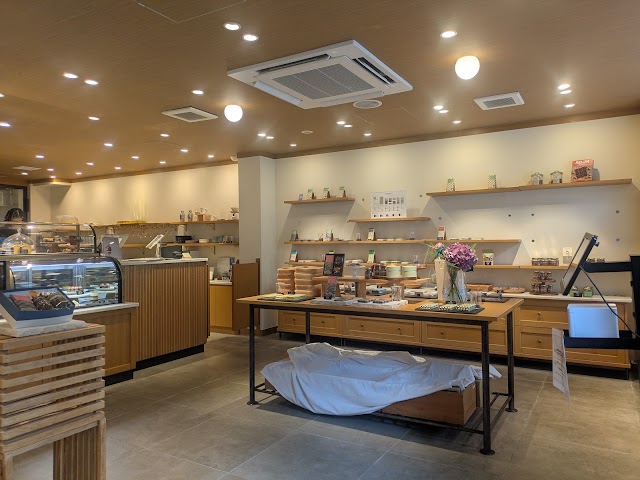
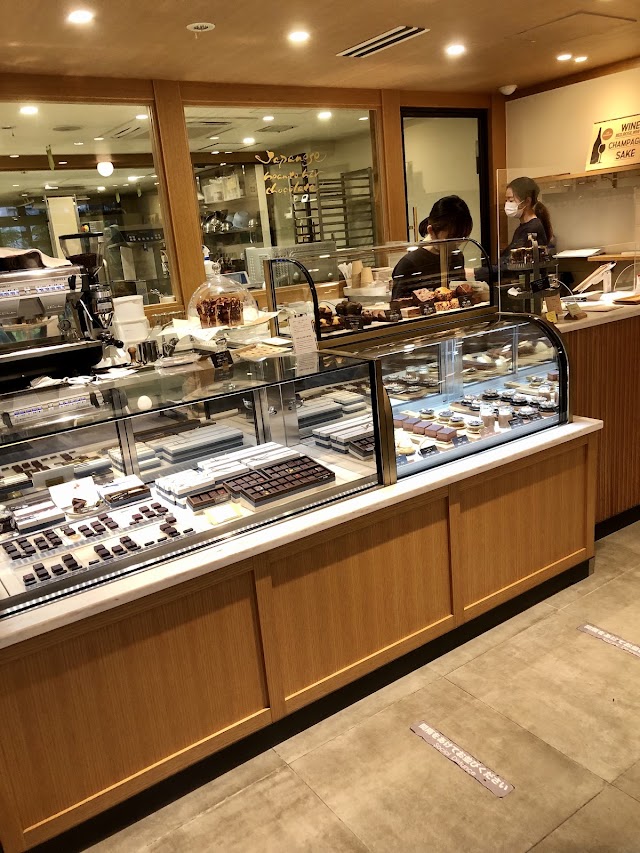
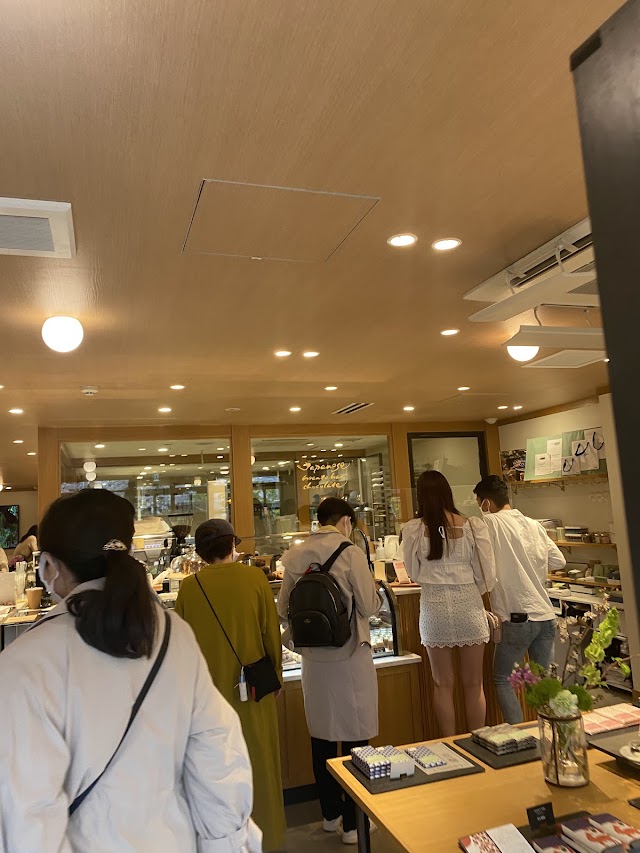
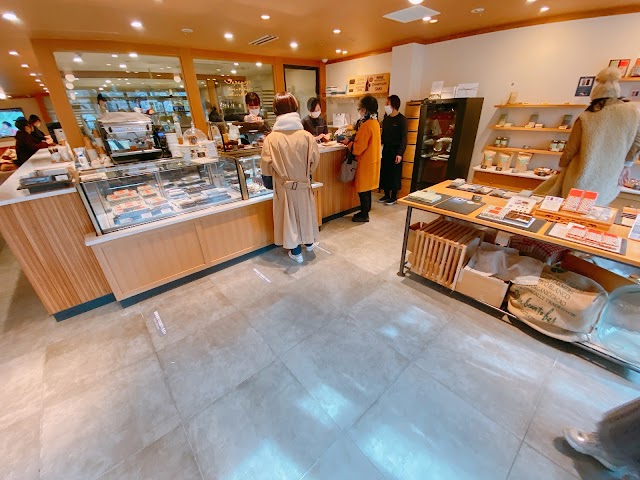
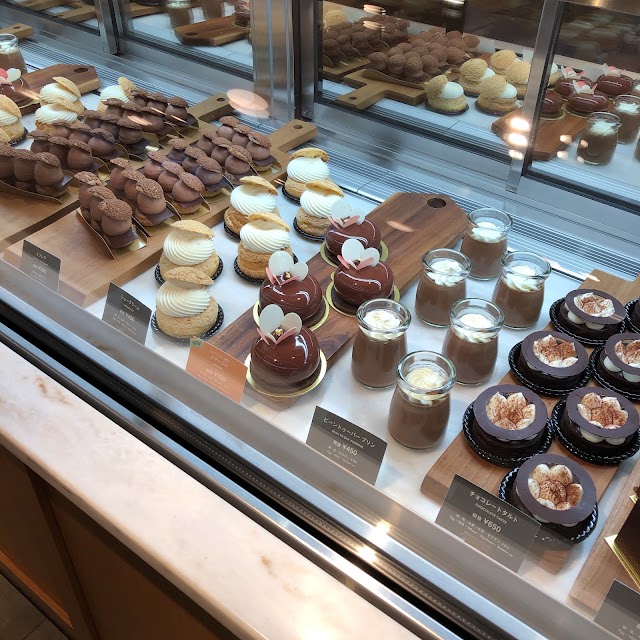
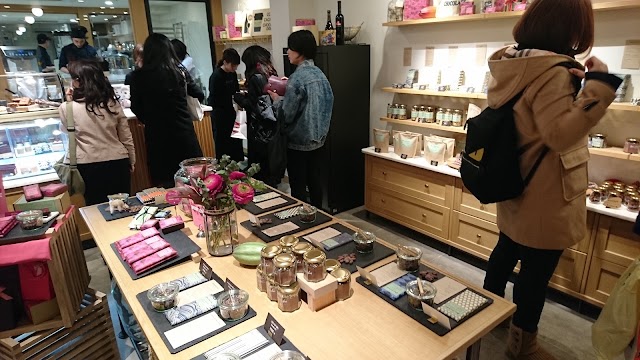
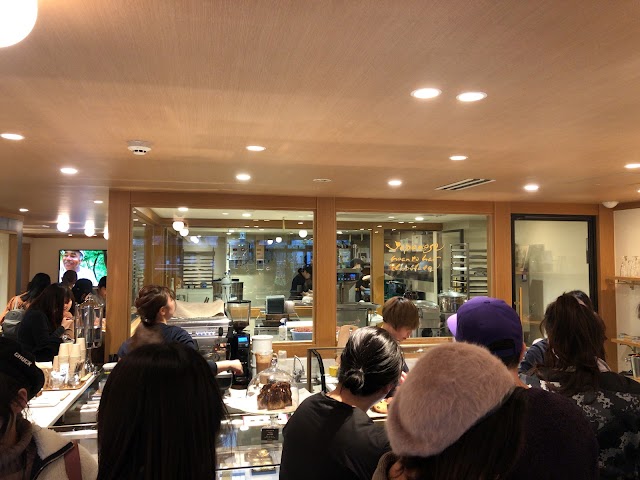
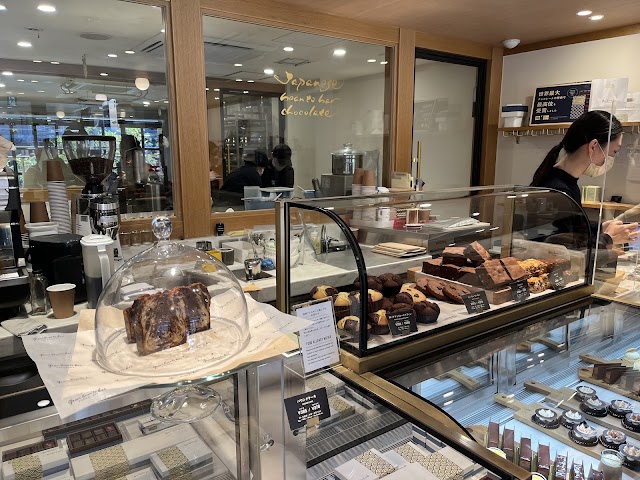
Green Bean to Bar Chocolate Nakameguro is the shop that brought the phrase into Japan: every step from cacao bean to finished bar handled in-house, the first specialist in the country to do so. For visitors it answers the souvenir question better than anything else nearby — a bar at around a thousand yen is more distinctive than a station box of sweets, and the differences between origins are audible on the tongue at the tasting counter. A summer caveat: chocolate hates heat, so make this the last stop before the hotel, or ask for cooling packs. Sources: [Tabelog roundup of Nakameguro cafes](https://tabelog.com/matome/6023/), [Nakameguro cafe walk (Tokyu official)](https://www.tokyu.co.jp/area/naka-meguro/article/arti-01KE93RXPXSZG6BRGAQV8Y4HEB/)
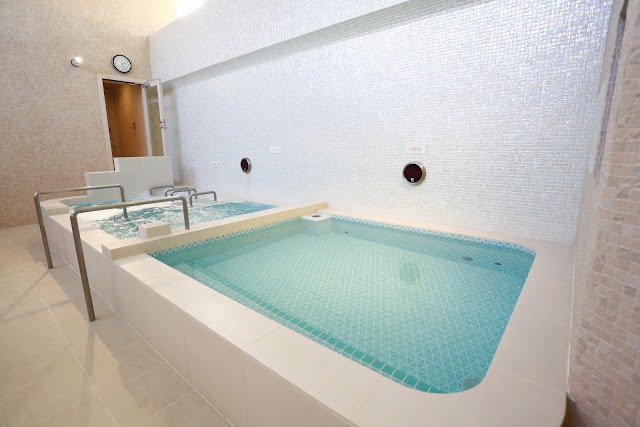
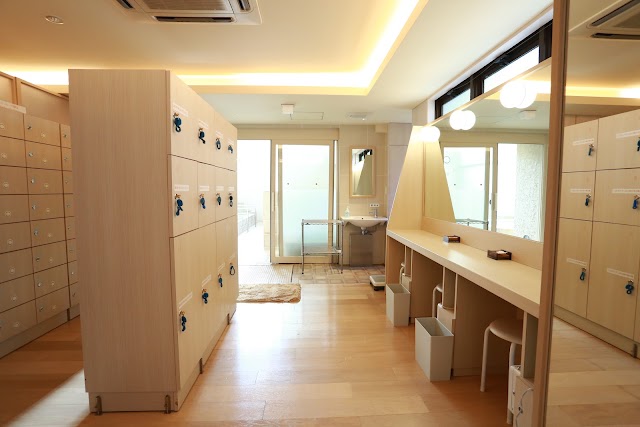
[5] The bath: ¥600 from 1 August, and it is a controlled price, not a price rise. Three kilometres end at Kohmeisen. The bathhouse reopened after renovation in March 2014, bright and clean inside, with an artificial radium bath, a high-concentration carbonated bath and an open-air bath on the roof — and the rooftop men's and women's sides swap every Friday, so which one you get depends on the day. Three to four minutes from the station.
The price needs stating plainly, because visitors often read it as the owner putting rates up: ¥600 for adults is the Tokyo Metropolitan controlled price for public bathhouses, raised from ¥550 on 1 August 2026 and identical at every sento in the city. Children 6-11 remain ¥200 and under-6s ¥100. The number you see in Koenji, in Nakameguro and in the old downtown is the same number.
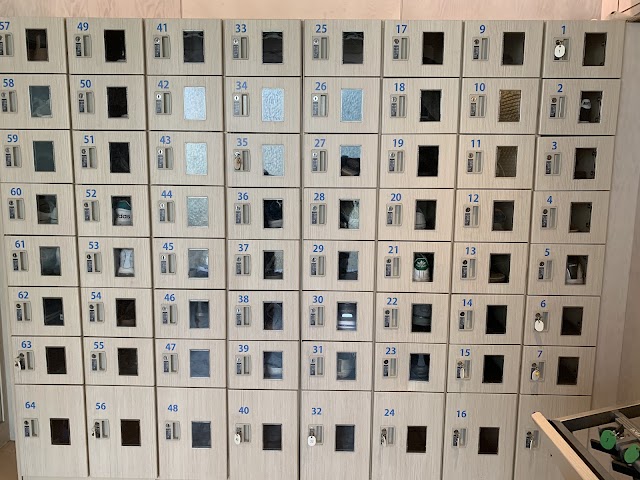
First-timers need three rules: wash thoroughly at the taps before entering the water, keep your towel out of the bath, and check the house policy on tattoos. Carry ¥100 coins as well — lockers and hairdryers usually take them. After three kilometres on foot, ¥600 for a carbonated bath and rooftop air is the best value on this route. Source: [Kohmeisen (Tokyo Sento Map, Tokyo Public Bathhouse Association)](https://www.1010.or.jp/map/item/item-cnt-513)
[6] Aobadai: two parks that were once one estate. Follow the river to its upstream end and you reach Aobadai, where two parks stand side by side. Most visitors never learn the connection between them: they were a single property.
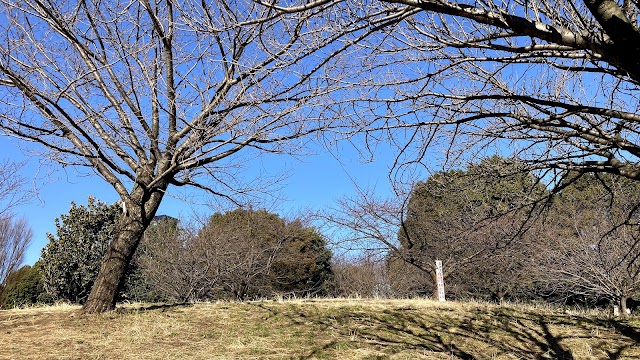
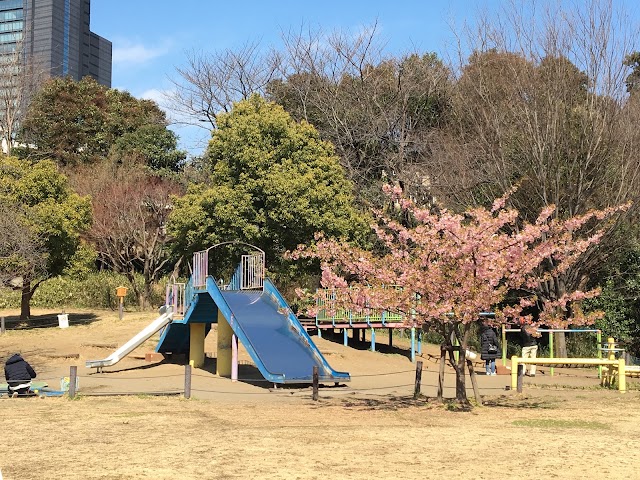
Saigoyama Park occupies the north-eastern part of the former residence of Saigo Tsugumichi — younger brother of Saigo Takamori, a Meiji-era politician and military officer — on high ground locals already called 'Saigo Mountain', a name the park kept. Built into the slope at the plateau's edge, it has a twenty-metre artificial waterfall and a gently graded path to a viewing deck from which Mount Fuji is visible on clear winter days. No Fuji in August, but it is the breeziest spot on the route.
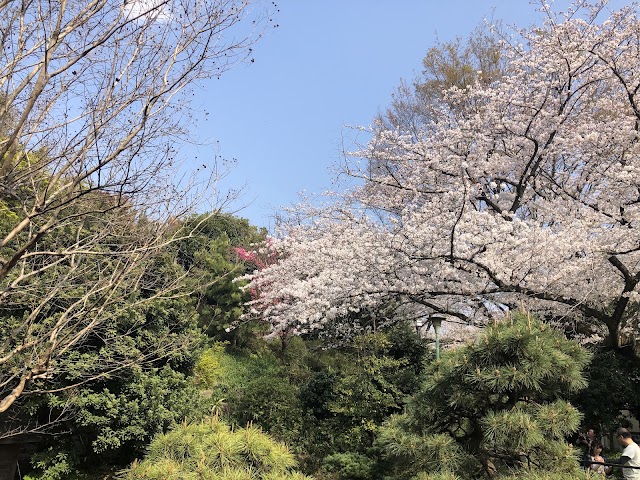
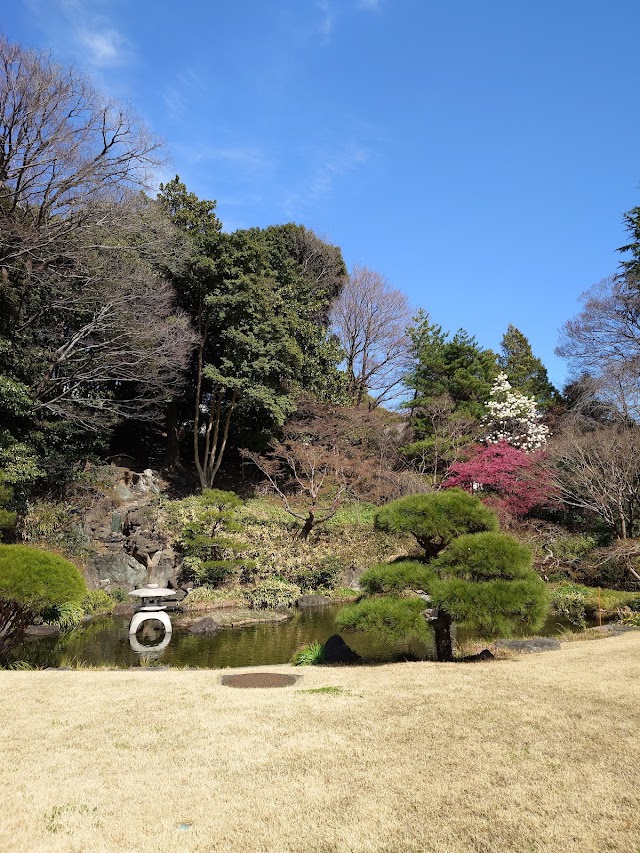
Sugekari Park next door is its opposite. In the Edo period this was a lower residence of the Bungo-Oka domain, then the Saigo Tsugumichi estate after the Meiji Restoration; the garden was once called the finest in the Eastern Capital and the Meiji Emperor visited in 1889. The Japanese garden today is a partial restoration based on archaeological survey findings, with two waterfalls and ponds rebuilt. That history is why a free ward park contains water features of this standard.
These two stops are also the quietest part of the walk — no shops, no queues, mostly local residents. Mind the terrain: Saigoyama is sloping lawn with level changes, hard work with a stroller or suitcase, and the Japanese garden at Sugekari keeps different hours from the rest of the park. Sources: [Saigoyama Park (Meguro City)](https://www.city.meguro.tokyo.jp/douro/shisetsu/sports/saigo.html), [Sugekari Park (Meguro City)](https://www.city.meguro.tokyo.jp/douro/shisetsu/sports/sugekari.html)
[7] Practicalities: how to build the day, and how not to. About three kilometres on foot, five to seven hours including meals and a bath. Three versions.
Half day (afternoon arrival): station, arcade and Tsutaya, a takeaway coffee from Onibus, along the river to Sidewalk Stand, then the bathhouse — done in four hours, fine if you still need to get back into the centre. Full day: breakfast at Trasparente at eight, the river to Aobadai before the heat, the hottest two hours inside the Roastery, the two parks in the afternoon, dinner back under the tracks, a bath at night. Rainy day: compress everything into the covered 700 metres plus the Roastery and the chocolate workshop — Nakameguro is one of the few Tokyo districts rain does not ruin.
Three common misjudgements. Do not arrive at ten in the morning to shop: most of the neighbourhood is behind shutters before noon, the bakery at eight being the one exception. Do not walk the river with a stroller or large luggage: the path is often two abreast and it is a gentle uphill from the station to Aobadai. And do not treat this as a pure tourist district: houses back onto both banks and the arcade is a daily route for residents, so keep the volume down at night.
Finally, transport. Nakameguro is served by both the Tokyu Toyoko Line and the Hibiya Line — one stop to Shibuya, a direct ride to Roppongi and Ginza — which is precisely why so many people schedule it as an hour on the way to somewhere else. August offers the opposite: one of the few months you can take it slowly. Source: [Meguro River and Jakuzuregawa promenades (Tokyu official walking guide)](https://www.tokyu.co.jp/area/naka-meguro/article/arti-01JT7V14F0WG4JGV7VT3Q8VSG6/)
 Scan for map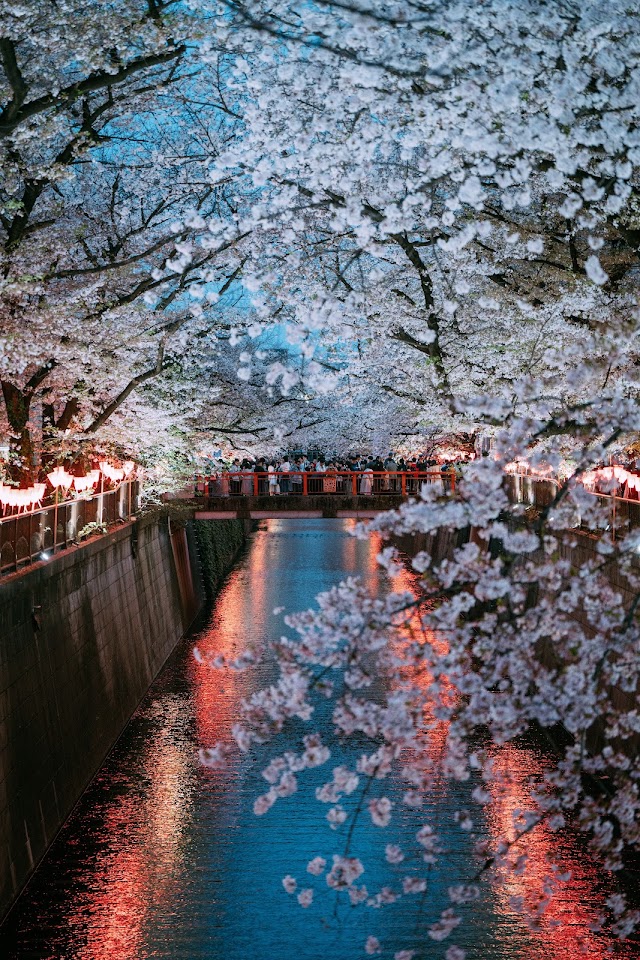
 Scan for map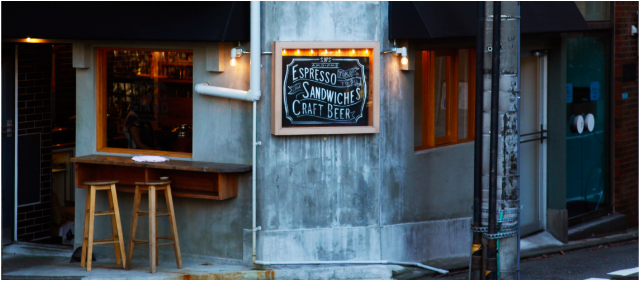
 Scan for map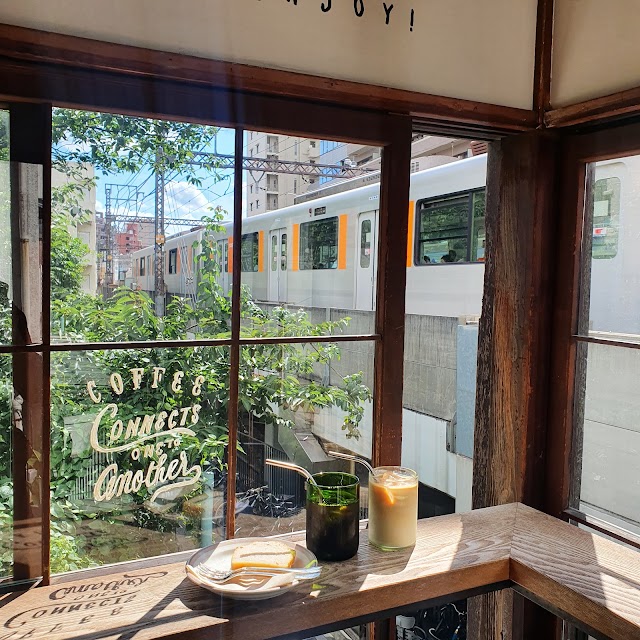

 Scan for map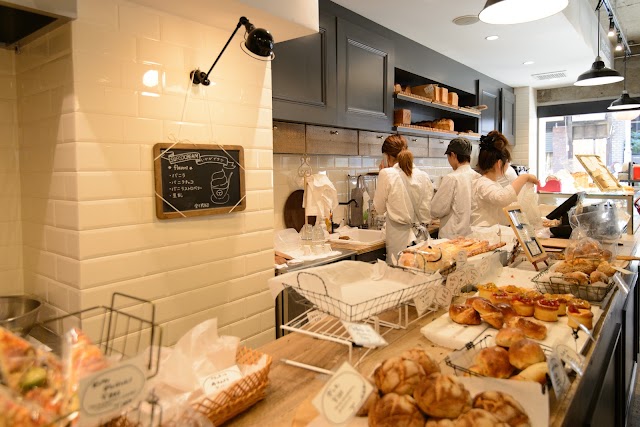
 Scan for map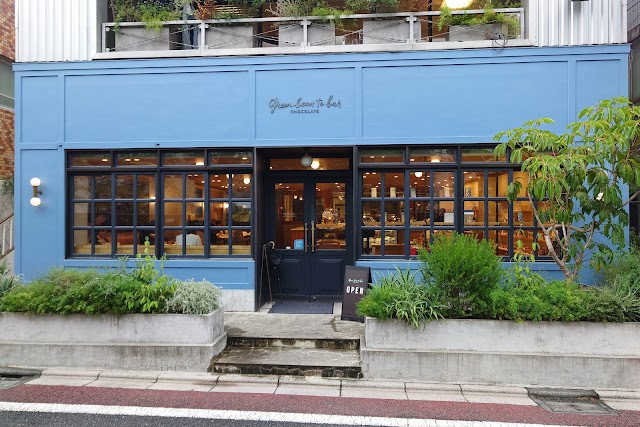
 Scan for map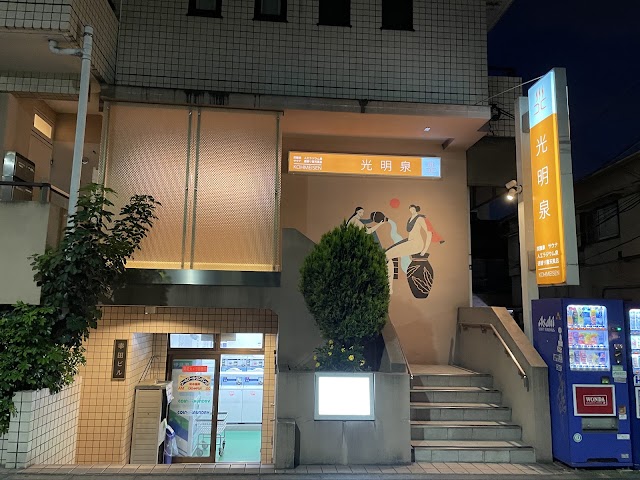
 Scan for map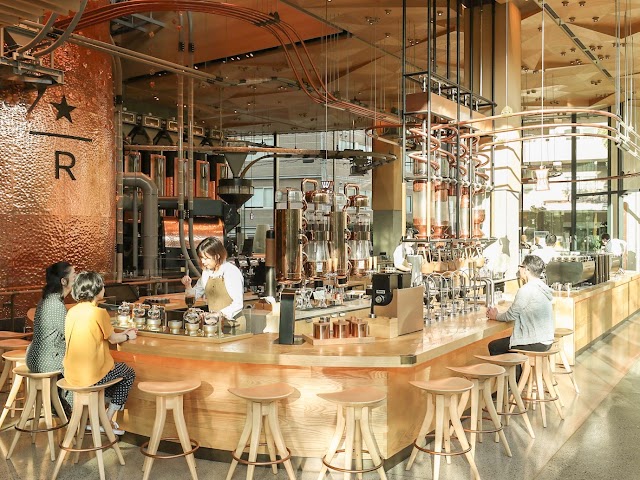
 Scan for map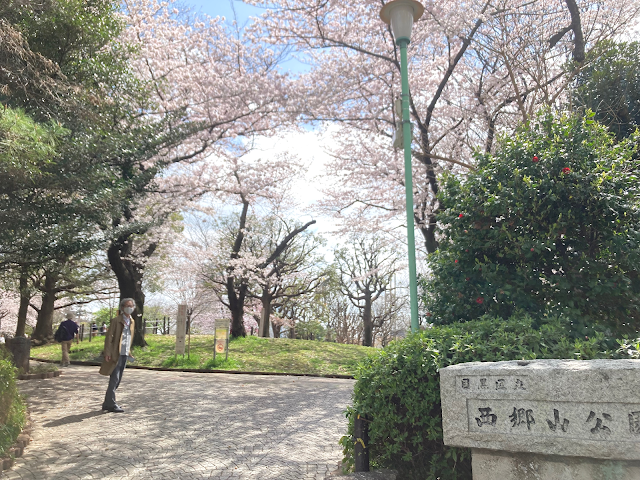
 Scan for map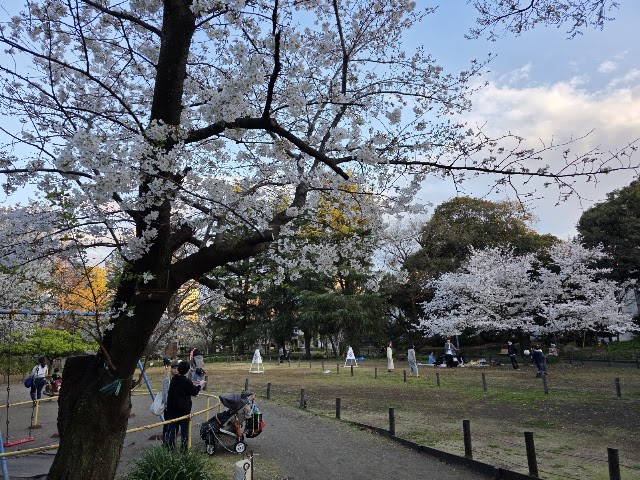
 Scan for map