From a 1900 Staff Meal to a Tourist Icon: Ten Omurice Counters in Tokyo, From Rengatei's Original to ¥1,100 in Shimbashi
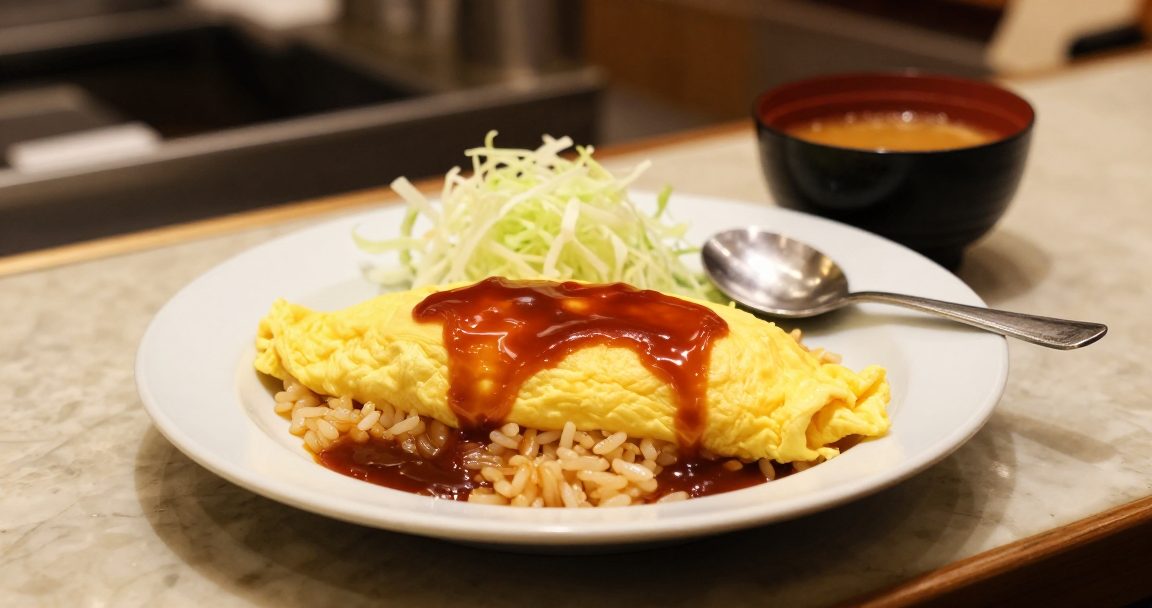
- Omurice is a Japanese invention within yoshoku, traced to Rengatei in Ginza: founded 1895, and in 1900 mixing raw egg into fried rice as a staff meal — a different form from today's egg-wrapped version. The restaurant now serves both the original and the later Meiji-born version
- Three lines decide where to eat: the old-style thin sheet (traditional yoshoku, demi-glace), fuwatoro (kissaten and modern, cream in the egg), and specialists (typified by Rakeru, founded in Shibuya in 1963, which solves groups and children)
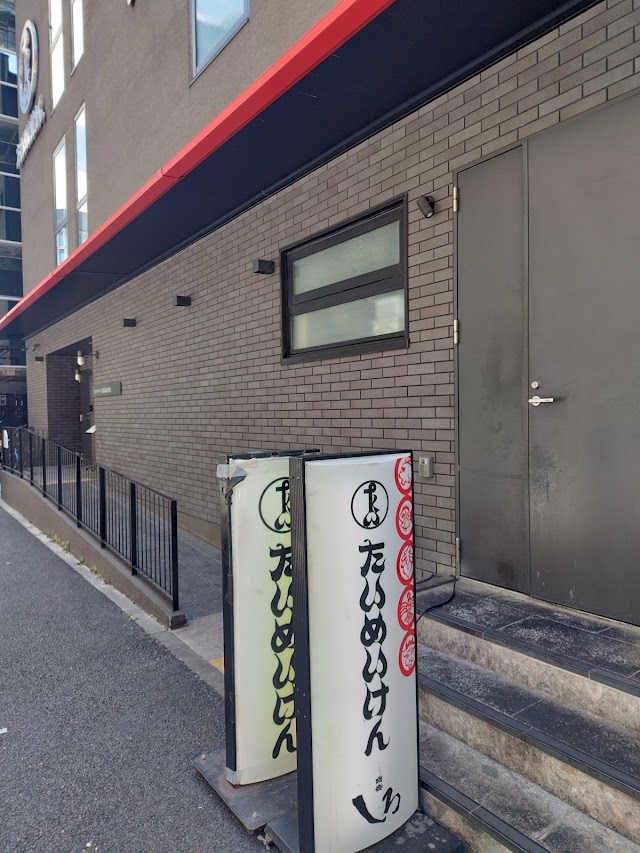
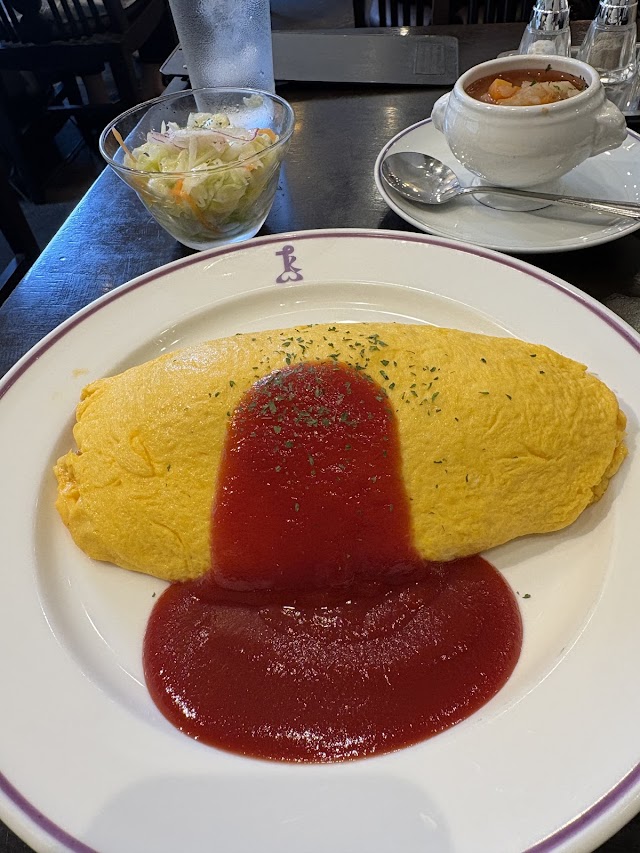
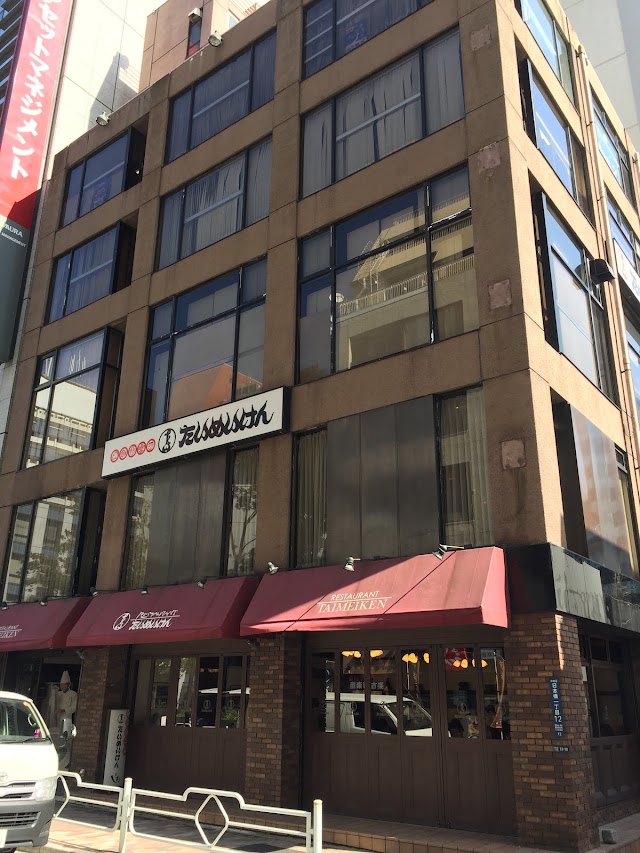
- At Taimeiken (founded 1931) the signature omurice is served only on the second floor, with a cheaper everyday menu downstairs, and it wraps ham rice rather than chicken rice; a Tanpopo omurice named for Juzo Itami's film is also on the menu
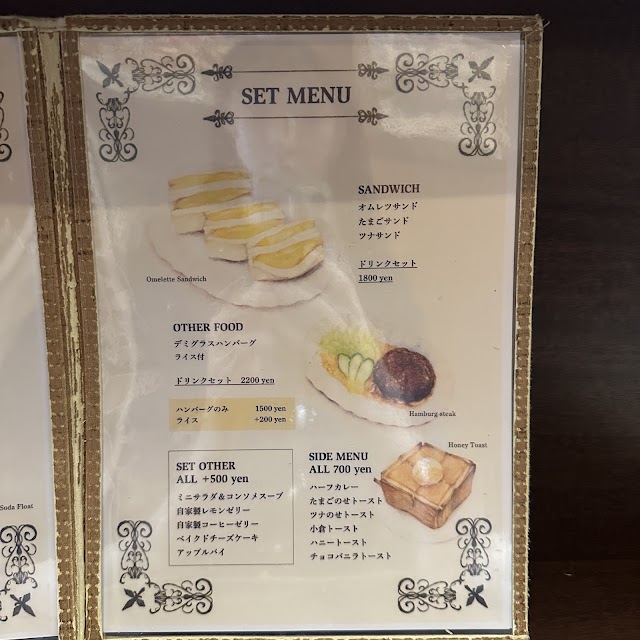
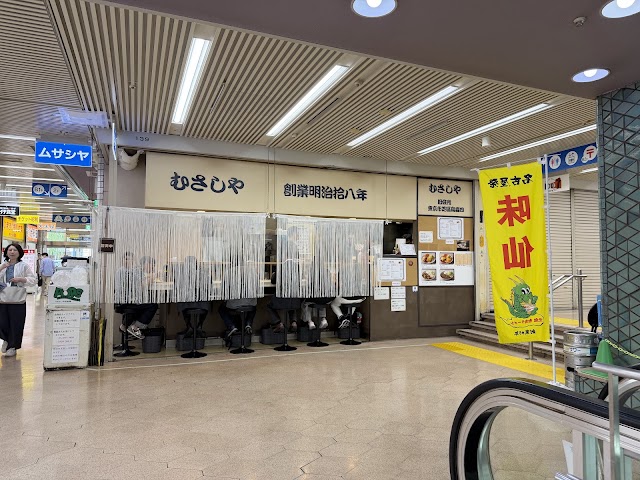
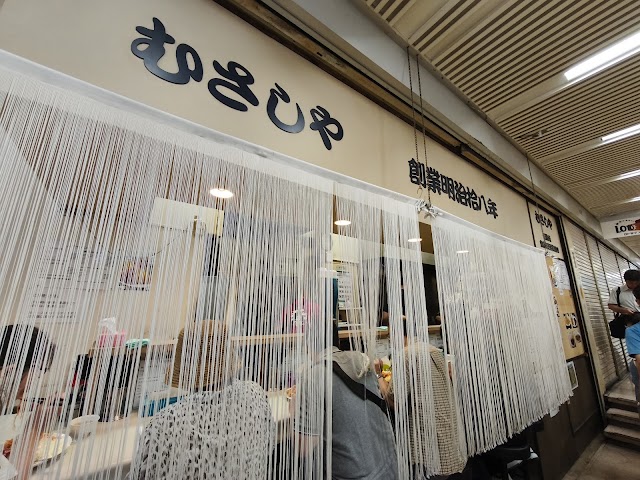
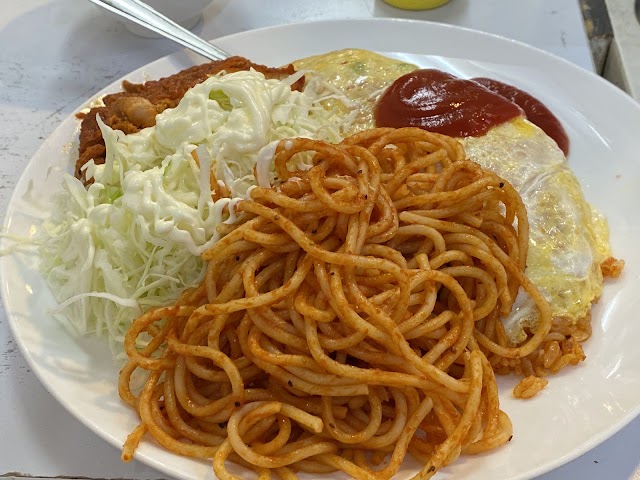
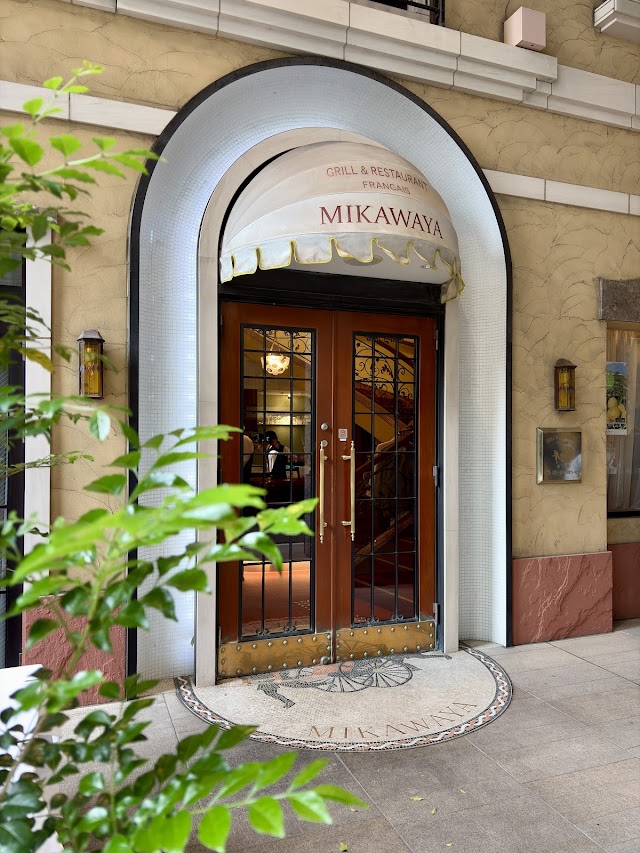
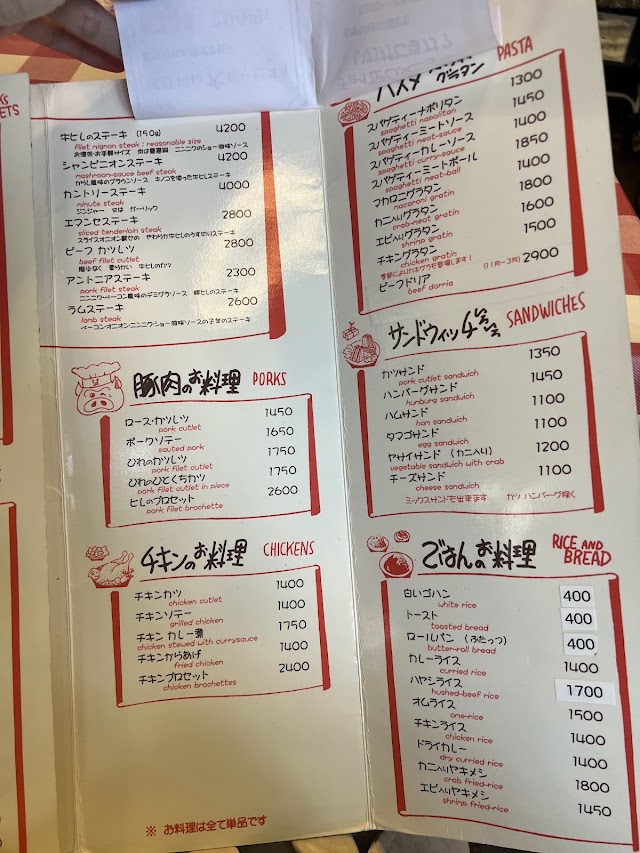
- The price spectrum: Musashiya in Shimbashi around ¥1,100 for a full lunch with spaghetti, cabbage and miso soup; Grill Grand at ¥1,540 standard, ¥1,800 special and ¥2,200 for omu-hayashi; Ginza Mikawaya roughly ¥2,000-4,000 at lunch
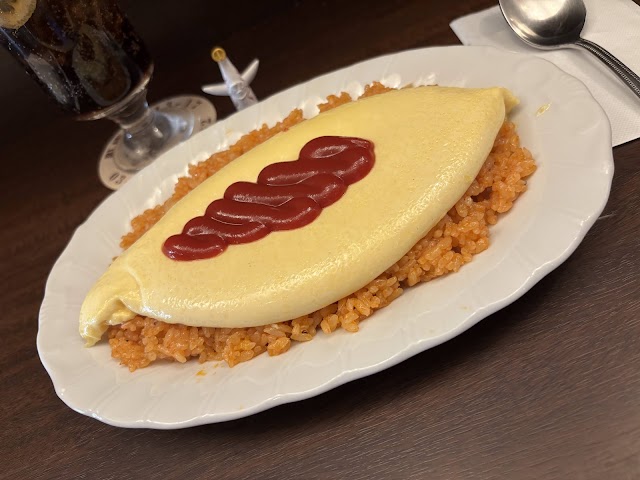
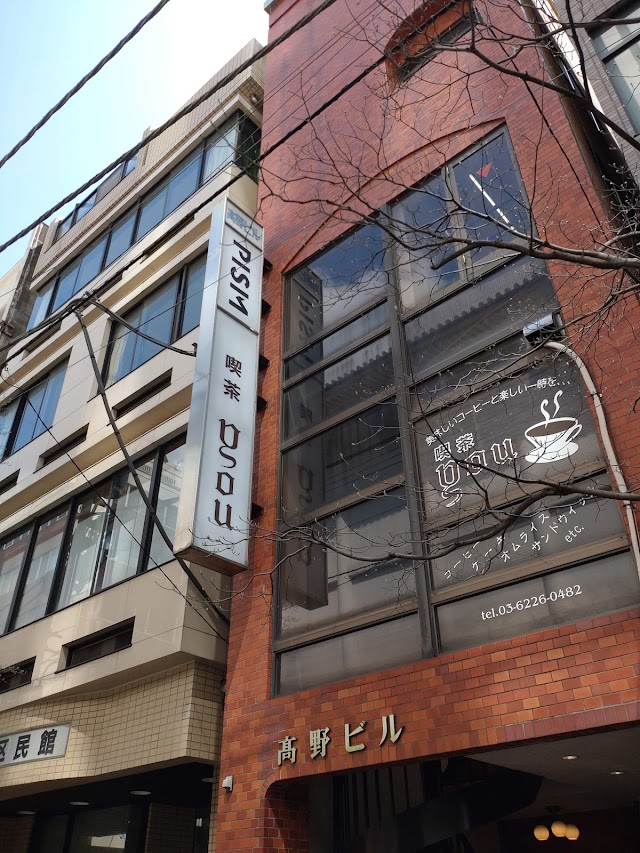
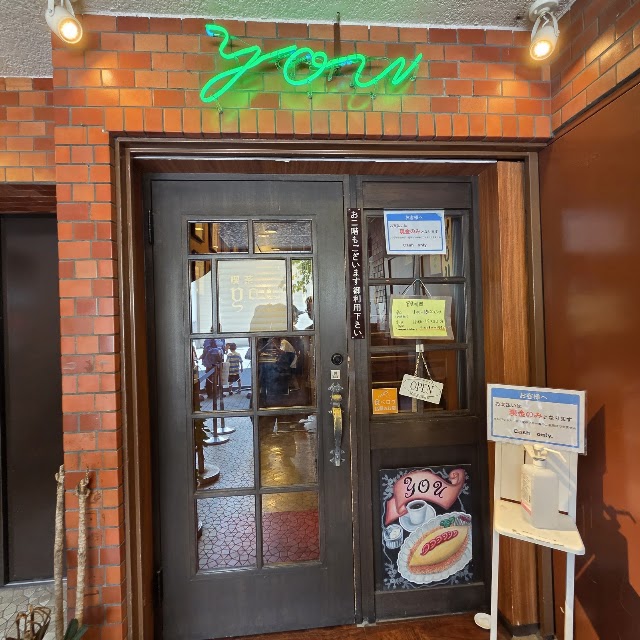
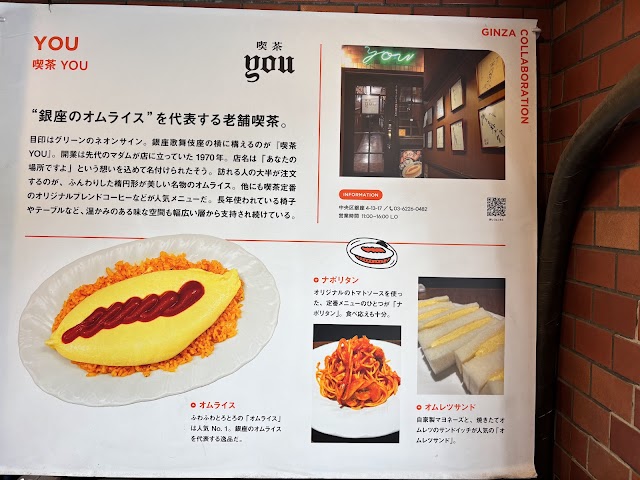
- Two entries carry rankings: Kissa You (founded 1970, behind the Kabukiza, about 48 seats, Tabelog Kissaten Hyakumeiten 2026) and Shinkawa Tsutsui in Kayabacho (Tabelog Yoshoku EAST Hyakumeiten 2025)
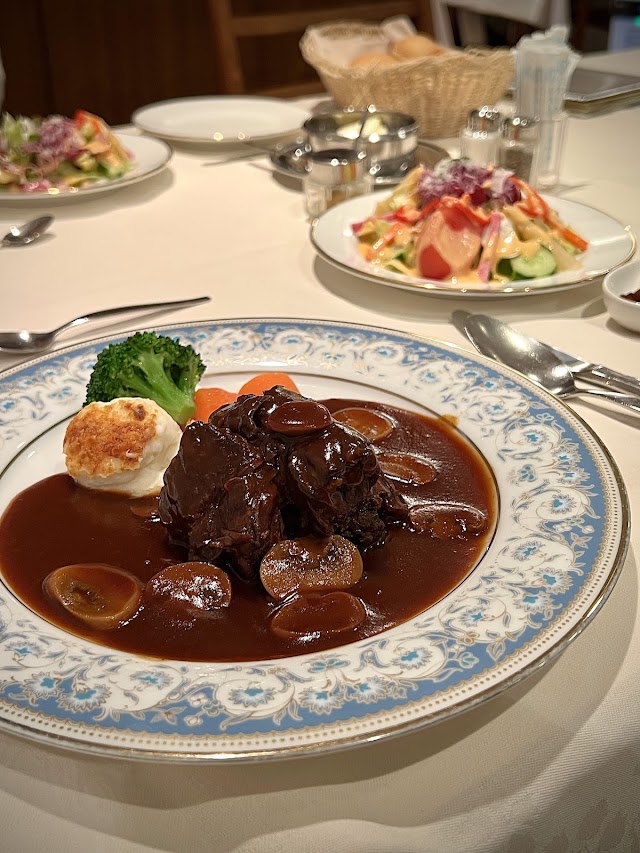
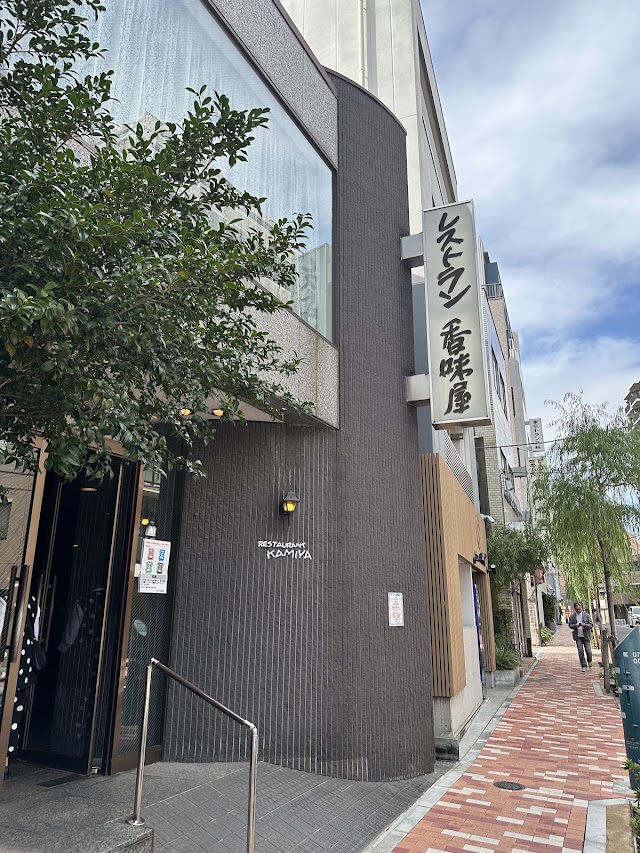
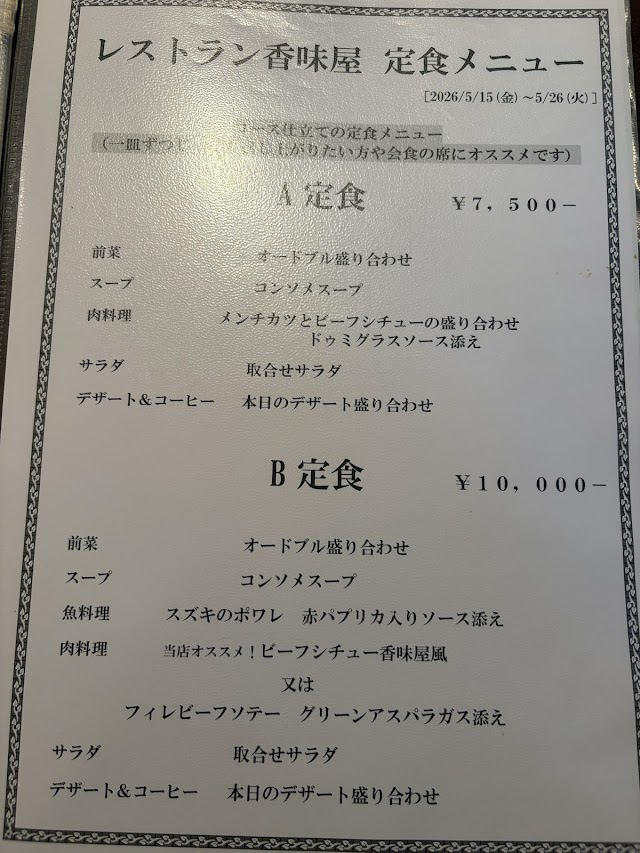
- Restaurant Kamiya opened in Negishi in 1925 (3-18-18 Negishi, Taito City), trading 11:30-20:30 (last order) and closed Wednesdays, moving to the following day when Wednesday is a holiday — it does not serve late
- Queue strategy: Kissa You and Musashiya have lines most of the day, so avoid 12:00-13:00; Tsutsui sits in a business district where weekend hours differ from weekdays, so check before setting out
Omurice is not unfamiliar in Taiwan: department store food halls, Japanese chains and family restaurants all serve it, usually a soft egg blanket over ketchup rice with a sweet sauce — the easy, domestic version. Precisely because it feels familiar, few visitors plan a meal around it in Tokyo. That is the misunderstanding this guide addresses.
Context first. Omurice did not come from Europe; it is yoshoku, the Western-influenced cooking Japan grew for itself after the Meiji Restoration, and its origins are humble. In 1900, Rengatei in Ginza was too busy to feed its own staff properly, so raw egg was mixed into rice and fried into something you could finish with a spoon in one hand — the rice omelette. From staff meal to menu item to a dish tourists queue for took more than 120 years.
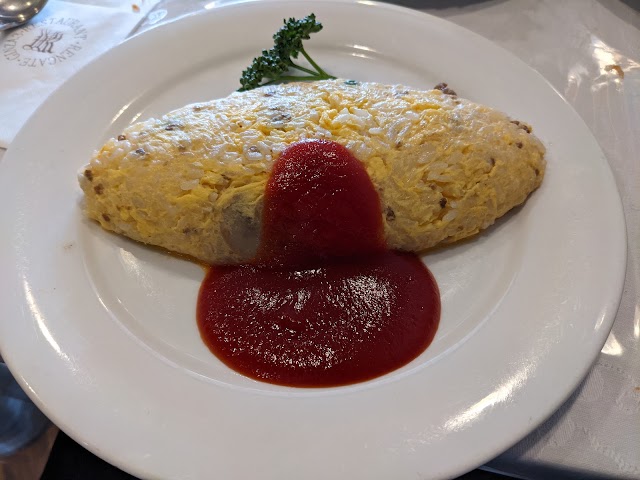
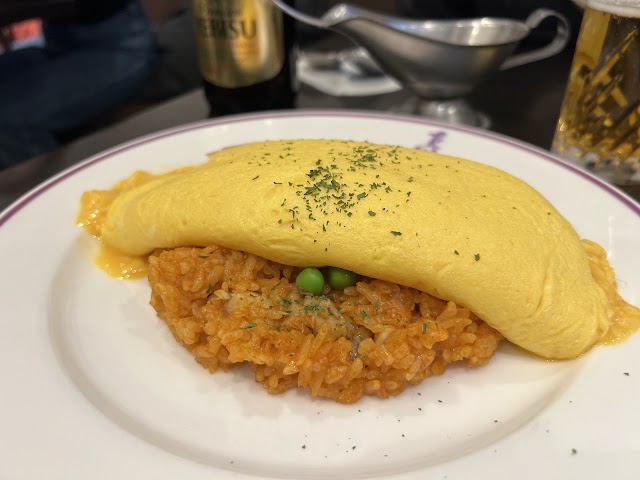
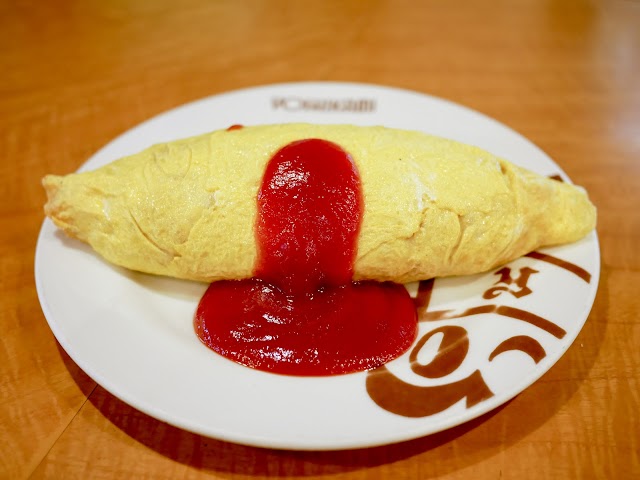
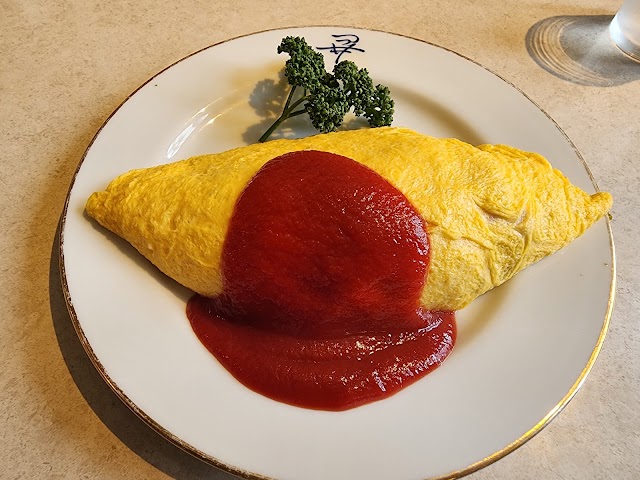
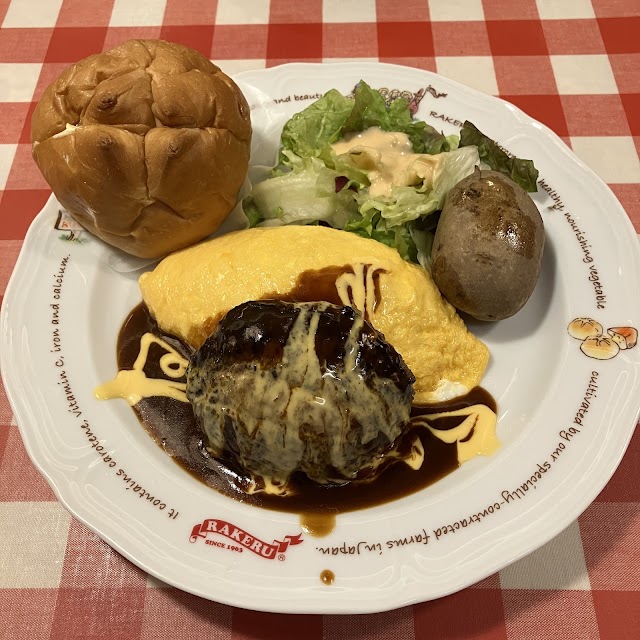
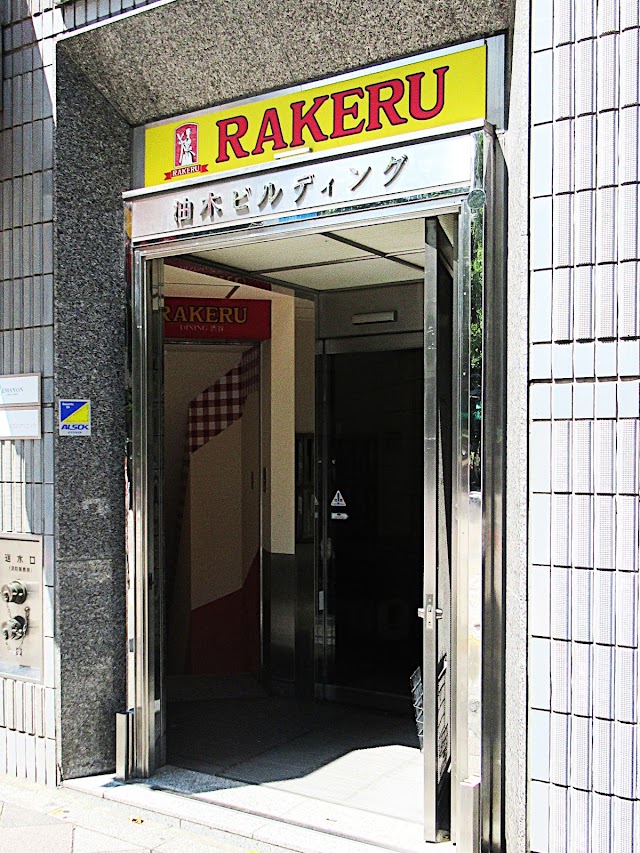
Today's Tokyo omurice divides into three clear lines, and the line decides the restaurant. The first is the old-style thin sheet: a properly set egg wrapped around ketchup or ham rice, served with demi-glace, eaten for its firmness and faint caramelisation. The second is fuwatoro: the kissaten and modern method, cream in the egg, cooked barely set and laid over the rice so a single stroke opens it — almost every image you have seen online comes from this line. The third is the specialist: chains that from 1963 turned omurice into a business of its own, solving the real problems of children, groups and late dinners.
Three questions cover ordering: ketchup rice or buttery ham rice, demi-glace or ketchup sauce, thin sheet or fuwatoro. The ten below cover all three lines, from a ¥1,100 counter in Shimbashi to a formal Ginza lunch, and include two with rankings behind them (Tabelog Kissaten Hyakumeiten 2026 and Yoshoku EAST Hyakumeiten 2025). Two or three of them fit inside half a day, which makes this one of the easiest themes to slot into an existing itinerary.
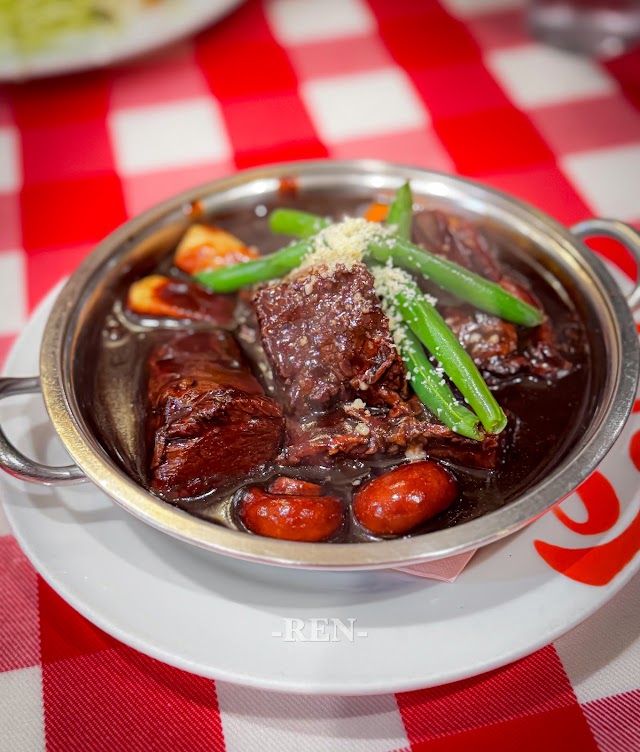
[1] The dish began as a staff meal, not a restaurant dish. Establish the origin and the other nine restaurants acquire coordinates. Omurice did not arrive from France or Italy; it belongs to yoshoku, the whole cuisine Japan grew for itself after absorbing Western technique in the Meiji era — the same system that produced tonkatsu, korokke, demi-glace beef stew and Japanese curry.
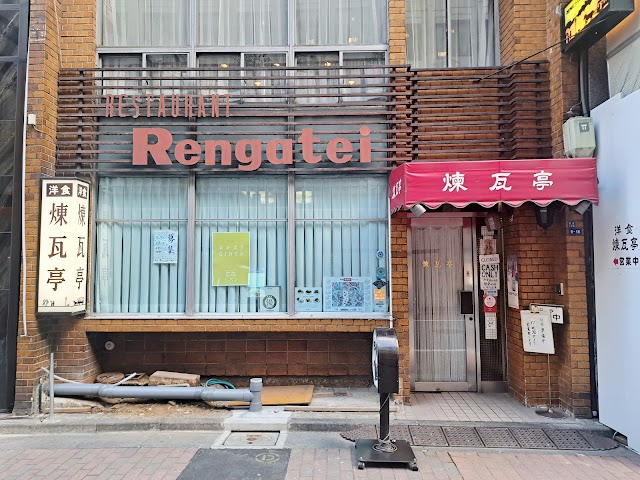
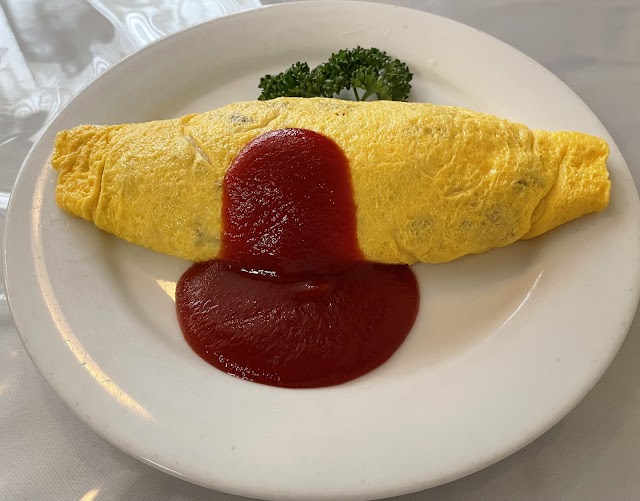
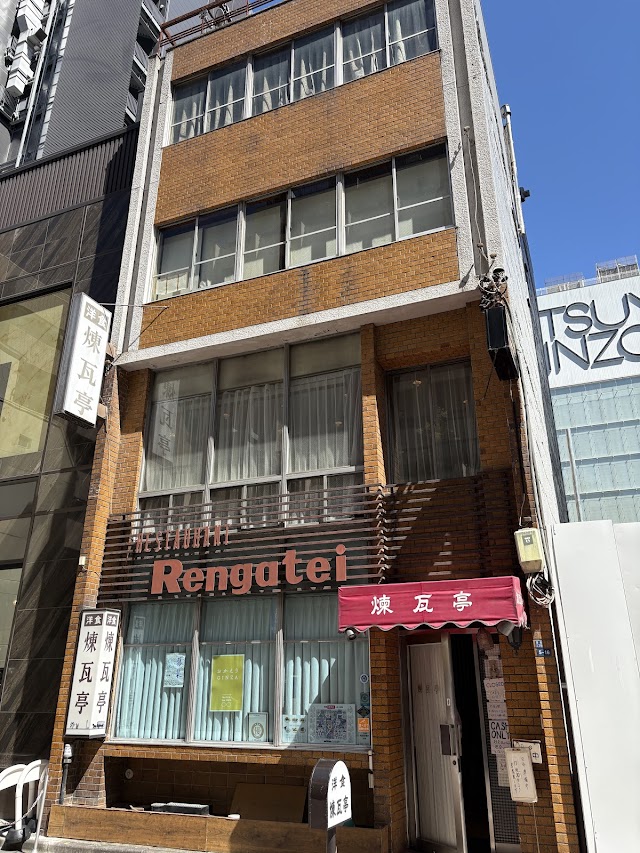
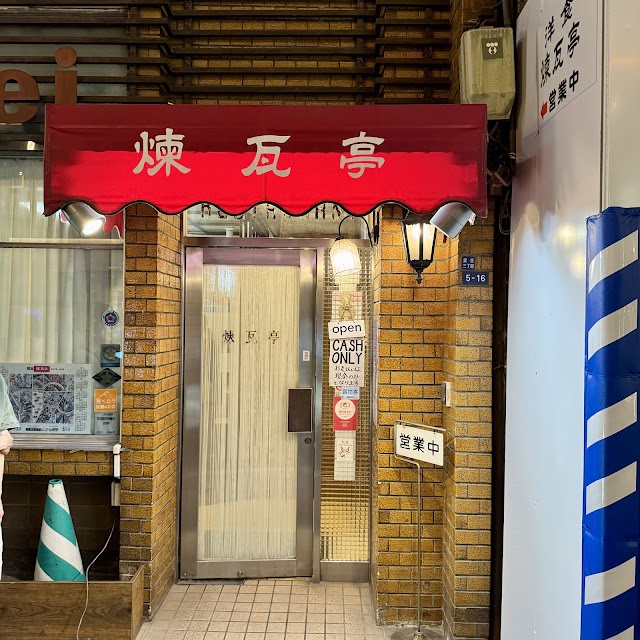
The origin is most often placed at Rengatei, opened in Ginza in 1895. In 1900 the kitchen was too busy for staff to eat properly, so raw egg was mixed into rice with chopped ingredients and fried into a rice omelette you could finish with a spoon in one hand — a staff meal. One detail is easily missed: this prototype was not rice wrapped in an egg sheet but egg mixed through the rice, closer in appearance to fried rice. Rengatei today serves both the restored original and the later Meiji-born version; ordering them together is eating the dish's evolution side by side.
The second marker is Taimeiken, founded in 1931, which made omurice a restaurant's signature and wrapped ham rice rather than chicken rice, a method from the founder. The third is 1963, when Rakeru opened in Shibuya and omurice became the subject of an entire restaurant rather than one line on a yoshoku menu, later franchising. Staff meal, signature dish, standalone category — three dates, one line. Sources: [Rengatei (Co-Trip)](https://co-trip.jp/article/637738), [Taimeiken and old-house omurice (Rurubu & More)](https://rurubu.jp/andmore/article/23854)
[2] Two eggs: choose the egg before the restaurant. The common mistake is choosing by fame and ending up with a version you did not want. Decide the egg first.
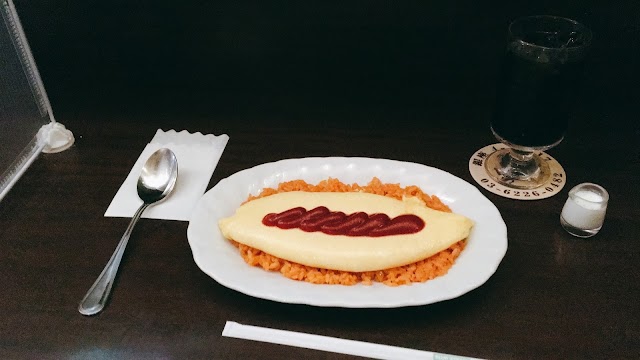
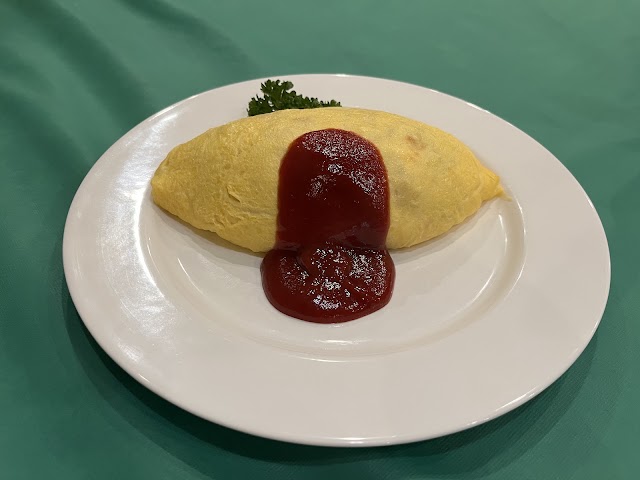
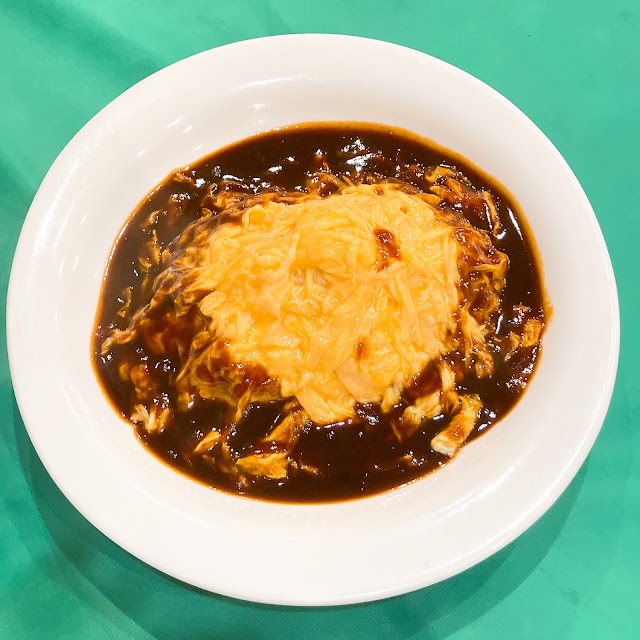
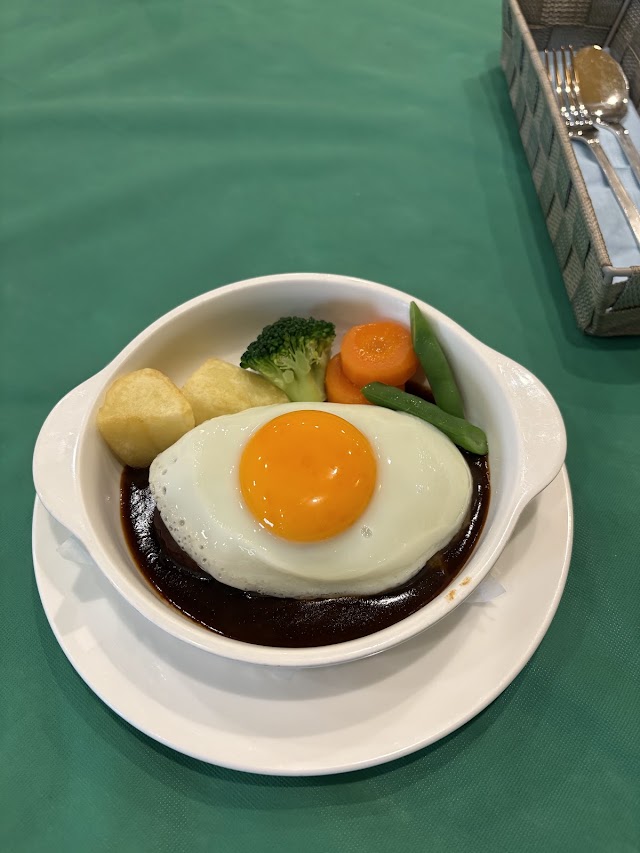
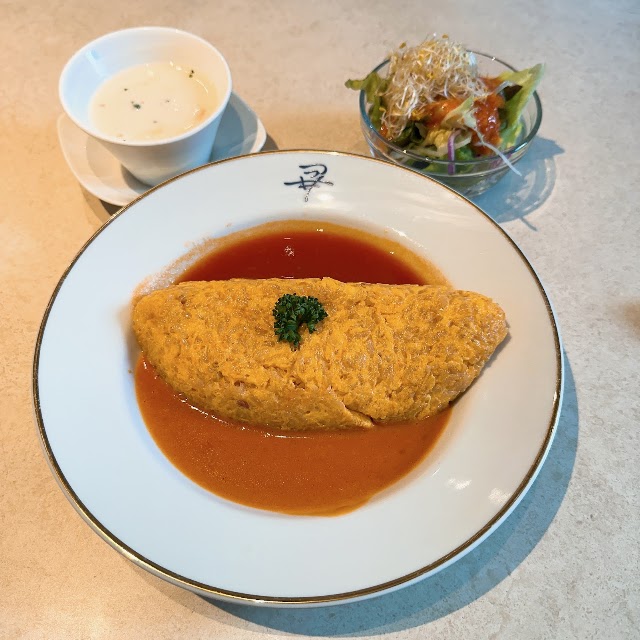
The old-style thin sheet: a properly set layer wrapping the rice completely, faintly caramelised on the surface, rice and egg separating cleanly when cut, usually with demi-glace. Rengatei, Taimeiken, Musashiya, Tsutsui and Kamiya belong here. It eats firm and clearly salted — a flavour designed to carry a full lunch.
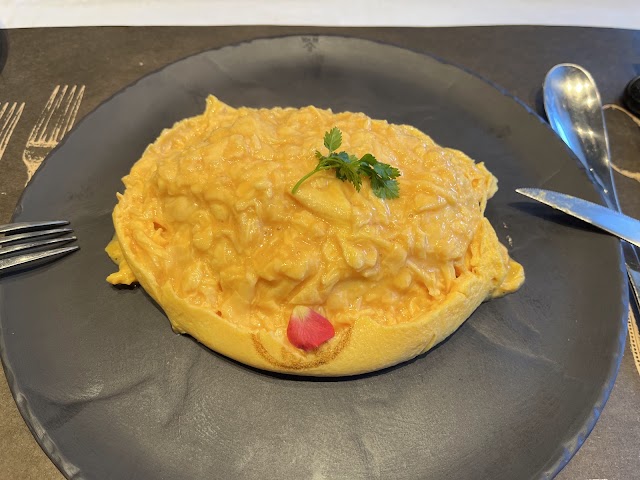
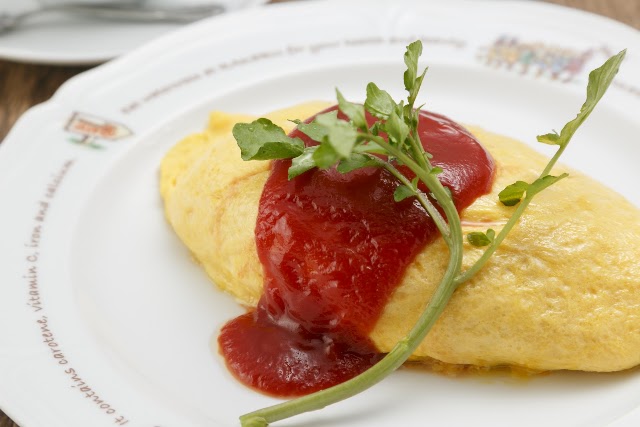
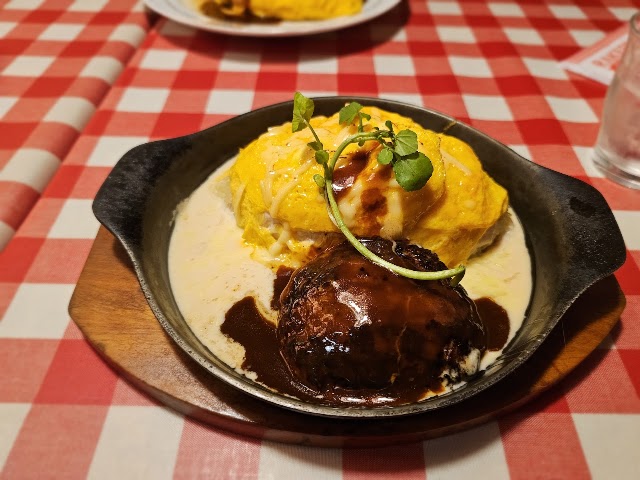
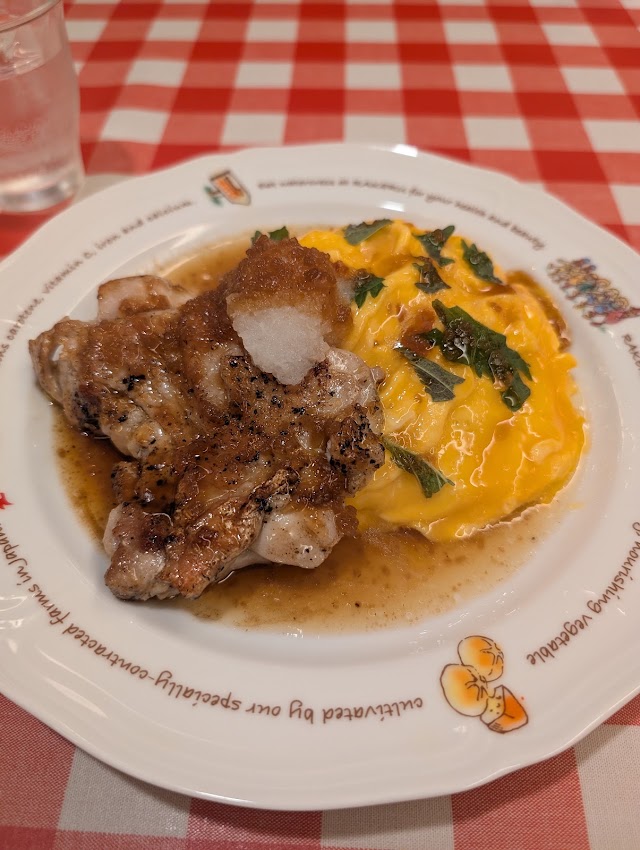
Fuwatoro: the kissaten and modern method. Cream goes into the egg, it is cooked barely set, laid whole over ketchup rice and opened with one stroke of a spoon. Nearly every image circulating online comes from this line, and Kissa You is its emblem. Rich and slippery, it is closer to a dessert-like pleasure than to traditional yoshoku.
Telling them apart is easy: menus advertising 'fuwatoro' or an omelette laid on top are the second type; those saying 'mukashi-nagara' (old-fashioned) or demi-glace are the first. One extra glance at the menu beats reading ten ranking articles. Sources: [Kissa You (Hot Pepper Gourmet)](https://www.hotpepper.jp/strJ000957125/), [Fifteen notable omurice (Rurubu & More)](https://rurubu.jp/andmore/article/23854)
[3] The old houses: Ginza, Nihonbashi, Asakusa and Negishi are four social positions. Old does not mean uniform; these four each occupy a different place in Tokyo's yoshoku landscape.
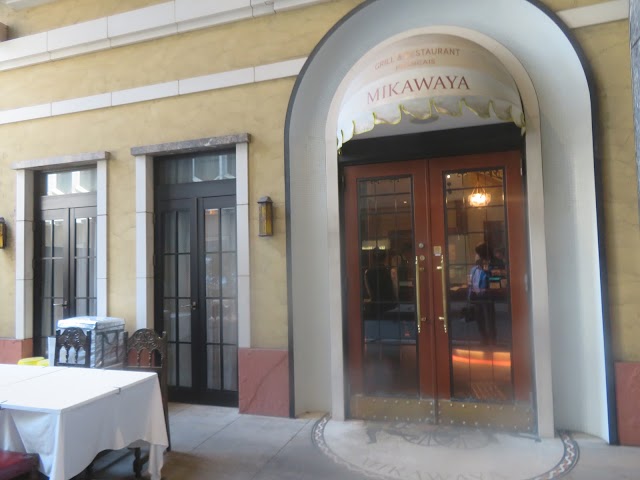
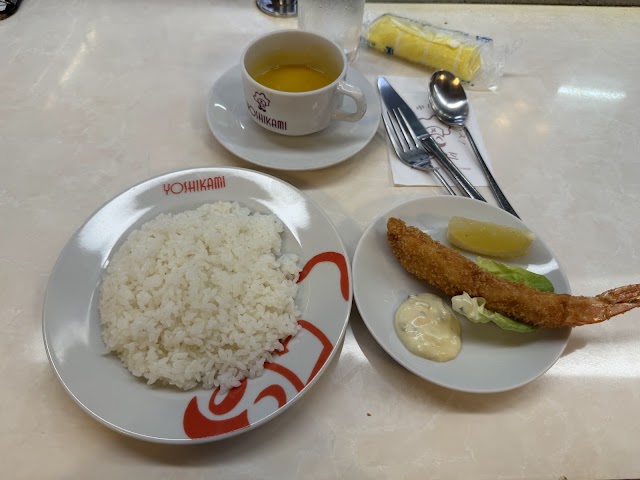
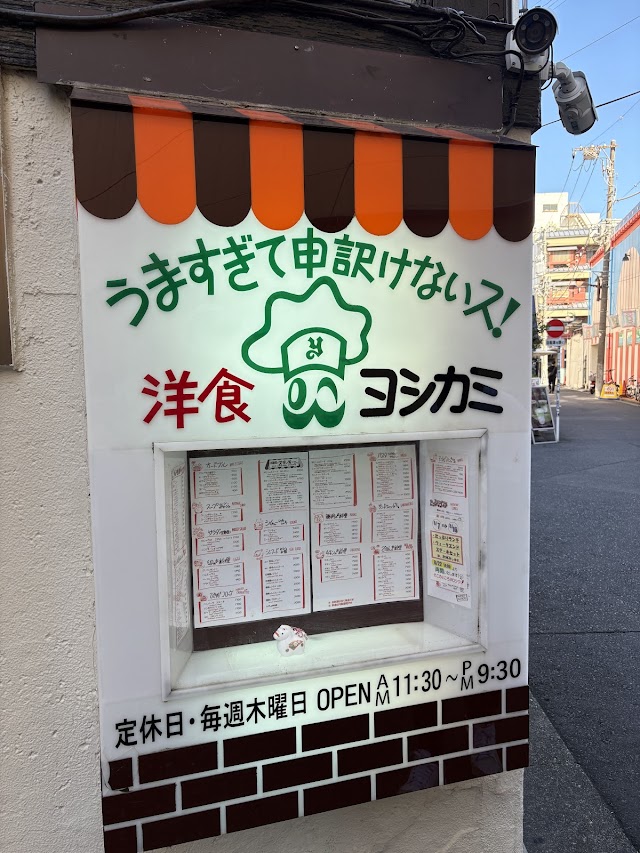
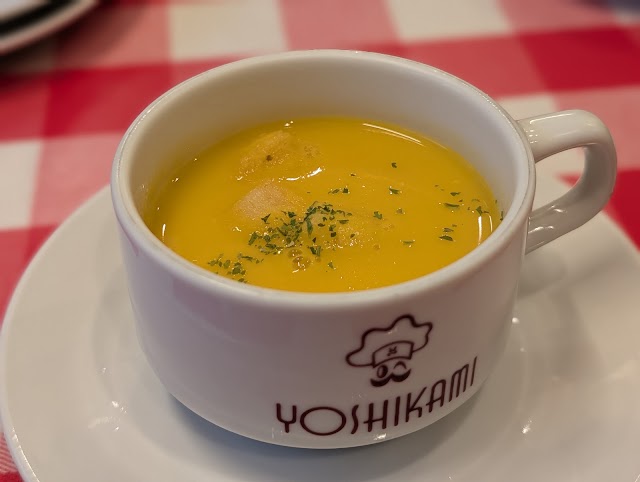
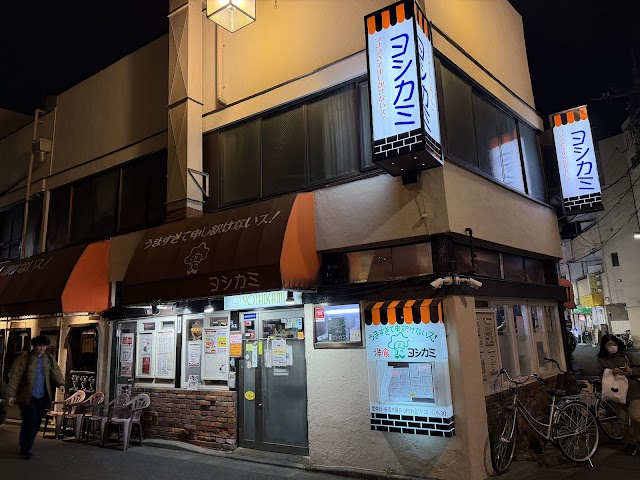
Ginza (Rengatei, Mikawaya) is the public face. Mikawaya began as a Ginza grocery in 1887 before becoming a restaurant, now past 130 years of trading, and serves its omurice with both demi-glace and ketchup, handing the choice to the diner — that gesture is the attitude of luxury yoshoku in miniature. Nihonbashi (Taimeiken) is where the signature dish lives, though only on the second floor. Asakusa (Yoshikami, Grill Grand) is the border between sightseeing and daily life: the former near Kaminarimon with an open kitchen and a tourist crowd, the latter in the Kannon-ura lanes, eighty years old under a third-generation owner, mostly local, and with the clearest prices anywhere here — ¥1,540, ¥1,800 and ¥2,200 mapping onto ketchup, house special and demi-glace. Negishi (Kamiya) is the neighbourhood table: founded in 1925 in a former entertainment district, on the same street for close to a century, last orders 20:30, closed Wednesdays.
Put those four on one day and the price gaps stop being about ingredients; they are about who each restaurant was built for. Sources: [Ginza Mikawaya official site](https://www.ginza-mikawaya.com/), [Grill Grand (Co-Trip)](https://co-trip.jp/article/608395), [Restaurant Kamiya official site](https://www.kami-ya.co.jp/)
[4] The everyday version: a ¥1,100 counter in Shimbashi. If you can only eat one, and what you want to understand is how Japanese people actually eat omurice, the answer is not in Ginza but in Shimbashi.
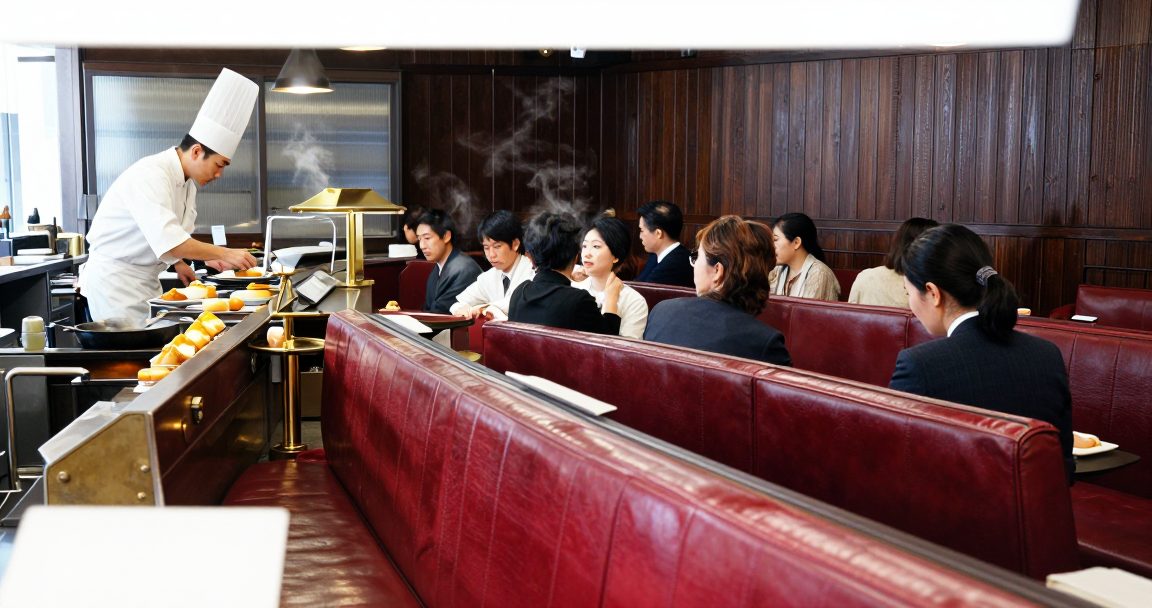
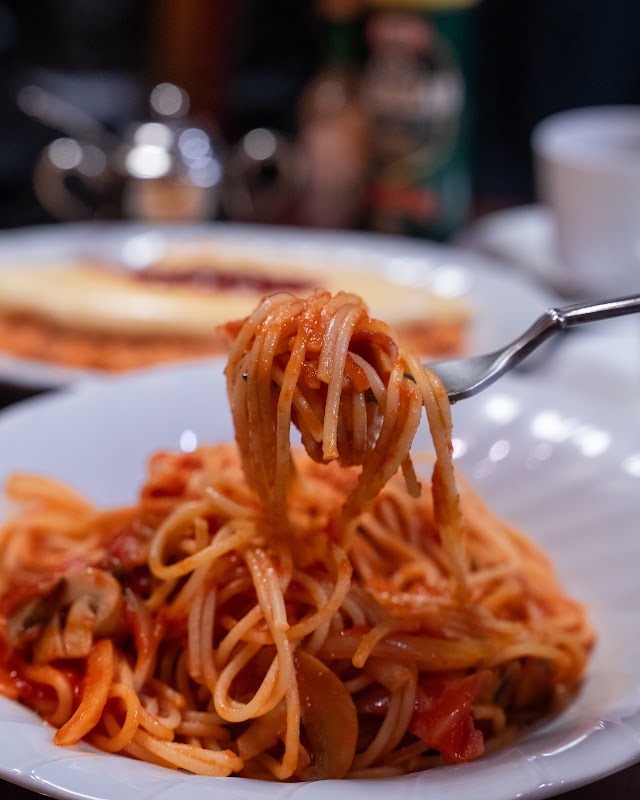
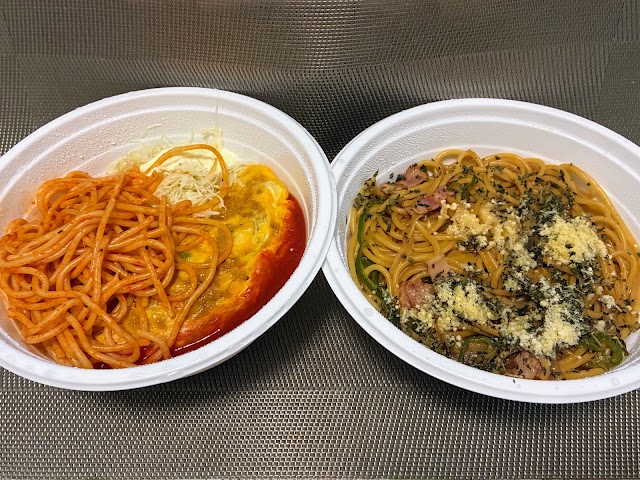
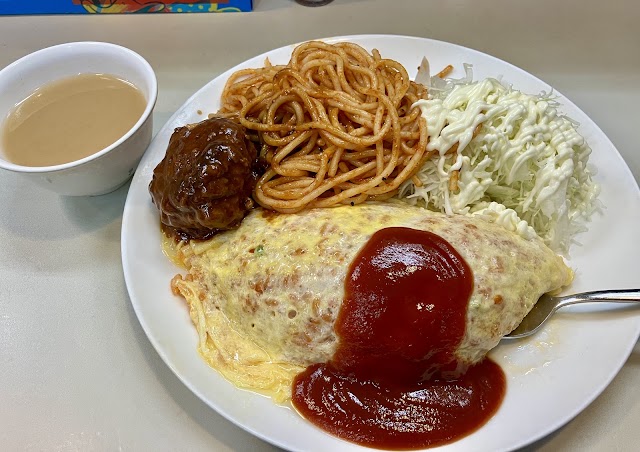
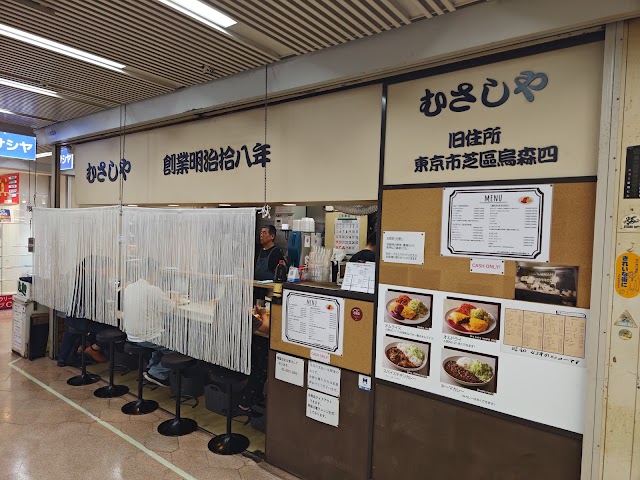
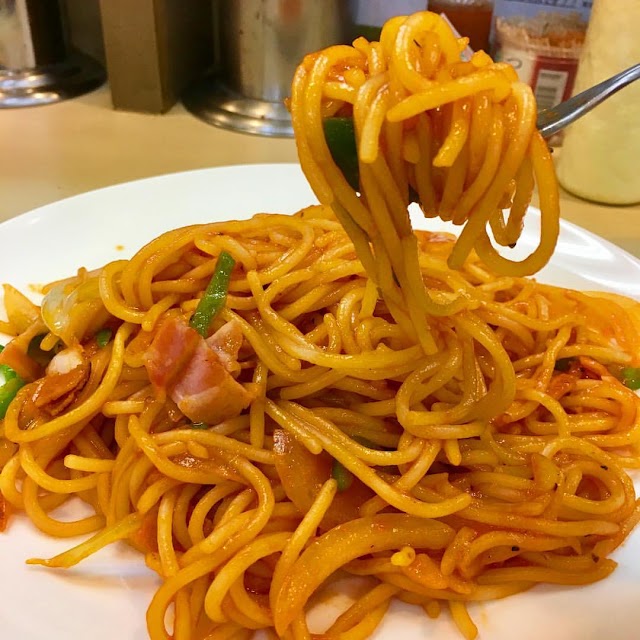
Musashiya occupies the ground floor of the old commercial building beside the station, counter seats only, the customers almost all local office workers. Omurice runs around ¥1,100: a thin, properly set egg sheet, ketchup rice with a clear butter aroma, plain ketchup spaghetti and shredded cabbage on the side, and a bowl of miso soup. There is no Taiwanese equivalent to that combination — it is not a dish, it is a full set lunch, built to the rhythm of a Japanese lunch break: order while queueing, food on the counter as you sit, out in twenty minutes.
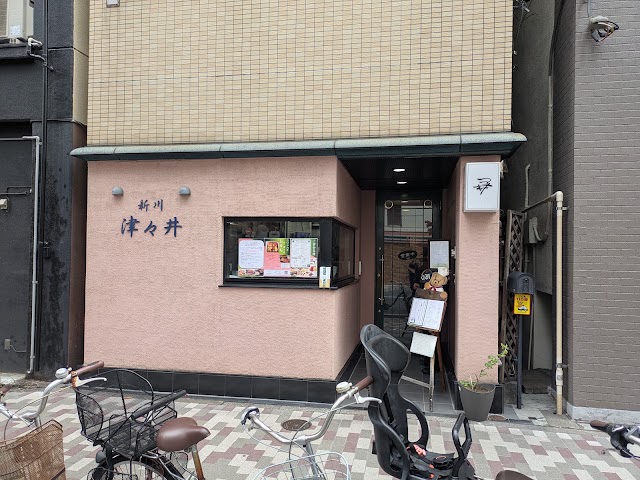
Shinkawa Tsutsui in Kayabacho is the same logic one step up. Opened soon after the war in the finance and trading-house district, it is a Tabelog Yoshoku EAST Hyakumeiten 2025 selection, and its value lies in never having been built for tourists: menu, portions and turnover are all set to the office lunch hour. To see yoshoku at its most ordinary, this is more honest than anything inside a sightseeing district.
A practical warning: business-district restaurants keep the opposite rhythm to tourist ones. Kayabacho empties at weekends and some places close accordingly, while in Shimbashi the 12:00-13:00 peak can mean queueing longer than you eat. Shifting by one hour changes the experience completely. Source: [Musashiya's ¥1,100 omurice in Shimbashi (dancyu)](https://dancyu.jp/read/2025_00009768.html)
[5] How to use the rankings: two are endorsed, the rest depend on which type you want. Two of the ten carry Tabelog Hyakumeiten status: Kissa You (Kissaten Hyakumeiten 2026) and Shinkawa Tsutsui (Yoshoku EAST Hyakumeiten 2025). Hyakumeiten lists are compiled annually from user scores and browsing data, split by category — yoshoku, kissaten, bread and so on — and reselected every year, so what they signify is 'consistently chosen by many users in this category this year', not 'the most delicious'.
Two ways to use them. First, as a threshold for queueing: before committing forty minutes, check whether a restaurant has been selected across multiple years. Second, as category navigation: look in the kissaten list for fuwatoro and the yoshoku list for the old-style version — far more efficient than trawling general rankings.
Conversely, the eight entries without a ranking are not lesser. What Musashiya and Grill Grand offer is absolute clarity about price and clientele, which no ranking measures. Sources: [Tabelog Tokyo yoshoku ranking](https://tabelog.com/yoshoku/tokyo/rank/), [Fifteen Tokyo omurice (Tabelog matome)](https://tabelog.com/matome/13524/)
[6] Ordering: three decisions, then it is all preference. Ordering omurice in a Japanese yoshoku restaurant comes down to three choices.
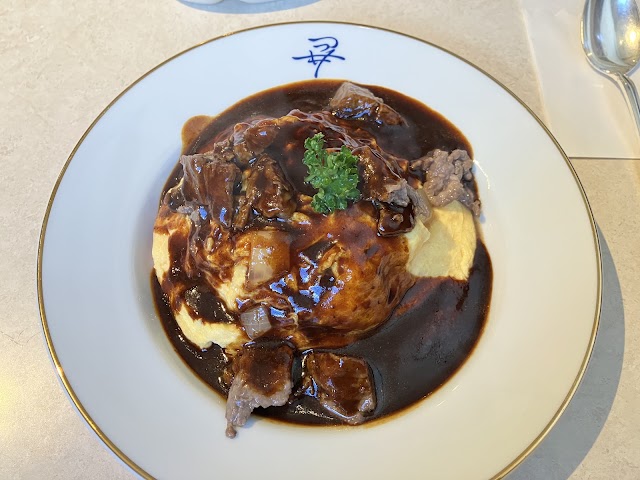
One, the rice: chicken rice in ketchup (most common), ham rice (Taimeiken's method), or butter rice (often paired with demi-glace). Japanese menus normally state it outright; 'ketchup rice' means exactly that.
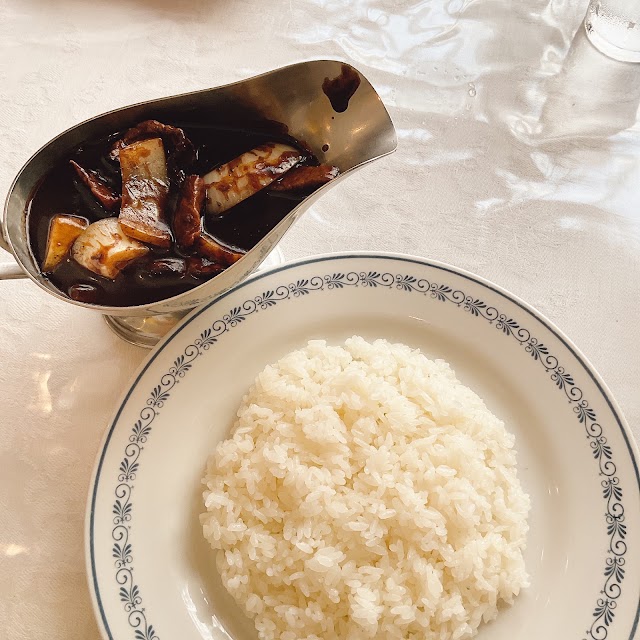
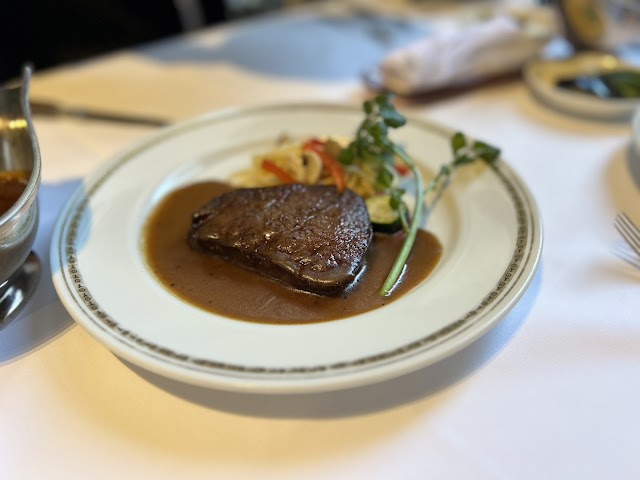
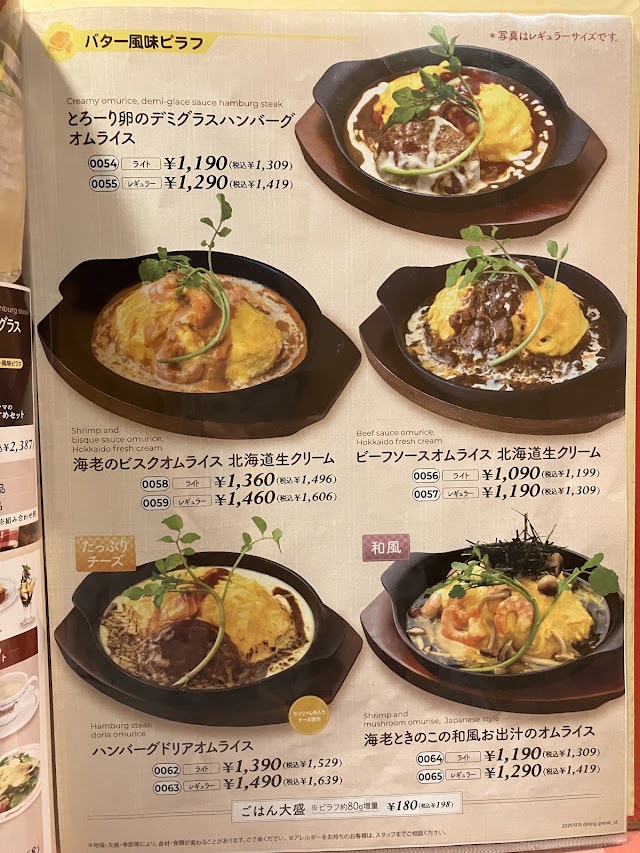
Two, the sauce: demi-glace (dark, deep, old-school), ketchup (sweet-sour, everyday), or a white or cream sauce (rarer). Ginza Mikawaya serves both of the first two, one of the few places where you need not choose. If undecided, take demi-glace first — it is what the old houses are actually built on.
Three, the egg: thin sheet or fuwatoro, as in section two.
Three habits worth adopting. Lunch is cheaper than dinner — set lunches often run 30-50 percent below evening à la carte, and the gap is widest at the formal restaurants here (Mikawaya, Kamiya). Some old houses still take neither reservations nor cards, so carry cash. And portions are generous: with two people, order one omurice plus a beef stew or a cutlet and share, which costs less than two full sets and shows more of what the kitchen can do.
[7] Building the day, and how not to. The advantage of this theme is that it slots into an existing itinerary rather than requiring its own day. Three versions.
Ginza half day: the original version at Rengatei at midday (the thin-sheet line, and the mixed-egg prototype), then fuwatoro at Kissa You around three in the afternoon, safely past the lunch queue. The two are within walking distance, and it covers both lines in a single day — the most efficient pairing here. Asakusa half day: lunch at Grill Grand in the quieter Kannon-ura lanes with its transparent pricing, then Sensoji and Nakamise, then Yoshikami in the evening or a return to the centre. Office-worker version: reach Musashiya in Shimbashi before 11:30 on a weekday for the ¥1,100 full lunch, or Tsutsui in Kayabacho for the business-district rhythm — the fastest single meal for understanding how yoshoku is actually eaten.
Three misjudgements to avoid. Do not take on famous restaurants between 12:00 and 13:00: that hour is the Japanese lunch break and queues at places like Kissa You and Musashiya roughly double. Do not assume old houses stay open late: Kamiya's last order is 20:30 and business-district restaurants may not open at weekends at all. And do not order only fuwatoro: it is a relatively recent variation, and eating it exclusively means missing the dish's origin as a staff meal eaten with demi-glace — which is the actual main line of Tokyo yoshoku across 120 years. Source: [Eleven Tokyo omurice (Time Out Tokyo)](https://www.timeout.jp/tokyo/ja/restaurant/tokyo-omelette)
 Scan for map
 Scan for map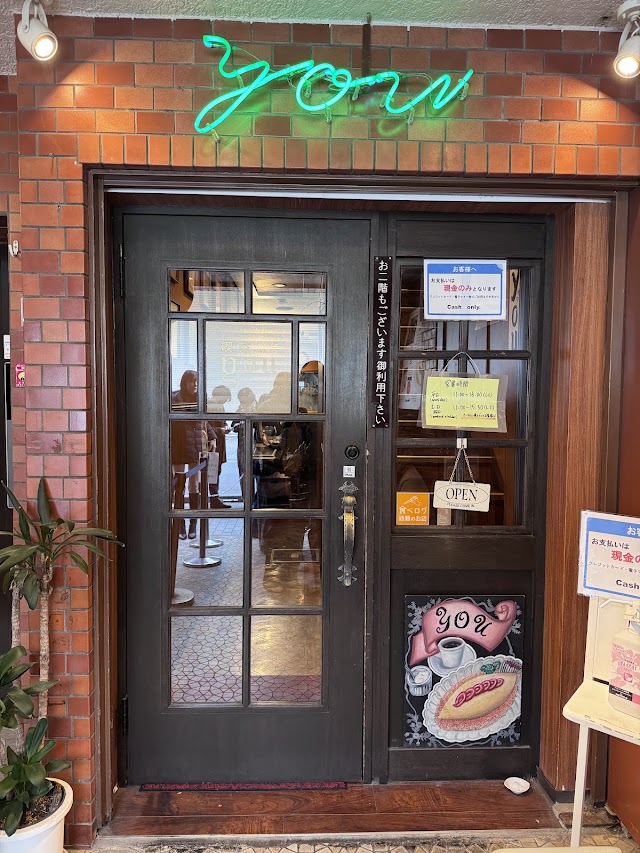

 Scan for map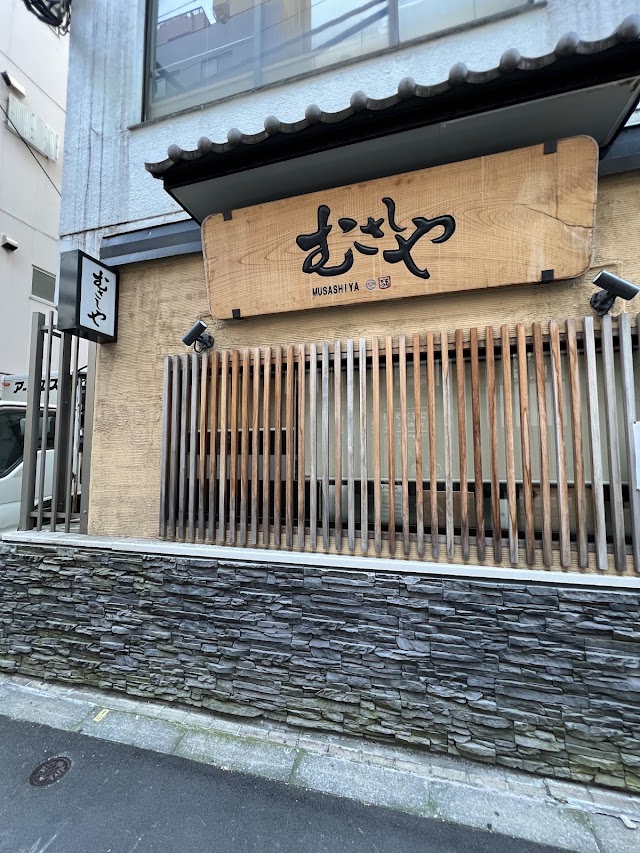
 Scan for map
 Scan for map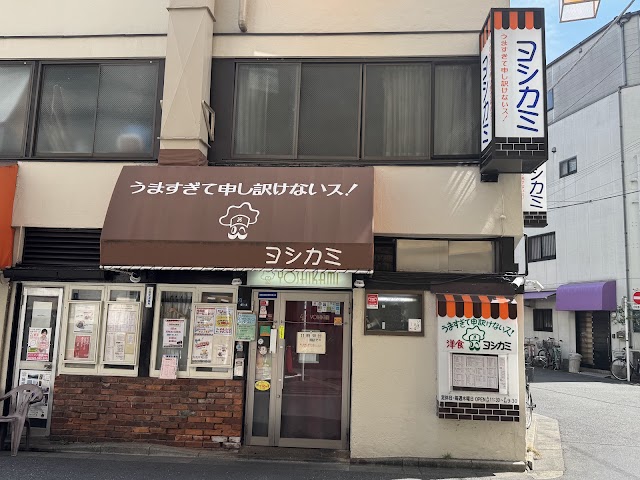
 Scan for map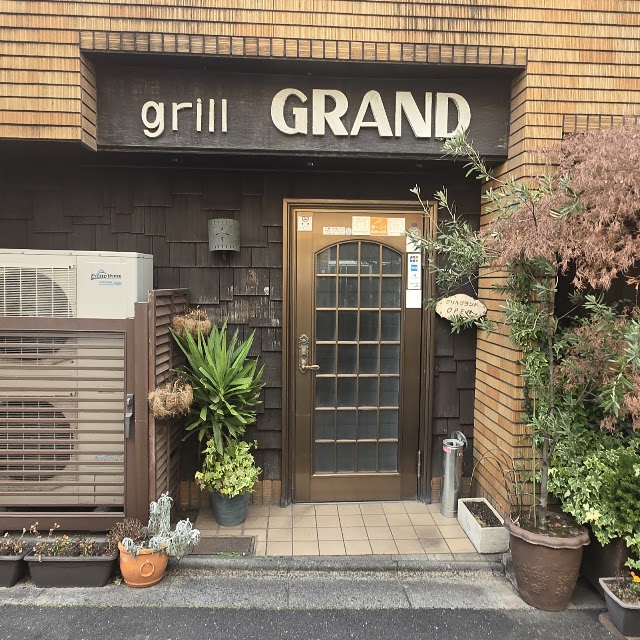
 Scan for map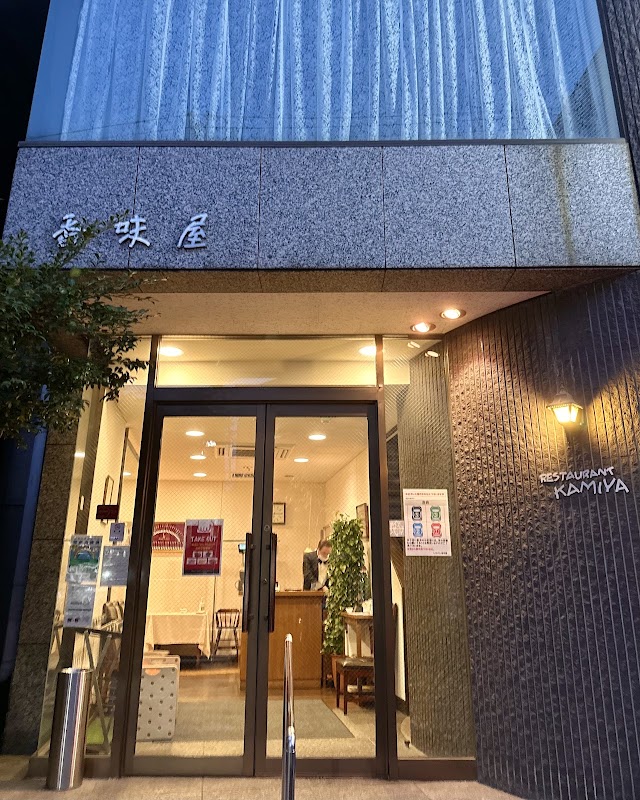
 Scan for map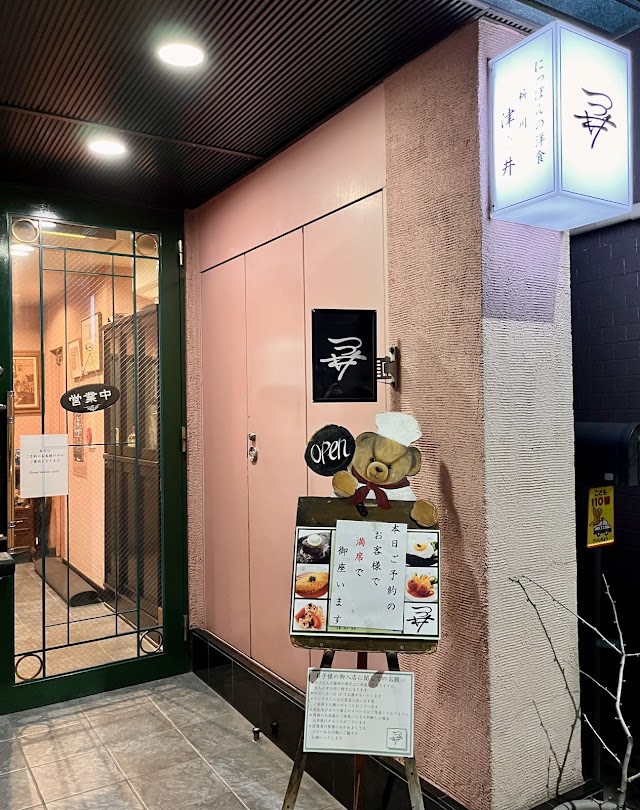
 Scan for map
 Scan for map