Jp¥online 繁中简中EN2026/08/17

After the Railway Went Underground: Ten Stops in Shimokitazawa, From the 1982 Honda Theater to an Onsen in the City

Source: Jp¥online 編輯部· Published: 2026/08/17 16:14 JST· Section: REAL ESTATE & TOURISM
# Shimokitazawa# Honda Theater# Shimokita Railway Street# BONUS TRACK# Mikan Shimokita# reload# Tokyo coffee# Tokyo walk
Key Points
  • Understand the terrain first: the Odakyu line went underground here in 2013, freeing a strip about 1.7km long that became the Shimokita Railway Street — BONUS TRACK (2020), reload (16 June 2021, 24 independent units) and Mikan Shimokita (2022, under the Keio Inokashira viaduct) opened in that order
  • The theatre town is a group of rooms, not one house: the Honda Theater opened in 1982 with about 386 seats, and the same operator runs Suzunari, Ekimae Gekijo, Geki Shogekijo and OFF OFF Theater within walking distance
  • Small-theatre ticketing differs from Taiwan: seating is usually unreserved, with admission by ticket number about 30 minutes before curtain, so latecomers get the back row; tickets sell via e+ and Lawson Ticket
  • Two generations of coffee: Trois Chambres, founded 1980, pours flannel drip with aged beans, heavy and low in acidity, while the new railway-street shops each set their own terms — Fuzkue puts time on the bill, with a seat charge that rises with duration and falls as you order
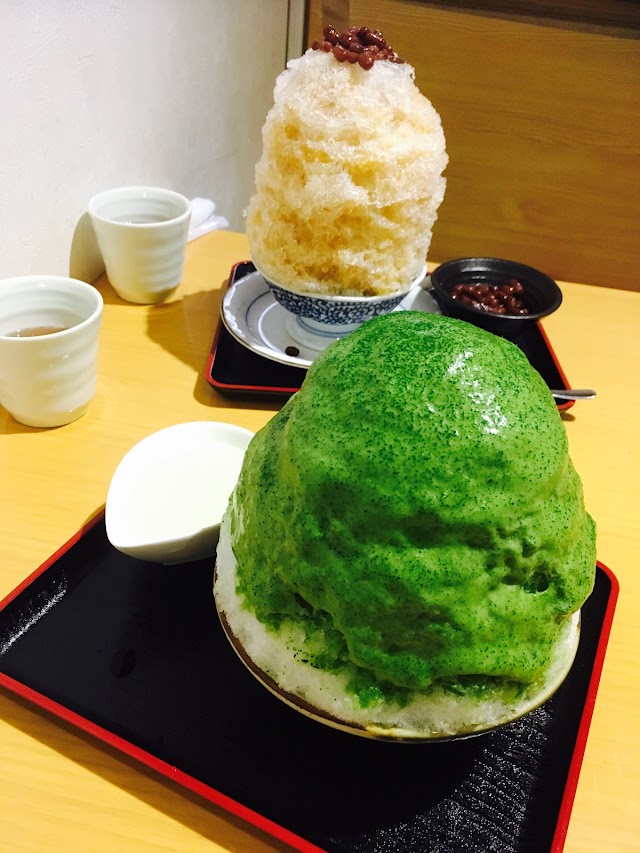
  • An August option: the matcha shaved ice at Shimokita Chaen Oyama inside reload runs close to bitter, a different thing from the sweet matcha ice familiar in Taiwan, and peak season often means numbered tickets and sell-outs
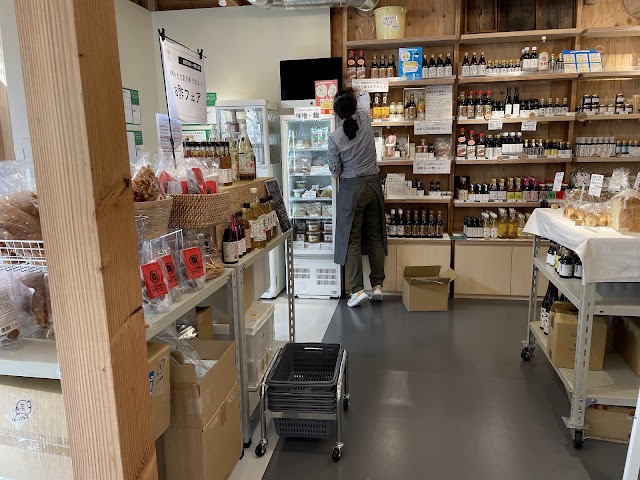
  • Souvenir solution: Hakko Department in BONUS TRACK gathers fermented foods from Japan and abroad; miso and koji are wet and heavy so leave checked-bag room, and liquids such as soy sauce and sake cannot go in the cabin
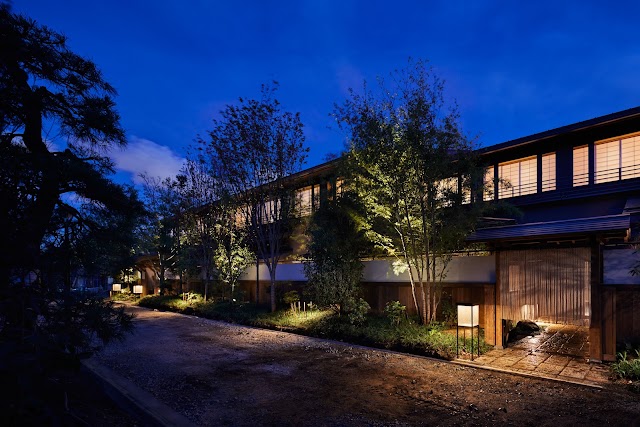
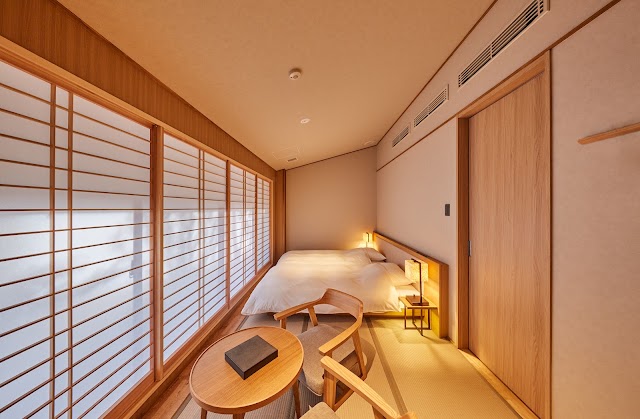
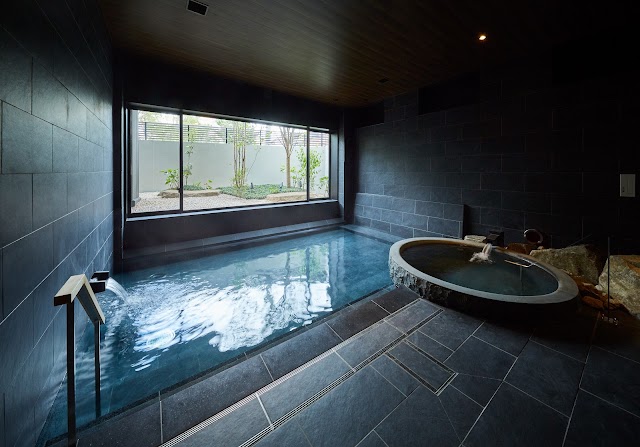
  • Onsen in the city: Yuen Bettei Daita opened in September 2020 with 35 rooms beside Setagaya-Daita Station, with water brought from Hakone; the large bath is generally for staying guests and day use must be confirmed in advance
  • Dates: the Shimokitazawa Curry Festival runs 8-25 October 2026 in its 15th edition; the 36th Shimokitazawa Theatre Festival ran 1-28 February 2026, with the next edition next February
Analysis

For most visitors from Taiwan, Shimokitazawa means vintage clothing. That is not wrong, but it is the most visible layer only. Before the vintage shops, this was the theatre town, and over the past few years an entirely new strip has grown along the old railway line.

Start with the terrain and the walk makes sense. In 2013 the Odakyu line went underground here, freeing a belt of land about 1.7 kilometres long running from Higashi-kitazawa through Shimokitazawa to Setagaya-Daita. That belt became the Shimokita Railway Street. The sequence: BONUS TRACK opened in 2020, reload in 2021, and Mikan Shimokita under the Keio Inokashira viaduct in 2022. In other words half of what you walk through today appeared in the last five years, while the other half — the Honda Theater, Suzunari, the old coffee houses — has stood in place for forty. The two layers together are the street as it now is.

This guide follows theatre and coffee, deliberately leaving the vintage route aside. On theatre, one thing matters: Shimokitazawa does not have a theatre, it has a group of rooms of different sizes within walking distance under one operator, forming a ladder from new companies to established stages. The flyers and queues you see at night are an industry working, not an occasional event. The coffee divides into two generations: a 1980 kissaten pouring flannel drip with aged beans, heavy and low in acid, and the new shops along the railway street, each with its own rule — one sells beer and talks, another puts silence itself on the bill.

The ten stops run station, theatre street, railway street, Setagaya-Daita, all on foot, four to five hours at an unhurried pace. Two dates for planning: the Shimokitazawa Curry Festival runs 8-25 October 2026 in its 15th edition, and the 36th Shimokitazawa Theatre Festival was held in February 2026, with the next edition due next February.

The Analysis Desk

[1. To read Shimokitazawa, start with a railway that was removed] The map of this neighbourhood was rewritten over the past decade, and what rewrote it was not a developer's ambition but the position of a railway line.

In 2013 the Odakyu line went underground around Shimokitazawa. The land the tracks had occupied came free — a belt roughly 1.7 kilometres long running from Higashi-kitazawa through Shimokitazawa to Setagaya-Daita, which became the Shimokita Railway Street. Land like this is rare in Tokyo: long, narrow, threaded through housing, useless for towers but ideal for a row of small shops.

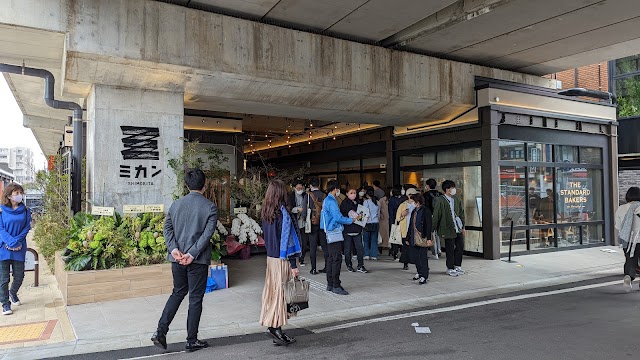
The sequence is worth remembering because it explains what you see today. BONUS TRACK opened in April 2020, about fifteen shops along a walkway with grass and benches between them. reload opened on 16 June 2021, 24 independent units in a white block built on the idea of shops where you can see the owner's face. Mikan Shimokita opened in 2022 under the Keio Inokashira viaduct, its name taken from the word for unfinished.

All three share one decision: not to build a mall. The logic around Tokyo Station, where a hundred brands go into one building, is deliberately avoided here in favour of separating every shop and turning it to face the street. The point is to preserve the density Shimokitazawa already had — shops that change fast, all of them small, the owner usually standing behind the counter. Source: [BONUS TRACK official site](https://bonus-track.net/), [Mikan Shimokita official site](https://mikanshimokita.jp/)

[2. Theatre town is not an adjective but a set of rooms] Plenty of cities call themselves cultural districts. Shimokitazawa differs in having an actual industrial structure.

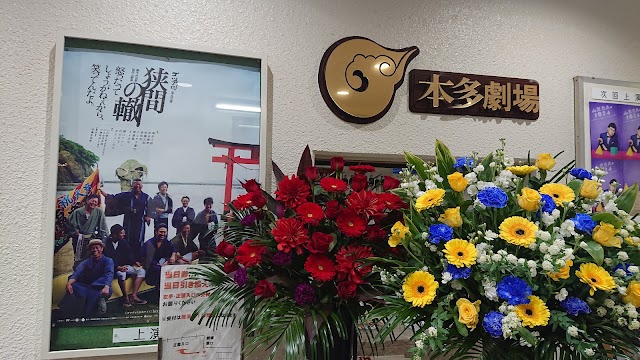
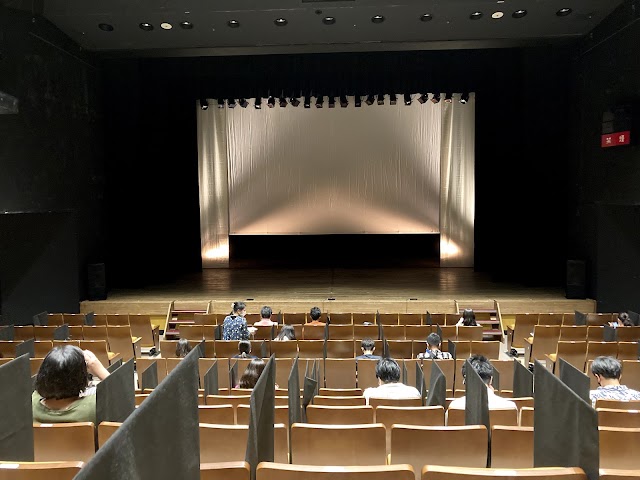
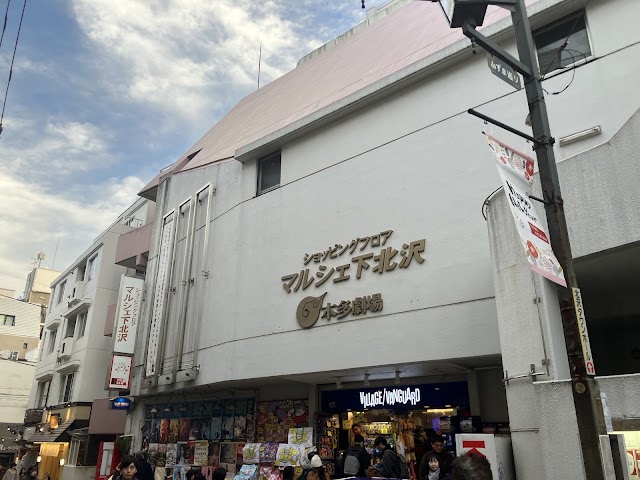
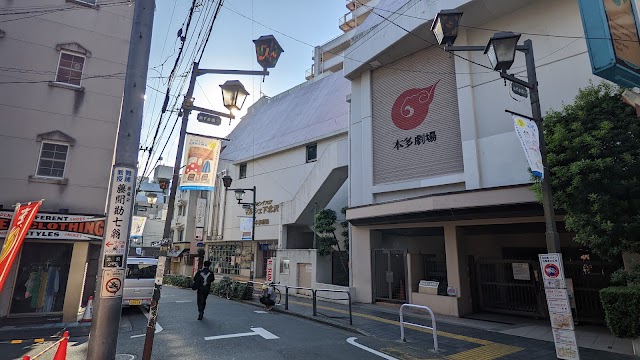
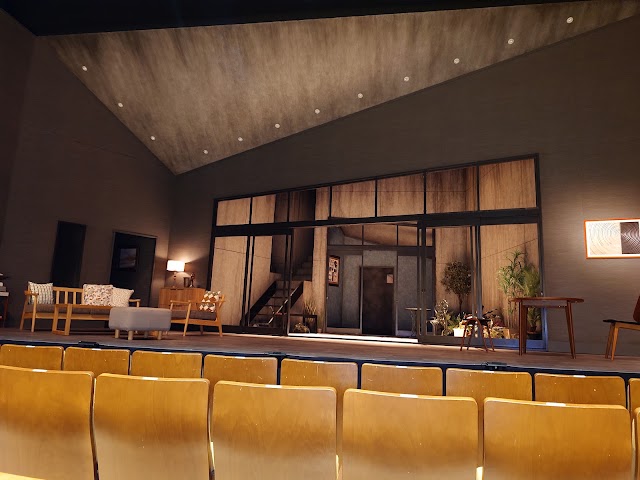
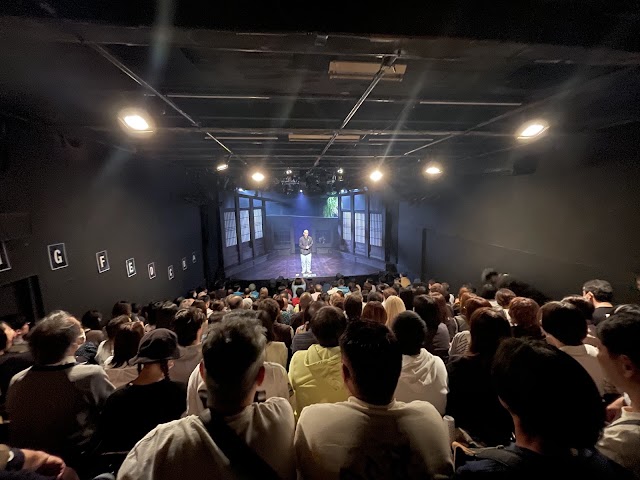
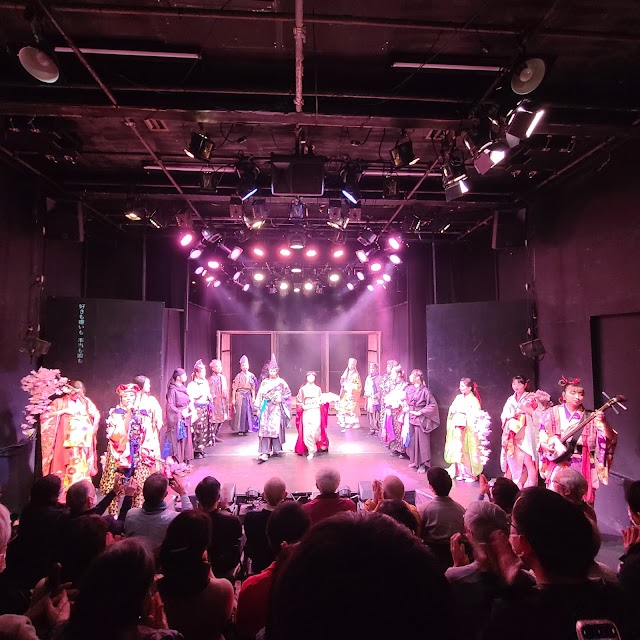
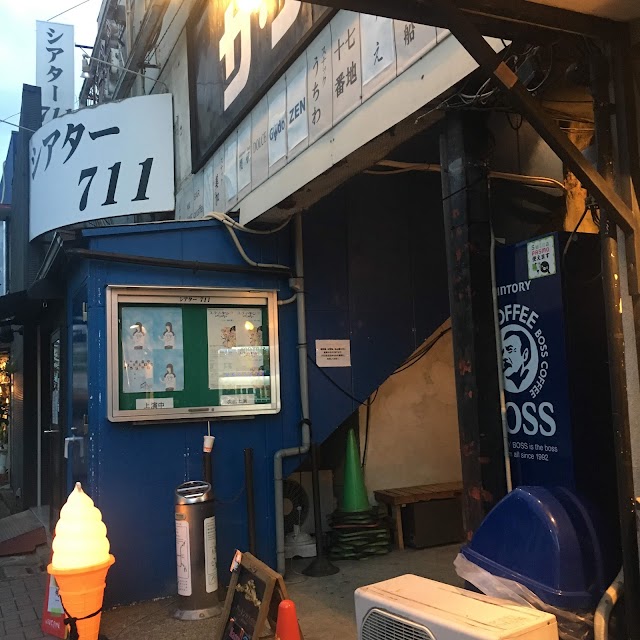
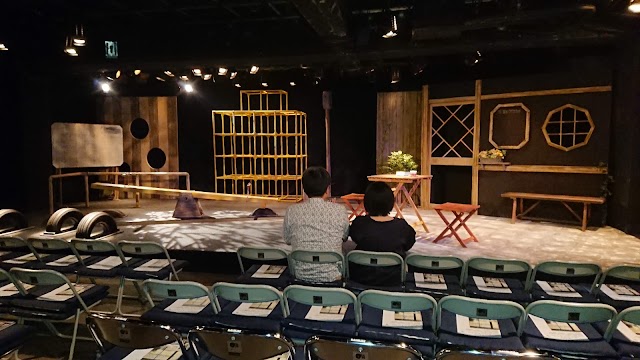
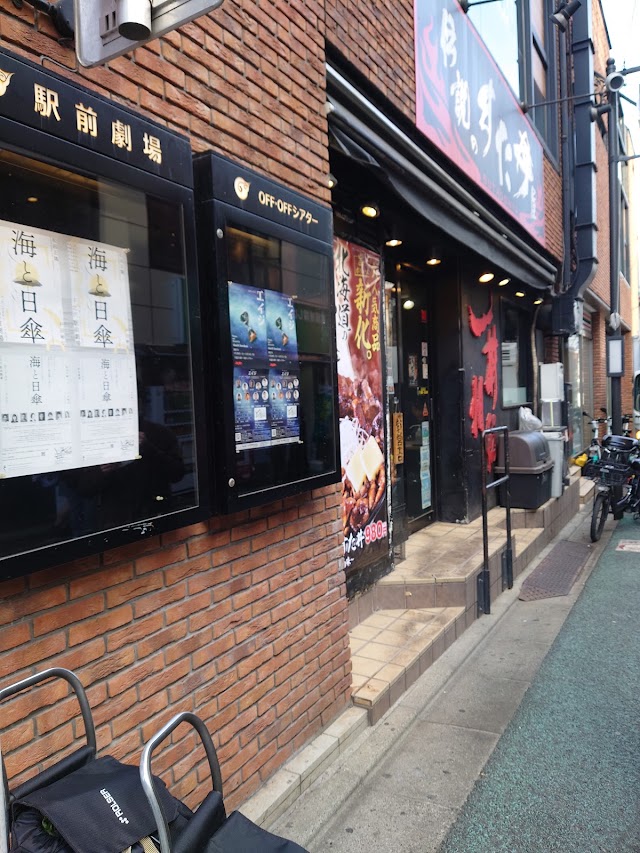
At its centre is the Honda Theater, opened in 1982 with about 386 seats. In the hierarchy of Japanese small theatre that scale and address sit at the top, and reaching this stage means the industry has recognised you. What matters more is that it does not stand alone: the same operator runs Suzunari, the oldest playhouse of the group, the station-side Ekimae Gekijo, and Geki Shogekijo and OFF OFF Theater, all within walking distance.

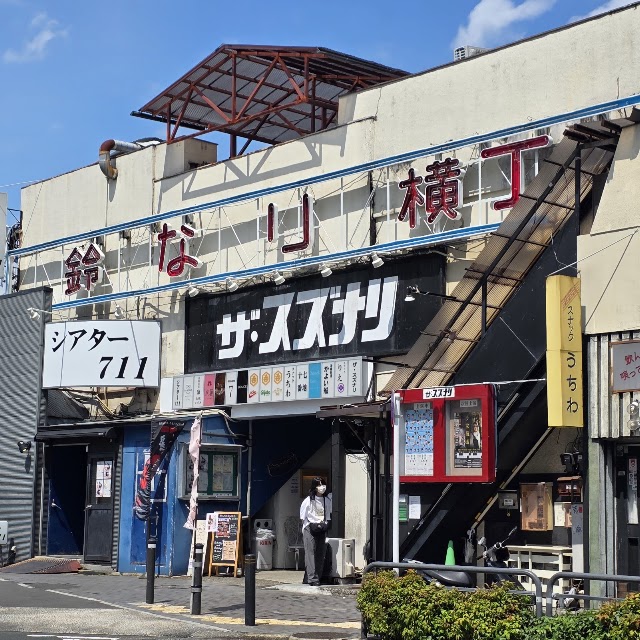
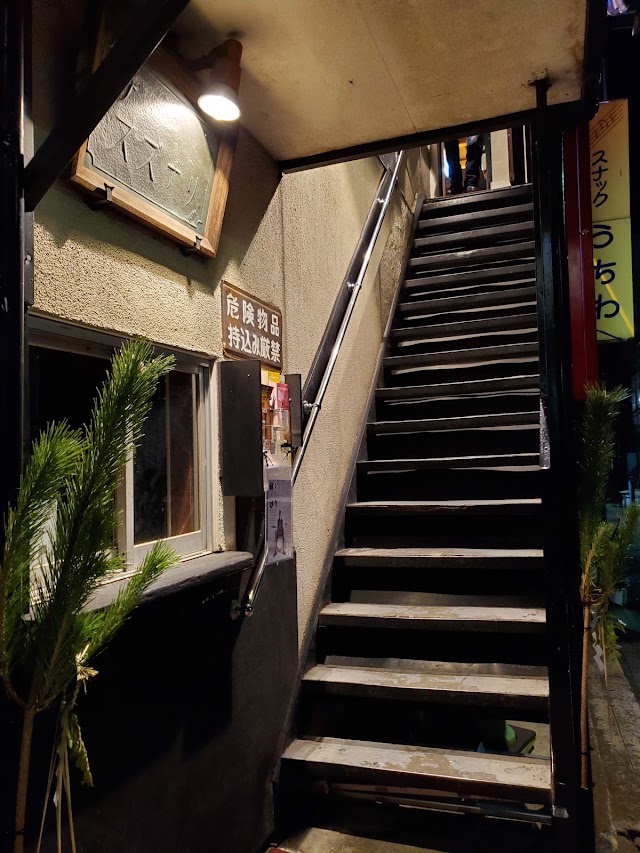
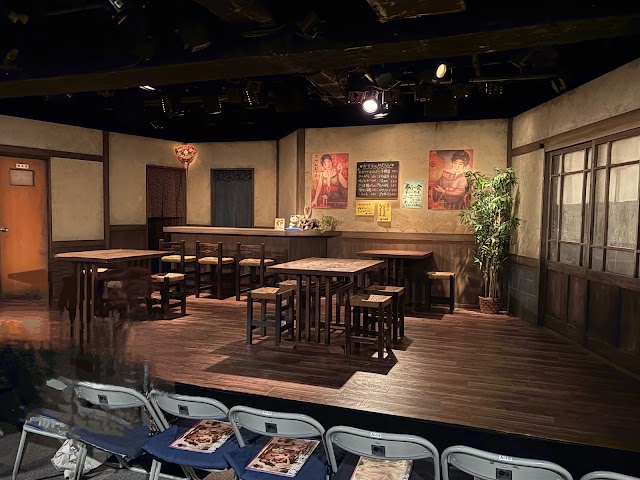
That arrangement forms a ladder. New companies start in the smallest room and climb as they sell tickets, while audiences and crews circulate along one street — after a show the cast comes downstairs and drinks in the same alley. Suzunari is the clearest miniature of the structure: the theatre occupies the upper floor of a wooden building while the ground floor and its surroundings hold a row of small eateries, so performers and audience end up at neighbouring tables.

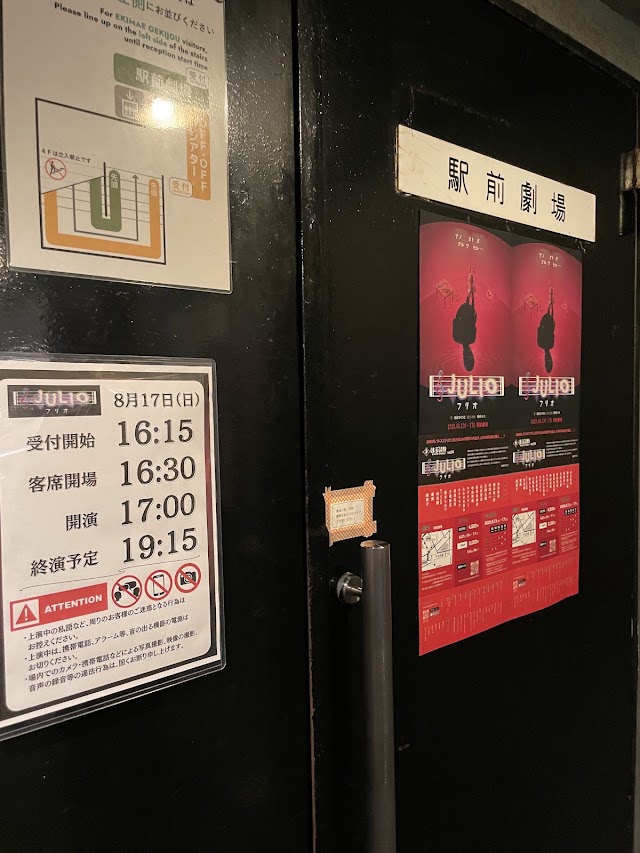
Three practical notes for visitors. Seating is usually unreserved, with admission by ticket number about 30 minutes before curtain, so arriving late leaves you the back row — queueing early is standard, not keen. Tickets are sold through platforms such as e+ and Lawson Ticket, popular runs sell out on release, and same-day availability depends on the company. And the language barrier is real: most work is in Japanese without subtitles, so for a first visit choose physical theatre, a musical or rakugo. Source: [Honda Theater Group official site](https://www.honda-geki.com/), [Shimokitazawa Theatre Festival](https://theater-festival.honda-geki.com/)

[3. Two generations of coffee: 1980's depth, and the railway street's rules] The cafés divide roughly into two generations, and the difference is not decor but their idea of how a customer should occupy a room.

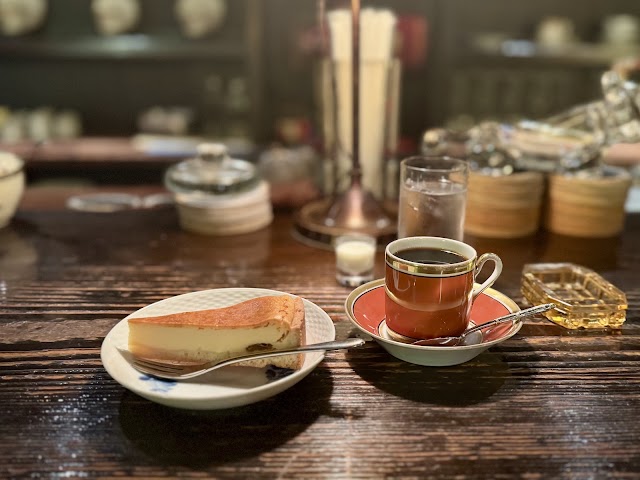
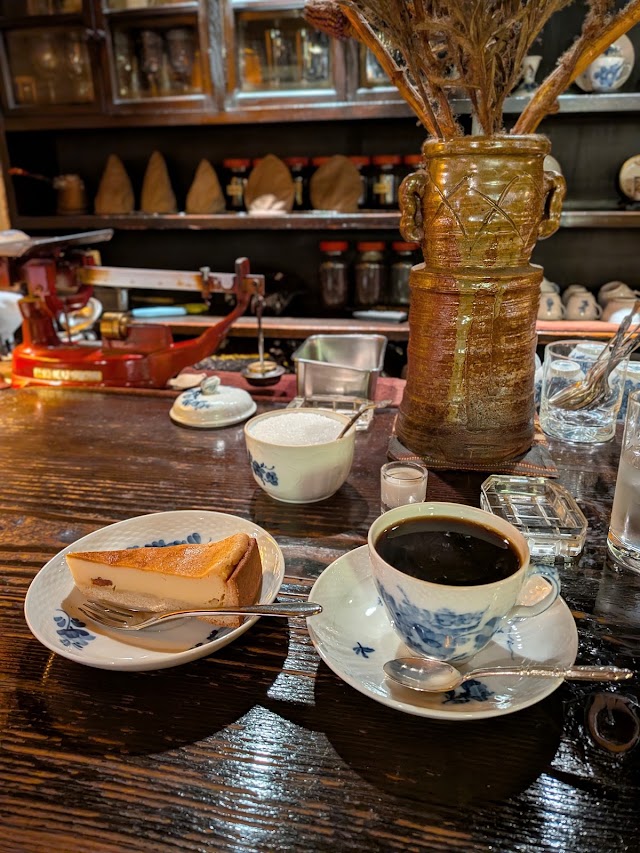
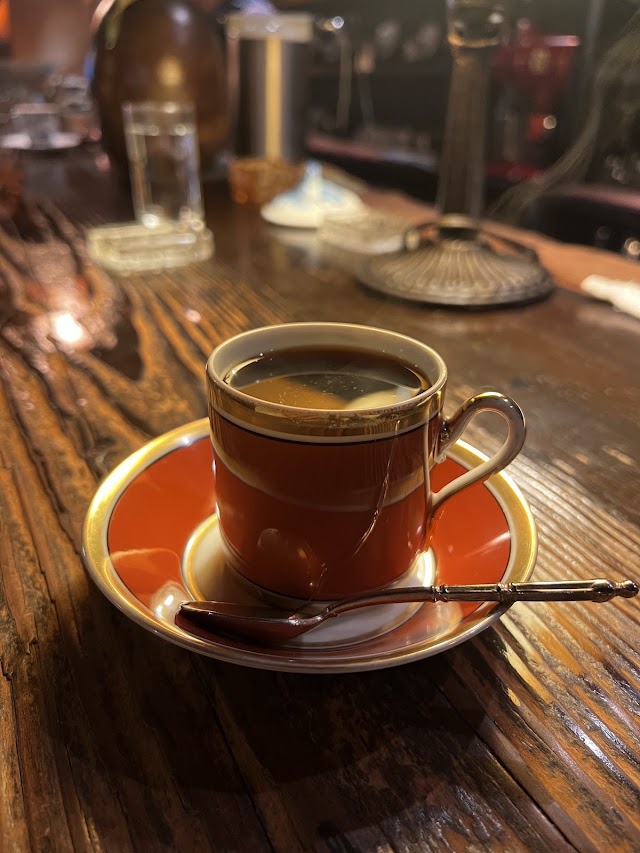
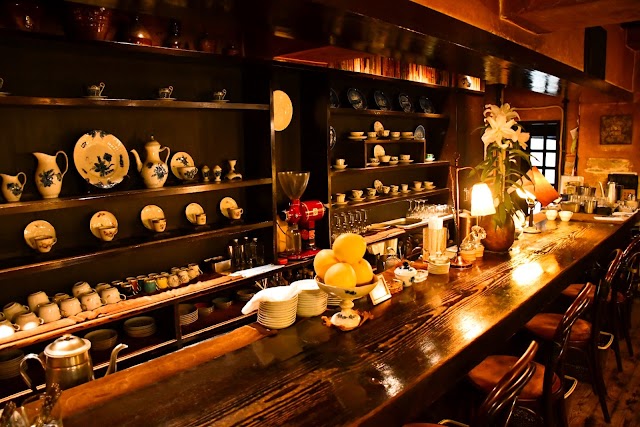
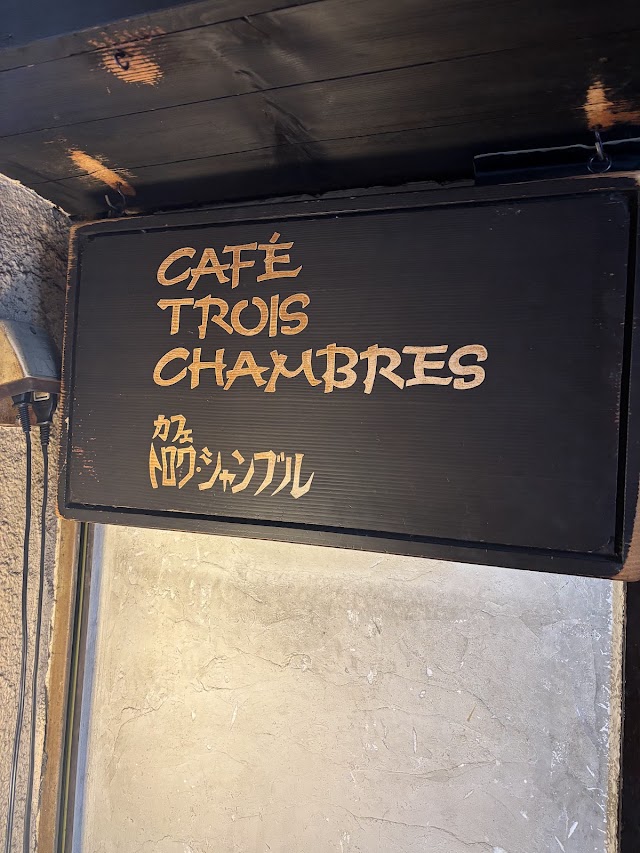
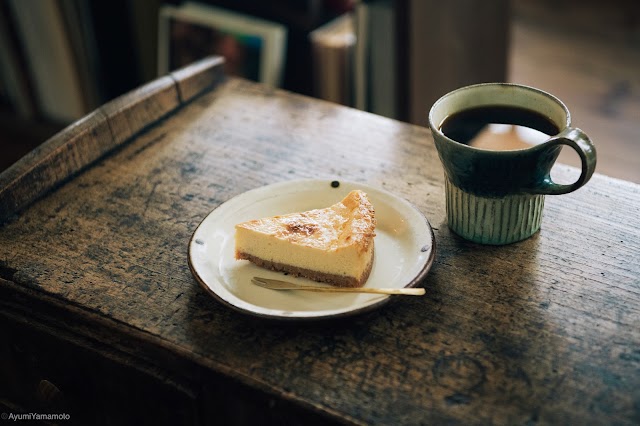
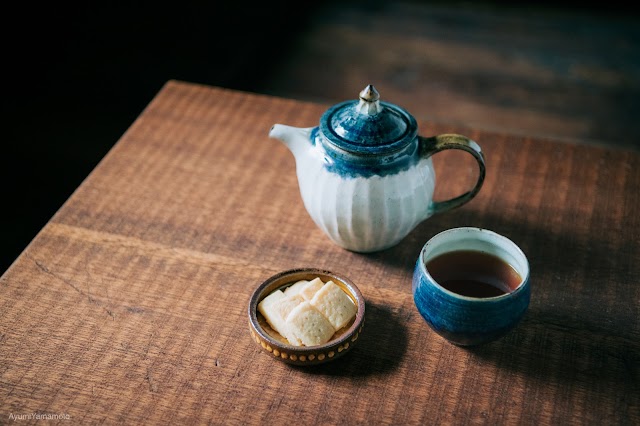
The older generation is represented by Trois Chambres, opened in 1980. Dark wood, low light, a room barely altered in more than forty years, coffee poured through flannel using aged beans — heavy, bitter, low in acidity. That flavour is hard to find now that third-wave roasting has pulled the market towards light roasts and fruit acidity, so it is worth stating plainly: bright acidity is not what this is. Its other value is tempo — one cup buys a long sit, nobody moves you along, and the gap before a performance is what the room is for.

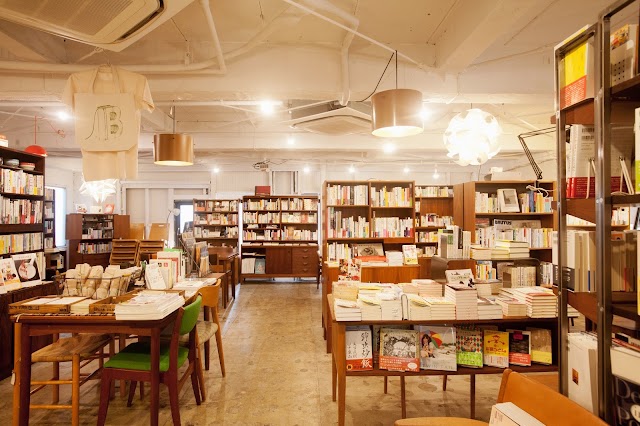
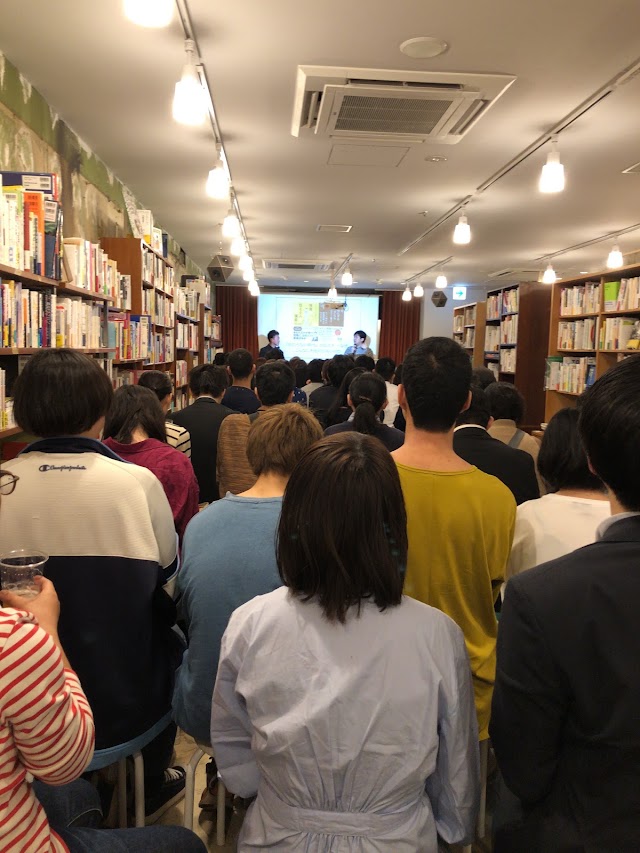
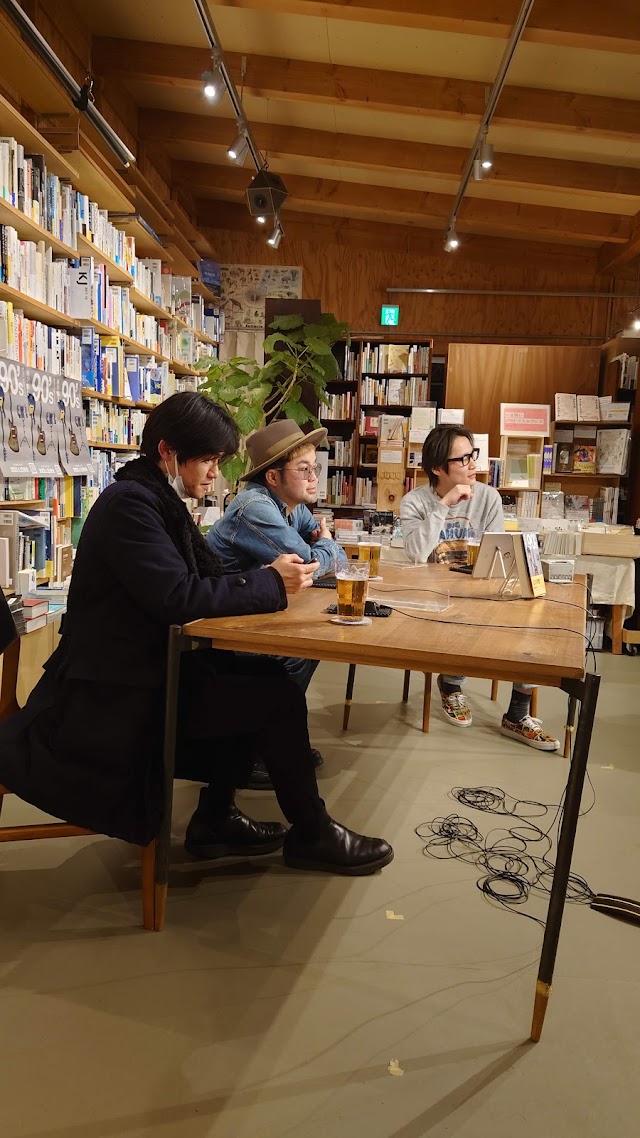
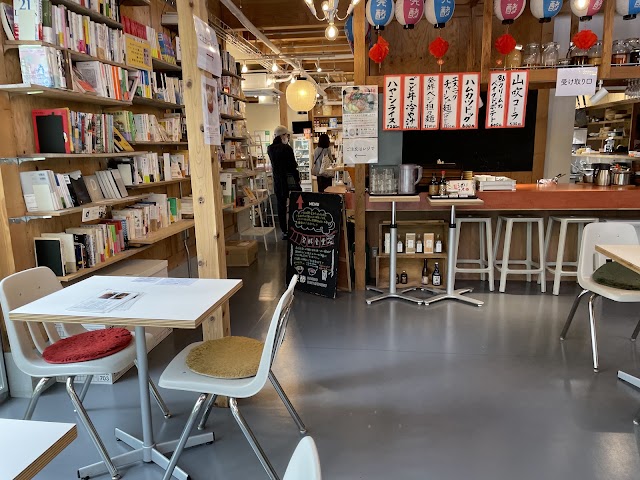
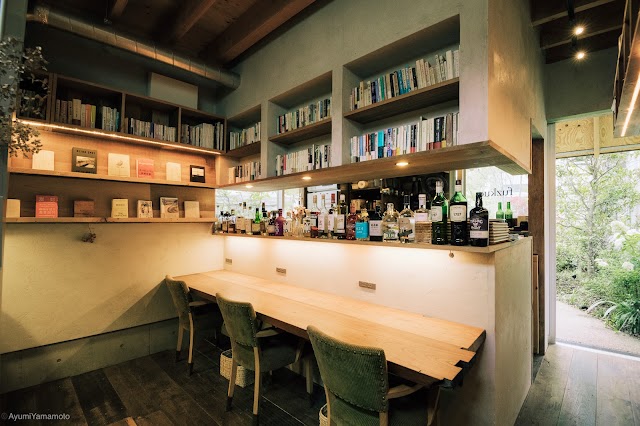
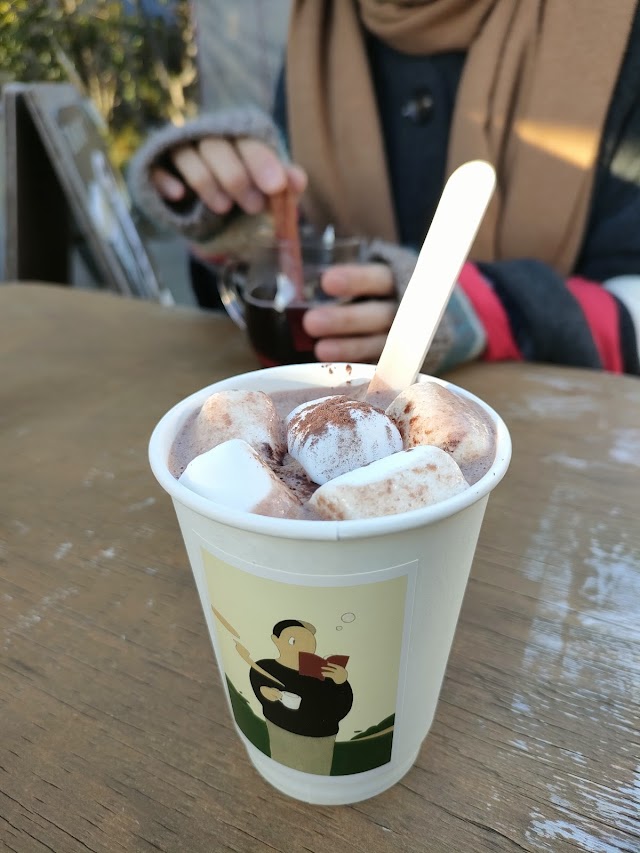
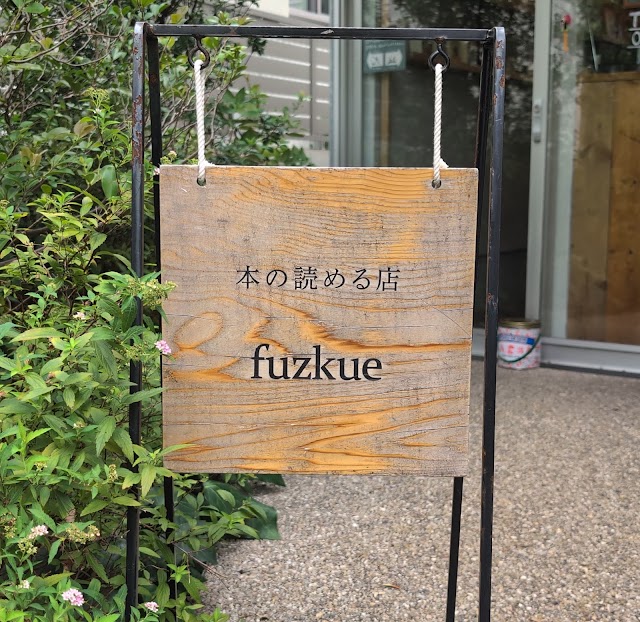
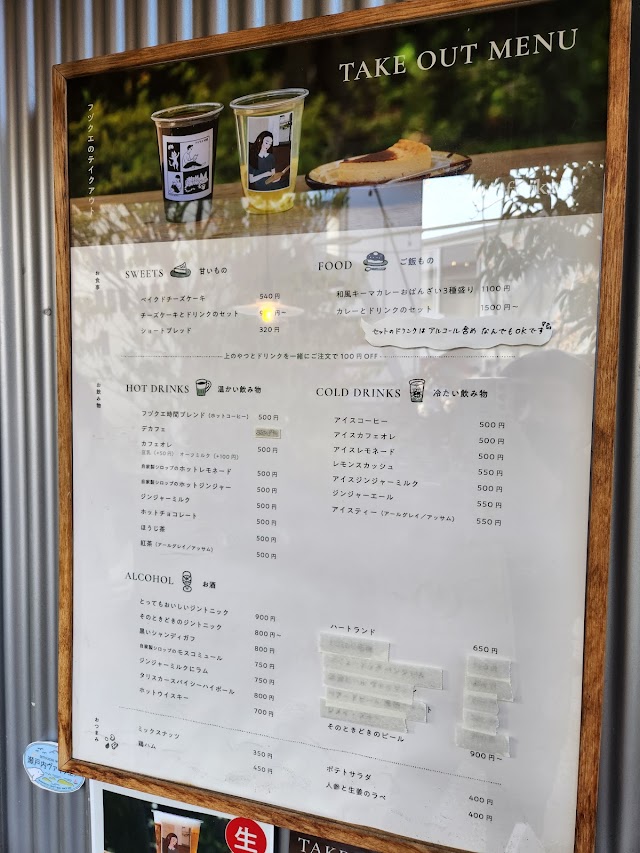
The newer generation each wrote their own rules. Book Shop B&B in BONUS TRACK sells beer and runs talks by writers and editors almost every night, turning a bookshop into a room that gathers people. Fuzkue, on the same walkway, goes to the opposite extreme: it calls itself a shop where you can read, sets explicit limits on conversation, phone calls and keyboard noise, and prices time rather than coffee — a seat charge that rises the longer you stay and falls as you order more. There is almost no equivalent in Taiwan, which makes it worth one deliberate visit: it puts a café's hidden costs on the table and sells silence openly.

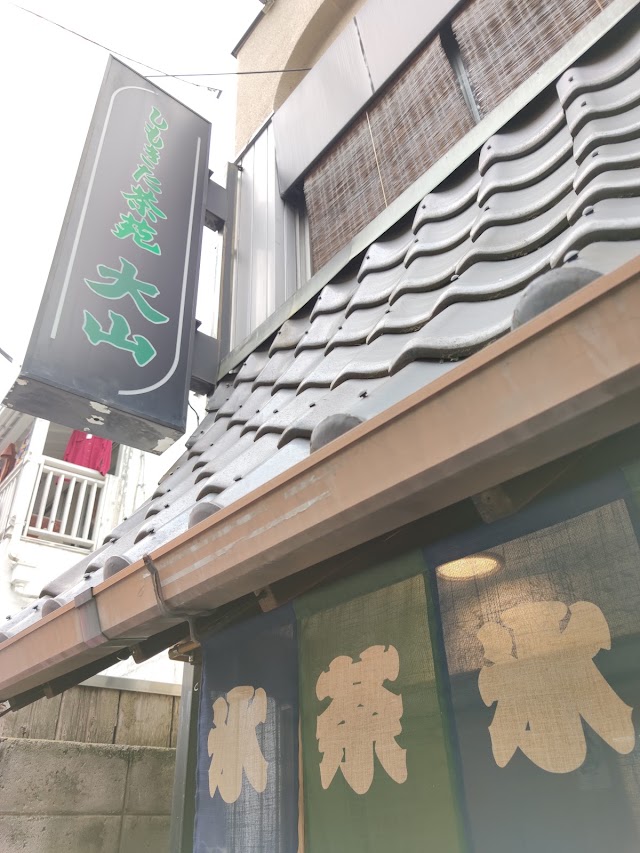
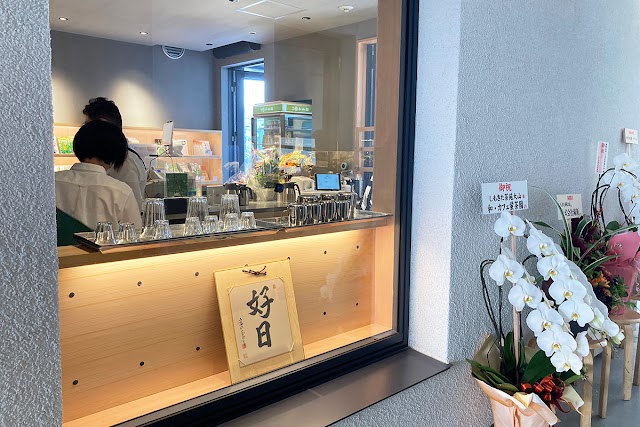
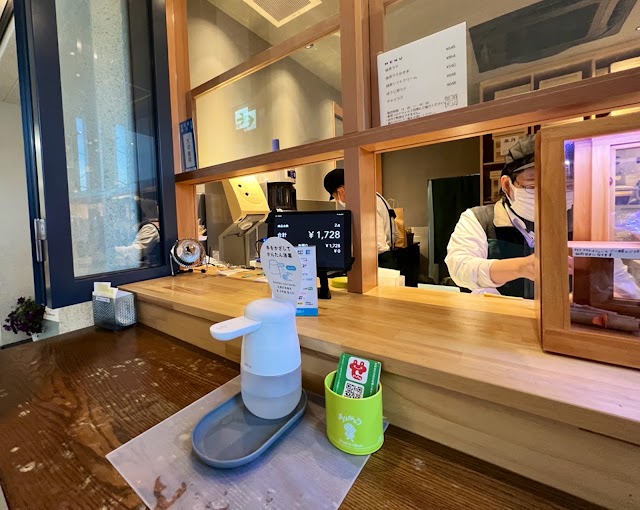
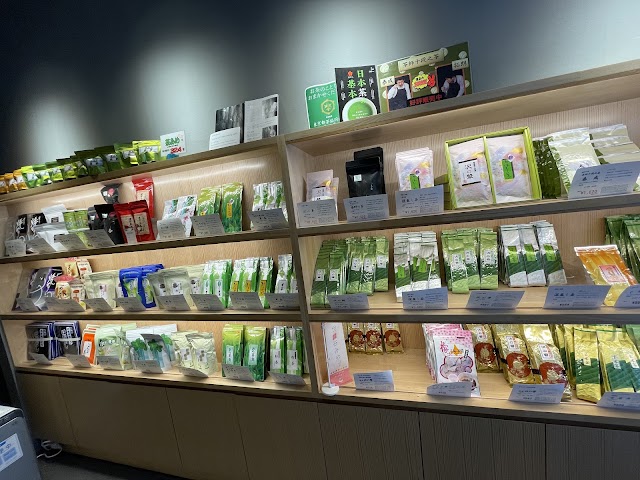
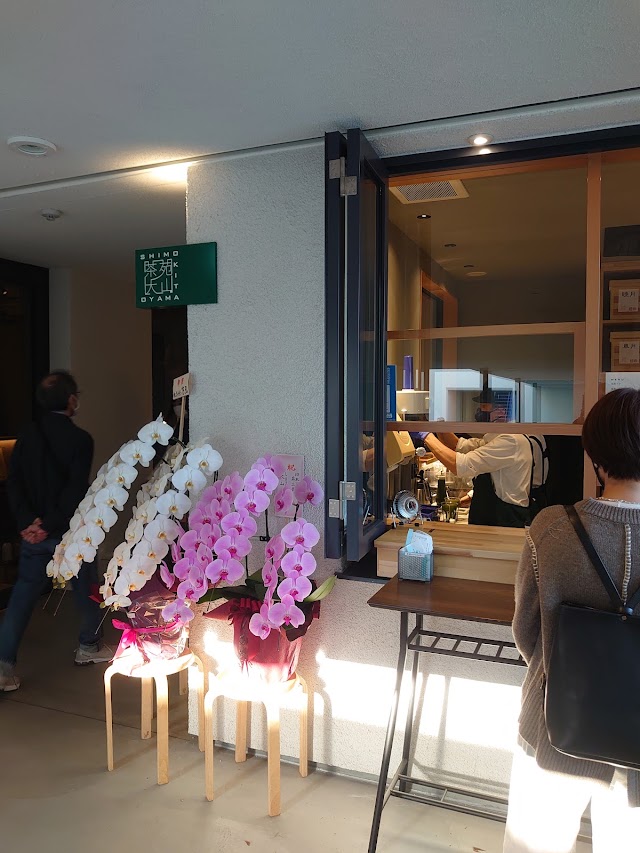
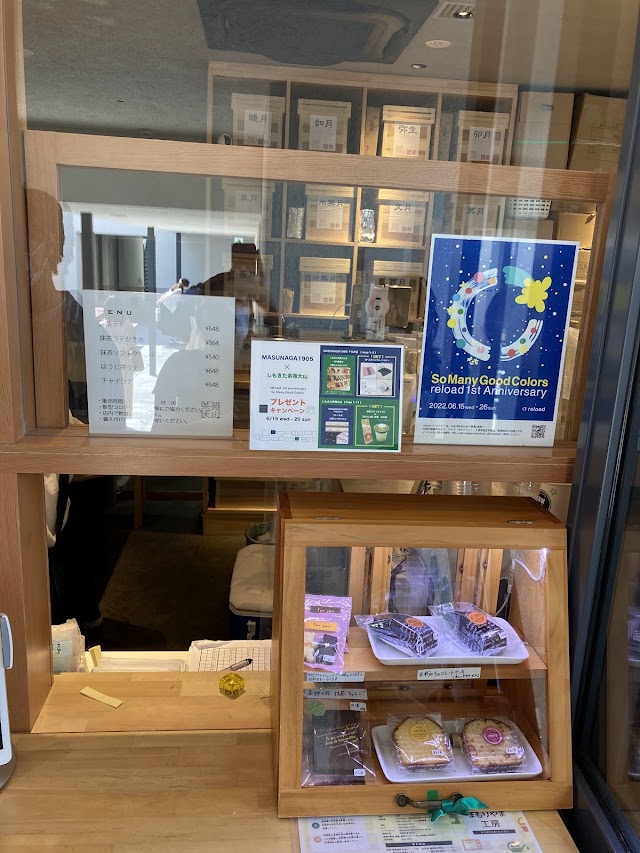
Summer adds a third option: Shimokita Chaen Oyama inside reload. It began as an old tea merchant, the third-generation brothers both hold tea appraiser qualifications, and the matcha shaved ice runs close to bitter — a different thing from the sweet matcha ice familiar in Taiwan. Peak season usually means numbered tickets or a waitlist, and stock runs out. Source: [Trois Chambres (Cotrip)](https://co-trip.jp/article/654778), [Fuzkue Shimokitazawa](https://fuzkue.com/shops/shimokitazawa)

[4. How the ten connect: one line running east to west] You need not walk all ten, but keep the order — the lanes here are easy to lose, and following the line of the old railway keeps you oriented.

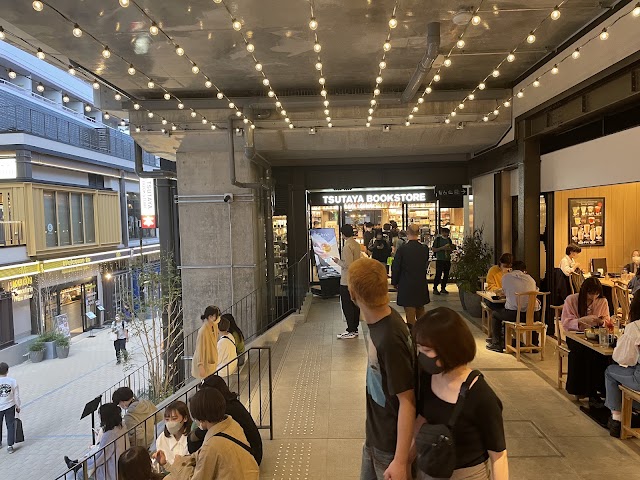
Start at the station: Mikan Shimokita is one minute from the gates, good for a meal or a coffee before anything else. Expect a half-open space under the viaduct, humid in summer with rain blowing through.

Second, the theatre street to the north, around the Honda Theater, Ekimae Gekijo and Suzunari. By day it is quiet to the point of empty; the real hour is 17:30 to 19:00, when flyers, queues and company staff calling from doorways fill the pavement — the half-hour most worth seeing here. Slot Trois Chambres into the wait.

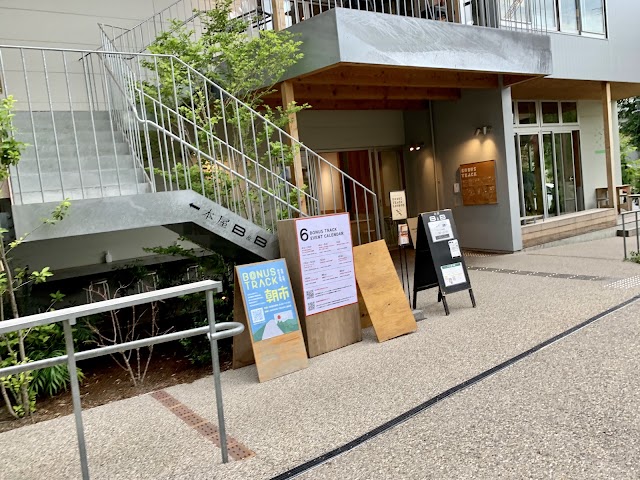
Third, the railway street: reload towards Higashi-kitazawa, with Chaen Oyama inside, and BONUS TRACK towards Setagaya-Daita, holding B&B, Hakko Department and Fuzkue. They differ in character — reload is white and orderly, a row of independent shops, while BONUS TRACK is low, has grass, and fills in the evening with residents and children on the benches, closer to a neighbourhood than a sight.

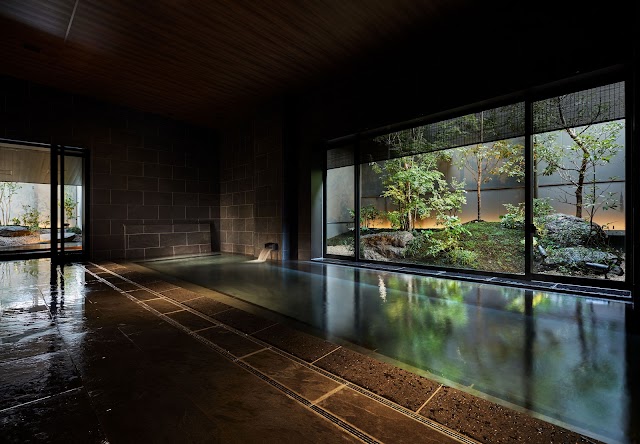
The end is Setagaya-Daita and Yuen Bettei Daita, which answers a common question: is there real onsen inside Tokyo. Yes, with a caveat worth stating — the water is brought from Hakone rather than drawn locally. It opened in September 2020 with 35 rooms, and the value is the address: fifteen minutes from Shinjuku on the Odakyu line for something close to a Hakone stay. If your trip ends with a Tokyo night before an early flight, it costs more than a business hotel and saves a full day of travel. Day-use bathing is not necessarily offered, so confirm first.

The full route runs four to five hours on foot including a meal and coffee. With only half a day, drop one section of the railway street — reload or BONUS TRACK, not both — and keep the theatre street and one café. Source: [Ten recommended stops in Shimokitazawa (Santatsu)](https://san-tatsu.jp/articles/372543/), [Shimokitazawa guide (GO TOKYO)](https://www.gotokyo.org/jp/destinations/western-tokyo/shimokitazawa/index.html)

[5. When to come, and what not to expect] Two dates are worth bending an itinerary towards. The Shimokitazawa Curry Festival runs 8-25 October 2026 in its 15th edition, when a hundred or so shops across the neighbourhood run curry projects — this is already one of the densest curry districts in Tokyo, and that is the best fortnight to arrive. The 36th Shimokitazawa Theatre Festival ran 1-28 February 2026, with the next edition next February, the month when the street's theatre energy is most concentrated.

Finally, what not to expect. There is no major sight here — no tower, no temple, no observation deck. The content is shops and people, so if you travel by collecting landmarks this will feel empty. Daytime is quieter than you expect and many places open only after noon, so mornings tend to be wasted. And the street keeps changing: Mikan Shimokita has 'unfinished' written into its name, and the closure of the Toyo Hyakkaten main building in March 2025 was normal here rather than an accident. Come expecting that what you see this year may be gone next year, and the place makes more sense. Source: [Shimokitazawa Curry Festival 2026](https://shimokitazawa-curryfes.com/), [36th Shimokitazawa Theatre Festival (Setagaya City)](https://www.city.setagaya.lg.jp/kitazawachiiki/20615.html)
Venue Info (Google Maps)
本多劇場
Photos: 高橋涼介のFC、kaz a、17 root、N K、Junpei Kikuchi、t. hi、Tadaaki NIIMURA、T U.、よしぞー、豊MAP / Google Maps
本多劇場
Why we recommend
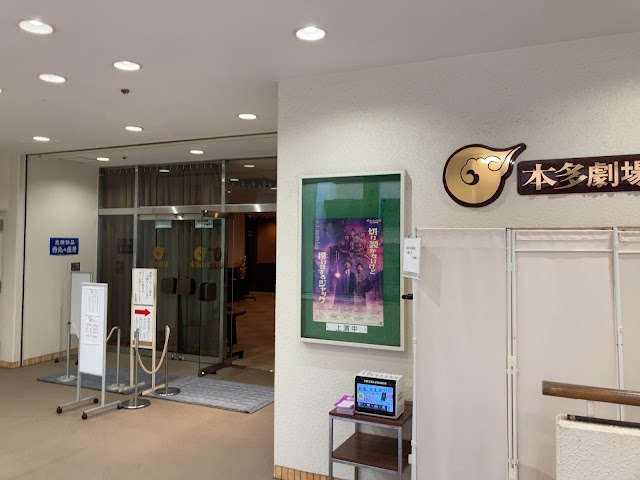
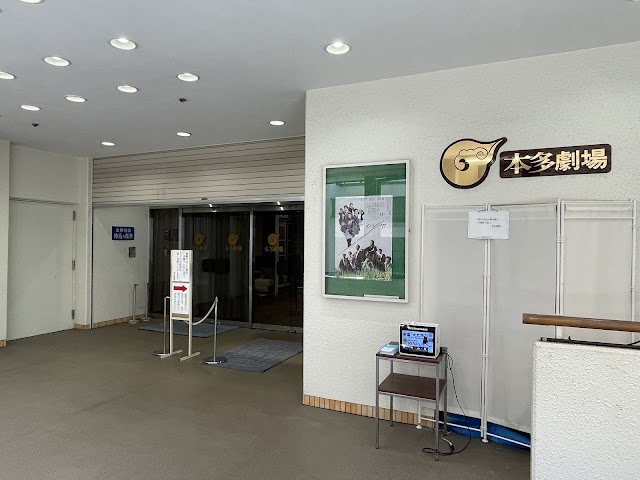
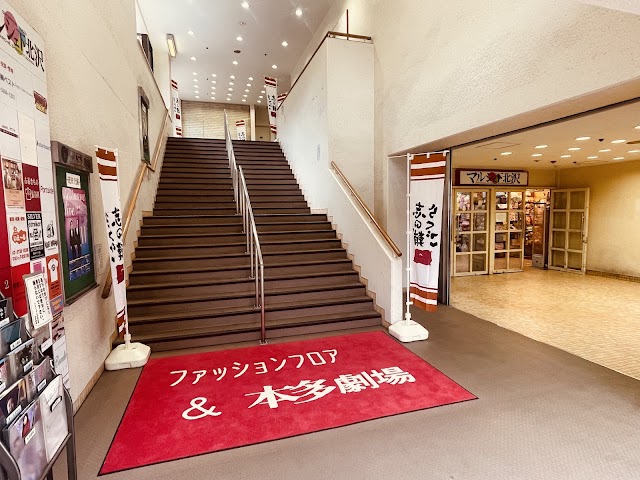
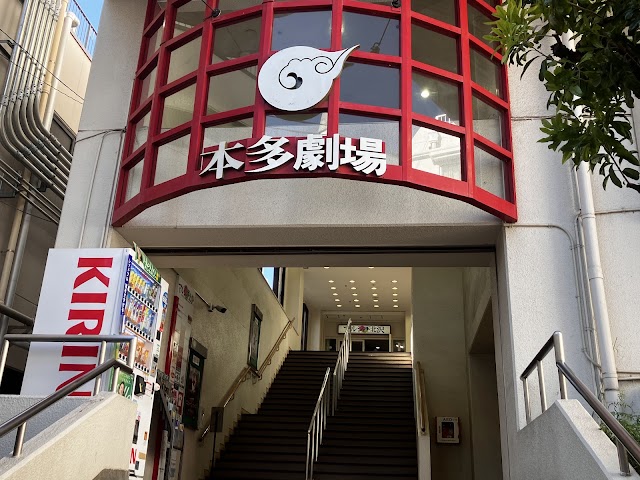
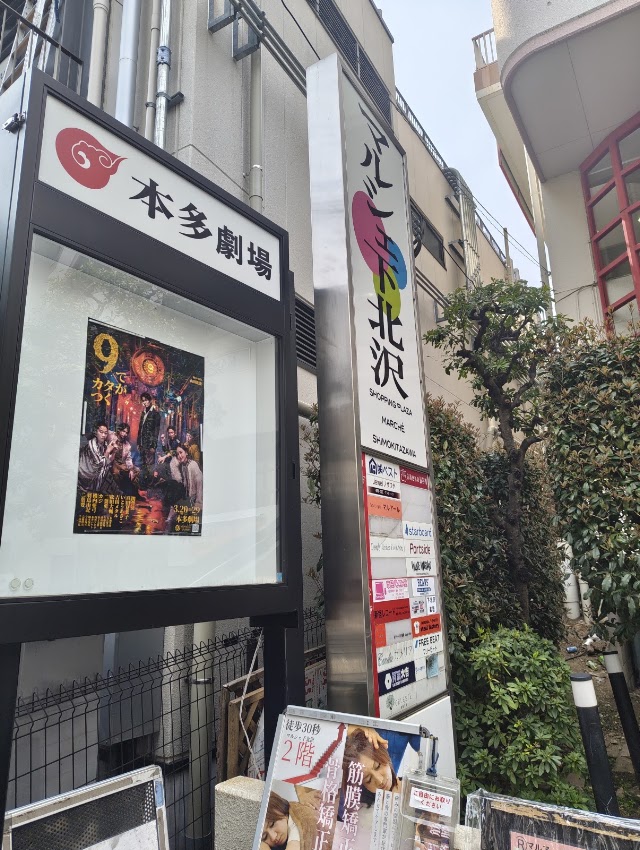
Shimokitazawa is called the theatre town, and this building is where that starts. The Honda Theater opened in 1982 with about 386 seats and sits at the top tier of Japan's small-theatre world — reaching this stage means a company or an actor has been recognised. Its significance is less architectural than industrial: the same group runs Suzunari, Ekimae Gekijo, Geki Shogekijo and OFF OFF Theater within walking distance, forming a complete ladder from newcomer to established name. Even without Japanese it is worth walking past: around seven in the evening the entrance fills with company staff handing out flyers and audiences queueing, and that scene explains this neighbourhood better than any shopping street. If you want to go in, physical theatre, musicals or rakugo carry the lowest language barrier.
★ Most productions are in Japanese without subtitles. Tickets sell through e+ and Lawson Ticket, and popular runs sell out on release; same-day tickets depend on the company.
VENUE INFO
Address: 2-chōme-10-15 Kitazawa, Setagaya City, Tokyo 155-0031
Phone: 03-3468-0030
Hours: Monday: Open 24 hours; Tuesday: Open 24 hours; Wednesday: Open 24 hours; Thursday: Open 24 hours; Friday: Open 24 hours; Saturday: Open 24 hours; Sunday: Open 24 hours
Nearest Sta.: About 2 minutes from Shimokitazawa Station (Odakyu and Keio Inokashira lines)
Price: Ticket prices vary by production, typically ¥4,000-7,000 for small-theatre work (check the producer's listing)
Google rating: 4.2(1,009 則評論)
Verified: 2026-08-18 16:00 Google Maps
ザ・スズナリ(THE SUZUNARI)
Photos: aki kawa、Sammy 5150、wolf of tokyo、route 18、難波由華、大川興業independence day、taka taka、行方俊一、ma takahashi / Google Maps
ザ・スズナリ(THE SUZUNARI)
Why we recommend
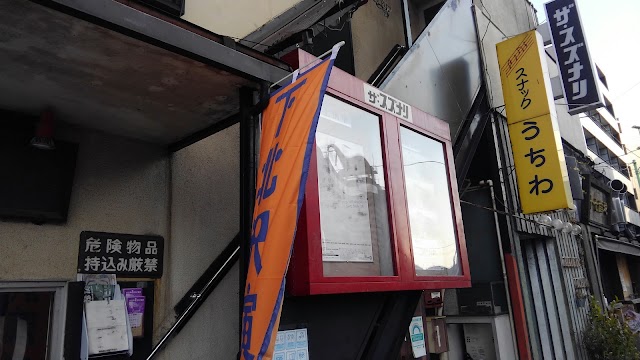
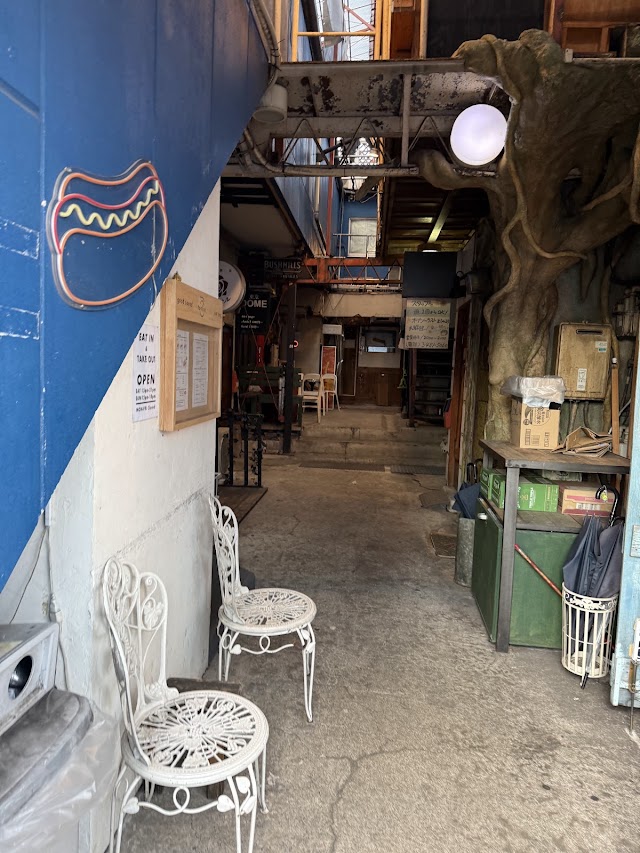
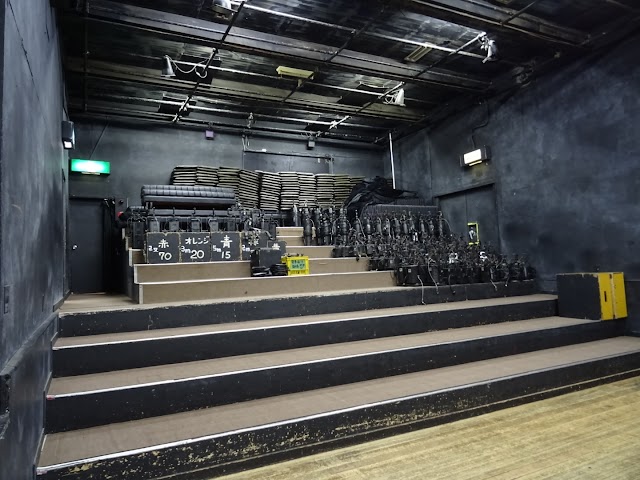
If the Honda Theater is this street's cathedral, Suzunari is its soul. It is the oldest playhouse in the Honda group, a wooden building whose upper floor was converted into a theatre while the ground floor and its surroundings hold a row of small eateries known as Suzunari Yokocho. That vertical relationship — drinking below, performing above — is the original form of Shimokitazawa theatre culture: the cast comes downstairs for a drink after the show and the audience is in the same alley, often at the next table. The space is old and tight, the seating stepped and basic, and you are close enough to see the sweat. Even without a ticket it rewards a visit: standing in that lantern-hung alley at dusk shows you one of the few performance sites in Tokyo that was never renovated away.
★ The building is old with steep stairs and no lift, so check ahead if mobility is a concern. The alley's restaurants are small and awkward with large luggage.
VENUE INFO
Address: 1-chōme-45-15 Kitazawa, Setagaya City, Tokyo 155-0031
Phone: 03-3469-0511
Nearest Sta.: About 5 minutes from Shimokitazawa Station (Odakyu and Keio Inokashira lines)
Price: Ticket prices vary; meals in the Suzunari Yokocho eateries below run about ¥2,000-4,000
Google rating: 4.2(599 則評論)
Verified: 2026-08-18 16:00 Google Maps
駅前劇場
Photos: K Y、ギムリ、がっちゃんツナ、ツシ、秋山潤樹、taka taka、ゴールデン街のたけ / Google Maps
駅前劇場
Why we recommend
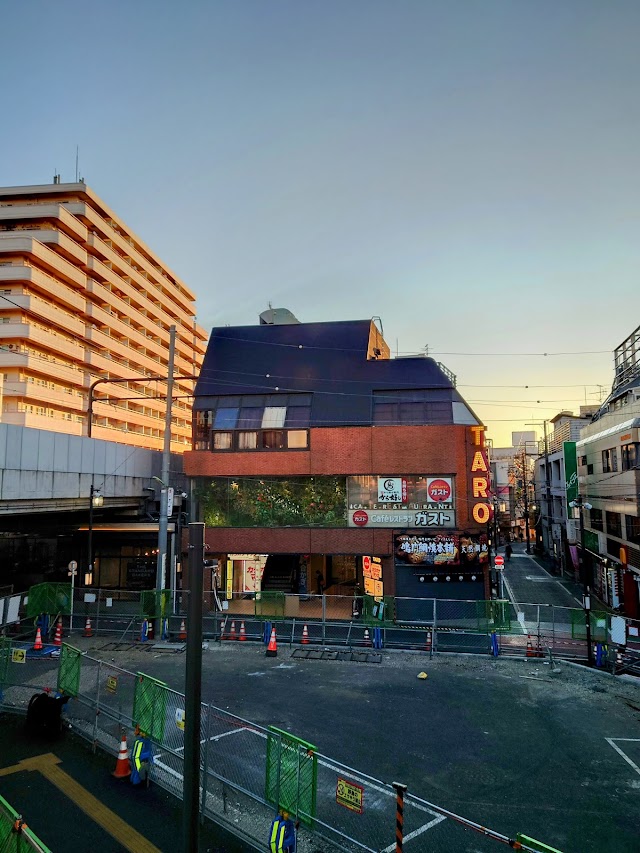
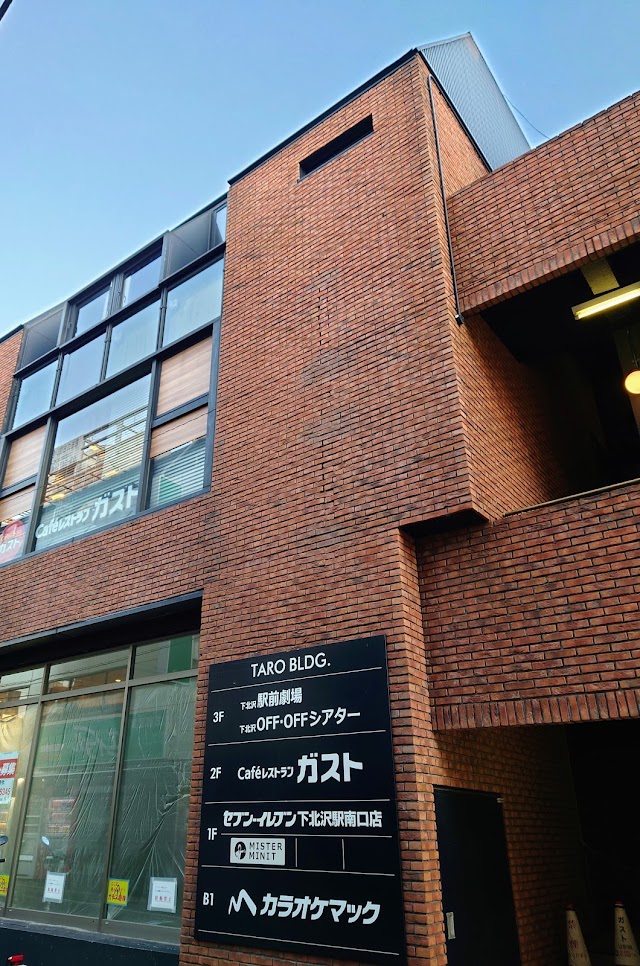
This is the Honda group's most station-adjacent room, inside a building right by the exits, and it is where many young companies make their Tokyo debut. The practical reason to keep it on your route: with several theatres on one street, you do not have to bend a whole day around a show — check what is playing across the venues and take whichever start time fits, using the gaps for the cafés in this guide. Japanese small-theatre ticketing differs from Taiwan's: most performances are unreserved seating, admitted by ticket number about 30 minutes before curtain, so arriving late leaves you the back row. Queueing early is normal practice here, not enthusiasm.
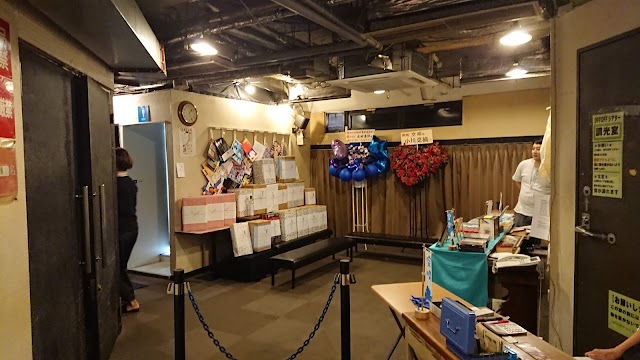
★ The room is small and below ground, and the stairwell congests before curtain. Whether same-day tickets are sold depends on the company, so check the venue group's site or the ticket platform first.
VENUE INFO
Address: 〒155-0031 Tokyo, Setagaya City, Kitazawa, 2-chōme−11−8 TAROビル 3F
Phone: 03-3414-0019
Hours: Monday: 11:00 AM – 10:00 PM; Tuesday: 11:00 AM – 10:00 PM; Wednesday: 11:00 AM – 10:00 PM; Thursday: 11:00 AM – 10:00 PM; Friday: 11:00 AM – 10:00 PM; Saturday: 11:00 AM – 10:00 PM; Sunday: 11:00 AM – 10:00 PM
Nearest Sta.: About 1 minute from Shimokitazawa Station (Odakyu and Keio Inokashira lines)
Price: Ticket prices vary; small-company work commonly runs ¥3,000-5,000 (check the producer's listing)
Google rating: 4(340 則評論)
Verified: 2026-08-18 16:00 Google Maps
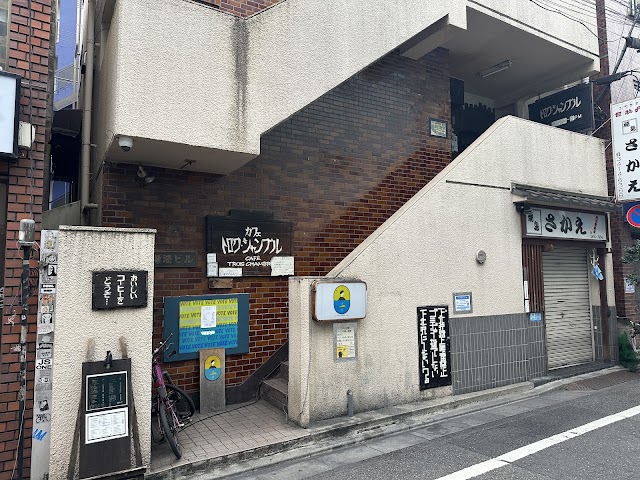
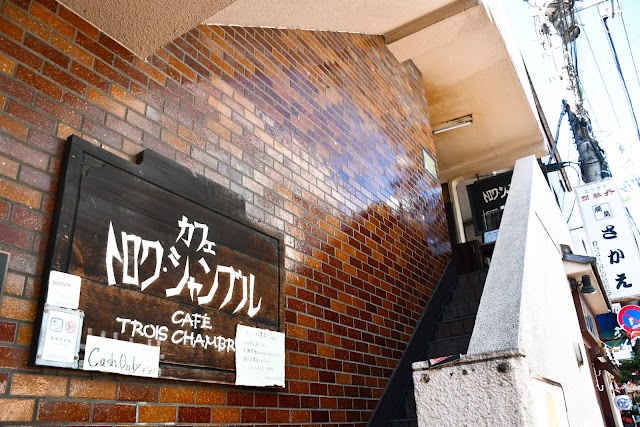
カフェ トロワ・シャンブル
Photos: おごたつ、null、pe a、石井隆雄、mit U、maripi1025、しゅんすけ、嫁ちゃん / Google Maps
カフェ トロワ・シャンブル
Why we recommend
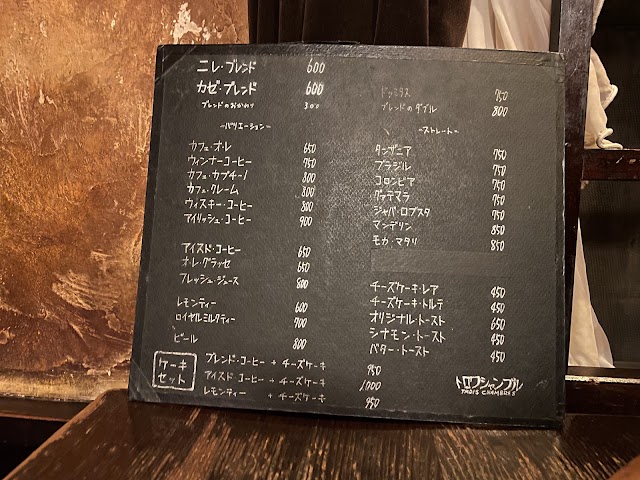
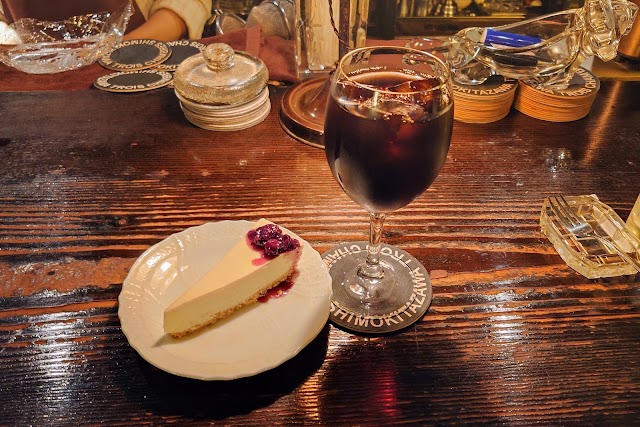
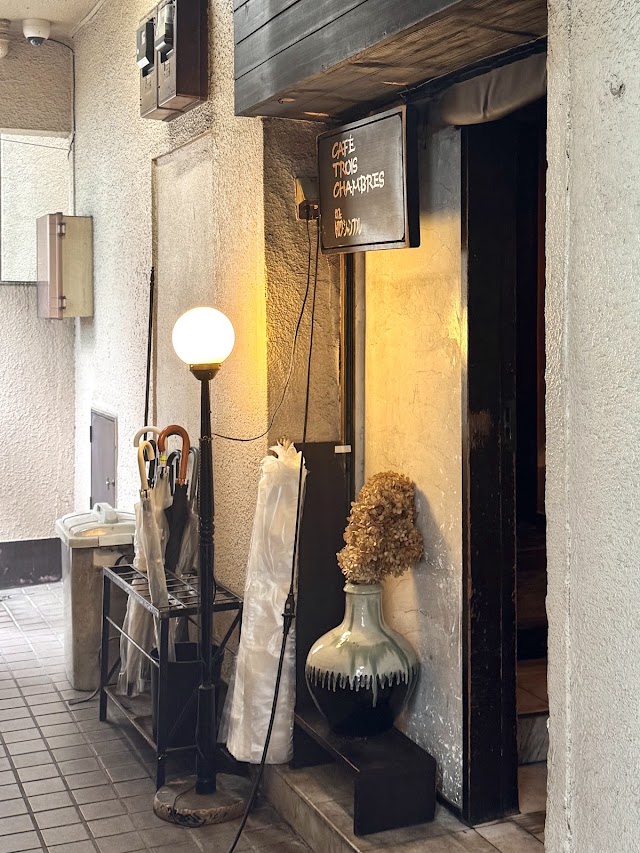
Shimokitazawa's coffee splits into two generations, and this is the older one — the first stop I would make. Opened in 1980, the room has barely changed in more than forty years: dark wood, low light, aged furniture, obviously not designed to be photographed. The coffee is flannel drip with aged beans, two house blends each with its own name, heavy in body and low in acidity — the opposite direction from today's bright third-wave style. Worth saying plainly: if you like light roasts and fruit acidity you may be disappointed; if you like deep, bitter depth you will find something that has become hard to find. For visitors the real value is that it keeps Showa kissaten rhythms — one cup buys a long sit, nobody moves you along, and the two-hour gap before a show is exactly what this place is for.
★ Smoking rules by seat or time follow house policy, so check on entry if it matters to you. Seats are few and it fills in the early evening.
VENUE INFO
Address: 〒155-0032 Tokyo, Setagaya City, Daizawa, 5-chōme−36−14 湯浅ビル 2階
Phone: 03-3419-6943
Hours: Monday: 9:30 AM – 8:00 PM; Tuesday: 9:30 AM – 8:00 PM; Wednesday: 9:30 AM – 8:00 PM; Thursday: 9:30 AM – 8:00 PM; Friday: 9:30 AM – 8:00 PM; Saturday: 9:30 AM – 8:00 PM; Sunday: 9:30 AM – 8:00 PM
Nearest Sta.: About 3 minutes from Shimokitazawa Station (Odakyu and Keio Inokashira lines)
Price: Coffee around ¥700-900, cake extra (confirm on site)
Google rating: 4.2(548 則評論)
Verified: 2026-08-18 16:00 Google Maps
しもきた茶苑大山(reload 內)
Photos: yummy in、Masanobu Kuroda、S net、黒豚天使、gimi narco (narco)、Motoko Obata、Yuki Sakura Yang、齋藤洋子、Michael Law / Google Maps
しもきた茶苑大山(reload 內)
Why we recommend
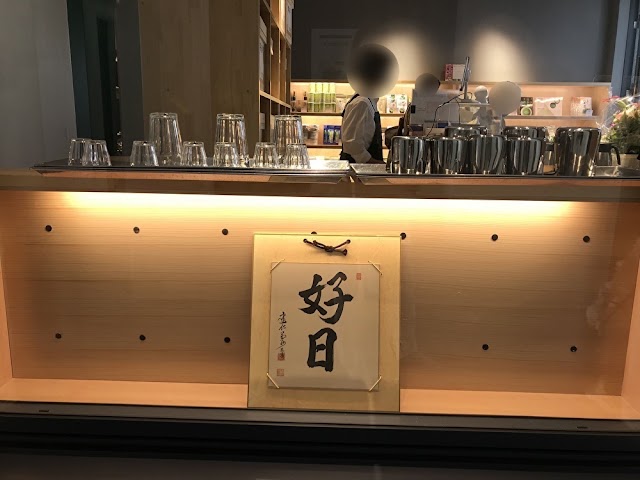
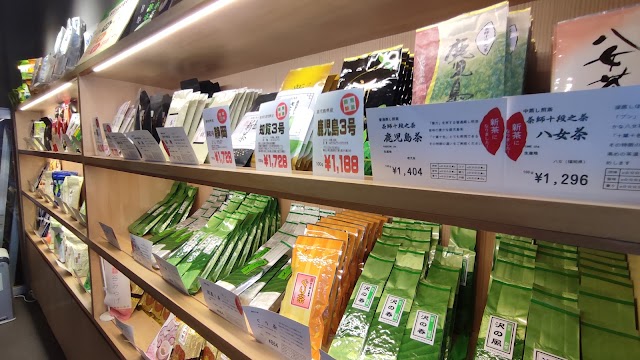
In August this is the stop I would build the walk around. It began as an old tea merchant, the third-generation brothers both hold Japanese tea appraiser qualifications, and they turned a leaf shop into a room where you sit and drink — inside reload, the small-shop street that opened in 2021. The matcha shaved ice is what it is known for: tea flavour pushed close to bitterness, a different thing entirely from the sweet matcha ice familiar in Taiwan, and seats are scarce in summer. Note its role differs from the other cafés here: this is somewhere you go specifically to drink good tea, not to settle in with a laptop. reload itself deserves the detour — the land freed when the Odakyu line went underground in 2013 became a white block of 24 independent shops, the opposite logic to Tokyo's large malls, and about 30 minutes to walk through.
★ In peak shaved-ice season a numbered-ticket or waitlist system is common and stock can run out, so check the day's hours and system before setting out.
VENUE INFO
Address: 〒155-0031 Tokyo, Setagaya City, Kitazawa, 3-chōme−19−20 reload 1-11
Phone: 03-3466-5588
Hours: Monday: 9:00 AM – 7:00 PM; Tuesday: 9:00 AM – 7:00 PM; Wednesday: Closed; Thursday: 9:00 AM – 7:00 PM; Friday: 9:00 AM – 7:00 PM; Saturday: 9:00 AM – 7:00 PM; Sunday: 9:00 AM – 7:00 PM
Closed: Wednesday
Nearest Sta.: About 3 minutes from Higashi-kitazawa Station; about 5 minutes from Shimokitazawa Station (Odakyu line)
Price: Matcha shaved ice roughly ¥1,300-1,800, tea drinks ¥700-1,200 (confirm on site)
Google rating: 4(222 則評論)
Verified: 2026-08-18 16:00 Google Maps
本屋 B&B(BONUS TRACK 內)
Photos: 菅原道真、本屋B&B、Shu Yam、Koichi Masuda、Olive、堂島大吾、Hideki Yoshida、長月幸治 / Google Maps
本屋 B&B(BONUS TRACK 內)
Why we recommend
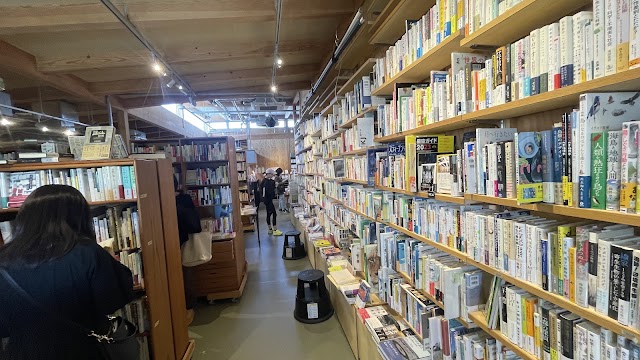
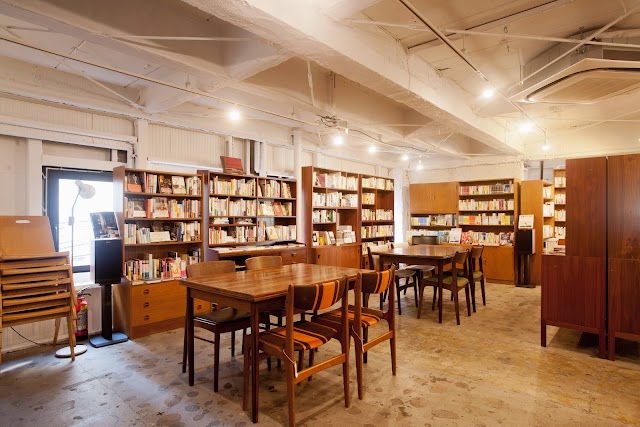
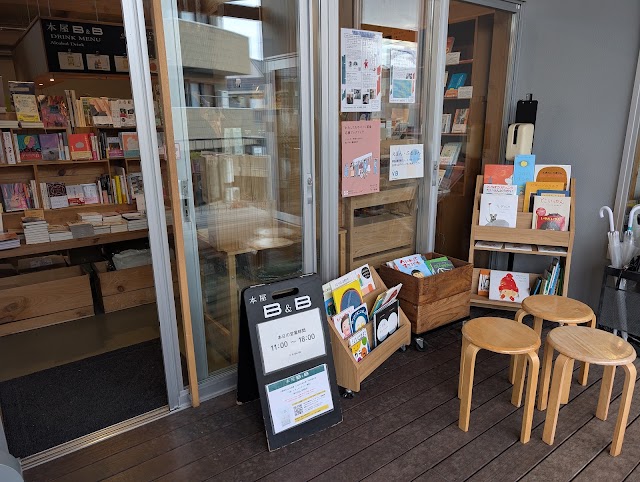
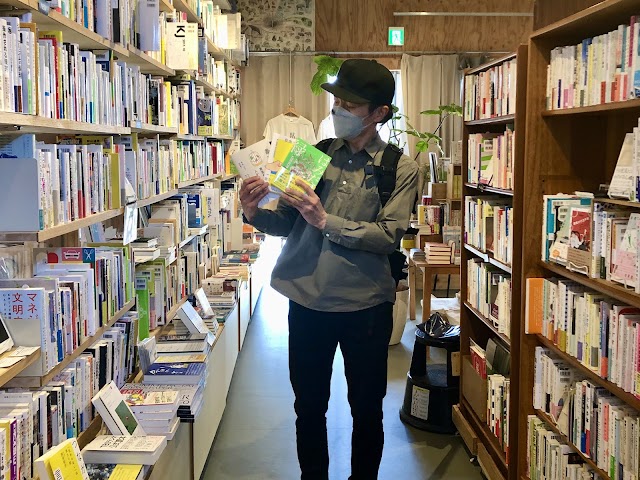
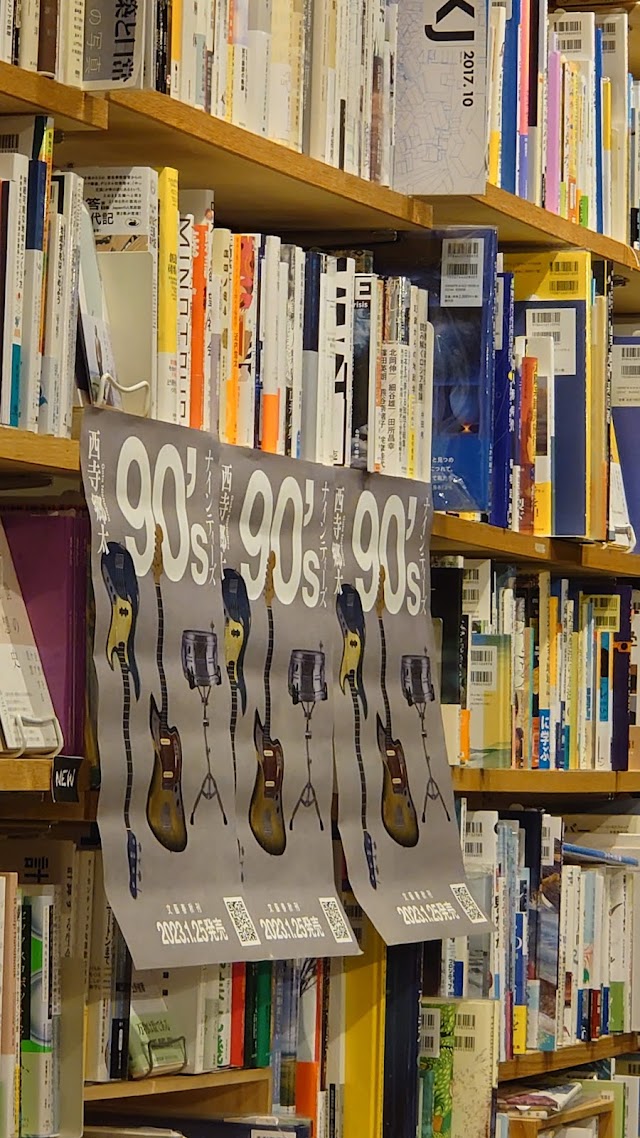
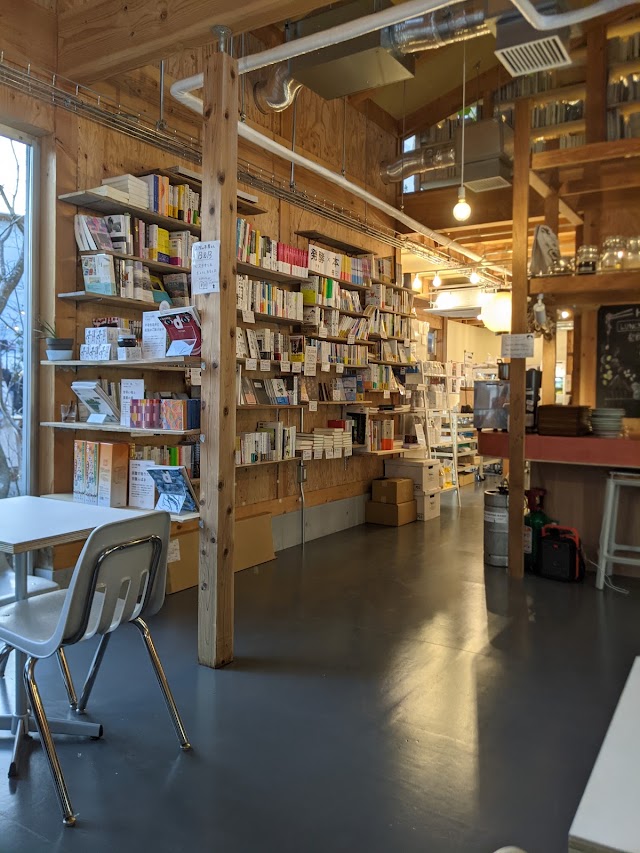
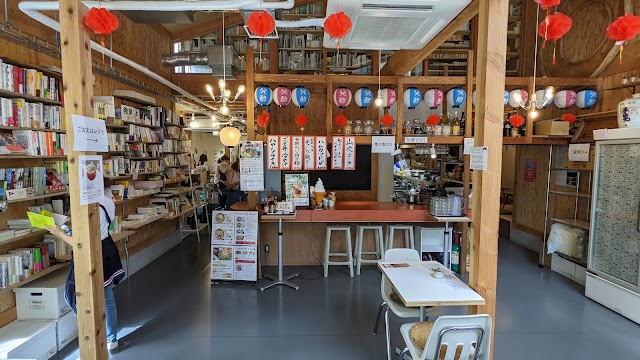
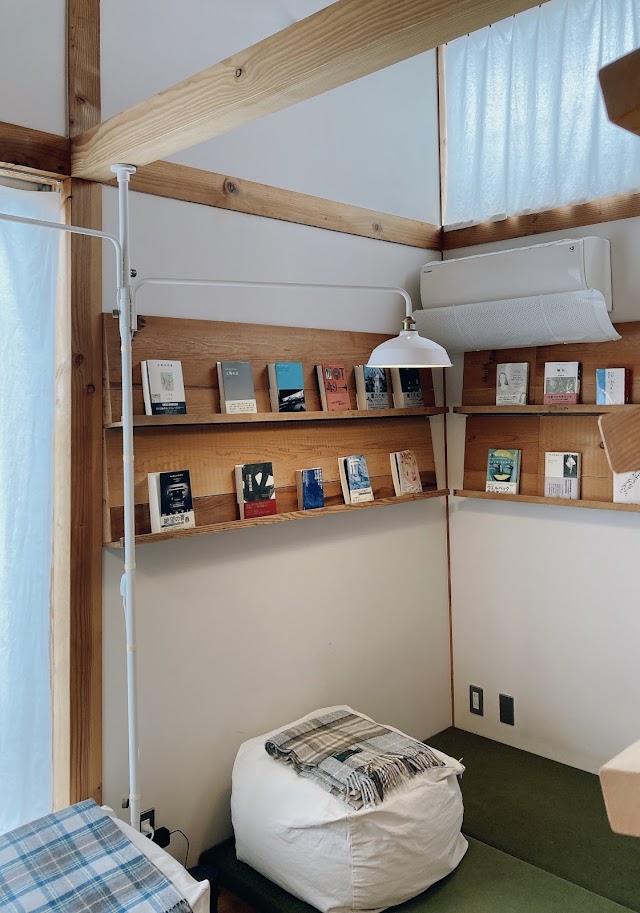
This bookshop opened in Shimokitazawa in 2012 and moved into BONUS TRACK in 2020, attempting something difficult: making a bookshop a place with a reason to return daily. Two methods — beer is sold inside, so you can browse with a glass in hand, and there are talks by writers, editors and translators almost every evening. The shop does not live on selling books so much as on gathering readers in one room, which is among the most cited independent-bookshop models in Japan over the past decade. There is plenty to look at without reading Japanese: how the sections are cut, how books and goods are paired on the tables, is editorial work in itself, and Japanese book design travels home well as a gift. Come in the early evening and dinner next door at the Fermentation Department follows naturally.
★ Events are usually in Japanese and some require advance tickets. BONUS TRACK is an open-air lane, so bring an umbrella in rain.
VENUE INFO
Address: 〒155-0033 Tokyo, Setagaya City, Daita, 2-chōme−36−15 BONUS TRACK 2F
Phone: 03-6450-8272
Hours: Monday: 12:00 – 6:30 PM; Tuesday: 12:00 – 6:30 PM; Wednesday: 12:00 – 6:30 PM; Thursday: 12:00 – 6:30 PM; Friday: 12:00 – 6:30 PM; Saturday: 11:00 AM – 6:30 PM; Sunday: 11:00 AM – 6:30 PM
Nearest Sta.: About 4 minutes from Shimokitazawa Station (southwest exit); about 4 minutes from Setagaya-Daita Station
Price: Books at cover price; draught beer and other drinks from about ¥600 (confirm on site)
Google rating: 4.2(305 則評論)
Verified: 2026-08-18 16:00 Google Maps
発酵デパートメント(BONUS TRACK 內)
Photos: カサゴ、Kazemaru Iso、ねこハンド、Omri R、kan “おおしま” ohyama、09 / Google Maps
発酵デパートメント(BONUS TRACK 內)
Why we recommend
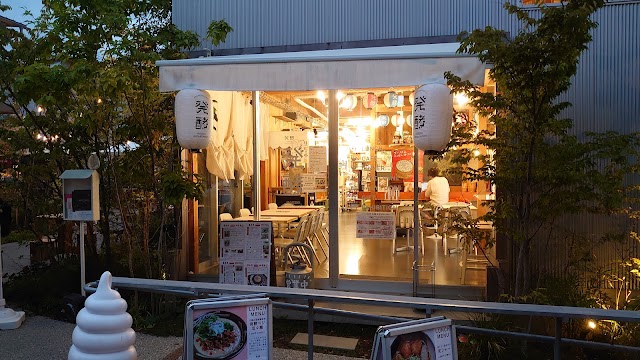
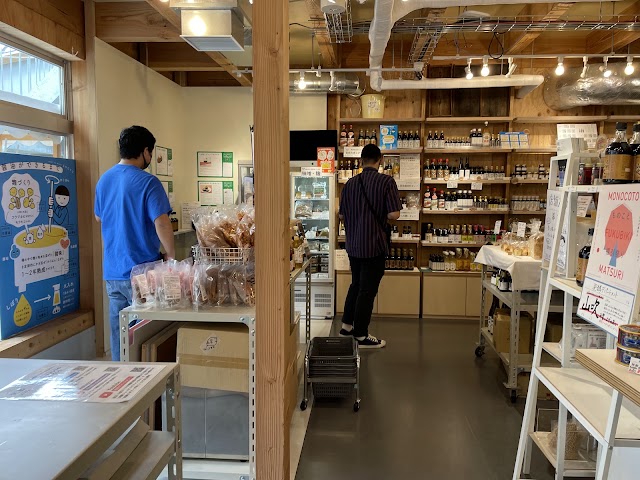
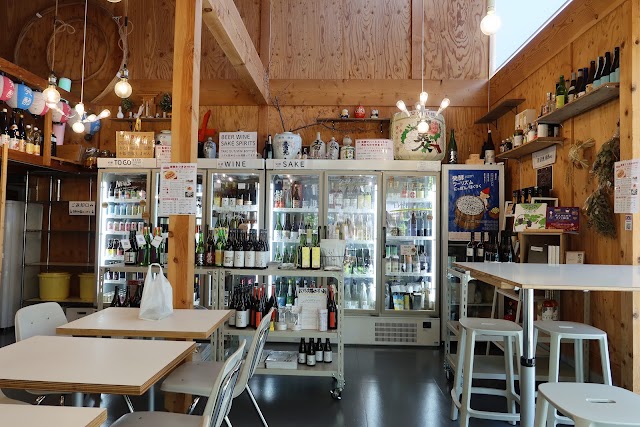
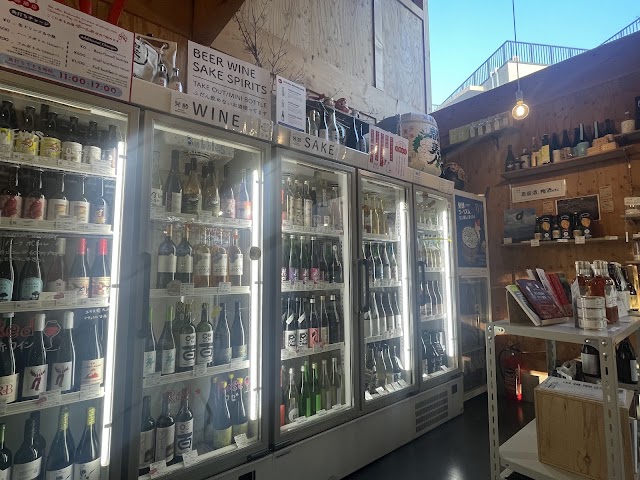
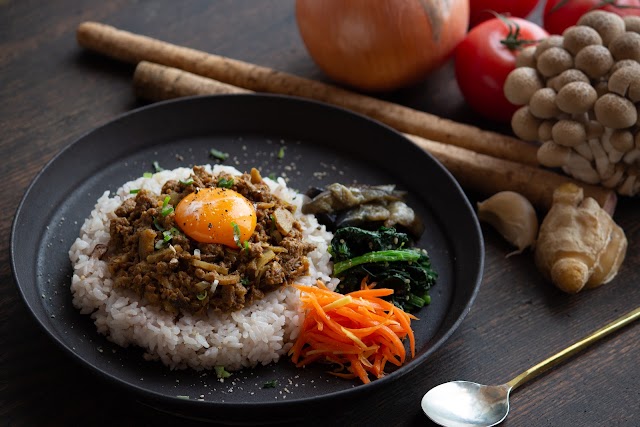
A shop that collects fermented foods from across Japan — and the wider world — with a canteen attached, and one of the best places in Tokyo to buy edible souvenirs you will not regret. Miso, soy sauce, shio-koji, nuka pickles, sake and fermented teas, each labelled with origin and method, making it effectively a tasting archive. The usual souvenir problem for visitors is duplication: the same cosmetics, the same sweets. Fermented seasonings are the opposite — you actually finish them at home, and equivalents are hard to buy in Taiwan. Practical notes: miso and koji products are wet and heavy, so leave checked-baggage room, and liquids such as soy sauce and sake cannot go in the cabin. The kitchen serves set meals built on fermented ingredients; lunch is busy, so avoid 12:00-13:00.
★ Fresh fermented goods have shelf-life and refrigeration needs — ask staff before carrying them far. Taiwan restricts meat products on entry, so check before buying.
VENUE INFO
Address: 〒155-0033 Tokyo, Setagaya City, Daita, 2-chōme−36−15 BONUS TRACK
Hours: Monday: 11:00 AM – 6:30 PM; Tuesday: 11:00 AM – 6:30 PM; Wednesday: 11:00 AM – 6:30 PM; Thursday: 11:00 AM – 6:30 PM; Friday: 11:00 AM – 6:30 PM; Saturday: 11:00 AM – 6:30 PM; Sunday: 11:00 AM – 6:30 PM
Nearest Sta.: About 4 minutes from Shimokitazawa Station (southwest exit)
Price: Set meals roughly ¥1,500-2,500; fermented products from about ¥800 (confirm on site)
Google rating: 4.2(201 則評論)
Verified: 2026-08-18 16:00 Google Maps
fuzkue 下北沢(本の読める店)
Photos: 本の読める店fuzkue 下北沢、K T、熊野哲、禅野浩市、Marie K、Tom、hashimoto youthk / Google Maps
fuzkue 下北沢(本の読める店)
Why we recommend
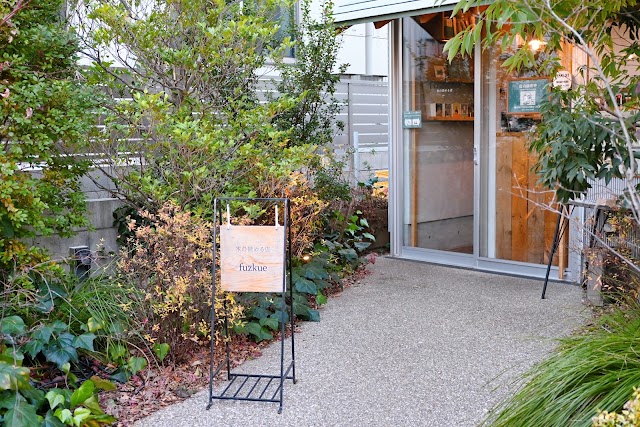
This is the one place here you should read the rules before entering, and the one that best explains what Shimokitazawa is doing now. It defines itself as a shop where you can read: explicit limits on conversation, phone calls and keyboard noise, and in exchange a genuinely quiet room. Pricing is not one coffee for an open-ended stay — time itself is on the bill, with a seat charge that rises the longer you sit and falls as you order more. There is almost no equivalent in Taiwan, which makes it worth experiencing once: it puts a café's hidden costs on the table and sells silence openly. In practice it suits solo visits rather than conversation; bring your own book, or buy one at B&B next door first, which is the neatest way to walk this route.
★ Read the house rules before entering — they are published online. Seats are limited and entry may be refused when full.
VENUE INFO
Address: 〒155-0033 Tokyo, Setagaya City, Daita, 2-chōme−36−12 内 下北線路街 BONUS TRACK
Hours: Monday: 12:00 – 7:00 PM; Tuesday: Closed; Wednesday: Closed; Thursday: 12:00 – 10:00 PM; Friday: 12:00 – 10:00 PM; Saturday: 12:00 – 10:00 PM; Sunday: 12:00 – 10:00 PM
Closed: Tuesday, Wednesday
Nearest Sta.: About 4 minutes from Shimokitazawa Station (southwest exit)
Price: A time-based seat charge plus food and drink; roughly ¥300-800 for the first hour (per house pricing)
Google rating: 4.3(80 則評論)
Verified: 2026-08-18 16:00 Google Maps
ミカン下北
Photos: ミカン下北、Masanobu Kuroda、Lim Nic、公太古賀、Joe Ueno、Kamil Kwiecień、Yogi Dempsey / Google Maps
ミカン下北
Why we recommend
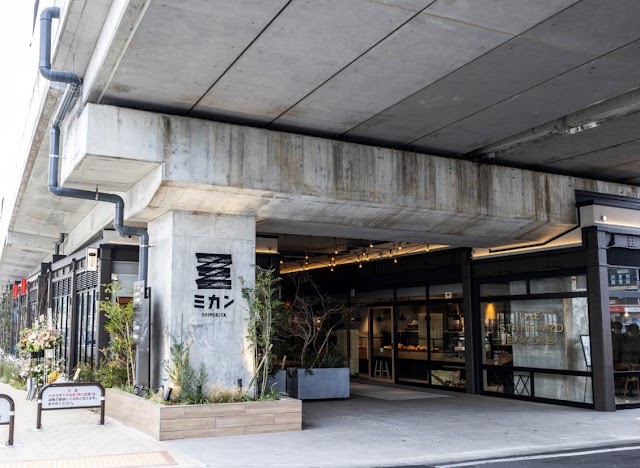
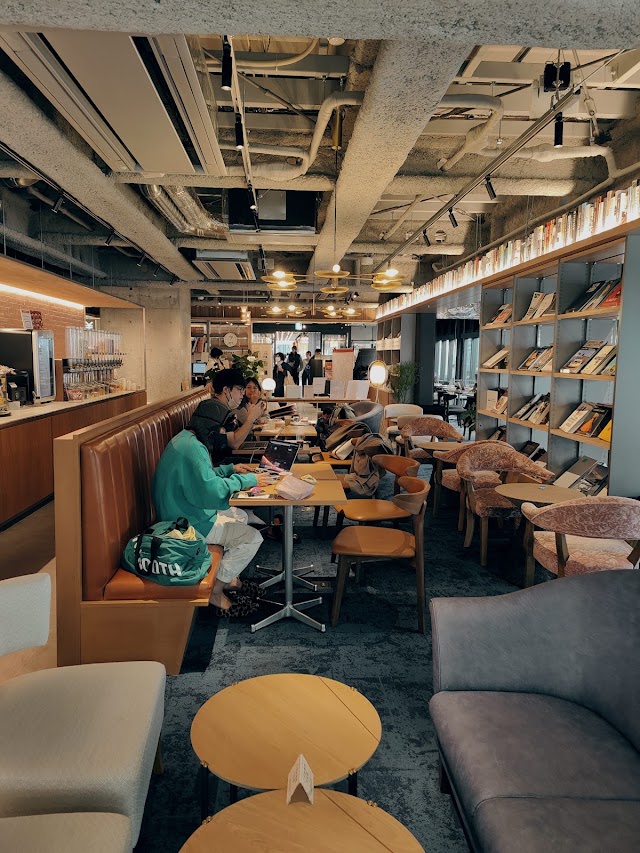
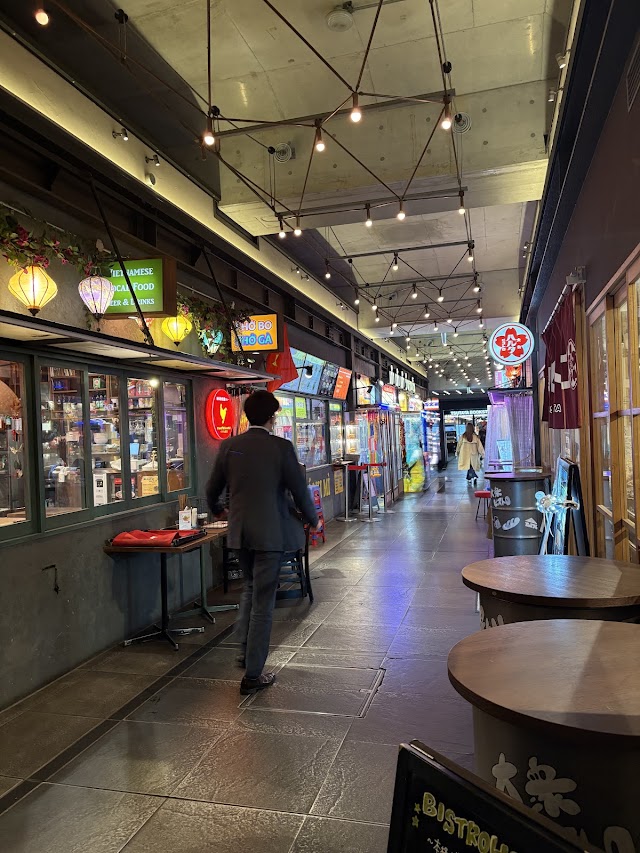
Opened in 2022 beneath the Keio Inokashira line viaduct, this is the most legible piece of Shimokitazawa's decade of redevelopment: the gap under the tracks turned into a row of shops. The name comes from mikan, meaning unfinished — a deliberate statement that the place will never be complete and will keep changing, which is the neighbourhood's attitude in a word. Inside are a TSUTAYA BOOKSTORE, a New York roaster, restaurants from across Asia, vintage clothing and shared offices; it works as a daytime workspace and turns into a drinking spot at night. For a first visit it is the easiest starting point: one minute from the gates, eat and take a coffee here, then walk on to the theatres and the railway street without doubling back. Note that space under a viaduct is half open — humid in summer, and rain blows in.
★ Opening hours differ by tenant and some restaurants close in the afternoon; the shared-office area is not open to general visitors.
VENUE INFO
Address: 2-chōme-11-15 Kitazawa, Setagaya City, Tokyo 155-0031
Nearest Sta.: About 1 minute from Shimokitazawa Station (Odakyu and Keio Inokashira lines)
Price: Meals roughly ¥1,000-3,000; coffee ¥500-800 (confirm on site)
Google rating: 3.9(237 則評論)
Verified: 2026-08-18 16:00 Google Maps
温泉旅館 由縁別邸 代田
Photos: 由縁別邸 代田、Emily Chen / Google Maps
温泉旅館 由縁別邸 代田
Why we recommend
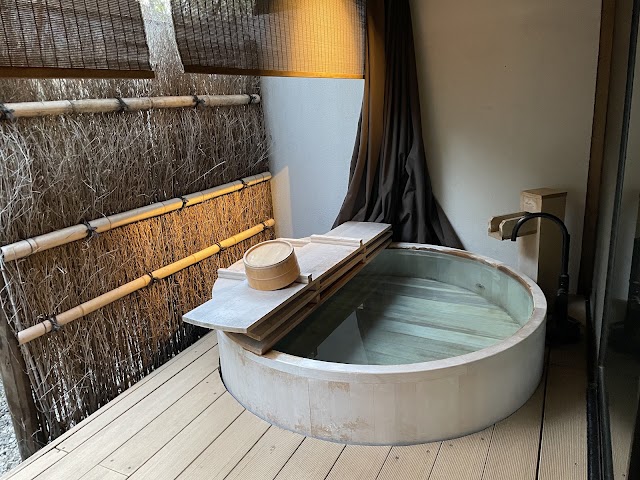
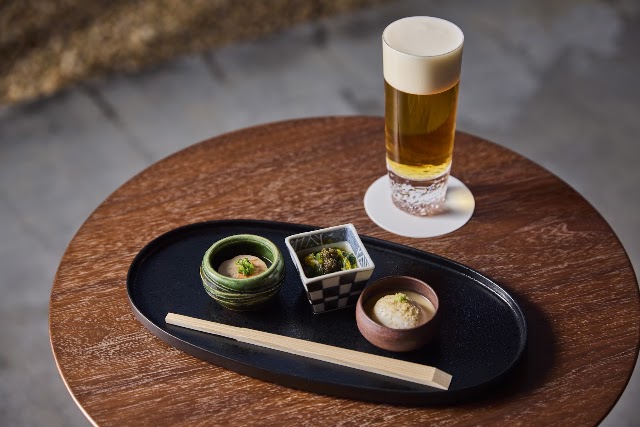
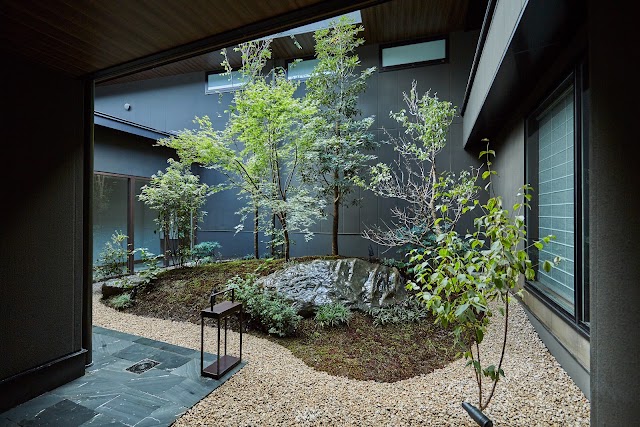
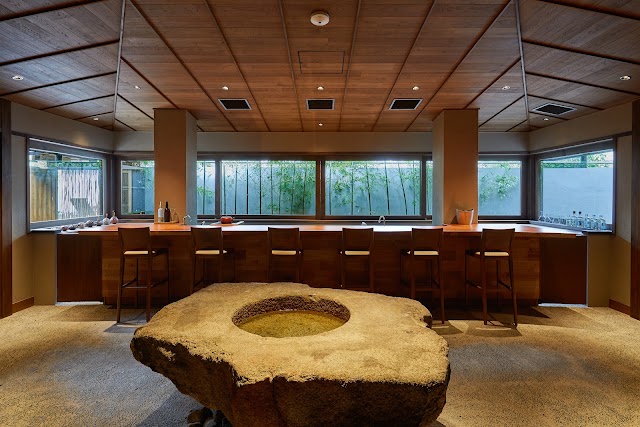
The walk ends here because it answers a question visitors from Taiwan often ask: can you take a real onsen inside Tokyo. Opened in September 2020 with 35 rooms, adjoining Setagaya-Daita Station on the Odakyu line, it forms part of the Shimokita railway street development. The water is not drawn locally — it is trucked in from Hakone, which is worth stating plainly to avoid disappointment. The value is the location: fifteen minutes from Shinjuku on the Odakyu line, yet a timber-feel ryokan layout with a large bath and a tea salon, essentially a Hakone stay folded into Tokyo's commuter belt. Practical read: if your itinerary ends with a Tokyo night before an early flight, it costs more than a business hotel but saves a full day of travelling to Hakone and back. Day-use bathing is not necessarily offered, so confirm before you go.
★ The large bath is generally for staying guests; day-use bathing and public access to the restaurant and tea salon change by season, so check with the ryokan first.
VENUE INFO
Address: 2-chōme-31-26 Daita, Setagaya City, Tokyo 155-0033
Phone: 03-5431-3101
Nearest Sta.: About 1 minute from Setagaya-Daita Station; about 8 minutes from Shimokitazawa Station (Odakyu line)
Price: Room rates vary by type and season, roughly from ¥20,000 per person for two sharing; the tea salon and restaurant are charged separately (see the hotel's own listing)
Google rating: 4.5(506 則評論)
Verified: 2026-08-18 16:00 Google Maps
※ Business info may change; please check the venue's official sources before visiting.
← Back to home