Jp¥online 繁中简中EN2026/08/17

The First Bowl Came From a 1760 Hotpot House: Ten Oyakodon Counters in Tokyo, From Ningyocho's Onion-Free Original to ¥850 in Tsukiji

Source: Jp¥online 編輯部· Published: 2026/08/17 16:21 JST· Section: REAL ESTATE & TOURISM
# Tokyo oyakodon# Tamahide# Toritsune Shizendo# hinai-jidori# Tokyo shamo# Hyakumeiten# Tokyo food guide# chicken and egg rice
Key Points
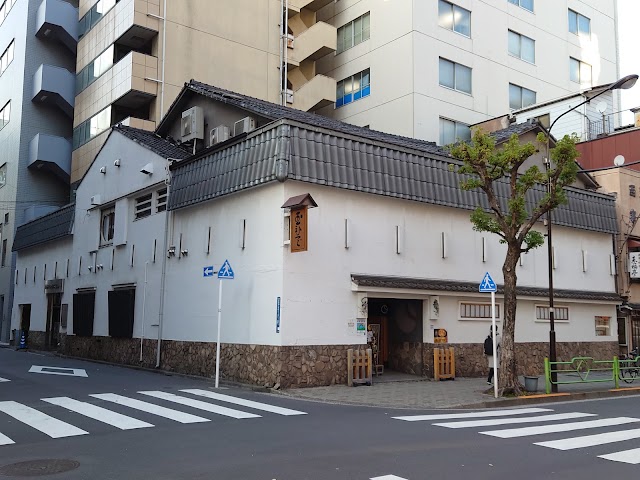
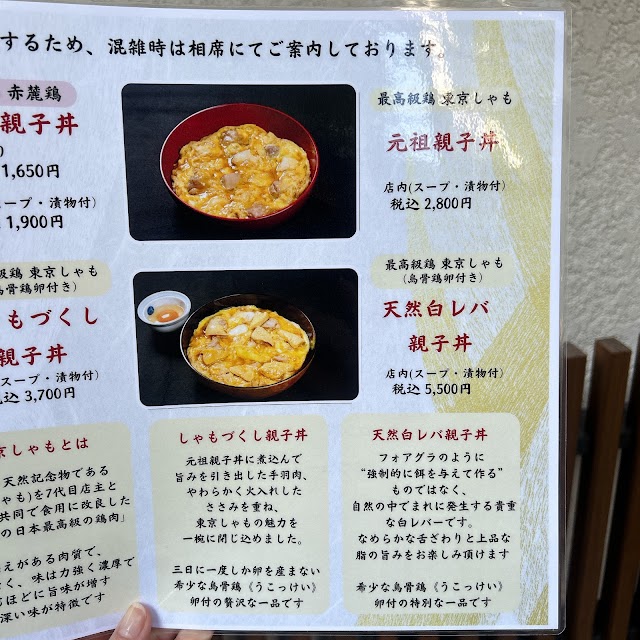
  • The dish traces to Tamahide, founded in Ningyocho in 1760: broth and egg poured over rice at the end of a shamo hotpot, later formalised as its own bowl. The restaurant reopened after renovation in November 2025 with graded lunch bowls at about ¥1,900, ¥2,800 (original), ¥3,700 (Tokyo shamo) and ¥5,500 (white liver), closed Mondays
  • The original version has no onion, no sugar and no mitsuba — only Tokyo shamo and egg, a different dish from the sweet onion version familiar in Taiwan
  • The barely-set egg is deliberate: Japanese eggs are produced for raw consumption, and Toritsune Shizendo adds egg twice with the second addition scarcely heated, leaving the chicken faintly pink at the centre. Sensitive diners, and pregnant or young guests, can ask whether the kitchen will adjust
  • At several famous houses the bowl is lunch-only or weekday-lunch-only: the premium oyakodon at Kagurazaka Torichaya Bettei, around ¥1,080, is served only at weekday lunch, with evening prices set by chicken dishes and udon-suki
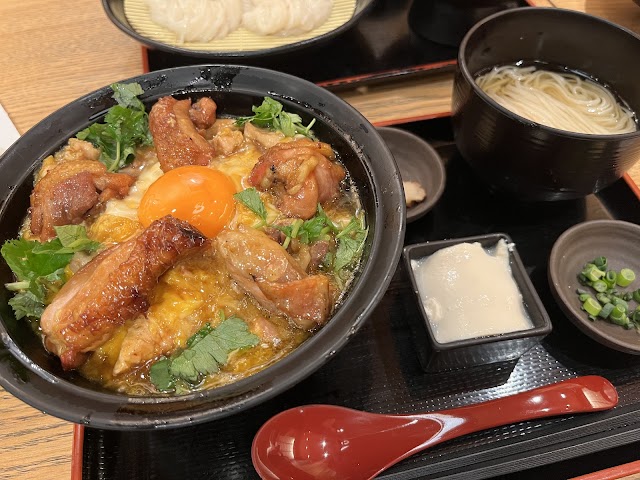
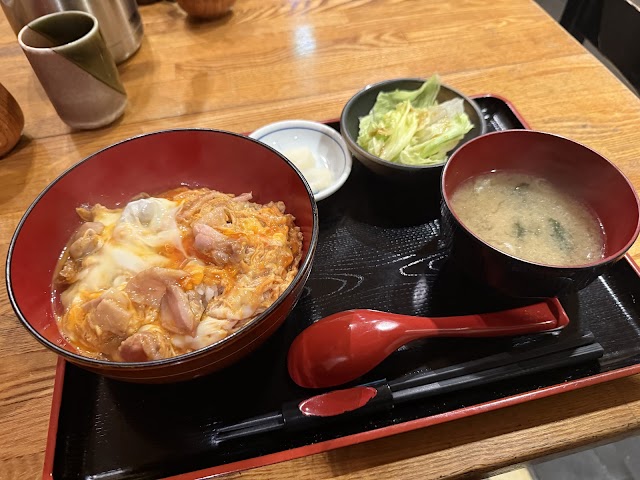
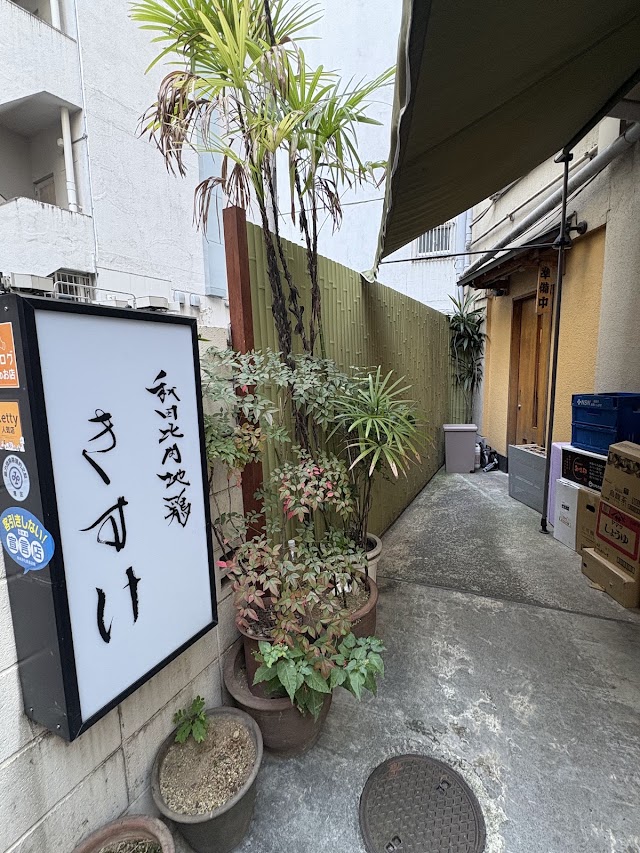
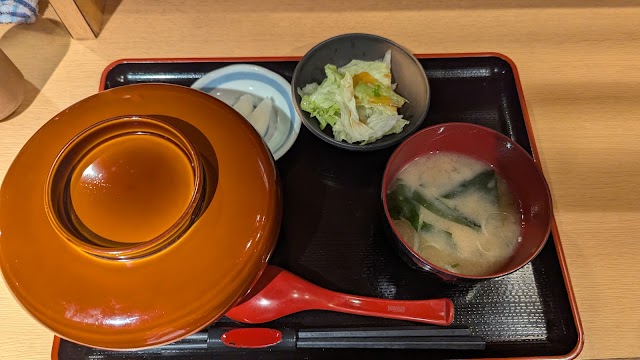
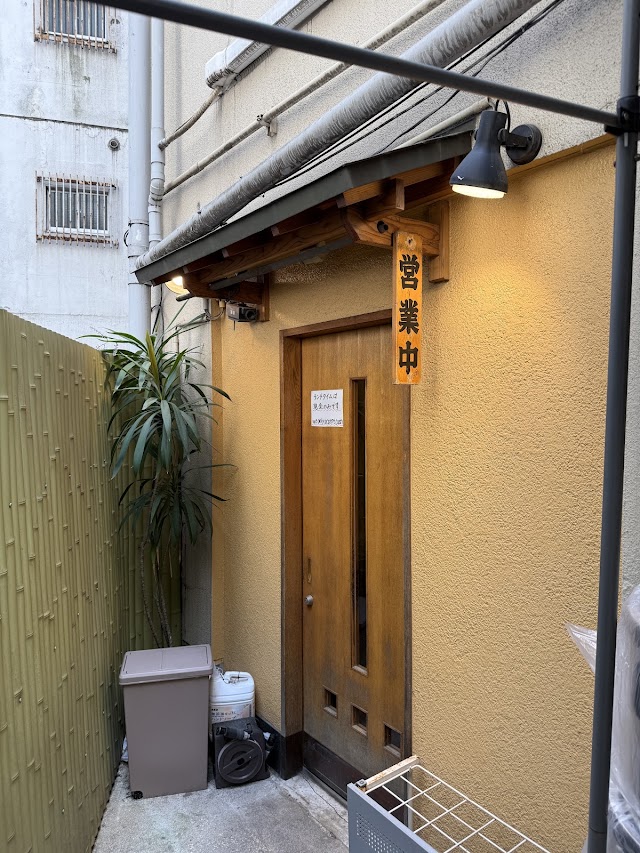
  • Heritage breeds differ in texture rather than rarity: Honke Abeya (KITTE B1F, 100% hinai-jidori, around ¥1,100) and Kisuke (Tameike-Sanno, around ¥1,200) both use Akita hinai-jidori, firm with a pronounced grain
  • There is only one breakfast answer: the Toritoh branch in the Tsukiji outer market, a poultry wholesaler founded in 1907 that moved from Asakusa to Tsukiji in 1935, serving from early morning with a shamo bowl around ¥1,600. It closes on market holidays, so check first
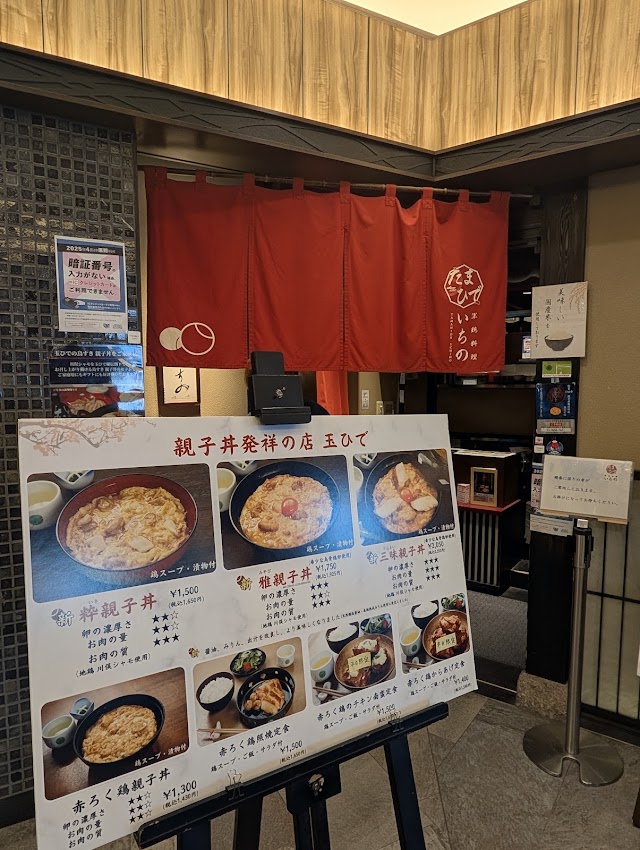
  • Queue alternative: Tamahide Ichino in Tokyo Solamachi is the parent house's first branch, roughly ¥1,628-2,035 with timed entry, which suits families with children or older relatives
  • The control group: Toriyaki Tatsunoji in Tsukiji at around ¥850. Oyakodon in Japan is an everyday ¥800-1,200 dish, and eating this first shows what the ¥2,000-plus bowls actually buy
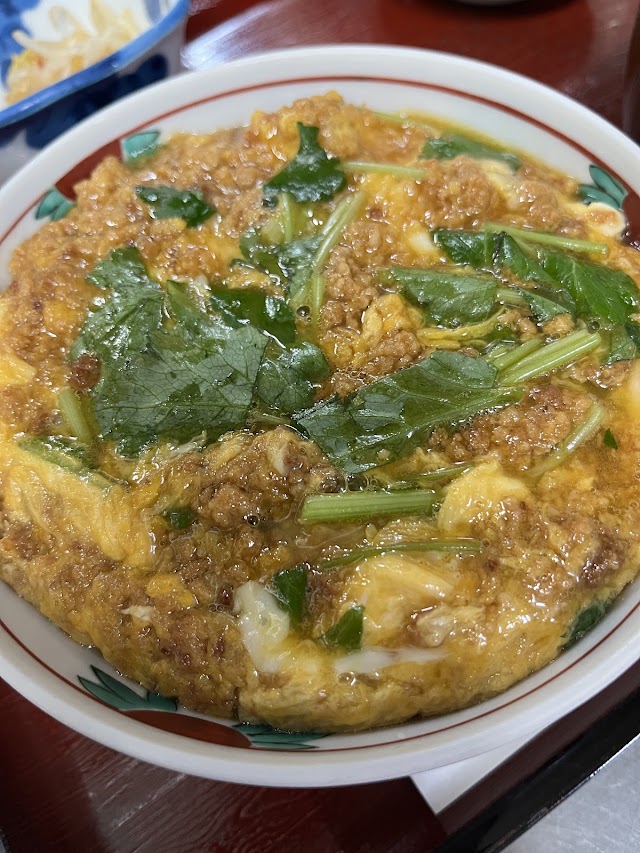
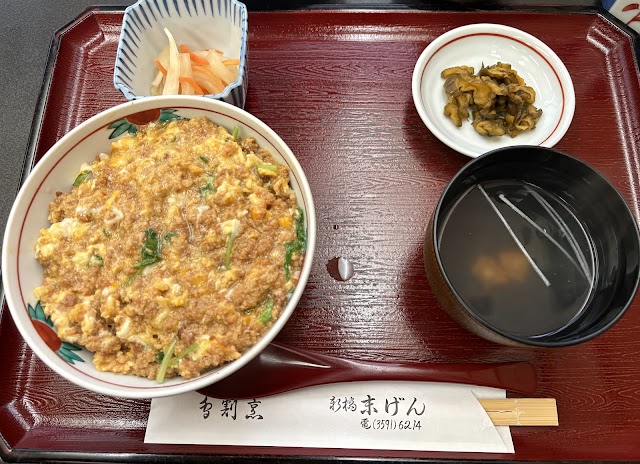
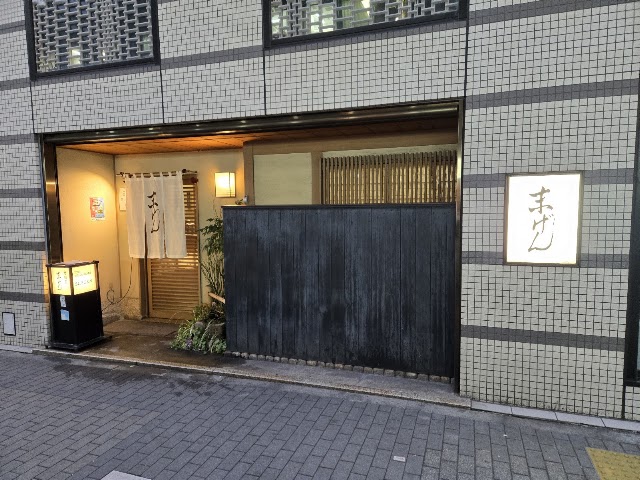
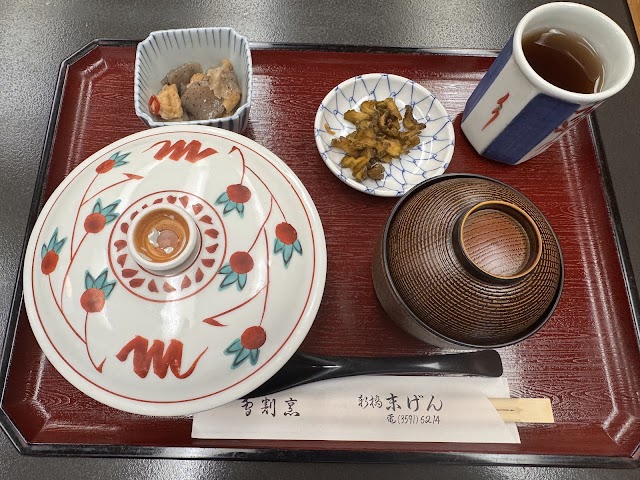
  • Context: the kama set at Suegen in Shimbashi (founded 1909), around ¥1,550, is made with minced chicken, and the restaurant was where Yukio Mishima ate on 24 November 1970
Analysis

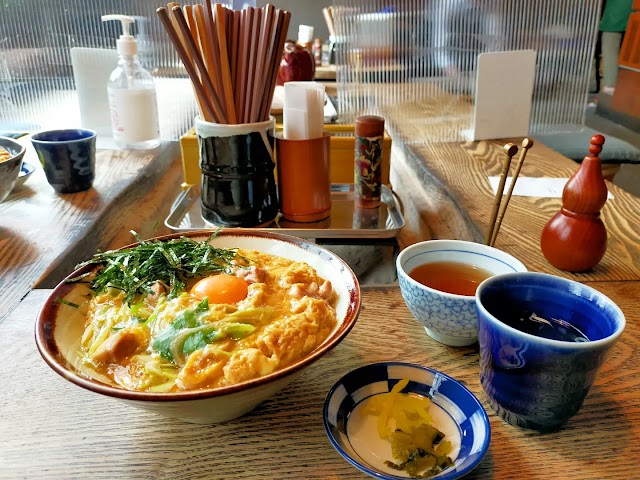
Oyakodon is among the Japanese dishes most familiar in Taiwan: set-meal restaurants, department store food halls and donburi chains all serve it, usually with sliced onion, a sweet sauce and a fully cooked egg. Precisely because it is so familiar, few visitors plan a meal around it in Tokyo — and that is the misunderstanding this guide addresses.

Start with the origin. The dish traces to Tamahide, a shamo hotpot house founded in Ningyocho in 1760: diners poured the remaining broth and egg over rice at the end of the pot, and that practice was eventually made into a bowl of its own. What matters is that it came from a chicken specialist rather than a rice shop, so in a serious oyakodon the subject has always been the bird, not the sauce.

That explains the three things visitors most often misread. First, the original has neither onion nor sugar: only chicken and egg, low in salt and heavy in poultry flavour, which can taste plain at first but is the prototype. Second, the egg is barely set and sometimes close to raw — Japanese eggs are produced for raw consumption, and serious kitchens add the egg twice, the second addition scarcely heated, deliberately rather than carelessly (anyone with a sensitive stomach, and pregnant or young diners, can ask whether the kitchen will adjust). Third, at many famous houses oyakodon is a lunch-only item; in the evening the same restaurant serves chicken kappo or sukiyaki at several times the price.

The ten below fall into three types: the original and old kappo houses (Tamahide, Suegen, Toritoh), heritage-breed specialists (Toritsune Shizendo, Honke Abeya, Kisuke) and the everyday price band (Tatsunoji, Hayashi, Torichaya Bettei), plus Tamahide's first branch house as an alternative to the queue. Prices run from ¥850 to ¥5,500 across dawn in Tsukiji, a connection gap at Tokyo Station and the stone lanes of Kagurazaka, and most take half an hour to eat — one of the easiest themes to slot into an existing itinerary.

The Analysis Desk

[1. This bowl came from a chicken restaurant, not a rice shop] To read Tokyo's oyakodon you have to accept one thing first: it is not a type of rice bowl, it is a by-product of chicken cookery.

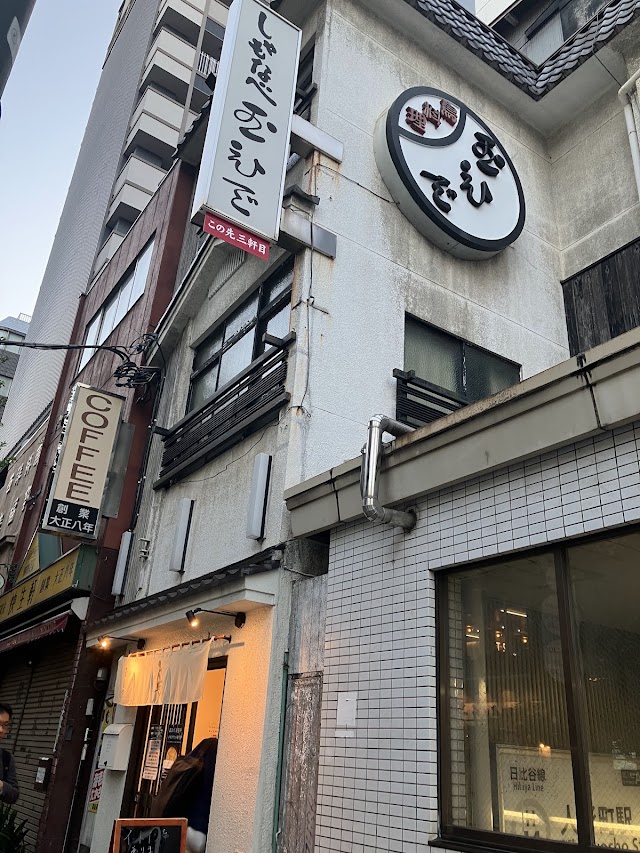
The origin is most often placed at Tamahide, founded in Nihonbashi-Ningyocho in 1760. The house's business was chicken and shamo hotpot, and the scene handed down is this: at the end of the pot, diners poured the remaining broth and egg over white rice, and that finishing move was eventually separated out and sold as a bowl of its own.

That parentage set the standard of taste in Tokyo — the subject is the bird, not the sauce. Seven of the ten houses here are primarily chicken restaurants, yakitori grills or poultry wholesalers rather than donburi specialists. The situation in Taiwan is the reverse: oyakodon usually appears as one line on a Japanese set-meal menu, made with ordinary broiler chicken, selling on sauce and portion.

Tamahide reopened after renovation in November 2025, and its lunch menu grades the dish by bird and egg from around ¥1,900 to ¥5,500 for the white-liver version. A first-time visitor should order the original — the reason follows below. Source: [Tamahide official site](http://www.tamahide.co.jp/), [Where to eat oyakodon in Tokyo (Hitosara)](https://hitosara.com/dish/09oyakodon.html)

[2. The three things visitors most often misread] Without these three, a visit to a famous house often disappoints, so they come first.

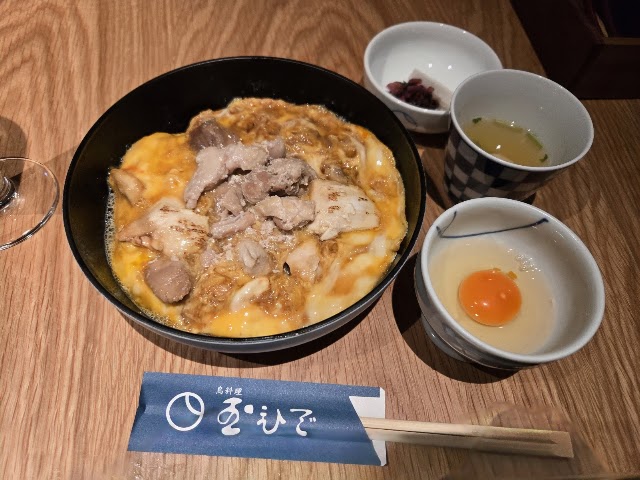
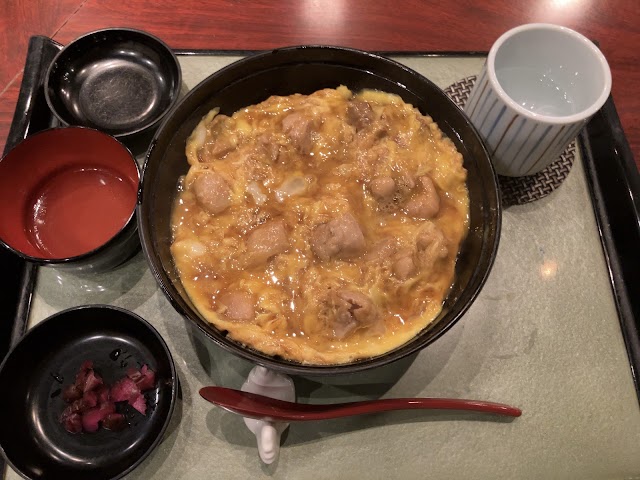
First, the original has neither onion nor sugar. Tamahide's original bowl uses only Tokyo shamo and egg — no onion, no sugar, no mitsuba. The result is low in salt, almost without sweetness, and very direct in poultry flavour. Anyone used to the sweet onion version may find the first mouthful plain. But this is the prototype: onion was added later for sweetness and bulk, which means what you eat in Taiwan is the evolved form and what you eat in Ningyocho is the starting point.

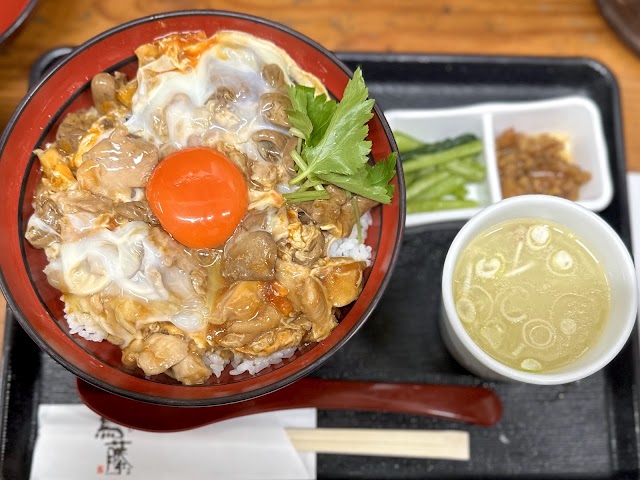
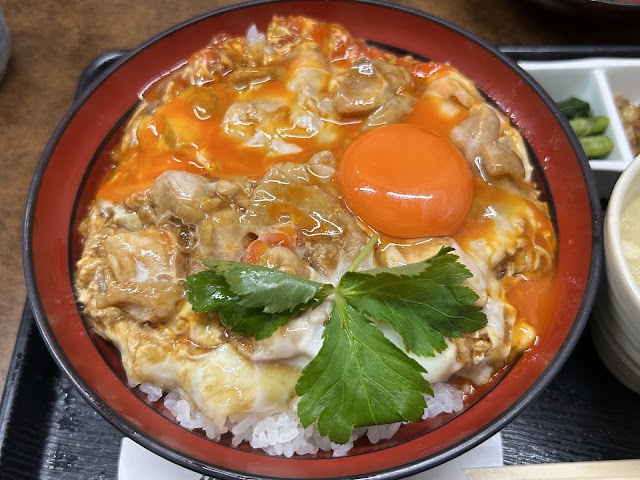
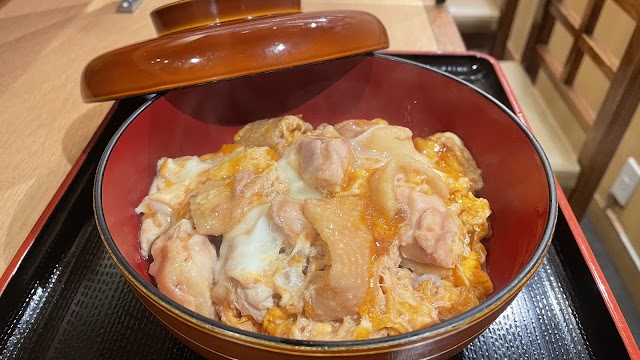
Second, the egg is barely set, and that is deliberate. Japanese eggs are produced and distributed on the assumption they will be eaten raw, which is why serious kitchens dare to leave them close to liquid. Toritsune Shizendo adds the egg in two stages: the first binds with the chicken, the second is laid on almost unheated, so the yolk still moves when the bowl arrives, and the chicken itself is cooked only until faintly pink at the centre. This is not undercooking, it is the technical core of the dish. Diners with sensitive stomachs, and pregnant or young guests, can ask for the egg to be cooked further — most kitchens will adjust, though the flavour changes.

Third, at many famous houses this is a lunch-only dish. It is a common commercial design among old Japanese restaurants: an approachable, affordable bowl at midday to bring people in, while the evening business is chicken kappo, mizutaki or sukiyaki at several times the spend. The premium bowl at Kagurazaka Torichaya Bettei, around ¥1,080, is weekday lunch only — go at the weekend and that price does not exist. Suegen and Hayashi are built the same way. Plan accordingly: oyakodon is a lunchtime matter.

[3. How the ten divide: three types plus an alternative] The original and the old kappo houses — Tamahide (1760), Suegen (1909), Toritoh (1907). These three sell time as much as flavour. Suegen's kama set, around ¥1,550, uses minced chicken rather than fish collar as the name might suggest, producing a finely crumbled texture; the house is also remembered for 24 November 1970, when Yukio Mishima dined here the night before his death. Toritoh has been a poultry wholesaler since 1907 and moved from Asakusa to Tsukiji in 1935, so the branch is effectively the wholesaler's canteen, which is how the quality holds at this price.

Heritage-breed specialists — Toritsune Shizendo, Honke Abeya, Kisuke. All three sell on which bird they use. Toritsune Shizendo works with Akita hinai-jidori and Nagoya cochin, adds no dashi and simmers in a house warishita for concentration; it is a Tabelog Chicken Hyakumeiten 2025 selection, and the daily-limited top grade with liver and gizzard often sells out by midday. Honke Abeya is run by a hinai-jidori producer, and the bowl on KITTE's basement level uses that bird for meat, egg and stock at around ¥1,100 at weekday lunch — for producer-direct sourcing there is little competition near Tokyo Station. Kisuke, in Tameike-Sanno at around ¥1,200, is strongest on egg control.

The everyday price band — Toriyaki Tatsunoji (about ¥850), Hayashi (about ¥1,000) and Torichaya Bettei (about ¥1,080). This group is deliberately kept as a control. Oyakodon in Japan is an ¥800-1,200 everyday dish, and only after the ¥850 bowl do you understand what the extra thousand yen buys: the grain of a heritage breed, the flow of a raw-grade egg, the room and service of an old kappo. That comparison beats reading rankings.

The alternative — Tamahide Ichino in Tokyo Solamachi. If the queue at the Ningyocho house defeats you, this is its first branch, roughly ¥1,628-2,035, with timed entry that is far more practical than an hour on your feet for families with children or older relatives. Source: [Ten oyakodon in Tokyo (Time Out Tokyo)](https://www.timeout.jp/tokyo/ja/restaurant/tokyo-oyakodon), [Honke Abeya official site](https://honkeabeya.com/products/honkeabeya-gokujoyakodon)

[4. Ordering and queueing] Read the grades. Menus commonly show three tiers — standard, premium and top — and the difference is usually not portion size but the cut and grade of the bird and the number and breed of eggs. To feel the difference without overspending, the middle grade is generally the best value: the standard often uses ordinary cuts, while the top grade adds offal or premium parts and jumps in price.

Choose your broth line first. One approach uses no dashi at all, simmering in a soy-and-mirin warishita (Toritsune Shizendo) for concentration that holds the poultry flavour; the other builds on kombu and katsuobushi stock (Torichaya Bettei) for a softer aroma and longer finish. Prefer depth and take the first, prefer clarity and take the second — that choice decides your enjoyment more than which name you pick.

Timing. Peak lunch at famous houses runs 11:30 to 13:00 and almost always means a wait. Toritoh in Tsukiji is the one exception, open early enough for breakfast. Restaurants in business districts — Akasaka, Tameike-Sanno, Shimbashi, Kayabacho — keep different weekend hours, so confirm before a Saturday or Sunday visit, which is the most common wasted trip for visitors.

Limited items. Toritsune Shizendo's top grade and Tatsunoji's lunch bowls are made in limited numbers and sell out. If one of them is the point of the trip, go at opening rather than in the afternoon.

[5. Is it worth a meal] Back to the original question: oyakodon is everywhere in Taiwan, so is it worth planning a meal around in Tokyo?

It is, though not because it tastes better — because the difference is large enough. The onion-free, sugar-free original, the nearly raw egg and the grain of a heritage breed are three things Japanese restaurants in Taiwan cannot really reproduce. Not because the cooks cannot, but because the raw-egg distribution system and the heritage-bird supply chain are different. In other words this is a bowl you can only eat locally, and those themes always travel well.

It also costs almost nothing in itinerary terms: most meals take half an hour, prices run from ¥850 to a little over ¥2,000, and the ten are spread across Tsukiji at dawn, Tokyo Station between trains, Akasaka and Kagurazaka on foot, and Oshiage by the Skytree — nearly any existing route absorbs one. Only two things need care: confirm whether the bowl is lunch-only, and confirm weekend opening. Settle those and none of these ten will waste your time. Source: [Twelve outstanding oyakodon (Tabelog Matome)](https://tabelog.com/matome/14631/), [Toritoh branch (official site)](https://toritoh.com/contents/category/branch/), [Suegen, founded 1909 (Shinise.tv)](https://shinise.tv/suegen/)
Venue Info (Google Maps)
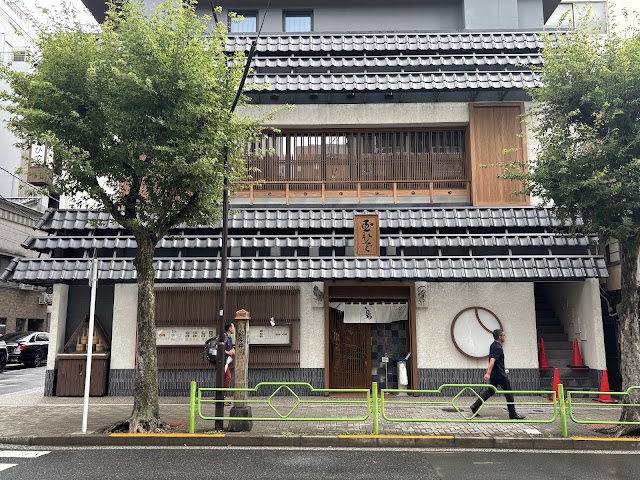
玉ひで(人形町)
Photos: Murhito、飯はのどごし、y1mnt a2c、ねこまろ、koji mano、ろぺ、かめありやげんぼり、貴族猫 / Google Maps
玉ひで(人形町)
Why we recommend
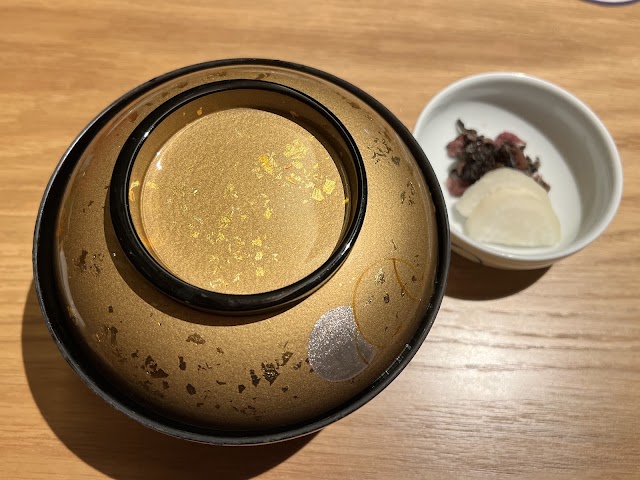
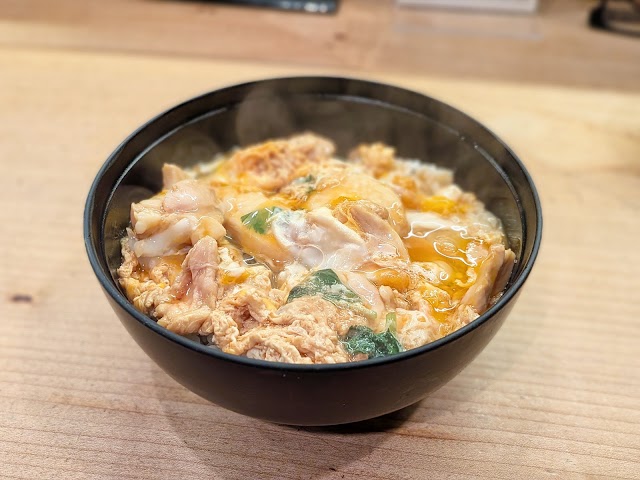
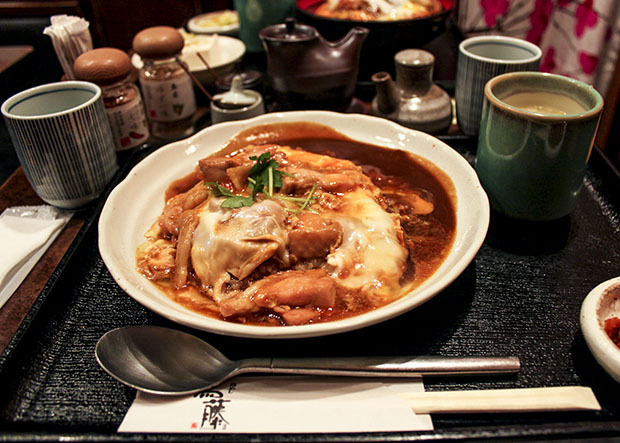
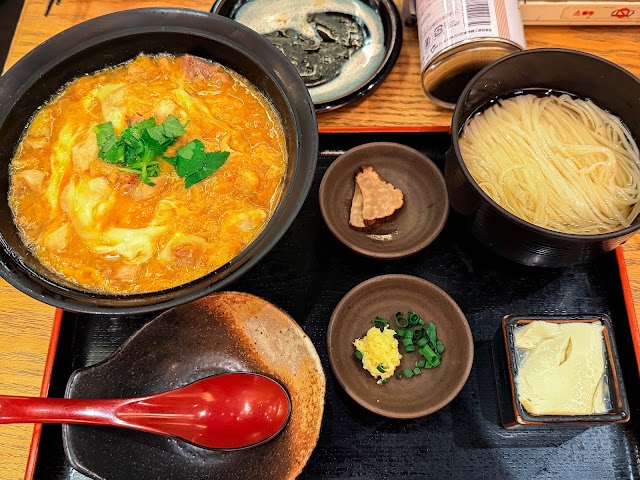
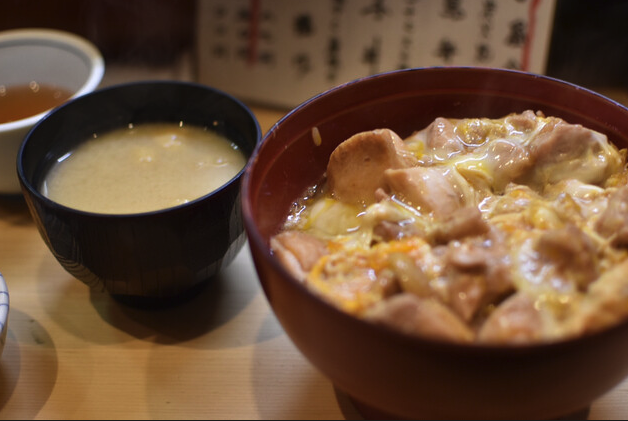
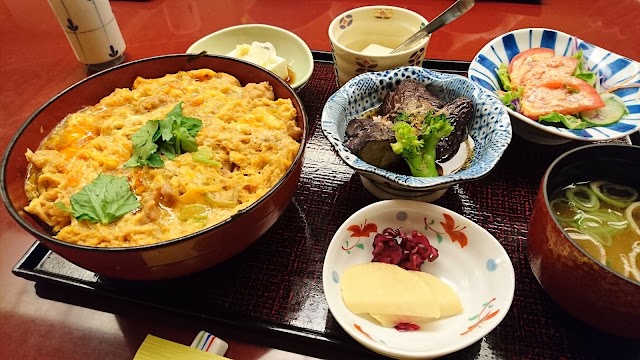
If you are eating oyakodon, this has to be the first stop. Tamahide was founded in 1760 as a chicken restaurant and shamo hotpot house, and the dish's origin traces here: pouring beaten egg over rice at the end of a shamo hotpot, later formalised into a bowl of its own. The restaurant reopened after renovation in November 2025, and its lunch menu splits the dish into grades that differ by bird and egg, from around ¥1,900 to ¥5,500 for the white-liver version. What visitors from Taiwan should order is the original: no onion, no sugar, no mitsuba, only Tokyo shamo and egg — clean, restrained in salt, heavy in chicken flavour, and a different dish entirely from the sweet onion version served in Japanese diners in Taiwan. A first taste may feel plain, but that is the prototype, and understanding it gives you the coordinates for the other nine.
★ Lunch draws crowds and waits are normal; closed Mondays, with adjustments for public holidays. The menu and prices changed after the renovation, so follow the notice at the door.
VENUE INFO
Address: 1-chōme-17-10 Nihonbashiningyōchō, Chuo City, Tokyo 103-0013
Phone: 03-3668-7651
Hours: Monday: 11:30 AM – 1:30 PM, 5:00 – 8:30 PM; Tuesday: 11:30 AM – 1:30 PM, 5:00 – 8:30 PM; Wednesday: 11:30 AM – 1:30 PM, 5:00 – 8:30 PM; Thursday: 11:30 AM – 1:30 PM, 5:00 – 8:30 PM; Friday: 11:30 AM – 1:30 PM, 5:00 – 8:30 PM; Saturday: 11:30 AM – 1:30 PM, 5:00 – 8:30 PM; Sunday: 11:30 AM – 1:30 PM, 5:00 – 8:30 PM
Nearest Sta.: About 3 minutes from Ningyocho Station (Hibiya and Toei Asakusa lines)
Price: Lunch oyakodon roughly ¥1,900-5,500 (about ¥1,900 for the standard, ¥2,800 for the original, ¥3,700 with Tokyo shamo, ¥5,500 with white liver); evening chicken courses and sukiyaki priced separately (confirm on site)
Google rating: 3.7(1,860 則評論)
Verified: 2026-08-18 16:02 Google Maps
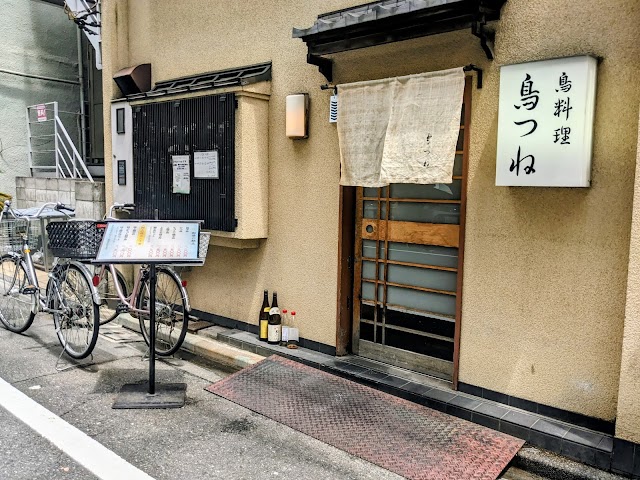
鳥つね自然洞(外神田)
Photos: みかど、鳥つね 自然洞、VOICE3ボイスリー、かな、レイチェル、Ryu S.、Meow Fish、佐藤一郎、mayu / Google Maps
鳥つね自然洞(外神田)
Why we recommend
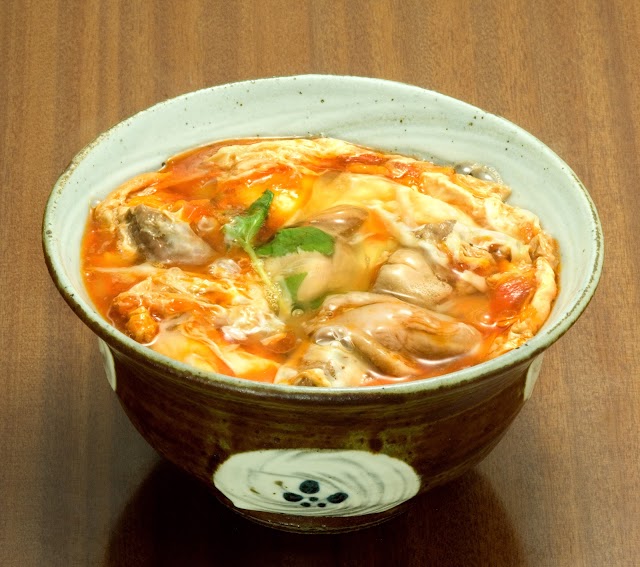
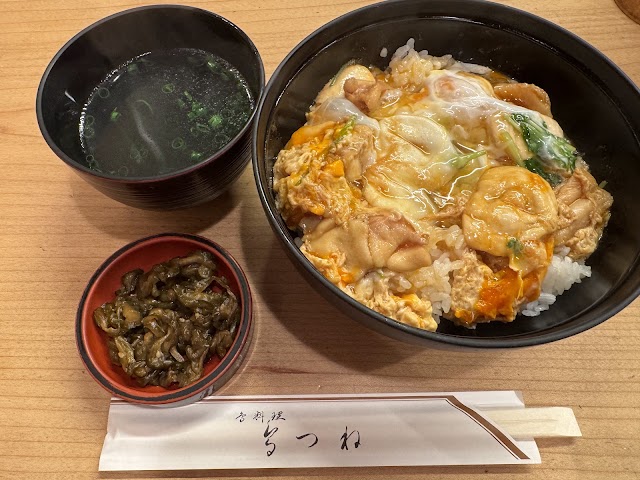
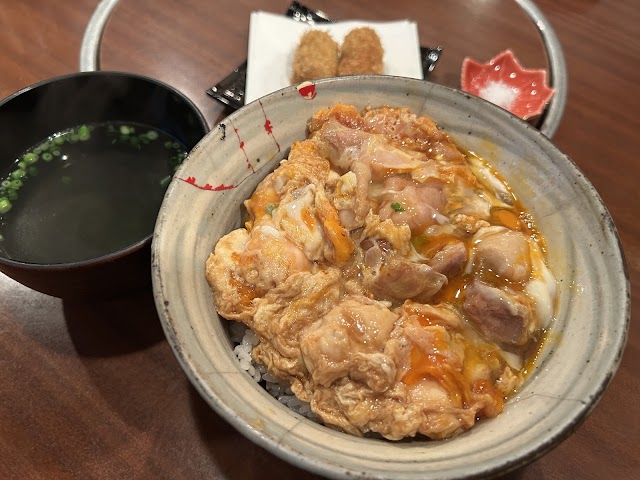
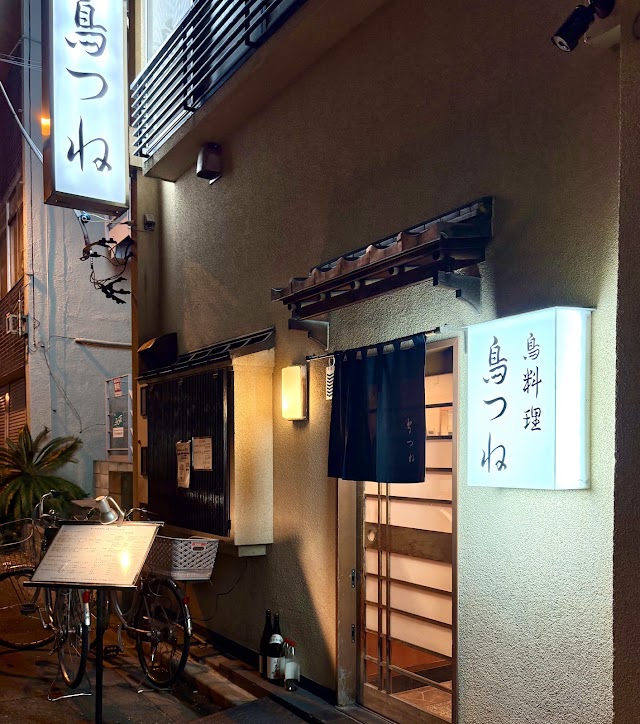
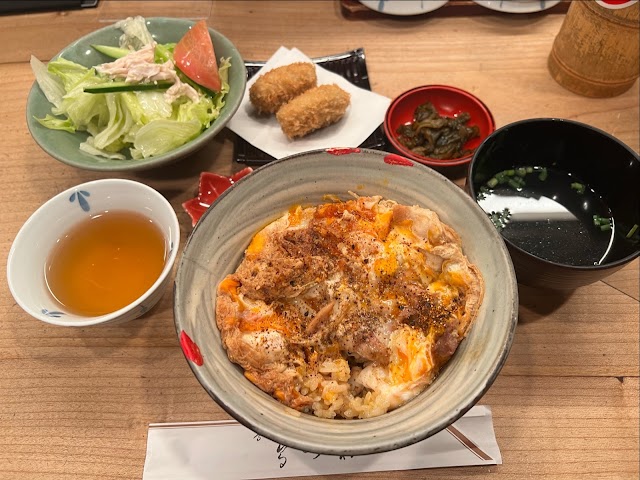
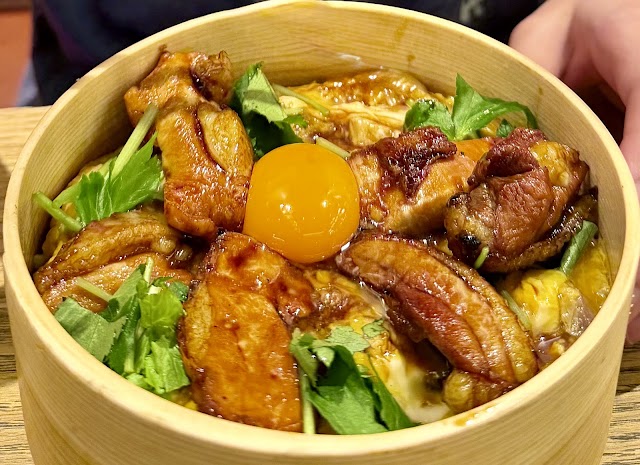
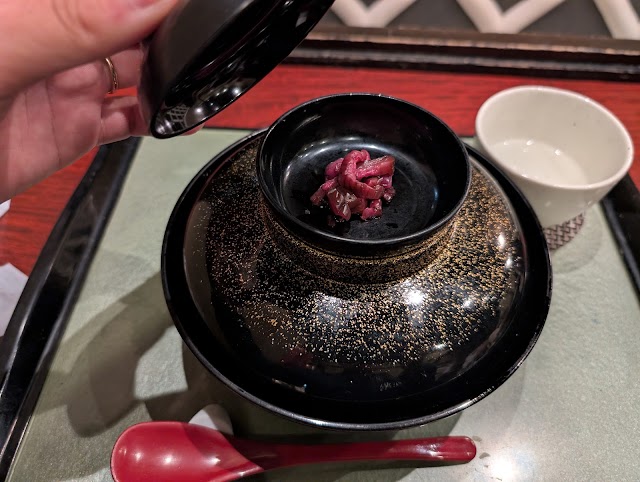
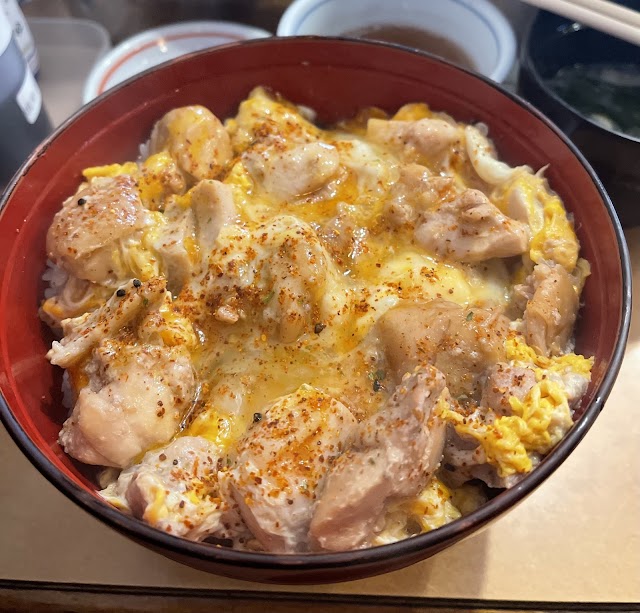
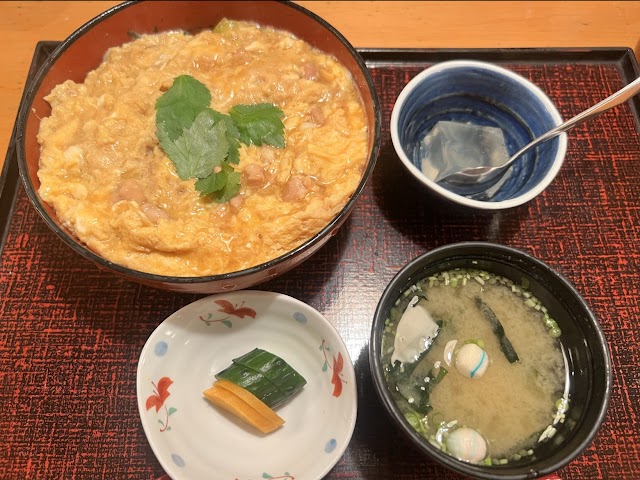
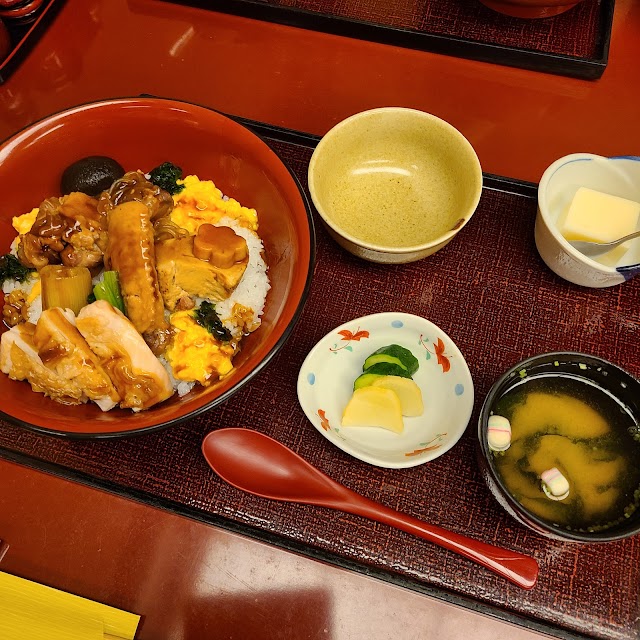
Ask which Tokyo bowl is the most complete and most locals answer here. Selected for Tabelog's Chicken Hyakumeiten 2025, it uses two of Japan's three great heritage breeds — Akita hinai-jidori and Nagoya cochin — and adds no dashi, simmering instead in a house warishita of soy and mirin, so the flavour is concentrated and the chicken holds. The decisive part is doneness: the meat is cooked to a faint pink at the centre and the egg goes in twice, the second addition barely heated, so the yolk still moves when the bowl arrives. This is where visitors need context — Japanese eggs are produced for raw consumption and this doneness is deliberate, not undercooked. The daily-limited top grade adds liver and gizzard, which is what regulars come for, and it often sells out soon after opening.
★ Limited items sell out, so arrive early; seating is limited and there is little room for luggage.
VENUE INFO
Address: 5-chōme-5-2 Sotokanda, Chiyoda City, Tokyo 101-0021
Phone: 03-5818-3566
Hours: Monday: 11:30 AM – 2:00 PM, 5:30 – 10:00 PM; Tuesday: 11:30 AM – 2:00 PM, 5:30 – 10:00 PM; Wednesday: 11:30 AM – 2:00 PM, 5:30 – 10:00 PM; Thursday: 11:30 AM – 2:00 PM, 5:30 – 10:00 PM; Friday: 11:30 AM – 2:00 PM, 5:30 – 10:00 PM; Saturday: 11:30 AM – 2:00 PM, 5:30 – 10:00 PM; Sunday: Closed
Closed: Sunday
Nearest Sta.: About 3 minutes from Suehirocho Station (Ginza line); about 8 minutes from Okachimachi Station (JR)
Price: Premium oyakodon around ¥1,500, top grade with offal around ¥2,100 (limited daily); evening chicken dishes separate (confirm on site)
Google rating: 4.3(1,273 則評論)
Verified: 2026-08-18 16:02 Google Maps
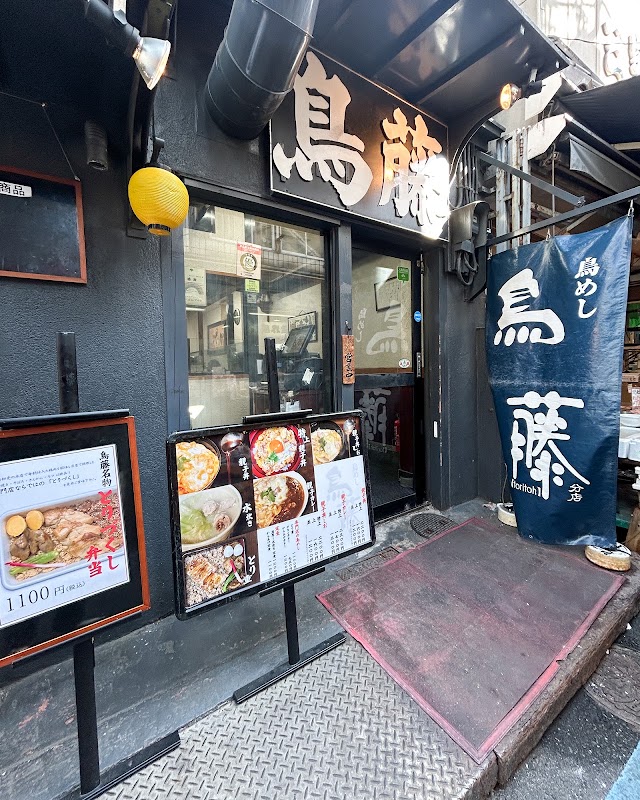
鳥めし 鳥藤 分店(築地場外)
Photos: hungry. jp、Noriko TAMAHIRO、Tokyo Rocks、4674 26、H S、鈴木孝夫、Yuki Amarone、あかさたな / Google Maps
鳥めし 鳥藤 分店(築地場外)
Why we recommend
The best breakfast on this list. Toritoh has been a poultry wholesaler since 1907, moving from Asakusa to Tsukiji in 1935, and this branch is effectively the wholesaler's own canteen — the supply is its core business, which is why the quality holds at this price. The style leans sweet with a concentrated sauce and a thick, barely-set egg laid over the rice, the opposite direction from the clean, sharp bowl at Toritsune Shizendo. Its real advantage is timing: the outer market works to dawn hours, so you can eat a freshly made oyakodon at seven or eight in the morning when most famous Tokyo shops open at 11:30. For an early itinerary, or a sleepless first night, this is one of the few solutions in the city.
★ The market area often closes on Sundays and market holidays, so check the outer market calendar first; items may sell out later in the morning.
VENUE INFO
Address: 4-chōme-8-6 Tsukiji, Chuo City, Tokyo 104-0045
Phone: 03-3543-6525
Hours: Monday: 10:30 AM – 1:30 PM; Tuesday: 10:30 AM – 1:30 PM; Wednesday: Closed; Thursday: 10:30 AM – 1:30 PM; Friday: 10:30 AM – 1:30 PM; Saturday: 7:30 AM – 1:30 PM; Sunday: Closed
Closed: Wednesday, Sunday
Nearest Sta.: About 3 minutes from Tsukiji Station (Hibiya line) or Tsukijishijo Station (Toei Oedo line)
Price: Oyakodon roughly ¥1,000-1,600 (about ¥1,600 for the shamo version); chicken soba and other dishes separate (confirm on site)
Google rating: 4.2(758 則評論)
Verified: 2026-08-18 16:02 Google Maps
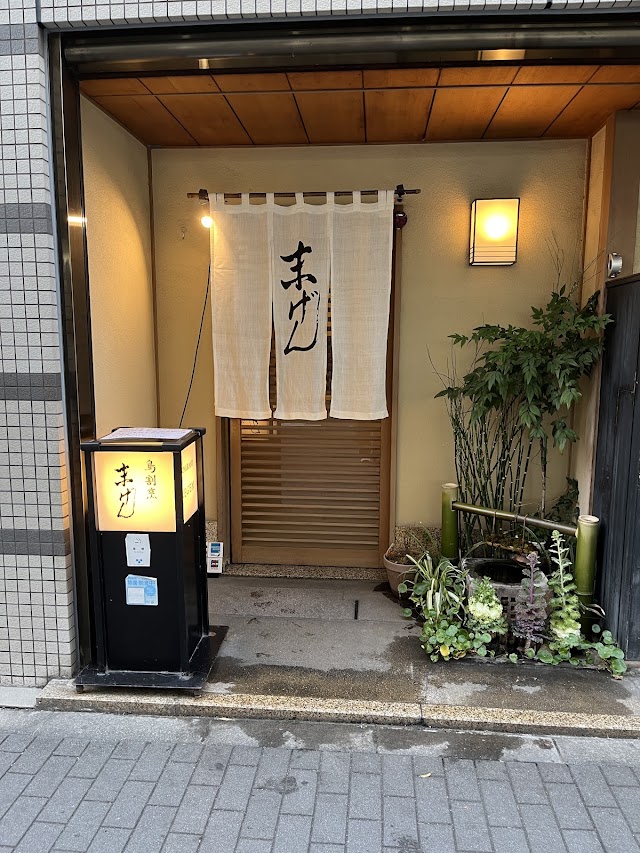
末げん(新橋)
Photos: 鳥割烹 末げん、田中凌平、プルメリア、K K、ジャイアン、山本次郎、グルメだんな、こたつみかん、カーツカーツ / Google Maps
末げん(新橋)
Why we recommend
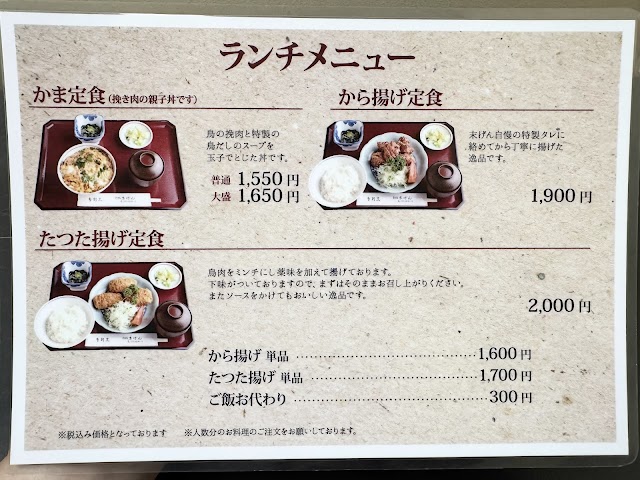
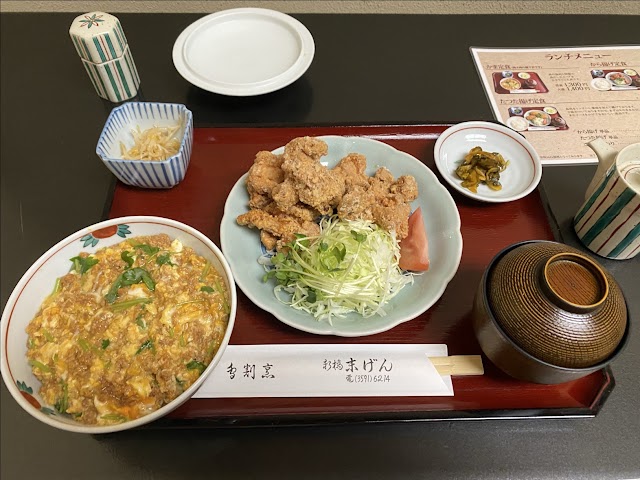
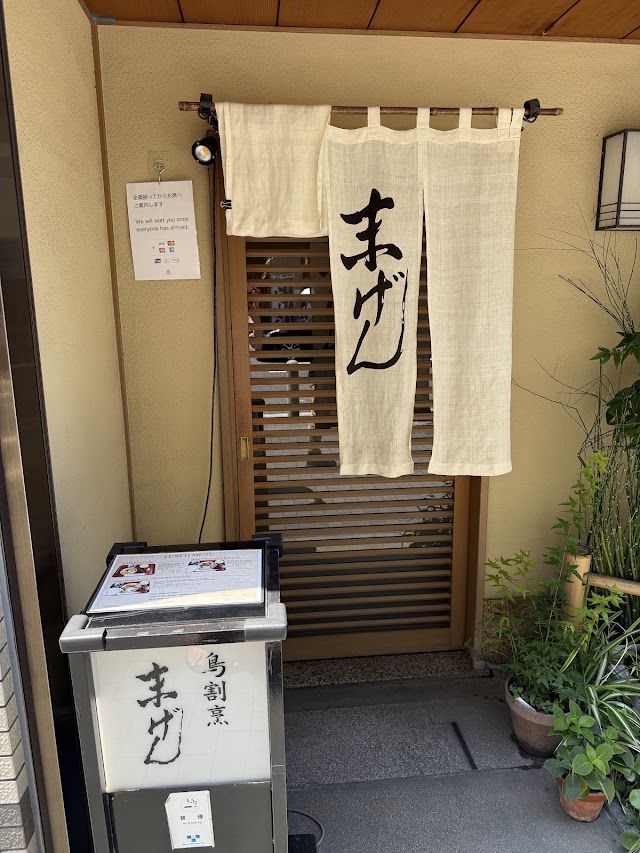
The provenance here is better known than the flavour. Suegen opened in 1909 as a Shimbashi chicken kappo, and it is remembered for 24 November 1970, when Yukio Mishima ate his last dinner here the night before his death. The signature lunch is the kama set — kama refers not to fish collar but to minced chicken; rather than the usual cut thigh meat, mince from several parts is cooked with egg into an oyakodon of fine, crumbled texture and an old-fashioned sweet-salty flavour, structurally a different dish. At around ¥1,550 it is affordable for a house of this vintage. The point for visitors is that you are not only eating a bowl of rice: you are eating in a lunchtime room hung with calligraphy by Showa-era politicians, which is what this district originally was.
★ Lunch coincides with the local office break and 12:00-13:00 is busiest; evenings run at kappo prices, unlike lunch.
VENUE INFO
Address: 2-chōme-15-7 Shinbashi, Minato City, Tokyo 105-0004
Phone: 03-3591-6214
Hours: Monday: 11:30 AM – 1:30 PM, 5:00 – 8:30 PM; Tuesday: 11:30 AM – 1:30 PM, 5:00 – 8:30 PM; Wednesday: 11:30 AM – 1:30 PM, 5:00 – 8:30 PM; Thursday: 11:30 AM – 1:30 PM, 5:00 – 8:30 PM; Friday: 11:30 AM – 1:30 PM, 5:00 – 8:30 PM; Saturday: 11:30 AM – 1:30 PM, 5:00 – 7:00 PM; Sunday: Closed
Closed: Sunday
Nearest Sta.: About 5 minutes from Shimbashi Station (JR and Ginza line)
Price: The kama set lunch around ¥1,550; evening chicken dishes and courses separate (confirm on site)
Google rating: 4(515 則評論)
Verified: 2026-08-18 16:02 Google Maps
本家あべや(東京駅 KITTE)
Photos: 本家あべや KITTE丸の内店、Porcupinefish18、고은혜、Dolly Chan、ナカムラタカシ、照り、chen、45 sige / Google Maps
本家あべや(東京駅 KITTE)
Why we recommend
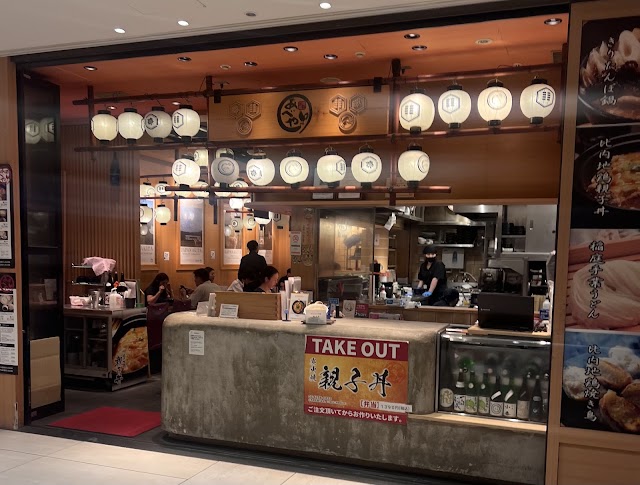
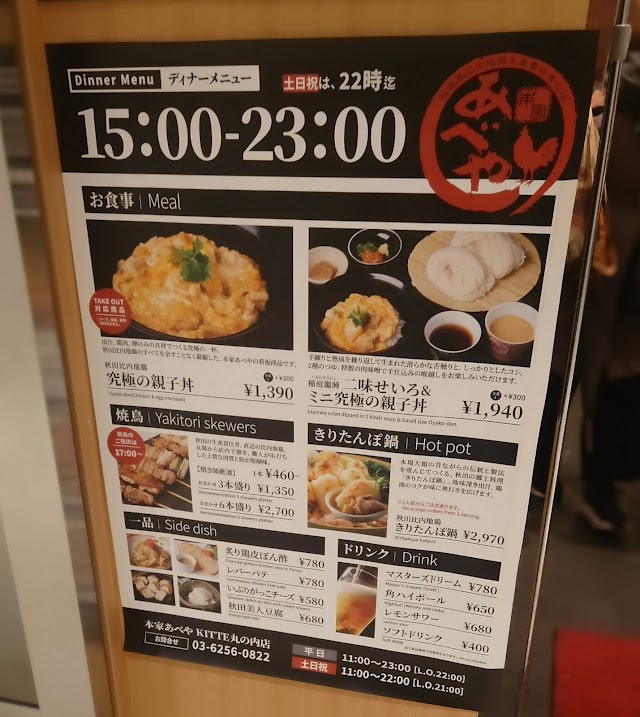
When your day is pinned to Tokyo Station, this is the practical answer. The operator raises Akita hinai-jidori, and the signature bowl uses that bird for the meat, the egg and the stock, at around ¥1,100 for a regular weekday lunch portion — for one of Japan's three great heritage breeds served by its own producer, there is little competition at that price around the station. Hinai-jidori is firm with a distinct grain, the opposite of the softness of ordinary broiler chicken, and the egg is deep orange and rich. The location on KITTE's basement level, a minute from the Marunouchi South exit, takes suitcases comfortably, which matters when a Shinkansen or an airport train is next. A higher grade is also on the menu.
★ Inside a commercial complex, so hours follow the building; waits are common at the 12:00-13:00 peak. Other branches, including Kagurazaka, have slightly different menus.
VENUE INFO
Address: 〒100-7090 Tokyo, Chiyoda City, Marunouchi, 2-chōme−7−2 JPタワーkitte B1
Phone: 03-6256-0822
Hours: Monday: 11:00 AM – 11:00 PM; Tuesday: 11:00 AM – 11:00 PM; Wednesday: 11:00 AM – 11:00 PM; Thursday: 11:00 AM – 11:00 PM; Friday: 11:00 AM – 11:00 PM; Saturday: 11:00 AM – 10:00 PM; Sunday: 11:00 AM – 10:00 PM
Nearest Sta.: About 1 minute from Tokyo Station (Marunouchi South exit)
Price: The hinai-jidori oyakodon around ¥1,100 for a regular portion at weekday lunch; the premium version and other dishes separate (confirm on site)
Google rating: 4(461 則評論)
Verified: 2026-08-18 16:02 Google Maps
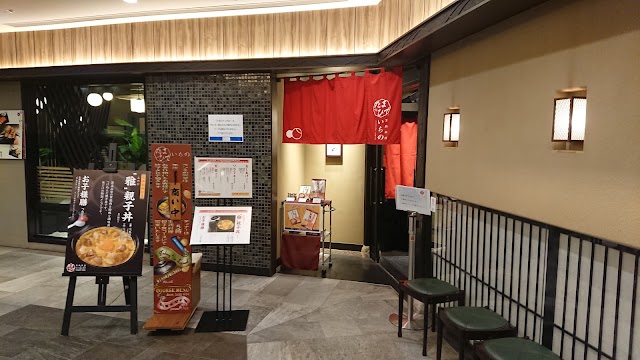
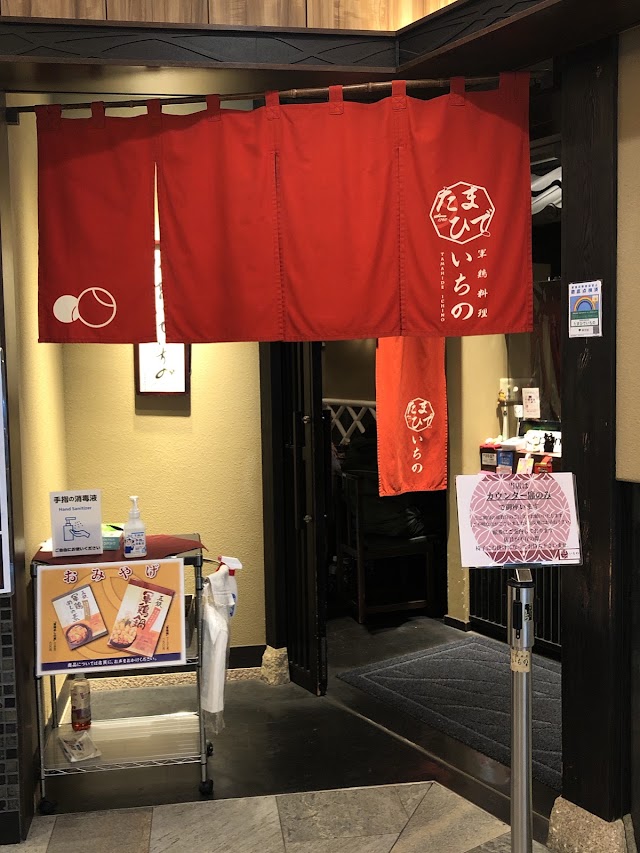
たまひで いちの(東京晴空塔城)
Photos: 白峯飛鳥、NOR K、a o、EP3 Kimzoh (Kimzoh)、Ikenohata Seven、Chen Jason、ゆみ、L、Le O “Heo” / Google Maps
たまひで いちの(東京晴空塔城)
Why we recommend
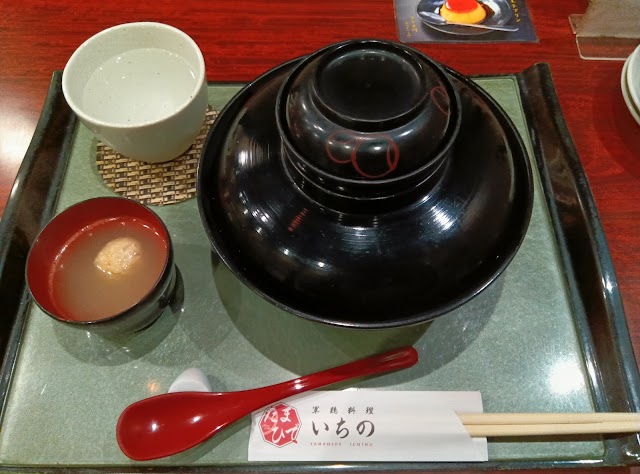
If the queue at Tamahide in Ningyocho defeats you, this is the officially sanctioned alternative — the parent house's first noren-wake branch, placed inside Tokyo Solamachi, which puts an old restaurant's method on the most convenient tourist route in the city. Prices run roughly ¥1,628 to ¥2,035, gentler than lunch at the main house, and the white-liver bowl is the one worth paying up for: the fat in chicken white liver is fine-grained, and eating it with barely-set egg is a texture hard to reproduce in Taiwan. Entry is timed, which suits families with children or older relatives — no standing in line for an hour, just return at your slot. Practical advice: build it into a Skytree lunch rather than detouring to Ningyocho for one bowl; if Asakusa and Oshiage are already on your route, this is the efficient choice.
★ Inside a commercial complex, so hours and the reception system follow house notices; timed slots can fill early on weekends and holidays.
VENUE INFO
Address: 〒131-0045 Tokyo, Sumida City, 墨田区Oshiage, 1-chōme−1−2 東京ソラマチ 7F
Phone: 03-5809-7228
Nearest Sta.: Directly connected to Tokyo Skytree Station (Tobu) and Oshiage Station (Hanzomon line)
Price: Oyakodon roughly ¥1,628-2,035 (about ¥1,628 for the standard, ¥2,035 with white liver) (confirm on site)
Google rating: 3.8(558 則評論)
Verified: 2026-08-18 16:02 Google Maps
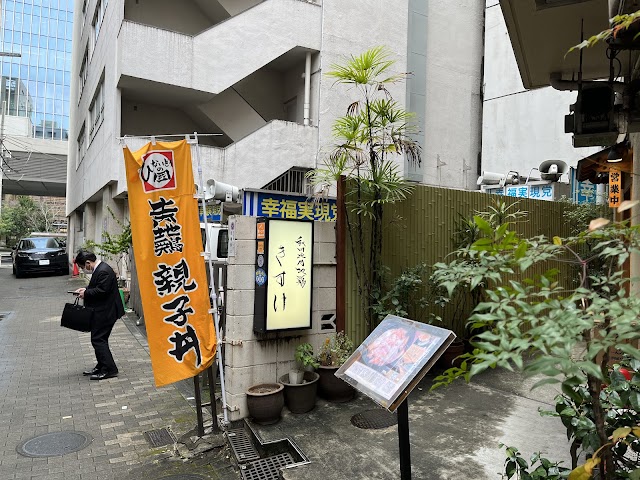
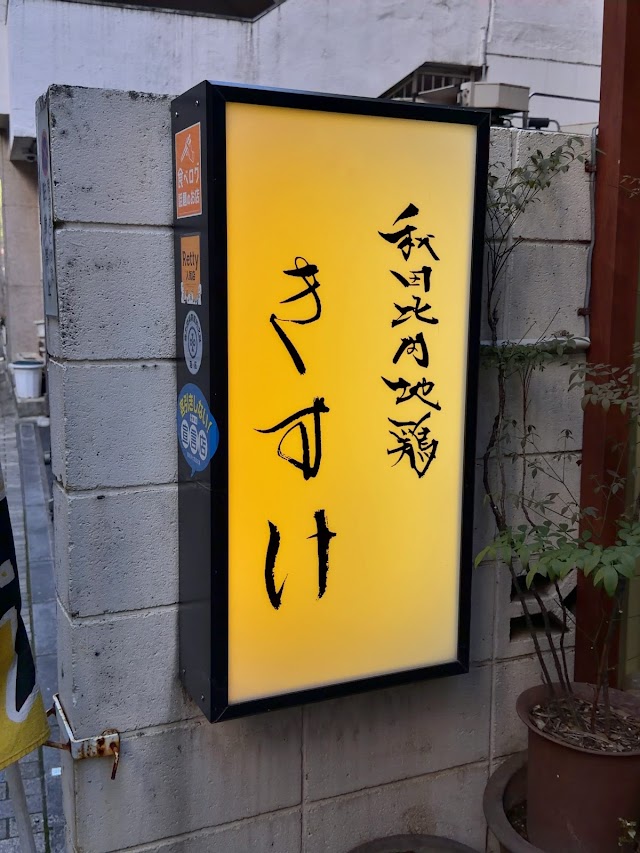
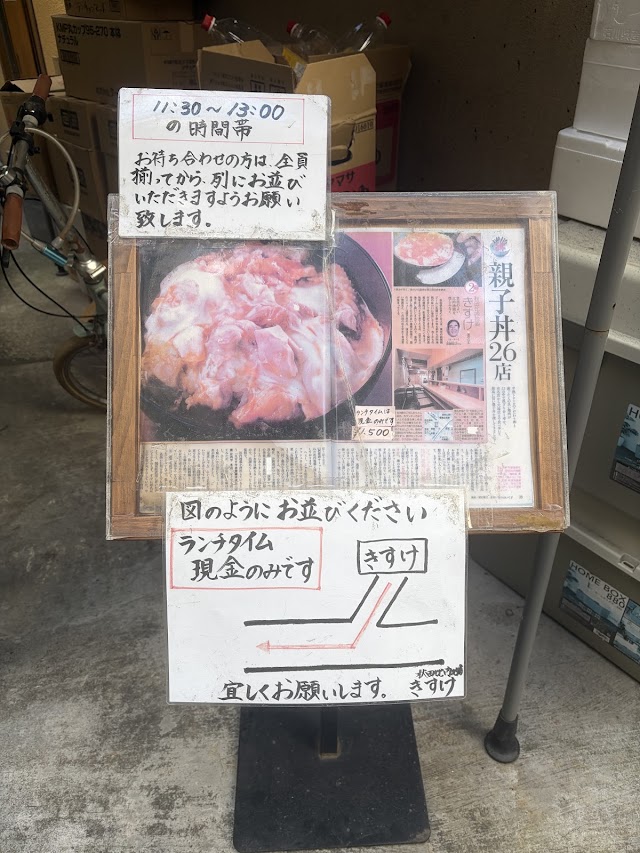
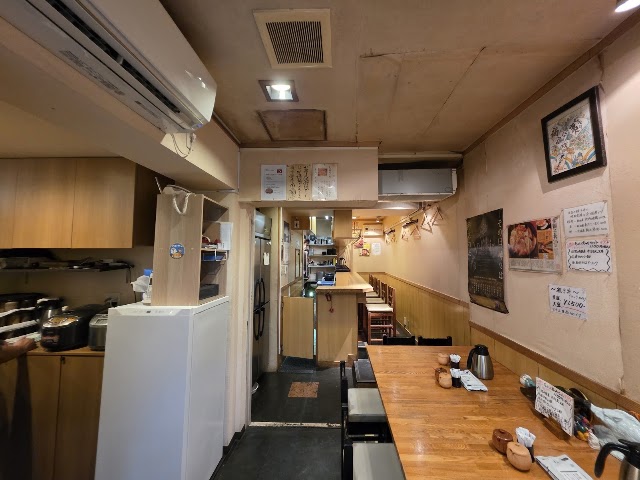
きすけ 本店(溜池山王)
Photos: Ichiro SEKIBA、きすけ 赤坂本店、細田真緒、S K、Ume、NIKUSHIKA、かもし、H Y、佐光卓也、Go / Google Maps
きすけ 本店(溜池山王)
Why we recommend
Akasaka and Tameike-Sanno are government and corporate territory where lunch competition is severe, so a restaurant that holds ground here usually has a clear strength. Kisuke uses Akita hinai-jidori at around ¥1,200, and its selling point is control of the egg — set precisely enough that it neither runs like soup nor firms into a block, so the sweetness emerges slowly as you eat it with the chicken. That build of flavour as you chew is the main difference between a heritage breed and ordinary chicken. Its place on this list is the middle: none of Tamahide's historical weight, none of Tsukiji's market hours, simply a restaurant office workers return to weekly. If you are staying around Akasaka or Roppongi, or your day includes the Diet Building or Hie Shrine, this is the bowl on your way.
★ Weekend hours in a business district differ from weekdays, so check before a Saturday or Sunday visit; waits are common at peak lunch.
VENUE INFO
Address: 〒107-0052 Tokyo, Minato City, Akasaka, 2-chōme−10−16 1F
Phone: 03-5570-2810
Hours: Monday: 11:30 AM – 3:00 PM, 6:00 – 9:00 PM; Tuesday: 11:30 AM – 3:00 PM, 6:00 – 9:00 PM; Wednesday: 11:30 AM – 3:00 PM; Thursday: 11:30 AM – 3:00 PM, 6:00 – 9:00 PM; Friday: 11:30 AM – 3:00 PM, 6:00 – 9:00 PM; Saturday: Closed; Sunday: Closed
Closed: Saturday, Sunday
Nearest Sta.: About 3 minutes from Tameike-Sanno Station (Ginza and Namboku lines)
Price: Oyakodon around ¥1,200 (confirm on site)
Google rating: 4.2(344 則評論)
Verified: 2026-08-18 16:02 Google Maps
鳥焼 辰の字(築地)
Photos: 鳥焼 辰の字、SUGAI SUGAI、Yasuo Sakai、gourmet king、ICHI、Takayuki Fujinuma / Google Maps
鳥焼 辰の字(築地)
Why we recommend
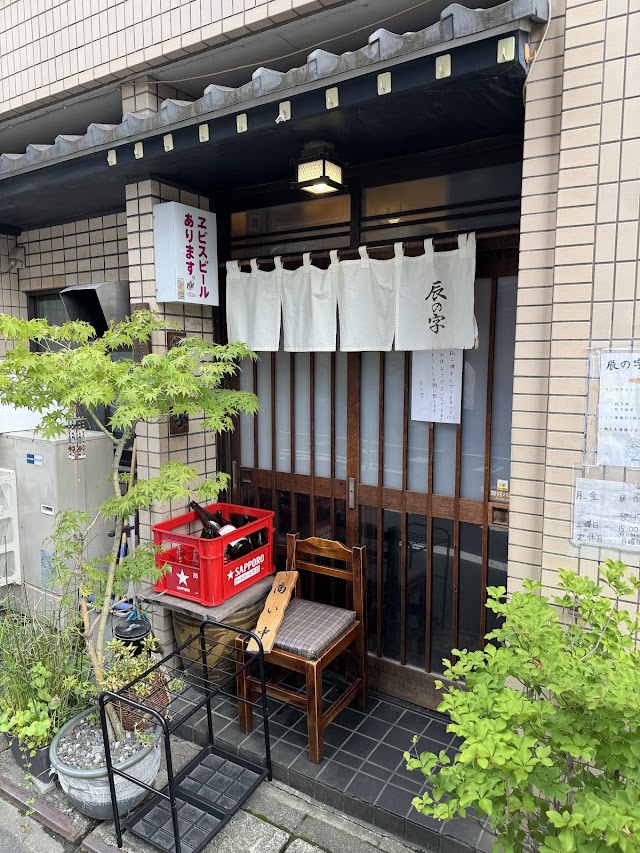
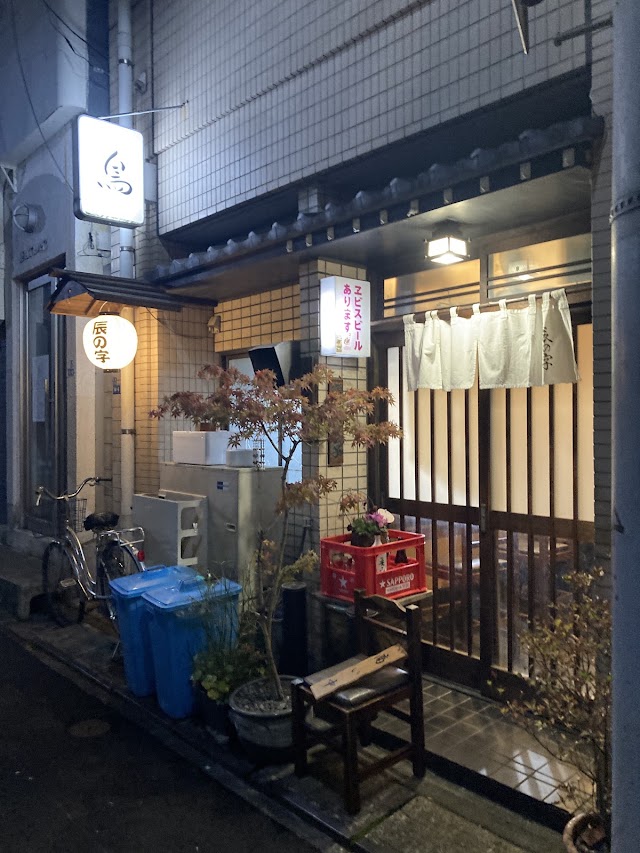
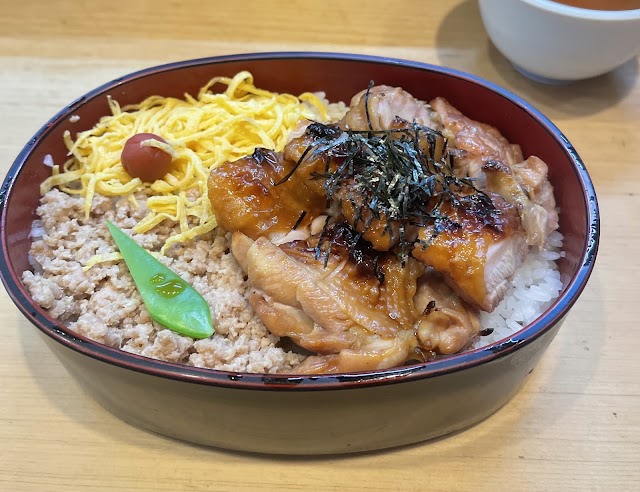
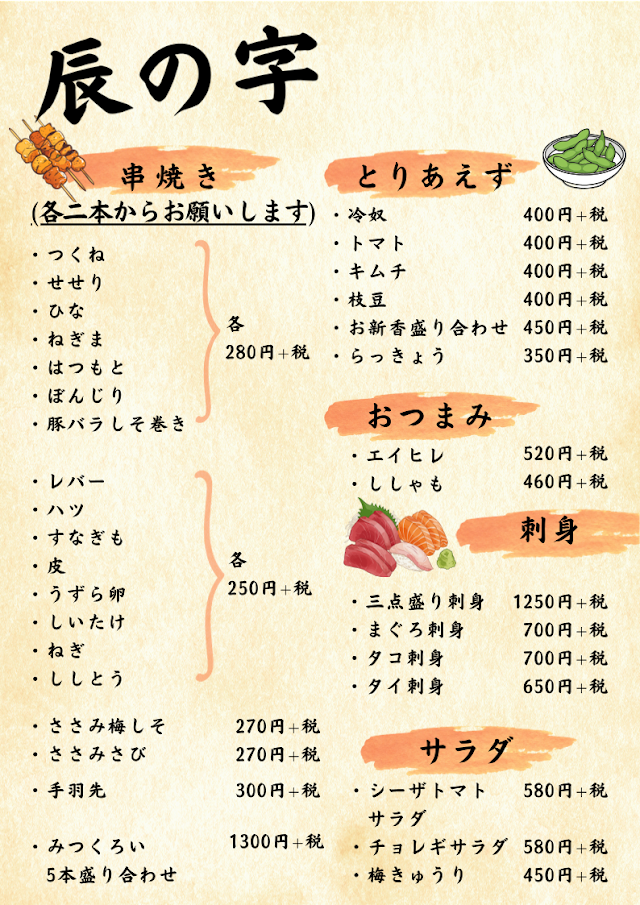
The cheapest bowl here and the one that best explains what oyakodon originally is. Around ¥850, with generously cut, juicy chicken and deliberately restrained seasoning that does not lean on sweet sauce, so what you taste is the bird. This style will not top rankings in a city full of famous houses, but it is the dish's everyday form — in Japan oyakodon is not fine dining but a bowl that soba shops and set-meal diners make, priced between ¥800 and ¥1,200. It is on this list as a control group for the ¥2,000-plus houses above: eat this first and you learn exactly what the extra thousand yen buys — the grain of a heritage breed, the flow of a raw-grade egg, the room and service of an old kappo. That comparison is more useful than any ranking.
★ Primarily a yakitori restaurant, so lunch bowls are limited and sell out; few seats mean waiting at peak times.
VENUE INFO
Address: 3-chōme-14-5 Tsukiji, Chuo City, Tokyo 104-0045
Phone: 03-3546-2162
Hours: Monday: 11:00 AM – 2:00 PM, 5:00 – 10:00 PM; Tuesday: 11:00 AM – 2:00 PM, 5:00 – 10:00 PM; Wednesday: 11:00 AM – 2:00 PM, 5:00 – 10:00 PM; Thursday: 11:00 AM – 2:00 PM, 5:00 – 10:00 PM; Friday: 11:00 AM – 2:00 PM, 5:00 – 10:00 PM; Saturday: 3:00 – 9:00 PM; Sunday: Closed
Closed: Sunday
Nearest Sta.: About 4 minutes from Tsukiji Station (Hibiya line)
Price: Oyakodon around ¥850 (confirm on site)
Google rating: 4.2(98 則評論)
Verified: 2026-08-18 16:02 Google Maps
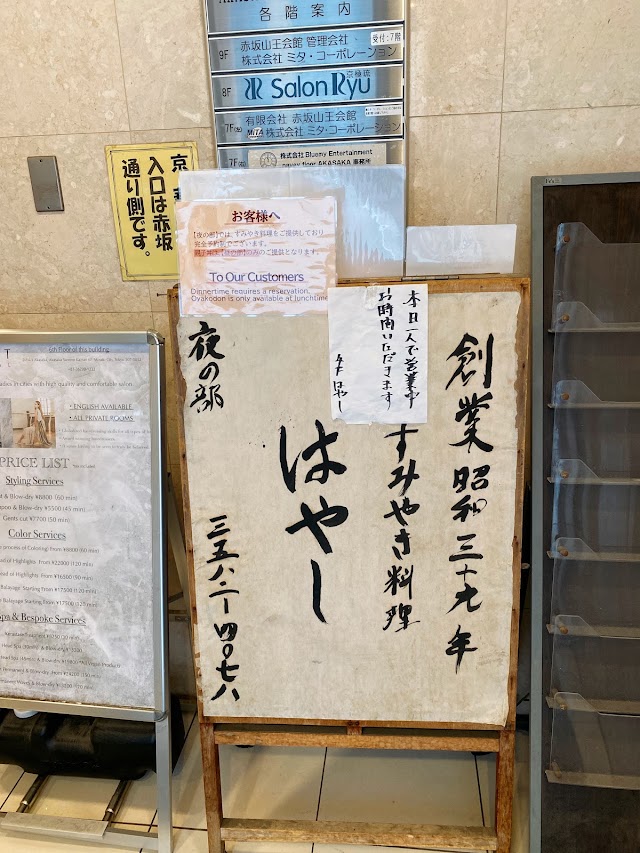
赤坂すみやき料理 はやし
Photos: 佐光卓也、kuripon (kuripon84)、Snow Google、M. BGSU、山根ゆう子、Alright Food Reviews、ゴリログ、Lemon grass / Google Maps
赤坂すみやき料理 はやし
Why we recommend
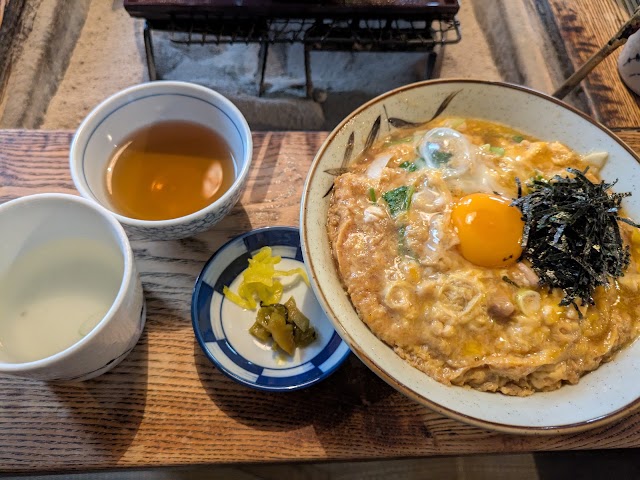
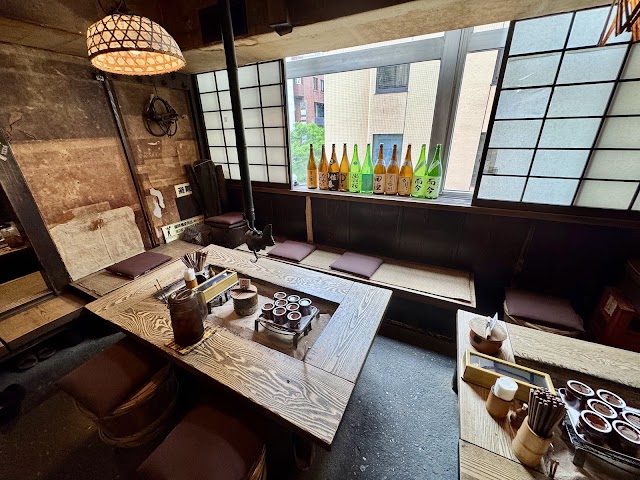
The gentlest egg on this list. The house's main business is charcoal grilling, and the lunchtime oyakodon at around ¥1,000 comes with a fluffy egg close in texture to a dashi omelette, lightly seasoned to the point of softness — the best alternative if the nearly raw egg at Toritsune Shizendo is not for you. The room has the timber feel of an old house, which is increasingly rare at this address. It also suits older relatives: the egg is more set, the flavour unaggressive, the seating comfortable, unlike the standing counters and fifteen-minute turnovers elsewhere. In practice Akasaka at noon is an office battlefield, so arriving after 13:30 is far more comfortable; evenings run at charcoal-izakaya prices, a separate business from lunch.
★ Lunch and dinner are different menus and price bands; weekend hours follow house notices and business-district restaurants may close on Sundays.
VENUE INFO
Address: 〒107-0052 Tokyo, Minato City, Akasaka, 2-chōme−14−1 4F
Phone: 03-3582-4078
Nearest Sta.: About 3 minutes from Akasaka Station (Chiyoda line)
Price: Oyakodon around ¥1,000 for a regular portion; evening charcoal-grilled dishes separate (confirm on site)
Google rating: 4.3(204 則評論)
Verified: 2026-08-18 16:02 Google Maps
神楽坂 鳥茶屋 別亭
Photos: Takeru Yamato、らすかる、mm、sabai e、H K、Hinata、Yoh、Mai、A / Google Maps
神楽坂 鳥茶屋 別亭
Why we recommend
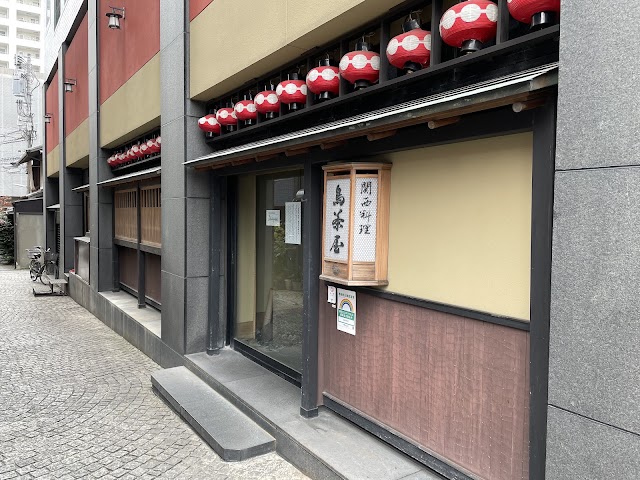
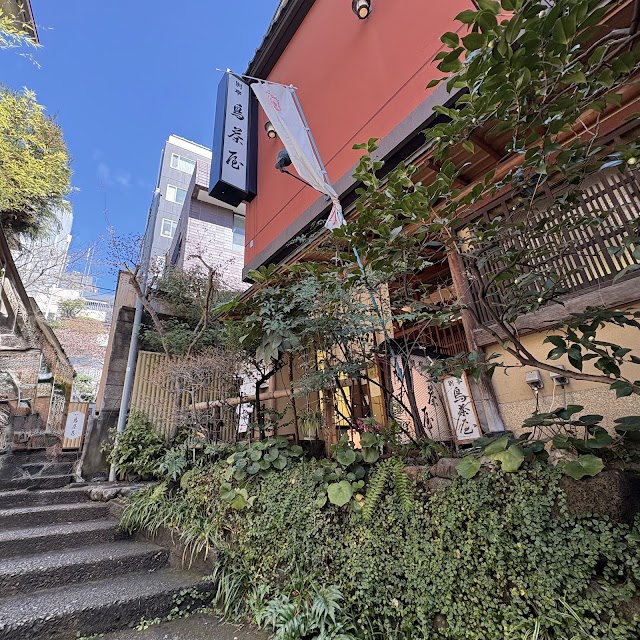
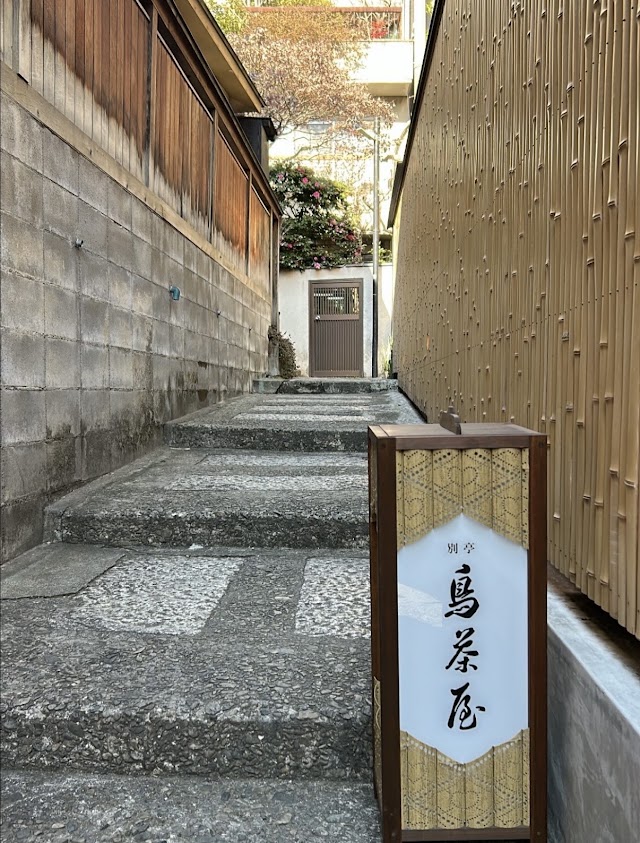
The widest gap between price and setting here, and a good bowl to finish on. It sits on Kagurazaka's stone-paved lanes, among the few restaurants that still hold the old geisha-quarter atmosphere, using Fuji Kogen chicken with a broth built carefully from kombu and katsuobushi — the direct counterpoint to Toritsune Shizendo's no-dashi approach: one relies on the concentration of warishita, the other on the aroma of stock. The premium bowl at around ¥1,080 is weekday-lunch only and represents real value for this address. Note those words: the price does not exist at weekends, a common design among old Tokyo houses where lunch is the entrance and dinner is the business. For walking Kagurazaka's stone lanes without spending a kaiseki budget, this is the best combination.
★ The premium bowl is weekday lunch only, with different menus and prices at weekends and in the evening; waits are common at peak hours and the stone paving is slippery in rain.
VENUE INFO
Address: 3-chōme-6 Kagurazaka, Shinjuku City, Tokyo 162-0825
Hours: Monday: Closed; Tuesday: 11:30 AM – 2:00 PM, 5:00 – 9:00 PM; Wednesday: 11:30 AM – 2:00 PM, 5:00 – 9:00 PM; Thursday: 11:30 AM – 2:00 PM, 5:00 – 9:00 PM; Friday: 11:30 AM – 2:00 PM, 5:00 – 9:00 PM; Saturday: 11:30 AM – 2:00 PM, 5:00 – 9:00 PM; Sunday: 11:30 AM – 2:00 PM, 5:00 – 8:30 PM
Closed: Monday
Nearest Sta.: About 5 minutes from Iidabashi Station (JR and Tokyo Metro)
Price: Weekday-lunch-only premium oyakodon around ¥1,080; evening chicken dishes and udon-suki separate (confirm on site)
Google rating: 4.2(960 則評論)
Verified: 2026-08-18 16:02 Google Maps
※ Business info may change; please check the venue's official sources before visiting.
← Back to home