Chiba Floods Kill 13, Over 2,300 Homes Affected
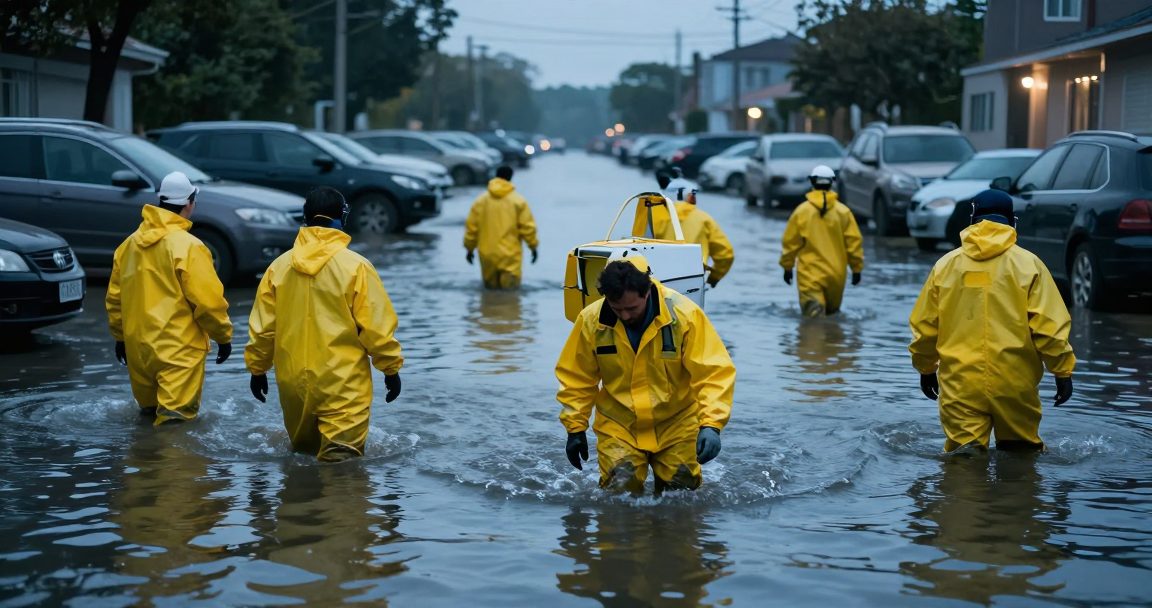
- Chiba Prefecture suffered record rainfall from consecutive linear rain bands, resulting in 13 deaths.
- Over 2,300 homes were flooded, including both basement and floor-level damage.
- Chiba City aims to move approximately 2,500 stranded vehicles on roads by today.
- The disaster is still expanding, with local authorities responding urgently.
- The Japan Meteorological Agency continues to monitor the movement of linear rain bands.
Chiba Prefecture's recent floods, caused by consecutive linear rain bands, have resulted in 13 deaths and over 2,300 homes affected. For Taiwanese readers, this is not just a distant news story. As Taiwan also faces increasing flood risks due to climate change, the Chiba disaster serves as a reminder of the growing impact of extreme weather on coastal and low-lying areas. Is Taiwan's urban planning and disaster preparedness up to the challenge?
This disaster highlights the vulnerability of even highly developed regions to sudden heavy rainfall. With 2,300 homes flooded, it is clear that no infrastructure is entirely immune to the effects of climate change. In Taiwan, where similar risks exist, especially in older neighborhoods and low-lying areas, the need for improved flood-resistant design and drainage systems is urgent. The issue of stranded vehicles also underscores the importance of emergency evacuation and traffic management during disasters.
Linear rain bands are a common meteorological phenomenon in Japan during summer, but their frequency and intensity have increased in recent years due to climate change. This pattern is relevant to Taiwan as well, given the island's own experience with summer typhoons and heavy rains. Meteorological and disaster response agencies must continue to enhance monitoring and early warning systems to mitigate risks.
Moving forward, the recovery and reconstruction efforts in Chiba will be a key area to watch. For Taiwanese readers, it is important to observe how Japan assesses the damage and adjusts its disaster prevention strategies. This can provide valuable insights for policy-making and public awareness in Taiwan.