More Than Half of Chiba's Flood Damage Fell Outside Designated Risk Zones
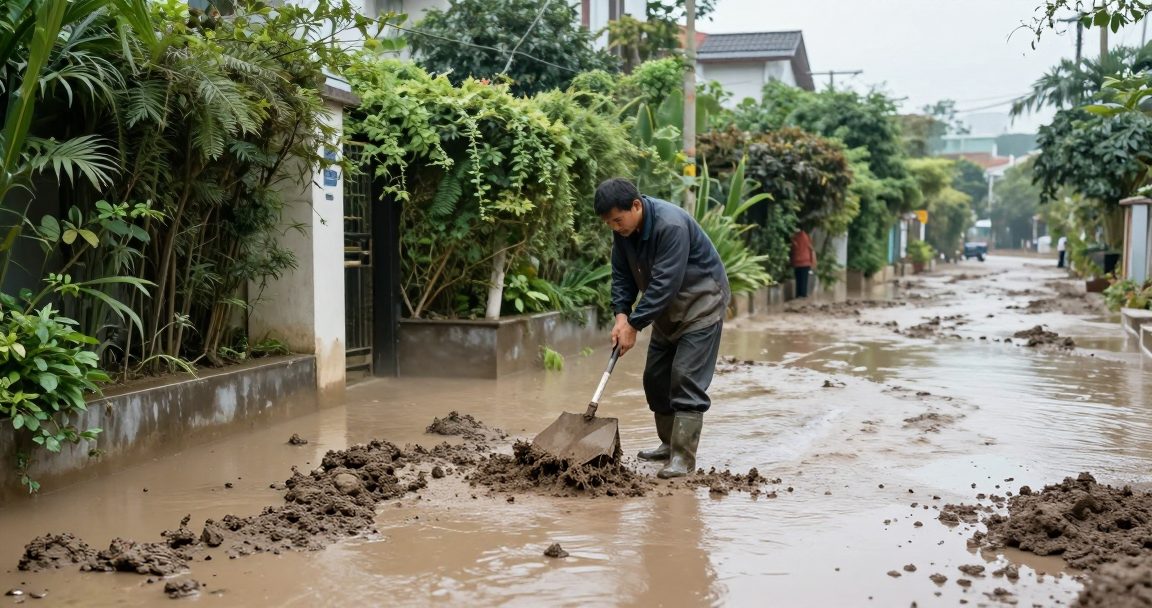
- Over 55.7% of flood damage in Chiba Prefecture came from areas outside designated risk zones.
- The survey was released by Weather News on the 14th.
- This highlights a gap between current disaster preparedness and actual flood impacts.
- The damage spread beyond low-lying and pre-mapped flood-prone areas.
- It underscores the challenge of extreme weather to traditional disaster planning.
For readers in Taiwan, the recent flood damage in Chiba Prefecture highlights a growing challenge: traditional disaster planning is increasingly out of sync with extreme weather. According to a survey by Weather News, over 55.7% of flood damage in the region occurred outside designated risk zones. This mismatch between risk assessments and actual impacts is a critical issue for both individuals and businesses, especially in regions prone to flooding like Taiwan. If flood zones cannot fully capture all possible risks, insurance strategies and emergency preparedness may need reevaluation.
The broader context is that Japan, like many other countries, is facing more frequent extreme weather events. This trend challenges the reliability of historical data in disaster planning. As a result, disaster management must become more dynamic and adaptive to unpredictable climate patterns. This is particularly relevant for Taiwan, where similar weather anomalies are already occurring, though often underreported.
Looking ahead, the key focus will be on how Japanese authorities adjust flood risk zones and emergency response protocols. The findings from this survey are likely to influence future planning. For professionals in insurance, construction, or urban planning, these developments offer valuable insights into how to better manage and mitigate flood-related risks in an era of climate uncertainty.