Department Store Vacant Lot In Fukushima City Two Years After Demolition
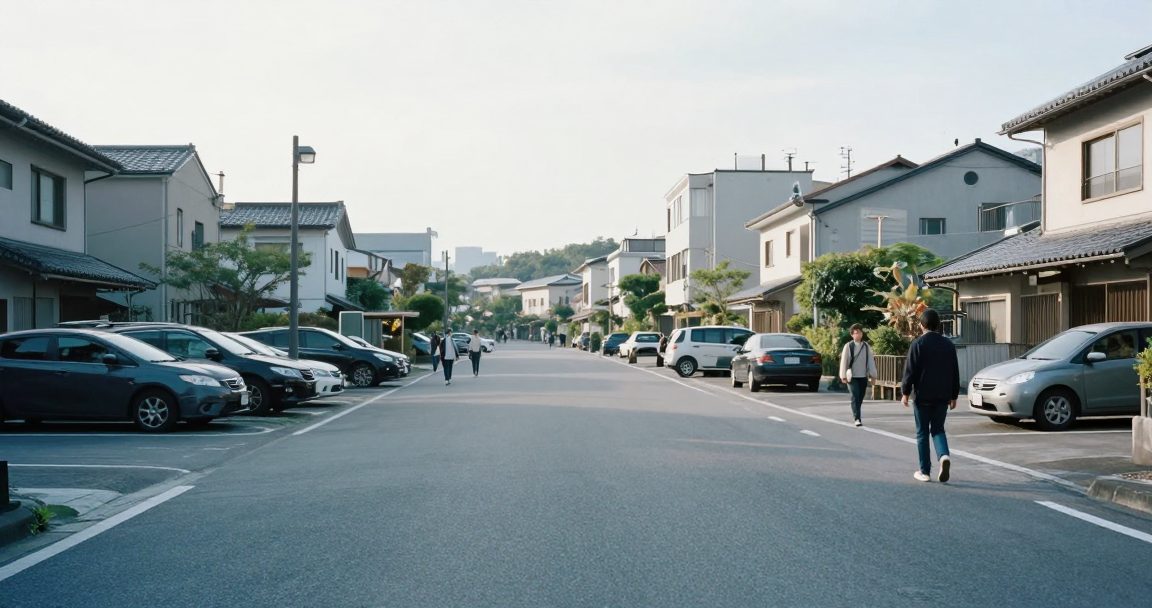
- The former department store in Fukushima City remains an empty lot two years after demolition.
- Department stores once served as key commercial and social hubs for local communities.
- Department store closures are increasingly common in regional cities across Tohoku.
- A series of articles analyzes the reasons behind the disappearance of department stores in different towns.
For readers in Taiwan, the closure and prolonged vacancy of a department store in Fukushima City is not just a sign of Japan's regional economic decline, but also a reflection of the retail industry's struggle to adapt to shifting demographics and consumer habits. These cases offer valuable insights for Taiwanese retailers and policymakers considering retail transformation and local revitalization.
According to the report, the former department store in Fukushima City has remained an empty lot for two years after demolition, highlighting the slow pace of commercial restructuring in regional areas. Once a central hub for local commerce and social activity, department stores are now increasingly replaced by e-commerce and smaller retail formats. For consumers, this shift means fewer shopping options and potential impacts on convenience and community cohesion.
Structurally, the Japanese retail industry has been continuously adjusting its formats and strategies in recent years. Department stores, once a symbol of regional commerce, are gradually being replaced by new retail models. This transition is not a short-term phenomenon but the result of long-term demographic and behavioral changes. In Taiwan, similar challenges are emerging, especially in southern and island areas, where the retail industry must adapt to a new era.
What should be closely watched is the future development and use of the former department store site in Fukushima City. Without clear planning, it could continue to negatively impact the local economy and urban image. Observing such cases can help understand the complexity of retail transformation and local revitalization, providing a reference for future policy and business decisions.