Honda And Nissan To Collaborate On SDV Software Development
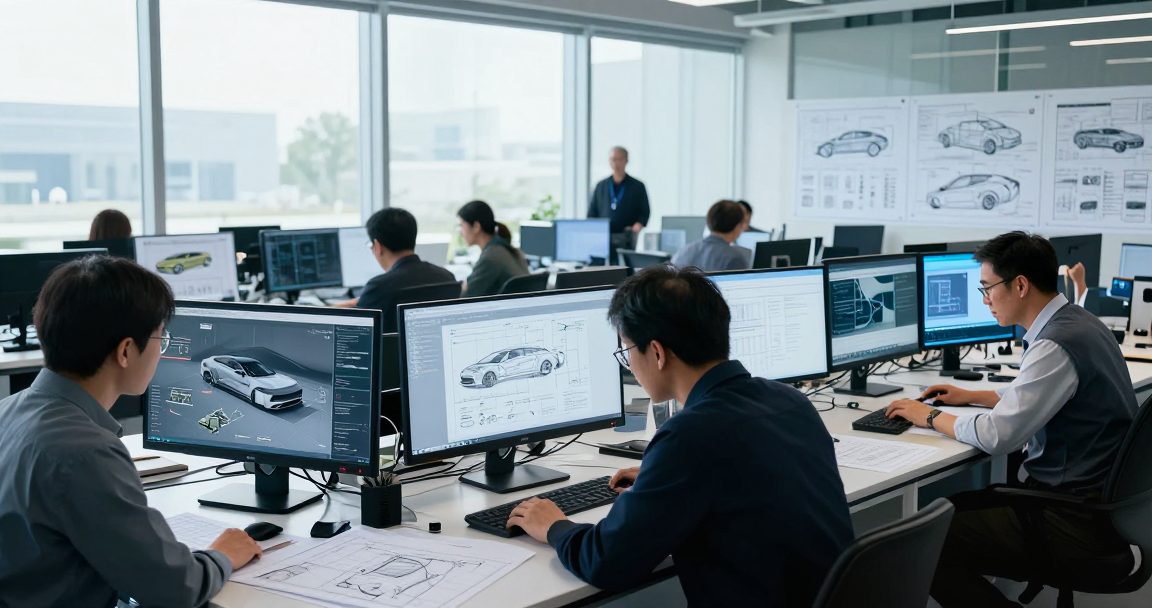
- Honda and Nissan will jointly develop basic software for SDVs.
- The goal is to reduce high development costs through collaboration.
- Both companies are expected to reach an agreement soon, with 2029 as a key milestone.
- SDVs are next-generation vehicles that can be upgraded through software updates.
For readers unfamiliar with Japanese automakers' shift toward software-driven development, this collaboration between Honda and Nissan is a significant indicator of the industry's transformation. The move reflects growing emphasis on cost-sharing and software integration. For Taiwan's automotive supply chain, this signals potential shifts in component demand and procurement strategies.
SDV (Software Defined Vehicle) technology centers on continuous software updates, a stark contrast to traditional hardware-centric designs. This means automakers must invest more in software development, data management, and cloud integration. Honda and Nissan's decision to jointly develop foundational software aims to reduce costs and accelerate implementation. For consumers, this could mean vehicle maintenance and upgrades increasingly rely on software updates rather than hardware replacements.
Japanese automakers have been adjusting their R&D models, with software-driven vehicle design becoming a new trend. This aligns with global developments in electric vehicles and autonomous driving. However, software-driven vehicles also bring new challenges, such as data security, system stability, and cross-platform integration. The Honda-Nissan collaboration will be a key case to observe how these challenges are addressed.
Readers should keep an eye on the specific details and progress of the collaboration, especially the 2029 milestone. This will influence the competitiveness of Japanese automakers in the software-driven vehicle market and indirectly affect the automotive ecosystem in Taiwan. If successful, the collaboration may lead to more concentrated technology demands from Japanese automakers, impacting Taiwan's supply chain and potential technology partnerships.