Akita Rice Forecast Price Cut Sparks Concern Among Farmers
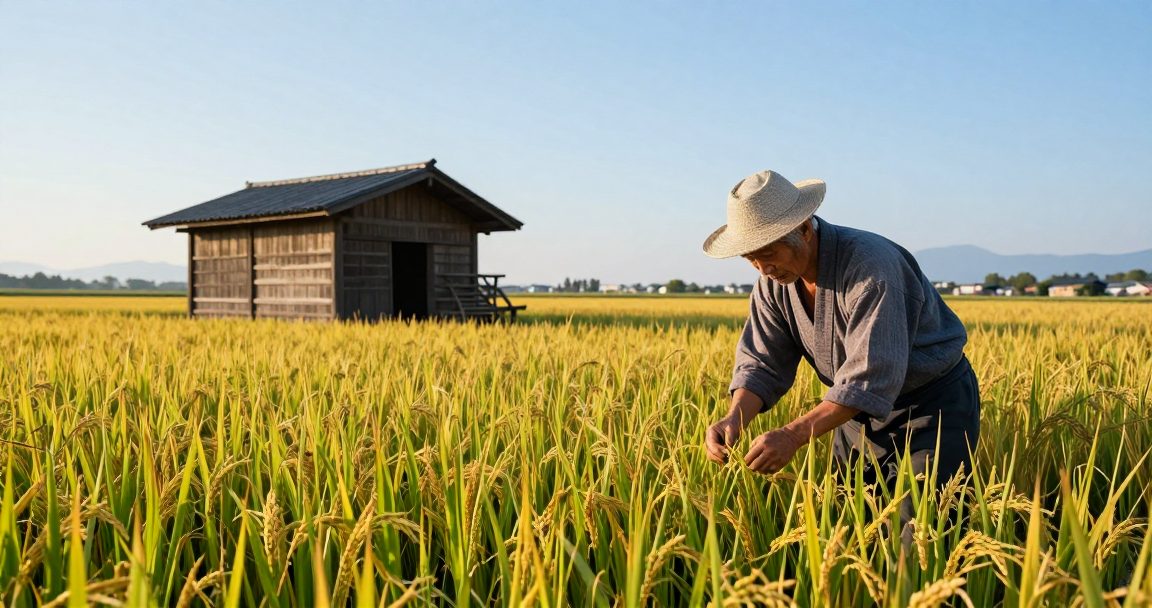
- JA Zen Nō Akita announced significant downward revisions to forecast prices for all major rice varieties.
- Leading variety 'Akita Koshihikari R' saw a notable drop in first-grade rice forecast price.
- The decision may impact farmers' revenue expectations and shipping decisions.
- Adjustments were made based on market demand and cost structure assessments.
- The cooperative will continue to monitor market conditions and adjust strategies accordingly.
While the Japanese rice market may not directly impact Taiwan's agricultural sector, the price adjustment strategies of Japanese agricultural cooperatives provide valuable insights into global agricultural market dynamics. The recent significant downward revision of forecast prices for Akita Koshihikari R by JA Zen Nō Akita highlights the volatility and cost pressures in the rice market. For farmers in Taiwan, this serves as a reminder of the risks associated with agricultural price fluctuations and underscores the importance of transparent market information.
Rice is a crucial staple in Japan, and its price adjustments ripple through the entire agricultural and food industry. This price cut likely reflects a combination of market imbalances and rising costs. For consumers, rice price volatility can affect daily expenses and food industry costs. For producers, it necessitates a reevaluation of planting strategies and risk management.
Agricultural cooperatives play a pivotal role in Japan's rice market, with their price guidance influencing farmers' planting decisions and market supply and demand. In recent years, the Japanese agricultural sector has been continuously adjusting to climate change and rising costs, making rice price fluctuations a norm. The cooperative's pricing strategy also reflects its response to long-term market changes.
Moving forward, the market will closely monitor the cooperative's subsequent price adjustments and actual rice sales performance. If supply and demand imbalances persist, forecast prices may continue to be revised. Readers in Taiwan can gain insights into agricultural market pricing mechanisms and the impact of agricultural policies, which may offer inspiration for their own agricultural and food industry developments.