60-Year-Old Renovates 47-Year-Old Tokyo Apartment, Finds Peace in Final Home
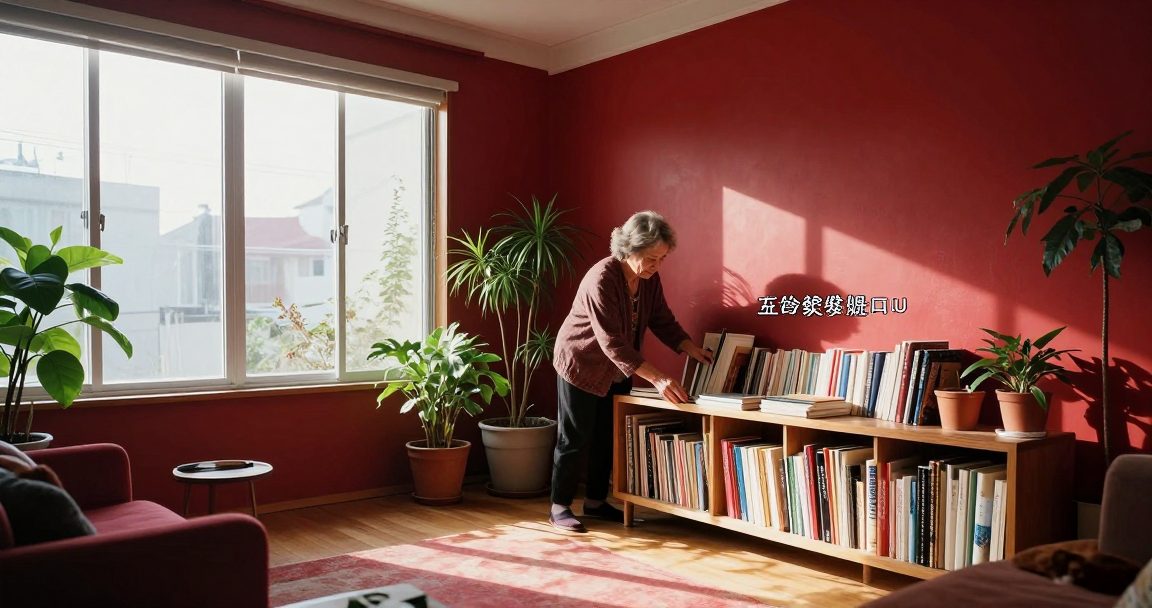
- A 60-year-old homeowner undertook a major renovation of a 47-year-old downtown apartment.
- The project included DIY work, minimalism, and a unique red-themed interior design.
- Despite many failures and unexpected challenges, the renovation achieved its goal.
- The homeowner emphasized this as their final home purchase in life.
- Through the process, they found deep meaning in their living space.
In an aging society, the concept of renovating one’s home is no longer just about aesthetics or functionality—it becomes a deeply personal journey. The story of a 60-year-old renovating a 47-year-old Tokyo apartment highlights how DIY renovation can be a meaningful way to adapt living spaces to one’s lifestyle and values. For readers in Taiwan, where housing costs are high and new construction is limited, this offers a practical and cost-effective alternative to buying a new home.
This trend reflects a broader shift in how people view their living spaces. Rather than relying entirely on professionals, more individuals are taking an active role in the design and renovation process. This not only reduces costs but also creates a stronger emotional connection between the person and the space. In Taiwan, this could lead to a growing market for small-scale, personalized home improvements, which in turn could impact industries like construction, interior design, and home goods.
Moreover, the idea of a home as the “last purchase” in life is gaining traction. As people live longer, they are rethinking how their living environment can support their physical and emotional needs. This shift is particularly relevant for middle-aged and elderly homeowners in Taiwan, who may be looking for ways to make their current homes more livable without the need to relocate.
What’s next to watch? How Japan is supporting this DIY renovation movement through design resources, tax incentives, or community programs. If Taiwan wants to encourage similar behavior, it will need to create a supportive environment that lowers the barriers to entry for those interested in renovating their own homes.