Onsen for the Leaves: Nine Inns Reachable From Tokyo, With Nikko in October, Hakone in November and Atami Into December — Don't Book the Wrong Week
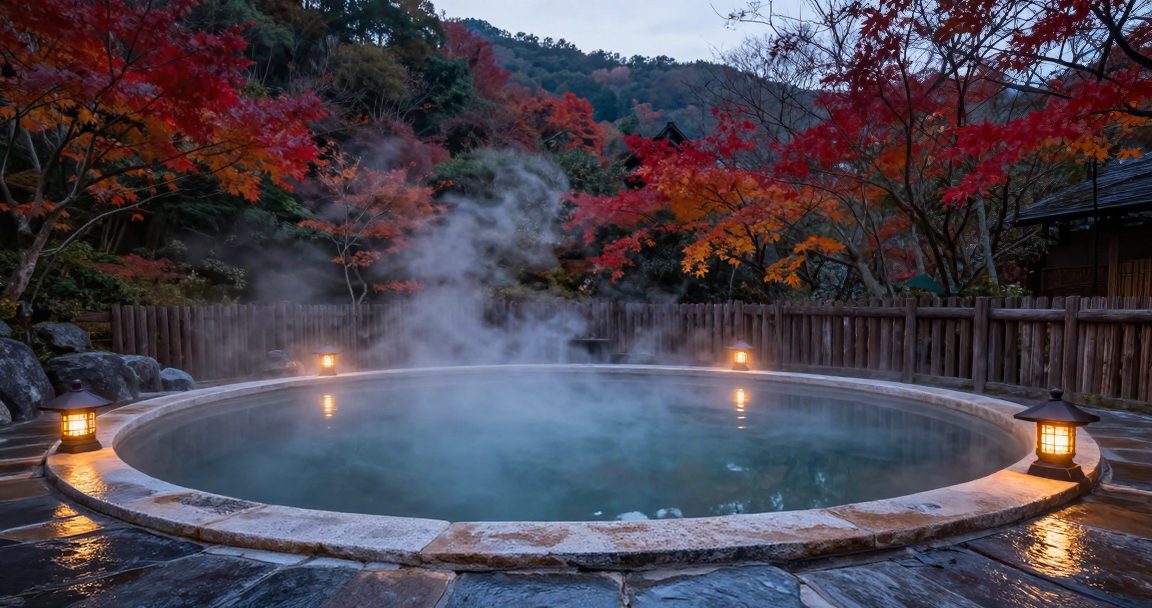
- For an autumn onsen, decide which area's leaves you want before the date: Kanto colours in waves by altitude and latitude, with peaks up to a month apart
- Foliage timeline (early to late): Nikko's Irohazaka/Lake Chuzenji ~mid-late Oct → Kusatsu/Kinugawa's Ryuokyo/Ikaho ~late Oct-early Nov → Hakone ~mid-late Nov → Atami/Yugawara ~late Nov-early Dec
- Atami suits the trip's last stop: seaside, warm and latest to peak, handing over from the city's tail; under 50 minutes by Shinkansen from Tokyo Station
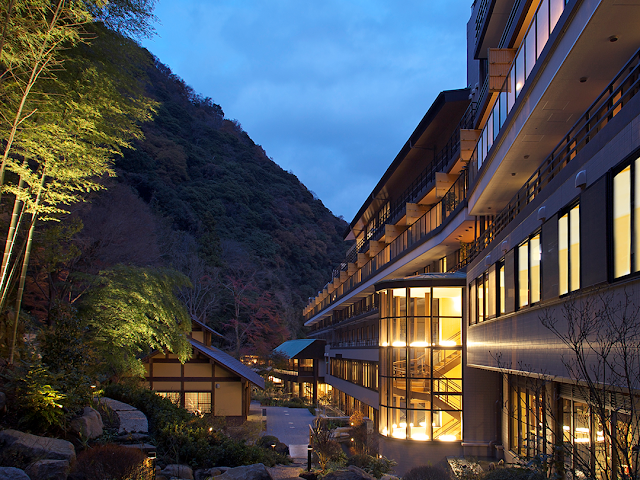
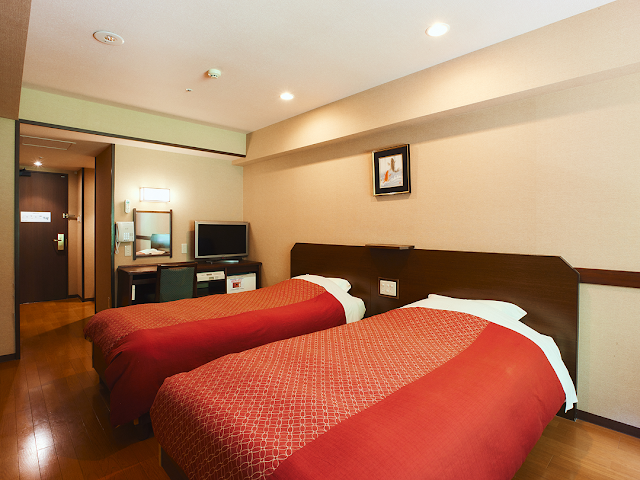
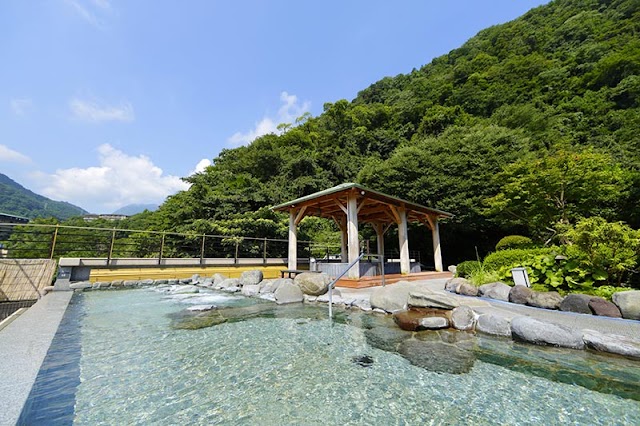
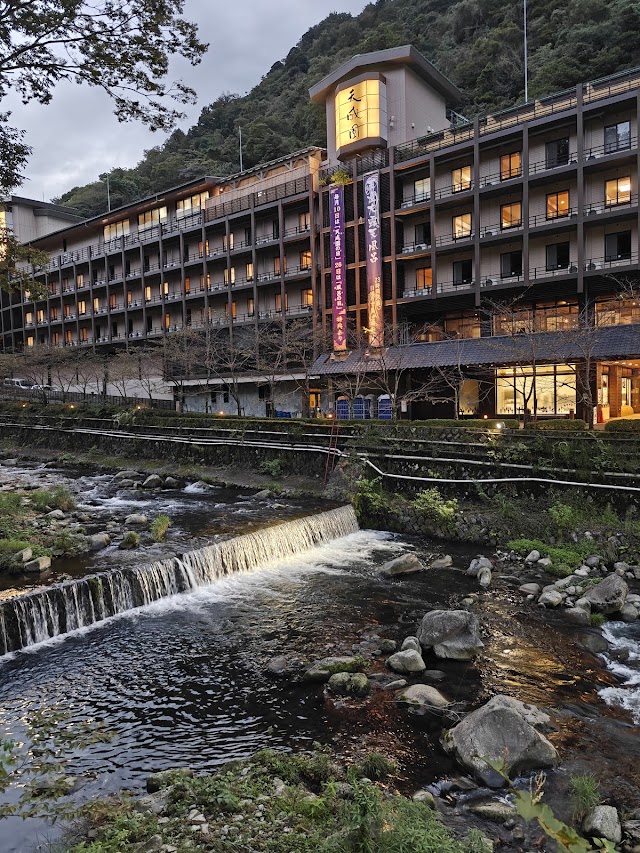
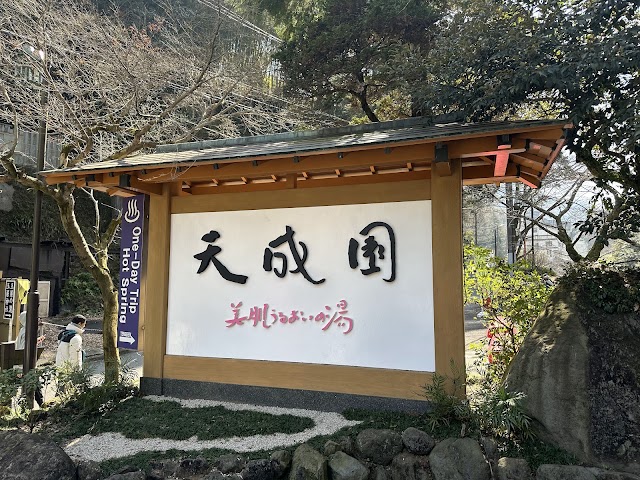
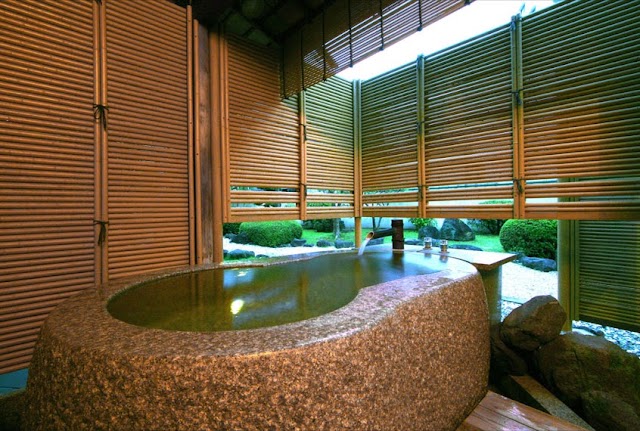
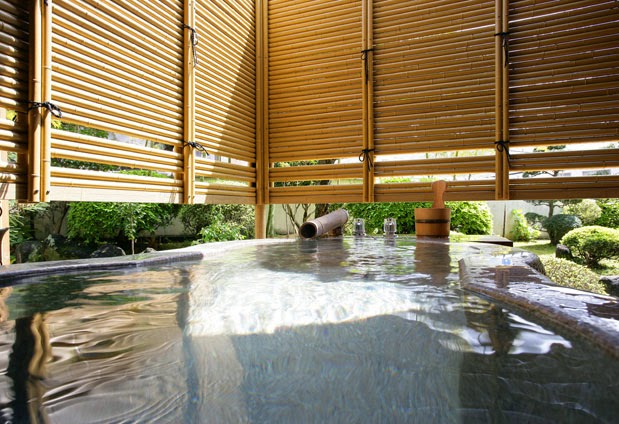
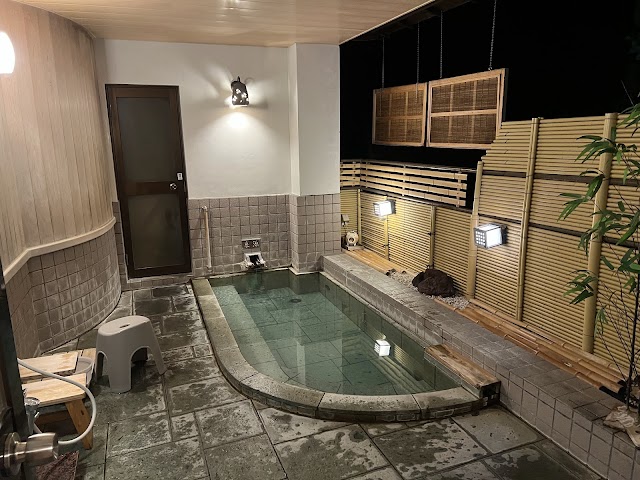
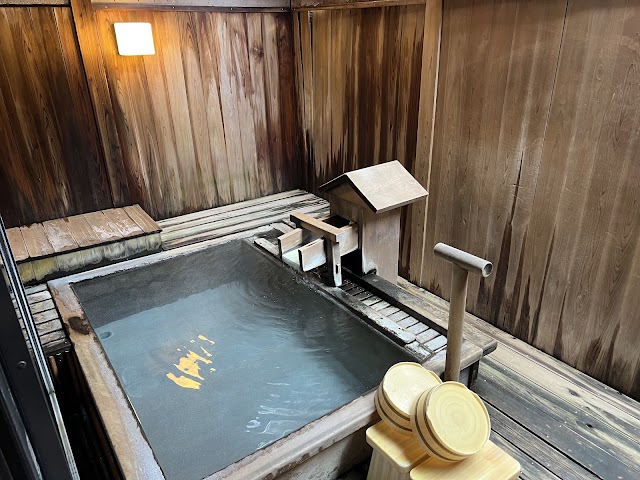
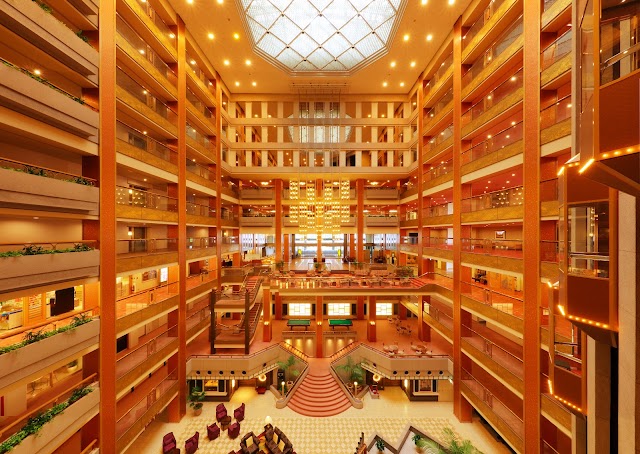
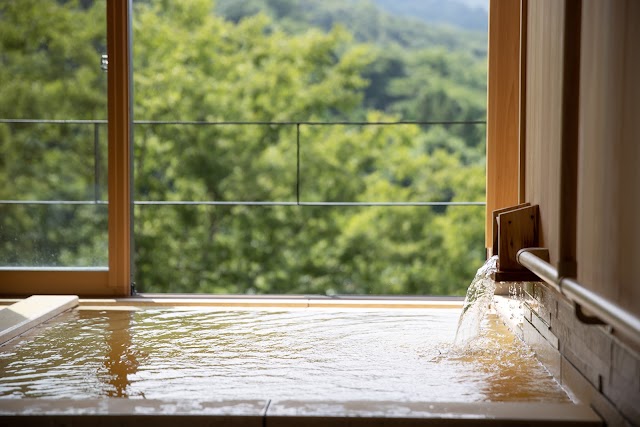
- Hakone is the nearest main stage — ~85 minutes by Romancecar from Shinjuku. Tensei-en (a ~17-metre rooftop bath onto the hills) and Ichinoyu Honkan (founded 1630, a cultural property, budget) span two price levels
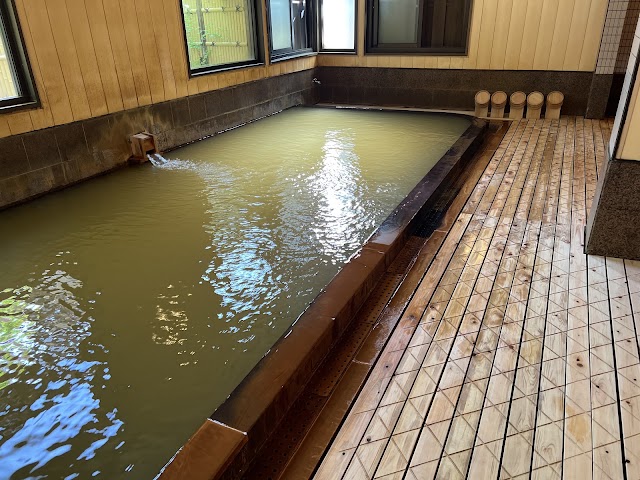
- Kusatsu's Naraya (founded 1877) faces the Yubatake and uses the old Shirahata source; Kusatsu's water is strongly acidic, so sensitive skin or wounds should assess before bathing
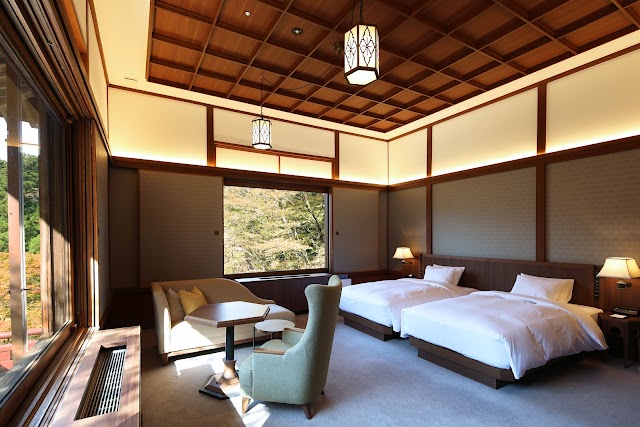
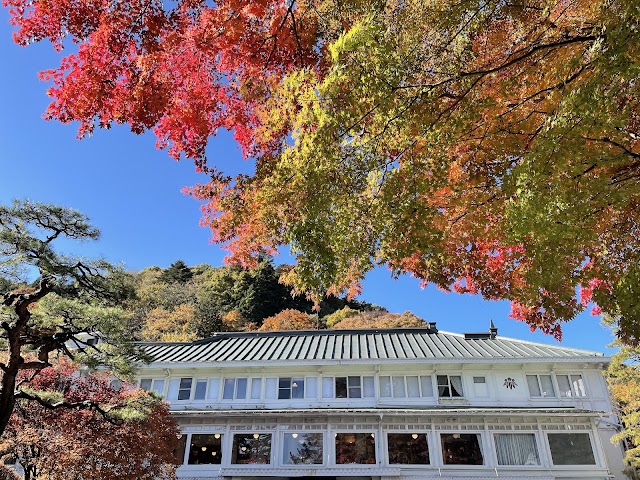
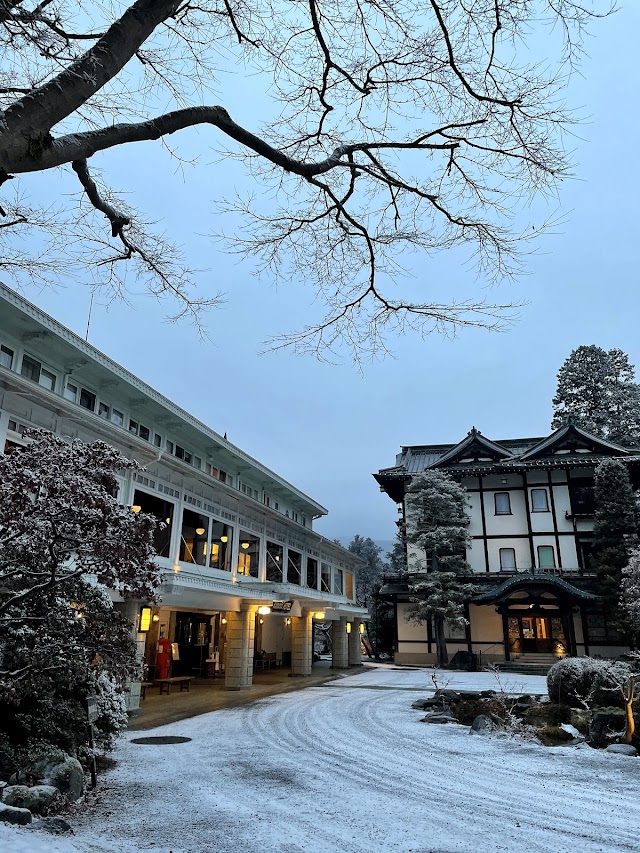
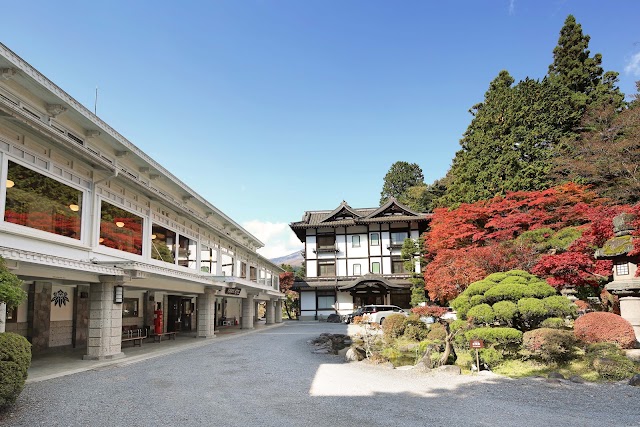
- The Nikko Kanaya (opened 1873), billed as Japan's oldest resort hotel, is the best base for Nikko's leaves; the Irohazaka roads jam on weekends, so go up early or on a weekday
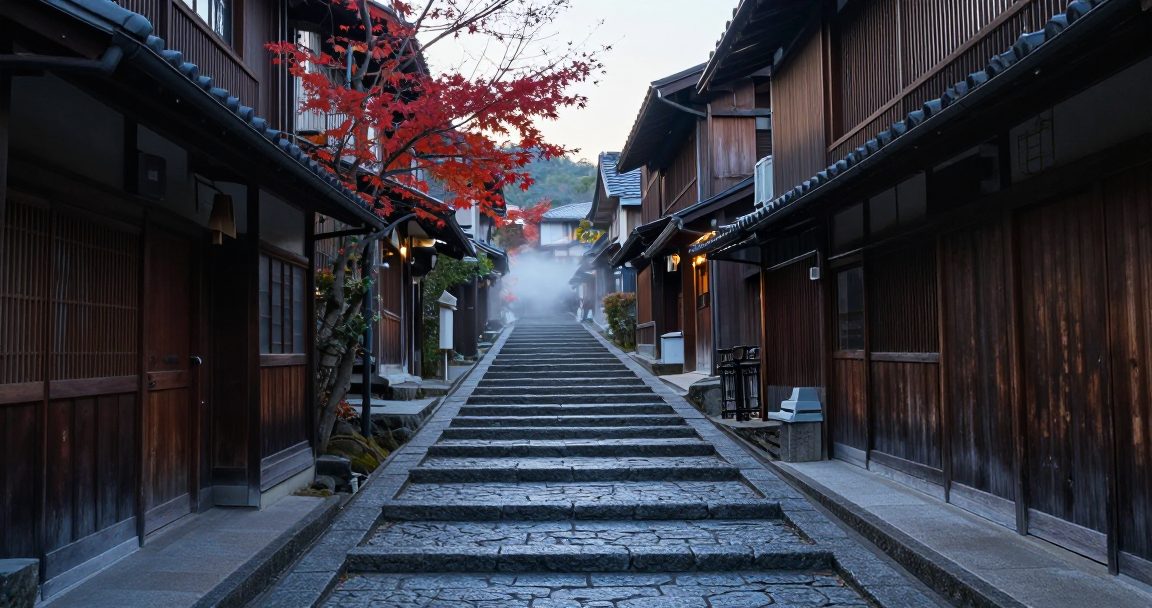
- Kinugawa's Asaya (founded 1888) is a family-scale onsen hotel, direct from Asakusa by Tobu limited express; Ikaho's Chigira Jinsentei (founded 1502) sits midway up the stone-step street with full-flow golden water
- Two rules: rates and transport spike together on autumn weekends, so take a weekday and book early; the peak shifts a week or two each year, so check that season's live foliage reports before you go
Autumn in Japan brings the image most visitors carry: soaking in an open-air bath while a hillside turns red. But the thing that most often trips people up is timing — around Kanto, the peak of the leaves can shift a full month from place to place, and book the wrong week and you get a fine bath but a still-green or already-bare hill.
So the single most useful line in this piece is the timeline. Higher, more northern places turn first: Nikko's Irohazaka, Lake Chuzenji and Kegon Falls peak around mid-to-late October, the earliest in Kanto; the Gunma and Tochigi towns — Kusatsu, Kinugawa, Ikaho — colour around late October into early November. Mid-altitude Hakone comes later, mostly mid-to-late November. Warm, seaside Atami and Yugawara are latest, often late November into early December — which is why Atami suits the end of a trip: the tail of Tokyo's own colour hands straight over to Atami's start.
Read that axis and the itinerary gains logic: for early leaves and a characterful old hotel, go to Nikko in October; November's main battlefield is Hakone; and once the city is done in late November, chase one more bath and one more show of colour to warm Atami or Yugawara.
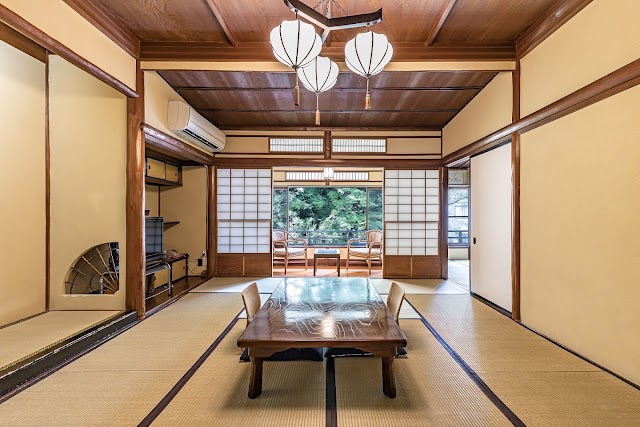
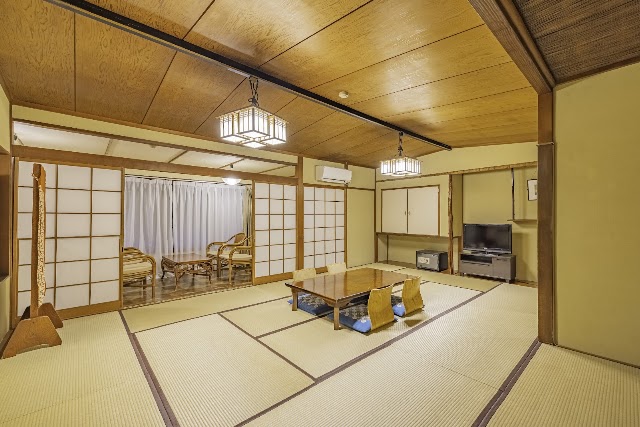
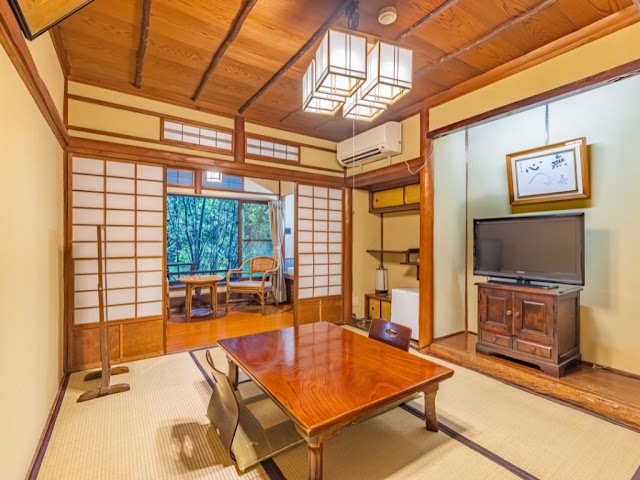
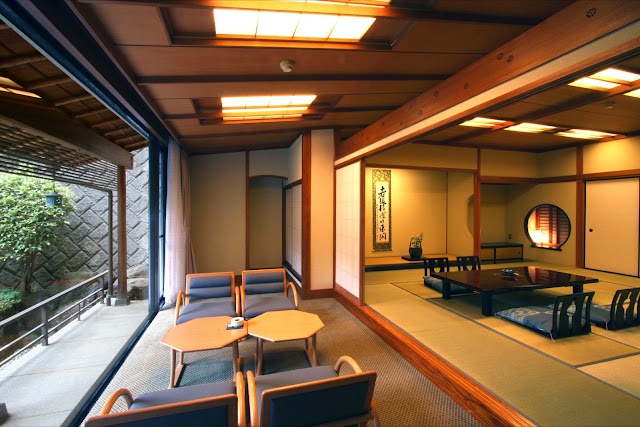
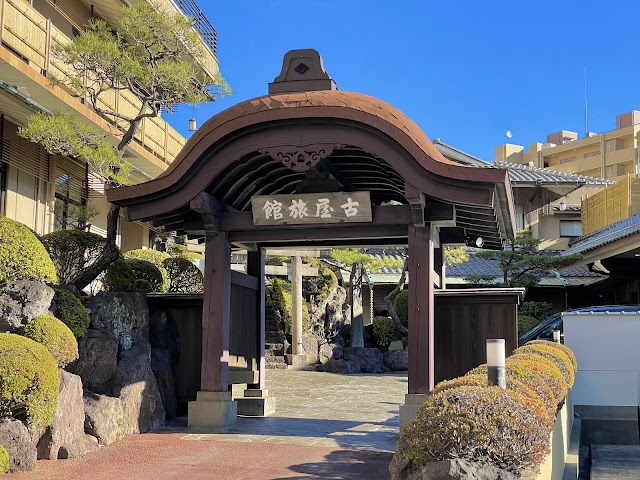
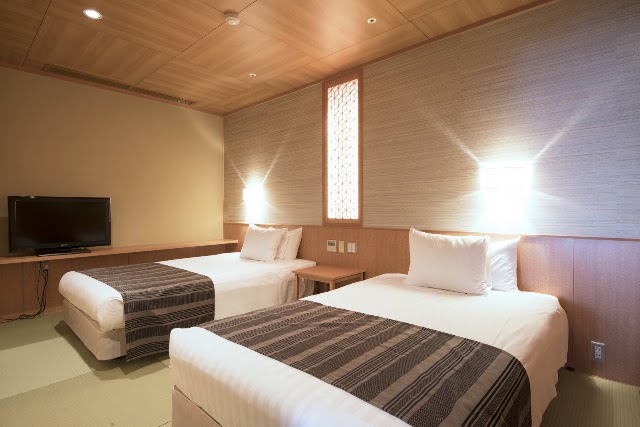
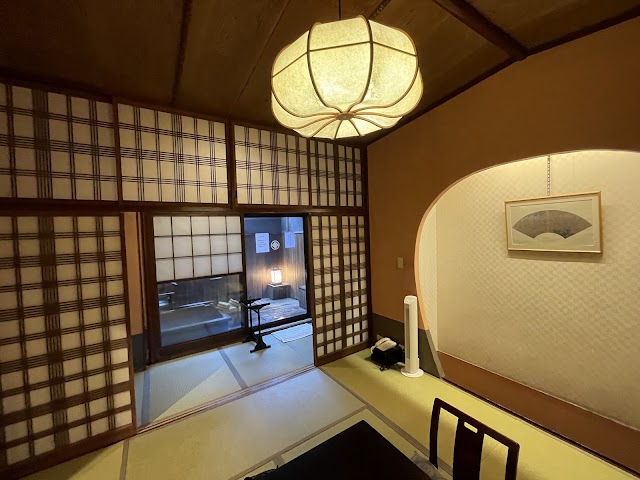
The list deliberately spans character and budget — Hakone-Yumoto's Tensei-en with a rooftop bath onto the hills, direct from Shinjuku; the 1630-founded Ichinoyu Honkan in Tonosawa, a stay inside a cultural property, on a modest budget; Atami's oldest single inn, Furuya; Kusatsu's Naraya facing the Yubatake; and the Nikko Kanaya, among Japan's oldest resort hotels. What they share is being reachable from Tokyo same-day or in one night; they differ in whether you want a refined small inn, a sea-view Japanese ryokan, or a family-scale onsen hotel.
Two closing truths. First, on peak autumn weekends rates and transport spike together, so take a weekday if you can and book early. Second, the peak shifts a week or two each year with the weather, so check that season's live foliage reports before you go rather than trusting last year's dates. This gives you the frame; leave the final week's fine-tuning to the forecast.
1. Read the foliage timeline first — it is the single most important step in booking an autumn onsen. Many people pick the inn first and the date second; that order is backwards. Decide which area's leaves you want, because that fixes the week. Kanto does not turn on one day: it colours in waves by altitude and latitude, a month apart end to end. Earliest is the Nikko highland — Irohazaka, Lake Chuzenji, Kegon Falls — around mid-to-late October. Then the Gunma and Tochigi onsen towns (Kusatsu, Kinugawa's Ryuokyo, Ikaho's Kajika Bridge), late October into early November. Mid-altitude Hakone is a round later, mostly mid-to-late November. Warm, seaside Atami and Yugawara are latest, often into early December. The point of the axis: when-and-where becomes derivable rather than luck.
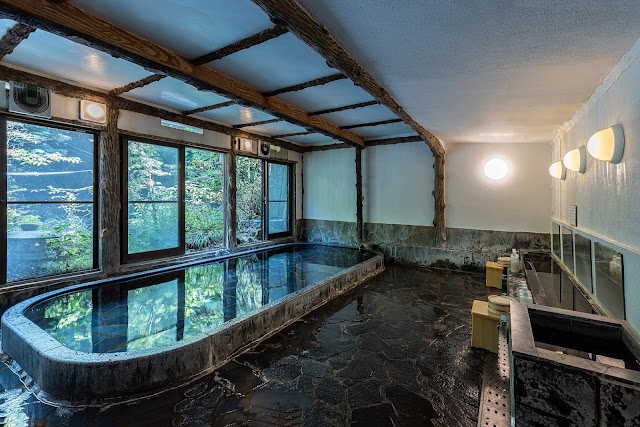
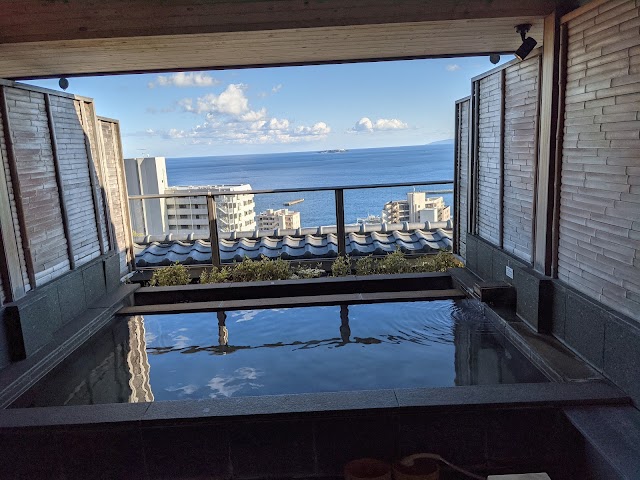
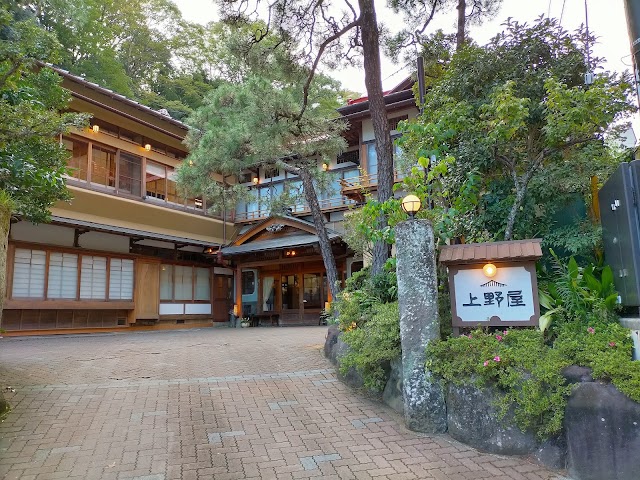
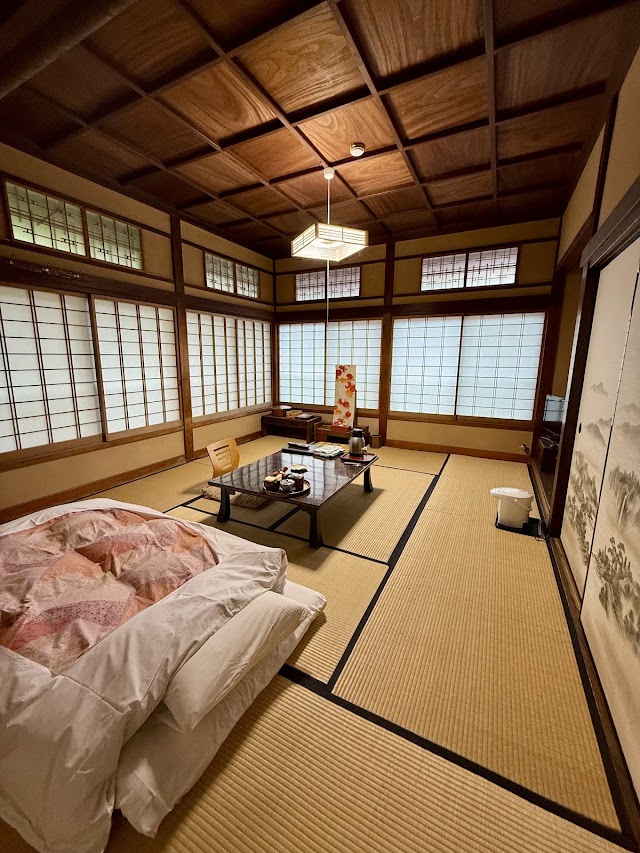
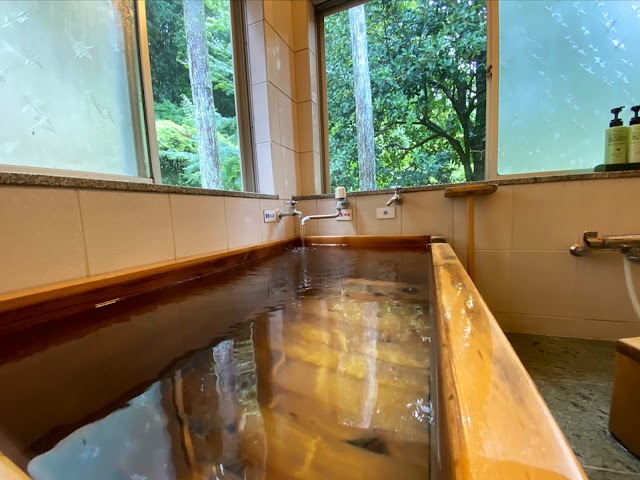
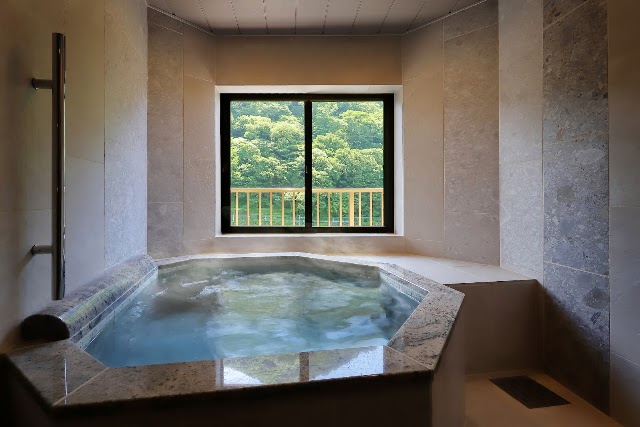
2. Hakone is the nearest autumn-onsen main stage — about 85 minutes by Romancecar from Shinjuku to Hakone-Yumoto, peak mid-to-late November. Two picks span the budgets: Tensei-en in Yumoto, with a roughly 17-metre rooftop open-air bath onto the hills (from about ¥27,000 for two, half-board), for first-timers who want the yu-plus-view image; and Ichinoyu Honkan in Tonosawa, the value pick — founded 1630, its wooden four-storey building a registered cultural property, an affordable stay inside preserved history with the Haya gorge at the window.
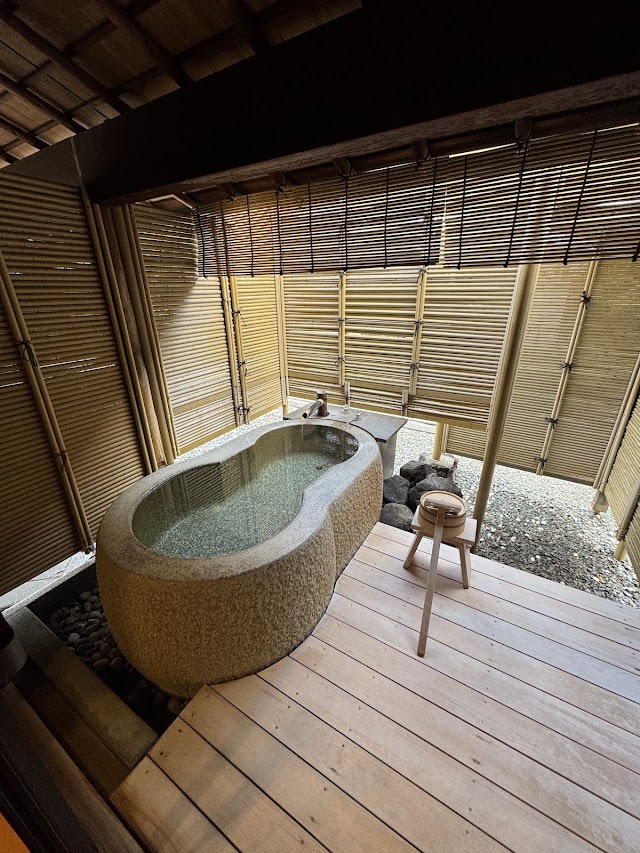
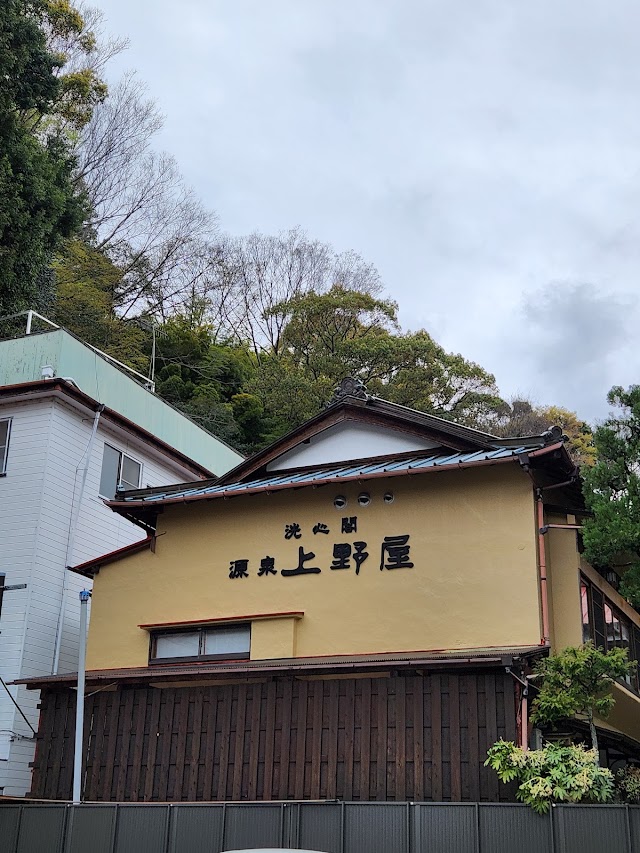
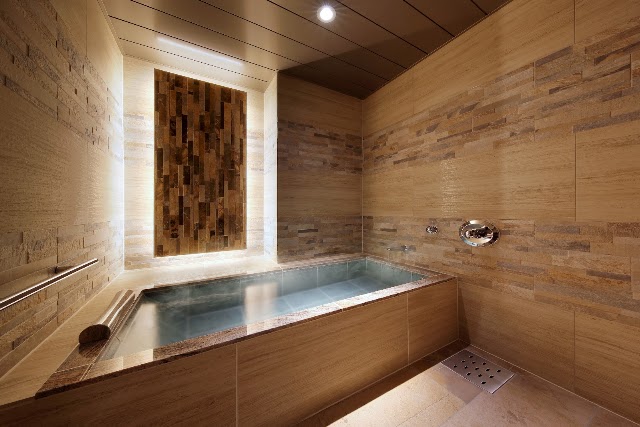
3. Atami and Yugawara are the trip's last stop — warm and late. Facing Sagami Bay, their leaves peak late November into early December, ideal to end on once the city is done; the Shinkansen reaches Atami from Tokyo Station in under 50 minutes. Furuya (founded 1806) is Atami's oldest single inn, quiet, with private spring baths in every room; Taikanso (1938), named after the painter Yokoyama Taikan, sits high with sea views. Yugawara's Uenoya, over three hundred years old and heritage-listed, is the quieter insider choice.
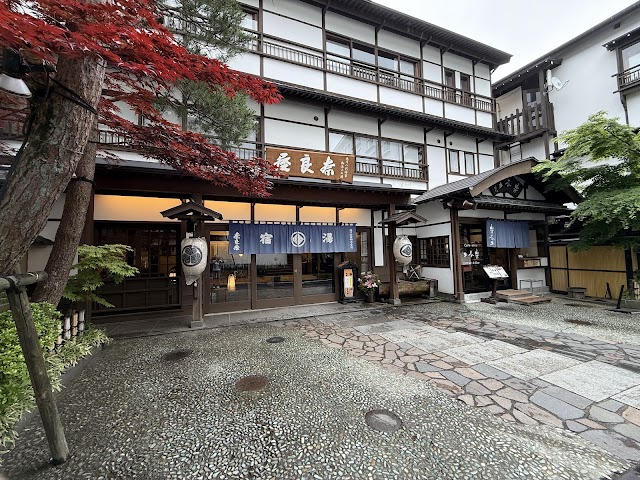
4. Kusatsu, Nikko, Kinugawa and Ikaho treat the onsen town itself as the destination — further out, usually a bus or limited-express transfer, best as a two-day trip. Naraya (1877) faces Kusatsu's Yubatake and draws on the old Shirahata source; Kusatsu turns early (late October to early November) and its water is strongly acidic. The Nikko Kanaya (opened 1873), among Japan's oldest resort hotels, is both a living museum of tourism history and the best base for Nikko's mid-to-late-October leaves. Asaya in Kinugawa (founded 1888) is a family-scale onsen hotel, direct from Asakusa by Tobu limited express. Chigira Jinsentei (1502) sits midway up Ikaho's stone-step street with its golden water. Two practical notes for visitors: transport and lodging spike together on autumn weekends, so go on a weekday and book early; and the peak shifts a week or two each year, so check that season's live foliage reports and confirm each inn's phone, hours and access with official sources.
 Scan for map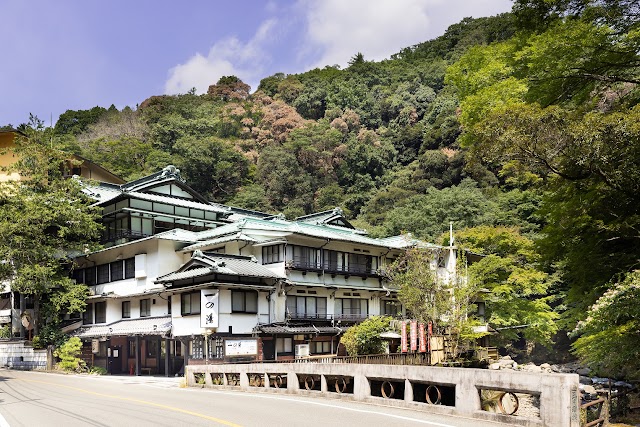
 Scan for map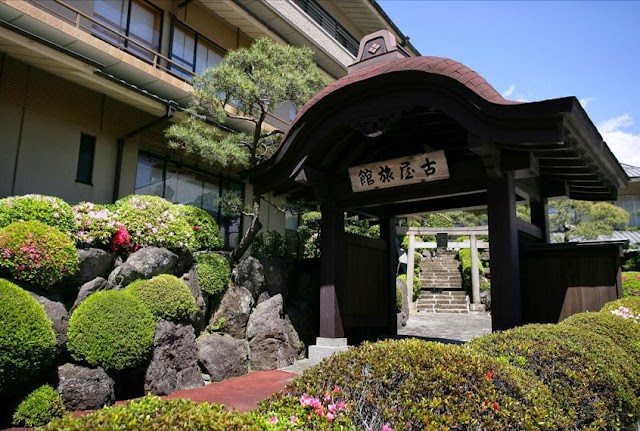
 Scan for map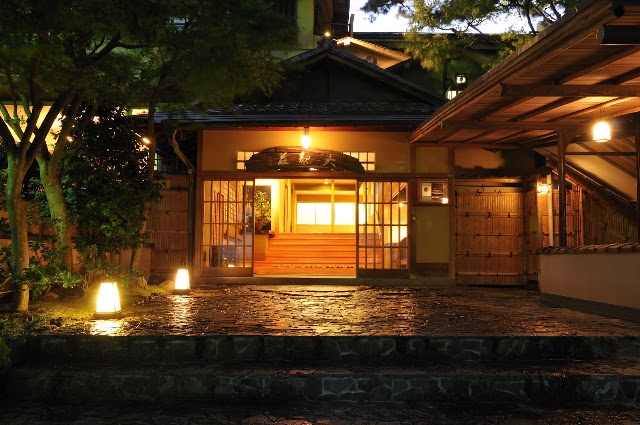
 Scan for map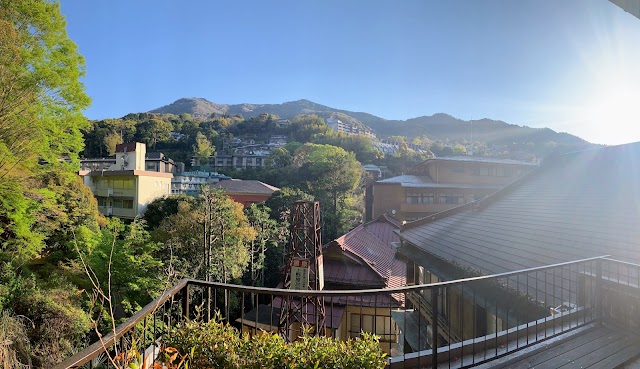
 Scan for map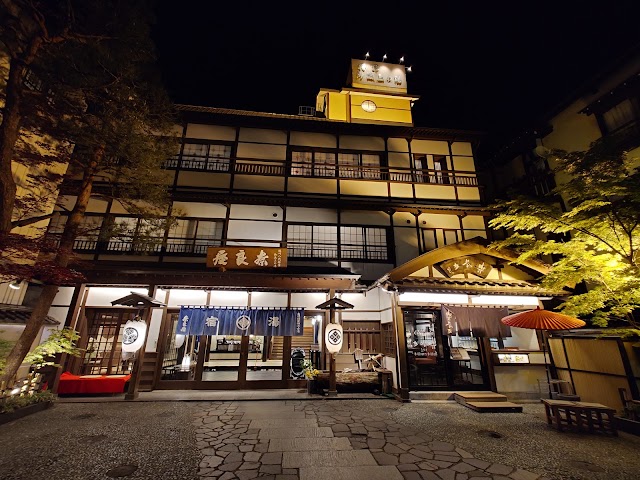
 Scan for map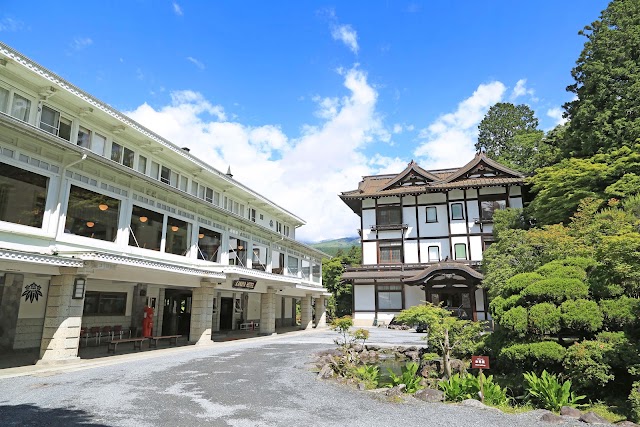
 Scan for map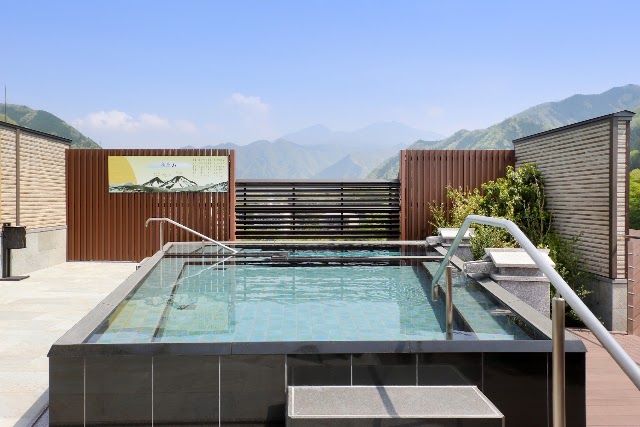
 Scan for map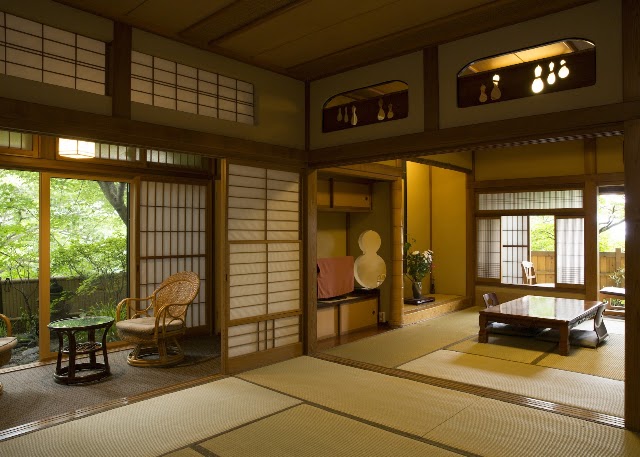
 Scan for map