Jp¥online 繁中简中EN2026/08/30

Spread a Picnic Mat in Autumn Tokyo: Nine Parks and a Foliage Preview — Free or Ticketed, Golden Ginkgo or Brick-Red Metasequoia
Source: Jp¥online 編輯部· Published: 2026/08/30 16:18 JST· Section: REAL ESTATE & TOURISM
Spread a Picnic Mat in Autumn Tokyo: Nine Parks and a Foliage Preview — Free or Ticketed, Golden Ginkgo or Brick-Red Metasequoia
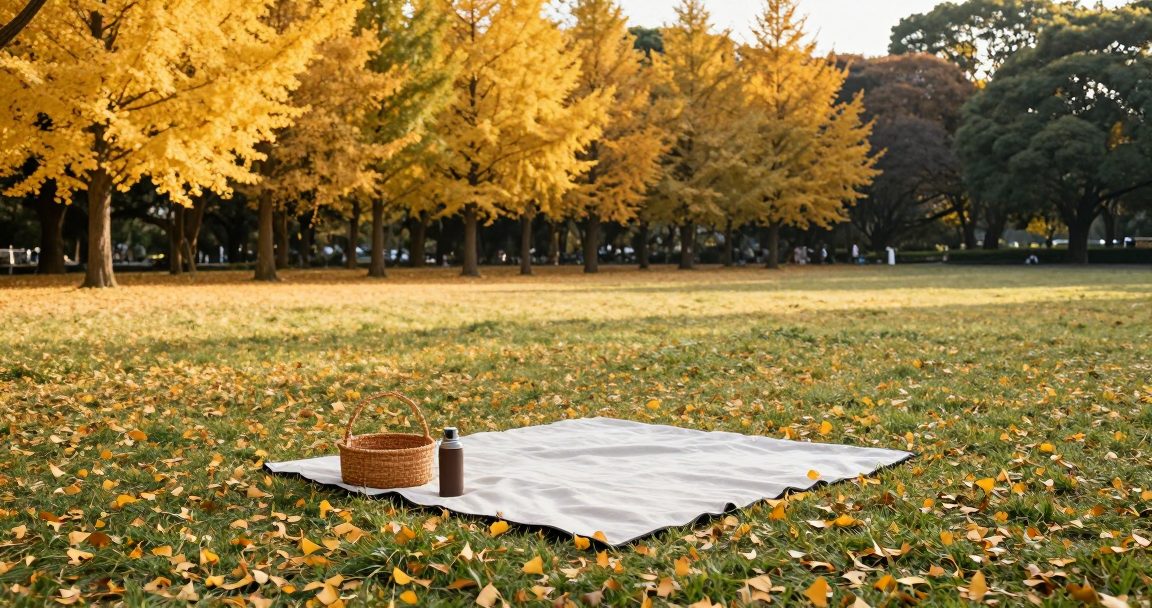
Illustration: AI-generated (Jp¥online)
# Tokyo picnic# parks# autumn leaves# ginkgo# Shinjuku Gyoen# Showa Kinen Park# autumn# picnic map
Key Points
  • Free vs paid is not just money: most metropolitan parks (Yoyogi/Kinuta/Komazawa/Hikarigaoka/Mizumoto/Koganei) are free and relaxed; Shinjuku Gyoen (¥500) and Showa Kinen (¥450) charge, with better turf and order but more rules
  • Shinjuku Gyoen's rules: no alcohol, bag checks at the gate, no ball games or play gear — a quiet viewing garden, not a picnic party ground, the point visitors most often get wrong
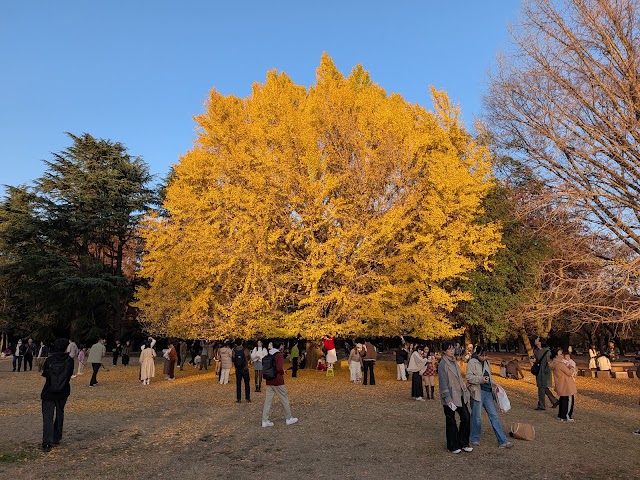
  • Two lead autumn colours peak differently: golden ginkgo (Showa Kinen avenues, Hikarigaoka) ~mid-late Nov into early Dec; brick-red metasequoia (Mizumoto's ~1,800-tree forest) later, into early Dec
  • Low-effort and central: Yoyogi, Inokashira; best turf and quietest leaves: paid Shinjuku Gyoen; most spectacular ginkgo: Showa Kinen in Tachikawa (rentals plus paid barbecue)
  • For an everyday Tokyo picnic: Kinuta (Setagaya's mecca) and Hikarigaoka (station-and-mall connected, easiest supply); to move around: Komazawa (running and cycling loops)
  • Different scenery at Mizumoto's metasequoia; picnic plus old Tokyo architecture at Koganei (its Edo-Tokyo Open Air Architectural Museum, often cited as a Spirited Away inspiration)
  • Three picnic rules: take your rubbish with you (most parks have no large bins); at far parks (Kinuta/Mizumoto/Koganei) buy supplies at the station first; autumn is cool and windy by water so bring a layer; paid gardens and barbecue/boats/museum have hours, closed days and fees per official notices
Analysis

Once summer's heat lifts, Tokyo's best outdoor season arrives: from September to early December the air is cool and dry — prime time to spread a mat and spend an afternoon in a park — and from late November the city's ginkgo and maple begin to turn, adding a reason to linger. This piece maps the nine parks most worth visiting so you can pick the right one by what you actually want.

First, the thing most easily confused and most decisive for the experience: free versus paid is not just money but rules and quality. Most metropolitan parks (Yoyogi, Kinuta, Komazawa, Hikarigaoka, Mizumoto, Koganei) are free, open and relaxed about mat-sitting; but the two paid gardens — Shinjuku Gyoen (¥500) and Showa Kinen Park (¥450) — keep noticeably better turf and order because they charge and manage. Remember: Shinjuku Gyoen bans alcohol, checks bags at the gate, and prohibits ball games and play gear — it is for quiet viewing, not a picnic party, and mistaking that spoils the day.

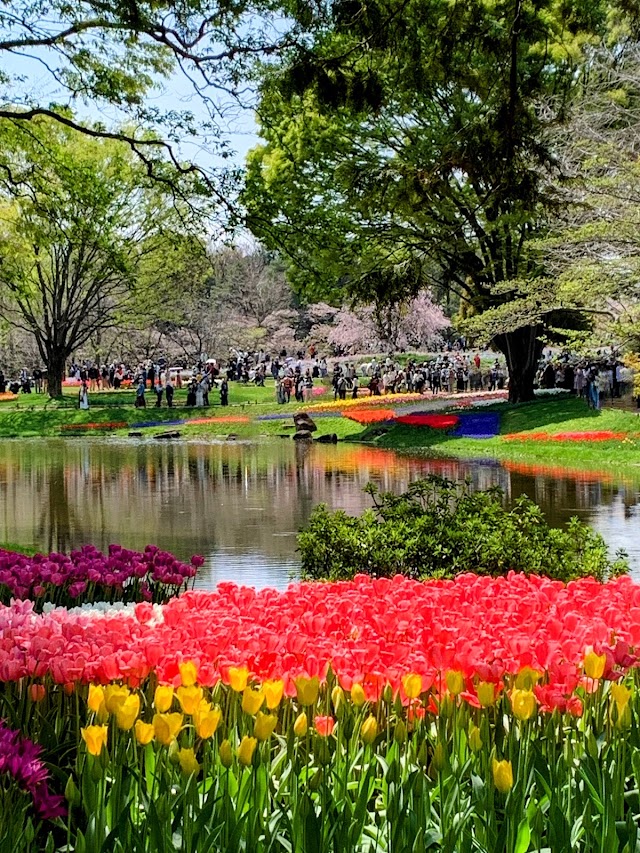
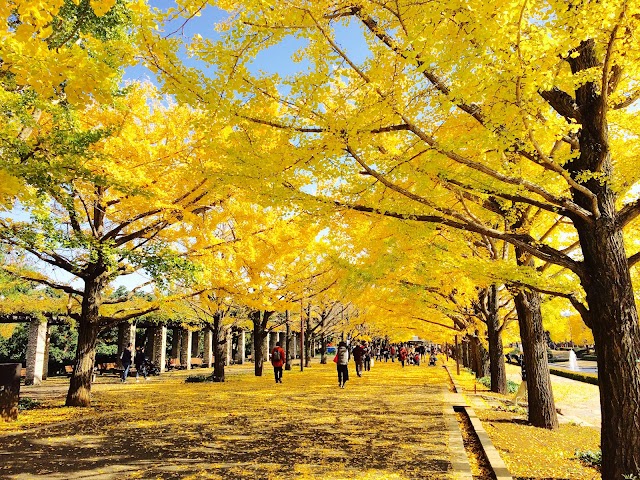
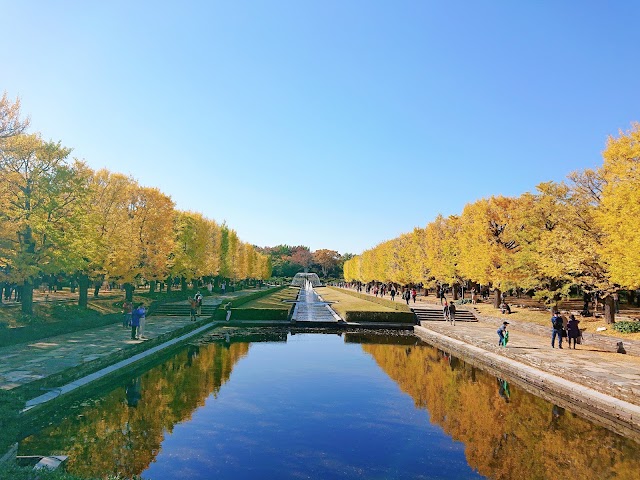
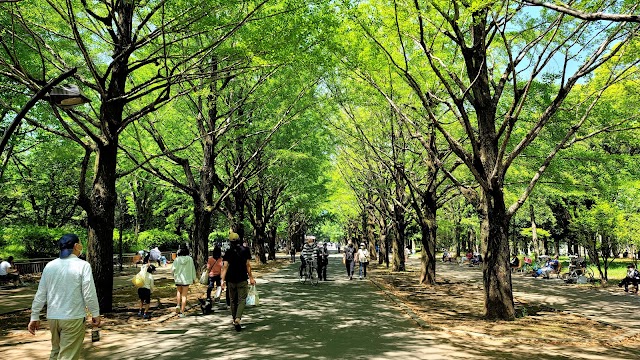
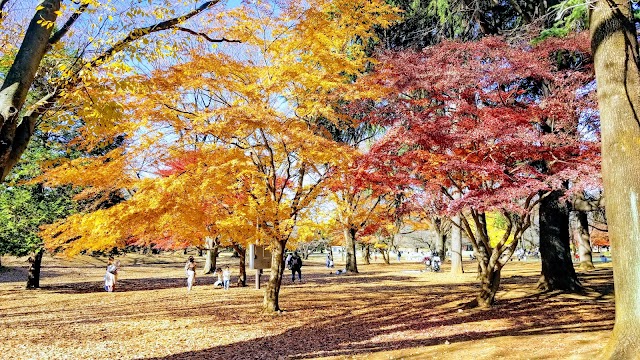
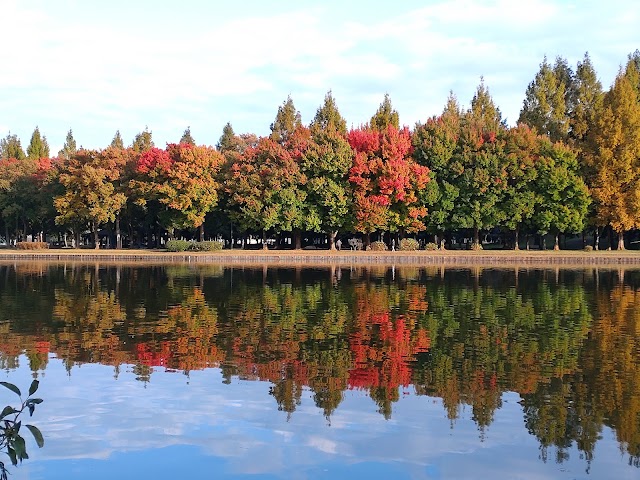
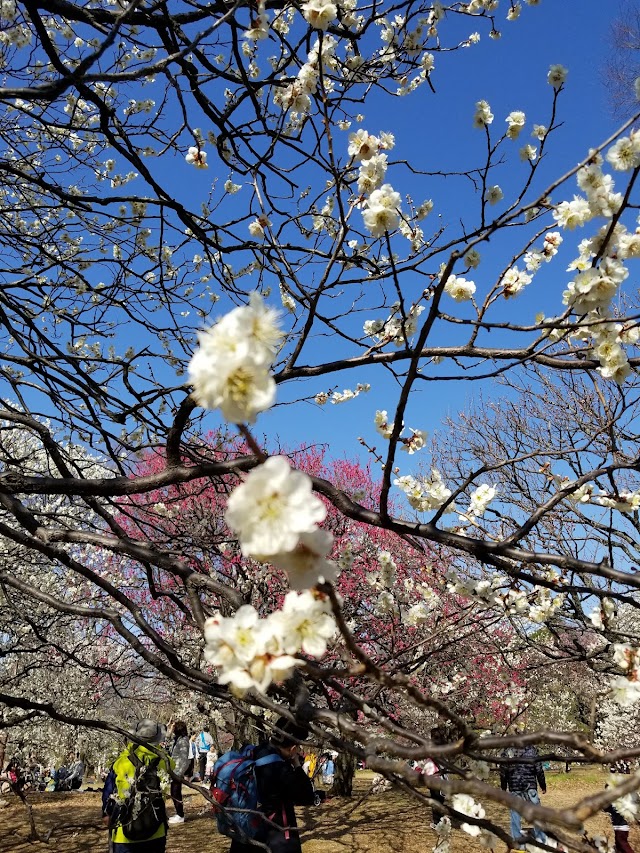
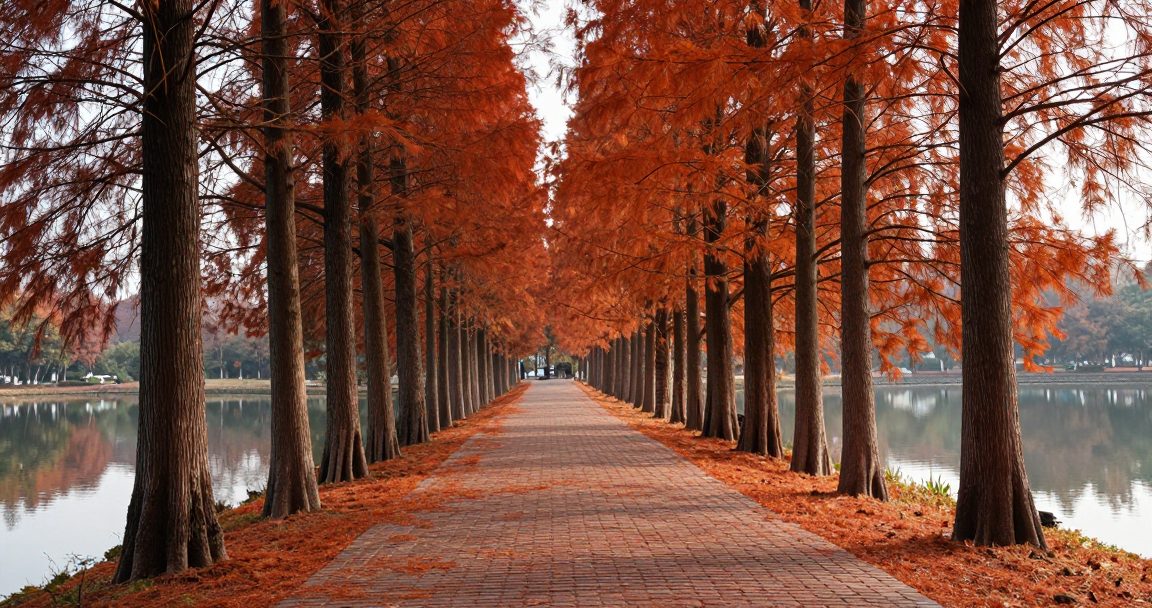
Second, understand autumn's two lead colours. Tokyo is not only maple: one is golden ginkgo — Showa Kinen's avenue is postcard-grade and Hikarigaoka has one too, peaking mid-to-late November into early December; the other, rarer, is Mizumoto's forest of roughly 1,800 brick-red metasequoia, peaking later, into early December. Decide which colour you want to shoot, then choose the park.

How to choose? Low-effort and central: Yoyogi, Inokashira. Best turf and quietest leaves: pay into Shinjuku Gyoen. Most spectacular ginkgo, willing to travel for a day: Showa Kinen. An everyday Tokyo picnic: Kinuta, Hikarigaoka. To move around: Komazawa. Different autumn scenery: Mizumoto's metasequoia. Picnic plus old Tokyo architecture: Koganei.

Three practical notes. First, the iron rule of Japanese parks is take your rubbish with you — most have no large bins, so carry a bag. Second, plan supply: parks far from stations (Kinuta, Mizumoto) have few nearby stores, so buy food and drink at the station first. Third, autumn mornings and evenings are cool and it is windy by water, so bring a layer, and set your mat on an edge with both shade and sun.

The Analysis Desk

1. Separate free parks from paid gardens — the difference is rules and turf, not just money. Most metropolitan parks (Yoyogi, Kinuta, Komazawa, Hikarigaoka, Mizumoto, Koganei) are free, open and relaxed about mat-sitting, great for cooking up a picnic and letting children run, at the cost of weekend crowds, uneven turf and self-managed rubbish. The two paid gardens differ: Shinjuku Gyoen (¥500) and Showa Kinen Park (¥450) keep clearly better turf and order because they charge and manage, but with more rules. Most important: Shinjuku Gyoen bans alcohol, checks bags at the gate and prohibits ball games and play gear — it is a quiet viewing garden, not a picnic party ground, the point visitors most often get wrong.

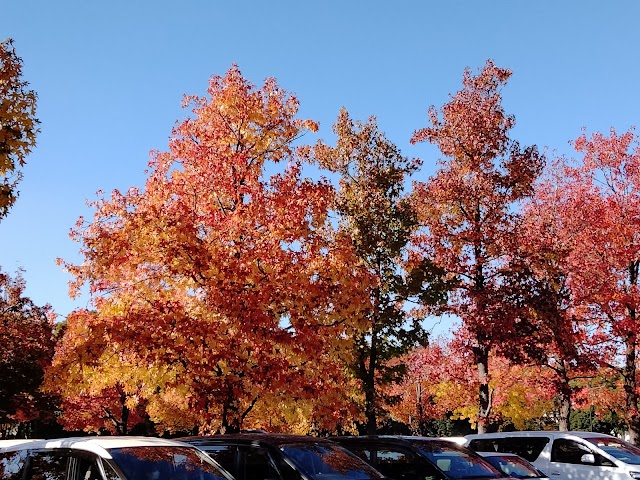
2. Autumn's two lead colours peak differently. Golden ginkgo is most spectacular along Showa Kinen's avenues, with a handsome one at Hikarigaoka too, peaking mid-to-late November into early December. Rarer is Mizumoto's forest of roughly 1,800 brick-red metasequoia, peaking later into early December — a colour and texture that photographers travel for. Traditional maple (Shinjuku Gyoen, the Inokashira pondside, zelkova across the parks) in the city runs late November into early December. In short: gold at Showa Kinen or Hikarigaoka, brick-red at Mizumoto, mixed-garden maple at Shinjuku Gyoen, all safest around late November.

3. Choose by what you want. Low-effort and central: Yoyogi (by Harajuku, easy supply, a classic lawn) and Inokashira (walkable from Kichijoji, pondside leaves and boats, pairs with the Ghibli Museum). Best turf and quietest leaves: Shinjuku Gyoen. Most spectacular ginkgo for a full day out: Showa Kinen (Tachikawa, ¥450, gold tunnels, rentals and paid barbecue). An everyday Tokyo picnic: Kinuta (Setagaya's picnic mecca, huge level lawn, art museum) and Hikarigaoka (Nerima, connected to station and mall, easiest supply). To move around: Komazawa (a 1964 Olympics venue, running and cycling loops, zelkova avenue). Different scenery: Mizumoto's metasequoia. Picnic plus old Tokyo architecture: Koganei (among the largest metropolitan parks, with the Edo-Tokyo Open Air Architectural Museum).

4. Picnic practicalities — rubbish, supply and warmth decide the day. First, take your rubbish with you: most parks have no large bins, so carry a bag; the openness of free parks rests on this self-discipline. Second, plan supply: near-station parks (Yoyogi, Inokashira, Hikarigaoka) have dense stores, but far ones (Kinuta, Mizumoto, Koganei) do not, so buy at the station first — Japanese convenience-store rice balls, bento, fried snacks and drinks make the easiest picnic. Third, warmth and spot: autumn mornings and evenings are cool and it is windy by water, so bring a layer and a thick mat, and choose a lawn edge with both shade and sun. Paid gardens and facilities (the architectural museum, barbecue, boats) have hours, closed days and fees or bookings, so confirm officially before you go.
Spread a Picnic Mat in Autumn Tokyo: Nine Parks and a Foliage Preview — Free or Ticketed, Golden Ginkgo or Brick-Red Metasequoia
Chart: Jp¥online
Venue Info (Google Maps)
代代木公園
Photos: 柿原和明(Kackey)、G B、山本祐輔、犬塚勝英、Yusyuan Lin、Gordon Ho、Lucas Lu、hiroshi sekimoto (ザサークル)、Roger Tupicanskas、이현민 / Google Maps
代代木公園
Why we recommend
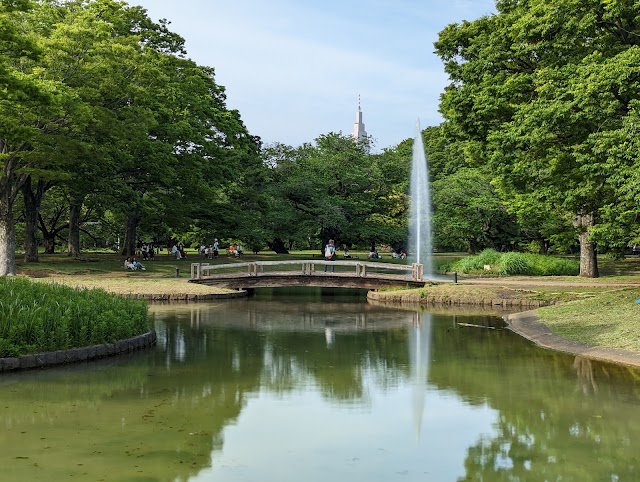
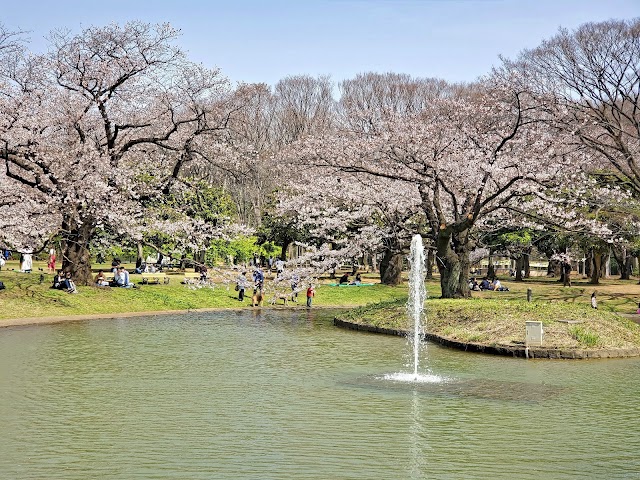
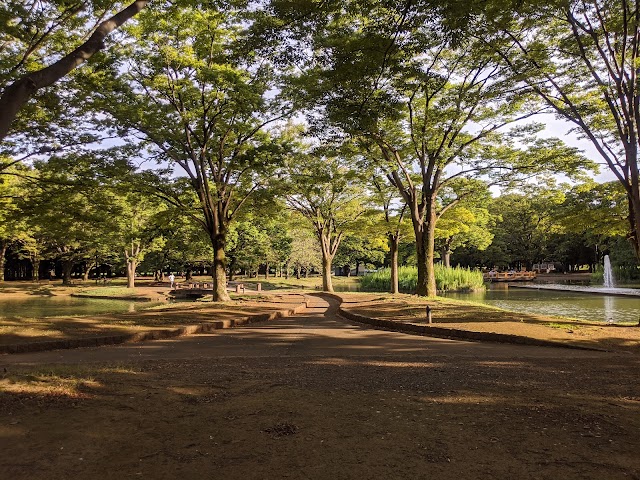
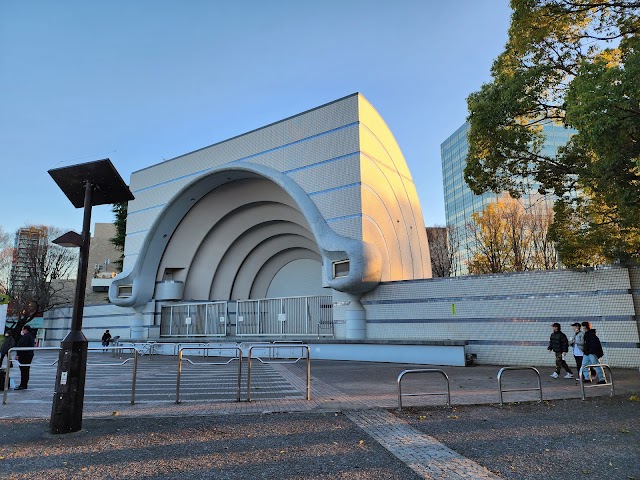
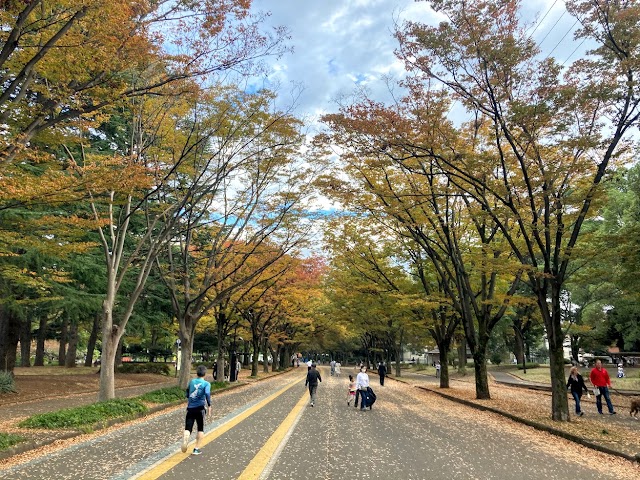
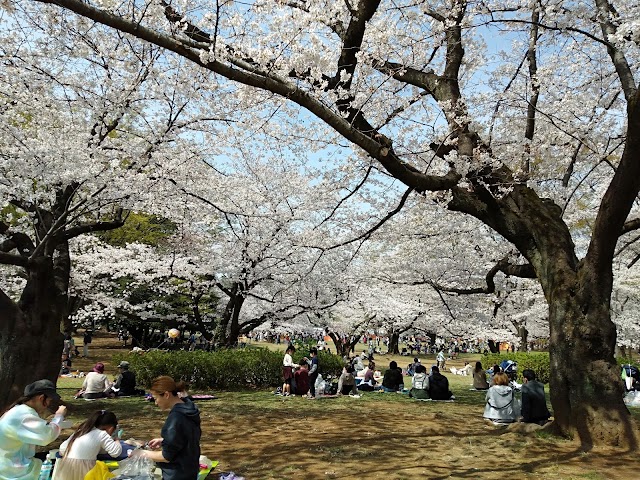
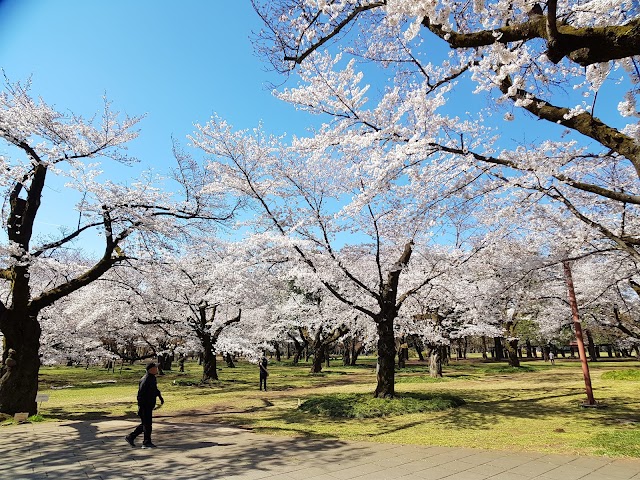
For a first Tokyo picnic while staying central, Yoyogi Park is the easiest start. Right by Harajuku with superb access, its big central lawn is one of the city's classic picnic grounds, filled at weekends with mats, frisbees and dogs. A second advantage is supply nearby: the Harajuku and Omotesando area outside the station is dense with convenience stores and bakeries, so you can stock up on the way in. In autumn the draw is rows of zelkova and ginkgo turning gold around late November into early December — city colour you need no ticket to see. For visitors: the mood is free and mat-sitting is fine, so treat it as an hour lying down mid-shopping.
★ Free and unrestricted, so crowded at weekends; take your rubbish with you, and if you drink, do so moderately and mind those around you.
VENUE INFO
Address: 2-1 Yoyogikamizonochō, Shibuya, Tokyo 151-0052
Phone: 03-3469-6081
Hours: Monday: Open 24 hours; Tuesday: Open 24 hours; Wednesday: Open 24 hours; Thursday: Open 24 hours; Friday: Open 24 hours; Saturday: Open 24 hours; Sunday: Open 24 hours
Nearest Sta.: About 3 minutes from Harajuku Station (JR) or Meiji-jingumae Station (Tokyo Metro Chiyoda / Fukutoshin lines)
Price: Free admission (some facilities charge separately)
Google rating: 4.4(27,480 則評論)
Verified: 2026-08-31 16:01 Google Maps
新宿御苑
Photos: Vivian Li、Subhrata Das、CYK AOYAMA、T S、Jin Jin、Marek Sandrik、Янко Г.、명재현내꺼야 (명재현내꺼야)、Tsung Ming Huang、慕少奇 / Google Maps
新宿御苑
Why we recommend
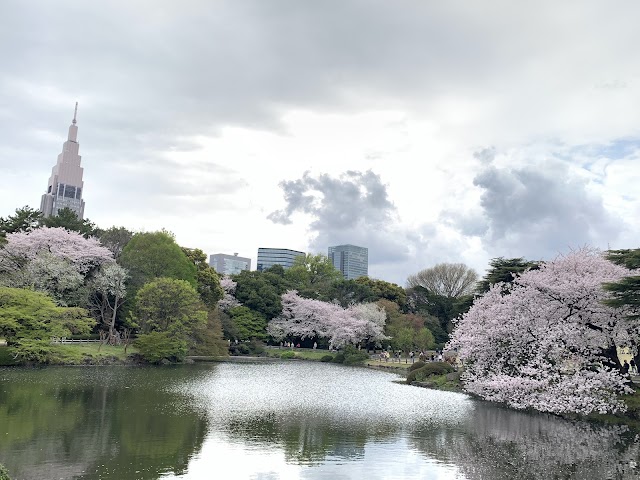
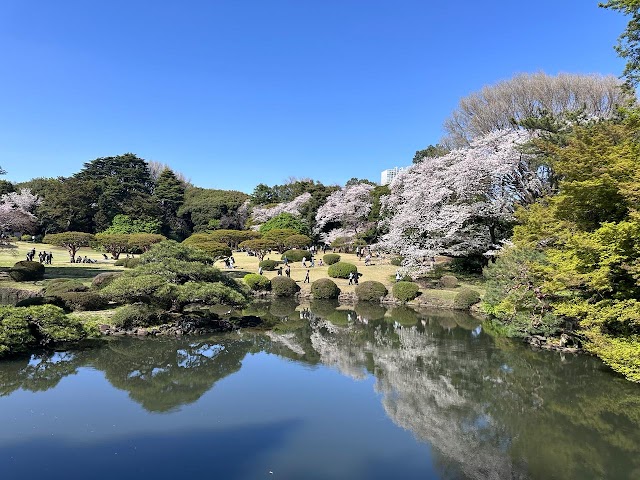
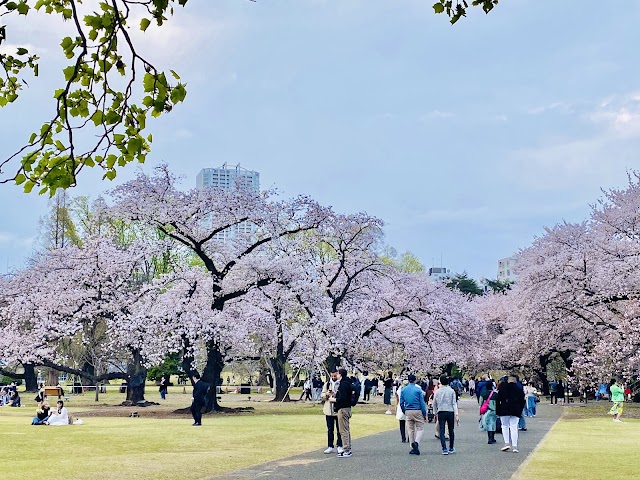
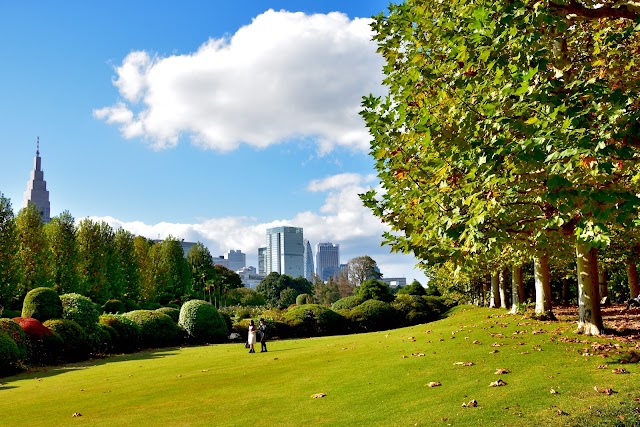
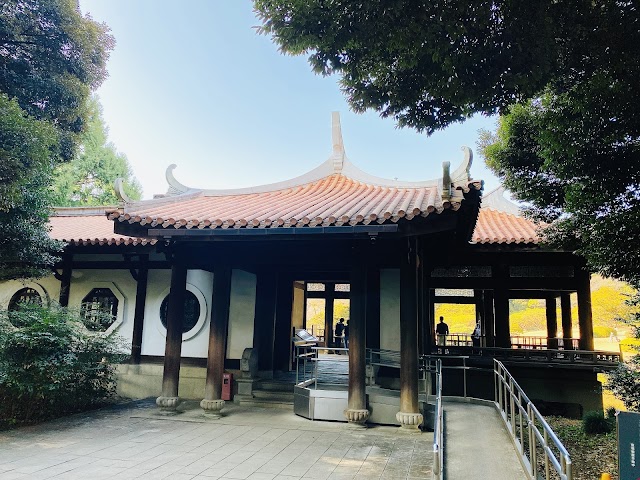
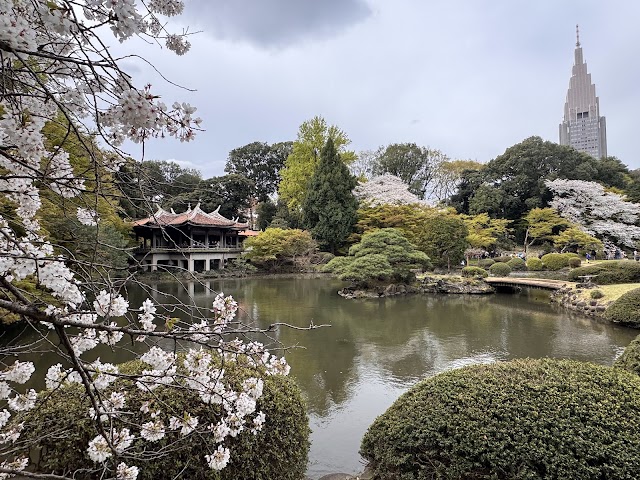
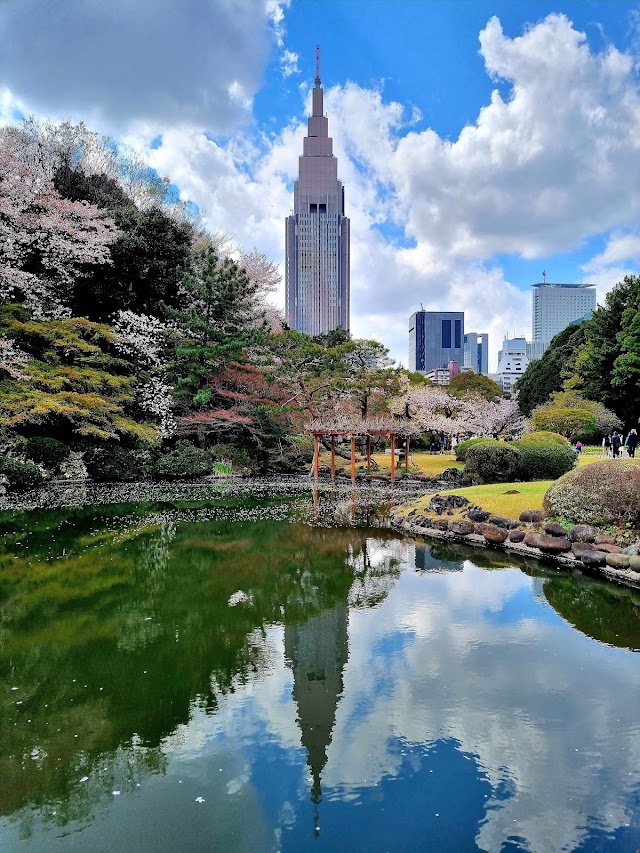
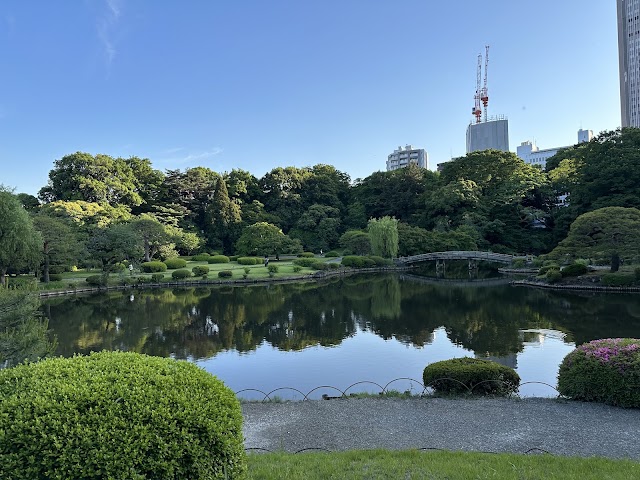
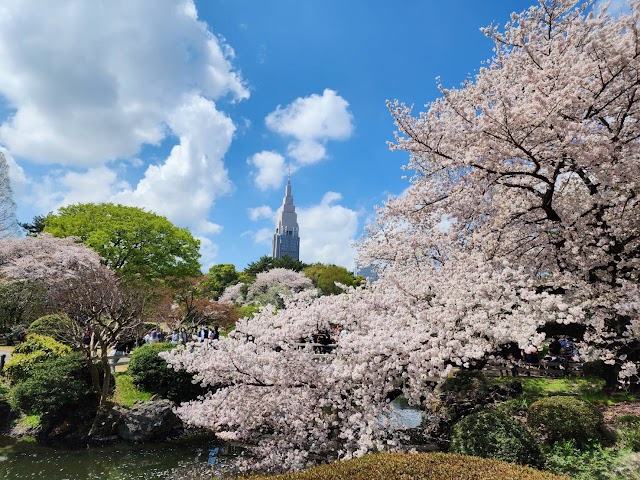
For the quietest, cleanest, best-scenery picnic and leaf-viewing, pay the ¥500 into Shinjuku Gyoen — the best all-round garden in the city. It is a paid national garden, and precisely because it charges and has rules, the turf and order are a notch above free parks, which suits small children or anyone wanting to sit quietly. It is also a Shinjuku foliage highlight, with Japanese, English and French gardens and a peak around late November into early December. Two things to flag for visitors: alcohol is banned and bags are checked at the gate, and ball games and play equipment are not allowed — this is a place for quiet viewing, not a picnic party, and knowing that up front saves disappointment.
★ No alcohol, bag checks at the gate, no ball games or play gear; opening hours and closing day (usually Monday, shifted after holidays) per official notices, and busy in autumn.
VENUE INFO
Address: 11 Naitōmachi, Shinjuku City, Tokyo 160-0014
Phone: 03-3350-0151
Hours: Monday: Closed; Tuesday: 9:00 AM – 6:00 PM; Wednesday: 9:00 AM – 6:00 PM; Thursday: 9:00 AM – 6:00 PM; Friday: 9:00 AM – 6:00 PM; Saturday: 9:00 AM – 6:00 PM; Sunday: 9:00 AM – 6:00 PM
Closed: Monday
Nearest Sta.: About 5 minutes from Shinjuku-gyoenmae Station (Tokyo Metro Marunouchi line)
Price: Admission ¥500 for adults (free for junior-high age and under; confirm officially)
Google rating: 4.6(45,582 則評論)
Verified: 2026-08-31 16:01 Google Maps
國營昭和紀念公園
Photos: takaaki nakakoshi、nobu chan、Chuan、taki taka (tak-sonk)、稔、nakatch、K .K、maggie yu、TED、Raven kisses / Google Maps
國營昭和紀念公園
Why we recommend
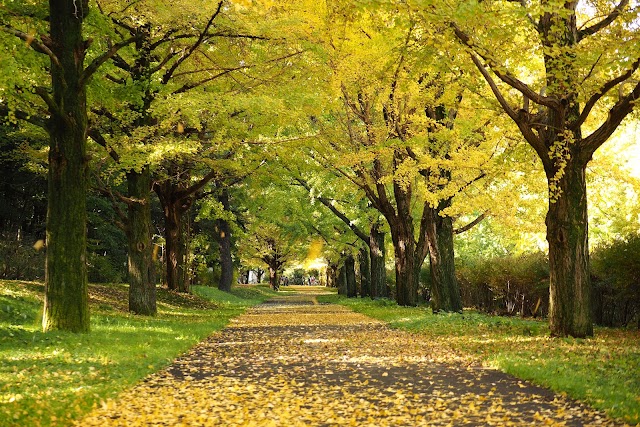
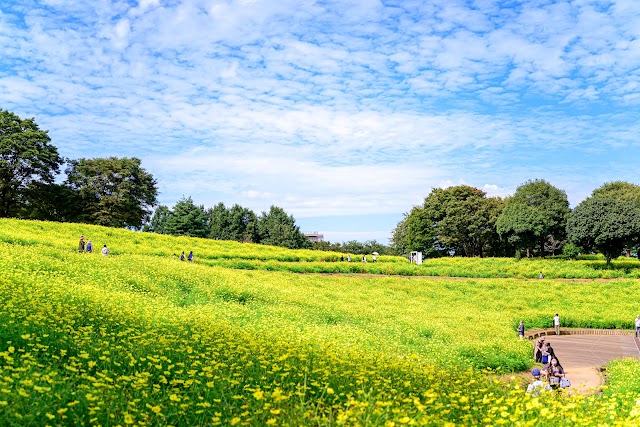
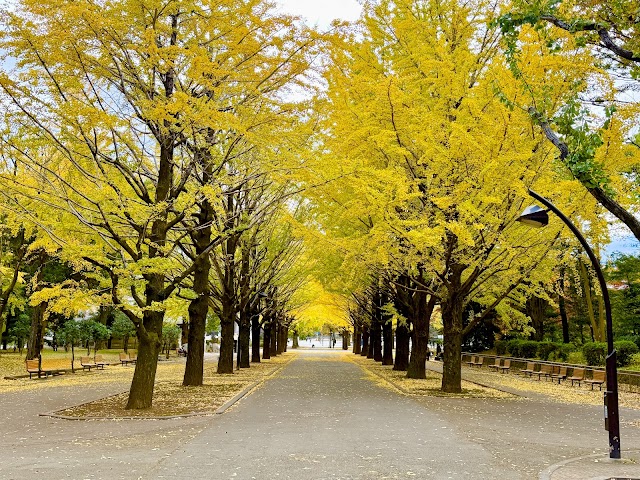
If you will travel about 40 minutes west of the centre for Tokyo's most spectacular autumn colour, that is Showa Kinen Park. A vast national park, its signature is two golden ginkgo avenues that turn the paths into tunnels of gold in autumn — postcard-grade scenery, best around mid-to-late November. It is big enough for a whole day: lawn picnics, bike rental, water plazas for children, plus a paid barbecue garden for families wanting to upgrade to a cookout. The positioning: this is a destination park for a dedicated full day, not a stopover, worth a solid half-day to a day paired with dining around Tachikawa.
★ Very large, so pick your gate and lawn from the official map to avoid long detours; barbecue needs booking and a fee, and the ginkgo avenues crowd at weekends.
VENUE INFO
Address: 3173 Midorichō, Tachikawa, Tokyo 190-0014
Phone: 042-528-1751
Hours: Monday: 9:30 AM – 5:00 PM; Tuesday: 9:30 AM – 5:00 PM; Wednesday: 9:30 AM – 5:00 PM; Thursday: 9:30 AM – 5:00 PM; Friday: 9:30 AM – 5:00 PM; Saturday: 9:30 AM – 6:00 PM; Sunday: 9:30 AM – 6:00 PM
Nearest Sta.: About 10 minutes from Tachikawa Station (JR Chuo line) or 2 minutes from Nishi-Tachikawa Station (JR Ome line)
Price: Admission ¥450 for adults (free for junior-high age and under; confirm officially)
Google rating: 4.4(15,958 則評論)
Verified: 2026-08-31 16:01 Google Maps
井之頭恩賜公園
Photos: SPCA663 Little B、よこさん、ホルリン、Dian Zhang、zie yung chen、wdung wai wong、alan merriman、Tommy Shuu (shuzxjp)、Chiko、HAJiME / Google Maps
井之頭恩賜公園
Why we recommend
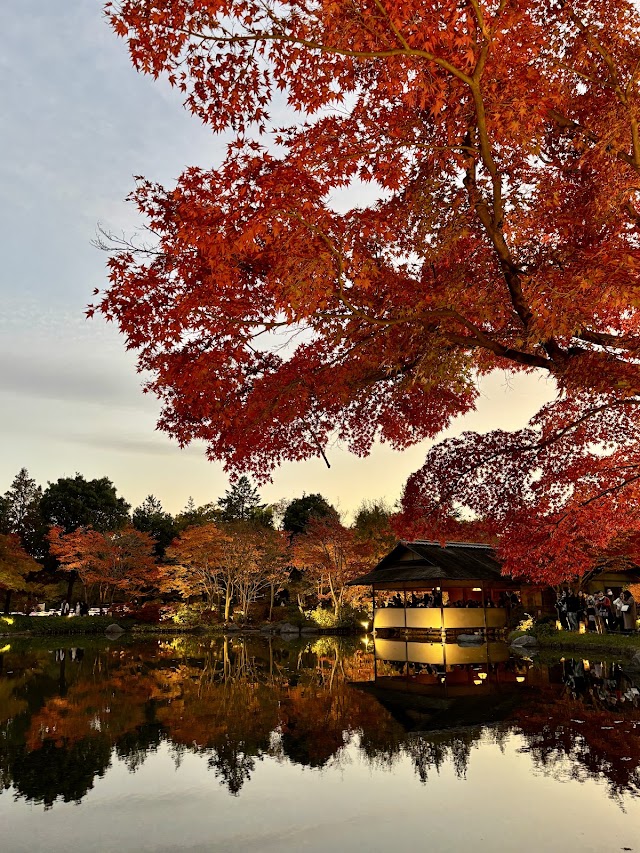
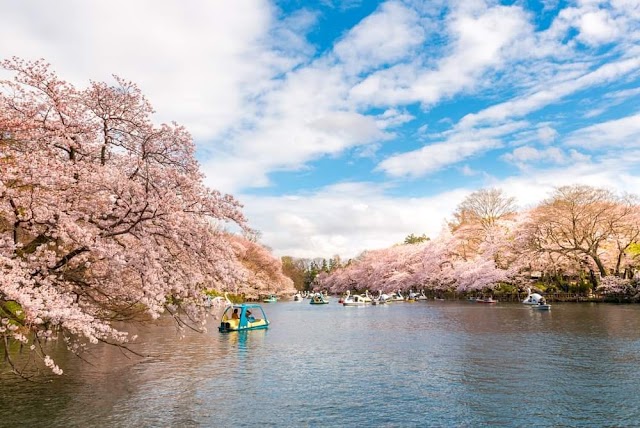
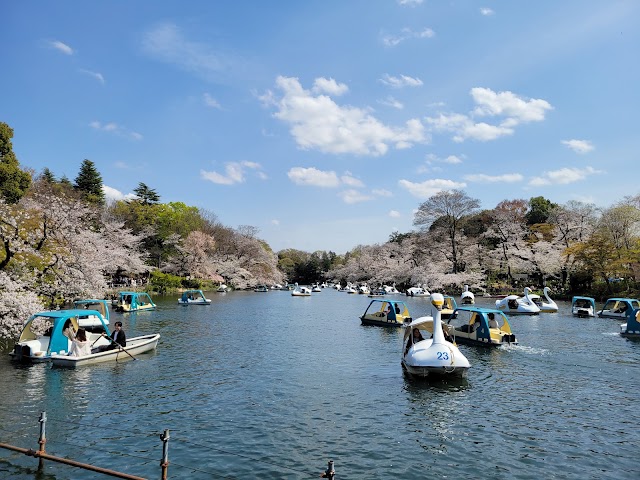
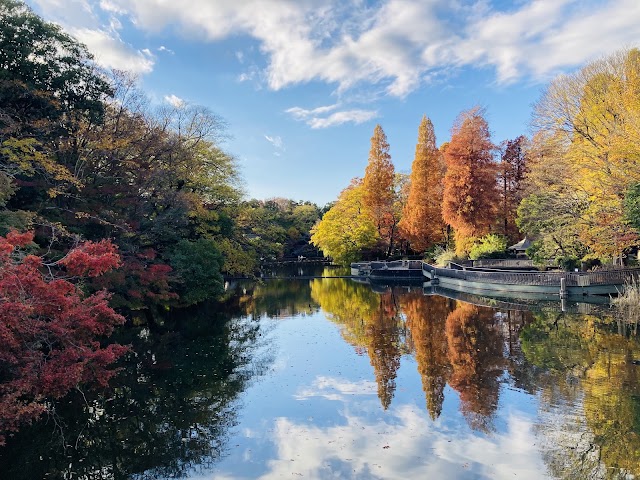
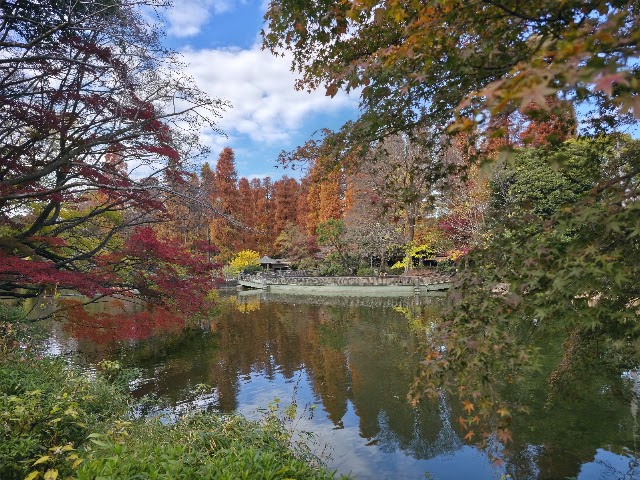
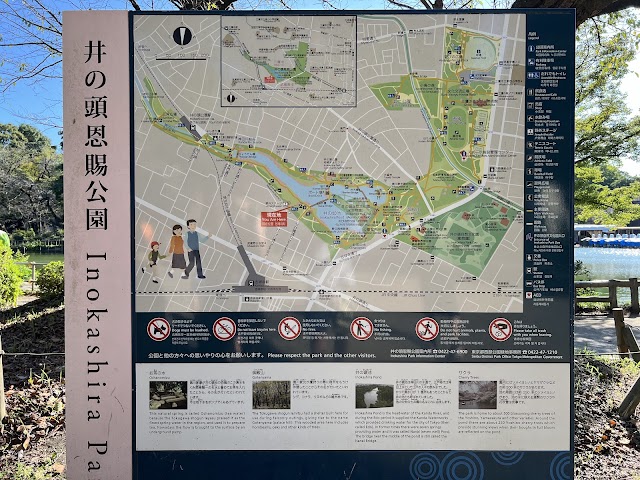
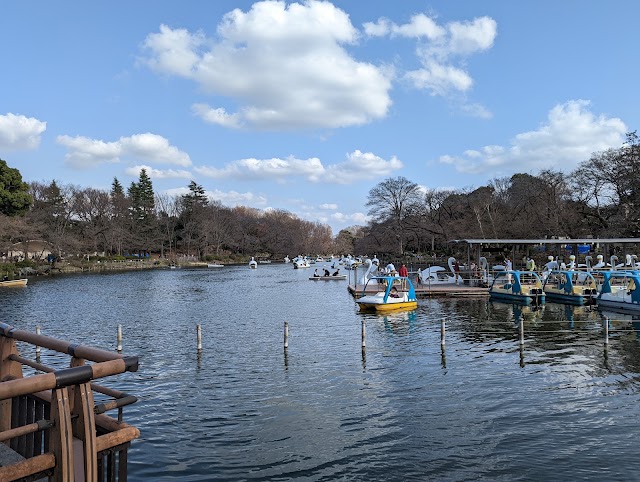
To tie a picnic to a browsable neighbourhood, Inokashira Park is the smoothest choice. Within walking distance of Kichijoji Station, it centres on a pond ringed with greenery; in autumn the maples and zelkova reflect in the water for very photogenic suburban colour. Its soul is that pond and its swan boats — rowing among the leaves is the signature. A suggested day: browse Kichijoji's shopping street in the morning for the famous minced-meat cutlet and sweets, picnic on the grass at noon, then row a boat or walk toward the Ghibli Museum in Mitaka. The mood is more relaxed than central parks, half locals half visitors, ideal for a lived-in but not-too-far picnic day.
★ Grass and boats are both popular at weekends, and boats may involve a queue; some pondside areas are off the grass, so follow on-site signs.
VENUE INFO
Address: 1-chōme-18-31 Gotenyama, Musashino, Tokyo 180-0005
Phone: 0422-47-6900
Hours: Monday: Open 24 hours; Tuesday: Open 24 hours; Wednesday: Open 24 hours; Thursday: Open 24 hours; Friday: Open 24 hours; Saturday: Open 24 hours; Sunday: Open 24 hours
Nearest Sta.: About 5 minutes from Kichijoji Station (JR Chuo / Keio Inokashira lines)
Price: Free admission (boat rental and other facilities charge separately)
Google rating: 4.4(13,651 則評論)
Verified: 2026-08-31 16:01 Google Maps
砧公園
Photos: Hiro Mnjj / Google Maps
砧公園
Why we recommend
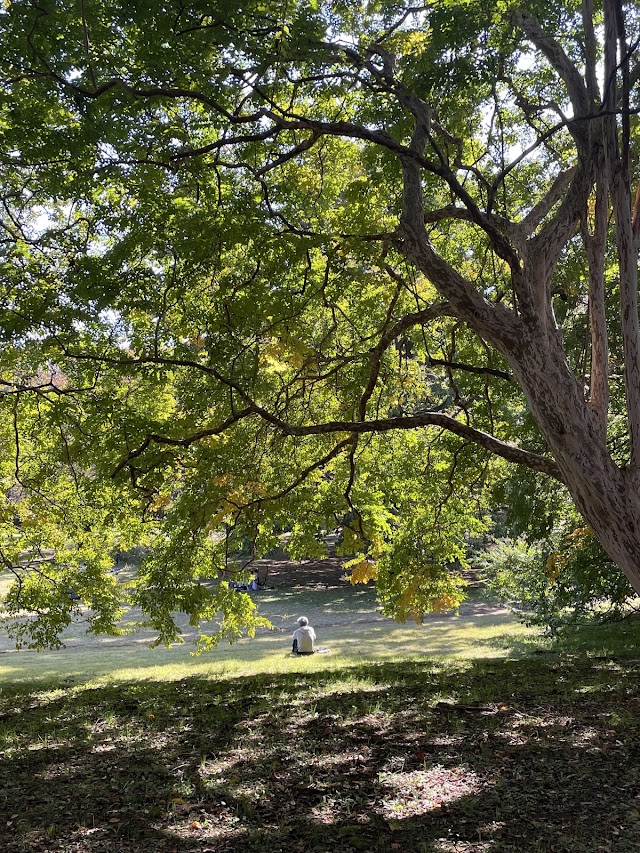
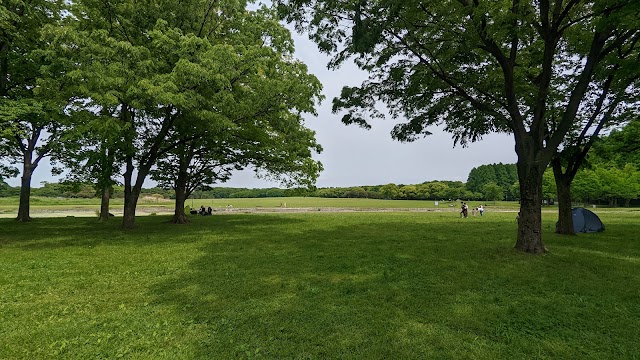
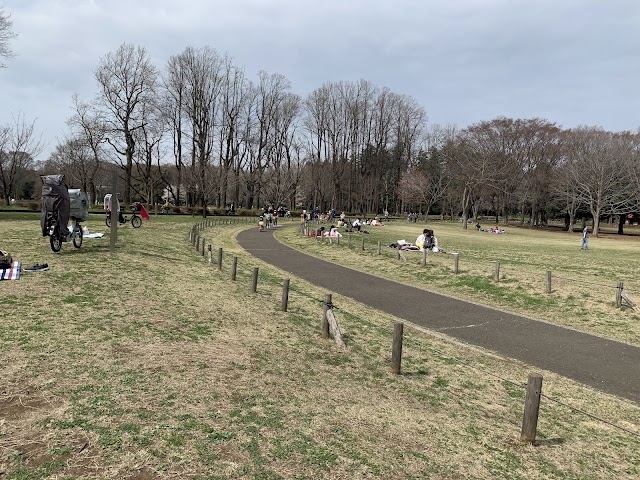
Setagaya's picnic mecca is Kinuta Park: a broad, level, well-shaded lawn — the ideal terrain for a picnic. Less touristy than Yoyogi and less far than Showa Kinen, it is the kind of park where locals bring a mat and lie down for a weekend afternoon, relaxed in mood. The Setagaya Art Museum inside makes an easy add-on, and with a children's play area it draws families too. In autumn the zelkova and maples colour against the open grass. The positioning: to experience an everyday Tokyo picnic rather than a sightseeing set-piece, Kinuta is closer to the real thing than the postcard spots. It is a walk from the station with thinner nearby supply, so stock up at Yoga Station or a convenience store first.
★ About 20 minutes from the station or a bus, with fewer nearby stores, so buy food and drink first; families fill it at weekends and the play area is lively.
VENUE INFO
Address: 1-1 Kinutakōen, Setagaya City, Tokyo 157-0075
Nearest Sta.: About 20 minutes on foot from Yoga Station (Tokyu Den-en-toshi line), or a short bus ride
Price: Free admission
Verified: 2026-08-31 16:01 Google Maps
駒澤奧林匹克公園
Photos: T Z、内藤透、まつゆき、GHN、Jordan Lee Parker、Matsuda Takashi、Hiroyuki Kanagu、Ciikawa friends、Kou K、N / Google Maps
駒澤奧林匹克公園
Why we recommend
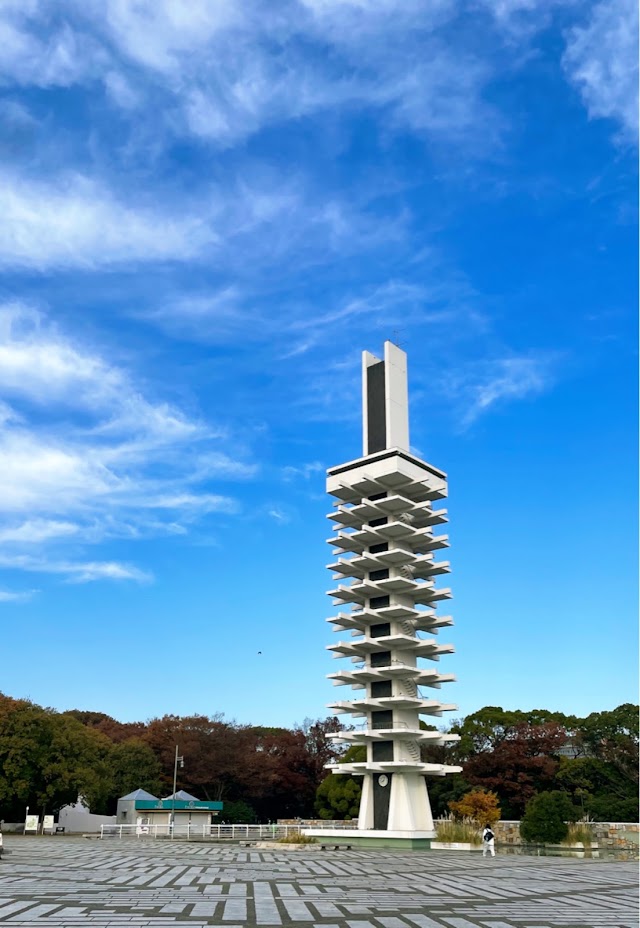
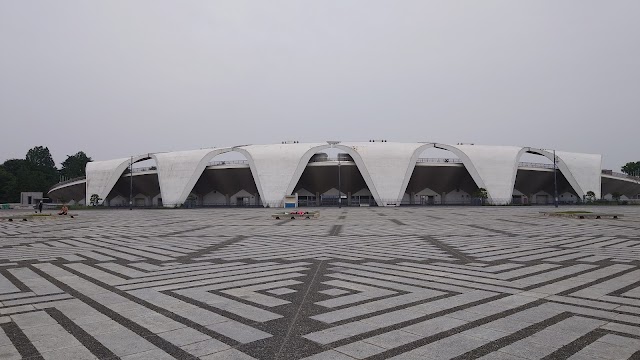
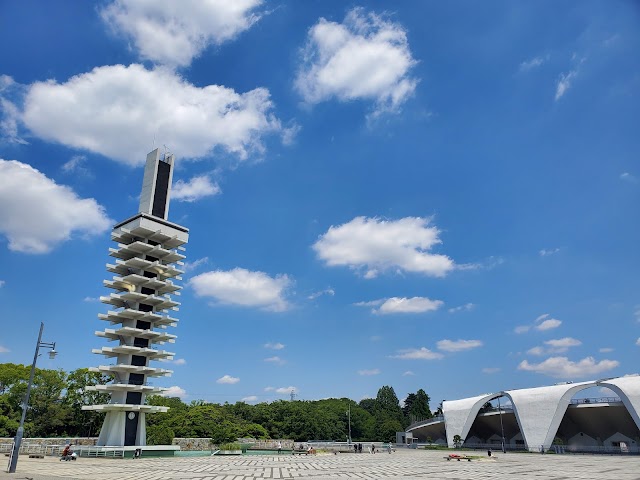
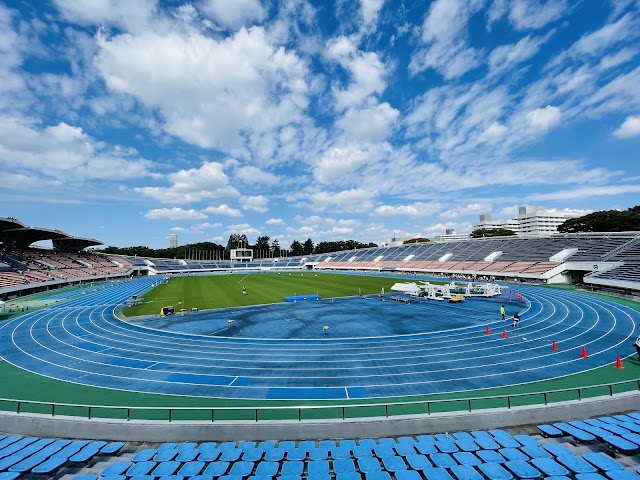
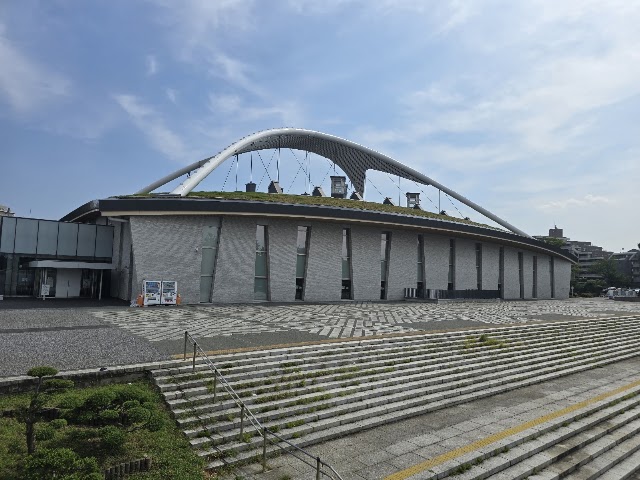
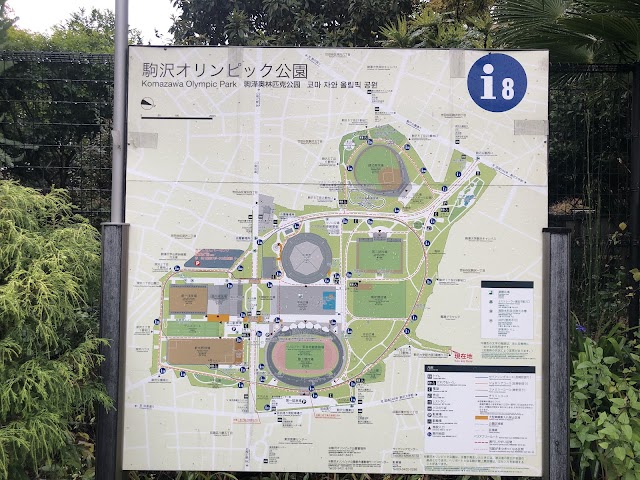
This is the most sport-charged park in central Tokyo, good for visitors who like to move rather than only lie down. Komazawa grew from a 1964 Tokyo Olympics venue, with a broad central plaza and a running-and-cycling loop that fills at weekends with runners, skaters and cyclists — plenty of energy. Its autumn signature is a long zelkova avenue that becomes a warm-toned tunnel when it turns, lovely to walk or jog. A suggested flow: picnic lunch on the lawn, a digestive stroll down the zelkova avenue, then browse toward Sangenjaya or Jiyugaoka. About 15 minutes from the station with shops nearby for supplies, it is easier to provision than Kinuta — a balanced choice for both movement and rest.
★ Runners and cyclists share busy paths, so set your mat on the lawn away from the tracks; sport crowds cluster at weekends.
VENUE INFO
Address: 1-1 Komazawakōen, Setagaya City, Tokyo 154-0013
Phone: 03-3421-6431
Hours: Monday: Open 24 hours; Tuesday: Open 24 hours; Wednesday: Open 24 hours; Thursday: Open 24 hours; Friday: Open 24 hours; Saturday: Open 24 hours; Sunday: Open 24 hours
Nearest Sta.: About 15 minutes from Komazawa-daigaku Station (Tokyu Den-en-toshi line)
Price: Free admission
Google rating: 4.1(7,078 則評論)
Verified: 2026-08-31 16:01 Google Maps
光丘公園
Photos: 白鳥円啓、山田隆司、はるちん.y、鳴海彰三(エレファントぞう)、かつお、堀越大樹、杭田知浩、柿原和明(Kackey)、小室兼二、swallow mobile / Google Maps
光丘公園
Why we recommend
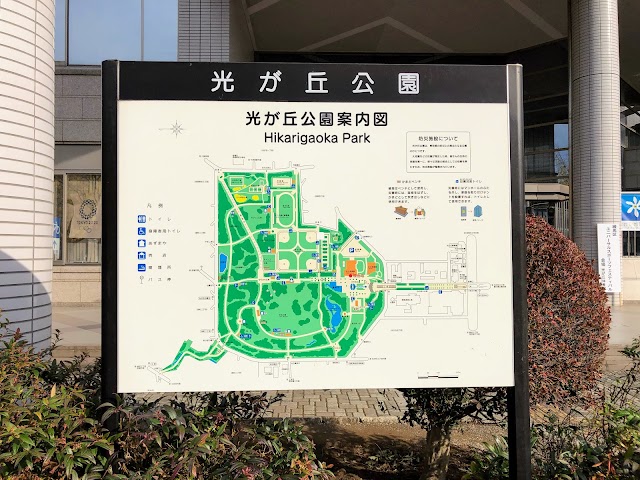
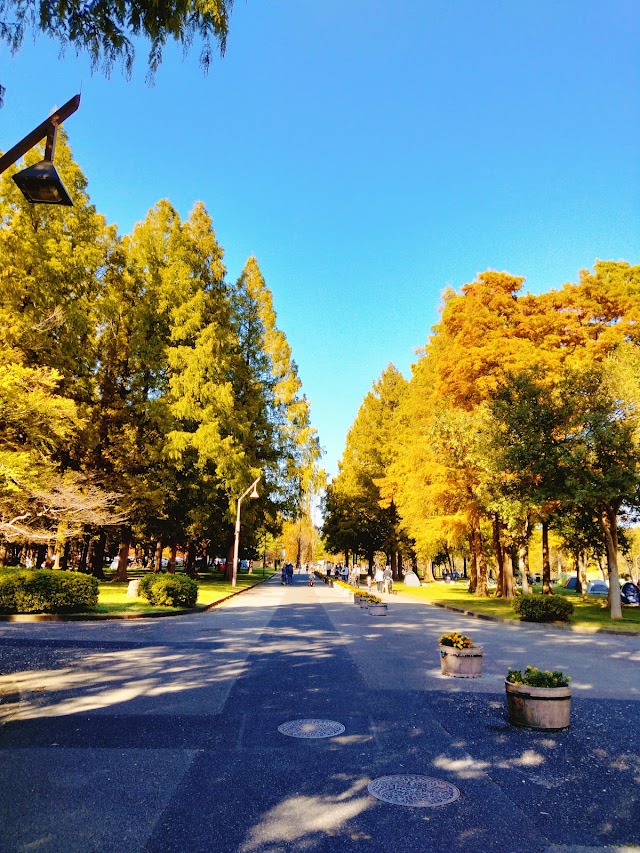
A large metropolitan park on the Nerima side, winning on size, convenience and local feel. Hikarigaoka has broad lawns and a handsome ginkgo avenue that makes it the area's best free autumn spot when it golds around late November. It connects to Hikarigaoka Station and a shopping centre, so supply is very easy — buy at the station, picnic on arrival, a smooth flow that beats many far-from-station parks. A paid barbecue plaza lets families upgrade to a cookout. The positioning: if you stay on the north side of the centre or along the Seibu or Oedo lines, this is the least-effort picnic-and-ginkgo choice, light on tourism and heavy on local life, good for avoiding the crush at famous spots.
★ The barbecue plaza needs booking and a fee, and open flames are not allowed on ordinary lawns; the ginkgo peak is short and weekends are busier.
VENUE INFO
Address: 4-chōme-1-1 Hikarigaoka, Nerima City, Tokyo 179-0072
Phone: 03-3977-7638
Hours: Monday: Open 24 hours; Tuesday: Open 24 hours; Wednesday: Open 24 hours; Thursday: Open 24 hours; Friday: Open 24 hours; Saturday: Open 24 hours; Sunday: Open 24 hours
Nearest Sta.: About 8 minutes from Hikarigaoka Station (Toei Oedo line)
Price: Free admission (barbecue plaza and other facilities charge separately)
Google rating: 4.2(4,203 則評論)
Verified: 2026-08-31 16:01 Google Maps
水元公園
Photos: 小林正敏、櫻井安男、U Ki、鈴木美智代、ioui8、Yasuo K / Google Maps
水元公園
Why we recommend
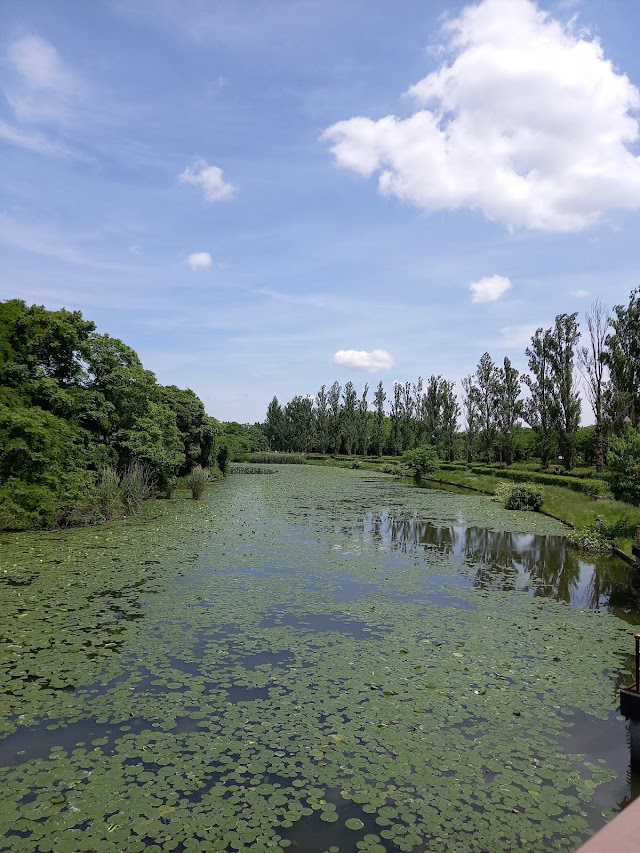
For autumn colour unlike a typical Tokyo park, head east to Mizumoto Park. One of the city's largest waterside parks, it spreads along the water on open ground, and its signature is a forest of roughly 1,800 metasequoia (dawn redwood) that turns brick-red in autumn — a rare conifer-foliage spectacle for Tokyo, peaking around mid-November into early December, later and more memorable than the city's ginkgo and maple. With broad grounds, plenty of water views and comparatively dispersed crowds, it suits mat picnics and unhurried walks. Plainly: it is far from the centre with a bus transfer, best as a dedicated half-day to shoot the scenery and picnic alongside — well worth the trip for photography lovers in particular.
★ A bus transfer from the station and a very large site, so fix your target area first; it is windy and cool by the water, so bring an extra layer for an autumn picnic.
VENUE INFO
Address: 〒125-0034 Tokyo, Katsushika City, Mizumotokōen, 3−2 水元公園管理事務所
Nearest Sta.: About 10 minutes by bus from Kanamachi Station (JR Joban line)
Price: Free admission
Verified: 2026-08-31 16:01 Google Maps
小金井公園
Photos: GH kuo、Linh Nguyễn Chí、会いにくるカメラマン朔丸、ts y、鼻でか太郎、life good、夜倉幹夫、Thomas Hadden、キングF / Google Maps
小金井公園
Why we recommend
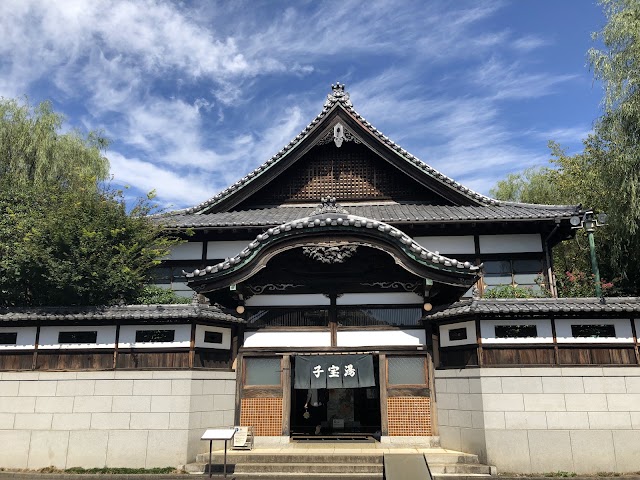
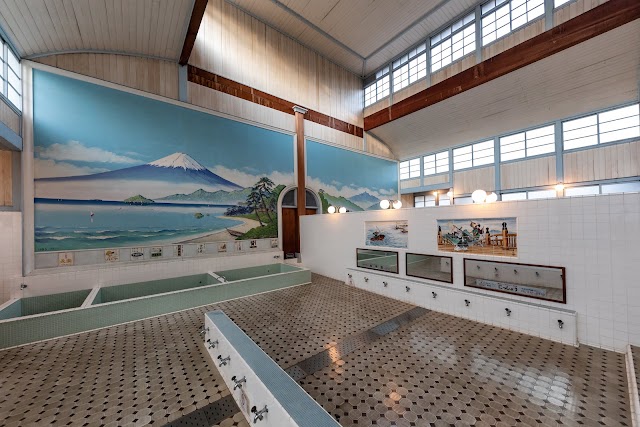
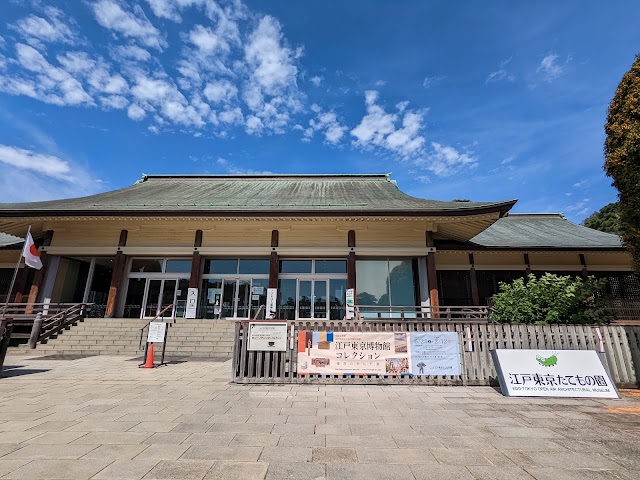
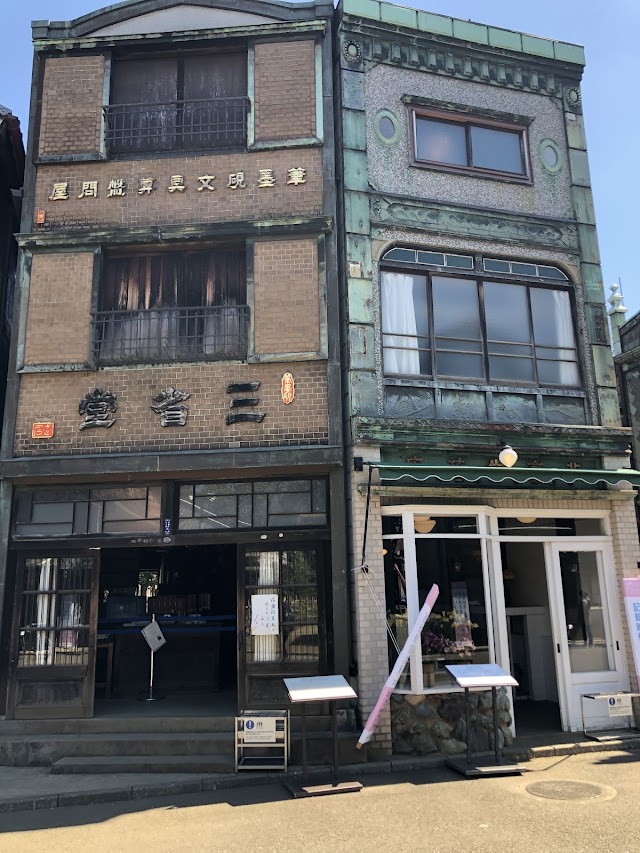
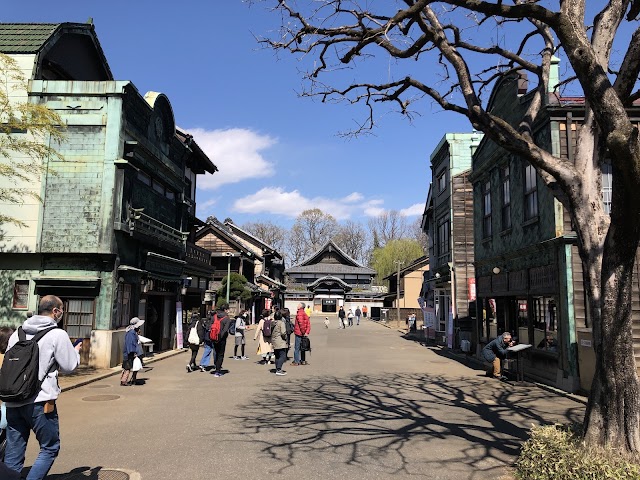
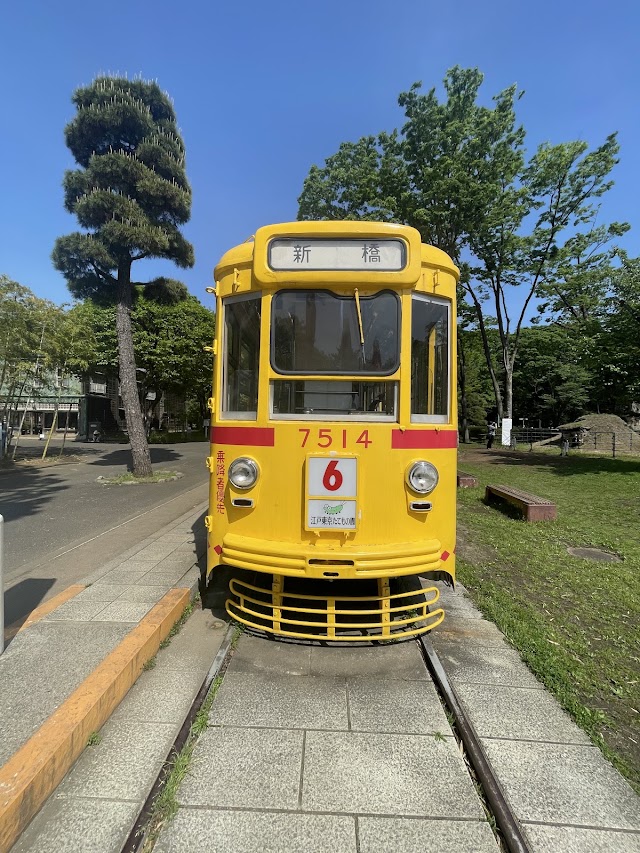
One of the largest metropolitan parks in the Tama area, winning by combining picnic, culture and open nature in one place. Koganei Park has vast grounds and sweeping lawns, a weekend picnic staple for locals along the Chuo line; in autumn the zelkova and maples colour beautifully against the wide grass. Its biggest bonus is the Edo-Tokyo Open Air Architectural Museum inside — an outdoor museum of whole relocated old Tokyo townhouses, bathhouses and shops, where beyond the picnic you can walk through a stretch of the city's modern life (often cited as an inspiration for Miyazaki's Spirited Away). A suggested flow: picnic lunch, then the architectural museum in the afternoon — outdoor, indoor and cultural in one park half-day, good for children and lovers of old buildings alike.
★ The architectural museum charges separate admission and has closed days, so check before going; a bus transfer from the station, and the lawns fill at weekends.
VENUE INFO
Address: 1-chōme-13-1 Sekinochō, Koganei, Tokyo 184-0001
Phone: 042-385-5611
Hours: Monday: Open 24 hours; Tuesday: Open 24 hours; Wednesday: Open 24 hours; Thursday: Open 24 hours; Friday: Open 24 hours; Saturday: Open 24 hours; Sunday: Open 24 hours
Nearest Sta.: About 5 minutes by bus from Musashi-Koganei Station (JR Chuo line)
Price: Free admission (Edo-Tokyo Open Air Architectural Museum and other facilities charge separately)
Google rating: 4.3(6,930 則評論)
Verified: 2026-08-31 16:01 Google Maps
※ Business info may change; please check the venue's official sources before visiting.
← Back to home