Japan's New Logistics Reform Law Aims to Cut Truck Driver Waiting Time
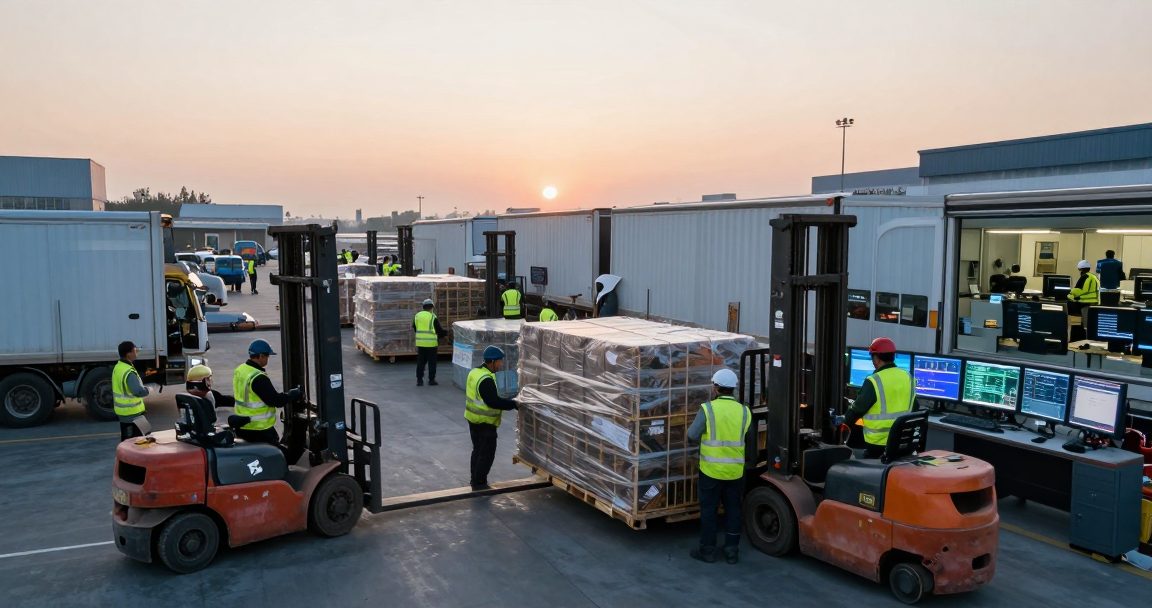
- Japan fully implemented the amended Logistics Efficiency Act in April.
- Companies handling over 90,000 tons of cargo annually are designated as 'specific consignors'.
- The law prohibits unnecessary waiting times for truck drivers and imposes penalties for violations.
- The government is increasing pressure on consignors to improve working conditions.
- A reservation system is being tested to address inefficiencies in the logistics sector.
Japan's logistics industry has long struggled with labor shortages and operational inefficiencies. The full implementation of the amended Logistics Efficiency Act in April marks a significant step toward improving working conditions for truck drivers. For Taiwanese businesses, this reform offers a valuable reference for addressing similar challenges in the local logistics sector.
The law targets companies handling over 90,000 tons of cargo annually, designating them as 'specific consignors' and imposing clear obligations to prevent unnecessary waiting times for drivers. This shift in corporate responsibility is particularly relevant for Taiwan, where labor law reforms have increasingly emphasized the duty of companies toward outsourced workers. As Taiwan seeks to enhance its logistics competitiveness, Japan's approach provides a practical international model.
Structurally, Japan's logistics sector has been adapting to demographic and labor challenges, a situation familiar to Taiwan. Both countries are exploring digital and systemic solutions to maintain efficiency. Japan's introduction of a reservation system is a clear example of digital transformation in action.
What will be crucial to watch is how Japan enforces and monitors compliance with the new law. For Taiwan to adopt a similar strategy, it must also establish supporting measures, such as clear penalties and driver protection mechanisms. This will be key to determining whether the logistics industry can truly turn around.