Tokyo Metro's New Office Unveiled: How Does It Differ From Other Corporate Relocations?
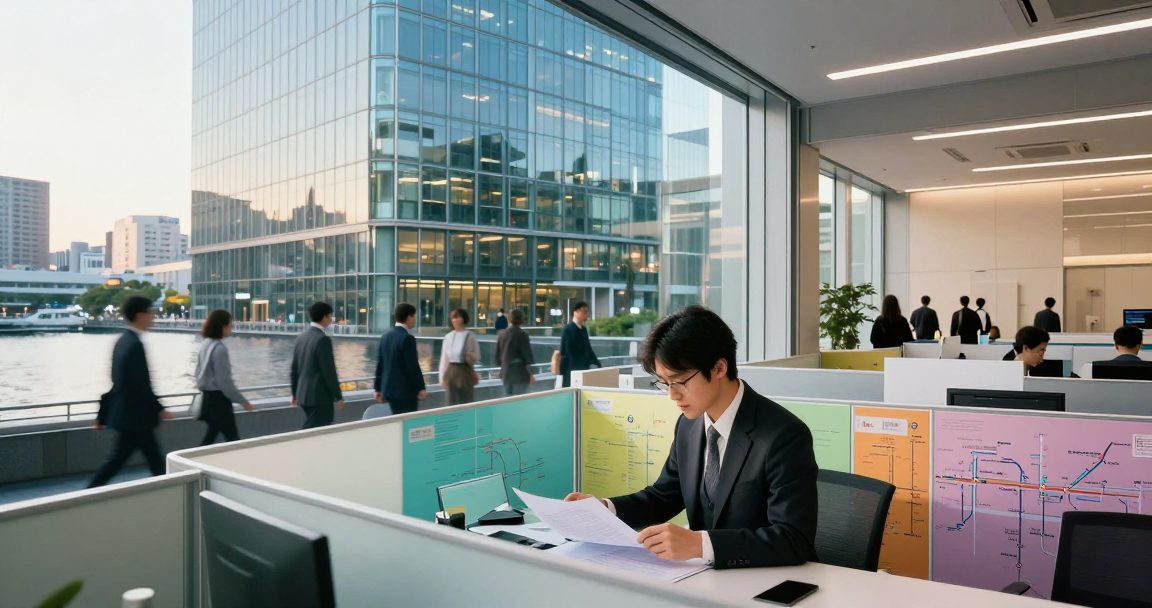
- Tokyo Metro has relocated its headquarters from Ueno to a 25-floor building along the Sumida River.
- The new office incorporates station-like design elements and meeting rooms color-coded by subway lines.
- This relocation is described as temporary, not a long-term strategic move.
- It differs from relocations by companies like Seibu HD and Keikyu Electric Railway.
- Tokyo Metro emphasizes the new office as a space for business and image display.
Taiwanese investors and businesses have increasingly paid attention to corporate relocation trends in Japan. Tokyo Metro's recent move offers a new lens for observation. Unlike Seibu HD or Keikyu Electric Railway, this relocation is explicitly labeled as 'temporary,' suggesting it is not a traditional cost-saving or urban renewal strategy, but rather a move focused on business engagement and brand image. This approach could mean more opportunities for Taiwanese firms to interact with core decision-makers in Japanese transportation companies, potentially strengthening business ties.
The office's design, incorporating station-like elements and color-coded meeting rooms, reinforces brand identity and may influence future corporate office trends. For Taiwanese architects and designers, the rise of 'transport-themed offices' could represent new market opportunities, especially in the intersection of transportation and real estate.
Behind corporate relocations in Japan often lies broader industry adjustments and urban development. Tokyo Metro's case shows that transport companies are actively using spatial strategies to strengthen public connections, aligning with the recent trend of retail and service sectors adjusting store and space designs. Taiwanese firms looking to expand in Japan should closely monitor such changes in brand image and spatial strategy.
What to watch next is the effectiveness of Tokyo Metro's new office and whether there will be further adjustments. Although no specific timeline is mentioned, whether this 'temporary' move extends or becomes a long-term strategy will be a key point for future observation.